

20 Shrines in Okayama worth your time
Japan Gems
Okayama Prefecture has 52 shrines, including Aoe Shrine and Okayama Shrine. Visitors can find a mix of historical and local places of worship.
Okayama has 56 shrines on Japan Gems. Below are the 20 we can tell you the most about — each one written up in English from Japanese sources, with what to see and how to get there. See all shrines in Okayama.
01
Katayamahiko Shrine
OKAYAMA · SHRINE 片山日子神社
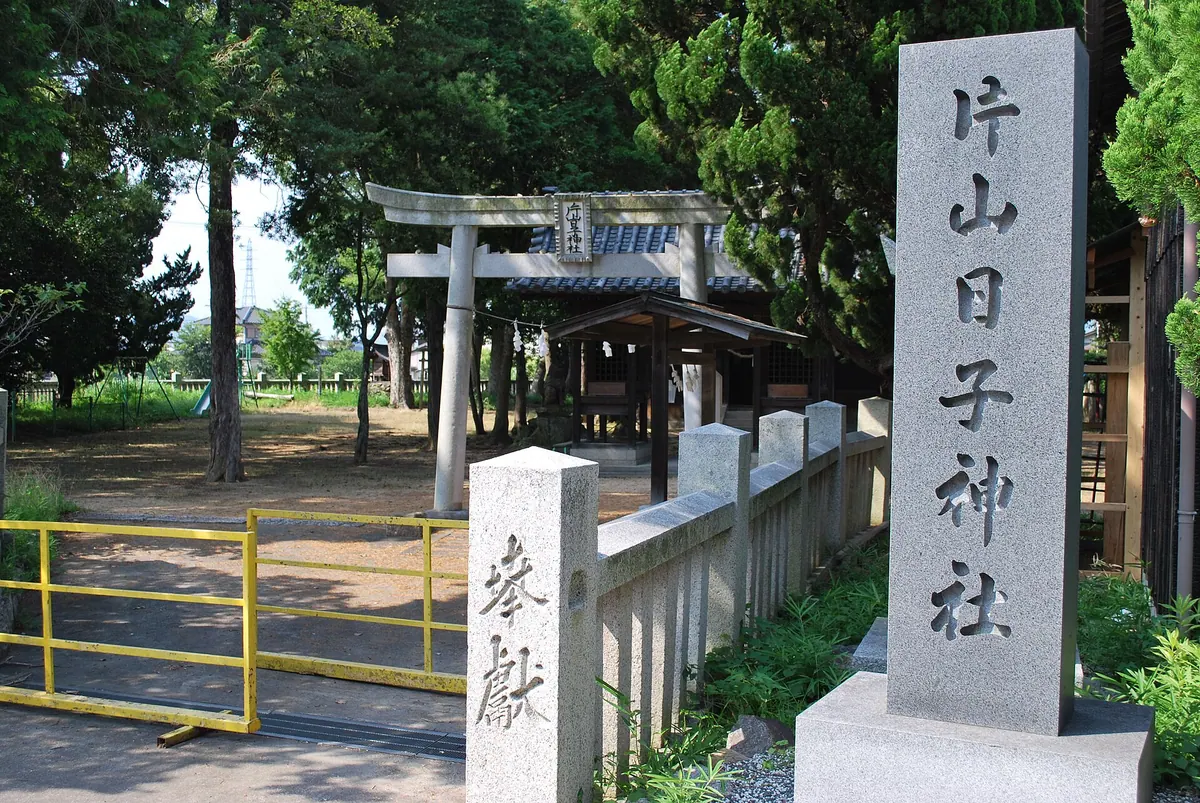
A historic shrine in Setouchi City featuring rare mathematical tablets and an intricately carved zelkova wood festival float.
What it is
- A minor shrine dedicated to Katayamahiko-no-kami listed in the ancient Engishiki Jinmeicho records.
- The current site was established in 1055 after moving from Mount Kamiyama.
- A religious site formerly known as Katayama Daimyojin in historical texts.
- The shrine was officially designated as a district shrine in 1873.
What to see
- A mathematical tablet created by students of the Manshuntei school.
- An 1882 festival float made entirely of zelkova wood.
- Municipal cultural properties including the historic mathematical tablet and the wooden float.
When to go
- The annual autumn festival features a parade of the historic zelkova wood float.
02
Achi Shrine
OKAYAMA · SHRINE 阿智神社
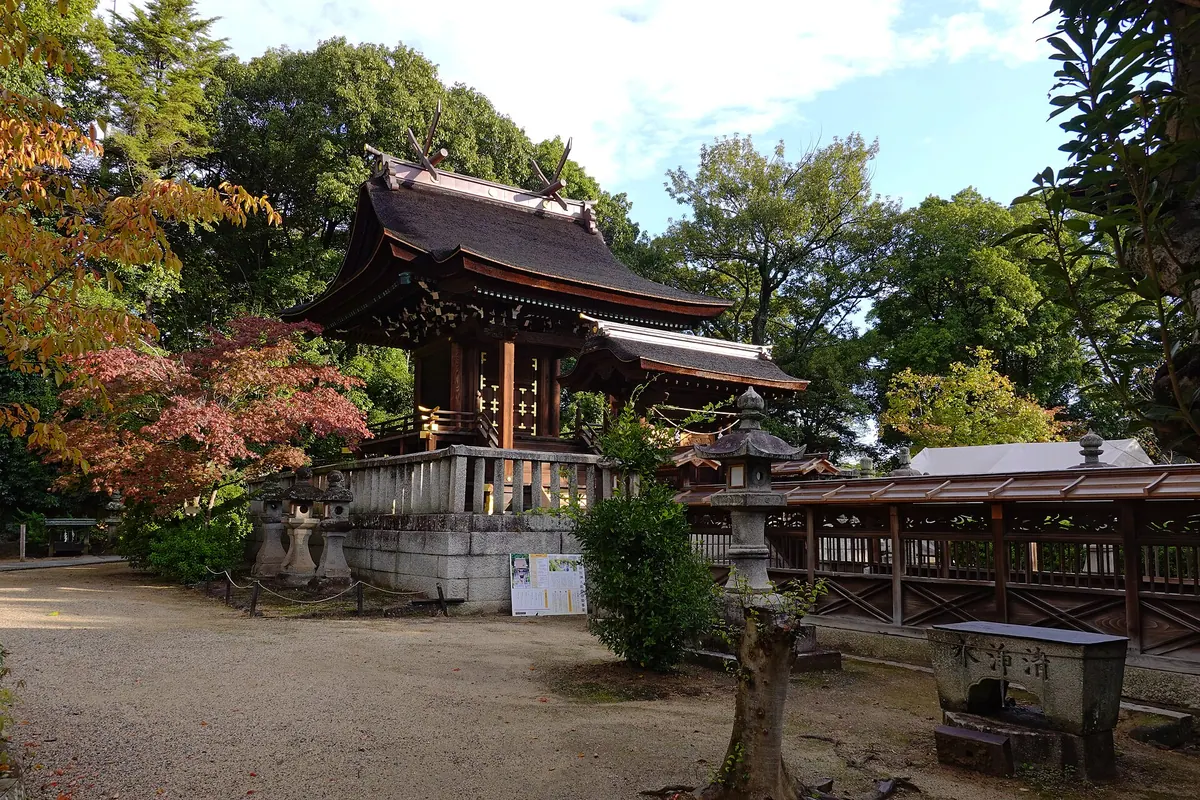
Achi Shrine: ancient garden, unique rock formations, and Japan's oldest wisteria, worth an hour.
What it is
- Originated from a garden created by the Achi clan.
- Enshrines Munakata Sanjojin, guardian deities of maritime traffic.
What to see
- Ancient Tsurukame style garden on the grounds.
- Numerous iwakura, including Amatsu Iwakura.
- Saikan building garden has Yin-Yang Iwakura and a suikinkutsu.
- Noh stage, Basho-do, and Ema-den structures.
- Achi-no-Fuji, Japan's largest and oldest wisteria.
When to go
- Wisteria Festival is held annually from May 3rd to 5th.
Getting there
- Located on Tsurugata-yama in Kurashiki City.
- Situated north of the Kurashiki Bikan Historical Quarter.
- Address
- 岡山県倉敷市本町12-1 Map
- Official site
- achi.or.jp
03
Sugō Shrine
OKAYAMA · SHRINE 菅生神社
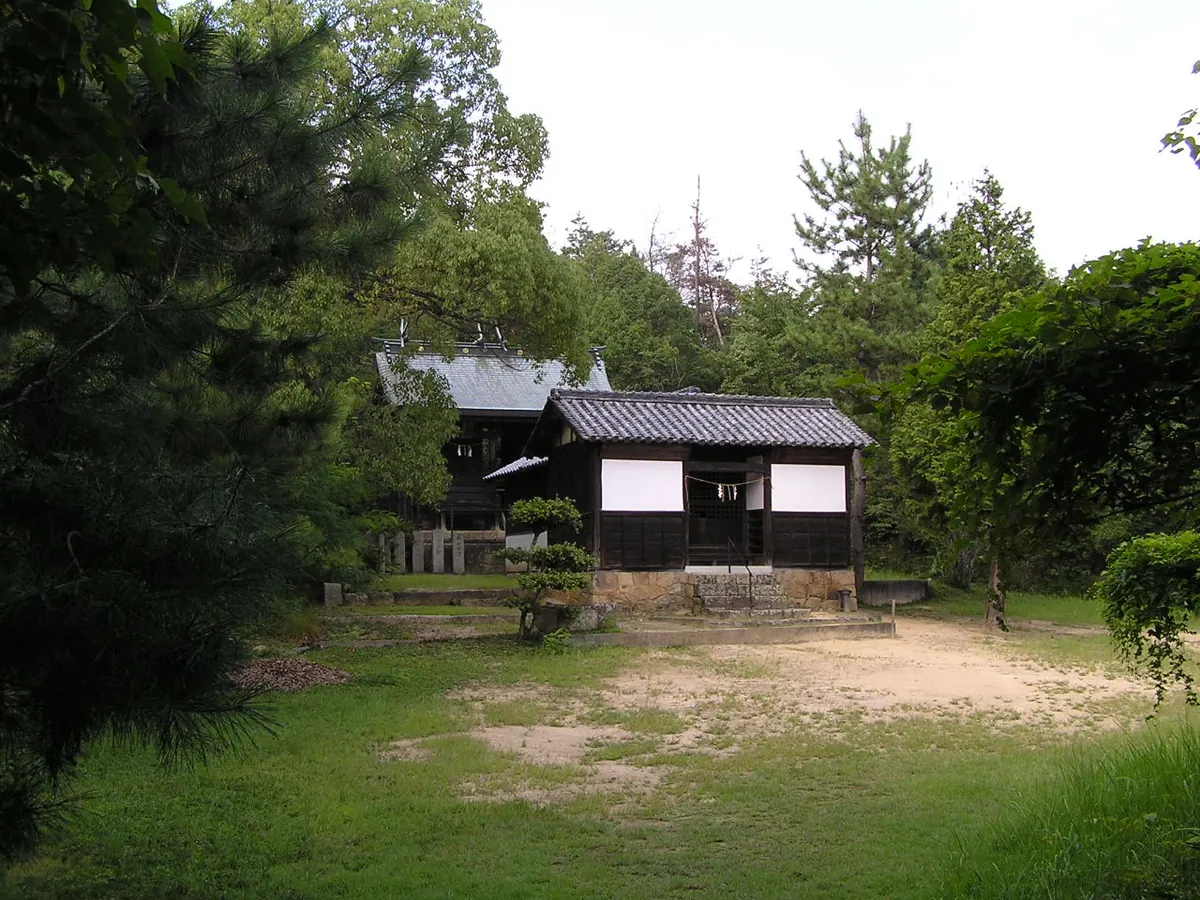
A historic village shrine in Kurashiki dedicated to Takamimusubi no Kami, featuring a unique dual-hall main sanctuary structure.
What it is
- A former village shrine serving as the guardian for the Miwa district.
- Dedicated to the main deity Takamimusubi no Kami and secondary deity Hime Ookami.
- A candidate for the ancient Shikinaisha Sugo Shrine mentioned in historical records.
- The namesake for the surrounding Sugo district with records dating back to 878.
What to see
- The main sanctuary building which consists of two connected halls.
- A minimalist site containing no other structures besides the primary shrine building.
Getting there
- A 32 minute walk from JR Kurashiki Station.
04
Kibitsu Shrine
OKAYAMA · SHRINE 吉備津神社
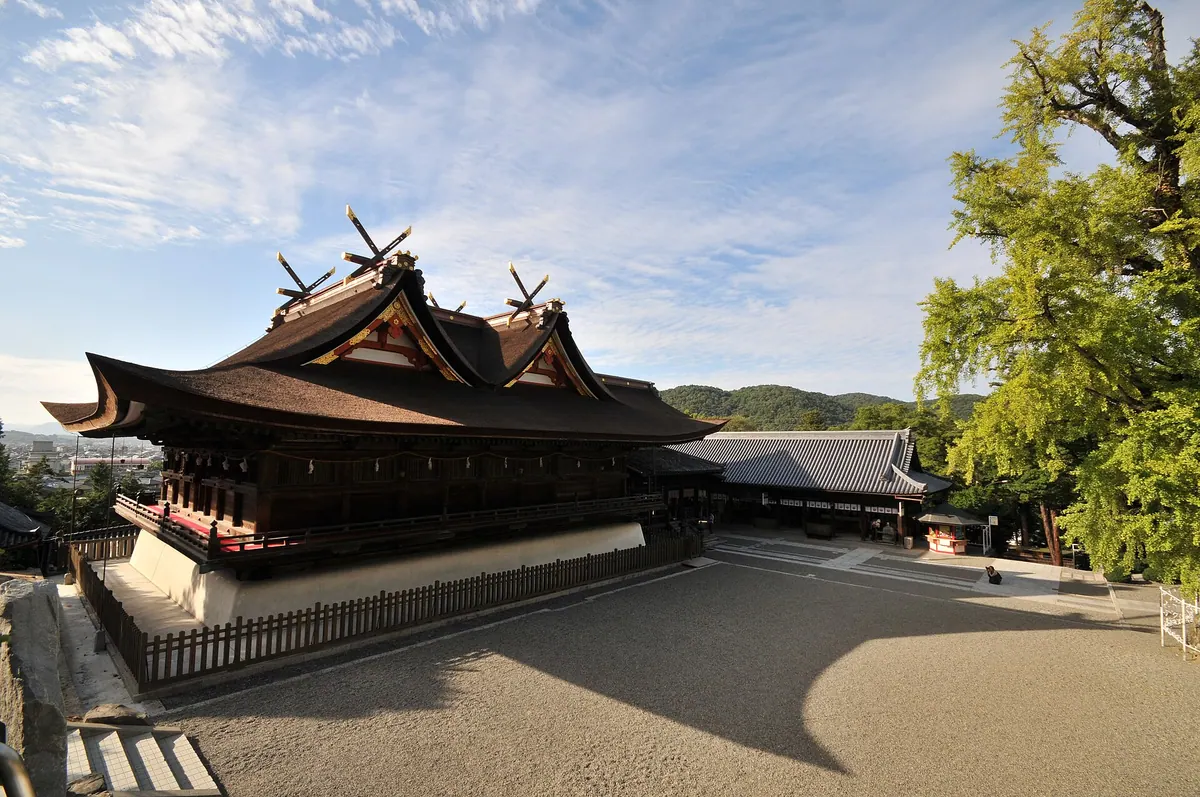
Kibitsu Shrine is a National Treasure in Okayama, known for unique architecture and a special ritual.
What it is
- A Myojin Taisha shrine in Okayama City.
- Dedicated to Okibitsuhiko-no-mikoto.
- Main hall built by Ashikaga Yoshimitsu.
- Famous for the Narukama Shinto ritual.
What to see
- Main hall and worship hall are National Treasures.
- Main hall is unique Hiyoku Irimoya-zukuri style.
- Okamaden is an Important Cultural Property.
- North and South Zuishinmon are Important Cultural Properties.
- Various flowers and ginkgo trees.
When to go
- Spring festival in May.
- Autumn festival in October.
Getting there
- 10-minute walk from Kibitsu Station.
- Address
- 〒701-1341 岡山県岡山市北区吉備津931 Map
- Official site
- www.kibitujinja.com
05
Toyohara Kitajima Shrine
OKAYAMA · SHRINE 豊原北島神社
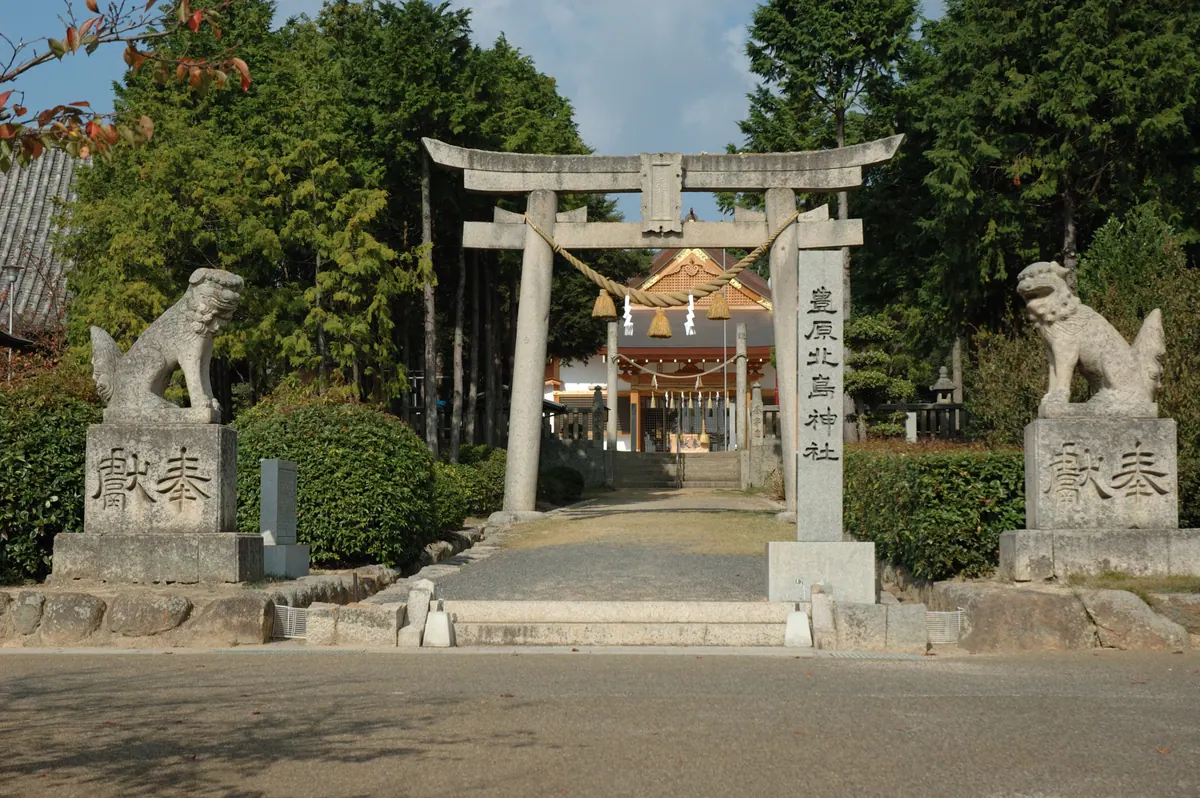
A historic shrine founded in 634, featuring rebuilt halls and National Important Cultural Properties including ancient samurai armor.
What it is
- A Shinto shrine established in 634 for sun worship at Himachi Mountain.
- Dedicated to Emperor Ojin, Empress Jingu, and the deity Hime-no-Okami.
- Formerly classified as a district shrine located adjacent to Yokeiji Temple.
- The worship and offering halls were rebuilt in 2006 following a fire.
What to see
- The main hall which was rebuilt in 1919.
- National Important Cultural Property armor donated by Sasaki Moritsuna.
- Ancient horse equipment designated as prefectural cultural properties.
- Rebuilt worship and offering halls on the historic temple grounds.
06
Ushimado Shrine
OKAYAMA · SHRINE 牛窓神社
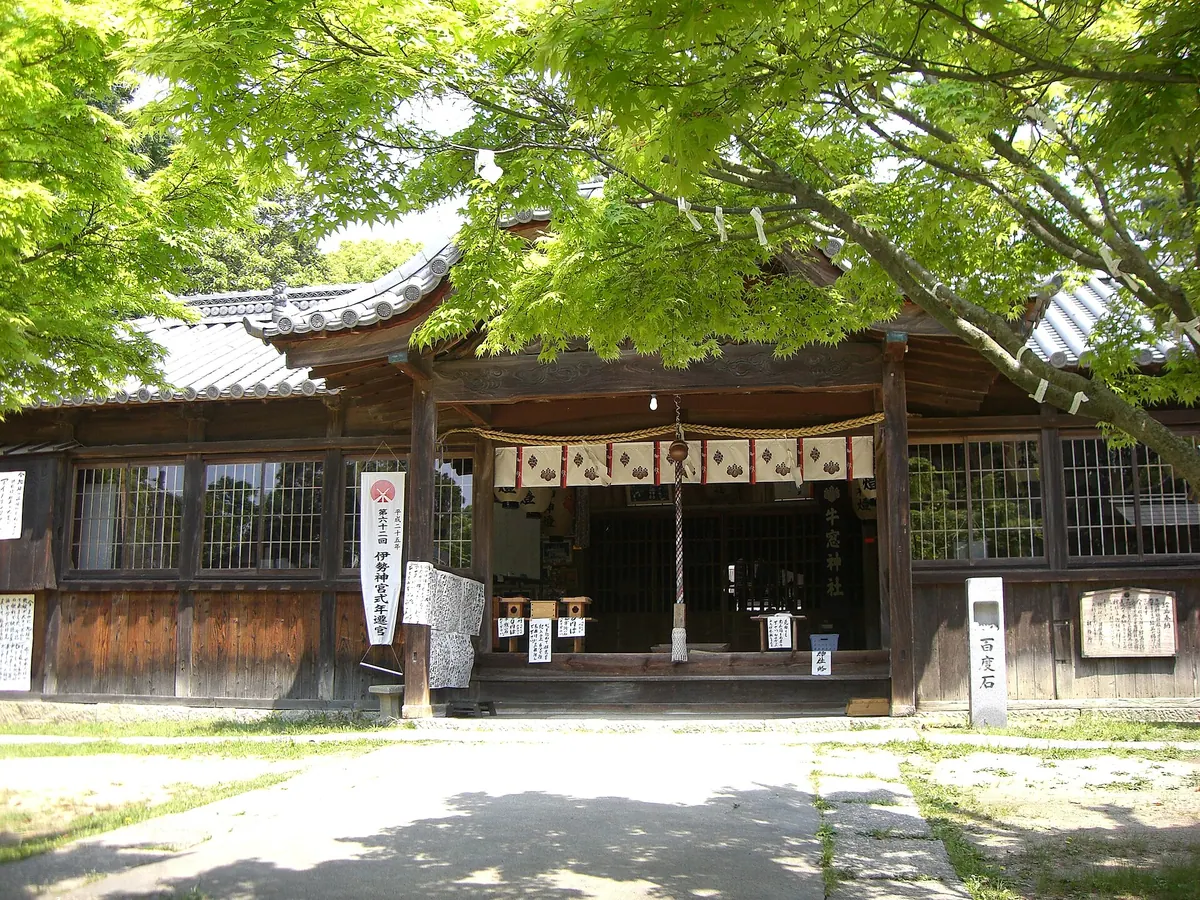
A historic shrine founded in the 11th century featuring a designated cultural property main hall and ancient votive tablets.
What it is
- A Shinto shrine founded between 1012 and 1016 also known as Ushimado Hachimangu.
- Dedicated to Emperor Ojin, Empress Jingu, Himegami, and Takenouchi no Sukune.
- A former prefectural shrine listed in the historic Bizen no Kuni Jinmeicho.
- The site was historically referred to as Ushimado Myojin.
What to see
- The main hall which is a city designated important cultural property.
- A votive tablet recognized as a prefectural important cultural property.
- Five large keyhole-shaped burial mounds located within the surrounding town.
07
Takano Shrine (Ninomiya, Tsuyama)
OKAYAMA · SHRINE 高野神社
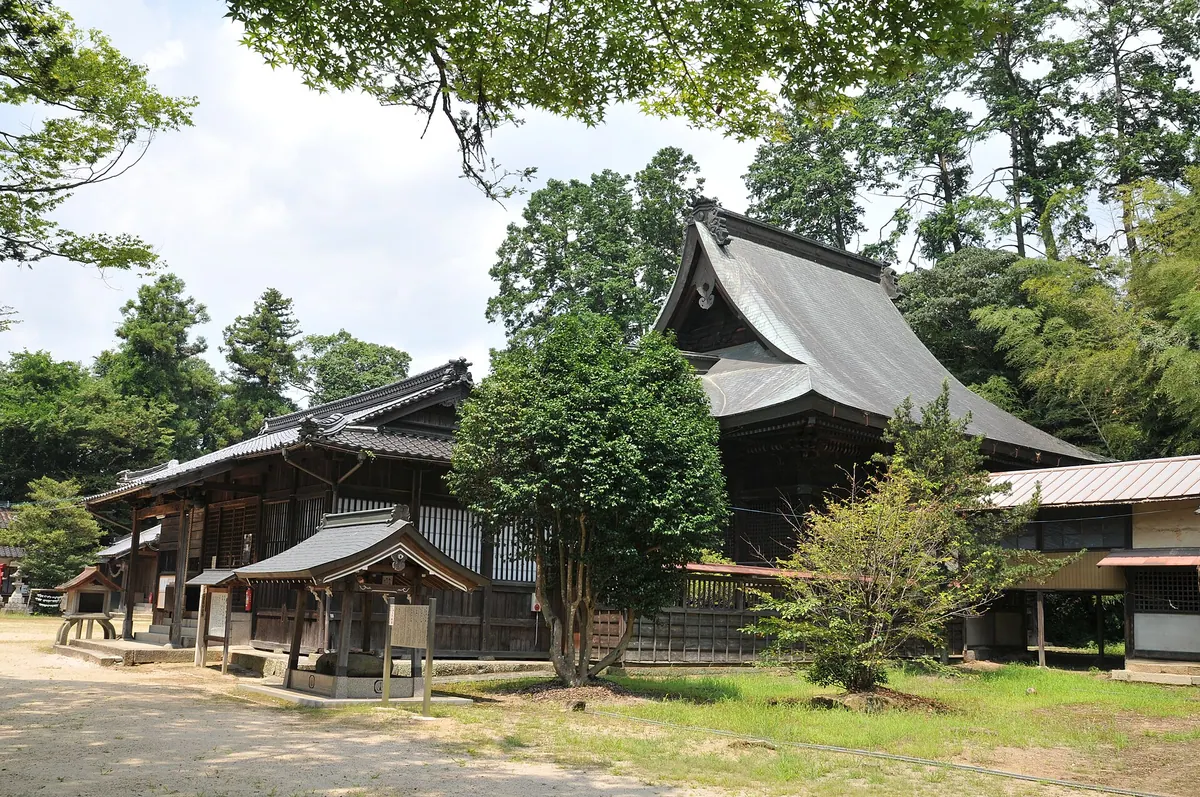
Ancient shrine in Tsuyama with important cultural properties, easily accessible by train.
What it is
- Shikinaisha Ronsha and Mimasaka Province Ninomiya.
- Main deity is Hikonagisatake Ugayafukiaezu no Mikoto.
- History began with rituals at Onokoro-iwa.
- Shrine building constructed in 534 AD.
What to see
- Main hall rebuilt in 1663 by Mori Nagatsugu.
- Main hall is an Okayama Prefectural Important Cultural Property.
- Two wooden guardian statues are National Important Cultural Properties.
- Two pairs of wooden lions are National Important Cultural Properties.
Getting there
- 10-minute walk from Innosho Station.
- Address
- 〒708-0013 岡山県津山市二宮601 Map
- Official site
- takano-jinjya.or.jp
08
Imamura-gu
OKAYAMA · SHRINE 今村宮
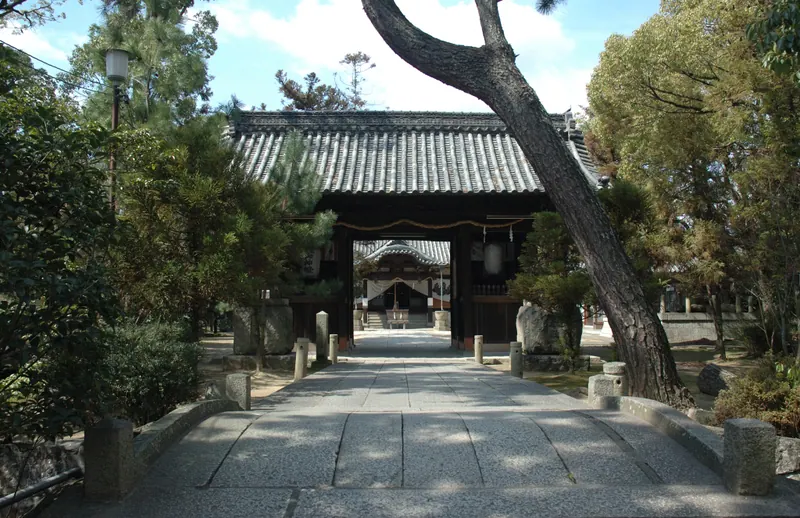
Imamura-gu is a historic Shinto shrine in Okayama, dedicated to important deities, worth visiting for its cultural property.
What it is
- A Shinto shrine in Okayama, Japan.
- Dedicated to Amaterasu Omikami, Hachiman Okami, and Kasuga Okami.
- Relocated to its current site in 1580.
- Revered as the tutelary deity of central Okayama City.
What to see
- The main hall, rebuilt in 1623.
- Main hall is an Important Cultural Property of Okayama Prefecture.
When to go
- Autumn Festival: second Saturday and Sunday of October.
Getting there
- Take Okaden Bus from Tenmaya or Okayama Station.
- Get off at the Imamura-gu bus stop.
- Address
- 岡山県岡山市北区今4-3-5 Map
09
Yoshikawa-hachimangū
OKAYAMA · SHRINE 吉川八幡宮
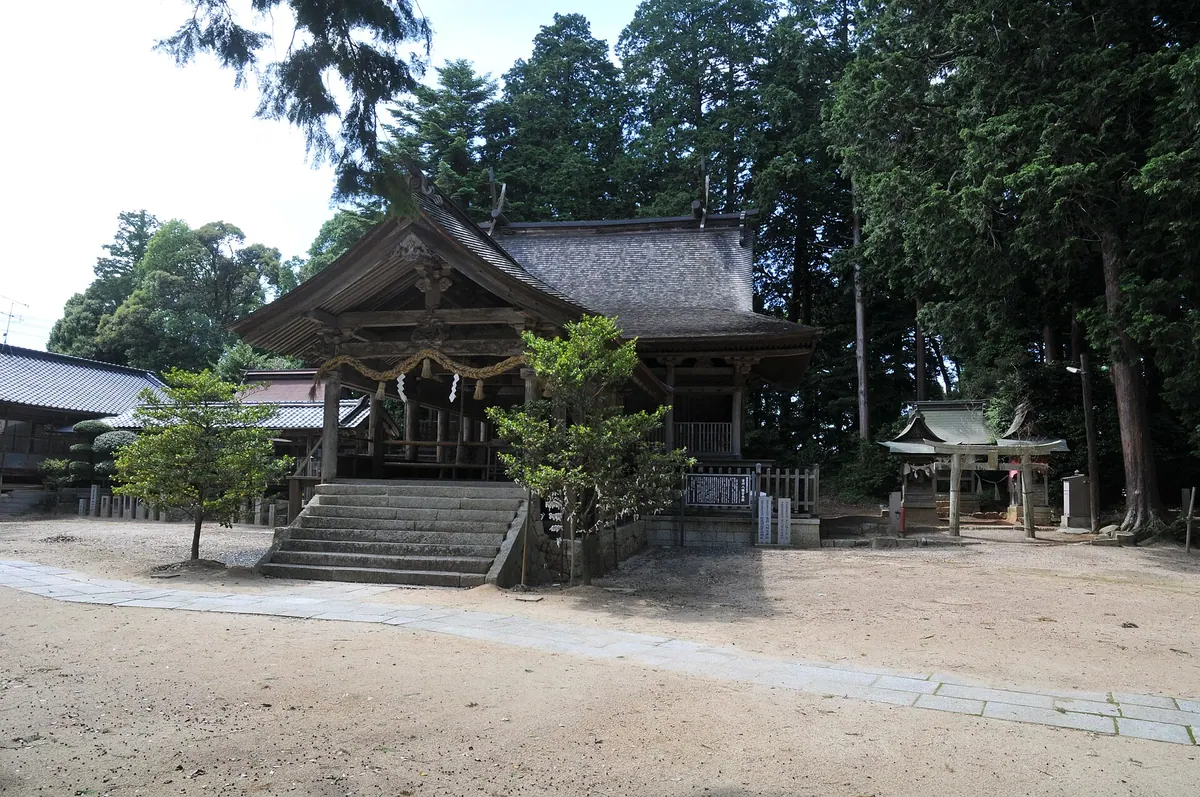
Ancient shrine with important cultural properties, worth visiting for its history and architecture.
What it is
- A shrine in Kibi-chūō-chō, Okayama Prefecture.
- Established in 1096 as a branch of Iwashimizu Hachimangū.
- Dedicated to Emperor Ōjin, Emperor Chūai, and Empress Jingū.
What to see
- Main hall is a National Important Cultural Property, built in 1395.
- Zuishinmon gate is a Prefectural Important Cultural Property.
- Haiden hall is a Prefectural Important Cultural Property.
- Surrounding forest is a Prefectural Local Monument.
When to go
- Tōban Matsuri festival is held annually in October.
- Address
- 岡山県加賀郡吉備中央町吉川 3932 Map
10
Yokota Shrine
OKAYAMA · SHRINE 横田神社 (総社市)
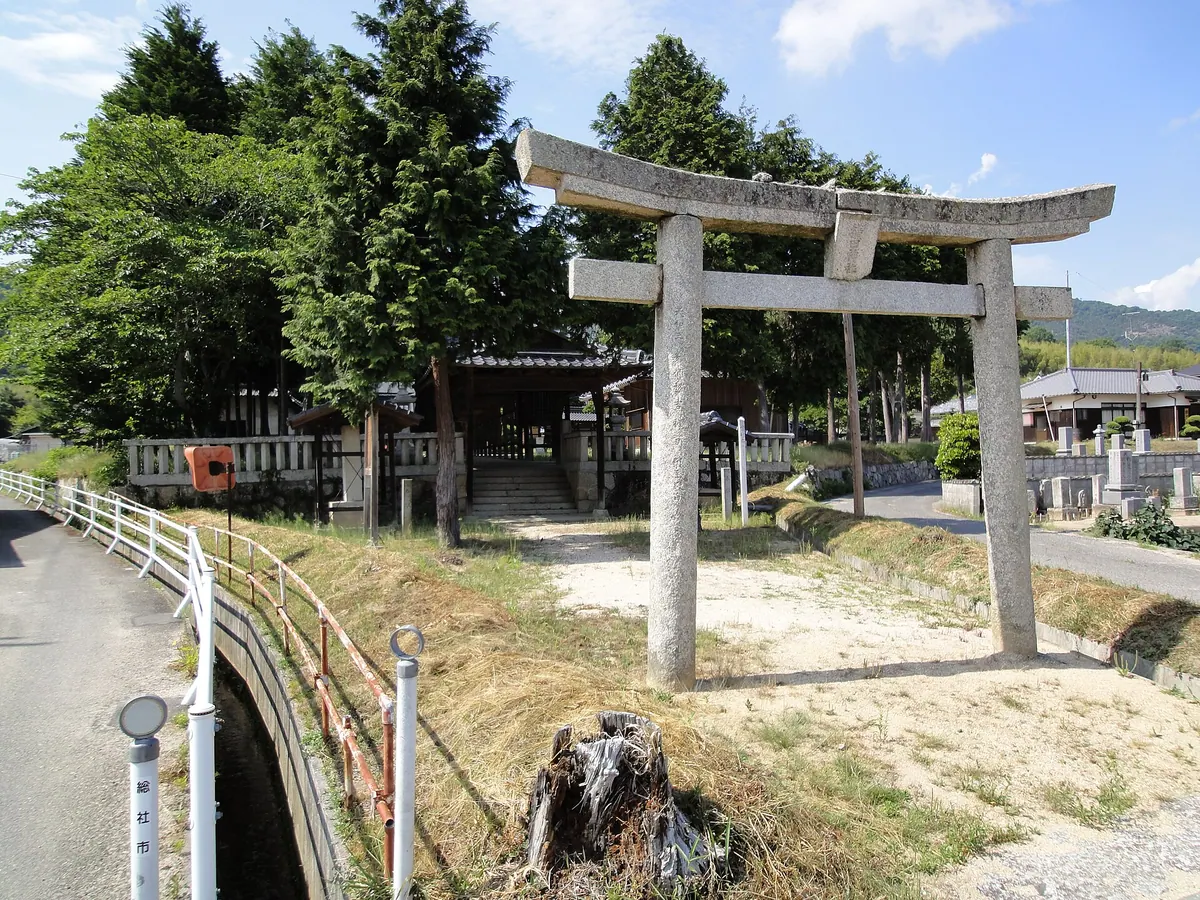
Yokota Shrine, a historic site in Soja City, offers a glimpse into traditional Japanese worship and architecture.
What it is
- One of seven Shikinaisha shrines in Soja City.
- Enshrines Amenohibunomikoto and Sugawara no Michizane.
- Re-established as Tenjin-gu in 1585.
- Reorganized and renamed Yokota Shrine around 1827-1836.
What to see
- Current shrine buildings date from 1827-1836.
- Main hall completed around 1827.
- A bell tower stands on the grounds.
- Kagura-den (Kagura hall) on the south side.
When to go
- Annual Spring, Summer, and Autumn festivals.
- Autumn Festival features Bitchu Kagura.
- Address
- 岡山県総社市久代3632 Map
11
Gion Shrine (Kurashiki)
OKAYAMA · SHRINE 祇園神社
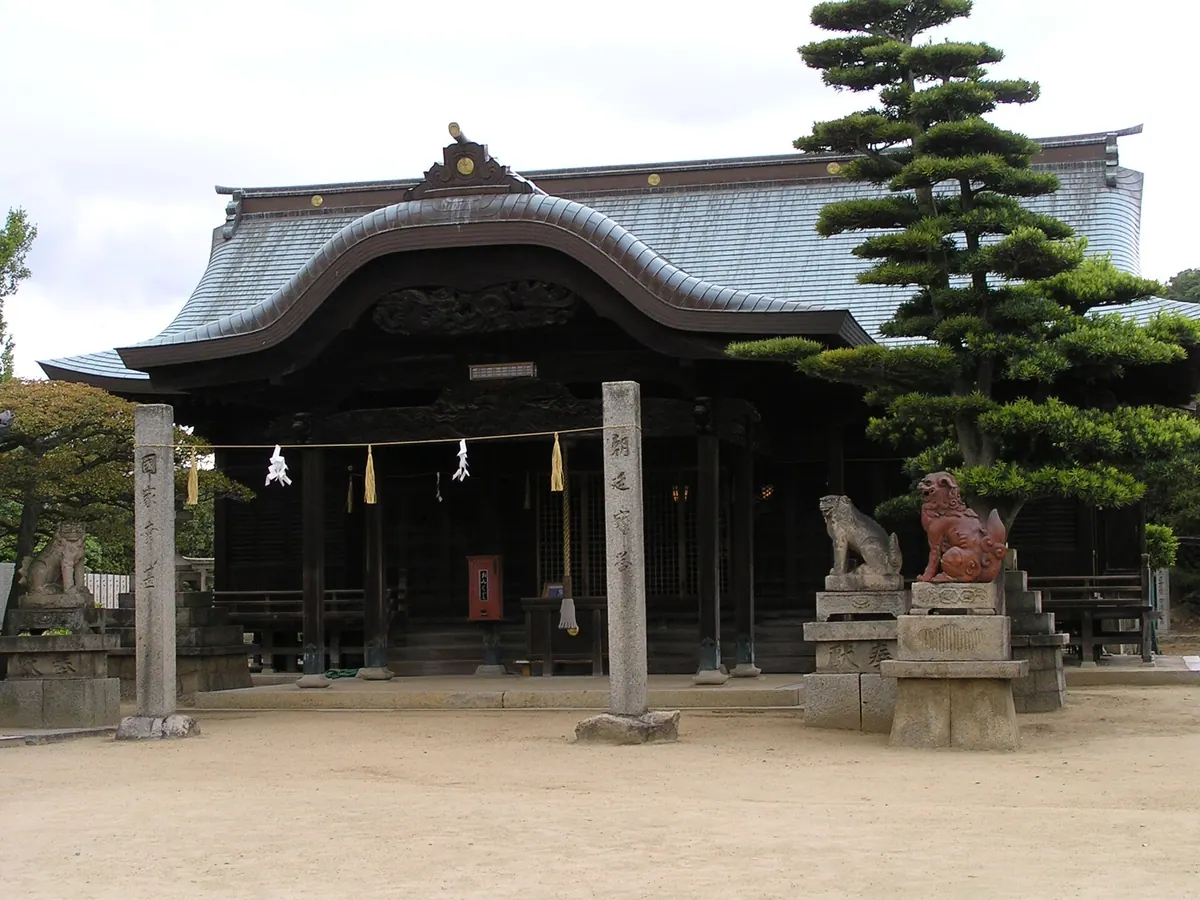
Historic shrine in Kurashiki, dedicated to Susanoo-no-Mikoto, offering cultural insights and local festivals.
What it is
- Also called Shimotsui Gion Shrine.
- Main deity is Susanoo-no-Mikoto.
- Designated a local monument in 1981.
What to see
- Shrine is on Joyama, 22m above sea level.
- Approach was donated in 1863.
- Gion documents are important cultural property.
- Model of the Hakuomaru ship from 1811.
When to go
- Gion Festival: 3rd Saturday and Sunday of July.
- Nagahama Festival: 4th Saturday and Sunday of October.
Getting there
- Accessible by Shimotsui Loop Bus.
- Address
- 岡山県倉敷市下津井1-13-16 Map
12
Kibitsuhiko Shrine
OKAYAMA · SHRINE 吉備津彦神社
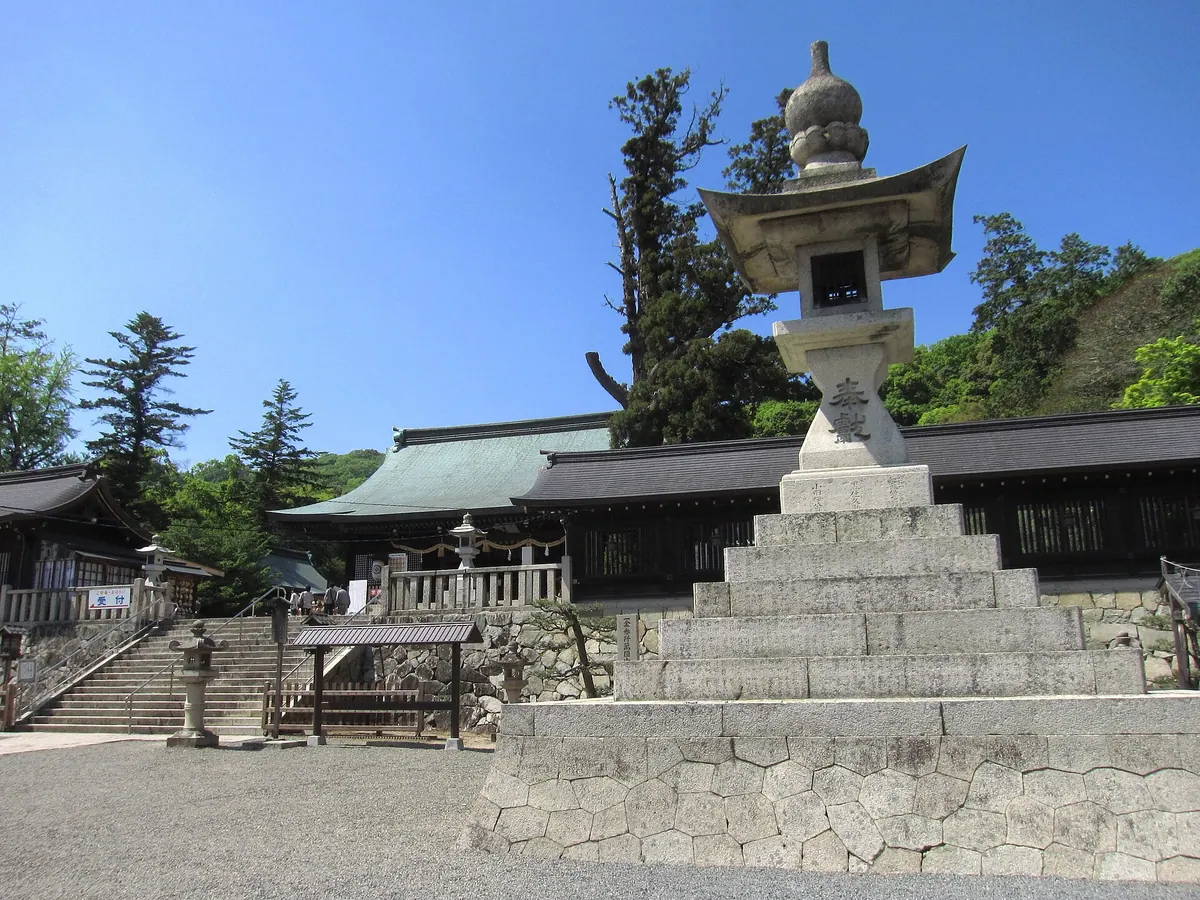
Kibitsuhiko Shrine is an ancient shrine with important cultural properties, easily accessible by train.
What it is
- Ancient shrine founded during Empress Suiko's reign.
- Dedicated to Okibitsuhiko-no-Mikoto.
- Ichinomiya of Bizen Province.
- Also known as Asahi-no-Miya.
What to see
- Main hall rebuilt in 1697.
- Main hall is a Prefectural Cultural Property.
- Sword by Inoue Shinkai is a National Important Cultural Property.
When to go
- On-taue Festival is an Intangible Folk Cultural Property.
Getting there
- 3-minute walk from Bizen-Ichinomiya Station.
- Address
- 岡山県岡山市北区一宮1043 Map
- Official site
- www.kibitsuhiko.or.jp
13
Nishisono Shrine
OKAYAMA · SHRINE 西園神社
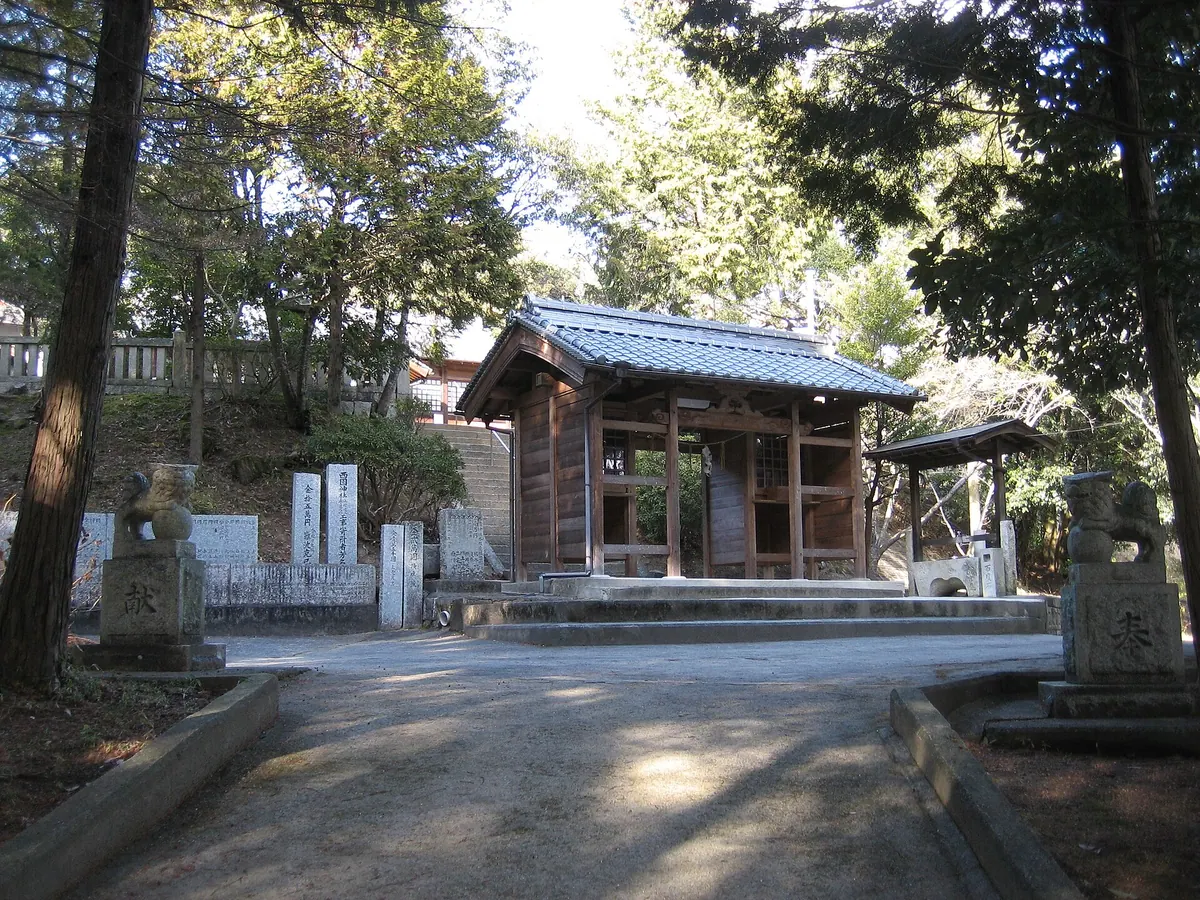
Nishisono Shrine is a historic guardian shrine, worth visiting for its ancient origins and deities.
What it is
- Shrine dedicated to Hachiman-shin (Emperor Ojin).
- Founded in 1540 by Shirakami Ukyo-no-suke Kaharu.
- Originally named Nishisono Hachimangu.
- Served as a guardian deity for a castle and territory.
What to see
- Sub-shrines enshrine Suwa Myojin and Kojin.
- Outer shrine dedicated to Inari-shin.
When to go
- Spring, summer, autumn, and new rice festivals are held.
Getting there
- Nearest stations are Kiyone Station and Kawabejuku Station.
- Address
- 岡山県倉敷市真備町市場4468 Map
14
Nakayama Shrine
OKAYAMA · SHRINE 中山神社
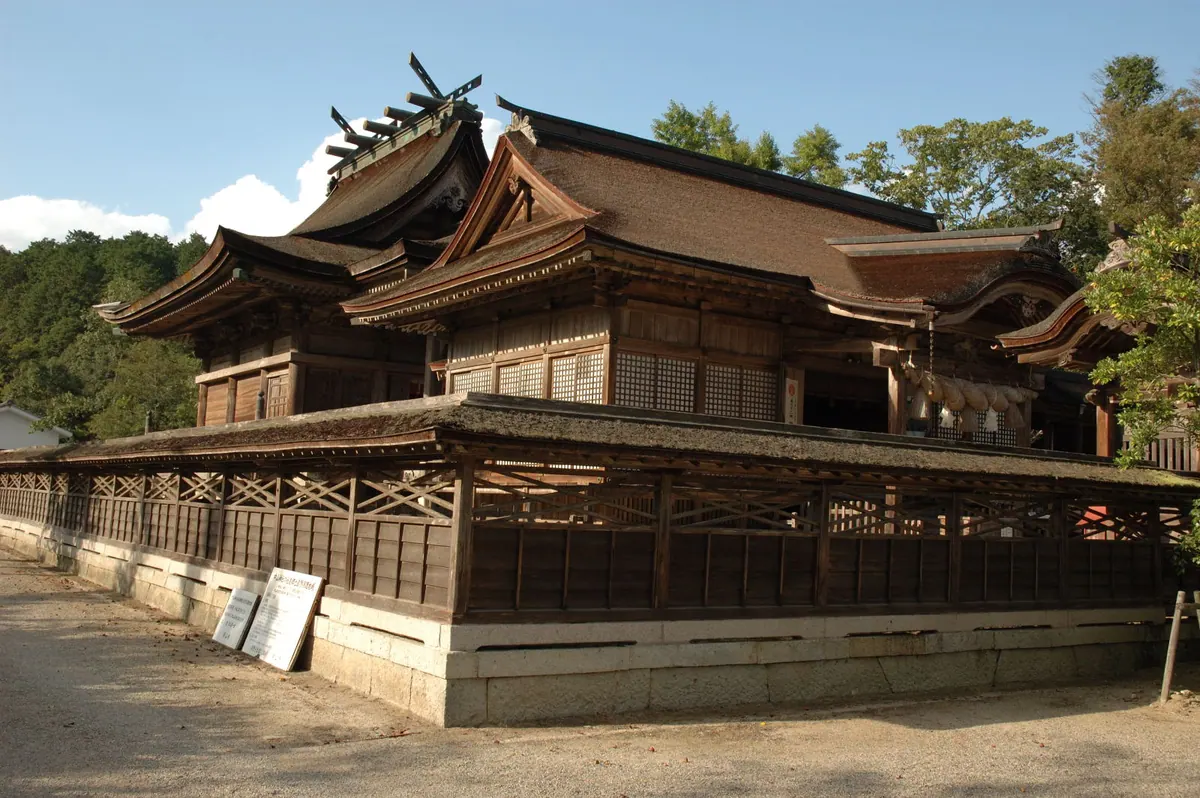
Nakayama Shrine, a historic Myojin Taisha, offers important cultural properties and a unique gate.
What it is
- A Myojin Taisha shrine in Tsuyama City.
- Dedicated to Kagami-tsukuri-no-kami and other deities.
- Rebuilt in 1559 by Amago Haruhisa.
- Designated a Kokuhei Chusha under the modern system.
What to see
- The main hall, built in 1559, is a National Important Cultural Property.
- Shrine gate relocated from Tsuyama Castle.
- The Soshinden is a Tsuyama City Important Cultural Property.
- Nakayama Shrine Sengoku Busho documents.
- Nakayama Shrine drum is an Important Folk Cultural Property.
- Address
- 岡山県津山市一宮695 Map
15
Tsuruyama Hachimangū
OKAYAMA · SHRINE 鶴山八幡宮
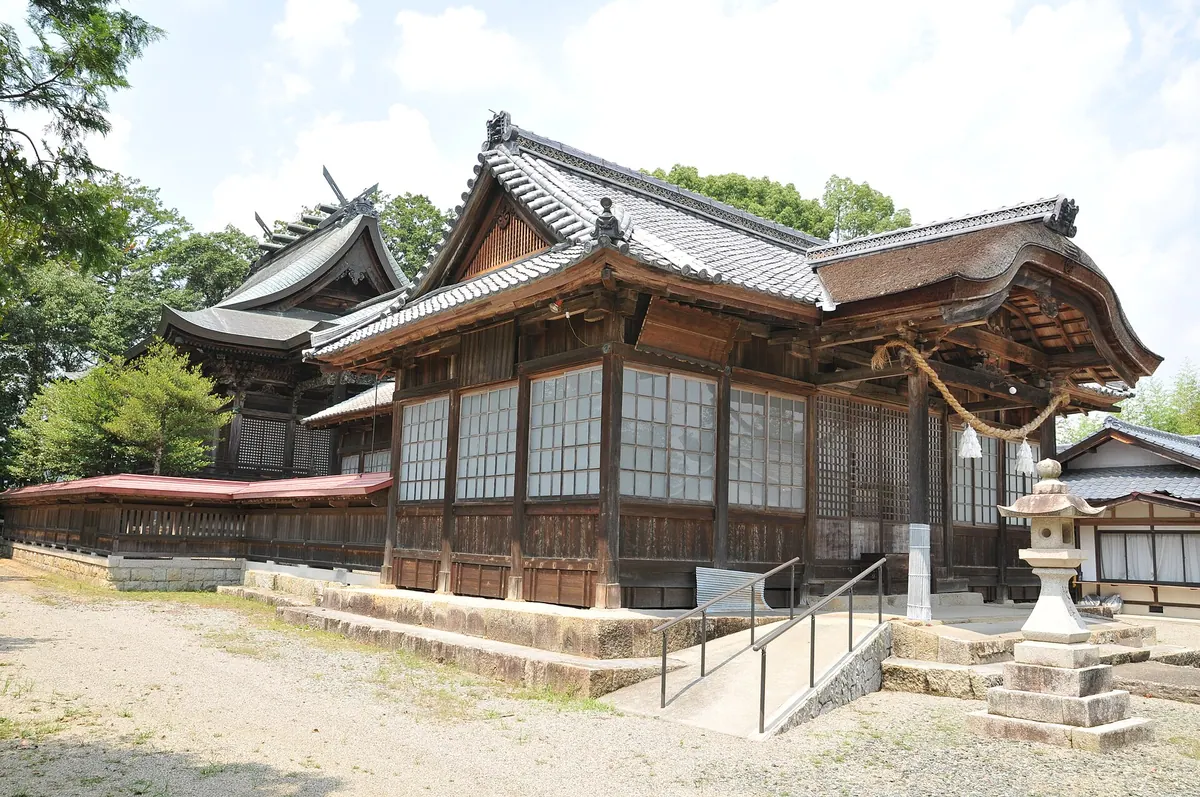
Tsuruyama Hachimangū is a historic shrine with a unique main hall, relocated for Tsuyama Castle.
What it is
- A shrine in Tsuyama City, Okayama Prefecture.
- Dedicated to Hōda Wake no Mikoto, Empress Jingū, and Tamayori-hime.
- Relocated in 1603 when Mori Tadamasa became lord of Tsuyama.
- Re-relocated to its current site in 1608.
What to see
- The main hall, built in 1669.
- Main hall is a National Important Cultural Property.
- Main hall is in the unique Nakayama-zukuri style.
- Worship hall, tsuri-dono, and shinku-sho built in 1669.
- Yakuso Jinja shrine is the oldest building on site.
16
Ohari Shrine
OKAYAMA · SHRINE 尾針神社
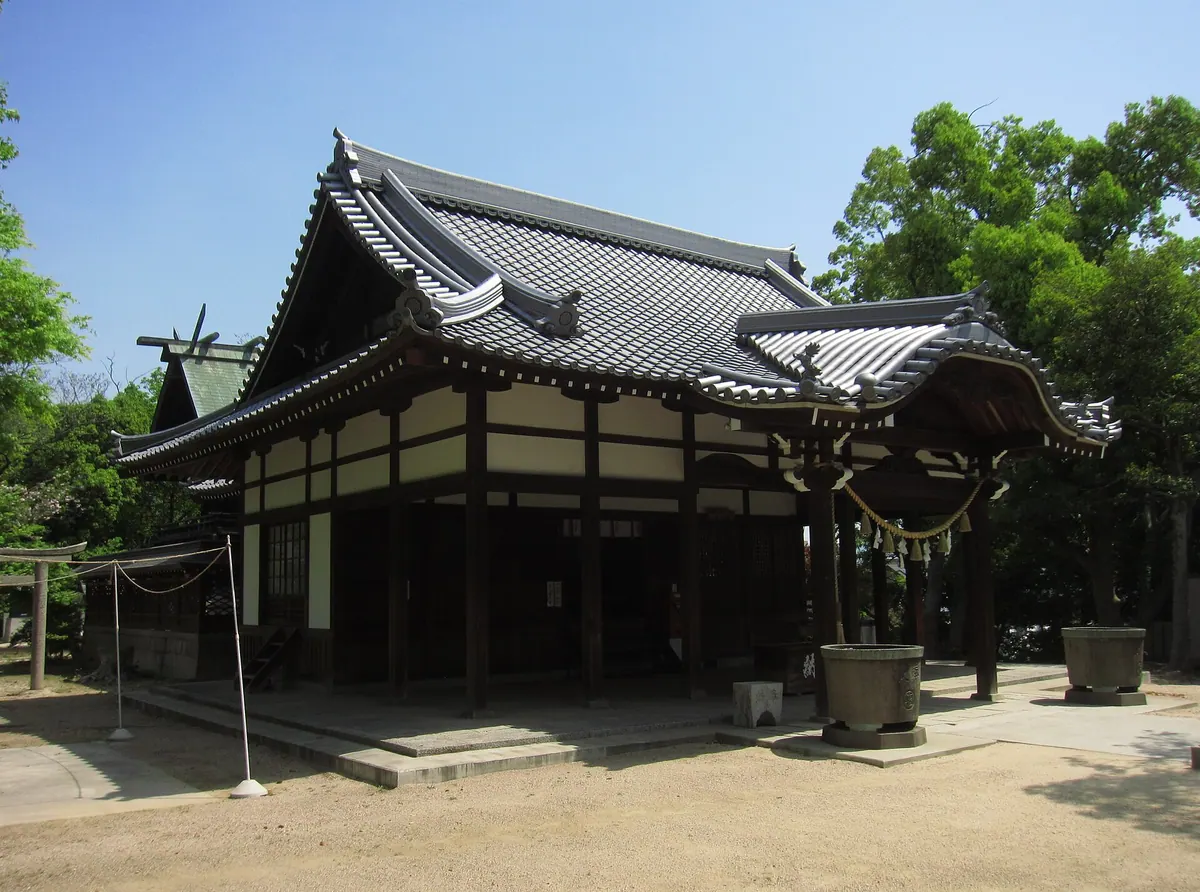
Ohari Shrine: ancient site dedicated to deities, featuring megaliths and seasonal festivals.
What it is
- A Shikinaisha ronsha, a high-ranking ancient shrine.
- Dedicated to the deity Amenohokari-no-mikoto.
- Also enshrines the deity Ogetsuhime-no-mikoto.
- Formerly known as Kurioka-no-miya until the Meiji period.
What to see
- Megaliths located directly behind the shrine buildings.
- Excavated earthenware and Sue ware from the eastern slope.
When to go
- Spring Festival is held on the second Sunday of May.
- Summer Festival takes place annually on July 29.
- Address
- 岡山県岡山市北区京山2-2-2 Map
17
Sanomo Shrine
OKAYAMA · SHRINE 讃甘神社
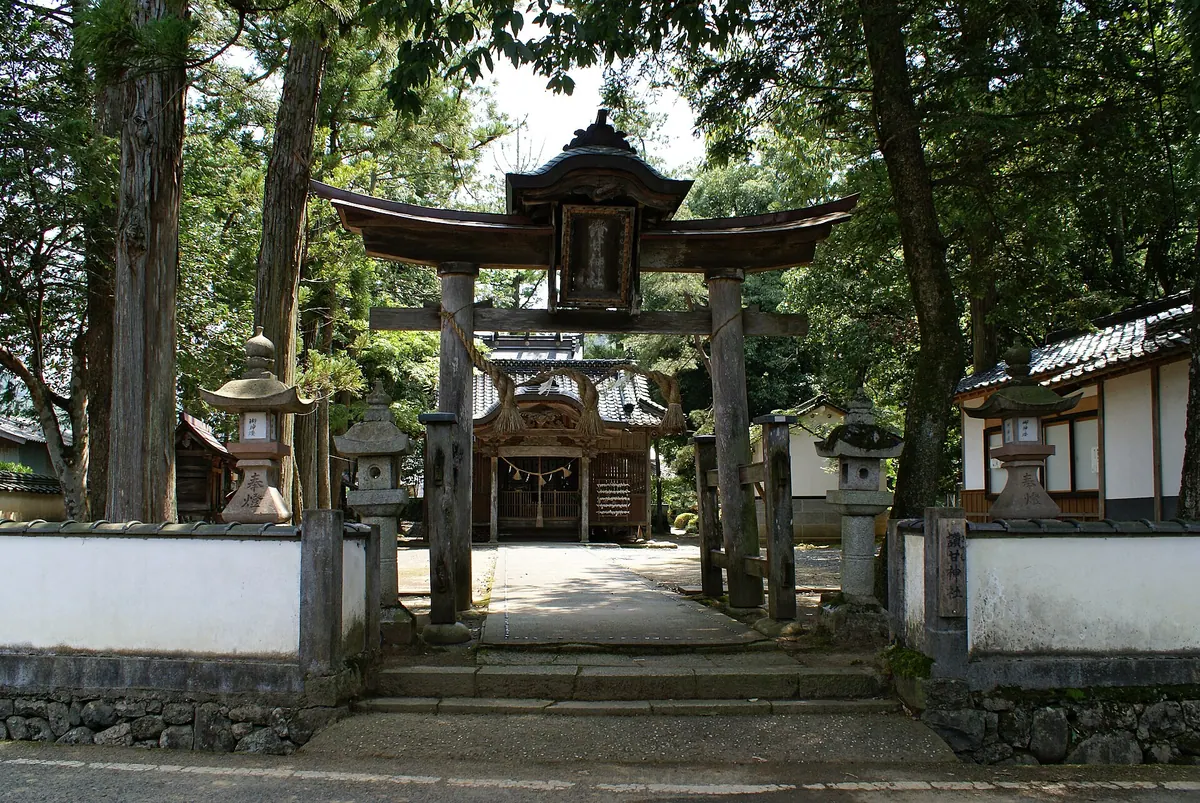
Sanomo Shrine, dedicated to Okuninushi-no-Mikoto, offers a glimpse into local history and traditional architecture.
What it is
- A shrine dedicated to Okuninushi-no-Mikoto.
- Formerly known as Aramaki Daimyojin.
- Moved to its current location during the Tensho era (1573-1592).
- Renamed Sanomo Shrine in February 1873.
What to see
- The main hall, rebuilt in the late Edo period (1850).
- The worship hall, measuring 2 ken by 2.5 ken.
- Sacred cedar and zelkova trees.
- The shrine faces Chizu-Orai.
Getting there
- 15-minute walk from Miyamoto Musashi Station.
- Address
- 岡山県美作市宮本132 Map
18
Miwa Shrine (Higashisue, Setouchi)
OKAYAMA · SHRINE 美和神社
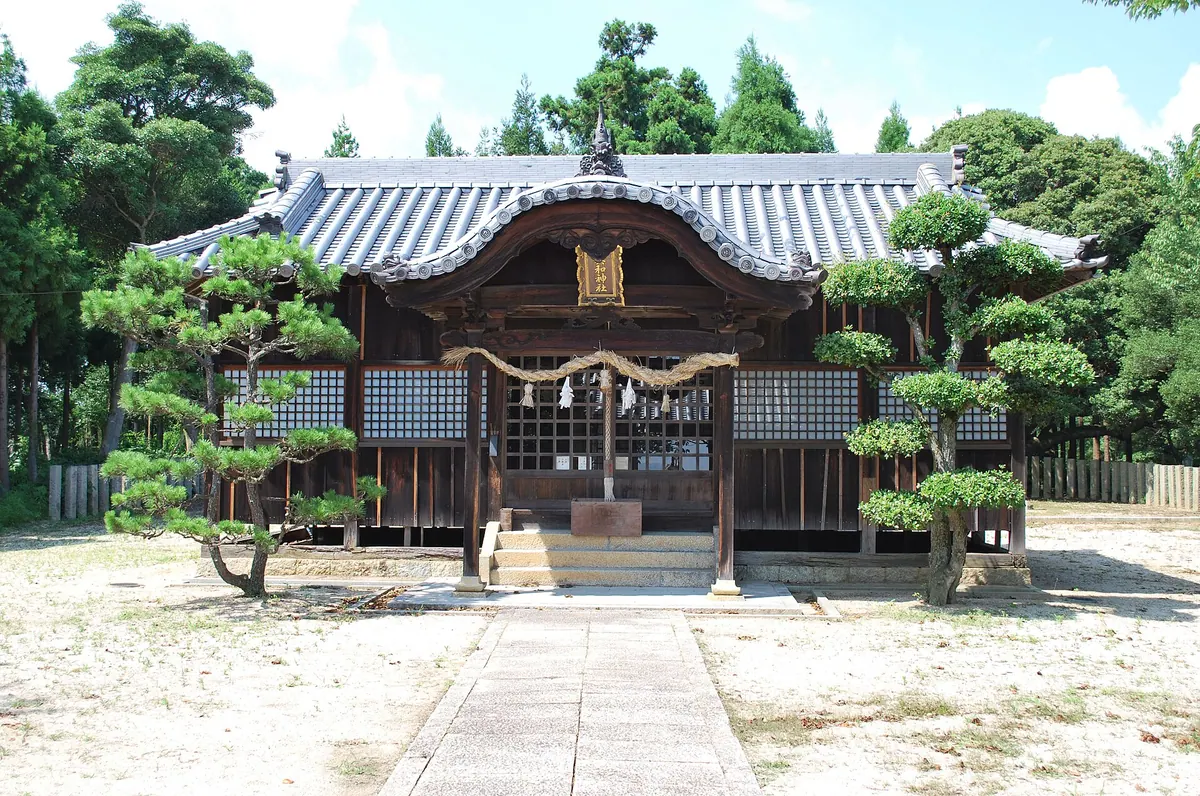
Miwa Shrine is an ancient mountain shrine dedicated to a powerful deity, surrounded by sacred natural features.
What it is
- A Shikinaishosha shrine, indicating its ancient status.
- Dedicated to the deity Ōmononushi-no-mikoto.
- Located on Mount Hirotaka, a historically sacred mountain.
- Reverted to its original name, Miwa Shrine, in 1870.
What to see
- Okutsu Iwakura, a sacred rock formation on the mountaintop.
- Ancient burial mounds around Mount Hirotaka.
- A 300-year-old yamamomo tree, considered sacred.
- A tile with an inscription, designated as a cultural property.
- Address
- 岡山県瀬戸内市長船町東須恵1063 Map
19
Tamaigu Tōshō-gū
OKAYAMA · SHRINE 玉井宮東照宮
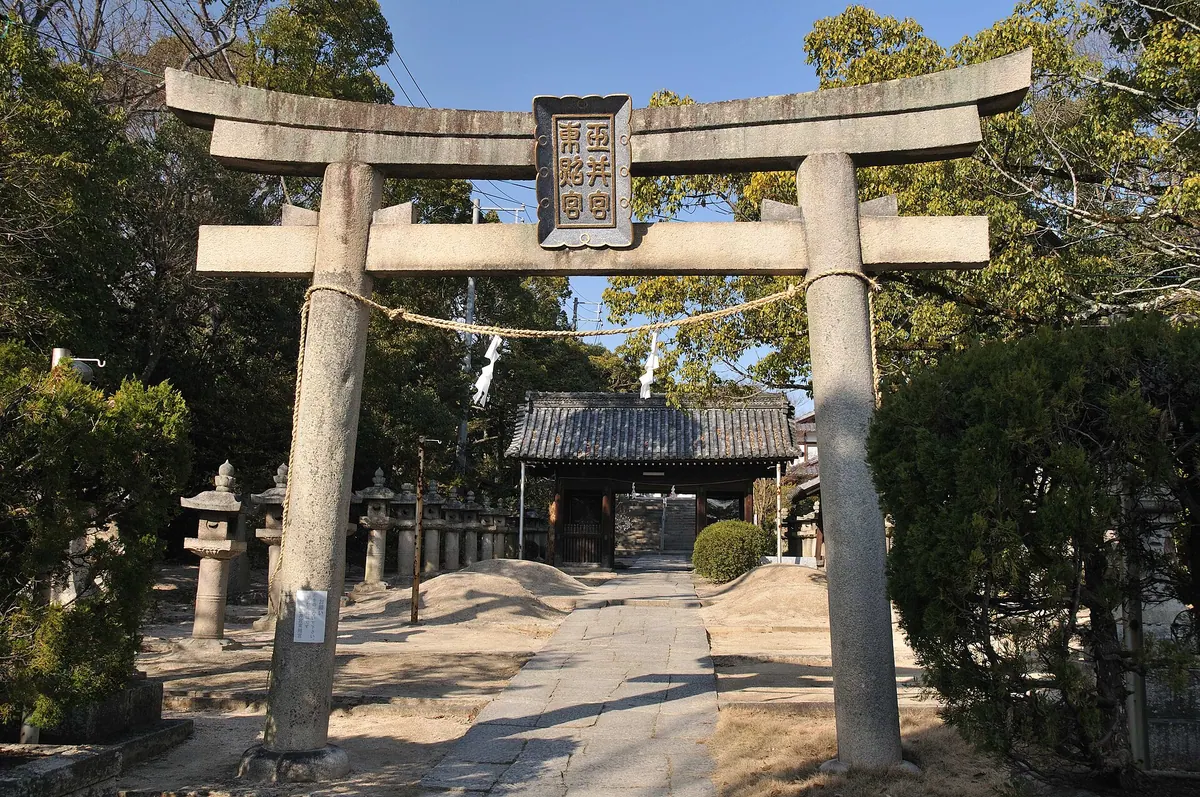
Ancient shrine on a hill, dedicated to deities and a shogun, with historic buildings.
What it is
- Shrine in Okayama City, Japan.
- Founded in 703 AD as Tamaigu.
- Tōshō-gū established in 1645 AD.
- Enshrines deities and Tokugawa Ieyasu.
What to see
- Main hall built in 1644.
- Historic gate and stone lanterns.
- Approach from the Tōshō-gū founding.
- Main hall is a prefectural cultural property.
- Located on the Higashiyama hills.
Getting there
- 10-minute walk from Higashiyama-Okaden Museum Station.
- Address
- 岡山県岡山市中区東山1-3-81 Map
- Official site
- www.tamaigutousyouguu.com
20
Tokumori Shrine
OKAYAMA · SHRINE 徳守神社
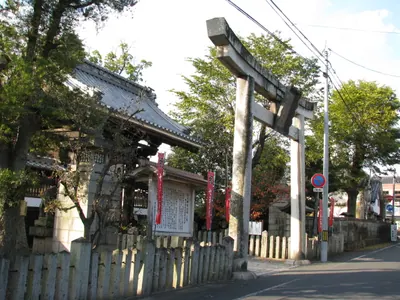
Tokumori Shrine is a historic guardian shrine with an important main hall and unique cultural properties.
What it is
- General guardian shrine of the Tsuyama Domain.
- Founded in 733 AD.
- Moved to its current location in 1604.
What to see
- Main hall rebuilt in 1664.
- Main hall is an Important Cultural Property of Okayama Prefecture.
- Second generation portable shrine from 1809.
- Portable shrine is 2.8 meters tall and weighs 1 ton.
- Portable shrine is a Tsuyama City tangible folk cultural property.
- Iron shield from the Siege of Osaka.
- Address
- 岡山県津山市宮脇町5番地 Map