

20 Temples in Saga worth your time
Japan Gems
Saga Prefecture's temples offer a range of spiritual experiences, from the quiet grounds of Niiyama jizō-in Temple to the historic Kōshō-ji Temple. Visitors can find both serene contemplation and cultural insights.
Saga has 23 temples on Japan Gems. Below are the 20 we can tell you the most about — each one written up in English from Japanese sources, with what to see and how to get there. See all temples in Saga.
01
Hizen Kokubun-niji
SAGA · TEMPLE 肥前国分尼寺
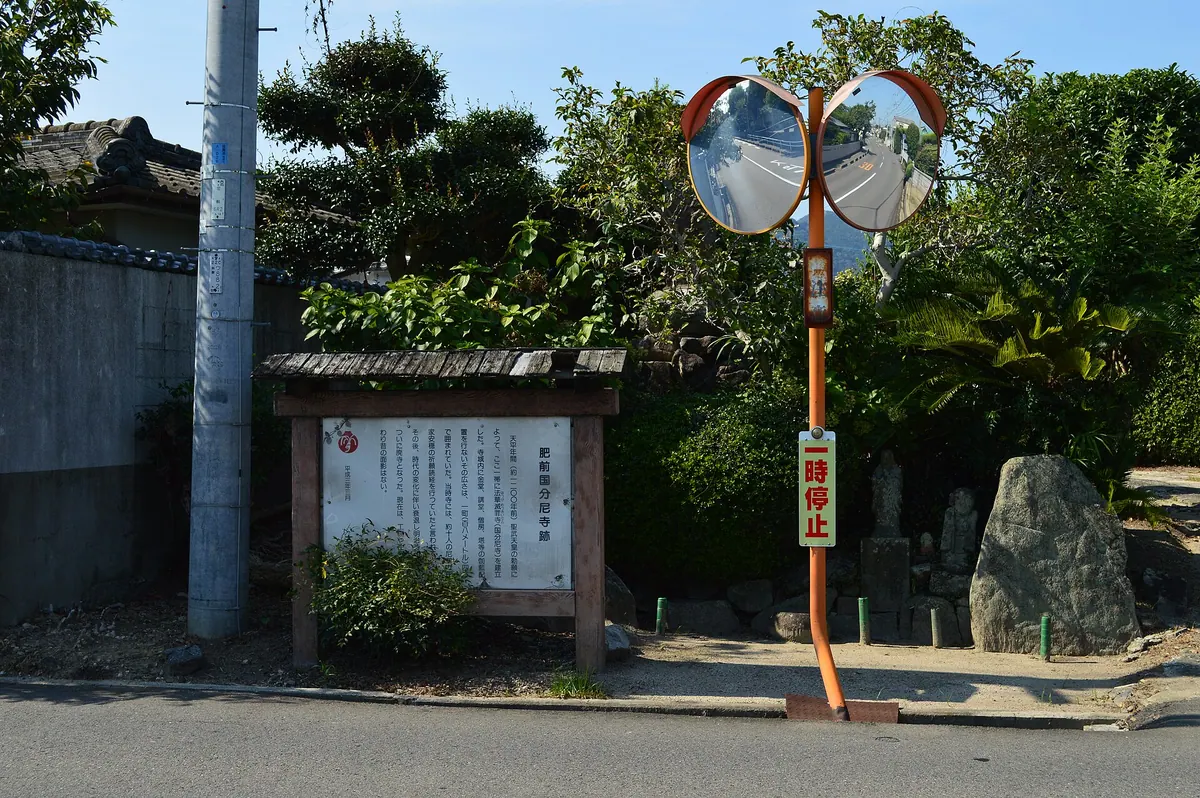
A Nara-period temple site in Saga City where visitors can explore the foundations of an ancient Buddhist nunnery and monastery.
What it is
- A designated historic site founded during the Nara period by order of Emperor Shomu.
- The former location of a provincial monastery and an adjacent nunnery.
- An ancient religious complex that declined between the Nanboku-cho and Muromachi periods.
- A protected archaeological area officially designated by Saga City in 1990.
What to see
- The original temple grounds measuring approximately 216 meters square.
- The nunnery site located to the west of the main temple area.
- Archaeological footprints of the Middle Gate, Golden Hall, and Lecture Hall.
- The site where a seven-story pagoda once stood southeast of the Golden Hall.
- Remains of four tile kilns discovered on the eastern side of the temple.
- The historic layout preserved within a modern residential area.
02
Anpuku-ji Temple (Shiroishi)
SAGA · TEMPLE 安福寺
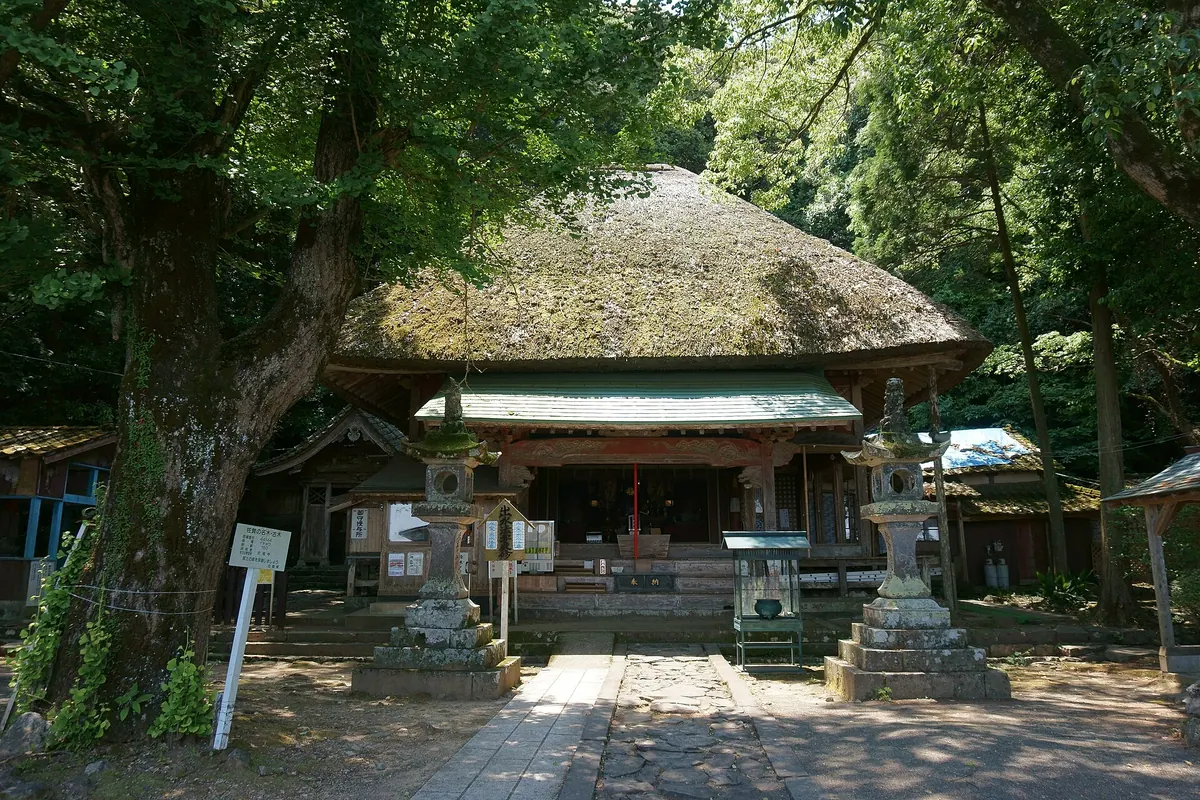
A historic Tendai temple in Saga known for its sacred water ritual and ancient stone pagoda dating back to 1319.
What it is
- A Tendai Buddhist temple reportedly founded during the reign of Emperor Shomu.
- The 38th site of the Kyushu 49 Yakushi Pilgrimage.
- Rebuilt during the Keicho era after being burned down in 1574.
- The inner sanctuary is commonly referred to as Mizudo-san.
What to see
- A wooden standing statue of Sho-Kannon serving as the main deity.
- A stone pagoda from 1319 designated as a town cultural property.
- Sacred water that emerges during specific ritual periods.
When to go
- The Demizu Hoyo ritual takes place annually during the summer.
- The sacred water ritual lasts for a period of 90 days.
Getting there
- Accessible via a 10-minute taxi ride from Hizen-Shiroishi Station.
03
Daikōzen-ji Temple
SAGA · TEMPLE 大興善寺 (基山町)
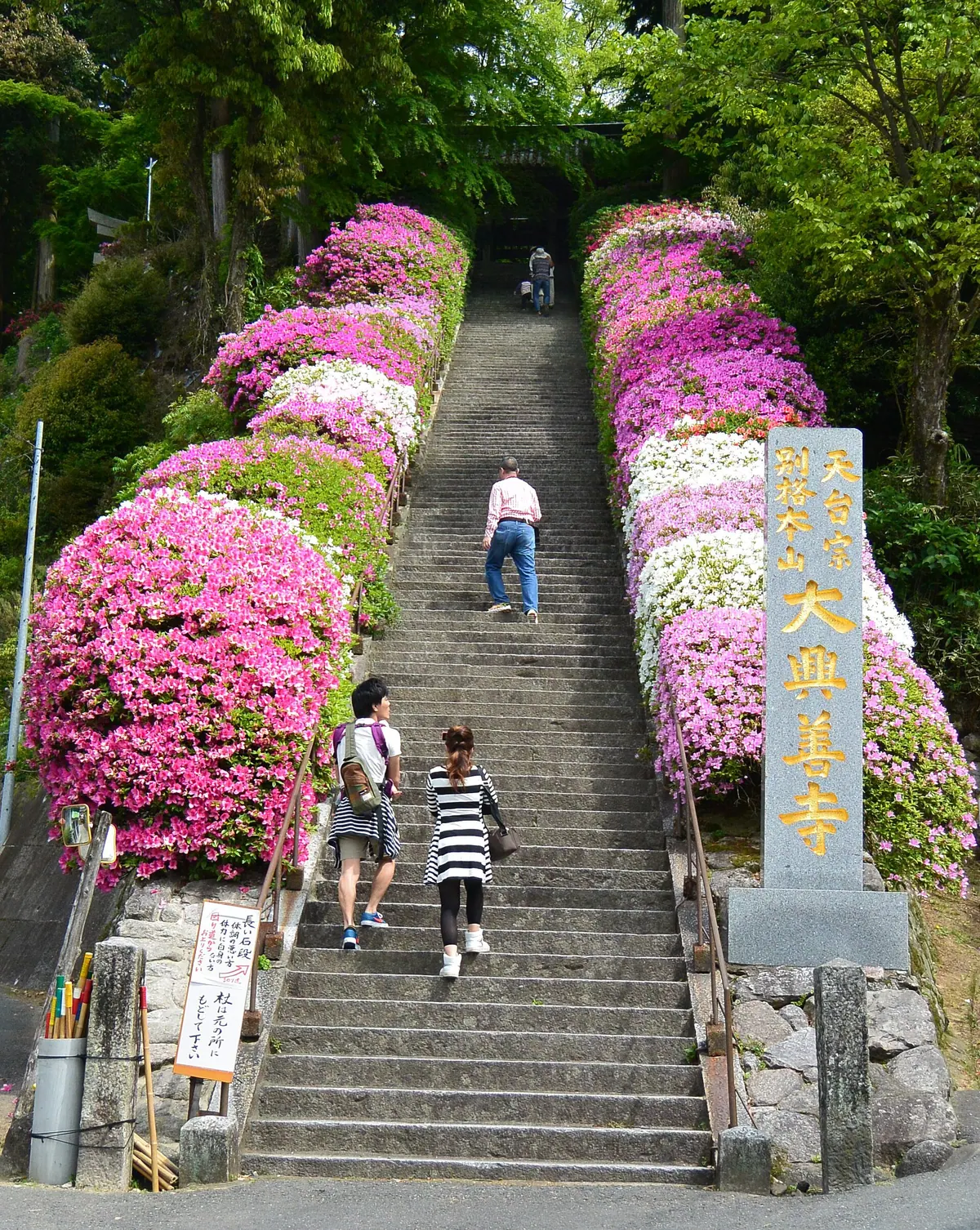
Daikōzen-ji Temple, founded by Gyoki, is a Tendai temple known for its azaleas and statues.
What it is
- A Tendai sect Buddhist temple.
- Founded by the monk Gyoki.
- Restored during the Heian period by Ennin.
- Also known as 'Azalea Temple'.
What to see
- The main hall, rebuilt in 1542.
- Principal image: an Eleven-faced Kannon statue.
- Two wooden statues of Komokuten and Tamonten.
- The temple grounds are famous for azaleas.
When to go
- Principal image is shown every 12 years in the Year of the Horse.
Getting there
- Accessible by bus from Kiyama Station.
- Address
- 佐賀県三養基郡基山町大字園部 Map
04
Fumyō-ji Temple
SAGA · TEMPLE 普明寺 (鹿島市)
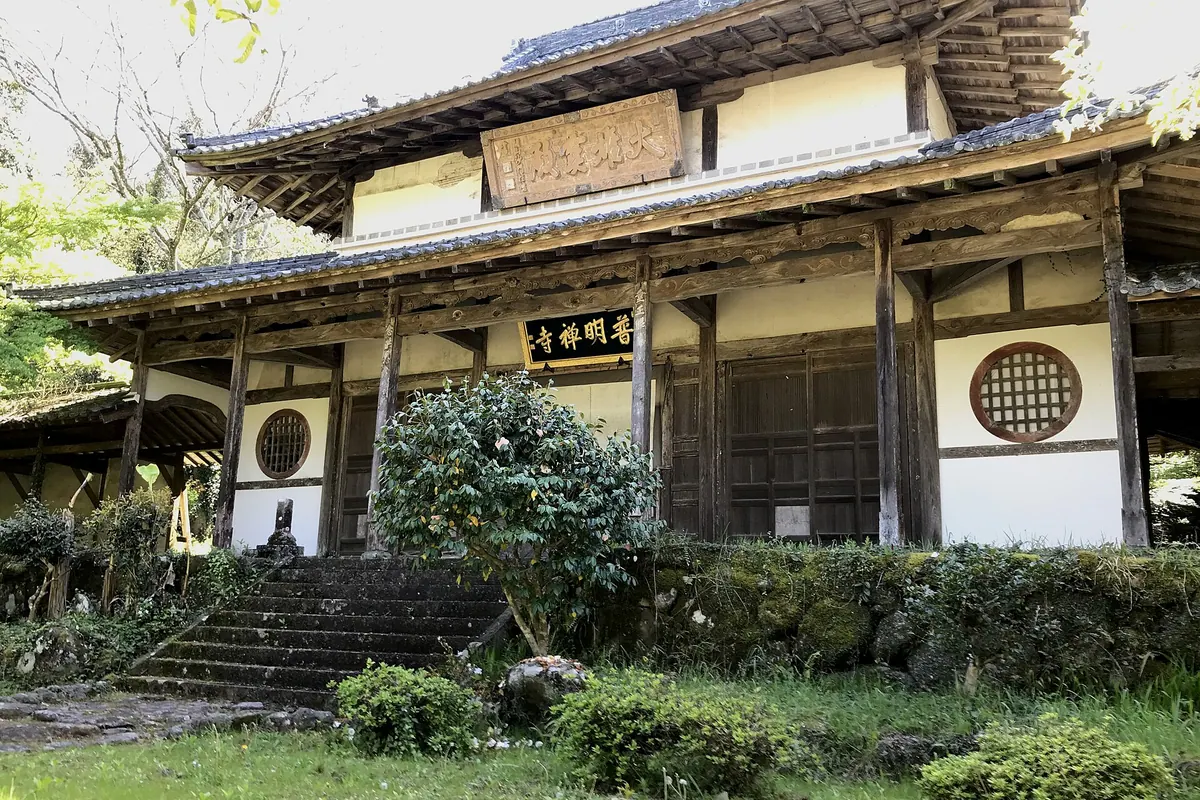
Fumyoji is a historic Buddhist temple with 17 buildings and the graves of Kashima lords.
What it is
- A Buddhist temple of the Obaku school.
- Founded in 1677 by Keigan Myodo.
- Established by Nabeshima Naotaka.
- Family temple of the Kashima Domain lords.
What to see
- The main object of worship is the Shaka Sanzon.
- Temple grounds cover approximately 10,000 tsubo.
- Seventeen buildings, including a main hall and bell tower.
- Graves of successive Kashima lords are behind the main hall.
- Bronze seated Bodhisattva statue is a cultural property.
- Temple and grounds are a city-designated historic site.
- Address
- 佐賀県鹿島市古枝甲2346 Map
05
Sangaku-ji Temple
SAGA · TEMPLE 三岳寺 (小城市)
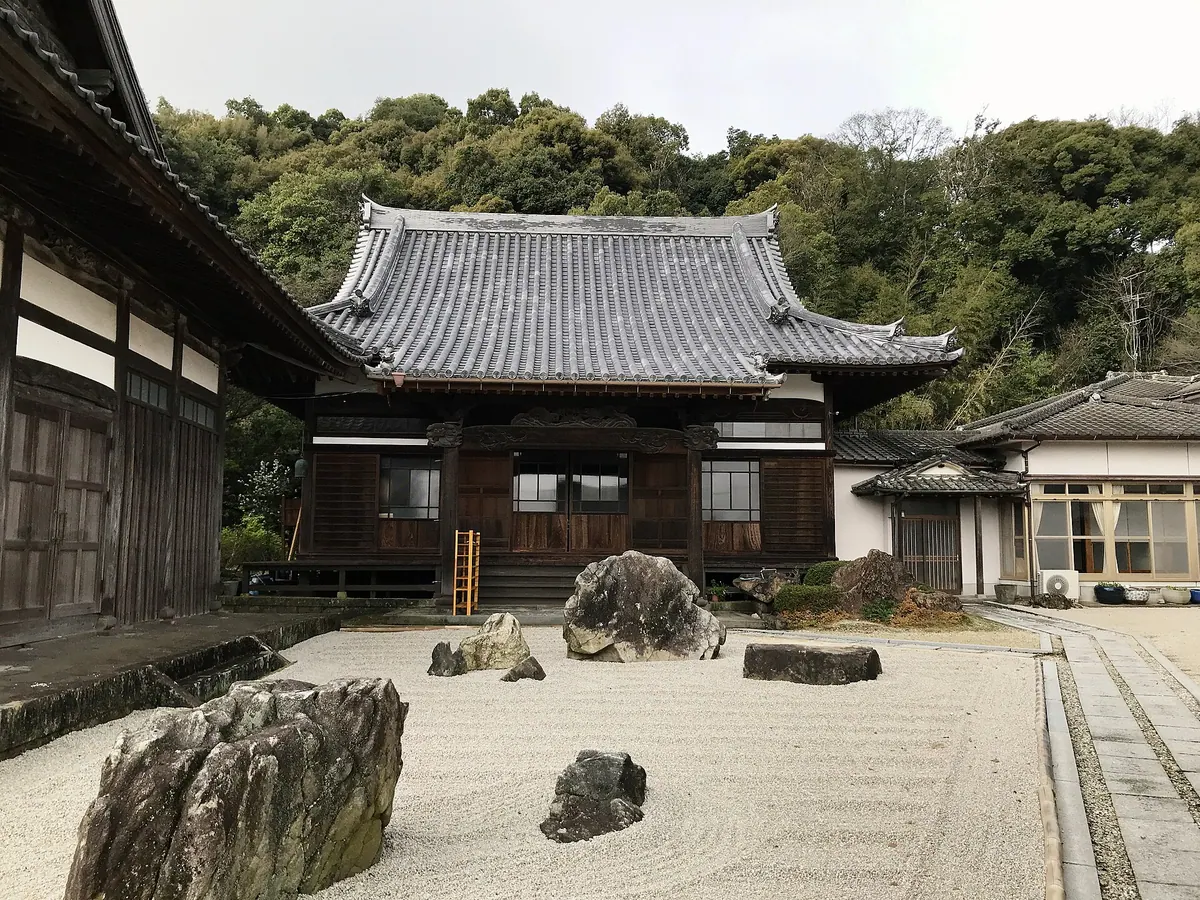
Sangakuji Temple offers a glimpse into centuries of Buddhist art and history.
What it is
- A Rinzai sect temple in Ogi City, Saga Prefecture.
- Originally a Tendai sect temple named Mitsuji.
- Founded by Priest Daichi during the Einin era (1293-1298).
What to see
- Kanshitsu Genkitsu Portrait, a cultural property.
- Wooden seated statues of Yakushi Nyorai, Dainichi Nyorai.
- Wooden seated statue of Eleven-faced Kannon Bosatsu.
- These wooden statues date to the late Kamakura period.
- Zasen (sitting mat) made from Indian quilted embroidery.
- Sangakuji Documents, spanning from 1294 to 1811.
- Address
- 佐賀県小城市小城町池上3670番地 Map
06
Takezakikanzeon-ji Temple
SAGA · TEMPLE 竹崎観世音寺

Visit this temple to see historic buildings, unique pagodas, and a vibrant winter festival.
What it is
- A Shingon-Omuro sect temple.
- Dedicated to its principal image, Senju Kannon.
What to see
- Kannon-do and Hiraibo buildings, rebuilt in early Edo period.
- Two 2.2-meter stone three-storied pagodas.
- Pagodas date to the mid-Kamakura period.
- Pagodas are Prefectural Important Cultural Properties.
When to go
- Early January for the Shushoue Oni Matsuri.
- Festival is a National Important Intangible Folk Cultural Property.
- Dojimai dance is performed at the festival.
- Address
- 佐賀県藤津郡太良町大浦甲竹崎248番地 Map
- Official site
- buddhist-temple-2935.business.site
07
Iō-ji Temple
SAGA · TEMPLE 医王寺
Iō-ji Temple is a historic Zen temple with important cultural properties and a 450-year-old cedar.
What it is
- A Sōtō Zen temple founded in 1383.
- Principal image is Yakushi Nyorai.
- 41st temple of the Kyushu 49 Yakushi Pilgrimage.
- Founded by Muchaku Myōyū and Hata Awano Kami Minamoto Take.
What to see
- Main hall is a Registered Tangible Cultural Property.
- Temple gate is a Registered Tangible Cultural Property.
- 450-year-old cedar tree near the gate.
- Wooden standing Yakushi Nyorai statue.
- Hizen bell is a Saga Prefectural Cultural Property.
- Address
- 佐賀県唐津市相知町黒岩183 Map
08
Jōshō-in Temple
SAGA · TEMPLE 常照院 (佐賀市)
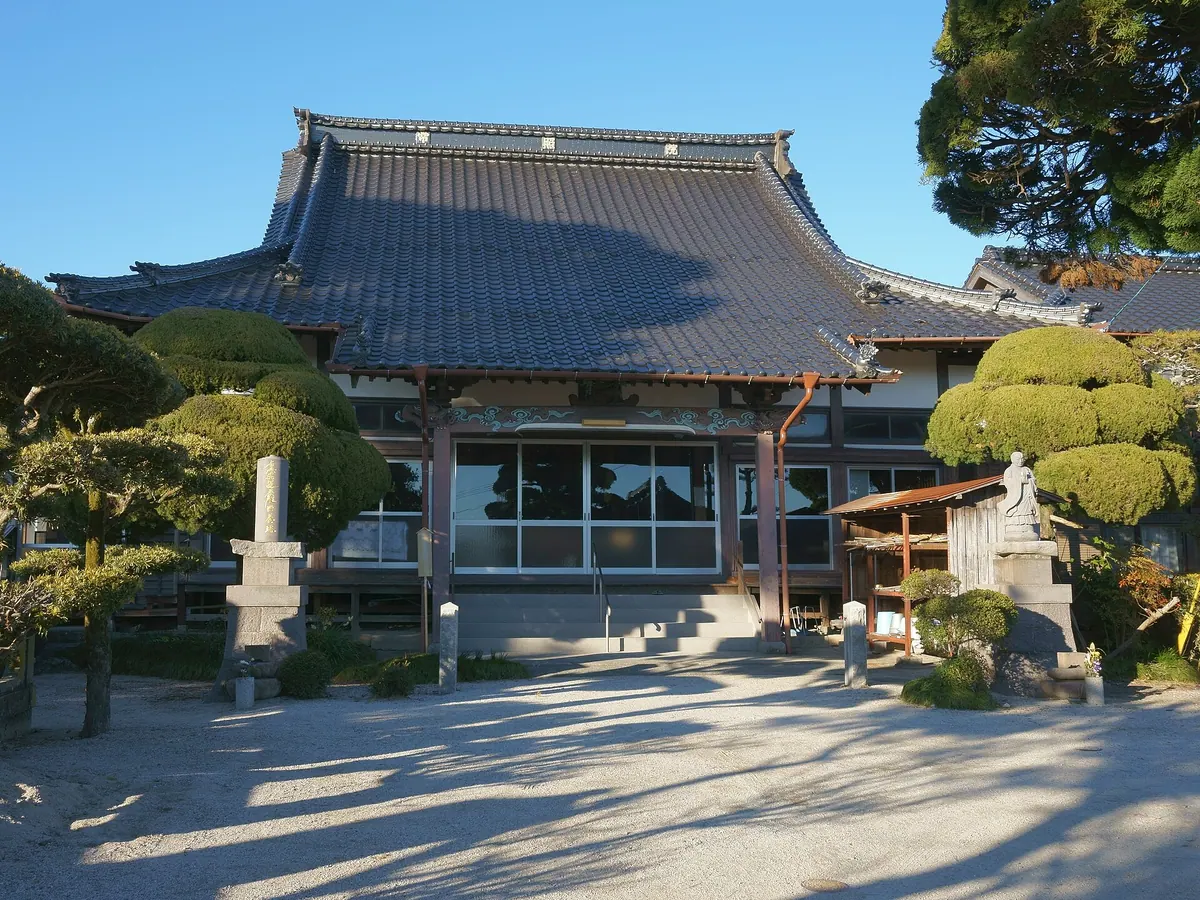
Joshō-in is a historic Nichiren Buddhist temple, family temple of the Ishii clan, with ties to the Nabeshima clan.
What it is
- Nichiren Buddhist temple.
- Founded in 1429 by Ishii Echigo-no-kami Tadakuni.
- Family temple of the Ishii clan.
- Prayer temple of the Nabeshima clan.
What to see
- Temple grounds are former site of Iimori Castle.
- Main hall has Nabeshima and Ishii family crests.
- Graves of Ishii Tsune'en and Ishii Ryōichi.
- Ishii family tree is a temple treasure.
Getting there
- 30-minute bus ride from JR Saga Station.
- Address
- 佐賀県佐賀市本庄町鹿子1206番地3 Map
09
Kōden-ji Temple
SAGA · TEMPLE 高伝寺

Kōden-ji Temple is a historic Zen temple with significant cultural properties and beautiful plum blossoms.
What it is
- Sōtō Zen Buddhist temple.
- Founded in 1552 by Nabeshima Kiyofusa.
- Family temple of the Nabeshima clan of Saga Domain.
What to see
- Shakado Hall, a cultural property.
- Large Nirvana painting from 1706.
- Goihaisho Hall, built in 1896.
- Wooden seated statue of Nabeshima Tadanao.
- Graves of Ryūzōji Takanobu and Saga Domain lords.
- A 400-year-old plum tree.
When to go
- Known for its plum blossoms.
- Address
- 佐賀県佐賀市本庄町大字本庄1112番地1 Map
- Official site
- www.koudenji.com
10
Niiyama jizō-in Temple
SAGA · TEMPLE 仁比山地蔵院
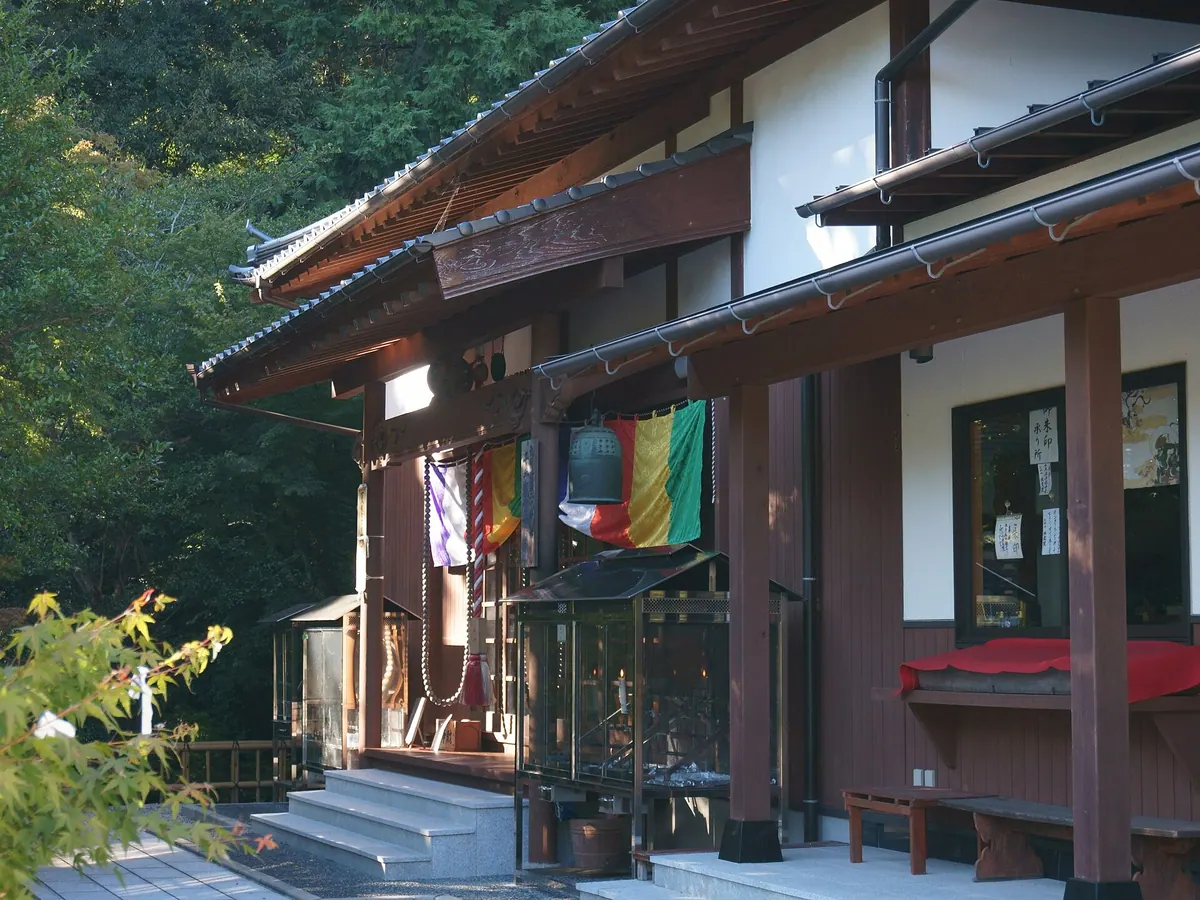
Niiyama Jizō-in Temple is an ancient Tendai temple with a rich history and cultural treasures.
What it is
- A Tendai sect temple founded in 729 by Gyōki.
- Main image is a Senju Kannon.
- One of thirty-six temples called Niiyama Gokoku-ji.
- 20th temple of the Kyushu Saigoku 33 Kannon Pilgrimage.
What to see
- The 175 cm tall Senju Kannon statue.
- Rokujizō stone pagoda, dating to 1517.
- Niōmon gate, a cultural property of Kanzaki City.
- Filming location for the TV drama Suna no Utsuwa.
- Address
- 佐賀県神埼市神埼町的1688 Map
11
Jōman-ji Temple
SAGA · TEMPLE 浄満寺
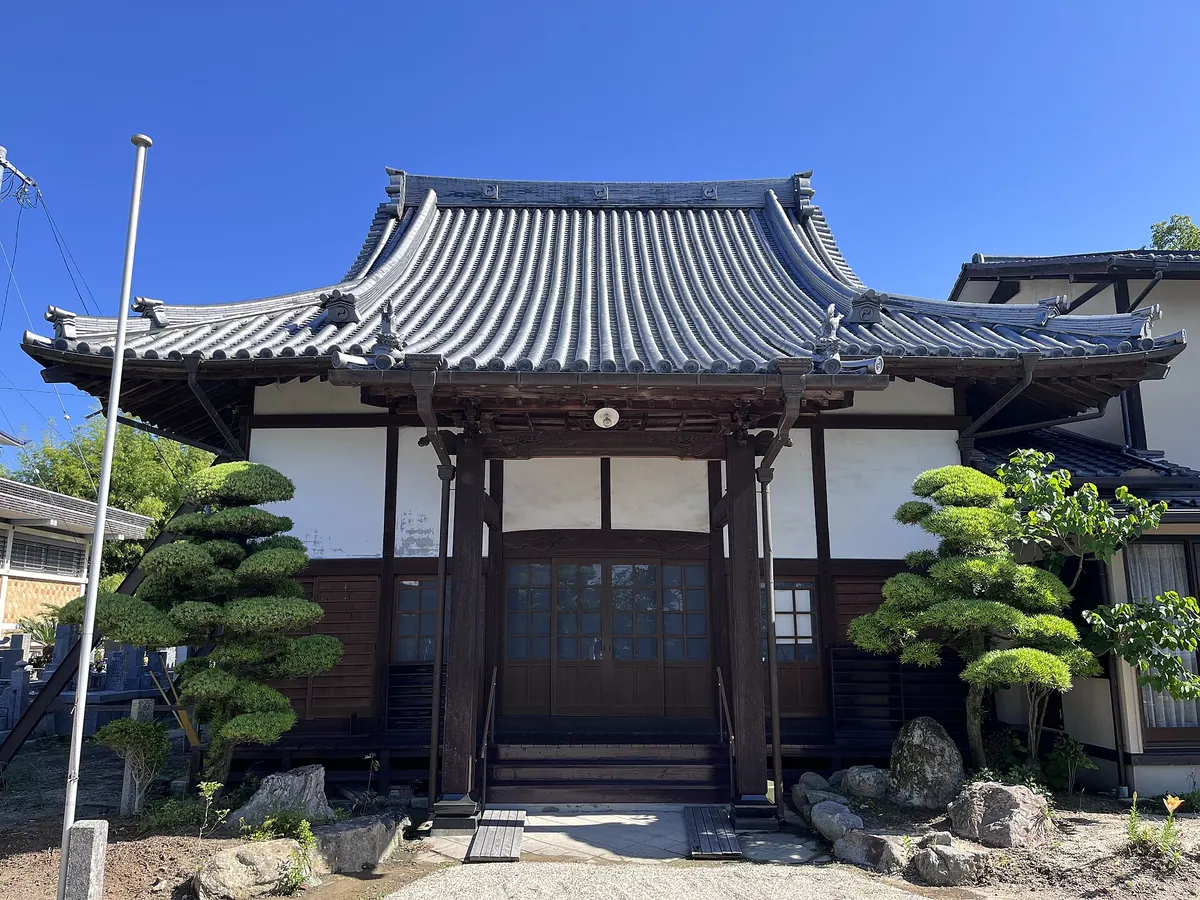
Jomanji Temple offers a glimpse into local history and a tranquil escape.
What it is
- Jodo Shinshu Honganji-ha Buddhist temple.
- Founded by Hiromatsu Gennojo Shigemasa.
- Became a Honganji-ha temple in 1633.
- Principal image is Amida Nyorai.
What to see
- Main hall, rebuilt in 1905.
- Ossuary, completed in 1968.
- Monto Kaikan (parishioners' hall), built in 1987.
- Stone pillar marks former Tsuboue Elementary School.
- Large camphor tree, approximately 200 years old.
- Address
- 佐賀県佐賀市高木瀬町長瀬909-1 Map
12
Ryosen-ji Temple
SAGA · TEMPLE 霊仙寺跡
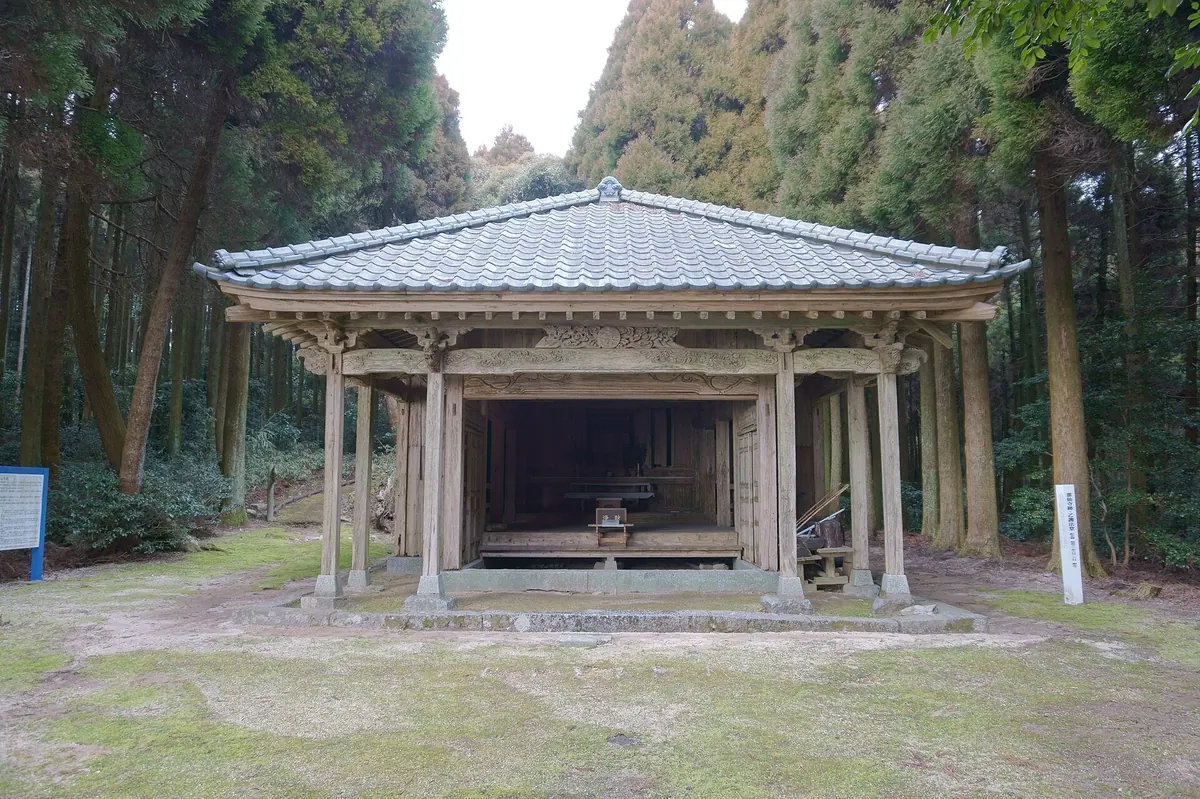
Explore Ryosen-ji Temple ruins, Japan's first tea cultivation site, for historical and cultural insights.
What it is
- Temple ruins in Yoshinogari Town, Saga Prefecture.
- Founded as a training ground for mountain Buddhism.
- Existed from early 8th century to Edo period.
- Re-established during Edo period with Nabeshima family support.
What to see
- Otogohodo hall is the only existing structure.
- Sutra mound dates to 1145.
When to go
- Tea was first cultivated here in 1191.
13
Taku Seibyō
SAGA · TEMPLE 多久聖廟
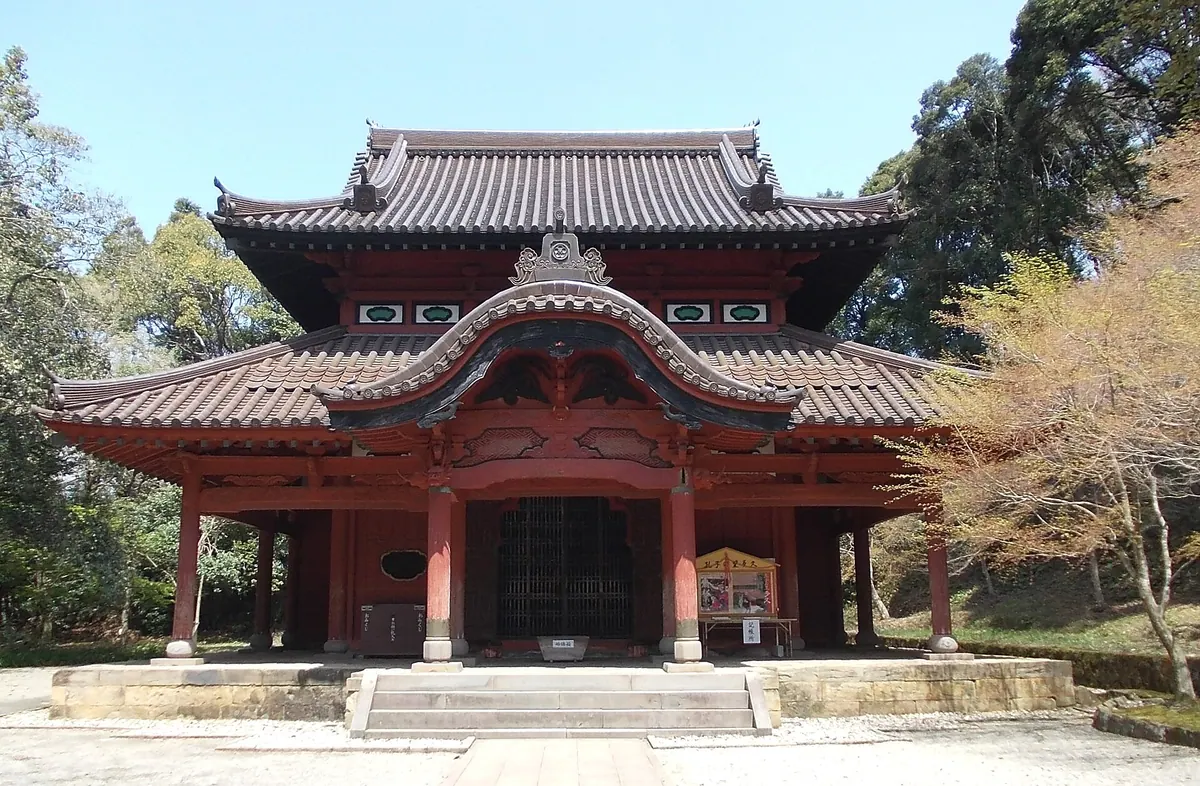
Japan's oldest Confucius Temple, a National Important Cultural Property, built to promote education.
What it is
- A Confucius Temple, the oldest in Japan.
- Built in 1708 by Takushigebumi.
- Constructed to promote education.
- Designated a National Historic Site in 1921.
What to see
- The current temple building, Kyoan-den.
- A Confucius statue enshrined in the lecture hall.
- Copper roof, changed from tile in 1907.
- Recognized as a National Important Cultural Property.
14
Chūkyōzan Shūzen-in Temple
SAGA · TEMPLE 修善院
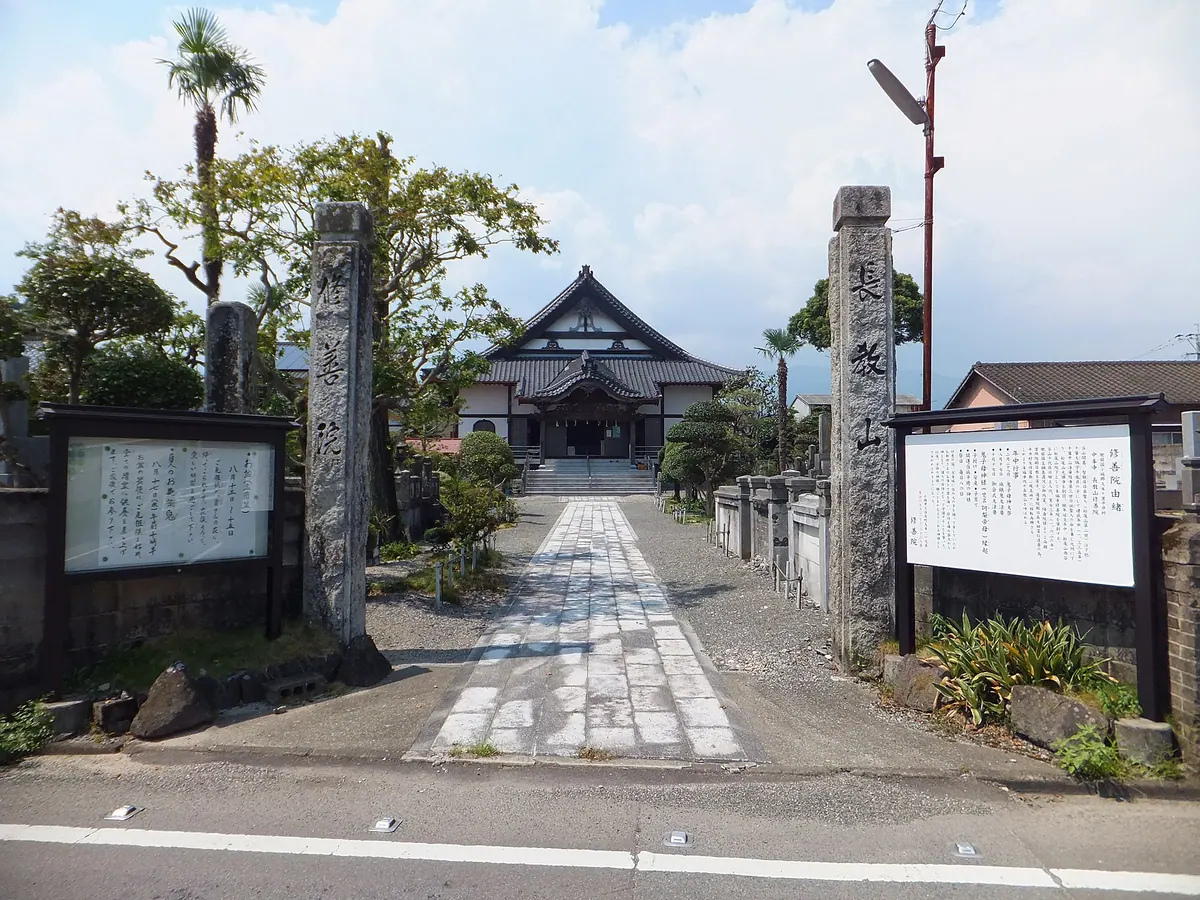
A Nichiren Buddhist temple in Kyushu, known for Daruma prayers and historical artifacts.
What it is
- A Nichiren Buddhist temple.
- Founded by Chikanbo Nissho in the Enbun era.
- Rebuilt in 1626 by Yotai-in.
- Known as Hirai no Kishimojin-sama.
What to see
- The current main hall, built in 1979.
- A letter from Jogyoin Nichiyu Shonin.
- A statue of Shakyamuni.
When to go
- The only temple in Kyushu offering Daruma prayers.
- Address
- 佐賀県小城市三日月町久米1195番地 Map
15
Kōshō-ji Temple
SAGA · TEMPLE 光勝寺
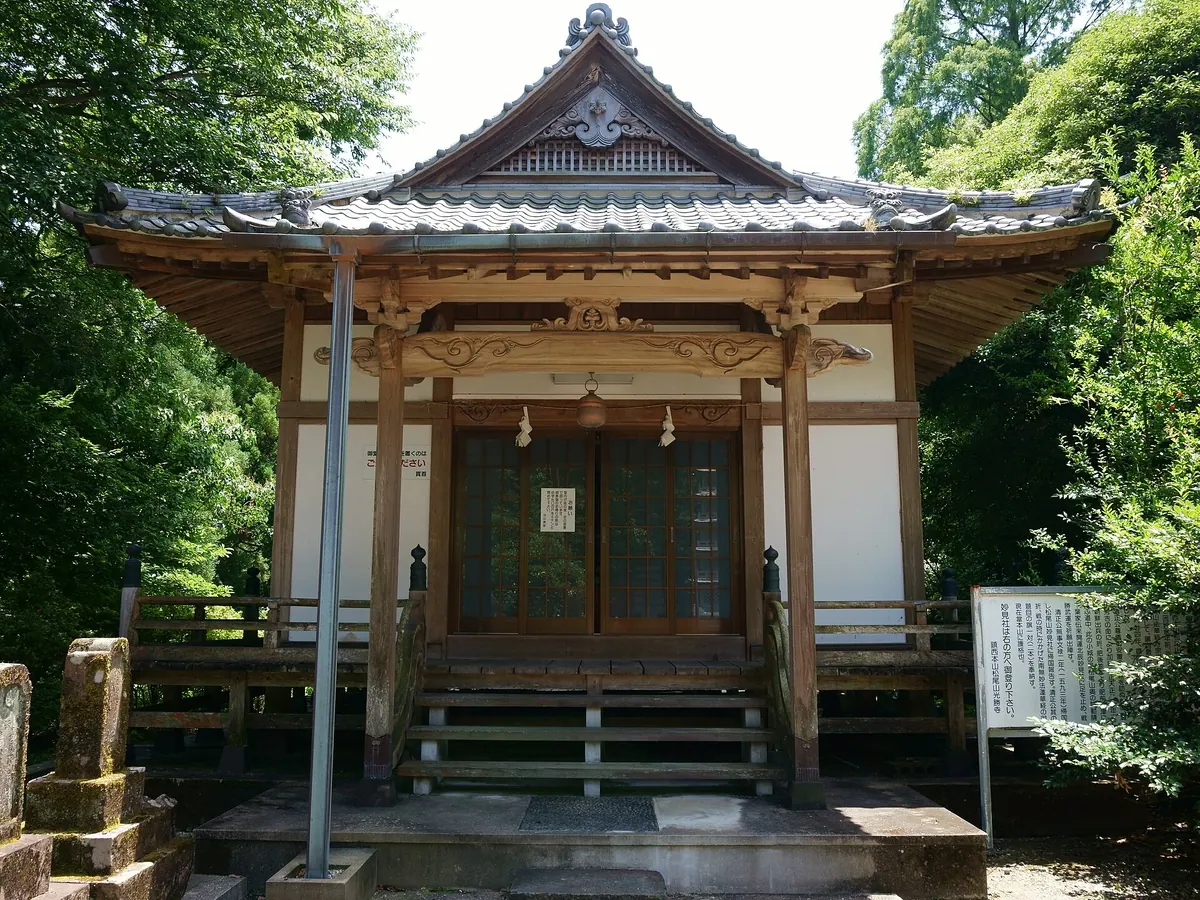
Kōshō-ji is a historic Nichiren temple with significant architecture, founded in 1317.
What it is
- A head temple of the Nichiren sect.
- Founded in 1317 by Chiba Taneda.
- Also known as Chinzei Honzan.
What to see
- The main hall, rebuilt during the Kan'en era.
- The Shinshido, donated by the Ishii clan.
- The Somon, a main gate.
- The Niomon, rebuilt in 1864.
Getting there
- A 30-minute walk from Ogi Station.
- Address
- 佐賀県小城市小城町松尾4421 Map
16
Entsū-ji Temple
SAGA · TEMPLE 円通寺
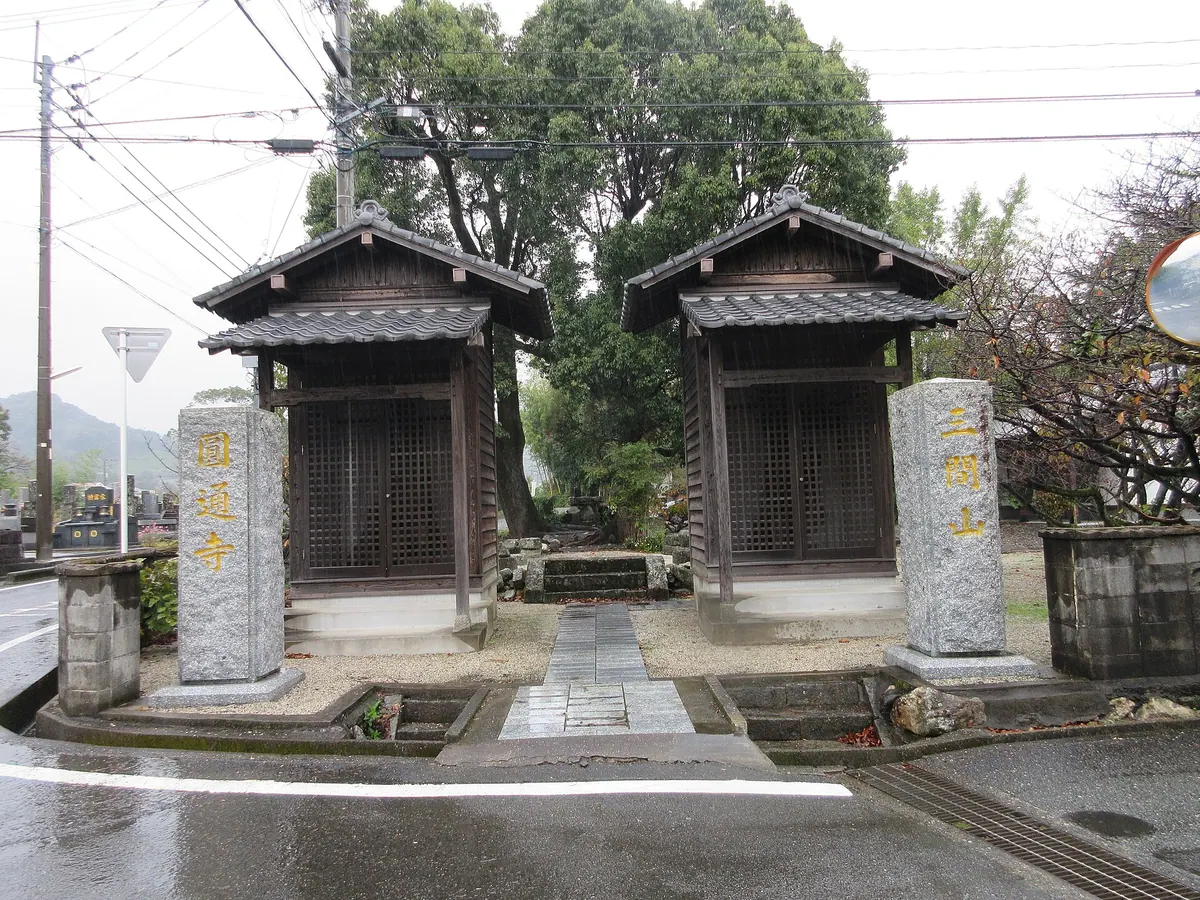
Entsū-ji Temple is Ogi City's oldest temple, housing ancient statues and historical documents.
What it is
- Rinzai sect Buddhist temple.
- Oldest temple in Ogi City, founded in 650 AD.
- Became a Zen temple in 1278.
- Ancestral temple of the Kyushu Chiba clan.
What to see
- Wooden standing statues of Jikokuten and Tamonten.
- Statues were made in 1294.
- Thirteen historical documents.
- Letters from Emperor Go-Daigo are among the documents.
- Address
- 佐賀県小城市小城町松尾3832 Map
17
Shōmyō-ji Temple
SAGA · TEMPLE 勝妙寺
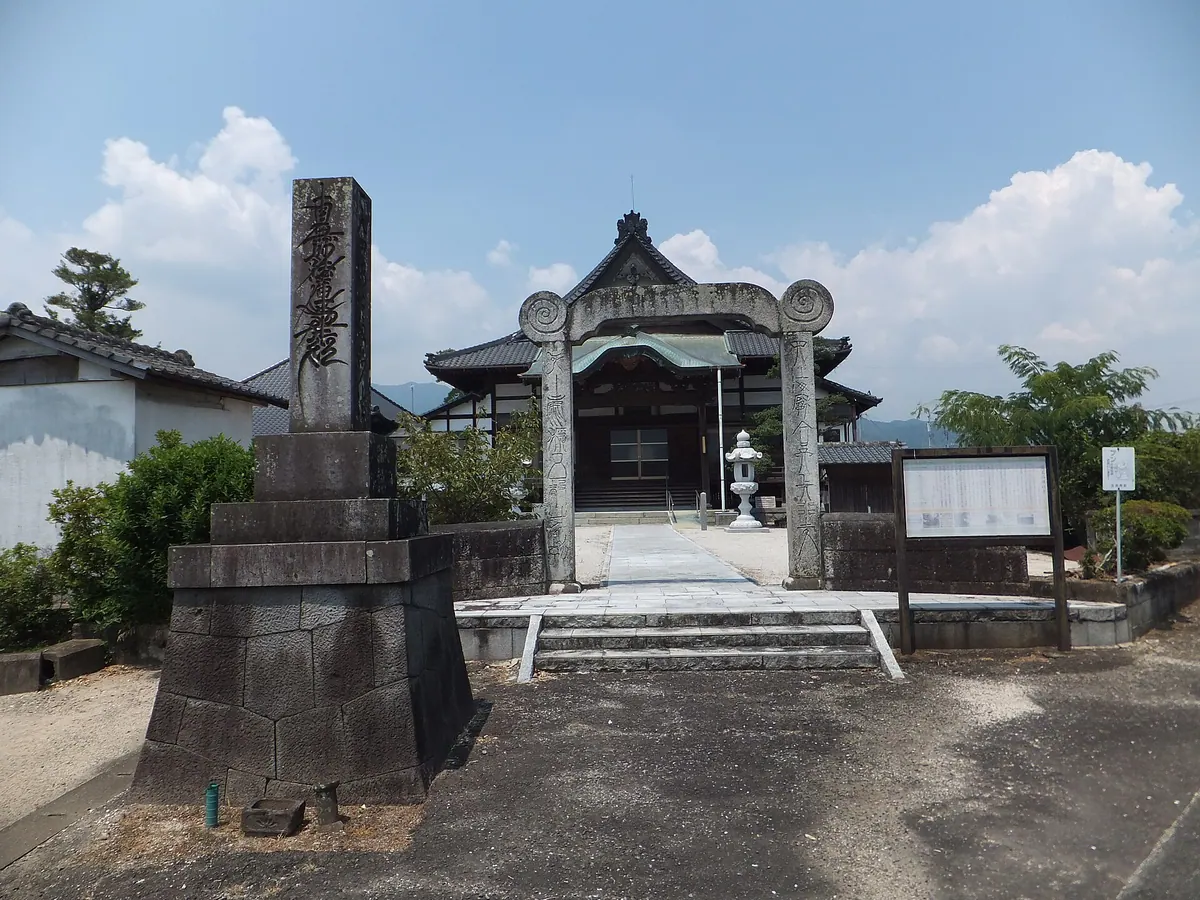
Shomyoji Temple is a historic Nichiren Buddhist temple with a rare Nichiren-handwritten mandala.
What it is
- A Nichiren Buddhist temple founded in 1366 by Nichigen.
- Its mountain name is Ryuo-zan.
- Houses the graves of the Nakano family.
What to see
- A Great Mandala Gohonzon handwritten by Nichiren.
- The Hizen Shinsho bell, a city cultural property.
- Stone gate calligraphy by Nakabayashi Gochiku.
- The current main hall, built in 1929.
- Address
- 佐賀県小城市三日月町織島3415 Map
18
Hontsū-ji Temple
SAGA · TEMPLE 本通寺 (佐賀市)
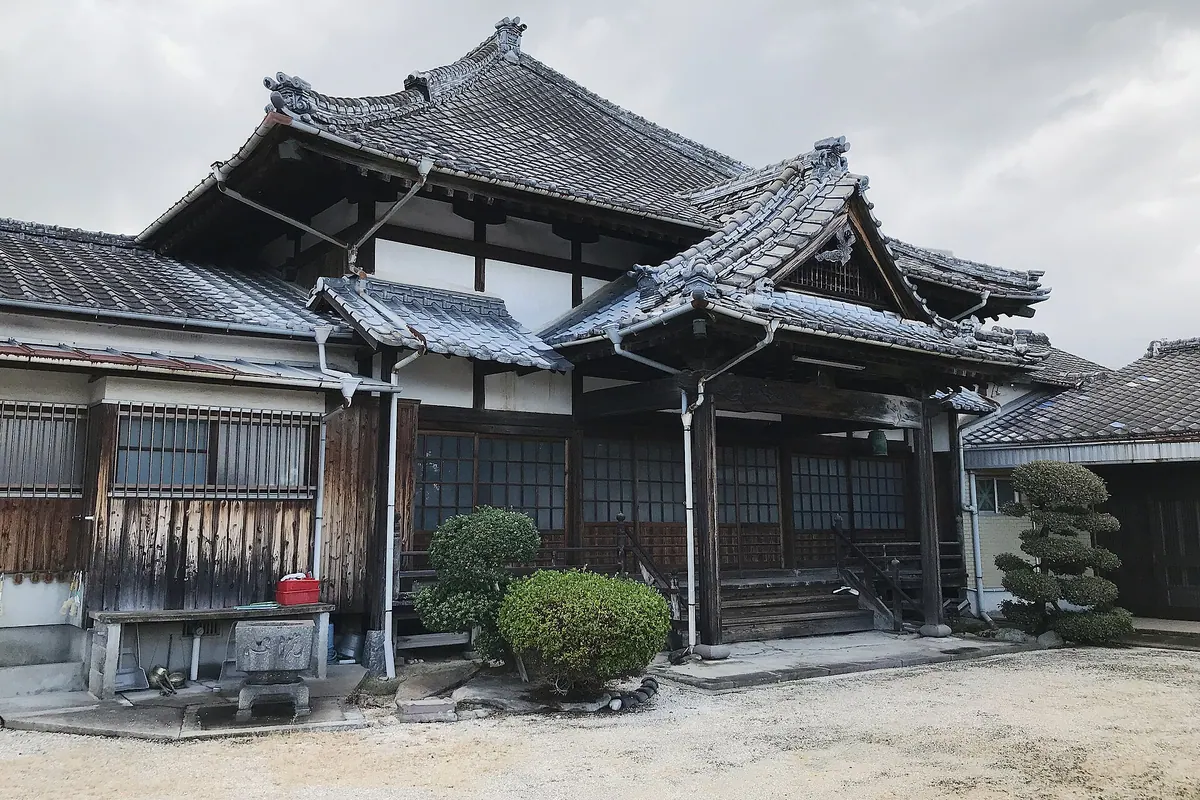
Hontsu-ji is a historic Nichiren Buddhist temple, founded in 1462, with significant ties to the Ishii clan.
What it is
- A Nichiren Buddhist temple.
- Founded in 1462 by Chiba Tanetoshi.
- Family temple of the Ishii clan.
- Rebuilt by Ishii Ikeda, who became chief priest.
What to see
- Graves of Ishii Ikeda and other clan members.
Getting there
- Bus from Saga Station Bus Center.
- Nearest bus stop is Higashi-Takagi.
- Address
- 佐賀県佐賀市 高木瀬東3丁目12番25号 Map
19
Danjō-in Temple
SAGA · TEMPLE 誕生院

Danjō-in Temple is a historic Shingon temple, founded in 1405, with important cultural properties.
What it is
- A Shingi Shingon sect grand head temple.
- Founded in 1405 by Josho.
- Built at the birthplace of Kōgyō Daishi Kakuban.
- Ashikaga Yoshimitsu initiated its founding.
What to see
- Principal image is Kirisan Migawari Fudo Myoo.
- Painting of Monju Bosatsu riding a lion.
- Painting is a designated cultural property.
- Address
- 佐賀県鹿島市大字納富分2011 Map
20
Ryūtai-ji Temple
SAGA · TEMPLE 龍泰寺
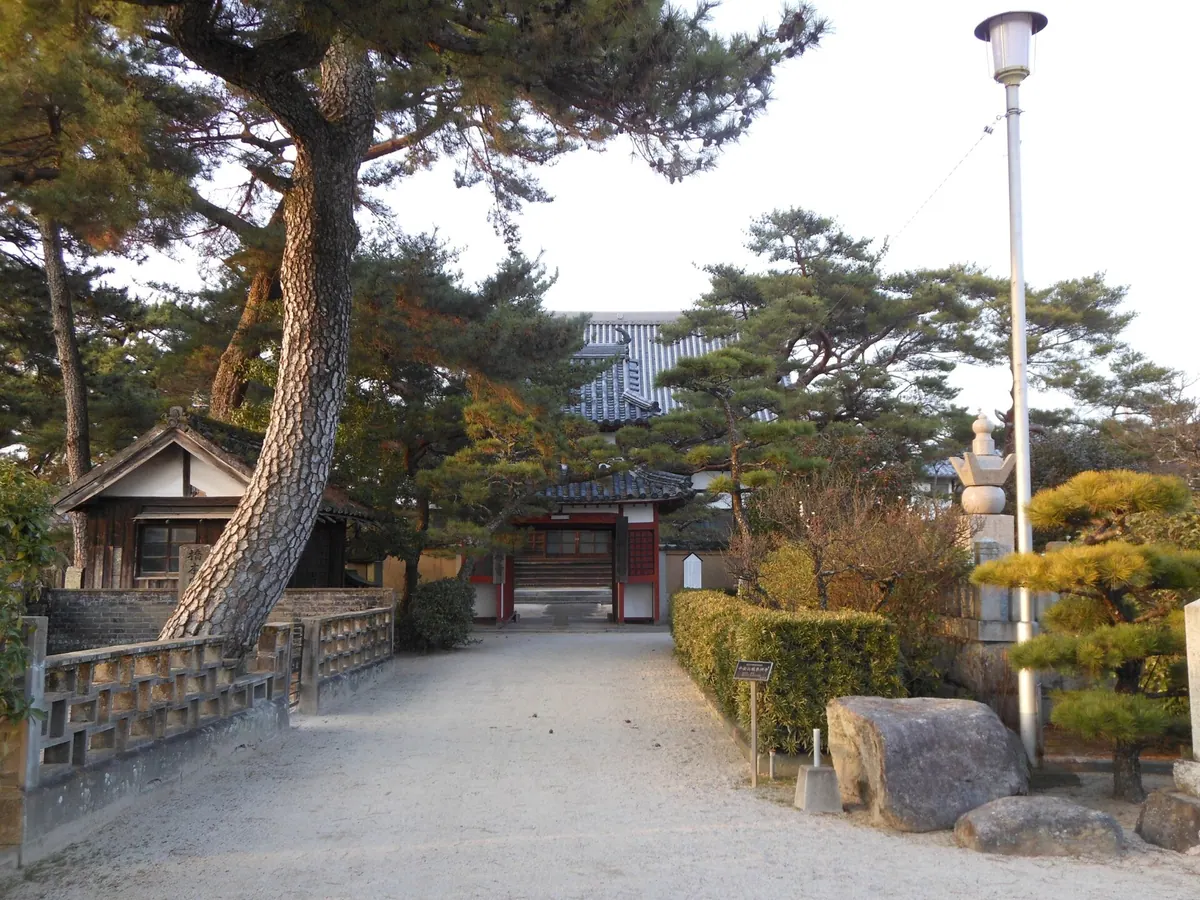
Ryūtai-ji Temple is a historic Sōtō Zen temple, family temple to powerful clans.
What it is
- A Sōtō Zen Buddhist temple.
- Founded in 1565 by Ryūzōji Takanobu.
- Family temple of the Ryūzōji and Murata clans.
- Family temple of the Ōkuma Shigenobu family.
What to see
- Graves of the Murata clan.
- Grave of Ōkuma Shigenobu.
Getting there
- 12-minute bus ride from Saga Station.
- Address
- 佐賀県佐賀市赤松町 Map
- Official site
- ryutaizi.com