

20 Temples in Tottori worth your time
Japan Gems
Tottori Prefecture's temples, such as Fudō-in Iwaya-dō Temple and Kōsen-ji Temple, offer a look at the region's spiritual heritage. Visitors can find a variety of temple experiences across the prefecture.
Tottori has 34 temples on Japan Gems. Below are the 20 we can tell you the most about — each one written up in English from Japanese sources, with what to see and how to get there. See all temples in Tottori.
01
Mani-ji Temple
TOTTORI · TEMPLE 摩尼寺

Mani-ji Temple is a historic Tendai temple with significant cultural properties and a sacred mountain peak.
What it is
- A Tendai sect Anraku-ritsu school temple.
- Restored by Ennin (Jikaku Daishi) around 834 AD.
- Rebuilt by Ikeda Mitsunaka and Mitsumasa in early Edo period.
- Mountain name is Kiken-zan.
What to see
- Main hall is a registered tangible cultural property.
- Bell tower is a registered tangible cultural property.
- Mountain gate is a registered tangible cultural property.
- Niomon gate is a designated protected cultural property.
- A 303-step stone staircase laid in 1912.
- Standing rock on peak is a sacred site for Taishakuten's descent.
- Address
- 鳥取県鳥取市覚寺624 Map
02
Sainoo Haiji Ruins
TOTTORI · TEMPLE 斎尾廃寺跡
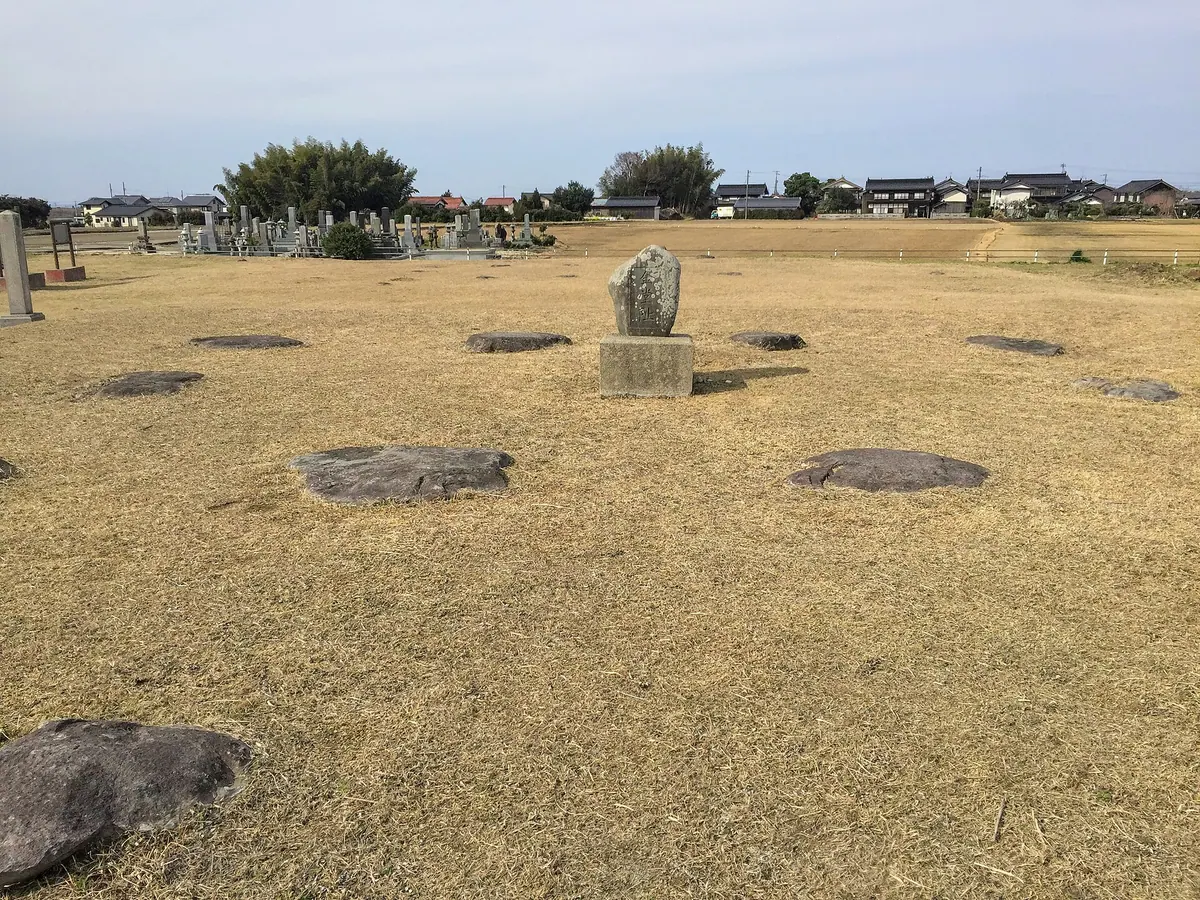
Explore ancient temple ruins, a National Historic Site, revealing Japan's early Buddhist architecture.
What it is
- Temple ruin from the Asuka to Nara periods.
- Designated a Special National Historic Site.
- Designated a Special National Historic Site on March 29, 1952.
What to see
- Horyuji-style temple layout, with main hall and pagoda.
- Remains of the main hall and pagoda are earth mounds and foundation stones.
- Foundation stones of the lecture hall and middle gate earth mound remain.
- Excavated roof tiles and earthenware.
- Round eaves tiles share patterns with Kidera ruins.
- Flat eaves tiles share patterns with Horyuji Temple.
03
Daiun-in Temple
TOTTORI · TEMPLE 大雲院
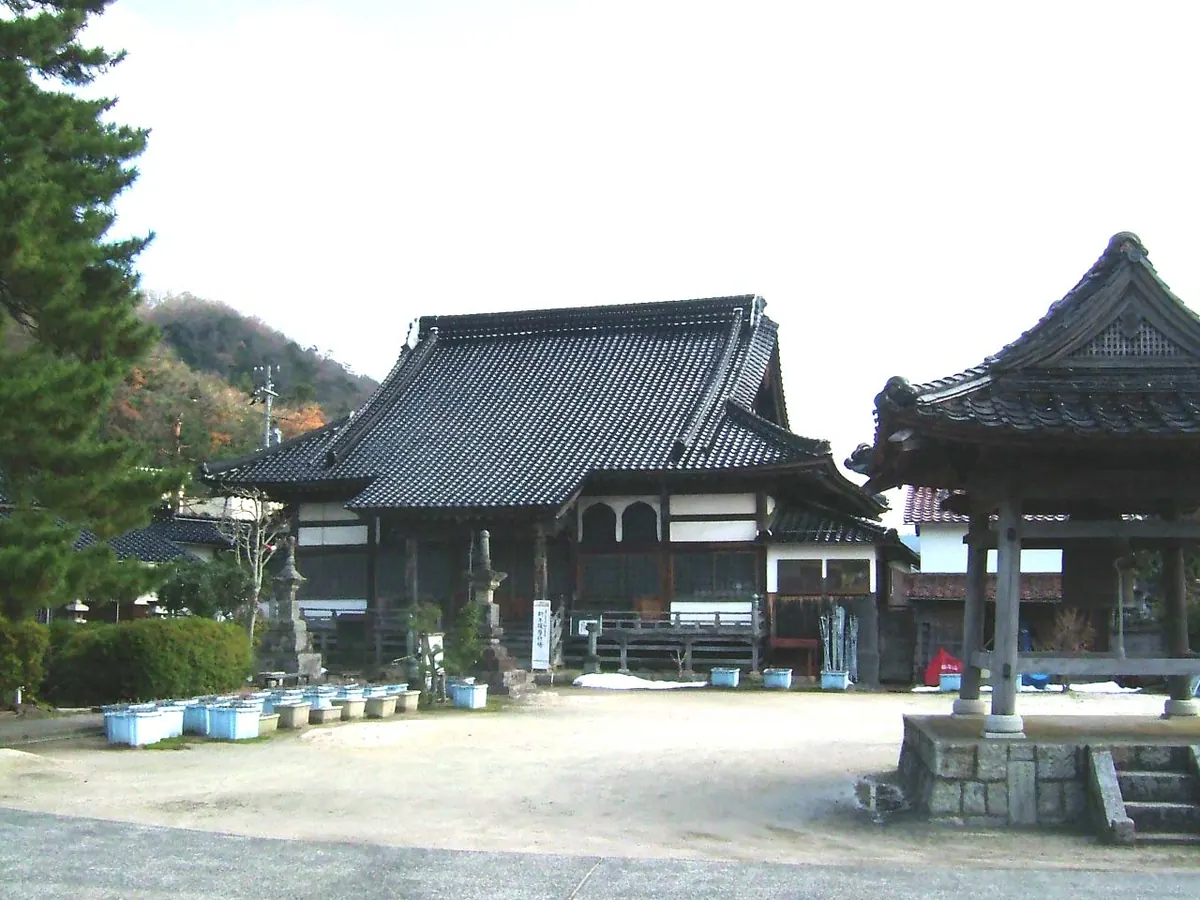
A historic Tendai Buddhist temple in Tottori housing National Important Cultural Properties and serving as a major pilgrimage site.
What it is
- A Tendai Buddhist temple founded in 1650 by Lord Ikeda Mitsunaka
- The 33rd site of the Chugoku 33 Kannon Pilgrimage
- Dedicated to the primary deity Amida Nyorai
- Former administrator for the Tottori Toshogu Shrine
What to see
- National Important Cultural Properties including the Golden Lotus Sutra
- Calligraphy by Emperor Fushimi preserved within the temple collection
- Ancestral tablets belonging to the Tokugawa Shogunate
- The main temple grounds located in the Tachikawa-cho area
04
Sanbutsu-ji Temple
TOTTORI · TEMPLE 三仏寺
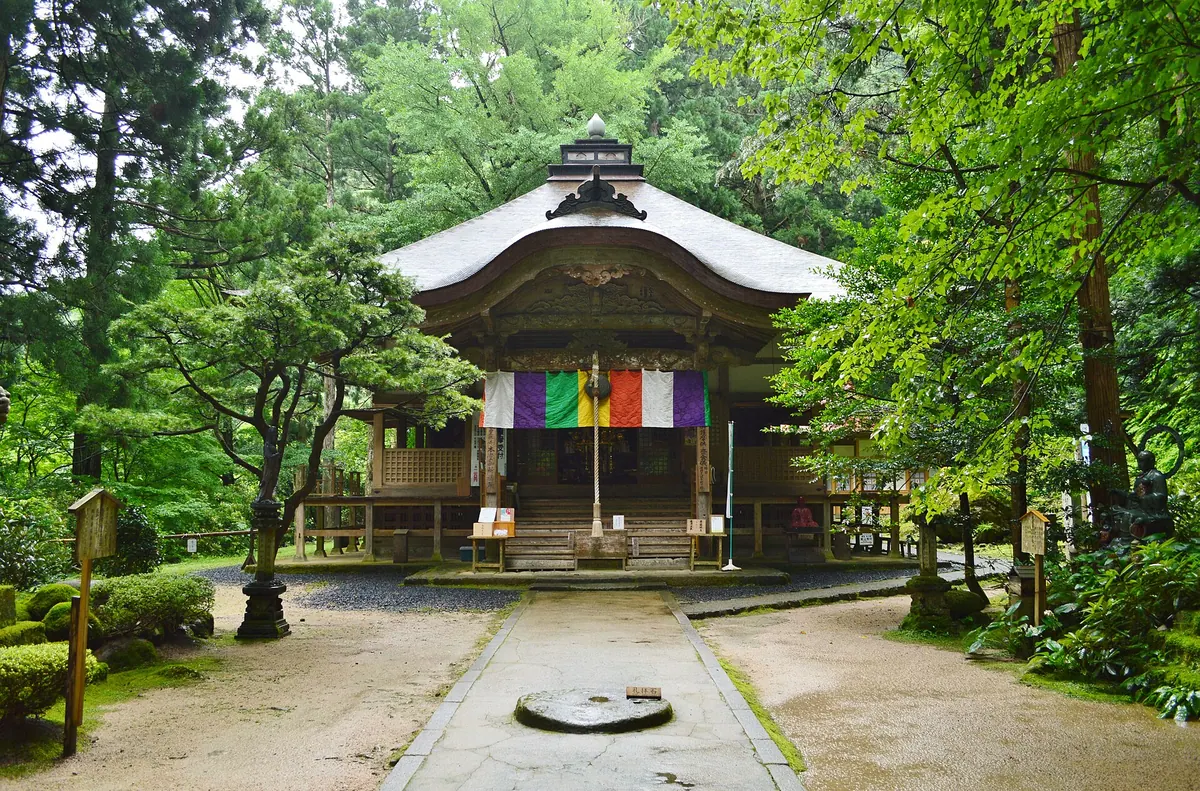
Sanbutsu-ji Temple is a unique mountain temple with a hall built into a cliff.
What it is
- A Tendai Buddhist temple.
- Known for its Nageiredo, an inner sanctuary.
- Certified as a Japan Heritage site in 2015.
What to see
- Nageiredo, a National Treasure built into a cliff.
- A hidden Amitabha Tathagata statue in the main hall.
- Three sub-temples: Kaijoin, Shozenin, and Rinkoin.
- A wooden statue of Zao Gongen from 1168.
- Important cultural properties like Monjudo and Jizodo.
- The bell tower in the mountain area.
- Address
- 鳥取県東伯郡三朝町三徳1010 Map
- Official site
- www.mitokusan.jp
05
Genchū-ji Temple
TOTTORI · TEMPLE 玄忠寺
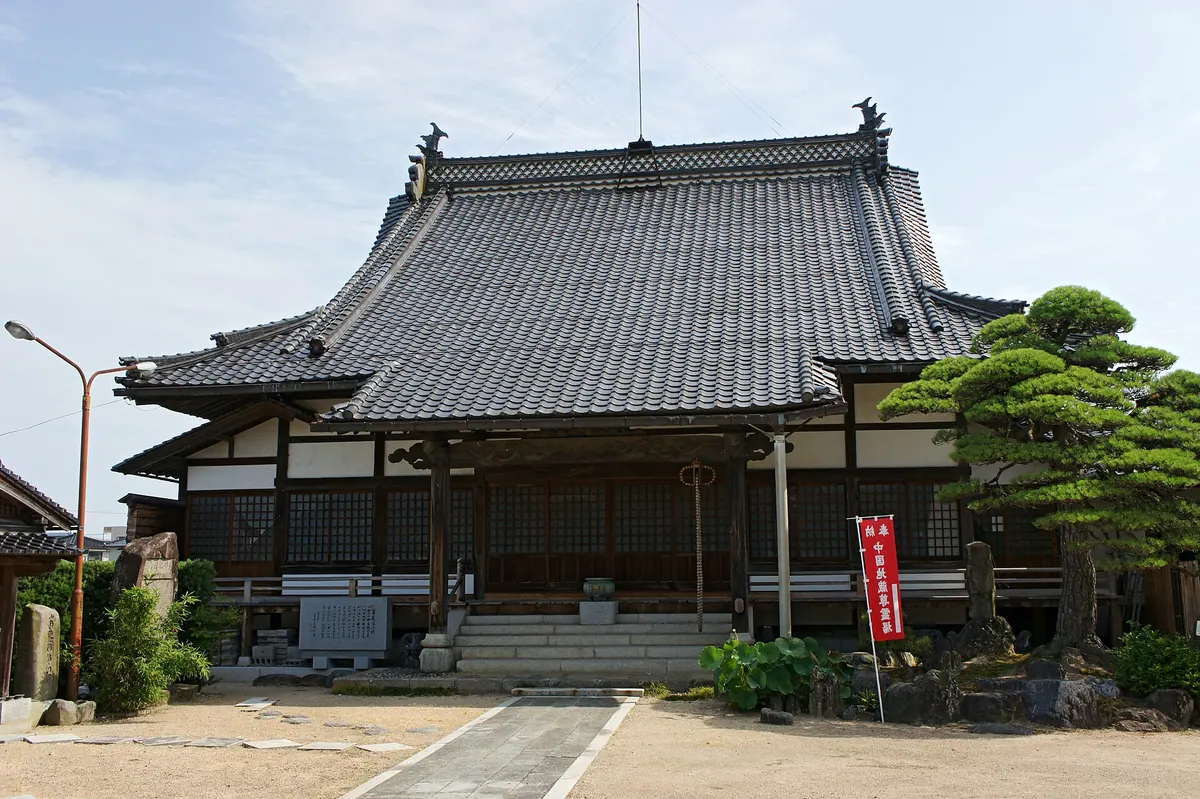
Genchū-ji Temple is a historic Jōdo-shū Buddhist temple with a famous swordsman's grave and relics.
What it is
- Jōdo-shū Buddhist temple.
- Family temple of swordsman Araki Mataemon.
- Founded in 1508.
- Moved to current location in 1660.
What to see
- Araki Mataemon's Relics Museum.
- Araki Mataemon's grave.
- Kuroda Inakō's grave.
- Main hall, gate, and bell tower rebuilt in 1805.
When to go
- Open daily from 9:00 to 16:00.
- Closed January 1-3, Vernal Equinox, August 12-15, August 20, Autumnal Equinox.
- Address
- 鳥取県鳥取市新品治町77番地 Map
06
Kōsen-ji Temple (Chizu)
TOTTORI · TEMPLE 光専寺 (智頭町)
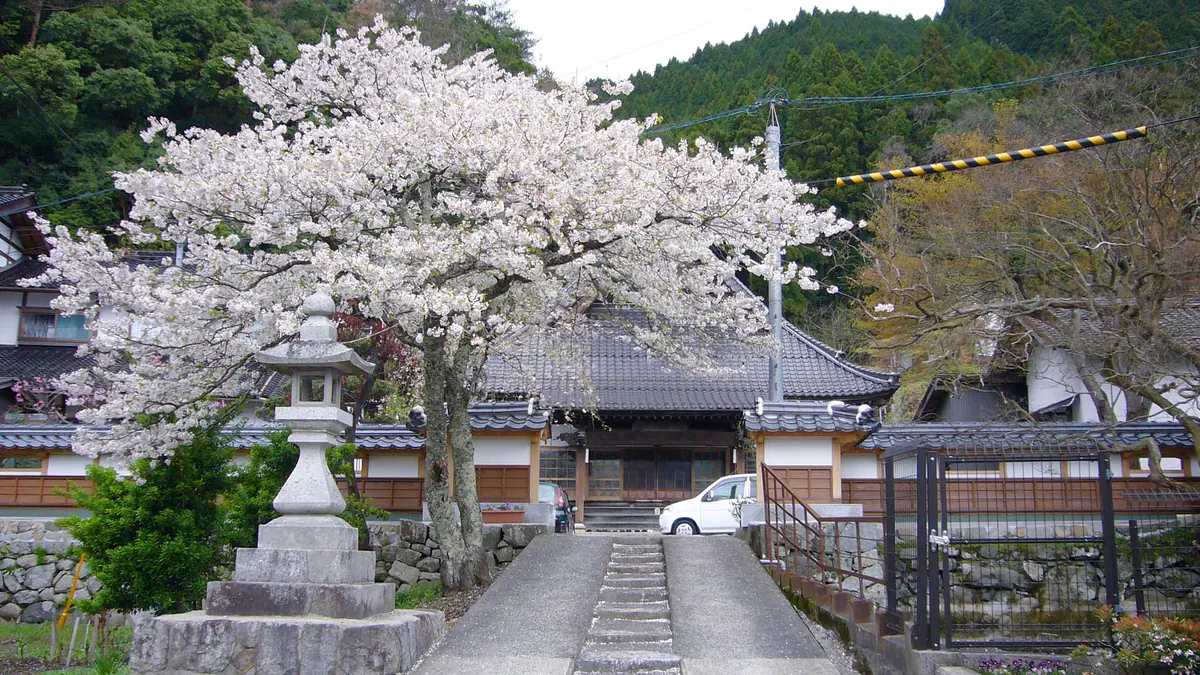
Kōsen-ji Temple: a historic temple with a nightingale floor, founded in 1590.
What it is
- A temple of the Jōdo Shinshū Honganji-ha sect.
- Founded in 1590.
- Main image is Amida Nyorai Geiritsu-zō.
- Located along the Chizu-shuku Chizu Ōrai.
What to see
- Nightingale floor in the main hall.
- Shinran-den-e, created in 1739.
- Hachidai Jigoku Hensō-zu, created in 1791.
- Fusuma paintings by Kawamura Koha and Maruyama school.
Getting there
- 10-minute walk from Chizu Station.
- Address
- 鳥取県八頭郡智頭町智頭147 Map
07
Bujō-ji Temple
TOTTORI · TEMPLE 豊乗寺
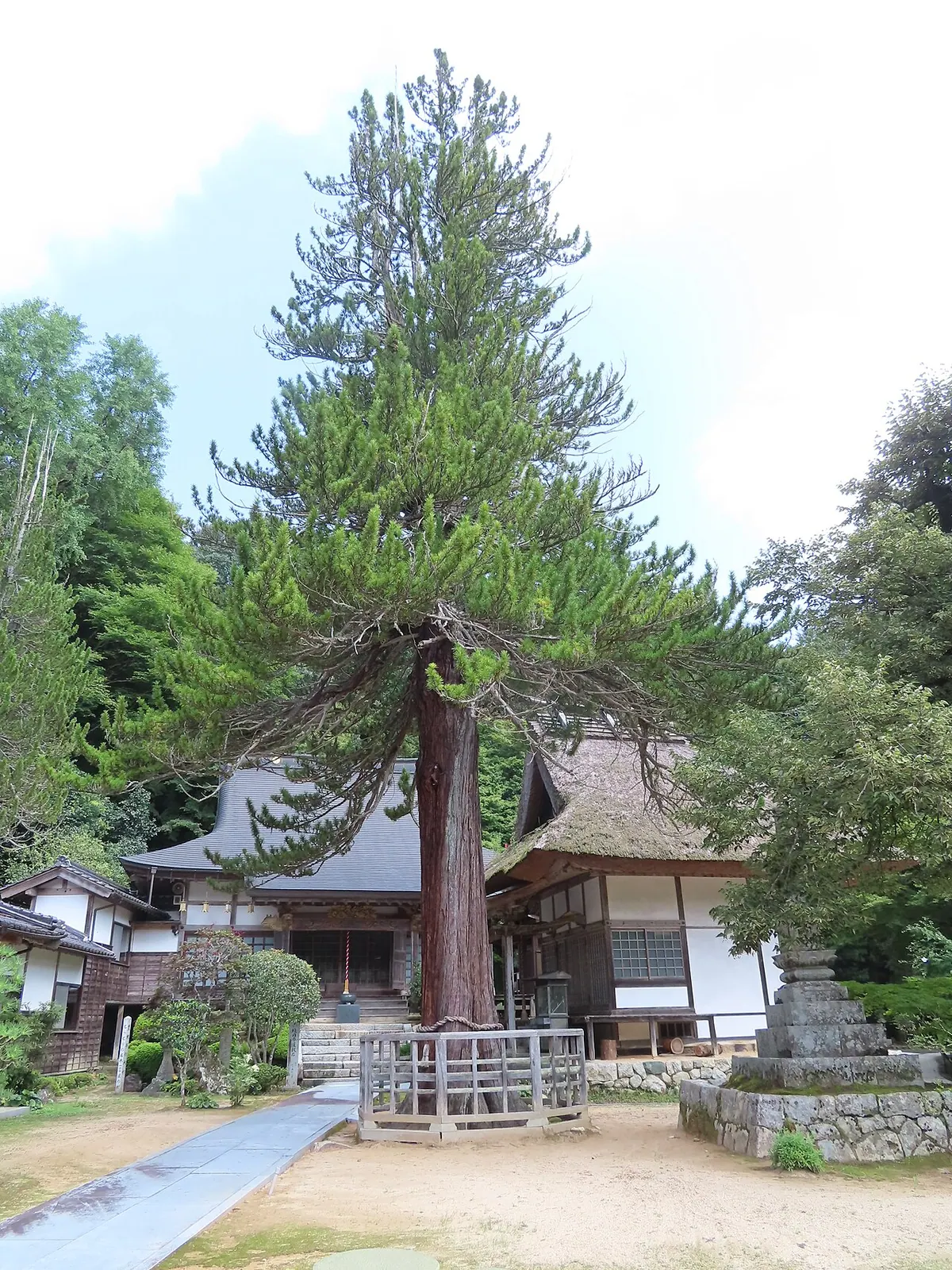
Bujō-ji Temple: a historic Shingon temple with important cultural properties.
What it is
- A temple of the Koyasan Shingon sect.
- Founded by Shinga, Kūkai's dharma brother.
- Established during the Kashō era (845-851).
- Dedicated to Amitābha Tathāgata.
What to see
- The main hall, built in 1685.
- The Daishido, constructed in 1782.
- The temple gate, built in 1744.
- National Treasure 'Fugen Bosatsu on silk'.
- Many other cultural properties.
- The natural monument 'Bujō-ji's great cedar'.
- Address
- 〒689-1463 鳥取県八頭郡智頭町新見73 Map
08
Inaba-Kokubun-ji Temple
TOTTORI · TEMPLE 因幡国分寺
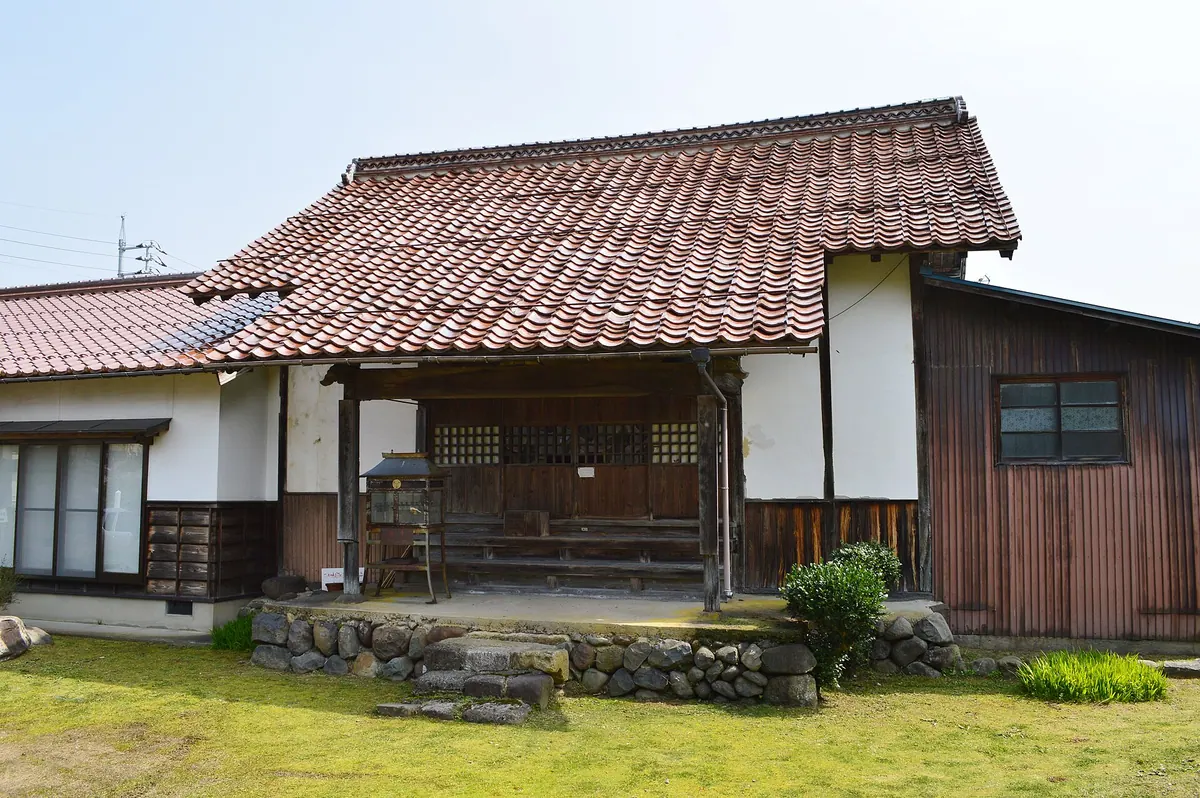
Explore a historic temple rebuilt in the Edo period, featuring ancient foundation stones and monuments.
What it is
- An Obaku sect temple, mountain name Saishōzan.
- Principal image is Yakushi Nyorai.
- Successor to the Inaba Kokubun-sōji temple.
- Rebuilt during the Enpō era (1673-1681).
What to see
- Eight pagoda foundation stones in the temple grounds.
- Pagoda foundation stones are a cultural property.
- Hōkeji foundation stone is a cultural property.
- Inuzuka stone monument is a designated historic site.
- Address
- 鳥取県鳥取市国府町国分寺 Map
09
Seiryū-ji Temple
TOTTORI · TEMPLE 青龍寺
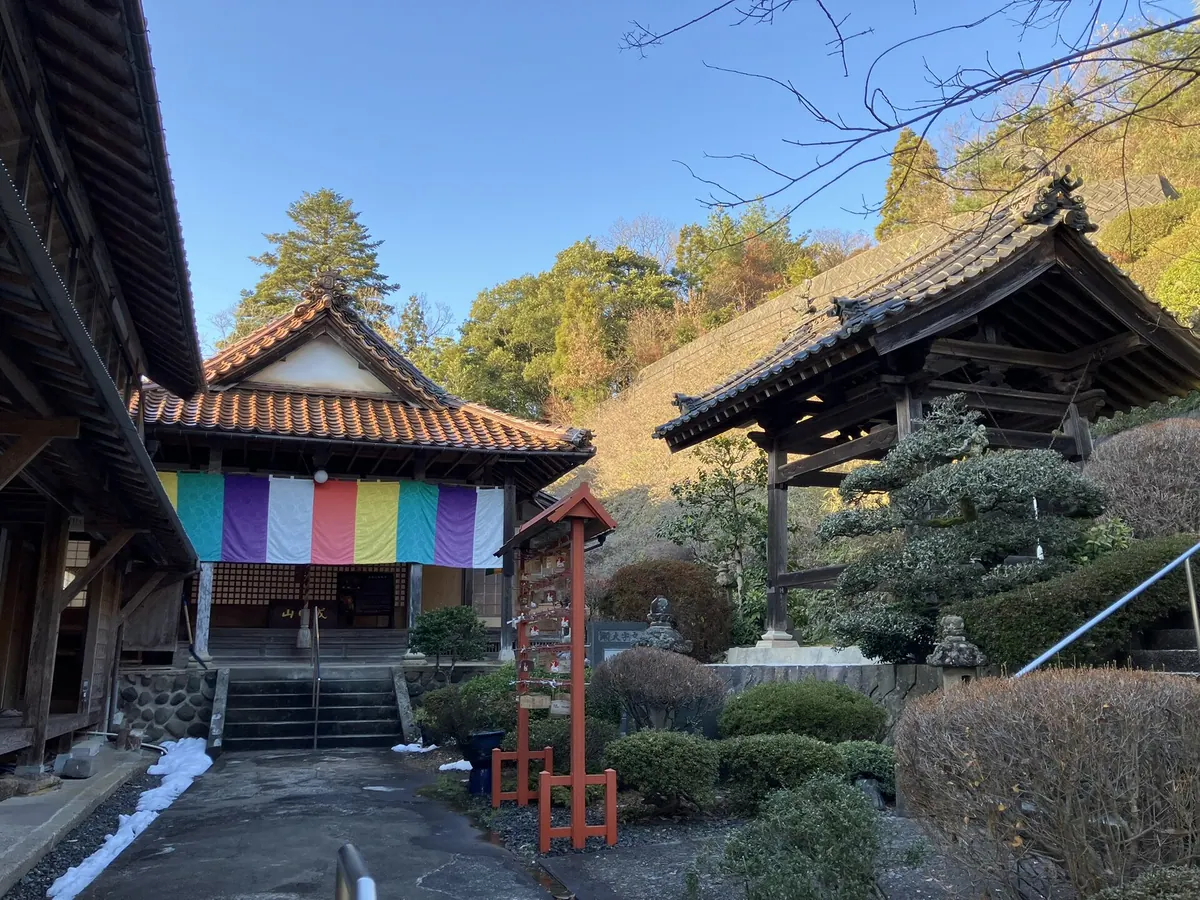
Seiryuji is a historic Shingon temple with unique architecture and important cultural properties.
What it is
- A Shingon sect temple in Tottori Prefecture.
- Founded in 710 by Gyoki Bosatsu.
- Formerly known as Kakisan Jokoji.
- Renamed Naritasan Seiryuji in 1902.
What to see
- Main hall contains a relocated Shirauto Shrine building.
- Shirauto Shrine building has intricate carvings of waves and rabbits.
- Three Buddha statues saved from a 1581 fire.
- Two wooden statues are Important Cultural Properties.
10
Dairen-ji Temple
TOTTORI · TEMPLE 大蓮寺 (倉吉市)

Dairen-ji Temple is a historic Buddhist temple with unique architecture and notable graves.
What it is
- A Jodo-shu Buddhist temple.
- Founded in the Tensho era (1573-1592).
- Originated in the Yoro era (717-723).
- Connected to warlord Wakia Yoshisuke.
What to see
- Graves of merchant Yodoya Seibei.
- Current main hall, rebuilt in 1955.
- Main hall made of reinforced concrete.
- Akarengesogaran on the temple grounds.
- Hokaido gate on the temple grounds.
- Benzaitendo hall on the temple grounds.
- Address
- 〒682-0861 鳥取県倉吉市新町1-2411 Map
11
Hase-dera Temple
TOTTORI · TEMPLE 長谷寺
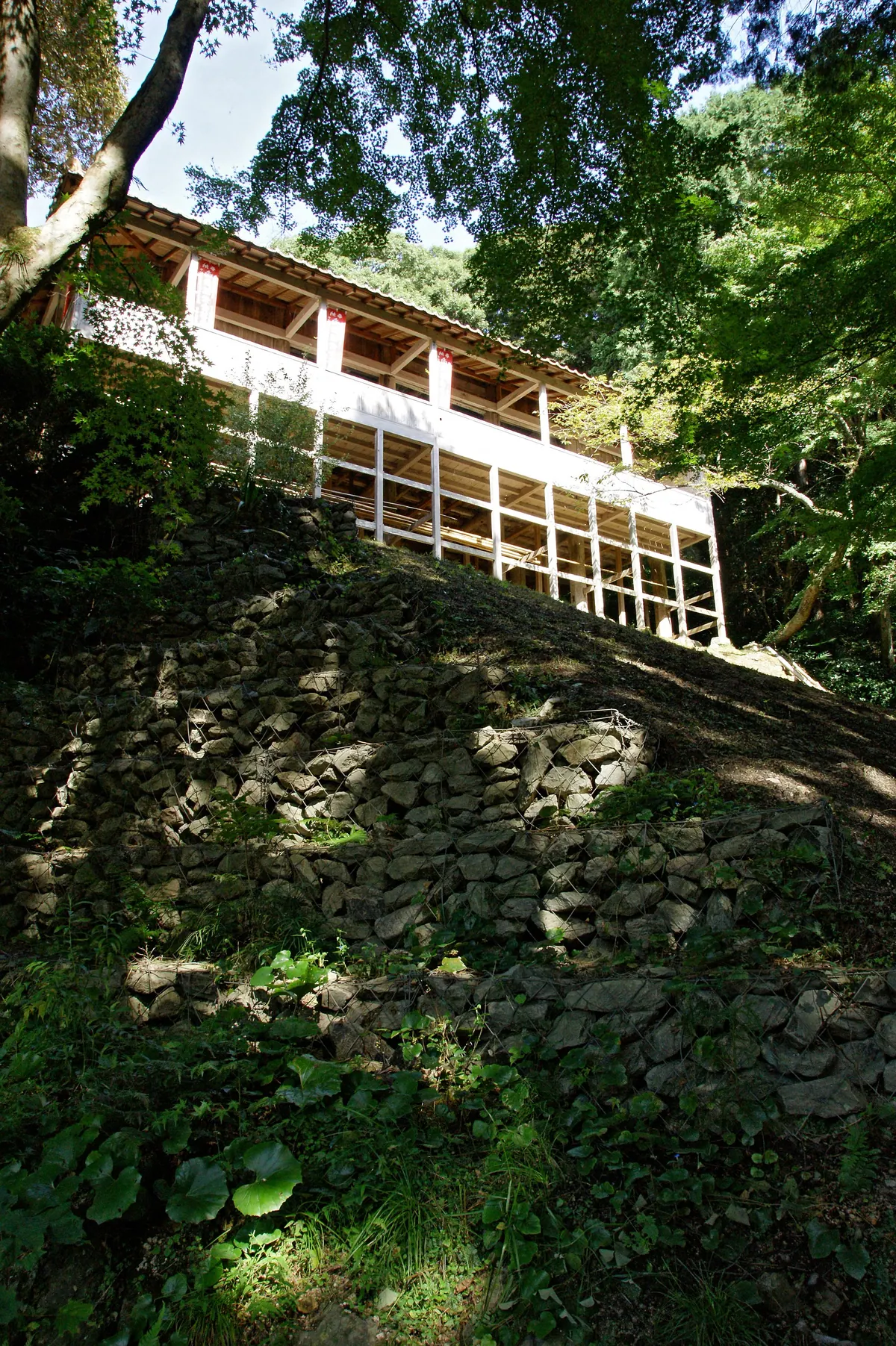
Hase-dera Temple is a historic pilgrimage site with important cultural properties and unique votive paintings.
What it is
- The 30th temple of the Chugoku 33 Kannon Pilgrimage.
- Founded in 721 by Hodo.
- Known as the 'Ema Temple' for its votive horse paintings.
What to see
- Main hall rebuilt in the Muromachi period.
- Hidden statue of the Eleven-faced Kannon Bosatsu.
- Main hall's Zushi is an Important Cultural Property.
- Nio-mon gate built in 1680.
- Temple bell dates from 1393.
- Nio statues created in 1676.
- Address
- 〒682-0824 鳥取県倉吉市仲ノ町2960 Map
12
Daisen-ji Temple
TOTTORI · TEMPLE 大山寺
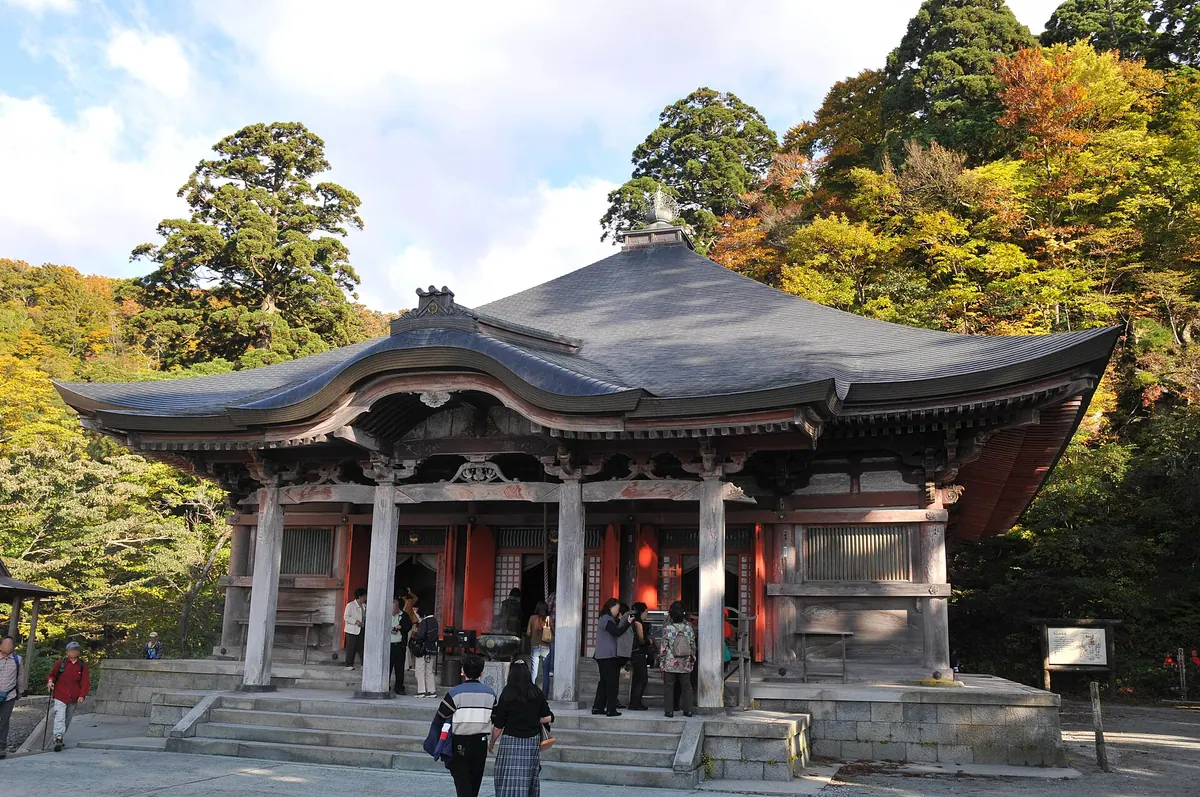
Daisenji Temple is an ancient mountain worship center, offering majestic views and historical significance.
What it is
- One of Japan's oldest centers for mountain worship.
- A center for Buddhist religious practice.
- Dedicated to the bodhisattva Jizo, protector of travelers and children.
What to see
- Dense natural forest surrounding the temple.
- Majestic views of the north side of the mountain.
- Views of the Sea of Japan on clear days.
When to go
- On clear days for best views.
- Address
- 鳥取県西伯郡大山町大山9 Map
- Official site
- daisenji.jp
13
Nageire-dō
TOTTORI · TEMPLE 投入堂
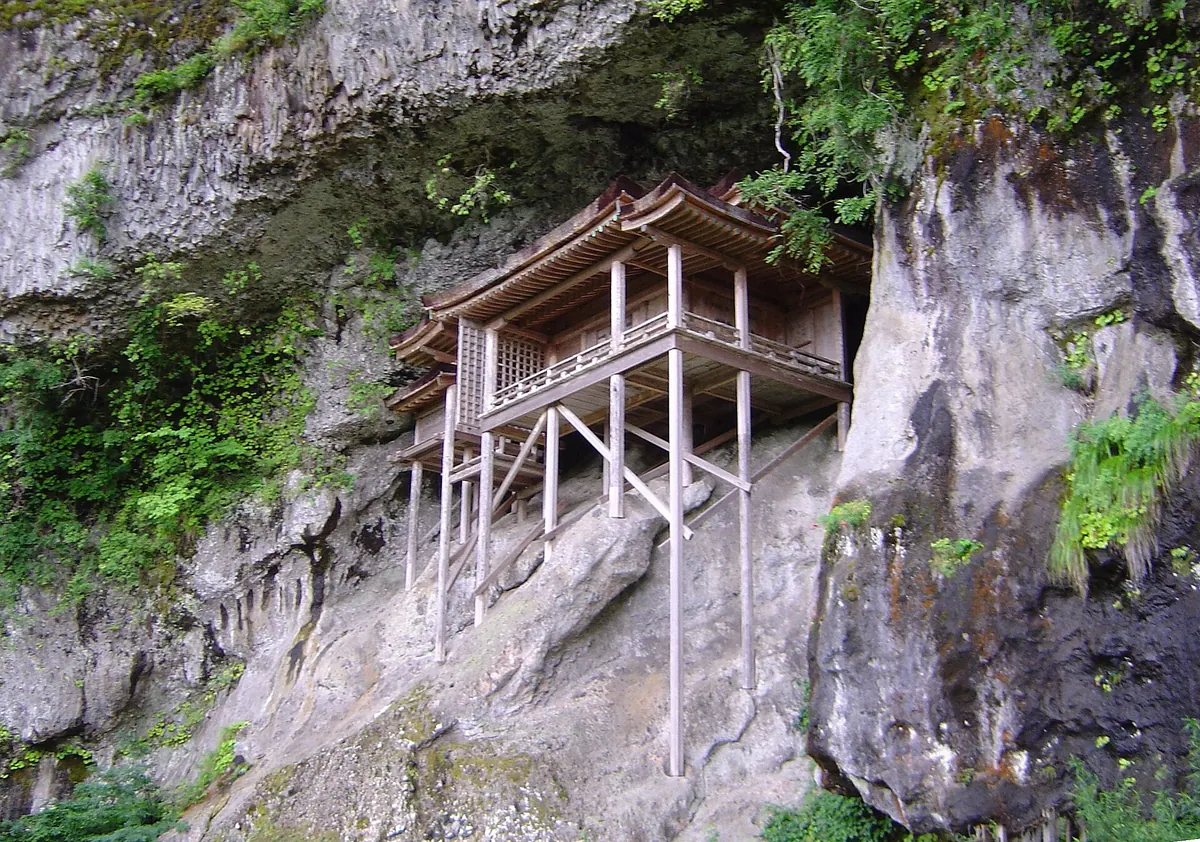
Nageire-dō is a rare Heian period temple building, dramatically built into a cliff.
What it is
- A wooden building in Misasa Town, Tottori Prefecture.
- An architectural structure built into a cliff hollow.
- A rare example of Heian period esoteric Buddhist architecture.
- Estimated construction date of 1098.
What to see
- The main building, a National Treasure of Japan.
- Suspended construction method of the structure.
- Aizen-dō, a smaller building connected to the east side.
- Address
- 鳥取県東伯郡三朝町大字三徳1010 Map
- Official site
- www.mitokusan.jp
14
Kōzen-ji Temple
TOTTORI · TEMPLE 興禅寺
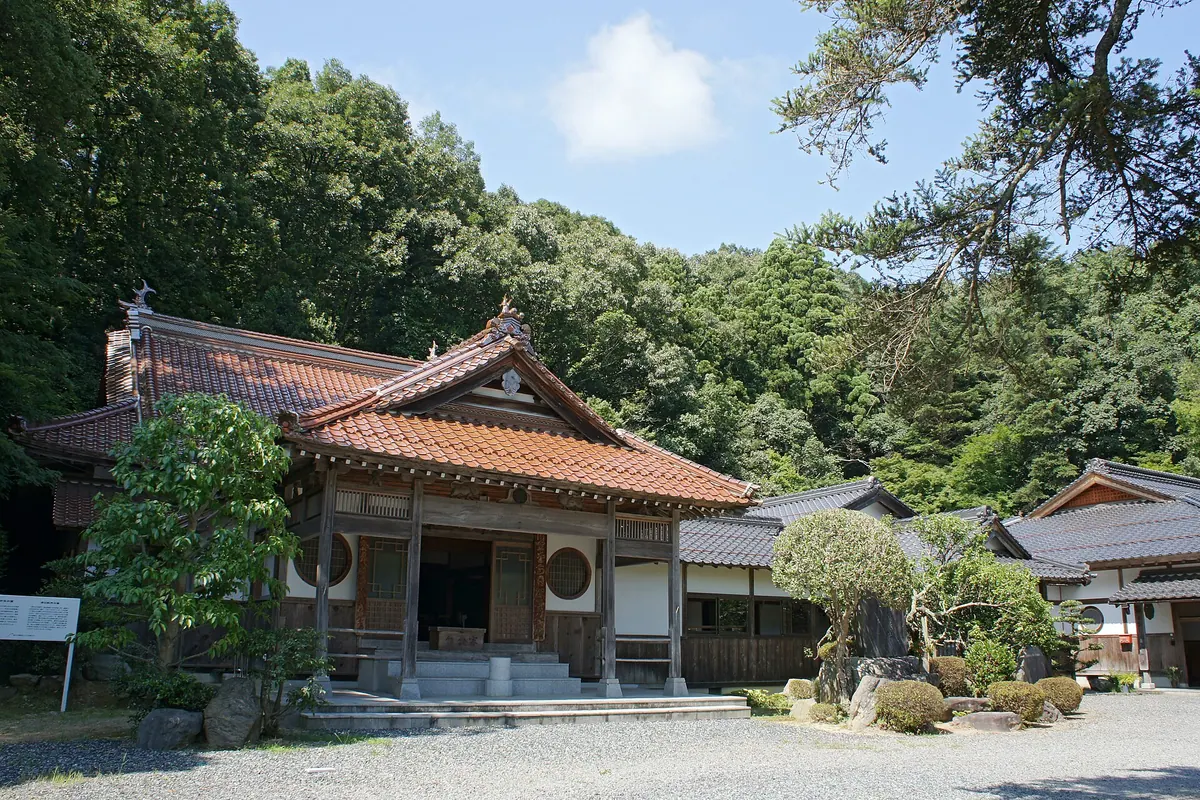
Kōzen-ji Temple: an Edo period Zen temple with a scenic garden and historical graves.
What it is
- Ōbaku Zen temple.
- Family temple of the Ikeda clan.
- Founded with mountain name Ryūhōzan.
What to see
- Edo period main hall, built in 1814.
- Main hall is a registered tangible cultural property.
- Pond garden, a designated scenic spot.
- Kirishitan lantern in the garden.
- Graves of Tottori Domain chief retainers.
- Area around the temple is a national natural monument.
- Address
- 鳥取県鳥取市栗谷町10 Map
15
Koun-ji Temple
TOTTORI · TEMPLE 興雲寺
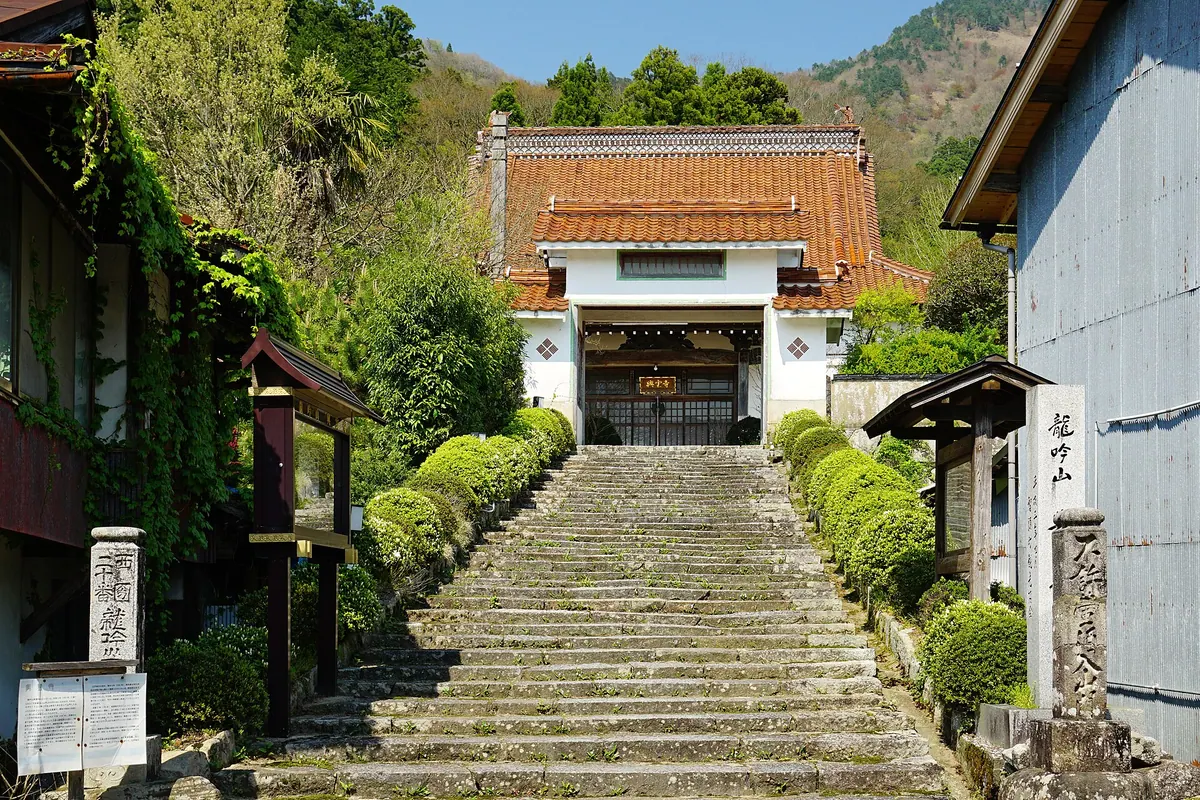
Koun-ji Temple is a Soto Zen temple with historical connections and unique cultural properties.
What it is
- A Soto Zen Buddhist temple.
- Its mountain name is Ryuginzan.
- The 20th temple of the Inaba 33 Kannon Pilgrimage.
- Founded as a Rinzai sect temple, rebuilt as Soto Zen in 1625.
What to see
- Main hall, bell tower, and temple office.
- Mortuary tablet of Ikeda Tadao.
- Grave of sculptor Kuniyone Taiseki in the cemetery.
- Seated statue of Kobo Daishi, a cultural property.
- Address
- 鳥取県八頭郡智頭町智頭364 Map
16
Daigaku-in Temple
TOTTORI · TEMPLE 大岳院
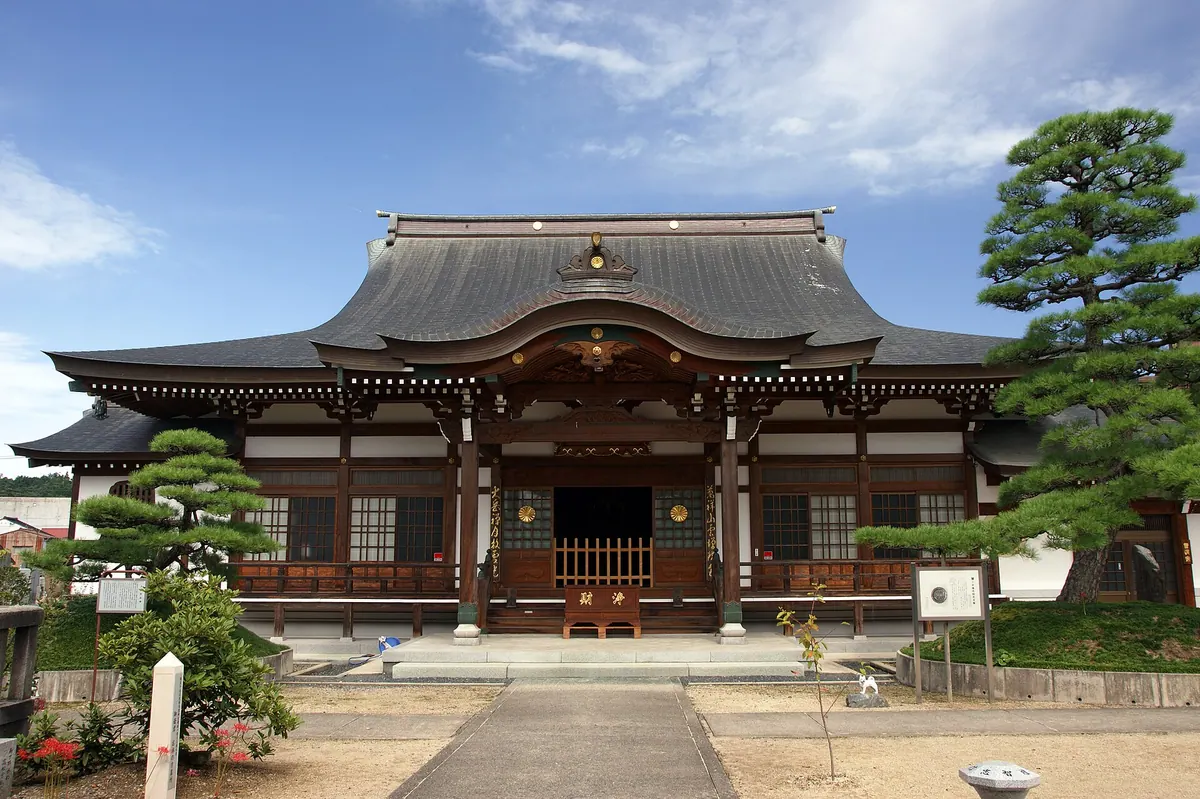
Daigaku-in is a Soto Zen temple founded in 1605, notable for samurai graves and cultural properties.
What it is
- Soto Zen Buddhist temple, founded in 1605.
- Main deity is Shakamuni Buddha.
- Founded as a memorial temple for Nakamura Yoshitada's father.
- Prayer place for the Arisugawa-no-miya.
What to see
- Graves of Satomi Tadayoshi and eight retainers.
- Mausoleum for Ooe Iwashiro's mother.
- Main hall, rebuilt in 1995.
- Three-color carved flower plate, a cultural property.
- Address
- 鳥取県倉吉市東町422 Map
17
Honkyō-ji Temple
TOTTORI · TEMPLE 本教寺
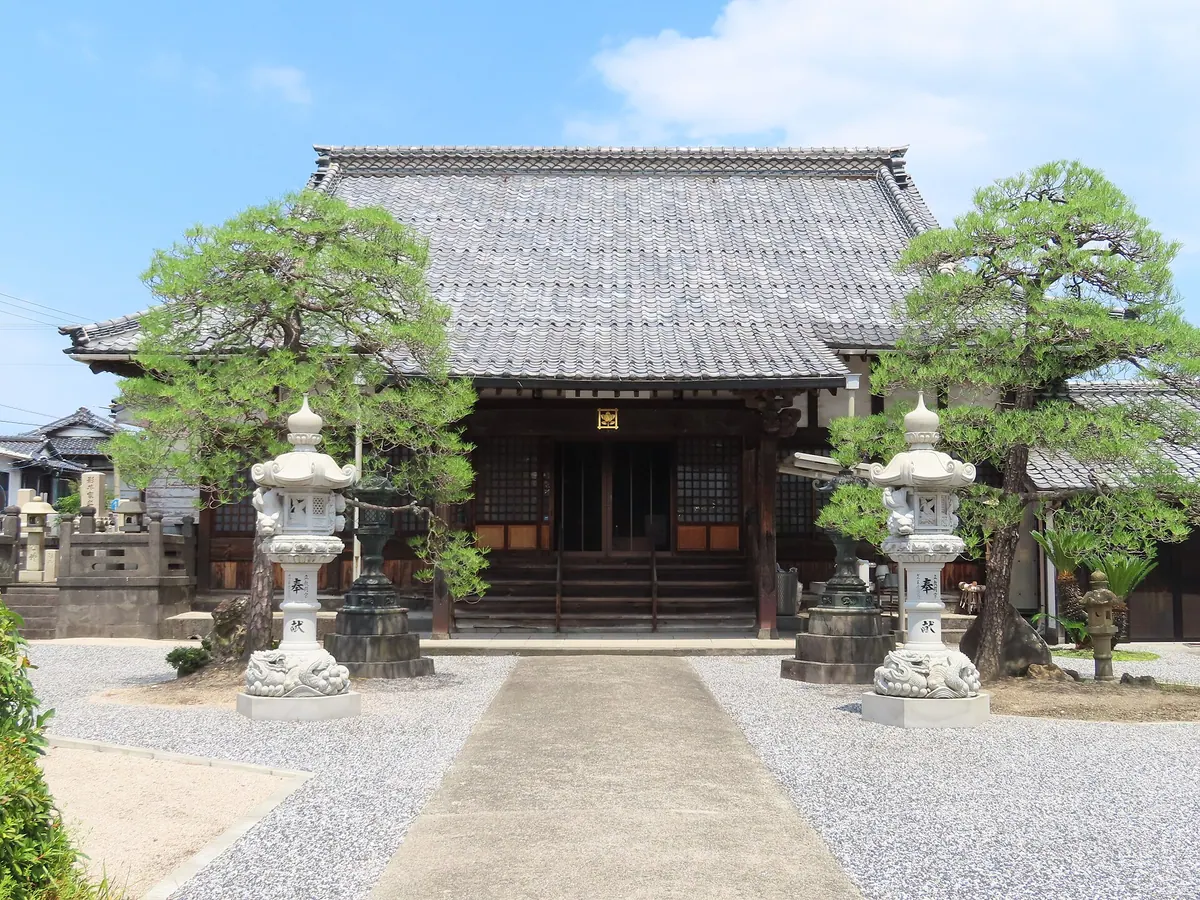
Honkyoji Temple, founded for a mother's memorial, offers a glimpse into local history and traditional temple architecture.
What it is
- A Buddhist temple in Yonago City, Tottori Prefecture.
- Founded as Johoji Temple by Furubiki Yoshitane.
- Established for his mother's memorial service.
- Renamed Honkyoji Temple after a relocation.
What to see
- The temple's Sanmon, a traditional temple gate.
- The Hondo, the main hall of the temple.
- The grave of Furubiki Nagato-no-kami Yoshitane.
- Address
- 鳥取県米子市岩倉町106 Map
18
Kannon-in Temple
TOTTORI · TEMPLE 観音院
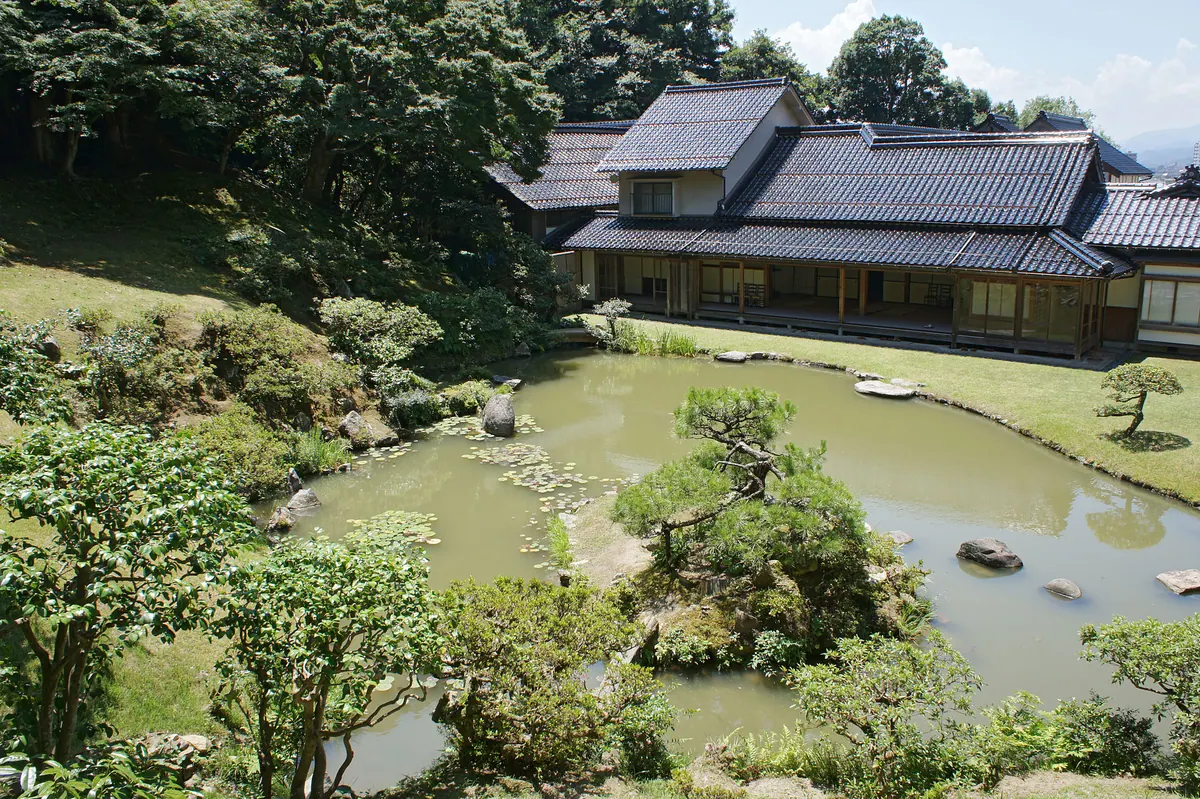
Kannon-in Temple is a Tendai temple with a stunning 17th-century Kyoto-style pond garden.
What it is
- Tendai sect temple founded in the early 1630s.
- Principal image is Shō Kannon Bosatsu.
- Prayer place for the Ikeda family.
- 32nd temple of the Chugoku 33 Kannon Pilgrimage.
What to see
- Kannon-in Garden, a Kyoto-style Horai-style pond garden.
- Garden created over 10 years starting in 1650.
- Garden is a National Place of Scenic Beauty.
- Address
- 鳥取県鳥取市上町162 Map
- Official site
- www.kannon.org
19
Myōkō-ji Temple
TOTTORI · TEMPLE 妙興寺
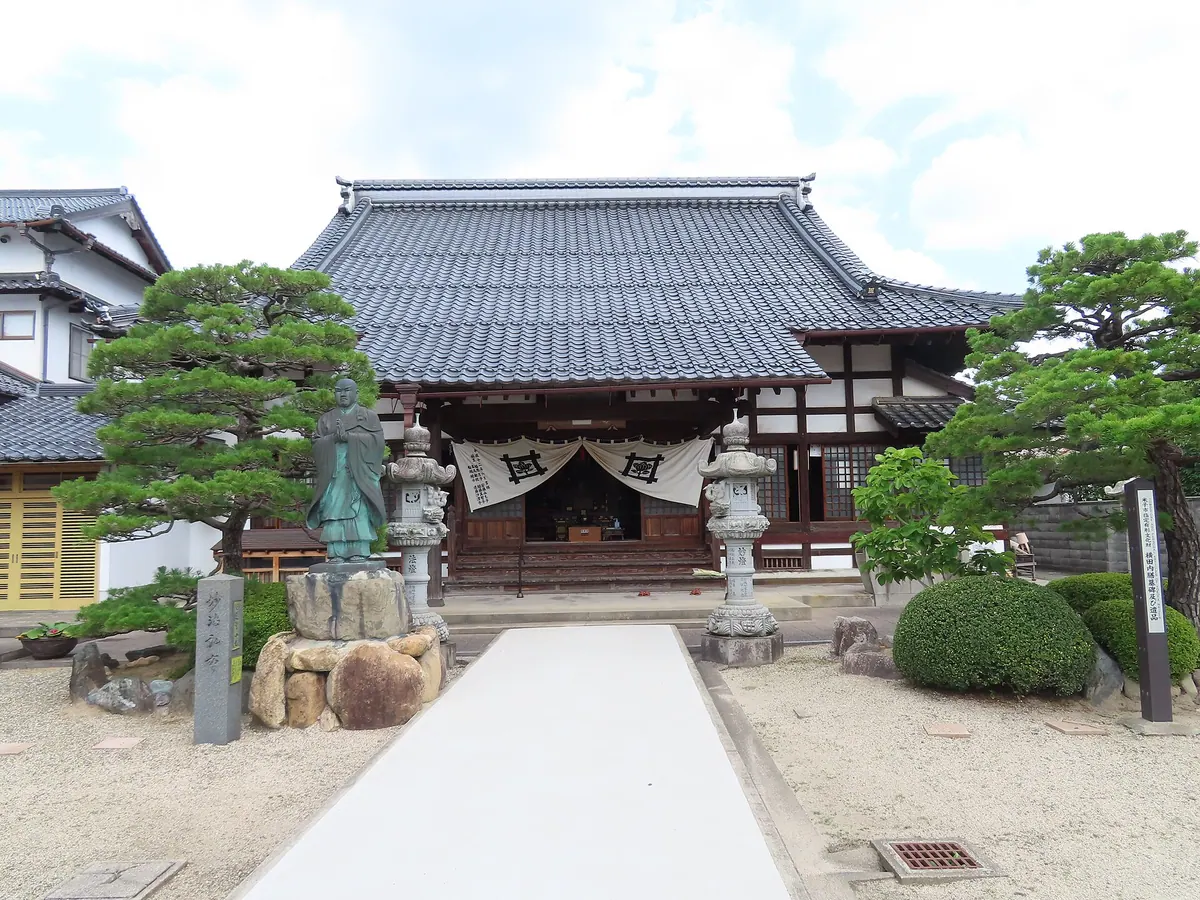
Myokoji Temple, founded in 1564, is worth visiting for its historical significance and unique Nirvana painting.
What it is
- A Buddhist temple founded on March 28, 1564.
- Founded by Zuiouin Niccho.
- Burial place of Yokota Naizen Masamuraaki.
- Received territory from the Yonago Castle Nakamura clan.
What to see
- The main hall of the temple.
- A Buddhist Nirvana painting with a cat.
Getting there
- 5-minute drive from Yonago Station.
- Address
- 鳥取県米子市寺町46 Map
20
Kamiyodo Haiji
TOTTORI · TEMPLE 上淀廃寺跡
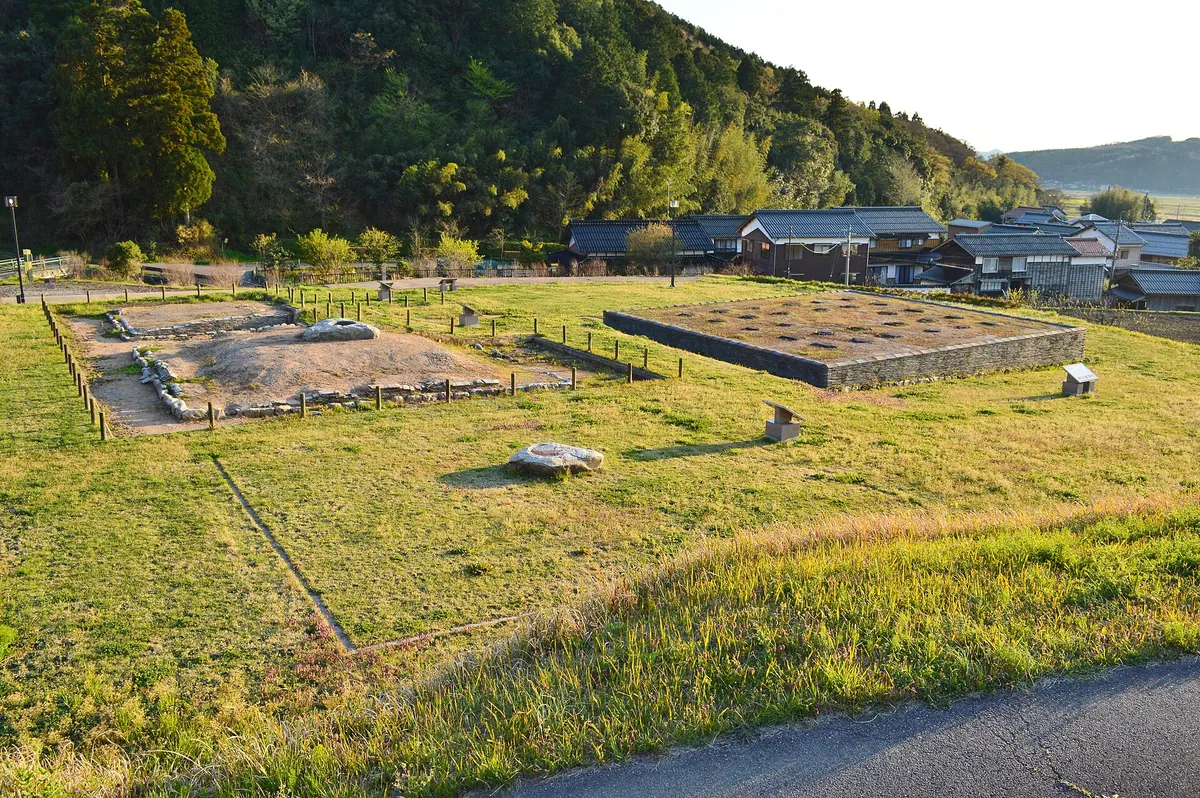
Explore Kamiyodo Haiji, an ancient temple ruin with rare Buddhist wall paintings.
What it is
- An ancient temple ruin in Yonago City.
- Built in the late Asuka period.
- Designated a National Historic Site in 1996.
- Destroyed by fire in the mid-Heian period.
What to see
- Unearthed Buddhist wall paintings.
- Clay figures and roof tiles.
- Central temple complex with a pagoda and gate.
- Three pagodas arranged north to south.
- Address
- 鳥取県米子市淀江町福岡字櫻田・法行・垣サゴ Map