

20 Shrines in Toyama worth your time
Japan Gems
Toyama Prefecture has over fifty shrines, including Etchū Gokoku Hachimangū and Ichimantosha Shrine. They offer a mix of historical and spiritual sites for visitors.
Toyama has 54 shrines on Japan Gems. Below are the 20 we can tell you the most about — each one written up in English from Japanese sources, with what to see and how to get there. See all shrines in Toyama.
01
Kamo Shrine
TOYAMA · SHRINE 加茂神社
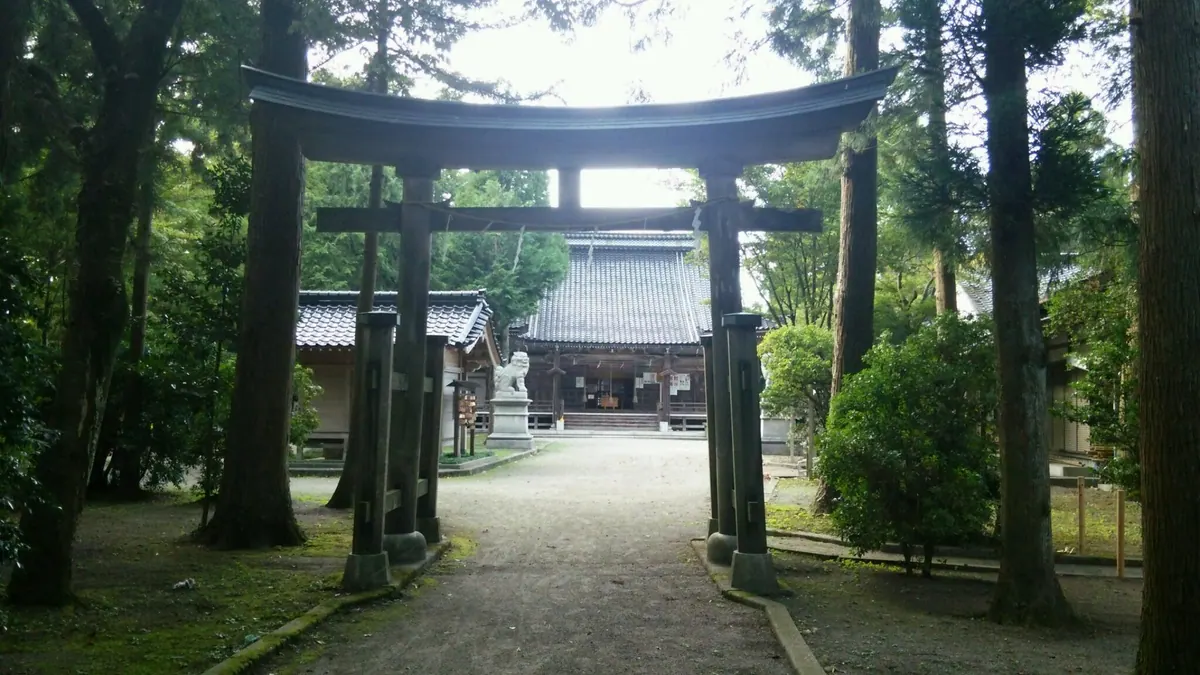
An ancient shrine in Imizu founded in 1066, famous for its traditional festivals and Kamakura period archaeological ruins.
What it is
- Established in 1066 via a transfer from the Kamo Shrine in Kyoto.
- Dedicated to the deities Tamayorihime-no-mikoto and Kamo Takezunumi-no-mikoto.
- Served as the central shrine for the historic Kuragaki estate.
- Adjacent to ruins where excavations revealed residences from the Kamakura period.
What to see
- The Chigo-mai dance, designated as a national important intangible cultural property.
- Two lion heads preserved as municipal tangible cultural properties.
- The Kifune, Tomi, and Inaho sub-shrines located on the grounds.
- The Ushinori ceremony, which is a unique ritual performed at the site.
When to go
- The Yansanma Festival takes place annually on May 4th.
Getting there
- Accessible by car from Kureha and Kosugi stations.
- On-site parking is available for visitors arriving by vehicle.
02
Shimonashijinushi Shrine
TOYAMA · SHRINE 下梨地主神社
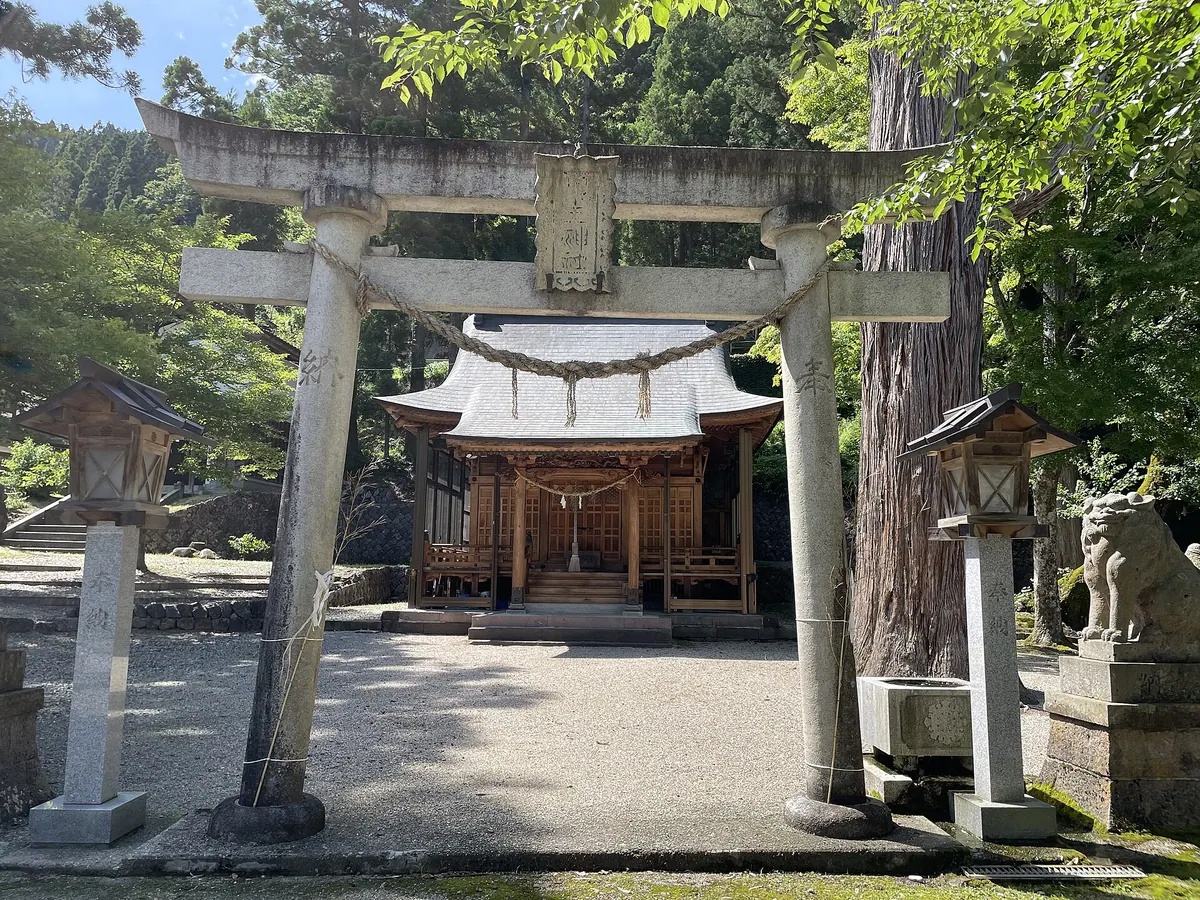
A historic shrine in Nanto City featuring ancient statues and traditional rituals designated as intangible folk cultural properties.
What it is
- A Shinto shrine dedicated to a goddess, historically known as Kannondo.
- The current worship hall was constructed on June 11, 1841.
- Home to the Sekku ritual, designated as an intangible folk cultural property in 1999.
- The sacred object was carved from a single large cedar tree.
What to see
- Guardian dog statues dating back to the Nanboku-cho period.
- Wooden statues preserved from the fourteenth-century Nanboku-cho era.
- The historic worship hall built during the late Edo period.
- Annual portable shrine processions led by traditional lion dances.
When to go
- Spring festivals are held annually on March 23 and April 23.
- The Sekku ritual takes place on April 3 with traditional rice cake preparation.
- The autumn festival is held every year on September 23.
03
Kagodohakusansha
TOYAMA · SHRINE 籠渡白山社
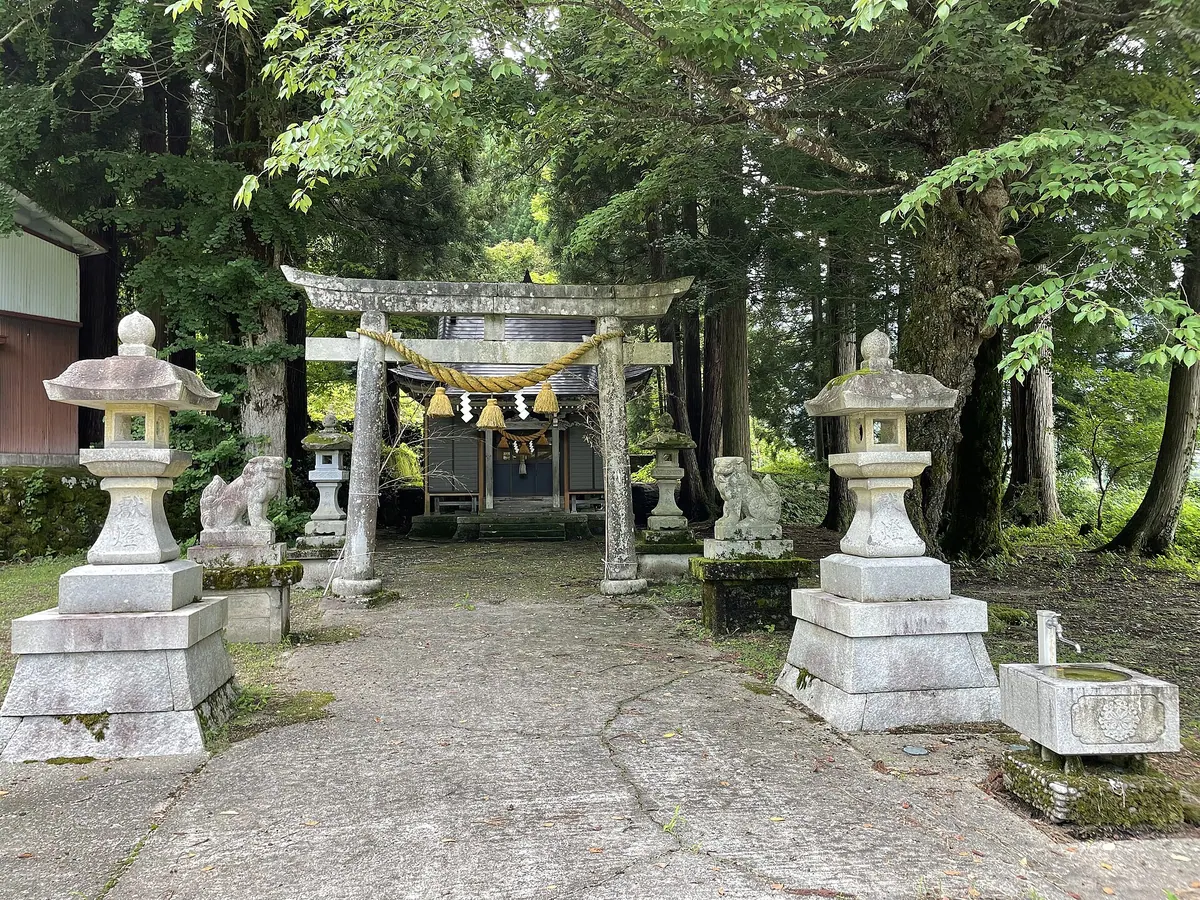
A historic shrine in Nanto City housing a 19th-century lacquered lion head designated as a local cultural property.
What it is
- A local shrine recorded as a Kannon-do hall until the late 18th century.
- The site has been officially known as Hakusansha since 1835.
- The current main hall structure was constructed in 1943.
What to see
- A city-designated cultural property wooden lion head completed in 1860.
- The lion head features gold leaf and Obara Jigoemon style lacquerware.
- The artifact was carved by Shozaemon of Nakae Village.
When to go
- Annual spring festivals are held on April 30.
- Annual autumn festivals take place on September 30.
04
Kitaonie-hachimangū
TOYAMA · SHRINE 北鬼江八幡宮
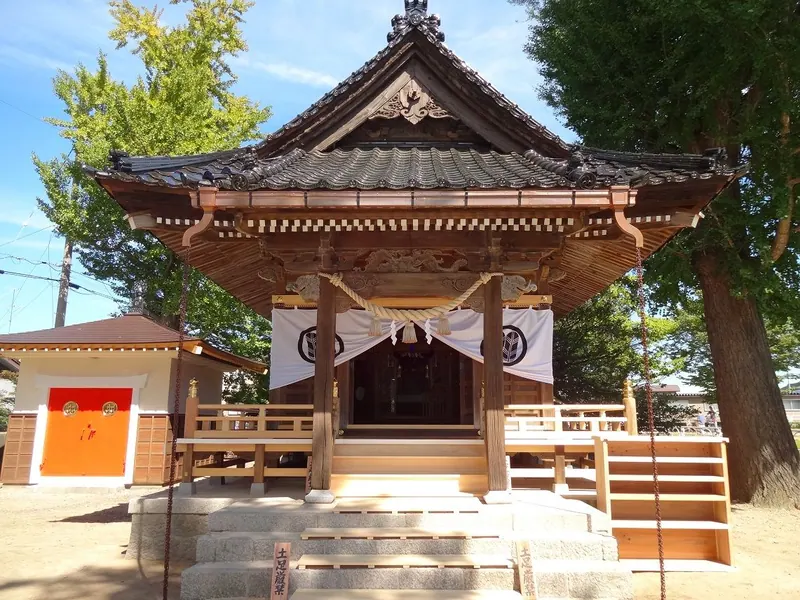
Kitaonie-hachimangū is a historic shrine with ancient trees and lively festivals.
What it is
- A shrine in Uozu City, Toyama Prefecture.
- Dedicated to the deity Hondawake no Mikoto (Emperor Ojin).
- Formerly served as a village shrine.
- The current main hall was built in 1914.
What to see
- A 450-year-old zelkova tree.
- Two 100-year-old ginkgo trees.
- A rare sacred tree with a window-shaped trunk.
- A newly built dance area for performances.
When to go
- Main festivals are held in January, March, June, and October.
- Autumn festival features a portable shrine parade.
- Lion dances are performed at festivals.
- Address
- 富山県魚津市北鬼江2丁目17-26 Map
05
Higashiakaohachimangū
TOYAMA · SHRINE 東赤尾八幡宮
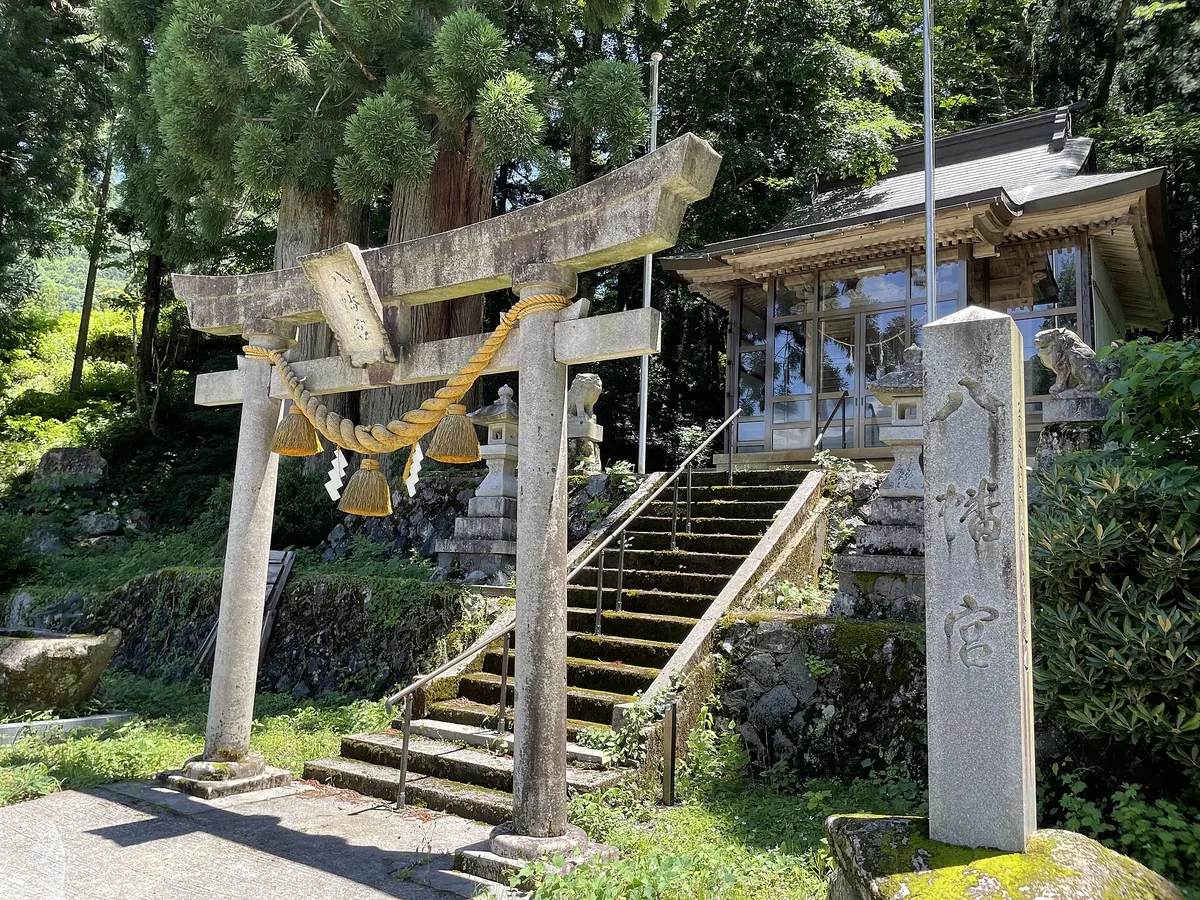
A historic mountain shrine with ancient cedar trees and local festivals, worth visiting for its unique heritage.
What it is
- A shrine in Nanto City, Toyama Prefecture.
- Shared by three villages: Shinya, Maki, and Ueno.
- Existed by 1683, according to a wooden tag.
- Current building constructed in 1853.
What to see
- The shrine's main building, built in 1853.
- Married Couple Cedar trees, north of the shrine.
- These trees are a municipal cultural property.
- The cedars are approximately 35 meters tall.
When to go
- Spring festivals on May 3rd, 4th, and 5th.
- Autumn festival on October 4th.
- Address
- 富山県南砺市東赤尾99 Map
06
Kushida Shrine, Imizu
TOYAMA · SHRINE 櫛田神社 (射水市)
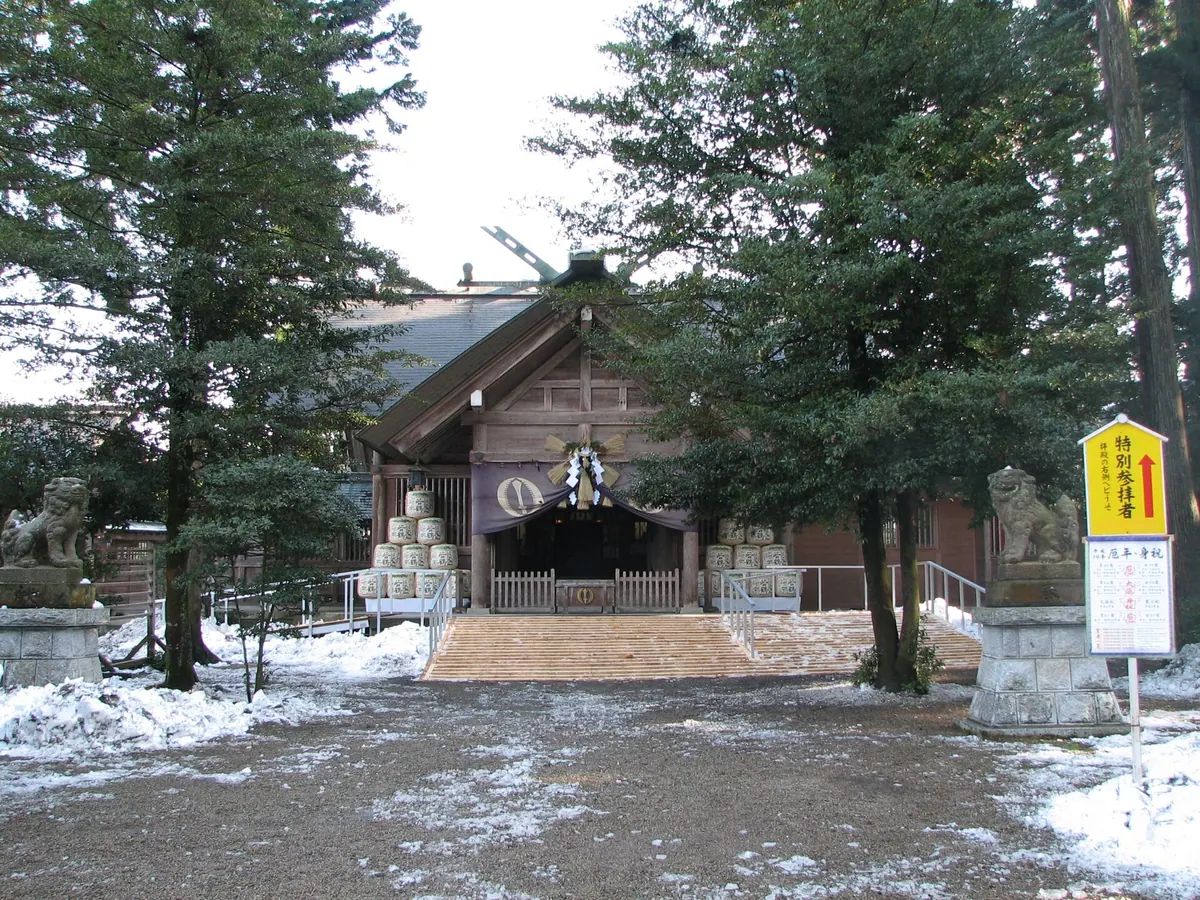
Kushida Shrine offers unique stained glass art and blessings for family harmony.
What it is
- Ancient shrine founded by Takenouchi no Sukune.
- Dedicated to Take Susanoo no Mikoto and Kushinadahime no Mikoto.
- Known for marital harmony, family unity, and matchmaking.
- A Shikinaisha and former Prefectural Shrine.
What to see
- Amulets with stained glass embroidery.
- Stained glass lanterns completed in 2016.
- A new shrine gate built in 2019.
- Otomo Fumiya Stained Glass Museum opened in 2007.
When to go
- Autumn festival for a famous fire-walking ritual.
- Address
- 富山県射水市串田6841 Map
07
Ōshimizu Shrine
TOYAMA · SHRINE 大清水神社
A historic village shrine in Takaoka enshrining Amaterasu Omikami, known for its 18th-century origins and 1916 merger history.
What it is
- A village shrine dedicated to the deities Amaterasu Omikami and Takeminakata no Mikoto.
- Records confirm the shrine has existed since at least May 1712.
- Formerly known as Shinmeisha before adopting its current name in 1916.
- Managed by the Sakakibara family who also oversee the nearby Miyakawa Shrine.
What to see
- The grounds where the Chiho River once flowed along the western boundary.
- A site that incorporates two other branch shrines merged during the Taisho era.
08
Kaminashi Hakusan-gū
TOYAMA · SHRINE 上梨白山宮
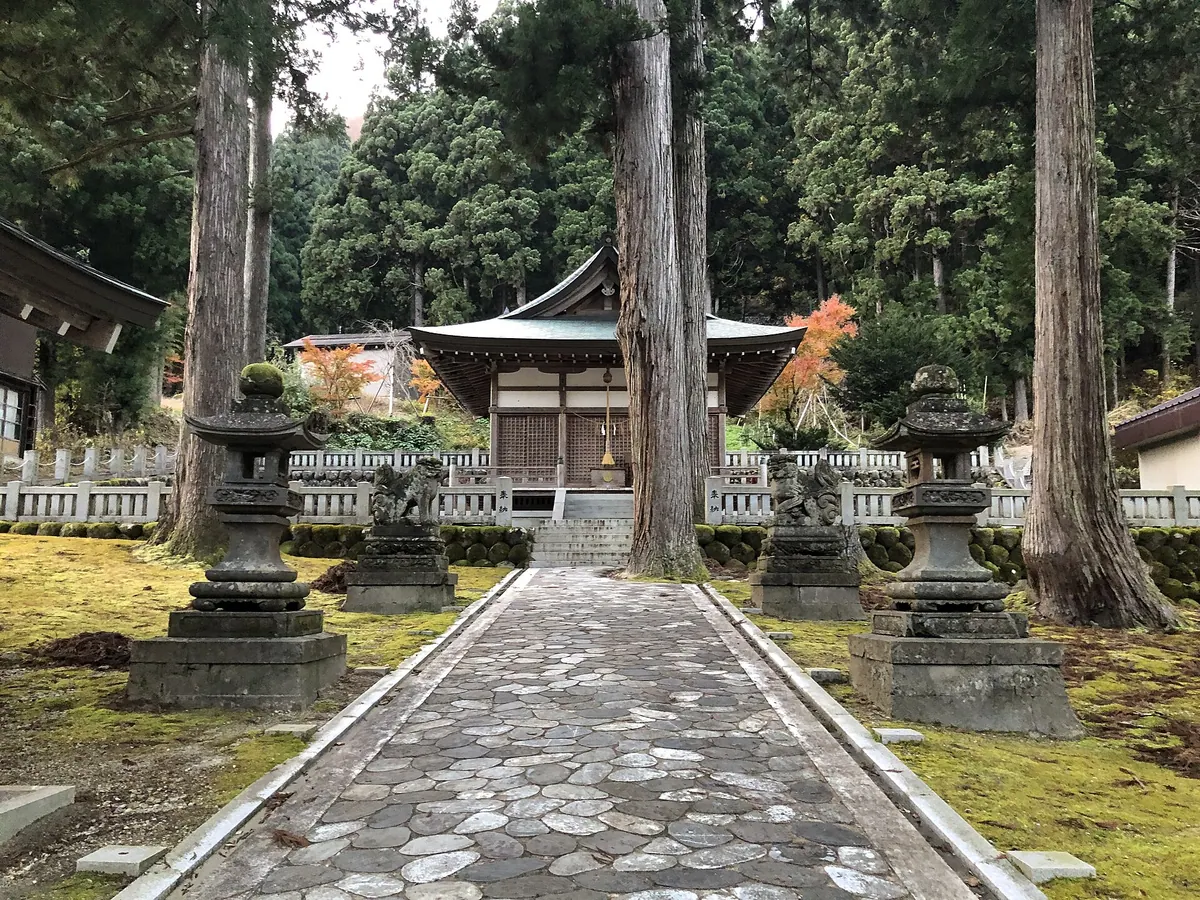
Visit this ancient shrine to see Toyama's oldest wooden building and historical treasures.
What it is
- A shrine in Nanto City, Toyama Prefecture.
- Origin dates back to Empress Gensho's reign.
- Current shrine formed in 1125.
- Contains Gokayama's oldest written materials.
What to see
- Toyama Prefecture's oldest existing wooden main hall.
- Main hall is a National Important Cultural Property.
- Main hall is in Ikkensha Nagare-zukuri style.
- Collection of 25 Nanto City Tangible Cultural Properties.
- Collection includes wooden Buddhist statues and ritual tools.
- Address
- 富山県南砺市上梨654 Map
09
Nishiakao Hachiman Shrine
TOYAMA · SHRINE 西赤尾八幡社
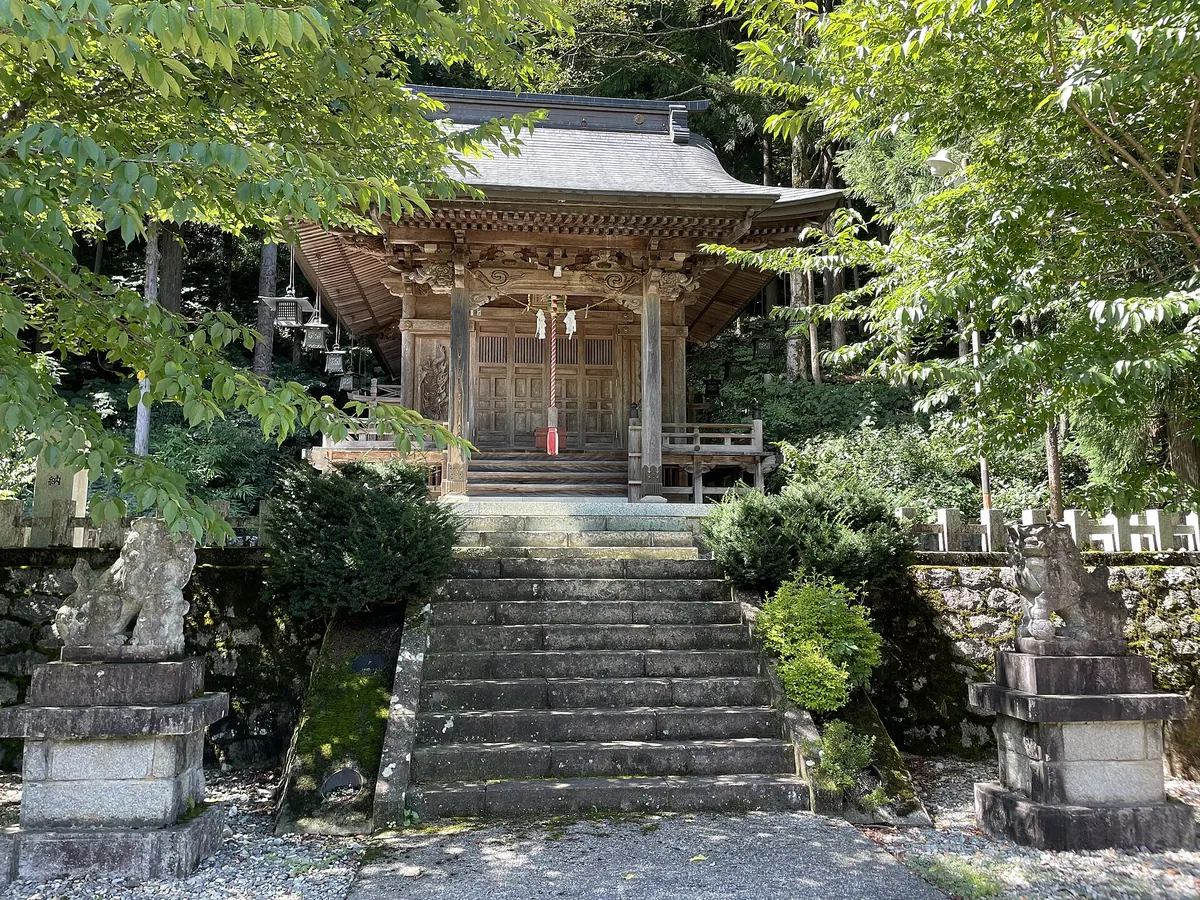
See ancient wooden statues of deities at this historic village shrine.
What it is
- A Hachiman shrine in Nanto City, Toyama Prefecture.
- Served as a common shrine for Nishiakao and Shimojima villages.
- The current shrine building was constructed in 1976.
- Enshrined deities are designated as a city cultural property.
What to see
- Fifteen wooden statues from the Kamakura to Muromachi periods.
- Three main statues represent the Hachiman Sanjin.
- Central statue is a monk Hachiman god.
- Statues were designated a cultural property in 1969.
- Address
- 富山県南砺市西赤尾町195番地 Map
10
Futagami-Imizu Shrine
TOYAMA · SHRINE 二上射水神社
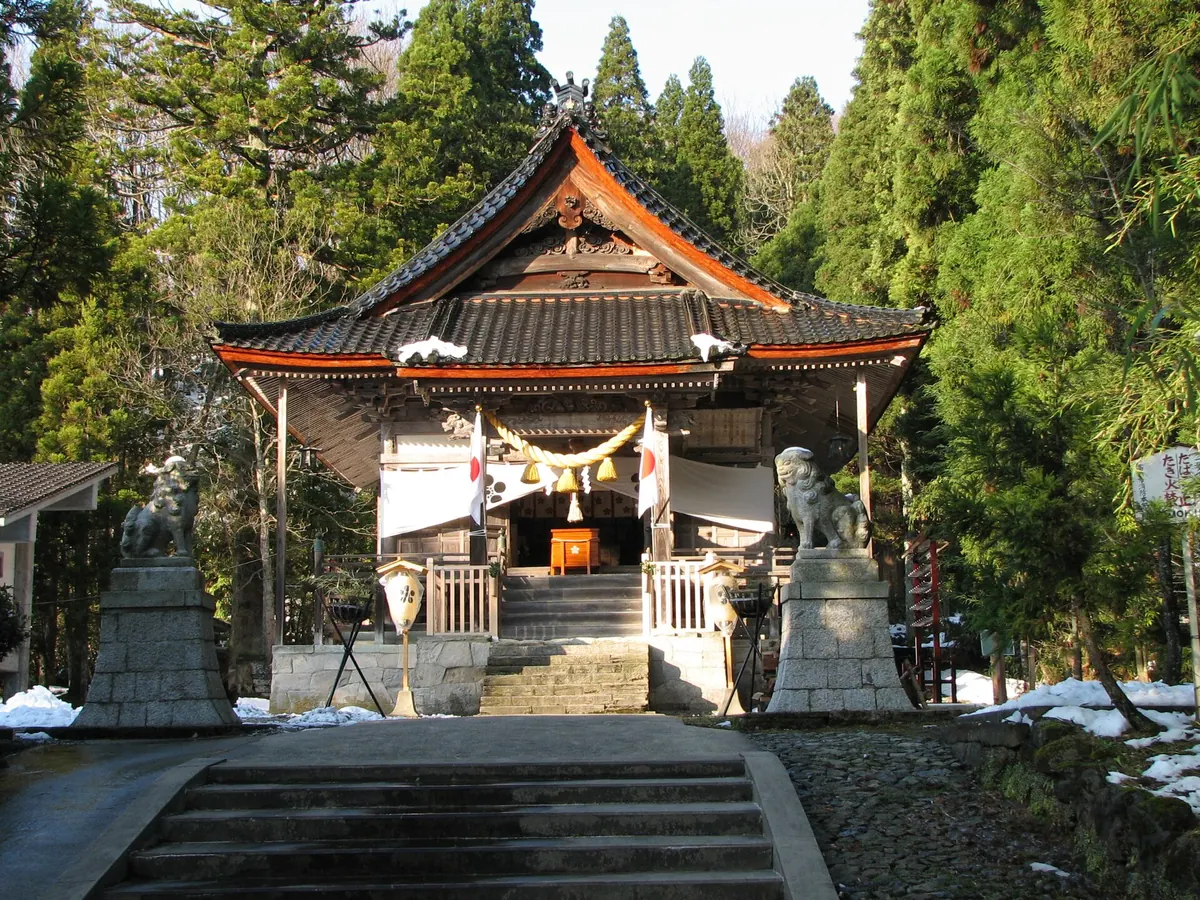
This shrine, at the foot of a sacred mountain, houses important cultural properties.
What it is
- A shrine located in Takaoka City, Toyama Prefecture.
- It is at the southern foot of Mount Futagami.
- It enshrines Futagami Okami.
- It was the original location of Imizu Shrine.
What to see
- Mount Futagami, worshipped as a sacred mountain.
- Jison-in Temple, also within the grounds.
- A wooden seated male deity statue.
- The shrine grounds cover 3,000 tsubo.
When to go
- Annual festival on April 23 for the Tsukiyama event.
- Address
- 富山県高岡市二上1519 Map
- Official site
- www.imizujinjya.or.jp
11
Toideno Shrine
TOYAMA · SHRINE 戸出野神社
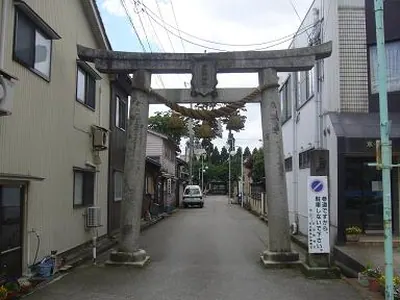
Toideno Shrine is a historic site with a massive granite torii gate, reflecting ancient maritime connections.
What it is
- A shrine in Takaoka City, Toyama Prefecture.
- Dedicated to the deity Amaterasu Omikami.
- Known for its large granite torii gate.
- Gate donated in March 1853 by Notoya San'emon.
What to see
- The large granite torii gate at the entrance.
- Gate made from granite from Shodoshima Island.
- Gate is a historical asset, showing Seto Inland Sea connections.
When to go
- Horomusha procession held in October as an autumn festival.
- Address
- 富山県高岡市戸出町3-12-34 Map
12
Keta Shrine
TOYAMA · SHRINE 気多神社
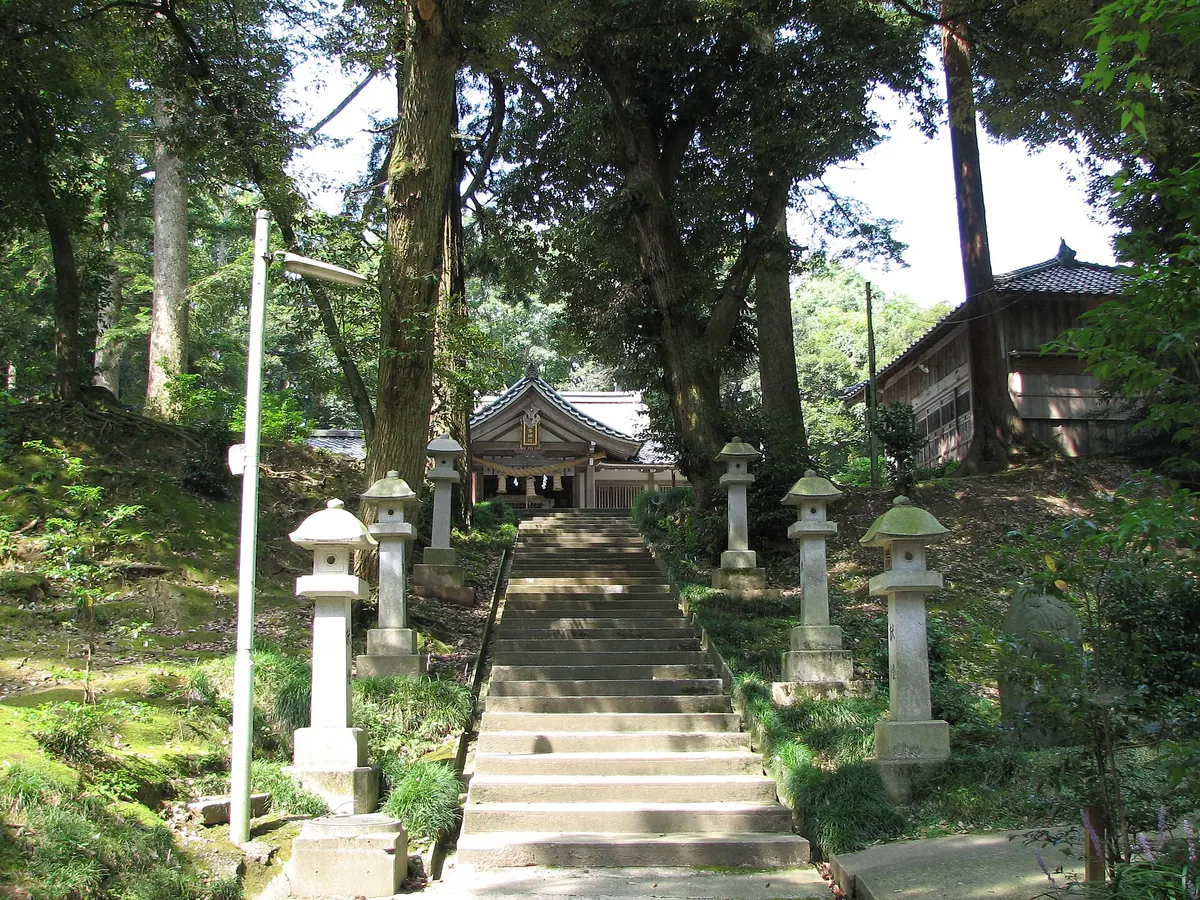
Keta Shrine is a historic shrine in Takaoka with important cultural properties and unique guardian figures.
What it is
- A Shikinaisha shrine, founded in ancient times.
- The Ichinomiya (chief shrine) of Etchu Province.
- Dedicated primarily to Onamuchi-no-mikoto.
- Also enshrines Nunakawahime-no-mikoto and other deities.
What to see
- The main hall, a National Important Cultural Property.
- The main hall is in nagare-zukuri architectural style.
- A pair of wooden komainu, city-designated cultural properties.
- The Nirami Shishi, an intangible folk cultural property.
- Address
- 富山県高岡市伏木一ノ宮 Map
- Official site
- ketaweb.net
13
Ototsurugisha
TOYAMA · SHRINE 乙劍社
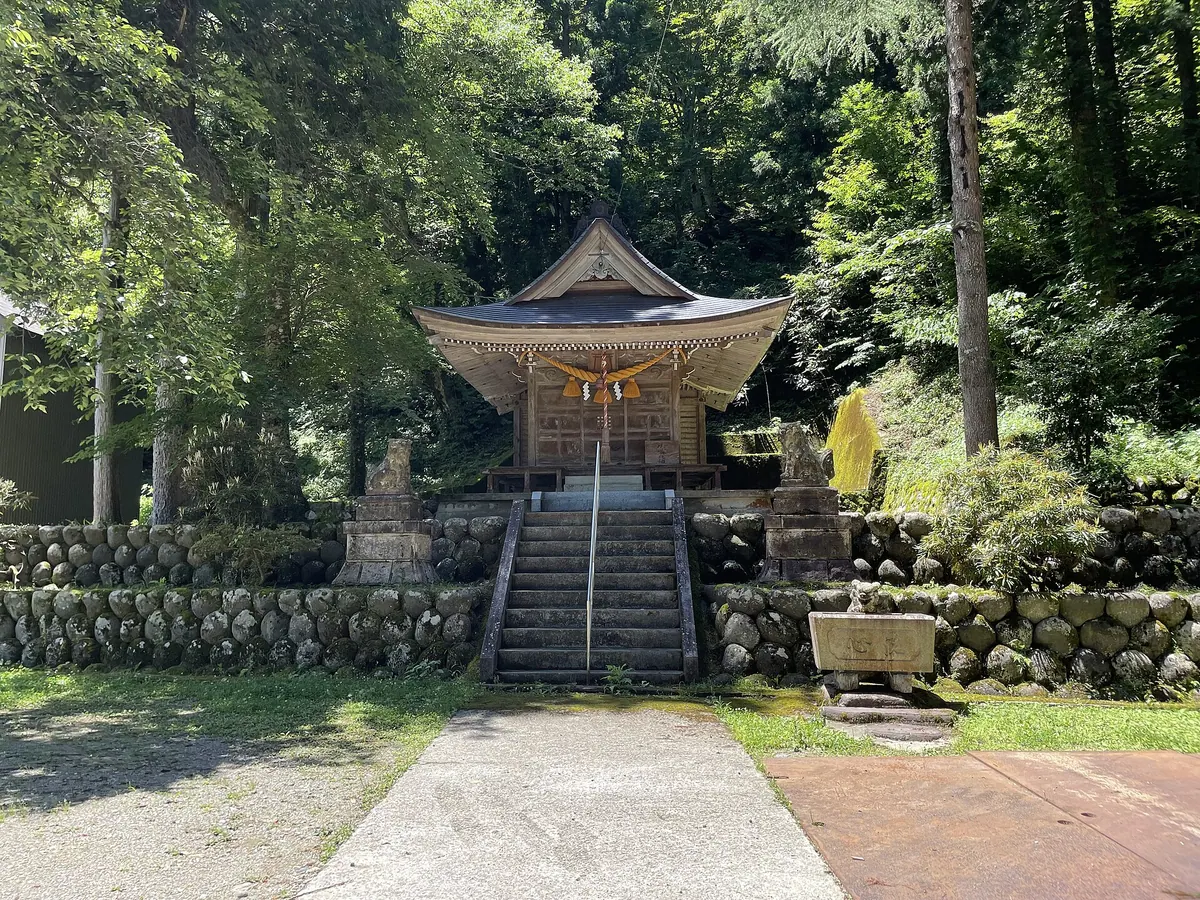
Ototsurugisha is a historic shrine in Toyama, home to a rare Muromachi-period Fudo Myoo statue.
What it is
- A shrine in Nanto City, Toyama Prefecture.
- Dedicated to the deity Fudo Myoo.
- Current building rebuilt on June 15, 1846.
- Worship hall and main shrine completed in 1973.
What to see
- A 56cm tall Nez wood statue of Fudo Myoo.
- The statue is a local work from the Muromachi period.
- The statue is designated as a city cultural property.
When to go
- Spring festival is on April 28.
- Autumn festival is on September 28.
- Address
- 富山県南砺市小原486番地 Map
14
Yagokorōoichihiko Shrine
TOYAMA · SHRINE 八心大市比古神社
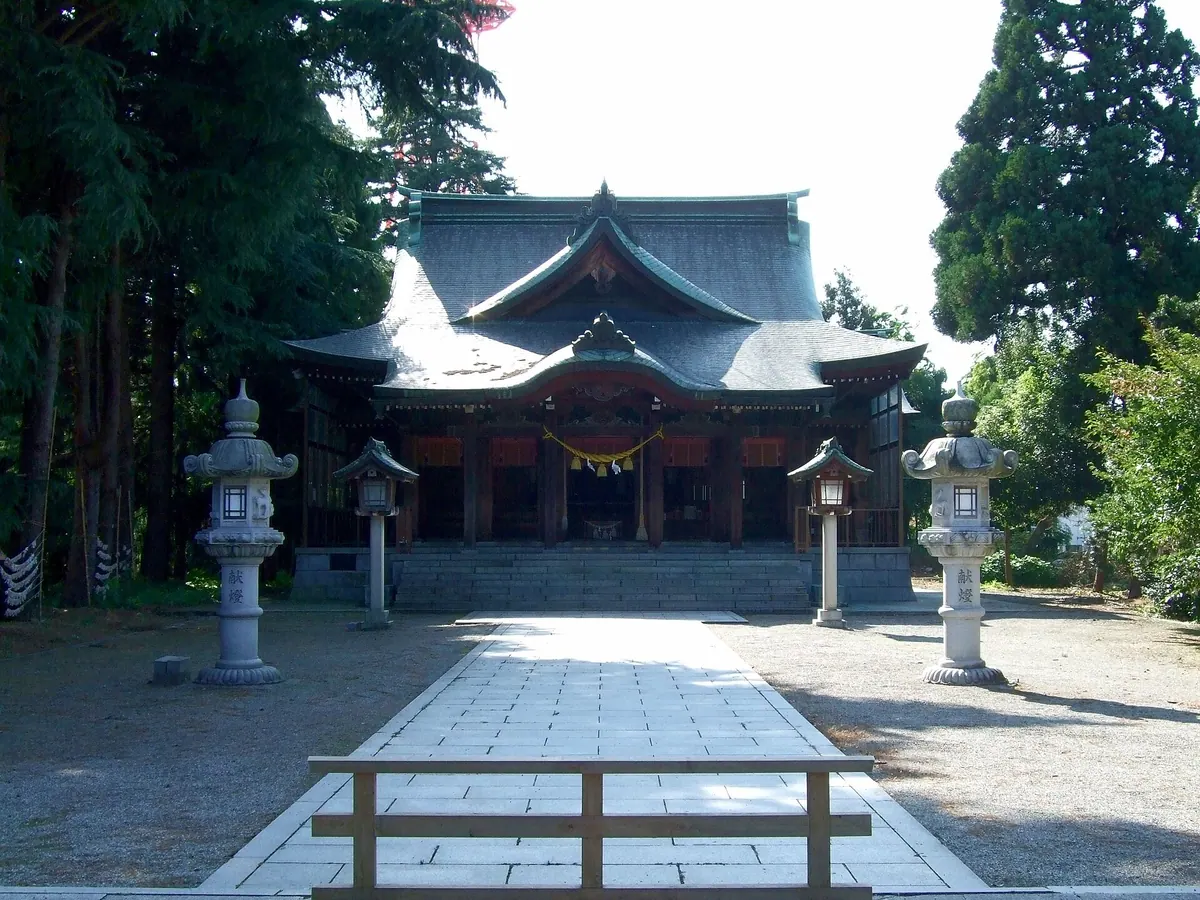
Yagokorōoichihiko Shrine is a historic site in Kurobe City, known for its significant deities and festivals.
What it is
- A Shinto shrine in Kurobe City, Toyama Prefecture.
- Known as Mishima Daimyojin until the Meiji era.
- Relocated to its current site in 1580.
- Dedicated to Oyamatsumi, Sukunahikona, and Kagutsuchi no Kami.
What to see
- The current shrine building, completed in 1942.
- Shrine grounds are a Kurobe City designated historic site.
When to go
- Spring Festival is held on May 5th.
- Autumn Festival is held on October 4th.
- Address
- 富山県黒部市三日市1036-1 Map
15
Oyama Shrine
TOYAMA · SHRINE 雄山神社
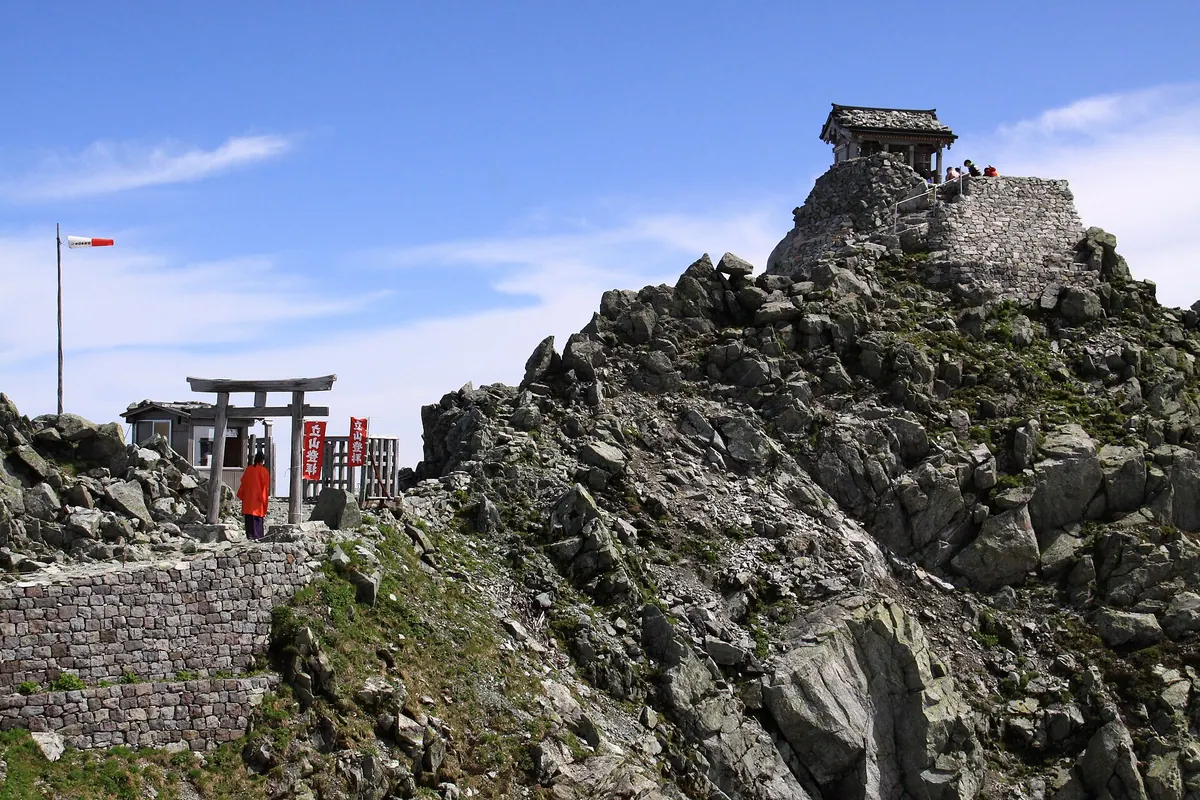
Oyama Shrine is a historic Shinto shrine with important cultural properties, worth visiting for its spiritual significance.
What it is
- A Shinto shrine with ancient origins.
- Dedicated to Izanagi-no-kami and Amenotajikarao-no-kami.
- Formerly known as Tateyama Gongen and Oyama Gongen.
- A Beppyo Jinja of the Association of Shinto Shrines.
What to see
- Mine Honsha at the summit of Mt. Oyama.
- Chugu Kigan-den, formerly Chuguji.
- Maedate Shadan, with an Important Cultural Property main hall.
- Wooden seated statue of Jikyo Shonin, an Important Cultural Property.
- Address
- 〒 930-1406 富山県中新川郡立山町芦峅寺立山峰一番地 Map
- Official site
- www.oyamajinja.org
16
Hanyu gokoku-hachimangū
TOYAMA · SHRINE 埴生護国八幡宮
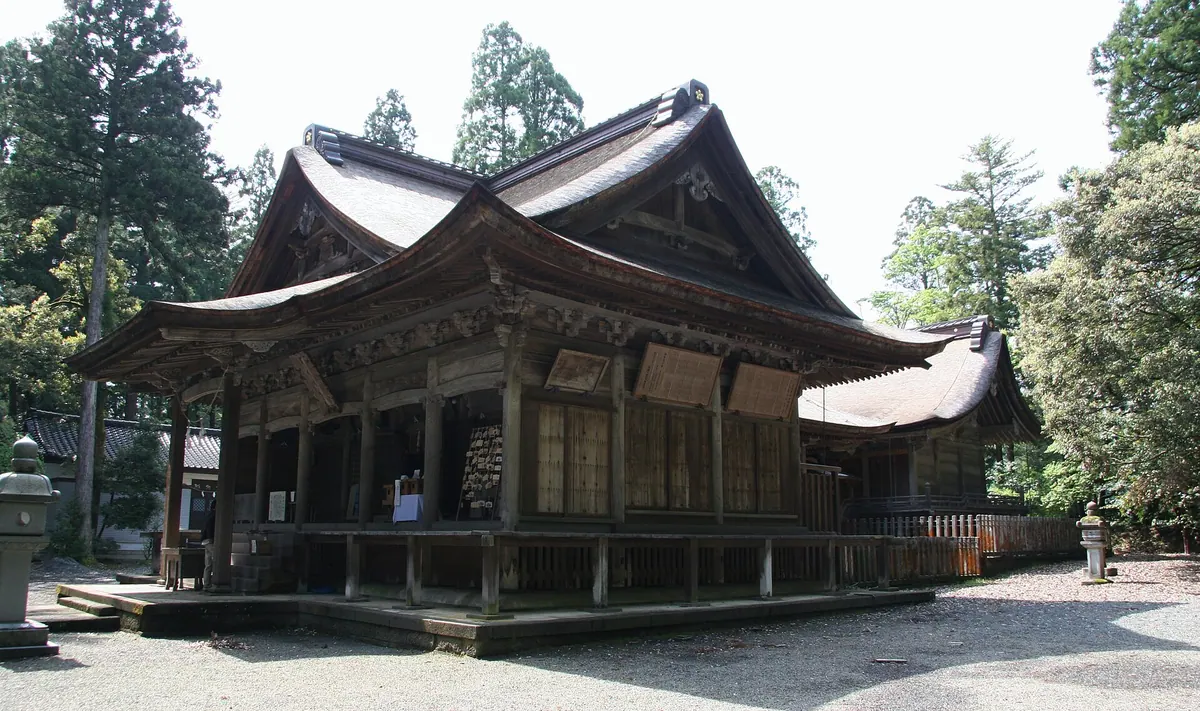
Ancient shrine where warlords prayed for victory, with important cultural properties and historical artifacts.
What it is
- A shrine in Oyabe City, Toyama Prefecture.
- Founded in 718, according to tradition.
- Warlords revered this shrine for centuries.
What to see
- Statue of Minamoto no Yoshinaka on horseback at the entrance.
- Hato-shimizu spring is at the entrance.
- Main hall is a National Important Cultural Property.
- Main hall was built in 1600.
- Yoshinaka's prayer document is preserved here.
- A letter from Takeda Shingen is preserved here.
- Address
- 富山県小矢部市埴生2992 Map
17
Toyama Gokoku Shrine
TOYAMA · SHRINE 富山縣護國神社
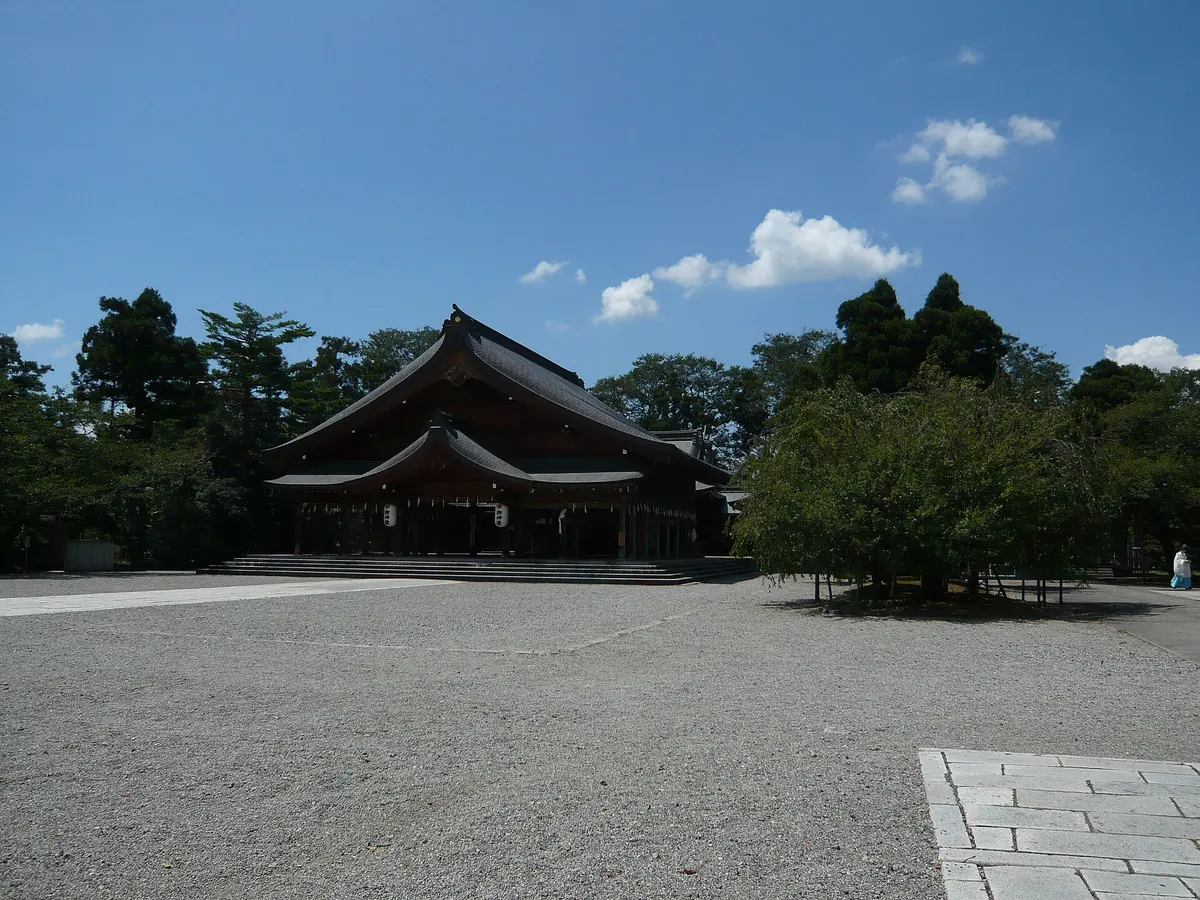
A Gokoku Shrine in Toyama City, honoring 28,679 war dead from Toyama Prefecture.
What it is
- A Gokoku Shrine in Toyama City.
- Dedicated to 28,679 war dead from Toyama Prefecture.
- Established in March 1912 as Toyama Ken Shokonsha.
- Renamed Toyama Ken Gokoku Shrine in April 1939.
What to see
- The main hall, rebuilt in October 1954.
- The current main worship hall, completed in October 1991.
Getting there
- Accessible by bus from Toyama Station.
- Accessible by tram from Toyama Station.
- Address
- 富山県富山市磯部町1-1 Map
18
Uozu Shrine
TOYAMA · SHRINE 魚津神社
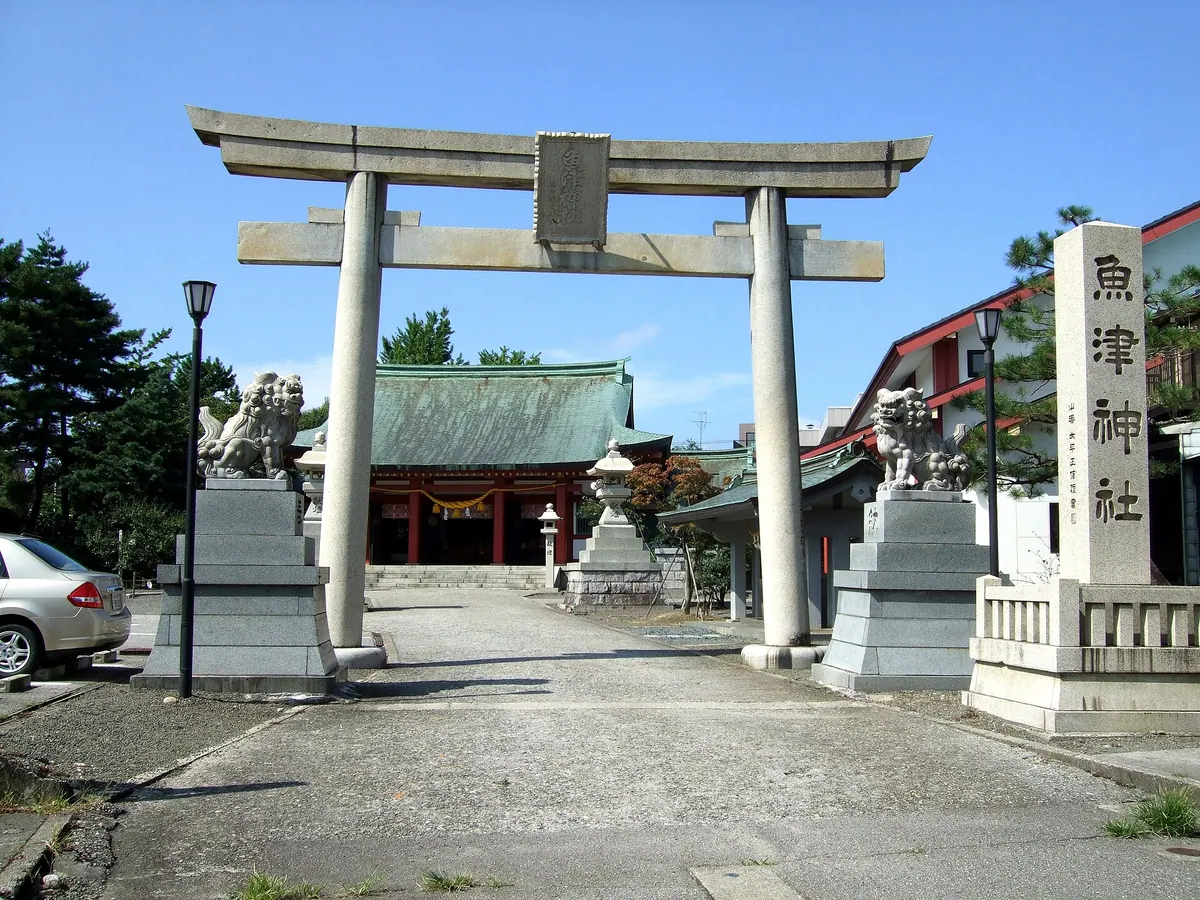
Uozu Shrine is an ancient shrine in Toyama Prefecture, known for its large torii gate and festivals.
What it is
- Dedicated to Amaterasu Omikami, a sun goddess.
- Originally founded as Shinmeisha on March 17, 702.
- Formed in 1956 by integrating five local shrines.
What to see
- A main shrine building, rebuilt in 1965.
- A large torii gate, 8.5m high and 11m wide.
- A sumo ring, completed in 1970.
When to go
- Atago Shrine fire festival is held on January 26.
- The Uozu Shrine festival runs from June 4 to 6.
- Address
- 富山県魚津市中央通り1-3-28[1] Map
19
Kaimukura Sumiyoshi Shrine
TOYAMA · SHRINE 皆葎住吉神社
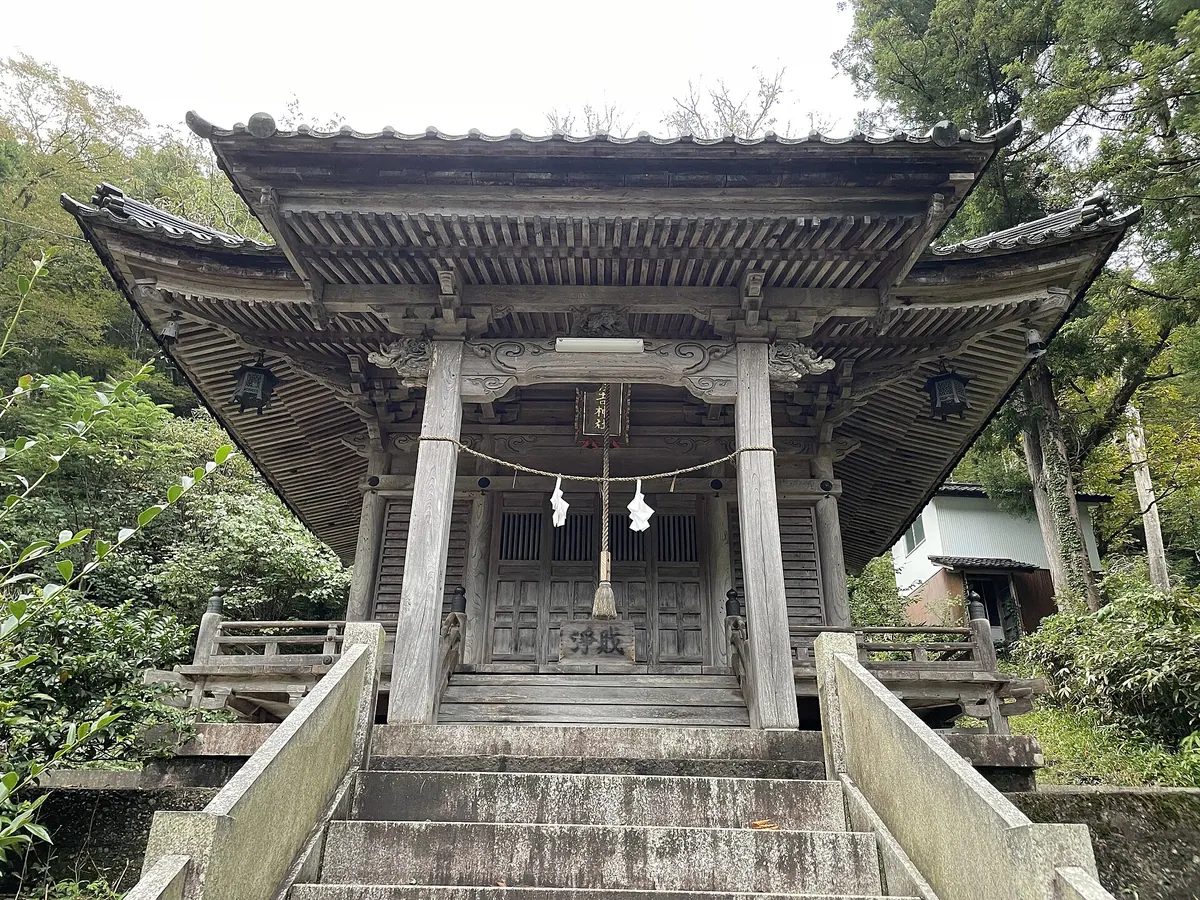
Visit this historic shrine to see a beautiful inner sanctuary and experience local festivals.
What it is
- A shrine in Nanto City, Toyama Prefecture.
- Records of the shrine exist from 1712.
- The inner sanctuary is a city cultural property.
What to see
- The main shrine building, constructed in 1915.
- The inner sanctuary, built in 1719.
- The inner sanctuary was built by Seiemon from Okubo Village.
When to go
- Spring festivals are on April 22nd and 23rd.
- Autumn festivals are on September 22nd.
- Address
- 富山県南砺市皆葎萩平 Map
20
Abettōshinmeigū
TOYAMA · SHRINE 阿別当神明宮
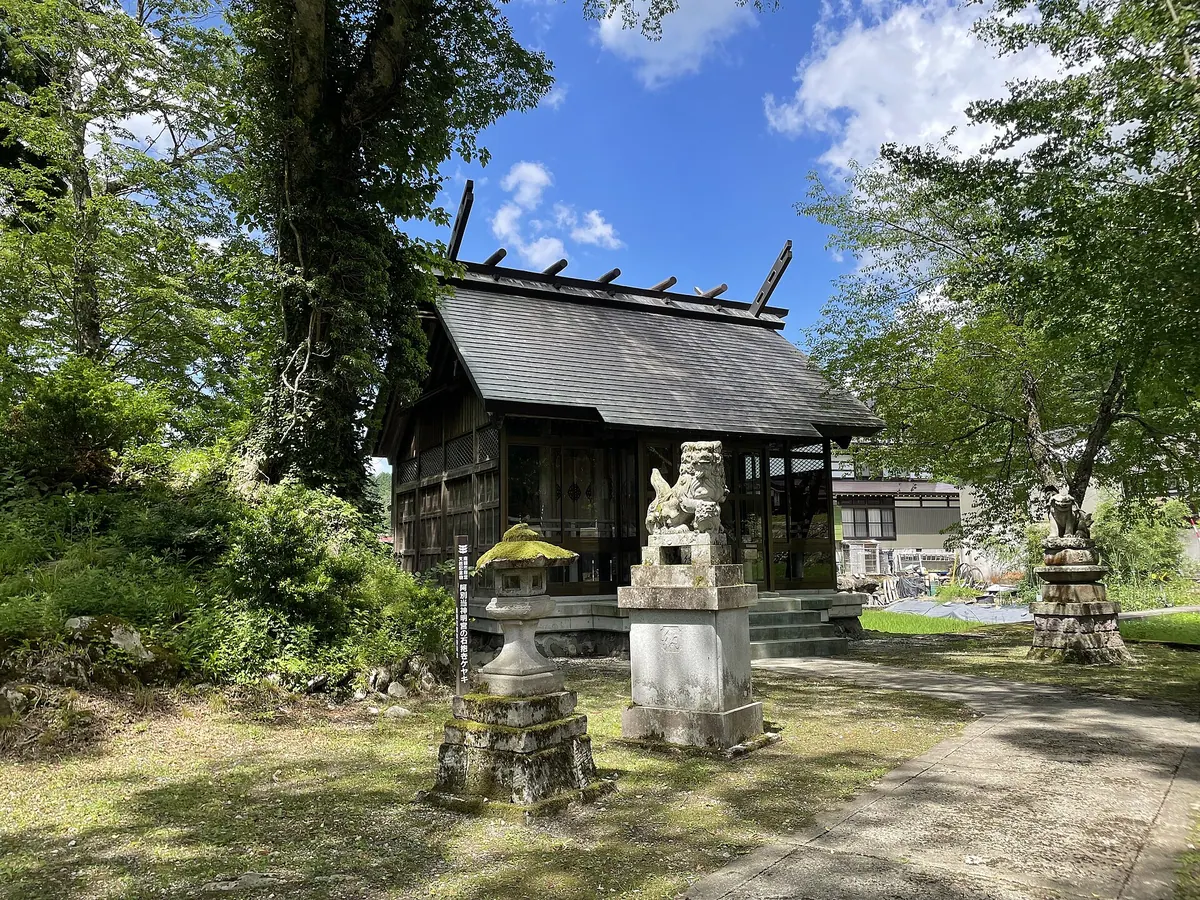
Abettōshinmeigū is a historic shrine in Toyama, known for its unique zelkova trees.
What it is
- A shrine in Toyama Prefecture.
- Recorded as 'Ushiodake Daimyojin' from 1796.
- Shrine building renovated and grounds expanded in 1941.
What to see
- The heiden and haiden, constructed in 1941.
- Three zelkova trees growing on bedrock.
- The 'Ishidaki Keyaki' is a city-designated cultural property.
When to go
- Spring festival is held on May 4.
- Autumn festival is held on September 29.
- Address
- 富山県南砺市利賀村阿別当15 Map