

20 Shrines in Aomori worth your time
Japan Gems
Towada Shrine and Hirosaki Hachimangū are among the 20 shrines in Aomori Prefecture. They offer a look into the region's spiritual heritage.
Aomori has 20 shrines on Japan Gems. Below are the 20 we can tell you the most about — each one written up in English from Japanese sources, with what to see and how to get there. See all shrines in Aomori.
01
Kushihiki Hachimangū
AOMORI · SHRINE 櫛引八幡宮

Visit this historic shrine to see National Treasures and Important Cultural Properties.
What it is
- A Shinto shrine in Hachinohe, Aomori Prefecture.
- Dedicated to the deity Hachiman-Okami.
- Originated in 1166, relocated to current site in 1222.
What to see
- Five shrine buildings are Important Cultural Properties.
- Treasure hall exhibits National Treasures and Important Cultural Properties.
- Main hall is Sanmaisha-nagare-zukuri style with copper roof.
- Red-threaded armor is a National Treasure from Kamakura period.
- White-threaded armor is a National Treasure from Nanboku-cho period.
- Former Hachinohe Elementary School auditorium is a cultural property.
When to go
- Autumn grand festival is three days, 14th to 16th lunar calendar.
- Yabusame (horseback archery) rituals are dedicated during festival.
- Address
- 青森県八戸市八幡字八幡丁3-2 Map
- Official site
- www.kushihikihachimangu.com
02
Chōjasan Shinra Shrine
AOMORI · SHRINE 長者山新羅神社
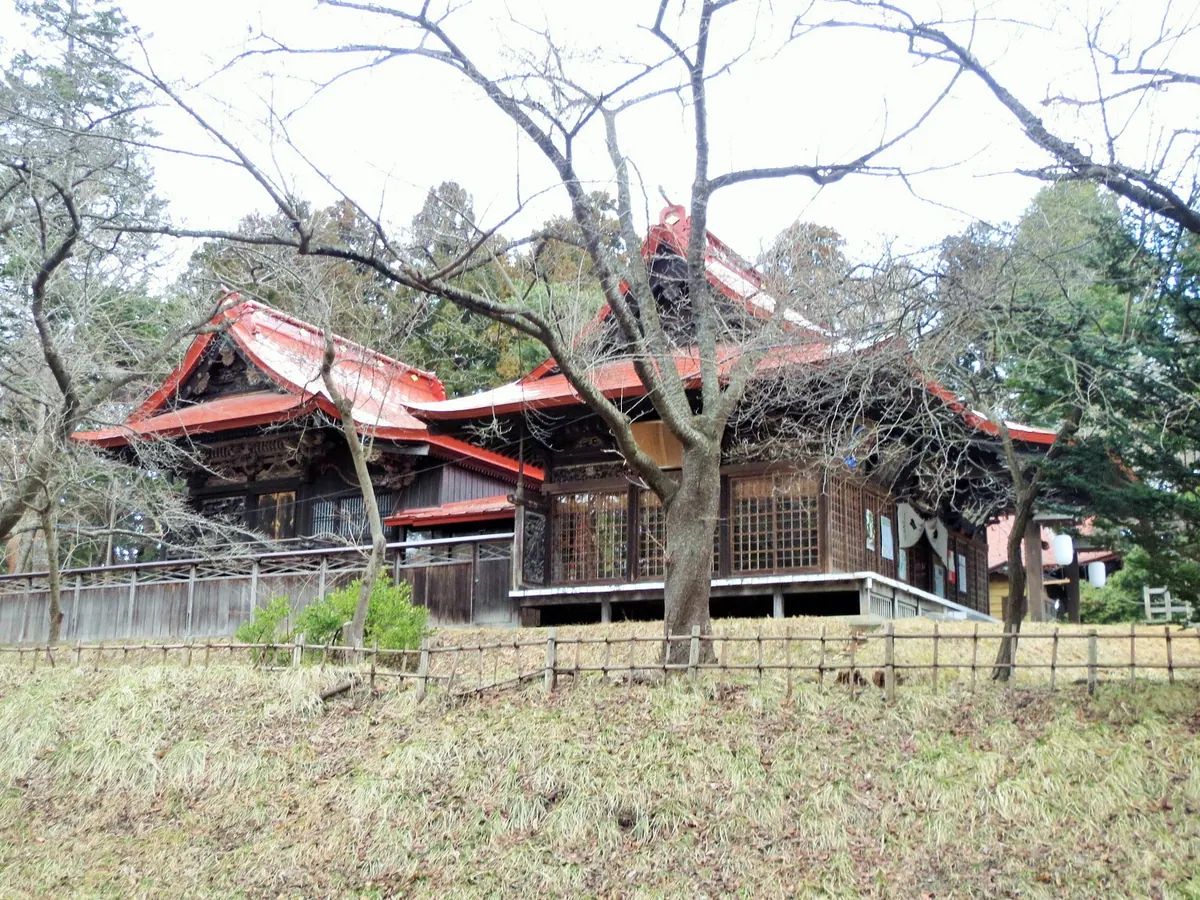
Historic shrine founded in 1678, known for its important cultural festivals and treasured buildings.
What it is
- Shrine founded in 1678 by the second lord of Hachinohe domain.
- Dedicated to Susanoo-no-Mikoto and Minamoto no Yoshimitsu.
- Known for the Hachinohe Sansha Taisai festival.
- Also known for the Hachinohe Enburi festival.
What to see
- Main hall and worship hall completed in 1827.
- Main hall and worship hall are Aomori Prefectural Treasures.
When to go
- Hachinohe Sansha Taisai is a National Intangible Folk Cultural Property.
- Hachinohe Enburi is a National Intangible Folk Cultural Property.
- Kagami-ryu Kiba Dakyu is a Prefectural Intangible Folk Cultural Property.
- Address
- 青森県八戸市長者1-6-10 Map
- Official site
- www.at-ml.jp
03
Takayama Inari Shrine
AOMORI · SHRINE 高山稲荷神社
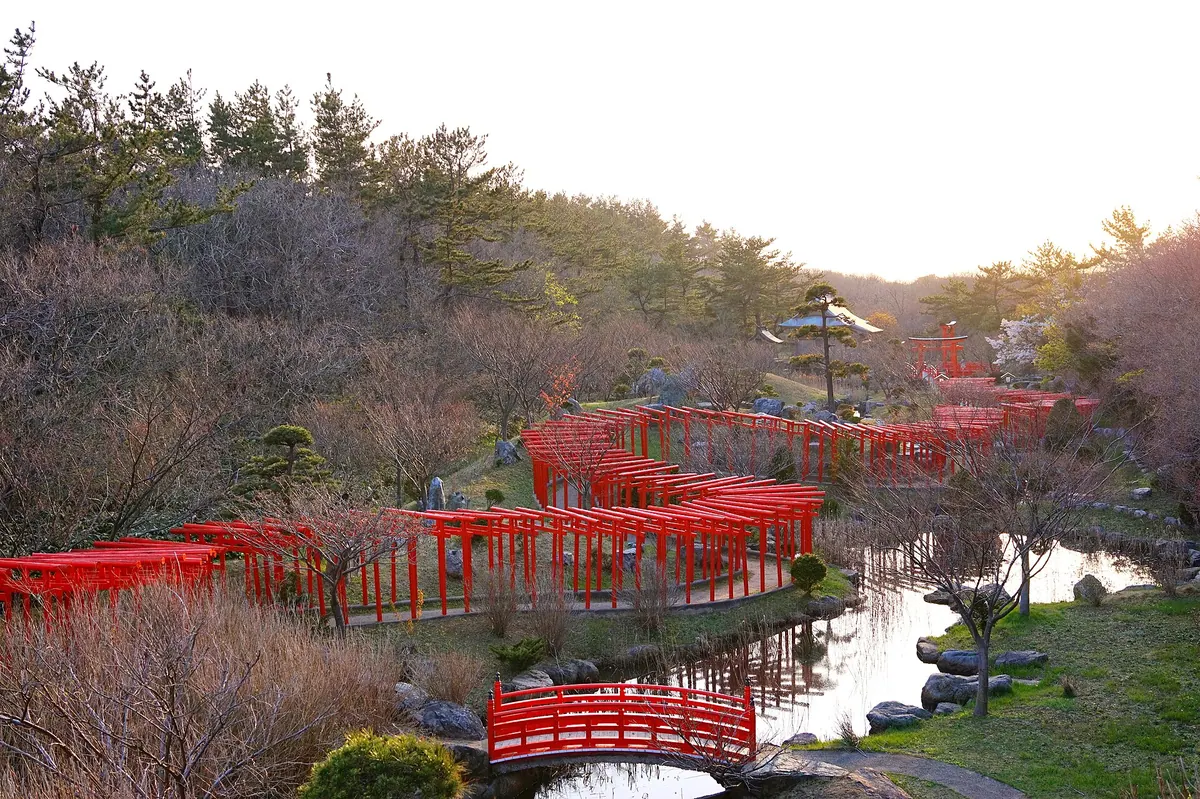
Takayama Inari Shrine: a unique shrine with a thousand torii gates, dedicated to harvests and safety.
What it is
- Dedicated to bountiful harvests, maritime safety, and business prosperity.
- Founded between the Kamakura and Muromachi periods.
- Enshrines Ukanomitama-no-mikoto, Satahiko-no-mikoto, and Omiyanome-no-mikoto.
- A memorial for victims of the 1889 Chessborough shipwreck.
What to see
- A large torii gate marks the entrance.
- A hall for worship.
- A path lined with a thousand torii gates.
- Located on land about 22 meters above sea level.
- Near Shichiri Nagahama.
Getting there
- A 30-minute drive from Goshogawara Station.
- Address
- 青森県つがる市牛潟町鷲野沢147-1 Map
- Official site
- takayamainari.jp
04
Koda-hachimangū
AOMORI · SHRINE 小田八幡宮
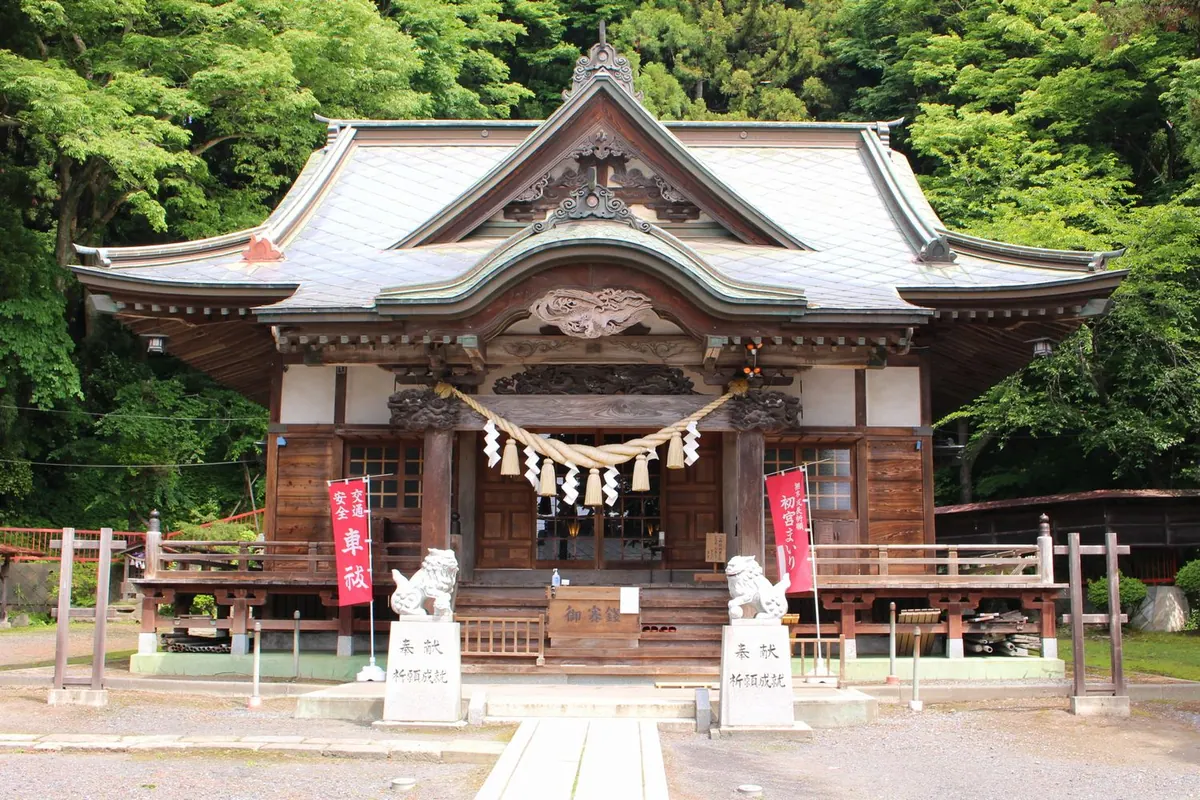
Koda-hachimangū is a historic shrine dedicated to Emperor Ōjin, founded in the mid-11th century.
What it is
- A shrine in Hachinohe City, Aomori Prefecture.
- Dedicated to Emperor Ōjin (Hachiman-shin).
- Established in the mid-11th century by Minamoto no Yoriyoshi.
- Became a village shrine on April 15, 1873.
What to see
- Niōmon gate is a city designated cultural property.
- Bishamonten statue is a city designated cultural property.
- Two transoms are city designated historical materials.
- Senpūan Hyakuhyaku Hyō Haikai Kengaku is a historical material.
Getting there
- 10-minute drive from Hon-Hachinohe Station.
- Address
- 青森県八戸市小田1-2-1 Map
05
Utō Shrine
AOMORI · SHRINE 善知鳥神社
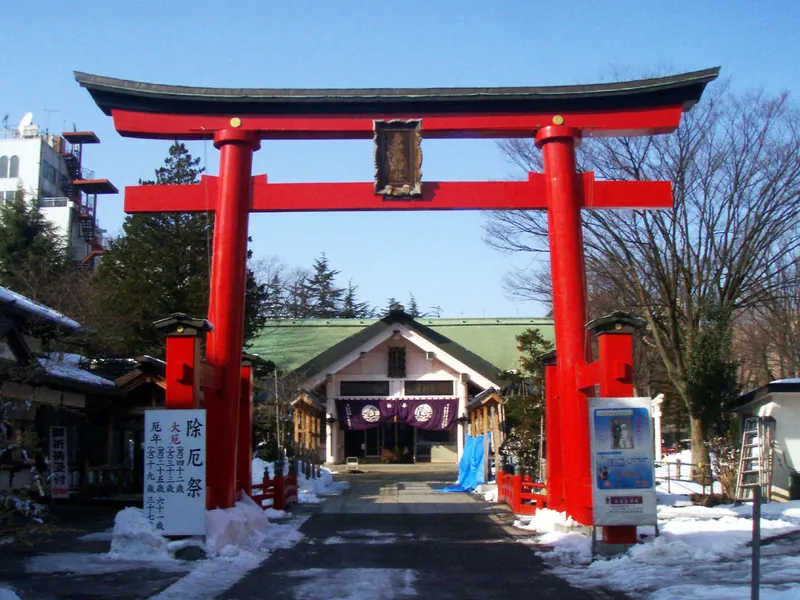
An ancient Aomori City shrine dedicated to three goddesses, rebuilt by a famous general and protected by local clans.
What it is
- This ancient shrine in Aomori City is dedicated to the three Munakata Sanjojin goddesses.
- A small structure was first built here by Yasakata during ancient times.
- General Sakanoue Tamuramaro rebuilt the site during the Daidō era in the early ninth century.
- Local Nanbu and Tsugaru clans protected and revered the site for hundreds of years.
What to see
- The grounds enshrine several deities including Inari Okami and Sarutahiko Okami.
- Small merged shrines for Inari and Kaizumi are located within the grounds.
- Address
- 青森県青森市安方2-7-18 Map
- Official site
- utojinja.sakura.ne.jp
06
Iwakiyama Shrine
AOMORI · SHRINE 岩木山神社

Iwakiyama Shrine is a historic shrine at Mt. Iwaki's base, worth visiting for its ancient buildings.
What it is
- Shrine at the southeastern base of Mount Iwaki.
- Also known as "O-Iwaki-sama" and "Oku-Nikko."
- Founded in 780 AD, according to the oldest theory.
- Enshrines five deities as "Iwakiyama Okami."
What to see
- Shrine buildings show Shinbutsu-shūgō remnants.
- Main hall built in 1694 by Nobumasa.
- Romon gate built in 1628 by Nobuhira Tsugaru.
- Several structures are Important Cultural Properties.
Getting there
- Accessible by bus from Hirosaki Station.
- Address
- 青森県弘前市百沢字寺沢27 Map
- Official site
- iwakiyamajinja.or.jp
07
Takateru Shrine
AOMORI · SHRINE 高照神社

Historic shrine dedicated to a local lord, with many important cultural properties.
What it is
- Began as the mausoleum of Tsugaru Nobumasa, 4th lord of Hirosaki.
- Nobumasa is enshrined as a deity.
- Origin dates back to 1710.
- Renamed Takateru Shrine in the early Meiji period.
What to see
- Eight shrine buildings are Important Cultural Properties.
- Two tombs are Important Cultural Properties.
- Main hall, gate, and mausoleum align on an east-west axis.
- Avenue of pine trees is a Prefectural Natural Monument.
- Two swords are Important Cultural Properties.
- Address
- 青森県弘前市大字高岡字神馬野87 Map
08
Ogami Shrine
AOMORI · SHRINE 龗神社

Hachinohe's oldest shrine, founded 1000 years ago, is the origin of a UNESCO festival.
What it is
- Oldest shrine in Hachinohe City, founded about 1000 years ago.
- Known as Horyozan Ogami Shrine.
- Guardian deity of Hachinohe Castle during the Edo period.
- Origin shrine of the Hachinohe Sansha Taisai festival.
What to see
- Main hall donated by the Nanbu family 190 years ago.
- Hand mirror said to be used by Minamoto no Yoshitsune's wife.
When to go
- Hachinohe Sansha Taisai festival, a UNESCO heritage event.
- Address
- 青森県八戸市内丸2丁目1-51 Map
09
Saruka Shrine
AOMORI · SHRINE 猿賀神社

Saruka Shrine, founded in 807, offers historical buildings and cultural performances.
What it is
- Founded in 807 as Jinsha-gu Shrine.
- Dedicated to Kaminokeno-kimi Taji-no-mikoto.
- Became a Beppyo Jinja after World War II.
What to see
- Main hall, rebuilt in 1826.
- Main hall is a Prefectural Treasure.
- Two large ponds: Kagami-ga-ike and Misharashi-ga-ike.
When to go
- Nanokado Taisai festival is a National Cultural Property.
- Tsugaru Kagura performed at Jugoya Taisai festival.
- Address
- 青森県平川市猿賀字石林175 Map
10
Kabushima Shrine
AOMORI · SHRINE 蕪嶋神社

Kabushima Shrine is a unique site to see thousands of black-tailed gulls nesting.
What it is
- Shrine founded in 1269 on Kabushima island.
- Dedicated to the Munakata Sanjojin deities.
- Island is a national natural monument.
- A breeding ground for black-tailed gulls.
What to see
- The reconstructed shrine building, completed in 2020.
- Thousands of black-tailed gulls nesting on the island.
Getting there
- 15-minute walk from Same Station on the JR Hachinohe Line.
- Address
- 青森県八戸市鮫町字鮫56−2 Map
11
Kuroishi Shrine
AOMORI · SHRINE 黒石神社

Kuroishi Shrine honors the founder of Kuroishi Domain, with an Edo period gate and cultural property.
What it is
- Shrine founded in 1879.
- Dedicated to Tsugaru Nobuhide, founder of Kuroishi Domain.
- Formerly a Prefectural Shrine.
What to see
- Shrine gate, relocated from Kuroishi Jinya.
- Gate is the only remaining Edo period building.
- Mausoleum for Tsugaru Nobuhide, built in 1662.
- Subsidiary Toshogu Shrine, enshrining Tokugawa Ieyasu.
- A Prefectural Important Cultural Property.
- Address
- 青森県黒石市市ノ町20 Map
12
Hirota Shrine
AOMORI · SHRINE 廣田神社
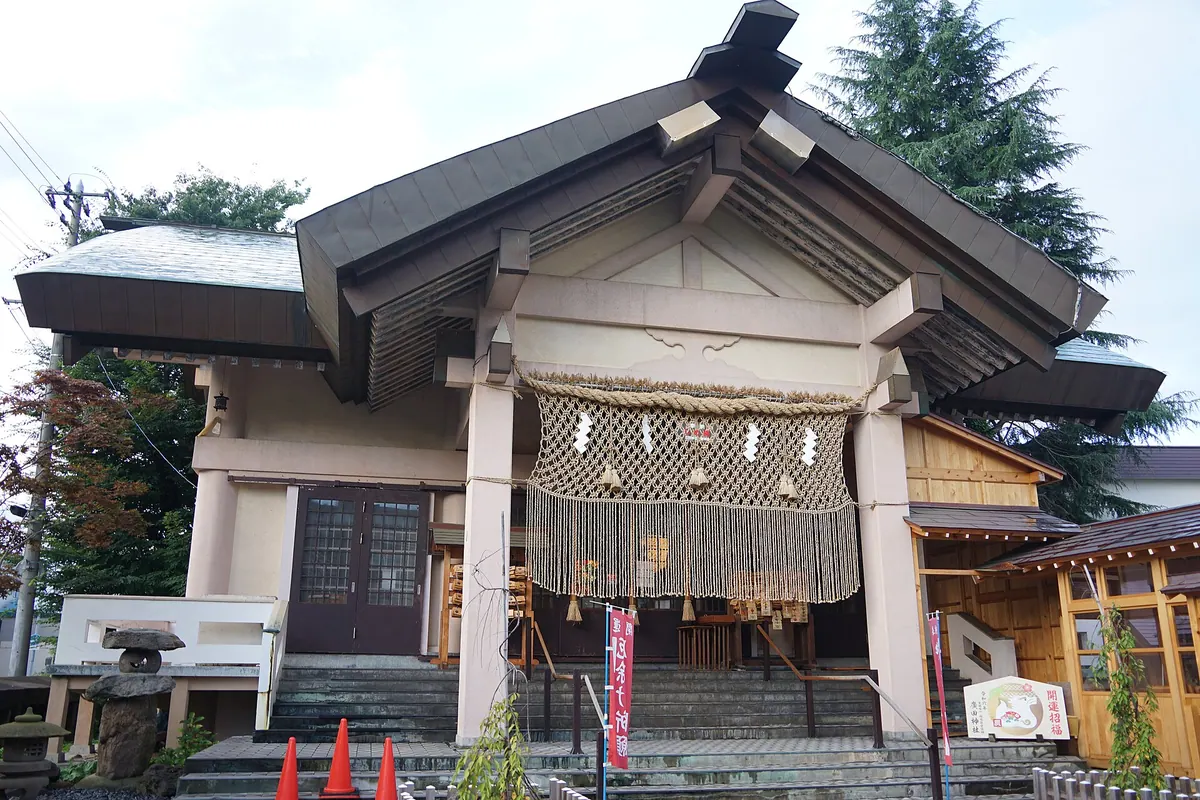
Hirota Shrine, founded for peace, enshrines Aomori's guardian deities and offers a glimpse into local history.
What it is
- Founded by Fujiwara Sanekata for peace in Mutsu Province.
- Moved to Aomori town center in 1625 by Tsugaru Nobumaki.
- Enshrines Amaterasu Omikami Aramitama as the main deity.
- Also enshrines Fujiwara Sanekata and Shindo Masatsugu.
What to see
- The current shrine building, rebuilt in 1972.
- The main hall and worship hall.
- A torii gate on the shrine grounds.
- Address
- 青森県青森市長島2-13-5 Map
13
Hirosaki-tenmangū
AOMORI · SHRINE 弘前天満宮

A historic shrine in Hirosaki with a magnificent, ancient weeping cherry tree.
What it is
- A shrine dedicated to Sugawara no Michizane no Ason no Mikoto.
- Founded in 1689 by Tsugaru Nobumasa's mother.
- Formerly a village shrine, it replaced Daigyoin Temple.
What to see
- The Daigyoin no Shidarezakura, a weeping cherry tree.
- The tree is 11 meters tall with a 2.6-meter trunk circumference.
- This weeping cherry tree is a designated natural monument.
- Address
- 青森県弘前市西茂森1丁目1-34 Map
14
Miyagi Shrine
AOMORI · SHRINE 三八城神社
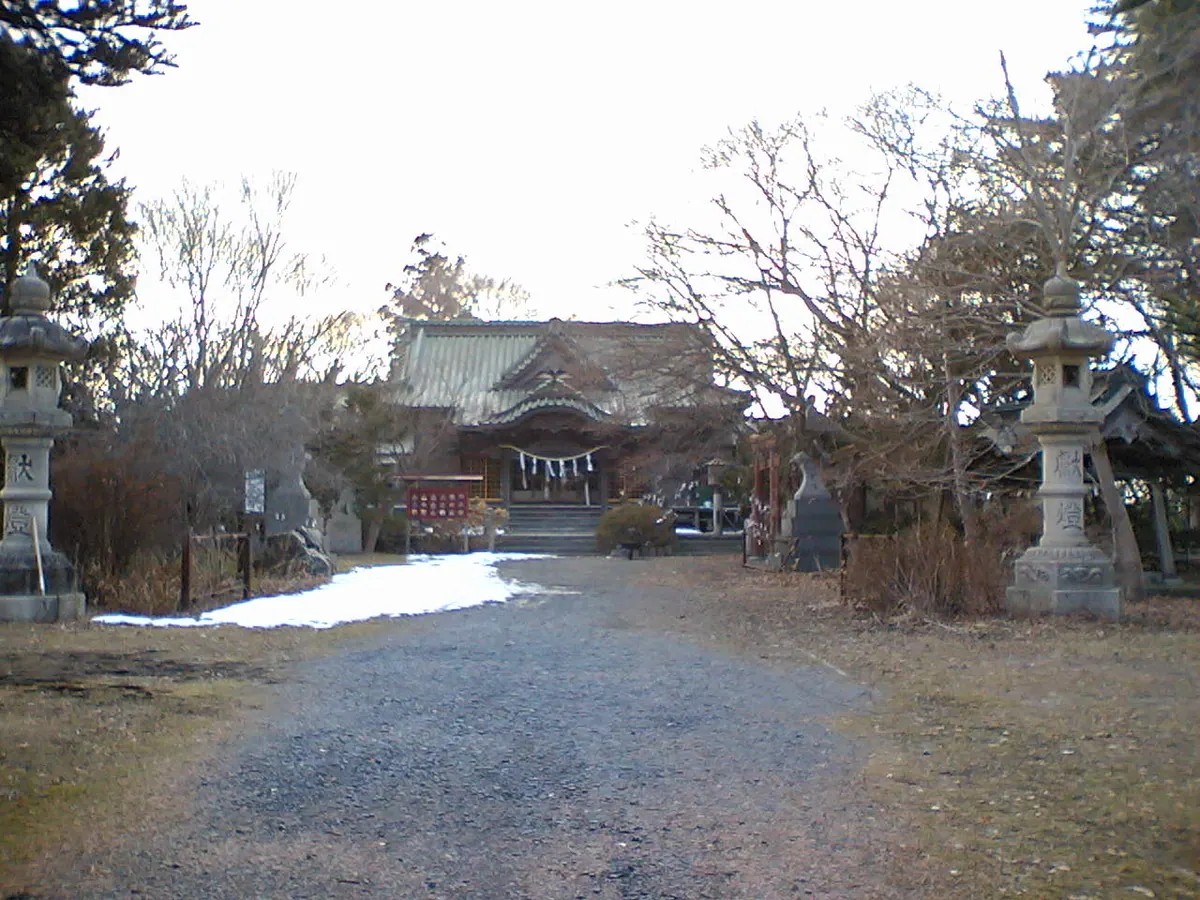
Miyagi Shrine honors clan founders on a former castle site, offering a glimpse into local history.
What it is
- Shrine dedicated to clan founders.
- Honors Nambu Naofusa, Minamoto no Yoshimitsu, and Nambu Mitsuyuki.
- Established in 1878.
- Built on the former site of Hachinohe Castle.
What to see
- Site of Hachinohe Castle's main and second keeps.
- Lanterns and offerings donated by former retainers.
When to go
- Main festival day is August 6.
- Address
- 青森県八戸市内丸1-1-69 Map
15
Hirosaki Tōshō-gū
AOMORI · SHRINE 弘前東照宮

Visit this historic shrine to see a beautiful 17th-century main hall, a National Important Cultural Property.
What it is
- A Shinto shrine in Hirosaki City, Aomori Prefecture.
- Founded in 1617 by Tsugaru Nobuhira.
- Relocated to its current site in 1624.
- Designated a prefectural shrine in 1881.
What to see
- The main hall, constructed in 1628.
- Main hall is a wooden structure with a hipped-gable roof.
- Main hall is a National Important Cultural Property.
- Address
- 青森県弘前市笹森町38 Map
16
Hirosaki Hachimangū
AOMORI · SHRINE 弘前八幡宮
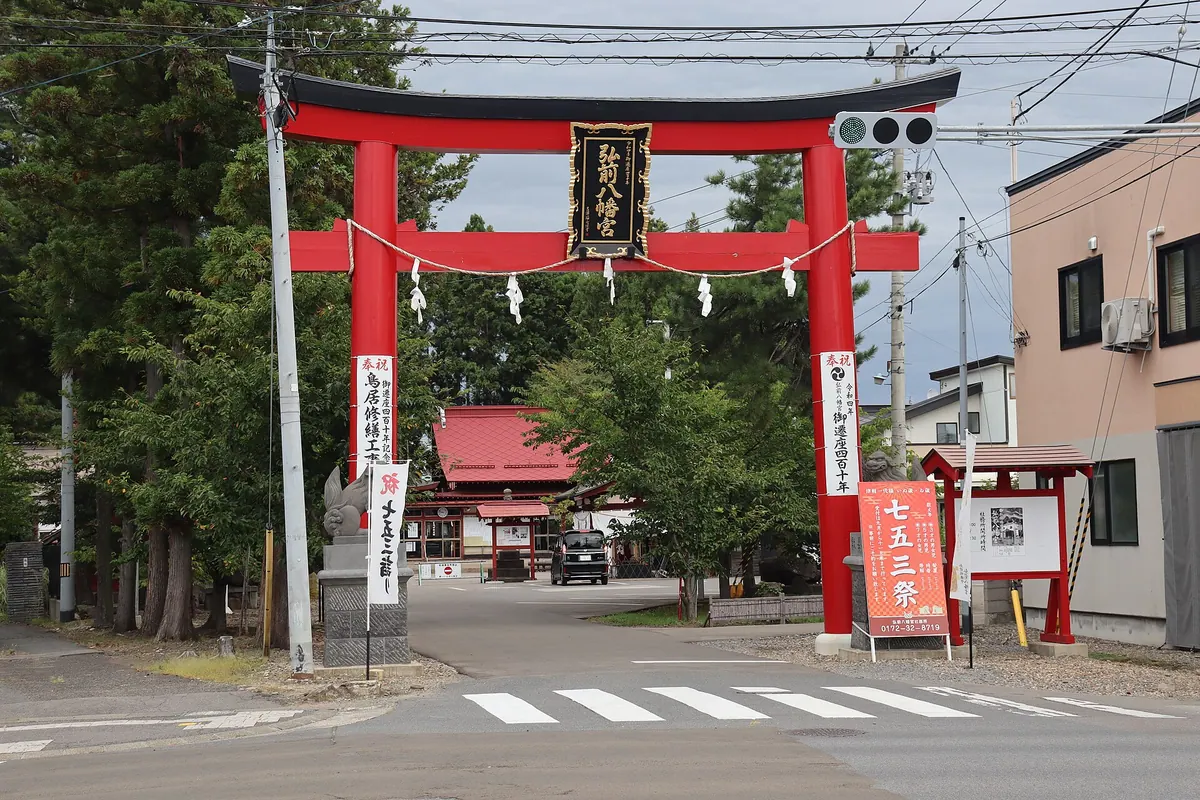
Hirosaki Hachimangu is a historic Shinto shrine protecting Hirosaki Castle's demon gate.
What it is
- Shinto shrine in Hirosaki, Aomori Prefecture.
- Dedicated to Emperor Ojin, Empress Jingu, and Tamayorihime no Mikoto.
- Relocated in 1612 by Tsugaru Nobuhira.
- Protects the demon gate of Hirosaki Castle.
What to see
- Karamon Gate is a National Important Cultural Property.
- Honden (main hall) is a National Important Cultural Property.
- Address
- 〒036-8057 青森県弘前市大字八幡町1丁目1-1 Map
- Official site
- hirosaki-hachimangu.com
17
Towada Shrine
AOMORI · SHRINE 十和田神社
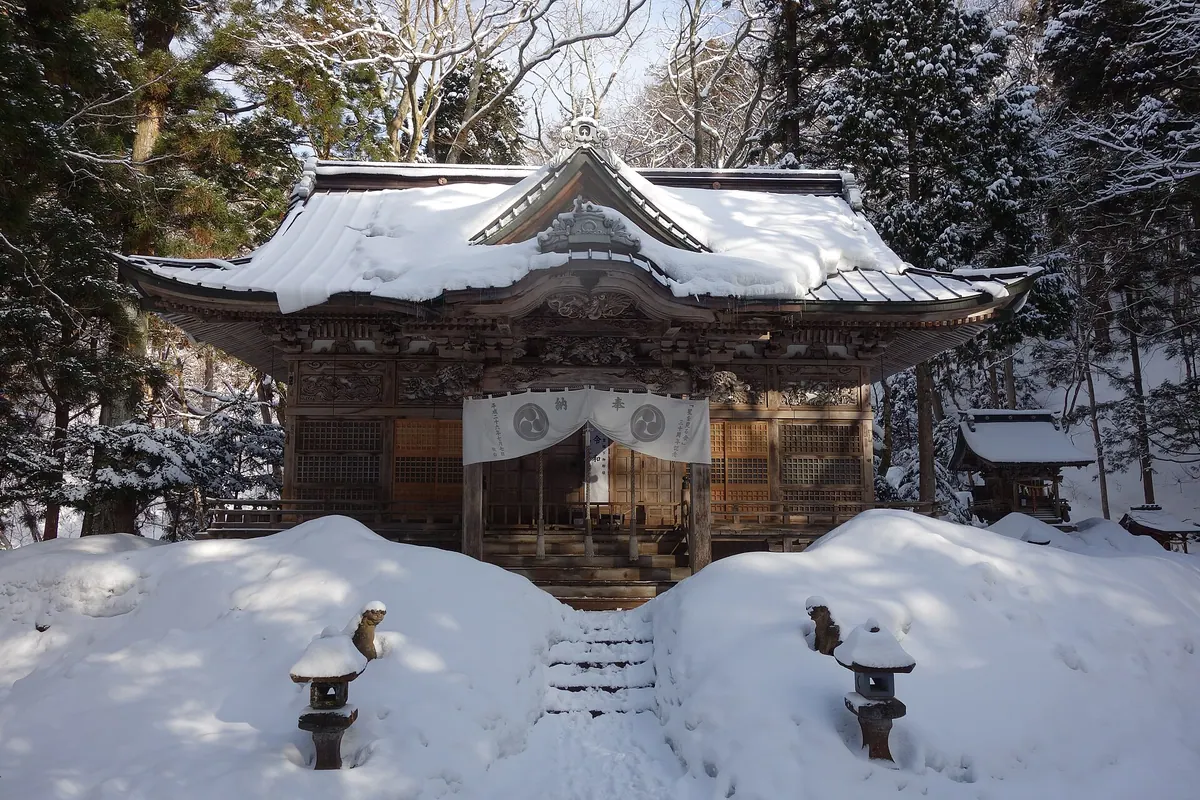
Towada Shrine is a famous northern Tohoku shrine with two historical founding accounts worth visiting.
What it is
- Famous shrine in northern Tohoku region.
- Founded in 807 by Sakanoue no Tamuramaro.
- Dedicated to Yamato Takeru no Mikoto, son of Emperor Keiko.
- Once fused Shinto and Buddhism.
What to see
- Shrine dedicated to Yamato Takeru no Mikoto.
- Small shrine on grounds with Nansonobo's remains.
- Address
- 青森県十和田市奥瀬十和田湖畔休屋486 Map
18
Aomori Gokoku Shrine
AOMORI · SHRINE 青森県護国神社

A solemn shrine in Hirosaki Park, dedicated to Aomori's war dead since 1869.
What it is
- A shrine dedicated to 29,184 war dead from Aomori Prefecture.
- Founded on June 6, 1869.
- Designated a Gokoku Shrine in 1939.
What to see
- The Shokon-do hall, built in 1870.
- The Shokonsha shrine, established in 1871.
Getting there
- Located within Hirosaki Park.
- Official site
- aomorigokoku-housankai.com
19
Ōma Inari Shrine
AOMORI · SHRINE 大間稲荷神社
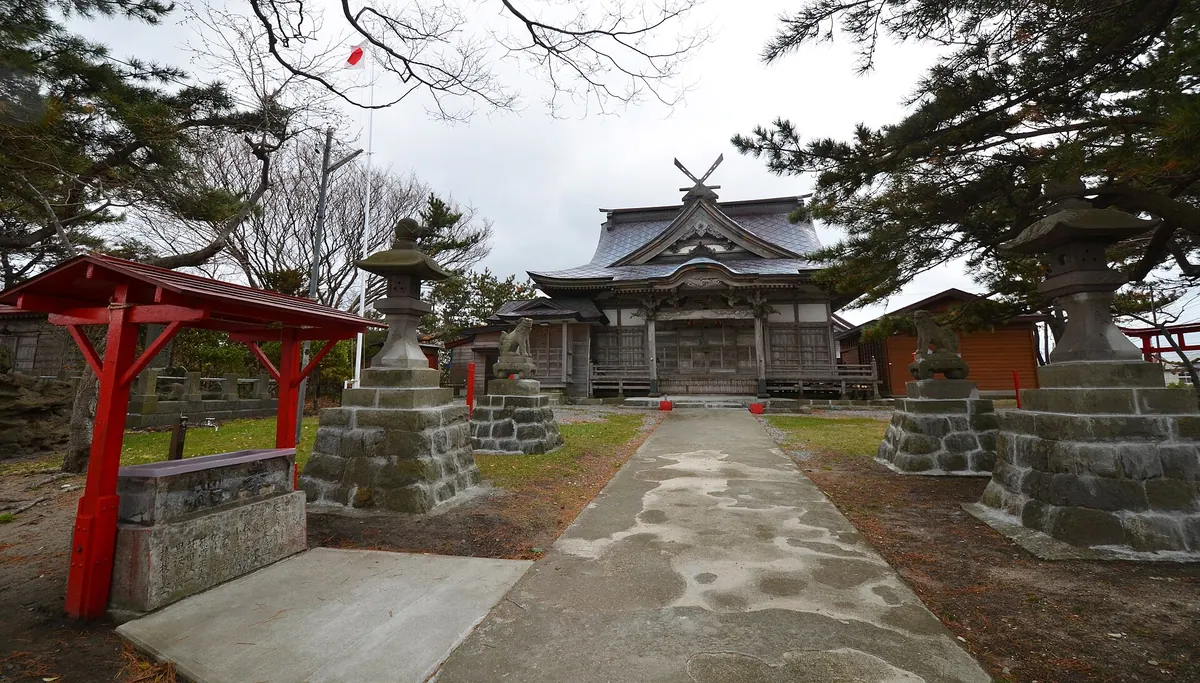
Ōma Inari Shrine: a unique shrine in Tohoku, dedicated to Inari and the sea goddess Mazu.
What it is
- A shrine in Ōma Town, Aomori Prefecture.
- Dedicated to Inari Okami and Mazu.
- Mazu was enshrined in 1697 for protection at sea.
- Inari god was first enshrined in 1730.
What to see
- Rare enshrinement of Mazu in the Tohoku region.
- Deities include Konpira Daigongen and Benzaiten.
- Address
- 青森県下北郡大間町大字大間字大間91 Map
20
Hachimangū
AOMORI · SHRINE 八幡宮
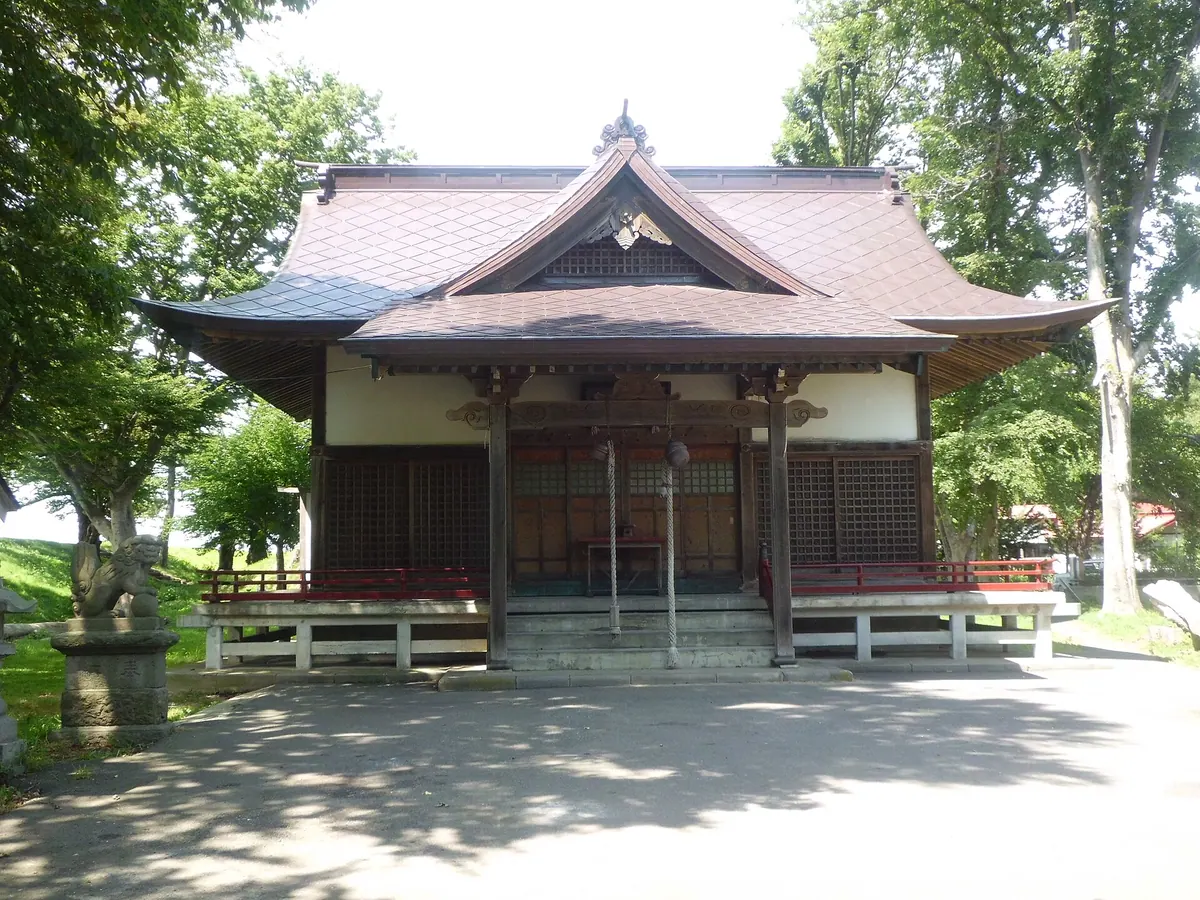
Hachimangu is a historic shrine dedicated to Hondawake no Mikoto, offering a glimpse into local spiritual heritage.
What it is
- A shrine in Goshogawara City, also called Motomachi Hachimangu.
- Dedicated to the deity Hondawake no Mikoto.
- Founded in 1661.
- Relocated in 1926 due to river renovation.
Getting there
- Accessible from Goshogawara Station.
- Address
- 青森県五所川原市字元町30番地 Map