

20 Shrines in Fukushima worth your time
Japan Gems
Fukushima Prefecture is home to 64 shrines, including Yatsuki Tsutsukowake Shrine and Sakamine Shrine. Visitors can find a wide variety of spiritual sites across the prefecture.
Fukushima has 67 shrines on Japan Gems. Below are the 20 we can tell you the most about — each one written up in English from Japanese sources, with what to see and how to get there. See all shrines in Fukushima.
01
Suzumigaoka Hachiman Shrine
FUKUSHIMA · SHRINE 涼ケ岡八幡神社
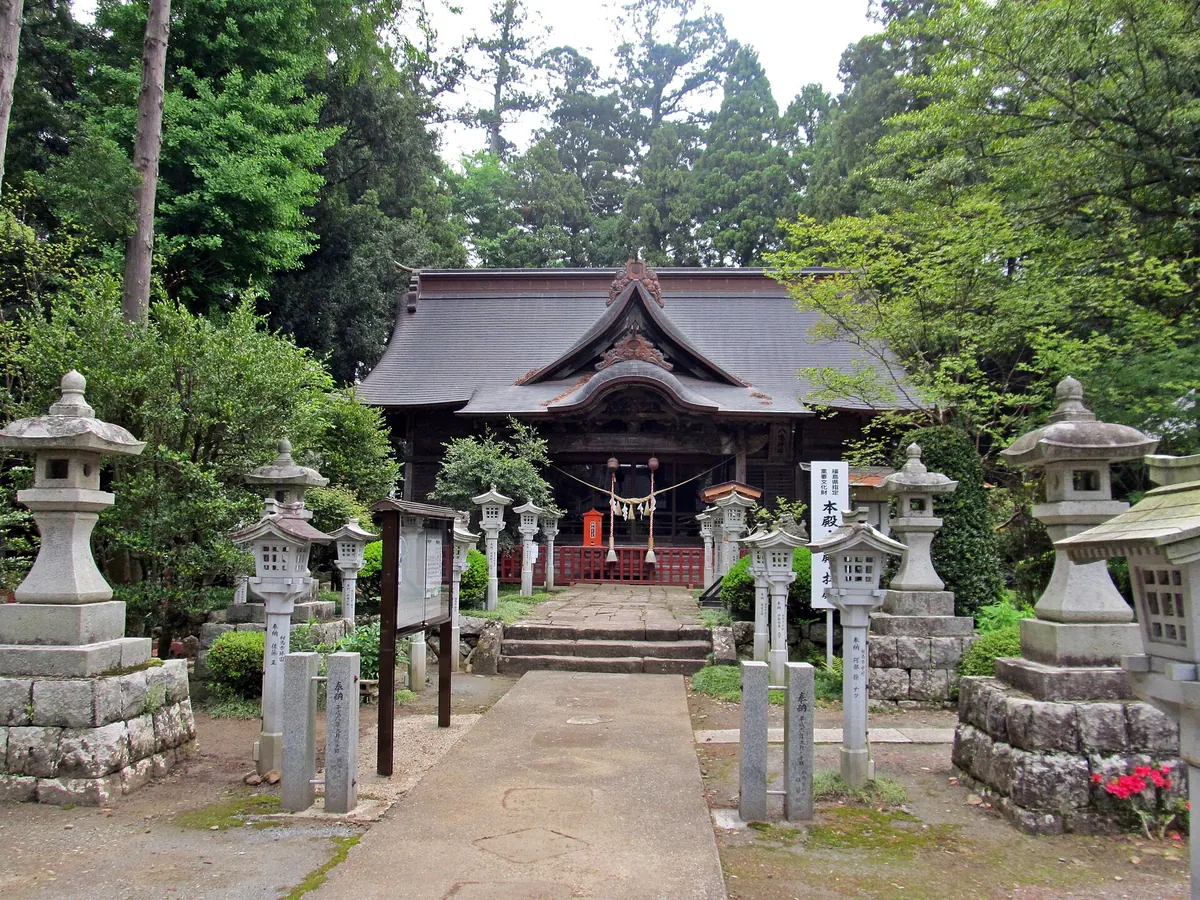
A historic guardian shrine in Soma featuring 17th-century architecture and elaborate woodwork nicknamed Soma Nikko.
What it is
- Guardian shrine for the Soma Nakamura Domain enshrining Emperor Ojin and Empress Jingu.
- Current main structures were built in 1695 by Lord Soma Masatane.
- Complex is nicknamed Soma Nikko due to its elaborate woodwork and Gongen-zukuri style.
- Main hall, offering hall, and worship hall are National Important Cultural Properties.
What to see
- Main buildings constructed in the intricate Gongen-zukuri architectural style.
- A traditional Zuishinmon gate located on the shrine grounds.
- The Wakamiya Hachiman shrine which predates the current main shrine location.
- An 800-year-old cedar tree designated as a natural monument.
When to go
- Autumn festival held annually on the third Friday and Saturday of September.
- Festival days offer the chance to try traditional Imozuimo potato soup.
02
Unakorowake Shrine
FUKUSHIMA · SHRINE 宇奈己呂和気神社
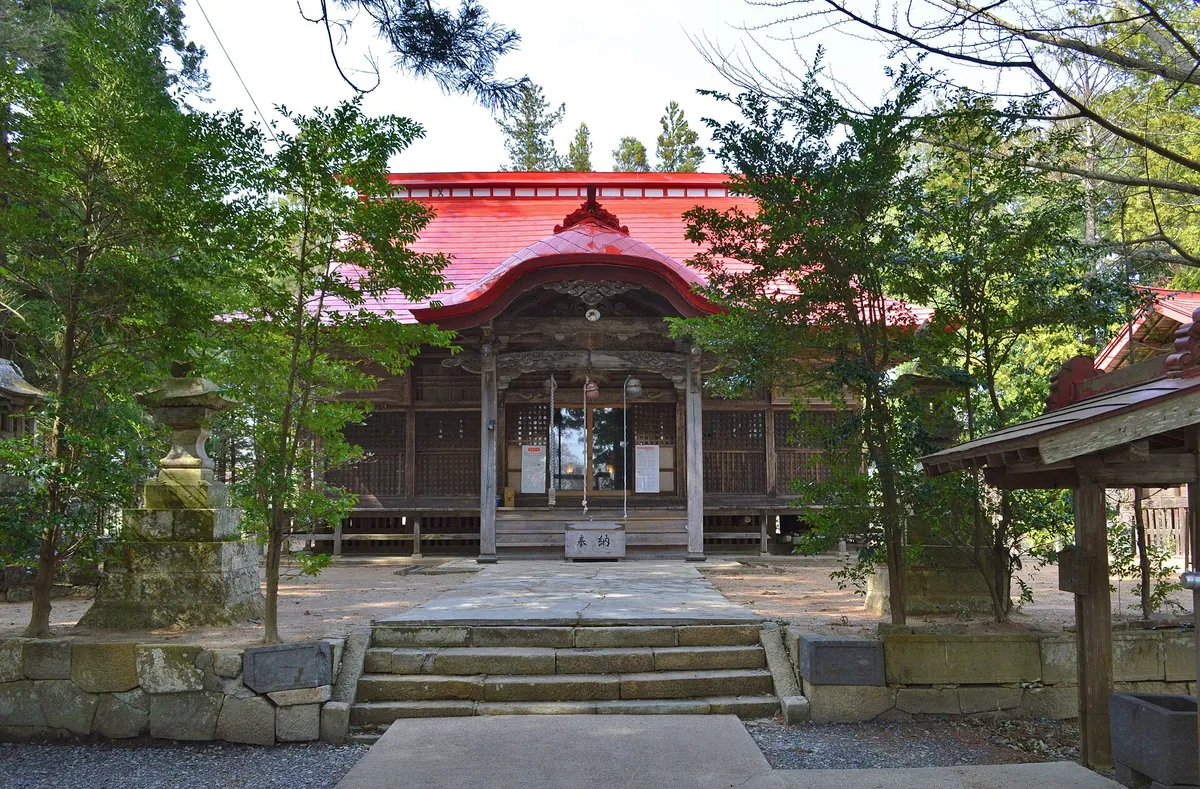
A historic Myojin Taisha shrine in Koriyama dedicated to Seoritsuhime-no-mikoto, offering a glimpse into ancient regional religious traditions.
What it is
- A Myojin Taisha shrine dedicated to the deity Seoritsuhime-no-mikoto and Hachiman-shin.
- Established on Mount Takataki and moved to its current location in 784.
- Historically served as the Soja of the Asaka Thirty-three Villages.
- The Ohara family has served as the hereditary priests here since 1402.
What to see
- The main hall constructed in the traditional sanken-sha nagare-zukuri architectural style.
When to go
- Spring festivals are held annually during the month of April.
- Autumn festivals take place every year in September.
Getting there
- Accessible by taking a bus from JR Koriyama Station.
03
Hie Shrine
FUKUSHIMA · SHRINE 日枝神社
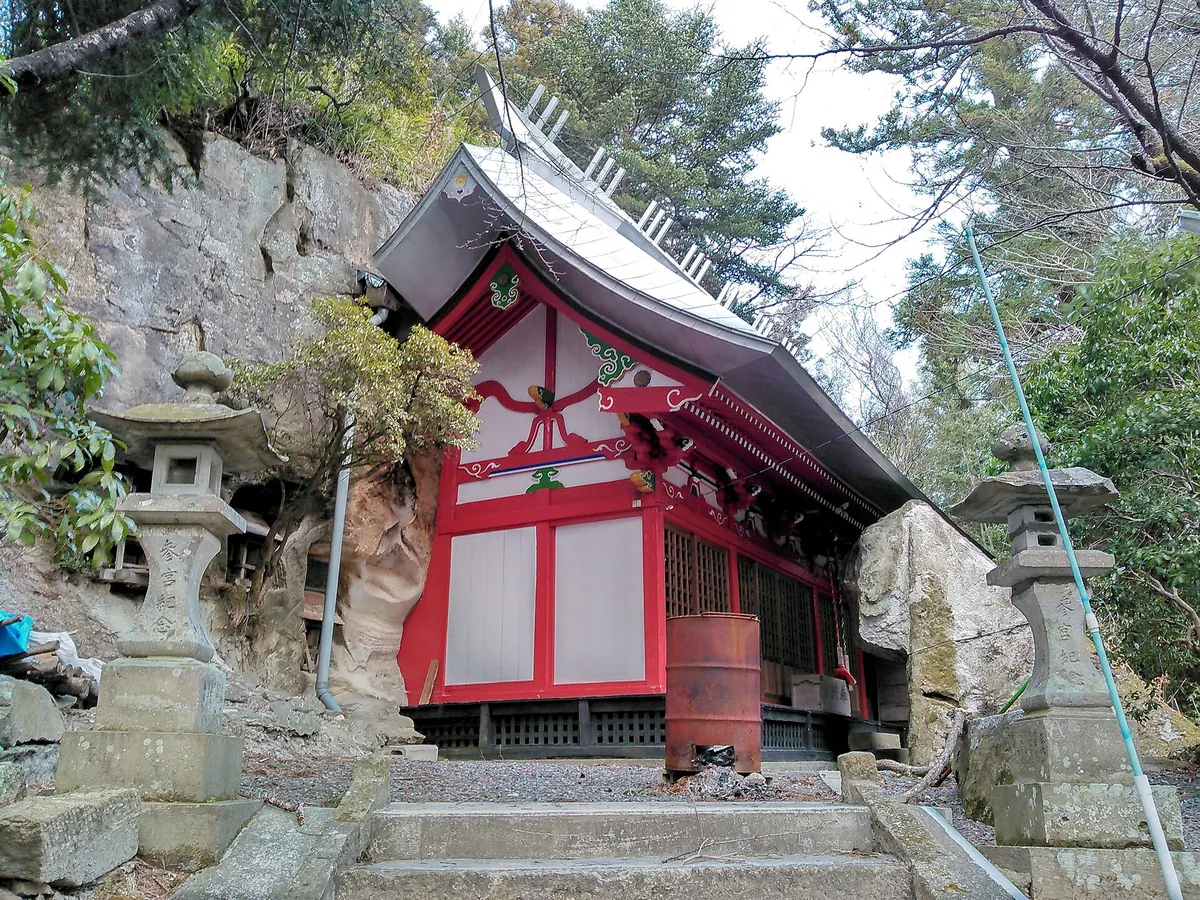
Hie Shrine is a unique shrine built into a rock, featuring an ancient cherry tree and seasonal flowers.
What it is
- Formerly a village shrine.
- Fujiwara no Wakasa Taro enshrined Hiyoshi Daigongen in 800.
- Renamed Hie Shrine in 1869.
- Stands on the site of Nishida Sanno-kan castle.
What to see
- Shrine building built into a large rock.
- Main hall is in a cave within the rock.
- Sanno cherry tree behind the shrine is about 500 years old.
- Area is a cluster of dogtooth violets.
- Skunk cabbage can be observed nearby.
When to go
- Sanno cherry tree is part of the Koriyama Cherry Blossom Tour.
Getting there
- 15 minutes by car from Koriyama-Higashi IC.
- Address
- 福島県郡山市西田町三町目字山王169 Map
04
Tadeuga Shrine
FUKUSHIMA · SHRINE 田出宇賀神社
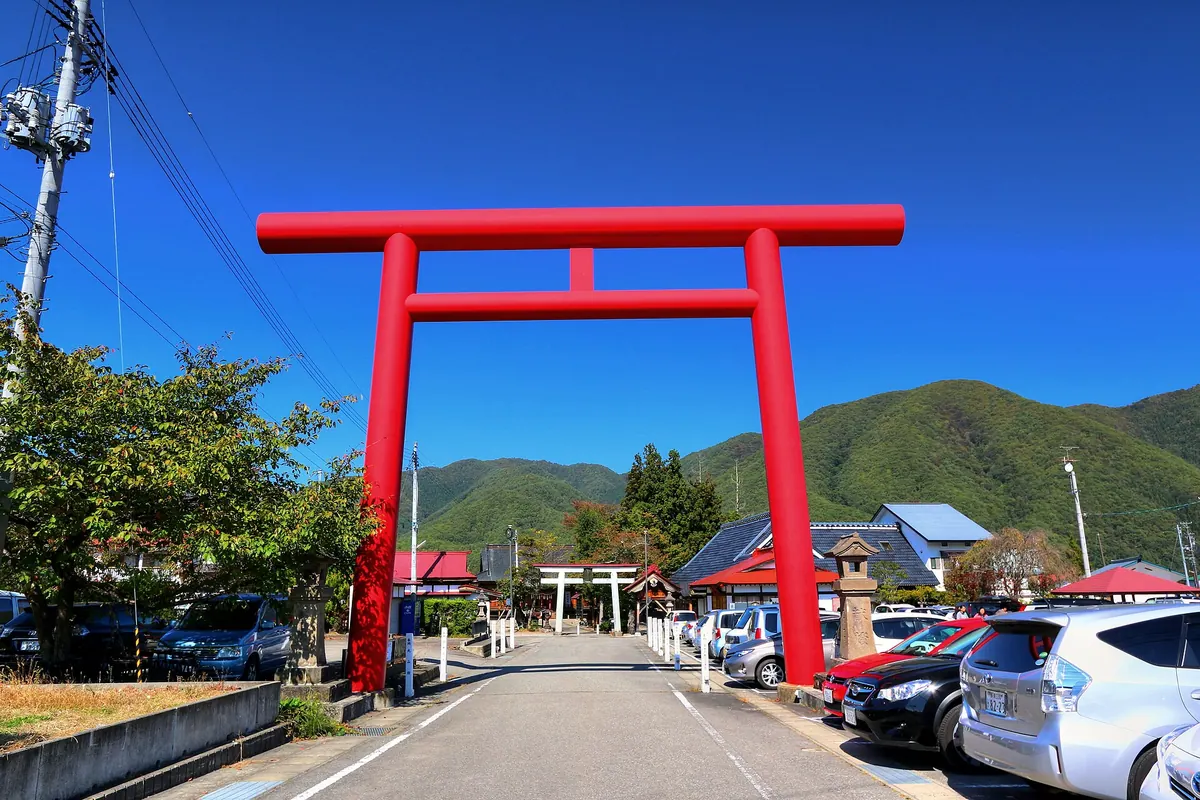
Tadeuga Shrine shares a building with Kumano Shrine, hosting a lively summer festival.
What it is
- A Shinto shrine in Minamiaizu Town, Fukushima Prefecture.
- Shares its building with Kumano Shrine.
- Dedicated to Ukanomitama-no-mikoto and Amaterasu-ohirume-no-mikoto.
- Also dedicated to Susanoo-no-mikoto and Wakumusubi-no-mikoto.
What to see
- A single shrine building housing two distinct shrines.
- Tadeuga Shrine occupies the right side of the building.
- Kumano Shrine occupies the left side of the building.
When to go
- Aizu Tajima Gion Festival: July 22 to 24.
- This is Tadeuga Shrine's Gion Festival.
- It is also Kumano Shrine's annual festival.
- Address
- 福島県南会津郡南会津町田島宮本甲629 Map
05
Nishine Shrine
FUKUSHIMA · SHRINE 西根神社
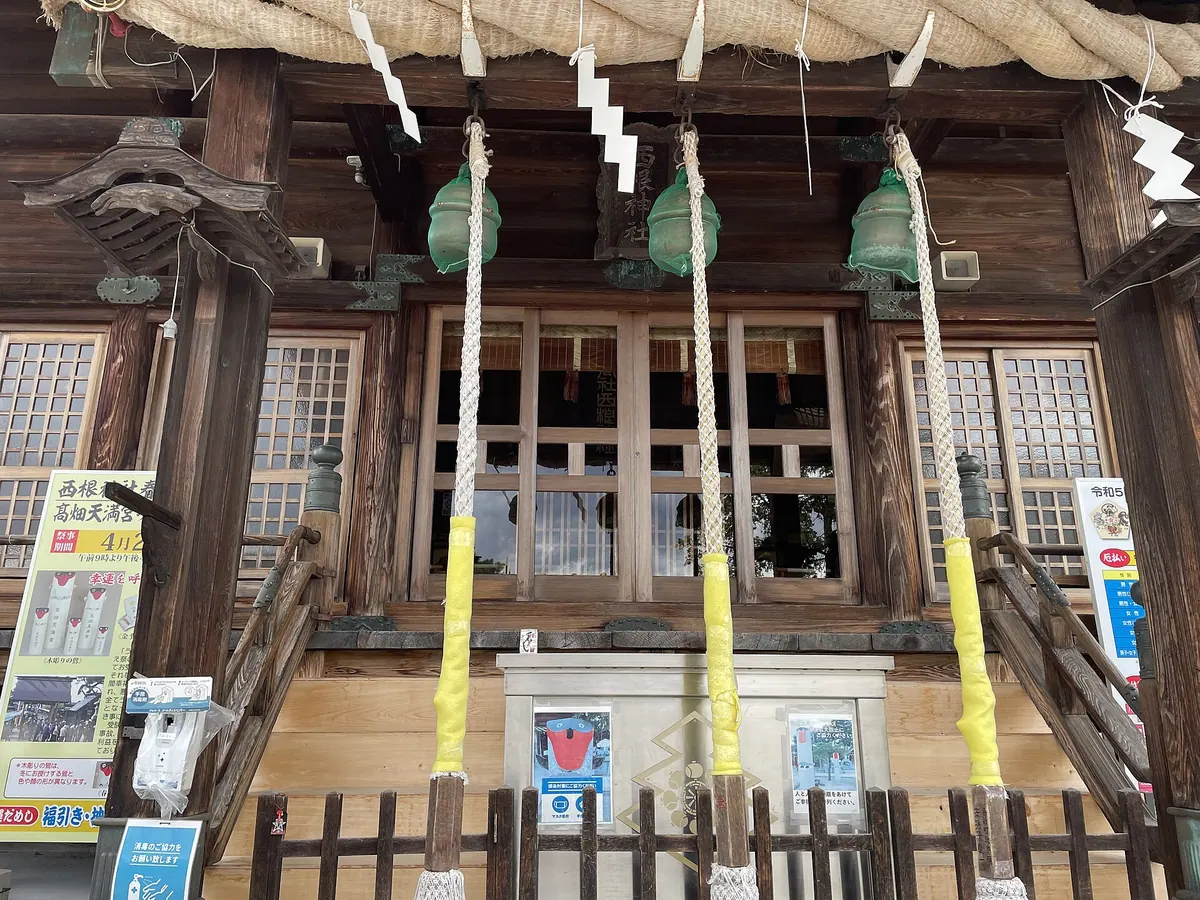
Nishine Shrine honors local heroes and hosts vibrant festivals, offering unique cultural experiences.
What it is
- Shrine founded in 1887.
- Enshrines Sato Shin'emon and Furukawa Zenbei.
- Grounds were a Kariya Domain encampment.
- Also enshrines Takahata Tenmangu Shrine.
What to see
- Stone monuments honor Furukawa Zenbei's achievements.
When to go
- Autumn festival is held on September 14th.
- Uso-kae Festival is held on January 13-16 and April 27.
- Uso-kae Festival attracts tens of thousands of visitors.
- Buy wooden bullfinches for good health and academic success.
Getting there
- 9-minute walk from Iizaka Onsen Station.
- Address
- 福島県福島市飯坂町湯野字高畑2 Map
06
Yatsuki Tsutsukowake Shrine
FUKUSHIMA · SHRINE 八槻都々古別神社
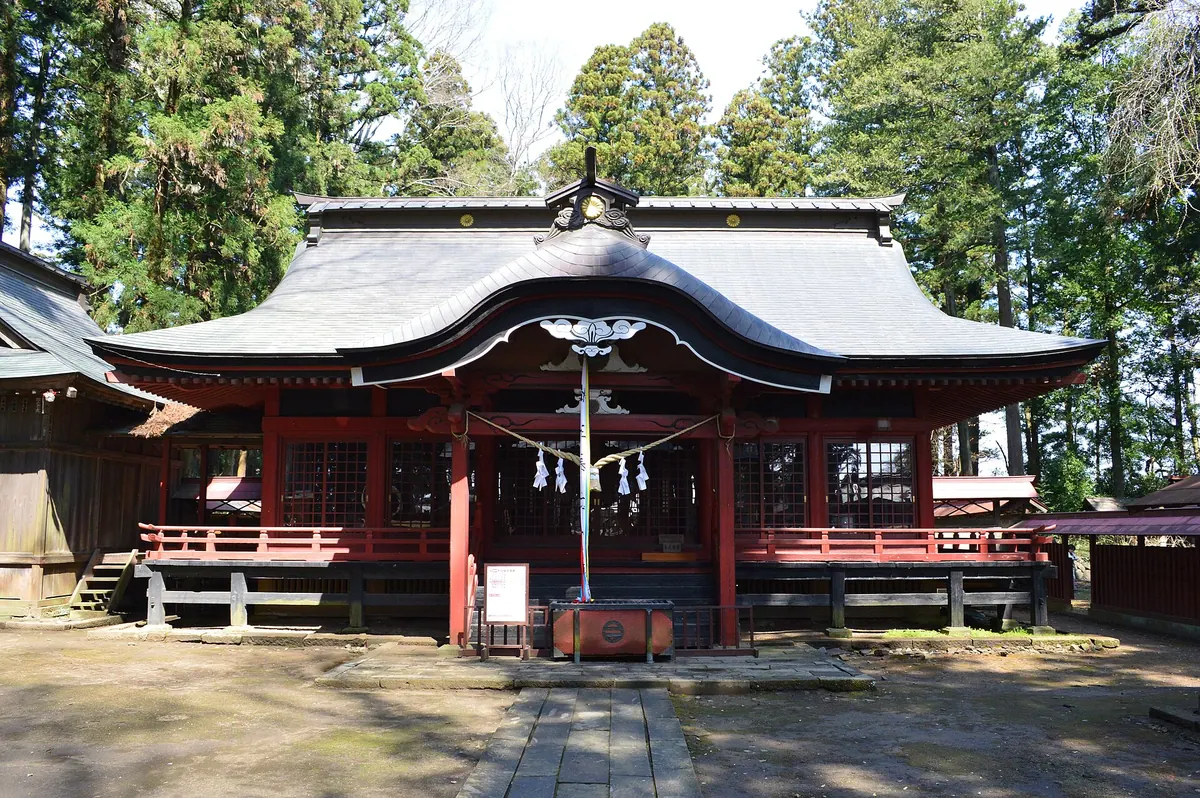
Visit this ancient shrine to see important cultural properties and experience traditional festivals.
What it is
- An ancient Shikinaisha shrine in Fukushima Prefecture.
- Known as Mutsu Province Ichinomiya, a top-ranked shrine.
- Dedicated to Ajisukitakahikone-no-mikoto and Yamato Takeru-no-mikoto.
- Designated a Kokuhei Chusha in 1885.
What to see
- A copper bowl, a National Important Cultural Property.
When to go
- Onitae-sai festival, a National Intangible Folk Cultural Property.
- Kagura, a Fukushima Prefecture Intangible Folk Cultural Property.
Getting there
- 10-minute walk south from JR Suigun Line Chikatsu Station.
- Address
- 福島県東白川郡棚倉町棚倉 Map
07
Hanitsu Shrine
FUKUSHIMA · SHRINE 土津神社
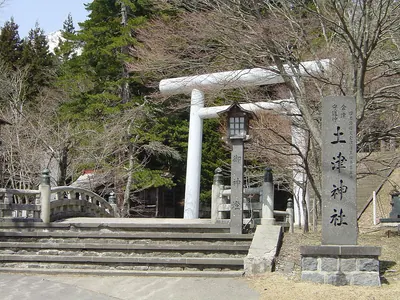
Hanitsu Shrine honors a powerful feudal lord at his grave site, offering a glimpse into samurai history.
What it is
- Shrine dedicated to Hoshina Masayuki, first lord of Aizu Domain.
- Built in 1675 at Hoshina Masayuki's grave site.
- Name 'Hanitsu' from a divine title given to Masayuki.
What to see
- Current main hall, rebuilt in 1880.
- Seven subsidiary shrines on the grounds.
- 7.3-meter stone monument.
- Hoshina Masayuki's tomb in the inner sanctuary.
- Aizu Domain Matsudaira Family Cemetery, a national historic site.
When to go
- Spring festival.
- Autumn festival.
Getting there
- 10-minute drive from Inawashiro Station.
- Address
- 福島県耶麻郡猪苗代町字見祢山1 Map
08
Nihonmatsu Shrine
FUKUSHIMA · SHRINE 二本松神社
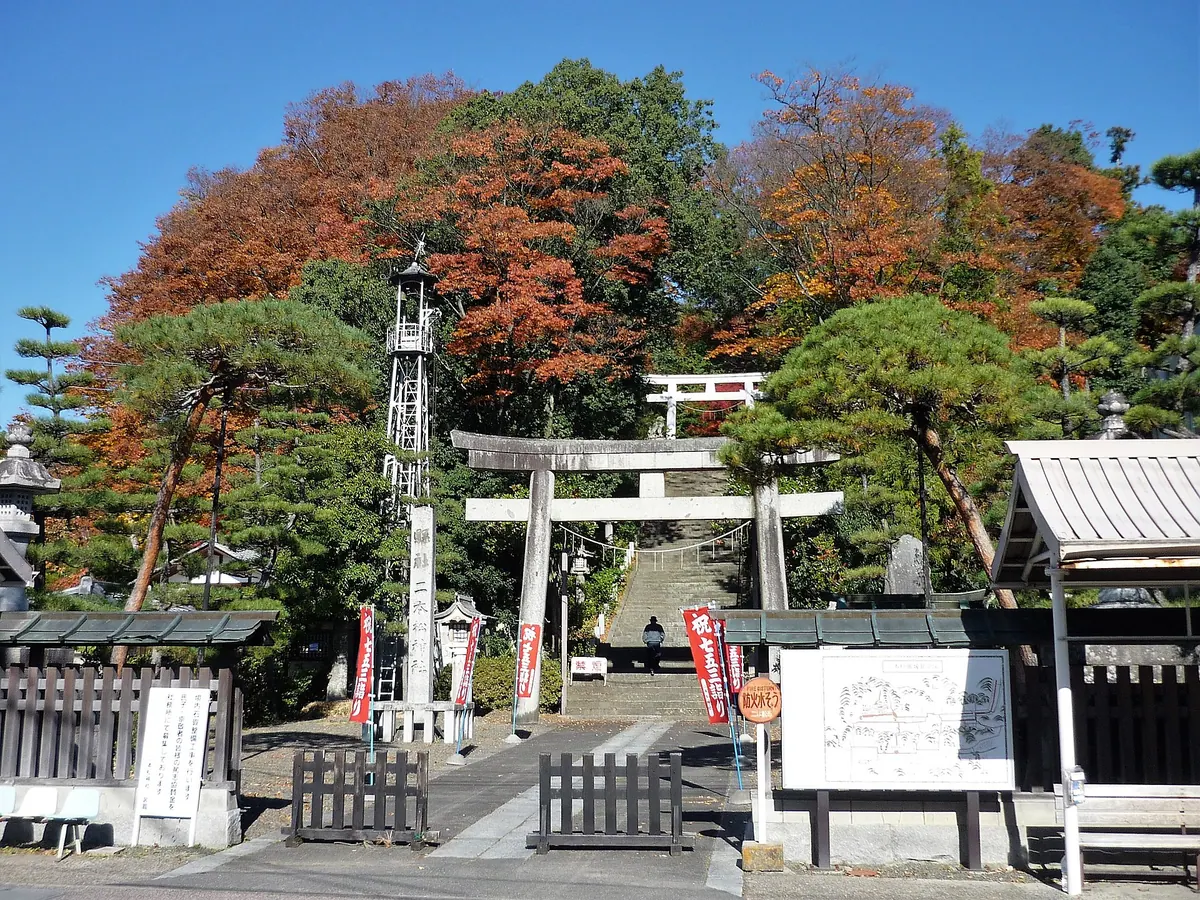
Nihonmatsu Shrine is a historic site, home to one of Japan's three major lantern festivals.
What it is
- A shrine founded in the Kuan era.
- Known as 'Goryosha' for its enshrined deities.
- Adachi Morinaga enshrined Kumano Gongen.
- Hatakeyama Mitsuyasu enshrined Hachiman Okami.
What to see
- The current shrine building, rebuilt in 1806.
- The Zuijinmon gate, built in 1807.
- Deities Izanami-no-mikoto and Hachiman Okami.
When to go
- First Saturday, Sunday, and Monday of October for the festival.
- The Nihonmatsu Lantern Festival is a major event.
Getting there
- 3-minute walk from JR Nihonmatsu Station.
- Address
- 福島県二本松市本町1丁目61 Map
- Official site
- nihonmatsu-shrine.com
09
Kamegamori Shrine
FUKUSHIMA · SHRINE 亀賀森神社
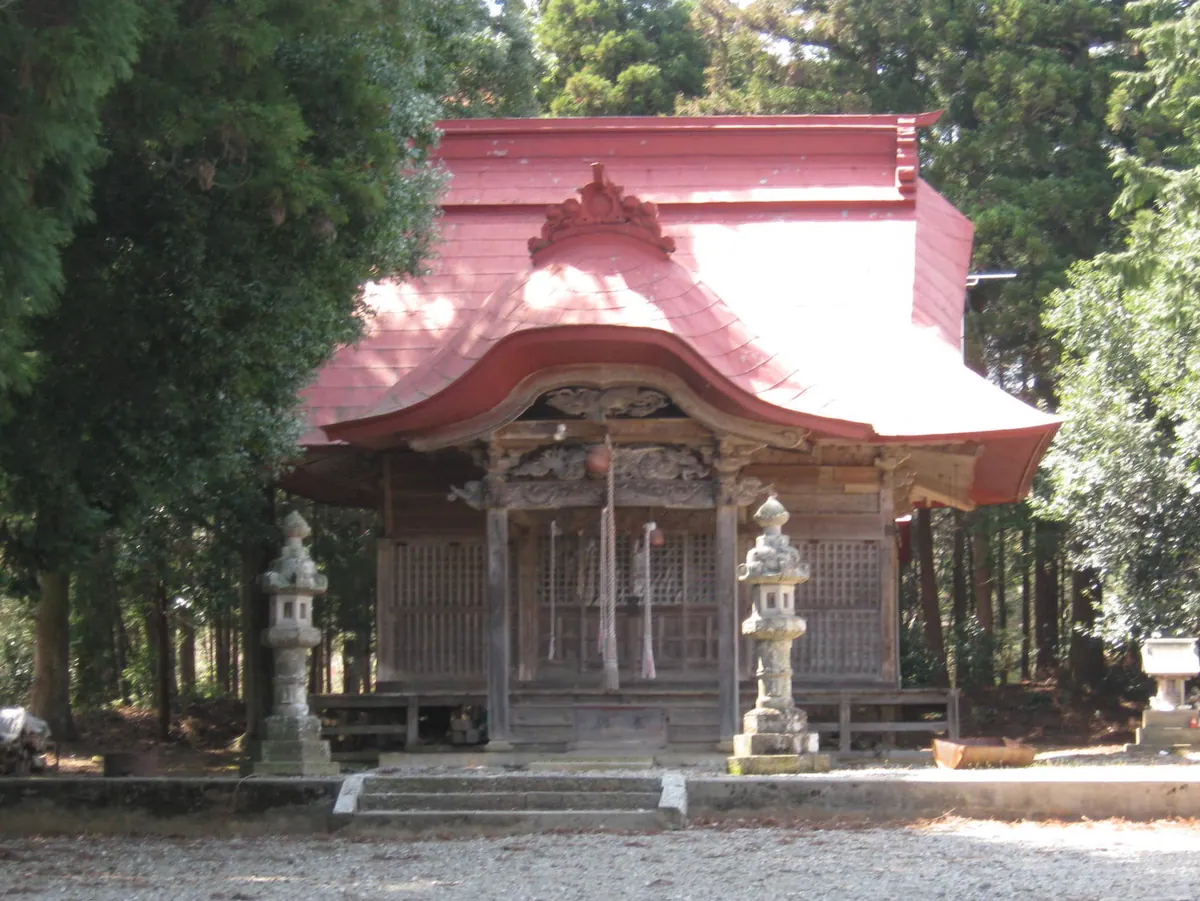
Kamegamori Shrine is a historic site known for its unique autumn fireworks festival.
What it is
- Shrine named Kamegamori Shrine in 1869.
- Current main building constructed late Edo period.
What to see
- Tomioka Karagasa Andon Hanabi fireworks ritual.
- Fireworks designated Koriyama City Important Intangible Folk Cultural Property.
- Fireworks certified as Japan Heritage cultural property.
When to go
- Fireworks held on the second Sunday of October.
Getting there
- Bus from Koriyama Station to Mihota Yamadera stop.
- 15 minutes by car from Koriyama Minami IC.
- Address
- 福島県郡山市三穂田町富岡字亀賀森1 Map
10
Tamura Shrine
FUKUSHIMA · SHRINE 田村神社 (郡山市)
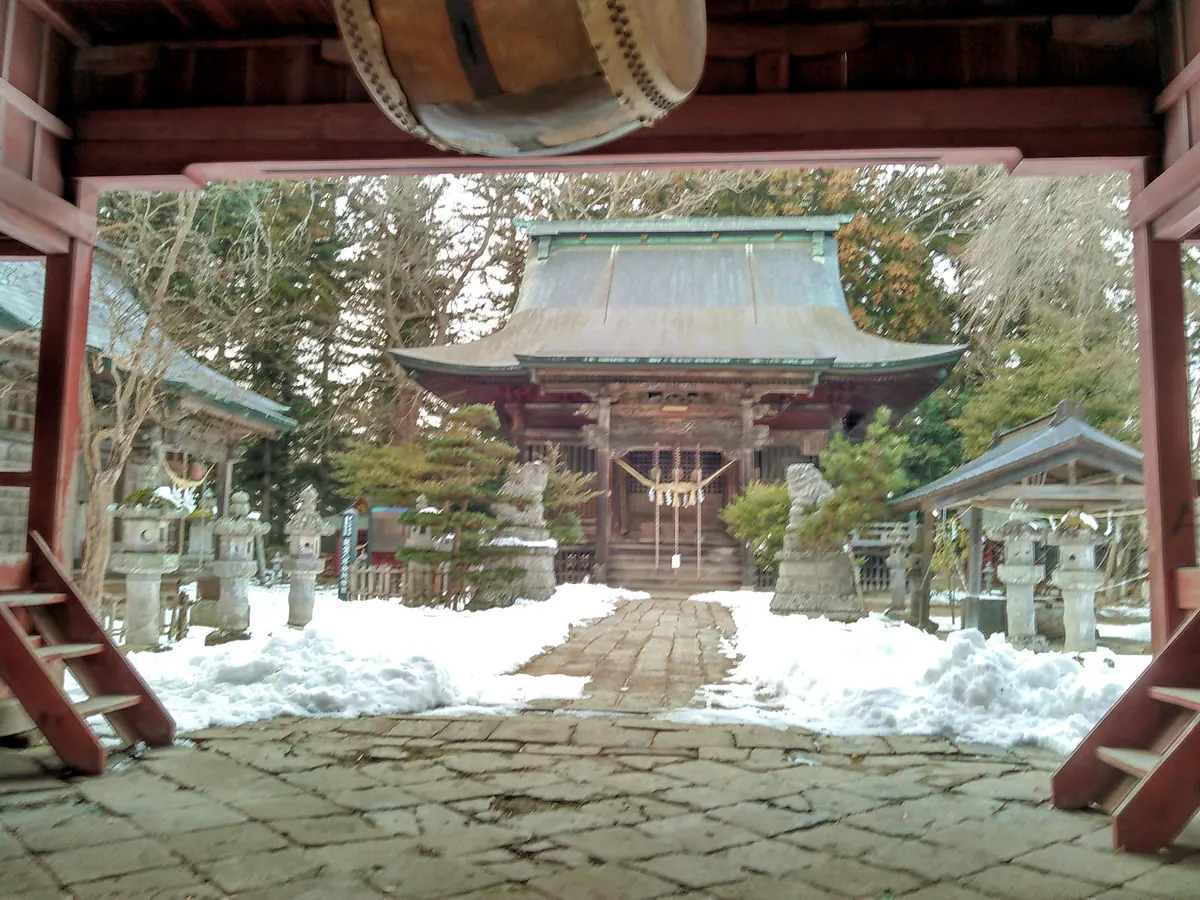
Tamura Shrine: a historic site in Koriyama with cultural properties and a connection to famous figures.
What it is
- Originates from Chinju-zan Taihei-ji Temple.
- Founded by Sakanoue Tamuramaro.
- Renamed Tamura Shrine in the Meiji period.
What to see
- Zushi built in the Azuchi-Momoyama period.
- Main hall built in the early Edo period.
- Zushi is a prefectural cultural property.
- Main hall is a city cultural property.
- Several ema are cultural properties.
When to go
- Matsuo Basho and Sora visited on April 29, 1689.
- Asaka Konsai visited on October 23, 1836.
- The Yamanaka Festival is held here.
- Address
- 〒963-1162 福島県郡山市田村町山中字本郷135 Map
- Official site
- www.kanko-koriyama.gr.jp
11
Itsukushima Shrine
FUKUSHIMA · SHRINE 厳島神社
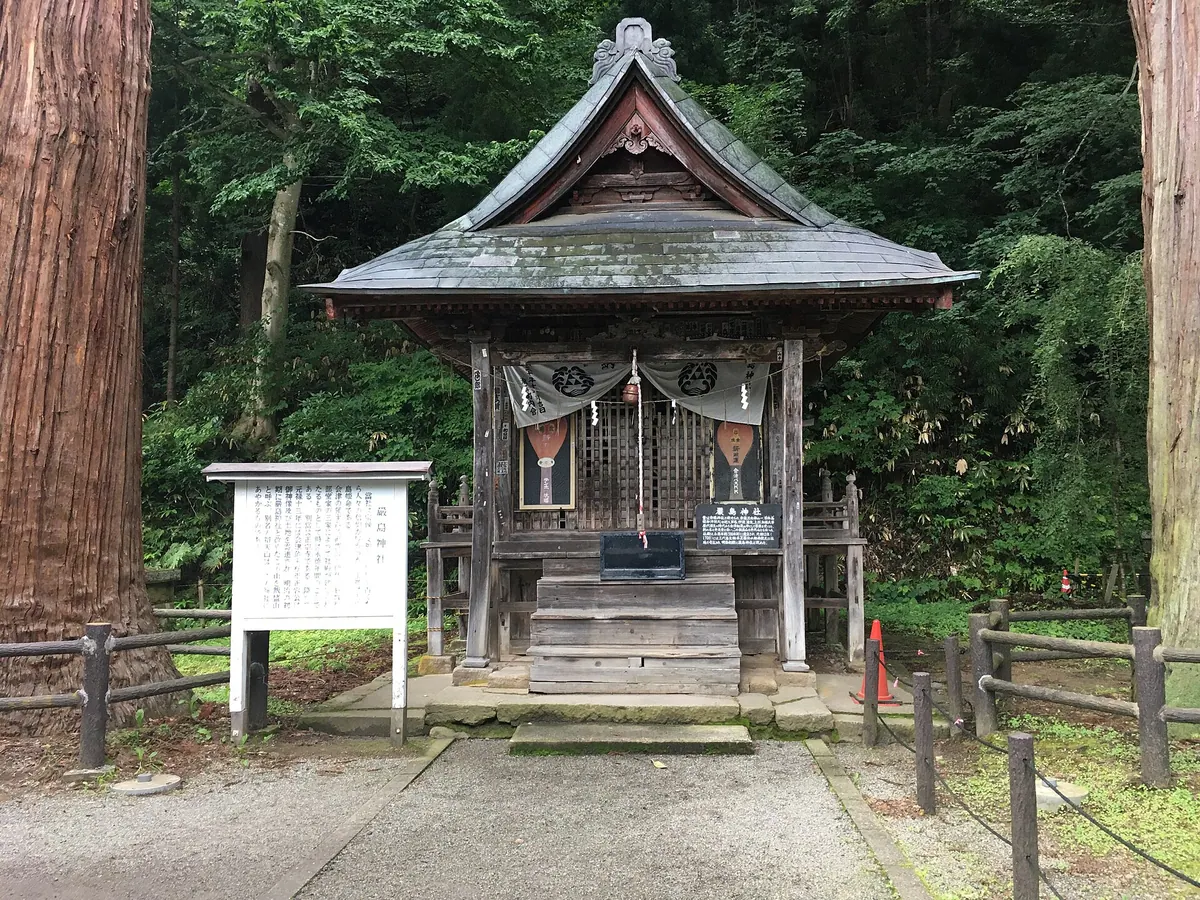
A historic shrine on Mount Iimori dedicated to Ichikishimahime-no-mikoto, featuring a unique double-helix temple building from 1796.
What it is
- A Shinto shrine founded by local clans during the Eitoku era
- Dedicated to the primary deity Ichikishimahime-no-mikoto
- Situated on Mount Iimori in Aizuwakamatsu City
- Renamed from Munakata Shrine to Itsukushima Shrine in 1868
What to see
- The Sazaedo temple building constructed in 1796
- A historic stone torii gate remaining on the grounds
- Land donated by Lord Matsudaira Masakata in 1700
Getting there
- Take the Akabee loop bus to the Iimoriyama-shita station
12
Ōkunitama Shrine
FUKUSHIMA · SHRINE 大國魂神社
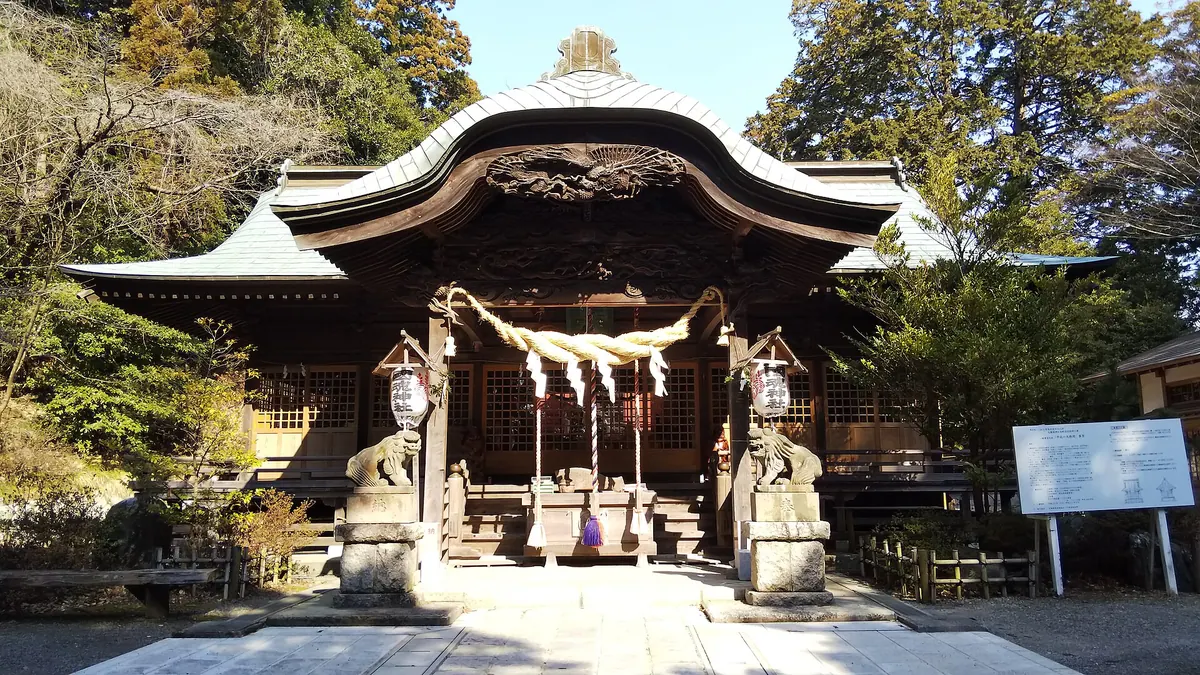
Ōkunitama Shrine: a historic shrine in Fukushima with important cultural properties.
What it is
- A Shikinaishosha, a small shrine.
- Dedicated to Ōkuninushi no Mikoto and other deities.
- Sakanoue Tamuramaro built a large shrine here.
- Revered by local lords, including Naitō and Andō families.
What to see
- Kokutama Monjo, a Fukushima Important Cultural Property.
- The main hall, an Iwaki City Tangible Cultural Property.
- Ancient ruins like a Nara period temple nearby.
- Kōzuka Kofun, an ancient burial mound.
Getting there
- Accessible by bus from Iwaki Station.
- Address
- 福島県いわき市平菅波宮前54 Map
- Official site
- www.ookunisama.jp
13
Iwatsutsukowake Shrine
FUKUSHIMA · SHRINE 石都々古和気神社
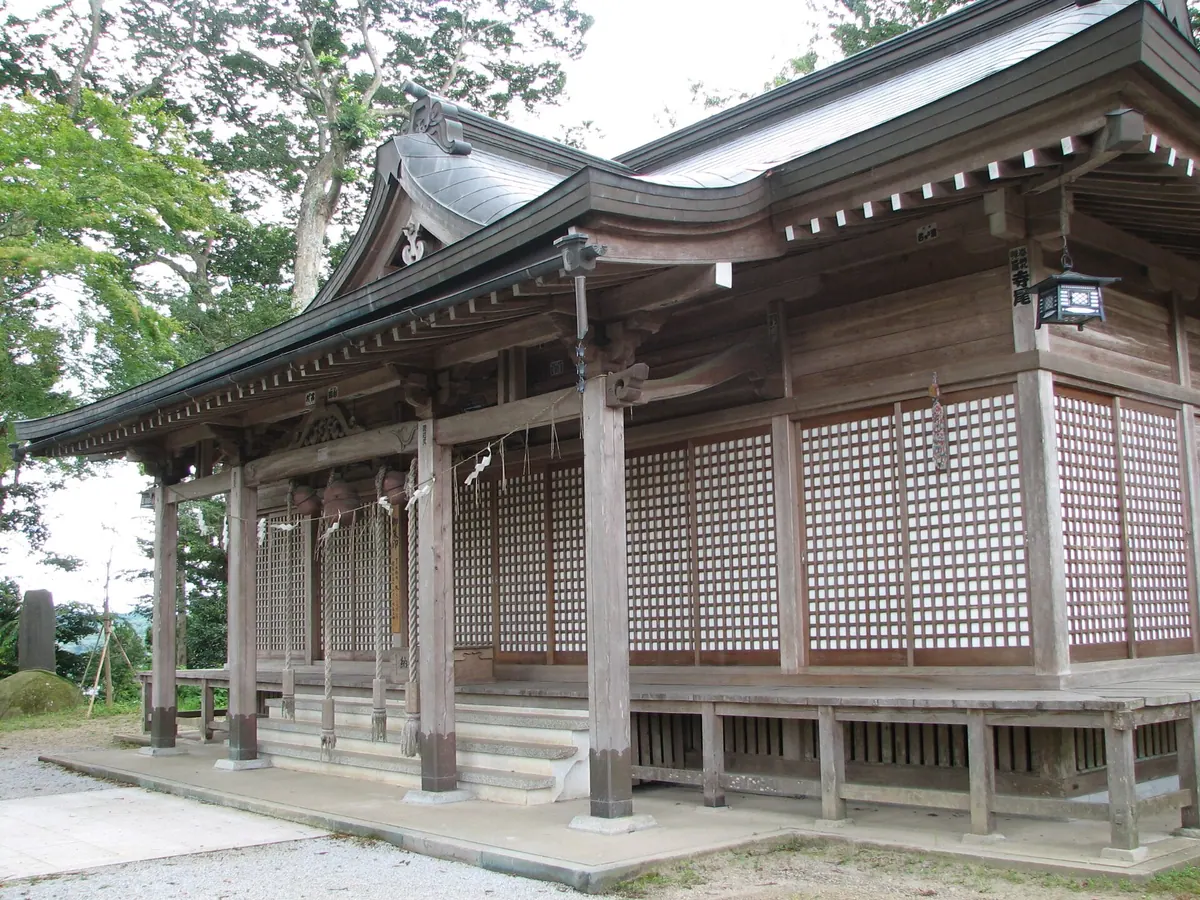
Ancient mountain shrine in Fukushima, dedicated to powerful deities, with historical artifacts and easy access.
What it is
- Ancient Shikinaisha shrine in Fukushima Prefecture.
- Claims to be a Mutsu Province Ichinomiya.
- Main deity is Ajisukitakahikone-no-mikoto.
- Also enshrines Ookuninushi-no-mikoto and Hondawake-no-mikoto.
What to see
- Shrine located on top of Hachimanzan mountain.
- Bronze crocodile mouth dedicated in 1423.
- Pair of guardian dogs made in 1930.
- Ancient documents owned by Koichi Yoshida.
Getting there
- 10-minute walk from JR East Suigun Line Iwaki-Ishikawa Station.
- Address
- 福島県石川郡石川町下泉269 Map
- Official site
- www13.plala.or.jp
14
Tadanomoto Shrine
FUKUSHIMA · SHRINE 多田野本神社
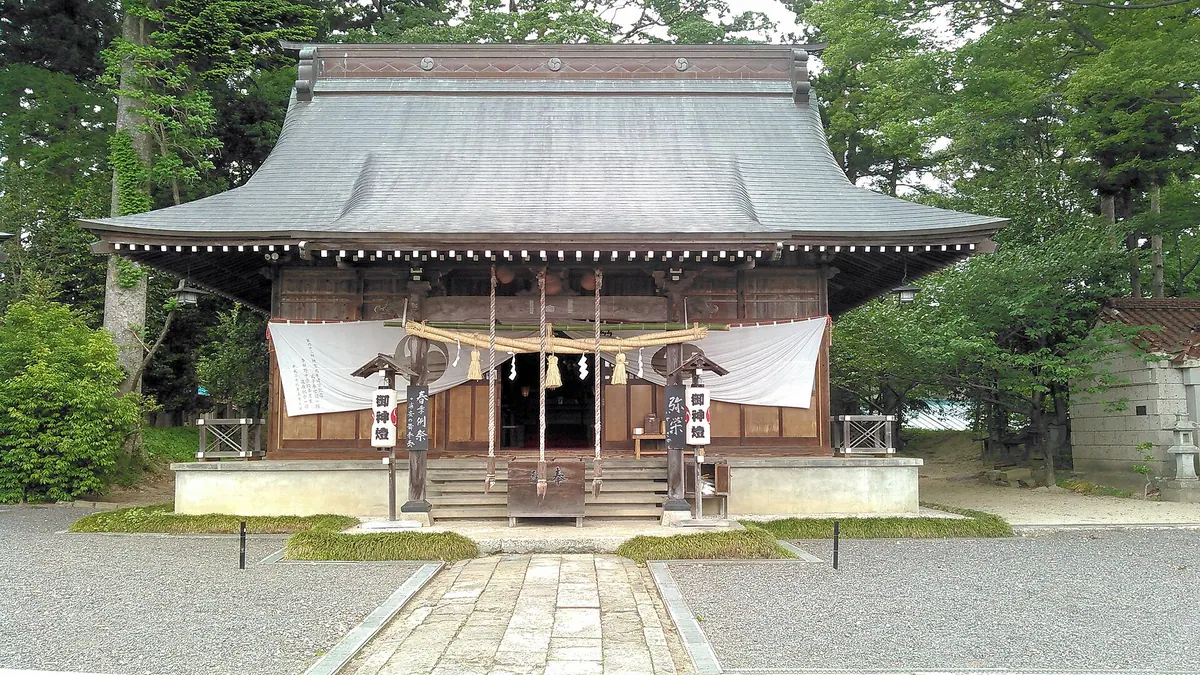
Tadanomoto Shrine: a historic site dedicated to a warrior family, known for its unique cultural events.
What it is
- Originated from worshipping the god of fire.
- Villagers enshrined Kagemasa and his family in 1143.
- Also called "Goronomiya-sama."
- Became known as a god for military fortune.
What to see
- A cultural property sign.
- Tadanono Kuwagara Mai Taue Odori, a cultural property.
When to go
- Known for the Kanchu Misogi event.
- Annual pilgrimage to shrines near Goryobitsu-toge Pass in June.
Getting there
- 10-minute drive from Koriyama-Minami IC.
- Address
- 福島県郡山市逢瀬町多田野字宮南66 Map
15
Isasumi Shrine
FUKUSHIMA · SHRINE 伊佐須美神社
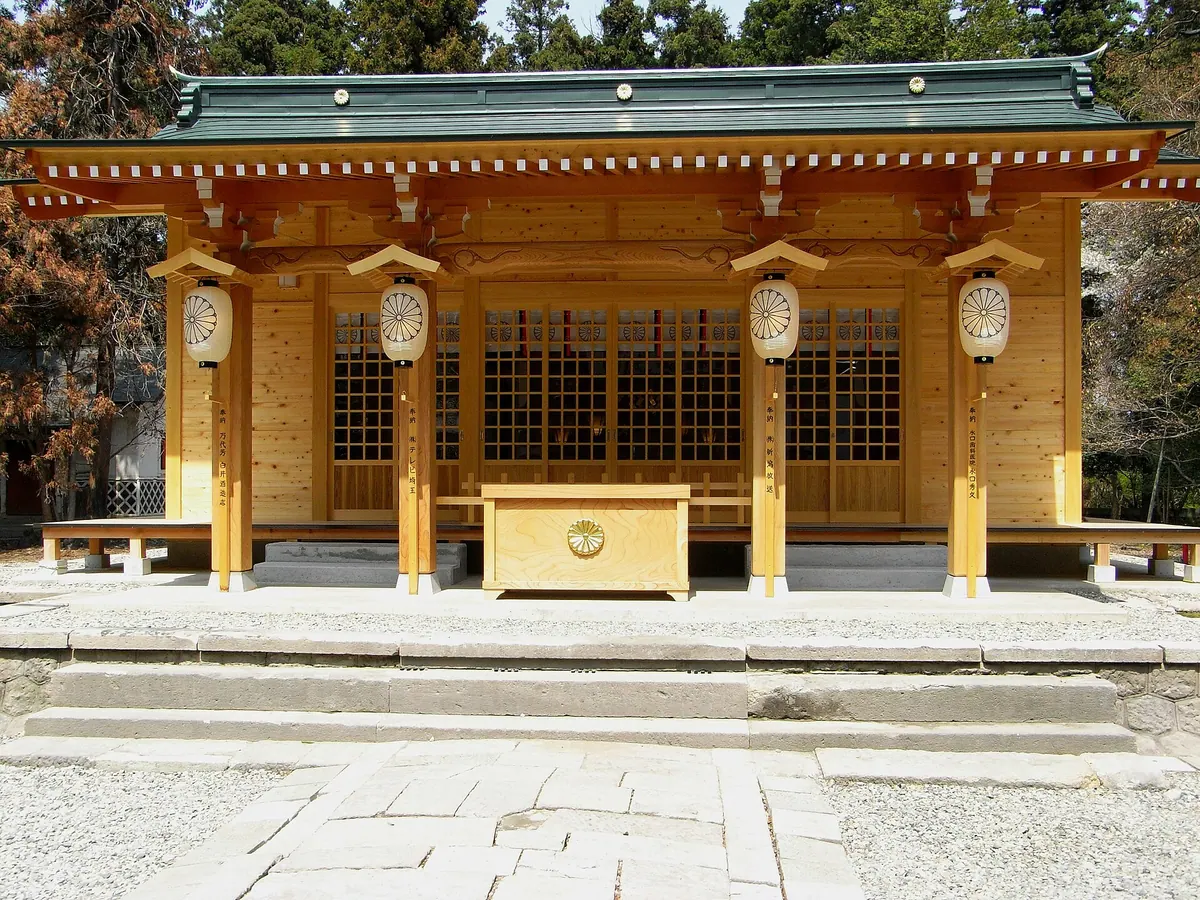
Isasumi Shrine is an ancient shrine with important cultural properties and natural monuments.
What it is
- Ancient Shinto shrine, first mentioned in 843.
- Dedicated to Izanagi-no-Mikoto and Izanami-no-Mikoto.
- Founded by Obiko-no-Mikoto and Takenunakawawake-no-Mikoto.
- Designated as a National Important Cultural Property.
What to see
- Vermilion lacquered gilt bronze palanquin from Muromachi period.
- Sacred forest, a designated natural monument.
- Large wisteria tree, a prefectural natural monument.
- Usuzumi-zakura cherry tree, a natural monument.
- Oku-no-miya, a designated historic site.
- Address
- 福島県大沼郡会津美里町字宮林甲4377 Map
16
Kashima Miko Shrine
FUKUSHIMA · SHRINE 鹿島御子神社
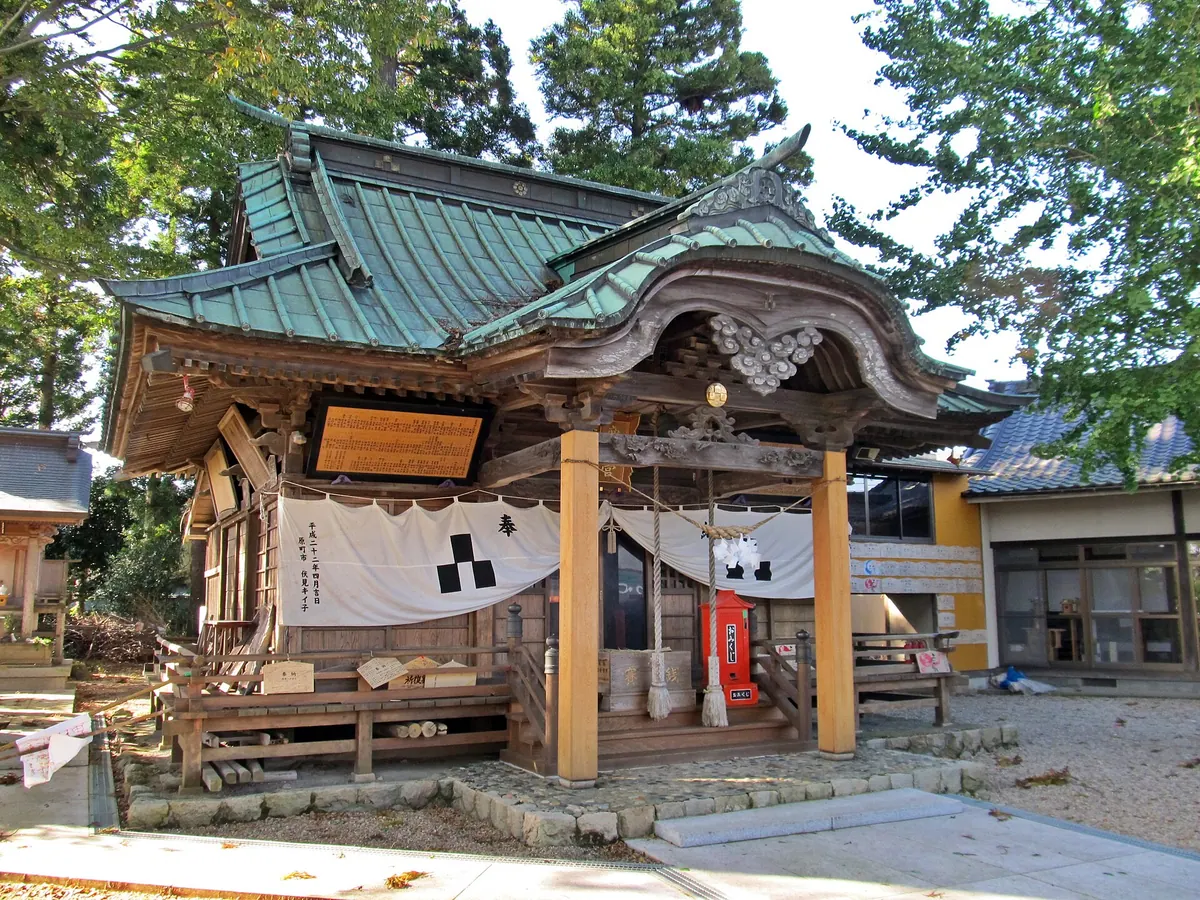
Kashima Miko Shrine is an ancient shrine dedicated to local deities, easily accessible by train.
What it is
- A village shrine founded by Amatariwake-no-mikoto.
- Dedicated to Amatariwake-no-mikoto and wind deities.
- Moved to its current location in the year 806.
- Designated as a Go-sha in 1876.
What to see
- Two zelkova trees over 300 years old.
- Raijinja, Ashio Jinja, and Shotoku Taishi Sekishi on grounds.
When to go
- Attend the Chinkasai, a fire prevention festival.
Getting there
- 5-minute walk from Kashima Station on JR Joban Line.
- Address
- 福島県南相馬市鹿島区鹿島町143 Map
17
Takayashiki Inari Shrine
FUKUSHIMA · SHRINE 高屋敷稲荷神社
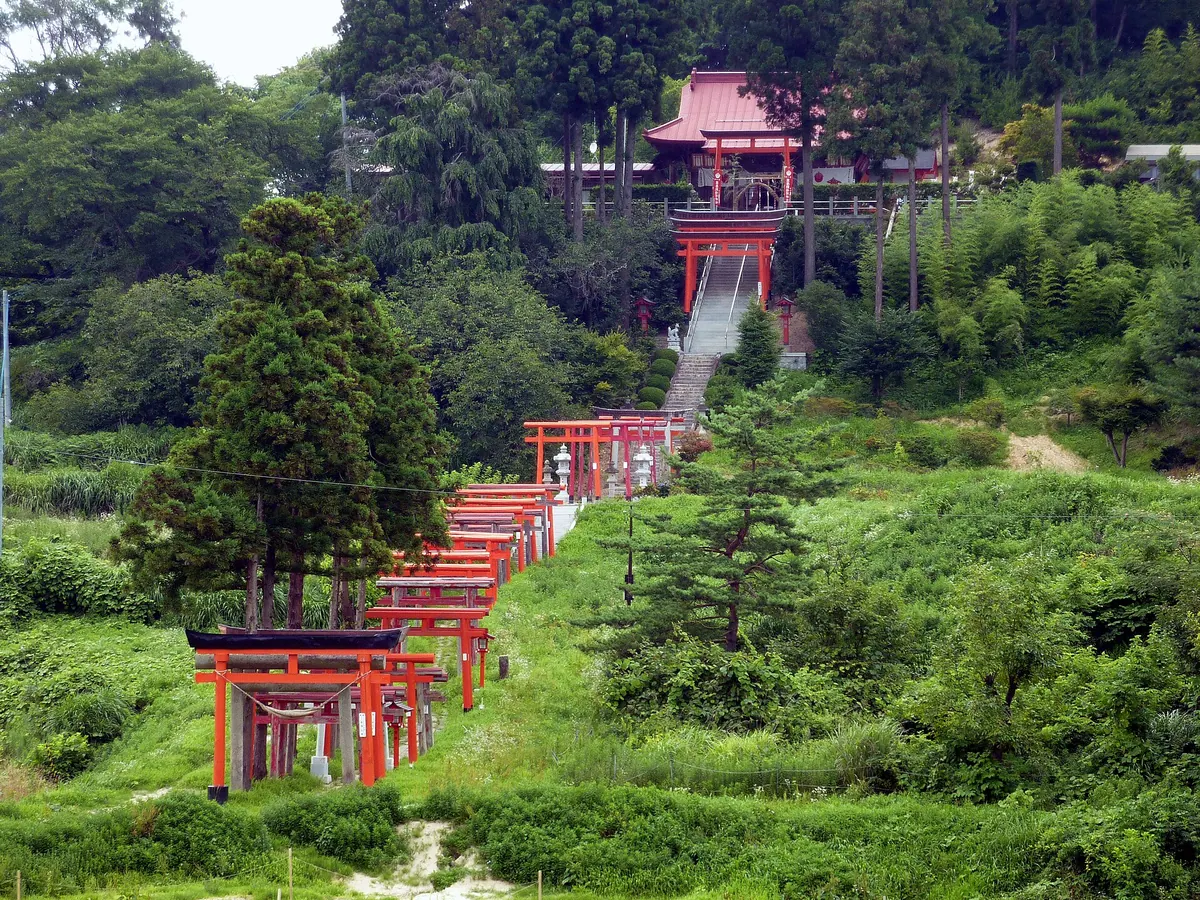
Historic shrine in Fukushima, dedicated to Inari deities, known for its Otaue Festival.
What it is
- Shrine established in 1713.
- Dedicated to Ukanomitama-no-mikoto, Sarutahiko-no-mikoto, Amenouzume-no-mikoto.
What to see
- Current shrine building, built in 1926.
When to go
- Otaue Festival: first Sunday of June at 1 PM.
Getting there
- From Koriyama Station, take Ban'etsu East Line to Mogi Station.
- From Mogi Station, 2 km southeast by car.
- Located along National Route 49.
- 10-minute drive from Koriyama-Higashi Interchange.
- Address
- 福島県郡山市白岩町字高屋敷290 Map
18
Kaiseizan Daijingū
FUKUSHIMA · SHRINE 開成山大神宮
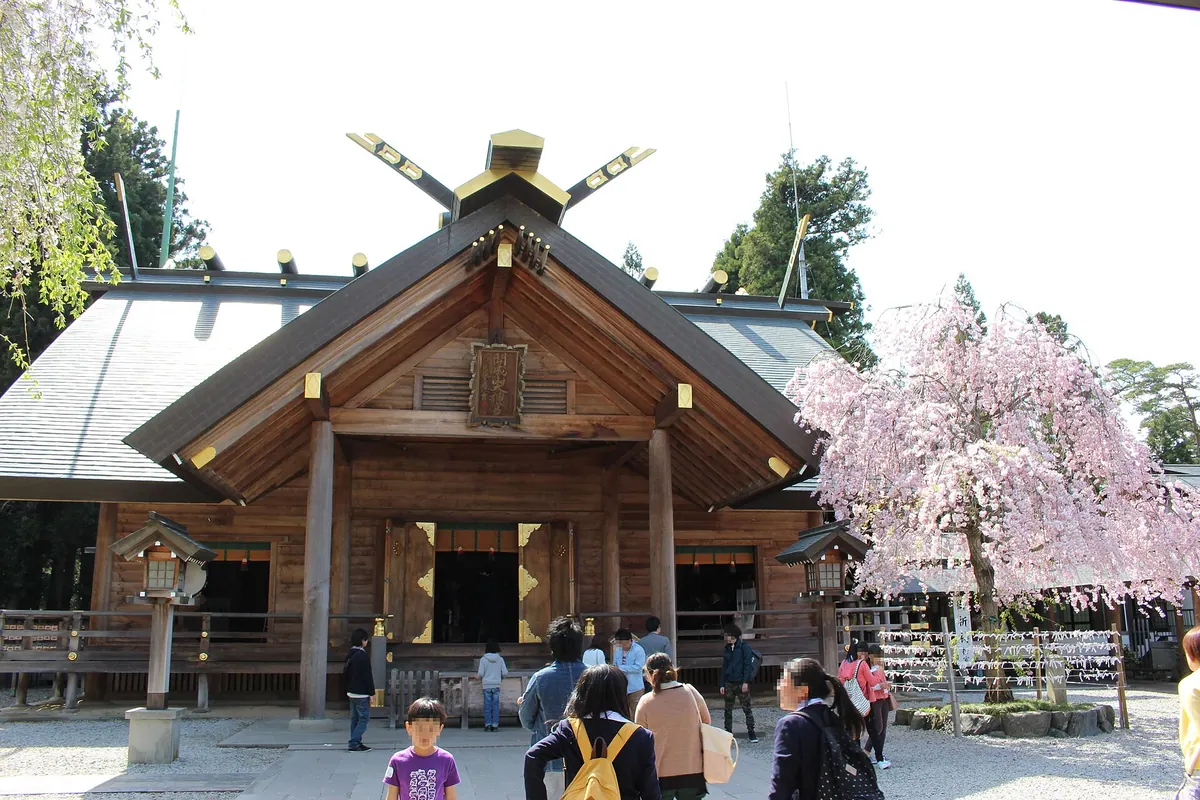
Visit this Shinto shrine to experience a spiritual connection to Ise Grand Shrine and view important cultural properties.
What it is
- A Shinto shrine in Koriyama City, Fukushima Prefecture.
- Also known as "Oise-sama of Tohoku."
- Founded in 1876, enshrining a divided spirit of Ise Grand Shrine.
- Certified as a Japan Heritage cultural property in 2016.
What to see
- The main shrine, rebuilt in 1975.
- Calligraphy in the worship hall by Imperial Prince Arisugawa Taruhito.
- Treasure hall displays the sword "Katsumitsu" and spear "Kunitsuna."
- Kaiseizan Inari Shrine, dedicated to Ukanomitama no kami.
- Address
- 福島県郡山市開成3丁目1番38号 Map
- Official site
- www.kaiseizan.jp
19
Shingu-Kumano Shrine
FUKUSHIMA · SHRINE 新宮熊野神社
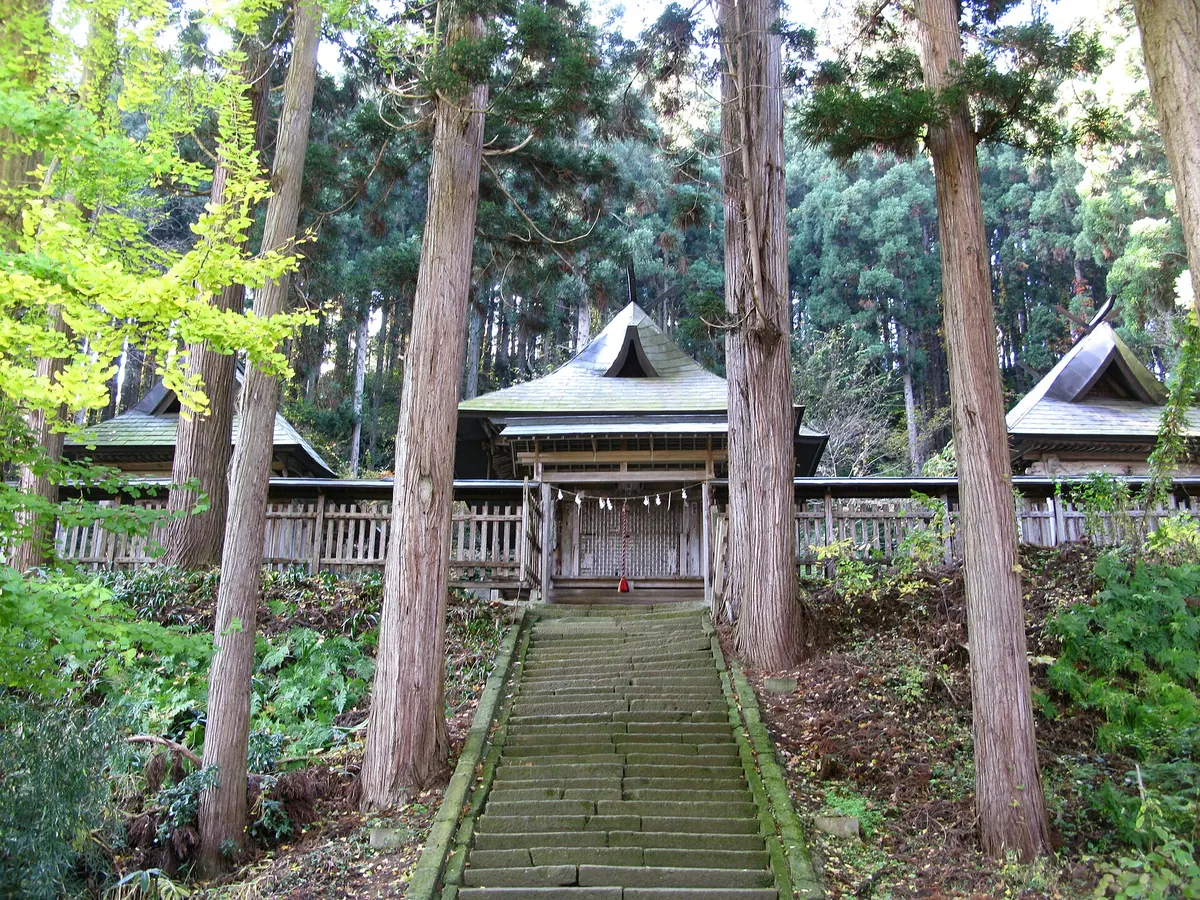
Ancient shrine dedicated to Kumano deities, featuring historic architecture and a monumental ginkgo tree.
What it is
- Founded in 1055 by Minamoto no Yoriyoshi.
- Enshrines the Kumano Sanzan deities.
- Formerly held the rank of Prefectural Shrine.
What to see
- Kumano Jinja Nagatoko is a National Important Cultural Property.
- Kumano Sansha Honden, Monjudo, and Kannon-do buildings.
- A 600-year-old ginkgo tree, 30m tall, 8.1m circumference.
- Bronze bowl designated a National Important Cultural Property.
Getting there
- About 5 km southwest of Kitakata Station.
- Address
- 福島県喜多方市慶徳町新宮字熊野2258 Map
20
Kobiragata Tenmangū
FUKUSHIMA · SHRINE 小平潟天満宮
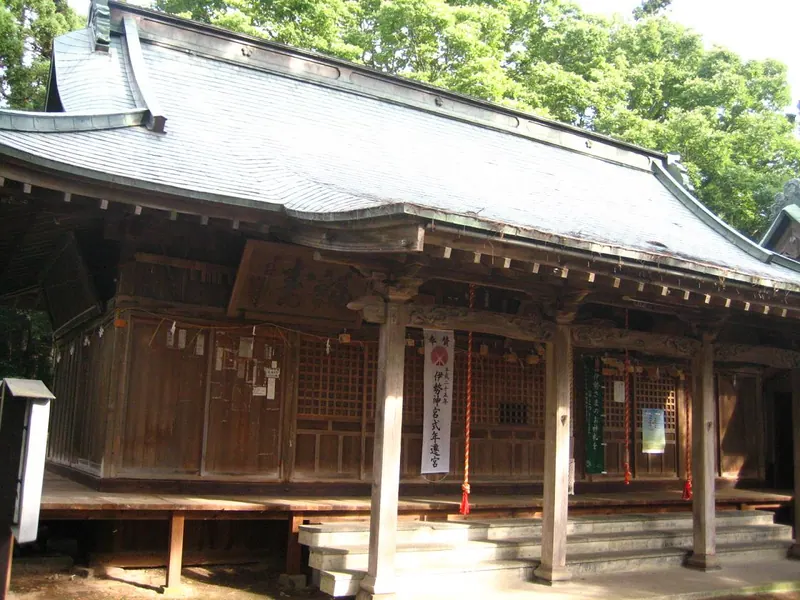
Historic shrine on Lake Inawashiro, dedicated to learning, with scenic views and cultural properties.
What it is
- A shrine in Inawashiro, Fukushima Prefecture.
- Dedicated to Sugawara no Michizane, deity of learning.
- Current building constructed in 1682.
- Moved by Matsudaira Masakata, lord of Aizu Domain.
What to see
- The current shrine building from 1682.
- Fukushima Prefecture Important Cultural Property.
- Inawashiro Town Designated Cultural Properties.
- Tenjin-hama beach, one of Japan's 100 White Sand and Green Pine Beaches.
- Views of Lake Inawashiro and Mount Bandai.