

20 Temples in Gunma worth your time
Japan Gems
Gunma Prefecture has 89 temples, including Shukushō-ji Temple and Sōgen-ji Temple. Visitors can find a mix of temples across the prefecture.
Gunma has 105 temples on Japan Gems. Below are the 20 we can tell you the most about — each one written up in English from Japanese sources, with what to see and how to get there. See all temples in Gunma.
01
Daishin-ji Temple
GUNMA · TEMPLE 大信寺
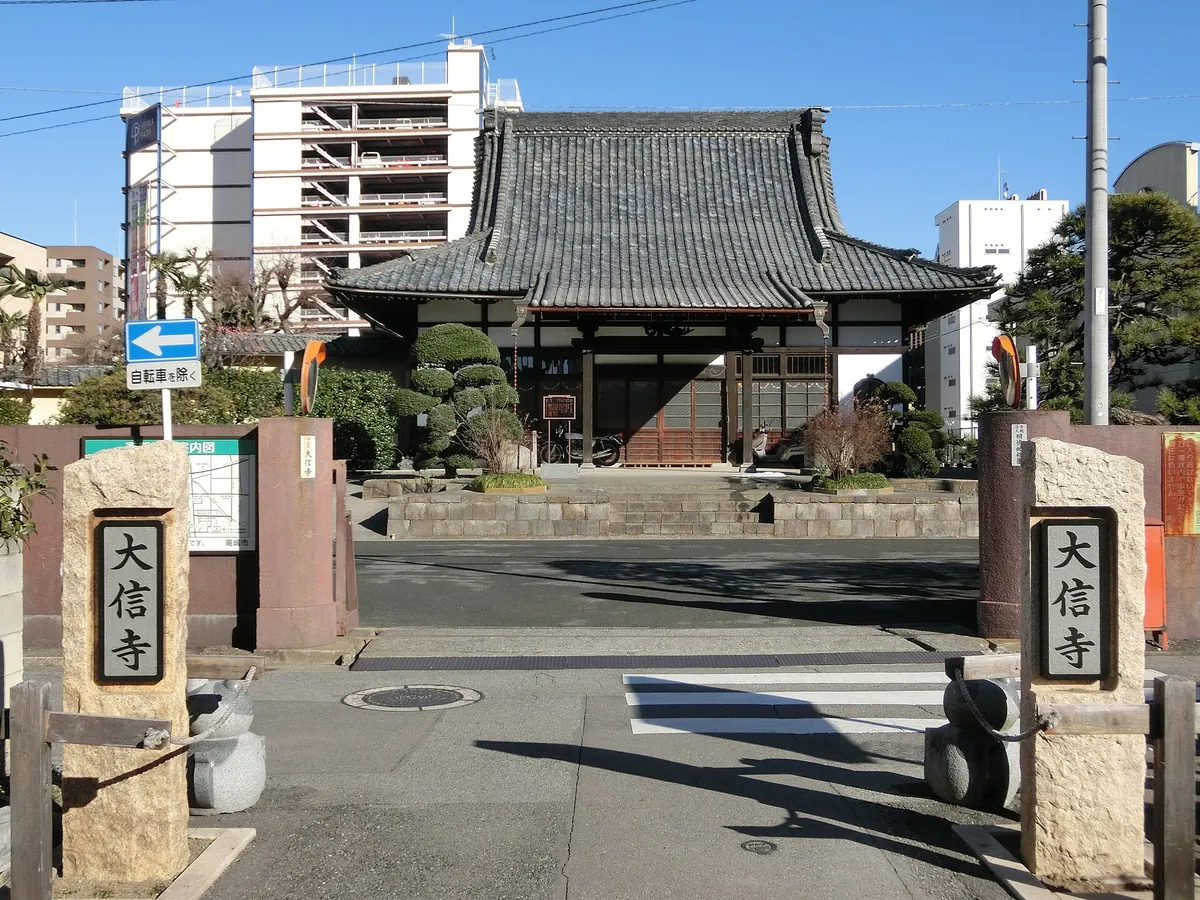
A Jodo Shu temple in Takasaki housing the historic grave of Tokugawa Tadanaga, the third shogun's younger brother.
What it is
- A Jodo Shu Buddhist temple founded by Naito Masatoki during the late Sengoku period.
- The temple moved from Minowa Castle to Takasaki alongside the lord Ii Naomasa.
- It serves as the burial site for Tokugawa Tadanaga, brother of the third shogun.
- The grounds contain designated historical sites and important cultural properties of Takasaki City.
What to see
- The gravestone of Tokugawa Tadanaga erected in 1675 following his ritual suicide.
- The grave of Shuzui Hikosaburo, which is a designated important cultural property.
- Historical markers designating the site as a significant local heritage location.
Getting there
- The temple is located an eight-minute walk from Takasaki Station.
02
Fudō-ji Temple
GUNMA · TEMPLE 不動寺
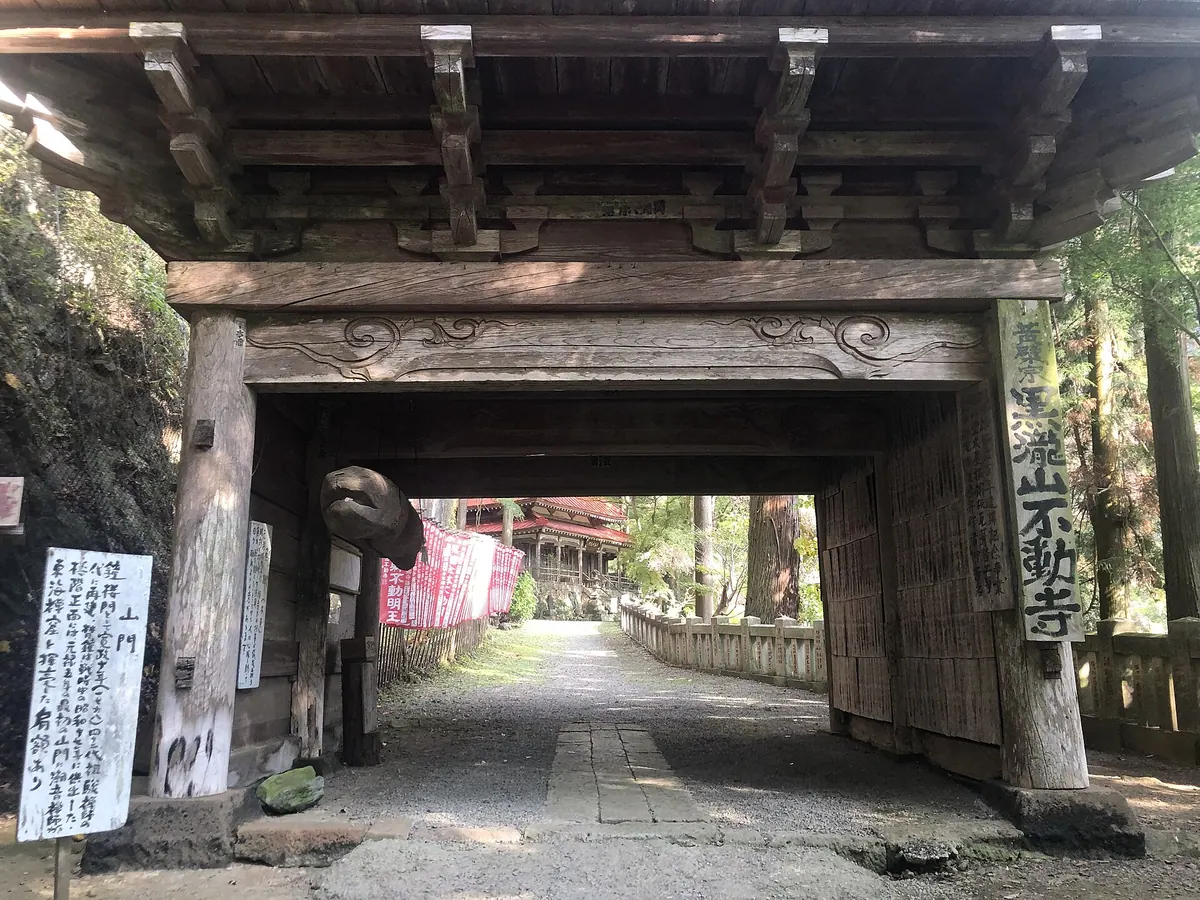
A historic Obaku Zen temple in Gunma founded by priest Gyoki, known for its massive protected cedar and shogun connections.
What it is
- An Obaku Zen temple in Nanmoku founded by the priest Gyoki during the Nara period.
- The site originated as a small hut built to house a Fudomyoo statue.
- Restored in 1675 by Chion Dokai, a priest followed by Shogun Tokugawa Tsunayoshi.
- Formerly a major religious center that managed two hundred branch temples.
What to see
- A large cedar tree designated as a Gunma Prefecture natural monument.
- The temple grounds known locally as the Okunoin of Joshu.
- Historic architecture associated with its nickname Yakuyoke Fudo.
Getting there
- The site is a twenty-five minute drive from the Shimonita Interchange.
03
Daikō-in Temple
GUNMA · TEMPLE 大光院 (太田市)
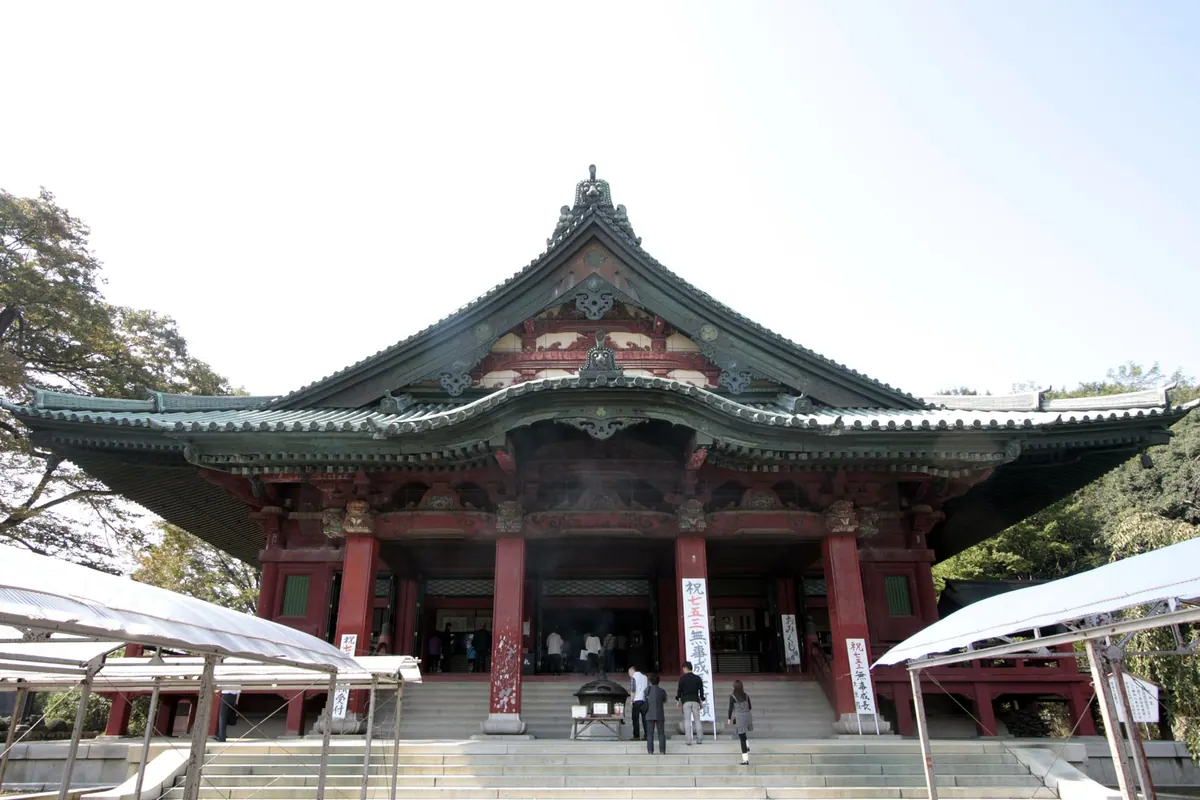
A historic Jodo sect temple founded by Tokugawa Ieyasu in 1611, famous for its association with childcare and ancestral history.
What it is
- A Jodo sect temple founded in 1611 by Tokugawa Ieyasu.
- The site honors Nitta Yoshishige, an ancestor of the Tokugawa clan.
- Commonly known as Kosodate Donryu after its founding abbot Donryu Shonin.
- A designated station on the Gunma Shichifukujin pilgrimage route.
What to see
- The Kisshomon main gate, which is a city-designated cultural property.
- A statue of Amida Nyorai housed within the main hall.
- The Kaizando hall, rebuilt in 1934 as a reinforced concrete structure.
- The graves of Nitta Yoshishige and the abbot Donryu Shonin.
Getting there
- Located a 20-minute walk from Ota Station.
04
Tōzen-ji Temple
GUNMA · TEMPLE 東善寺
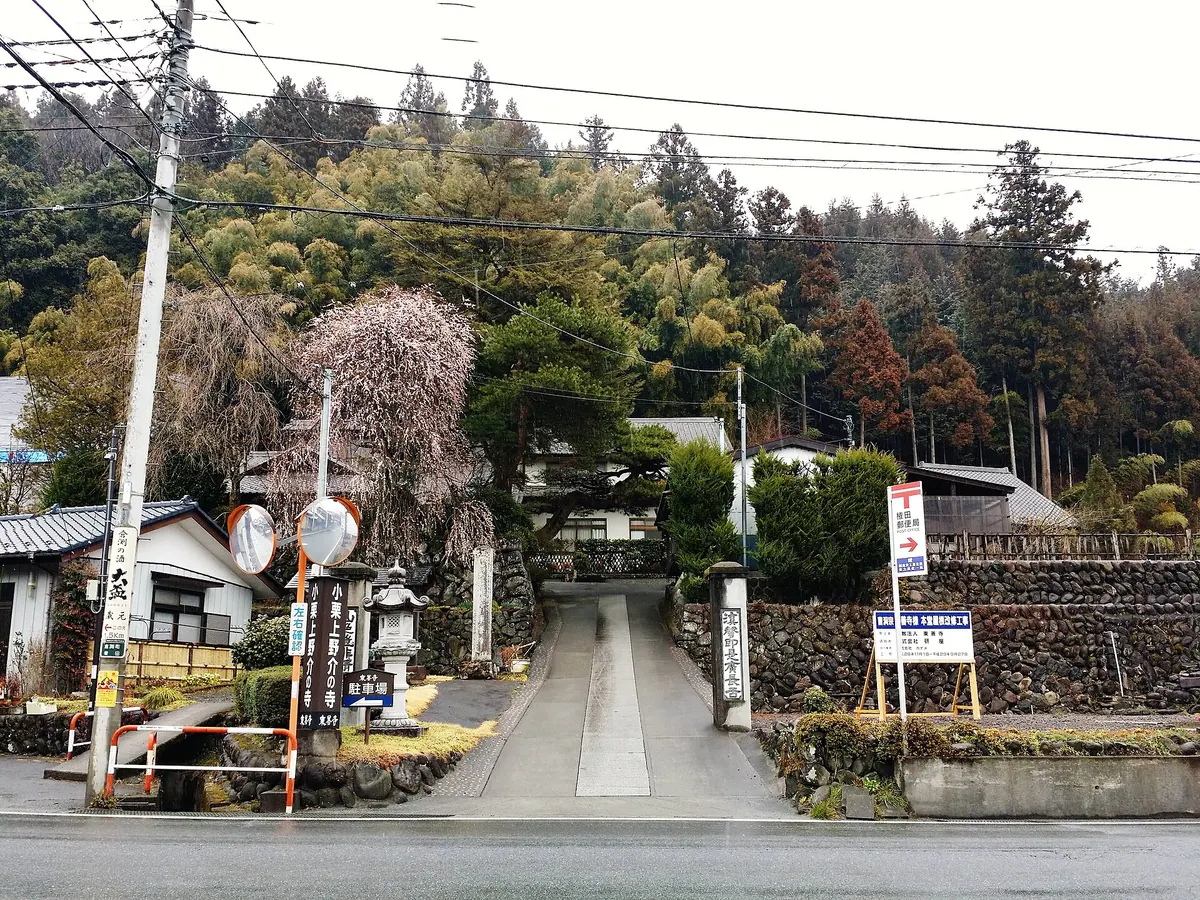
A Soto Zen temple in Takasaki housing the grave and artifacts of the prominent Edo-period official Oguri Tadasumi.
What it is
- A Soto Zen temple located in Takasaki, Gunma Prefecture.
- The temple was officially founded in 1633.
- Restored during the mid-Edo period by Hatamoto Oguri Masanobu.
- The retirement home and final resting place of Oguri Tadasumi.
What to see
- The grave of Oguri Tadasumi, a designated Gunma Prefectural Historic Site.
- The Oguri Public Artifacts Hall, currently being renovated into a memorial museum.
- Two local sites designated as Takasaki City Historic Sites.
Getting there
- The temple is a forty-three minute drive from the Maebashi Interchange.
05
Fudō-ji Temple
GUNMA · TEMPLE 不動寺
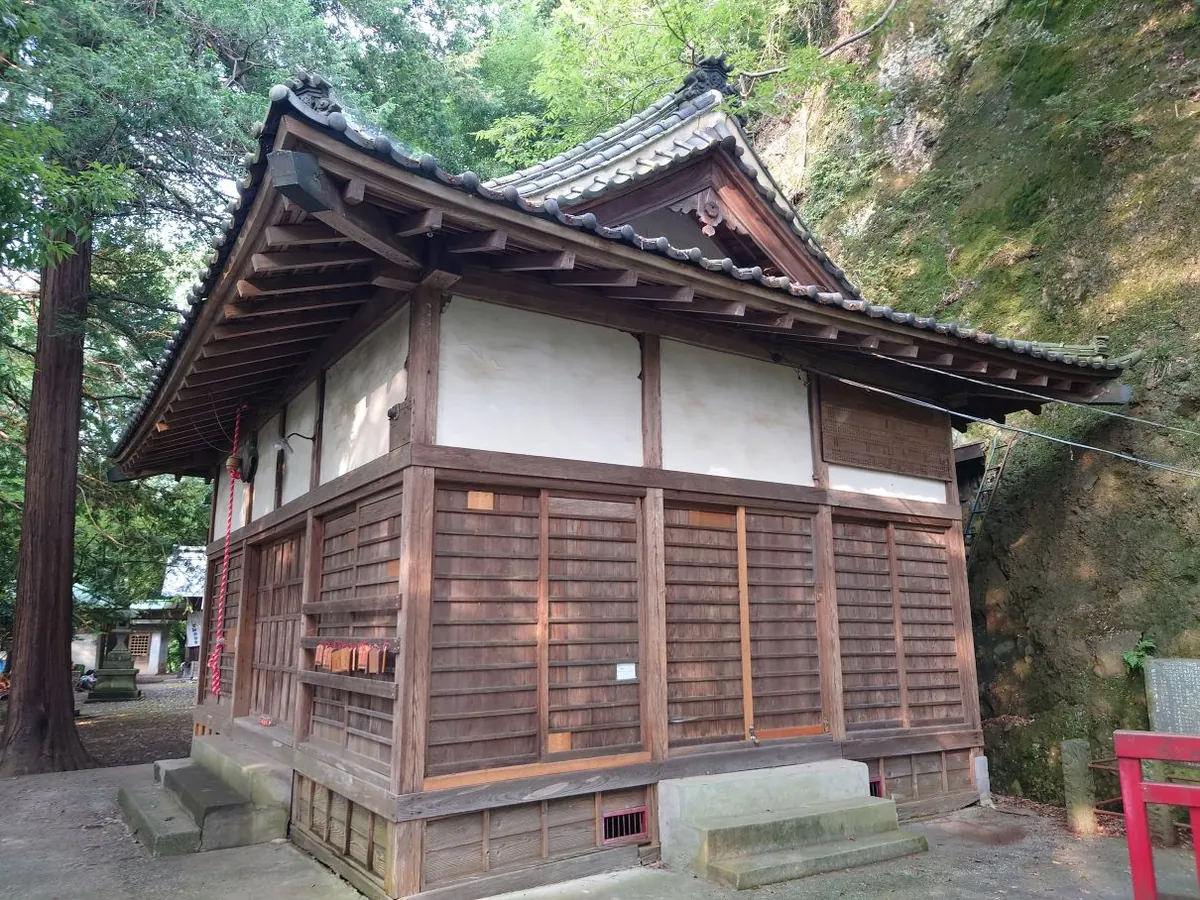
A Soto Zen temple housing a 13th-century stone Fudo Myoo statue designated as a National Important Cultural Property.
What it is
- A Soto Zen temple officially established in 1944 in Shibukawa.
- Dedicated to a stone statue of Fudo Myoo commissioned in 1251.
- Locally known by the name Miyata no Fudo-sama.
- The original temple buildings were destroyed during the Meiji era.
What to see
- A 166-centimeter stone statue designated as a National Important Cultural Property.
- A stone lantern from 1443 recognized as a city cultural property.
- Miyata Shrine located directly north of the temple grounds.
When to go
- The stone statue is publicly displayed every year on January 28.
06
Yōrin-ji Temple
GUNMA · TEMPLE 養林寺
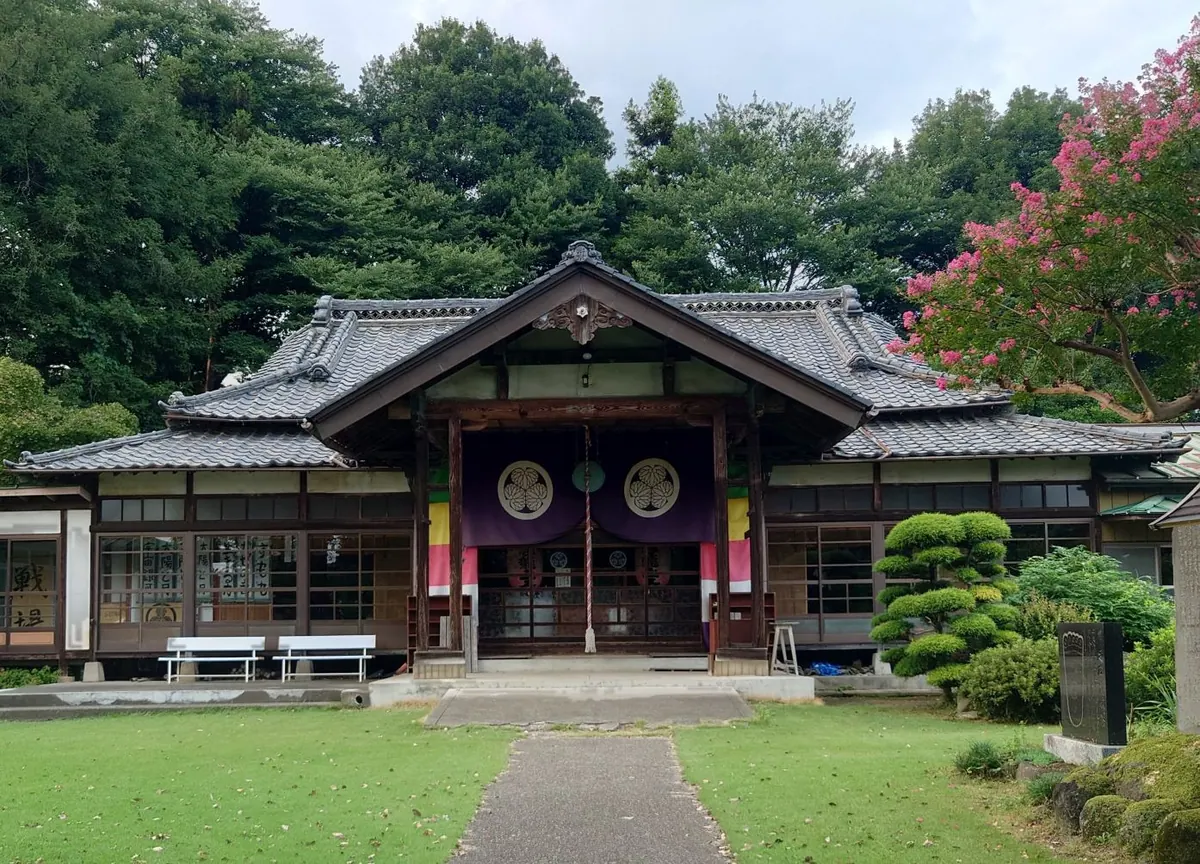
An Edo-period temple in Maebashi featuring a historic mountain gate and the designated burial site of the Makino clan.
What it is
- A Jodo Shu Buddhist temple dedicated to the deity Amida Nyorai.
- Established as the family temple for the local lord Makino Yasunari.
- Authorized by Tokugawa Ieyasu to use the prestigious hollyhock crest since 1604.
- Occupies the former site of the Ogo clan residence near Ogo Castle ruins.
What to see
- A mountain gate preserved from the early Edo period.
- The Makino family cemetery, a designated historic site of Maebashi City.
- The grave of the temple founder and local lord Makino Yasunari.
- Remains of defensive moats and earthworks located on the temple grounds.
07
Zenchō-ji Temple
GUNMA · TEMPLE 善長寺
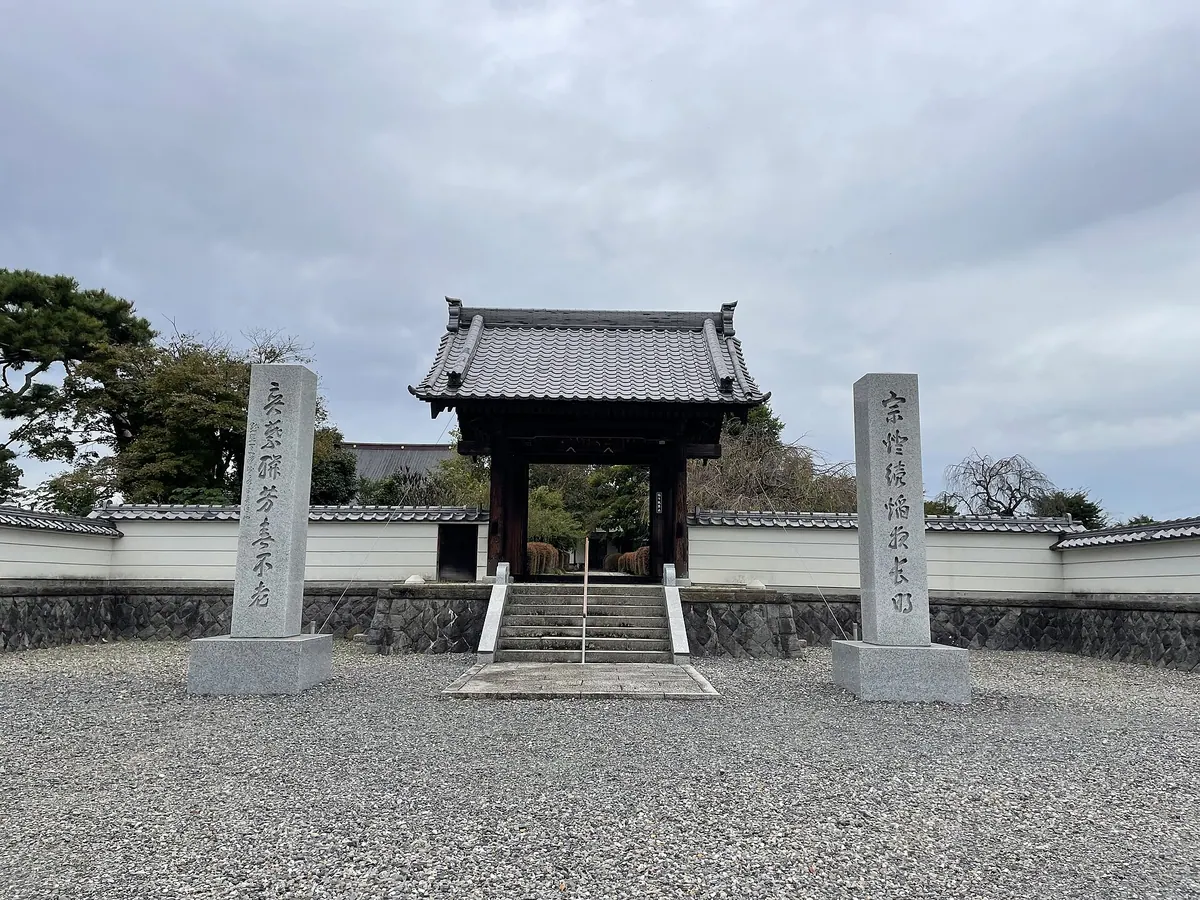
A 16th-century Soto Zen temple in Tatebayashi featuring a historic Kannon-do hall and ancient burial mound on its grounds.
What it is
- A Soto Zen Buddhist temple founded by Akai Ienori in 1523.
- The temple honors the memory of Akai Nobuie.
- The Kannon-do hall was established by Muso Soseki between 1345 and 1350.
- The site contains the grave of Sakakibara Tadatsugu's mother.
What to see
- The Kannon-do hall which predates the main temple buildings.
- City-designated historic sites including a grave and stone lanterns.
- The Sannoyama Burial Mound located within the temple grounds.
Getting there
- The temple is a fifteen-minute walk from the bus stop.
08
Tenzō-ji Temple
GUNMA · TEMPLE 天増寺
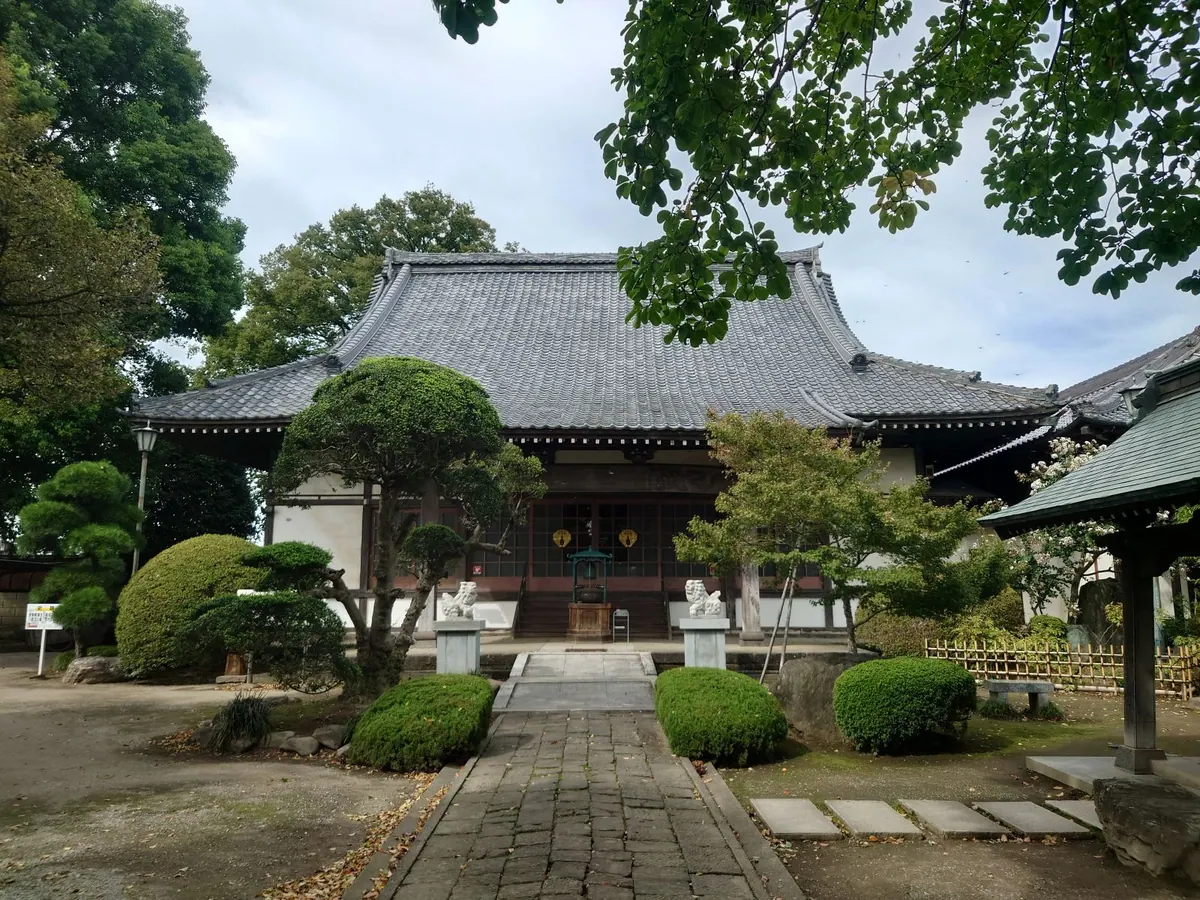
A 17th-century Zen temple in Isesaki featuring the historic burial grounds and cultural treasures of the Inagaki clan.
What it is
- A Sōtō Zen Buddhist temple founded in 1603 by Inagaki Nagashige.
- The official family temple for the Inagaki clan.
- A site housing the graves of successive heads of the Inagaki family.
What to see
- A temple pagoda designated as a Gunma Prefecture Important Cultural Property.
- Portraits of Inagaki Nagashige and Shigemune held as city cultural properties.
- The Inagaki family graves which are designated city historical sites.
Getting there
- The temple is a 17-minute walk from Shin-Isesaki Station.
09
Genkei-ji Temple
GUNMA · TEMPLE 元景寺
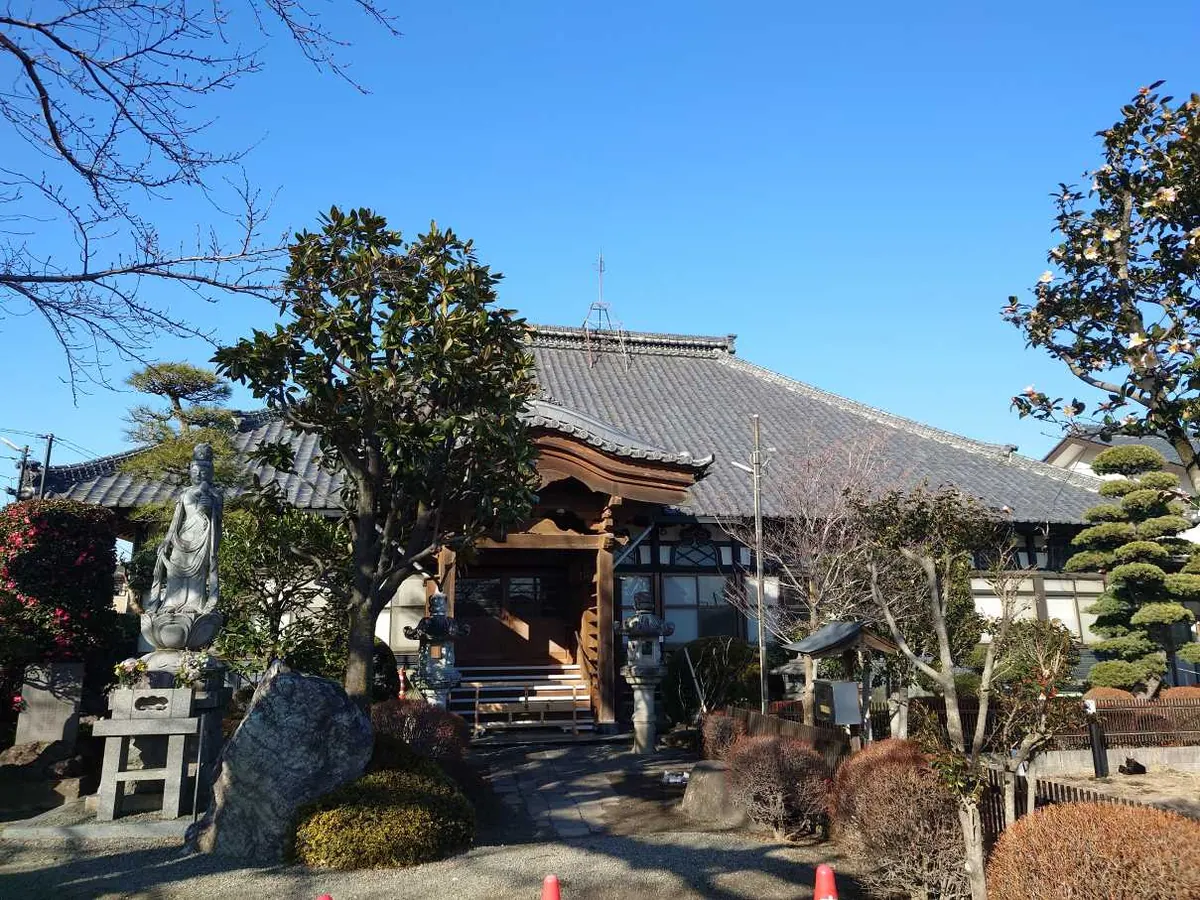
Genkeiji is a Soto Zen temple founded in 1590, notable for its historic stone Buddha and clan cemetery.
What it is
- Soto Zen Buddhist temple.
- Founded in 1590 by Akimoto Nagatomo.
- Established to mourn Nagatomo's father, Kageaki.
What to see
- Stone Buddha from 1421, a cultural property.
- Main hall with a munafuda from 1677.
- Main hall's katomado retain original appearance.
- Akimoto clan cemetery, a designated historic site.
- Cemetery contains three graves, including Akimoto Kageaki's.
- Stone Jizo Bodhisattva statue, a cultural property.
Getting there
- 13-minute walk from Gumma-Sōja Station.
- Address
- 群馬県前橋市総社町植野150 Map
10
Minakami-dera Temple
GUNMA · TEMPLE 水上寺
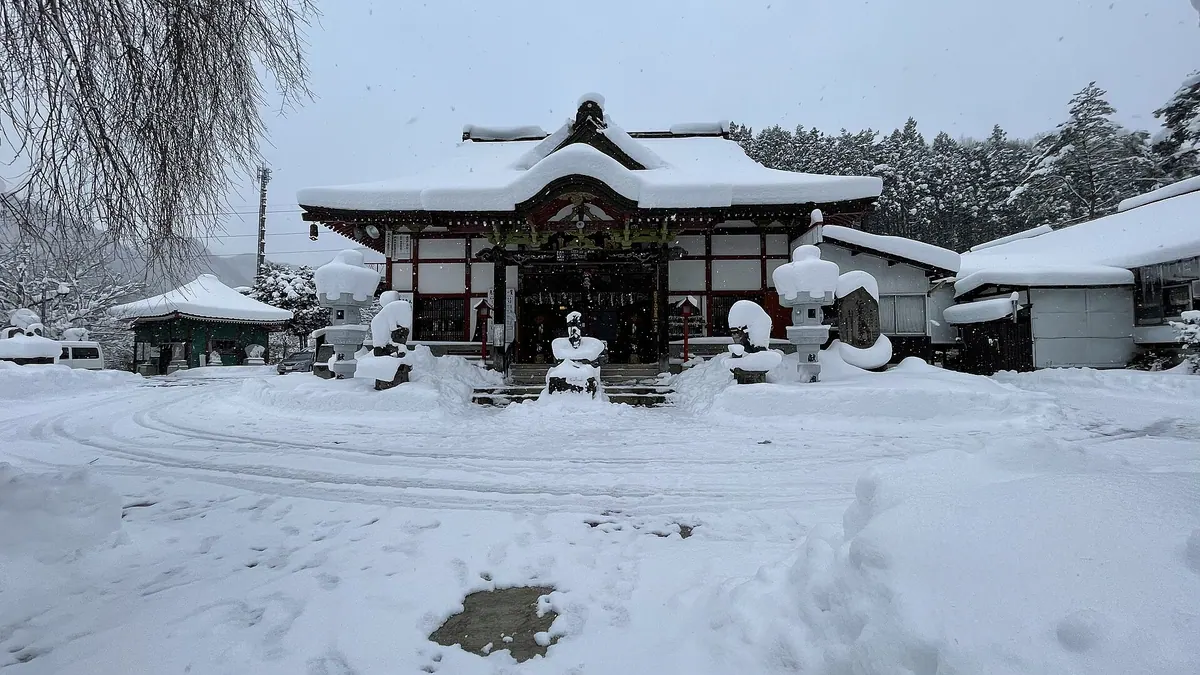
Minakami-dera Temple is a Shingon Buddhist temple known for its significant Fudō Myōō statue and prayers.
What it is
- A Shingon-shu Chizan-ha Buddhist temple.
- Also known as Naritasan Minakami-dera.
- Founded by Shozabata Terukiyo Osho.
- Known for prayers for good fortune and warding off evil.
What to see
- The main deity: Dainichi Daishō Fudō Myōō seated statue.
- One of Japan's three great Fudō statues.
- The current main hall, completed in 1960.
- The Kongokai Taizokai Ryobu Mandara.
- A sacred sword.
When to go
- Attend the spring grand festival.
- Attend the autumn grand festival.
- Address
- 群馬県利根郡みなかみ町湯原340 Map
11
Hōshū-ji Temple
GUNMA · TEMPLE 宝秀寺
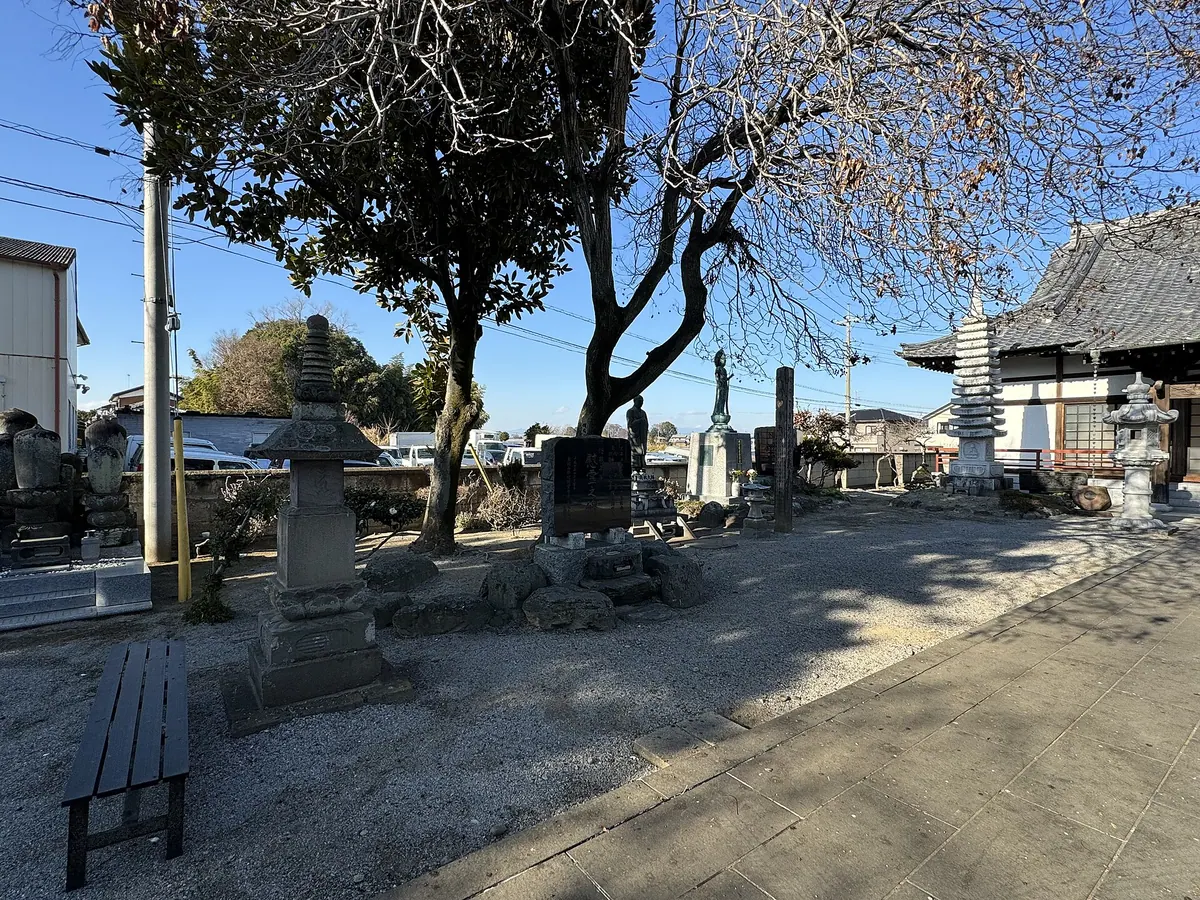
A Shingon Buddhist temple founded in 1579, featuring a modern main hall and a historic crest design.
What it is
- A temple of the Buzan school of Shingon Buddhism.
- Founded in 1579 by the priest Hoin Kangen.
- Formerly served as the administrator of the nearby Nogi Shrine.
- The current main hall was rebuilt in 1979 after previous fires.
What to see
- The main hall reconstructed in the late twentieth century.
- The temple crest featuring the traditional Kikusui water and chrysanthemum design.
Getting there
- Located a two minute walk from the Hanezukicho Higashi bus stop.
12
Kakuō-ji Temple
GUNMA · TEMPLE 覚応寺
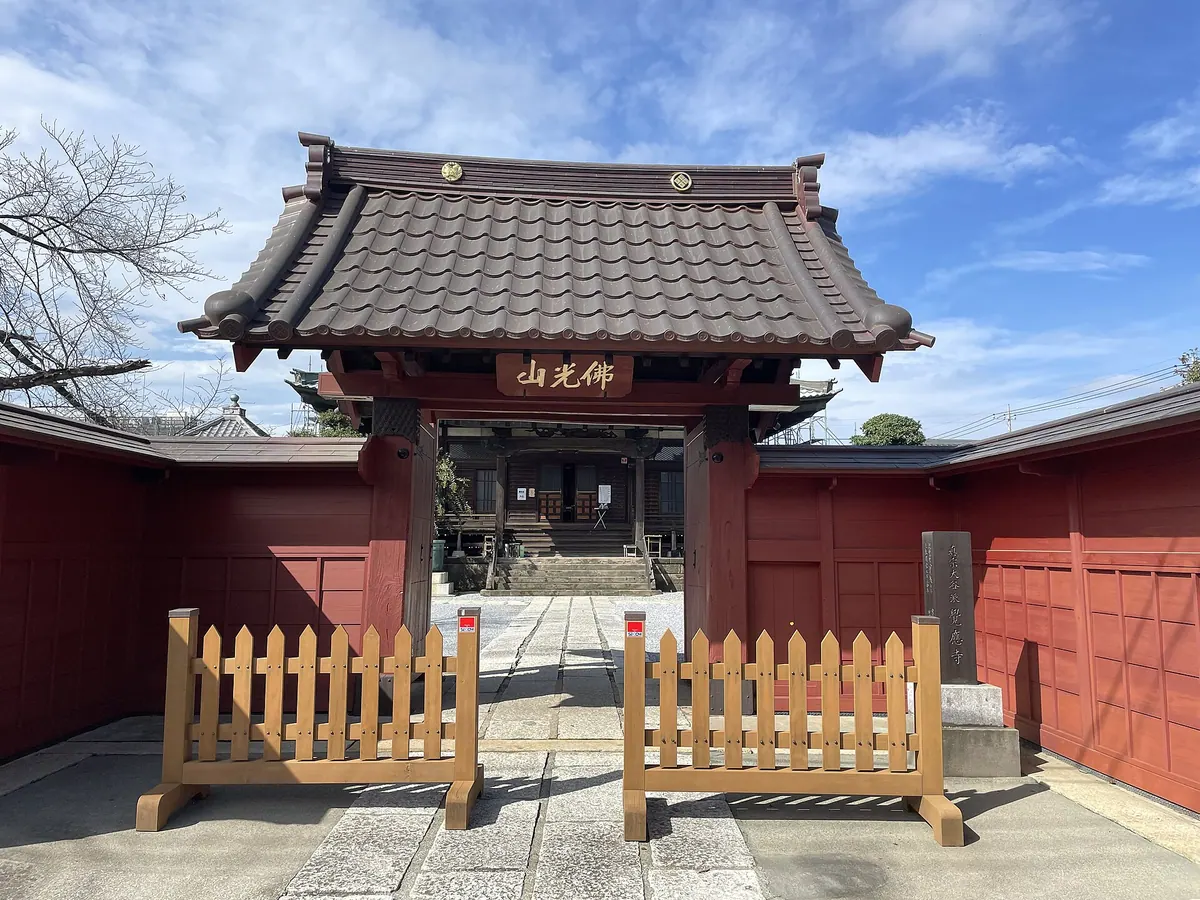
A historic Shinshu Otani-ha temple in Tatebayashi City featuring the grave of a famous ukiyo-e artist and Shogunate history.
What it is
- A Shinshu Otani-ha temple originally founded in Hazuke Village as Ganjyo-ji.
- The founder was a descendant of the Kamakura period retainer Moritsuna Sasaki.
- The temple moved to its current location between 1661 and 1681.
- Shogun Tokugawa Tsunayoshi granted the temple a thirty koku land area.
What to see
- The grave of ukiyo-e artist Kitao Shigemitsu, a city-designated historic site.
Getting there
- The temple is a three-minute walk from Tatebayashi Station.
- Official site
- kakuouji2410.la.coocan.jp
13
Sōfuku-ji Temple
GUNMA · TEMPLE 崇福寺
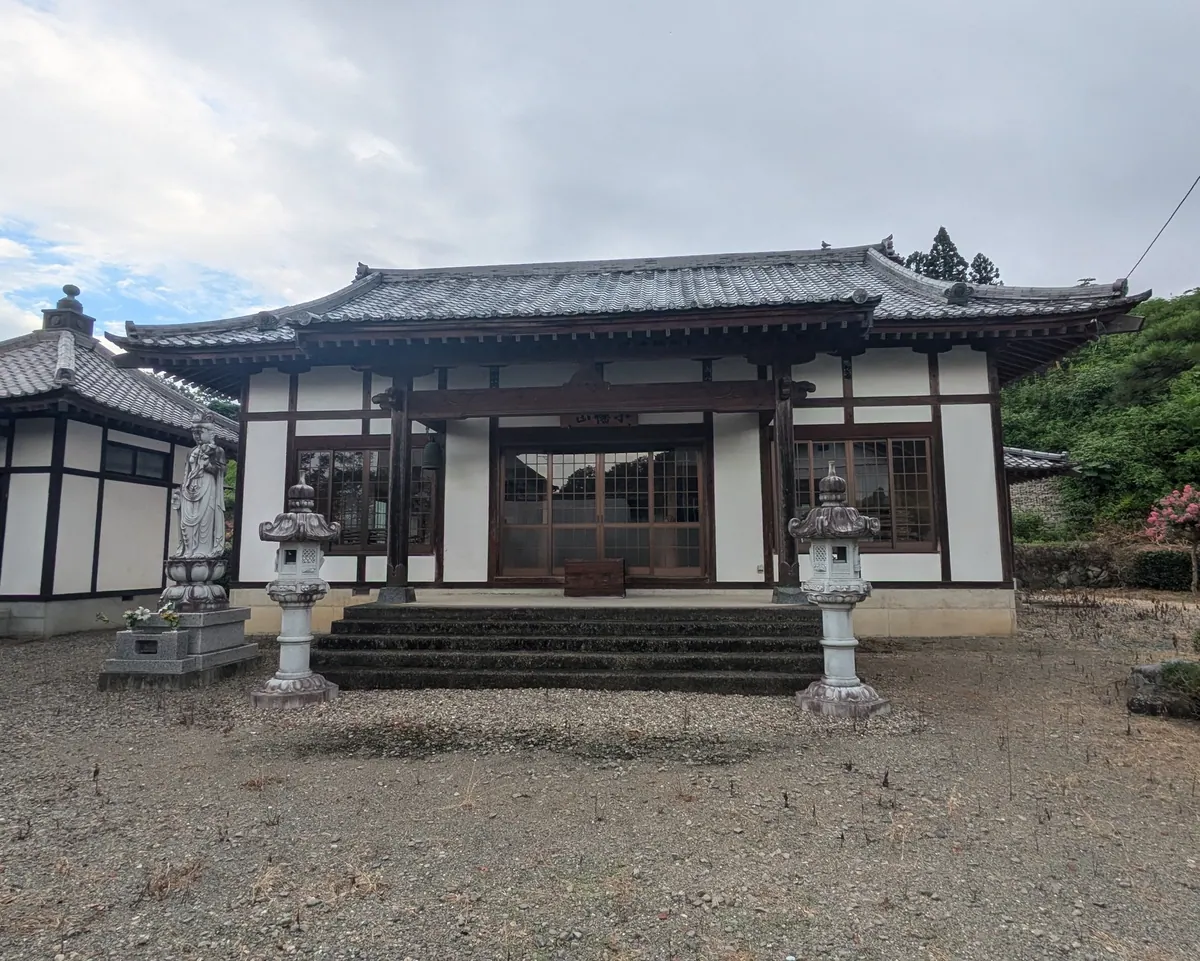
Explore the family temple of the Oda clan, featuring historic graves and cultural properties.
What it is
- A Rinzai sect Myōshin-ji school temple.
- Founded by Oda Nobuhisa, lord of the Obata Domain.
- Became the Oda clan's family temple.
- Ancestors' graves from Oda Nobukatsu onward were moved here.
What to see
- Oda clan's ancestral graveyard, now preserved.
- A mausoleum covers the gravestones.
- The surrounding Oda Kō Park.
- A stone monument, an important cultural property.
- A stone seated Kannon statue, an important cultural property.
- Oda clan memorial tablets, important cultural properties.
- Address
- 群馬県甘楽郡甘楽町小幡1408 Map
14
Sōgen-ji Temple
GUNMA · TEMPLE 曹源寺 (太田市)
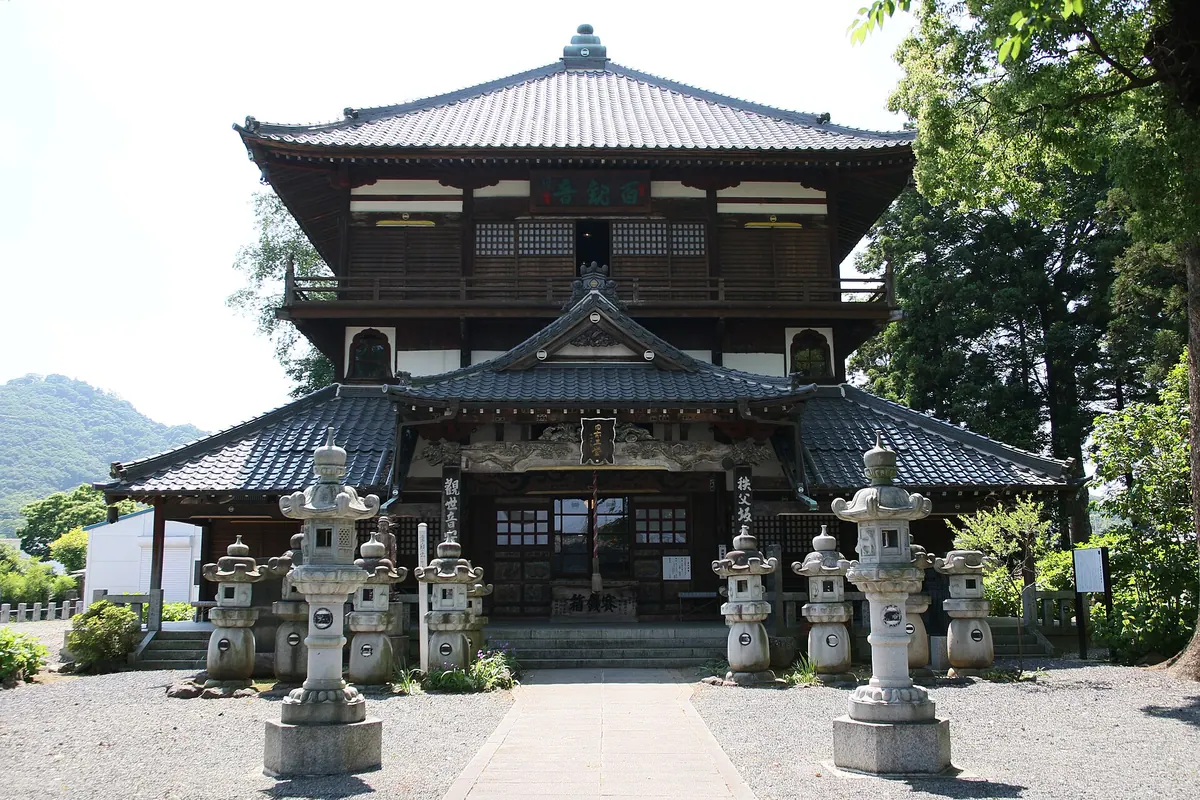
Sogenji is a historic Soto Zen temple in Gunma, known for its unique Sazae-do hall and hydrangea.
What it is
- Soto Zen temple in Ota City, Gunma Prefecture.
- Founded in 1187 by Nitta Yoshishige.
- Main hall built around 1793 by Machida Hyobu Eisei.
- One of Japan's three Sazae-do structures.
What to see
- Main hall, known as Sazae-do.
- Interior of Sazae-do has 100 Kannon statues.
- Sazae-do allows clockwise pilgrimage inside.
- Grounds feature 100 hydrangea bushes.
- Sazae-do is a National Important Cultural Property.
When to go
- Known as Gunma's Hydrangea Temple.
- Address
- 群馬県太田市東今泉町165 Map
15
Sorimachi Yakushi
GUNMA · TEMPLE 反町薬師
A 14th-century temple and historic site with moats, earthworks, and an exorcism fair.
What it is
- A Shingon sect temple, formally Rurizan Myokoin Shomyoji.
- Built in the early 14th century on a historic residence site.
- Also known as Sorimachi Yakata-ato, a National Historic Site.
- Believed to be the residence of Nitta Yoshisada.
What to see
- Moats and earthworks around the temple.
- Cherry trees and wisteria trellises on the grounds.
- Site of a Sengoku period castle with triple moats.
When to go
- January 4th for the annual exorcism fair.
- Address
- 群馬県太田市新田反町町896 Map
- Official site
- www.sorimachiyakushi.or.jp
16
Koon-ji Temple (Gunma)
GUNMA · TEMPLE 光恩寺
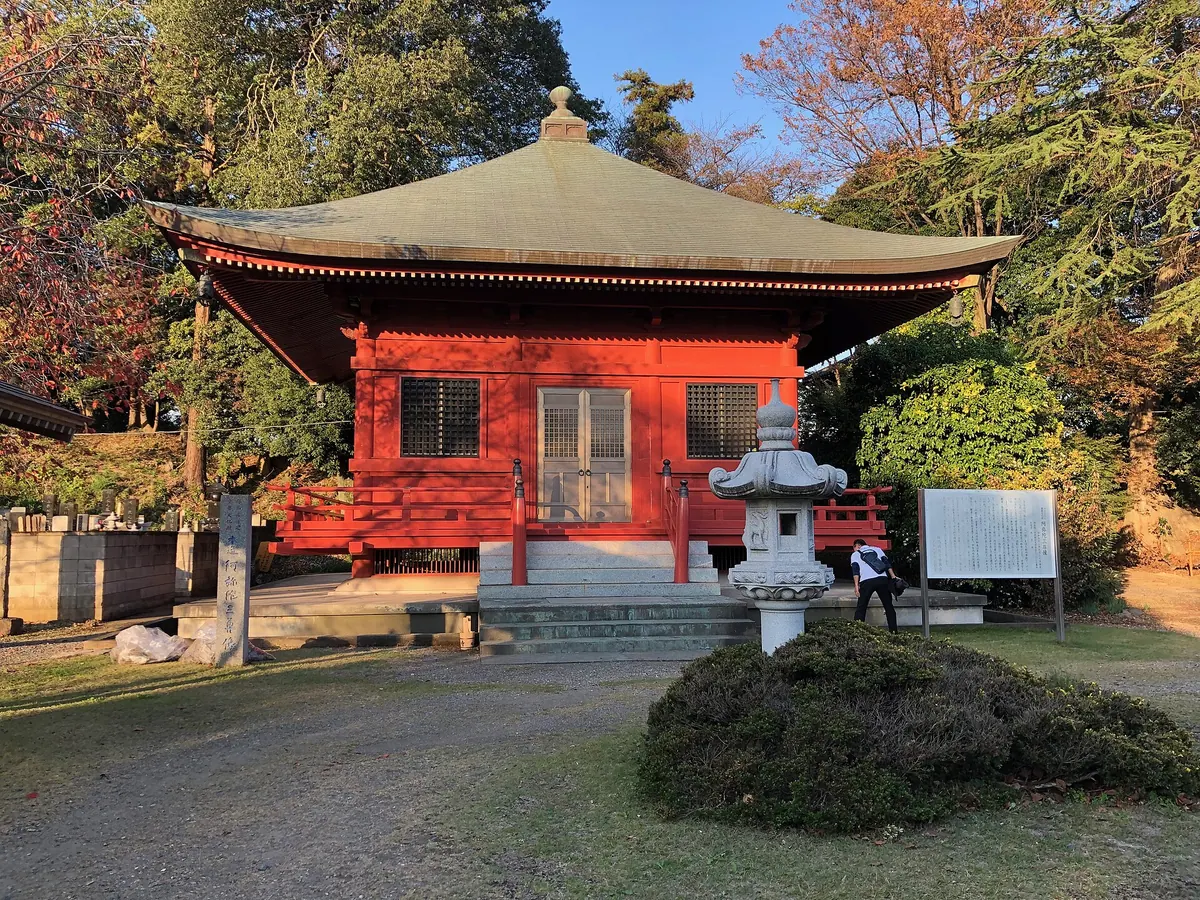
Koon-ji Temple is a historic Koyasan Shingon temple with important cultural properties.
What it is
- A Koyasan Shingon sect temple.
- Buddha's ashes were enshrined in 603.
- Kukai re-established the temple in 814.
- Emperor Go-Daigo rebuilt the temple in 1321.
What to see
- The current main hall, built in 1883.
- National Important Cultural Property: Bronze Five-Type Bells.
- Prefectural Important Cultural Property: Amida Sanzon statue.
- Jizo Bosatsu image stone tablet from 1271.
- Temple bell created in 1703.
- Nagaya-mon gate, a Registered Tangible Cultural Property.
17
Shogaku-ji Temple (Numata)
GUNMA · TEMPLE 正覚寺 (沼田市)
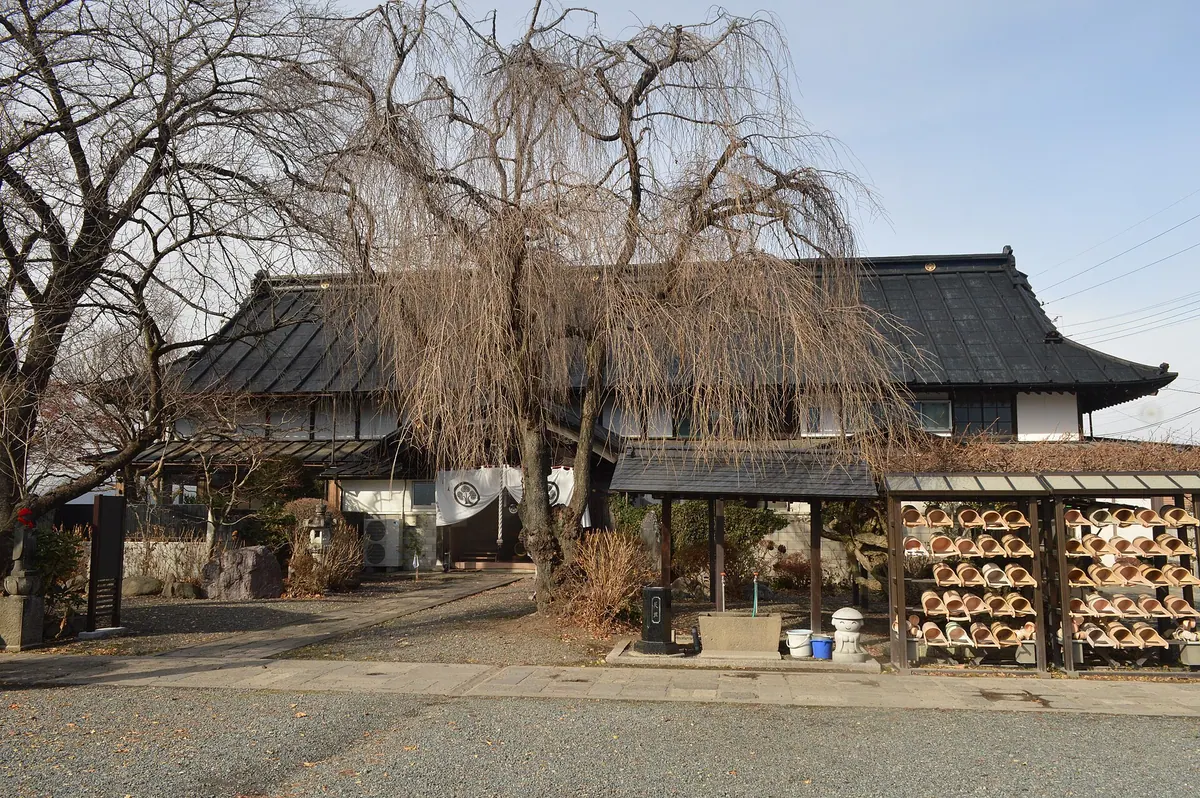
Shogaku-ji Temple, founded in 1406, holds historical graves and cultural properties worth seeing.
What it is
- Jodo sect Buddhist temple, founded in 1406.
- Komatsu-hime, wife of Sanada Nobuyuki, is considered its founder.
- Main image is Amida Nyorai.
- Holds graves of Komatsu-hime and Kume Tamenosuke.
What to see
- Grave of Komatsu-hime, a designated cultural property.
- Temple gate, a designated cultural property.
- Jizo Juo-zu, a designated cultural property.
- White wisteria, one of Numata's 100 Famous Trees.
- Japanese umbrella pine, a designated natural monument.
- Address
- 群馬県沼田市鍛冶町938 Map
18
Sankō-in Temple
GUNMA · TEMPLE 三光院
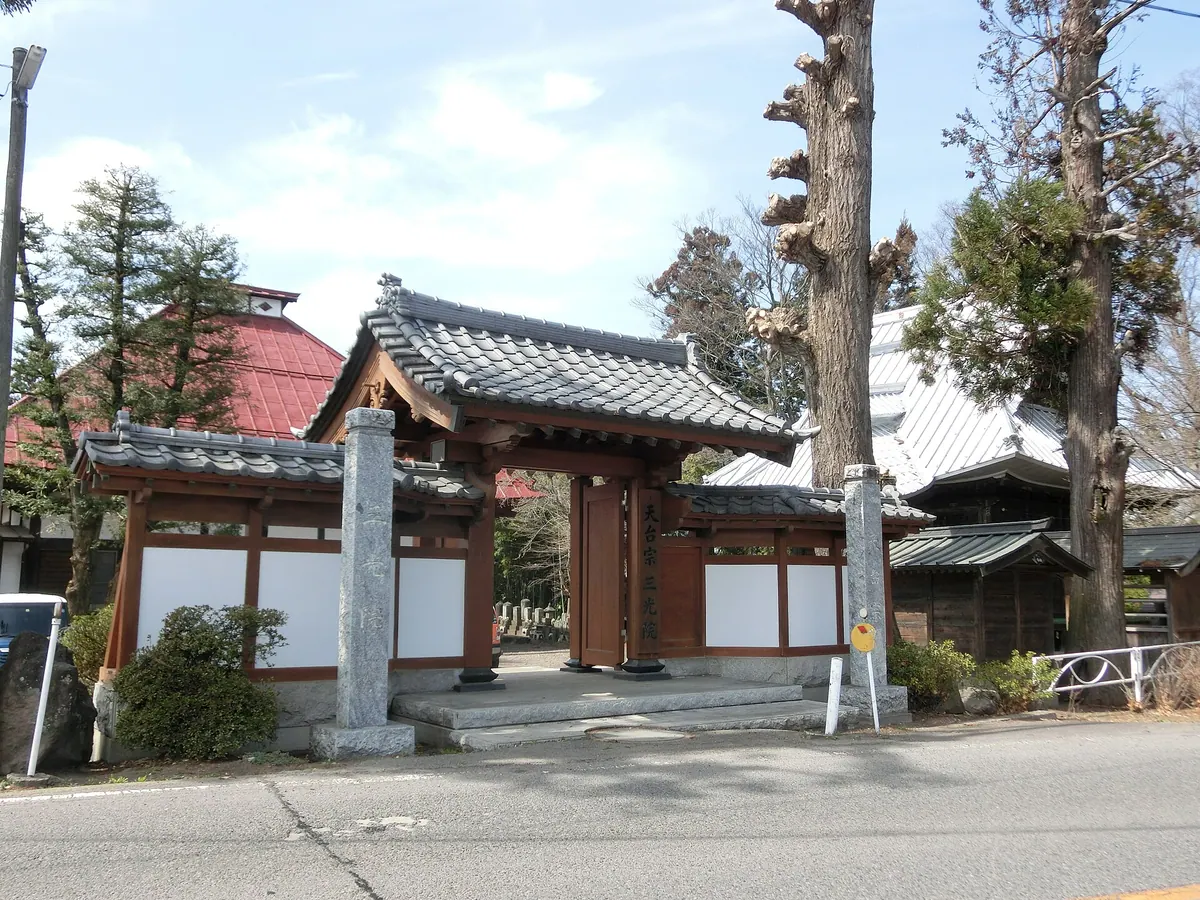
Sankoin is a historic Tendai temple founded in 1324, home to a hidden Kannon statue.
What it is
- A Tendai sect temple.
- Founded in 1324 by the Numata clan.
- Moved with the Numata clan's castles.
- Moved to its current location in 1532.
What to see
- Main deity is an Eleven-faced Kannon.
- Kannon is a hidden Buddha, displayed twice a year.
- Kannon statue is an Important Cultural Property.
- A stone lantern by Sanada Nobutoshi remains.
When to go
- Hidden Kannon displayed on January 1st.
- Hidden Kannon displayed on April 29th.
- Address
- 群馬県沼田市柳町392 Map
19
Onrin-ji Temple
GUNMA · TEMPLE 恩林寺
Onrin-ji Temple, a Rinzai Buddhist temple, offers unique architecture and natural monuments.
What it is
- Rinzai sect Kencho-ji school temple.
- Founded in 1349, re-established in 1395.
- Principal image is Yakushi Rurikō Nyorai.
- Temple crest is Mitsuuroko.
What to see
- Current main hall is in Hojo style.
- Principal image is a hidden Buddha.
- Two designated natural monuments.
When to go
- Hidden Buddha displayed once every 60 years.
Getting there
- About 1 km from Tobu Isesaki Line Tatara Station.
- Address
- 群馬県邑楽郡邑楽町鶉299 Map
20
Kōgan-ji Temple
GUNMA · TEMPLE 光巌寺
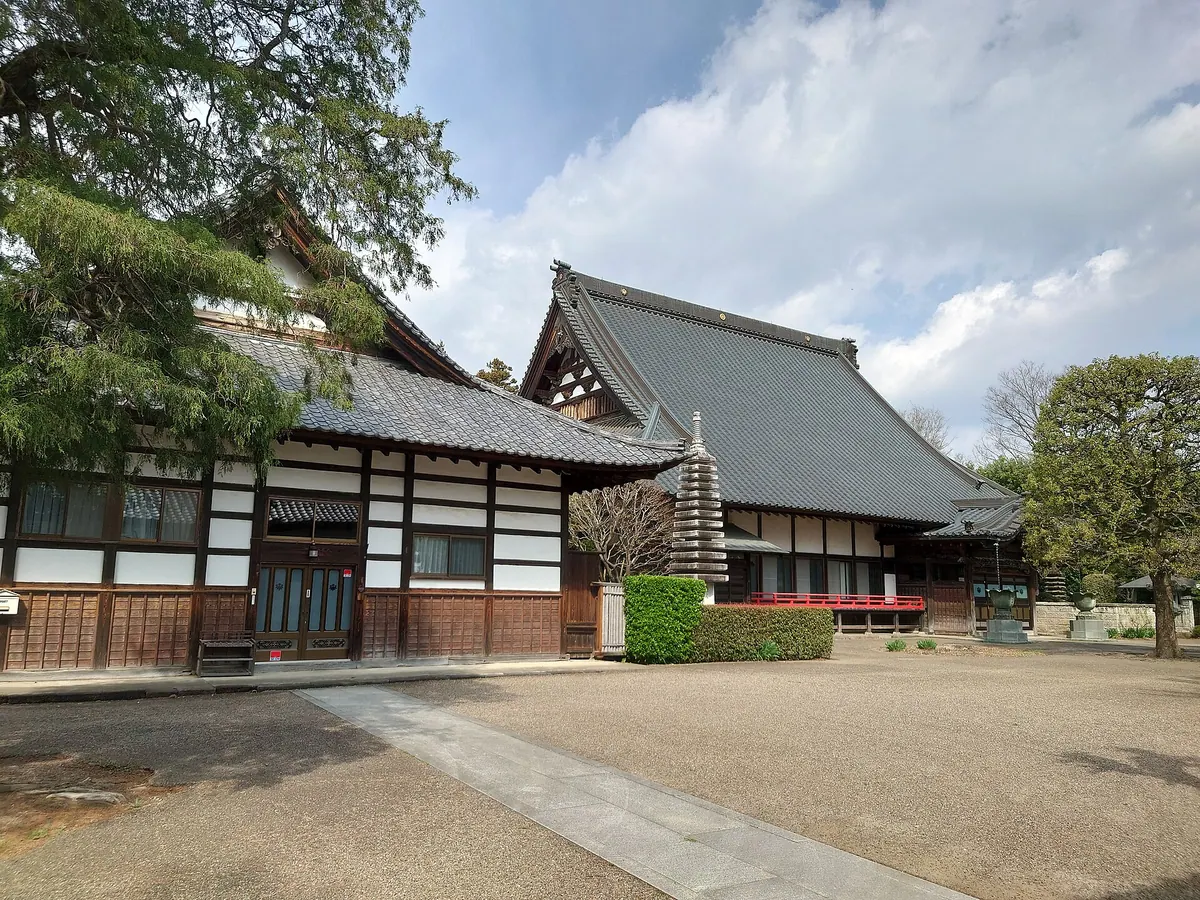
Kōgan-ji Temple, founded in 1607, offers historical buildings and a unique stone monument.
What it is
- A Tendai sect temple.
- Formal name is Akimotoyama Kōgetsuin Kōgan-ji.
- Founded in 1607 by Akimoto Nagatomo.
- The principal image is Shaka Nyorai.
What to see
- The main hall, rebuilt in 1820.
- The kuri, rebuilt in 1813.
- A stone monument called Rikiya Iaihi.
- Rikiya Iaihi is a prefectural historic site.
- Many cultural properties designated by Maebashi City.
Getting there
- 15-minute walk from Gunma Sōja Station.
- Address
- 群馬県前橋市総社町総社1607 Map