

20 Shrines in Kagoshima worth your time
Japan Gems
Kagoshima Prefecture is home to over 60 shrines, including Nyakuichi Ōji Shrine and Haragosha Shrine. Visitors can find a mix of historical and local spiritual sites across the region.
Kagoshima has 64 shrines on Japan Gems. Below are the 20 we can tell you the most about — each one written up in English from Japanese sources, with what to see and how to get there. See all shrines in Kagoshima.
01
Hirasaki Shrine
KAGOSHIMA · SHRINE 枚聞神社
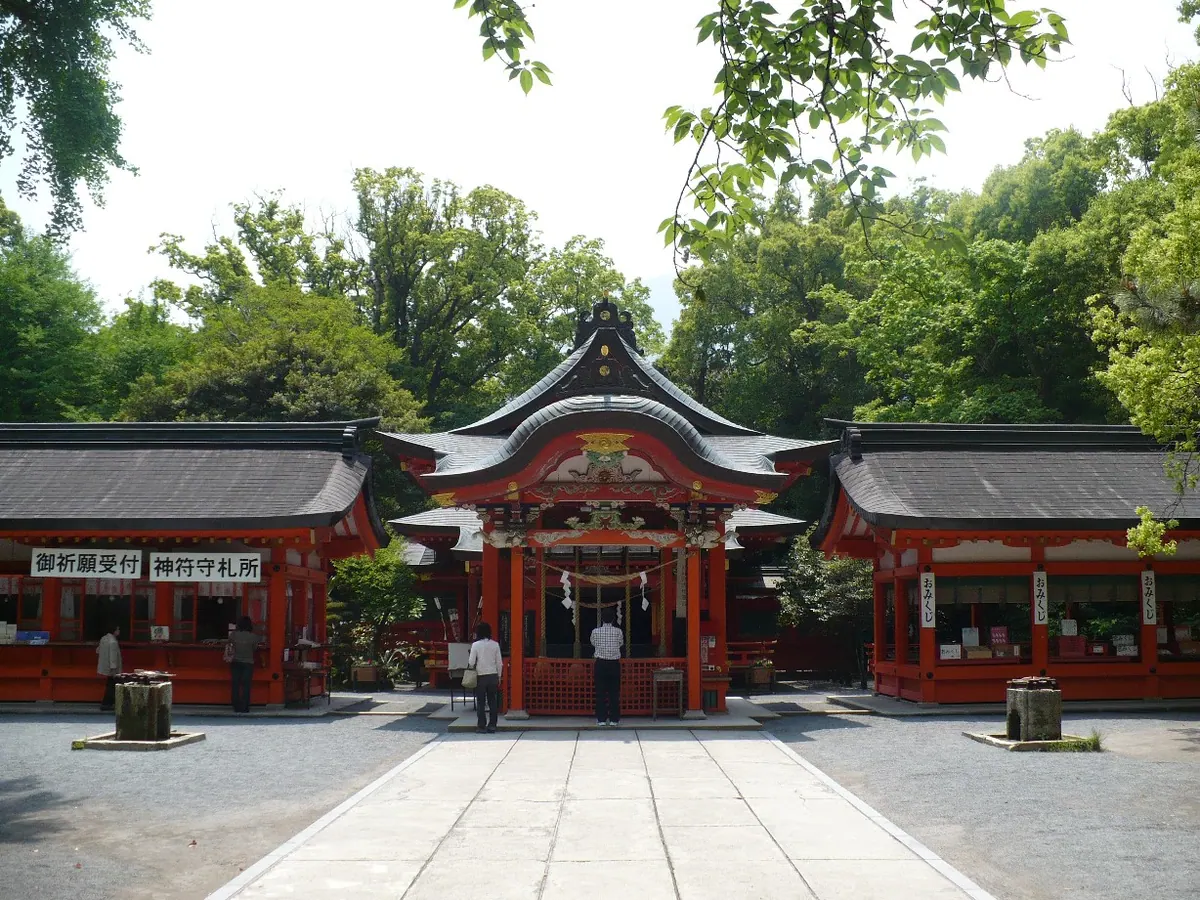
A historic shrine at the foot of Mount Kaimon, serving as the highest-ranking shrine of the former Satsuma Province.
What it is
- The highest-ranking shrine, or Ichinomiya, of the former Satsuma Province.
- Dedicated to the main deity Ohirume no Muchi no Mikoto.
- First mentioned in historical records in the year 860.
- Originally situated at the southern foot of Mount Kaimon before moving north.
What to see
- The main hall donated by Shimazu Yoshihiro in 1610 and renovated in 1787.
- A designated Tangible Cultural Property of Kagoshima within the shrine grounds.
- A nationally designated Important Cultural Property lacquer box housed on-site.
- The Okumiya shrine located at the summit of Mount Kaimon.
- Views of the surrounding landscape from the northern foot of the mountain.
Getting there
- Located near Kaimon Station on the Ibusuki Makurazaki Line.
02
Hachiman Shrine
KAGOSHIMA · SHRINE 八幡神社
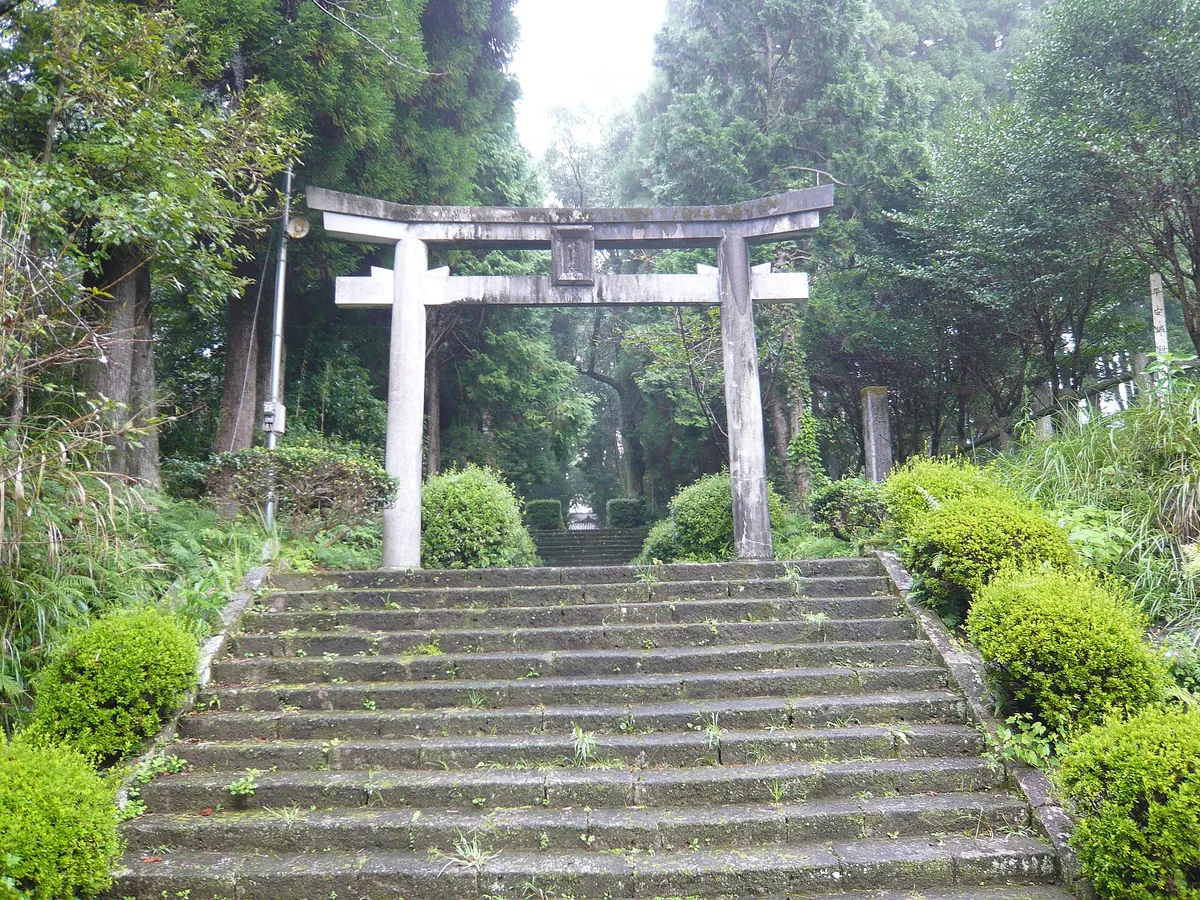
A historic shrine in Aira City featuring a 700-year-old ginkgo tree and rituals restored by the Shimazu clan.
What it is
- Founded around 1282 by Zenhoji Ryosei with spirits from Iwashimizu Hachiman Shrine.
- Dedicated to the enshrined deities Emperor Ojin and Empress Jingu.
- Formerly ranked as a district shrine also known as Nabekura Hachiman or Chosa Hachiman.
- Rituals were restored by Shimazu Yoshihiro after the Battle of Sekigahara.
What to see
- A massive ginkgo tree over 700 years old designated as a natural monument.
- Thirty-six immortal poets tablets donated by Shimazu Yoshihiro in 1604.
- Traditional architecture housing spirits from one of Japan's major Hachiman shrines.
When to go
- October 25 for the Hamahudari ritual, an intangible folk cultural property.
03
Wake Shrine
KAGOSHIMA · SHRINE 和気神社
Wake Shrine honors Wake no Kiyomaro, featuring unique boar statues and historical monuments.
What it is
- A Shinto shrine established in March 1946.
- Dedicated to the deity Wake no Kiyomaro.
What to see
- Boar statues stand in front of the worship hall.
- Live white boars named Ai-chan and Wake-chan.
- A pine tree planted by Shimazu Nariakira in 1853.
- Monument commemorates Sakamoto Ryoma and Oryo's visit.
- Inukai Falls can be viewed from the Takimidai.
When to go
- Annual festival is held on May 6th.
- Inoko Festival is on the third Sunday of November.
Getting there
- On the Kirishima-Ebino Plateau regular sightseeing bus route B.
- Address
- 鹿児島県霧島市牧園町宿窪田3986 Map
04
Hiramatsu Shrine
KAGOSHIMA · SHRINE 平松神社
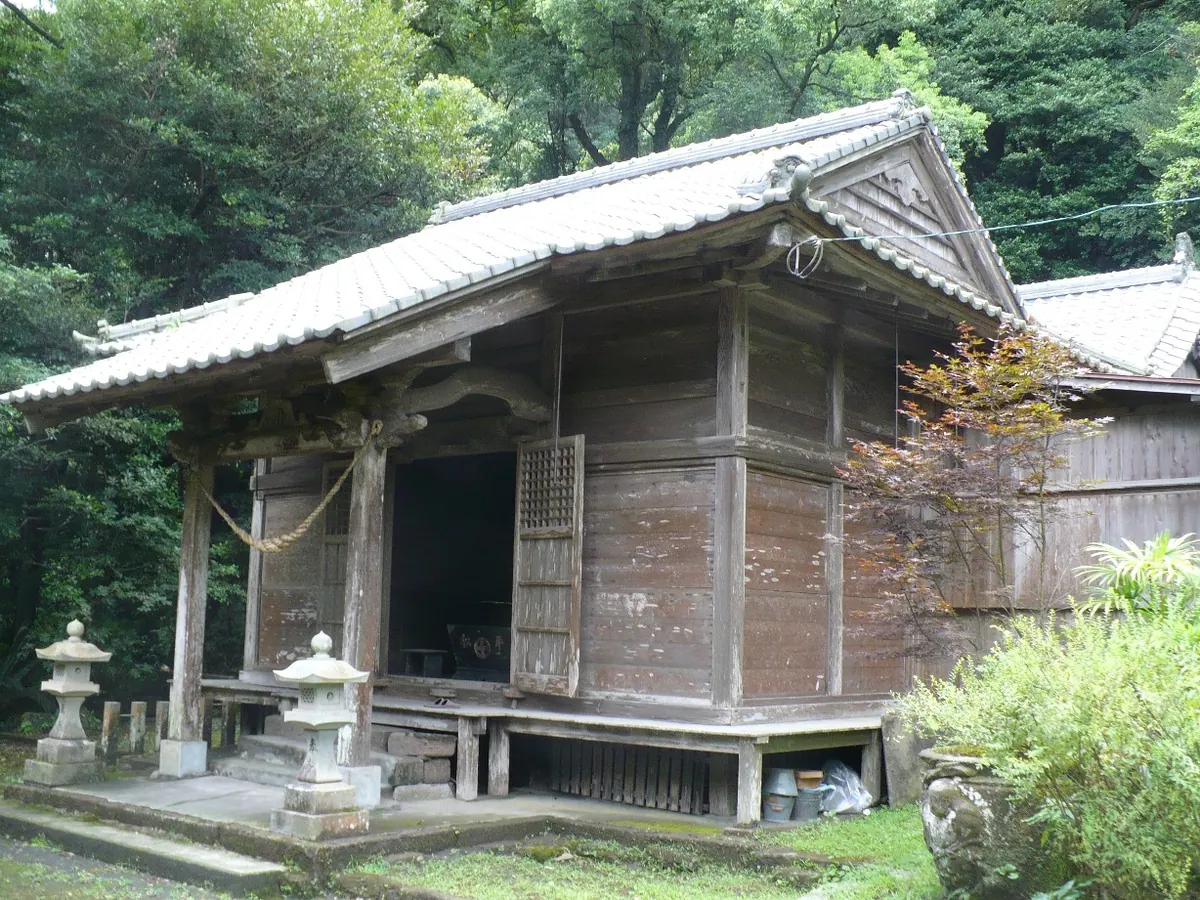
Hiramatsu Shrine offers a glimpse into local history, built on a former temple site.
What it is
- Built on the site of Shingaku-ji Temple.
- Shingaku-ji Temple was abolished in the early Meiji period.
- Shrine grounds are a Kagoshima City historic site.
What to see
- Adjacent cemetery has tombstones of Shimazu Toshihisa.
- Cemetery has tombstones of 27 retainers.
- Cemetery has tombstones of Shingaku-ji Temple priests.
- A statue of Osaki Kannon built by monk Mannen.
Getting there
- One-hour walk from Ryugamizu Station (JR Nippo Main Line).
- Five-minute walk north from the Hiramatsu bus stop.
- 20-minute drive from Kagoshima-Chuo Station.
- Address
- 鹿児島県鹿児島市吉野町10691 Map
05
Kasuga Shrine
KAGOSHIMA · SHRINE 春日神社
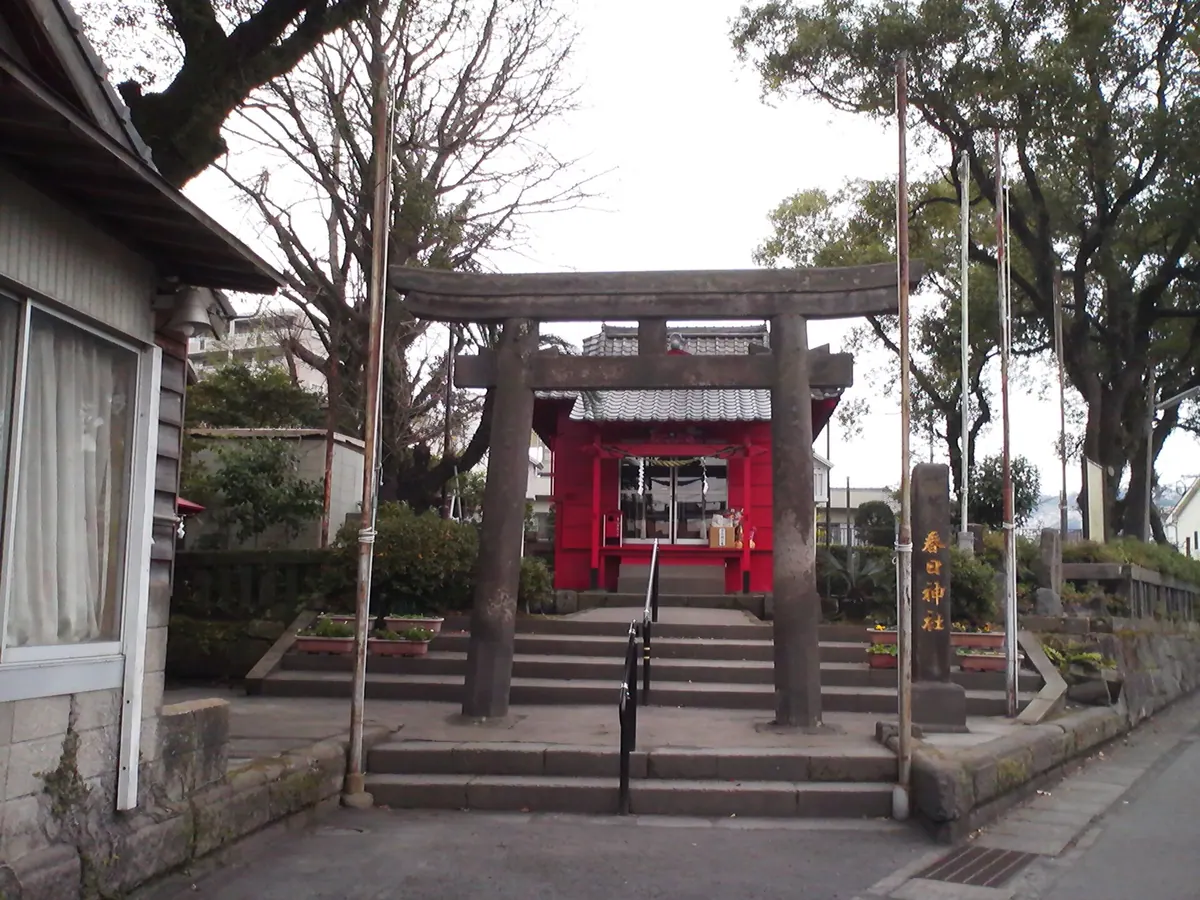
An 11th-century shrine in Kagoshima dedicated to the four Kasuga deities, originally serving as a guardian for Tofukuji Castle.
What it is
- Founded in 1053 by Haseba Naozumi, a descendant of Fujiwara no Sumitomo.
- The fourth shrine of the Kagoshima Gosha and part of the Kasuga Taisha lineage.
- Established as the guardian shrine for the now-abandoned Tofukuji Castle.
- The only Kagoshima Gosha shrine not founded by the Shimazu clan.
What to see
- The original site of a boat landing for the former castle.
- A historic shrine grounds designated as a district shrine in 1874.
Getting there
- Located 450 meters northeast of JR Kagoshima Station.
06
Takeda Shrine (Minamisatsuma)
KAGOSHIMA · SHRINE 竹田神社
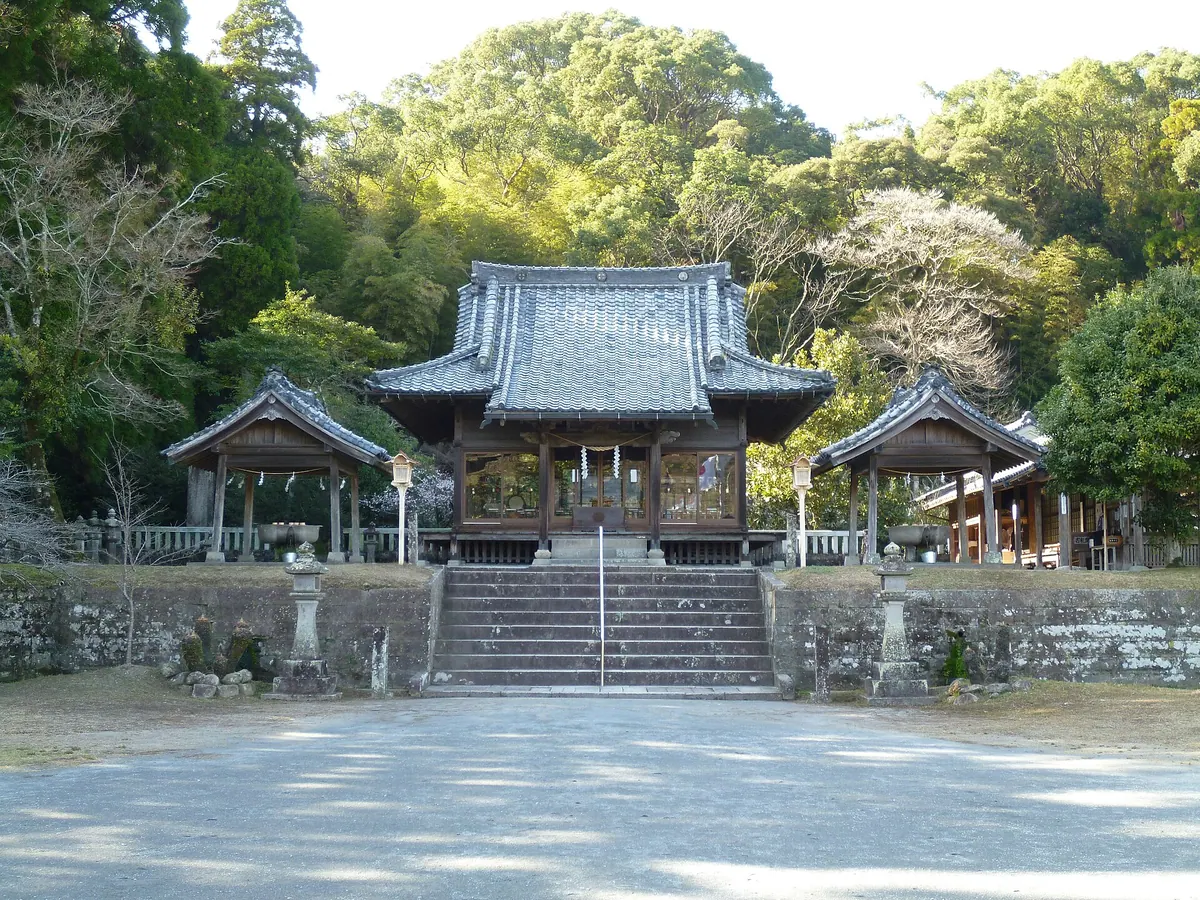
Takeda Shrine honors a Shimazu lord, offering historical monuments and a summer festival.
What it is
- Founded in January 1870 as a shrine.
- Originally a Buddhist temple, Nisshin-ji.
- Dedicated to Hishin Ireihiko no Mikoto (Shimazu Tadayoshi).
- Designated a prefectural shrine in 1928.
What to see
- Shrine building constructed by the Shimazu clan.
- Path lined with 47 stone monuments.
- Inumaki trees line the path.
- Graves of Shimazu Tadayoshi and Shimazu Naohisa.
- Suisha Karakuri and Samurai Dance are folk cultural properties.
When to go
- Rokugatsu-do festival is held annually on July 23.
- Address
- 鹿児島県南さつま市加世田武田17932 Map
07
Shiraki Shrine
KAGOSHIMA · SHRINE 白木神社
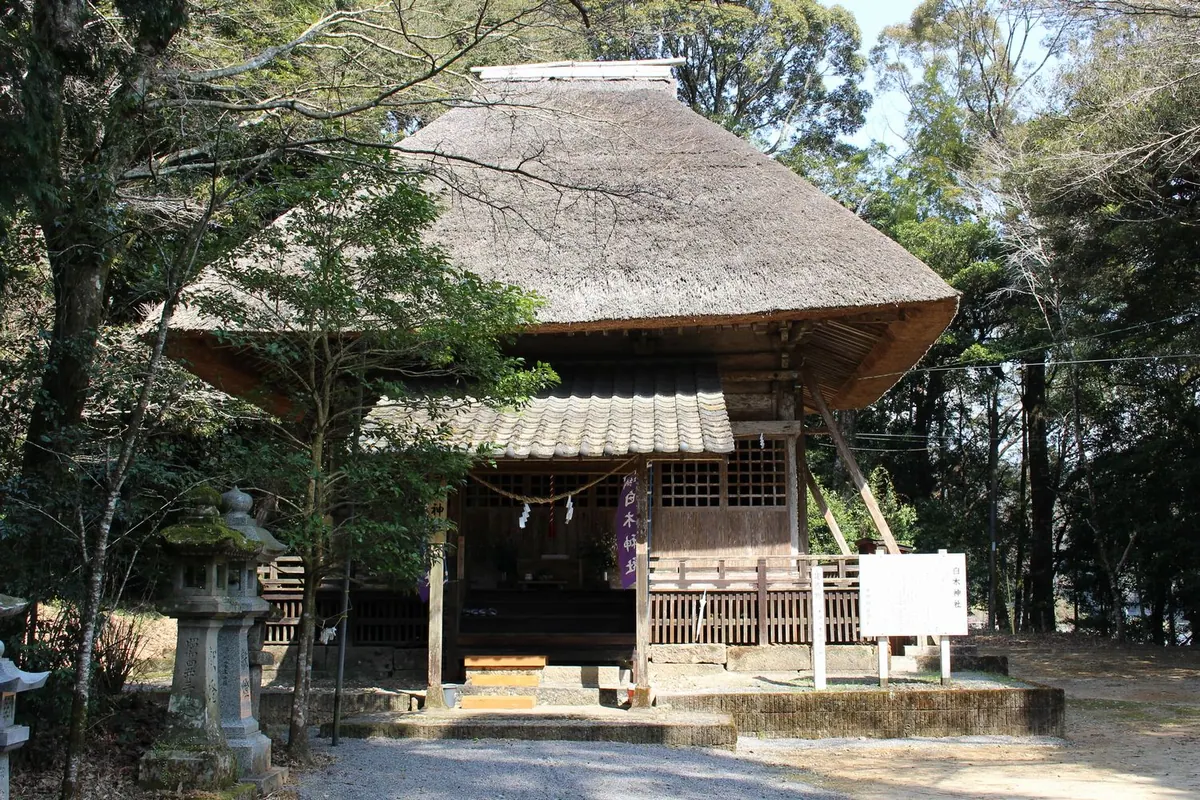
Shiraki Shrine is a historic site, preserving a 15th-century temple building and statue.
What it is
- A shrine dedicated to Shirakihime-no-mikoto.
- Originally a Buddhist temple, Shirakiyama Chōfukuji.
- Converted to a Shinto shrine in 1869.
- Conversion avoided destruction during Haibutsu kishaku.
What to see
- The main shrine building, originally the temple's Kannon-dō.
- The Kannon-dō, built in 1408, is a cultural property.
- It is a rare example of medieval Buddhist architecture.
- A wooden Kannon statue, designated cultural property.
- The Kannon statue is a yosegi-zukuri sculpture.
- Address
- 鹿児島県伊佐市大口白木813 Map
08
Arata Hachimangū
KAGOSHIMA · SHRINE 荒田八幡宮
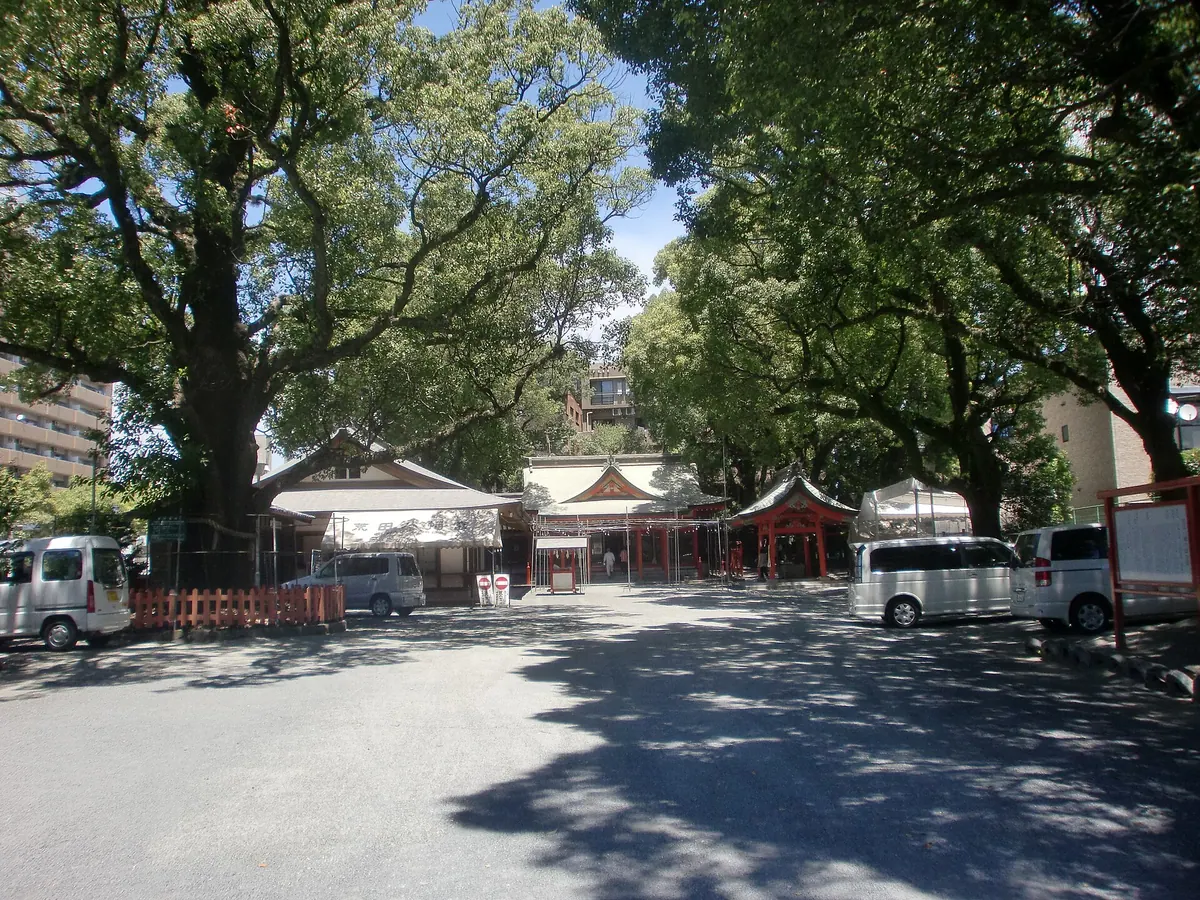
Arata Hachimangū is an ancient shrine in Kagoshima, offering unique spiritual protection and historical significance.
What it is
- A shrine in Kagoshima City, founded in 708.
- Enshrines Emperor Ōjin, Empress Jingū, and Tamayori-hime no Mikoto.
- Believed to offer protection from pit vipers.
- Once considered the general shrine of Kagoshima.
What to see
- Four guardian deity shrines around the main shrine.
- A camphor tree, designated as a preserved tree since 1974.
When to go
- Annual main festival is held on October 23rd.
- Hatsuuma festival is around January 25th of the lunar calendar.
- Address
- 鹿児島県鹿児島市下荒田2-7-21 Map
09
Kuroshima Shrine (Aira)
KAGOSHIMA · SHRINE 黒島神社
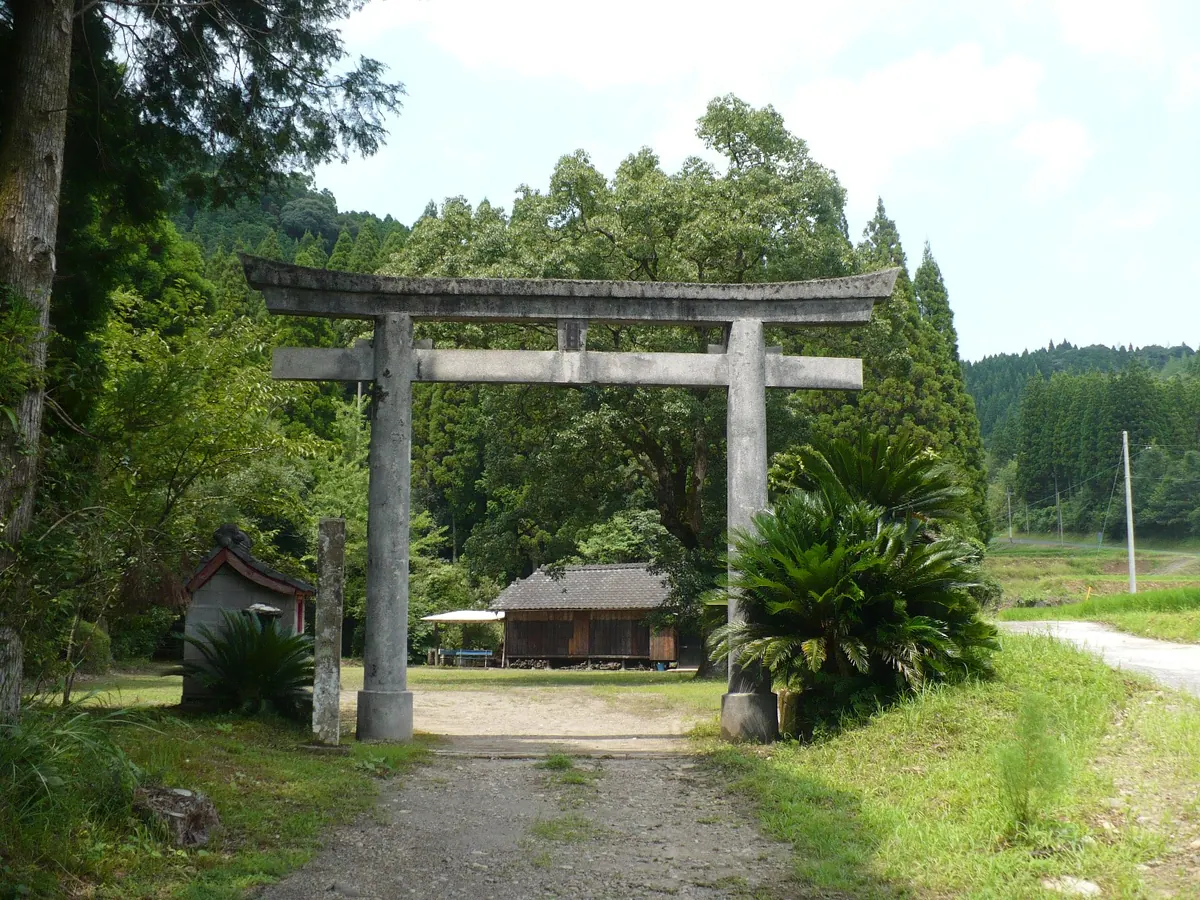
Kuroshima Shrine is a historic site with unique stone structures and ancient treasures.
What it is
- Shrine founded in 708 by Suzuki Saburo Masa and Shiro Masayoshi.
- Dedicated to Tagiruhime, Tagitsuhime, Oonamochinomikoto, Emperor Ojin, and Empress Jingu.
- Three other shrines merged into this one in early Meiji.
- Moved to its current location in 1913.
What to see
- Current shrine building dates from 1913.
- Stone lantern donated in 1718.
- Stone bridge completed in 1784 is a cultural property.
- Memorial tower built in 1814.
- Four swords and one armor are shrine treasures.
- Address
- 鹿児島県姶良市上名585 Map
10
Wakamiya Shrine
KAGOSHIMA · SHRINE 若宮神社
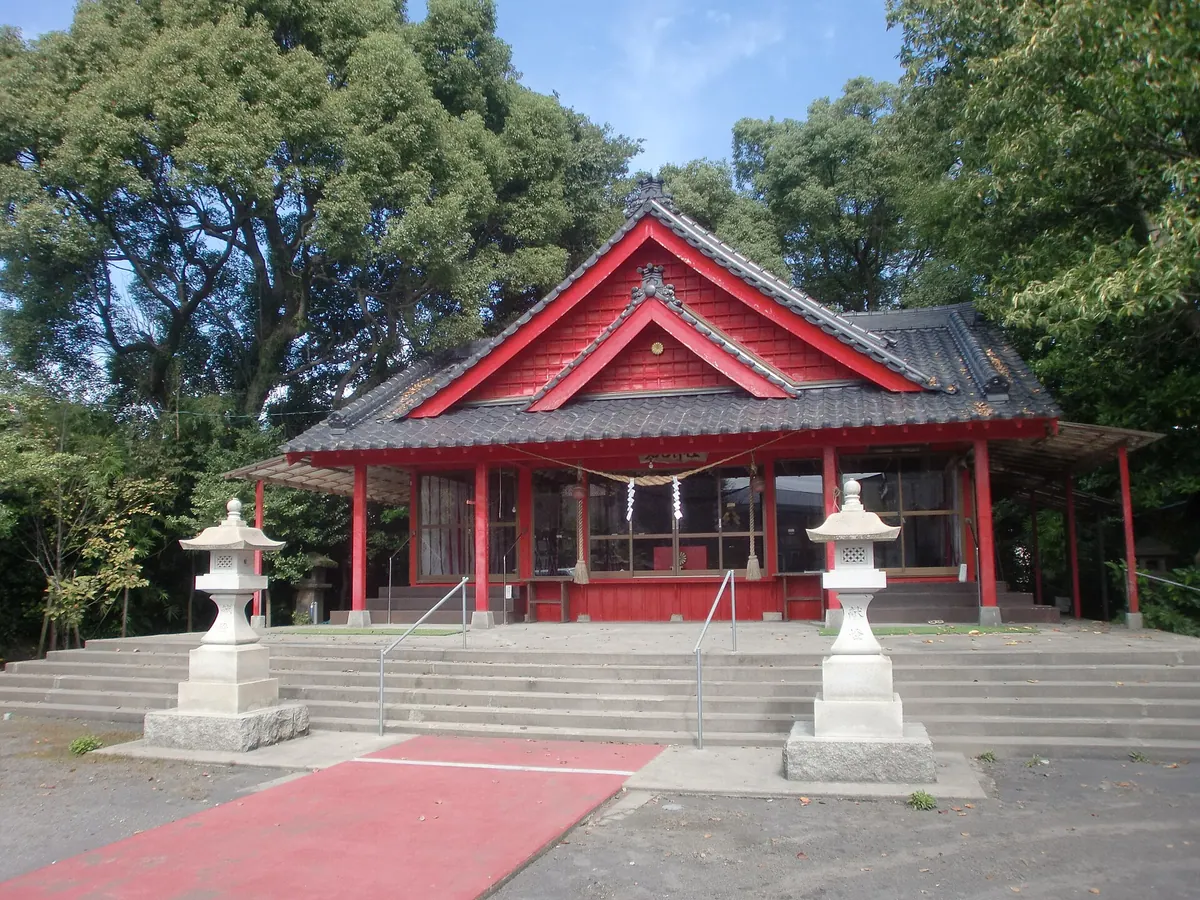
A historic shrine in Kagoshima City dedicated to ancient emperors and a guardian of the former Uchi Castle.
What it is
- The fifth of the five major shrines located in Kagoshima City.
- Dedicated to Emperor Ojin, Emperor Nintoku, and Empress Jingu.
- Established in the 14th century by the Shimazu clan.
- Served as the guardian deity for the historic Uchi Castle.
What to see
- Spirits invited from the famous Tsurugaoka Hachimangu in Kamakura.
- A Jomon period archaeological site discovered on the shrine grounds.
- Park redevelopment areas where excavations took place in 1998.
11
Toyotamahime Shrine
KAGOSHIMA · SHRINE 豊玉姫神社
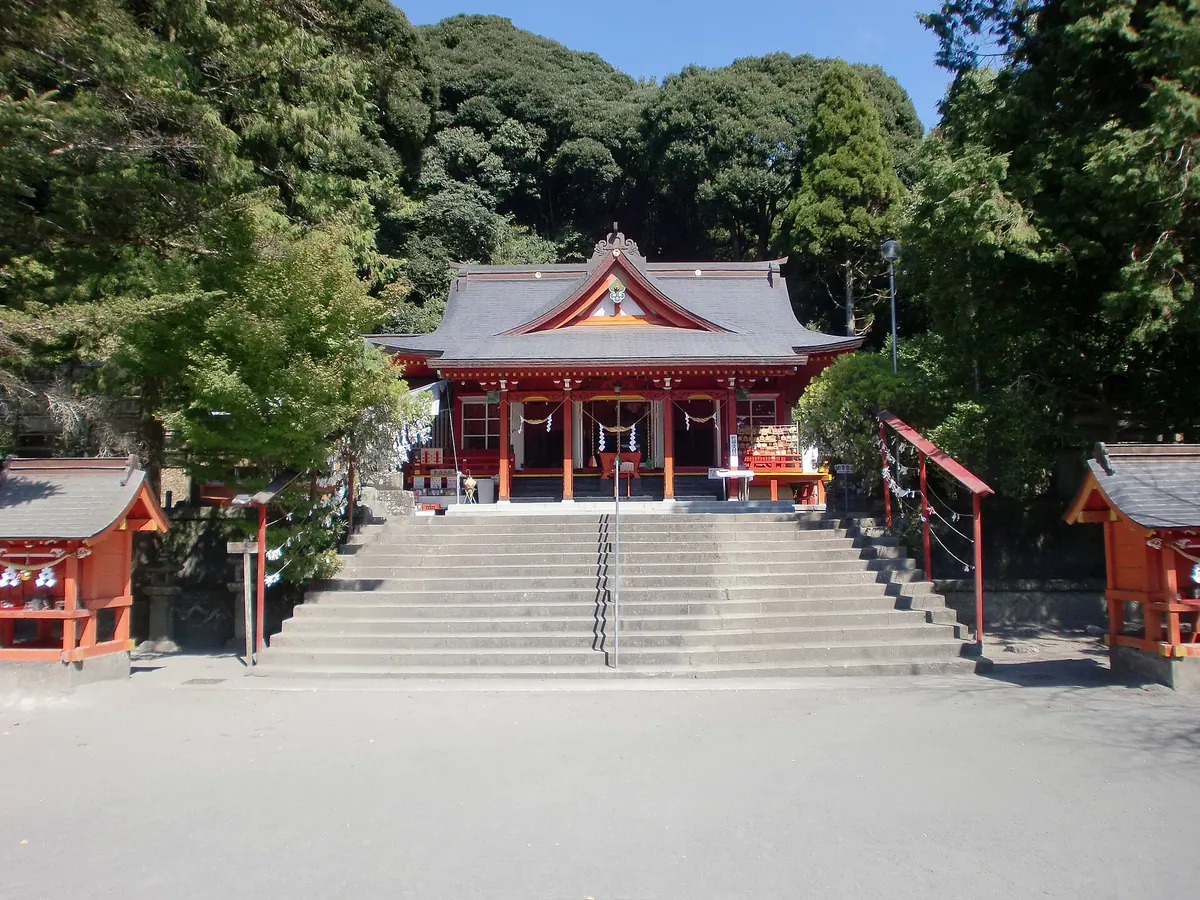
Visit this historic shrine to see sacred masks, votive tablets, and a unique waterwheel automaton.
What it is
- Shrine dedicated to Toyotamahime-no-Mikoto.
- Also enshrines Toyotamahiko-no-Mikoto and Tamayorihime-no-Mikoto.
- Relocated to its current site in 1610.
- Designated a Prefectural Shrine in 1941.
What to see
- Thirty sacred dance masks are stored here.
- Votive tablets from past feudal lords are kept.
- A waterwheel automaton is a national folk cultural property.
When to go
- See the waterwheel automaton during the Rokugatsu-do festival.
- Address
- 鹿児島県南九州市知覧町郡16510 Map
- Official site
- toyotamahime-jinja.or.jp
12
Haragosha Shrine
KAGOSHIMA · SHRINE 腹五社神社
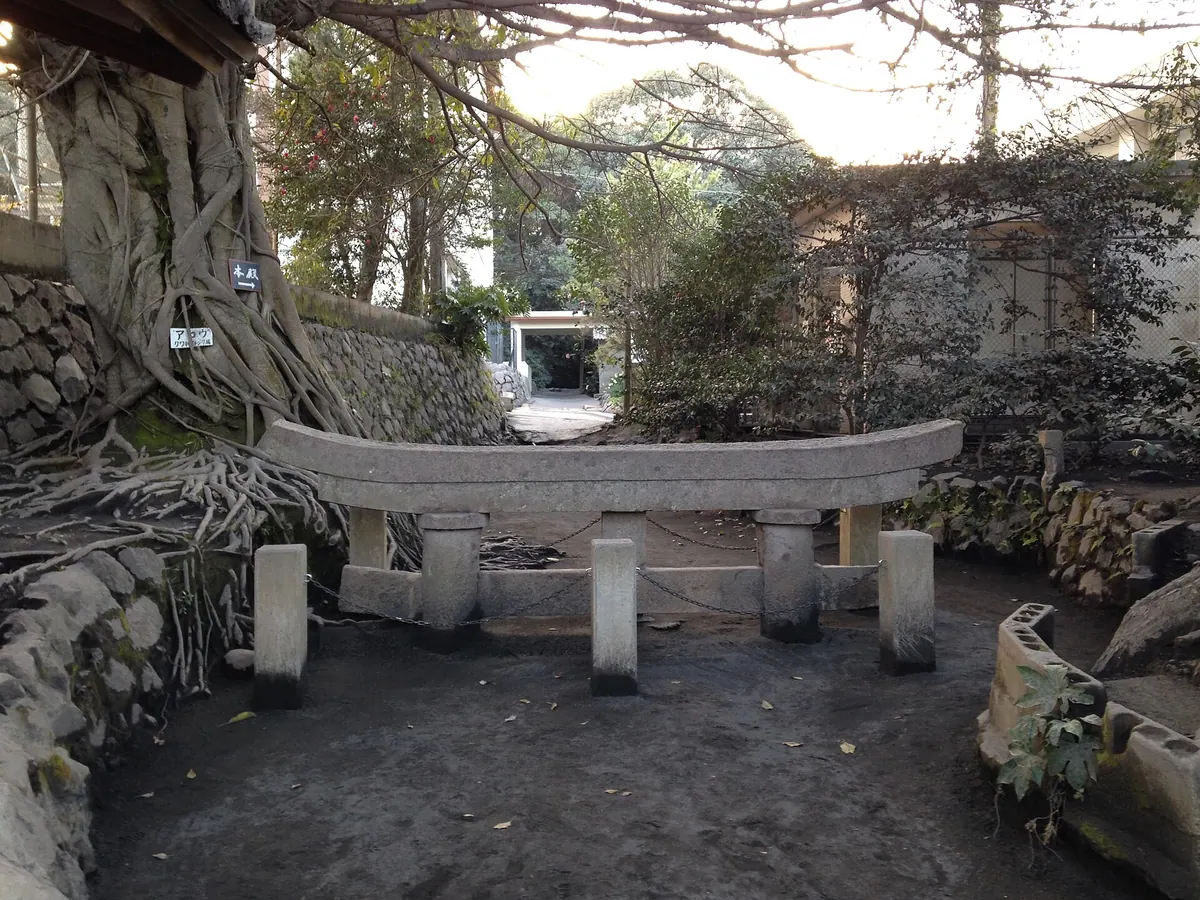
See a unique torii gate, buried by a volcanic eruption, preserved as a natural monument.
What it is
- Haragosha Shrine, formerly Gosha Daimyojin.
- Features a torii gate buried by volcanic ejecta.
- The buried torii is a Kagoshima Prefectural Natural Monument.
What to see
- The Kurokami Maibotsu Torii, a buried gate.
- Torii is part of the Sakurajima-Kinkowan Geopark.
- Original torii was 3 meters tall, 2 meters are buried.
- Torii is made of plagioclase rhyolite rock columns.
Getting there
- About a 30-minute drive from Sakurajima Port.
- Address
- 鹿児島県鹿児島市黒神町647番地 Map
13
Anraku Yamamiya Shrine
KAGOSHIMA · SHRINE 安楽山宮神社
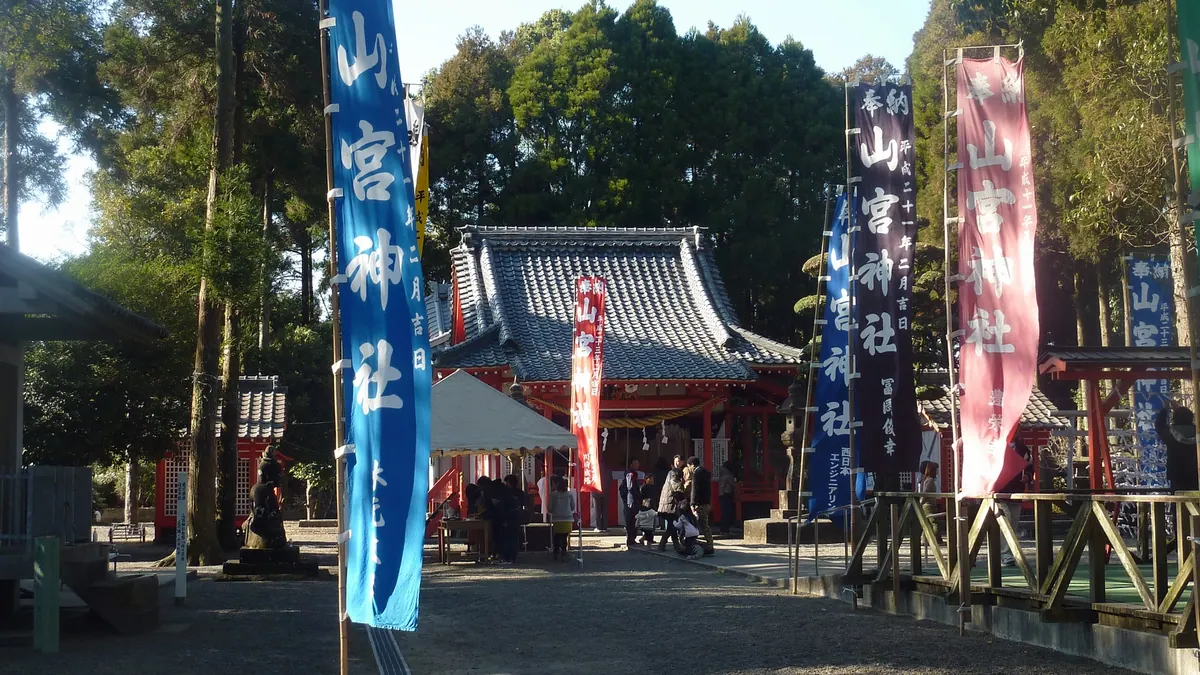
Ancient shrine in Kagoshima with unique treasures and a giant camphor tree.
What it is
- Officially named Yamamiya Shrine.
- Founded in 709 AD.
- Enshrines Emperor Tenji, Emperor Jito, and Tamayori-hime.
- Merged with six nearby shrines in 807 AD.
What to see
- Many treasures, including items from the Heian period.
- A 23.6m tall camphor tree, a national natural monument.
- 100 bronze mirrors, one an important cultural property.
- Noh masks and Kagura masks.
When to go
- Spring festival is on the second Saturday of February.
- Address
- 鹿児島県志布志市志布志町安楽1520 Map
14
Kamō Hachiman Shrine, Aira
KAGOSHIMA · SHRINE 蒲生八幡神社
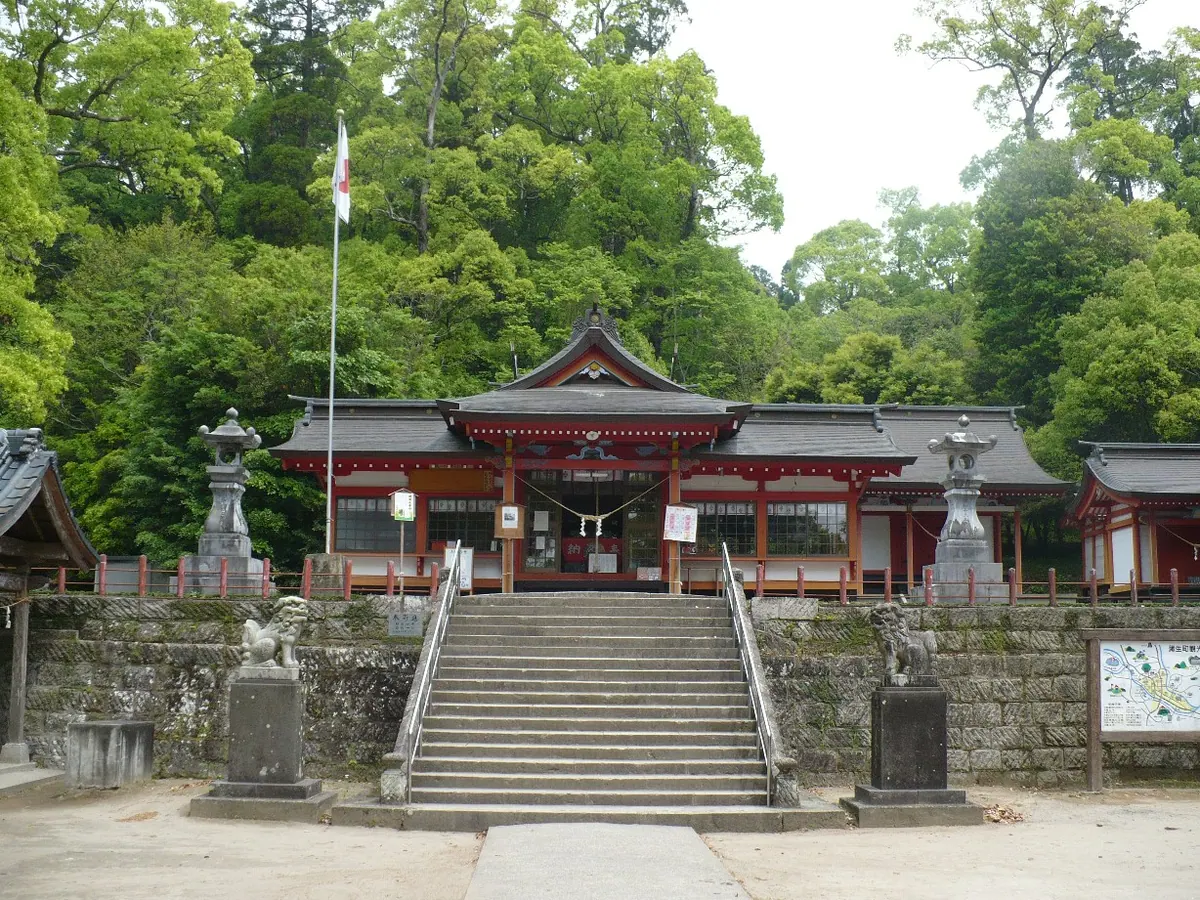
Kamō Hachiman Shrine is a historic site with a 1,600-year-old camphor tree and ancient mirrors.
What it is
- A Shinto shrine in Aira City, Kagoshima Prefecture.
- Founded in 1123 by Chikakiyo, first head of the Kamō clan.
- Dedicated to Hachiman Sanjin: three emperors and an empress.
What to see
- A 1,600-year-old camphor tree, a Special Natural Monument.
- A bronze mirror with autumn grass and two sparrows design.
- This bronze mirror is an Important Cultural Property.
- The shrine holds 116 other bronze mirrors.
- A torii gate and plaque dedicated in 1618.
- Address
- 鹿児島県姶良市蒲生町上久徳2259-1 Map
15
Ibusuki Shrine
KAGOSHIMA · SHRINE 揖宿神社
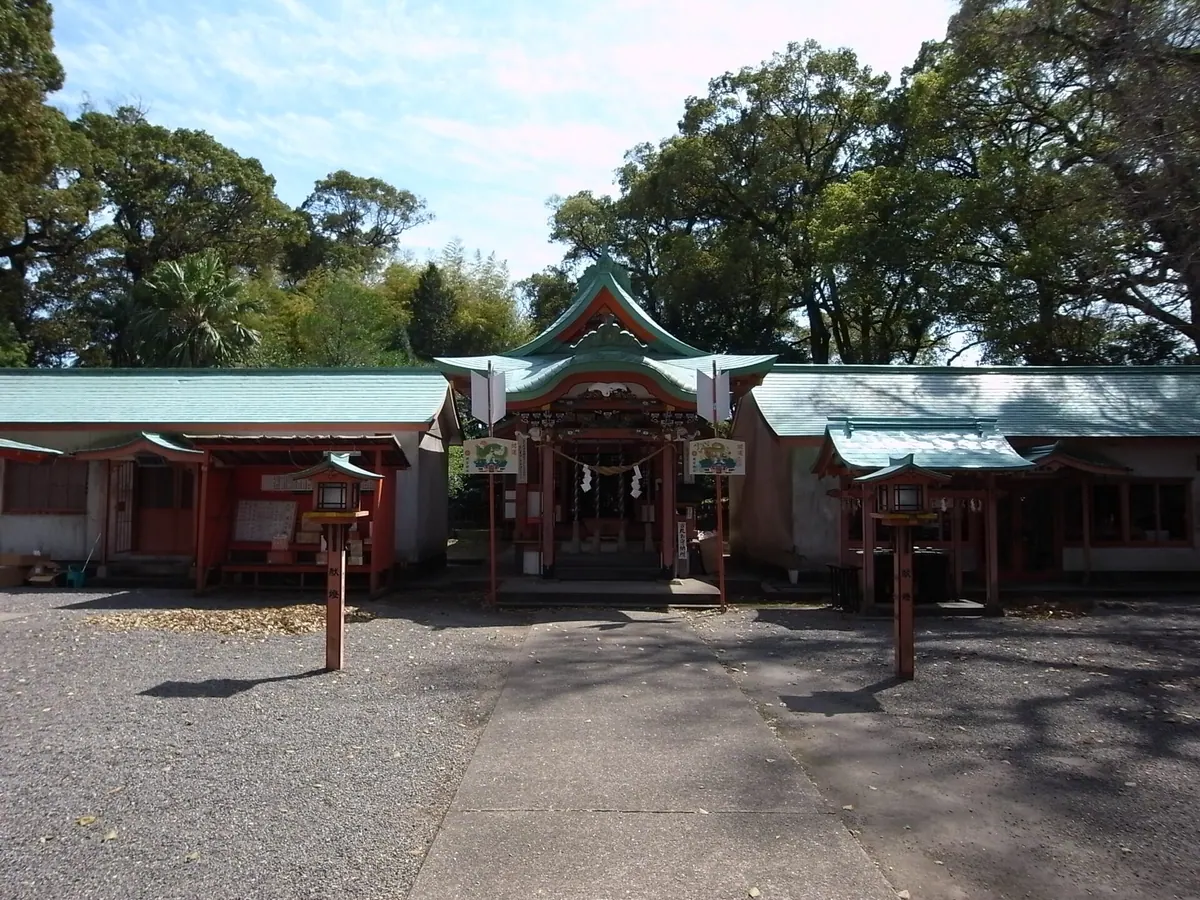
Ibusuki Shrine is a historic site with unique camphor wood buildings and cultural properties.
What it is
- Founded in 706 as Katsuragi-no-miya.
- Renamed Ibusuki Shrine during the Meiji period.
- Current main hall built in 1847 by Shimazu Narioki.
What to see
- Shrine buildings made entirely of camphor wood.
- Stone torii made by Iwanaga Sangoro.
- Main hall, dance hall, worship hall, and chokushiden.
- Three Noh masks are a prefectural cultural property.
- Shrine forest is a prefectural natural monument.
- Hackberry tree is a city folk cultural property.
- Address
- 〒891-0304 鹿児島県指宿市東方733番地 Map
- Official site
- ibusukijinsha.com
16
Miyauragū
KAGOSHIMA · SHRINE 宮浦宮
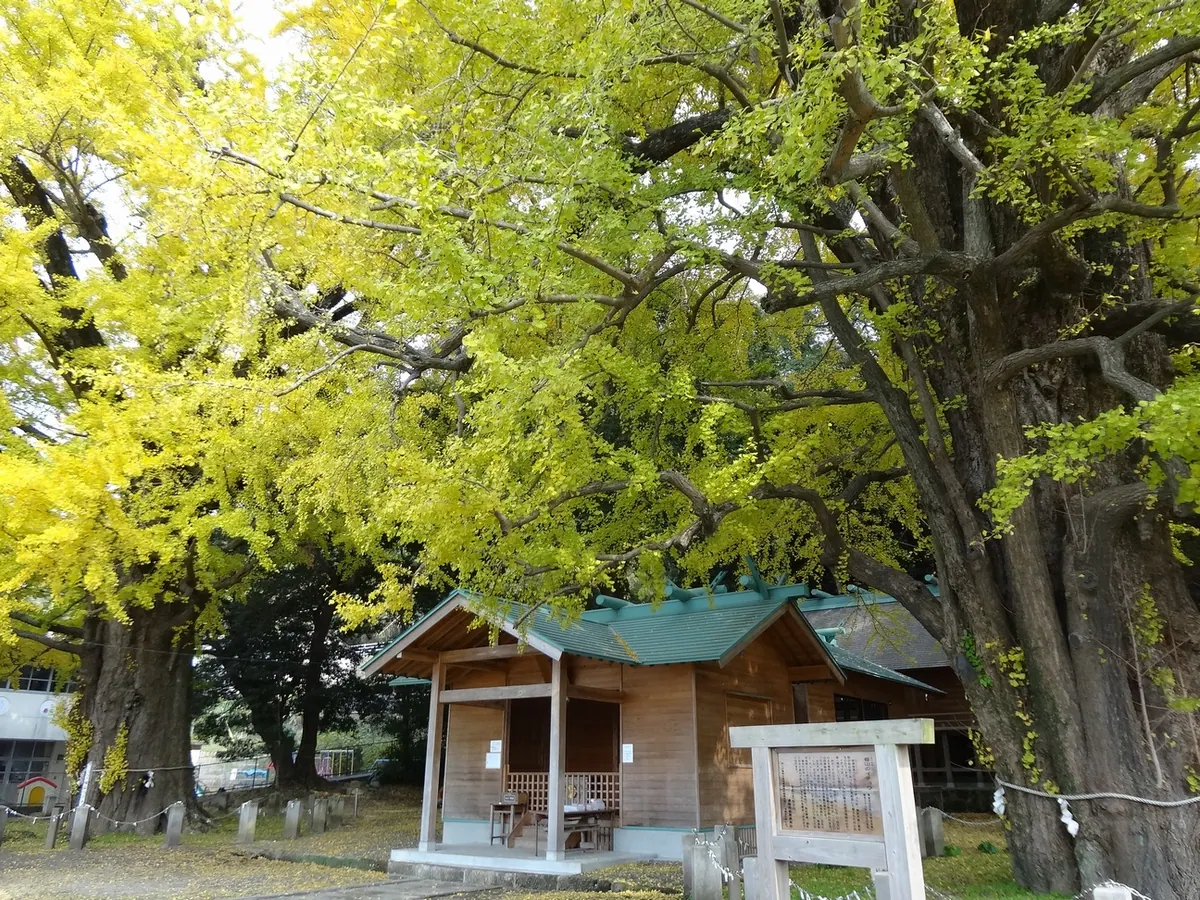
Miyauragu is a historic shrine in Kirishima City, known for its ancient ginkgo trees and bay views.
What it is
- A shrine in Kirishima City, Kagoshima Prefecture.
- One of five Shikinaisha shrines in Osumi Province.
- Enshrines Emperor Jimmu and 17 other deities.
- Designated a prefectural shrine in 1873.
What to see
- The main hall, built in the Shinmei-zukuri style.
- Two large ginkgo trees, called "Meoto Icho."
- Both ginkgo trees are over 1,000 years old.
- The ginkgo trees are a prefectural natural monument.
- Views of Sakurajima across Kagoshima Bay.
- Address
- 鹿児島県霧島市福山町福山2437 Map
17
Tokushige Shrine
KAGOSHIMA · SHRINE 徳重神社
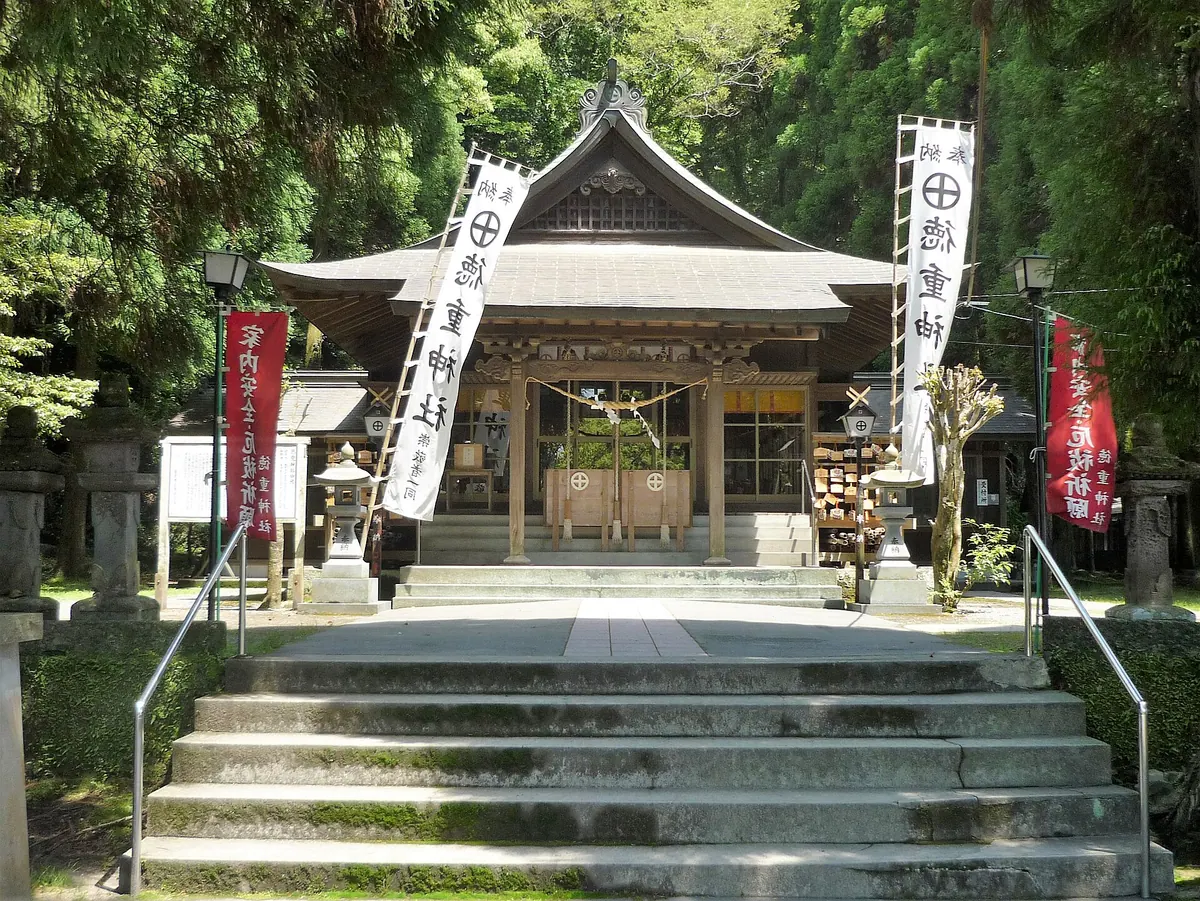
Tokushige Shrine honors a samurai lord, offering a glimpse into local history and culture.
What it is
- Founded in 1871.
- Dedicated to Shimazu Yoshihiro, a samurai lord.
- Built on the former site of Myoenji Temple.
What to see
- Main hall is behind the torii gate.
- Wooden statue of Yoshihiro is a sacred object.
- Sumo wrestling ring is on the grounds.
- Archery range is on the grounds.
- Funami no Gaku is a designated cultural property.
When to go
- Myoenji Mairi pilgrimage is on the fourth Sunday of October.
- Address
- 鹿児島県日置市伊集院町徳重1786 Map
18
Ōnamuchi Shrine
KAGOSHIMA · SHRINE 大汝牟遅神社
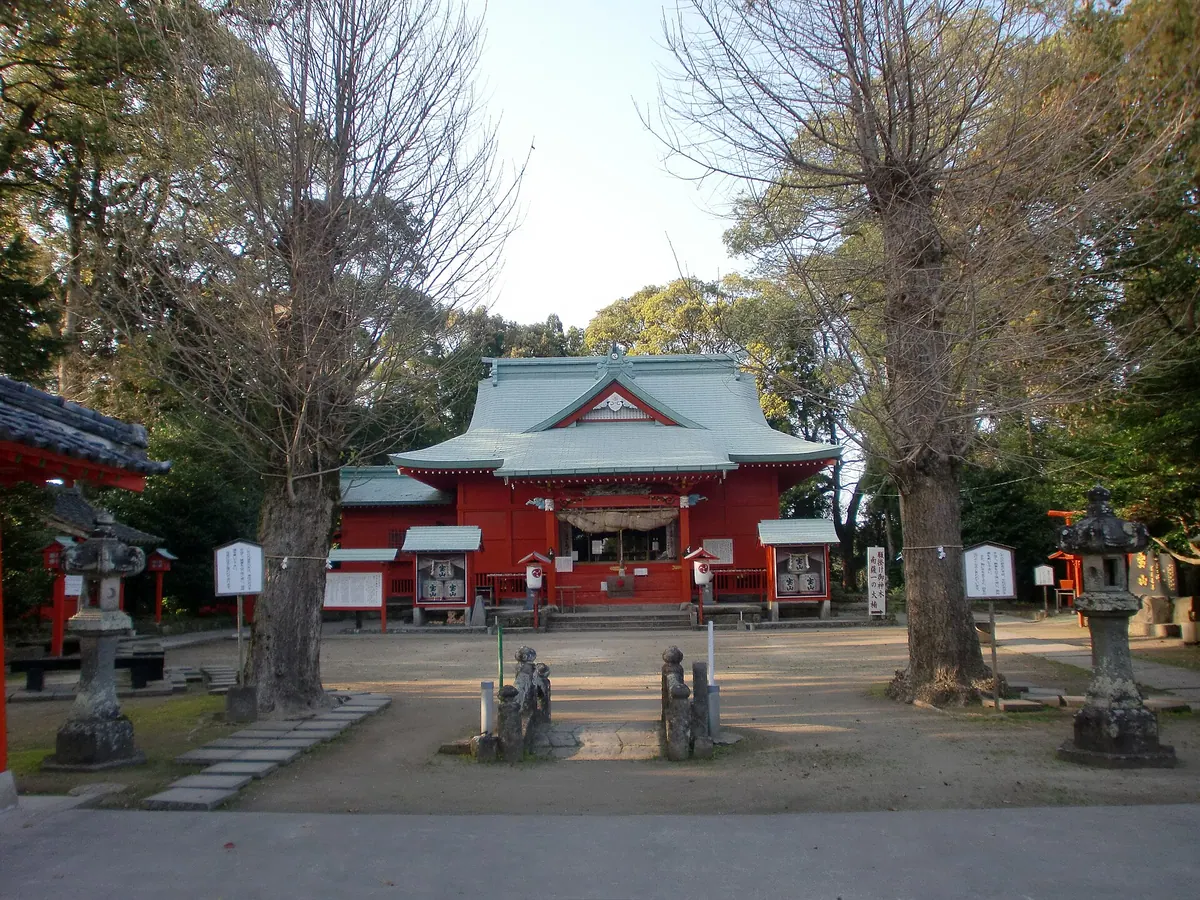
Ōnamuchi Shrine is a historic site with ancient camphor trees and a unique Yabusame ritual.
What it is
- Shrine dedicated to Ōnamuchi-no-kami and imperial figures.
- Also enshrines two other deities.
- Shimazu Tadahisa invited Hachiman-jin in 1186.
- Origin of the shrine is unclear.
What to see
- Approach lined with many large camphor trees.
- Camphor trees are called 'Senbon-Kusunoki'.
- Kunimi-ishi stone where Ninigi-no-Mikoto viewed the land.
When to go
- Yabusame ritual is held on November 23.
- Address
- 鹿児島県日置市吹上町中原2263 Map
19
Yaku Shrine
KAGOSHIMA · SHRINE 益救神社
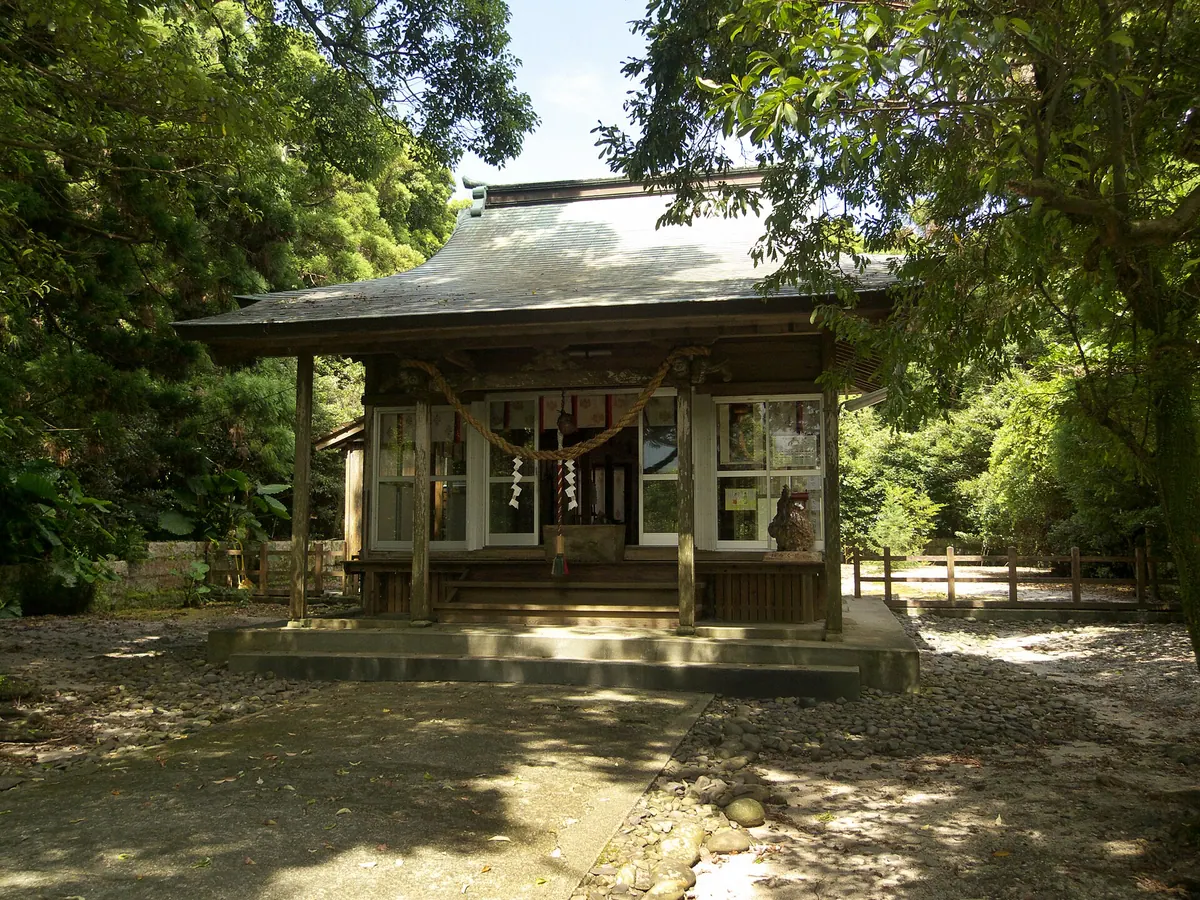
Yaku Shrine, on Kyushu's tallest peak, honors Japan's imperial ancestor and features ancient statues.
What it is
- Official shrine listed in a tenth-century register.
- Dedicated to Hikohohodemi no Mikoto (Yamasachihiko).
- Deity is great-grandson of Amaterasu Omikami.
What to see
- Two tuff-stone statues of the Nio kings, dating to 1831.
- Inner sanctuary among boulders on Mt. Miyanoura summit.
- Mt. Miyanoura is Kyushu's tallest peak at 1,936 meters.
When to go
- Annual festival held on April 29.
- Address
- 鹿児島県熊毛郡屋久島町宮之浦277 Map
- Official site
- www.yakujinja.com
20
Kirishima Jingū
KAGOSHIMA · SHRINE 霧島神宮
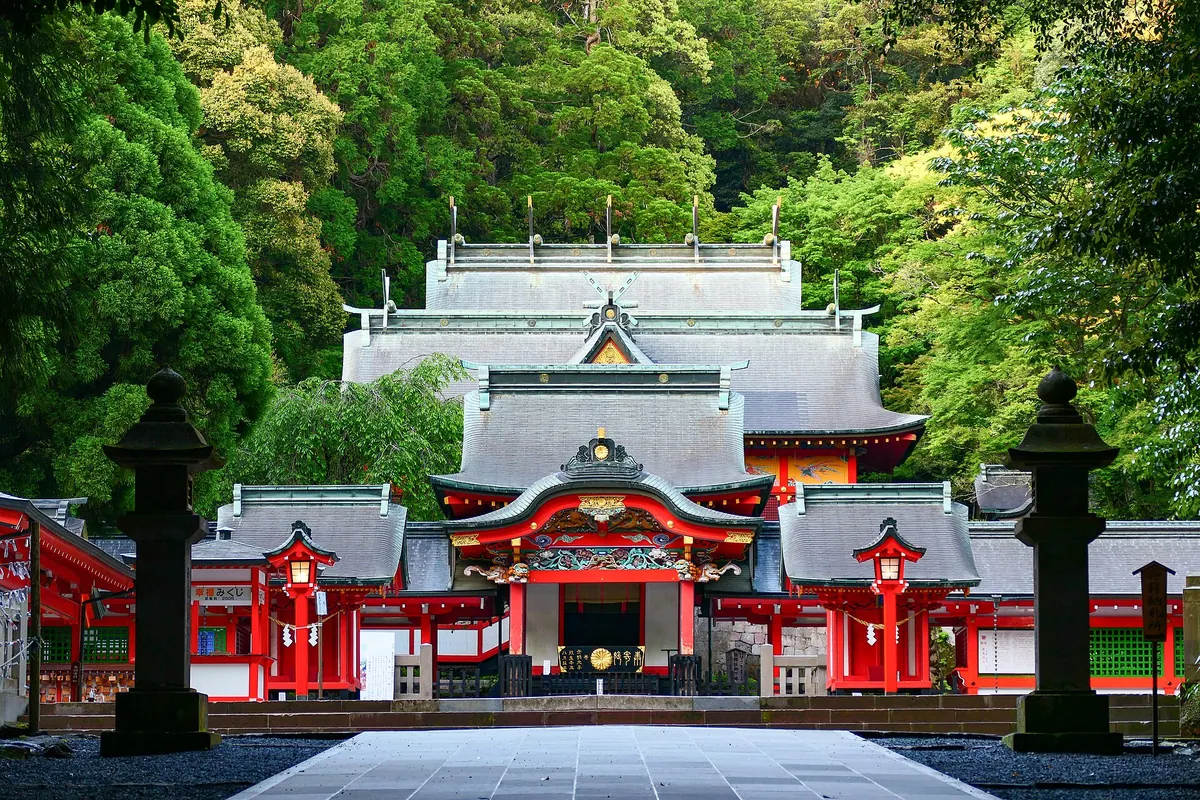
Kirishima Jingu is a historic shrine with National Treasure buildings, offering a glimpse into Japan's spiritual heritage.
What it is
- A shrine in Kirishima City, Kagoshima Prefecture.
- Founded in the 6th century by the monk Keiin.
- Current buildings rebuilt in 1715 by Shimazu Yoshitaka.
- Designated Kanpei Taisha in February 1874.
What to see
- Main hall, offering hall, and worship hall are National Treasures.
- Sacred cedar tree is estimated to be 800 years old.
When to go
- Shrine holds about 100 annual rituals.
- Address
- 宮崎県小林市細野 Map
- Official site
- www.kirishimajingu.or.jp