

20 Temples in Miyagi worth your time
Japan Gems
Miyagi Prefecture offers 57 temples, including the historic Mutsu Kokubun-ji Temple and the scenic Godai-dō. Visitors can find a mix of spiritual sites and cultural landmarks.
Miyagi has 61 temples on Japan Gems. Below are the 20 we can tell you the most about — each one written up in English from Japanese sources, with what to see and how to get there. See all temples in Miyagi.
01
Dainen-ji Temple
MIYAGI · TEMPLE 大年寺
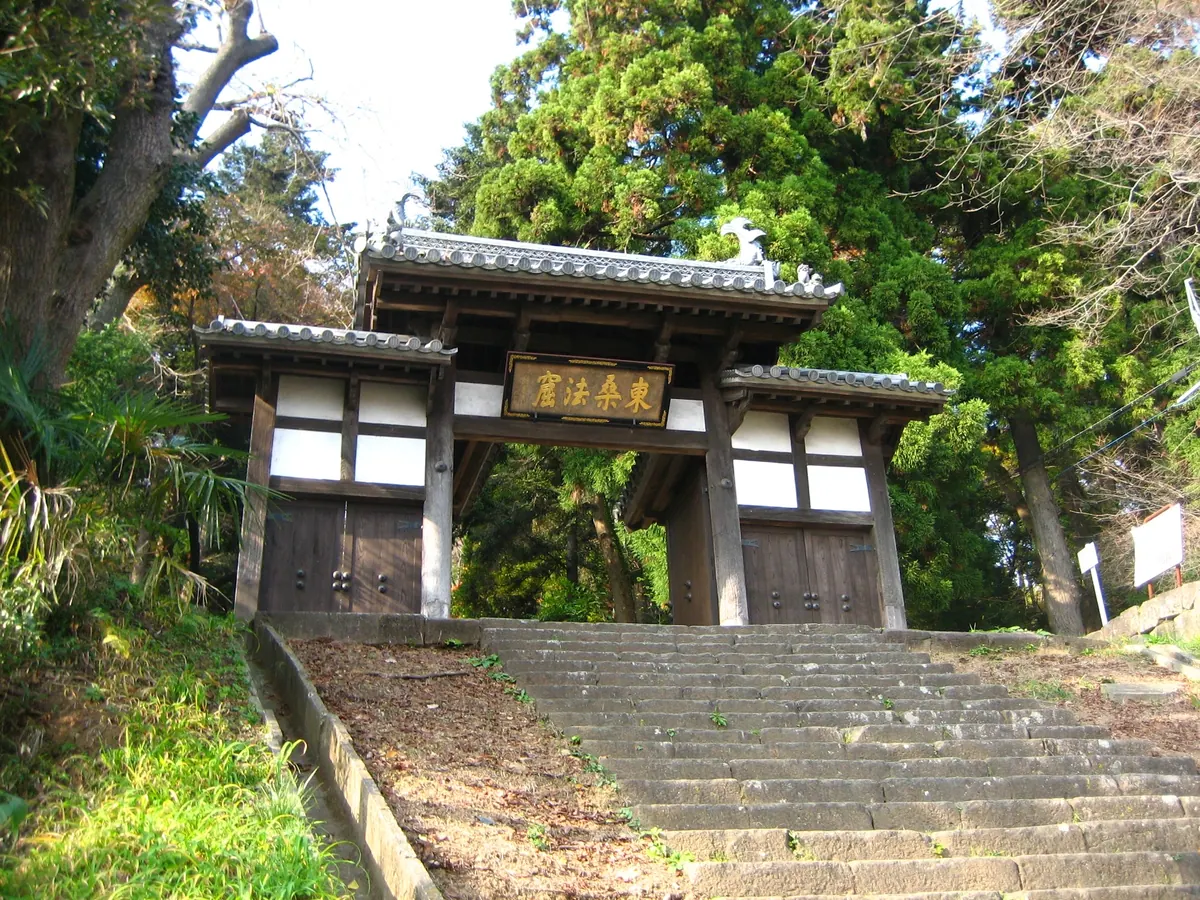
This park offers walking paths, historic graves, and scenic views of mountains, plains, and Sendai.
What it is
- Temple built in the late seventeenth century.
- Served as the Date family temple until mid-nineteenth century.
- Commissioned by Sendai’s fourth daimyo, Date Tsunamura.
- Located in Dainenjiyama Park.
What to see
- Somon Gate, main gate with tiled, gabled roof.
- Somon Gate is a Tangible Cultural Property of Sendai.
- Graves of several generations of the Date family.
- Observation areas with scenic views of mountains, plains, downtown.
- Sendai Wild Plants Garden with ponds, wetlands, trails.
- Statue garden within the botanical garden.
When to go
- April for cherry trees blooming in front of the gate.
- April for Mizubasho (skunk cabbage) near ponds.
- Early summer for irises in the botanical garden.
- October for kikyo (balloon flowers) in the botanical garden.
- Address
- 宮城県仙台市太白区門前町3番22号 Map
02
Entsū-in Temple
MIYAGI · TEMPLE 円通院
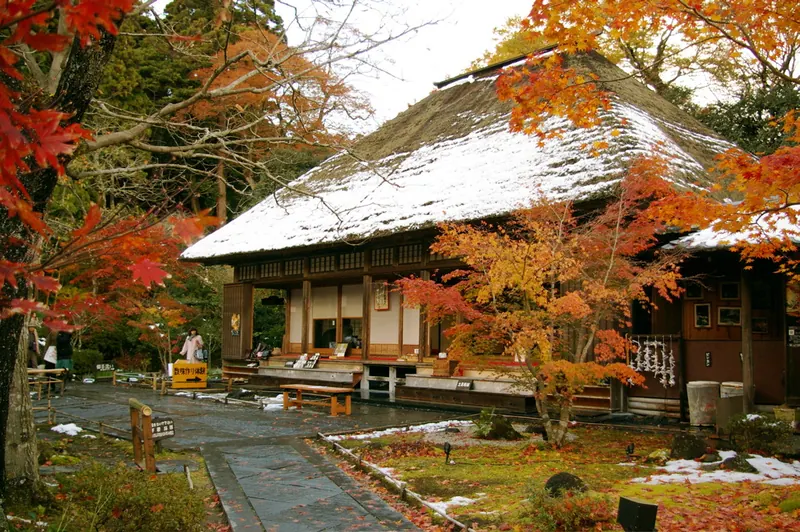
This temple honors Date Mitsumune, offering a look into the Date family's private life and interests.
What it is
- Small temple next to Zuiganji Temple.
- Founded in 1647.
- Honors Date Mitsumune, grandson of Date Masamune.
What to see
- Rock garden resembling Matsushima Bay islands.
- Stone stairway to Mitsumune’s grave, the Sankeiden.
- Sankeiden is an Important Cultural Property.
- Altar with wooden statue of Mitsumune on horseback.
- Altar paintings show roses, spades, clover, crosses.
- Daihitei, the temple’s main hall, moved from Edo.
When to go
- Autumn for maple leaves.
- Throughout the year for various flowers.
- Rose garden inspired by tomb paintings.
- Address
- 〒981-0213 宮城県松島町松島字町内67 Map
- Official site
- www.entuuin.or.jp
03
Sendai Daikannon Temple
MIYAGI · TEMPLE 大観密寺
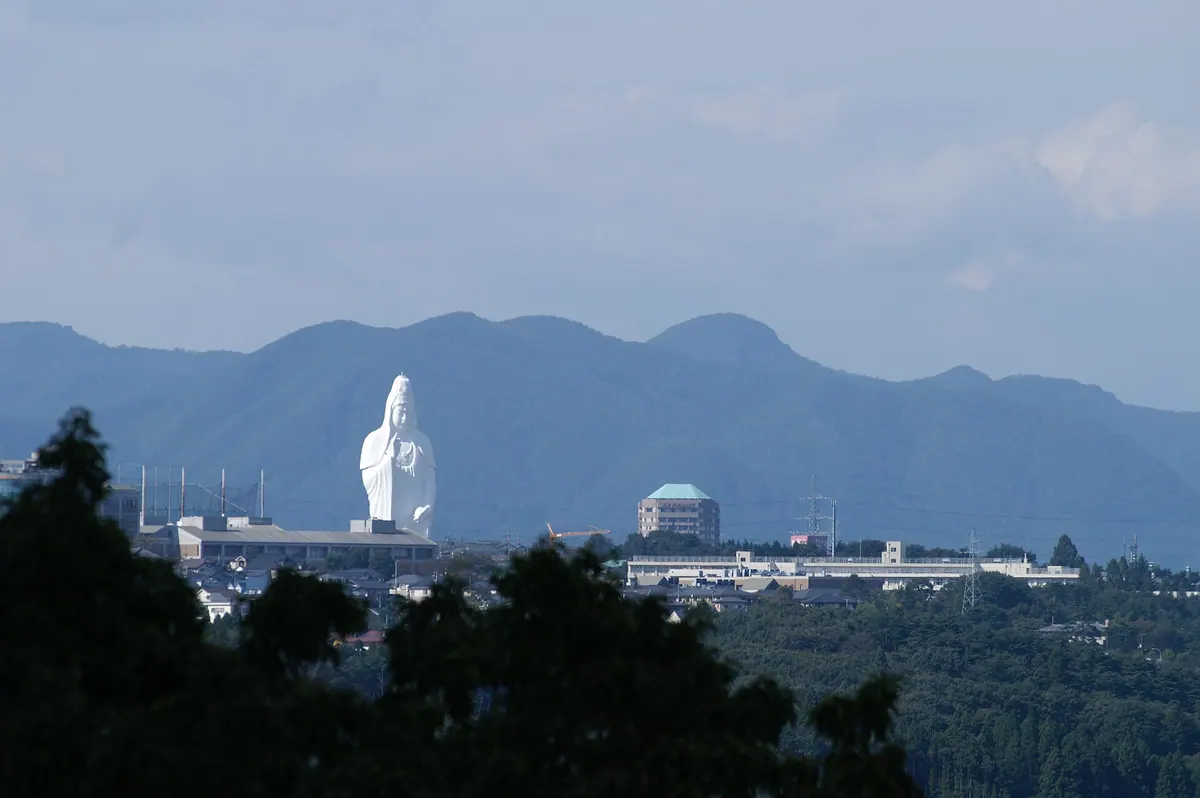
See a 100-meter-tall Kannon statue with an elevator inside, offering unique views and statues.
What it is
- A Shingon Chisan sect esoteric Buddhist temple.
- Its grand head temple is Chishaku-in in Kyoto.
- Widely known for the 100-meter-tall Sendai Daikannon.
- The Kannon statue was completed on September 1, 1991.
What to see
- The 100-meter-tall Kannon statue, including its base.
- The Kannon faces Sendai Station, 7 kilometers away.
- Entrance to the interior is shaped like a dragon's mouth.
- Interior has 12 layers and a 60-meter-long atrium.
- Inside are 33 Kannon, 12 divine generals, 108 Buddhist statues.
- An elevator accesses the 12th layer inside the Kannon.
- Address
- 宮城県仙台市泉区実沢字中山南31番地の36 Map
- Official site
- www.daikannon.com
04
Zuigan-ji Temple
MIYAGI · TEMPLE 瑞巌寺
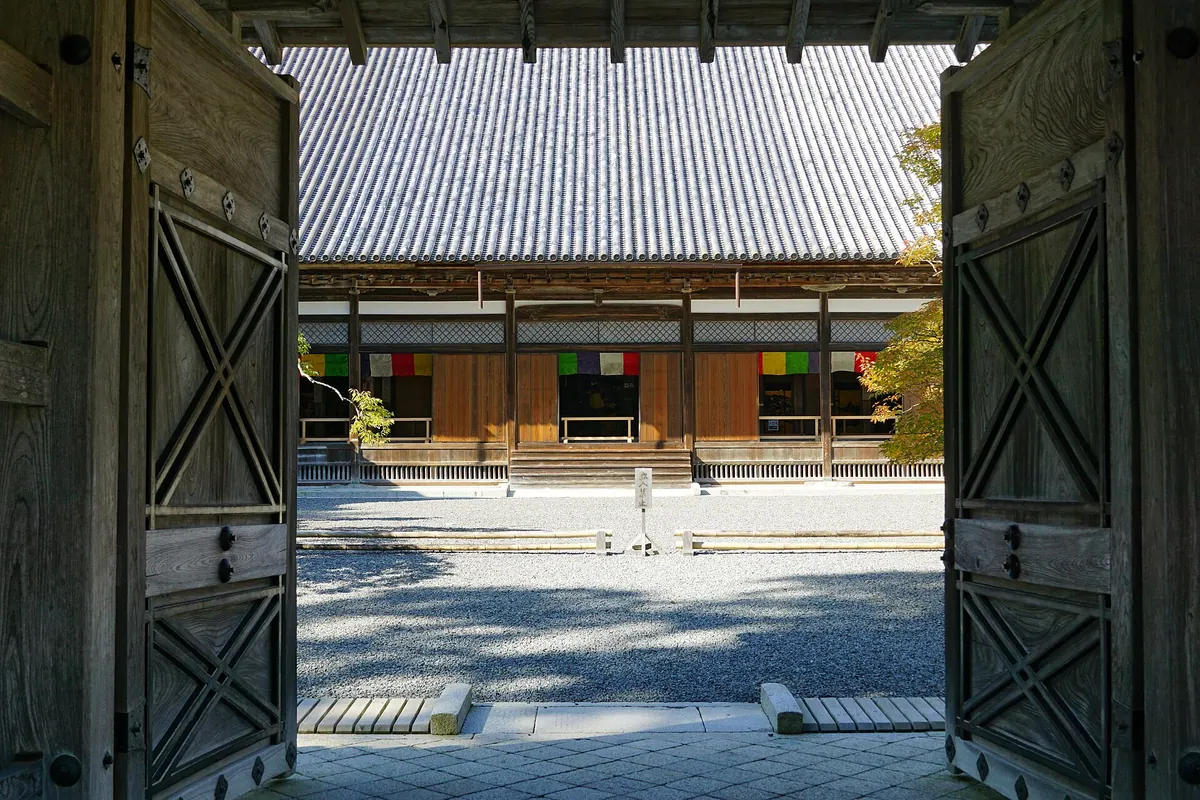
This temple, rebuilt by Date Masamune, offers a look into samurai power and wealth.
What it is
- Zen temple rebuilt in 1609 by Date Masamune.
- Family temple for the Date clan and a memorial.
- Main hall, entrance hall, and kitchen are National Treasures.
- Onarimon Gate, walls, and Chumon Gate are Important Cultural Properties.
What to see
- Approach lined with local slate slabs.
- Meditation caves in rock faces, some from Kamakura period.
- Three entrance gates: Onarimon, Chumon, Toryumon.
- Two 400-year-old plum trees in the courtyard.
- Kuri kitchen building with a large wooden roofed chimney.
- Main hall with white walls and dark wood beams.
- Address
- 宮城県宮城郡松島町松島字町内91 Map
- Official site
- www.zuiganji.or.jp
05
Mutsu Kokubun-ji Temple
MIYAGI · TEMPLE 陸奥国分寺
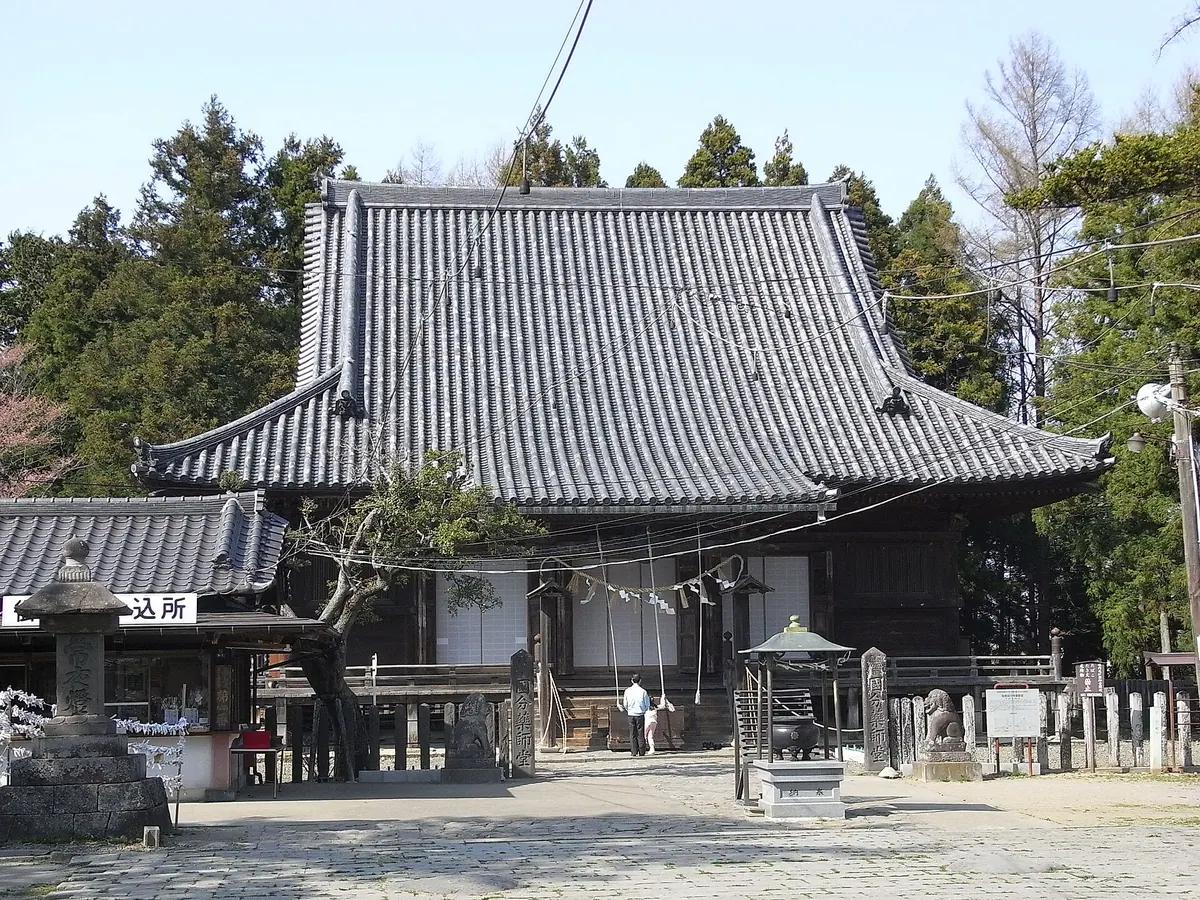
Mutsu Kokubun-ji Temple: a historic Shingon temple with important cultural properties and scenic beauty.
What it is
- A Shingon-shu Chizan-ha temple.
- Main deity is Yakushi Nyorai.
- Established in the 740s during the Nara period.
- Rebuilt by Date Masamune in the early 17th century.
What to see
- Yakushido hall, completed in 1607.
- Yakushido hall is a National Important Cultural Property.
- Ancient temple ruins are a National Historic Site.
- Temple grounds are a National Place of Scenic Beauty.
- Wooden statues of Fudo Myoo, Bishamonten, and Twelve Divine Generals.
When to go
- Nanokado event is held annually on February 11.
- Address
- 〒984-0047 宮城県仙台市若林区木ノ下2-8-28 Map
- Official site
- www.08943.com
06
Mampuku-ji Temple
MIYAGI · TEMPLE 満福寺
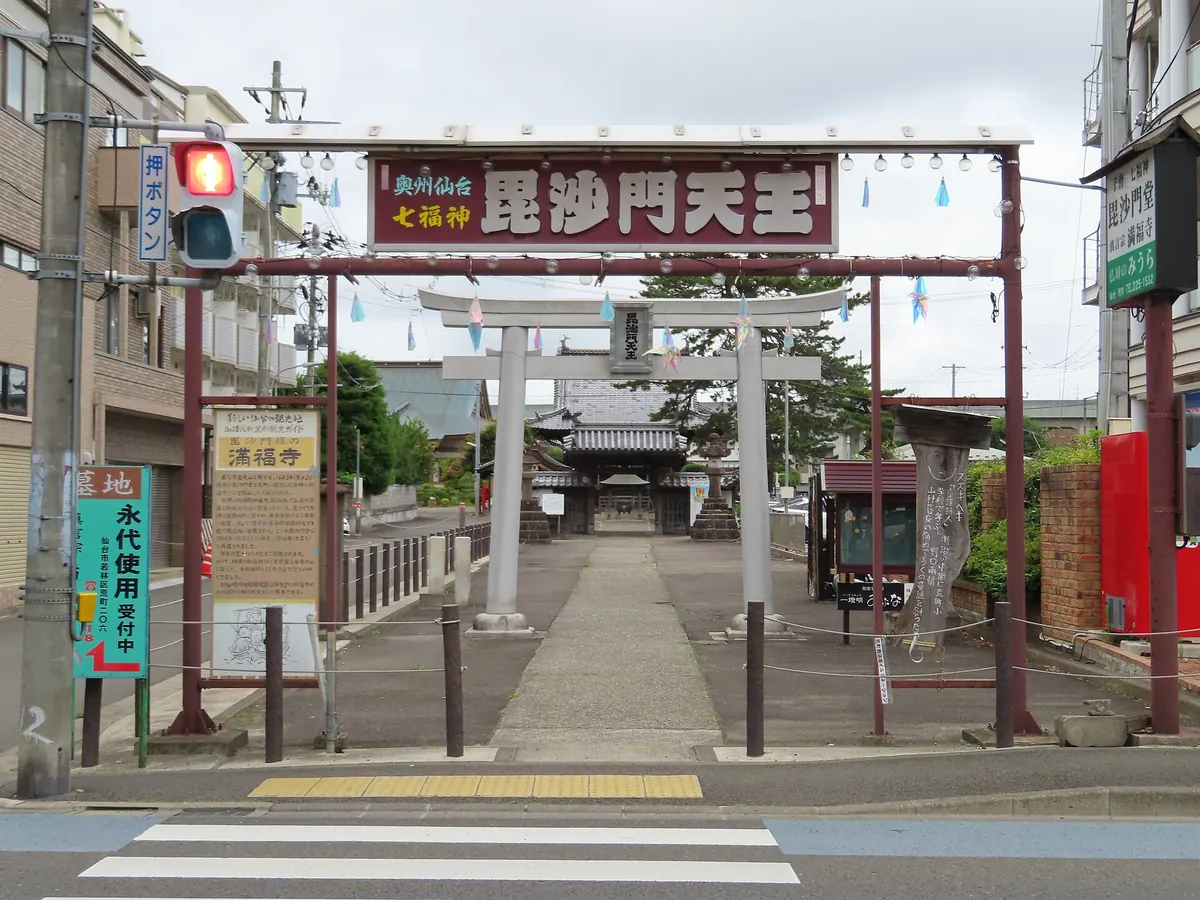
Mampuku-ji Temple is a historic Buddhist temple, notable for its sumo connections and cultural properties.
What it is
- A Shingon-shu Chizan-ha Buddhist temple.
- Founded around 1643.
- It is the betto-ji temple for Bishamonten.
- A center for Sendai sumo performances.
What to see
- A 3-meter tall Bishamonten statue.
- A memorial for 9th Yokozuna Hidenoyama Raigoro.
- The grave of 6th Shikimori Inosuke.
- The Bishamondo Karamon, a cultural property.
When to go
- Attend the 'Yozora no Orchestra in Aramachi' concert.
Getting there
- Accessible by subway and bus.
- Address
- 宮城県仙台市若林区荒町206番地 Map
07
Myōkyō-ji Temple
MIYAGI · TEMPLE 妙教寺 (栗原市)
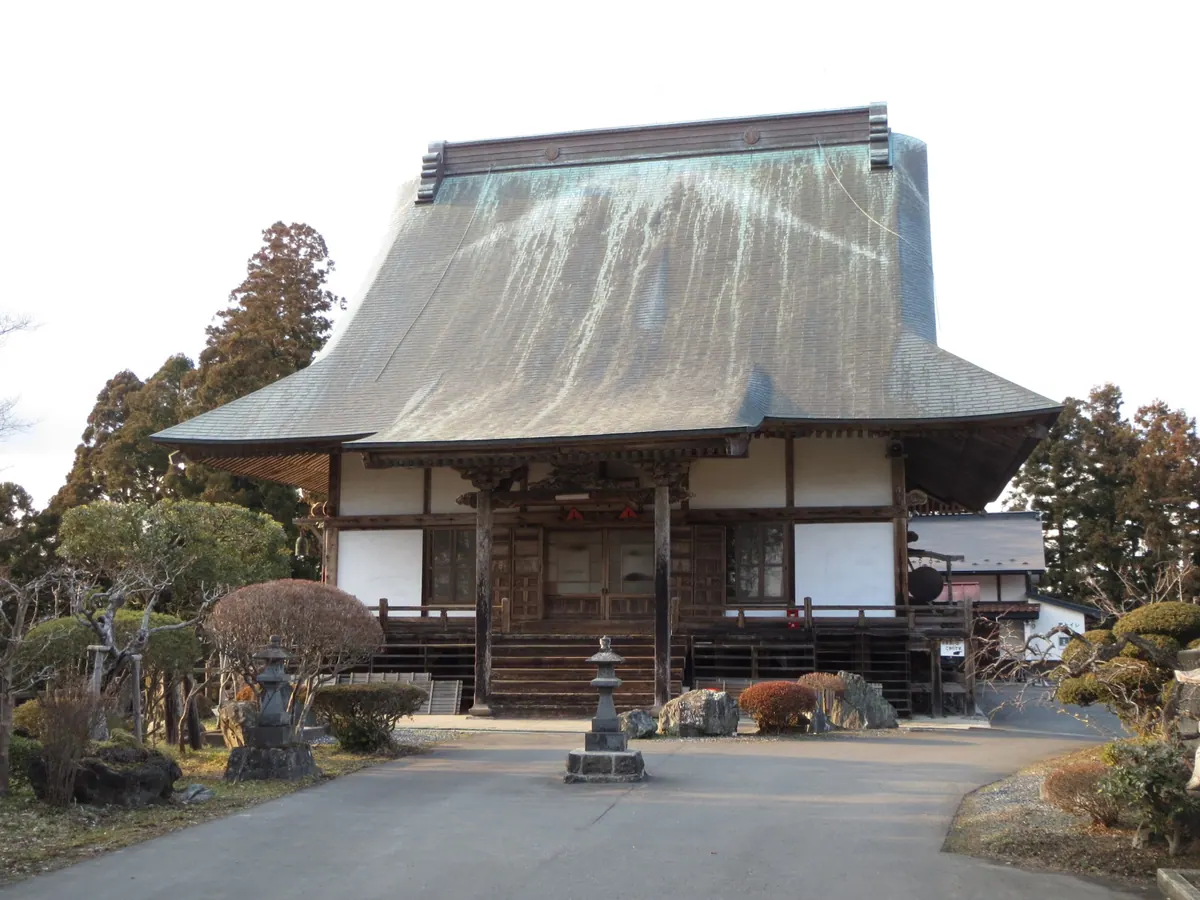
Myokyoji is a historic Nichiren Shoshu temple with a unique gate and important cultural properties.
What it is
- A Nichiren Shoshu temple.
- Established in 1287.
- Founded by Nichimoku, the third patriarch of Nichiren Shoshu.
What to see
- The temple gate is a four-legged gate.
- Gate roof is copper-plated, gabled, and unpainted.
- The gate was designated a tangible cultural property in 1986.
- The Soshido was designated a tangible cultural property in 2004.
Getting there
- 10-minute drive from Tsukidate Interchange.
- 15-minute drive from Kurikoma-Kogen Station.
- Address
- 宮城県栗原市一迫柳目字高畑3 Map
08
Ishinomaki Saint John the Apostle Orthodox Church
MIYAGI · TEMPLE 石巻ハリストス正教会
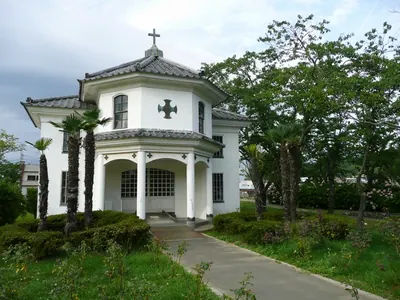
See Japan's oldest wooden church building, a resilient cultural heritage site.
What it is
- A church of the Japanese Orthodox Church in Ishinomaki City.
- The current church building was completed in 1980.
- The old church building was completed in 1879.
- The old church building is Japan's oldest wooden church architecture.
What to see
- The current church building, flooded by the 2011 tsunami.
- The old church building, relocated to Nakaze Park.
- The old church building, a designated cultural property.
- The old church building, which survived the 2011 tsunami.
Read more about Ishinomaki Saint John the Apostle Orthodox Church
09
Daiji-ji Temple
MIYAGI · TEMPLE 大慈寺
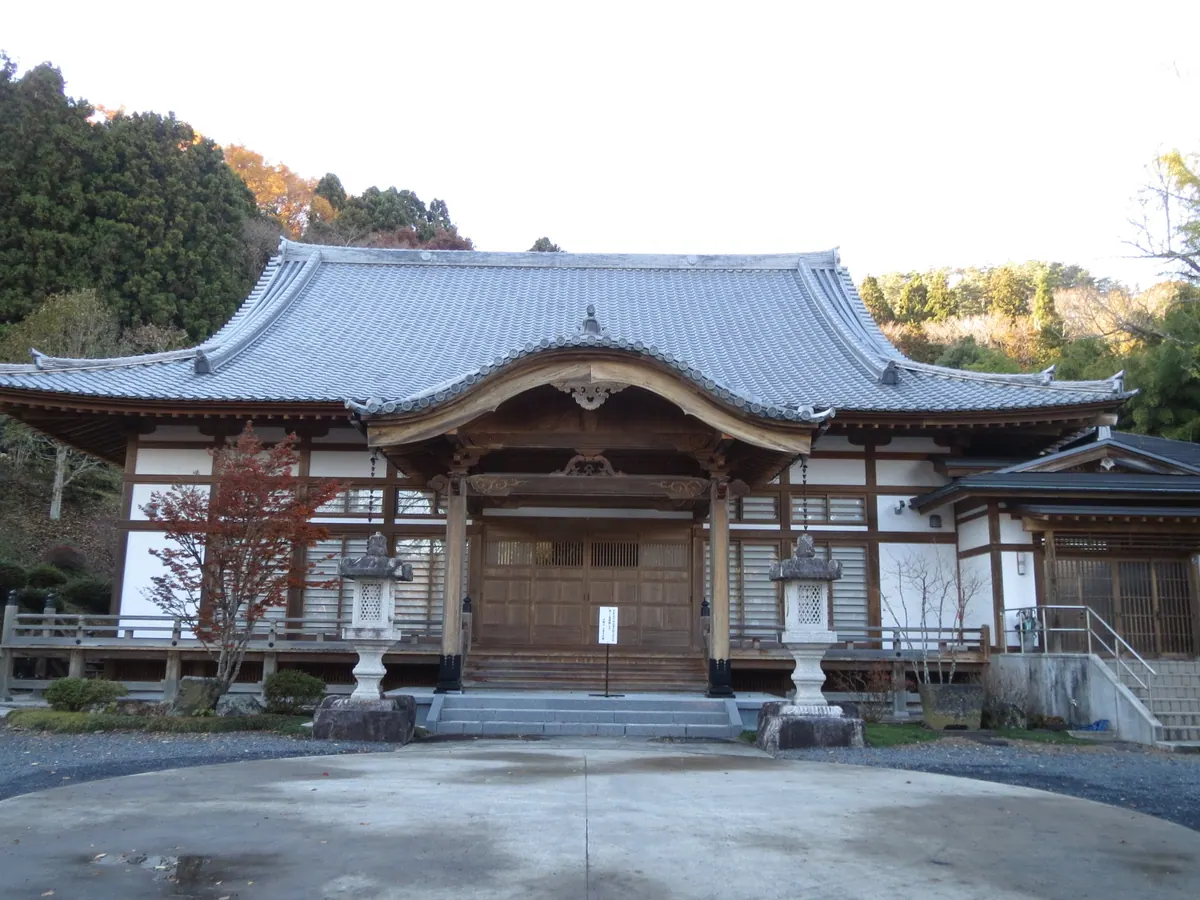
This Soto Zen temple, part of a Kannon pilgrimage, offers historical structures and unique rituals.
What it is
- A Soto Zen temple, mountain name Horinzan.
- Dedicated to Sho Kannon Bosatsu.
- Founded by Fujiwara no Hidehira as a Tendai temple.
- Re-established as Soto Zen in 1429.
What to see
- The temple gate, the only original structure.
- The temple gate is a tangible cultural property.
- A monument for Saigyo's poem, erected in 1983.
- Main hall, Akiba Daigongen, and a stupa.
When to go
- See the 'Yonekawa no Mizukaburi' fire-prevention ritual.
- Address
- 宮城県登米市東和町米川字町下56 Map
- Official site
- daijiji.net
10
Yokoyama Fudōson
MIYAGI · TEMPLE 横山不動尊
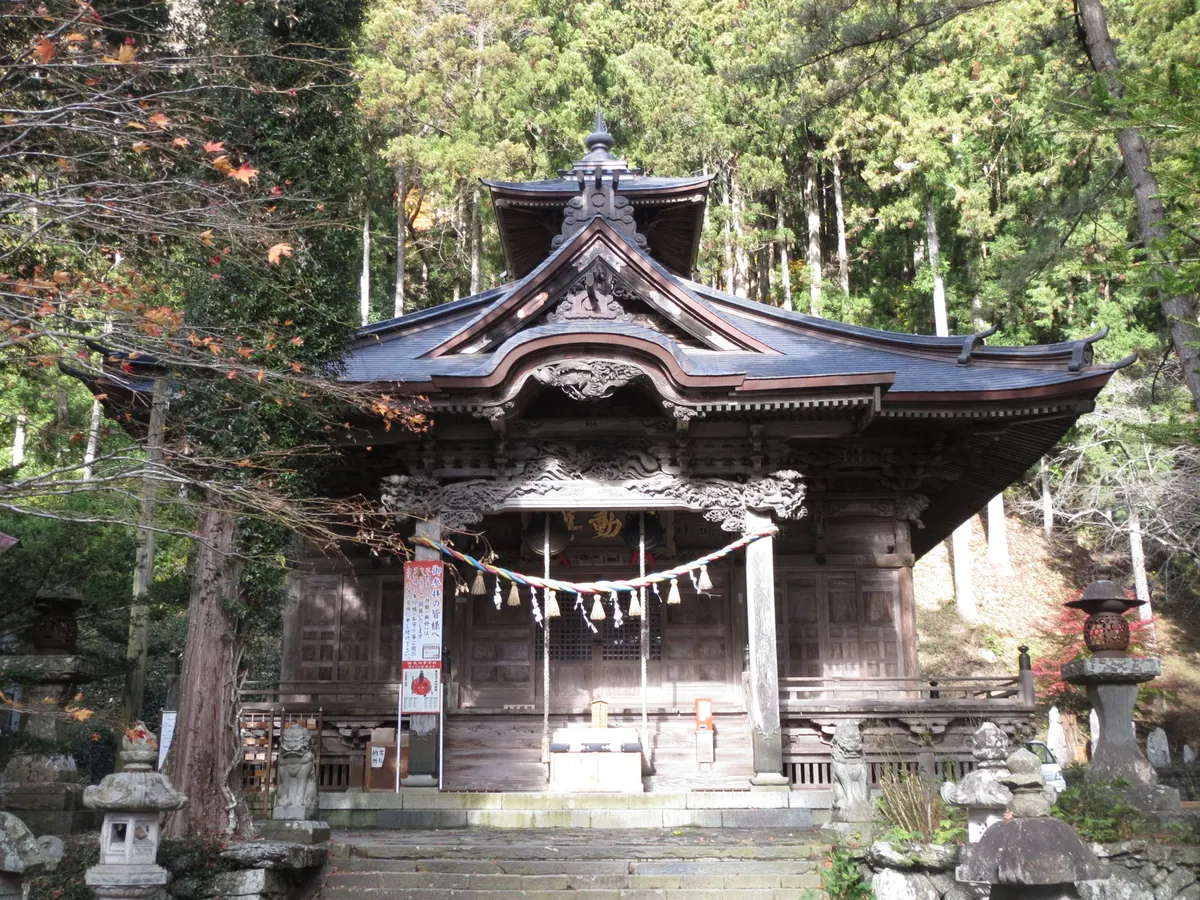
Yokoyama Fudōson is a historic Sōtō Zen temple with a unique fish habitat and ancient pagoda.
What it is
- A Sōtō Zen Buddhist temple, formally named Daitoku-ji.
- Founded in 1156, enshrining a Buddha statue.
- Believed to be founded by Tachibana Chizen.
What to see
- A 5cm gold Fudō Myōō statue, the main image.
- Niōmon gate houses Kongō Rikishi statues.
- A pond created approximately 400 years ago.
- Pond is a habitat for many ugui fish.
- A bronze five-story pagoda made in 1765.
When to go
- Main image displayed once every 12 years.
- Address
- 宮城県登米市津山町横山字本町3 Map
- Official site
- xn--ihq79ibwjylas08c.jp
11
Enmei-ji Temple
MIYAGI · TEMPLE 延命寺
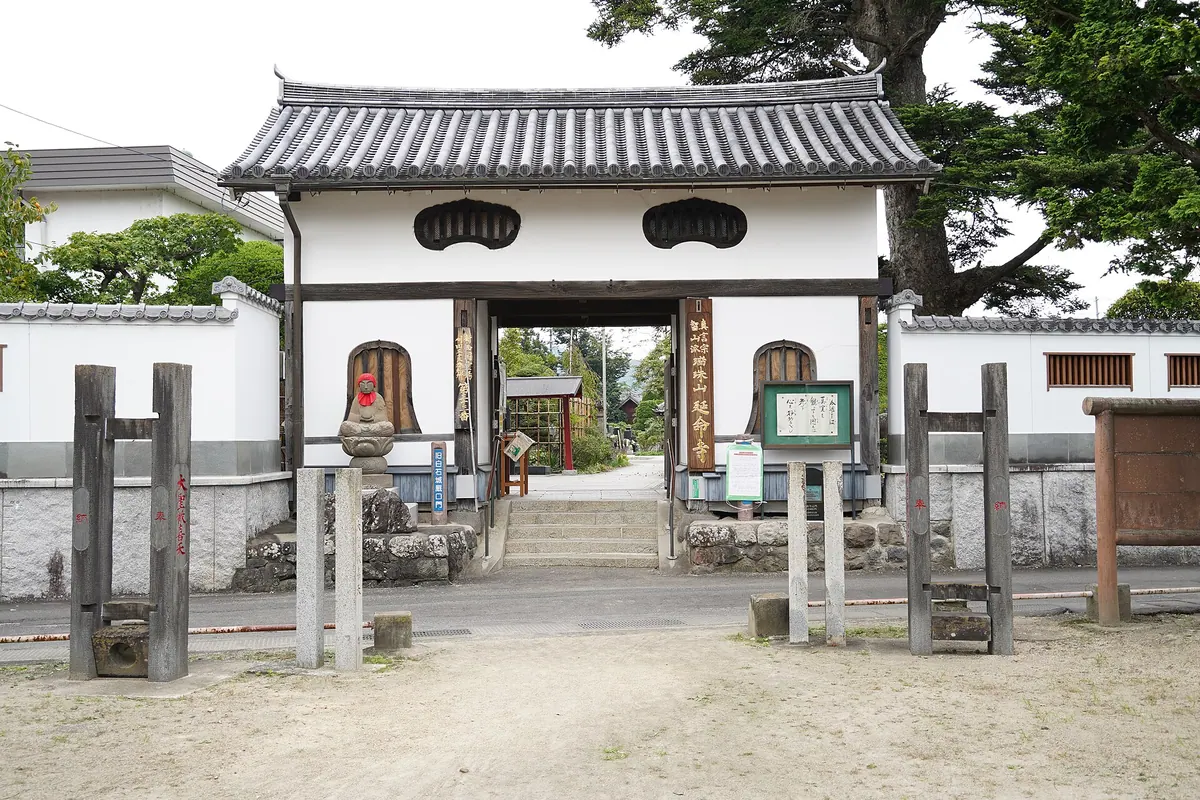
Enmeiji Temple offers unique history, a castle gate, and a legendary pond.
What it is
- A Shingon-shu Chizan-ha Buddhist temple.
- The 33rd temple of the Shin Saigoku Reijo Karita Fudasho.
What to see
- The temple gate, relocated from Shiroishi Castle.
- Fuzumigaike pond, where Benkei sharpened his naginata.
- Korori Jizo-son enshrined within the grounds.
When to go
- July 15th and 16th for the Daisyo Kangiten Festival.
- Festival includes an evening prayer ceremony.
- Stalls are set up in front of the temple gate.
- Address
- 宮城県白石市不澄ヶ池68 Map
12
Mutsu Kokubun-niji
MIYAGI · TEMPLE 陸奥国分尼寺
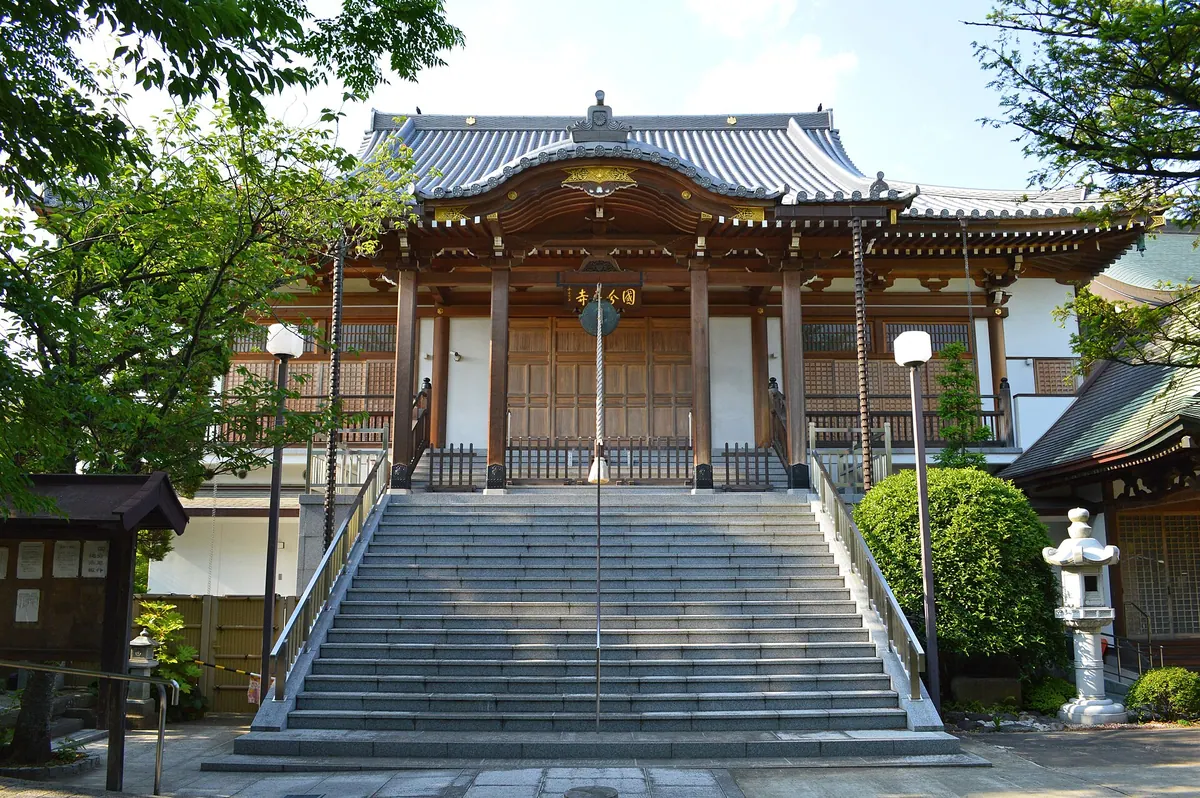
A Soto Zen temple in Sendai, built on ancient temple grounds, dedicated to Shokannon Bosatsu.
What it is
- A Soto Zen Buddhist temple, formally named Kokubun-niji.
- Its mountain name is Gokoku-zan.
- Dedicated to the main deity Shokannon Bosatsu.
- Rebuilt by the Kokubun clan in the late Middle Ages.
What to see
- The current temple grounds overlap with ancient temple remains.
- The site is a designated National Historic Site.
Getting there
- Located in Wakabayashi-ku, Sendai City.
- About 700 meters east of Mutsu Kokubun-ji.
13
Kōzō-ji Temple
MIYAGI · TEMPLE 高蔵寺
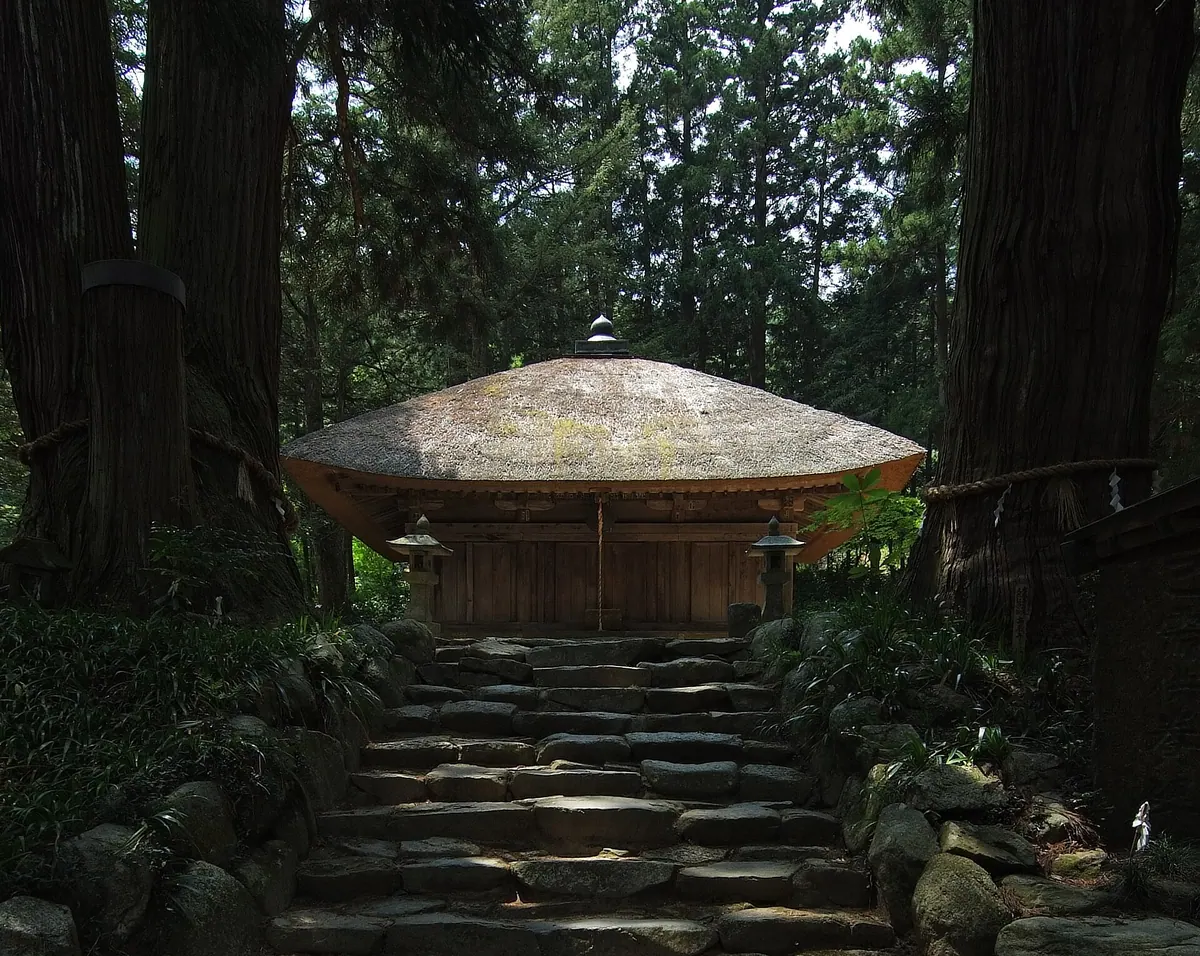
Kōzō-ji Temple, founded in 819, houses Miyagi's oldest temple building and a significant Amida Nyorai statue.
What it is
- A Shingon-shu Chizan-ha Buddhist temple.
- Founded in 819 by Tokuitsu.
- Repaired in 1177 by Shōen.
- Repaired in 1179 by Fujiwara no Hidehira.
What to see
- The Amida-dō, Miyagi Prefecture's oldest temple building.
- The Amida-dō, built without chains or nails.
- A Jōroku Amida Nyorai seated statue is enshrined.
- Amida-dō is a National Important Cultural Property.
- Amida Nyorai statue is a National Important Cultural Property.
- Address
- 宮城県角田市高倉字寺前49 Map
- Official site
- www.city.kakuda.miyagi.jp
14
Gikō-ji Temple
MIYAGI · TEMPLE 祇却寺
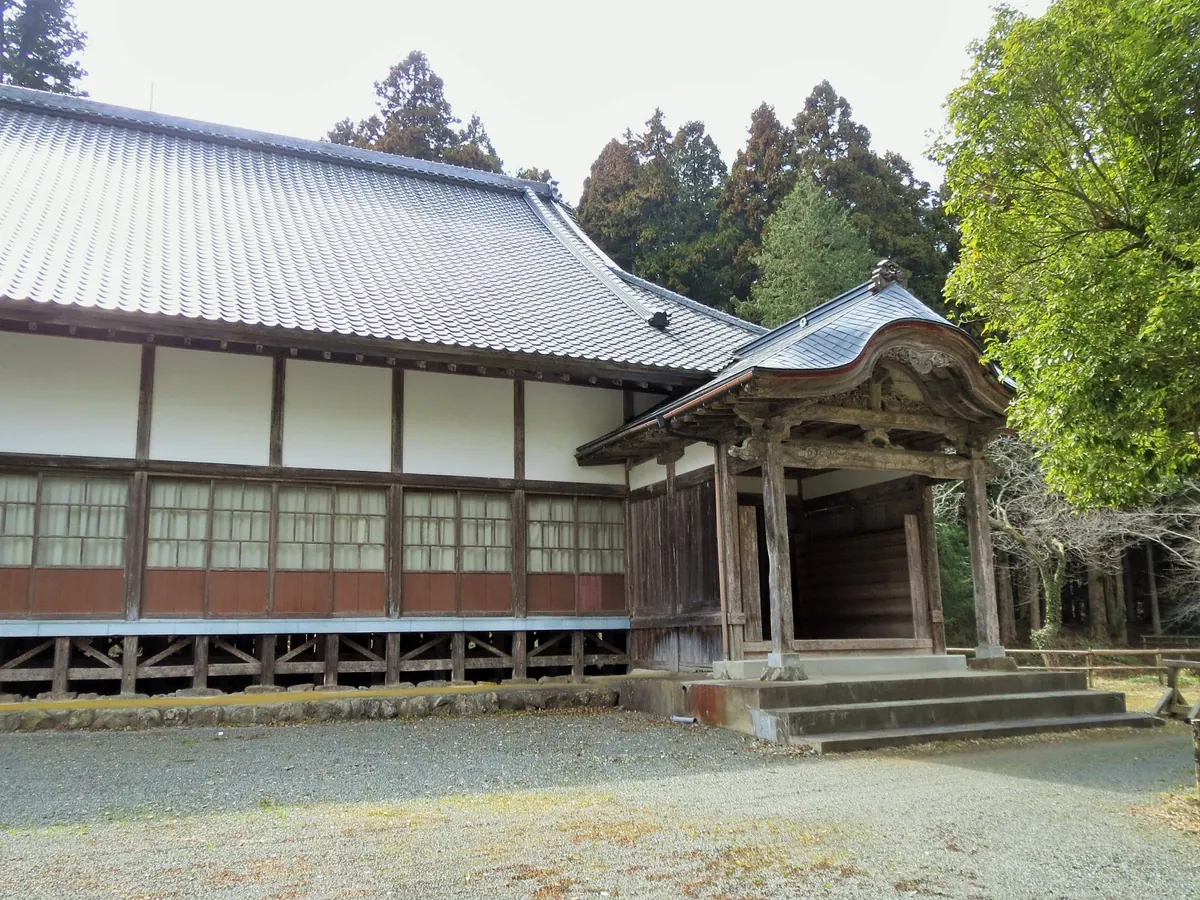
Gikō-ji Temple is a historic Rinzai Zen temple with notable natural monuments and cultural properties.
What it is
- A Rinzai sect Myōshin-ji school temple.
- Its sango is Ōnukisan.
- Family temple of Sadamune of the Wakiyadate family.
- Established by Muneshige, Sadamune's second son.
What to see
- The main hall is a tangible cultural property.
- Main hall is a wooden single-story building.
- The kōyamaki is a national natural monument.
- The marumigaya is a prefectural natural monument.
- The urajirogashi was designated a natural monument.
- Address
- 宮城県大崎市田尻大貫宿上屋敷24 Map
15
Zennō-ji Temple
MIYAGI · TEMPLE 善應寺
Zennō-ji Temple: a historic Rinzai temple with cultural properties and ancient tombs.
What it is
- A Rinzai sect Myoshin-ji school temple.
- Founded in 1697.
- Originally named Kantōzan Shōtokuji.
- Known as "Giyaman-ji" for its luxurious construction.
What to see
- Eleven-faced Kannon statue, a cultural property.
- Bishamonten statue, also a cultural property.
- Zennō-ji Kaizandō, a tangible cultural property.
- Zennō-ji Yokoana Tomb Group, a designated historic site.
- Tomb group dates from Asuka to Nara periods.
- Address
- 宮城県仙台市宮城野区燕沢2-3-1 Map
16
Hōkyō-ji
MIYAGI · TEMPLE 宝鏡寺 (気仙沼市)
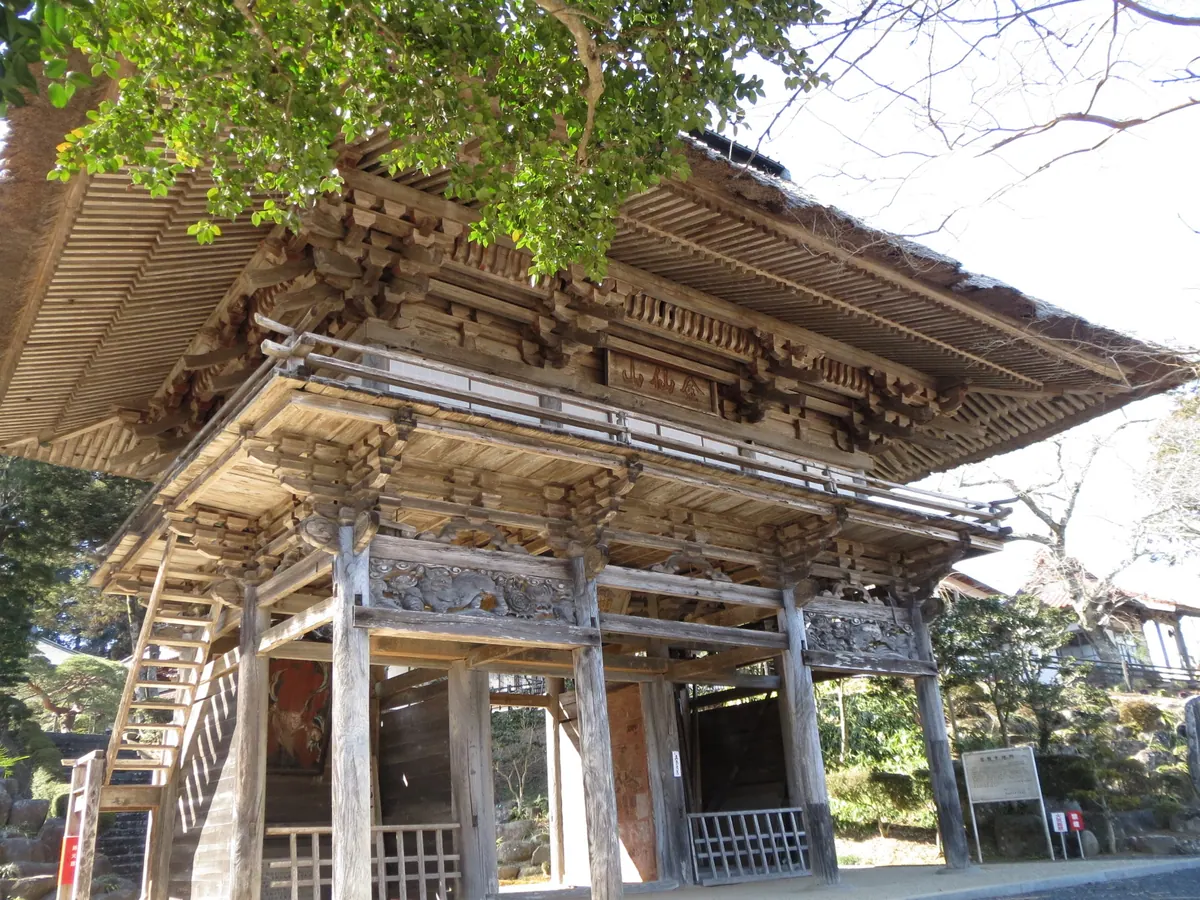
Hōkyō-ji is a Sōtō Zen temple with a historic gate and notable artwork.
What it is
- A Sōtō Zen Buddhist temple.
- Its mountain name is Kinsen-zan.
What to see
- A 14-meter high rōmon (gate) from the Hōreki era.
- The rōmon is a designated tangible cultural property.
- Crane painting on sliding doors by Tō Tōyō.
- The painting is a designated tangible cultural property.
Getting there
- 25-minute walk from Kesennuma Station.
- 10-minute drive from Kesennuma-Chuo Interchange.
- Address
- 宮城県気仙沼市川原崎31 Map
17
Kannon-ji Temple
MIYAGI · TEMPLE 観音寺
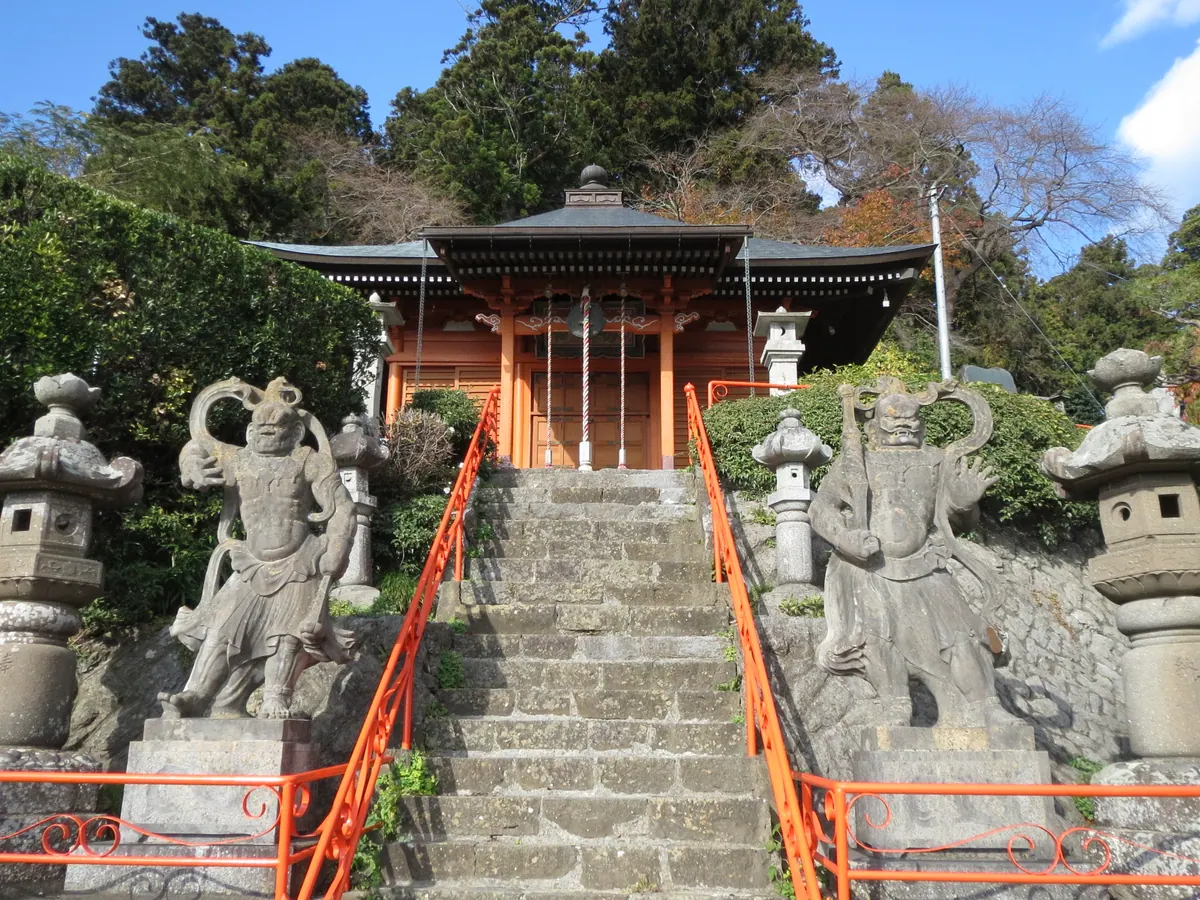
Kannonji Temple, founded in the early 8th century, offers historical buildings and statues worth seeing.
What it is
- A Tendai sect temple, founded between 708 and 714.
- Principal image is Sho Kannon.
- Reorganized in 850 by Ennin.
- A branch temple of Enryaku-ji Temple.
What to see
- Kannon-do hall, built in 1723.
- Temple's zushi, made by a Kyoto sculptor.
- Zushi designated a cultural property in 1969.
- Wooden Amitabha Nyorai statue, a cultural property.
Getting there
- 8-minute walk from Fudonosawa Station.
- Address
- 〒988-0074 宮城県気仙沼市本町1-4-16 Map
18
Kōrin-ji Temple
MIYAGI · TEMPLE 香林寺
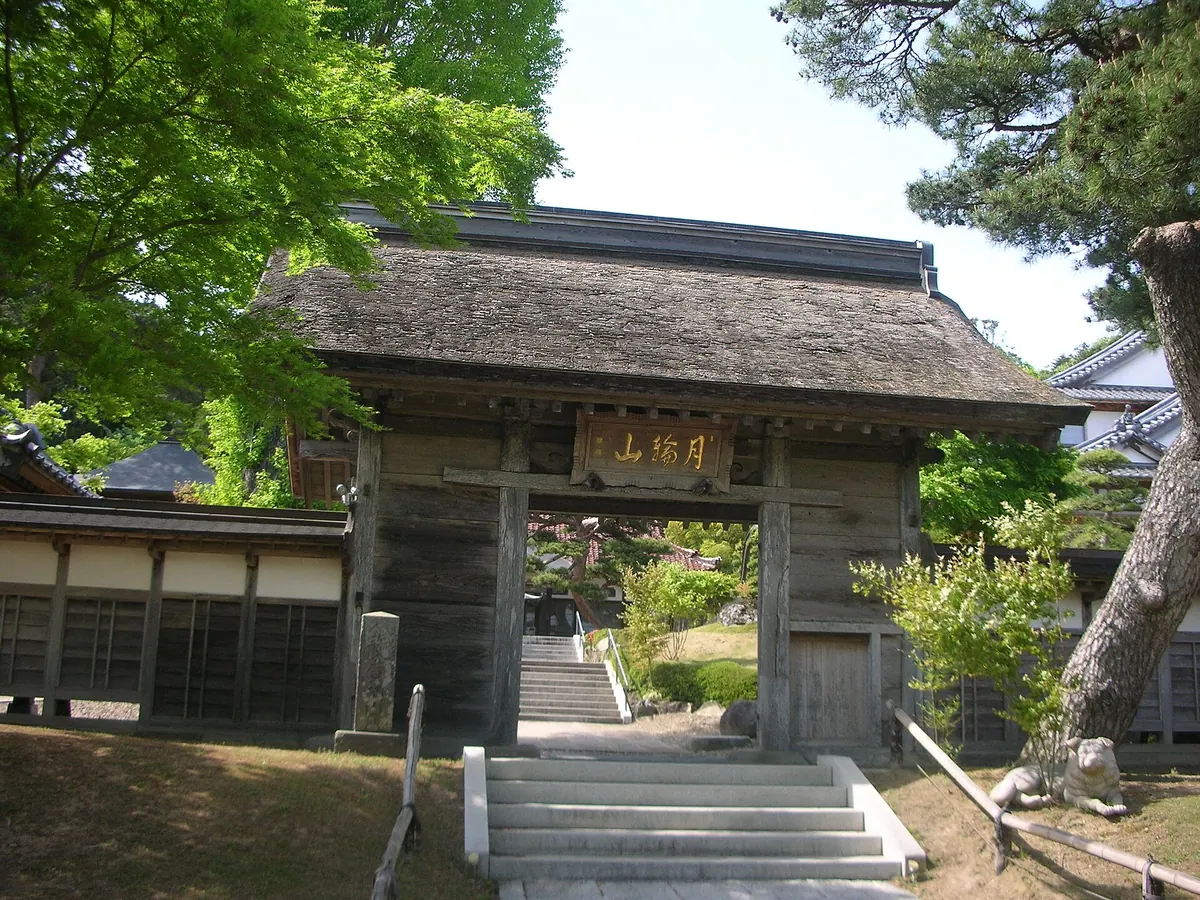
Kōrin-ji Temple is a historic Buddhist temple with Miyagi's oldest temple gate.
What it is
- Buddhist temple founded in 1584.
- Established to mourn the Tsukiwaka brothers.
- Main deity is Amitābha Tathāgata.
- Converted to the Sōtō school of Buddhism.
What to see
- Temple gate built in 1540.
- Oldest temple gate in Miyagi Prefecture.
- Second oldest wooden building in Miyagi Prefecture.
- Temple gate is a cultural property.
Getting there
- 5-minute walk from Mitakedo Station.
- Address
- 宮城県登米市豊里町杢沢87 Map
19
Shifuku-ji Temple
MIYAGI · TEMPLE 資福寺
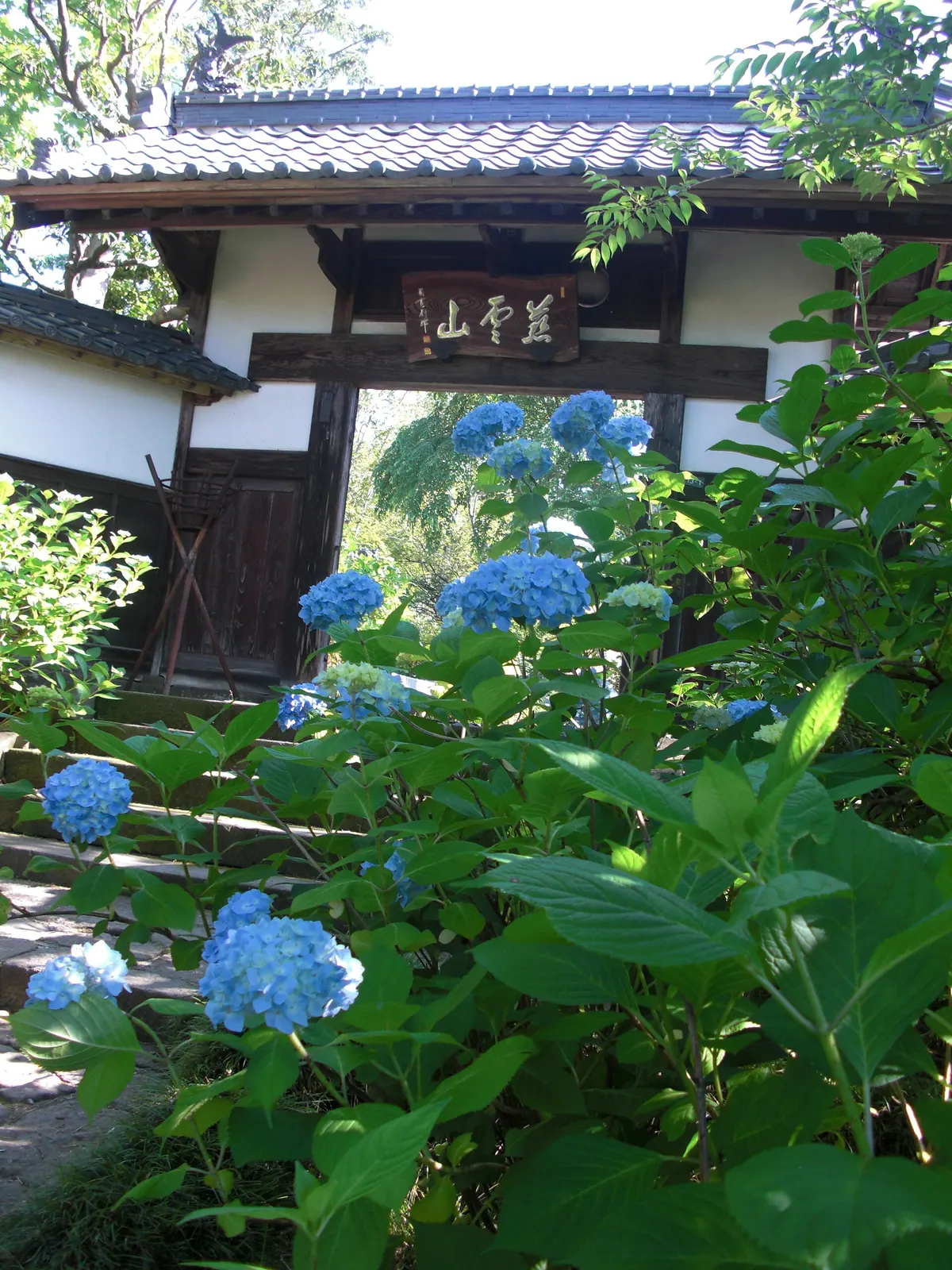
Explore a historic Zen temple, famed for hydrangeas and samurai graves, offering a peaceful cultural experience.
What it is
- A Rinzai sect Myoshin-ji school temple.
- One of Sendai's Kitayama Gozan Zen temples.
- Built by Nagai Tokihide during the Koan era.
- Moved to its current location in 1638.
What to see
- The temple is famous for its hydrangeas.
- Shifuku-ji Temple ruins are a historical site.
- Ruins contain graves of Masamune, Terumune, and Endo Motonobu.
When to go
- Visit during hydrangea season.
- Address
- 宮城県仙台市青葉区北山1丁目13-1 Map
20
Kesoku-ji Temple
MIYAGI · TEMPLE 華足寺
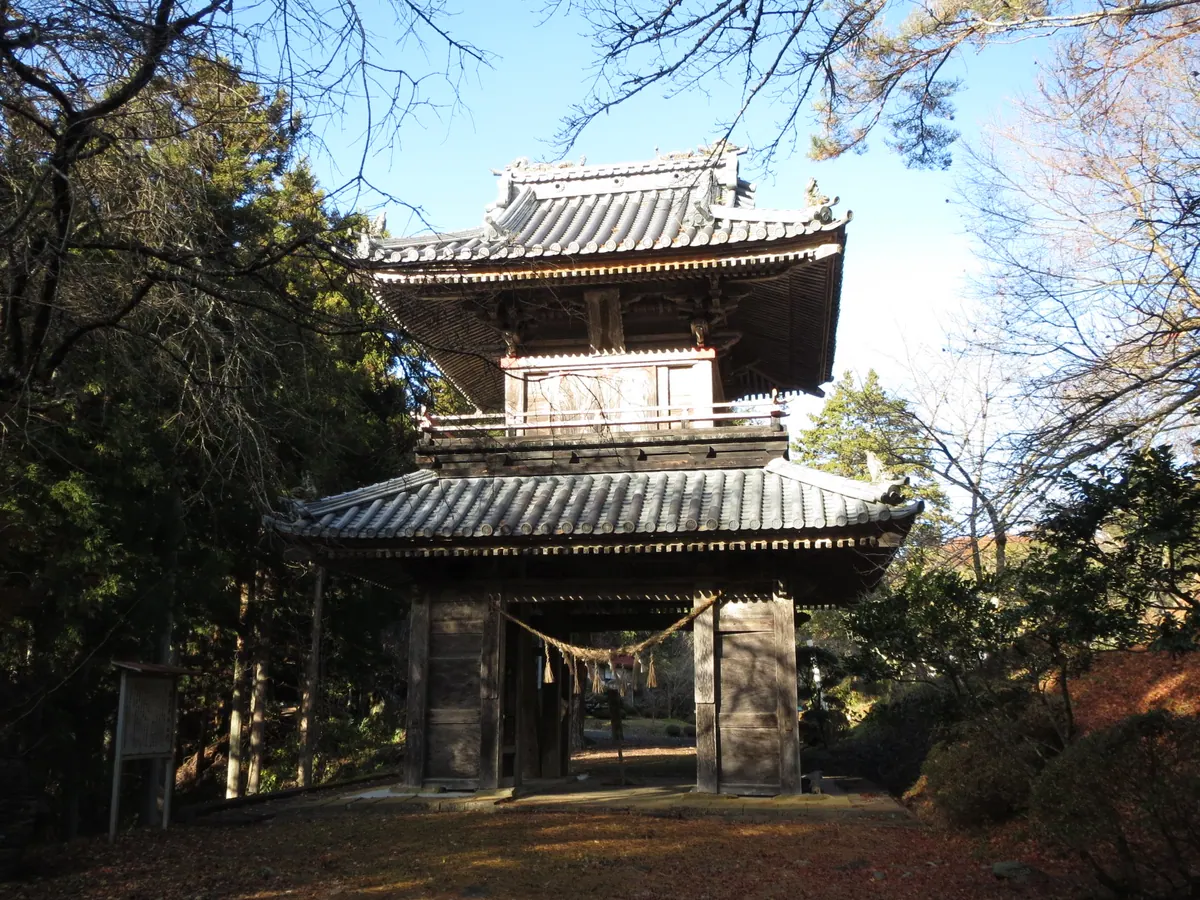
Kesoku-ji Temple, founded in 807, is Japan's oldest sacred site for horses, with historic buildings.
What it is
- A Shingon-shu Chizan-ha temple.
- Founded in 807 by Sakanoue no Tamuramaro.
- Dedicated to Batō Kannon Bosatsu, the main deity.
- Japan's oldest sacred site for horses.
What to see
- The main gate, donated in 1799 by Date Chikamune.
- The main gate, designated a tangible cultural property.
- The guest hall, designated a tangible cultural property.
- The Batō Kannon-dō, rebuilt by Date Narimura.
- Address
- 宮城県登米市東和町米川字小山下2 Map