

20 Temples in Okayama worth your time
Japan Gems
Okayama Prefecture has 74 temples, including Sekido Haiji and Bitchū Kokubun-ji Temple. They offer a mix of historical and spiritual sites for your visit.
Okayama has 83 temples on Japan Gems. Below are the 20 we can tell you the most about — each one written up in English from Japanese sources, with what to see and how to get there. See all temples in Okayama.
01
Jōfuku-ji Temple
OKAYAMA · TEMPLE 成福寺
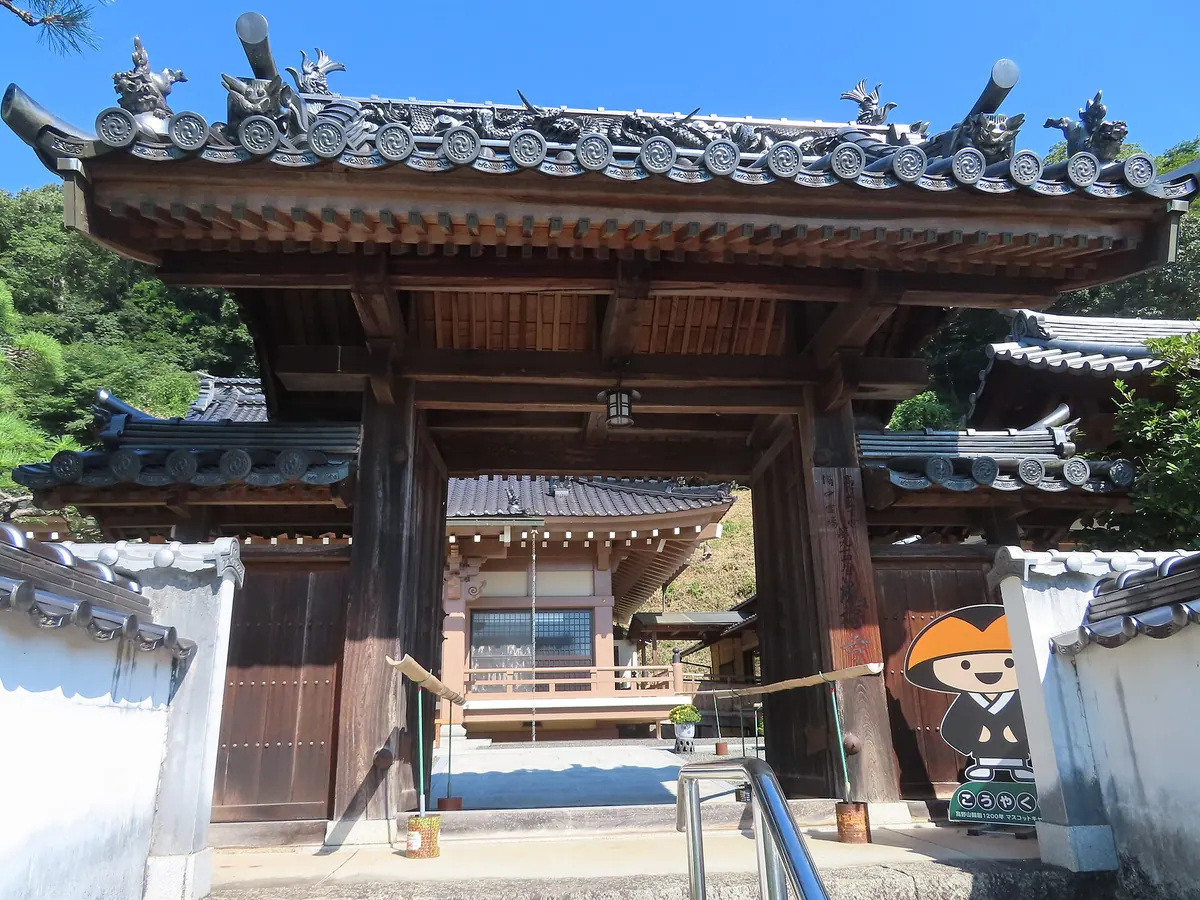
A historic 8th-century temple in Okayama featuring a 17th-century Kannon hall and a rare wooden Fudo Myoo statue.
What it is
- A Koyasan Shingon temple founded by the monk Gyoki in 739.
- The site enshrines a Sho-Kanzeon Bosatsu statue as its primary object of worship.
- The temple grounds span approximately 1,500 tsubo and offer free admission to all visitors.
What to see
- The current Kannon-do hall which dates back to its construction in 1659.
- A wooden Fudo Myoo statue designated as a prefectural cultural property.
- Traditional stone walls and white walls that surround the temple premises.
- A wooden statue of Fudo Myoo displayed to the public once every twelve years.
When to go
- The Obon Mando festival held annually on August 13.
Getting there
- A fifteen-minute walk from the Sawaoka bus stop.
- Free parking is available on-site for up to twenty cars.
- Official site
- joufukuji.net
02
Bizen Kokubun-niji
OKAYAMA · TEMPLE 備前国分尼寺
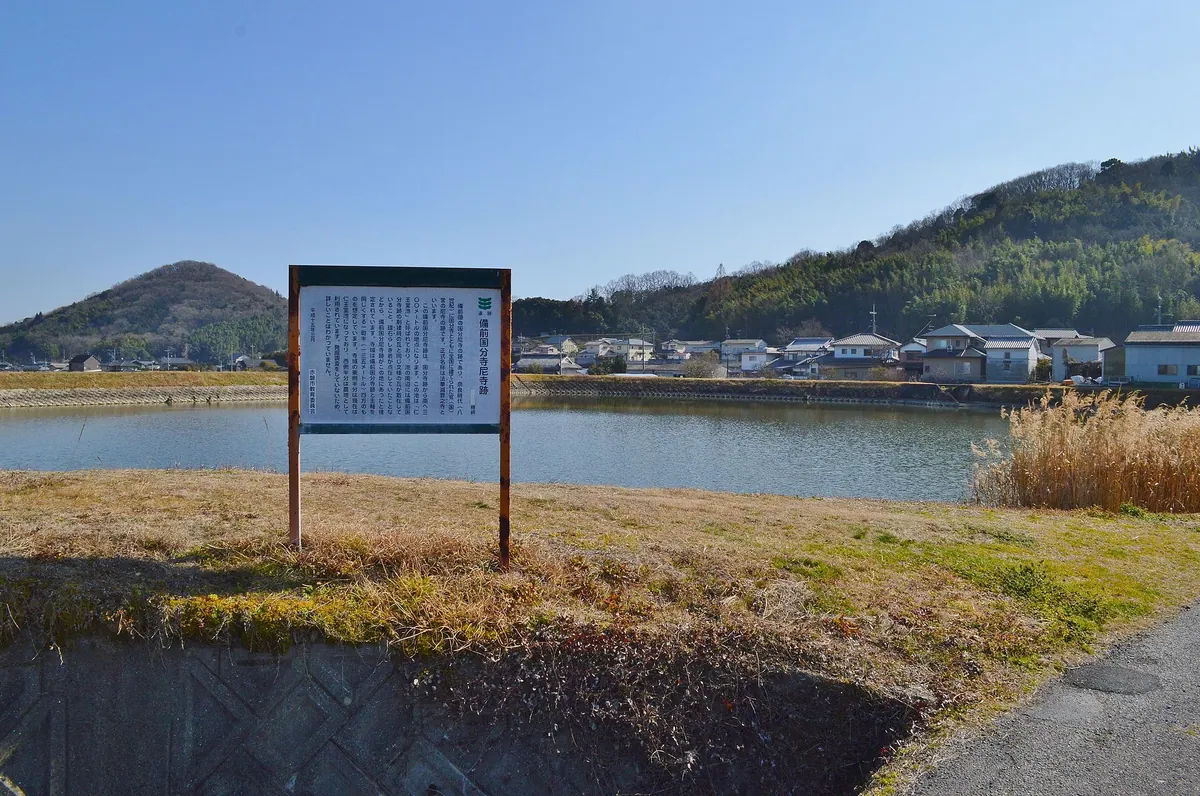
A National Historic Site featuring the ruins of an ancient Nara-period nunnery and a seven-story stone pagoda in Okayama.
What it is
- An ancient temple site in Akaiwa designated as a National Historic Site of Japan.
- Founded during the Nara period by order of Emperor Shomu.
- The grounds follow the Todai-ji style temple layout near the ancient Sanyo Road.
- The temple functions were completely lost by the early 17th century.
What to see
- A seven-story stone pagoda standing at the former pagoda site.
- The Kokubun-niji nunnery site located 300 meters south of the main temple.
- Kokubunji Hachiman Shrine situated on the western edge of the site.
- A stone pagoda designated as a tangible cultural property of Akaiwa.
Getting there
- The site is a 10-minute walk from the Hozaki-shimo bus stop.
03
Kannon-ji Temple
OKAYAMA · TEMPLE 観音寺 (玉野市)
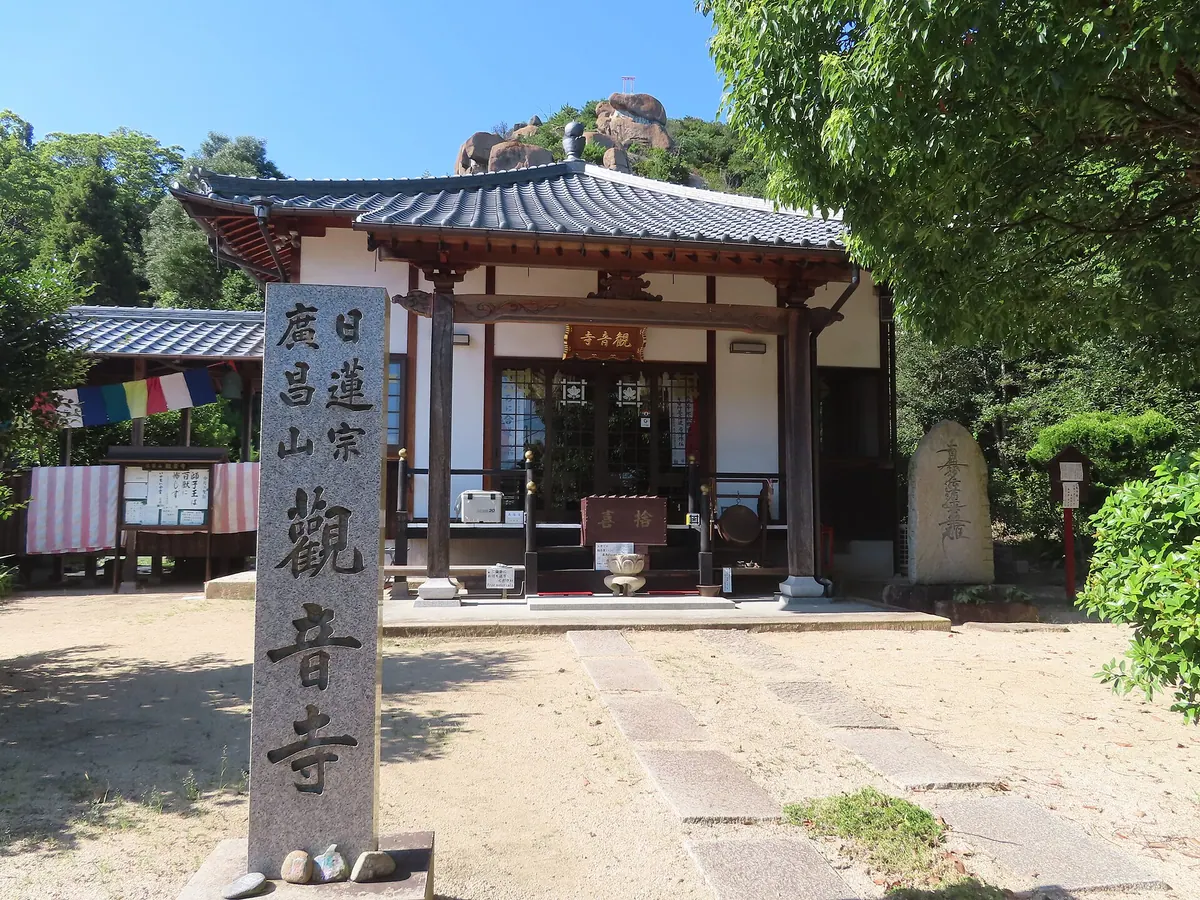
Kannonji is a Nichiren-shu temple offering panoramic views of the Seto Inland Sea.
What it is
- A Nichiren-shu temple in Tamano City, Okayama Prefecture.
- Its mountain name is Koshosan.
- It enshrines Koshotenno and Saijo Inari.
What to see
- The main hall at the foot of Tenguyama.
- A 'Torii in the Sky' on the mountaintop.
- A 'Rock that seems to fall but doesn't' on the mountaintop.
- An observation deck on Tenguyama.
- Views of Uno Port, Shodoshima, and Naoshima.
When to go
- The 'Torii in the Sky' was selected as a New 100 View in 2022.
Getting there
- 15-minute walk from Uno Station (JR West Uno Line).
- 5-minute taxi ride from Uno Station (JR West Uno Line).
- 10-minute walk from Ryobi Eigyosho bus stop.
- Address
- 岡山県玉野市築港三丁目14番20号 Map
04
Mimasaka Kokubun-niji
OKAYAMA · TEMPLE 美作国分尼寺
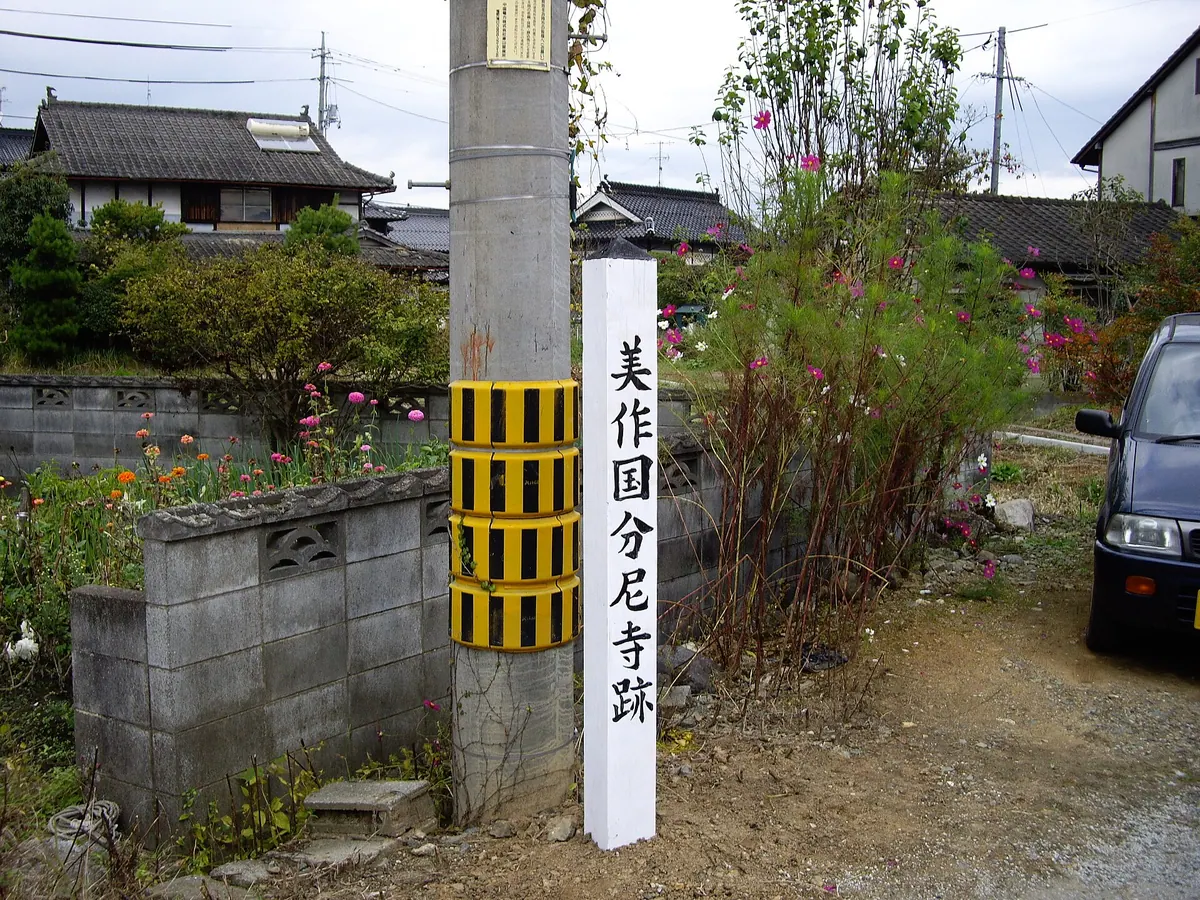
A historic Tendai temple and National Historic Site featuring ancient ruins and a nearby burial mound in Tsuyama.
What it is
- A temple of the Tendai sect of Buddhism dedicated to Yakushi Nyorai.
- Founded by order of Emperor Shomu during the Nara period.
- The current structures were rebuilt by the Tsuyama clan in 1623.
- The original temple location is designated as a National Historic Site.
What to see
- Excavated roof tiles that resemble those found at the Heijokyu Palace.
- The original temple site located east of the current buildings.
- The former nunnery site situated 450 meters west of the temple.
- A large circular burial mound called Iizuka Kofun located nearby.
Getting there
- The site is a 25-minute walk from Higashi-Tsuyama Station.
05
Kōsen-ji Temple
OKAYAMA · TEMPLE 弘泉寺
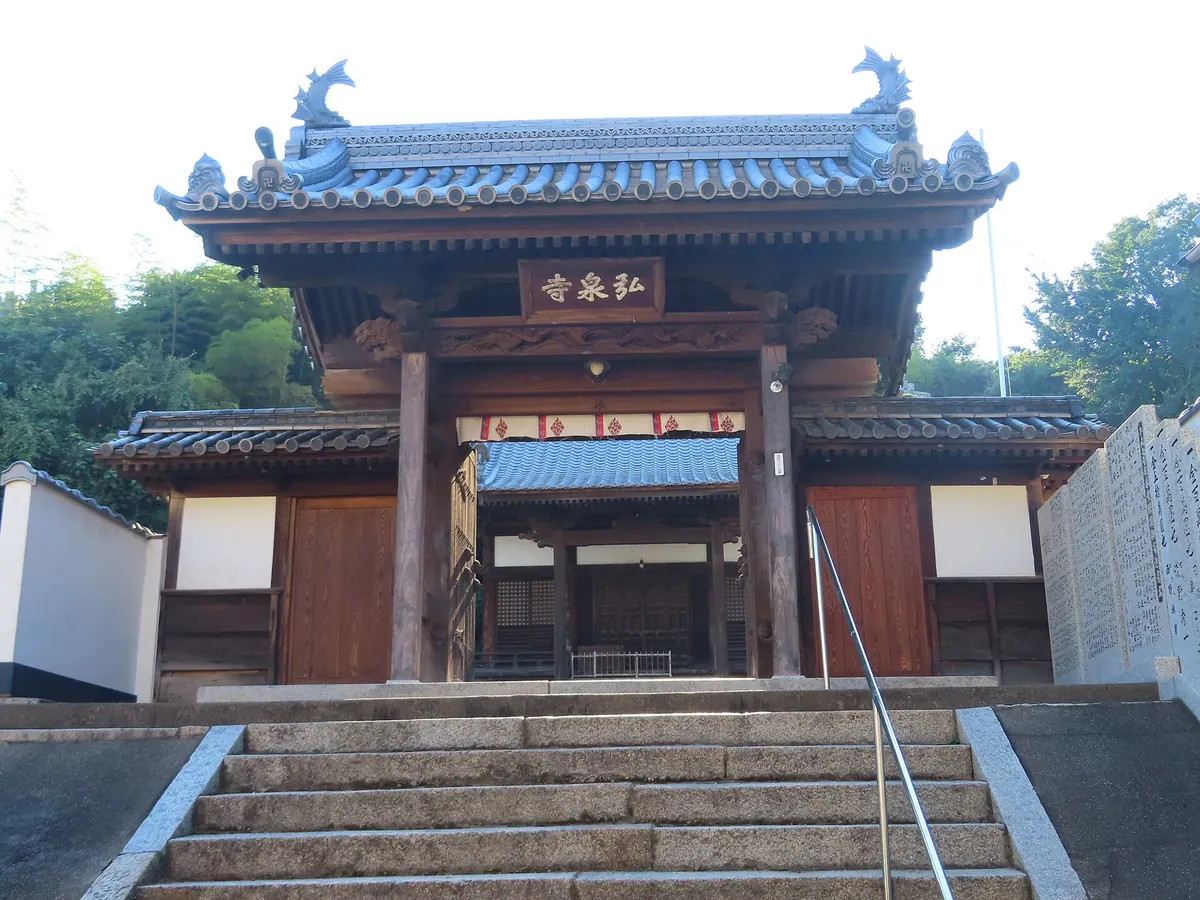
Kosen-ji is a historic Shingon temple with impressive architecture and intricate carvings.
What it is
- A temple of the Shingon-shu Omuro school.
- Its formal name is Washu-zan Kosen-ji.
- Registered as a National Tangible Cultural Property in November 2017.
- The 31st sacred site of the Kojima 88 Pilgrimage.
What to see
- Main hall built by Shiwaku carpenters.
- Main hall features carvings of dragons, animals, and plants.
- Main hall has a coffered ceiling with painted flowers.
- Yakuimon style gate built by Tachibana Kangoro Yoshikatsu.
Getting there
- 40 minutes walk from JR Sanyo Line Kojima Station.
- Address
- 岡山県倉敷市下津井田之浦2-3-22 Map
06
Chōfuku-ji Temple
OKAYAMA · TEMPLE 長福寺
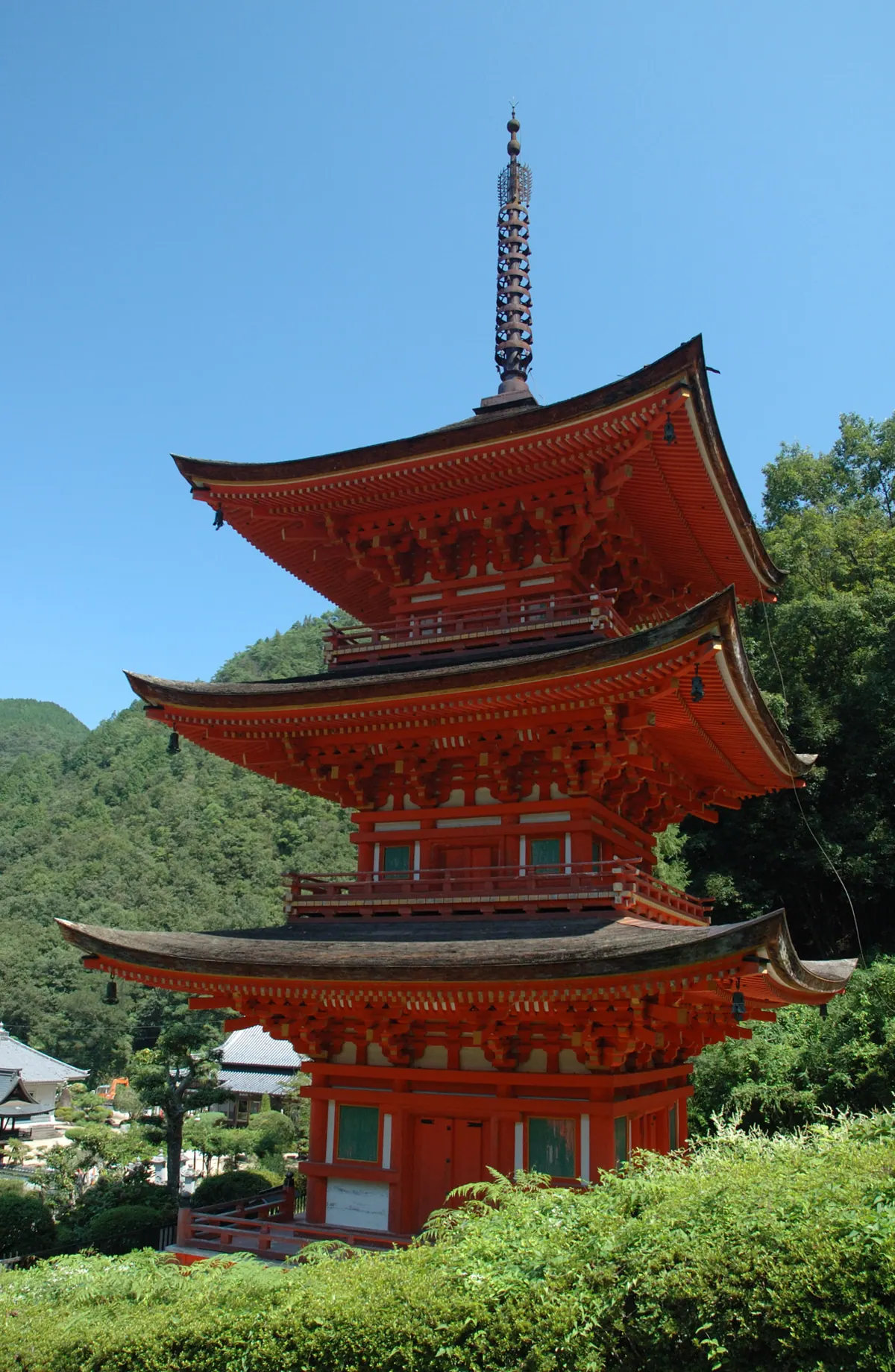
Chōfuku-ji Temple, home to Okayama's oldest pagoda, offers a glimpse into ancient Buddhist art.
What it is
- A temple of the Omuro school of Shingon Buddhism.
- Dedicated to an Eleven-faced Kannon.
- Moved to its current location in 1928.
What to see
- Three-storied pagoda, a National Important Cultural Property.
- Pagoda is Okayama Prefecture's oldest wooden building.
- Wooden Eleven-faced Kannon statue, an Important Cultural Property.
- Colored silk Fudo Myoo image, an Important Cultural Property.
- Two colored silk Ryokai Mandalas, Important Cultural Properties.
- Twelve colored silk Deva images, Important Cultural Properties.
- Address
- 〒701-2602 岡山県美作市真神414 Map
- Official site
- www.okayama-kanko.jp
07
Hongen-ji Temple
OKAYAMA · TEMPLE 本源寺
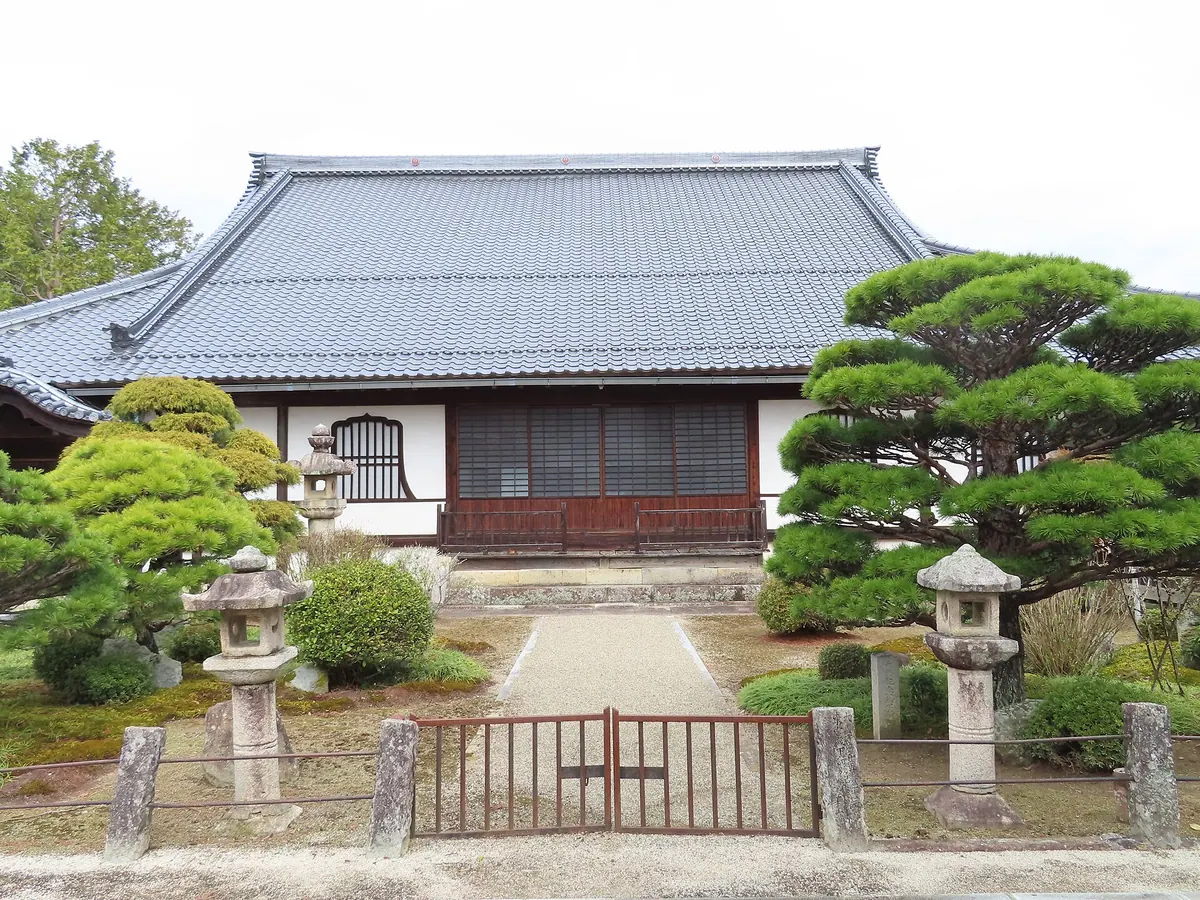
Hongenji Temple is a historic Rinzai Zen temple with important cultural properties.
What it is
- Rinzai sect Myoshinji school temple.
- Mountain name is Tokaizan.
- Principal image is Shaka Nyorai.
- Established as the family temple of the Mori clan.
What to see
- Main hall, kuri, and chumon are Important Cultural Properties.
- Mori family mausoleum and front gate are Important Cultural Properties.
- Mausoleum built in 1639.
- 28 memorial tablets, including Mori Tadamasa, are enshrined.
- Seven Mori family graves are Important Cultural Properties.
- Wooden statue of Mori Tadamasa made in 1631.
- Address
- 岡山県津山市小田中 Map
08
Sekido Haiji
OKAYAMA · TEMPLE 関戸廃寺跡
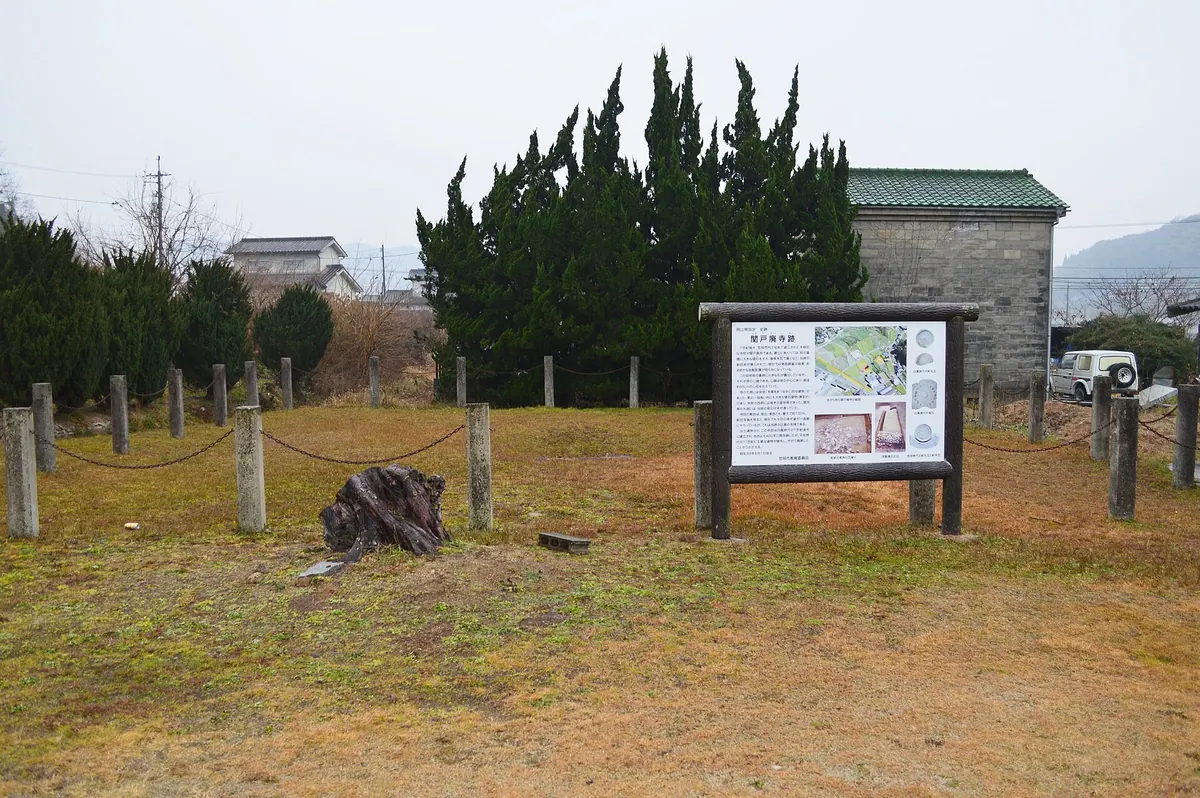
Explore Sekido Haiji, an ancient temple ruin with significant historical foundations from the 7th century.
What it is
- Ancient temple ruin in Kasaoka City, Okayama Prefecture.
- Established around the latter half of the 7th century.
- Oldest full-scale temple in Kasaoka City.
- Presumed abandoned around the 12th century.
What to see
- Temple area measures 130 meters east-west and north-south.
- Main hall, pagoda, and lecture hall foundations are visible.
- Main hall foundation is 17.3 by 16.55 meters.
- Pagoda foundation is approximately 12 meters on each side.
- Pagoda site is a designated historical site.
09
Muryoju-in Temple
OKAYAMA · TEMPLE 無量寿院 (岡山市)
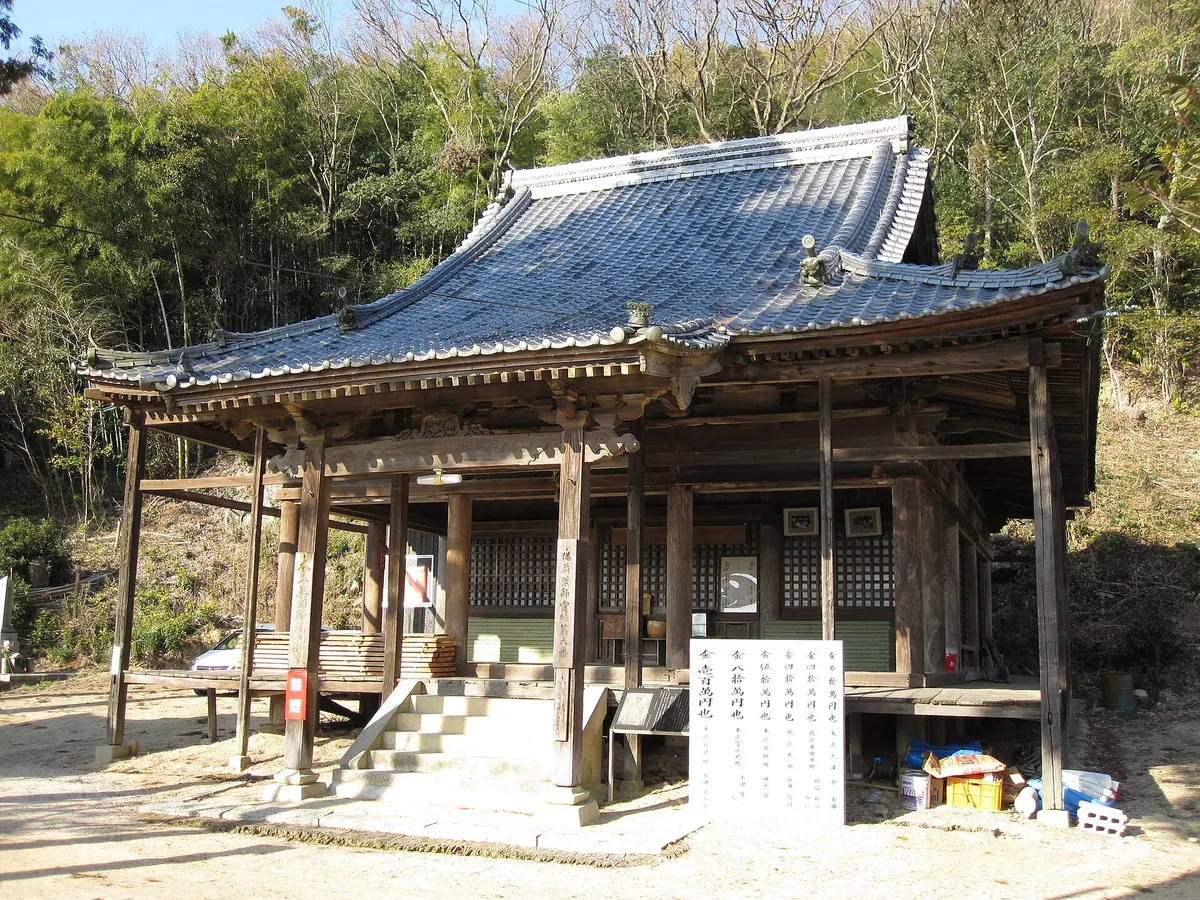
Muryoju-in Temple, a historic Buddhist site, offers a glimpse into ancient Japanese religious architecture.
What it is
- A temple of the Koyasan Shingon sect.
- Founded in 725 by O-rin Osho.
- The 6th temple of the Bizen Eight Yakushi Pilgrimage.
- Merged with Itoku-in in 1916.
What to see
- The principal image is Yakushi Rurikō Nyorai.
- Main hall rebuilt in 1768, an important cultural property.
- Namubutsu Taishi standing statue is a designated cultural property.
- Saifoji Temple is a sub-temple within the grounds.
When to go
- Temple performs a ritual for Saidaiji Eyo.
- Address
- 岡山県岡山市東区広谷135 Map
10
Kōbō-ji Temple
OKAYAMA · TEMPLE 弘法寺
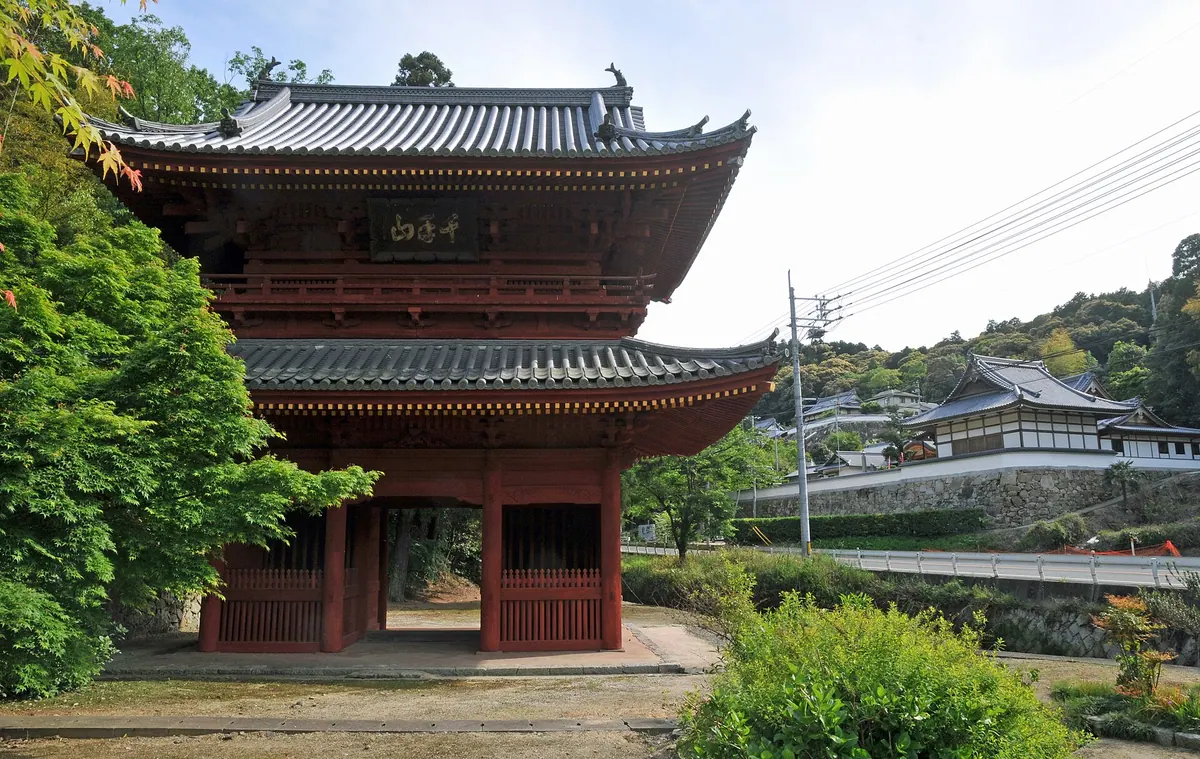
Kōbō-ji Temple is an ancient Shingon Buddhist temple with important cultural properties.
What it is
- Kōbō-ji Temple is a Koyasan Shingon-shu temple.
- It was established in 662 by Emperor Tenji's imperial order.
- Kukai built a hall and enshrined Senju Kannon in 807.
- Ashikaga Takauji prayed for victory here in 1350.
What to see
- Henmyoin and Tojuin are the two existing sub-temples.
- Henmyoin is the 15th temple of the Sanyo Hana-no-tera 24 Temples.
- Ashikaga Takauji Gokyosho is a cultural property.
- Jogyodo, Mieido, Ikkyokyozo, and Chinjusha survived a 1967 fire.
- Address
- 岡山県瀬戸内市牛窓町千手239 Map
11
Yakuō-ji Temple
OKAYAMA · TEMPLE 薬王寺
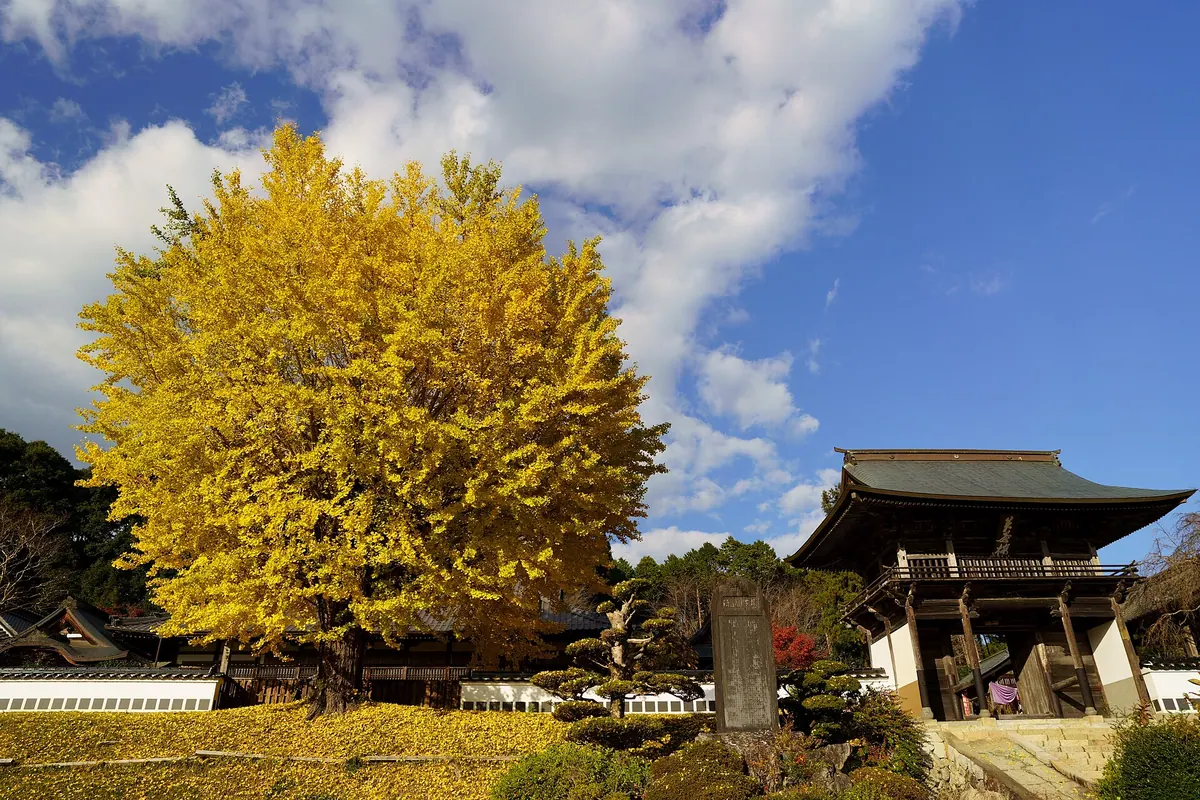
Yakouji Temple offers Edo-period art and architecture, with a history tied to Kukai.
What it is
- A Shingon Omuro school temple.
- Main deity is Yakushi Nyorai.
- Kukai made it a Shingon sect temple.
- Built on the site of Gotan Haiji Temple.
What to see
- Temple gate built in the early Edo period.
- Guest hall from the late Edo period.
- Fusuma paintings by Kyoto Kano Shijo school artists.
- Small gilt bronze Buddha from 1172.
Getting there
- 20-minute walk from JR Kishin Line Kuse Station.
- 7-minute drive from Yonago Expressway Kuse IC.
- Address
- 岡山県真庭市台金屋193 Map
12
Saijō Inari
OKAYAMA · TEMPLE 最上稲荷
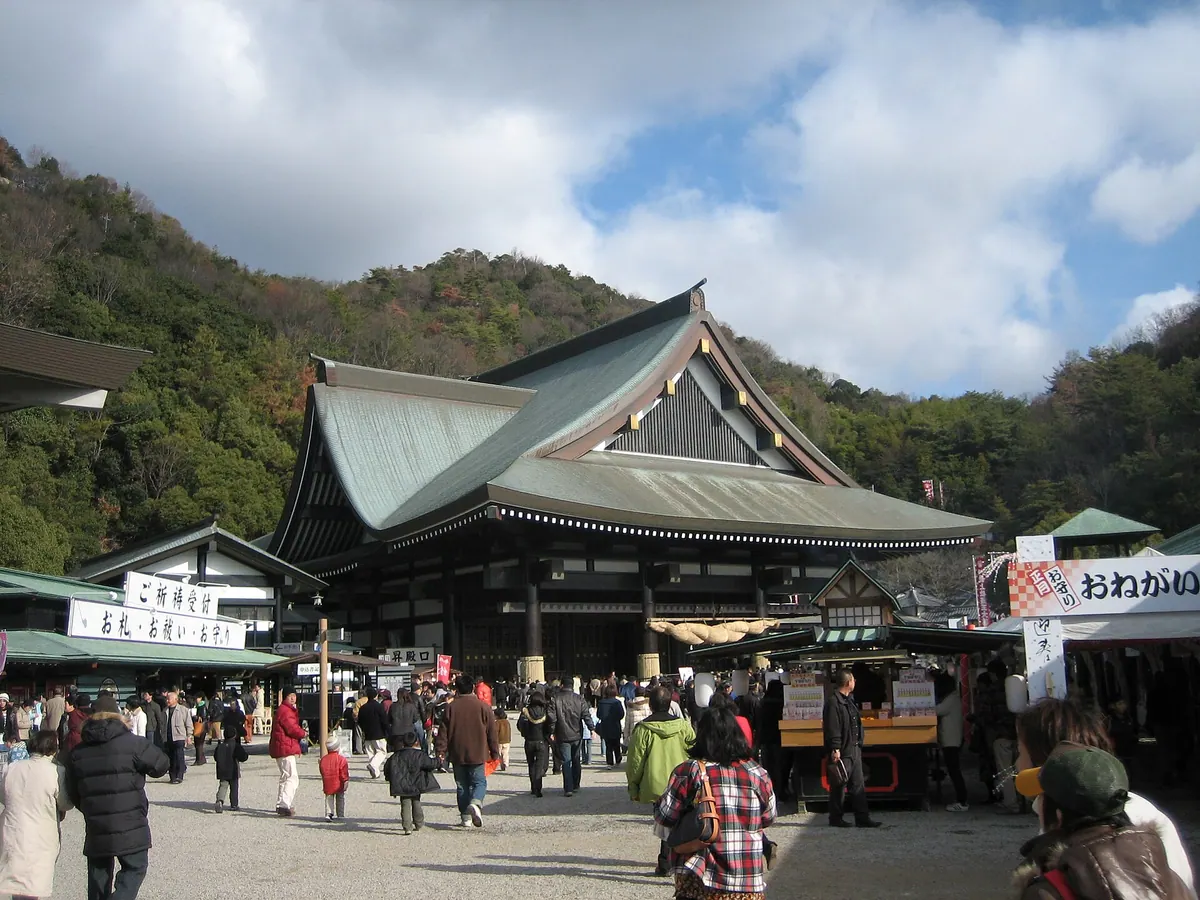
A unique Buddhist temple in Okayama, blending Shinto traditions, worth visiting for its distinct architecture and history.
What it is
- A Nichiren Buddhist temple in Okayama City.
- Known for Shinto-Buddhist syncretism, rare for an Inari.
- Main deity is Dakiniten, called Saijōkyō Ōbosatsu.
- Founded as Saijō Inari-san Myōkyō-ji.
What to see
- Main deity image: sickle, rice bundles, white fox.
- Reio-den Honden (old main hall) built in 1741.
- Current main hall (Reikō-den) built in 1979.
- 33 structures are Registered Tangible Cultural Properties.
- A large red torii gate built in 1972.
- Address
- 岡山県岡山市北区高松稲荷712 Map
13
Daihō-ji Temple
OKAYAMA · TEMPLE 大法寺
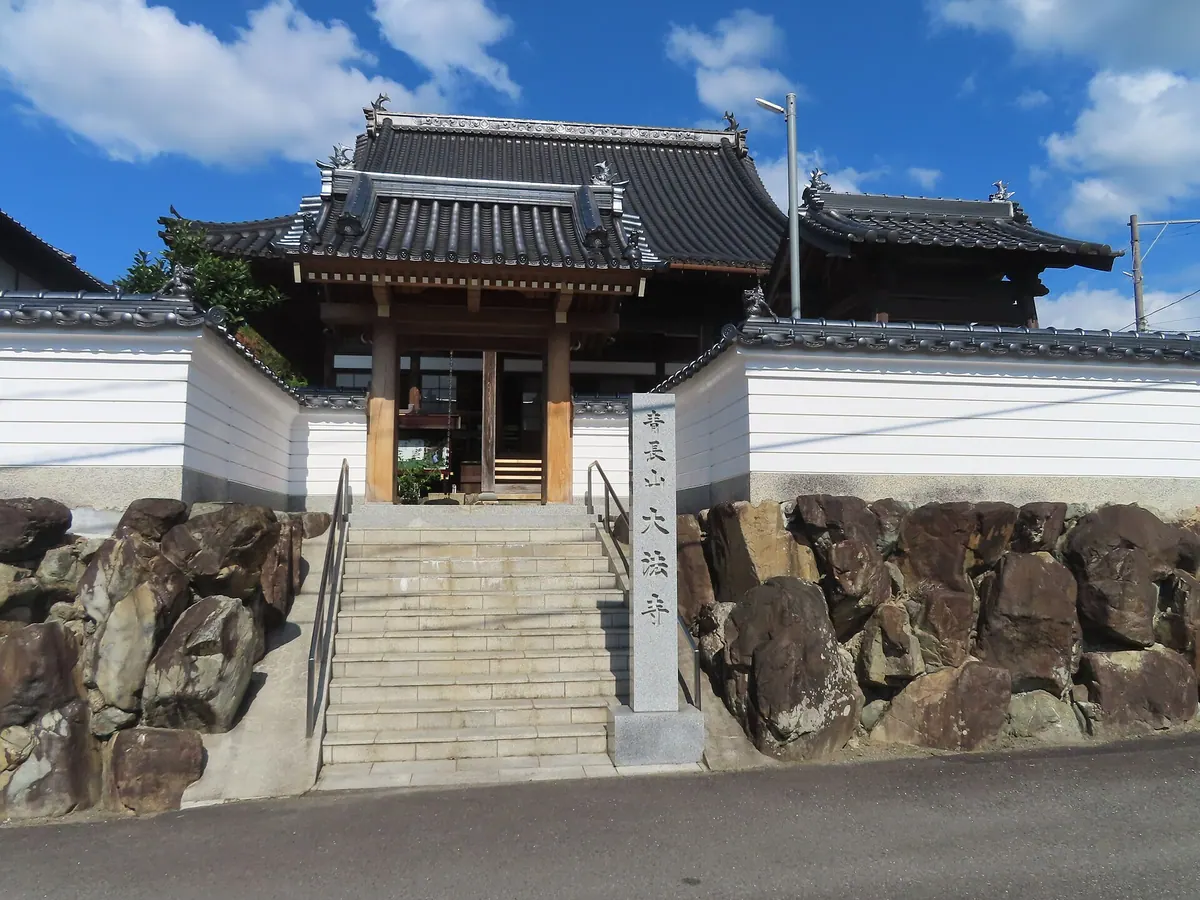
A 17th-century Jodo Shinshu temple in Tsuyama City housing Amida Nyorai, founded under the permission of Lord Mori Tadamasa.
What it is
- A Jodo Shinshu Hongwanji-ha temple founded in 1614 by the monk Risei.
- The temple is dedicated to the main object of worship, Amida Nyorai.
- Established with official permission from the local lord Mori Tadamasa.
- Originally a Shingon sect site featuring a hall dedicated to Kobo Daishi.
What to see
- The main temple buildings located on the grounds of Seichōzan mountain.
- Noyama Park which is situated in the area surrounding the temple site.
14
Shinkō-ji Temple
OKAYAMA · TEMPLE 真光寺
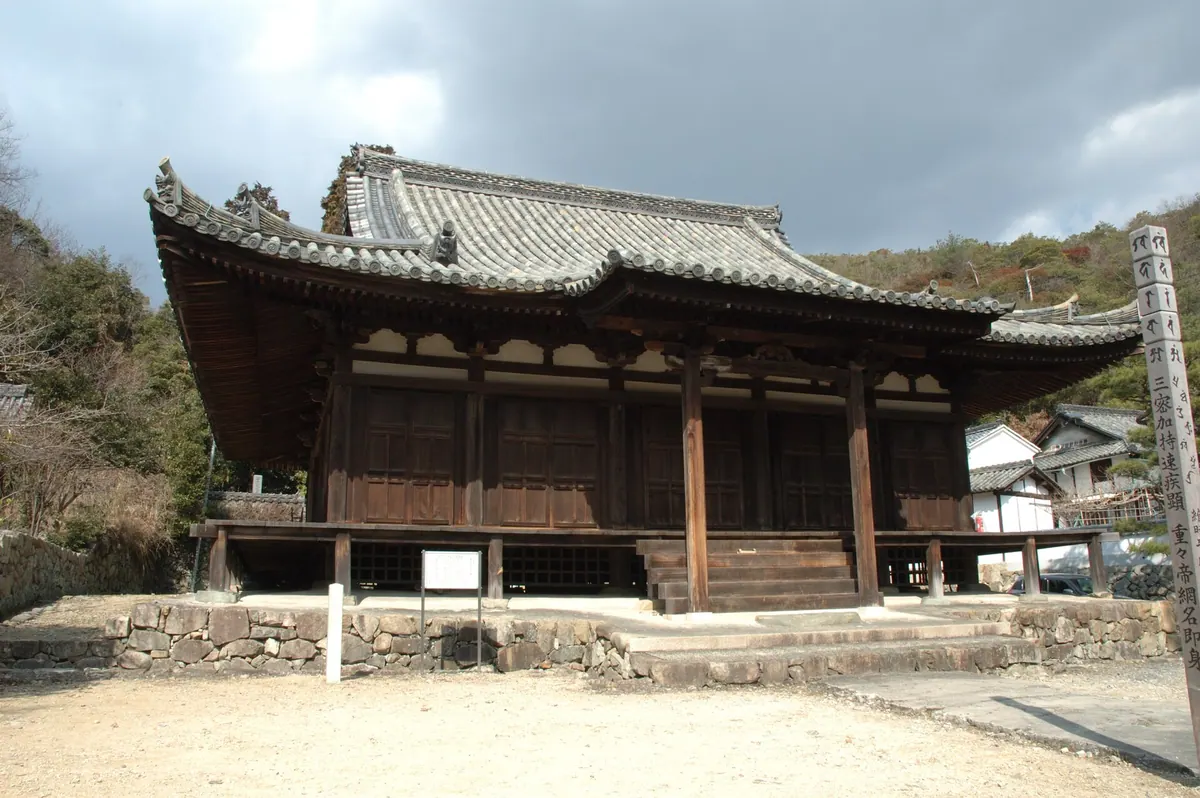
Shinkō-ji Temple: an ancient temple with important cultural properties, founded in 739.
What it is
- Kōyasan Shingon sect temple, mountain name Otakisan.
- Founded in 739 by Gyōki.
- Principal image is Amitābha Tathāgata.
- Added to 48 temples of Bizen by Hōon Daishi.
What to see
- Main hall is a National Important Cultural Property.
- Three-storied pagoda is a National Important Cultural Property.
- Niōmon gate is a Bizen City cultural property.
- Kezō-in main gate is a Bizen City cultural property.
- Two sub-temples remain: Jishō-in and Kezō-in.
- Address
- 岡山県備前市西片上1513 Map
15
Yakushi-in Temple
OKAYAMA · TEMPLE 薬師院
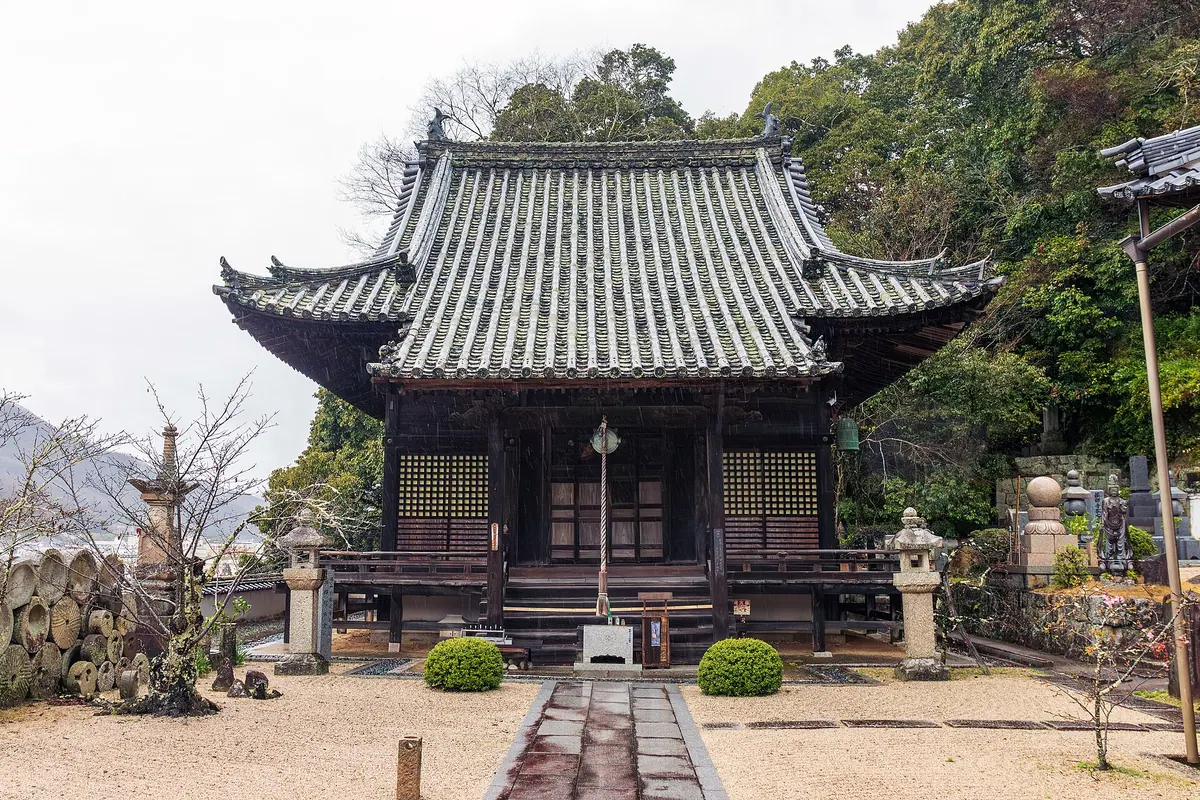
Yakushi-in Temple is a historic temple with a beautiful garden and important cultural properties.
What it is
- A temple in Kaminatanicho, Takahashi City, Okayama Prefecture.
- Formal name is Rurisan Tairyuji Yakushi-in.
- Founded in 968 in Haramura.
- Moved to its current location in 1600.
What to see
- Stone walls completed in 1624.
- Garden built in the early Edo period.
- Main hall is an Okayama Prefecture Important Cultural Property.
- Nio gate is a Takahashi City Important Cultural Property.
- Enmei Jizo Bosatsu is a Takahashi City Important Cultural Property.
- Address
- 岡山県高梁市上谷町4100 Map
16
Raikyū-ji Temple
OKAYAMA · TEMPLE 頼久寺
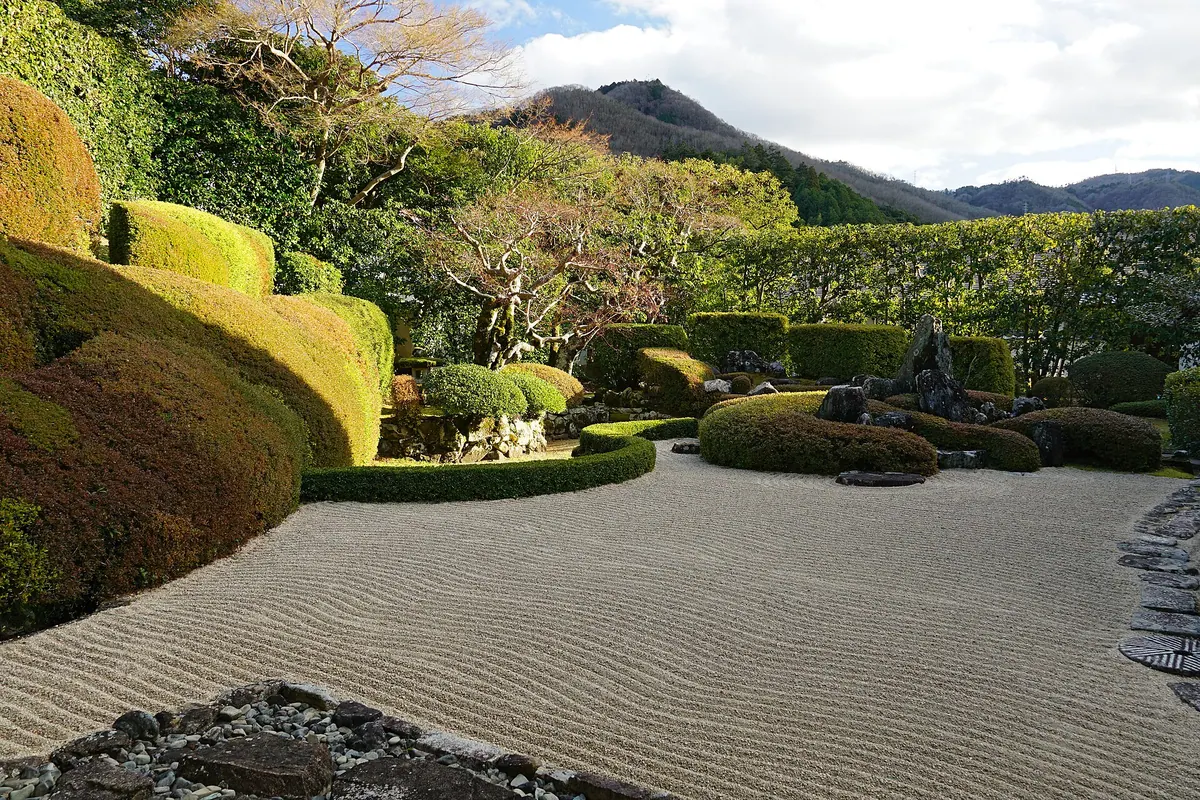
Raikyū-ji Temple offers a historic Zen garden by Kobori Enshū, a must-see for garden enthusiasts.
What it is
- Rinzai sect temple, reestablished in 1339.
- Founding priest was Jikushitsu Genkō Zenji.
- Main image is Shō Kannon Bosatsu.
- 5th sacred site of Bitchū Saigoku.
What to see
- Garden is an early work by Kobori Enshū.
- Garden is a karesansui Hōrai garden.
- Garden designated a National Place of Scenic Beauty.
- Stone lantern is a city-designated cultural property.
- Tomb of Raikyū is located here.
- Tombs of three Mimura lords are housed here.
- Address
- 岡山県高梁市頼久寺町18番地 Map
- Official site
- raikyuji.com
17
Anjū-in Temple
OKAYAMA · TEMPLE 安住院
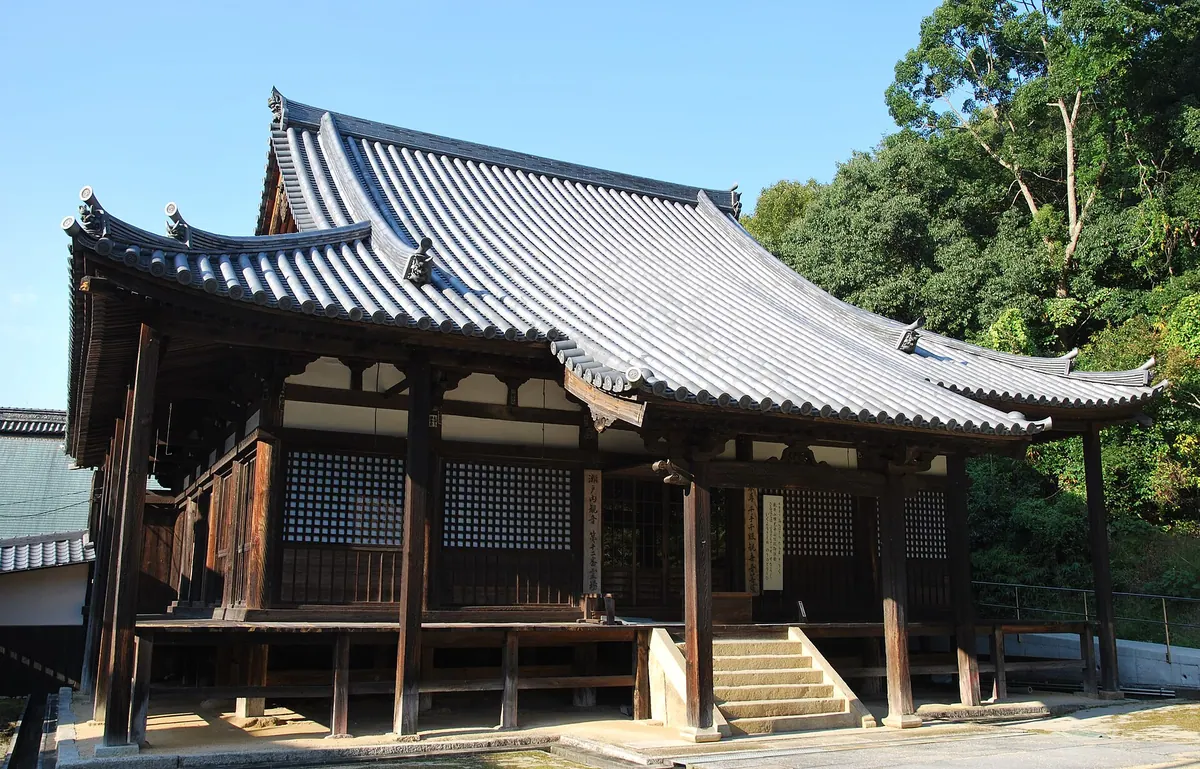
Anjū-in Temple: a historic Shingon Buddhist temple with important cultural properties.
What it is
- A Shingon Buddhist temple in Okayama.
- Founded by Hōon Daishi during the Tenpyō-shōhō era.
- Main image is a Senju Sen-gen Kanzeon Bosatsu.
- The 12th temple of the Setouchi 33 Kannon Pilgrimage.
What to see
- The Niōmon gate, built in 1456.
- Oldest tower gate in Okayama Prefecture.
- The Tahōtō pagoda from the Edo period.
- The main hall, rebuilt in 1601.
- Grave of author Uchida Hyakken.
- Several Important Cultural Properties.
- Address
- 岡山県岡山市中区国富3-1-29 Map
18
Shōraku-ji Temple
OKAYAMA · TEMPLE 正楽寺
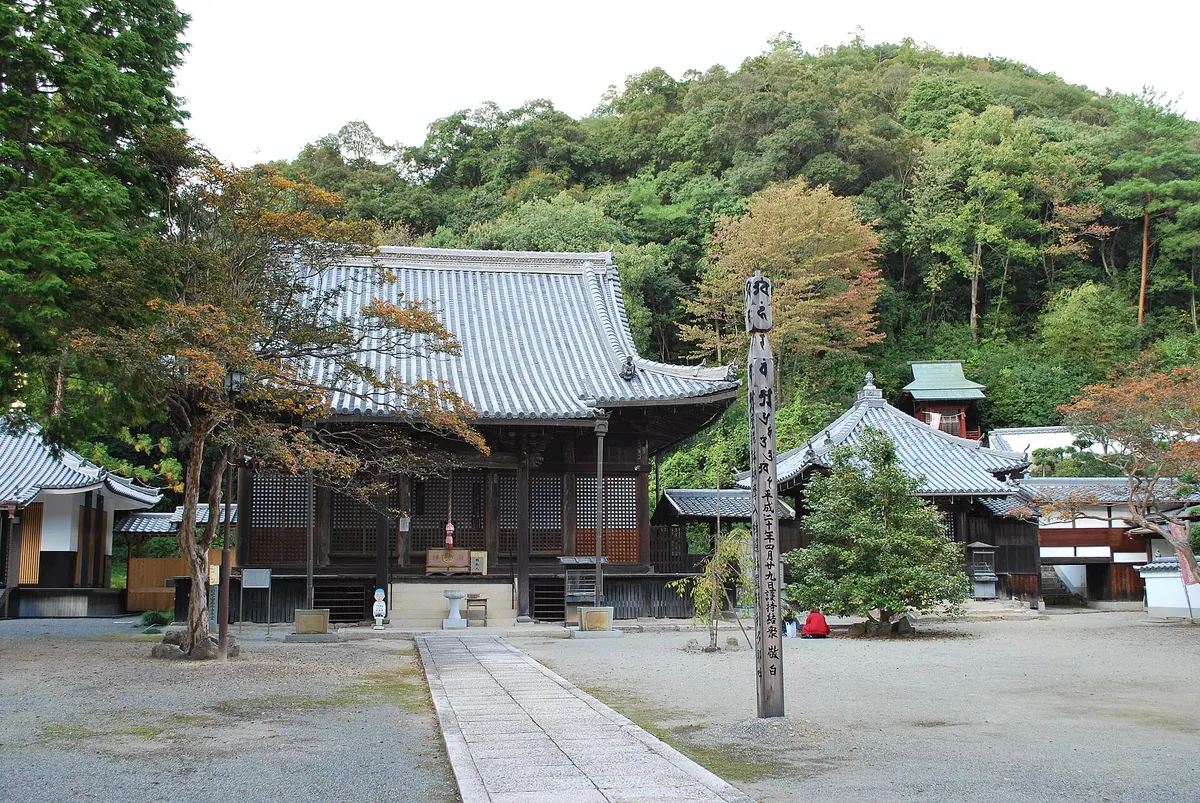
Shōraku-ji Temple is a historic pilgrimage stop with important cultural properties.
What it is
- A temple of the Koyasan Shingon sect.
- Founded by Priest Hōon between 749 and 756.
- The 3rd stop of the Chugoku 33 Kannon Pilgrimage.
- The 4th stop of the 108 Kannon Pilgrimage.
What to see
- The main image is an Eleven-faced Kannon Bodhisattva.
- The temple gate, built in 1817, is a Prefectural Important Cultural Property.
- The main hall was rebuilt in 1711.
- Shiza Koshiki in 4 volumes is a National Important Cultural Property.
- Address
- 岡山県備前市蕃山1305 Map
19
Shōzen-ji Temple
OKAYAMA · TEMPLE 掌善寺
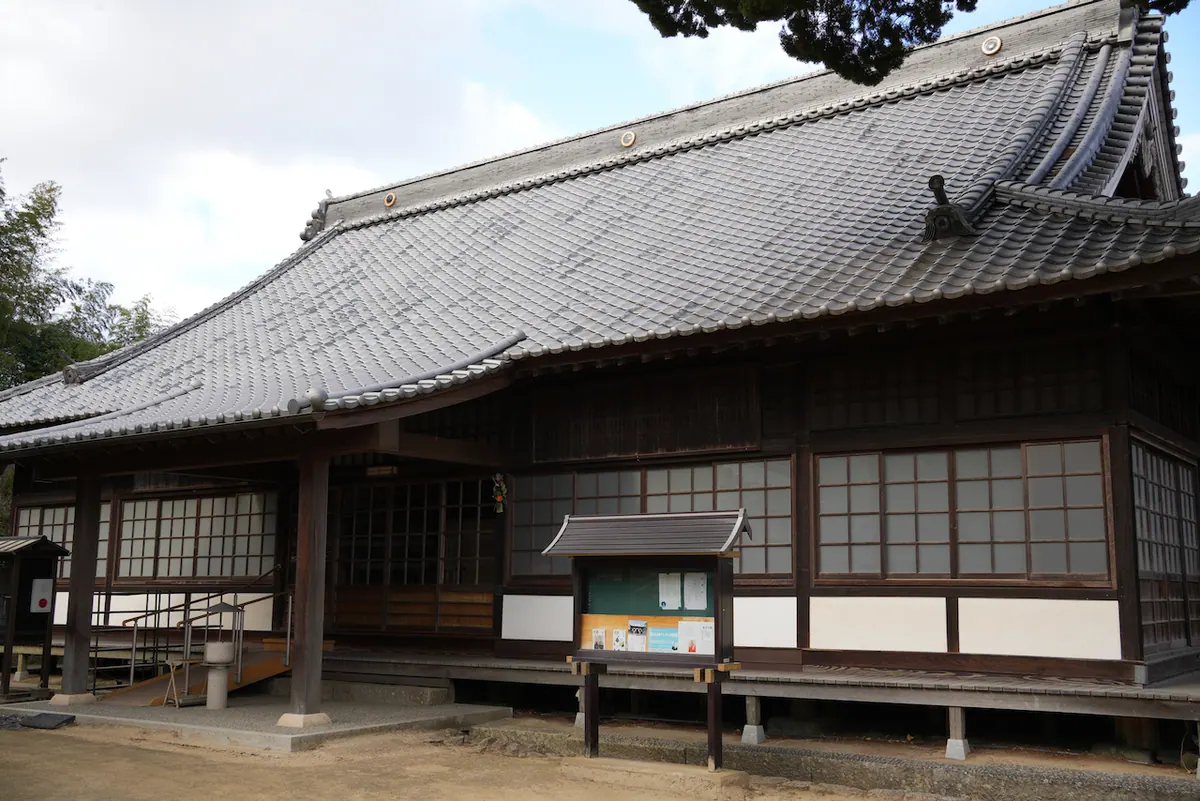
Shōzen-ji Temple is a historic Rinzai Buddhist temple with important cultural properties.
What it is
- A Rinzai sect Myoshin-ji school temple.
- Founded in 1313.
- Kojima Takanori was the founder.
- Daikō Kokushi was the founding priest.
What to see
- Main hall is a city cultural property.
- Main hall includes attached gargoyles.
- Kannon-do hall is a city tangible cultural property.
- Kannon-do hall includes four attached ridge tags.
When to go
- Hanamatsuri is held in April.
- Akiba Festival is held in July.
- Address
- 岡山県岡山市南区郡972 Map
20
Myōgan-ji Temple
OKAYAMA · TEMPLE 妙願寺
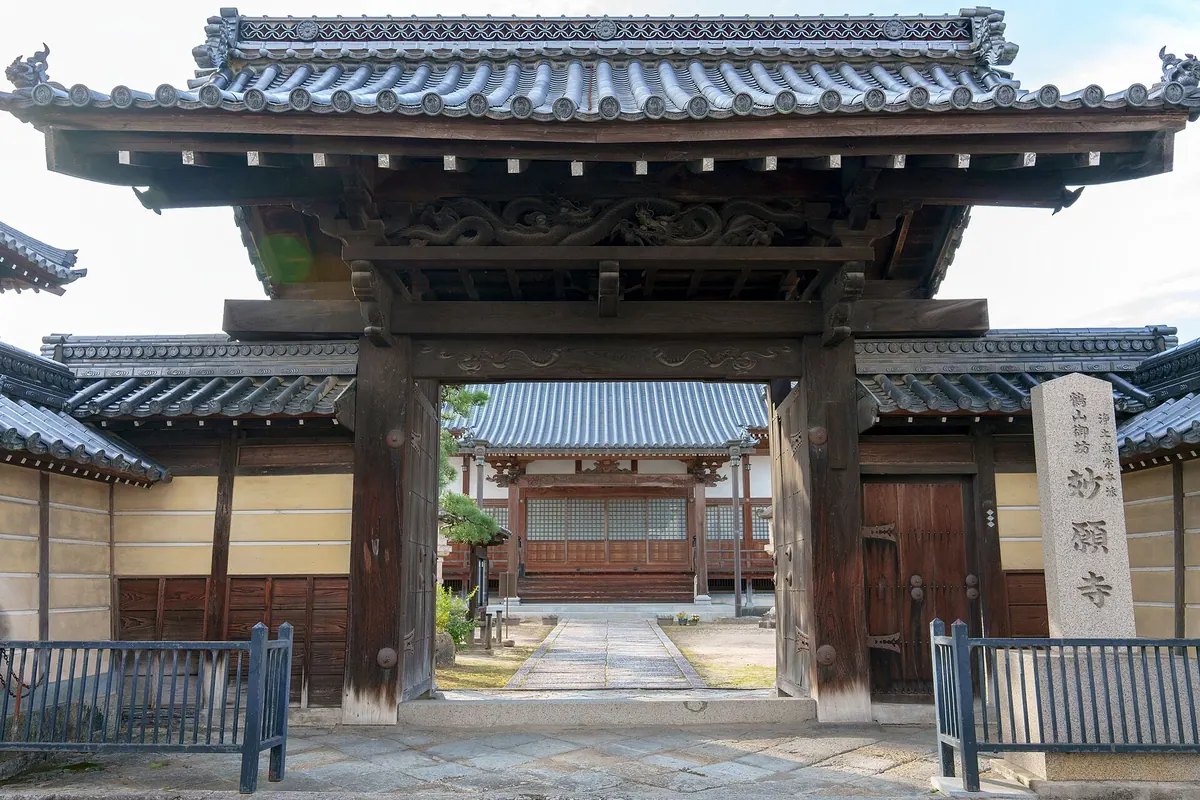
Myōgan-ji Temple, founded in 1617, offers a glimpse into local history and art.
What it is
- A Jōdo Shinshū Honganji-ha Buddhist temple.
- Commonly known as Tsuruyama Gobō.
- Founded in 1617 by Myōkō-ni in Tsuyama.
- Served as a touchō in Mimasaka Province.
What to see
- Myōkō-ni's portrait, a prefectural cultural property.
- Mori Tadamasa's letter, a city cultural property.
- Sliding door paintings, a city cultural property.
- The kuri and kyaku-den, city cultural properties.
- The bell tower, founded in 1617.
- Address
- 岡山県津山市戸川町68 Map