

20 Shrines in Shimane worth your time
Japan Gems
Shimane Prefecture is home to 51 shrines, including Matsue Gokoku Shrine and Isemikoto Shrine. Visitors can find a wide variety of spiritual sites across the region.
Shimane has 56 shrines on Japan Gems. Below are the 20 we can tell you the most about — each one written up in English from Japanese sources, with what to see and how to get there. See all shrines in Shimane.
01
Hinomisaki Shrine
SHIMANE · SHRINE 日御碕神社
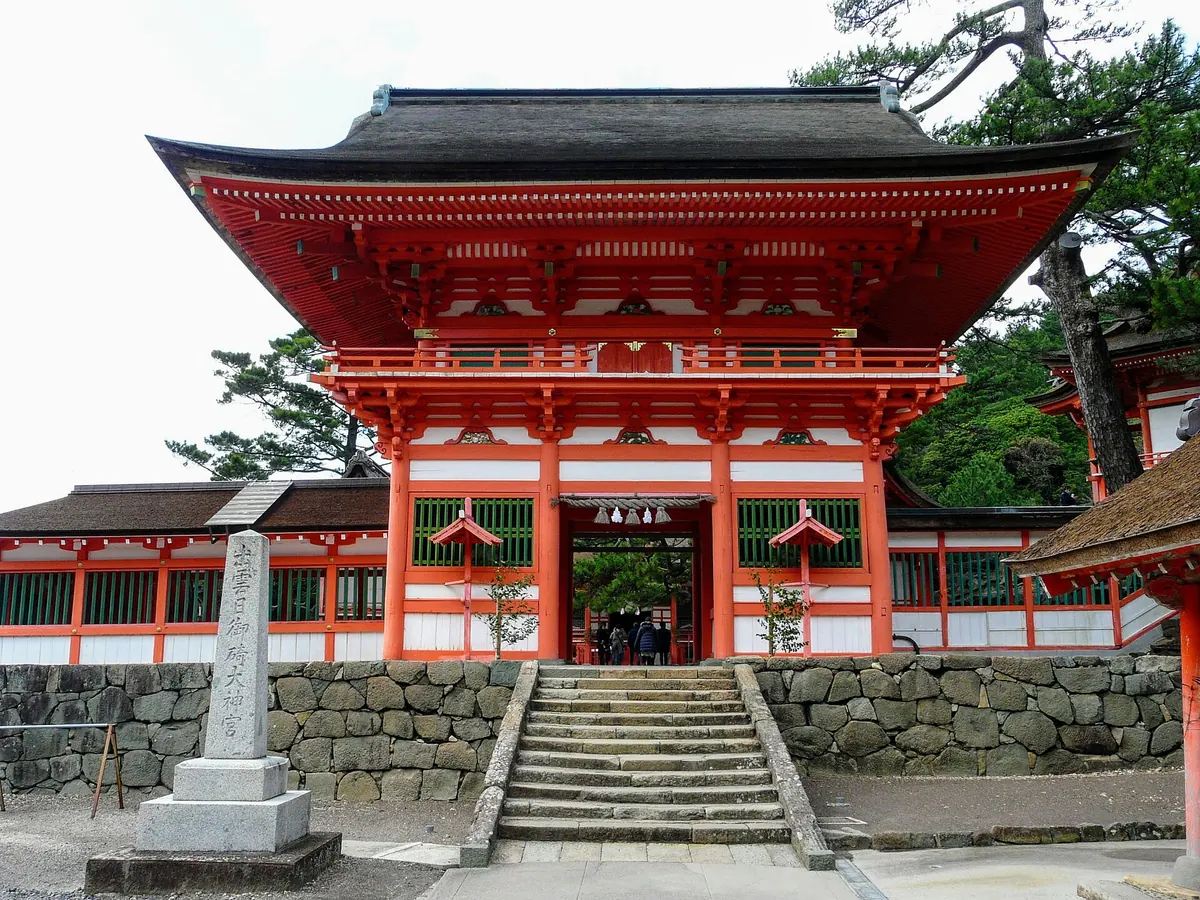
A historic coastal shrine complex in Izumo featuring twelve National Important Cultural Properties and unique Gongen-zukuri architecture.
What it is
- A coastal shrine complex dedicated to the deities Amaterasu Omikami and Susanoo-no-Mikoto
- Known as the protector of the night in Japan
- The current buildings were constructed by order of the shogun Tokugawa Iemitsu
- Consists of two main shrines named Kami-no-miya and Hishizumi-no-miya
What to see
- Twelve shrine buildings designated as National Important Cultural Properties
- Traditional shrine architecture following the distinct Gongen-zukuri style
- A National Treasure white-threaded armor dating back to the Kamakura period
- Nearby Fumishima island which serves as a breeding ground for black-tailed gulls
When to go
- The annual Rei-taisai festival held every year on August 7th
Getting there
- Accessible by taking a bus from the JR Izumo City Station
02
Izumo Taisha
SHIMANE · SHRINE 出雲大社
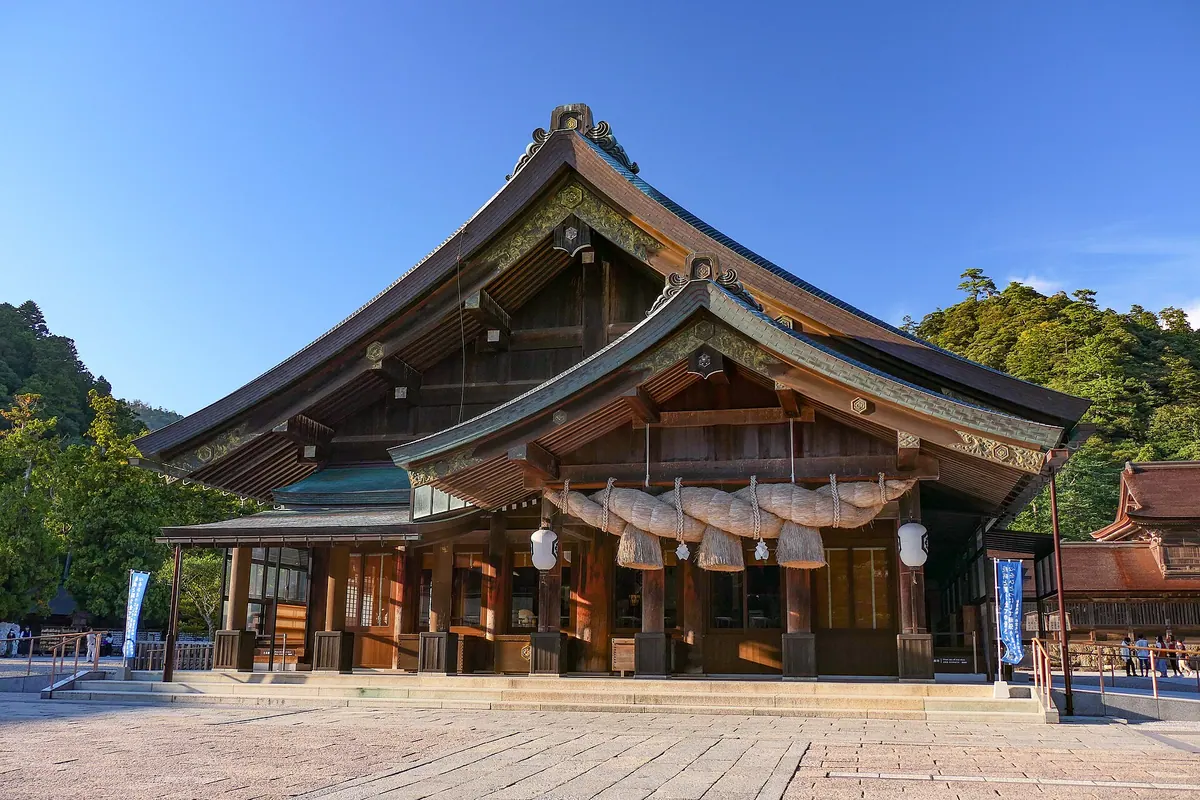
One of Japan's oldest and most important Shinto shrines, dedicated to the deity Okuninushi-no-Okami and famous for its massive architecture.
What it is
- One of the most significant Shinto shrines in Japan, dedicated to the deity Okuninushi-no-Okami.
- The primary shrine of the former Izumo Province, historically known as Kizuki Taisha until 1871.
- The Izumo Kokuso family has performed rituals at this site since ancient times.
- The current main hall was built in 1744 and underwent major renovations completed in 2013.
What to see
- The 24-meter-tall main hall, which is a masterpiece of traditional Japanese architecture.
- A massive sacred straw rope weighing 5.2 tons located at the Kagura-den hall.
- A national flag pole standing 47 meters tall within the shrine grounds.
- A large wooden pillar made of three bundled logs excavated on the site in 2000.
- The shrine crest featuring a double hexagon design with a sword-flower diamond.
- Official site
- izumooyashiro.or.jp
03
Kai Shrine
SHIMANE · SHRINE 海神社 (西ノ島町)
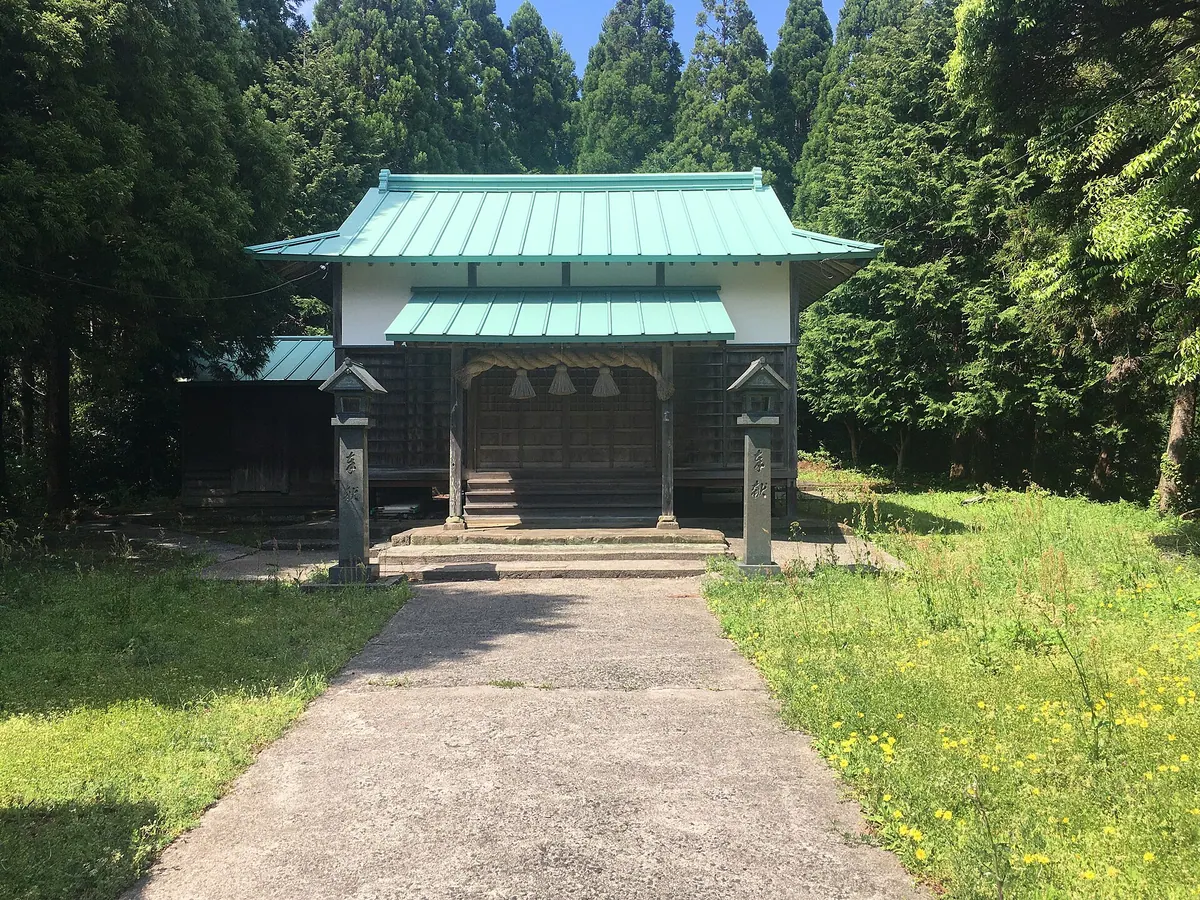
An ancient shrine in Nishinoshima featuring unique Oki-zukuri architecture and a mysterious burial mound located directly behind the main hall.
What it is
- An ancient shrine listed in the 10th-century Engishiki records.
- The current enshrined deities are officially recorded as unknown.
- The Uno family has traditionally served as the hereditary priests.
- Located east of Beppu Port and north of the Kuroki Imperial Palace ruins.
What to see
- Main building reconstructed in 1867 using the regional Oki-zukuri architectural style.
- A burial mound situated directly behind the main shrine building.
- Branch shrines on the grounds dedicated to Ise and Inari.
- Site where obsidian arrowheads were previously excavated from the adjacent grounds.
When to go
- The annual shrine festival is held every year on July 21.
- A traditional boat procession festival takes place every other year.
04
Susa Shrine
SHIMANE · SHRINE 須佐神社
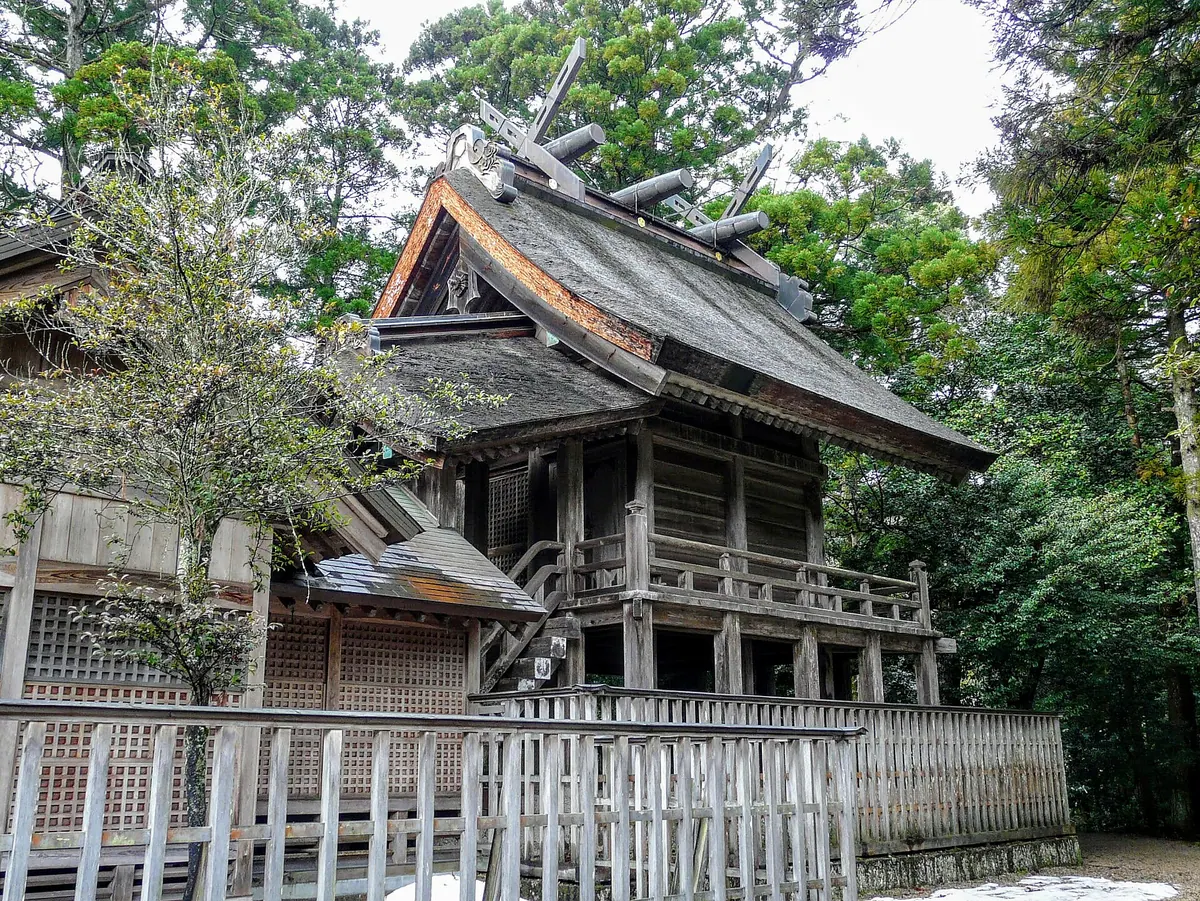
This shrine is where the god Susanoo chose to spend eternity, making it his true shrine.
What it is
- Shrine dedicated to the god Susanoo no Mikoto.
- Considered Susanoo's true shrine, despite its modesty.
- Located in a valley where Susanoo chose to spend eternity.
- Current main building dates from the nineteenth century.
What to see
- Zuijin-mon, a small roofed wooden gate with guardian figures.
- Haiden, an enclosed prayer hall for offerings.
- Honden, the main hall, 12-meters tall, in Grand Shrine style.
- Shrine to goddess Amaterasu Omikami, Susanoo’s older sister.
- Ohsugi-san, a giant cedar tree over 1,300 years old.
- Seven legendary wonders, including a saltwater well and a shadowless cherry tree.
When to go
- Any time to see the ancient cedar tree and shrine buildings.
- Address
- 島根県出雲市佐田町須佐730 Map
05
Mizuwakasu Shrine
SHIMANE · SHRINE 水若酢神社
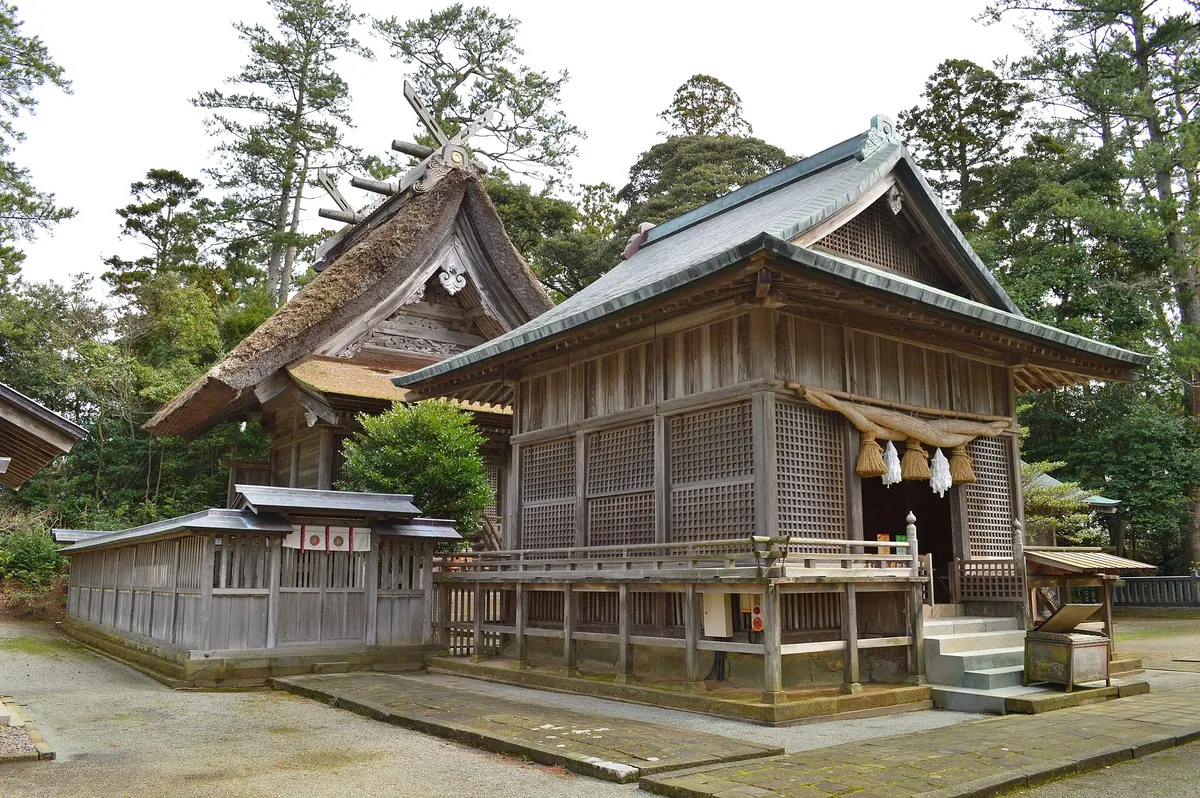
A historic shrine in Okinoshima featuring unique architecture and the largest ancient stone burial chamber on the Oki Islands.
What it is
- The primary Shinto shrine of the former Oki Province.
- Dedicated to the deity Mizuwakasu-no-mikoto.
- Listed as a Myojin Taisha in the historical Engishiki records.
What to see
- The main hall built in 1795 in the distinct Oki-zukuri style.
- A Zuishinmon gate dating back to 1811.
- The largest stone burial chamber found in the Oki region.
- A main hall designated as a National Important Cultural Property.
When to go
- The Sairei Furyu festival is held during even-numbered years.
Getting there
- Take a 40-minute bus ride from Saigo Port.
06
Yaegaki Shrine
SHIMANE · SHRINE 八重垣神社
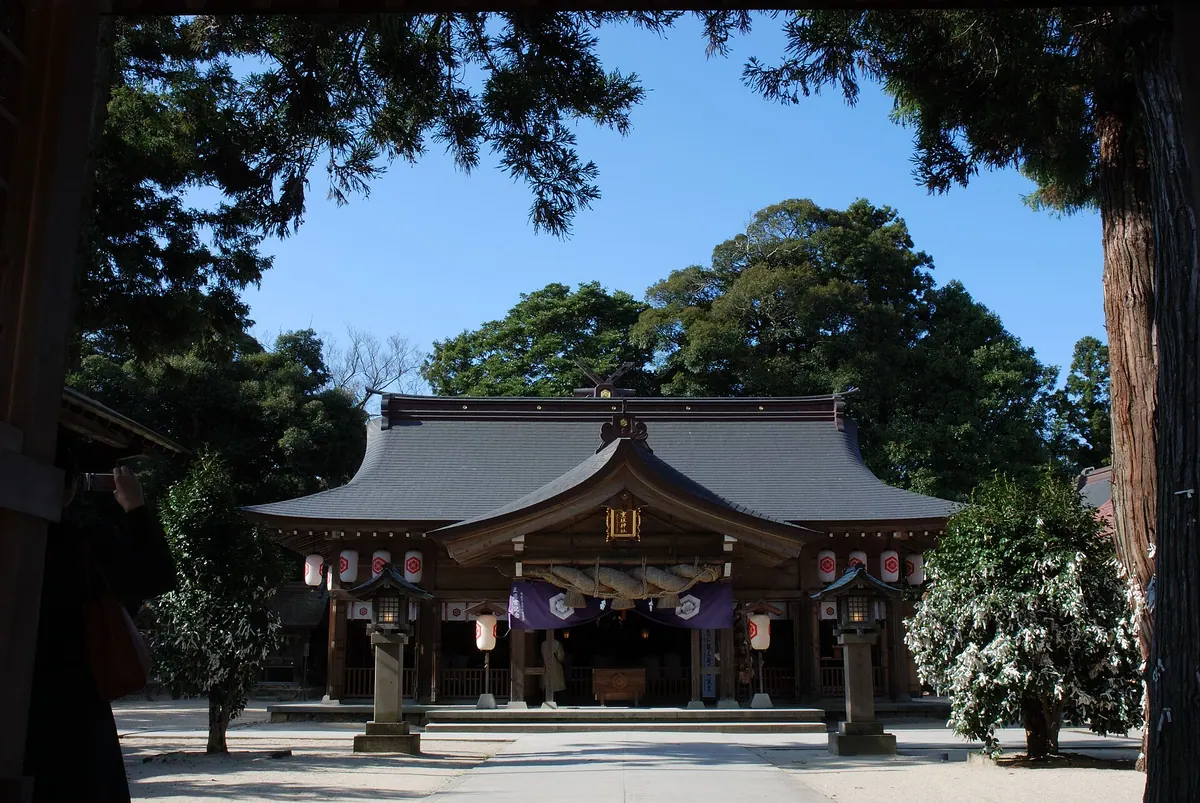
Ancient shrine dedicated to deities, known for its cultural properties and unique festivals.
What it is
- Shrine dedicated to Susanoo-no-Mikoto and Kushinadahime-no-Mikoto.
- Aohata Sakusahiko-no-Mikoto is also enshrined here.
- Formerly known as Sakusa Shrine, a prefectural shrine.
- One of the Ouu Rokusha shrines.
What to see
- Main hall rebuilt in the mid-Edo period.
- Worship hall rebuilt in 1964.
- Three Important Cultural Properties: painted wooden statues.
When to go
- Annual festival is held on October 20th.
- Migakushi Shinji festival is held on May 3rd.
Getting there
- Accessible by municipal bus from Matsue Station.
- Address
- 島根県松江市佐草町227 Map
- Official site
- yaegakijinja.or.jp
07
Isemikoto Shrine
SHIMANE · SHRINE 伊勢命神社
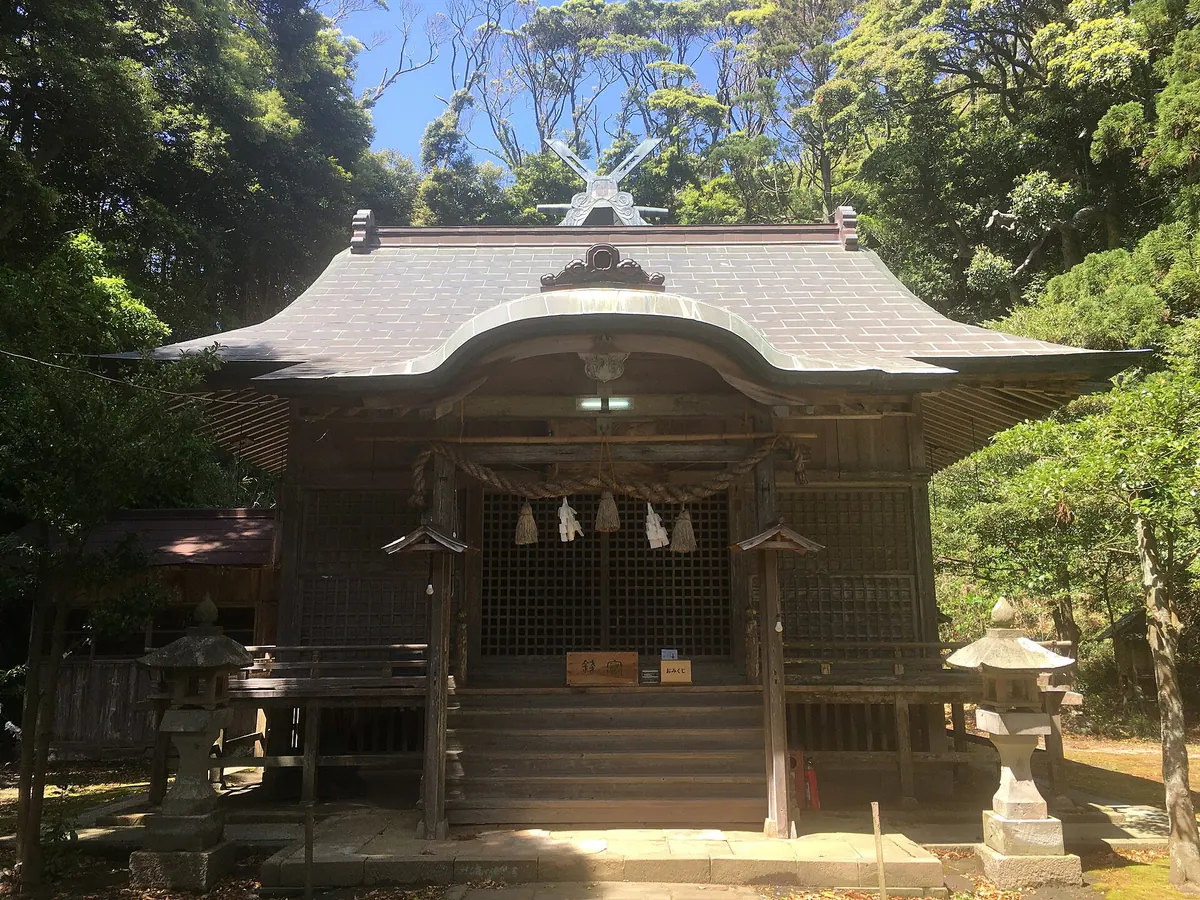
Isemikoto Shrine: a historic shrine on Dogo island, known for its unique architecture and traditional festival.
What it is
- A Shikinaisha (Myojin Taisha) listed in Engishiki Jinmyocho.
- Dedicated to the deity Isemikoto.
- Restored to Isemikoto Shrine in the Meiji period.
- Located at the northern tip of Dogo island.
What to see
- The current main shrine, rebuilt in 1841.
- Main shrine roof, changed to copper plating in Showa period.
- Main shrine and worship hall are cultural properties.
When to go
- Annual festival is held on July 26.
- Kumi Kagura performed on July 26 or 25.
- Kumi Kagura is a national intangible folk cultural property.
- Address
- 島根県隠岐郡隠岐の島町久見字宮川原375 Map
08
Tamatsukuriyu Shrine
SHIMANE · SHRINE 玉作湯神社
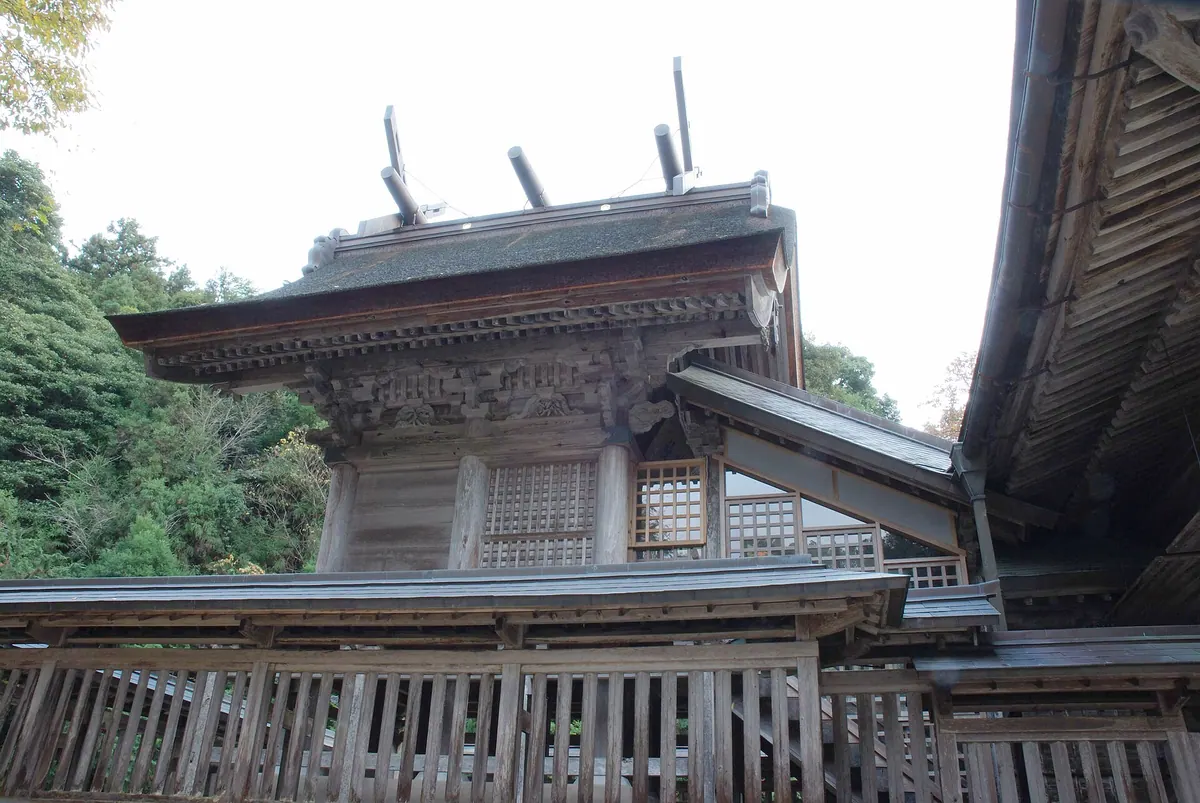
This ancient shrine, dedicated to jade crafting, offers a glimpse into Japan's historical artistry.
What it is
- Ancient Shikinai-sha and Kensha shrine.
- Dedicated to Kushiakaratama-no-mikoto and other deities.
- Associated with the production of magatama and other jewels.
- Grounds are part of a National Historic Site.
What to see
- Shrine crest: double tortoise shell with jewels and magatama.
- Main hall, rebuilt in 1857.
- Artifacts from Izumo Tamatsukuri ruins, Important Cultural Properties.
- Approximately 700 ancient jade-making materials.
- Tamatsukuri Tsukiyama Kofun, a Prefectural Historic Site.
- Several subsidiary shrines on the grounds.
- Address
- 島根県松江市玉湯町玉造508 Map
09
Ame-no-Toyotarashikara-hime-no-mikoto Shrine
SHIMANE · SHRINE 天豊足柄姫命神社
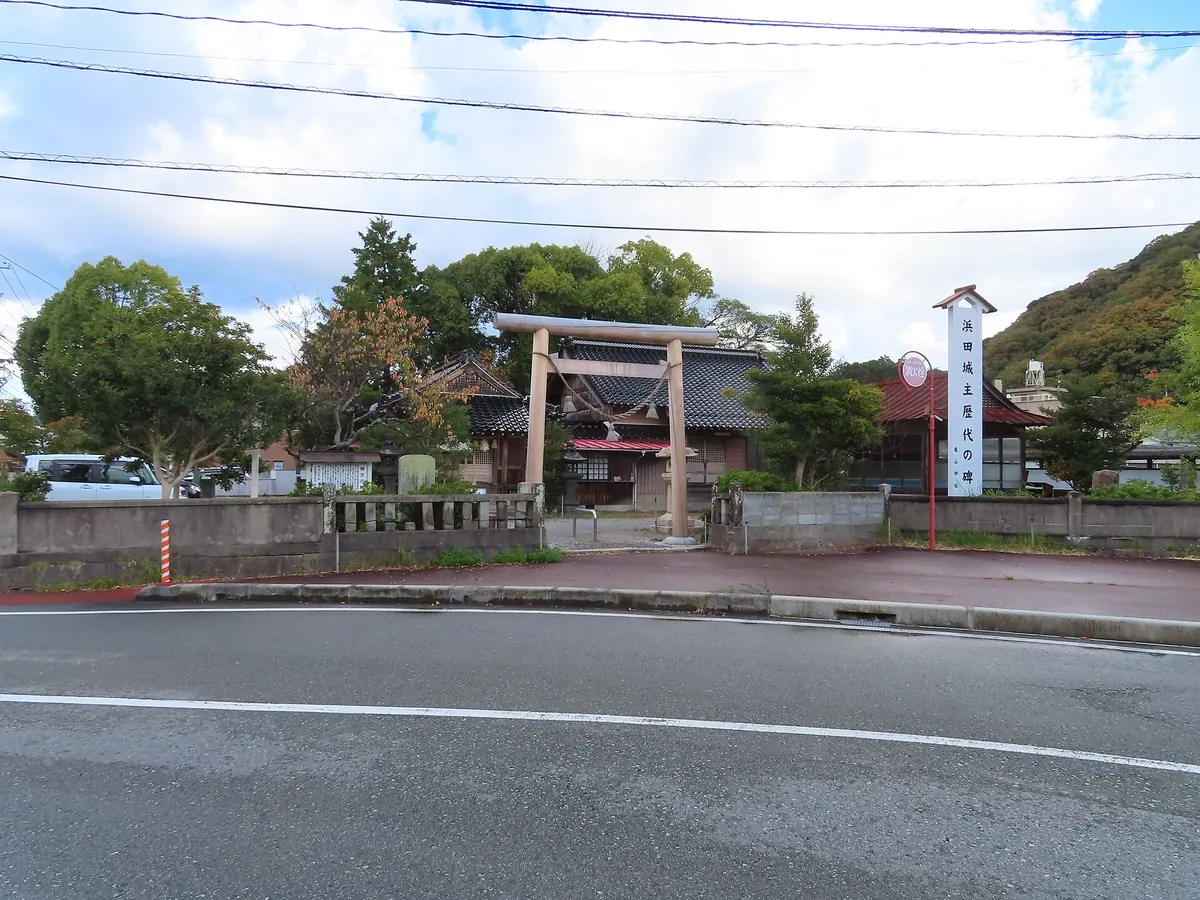
An ancient shrine listed in the Engishiki records featuring a main hall dedicated to the deity of agriculture and feudal lords.
What it is
- A historic shrine dedicated to the primary deity Ame-no-Toyotarashikara-hime-no-mikoto.
- The grounds include Kameyama Shrine which enshrines successive feudal lords of Hamada.
- This site is officially listed in the ancient Engishiki records.
- The location was moved into Hamada Castle by Furuta Shigeharu in 1620.
What to see
- The current main hall and worship hall constructed in 1874.
- Kameyama Shrine located within the larger shrine grounds.
- Architecture resulting from a major renovation that took place in 1486.
Read more about Ame-no-Toyotarashikara-hime-no-mikoto Shrine
10
Takatsu-kakinomoto Shrine
SHIMANE · SHRINE 高津柿本神社
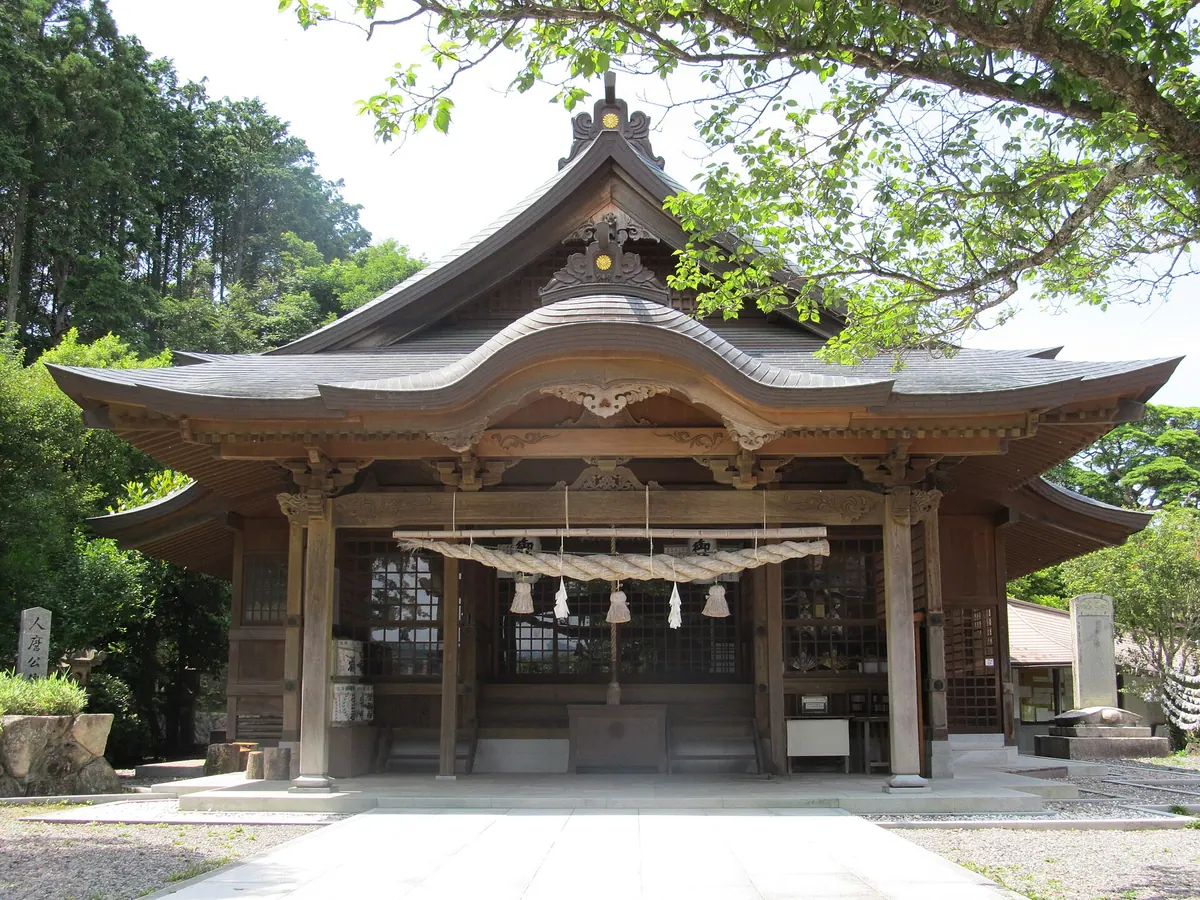
Visit this shrine to Japan's greatest ancient poet, a designated cultural property with unique festivals.
What it is
- Shrine dedicated to poet Kakinomoto Hitomaro.
- Claims to be head shrine of all Kakinomoto shrines.
- Founded in the Kampei era by Emperor Shomu's order.
- Hitomaro is worshipped as a god of learning and agriculture.
What to see
- Main hall rebuilt in 1712.
- Main hall is a designated cultural property.
- Shrine grounds are part of Manyo Park.
- Displays artistic works of waka poems by emperors.
When to go
- Main festival is held on April 15th.
- Hasso Festival on September 1st includes Yabusame.
- Address
- 島根県益田市高津町上市イ2616-1 Map
11
Kamosu Shrine
SHIMANE · SHRINE 神魂神社
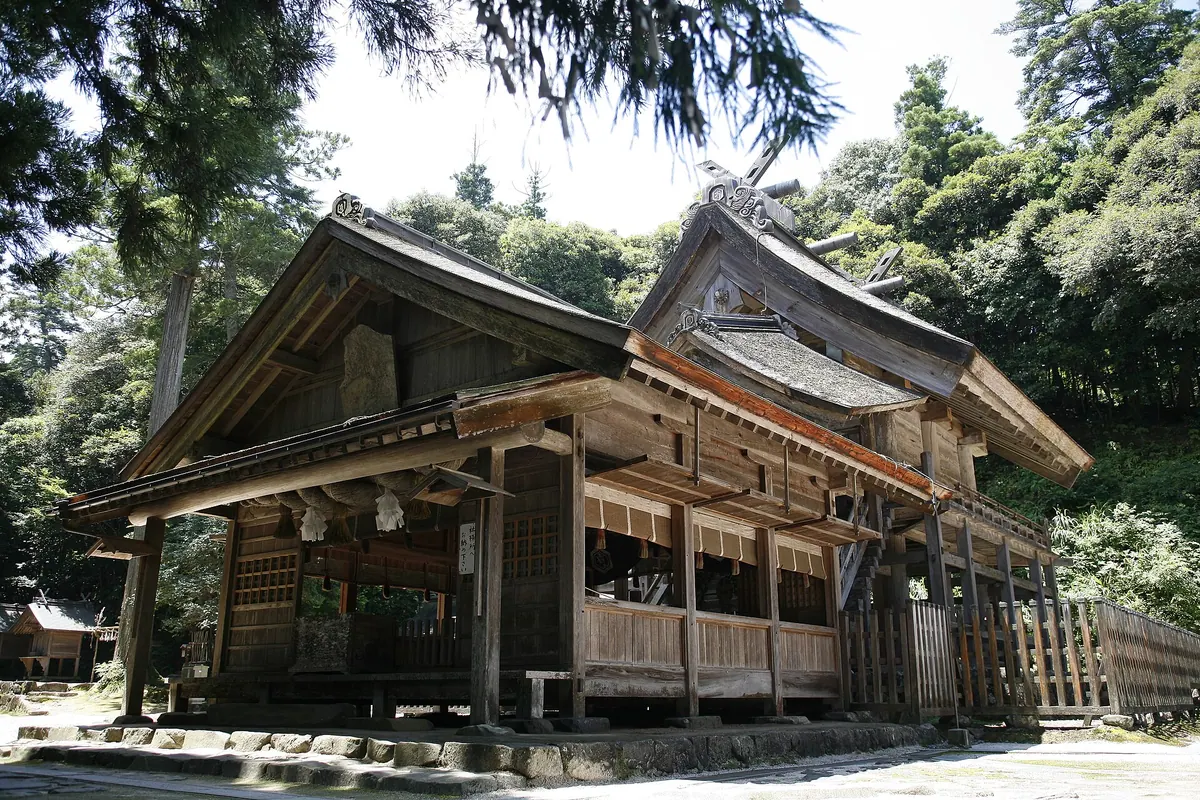
Kamosu Shrine, a National Treasure, preserves Japan's oldest Taisha-zukuri main hall.
What it is
- A Shinto shrine in Matsue City, Shimane Prefecture.
- Local names include Kamosu-san and Oba no Omiya-san.
- Believed to be founded around the mid-Heian period.
- First mentioned in literature in 1208.
What to see
- The main hall, a National Treasure.
- Oldest existing Taisha-zukuri style building.
- Main hall rebuilt in 1583.
- Main hall roof has three katsuogi and chigi.
- Interior paintings by Kano Sanraku and Tosa Mitsuoki.
Getting there
- Accessible by bus or taxi from JR Matsue Station.
- Address
- 島根県松江市大庭町563 Map
12
Mononobe Shrine
SHIMANE · SHRINE 物部神社
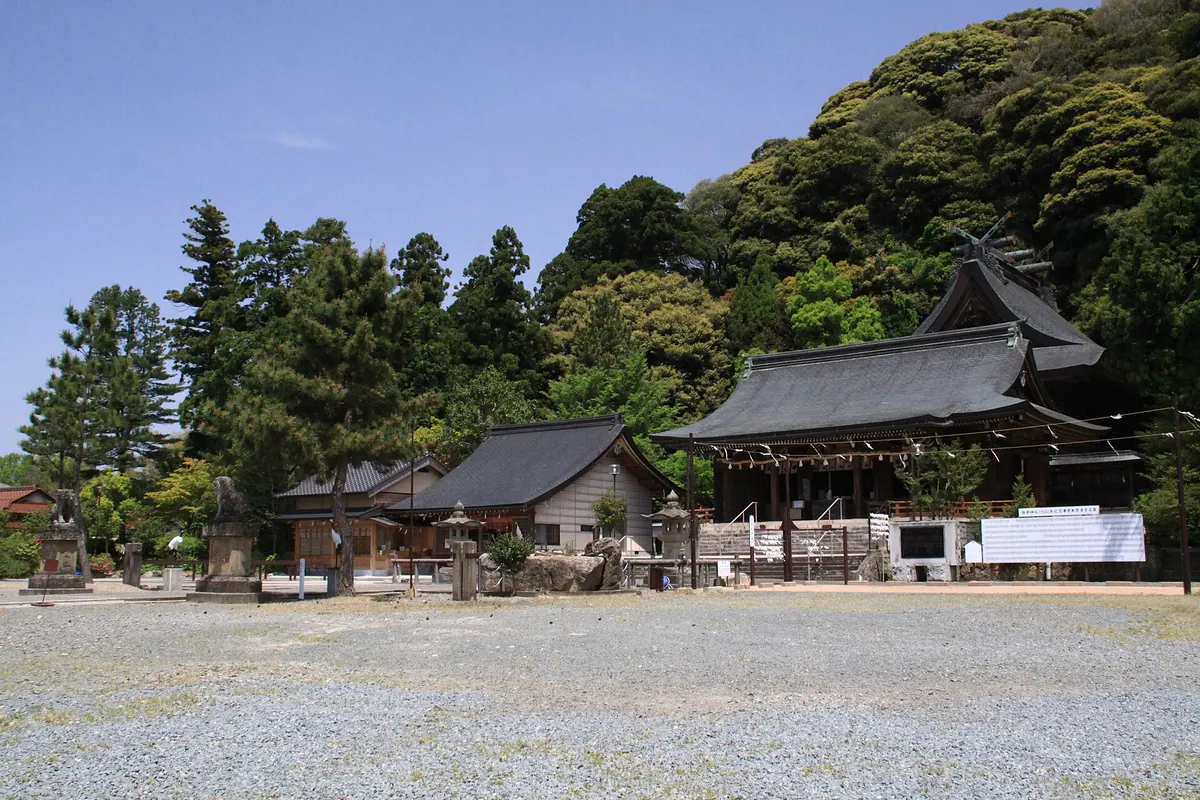
Mononobe Shrine, founded in 514 AD, is a historic site dedicated to Umashimaji-no-mikoto.
What it is
- An Ichinomiya of Iwami Province.
- Dedicated to the deity Umashimaji-no-mikoto.
- Founded in 514 AD.
- A Beppyo Jinja of the Association of Shinto Shrines.
What to see
- The main hall is a Prefectural Tangible Cultural Property.
- A Tachi sword inscribed Ryokai, a National Important Cultural Property.
- The shrine's crest is a crane carrying a red sun.
When to go
- Chinkon-sai festival is held on November 24th.
Getting there
- Accessible by bus from Oda City Station.
- Address
- 島根県大田市川合町川合1545 Map
- Official site
- www.mononobe-jinja.jp
13
Takuhi Shrine
SHIMANE · SHRINE 焼火神社
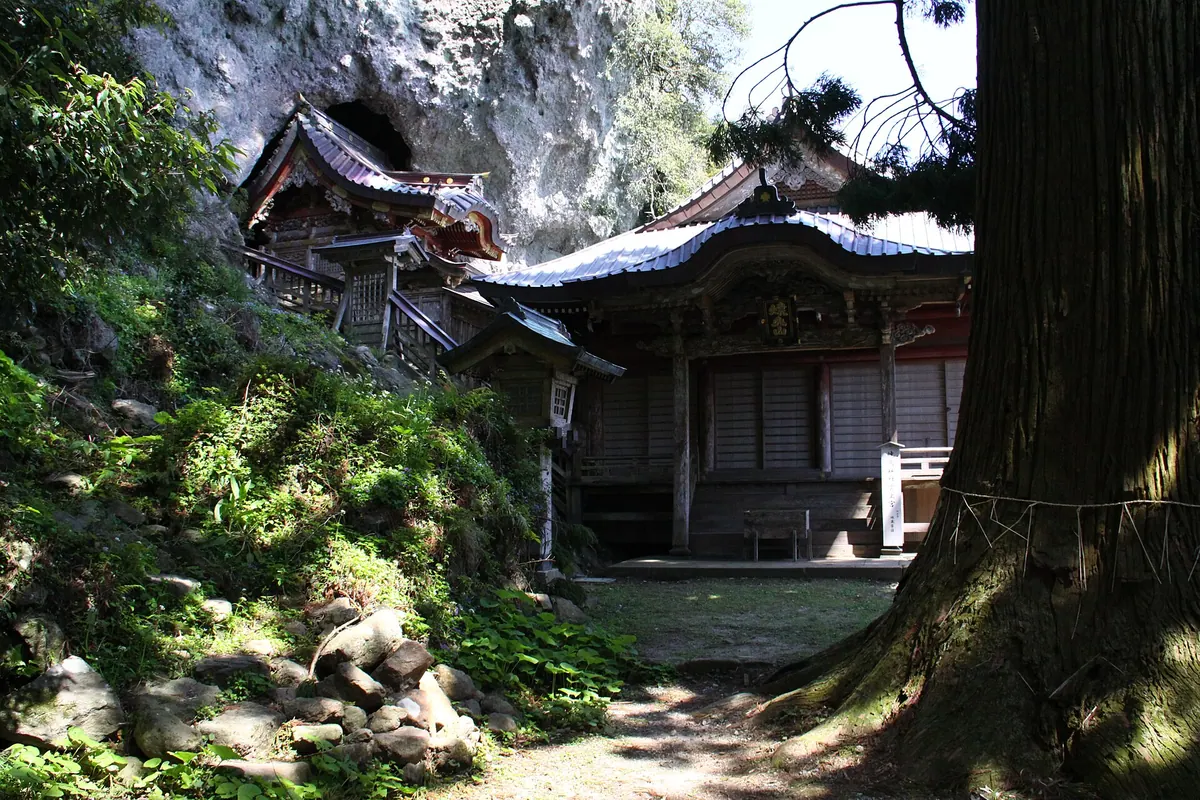
Takuhi Shrine, a mountain-top guardian of safe voyages, offers unique cultural properties and views.
What it is
- Shrine on Mt. Takuhi, highest peak on Nishinoshima.
- Revered as a guardian deity for safe voyages.
- Enshrines Ohirume-no-Mikoto, another name for Amaterasu Omikami.
- Main hall built in 1732 by Torii Jinbei.
What to see
- Main hall, connecting hall, and worship hall are Important Cultural Properties.
- Tomodo Japanese boat is an Important Tangible Folk Cultural Property.
- Bronze bell from 1618 is a Prefectural Tangible Cultural Property.
- Sacred area contains a designated natural monument plant community.
- Address
- 島根県隠岐郡西ノ島町美田1294 Map
14
Suga Shrine
SHIMANE · SHRINE 須我神社
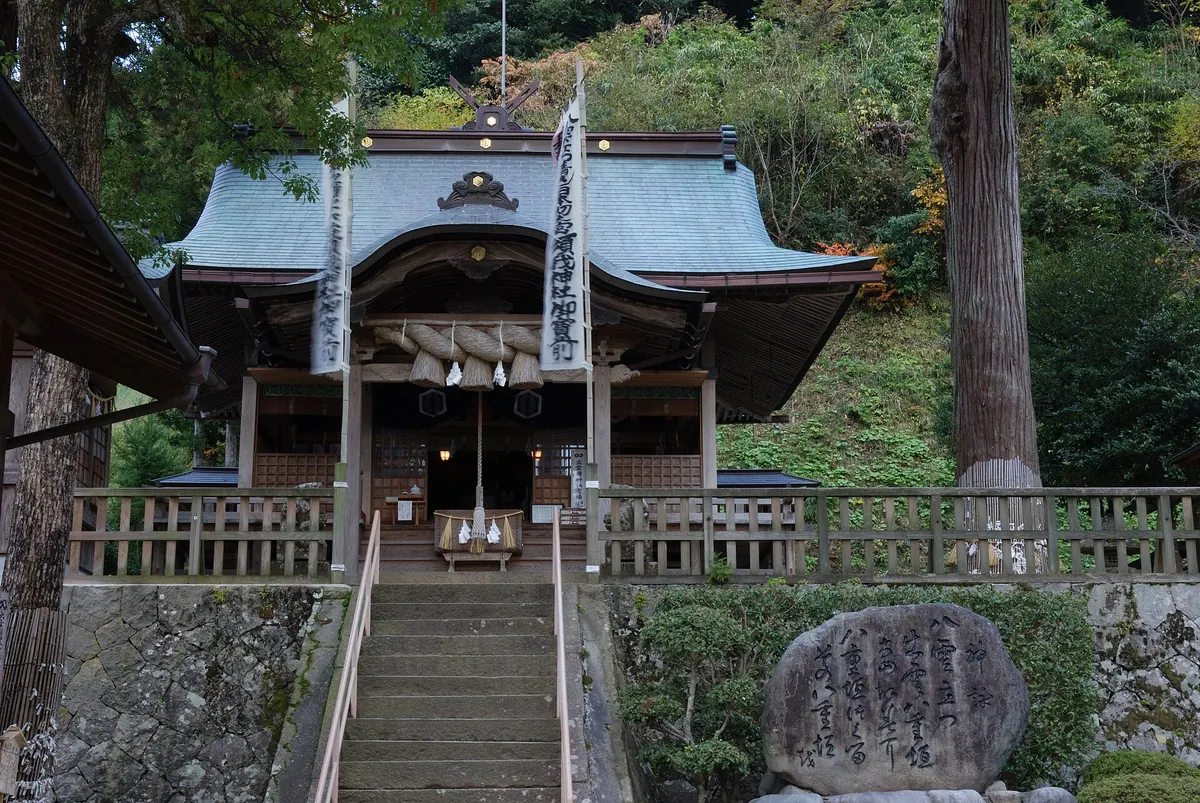
Japan's first palace, this shrine offers a glimpse into ancient Shinto origins and unique rock formations.
What it is
- Known as "Japan's First Palace" (Nihon Hatsu no Miya).
- Dedicated to deities Susanoo-no-Mikoto and Inadahime-no-Mikoto.
- The 16th site of the Izumo-no-Kuni Shinbutsu Reijo pilgrimage.
What to see
- The shrine's crest is the Tomoe.
- Sacred Meotoiwa rock formation behind the shrine.
- Several subsidiary shrines on the grounds.
When to go
- Annual Hyakude-no-Mato Shinji festival.
- Annual Chino-wa Shinji festival.
- Shokujika Shinji held the night before the annual festival.
- Official site
- suga-jinja.or.jp
15
Yaeyama Shrine
SHIMANE · SHRINE 八重山神社
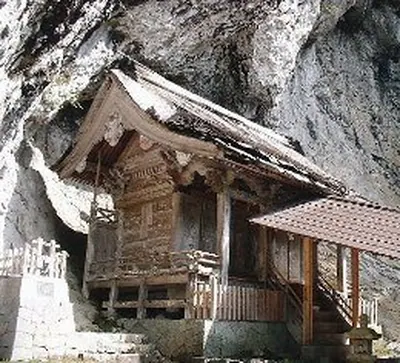
Yaeyama Shrine, a guardian of livestock, offers ancient statues and artifacts worth an hour's visit.
What it is
- Revered as a guardian deity of cattle and horses.
- Enshrines Izanami-no-Mikoto and Amaterasu Omikami.
- Current building rebuilt in 1734.
What to see
- Steep stone staircase to the Zuishinmon gate.
- Zuishinmon gate with A-un komainu statues.
- Zuishin statues and komainu by Tsubouchi Heishichiro Toshitada.
- Armor and helmets from 1351.
- Oldest existing Fukumitsu stone komainu.
When to go
- Annual festival on April 13th.
- Monthly festival on the 13th of each month.
- Address
- 島根県雲南市掛合町入間57番地[1] Map
16
Washibara Hachimangū
SHIMANE · SHRINE 鷲原八幡宮
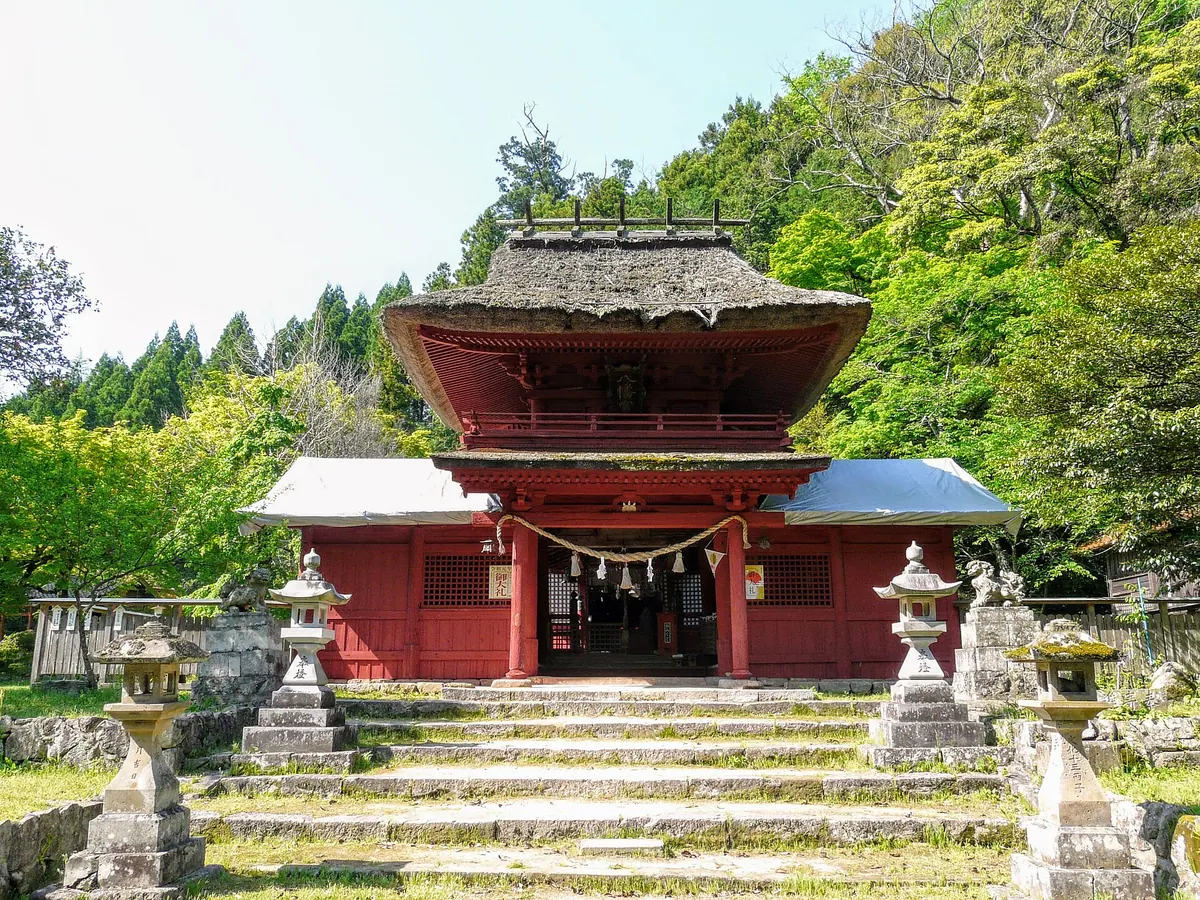
Visit this historic shrine to see medieval architecture and Japan's oldest yabusame grounds.
What it is
- A shrine in Tsuwano Town, Shimane Prefecture.
- First established between 947 and 956.
- Rebuilt in 1568 by Yoshimi Masayori.
- Designated a Japan Heritage cultural property in 2015.
What to see
- Current main hall built in 1387.
- Main hall and tower gate show late Muromachi period features.
- Main hall, worship hall, and tower gate are important cultural properties.
- Yabusame grounds are a Shimane Prefecture historic site.
- A large cedar tree is a town-designated natural monument.
17
Kumano Taisha
SHIMANE · SHRINE 熊野大社
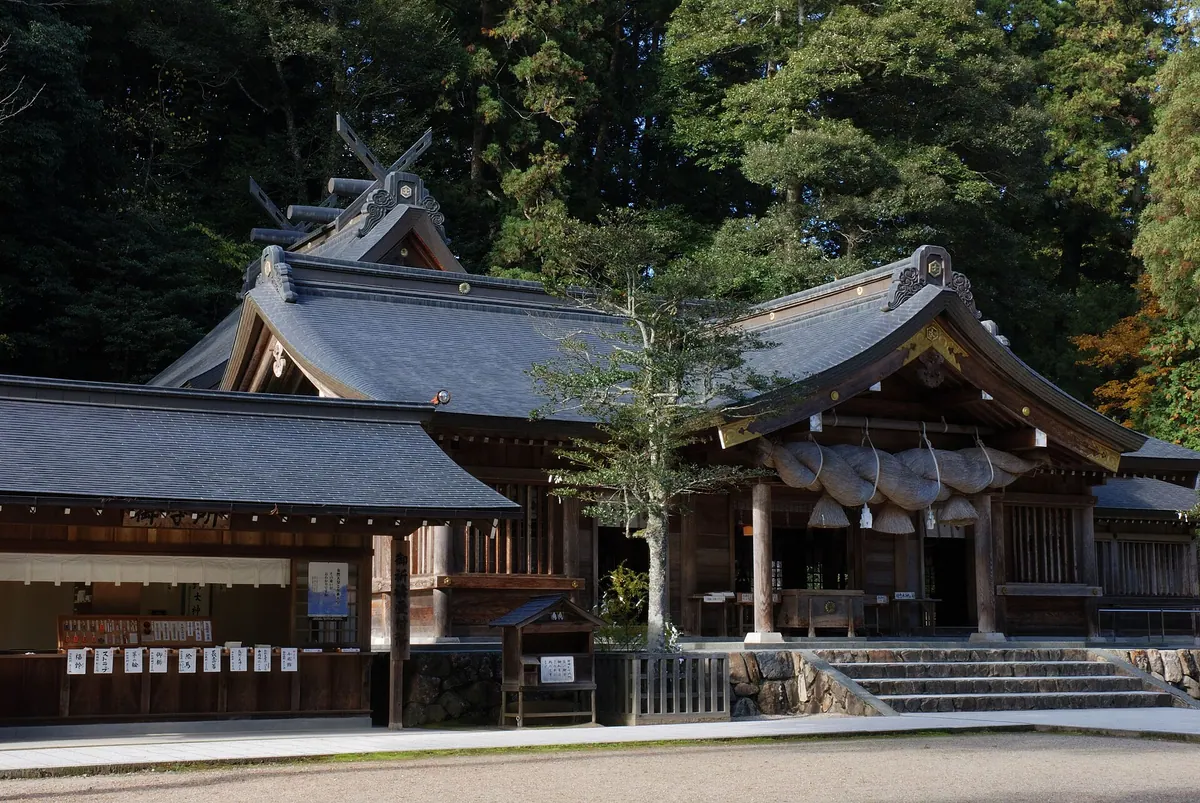
Kumano Taisha is an ancient shrine in Matsue with unique historical artifacts.
What it is
- An ancient Shikinai-sha shrine in Matsue City.
- It is the Ichinomiya of Izumo Province.
- Known as "Hinomoto Hidezome no Yashiro."
- Dedicated to Izanagi Hinamago Kafurogi Kumano Okami Kushimikenu no Mikoto.
What to see
- The current main hall, built in 1948.
- The Sanjika-den, built in 1915.
- Four volumes of historical paper documents.
- A Sazae-gata Kabuto helmet from 1643.
- Seven ancient mirrors from Kamakura to Muromachi periods.
- A Yayoi period bronze bell.
- Address
- 島根県松江市八雲町熊野2451 Map
- Official site
- www.kumanotaisha.or.jp
18
Tamawakasu-no-Mikoto Shrine
SHIMANE · SHRINE 玉若酢命神社
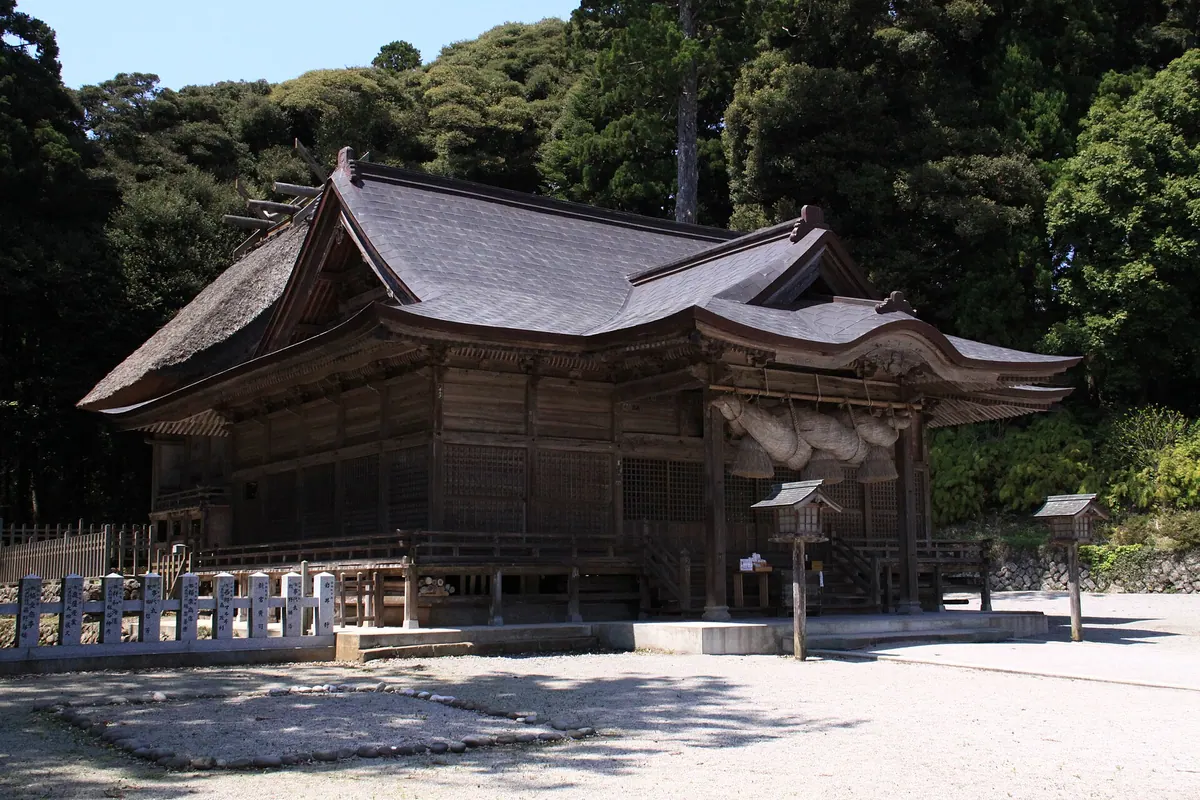
Ancient shrine with important cultural properties, including a unique main hall and historic treasures.
What it is
- Shrine dedicated to Tamawakasu-no-Mikoto.
- Also enshrines six other deities.
- Designated a prefectural shrine in 1872.
What to see
- Main hall, Zuishinmon, and Okike residence are Important Cultural Properties.
- Two station bells and one Oki Kura seal are Important Cultural Properties.
- Tamawakasu-no-Mikoto Shrine Kofun Group is a Prefectural Historic Site.
When to go
- Goryo-e festival is a Prefectural Intangible Folk Cultural Property.
- Address
- 島根県隠岐郡隠岐の島町下西701 Map
19
Inada Shrine
SHIMANE · SHRINE 稲田神社
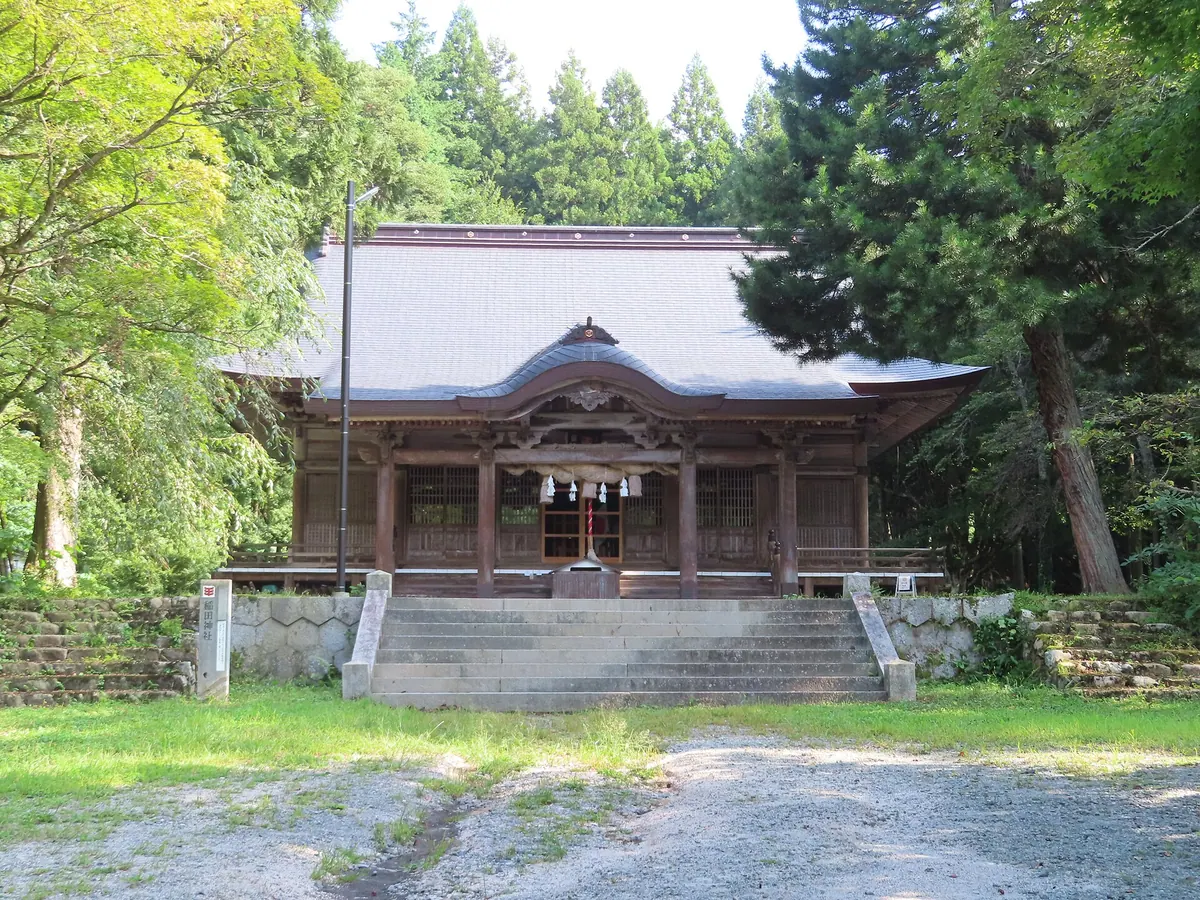
Inada Shrine honors a goddess of good relationships, offering a glimpse into ancient myths.
What it is
- Dedicated to Kushinadahime-no-mikoto, a goddess of good relationships.
- Also enshrines Okuninushi-no-mikoto and Susanoo-no-mikoto.
- Current buildings were donated in 1938.
What to see
- Shrine buildings are a town cultural property.
- Ubuyu-no-ike pond, associated with Inada-hime.
- Sasa-no-miya, where an umbilical cord was cut.
When to go
- Spring Grand Festival is held on April 26th.
- Autumn Grand Festival is held on October 26th.
- Address
- 島根県仁多郡奥出雲町稲原2128番地1 Map
20
Kanbara Shrine
SHIMANE · SHRINE 神原神社
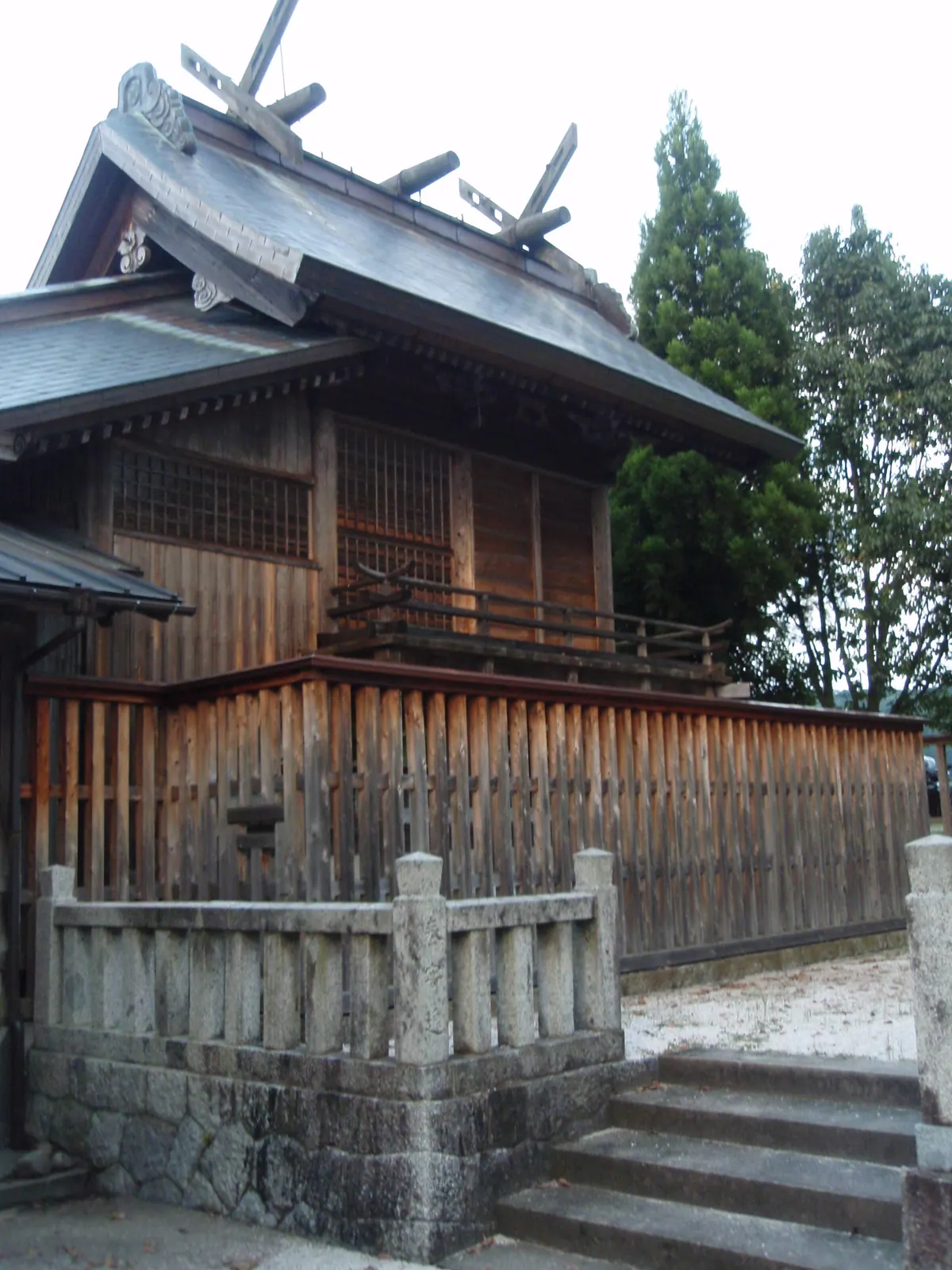
Kanbara Shrine is an ancient Shikinaisha shrine with important artifacts and a vibrant lion dance.
What it is
- A Shikinaisha shrine in Unnan City.
- Dedicated to Okuninushi-no-kami and two other deities.
- Mentioned in the ancient Izumo-no-kuni Fudoki.
- Formerly ranked as a village shrine.
What to see
- The current shrine building, relocated in 1972.
- Excavated artifacts designated as Important Cultural Properties.
- A triangular-rimmed divine beast mirror with an inscription.
When to go
- Annual festival for the lion dance performance.
- Address
- 島根県雲南市加茂町神原1436 Map