

20 Shrines in Yamaguchi worth your time
Japan Gems
Yamaguchi Prefecture is home to 33 shrines, including Seigirei-sha and Nakayama Shrine. These sites offer a glimpse into Japan's spiritual traditions.
Yamaguchi has 35 shrines on Japan Gems. Below are the 20 we can tell you the most about — each one written up in English from Japanese sources, with what to see and how to get there. See all shrines in Yamaguchi.
01
Itsukushima Shrine
YAMAGUCHI · SHRINE 厳島神社
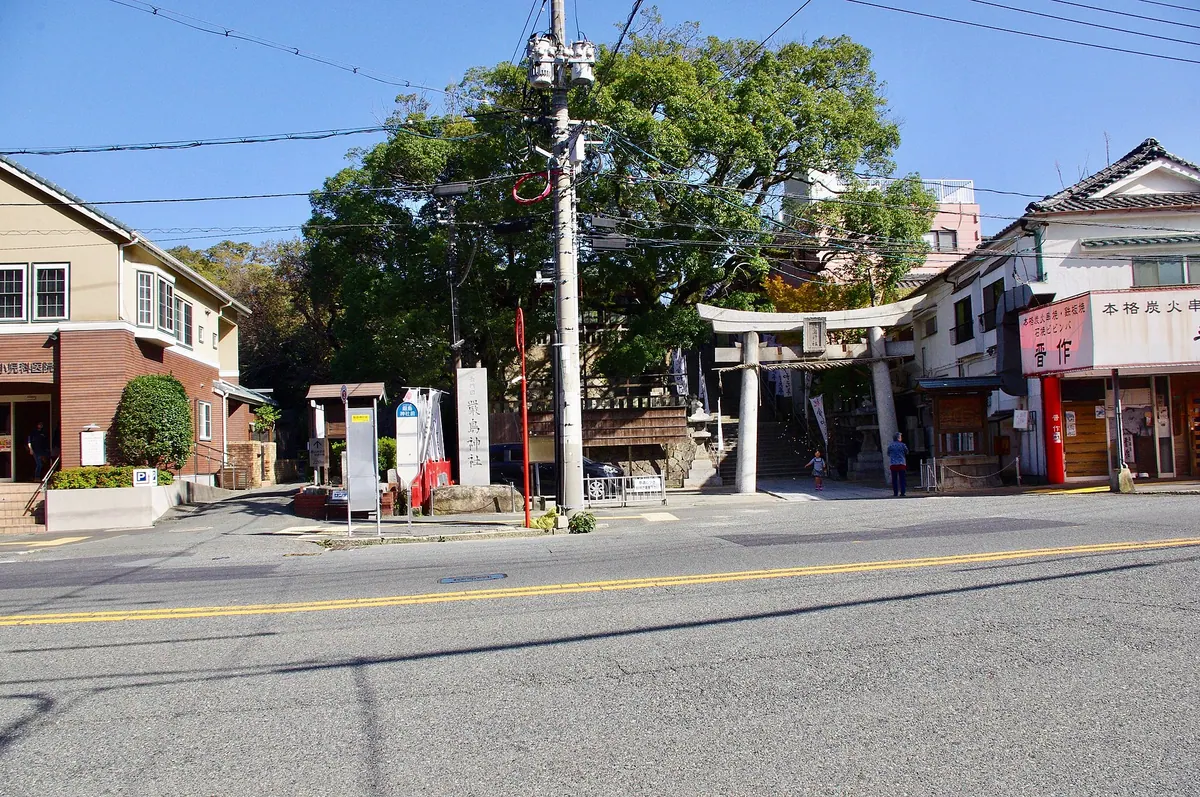
A historic Shimonoseki shrine founded in 1185, rebuilt after arson, and famous for its connection to samurai Takasugi Shinsaku.
What it is
- A branch of the famous Itsukushima Shrine in Aki Province established in 1185.
- The shrine enshrines the three Munakata goddesses in Shimonoseki City.
- Samurai leader Takasugi Shinsaku prayed here for victory during the year 1866.
- The current main hall and worship hall were reconstructed in 2001 and 2007.
What to see
- A historic drum captured from Kokura Castle is kept on the grounds.
- The main hall rebuilt in 2001 following the destruction of the 1704 original.
- Kifune Shrine is located as a smaller structure within the shrine grounds.
- The worship hall and surrounding structures completed during the 2007 reconstruction.
Getting there
- The shrine is a one-minute walk from the Itsukushima Jinja-mae bus stop.
02
Noda Shrine
YAMAGUCHI · SHRINE 豊榮神社・野田神社
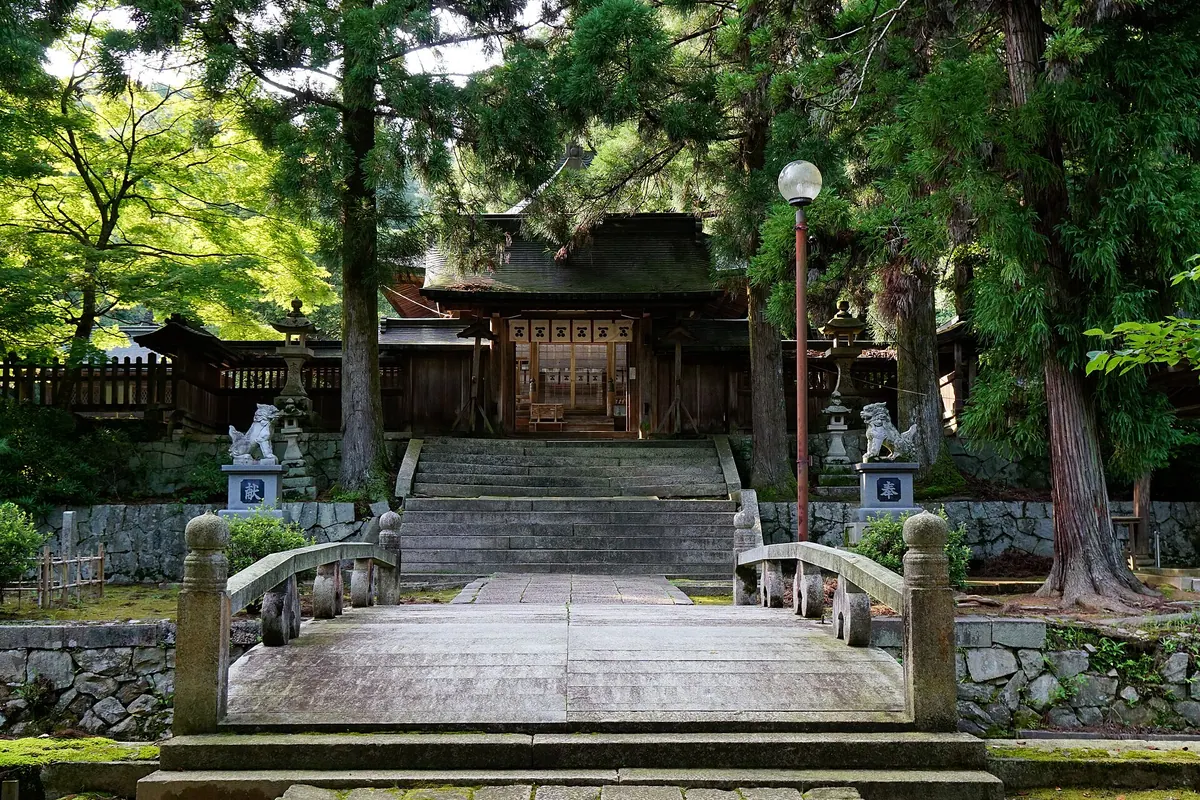
A historic shrine complex in Yamaguchi dedicated to the Mori clan, featuring cultural treasures and a traditional Noh theater.
What it is
- A shrine complex established in 1873 to enshrine the feudal lords of the Mori clan.
- Designated as Beppyo Shrines, indicating high status within the Association of Shinto Shrines.
- The site consists of two neighboring shrines, Noda Shrine and Toyosaka Shrine.
What to see
- Main buildings constructed in the traditional Sangensha Nagare-zukuri architectural style.
- A city-designated Noh theater located within the Noda Shrine grounds.
- The Hyakuman Isshin stone monument representing the unity of the Mori family.
- Important cultural properties including a Heian period sword and a portrait of Mori Motonari.
Getting there
- Located a 15-minute walk from Kamiyamaguchi Station.
03
Iwaki Jinja
YAMAGUCHI · SHRINE 石城神社
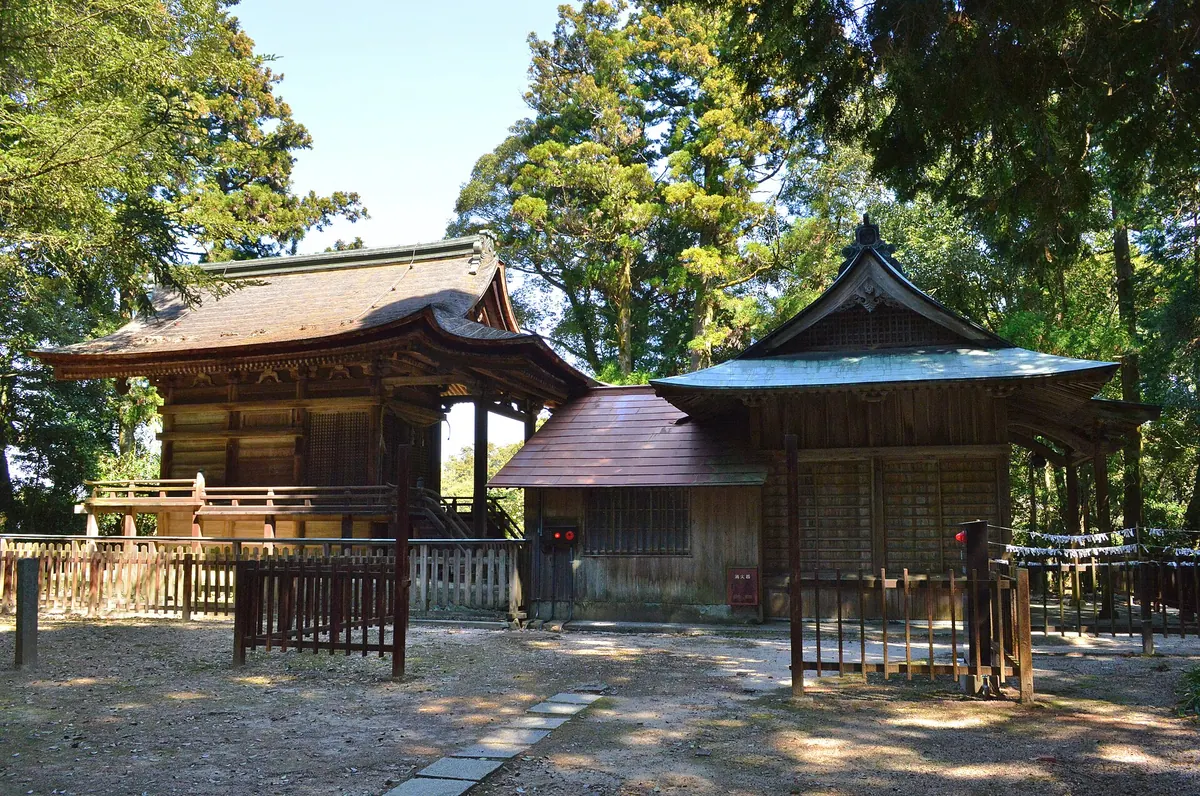
Ancient mountaintop shrine with important cultural properties, offering historical and architectural interest.
What it is
- Shrine dedicated to Ohyamatsumi-no-kami, Ikazuchi-no-kami, and Takaokami-no-kami.
- Listed in the Engishiki Jinmyocho, established in 927 AD.
- Formerly known as Ishikiyama Shikina Sansha Daigongen.
- Designated a prefectural shrine in 1913.
What to see
- Main hall built in 1469 by Ouchi Masahiro.
- Main hall is a National Important Cultural Property.
- Main hall is a large sumigi-iri kasuga-zukuri style building.
- Zuishinmon gate built in 1857 by Mori Takachika.
- Main hall includes one palace and two munafuda.
Getting there
- Located on the summit of Mt. Ishikiyama (362 meters).
- Address
- 山口県光市大字塩田2233 Map
04
Sumiyoshi Shrine
YAMAGUCHI · SHRINE 住吉神社
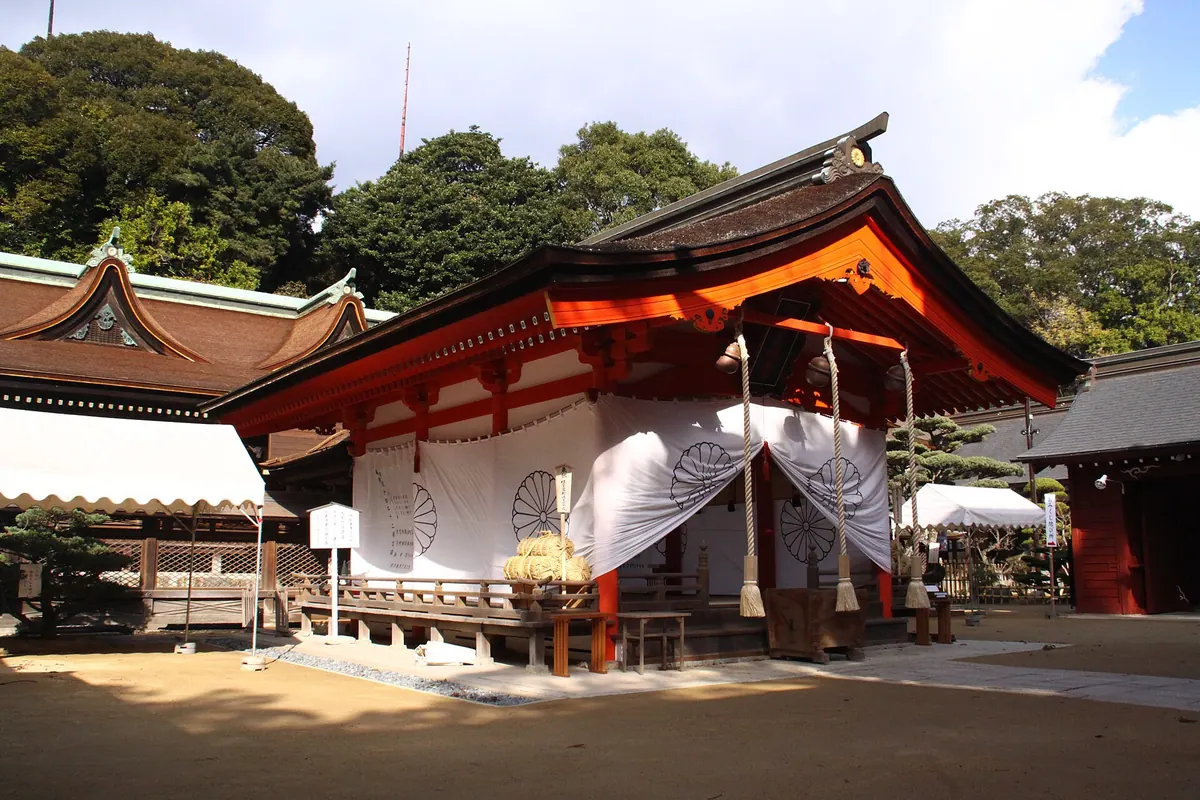
Sumiyoshi Shrine is a National Treasure, one of Japan's great shrines, worth visiting for its history.
What it is
- One of Japan's three great Sumiyoshi shrines.
- Dedicated to the rough spirit of the Sumiyoshi Sanjin.
- Main hall built in 1370.
- Worship hall built in 1539.
What to see
- Main hall is a National Treasure.
- Main hall consists of five connected shrines.
- Worship hall is an Important Cultural Property.
- Silla-period Korean bronze bell is an Important Cultural Property.
When to go
- Annual festival is held on December 15th.
- Otaue Festival is held on the third Sunday of May.
Getting there
- Accessible from Shin-Shimonoseki Station.
- Address
- 山口県下関市一の宮住吉一丁目11-1 Map
05
Toishi-hachimangū
YAMAGUCHI · SHRINE 遠石八幡宮
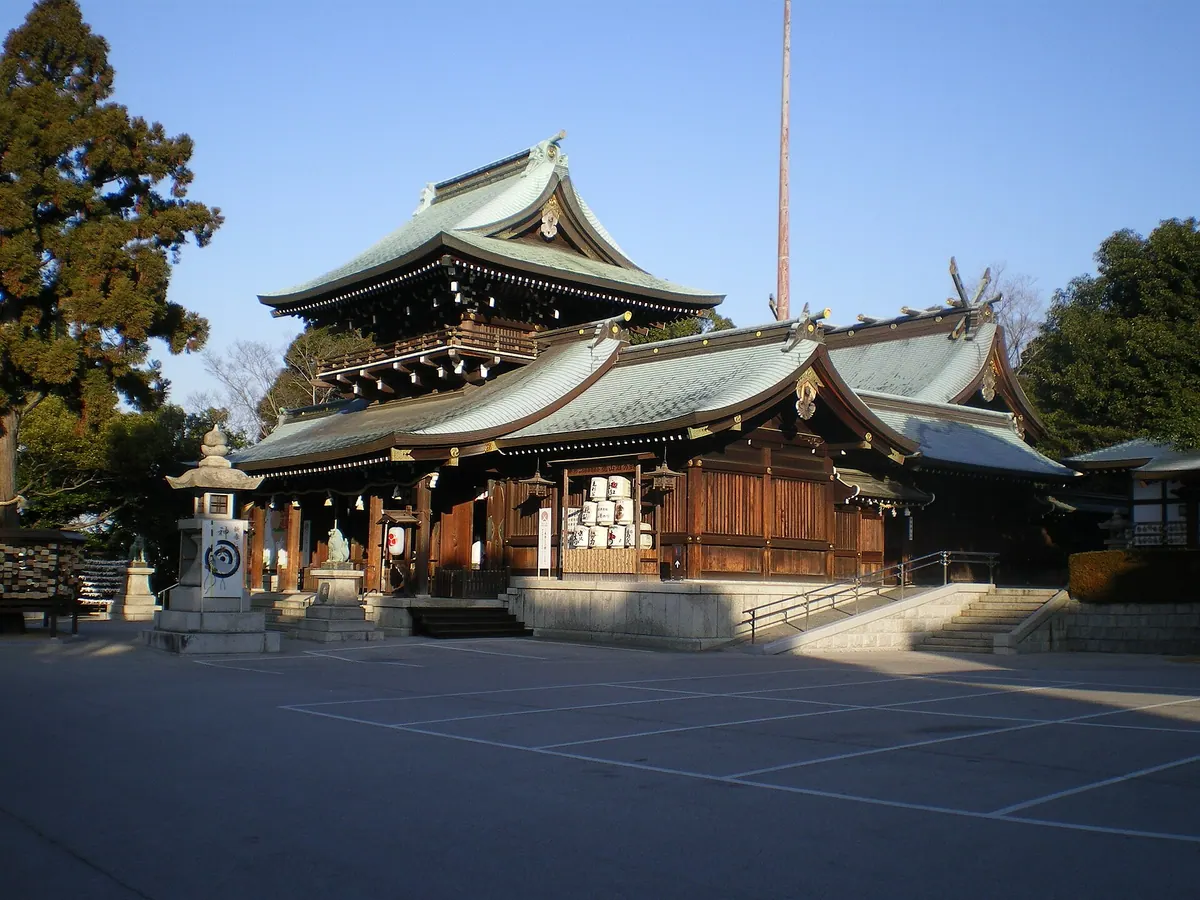
Ancient shrine overlooking industrial views, offering a unique blend of history and modernity.
What it is
- A shrine in Shūnan City, Yamaguchi Prefecture.
- Dedicated to the deity Hondawake-no-mikoto.
- Founded in 622 AD, with a building constructed in 708 AD.
- Formerly a Prefectural Shrine and branch of Iwashimizu Hachiman-gū.
What to see
- Main hall, offering hall, and worship hall built in 1940.
- Ablution pavilion constructed in 1941.
- These structures are registered tangible cultural properties.
- Views of the Shūnan oil complex and Sanyo Shinkansen.
Getting there
- 15 minutes by bus from Tokuyama Station.
- Located south of Shūnan Ryokuchi Sports Park.
- Address
- 山口県周南市遠石2-3-1 Map
06
Hōfu Tenmangū
YAMAGUCHI · SHRINE 防府天満宮
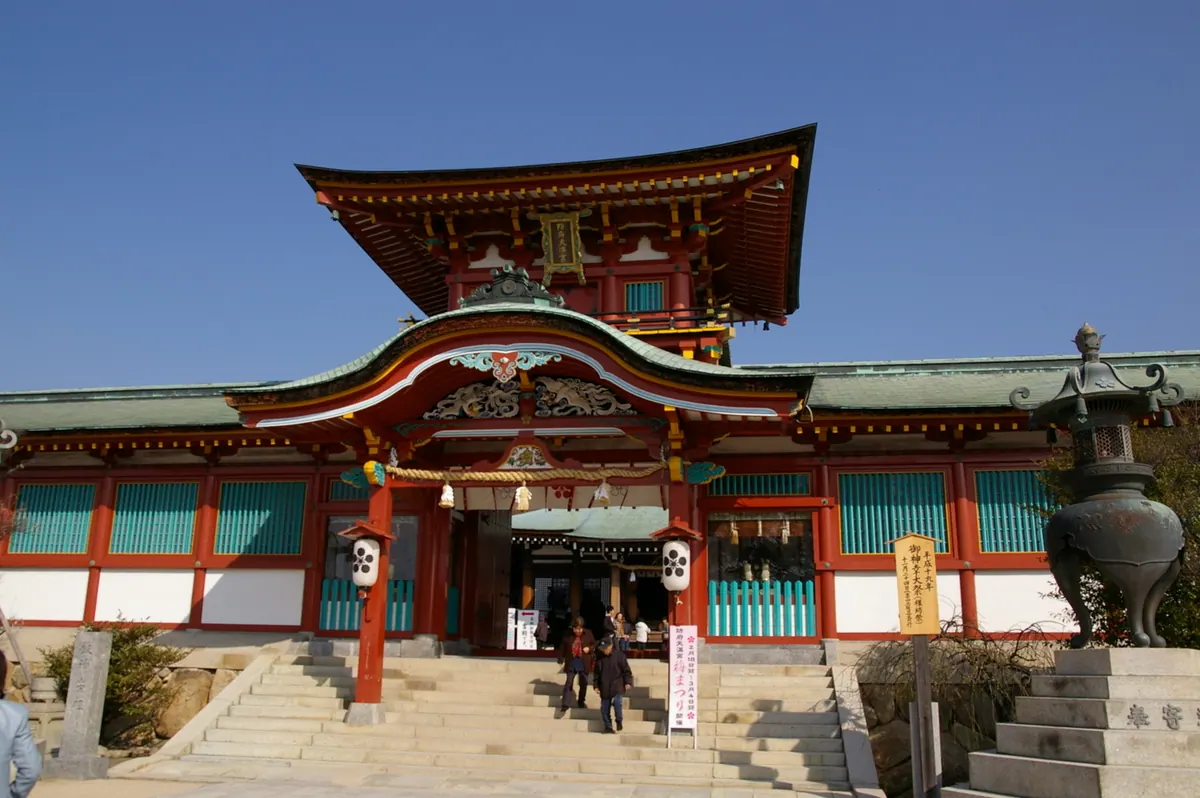
Japan's first Tenjin shrine, founded in 904, offers cultural properties and unique festivals.
What it is
- Shinto shrine in Hōfu, Yamaguchi Prefecture.
- Founded in 904.
- First Tenjin shrine established in Japan.
- One of Japan's Three Great Tenjin Shrines.
What to see
- Main shrine, completed in 1958.
- Main shrine is a registered tangible cultural property.
- Spring Wind Tower is a registered tangible cultural property.
When to go
- Ushikae Shinji festival in February.
- Gotanjinsai from August 3-5, for Michizane's birthday.
- Goshinkōsai festival, or Hadakabō Matsuri, in November.
- Goshinkōsai involves pulling a 1-ton Mikoshi.
- Official site
- www.hofutenmangu.or.jp
07
Ima-hachimangū
YAMAGUCHI · SHRINE 今八幡宮
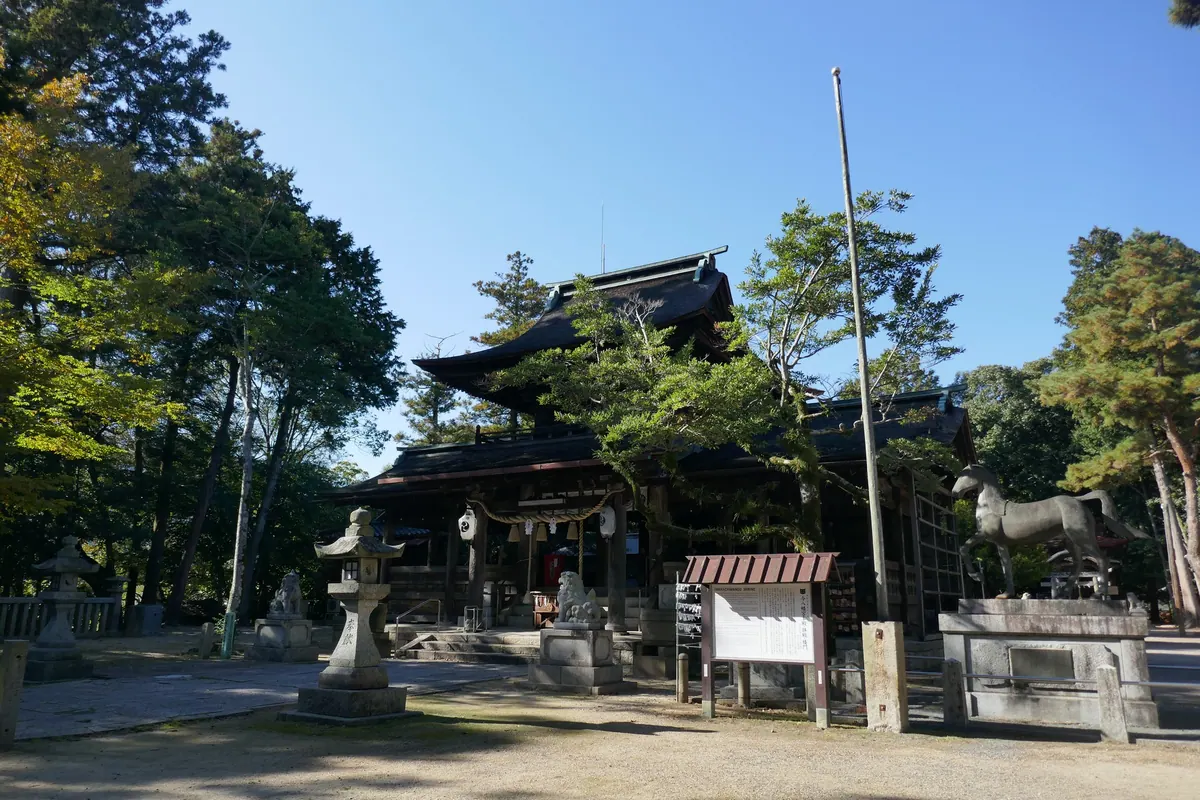
Ima-hachimangū is a historic Shinto shrine in Yamaguchi City with important cultural properties.
What it is
- A Shinto shrine in Yamaguchi City.
- It is the total guardian deity of Yamaguchi.
- Enshrines Emperor Ōjin and Empress Jingū.
What to see
- Main hall, worship hall, and tower gate from mid-15th century.
- These buildings are Important Cultural Properties.
- A large crotal bell donated in 1534.
- The crotal bell is one of Japan's largest.
When to go
- Spring festival is held on April 15th.
- Autumn festival is held on October 6th.
Getting there
- 9-minute walk from Kami-Yamaguchi Station.
- Address
- 山口県山口市上宇野令828番地1 Map
08
Kido Shrine
YAMAGUCHI · SHRINE 木戸神社
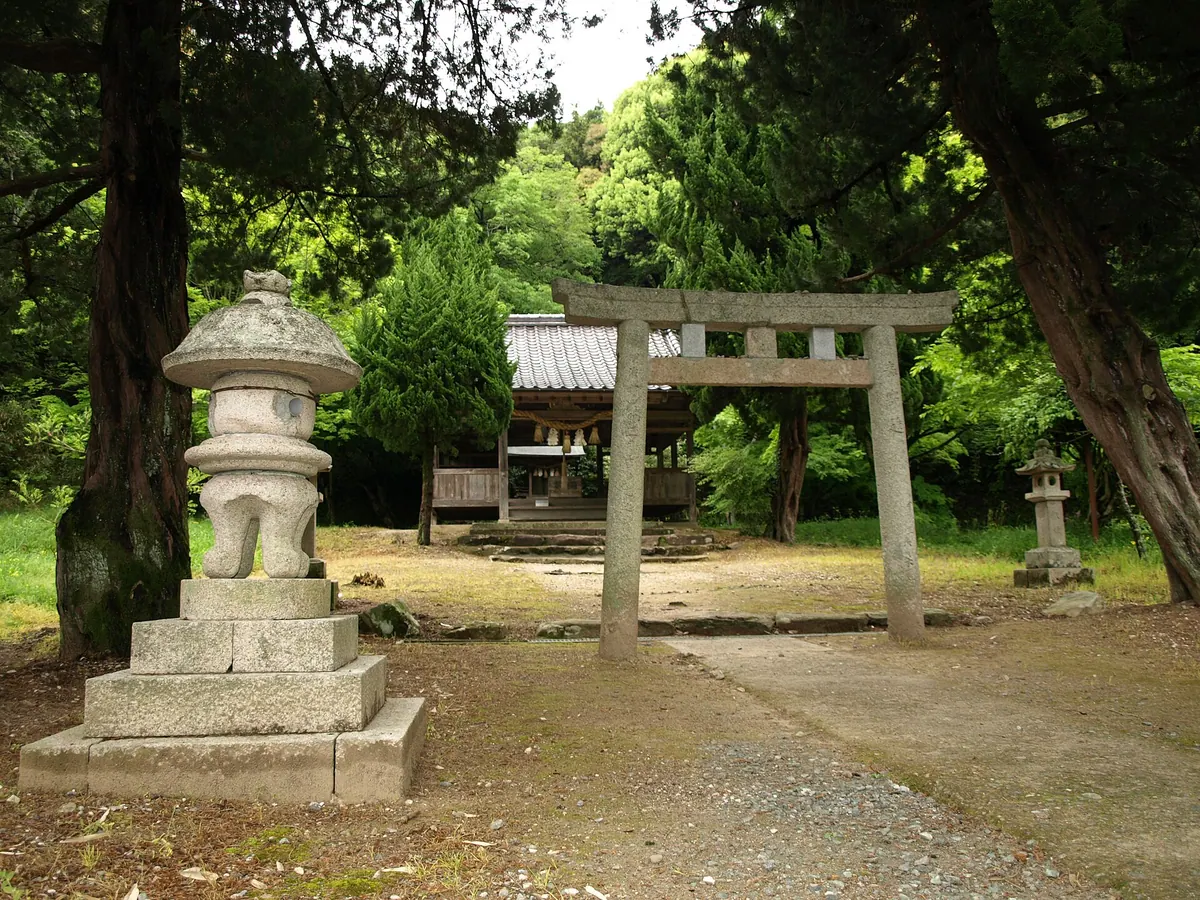
Kido Shrine honors a Meiji Restoration leader and offers unique architecture and cherry blossoms.
What it is
- A shrine dedicated to Kido Takayoshi, a Meiji Restoration leader.
- Founded on the site of Takayoshi's former residence.
- Established around a shrine built after his will in 1877.
What to see
- A rare torii gate featuring three gaku-tsuka (額束).
- Approximately 100 Yoshino cherry trees on the grounds.
- A trailhead for Mount Kono is on the shrine grounds.
When to go
- April for the annual spring grand festival.
- Spring for cherry blossom viewing.
- Autumn to see fall leaves at nearby Kido Park.
- Address
- 山口県山口市糸米2-9 Map
09
Jingū Kōgō Shrine
YAMAGUCHI · SHRINE 神功皇后神社
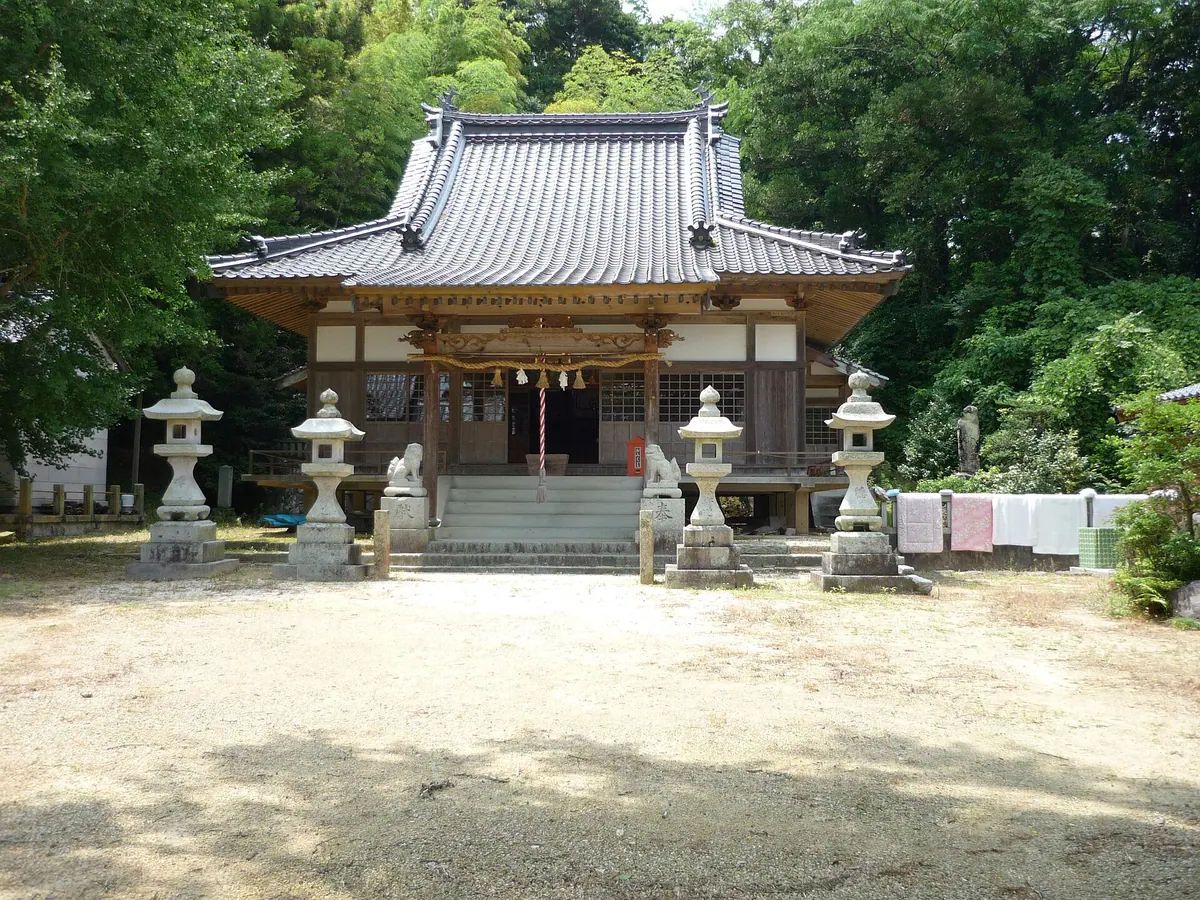
Jingū Kōgō Shrine honors imperial figures and local martyrs, housing unique historical treasures.
What it is
- Shrine dedicated to Empress Jingū and Emperor Chūai.
- Also enshrines Emperor Ōjin and Sumiyoshi Sanjin.
- Local national martyrs are enshrined as main deities.
- Construction began in January 1288, completed July 1288.
What to see
- Pair of wooden komainu from the Muromachi period.
- A rumored Mongol pot is a shrine treasure.
- Main shrine building rebuilt in July 1626.
- Present worship hall built in March 1982.
- Hamaide-sai Exhibition Hall opened in June 2008.
- Address
- 山口県下関市豊北町大字神田上千七百番地 Map
10
Tamanooya Shrine
YAMAGUCHI · SHRINE 玉祖神社
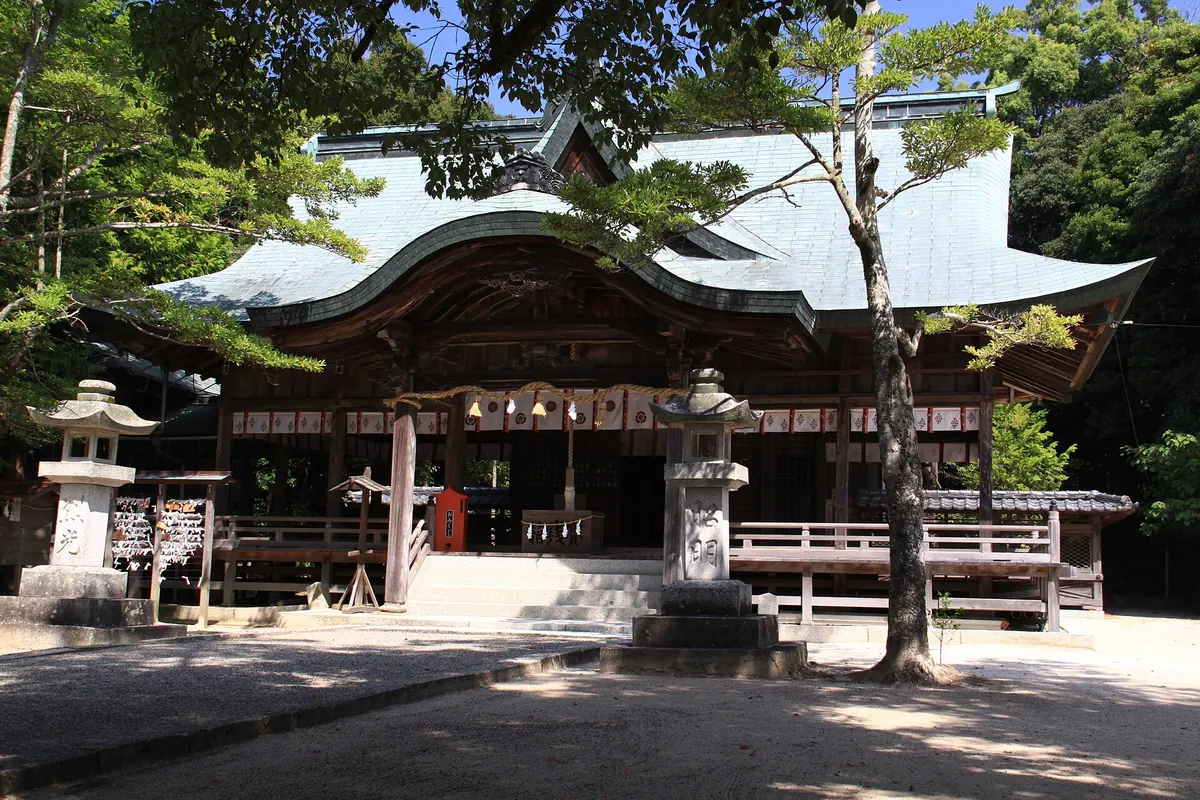
Tamanooya Shrine is a significant Shinto shrine, important for its history and cultural properties.
What it is
- A Shikinaisha shrine in Hofu City, Yamaguchi Prefecture.
- Ichinomiya of Suo Province, a historical regional designation.
- Dedicated to the deity Tamanooya-no-mikoto.
- Sōhonsha for other Tamanooya Shrines across Japan.
What to see
- A document signed by Chogen, a national important cultural property.
- The birthplace of the Kurokashiwa-dori chicken breed.
When to go
- Experience the Urateshinji, an intangible folk cultural property.
- Address
- 山口県防府市大字大崎1690 Map
11
Seigirei-sha
YAMAGUCHI · SHRINE 正義霊社
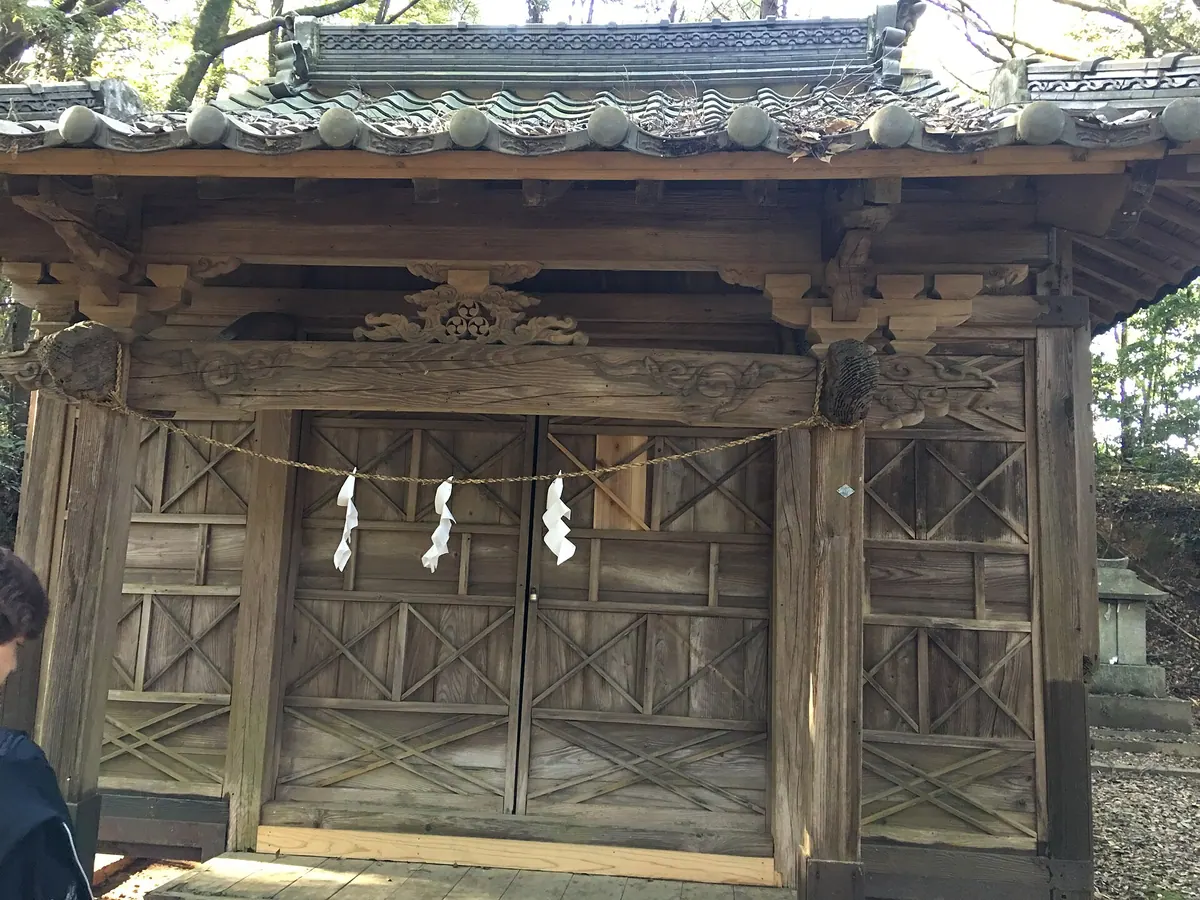
Seigirei-sha is a historical site dedicated to the Shimizu clan, offering a glimpse into local heritage.
What it is
- A shrine dedicated to the guardian deity of the Shimizu clan.
- It enshrines the spirits of Shimizu Muneharu and Shimizu Chikatomo.
- Named Seigirei-sha in 1681 by Shimizu Nariharu.
- Not a formal shrine or religious corporation since 1912.
What to see
- The small stone shrine that was the original Seigirei-sha.
- The landscape is part of Hikari City's landscape plan.
When to go
- Descendants hold a memorial service annually.
12
Sugawara Shrine (Yanai)
YAMAGUCHI · SHRINE 菅原神社 (柳井市)
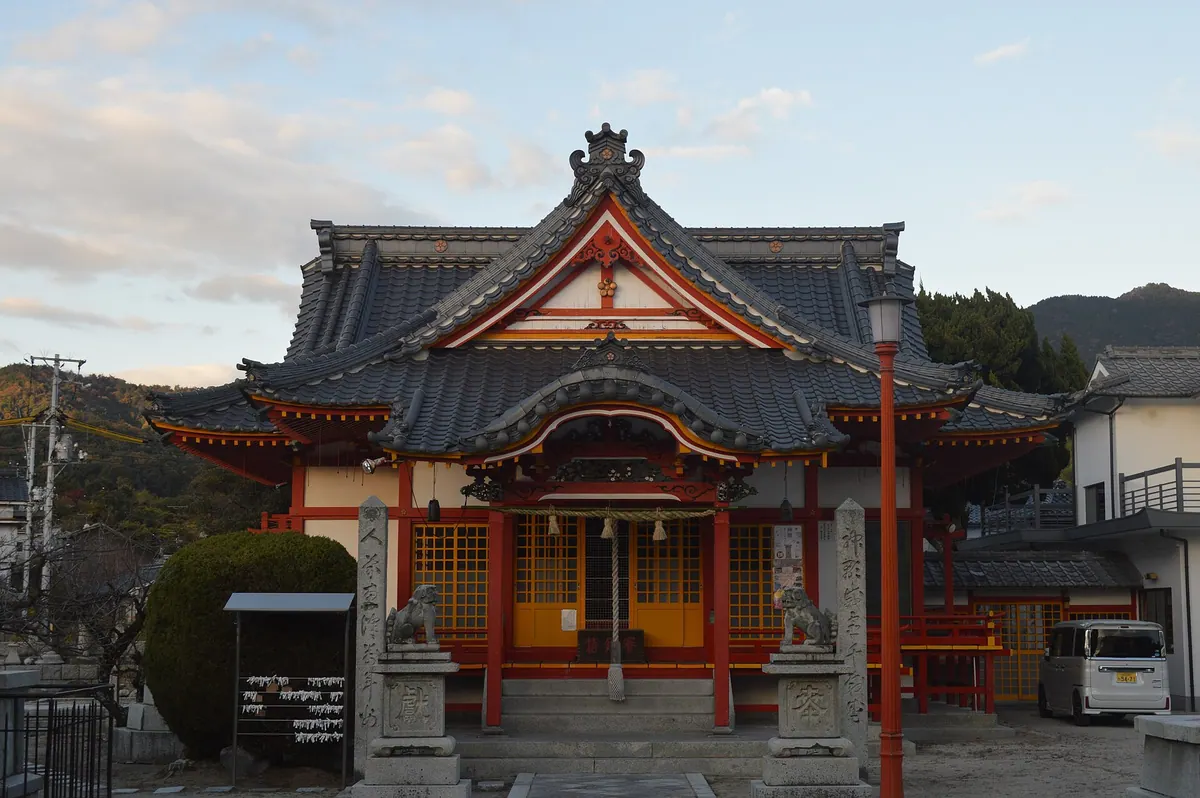
Historic shrine dedicated to Sugawara no Michizane, notable for its sago palms and gates.
What it is
- Shrine dedicated to Sugawara no Michizane.
- One of Yamaguchi Prefecture's three great Tenjin shrines.
- Founded in 1697.
- Renamed Sugawara Shrine in 1868.
What to see
- Shrine gate built in 1916 faces Shinichi-dori.
- Torii gate on the east side built in 1728.
- Sago palm group is a city natural monument.
- Stone monument called Taihitsu-zuka built in 1861.
Getting there
- Walk from JR Sanyo Main Line Yanai Station.
- Address
- 山口県柳井市天神5-24 Map
13
Kameyama Hachimangū
YAMAGUCHI · SHRINE 亀山八幡宮
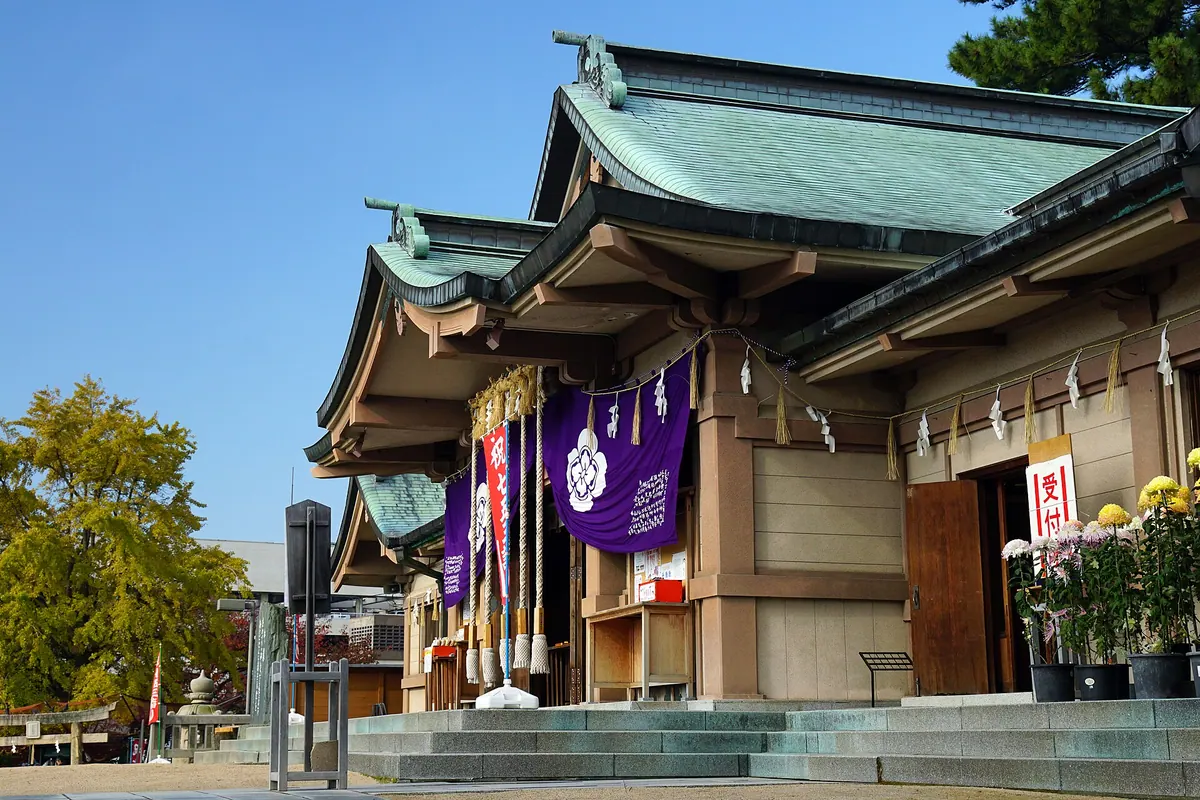
Kameyama Hachimangū is a historic Shinto shrine with unique monuments and a baseball in its torii.
What it is
- Shinto shrine in Shimonoseki City, Yamaguchi Prefecture.
- Originated from a temporary palace built in 859.
- Main deities are Emperor Ōjin, Emperor Chūai, and Empress Jingū.
- Revered by the Ōuchi and Mōri clans.
What to see
- Monument marking the end of the Sanyōdō road.
- Monument to the birthplace of barbershops, built in 1995.
- Baseball stuck in the torii gate's 'mountain' character.
- Statue of the best fugu in Japan.
- Official site
- www.kameyamagu.com
14
Iminomiya Shrine
YAMAGUCHI · SHRINE 忌宮神社
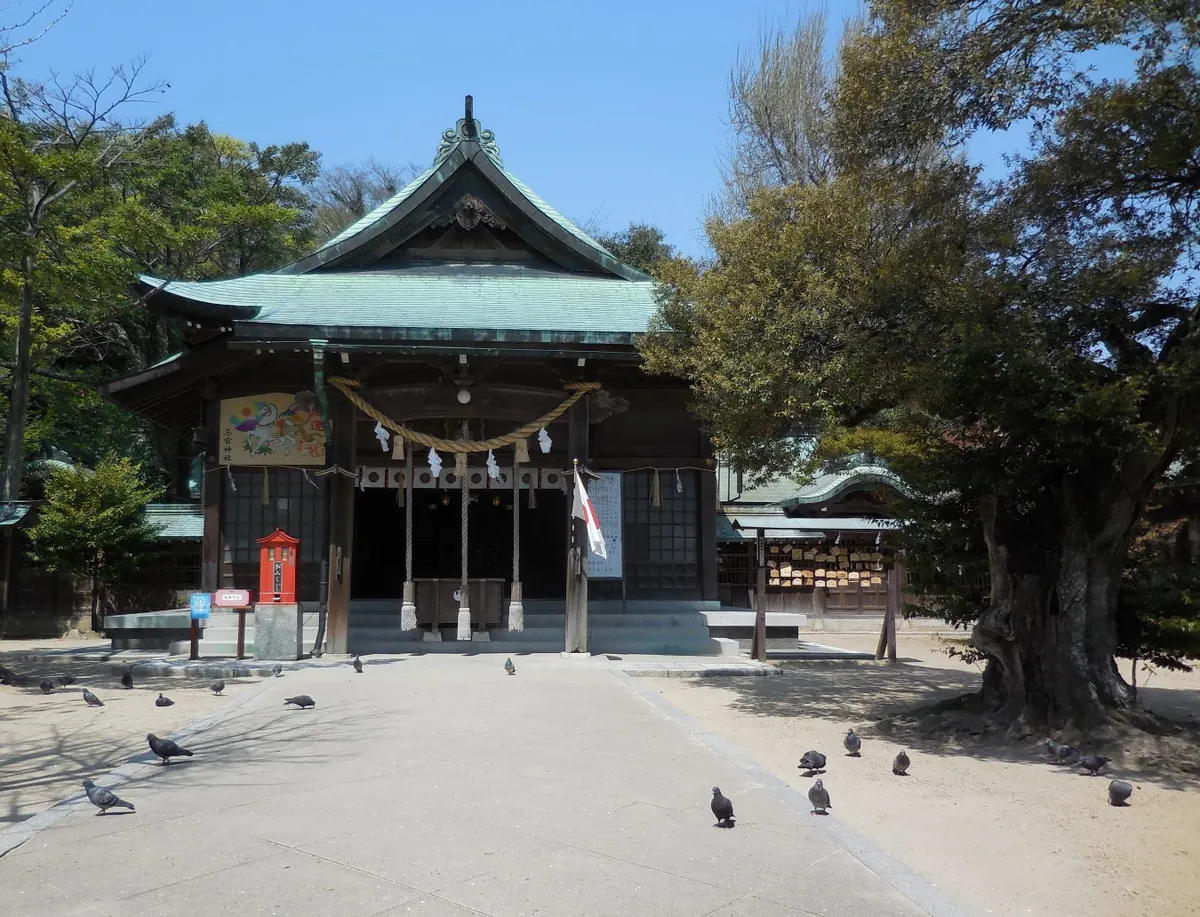
Iminomiya Shrine, a historic imperial site, offers a glimpse into ancient Japanese royalty and cultural treasures.
What it is
- Site of Toyoura-no-miya, an imperial temporary palace.
- Dedicated to Emperor Chuai, Empress Jingu, and Emperor Ojin.
- Emperor Chuai built the palace in 193 AD.
- A historic Shikinaisha and Kokuhei Shosha shrine.
What to see
- National natural monuments Manjushima and Kanjushima.
- Important cultural properties, including swords and documents.
When to go
- Suho-tei Festival from August 7th to 13th.
- Address
- 山口県下関市長府宮の内1-18 Map
- Official site
- iminomiya-jinjya.com
15
Furukuma Shrine
YAMAGUCHI · SHRINE 古熊神社
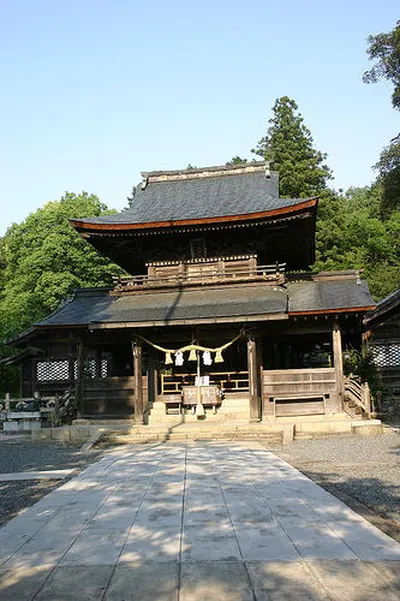
Historic shrine dedicated to a revered scholar, featuring important cultural properties.
What it is
- Shrine founded in 1373 by Ouchi Hiroyo.
- Dedicated to Sugawara no Michizane, a scholar.
- Also known as Yamaguchi Tenjin-sama.
- Moved to its current site in 1618.
What to see
- Main hall, built in 1618, is a cultural property.
- Worship hall, built 1661-1672, is a cultural property.
- Ink painting of Tenjin from 1429 is a cultural property.
Getting there
- 15-minute walk from Yamaguchi Station.
- Address
- 山口県山口市古熊1丁目10-3 Map
16
Yūsui Shrine
YAMAGUCHI · SHRINE 祐綏神社
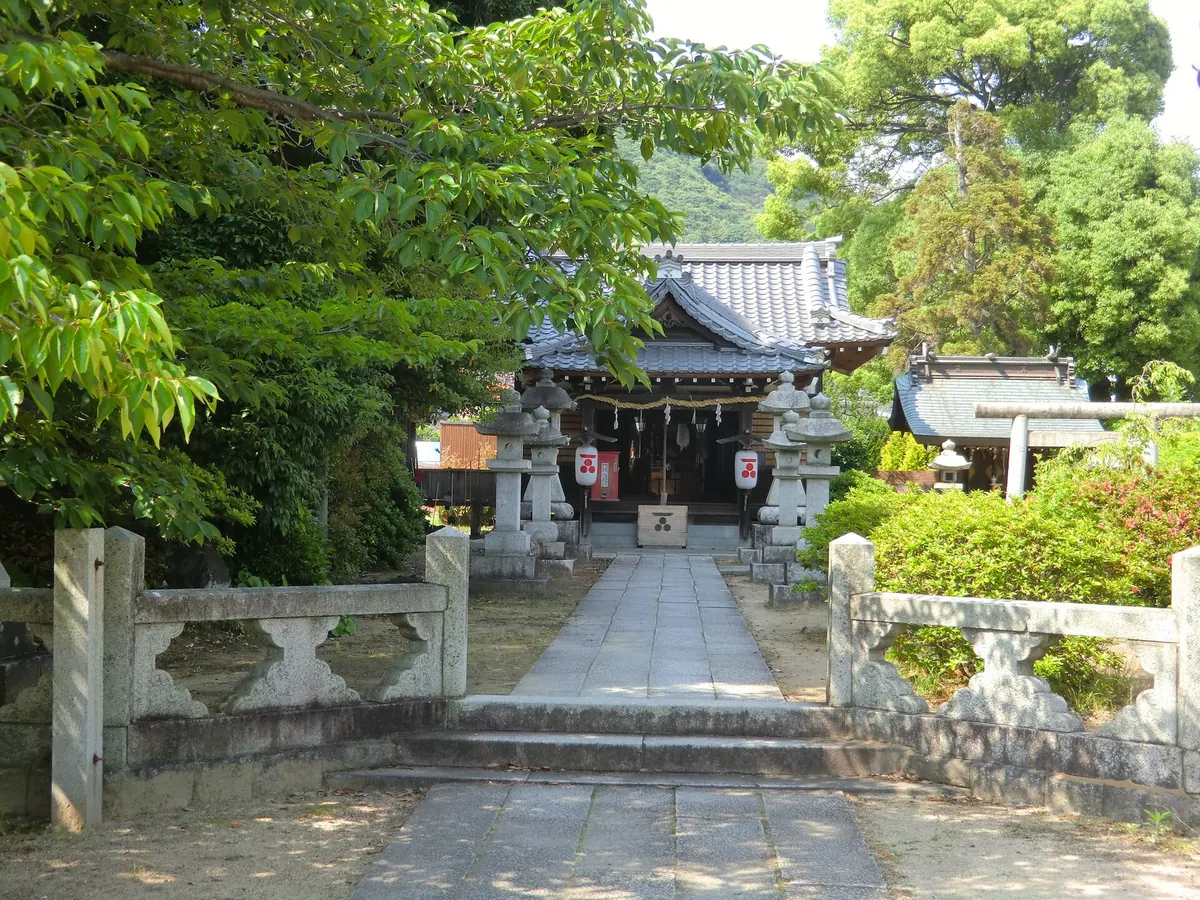
Yūsui Shrine honors historical figures and marks significant local history, rebuilt after wartime destruction.
What it is
- Founded April 7, 1811.
- Dedicated to Mōri Naritaka and Mōri Motonori.
- Designated a Gōsha in 1898, Kensha in 1915.
- Rebuilt in 1960 after wartime destruction.
What to see
- Located on the former site of Tokuyama Castle.
- Monuments commemorate 250 years of domain establishment.
- Monuments commemorate 250 years of Tokuyama renaming.
When to go
- Annual festival is held on April 3.
- Address
- 山口県周南市大字徳山5854−7 Map
17
Nogi Shrine
YAMAGUCHI · SHRINE 乃木神社
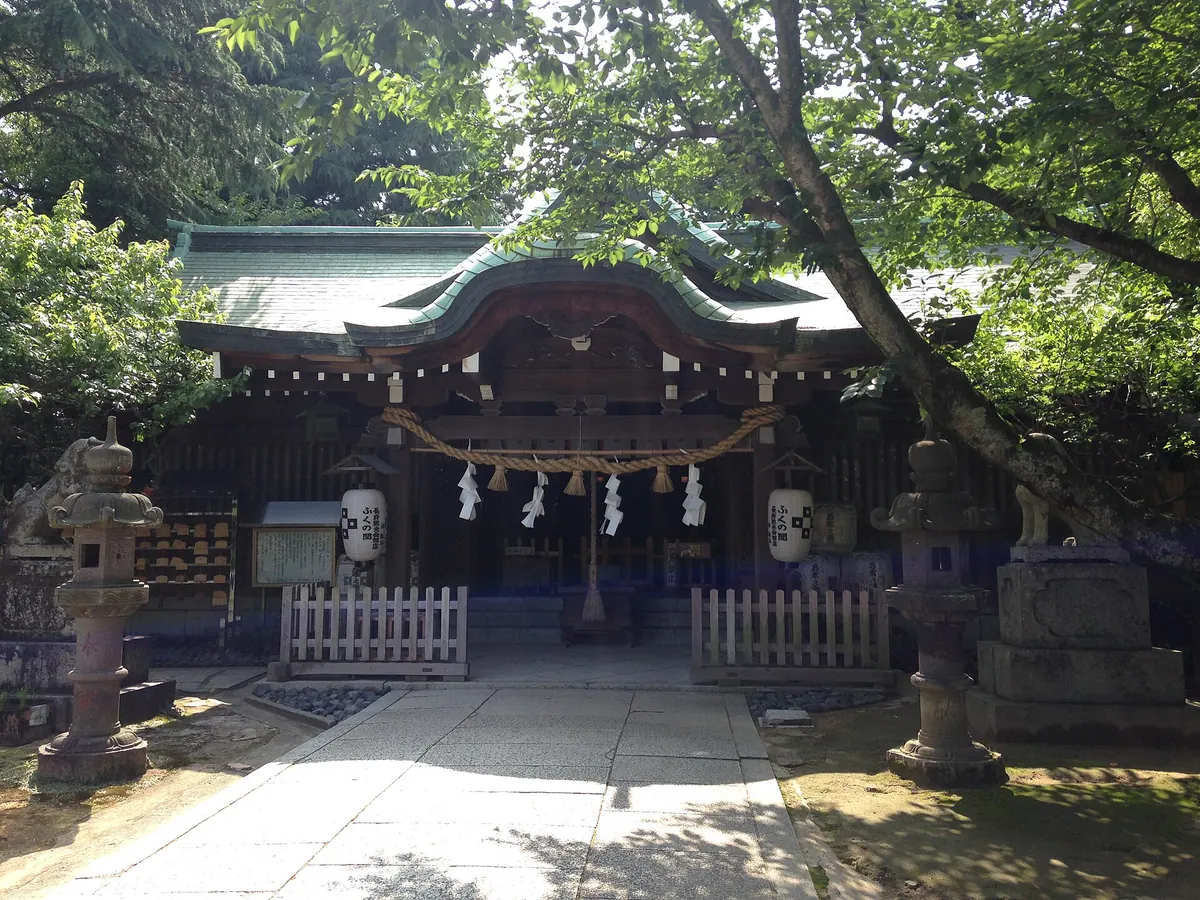
Nogi Shrine honors General Nogi Maresuke, offering a glimpse into his life and local history.
What it is
- Shrine dedicated to General Nogi Maresuke.
- Founded in 1920.
- Known locally as a god of learning.
- Former Prefectural Shrine rank.
What to see
- Nogi Memorial Hall is next to the shrine.
- Nogi Memorial Hall displays Nogi's childhood home.
- See Nogi's childhood statues and relics.
Getting there
- Near Sanyo Main Line Chofu Station.
- Near Sanden Kotsu Chofumachi Chofu bus stop.
- Official site
- nogi-jinja.or.jp
18
Shirasaki Hachimangū
YAMAGUCHI · SHRINE 白崎八幡宮
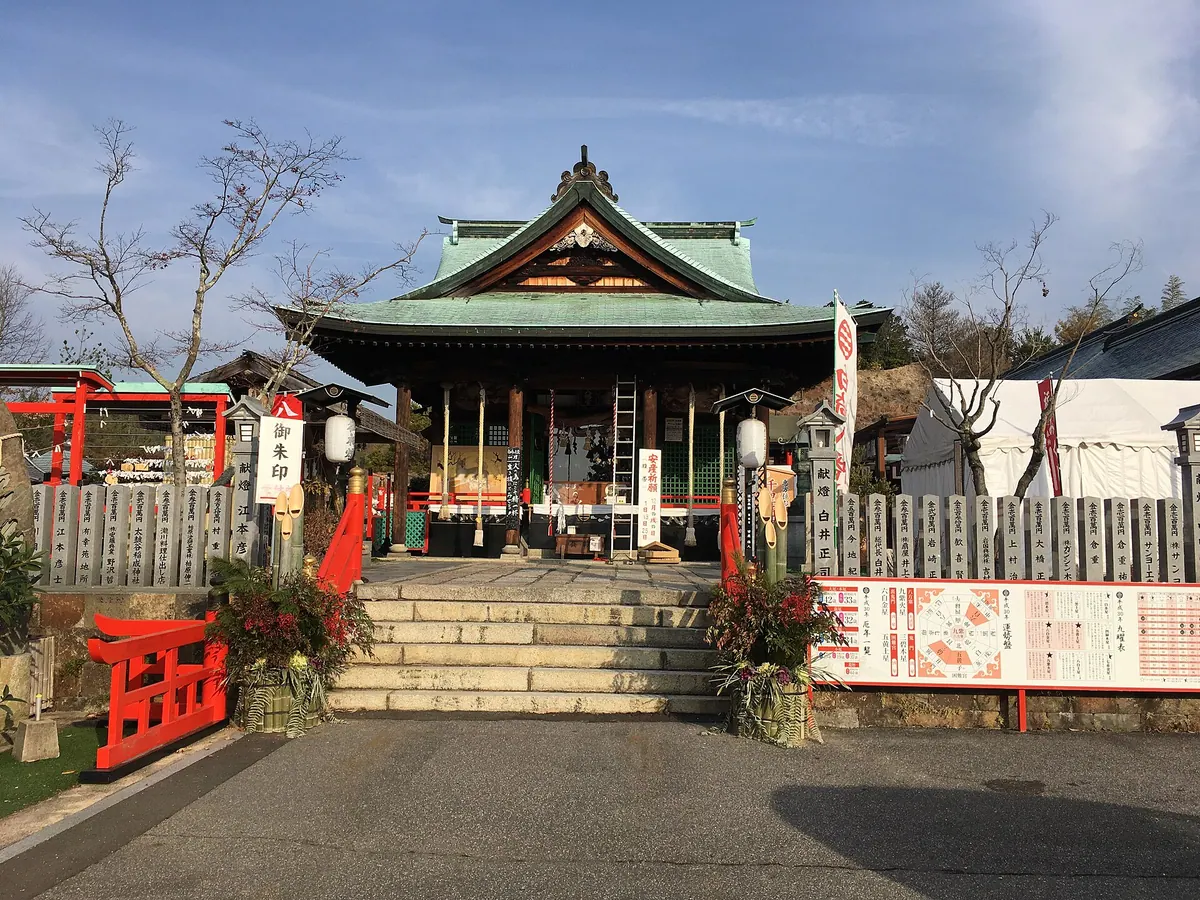
Shirasaki Hachimangū is a historic shrine in Iwakuni, known for its spiritual efficacy and ancient swords.
What it is
- A shrine in Iwakuni City, Yamaguchi Prefecture.
- Founded in 1250 by Minamoto no Yoshikane.
- Enshrines Emperor Ojin, Emperor Chuai, and Empress Jingu.
- Revered as the tutelary deity of old Iwakuni 17 villages.
What to see
- Two Important Cultural Property swords.
- An Eitai Nokotsudo (perpetual ossuary).
When to go
- Doll memorial services are held monthly on the 25th.
- Address
- 山口県岩国市今津町6丁目12-23 Map
19
Motonosumi Shrine
YAMAGUCHI · SHRINE 元乃隅神社
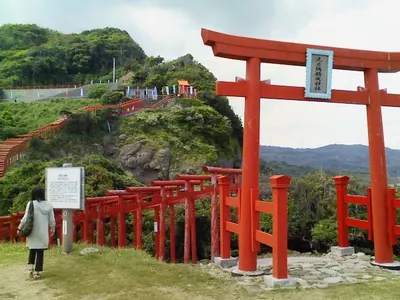
Motonosumi Shrine offers stunning red torii gates and ocean views, known for good fortune.
What it is
- Established in 1955 after a white fox appeared.
- Dedicated to business prosperity and good catches.
- Also known for good matches and safe sea travel.
- Privately owned, not a religious corporation.
What to see
- 123 red torii gates line a path over 100 meters.
- Gates were donated over 10 years starting 1987.
- Selected by CNN in 2015 as one of Japan's 31 most beautiful places.
- Address
- 山口県長門市油谷津黄498 Map
20
Yamaguchi Daijingū
YAMAGUCHI · SHRINE 山口大神宮
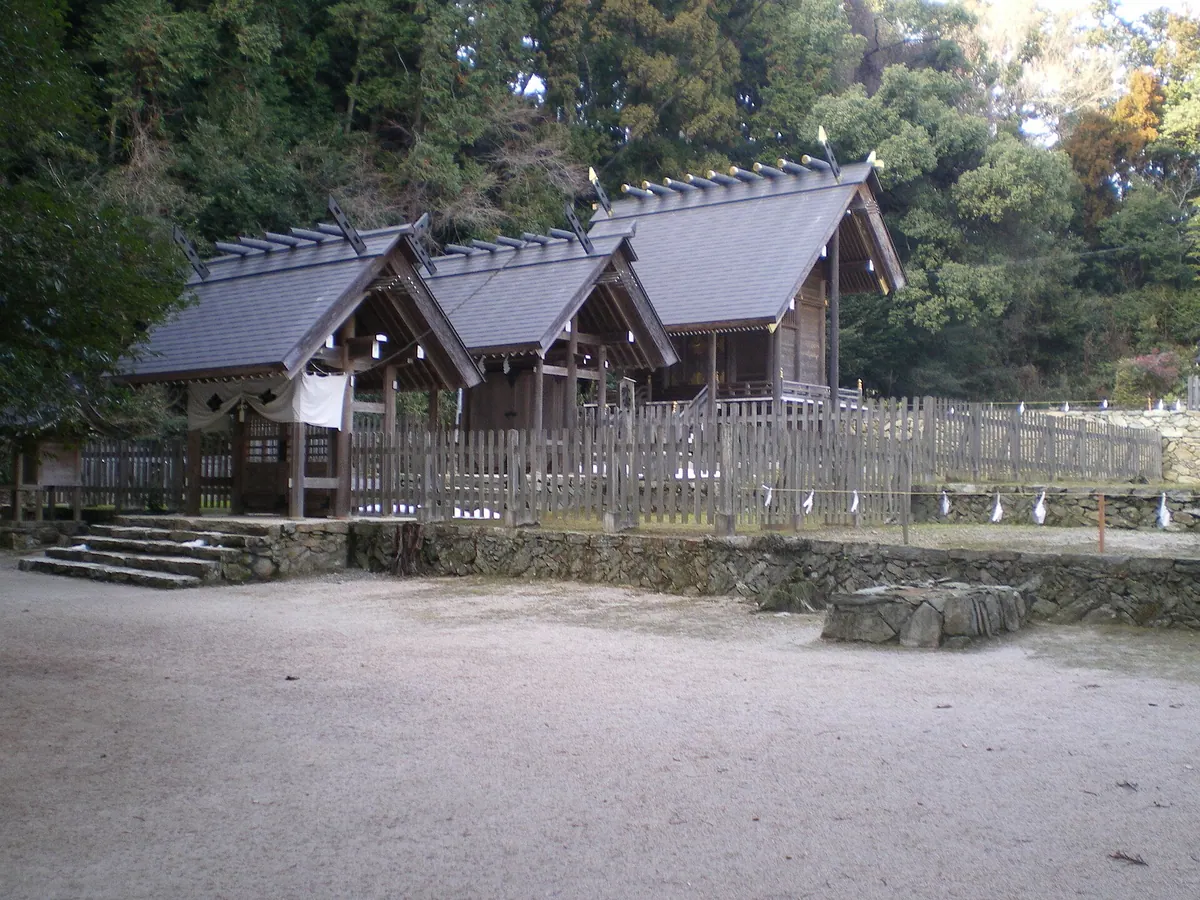
Yamaguchi Daijingu is a unique Shinto shrine, the only one with imperial permission to invite Ise Grand Shrine deities.
What it is
- A Shinto shrine founded in 1520.
- Established by Ouchi Yoshioki.
- Invited deities from Ise Grand Shrine.
- Originally named Takamine Shinmei.
What to see
- Inner Shrine enshrines Amaterasu Omikami.
- Outer Shrine enshrines Toyouke Omikami.
- Auxiliary and subordinate shrines are present.
Getting there
- 5-minute bus ride from Yamaguchi Station.
- Address
- 山口県山口市滝町4-4 Map
- Official site
- www.yamaguchi-daijingu.or.jp