

20 Temples in Yamaguchi worth your time
Japan Gems
Kōzan-ji Temple and Suō Kokubun-ji Temple are among the 27 temples in Yamaguchi prefecture. These temples offer a variety of experiences for visitors to Japan.
Yamaguchi has 29 temples on Japan Gems. Below are the 20 we can tell you the most about — each one written up in English from Japanese sources, with what to see and how to get there. See all temples in Yamaguchi.
01
Unrin-ji Temple
YAMAGUCHI · TEMPLE 雲林寺

Unrin-ji Temple, or "Cat Temple," is worth visiting for its cat-themed art and unique Buddhist services.
What it is
- Rinzai Zen temple, over 400 years old.
- Known as Neko-dera, or “Cat Temple.”
- Once a sub-temple of Tenjuin.
- Dedicated to sharing Buddha's wisdom with cat-based stories.
What to see
- Cat-themed artwork, clippings, and items in the main building.
- Wooden cats by chainsaw artist Takao Hayashi.
- Cat-themed artwork by famous anime and manga illustrators.
- Cat-themed votive tablets, amulets, and manga pamphlet.
- Copy of the Lotus Sutra with feline illustrations.
- Over 800 statues of the bodhisattva Jizō.
When to go
- Open daily from 9:00 a.m. to 5:00 p.m.
Getting there
- Bōchō Bus from Hagi Bus Center to Kibe-Tsuwano.
- 30-minute walk from Kibe Bus Stop.
- By car: Take Route 11, then Route 13 towards Tsuwano.
- 30 minutes by car.
- Address
- 758-0304山口県萩市大字吉部上2489番地 Map
02
Ensei-ji Temple
YAMAGUCHI · TEMPLE 円政寺
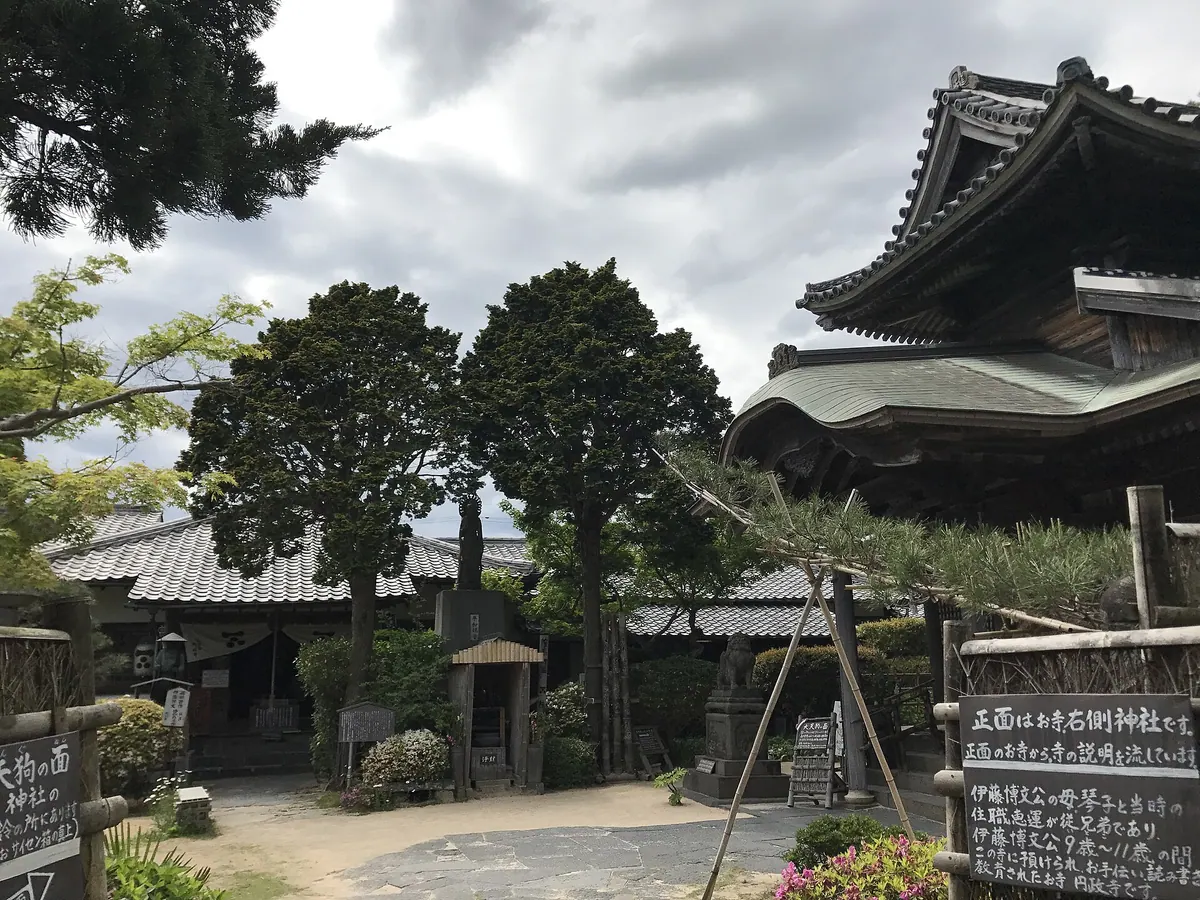
This temple, founded in 1254, is worth visiting for its unique blend of Shinto and Buddhist elements.
What it is
- Temple founded in 1254, main place of worship for Ōuchi and Mōri clans.
- Affiliated with Shingon Buddhism, also enshrines a Shinto deity.
- Konpira is the guardian deity of seafarers, navigation, and fishermen.
What to see
- Torii gate indicates shared sacred space.
- Outer eaves of Konpira shrine hall have Chinese zodiac carvings.
- Massive tengu mask (1838) above entrance.
- Large (1.25m) cloisonné-backed ornamental mirror (1822) inside shrine hall.
- Wooden statue of a divine horse (1820) in a stable.
- Largest stone lantern in Yamaguchi prefecture (3m) with relief carvings.
When to go
- Open daily from 8:00 a.m. to 5:00 p.m.
Getting there
- 3-minute walk west of Hagi Central Park.
- Address
- 山口県萩市南古萩町6 Map
03
Jōei-ji Temple
YAMAGUCHI · TEMPLE 常栄寺

Sesshutei is a strolling garden with dry landscape features and stone arrangements, worth visiting for its unique design.
What it is
- Strolling garden on the grounds of Joeiji Temple.
- Famous for its karesansui dry landscape features.
- Believed to be designed by Sesshu, a Zen Buddhist priest.
What to see
- Stone arrangements representing islands, mountains, and waterfalls.
- Central pond shaped like the Chinese character for “heart.”
- Stones in the water resemble a turtle and a crane.
- Extensive grounds with forested mountainsides and three ponds.
- Foamy nests of forest green tree frogs around Shimei Pond.
- Worship hall dedicated to Bishamonten on the mountainside.
When to go
- April to July to spot forest green tree frog nests.
- Weekends and holidays for matcha service in the teahouse.
- Autumn for illuminated fall colors at dusk.
04
Akaibō
YAMAGUCHI · TEMPLE 閼伽井坊
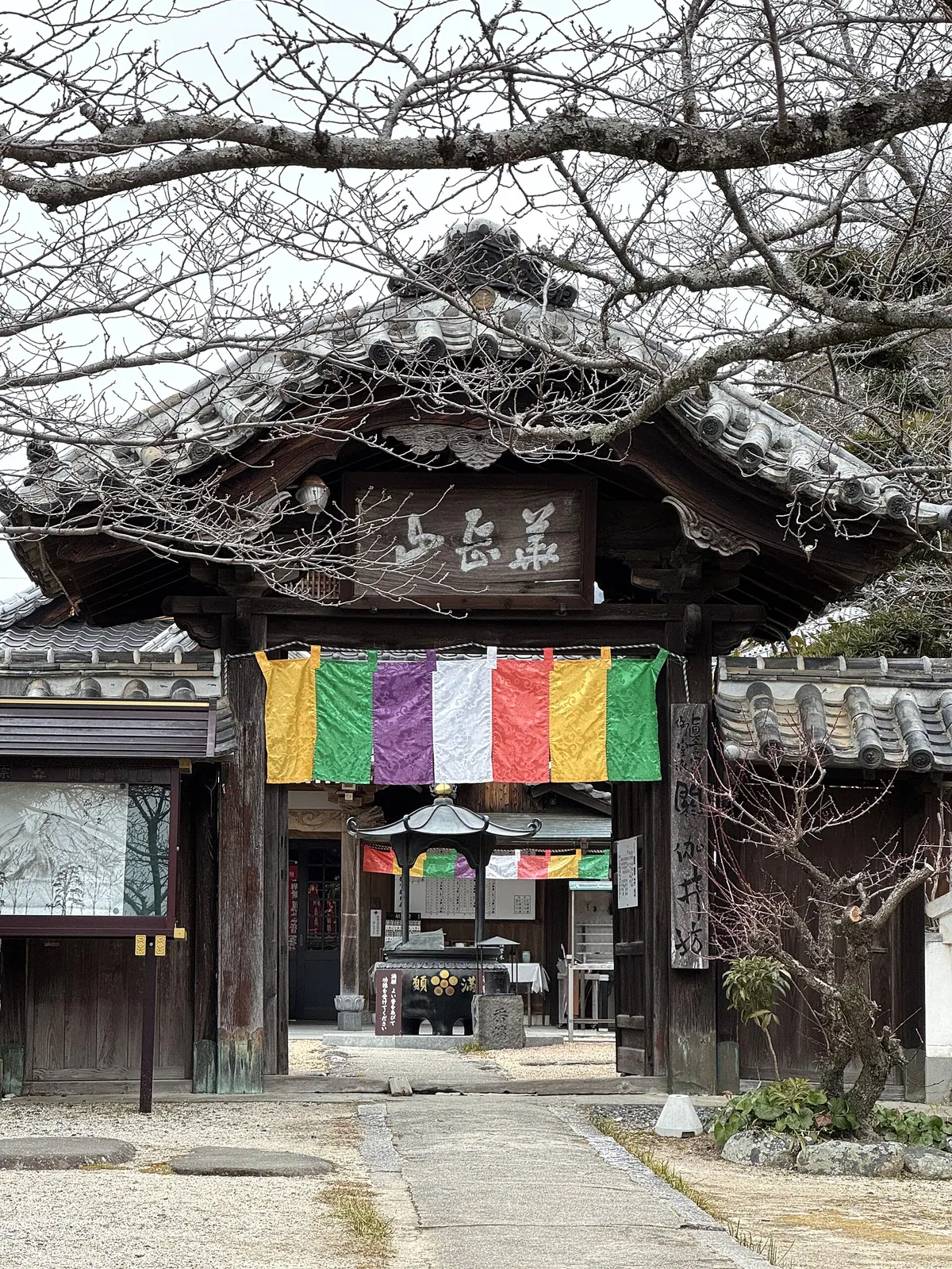
A historic Shingon temple in Kudamatsu featuring a rare Muromachi-period pagoda designated as a National Important Cultural Property.
What it is
- A Shingon Omuro sect temple also known by the mountain name Kagakusan.
- The only remaining sub-temple of the original nine belonging to Hanaoka Hachimangu.
- A religious site that manages pilgrimage halls in the Kuriya district of Shunan.
What to see
- A thirteen-meter tall Tahoto pagoda with a traditional shingle roof.
- A National Important Cultural Property pagoda dating to the mid-to-late Muromachi period.
- Five ridgepoles designated as National Important Cultural Properties.
- A ridgepole featuring a historical inscription from the year 1560.
When to go
- The Day of the Ox for the traditional cucumber blessing ceremony.
- Official site
- www.akaibou.or.jp
05
Ryuzou-ji Temple
YAMAGUCHI · TEMPLE 龍蔵寺
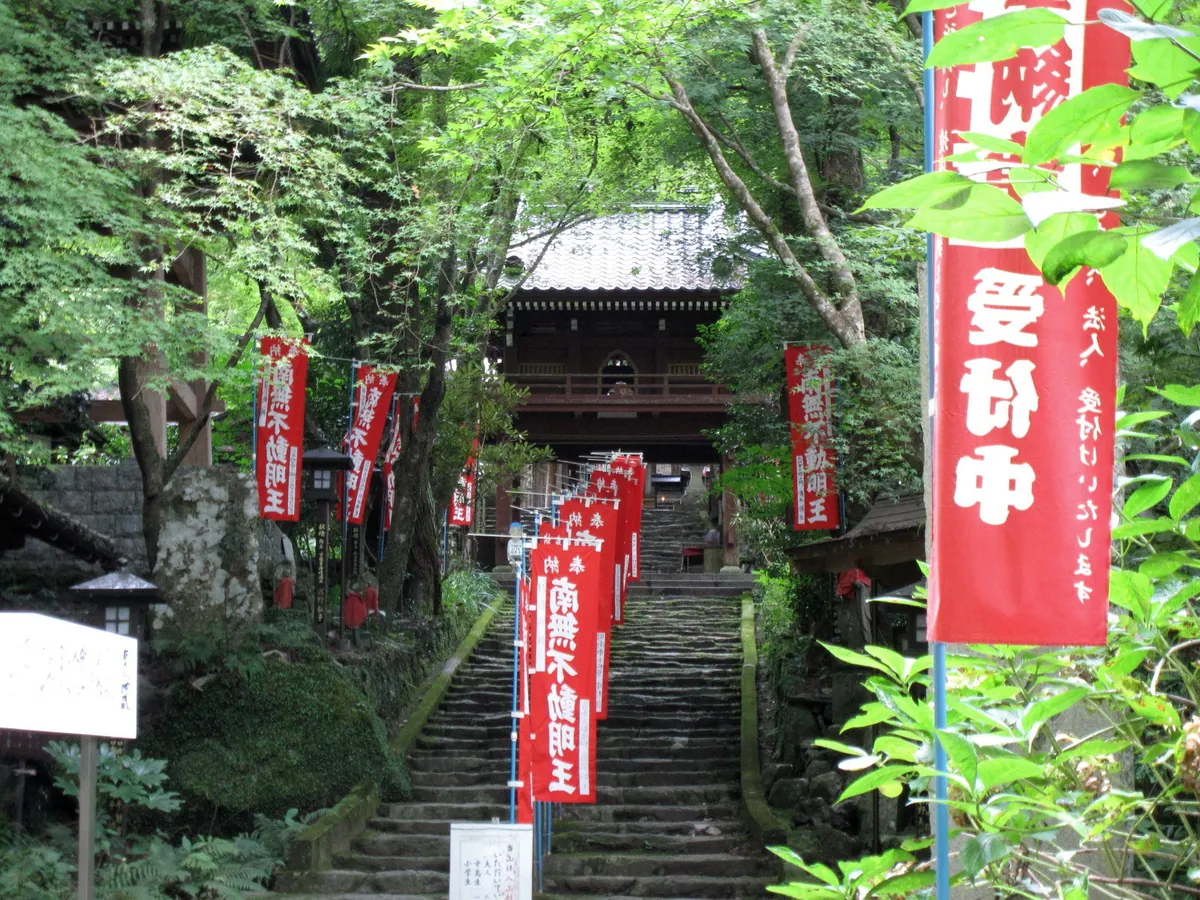
Yamaguchi City's oldest temple, founded in 698, with important cultural properties and a giant ginkgo.
What it is
- Oldest temple in Yamaguchi City, founded in 698.
- Established by En no Ozuno, built by Gyoki in 741.
- The 17th site of the Chugoku 33 Kannon Pilgrimage.
- Performs perpetual memorial services for pets.
What to see
- Large ginkgo tree, a national natural monument.
- Wooden seated Dainichi Nyorai statue, a National Important Cultural Property.
- Two Shitenno-zu Kinrin doors, National Important Cultural Properties.
- Wooden seated Senju Kannon Bosatsu statue, a prefectural cultural property.
- Wooden standing Fudo Myoo statue, a city cultural property.
- Wooden standing Bishamonten statue, a city cultural property.
- Address
- 山口県山口市吉敷1750番地 Map
06
Rurikō-ji Temple
YAMAGUCHI · TEMPLE 瑠璃光寺
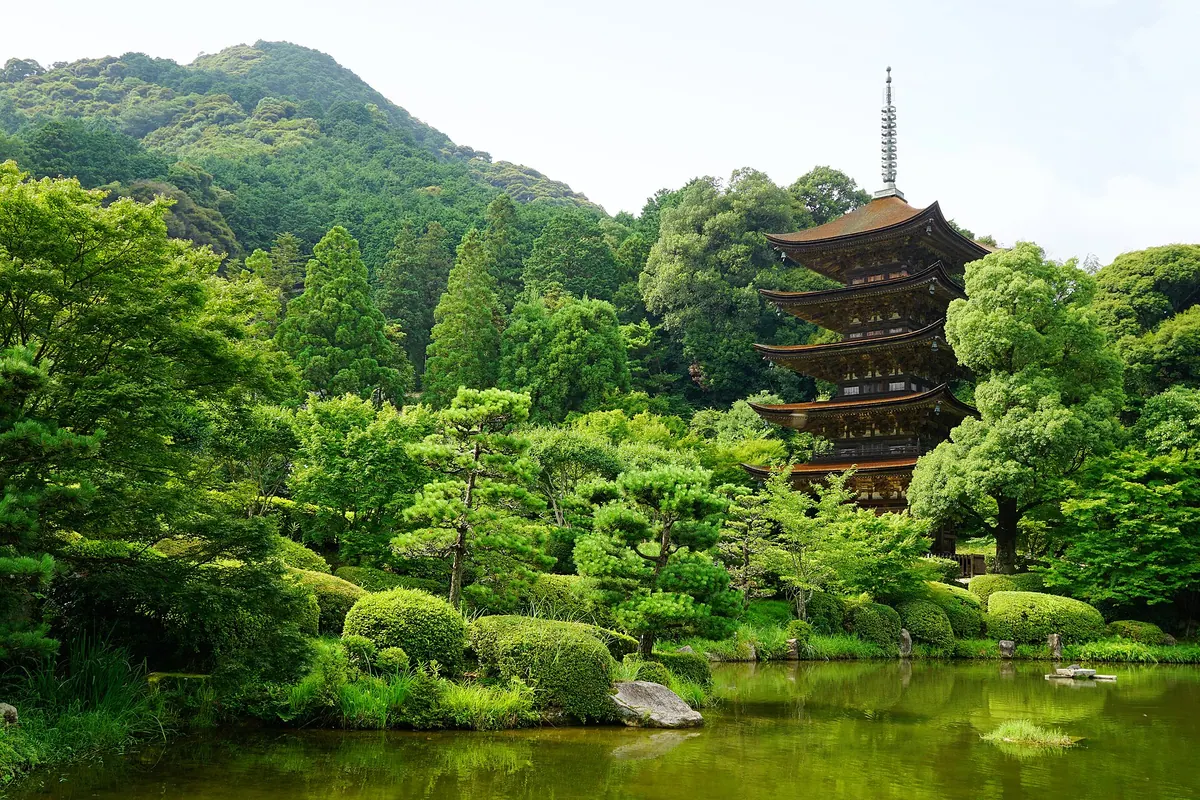
This 15th-century pagoda, a National Treasure, is one of Japan's Three Greatest Pagodas.
What it is
- Five-storied pagoda, completed around 1442.
- Commissioned by Ouchi Morimi as a memorial to his brother.
- Considered one of Japan's Three Greatest Pagodas.
- Designated a National Treasure.
What to see
- Elegant five-storied pagoda with cypress bark roof.
- Pagoda is 31.2 meters high, stands out among trees.
- Wooden statue of Amida from the Heian period.
- Bronze statue of Ouchi Yoshihiro.
- Statues visible through the pagoda's lattice doors.
When to go
- Early spring for plum blossoms backdrop.
- Autumn for colorful foliage.
- Address
- 山口県山口市香山町7-1 Map
07
Amida-ji Temple
YAMAGUCHI · TEMPLE 阿弥陀寺
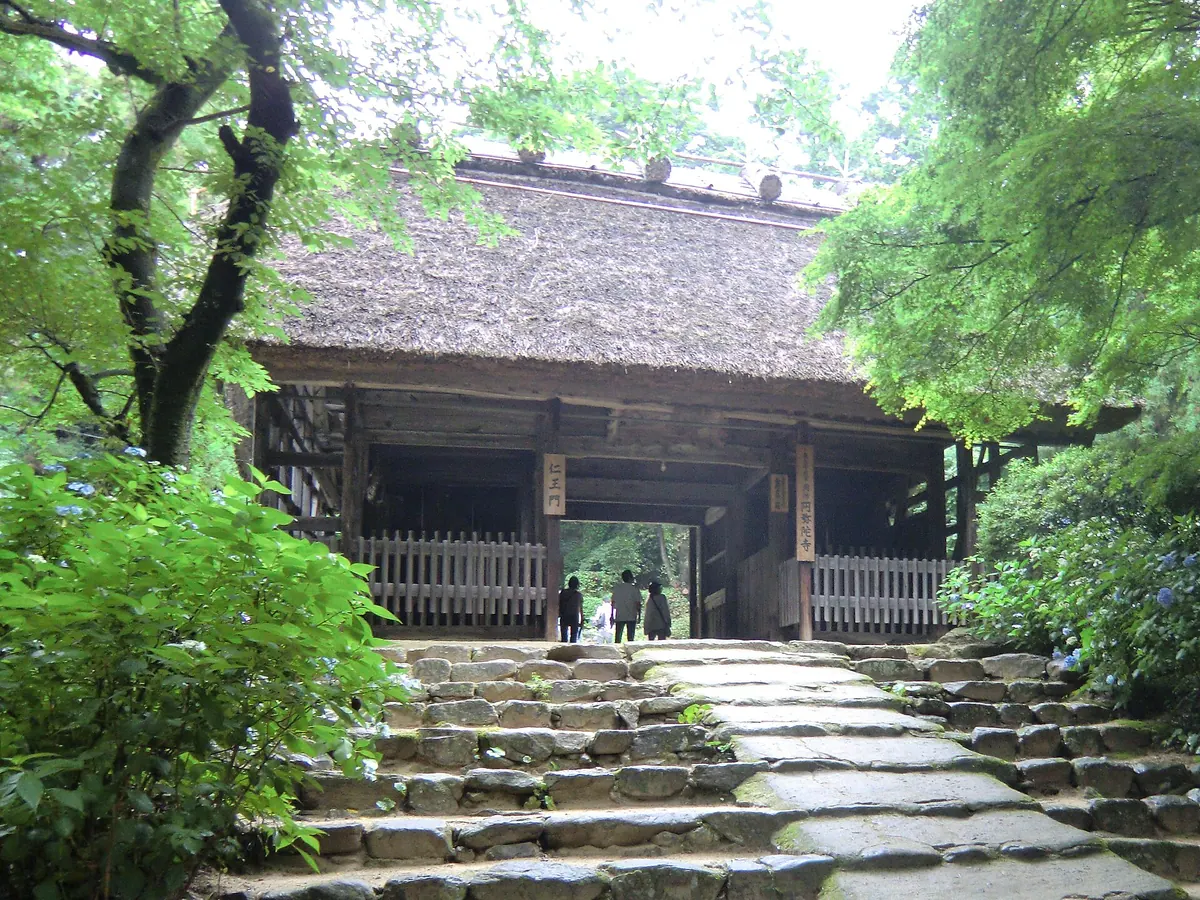
Amida-ji Temple: a historic temple with a national treasure and thousands of hydrangeas.
What it is
- Temple of the Kegon sect.
- Founded in 1187 by Chogen of Todai-ji Temple.
- Main image is Amida Nyorai.
- Rebuilt with help from the Ouchi clan.
What to see
- One National Treasure.
- Four Important Cultural Properties.
- Ancient stone bath, a cultural property.
- Main hall, rebuilt in 1731.
- 80 varieties and 4000 hydrangea plants.
When to go
- Hydrangea festival around June annually.
- Stone bath fired on the first Sunday of each month.
- Address
- 山口県防府市大字牟礼字上坂本1869番地 Map
08
Suō Kokubun-ji Temple
YAMAGUCHI · TEMPLE 周防国分寺
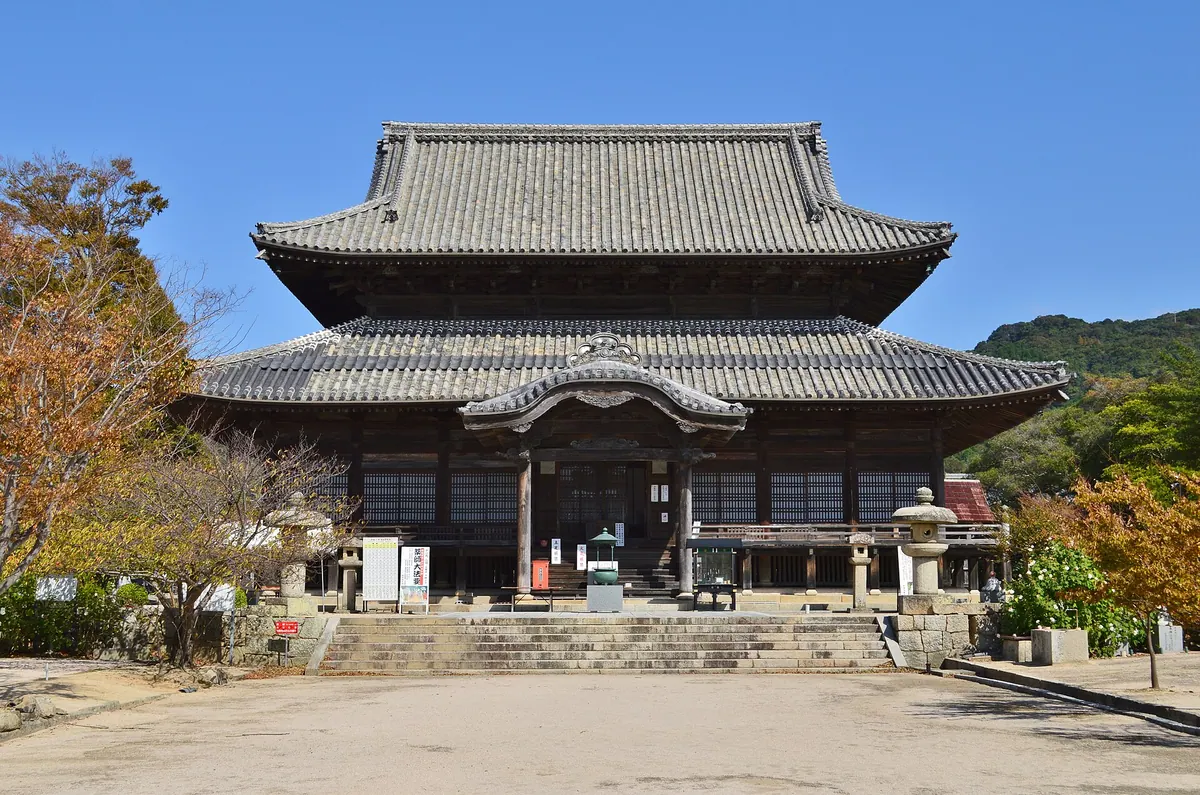
Visit this ancient temple to see a National Historic Site and Important Cultural Property.
What it is
- A temple in Hofu City, Yamaguchi Prefecture.
- Special head temple of the Koyasan Shingon sect.
- Main deity is Yakushi Nyorai.
- Established by Emperor Shomu as Suo Province Kokubun-ji Temple.
What to see
- Former temple grounds are a National Historic Site.
- Large main hall is a National Important Cultural Property.
- Nio-mon gate is a Yamaguchi Prefecture Tangible Cultural Property.
- Many cultural properties are preserved here.
- Official site
- www.suoukokubunji.jp
09
Ryoho-ji Temple
YAMAGUCHI · TEMPLE 了法寺

A historic Jodo Shinshu temple in Yamaguchi Prefecture featuring Amida Nyorai and a lineage dating back to the 17th century.
What it is
- A Jodo Shinshu Hongwanji-ha temple dedicated to the deity Amida Nyorai.
- The temple was founded by Ryokei, a disciple of Junnyo Shonin.
- It was moved to its current location in Tabuse Town in 1657.
- The mountain name of this religious site is Busshozan.
What to see
- The main enshrined image of the deity Amida Nyorai.
- Historical architecture preserved since the temple relocated in the mid-seventeenth century.
10
Tōkō-ji Temple
YAMAGUCHI · TEMPLE 東光寺
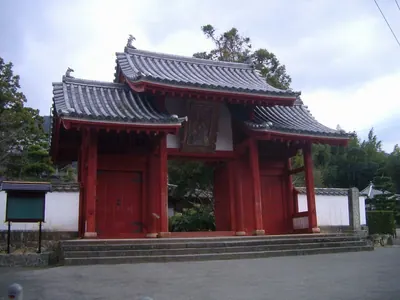
Tōkō-ji Temple is a historic Ōbaku Zen temple with a unique dragon layout and important cultural properties.
What it is
- Ōbaku Zen temple in Hagi City.
- Founded in 1691 by Mōri Yoshinari.
- Family temple of the Mōri family.
- One of three great Ōbaku Zen temples.
What to see
- Temple layout represents the shape of a dragon.
- Four buildings are Important Cultural Properties.
- Sōmon gate built around 1693.
- Shōrō bell tower built around 1694.
- Daiōhōden main hall built in 1698.
- Mōri clan mausoleum is a National Historic Site.
- Address
- 山口県萩市椿東椎原1647 Map
- Official site
- www.toukouji.net
11
Tainei-ji Temple
YAMAGUCHI · TEMPLE 大寧寺

Tainei-ji Temple is a historic Soto Zen temple with cultural properties and a tragic past.
What it is
- Soto Zen Buddhist temple, founded in 1410.
- Originally named Kofuku-ji.
- Site of Ouchi Yoshitaka's death in 1551.
- Rebuilt under the patronage of the Mori clan.
What to see
- Main hall, rebuilt in 1829, is a cultural property.
- Temple grounds are a prefectural historic site.
- Stone bridge called Banseki-bashi.
- Bronze bell from 1396 is a city cultural property.
- Kokeiden history museum opened in 2010.
- Address
- 山口県長門市深川湯本1074番地 Map
12
Fugen-ji Temple
YAMAGUCHI · TEMPLE 普賢寺
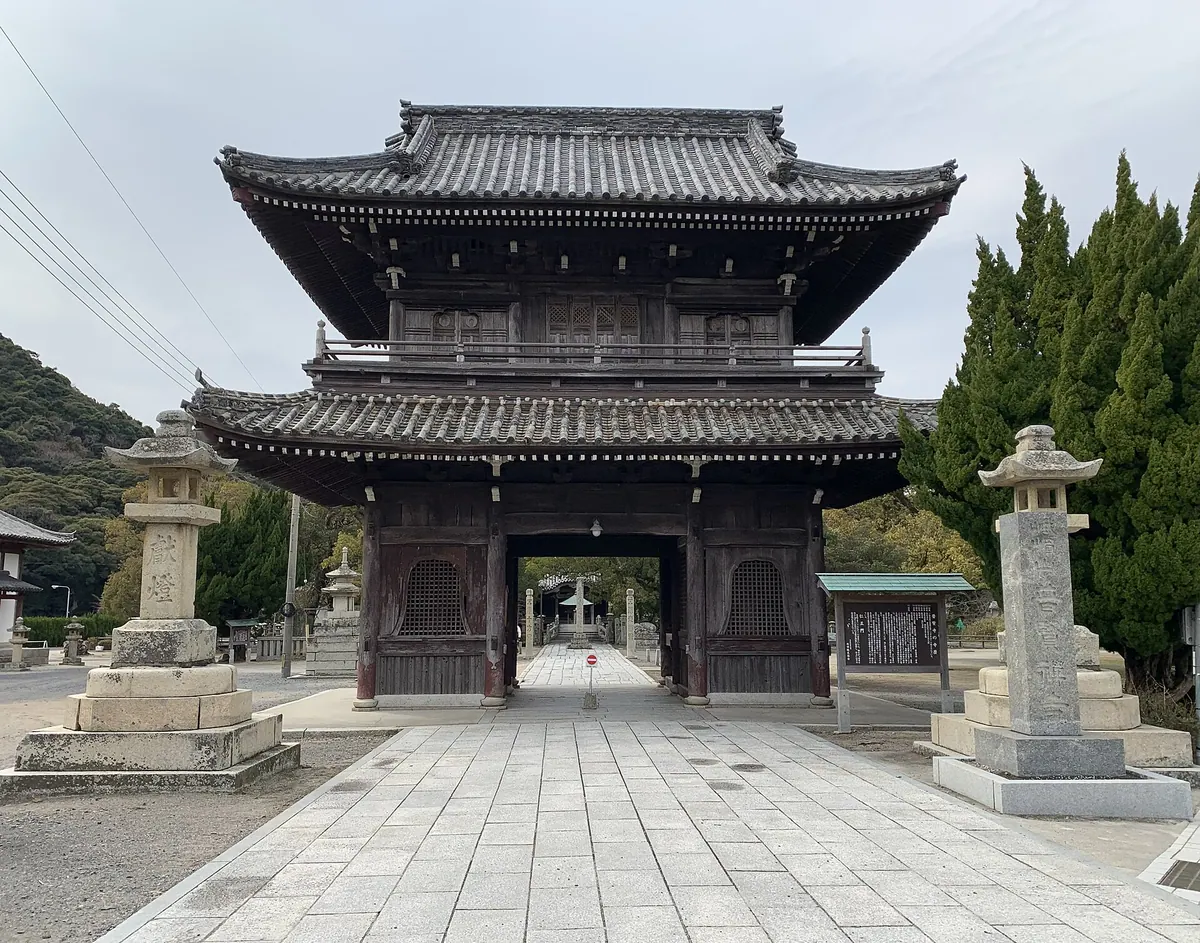
Fugen-ji Temple is a Rinzai Buddhist temple with a beautiful garden and unique statues.
What it is
- A Rinzai sect Kennin-ji school temple.
- Enshrines Fugen Bosatsu as a Buddha of longevity.
- Worships Fugen Bosatsu as a guardian Buddha of the sea.
What to see
- A Nio-mon gate.
- A Tamagaki stone fence.
- Sixteen Rakan statues.
- A Tenborin prayer wheel.
- A Koyasu Kannon Bosatsu statue.
- A Sesshu-tei garden.
When to go
- The Fugen Festival is held annually on May 14th and 15th.
- Address
- 山口県光市室積8-6-1 Map
13
Mara Kannon Temple
YAMAGUCHI · TEMPLE 麻羅観音
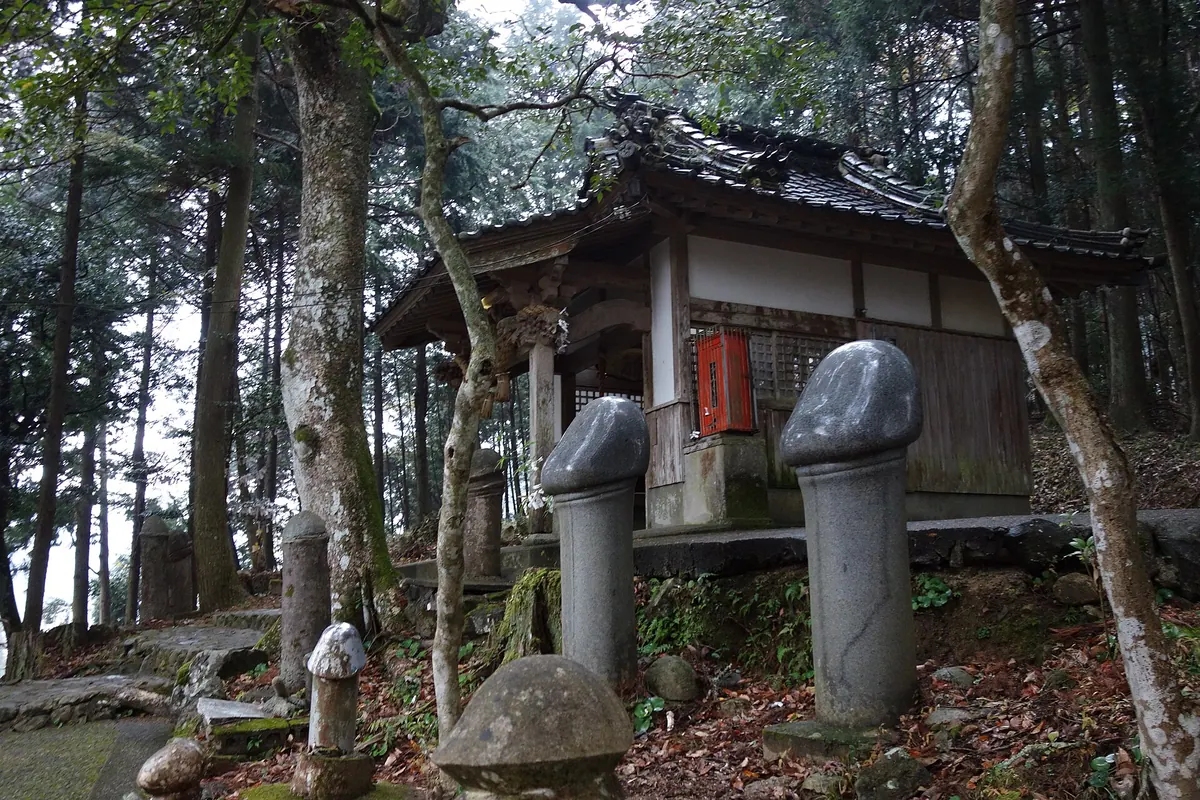
Mara Kannon Temple is a unique shrine in Nagato City for fertility prayers, known for its phallic statues.
What it is
- A temple or shrine in Nagato City, Yamaguchi Prefecture.
- Built to console the spirit of Ouchi Kanjiumaru.
- Known for prayers for fertility and health.
What to see
- Many penis-shaped stone statues surround the small shrine.
- Ceramic phallic statues displayed in a shrine on the premises.
When to go
- Mara Kannon Festival is held annually in May.
14
Kōzan-ji Temple
YAMAGUCHI · TEMPLE 功山寺
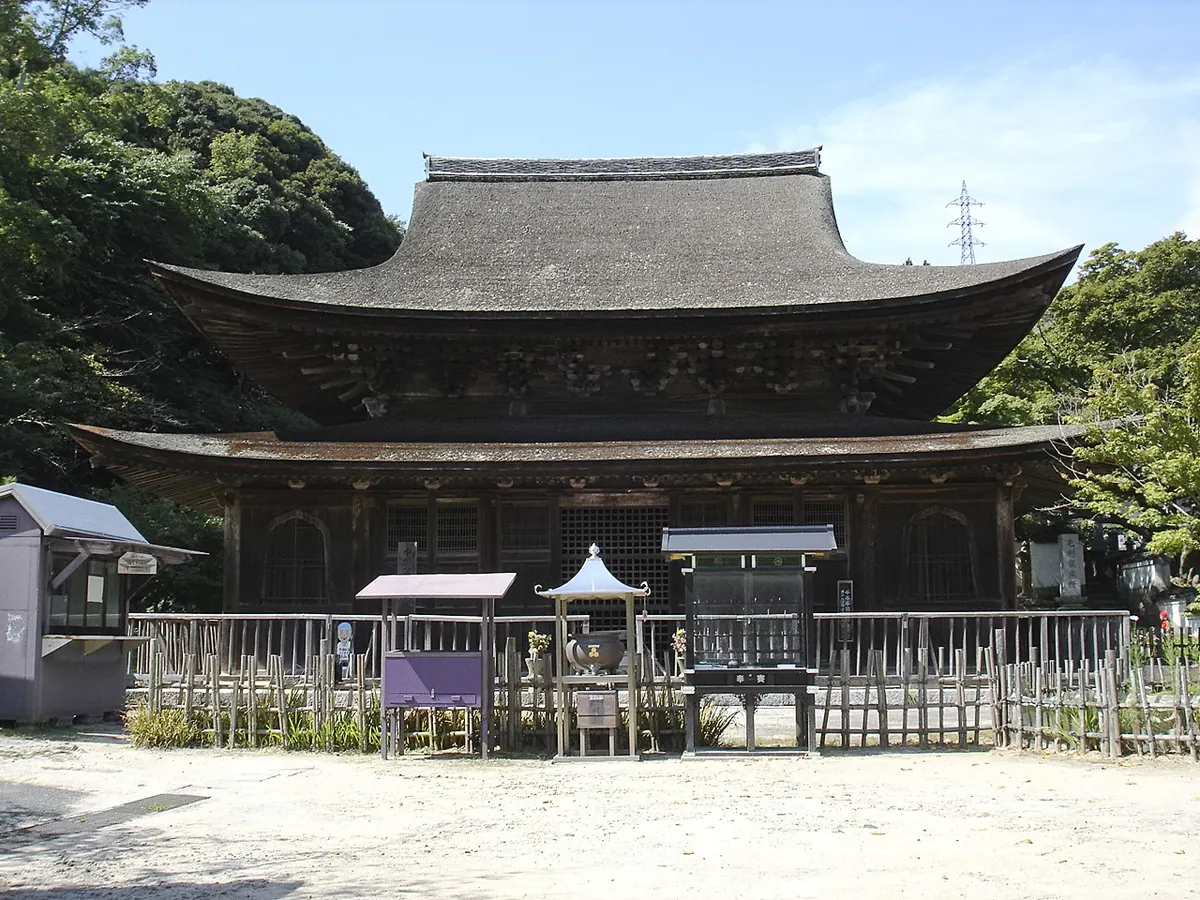
Kōzan-ji Temple is a historic Zen temple with a National Treasure Buddha hall.
What it is
- A Sōtō Zen Buddhist temple.
- Founded in 1327 as Chōfuku-ji Temple.
- Family temple of the Chōfu Mōri clan.
- 19th temple of the Chūgoku 33 Kannon Pilgrimage.
What to see
- Butsuden (Buddha hall) is a National Treasure.
- Butsuden was built in 1320.
- Seated statue of Senju Kannon is the main deity.
- Sōmon (main gate) is a Registered Tangible Cultural Property.
15
Gachirin-ji Temple
YAMAGUCHI · TEMPLE 月輪寺
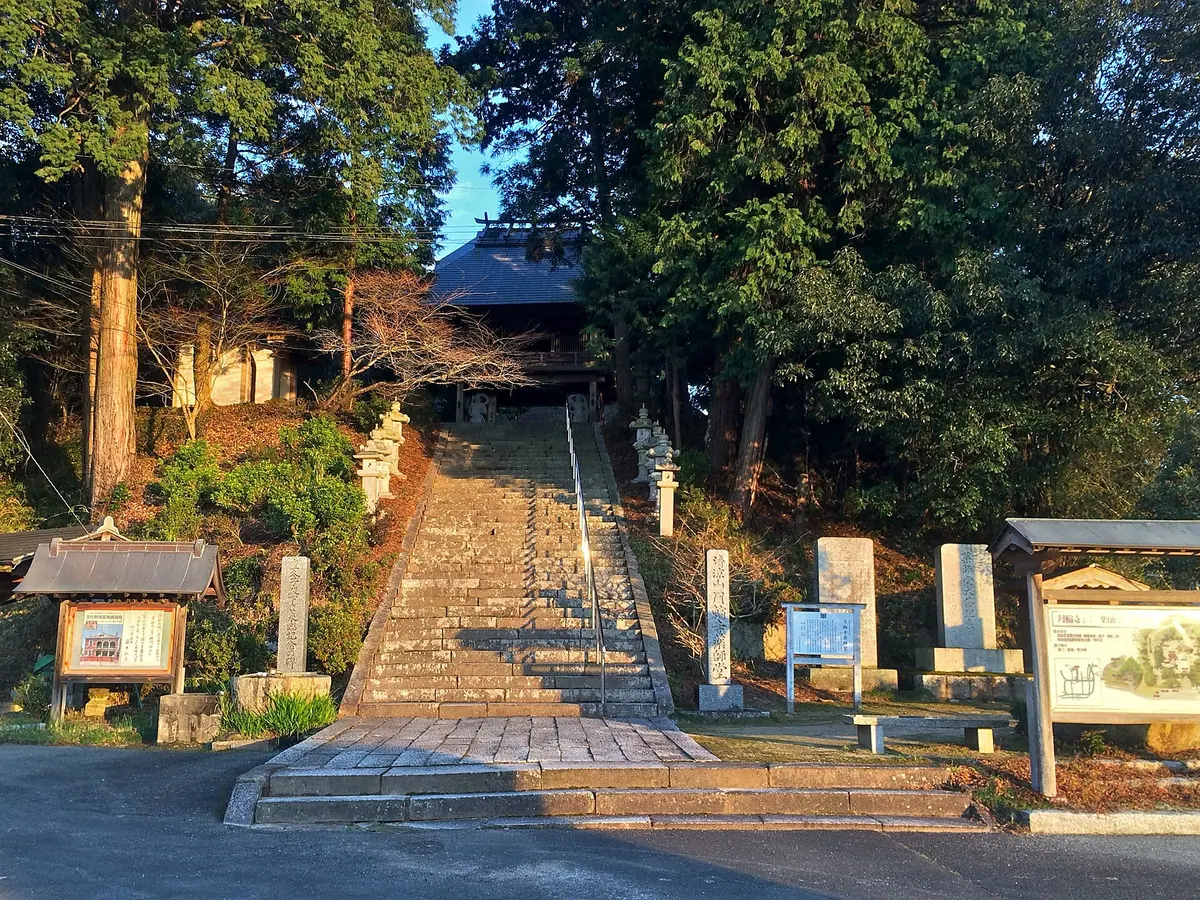
Gachirin-ji is a Soto Zen temple, home to Yamaguchi's oldest wooden building.
What it is
- A Soto Zen temple in Yamaguchi City.
- Established in 1198 by Chogen.
- Named after Fujiwara no Kanezane's nickname.
What to see
- Oldest wooden building in Yamaguchi Prefecture.
- Yakushi-do houses numerous Buddhist statues.
- Yakushi-do is a National Important Cultural Property.
When to go
- Yakushi Great Ennichi is held annually on May 5th.
- Address
- 山口県山口市徳地上村字蔵場572番地 Map
16
Injō-ji Temple
YAMAGUCHI · TEMPLE 引接寺

Injō-ji Temple is a historic Jōdo-shū Buddhist temple with a significant connection to Joseon envoys.
What it is
- Jōdo-shū Buddhist temple.
- Founded in 1560 by Chūyo Ittoku.
- Rebuilt in 1598 as Kobayakawa Takakage's family temple.
- Served as lodging for Joseon envoys during the Edo period.
What to see
- Sanmon gate, rebuilt in 1769.
- Sanmon gate is a Shimonoseki City designated cultural property.
- Road connecting to Shunpanrō is named "Li Hongzhang Road".
- Address
- 山口県下関市中之町11-9 Map
17
Ōuchishi iseki Ryōun-ji ato
YAMAGUCHI · TEMPLE 大内氏遺跡凌雲寺跡
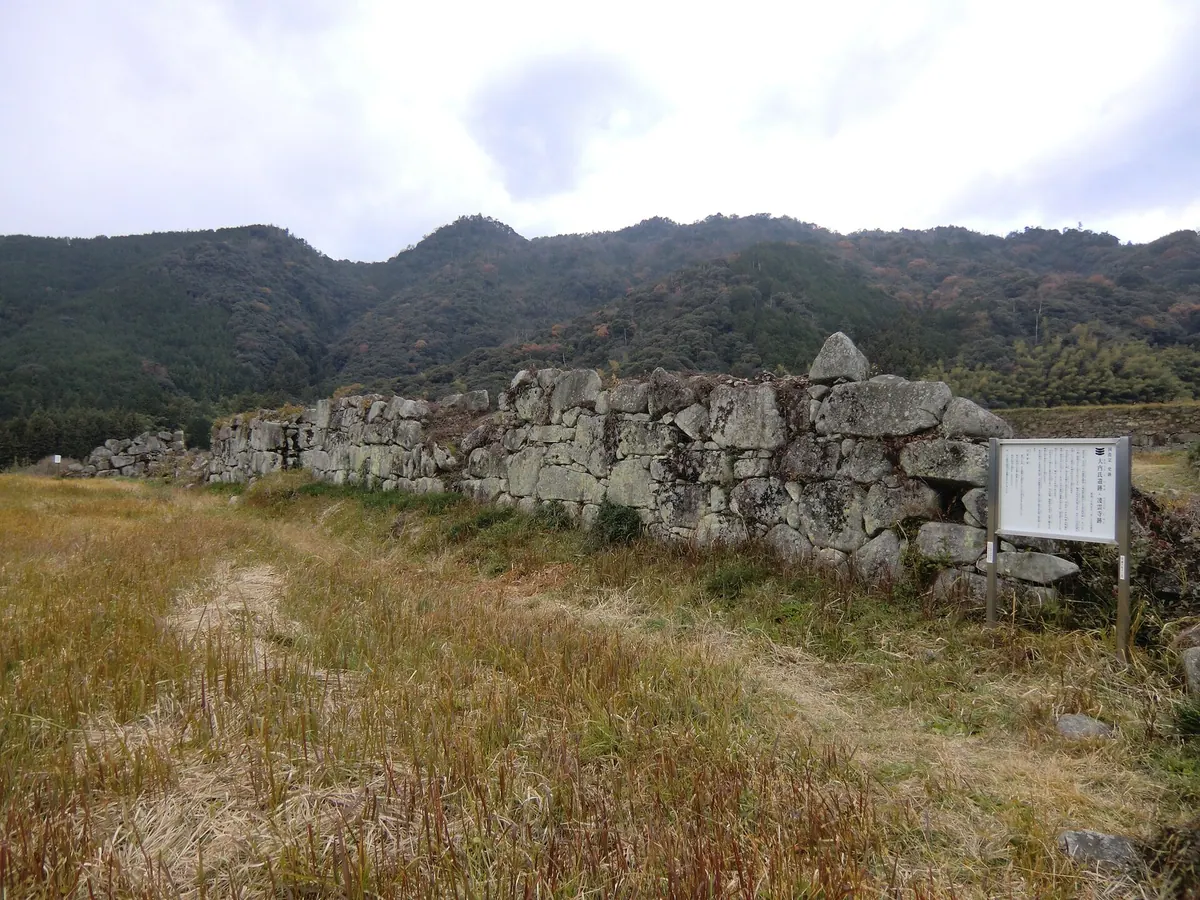
Explore the ruins of a 16th-century family temple and its unique stone wall.
What it is
- Ruins of Ryōun-ji, a family temple of Ōuchi Yoshioki.
- Founded around 1507 by Ryōan Keigo.
- Designated a National Historic Site in 1959.
What to see
- A 60-meter long, 3-meter high stone wall.
- Stone wall structure resembles those in Korea and Okinawa.
- Two hōkyōintō and one kaisantō remain.
- Ōuchi Yoshioki's tomb, built after 1529.
- Address
- 山口県山口市中尾 Map
18
Mantoku-in Temple
YAMAGUCHI · TEMPLE 万徳院
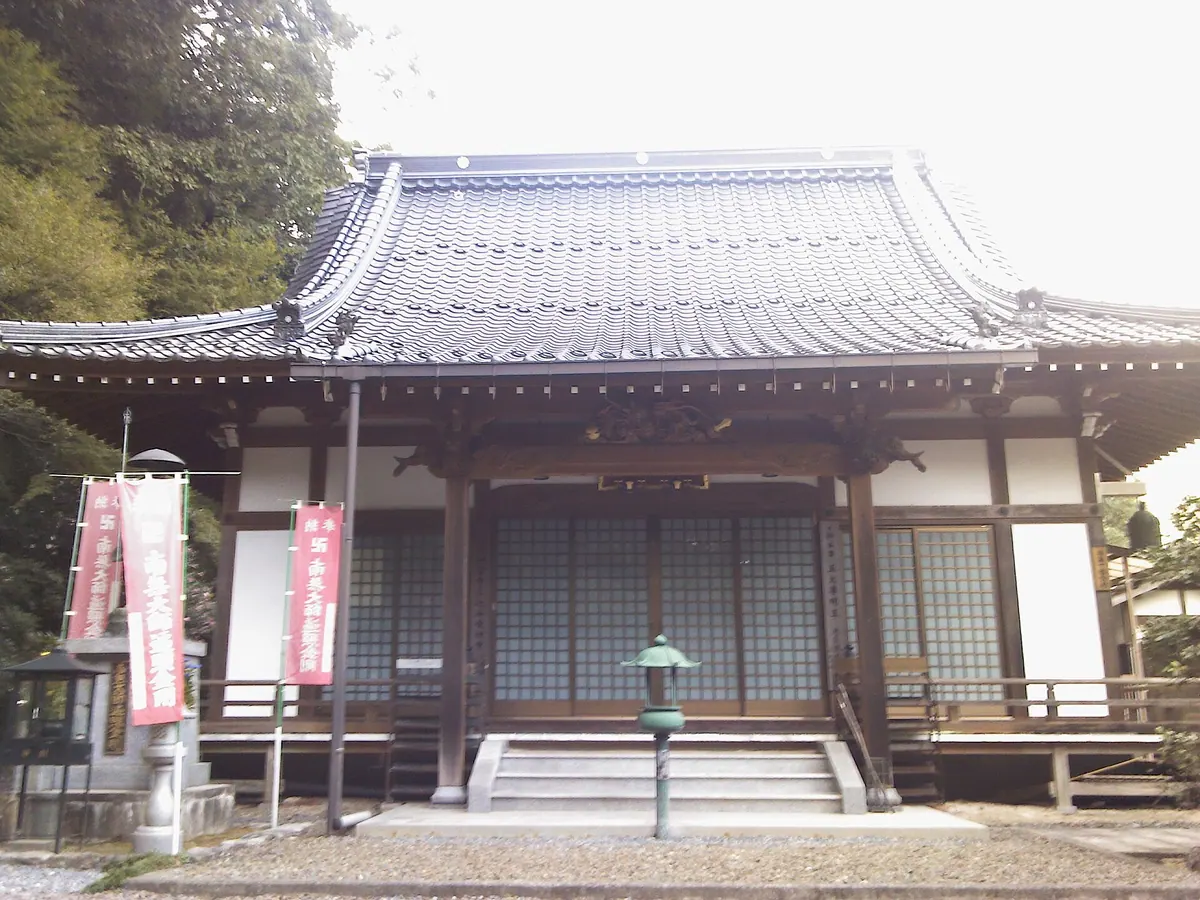
Mantoku-in Temple: a historic Shingon temple with notable Kikkawa family burials and a scenic garden.
What it is
- A Shingon sect temple.
- Founded around 1575.
- Protects Kikkawa family burials.
- Moved from Aki Province to Iwakuni.
What to see
- Burial site of Shinjō-dono, Kikkawa Motoharu's wife.
- Burial site of Yōkō-in, Kikkawa Hiroie's wife.
- Former temple garden, a national scenic spot.
- Original temple site, now a national historic park.
- Address
- 山口県岩国市横山3-9-1 Map
19
Yamaguchi Xavier Memorial Church
YAMAGUCHI · TEMPLE 山口サビエル記念聖堂
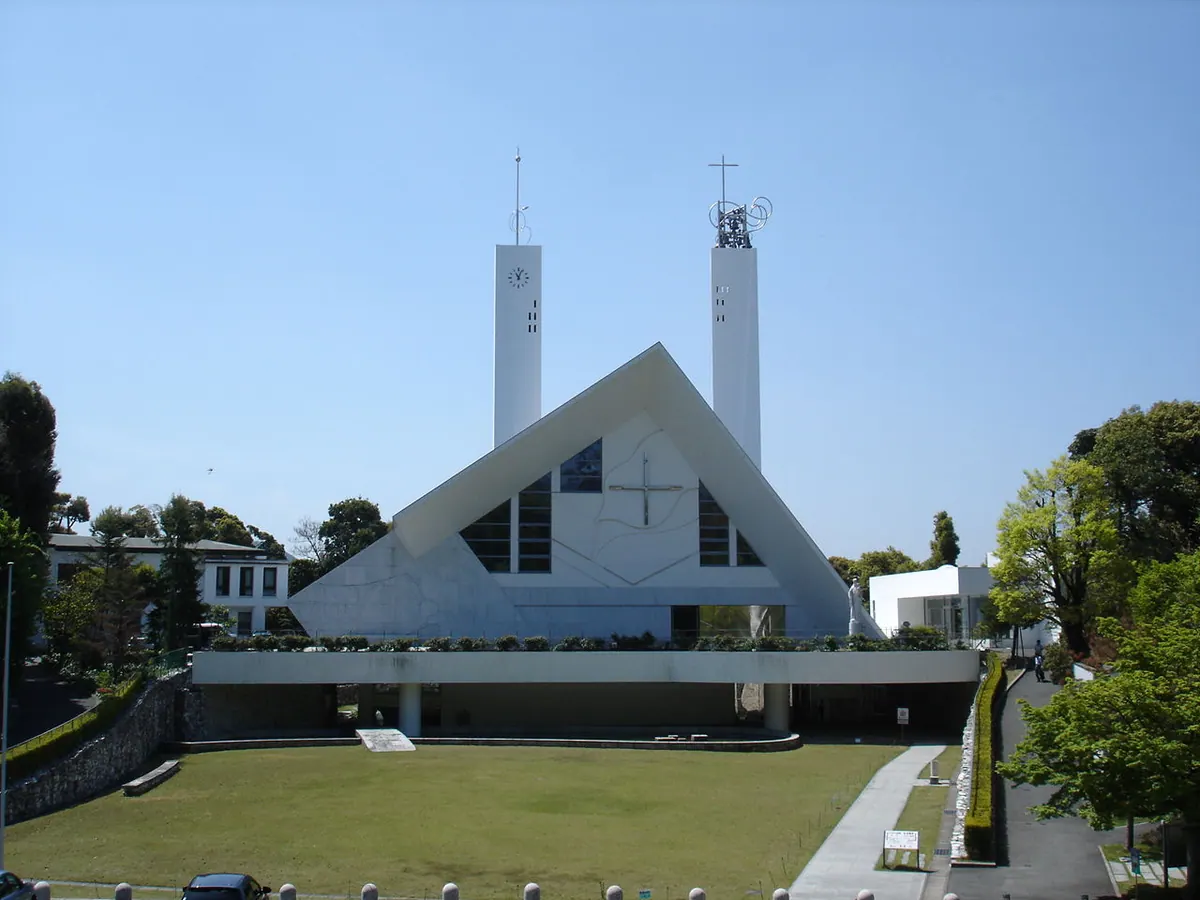
A modern Catholic cathedral in Yamaguchi City, commemorating Francis Xavier's arrival in Japan.
What it is
- A cathedral of the Catholic Hiroshima Diocese.
- Built in 1952, rebuilt in 1998.
- Commemorates 400 years since Francis Xavier's arrival.
What to see
- Two towers, 53 meters high.
- Large roof resembling a tent.
- Italian-made carillon bells.
When to go
- Carillon bells ring every 15 minutes from 7 AM to 9 PM.
- Official site
- www.xavier.jp
20
Ryūfuku-ji Temple (Yamaguchi)
YAMAGUCHI · TEMPLE 龍福寺 (山口市)
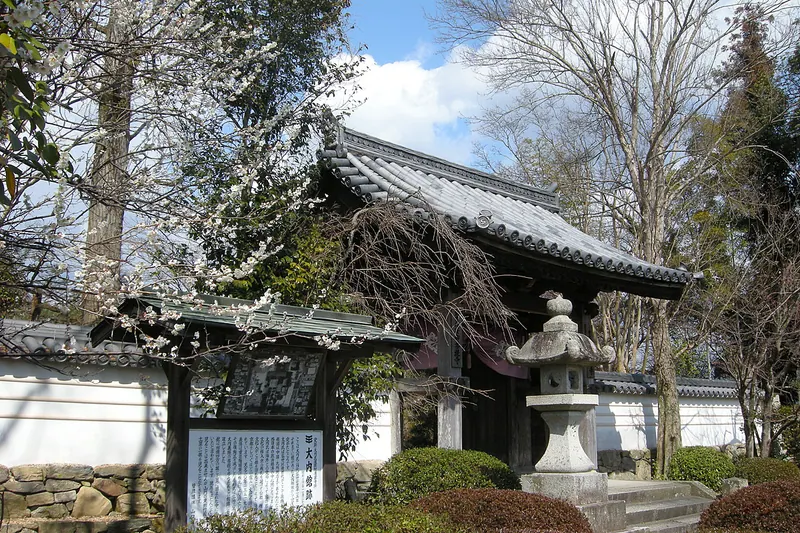
Ryūfuku-ji is a historic Sōtō Zen temple with a 15th-century main hall and museum.
What it is
- A Sōtō Zen Buddhist temple.
- Founded as Zuiun-ji in 1206-1207.
- Rebuilt in 1454, becoming Sōtō Zen.
- Principal image is Shaka Nyorai.
What to see
- The main hall, built in 1479.
- Main hall is an Important Cultural Property.
- Temple grounds are Ōuchi Clan Residence Ruins.
- The Ryūfuku-ji Museum.
- Address
- 山口県山口市大殿大路119番地 Map