

20 Shrines in Yamanashi worth your time
Japan Gems
Yamanashi Prefecture has 47 shrines, including Sangoku Daiichisan Arakura Fuji Sengen Shrine and Hachiman Shrine. Visitors can find a mix of spiritual sites across the prefecture.
Yamanashi has 50 shrines on Japan Gems. Below are the 20 we can tell you the most about — each one written up in English from Japanese sources, with what to see and how to get there. See all shrines in Yamanashi.
01
Arao Shrine
YAMANASHI · SHRINE 荒尾神社
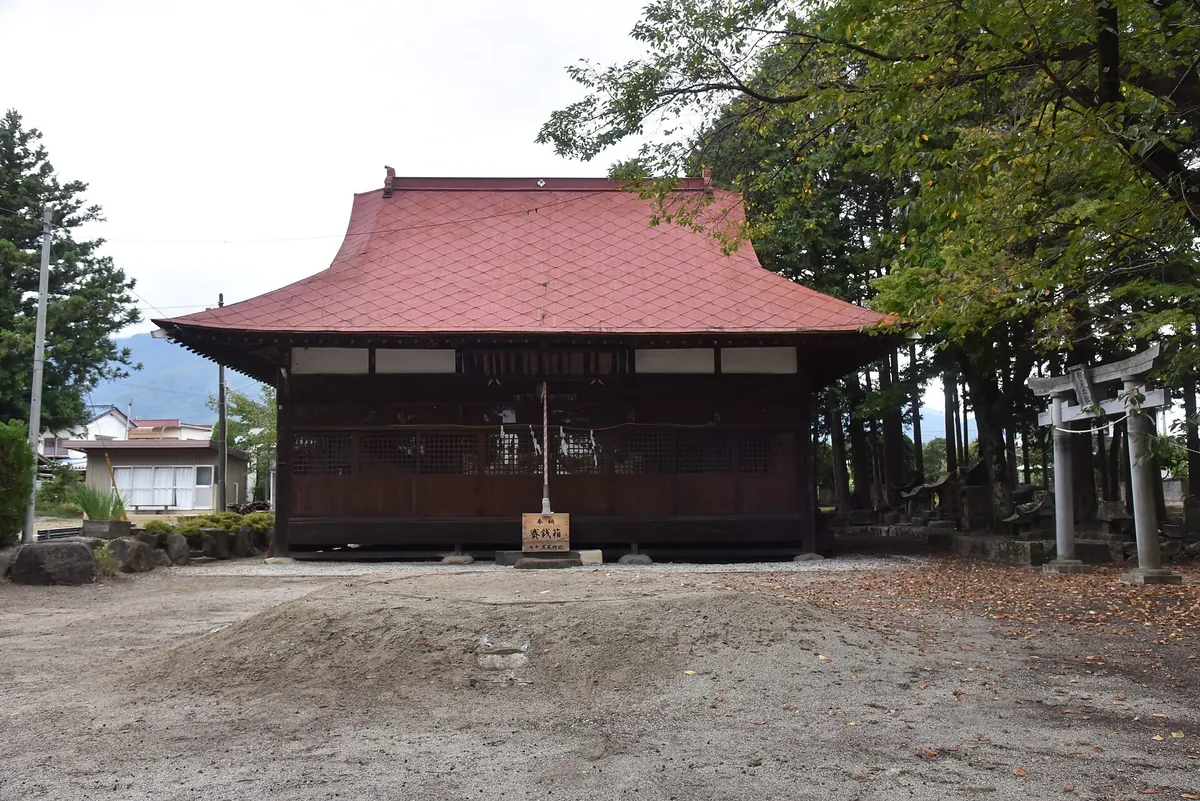
Arao Shrine, founded 600 years ago, offers a glimpse into local history and unique festivals.
What it is
- Founded approximately 600 years ago during the Muromachi period.
- Enshrines deities Mizuha-me-no-mikoto and Yamato Takeru no Mikoto.
- Named after a raging river, reflecting its historical significance.
- Merged with Tanaka Shrine in 1910, combining local traditions.
What to see
- A torii gate marks the entrance to the shrine grounds.
- Discover a traditional sumo ring on the premises.
- The main hall is located to the right upon entering.
- Seven stone lanterns are placed around the grounds.
When to go
- New Year Dosojin Festival is held on January 15.
- Autumn Grand Festival takes place on September 22-23.
Getting there
- Accessible by bus from Nirasaki Station.
- Address
- 山梨県北杜市白州町台ヶ原2296番地 Map
02
Kanda Tenjinsha
YAMANASHI · SHRINE 菅田天神社
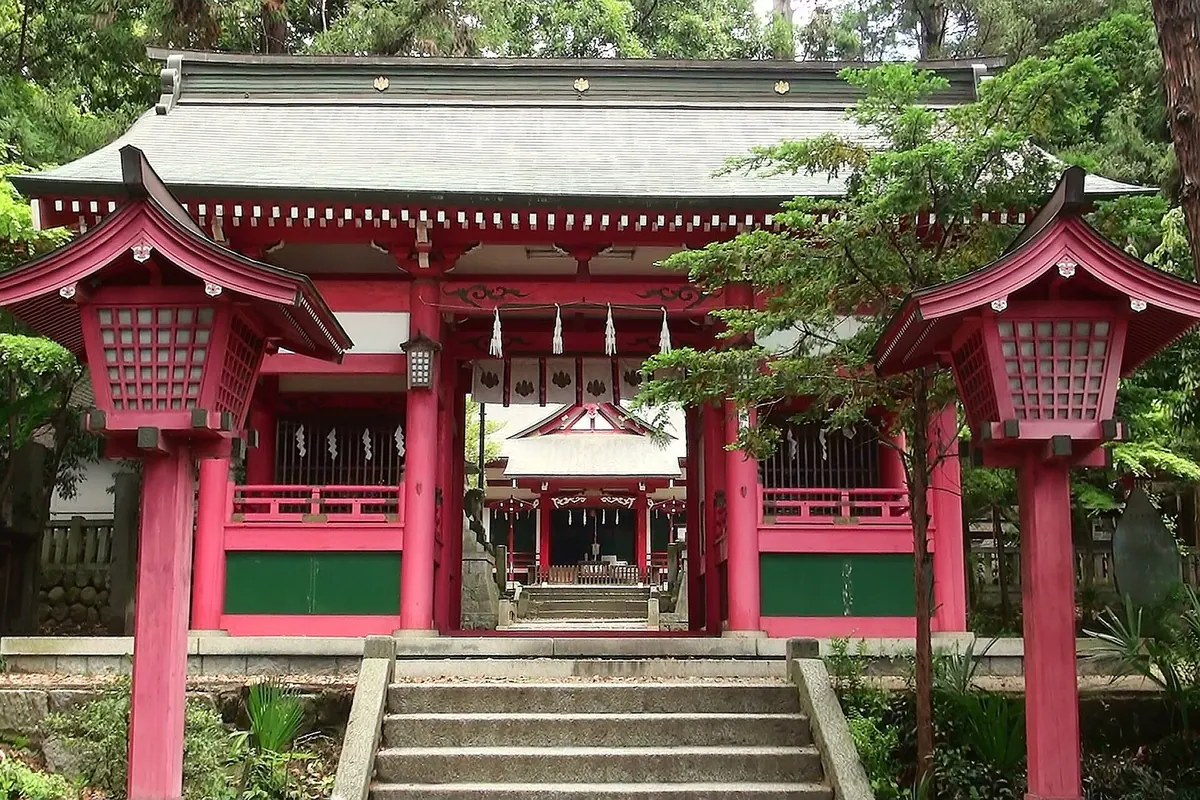
An ancient shrine founded in 842 that houses a National Treasure suit of armor once owned by the Kai Genji clan.
What it is
- Founded by Fujiwara no Itaseo in 842 by imperial order.
- Enshrines Susanoo-no-Mikoto along with five male and three female deities.
- Served as the guardian shrine for the powerful Kai Genji clan.
- The current shrine buildings were rebuilt in 1969 following a fire.
What to see
- The Kozakuragawa Odoshi Yoroi is a National Treasure armor from the late Heian period.
- Large oak trees on the grounds are designated as prefectural natural monuments.
- The Tatenashi armor was historically kept here to protect the unlucky gate of Kofu.
When to go
- The National Treasure armor is only displayed to the public for limited hours annually.
03
Suwa Shrine (Kuruwada-Minami Alps City)
YAMANASHI · SHRINE 諏訪神社 (南アルプス市曲輪田)
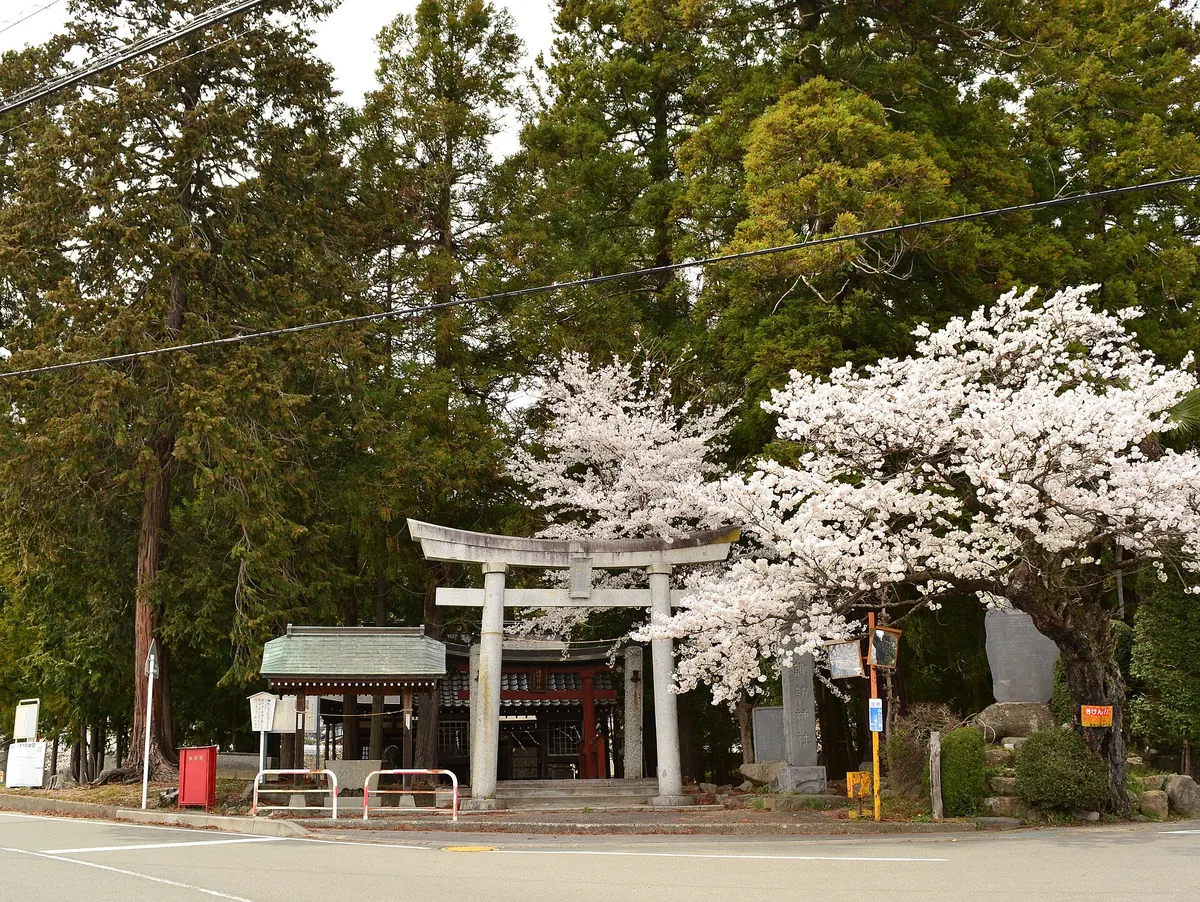
Suwa Shrine is a historic site in Minami Alps City with important cultural properties.
What it is
- A shrine in Minami Alps City, Yamanashi Prefecture.
- Dedicated to Takeminakata-no-mikoto, Onamuchi-no-mikoto, and Sukunahikona-no-mikoto.
- Tokugawa Iemitsu granted land to the shrine in the mid-17th century.
- Ranked as a Gosha in 1873.
What to see
- A rural park is part of the shrine grounds.
- Kotohira, Mitsumine-sha, Hachiman-sha, and Kokage Shrines are within the grounds.
- A Shinzō sculpture is a Yamanashi Prefectural cultural property.
- The Shinzō was dedicated in 1409.
- An Edohigan cherry tree is a Minami Alps City natural monument.
- The cherry tree is 15 meters tall.
- Address
- 山梨県南アルプス市曲輪田1077 Map
04
Kawaguchi Asama Shrine
YAMANASHI · SHRINE 河口浅間神社
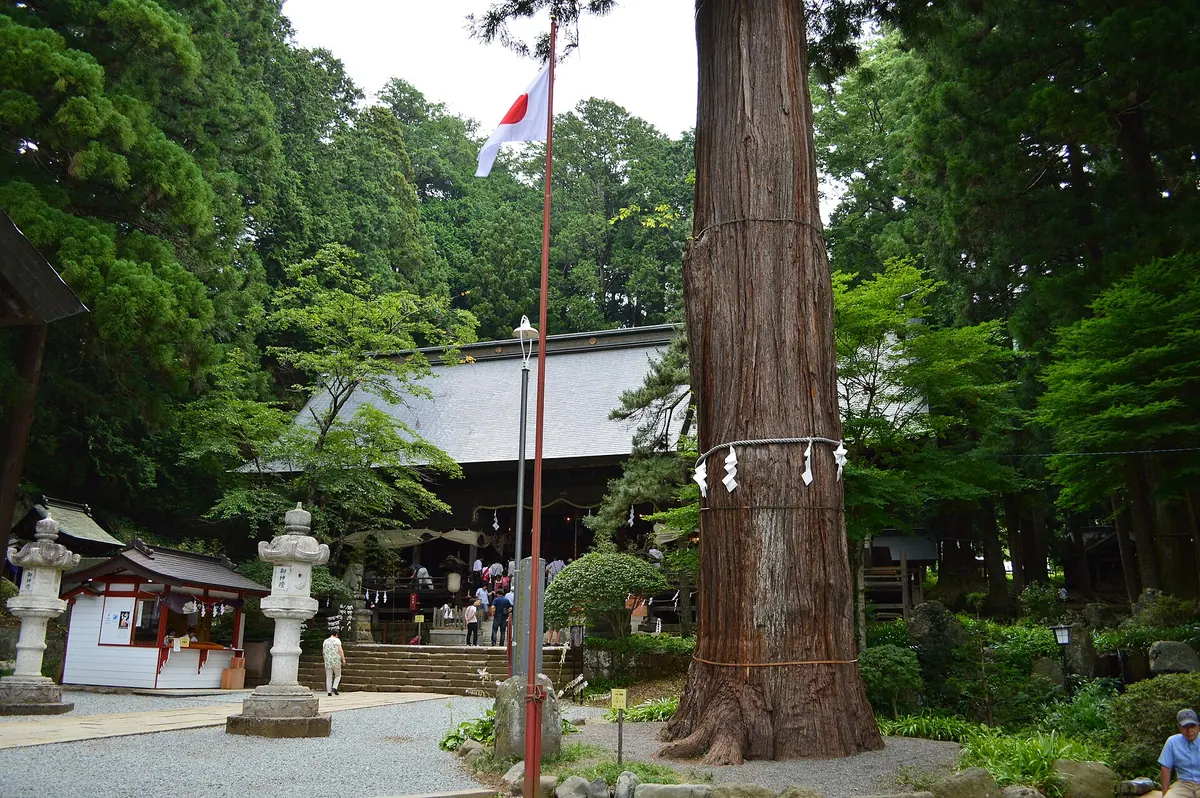
This shrine, founded after an eruption, has sacred cedars and a unique children's dance.
What it is
- Shrine founded in 864 after the Jogan Eruption.
- Dedicated to the volcano deity Asama or Sengen.
- Also worships Konohanasakuya-hime, a flower goddess.
What to see
- Approach lined with sacred cedars.
- Seven sacred cedars over 1,200 years old.
- Wari-haiden style architecture with two main buildings.
- View of Mt. Fuji across Lake Kawaguchiko.
When to go
- April 25 for Magomi no hi, “grandchild-viewing day.”
- Before April 25 for the Chigo no Mai dance.
- July 28 for the sacred kagura music festival and Chigo no Mai.
- Address
- 山梨県南都留郡富士河口湖町河口1 Map
- Official site
- asamajinja.or.jp
05
Yamanashi Gokoku Shrine
YAMANASHI · SHRINE 山梨縣護國神社
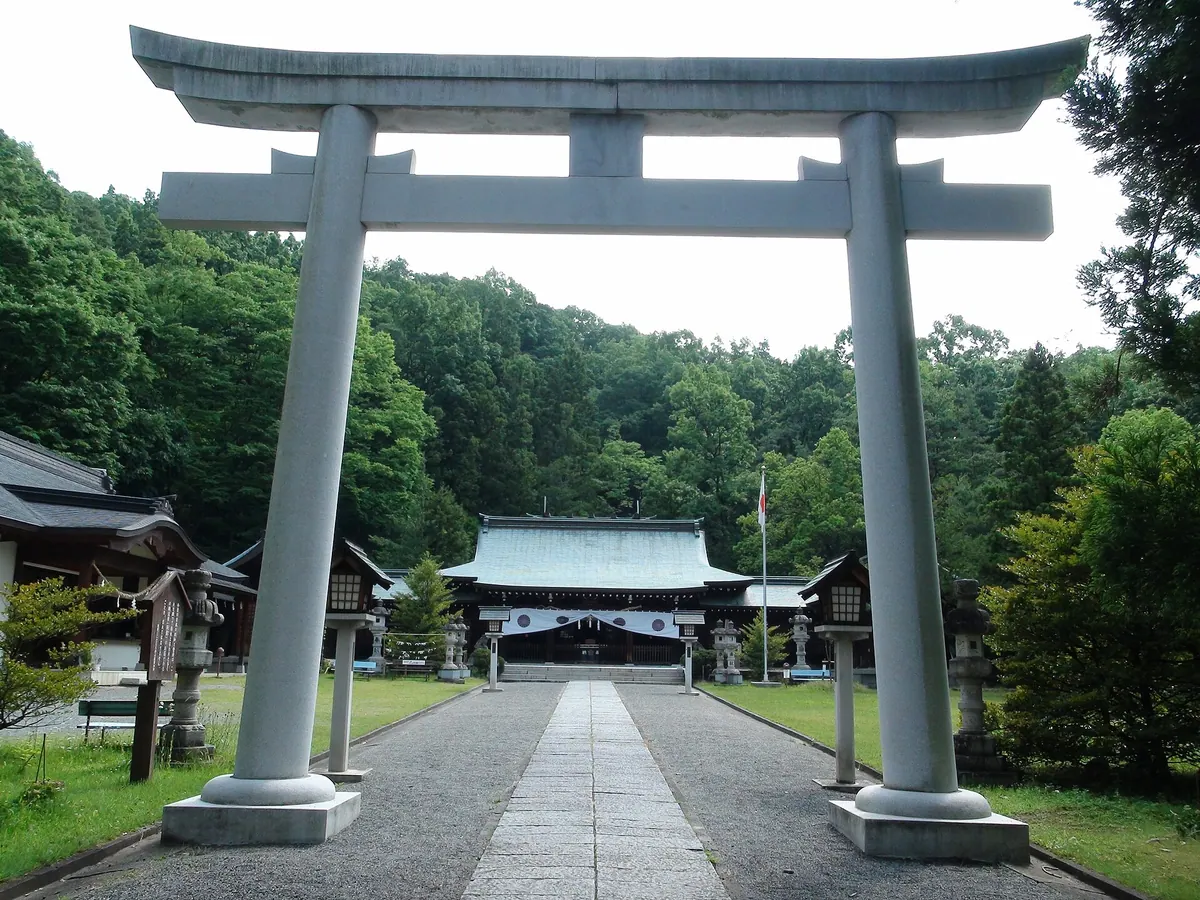
Yamanashi Gokoku Shrine honors war dead, offering a serene cherry blossom viewing experience.
What it is
- A Gokoku Shrine in Kofu City, Yamanashi Prefecture.
- Enshrines 25,062 war dead from Yamanashi Prefecture.
- Founded in 1879 as a Shokonsha.
- Renamed Yamanashi Gokoku Shrine in 1944.
What to see
- The main shrine building, constructed in 1942.
- A famous cherry blossom viewing spot.
- The current Yamanashi-gu, a subsidiary shrine.
When to go
- Spring for cherry blossom viewing.
Getting there
- Accessible by bus from JR Kofu Station.
- 10-minute walk from the Gokoku Jinja Iriguchi bus stop.
- Address
- 山梨県甲府市岩窪町608 Map
06
Homi Suwa Jugosho Shrine
YAMANASHI · SHRINE 穂見諏訪十五所神社
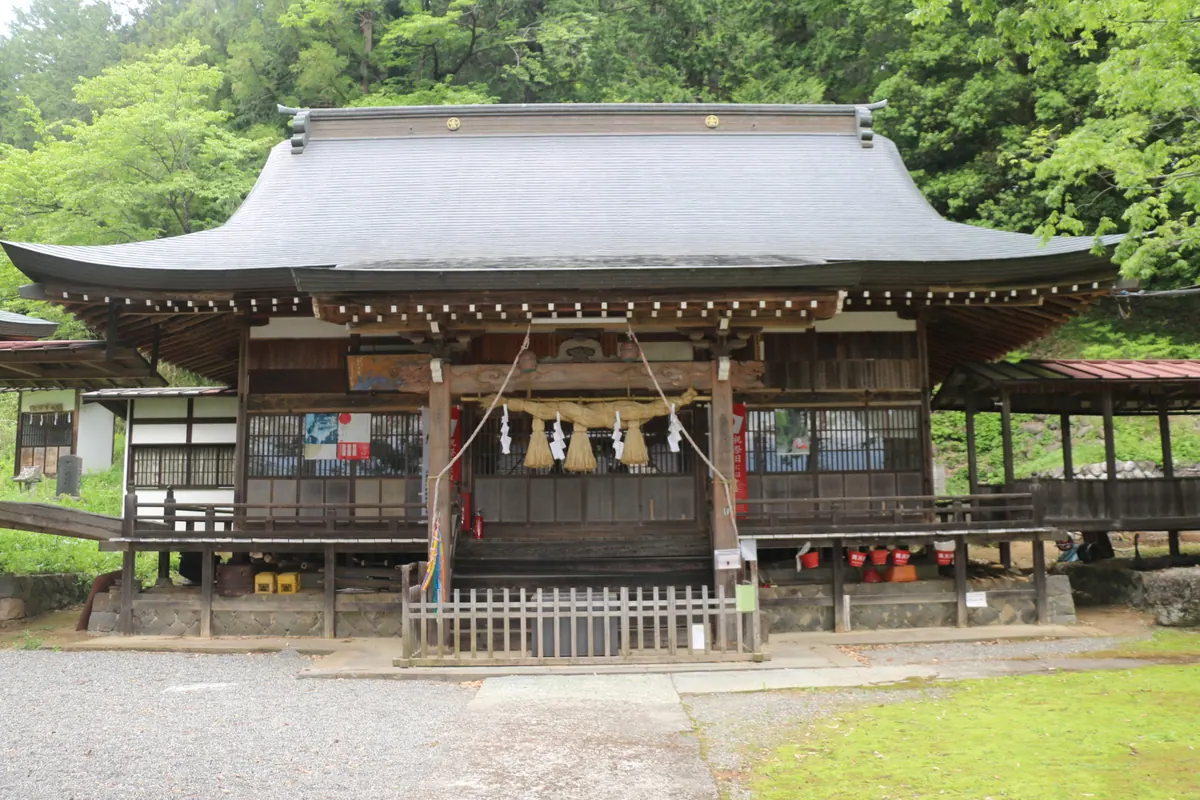
Ancient shrine in Yamanashi with a historic main hall, a sacred tree, and a unique winter ritual.
What it is
- Shrine founded in 864.
- Main hall is a city-designated cultural property.
- Hosts the Tsutsugayu Shinji ritual.
- Ritual was ordered by Takeda Nobutora.
What to see
- Main hall rebuilt in the mid-Edo period.
- Large zelkova tree, over 700 years old.
- Zelkova tree is a city-designated cultural property.
When to go
- Tsutsugayu Shinji ritual held annually on January 14-15.
Getting there
- 10-minute walk from JR Nagasaka Station.
- 5-minute drive from Chuo Expressway Nagasaka IC.
- Address
- 山梨県北杜市長坂町上条宮久保1461 Map
07
Mishima Shrine
YAMANASHI · SHRINE 三嶋神社
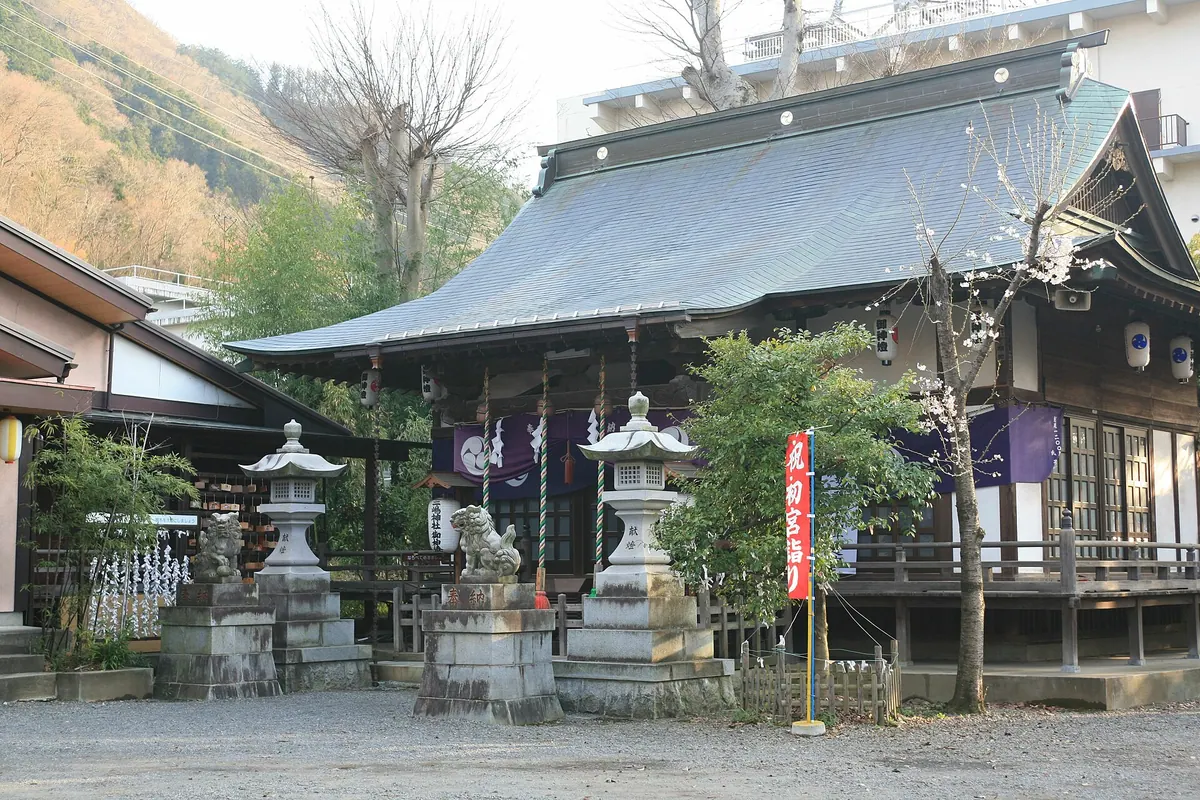
An ancient guardian shrine founded in 806 to calm Mount Fuji eruptions, featuring historic trees and deep local significance.
What it is
- Established in 806 to calm the volcanic eruptions of Mount Fuji.
- Serves as the main guardian shrine for the residents of Otsuki City.
- Dedicated to the Mishima and Oyamazumi faith, divided from a shrine in Iyo.
- Historically served as a site where Koshu Kaido travelers prayed for safety.
What to see
- Large zelkova trees that reportedly gave the city of Otsuki its name.
- A deity body carved from a large pine tree housed within the shrine.
- The central grounds of what was once a historic manor.
08
Yama Shrine
YAMANASHI · SHRINE 山神社
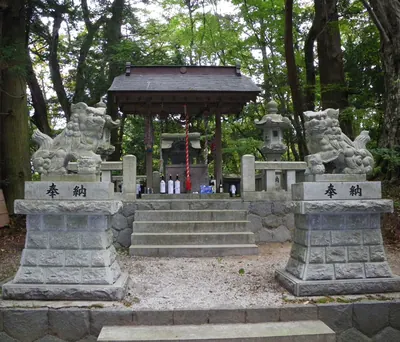
Yama Shrine, founded in 1715, offers mountain views and cherry blossoms.
What it is
- A shrine founded in April 1715.
- Dedicated to the deity Oyamatsumi-no-mikoto.
- Revered for agricultural and business prosperity.
What to see
- The main hall and worship hall, renovated in 1994.
- The shrine office, renovated in 1995.
- Cherry blossoms called Yamanokami Senbonzakura.
- Cherry blossoms are one of Yamanashi's 100 famous flowers.
When to go
- Annual festival on April 17th.
- Annual festival on October 17th.
- Cherry blossom season for Yamanokami Senbonzakura.
- Address
- 山梨県中央市大鳥居5786 Map
09
Ishiwari Shrine
YAMANASHI · SHRINE 石割神社
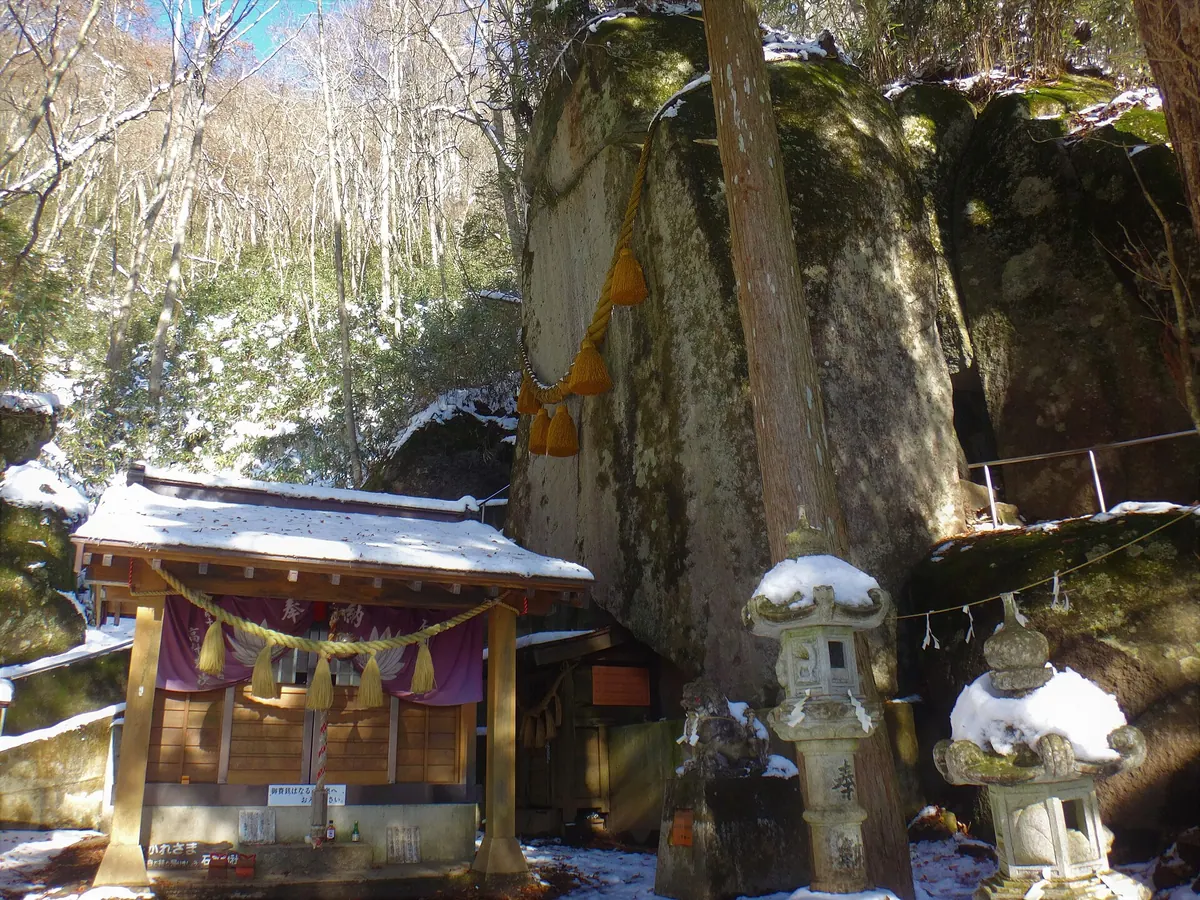
Ishiwari Shrine, on Mt. Ishiwari, offers mountain views and a chance to pass through a legendary boulder.
What it is
- Shrine at 1,143 meters above sea level.
- Located at the eighth station of Mt. Ishiwari.
- Named after a massive fractured boulder behind it.
What to see
- Enormous fractured boulder, the "Riven Rock."
- Narrow gap in the boulder to pass through.
- 403-step stairway leading to the shrine.
- View of Mt. Fuji and Mt. Hirao from the peak.
- View of the Minami Alps from the peak.
Getting there
- Mt. Ishiwari Hiking Course Entrance bus stop.
- Trailhead parking lot is nearby.
- Address
- 山梨県南都留郡山中湖村平野1979 Map
10
Yamanashioka Shrine, Fuefuki
YAMANASHI · SHRINE 山梨岡神社
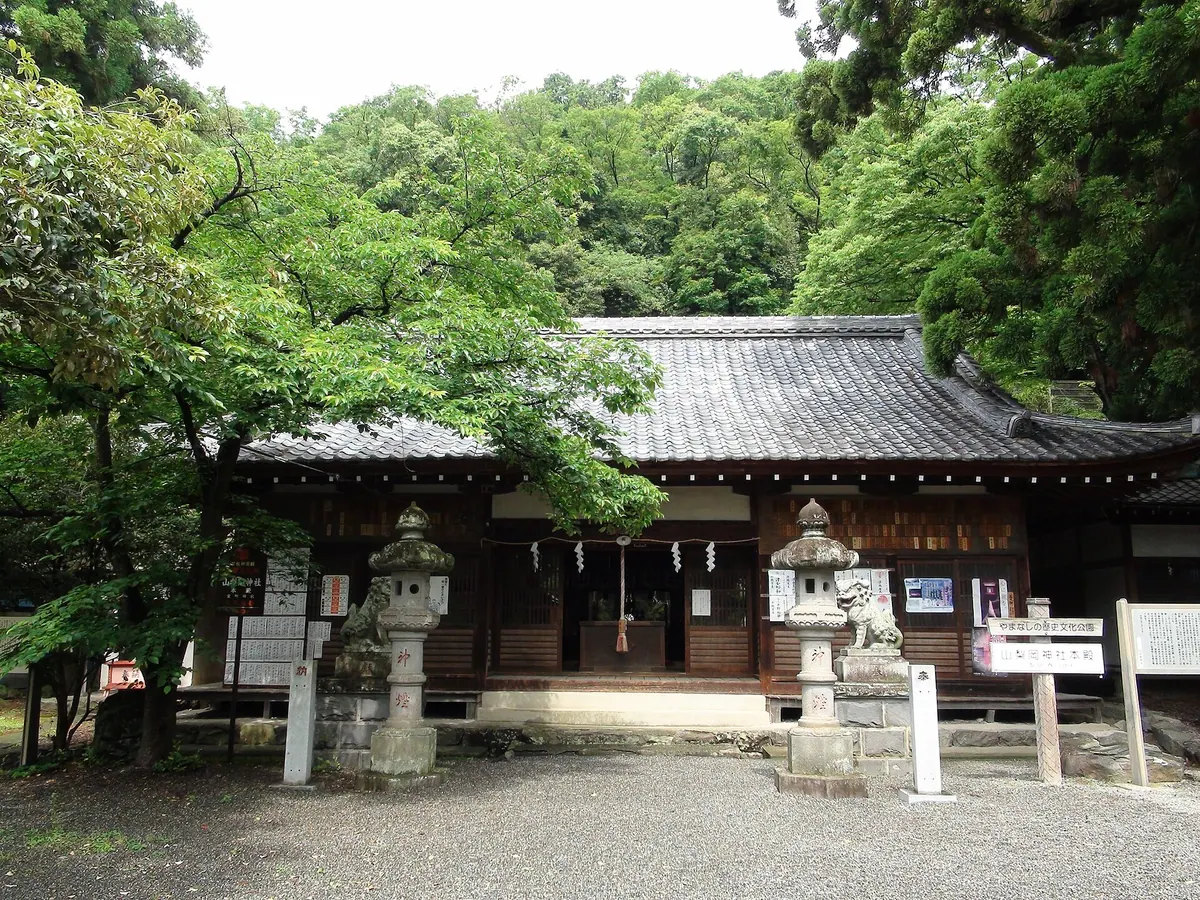
Ancient shrine with important cultural properties, offering a glimpse into local traditions.
What it is
- Shrine dedicated to three deities, including Oyamatsumi-no-kami.
- Renamed Yamanashioka Shrine in 1868.
- Believed to originate from ancient faith in Mount Mimuro.
What to see
- Main hall is a National Important Cultural Property.
- Statue of Ki-no-kami in front of the main hall.
- Ki-no-kami is a Fuefuki City designated cultural property.
When to go
- Spring and autumn festivals are held.
- Daidai Kagura is performed during the spring festival.
- Address
- 山梨県笛吹市春日居町鎮目1096 Map
11
Takeda-hachimangū
YAMANASHI · SHRINE 武田八幡宮
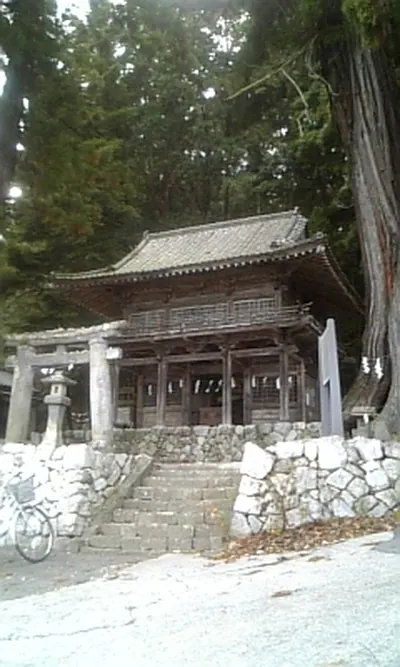
Visit Takeda-hachimangū, a historic shrine founded in 822, for its beautiful main hall and samurai connections.
What it is
- A shrine in Nirasaki City, Yamanashi Prefecture.
- Founded in 822 by imperial command.
- Dedicated to Hachiman Okami and Takeda Take Okami.
- Became the clan deity of Takeda Nobuyoshi.
What to see
- The main hall, a National Important Cultural Property.
- Main hall is cypress bark roofed, nagare-zukuri style.
- A prayer document from Hojo-fujin, a prefectural tangible cultural property.
Getting there
- 15-minute bus ride from Nirasaki Station.
- Address
- 山梨県韮崎市神山町北宮地1185 Map
12
Kitanoten Shrine, Hokuto
YAMANASHI · SHRINE 北野天神社
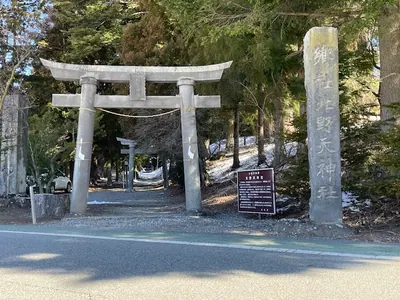
Kitanoten Shrine, founded in 915, honors a scholar and features historic buildings and cultural properties.
What it is
- Founded in 915, it became Ichinomiya in 1429.
- It enshrines the spirit of Sugawara no Michizane.
- Designated a local shrine in 1871.
- Designated a Heihaku Kyoshin Shrine in 1907.
What to see
- The main hall, built in 987.
- The Kaguraden, built in 1881.
- Two named bronze gongs.
- A horse chestnut tree, a designated cultural property.
- A twin-body Dōsojin, a designated cultural property.
When to go
- Yamato Kagura has a 250-year history.
- Address
- 山梨県北杜市小淵沢町3349 Map
13
Ichinomiya Sengen Shrine
YAMANASHI · SHRINE 一宮浅間神社
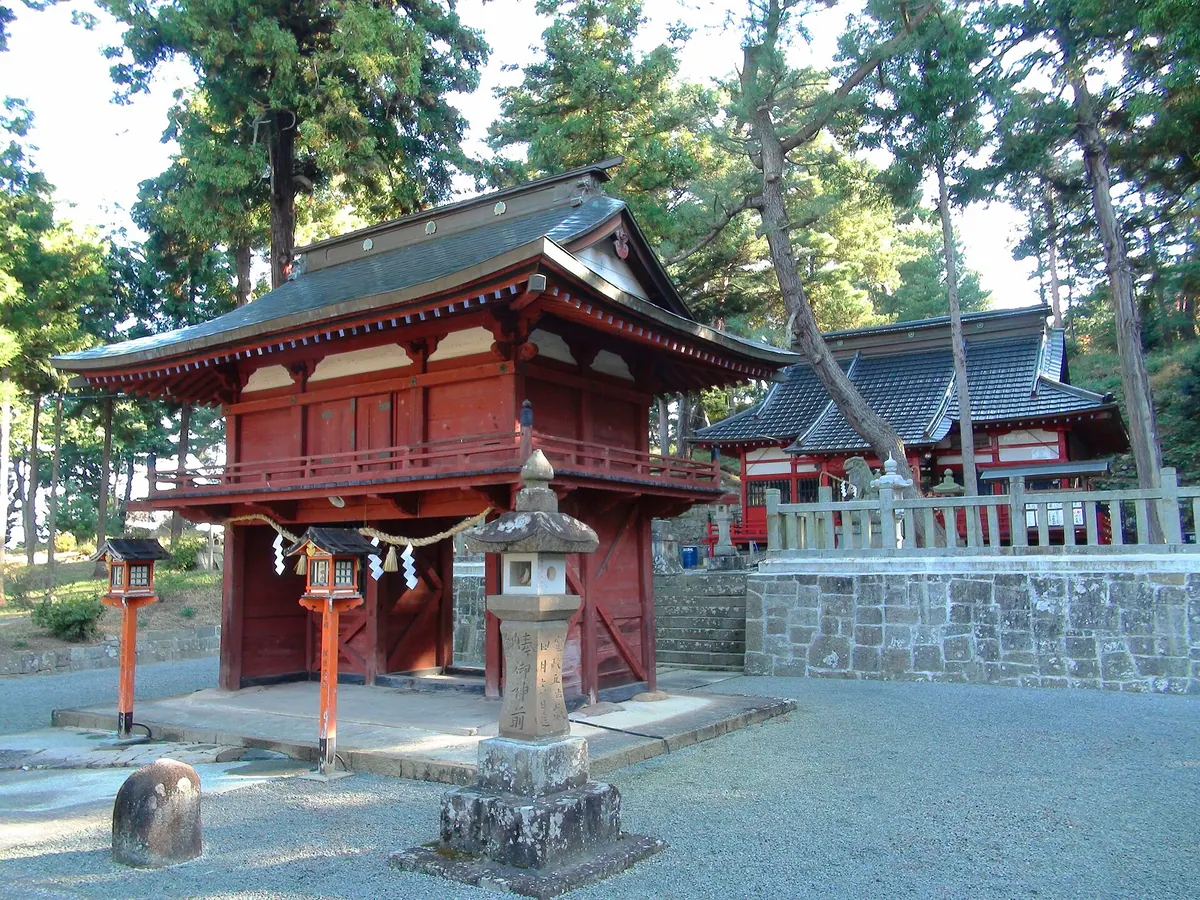
Ancient shrine dedicated to Konohanasakuyahime, home to important historical artifacts.
What it is
- Dedicated to the deity Konohanasakuyahime no Mikoto.
- Founded during Emperor Keiko's reign.
- Established in 865 by imperial command.
What to see
- Main hall, rebuilt in 1703.
- Shinjukyo mirror, a National Important Cultural Property.
- Bronze mirror, a Prefectural Cultural Property.
- Two Zushin statues with a 1557 inscription.
- Ichinomiya Sengen Miyacho, an Edo period chronicle.
Getting there
- 12-minute walk from Ichikawadaimon Station.
- Address
- 山梨県西八代郡市川三郷町高田字宮本3696 Map
14
Anagiri Daijinja
YAMANASHI · SHRINE 穴切大神社
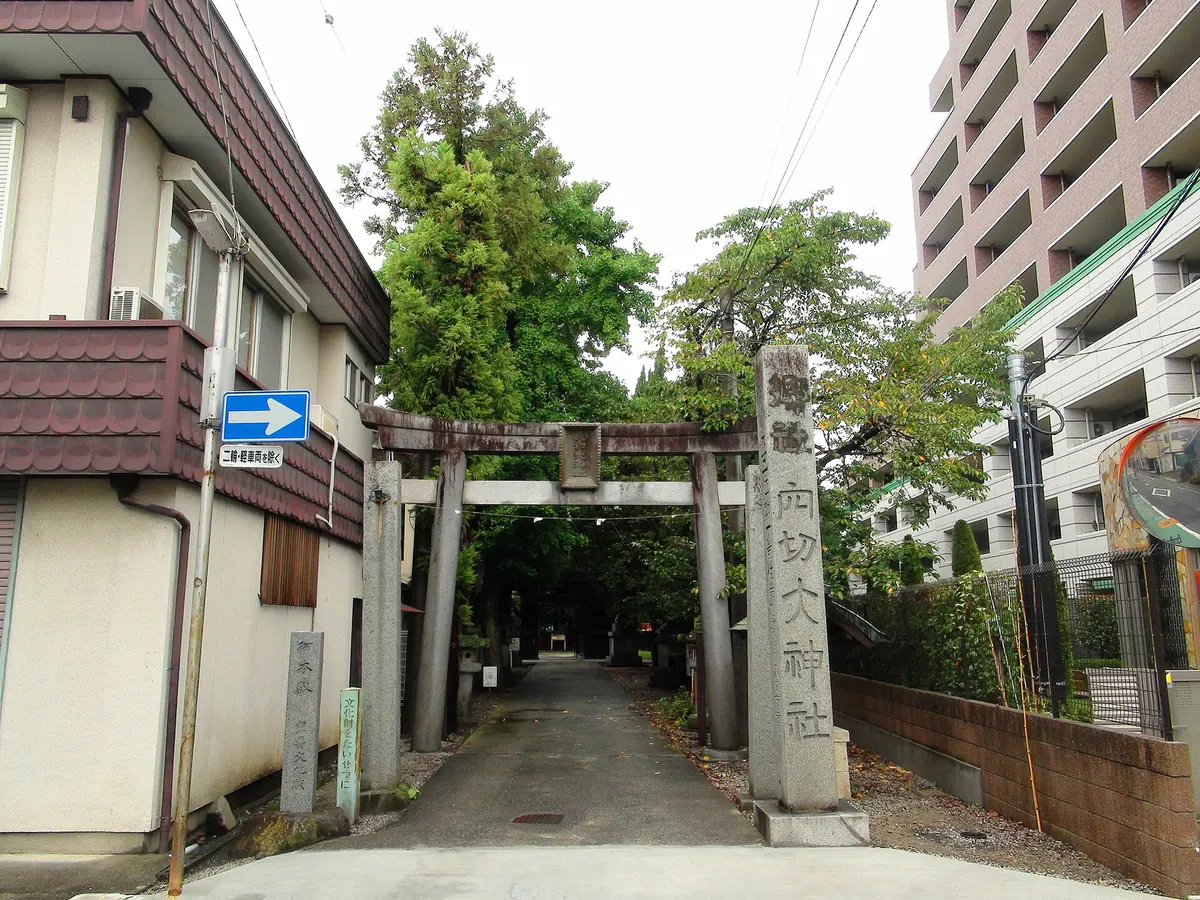
Anagiri Daijinja is a historic shrine in Kofu with a National Treasure main hall.
What it is
- A shrine located in Kofu City, Yamanashi Prefecture.
- Enshrines three deities: Ōnamuchi-no-mikoto, Sukunabikona-no-mikoto, Susanoo-no-mikoto.
- Formerly known as Kurotona Jinja.
What to see
- Main hall, rebuilt during the Momoyama period.
- Main hall designated a National Treasure in 1935.
- Zuijinmon gate built in 1794 by Takeshita Genzo.
- Zuijinmon gate features sculptures by Washiro Tomimune.
- Several smaller shrines, including Shinmei-sha and Shiogama-sha.
- Address
- 山梨県甲府市宝二丁目8-5 Map
15
Atsuna Shrine
YAMANASHI · SHRINE 熱那神社
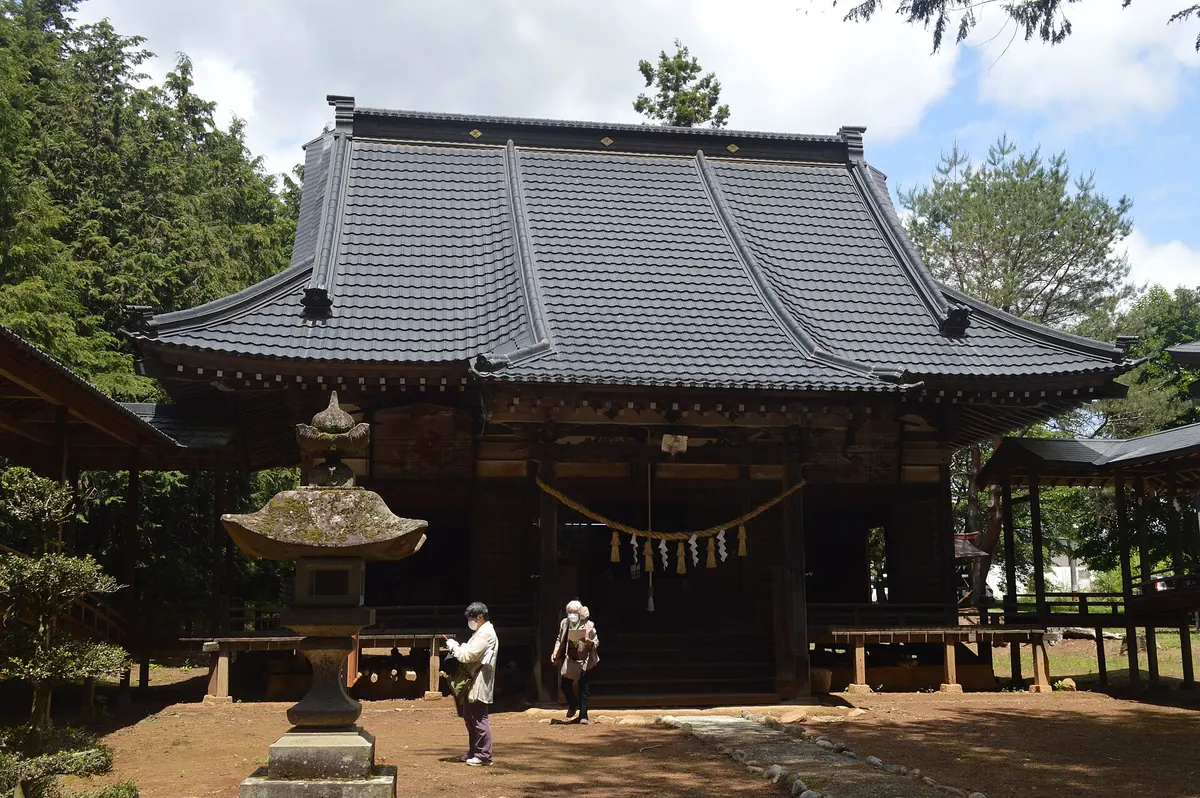
Atsuna Shrine is a historic site in Yamanashi, preserving cultural properties and a sacred dance.
What it is
- Also known as Kanbe Shrine and Atsuna Sosha Hachimansha.
- Enshrines Emperor Chuai, Empress Jingu, and Emperor Ojin.
- Designated a local shrine in 1872.
- The shrine forest is called Hachiman-no-mori.
What to see
- The main hall, built in 1819.
- A sangaku, dedicated in 1870.
- An Edohigan cherry tree, a natural monument.
- Main hall and sangaku are tangible cultural properties.
When to go
- Daidai Kagura dance is performed on April 29th.
- Address
- 山梨県北杜市高根町村山西割1714 Map
16
Sakaori-no-Miya
YAMANASHI · SHRINE 酒折宮
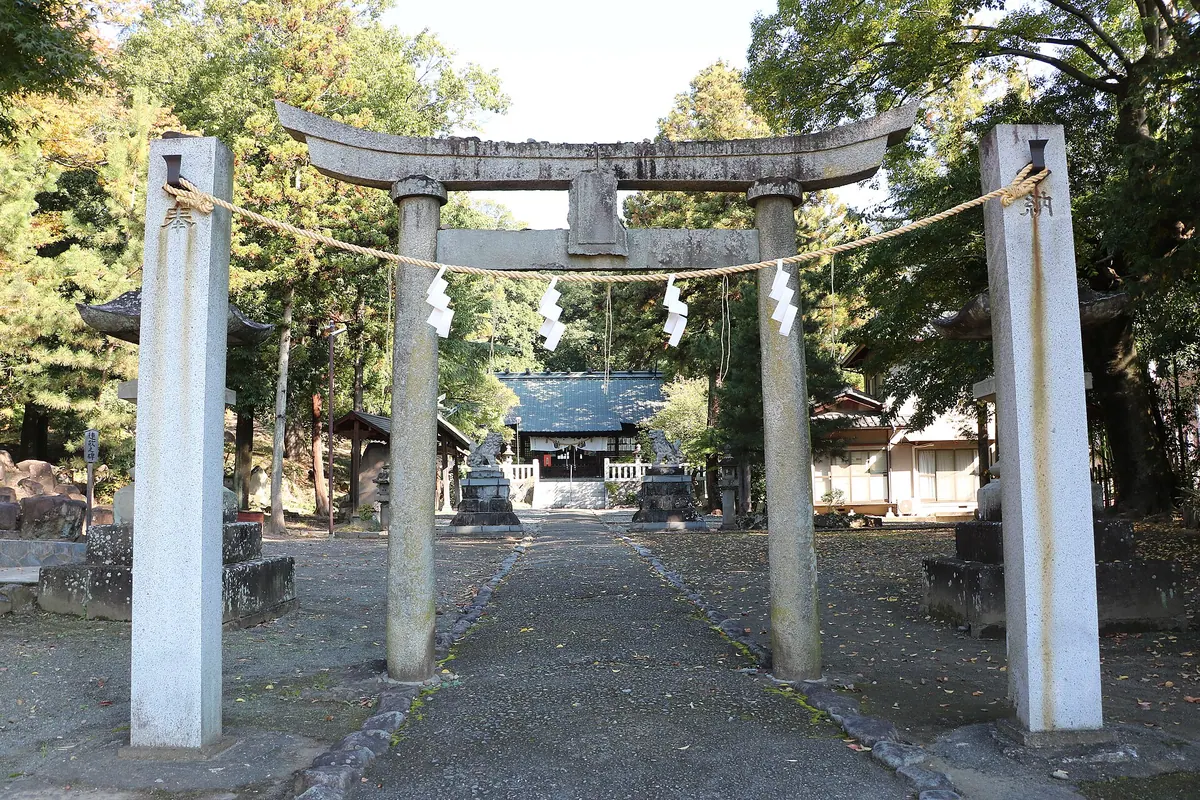
Sakaori-no-Miya is a historic Shinto shrine, birthplace of renga poetry, and worth visiting for its cultural significance.
What it is
- A Shinto shrine in Kofu City, Yamanashi Prefecture.
- Considered the birthplace of renga poetry.
- Yamato Takeru no Mikoto is enshrined here.
- Mentioned in the ancient Kojiki and Nihon Shoki texts.
What to see
- The only shrine in Yamanashi mentioned in Kojiki and Nihon Shoki.
- Sakaori Night Rain, one of the Eight Views of Kai.
Getting there
- 5-minute walk from Sakaori Station.
- 5-minute walk from Sakaori-no-Miya entrance bus stop.
- Address
- 山梨県甲府市酒折3-1-13 Map
17
Kanazakura Shrine, Kofu
YAMANASHI · SHRINE 金櫻神社
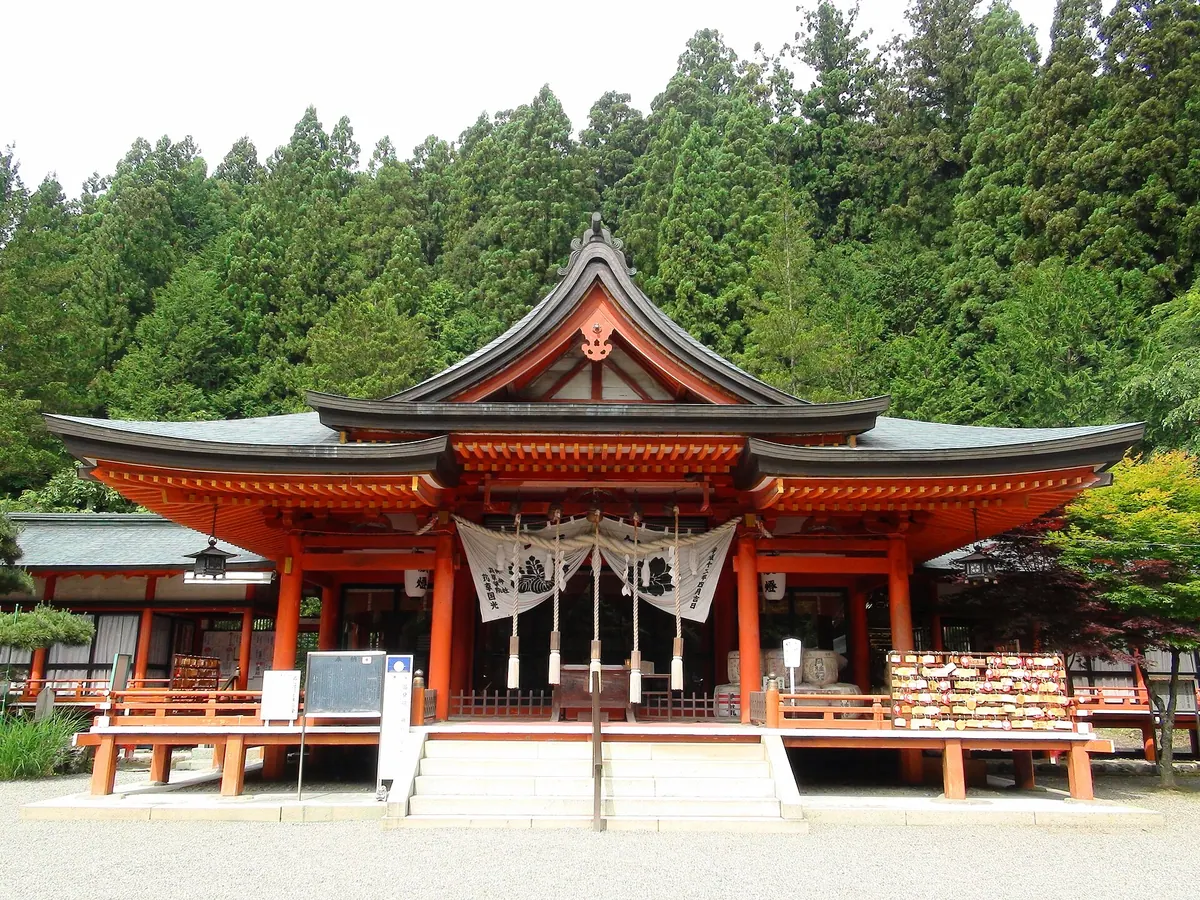
Kanazakura Shrine is an ancient mountain worship site with unique sacred objects and cultural properties.
What it is
- A mountain worship shrine founded in 465 AD.
- Sacred object is a 20-meter-high granite rock.
- Enshrines deities Sukunabikona and Oonamuchi.
What to see
- The current vermilion-lacquered shrine, rebuilt in 1959.
- Two crystal 'water balls' and three 'fire balls'.
- Five Yamanashi Prefectural Tangible Cultural Properties.
- Cedar trees, a Kofu City designated natural monument.
When to go
- Main festival is held from April 21st to 22nd.
- Address
- 山梨県甲府市御岳町2347 Map
18
Oide Shrine
YAMANASHI · SHRINE 生出神社
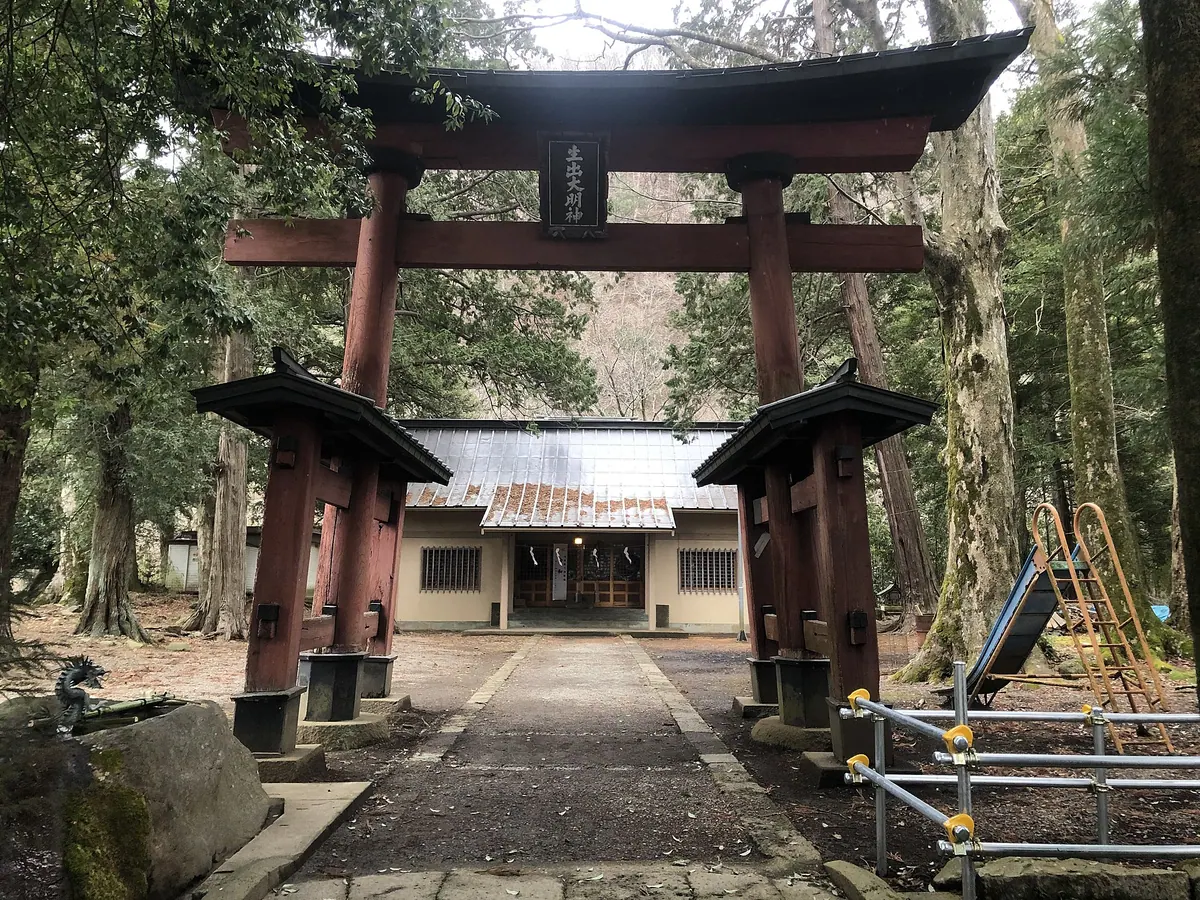
Oide Shrine, founded after a mysterious event, features exquisitely carved structures and a lively annual festival.
What it is
- Shrine named after Oide Mountain.
- Founded in 703 after a mysterious event.
- Moved to current location in 929.
What to see
- Present shrine building constructed in 1768.
- Building surface, except columns, carved with detailed figures.
- Oide Kagura Float, over 150 years old.
- Float is exquisitely carved like the shrine building.
When to go
- Hassaku Festival on September 1st.
- See the Oide Kagura Float paraded through the city.
- Address
- 山梨県都留市四日市場1066 Map
19
Momiawase Shrine, Hokuto
YAMANASHI · SHRINE 揉合神社
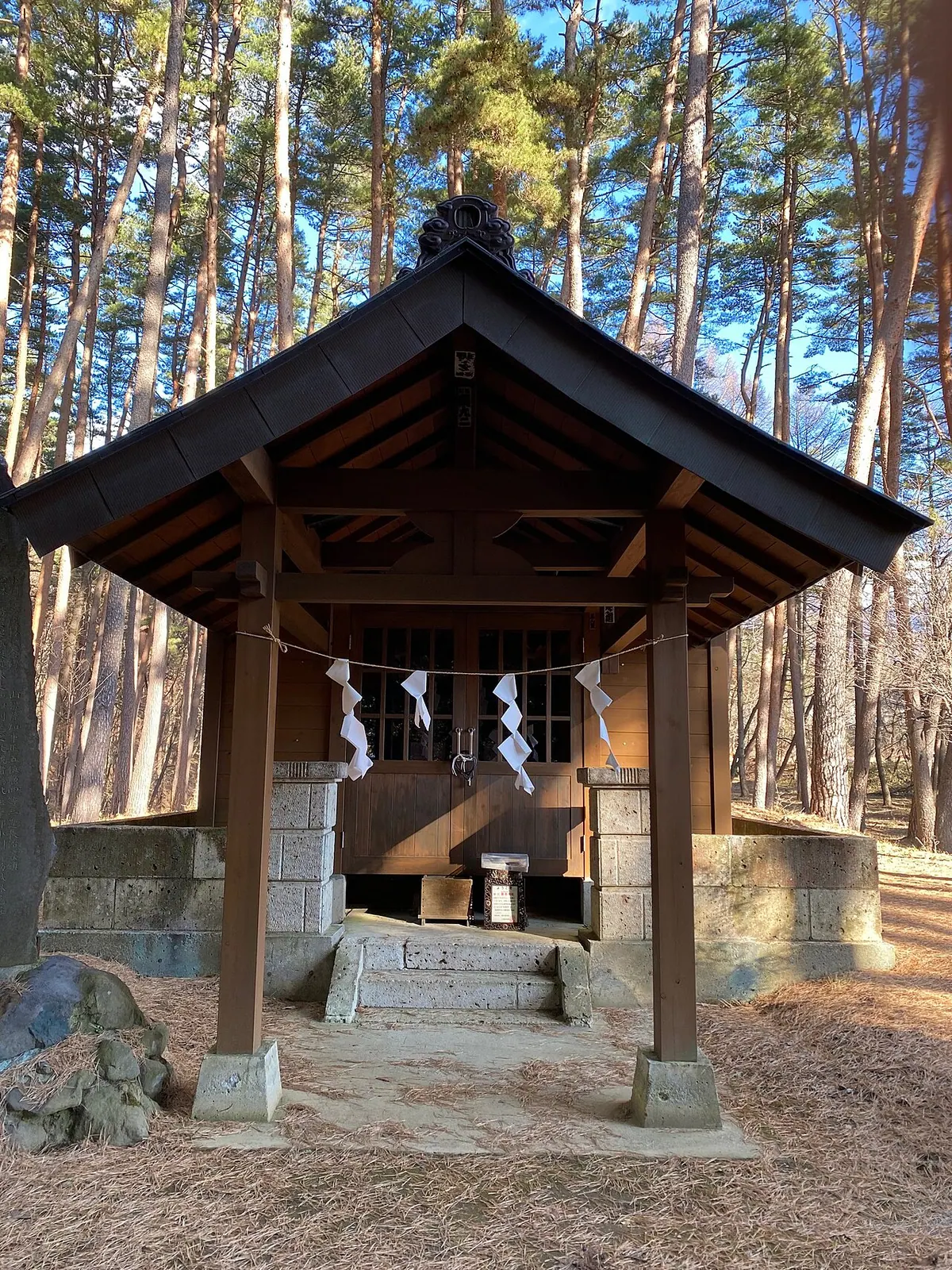
Momiawase Shrine is a small, modern shrine with a unique stone fence.
What it is
- A shrine in Hokuto, Yamanashi Prefecture.
- Dedicated to Oyamazumi no Mikoto and Shigemiya Yamagami.
- A stone shrine was built in 1715.
- The current shrine building was constructed in 1980.
What to see
- The shrine building is made of zelkova with a copper roof.
- The building has a floor area of 3.23 square meters.
- The tamagaki (fence) is made of Oya stone.
- The tamagaki is 40 meters long and 0.6 meters high.
- The torii gate is made of granite.
- Address
- 山梨県北杜市小淵沢町字井詰原2970の5番地 Map
20
Sangoku Daiichisan Arakura Fuji Sengen Shrine
YAMANASHI · SHRINE 三國第一山新倉富士浅間神社
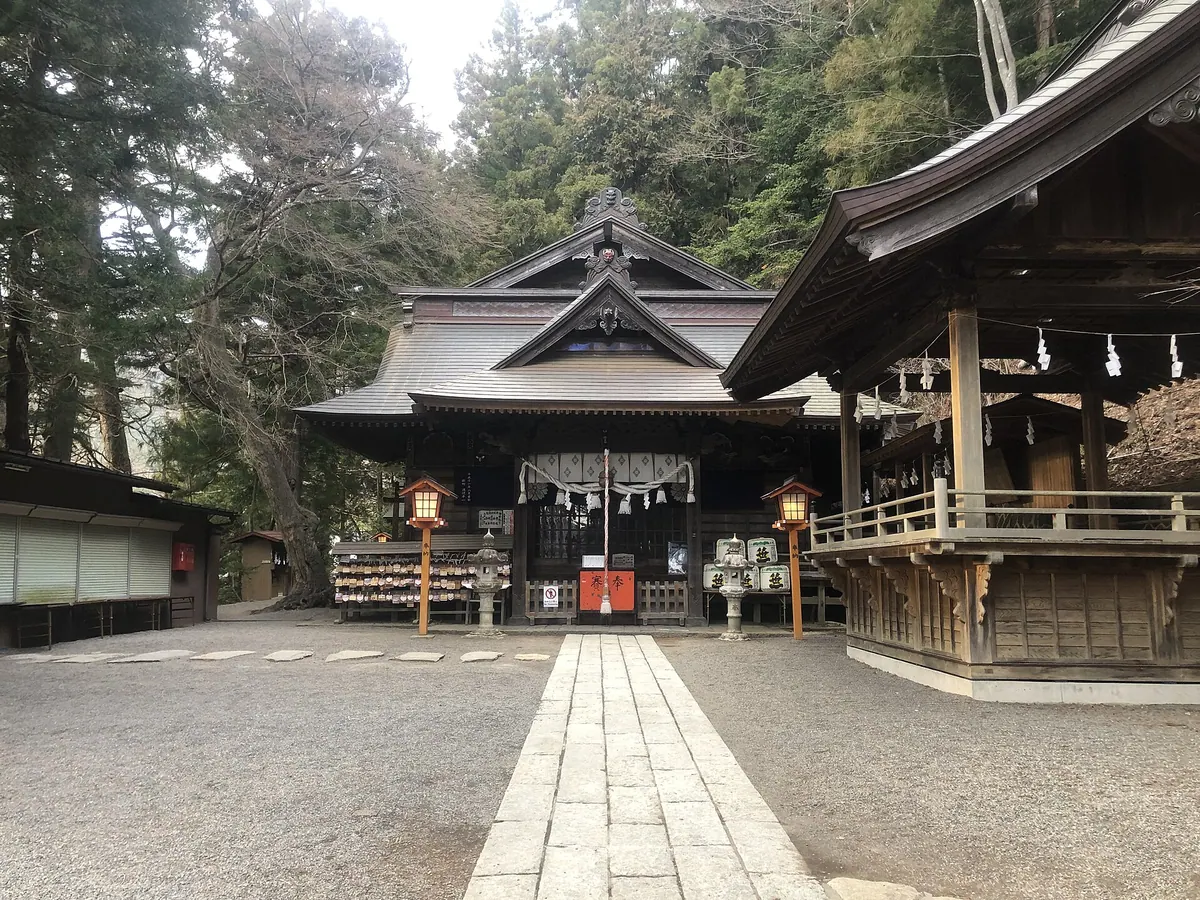
A historic Shinto shrine with a pagoda, offering iconic views of Mount Fuji.
What it is
- A Shinto shrine in Fujiyoshida City, Yamanashi Prefecture.
- Enshrined on September 9, 705.
- Emperor Heizei bestowed the title Sangoku Daiichisan.
- The shrine grounds are known as Arakurayama Sengen Park.
What to see
- A large torii plaque dedicated by Emperor Heizei.
- The Chureito Pagoda, a memorial for war dead.
- The Chureito Pagoda is a symbol of the area.
When to go
- The Gokoromoe-sai festival is held every 60 years.
- Address
- 山梨県富士吉田市浅間2-4-1 Map
- Official site
- www.arakurafujisengen.com
Read more about Sangoku Daiichisan Arakura Fuji Sengen Shrine