

20 Temples in Fukui worth your time
Japan Gems
Fukui Prefecture has 63 temples, including Saikō-ji and Honganji Fukui Betsu-in Temple. Visitors can find a mix of historical and active religious sites.
Fukui has 67 temples on Japan Gems. Below are the 20 we can tell you the most about — each one written up in English from Japanese sources, with what to see and how to get there. See all temples in Fukui.
01
Enjō-ji Temple
FUKUI · TEMPLE 圓成寺
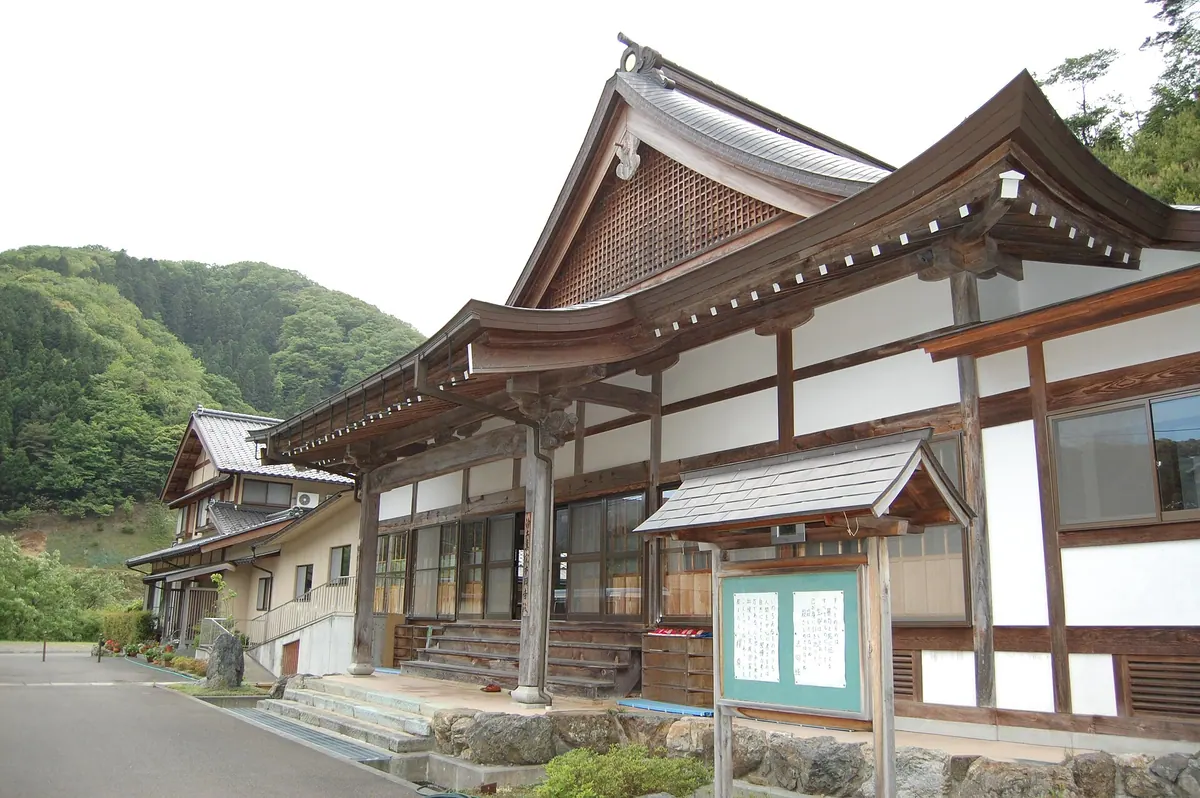
A Jodo Shinshu temple relocated to a scenic lakeside, featuring a main hall rebuilt in 1892 and mountain views.
What it is
- A Jodo Shinshu Hongwanji-ha temple dedicated to the worship of Amida Nyorai.
- Originally established as a Tendai sect temple on Terayama before converting during the Bunmei era.
- Relocated and reconstructed in 1998 on the shore of the Kawachigawa Dam lake.
- The current main hall was rebuilt in 1892 after a fire destroyed the previous structure.
What to see
- The main hall which dates back to the late nineteenth century.
- Scenic views of the surrounding Kawachigawa Dam lake from the temple grounds.
- The mountain landscape of Gayasan which serves as the temple's mountain name.
When to go
- A special New Year's Day service is held annually on January 1st.
Getting there
- The temple is a ten-minute drive from JR Kaminaka Station.
02
Fukutsu-ji Temple
FUKUI · TEMPLE 福通寺
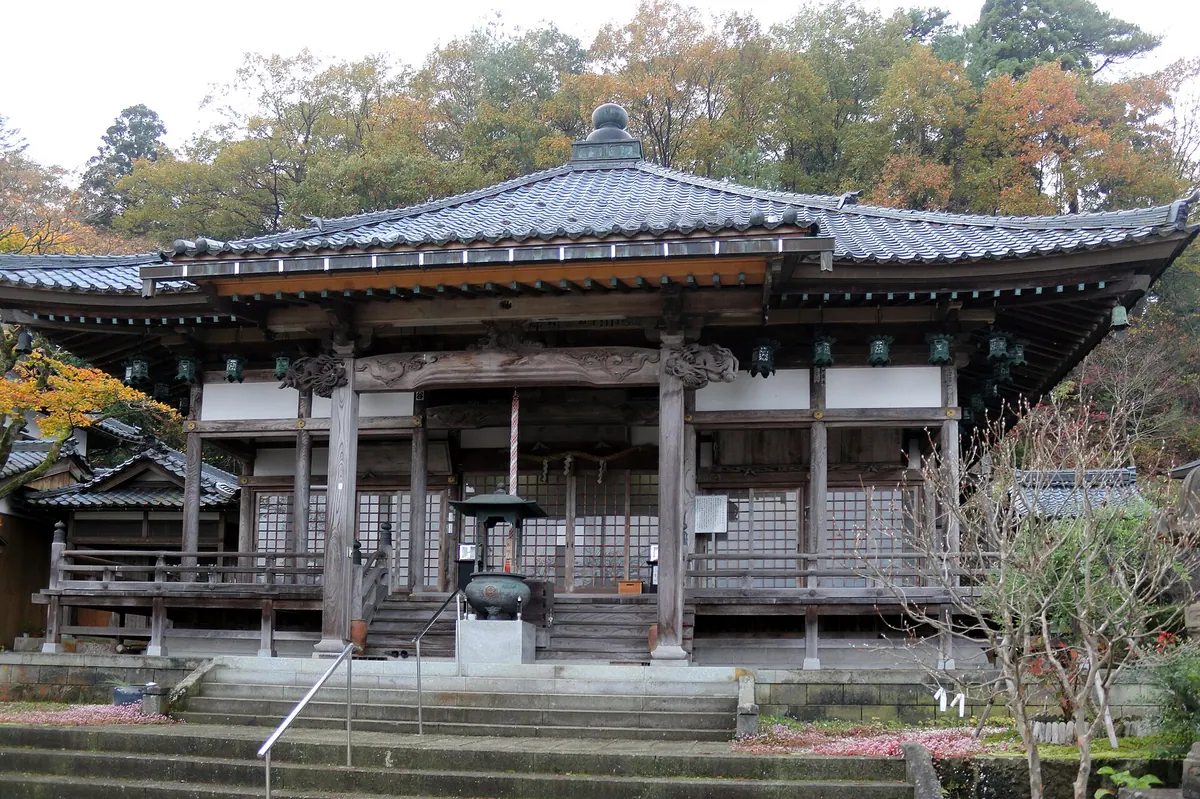
Fukutsu-ji Temple: ancient Kannon temple with important statues, worth visiting for cultural properties.
What it is
- Ancient temple in Echizen Town, Fukui Prefecture.
- Dedicated to Kannon Bosatsu, the main deity.
- Founded in 717 by Taicho Daishi.
- Rebuilt in 1982.
What to see
- Shokanzeon Bosatsu statue, a prefectural cultural property.
- Senju Kannon Bosatsu statue, a prefectural cultural property.
- Dainichi Nyorai statue, a prefectural cultural property.
- Fudo Myoo statue, a town cultural property.
- Bronze bell, a town cultural property.
- Two Sangaku mathematical tablets, town cultural properties.
Getting there
- 20-minute drive from Sabae Station.
- Address
- 福井県丹生郡越前町朝日7-61 Map
03
Wakasa Jingū-ji Temple
FUKUI · TEMPLE 若狭神宮寺
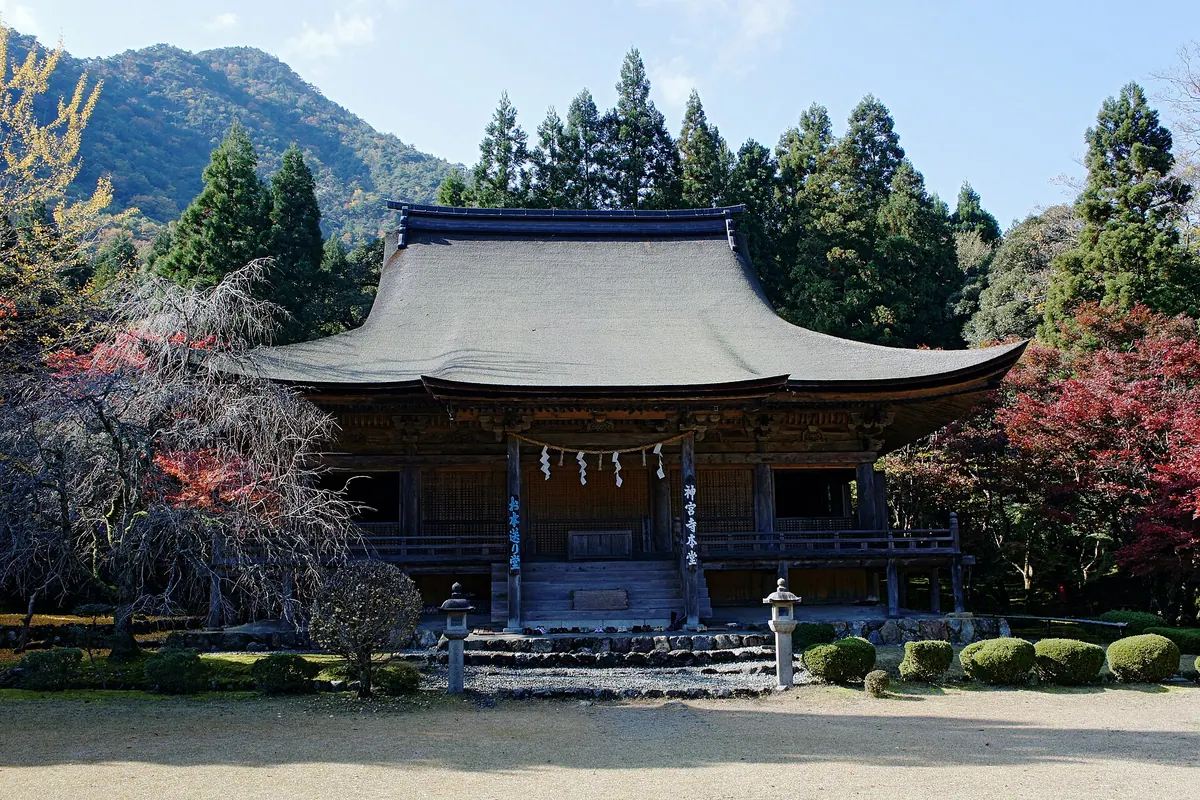
Ancient temple known for its Omizuokuri ritual and important cultural properties.
What it is
- Tendai sect temple, founded in 714 by Shamon Katsugen.
- Certified as a Japan Heritage site in 2015.
- Performs the 'Omizuokuri' ritual for Tōdai-ji Nigatsu-dō.
What to see
- Main hall rebuilt in 1553, a nationally designated Important Cultural Property.
- Seated statue of Yakushi Nyorai is the main image.
- Niōmon gate rebuilt in the late Kamakura period.
- Niōmon gate houses a pair of wooden Kongō Rikishi statues.
- Wooden male and female deity statues from early Muromachi period.
- Shii tree designated as a natural monument.
- Address
- 福井県小浜市神宮寺30-4 Map
04
Wakasa Kokubun-ji Temple
FUKUI · TEMPLE 若狭国分寺
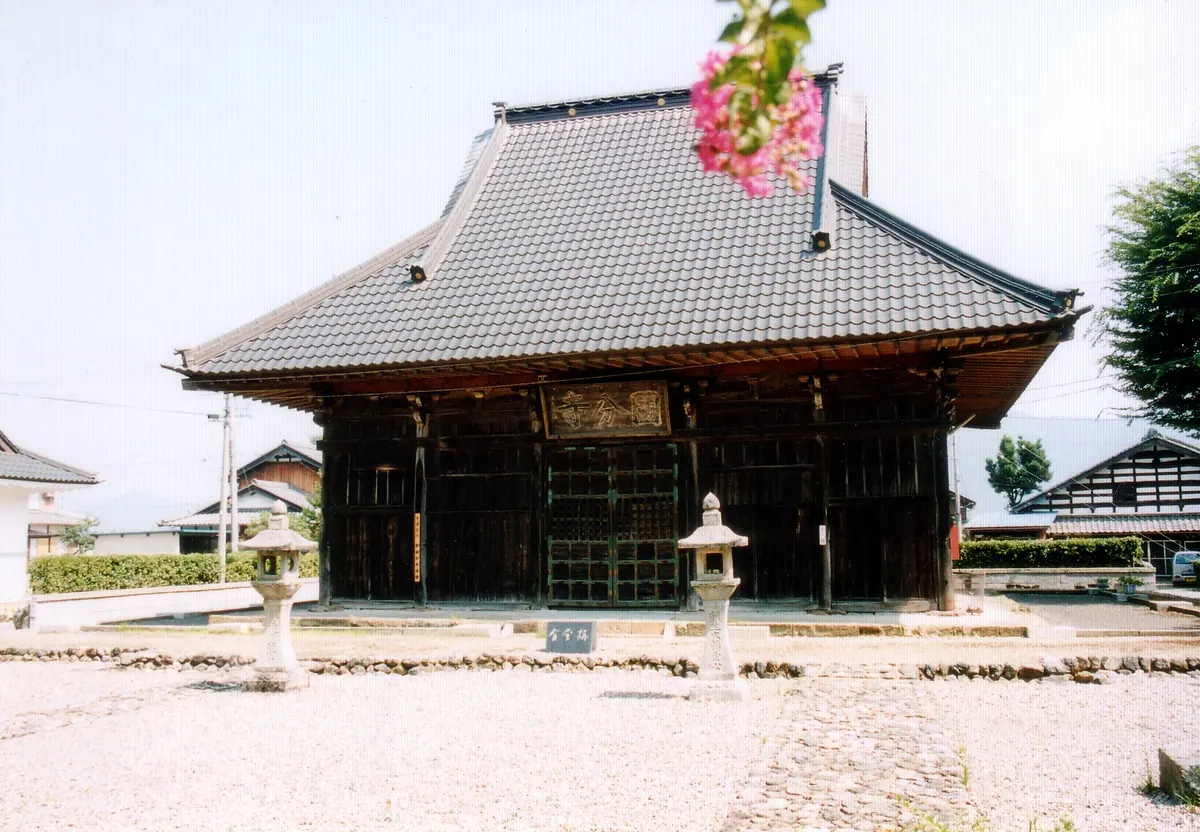
Visit this Soto Zen temple to see ancient ruins, a burial mound, and historic statues.
What it is
- A Soto Zen Buddhist temple, founded as Wakasa Province Kokubun-soji Temple.
- Its mountain name is Gokoku-zan.
- The main deity is Shaka Nyorai.
- Certified as a Japan Heritage site in 2015.
What to see
- The current Shaka-do hall, rebuilt around 1705.
- A wooden seated Yakushi Nyorai statue, a National Important Cultural Property.
- The temple site overlaps with ancient temple ruins.
- The Wakasa Kokubun-ji Temple ruins are a National Historic Site.
- The Kokubun-ji Kofun, a large circular burial mound.
- Address
- 福井県小浜市国分53-1 Map
05
Mantoku-ji Temple
FUKUI · TEMPLE 萬徳寺
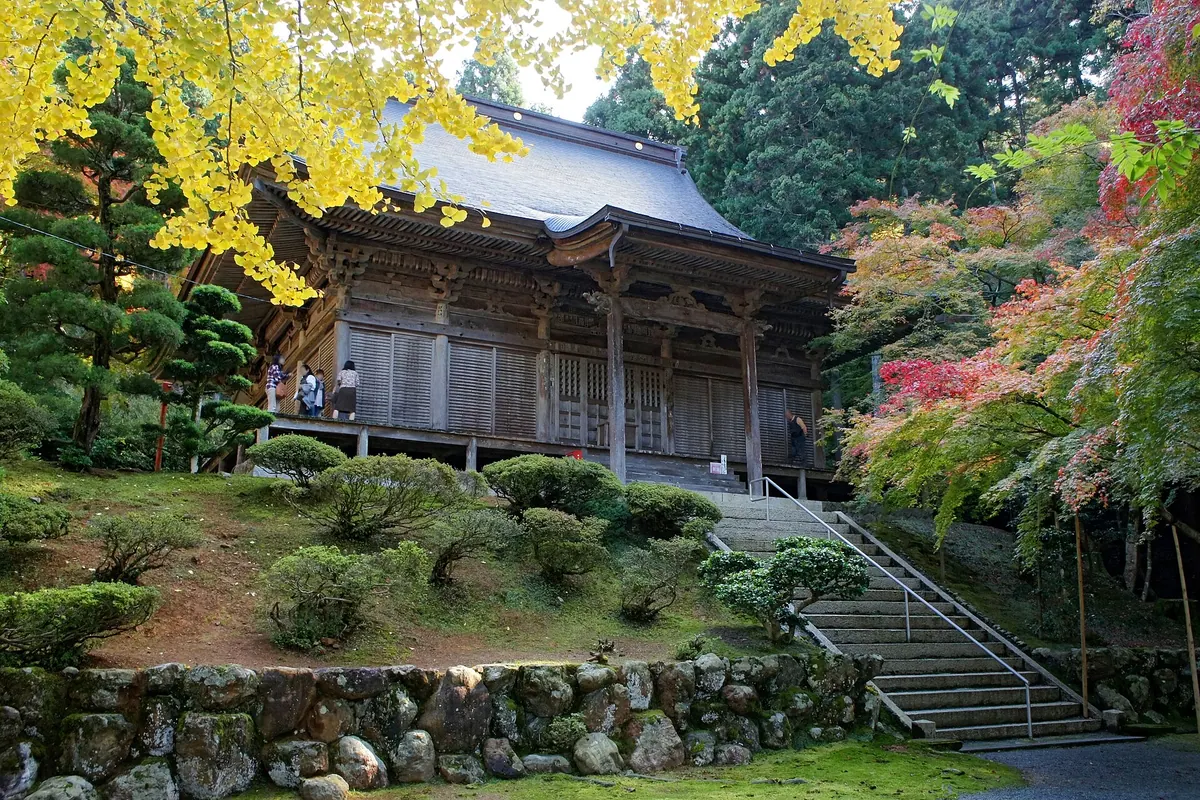
Mantoku-ji Temple: a historic Shingon temple with a nationally recognized dry landscape garden.
What it is
- Shingon Buddhist temple in Obama, Fukui Prefecture.
- Main deity is Amida Nyorai.
- Predecessor temple mentioned in 1265.
- Garden built in 1677 by Obama domain lord.
What to see
- Karesansui garden with a borrowed landscape.
- Large Japanese maple used in the garden.
- Garden is a national Place of Scenic Beauty.
- Maple is a national Natural Monument.
- Wooden seated Amida Nyorai statue.
- Amida-do (main hall).
When to go
- Listed among Japan's 100 best autumn foliage spots.
- Address
- 〒917-0242 福井県小浜市金屋74-23 Map
06
Shinshū ōtani-ha yoshizaki betsu-in Temple
FUKUI · TEMPLE 真宗大谷派吉崎別院
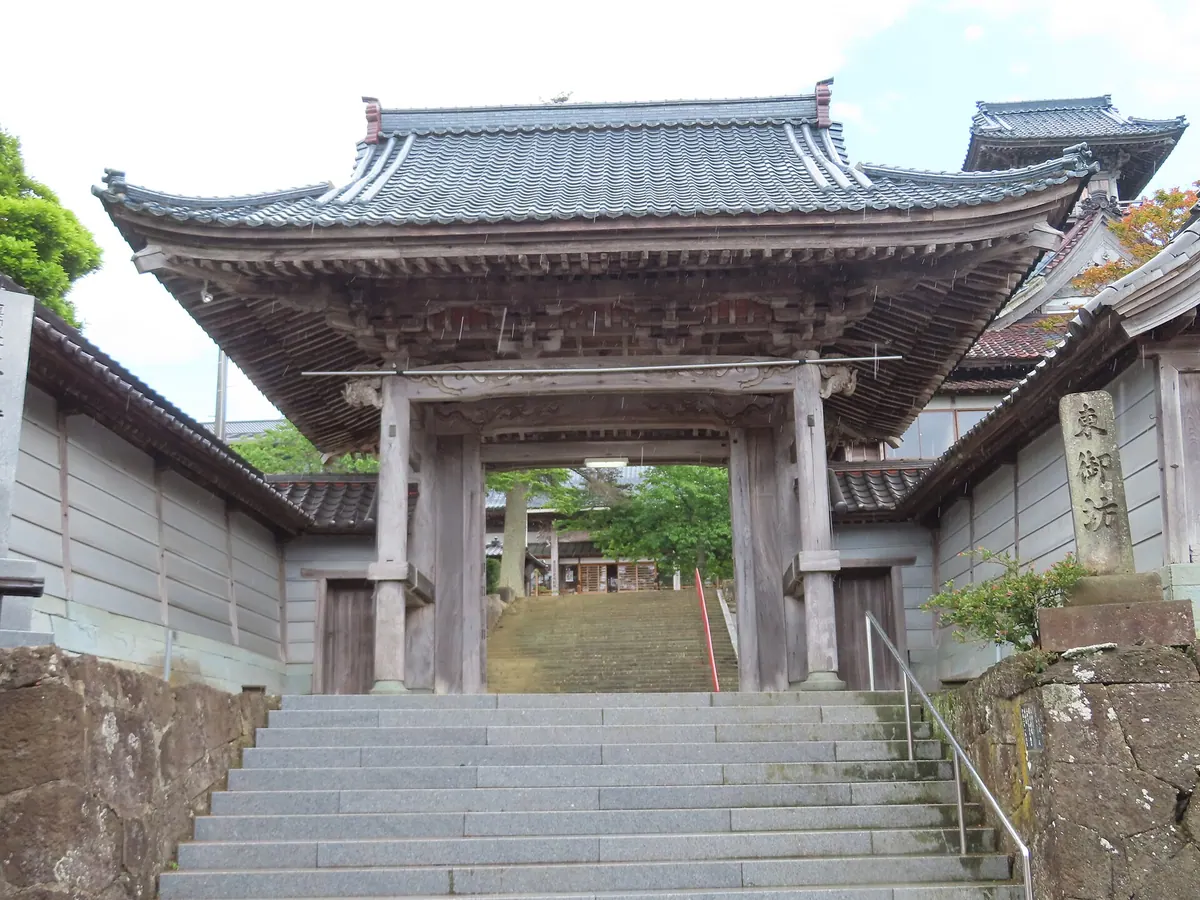
A historic temple in Fukui Prefecture, built on a significant hermitage site.
What it is
- A Betsuin of Shinshu Otani-ha.
- Built on the site of Rennyo's hermitage.
- Origin dates back to Yoshizaki Gobo.
- Became Shinshu Otani-ha Yoshizaki Betsuin in 1747.
What to see
- The hermitage site is a nationally designated historic site.
- Main hall, meeting hall, and treasure hall.
- Renshido, bell tower, and main gate.
Getting there
- Accessible by bus from Kagaonsen Station.
- Accessible by taxi from Awaraonsen Station.
- A 40-minute drive from Komatsu Airport.
- Address
- 福井県あわら市吉崎1丁目301 Map
07
Myōtai-ji Temple
FUKUI · TEMPLE 妙泰寺
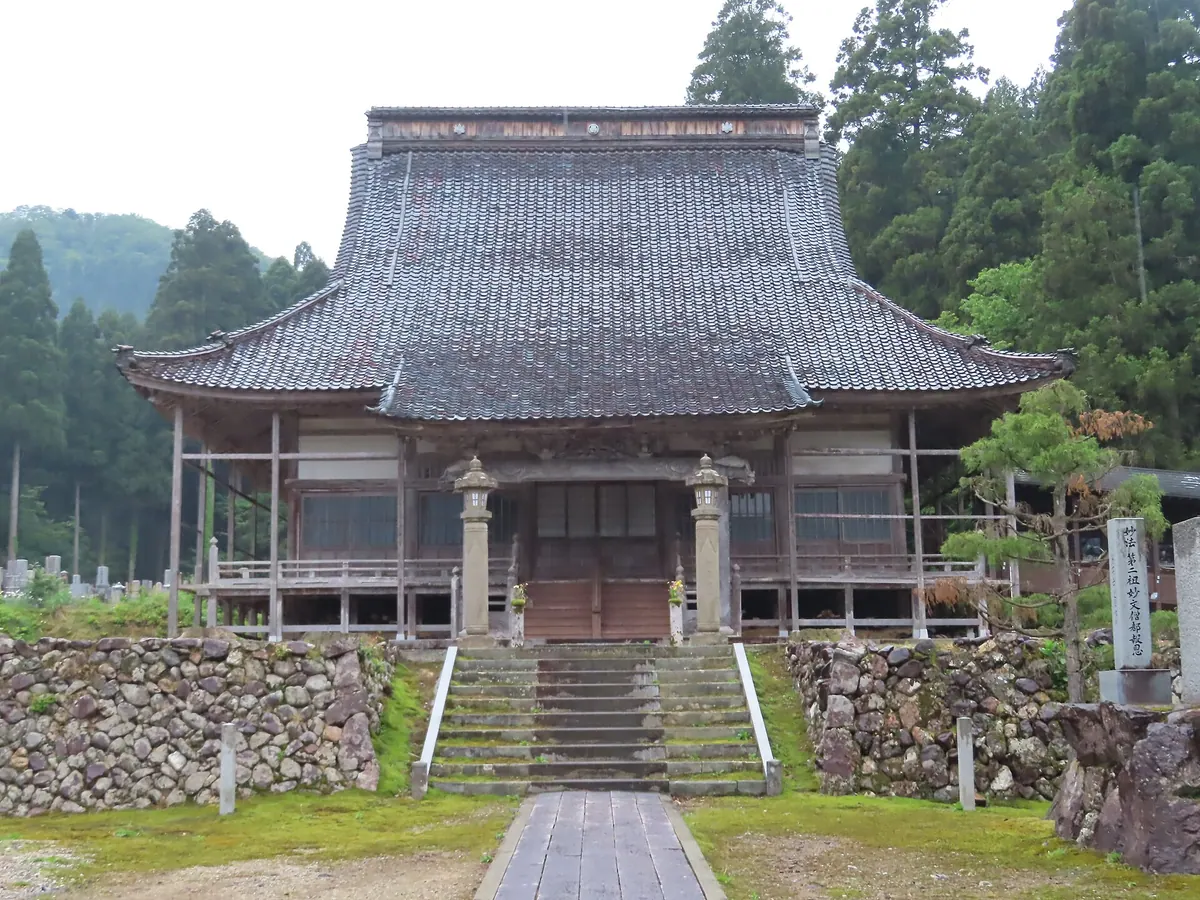
Myotaiji is a historic Nichiren-shu temple with important cultural properties and a unique festival.
What it is
- A Nichiren-shu temple, founded in 1295.
- Its mountain name is Otani-zan.
- One of four sacred sites of Myokenji.
- Founded by Nichizo, a grandson in dharma of Nichiren.
What to see
- Shaka Nyorai statue, made in 1635.
- Shaka Nehan-zu painting, from the Momoyama period.
- These are cultural properties of Minamiechizen Town.
When to go
- Myojinkai (Shichifukujin Festival) on Respect for the Aged Day.
- Festival originated from prayers during the Tenmei famine.
- Address
- 福井県南条郡南越前町西大道10-8 Map
08
Mago-ji Temple
FUKUI · TEMPLE 馬居寺
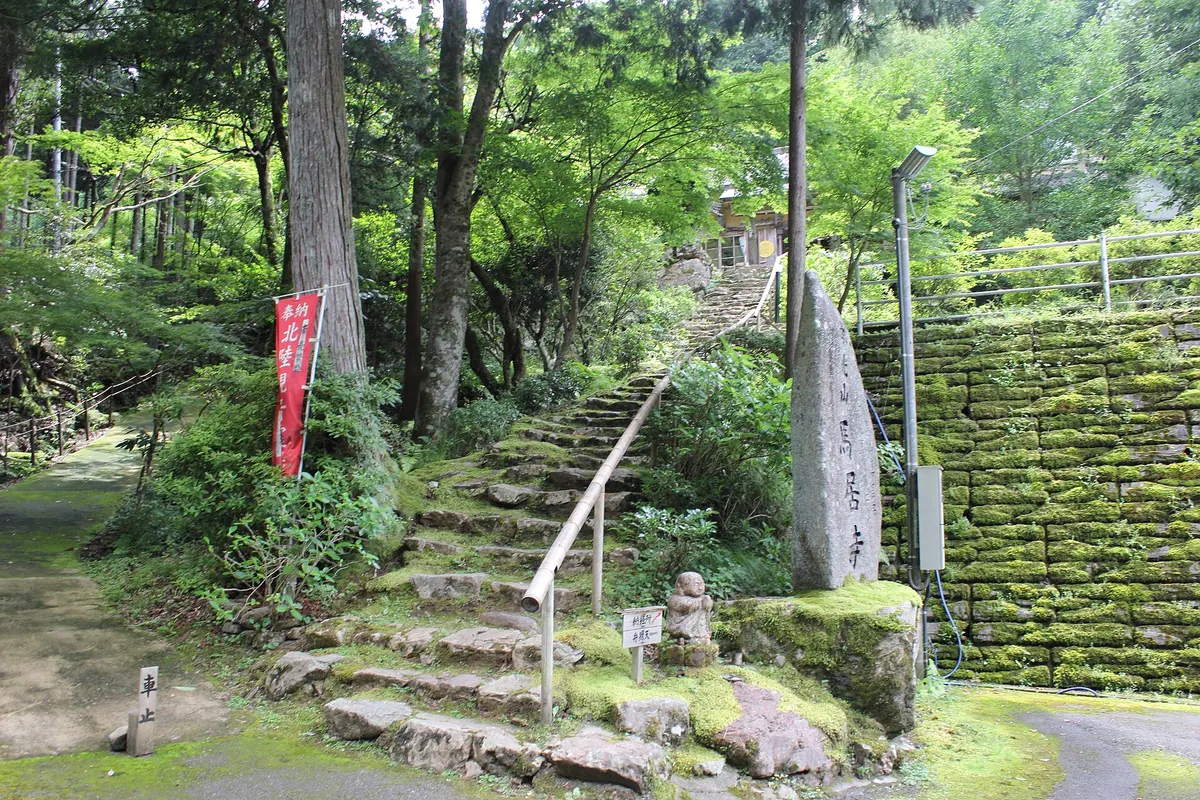
Mago-ji Temple is a historic site of pilgrimage with a rare, ancient Buddha statue.
What it is
- Koyasan Shingon sect temple, mountain name Honkōzan.
- Principal image is Batō Kannon, a secret Buddha.
- Second temple of the Hokuriku 33 Kannon Pilgrimage.
- Thirtieth temple of the Wakasa Kannon Pilgrimage.
What to see
- Wooden seated Batō Kannon statue from late Heian period.
- Statue is a National Important Cultural Property.
When to go
- Principal image unveiled once every 25 years.
- Principal image unveiled every 12 years in the Year of the Horse.
- Address
- 福井県大飯郡高浜町馬居寺3-1 Map
09
Mikata Ishikanzeon Temple
FUKUI · TEMPLE 三方石観世音
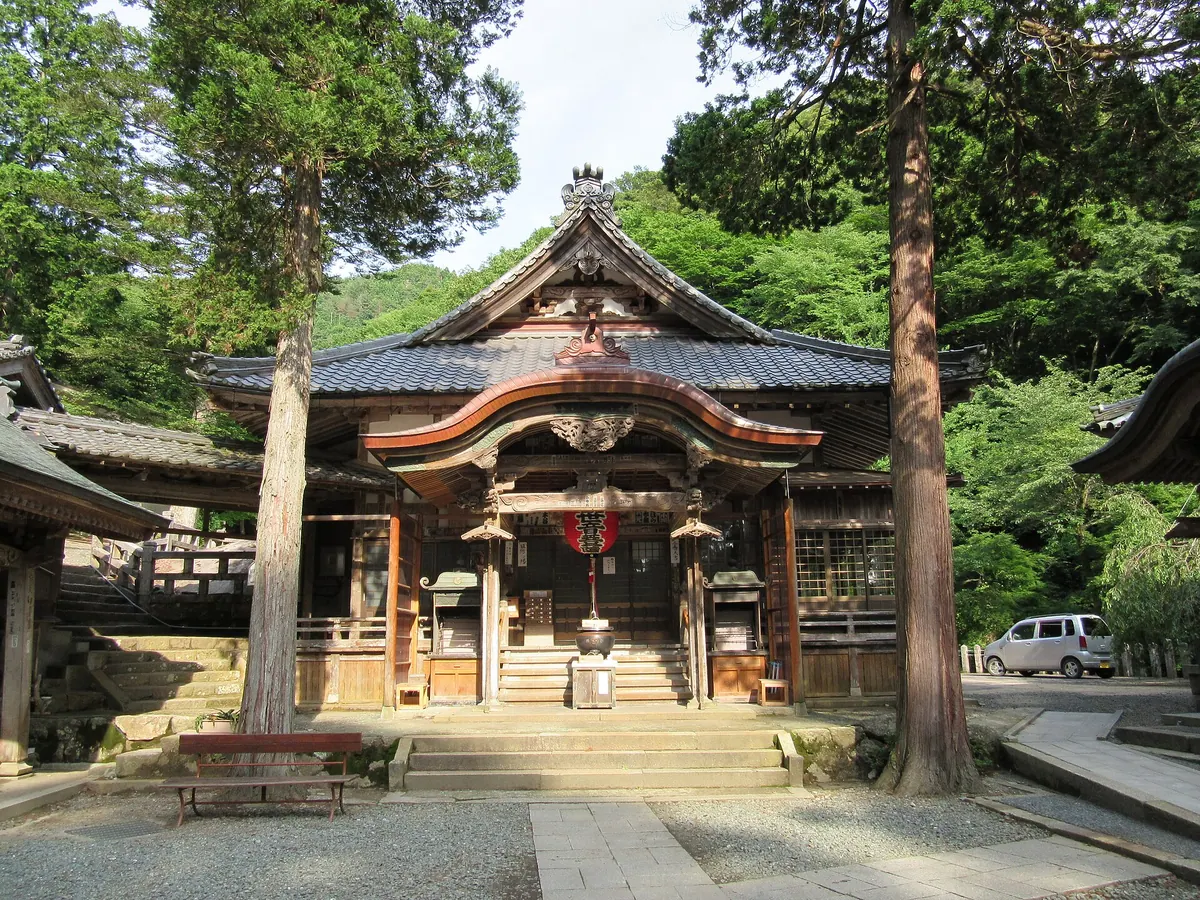
A Soto Zen temple in Fukui, known for its unique cliff Buddha and healing waters.
What it is
- A Soto Zen Kannon-do hall.
- The 7th temple of the Hokuriku 33 Kannon Pilgrimage.
- Also called Katate Kannon.
- Believed to benefit hand and foot ailments.
What to see
- Main image is a cliff Buddha carved on granite.
- Hidden Buddha revealed once every 33 years.
- Reiju of Mikataishi Kannon is 'Fukui's Delicious Water'.
When to go
- Next hidden Buddha unveiling is in October 2026.
Getting there
- A 5-minute walk from Mikata Station.
- Address
- 福井県三方上中郡若狭町三方22-1 Map
10
Takidan-ji Temple
FUKUI · TEMPLE 瀧谷寺
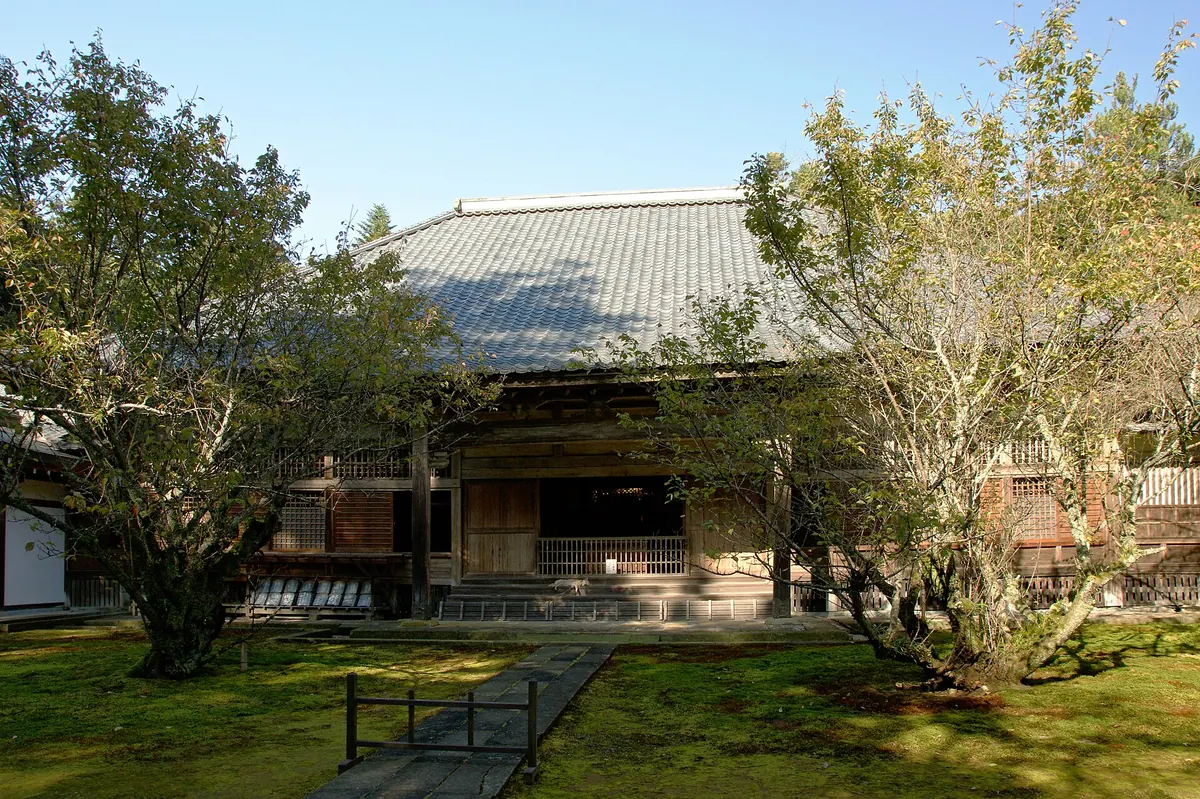
Takidan-ji Temple is a historic Shingon Buddhist temple with a National Treasure and scenic garden.
What it is
- A Shingon-shu Chisan-ha Buddhist temple.
- Founded in 1377 as an hermitage.
- Principal image is Yakushi Nyorai.
What to see
- A gilt bronze floral chime, a National Treasure.
- Six temple buildings, Important Cultural Properties.
- A garden, a National Place of Scenic Beauty.
- The garden was created in the early Edo period.
When to go
- Open 8:00 to 17:00 from March to October.
Getting there
- 10-minute walk from Mikuni Station.
- Address
- 福井県坂井市三国町滝谷1-7-15 Map
- Official site
- www.takidanji.or.jp
11
Tentoku-ji Temple
FUKUI · TEMPLE 天徳寺 (若狭町)
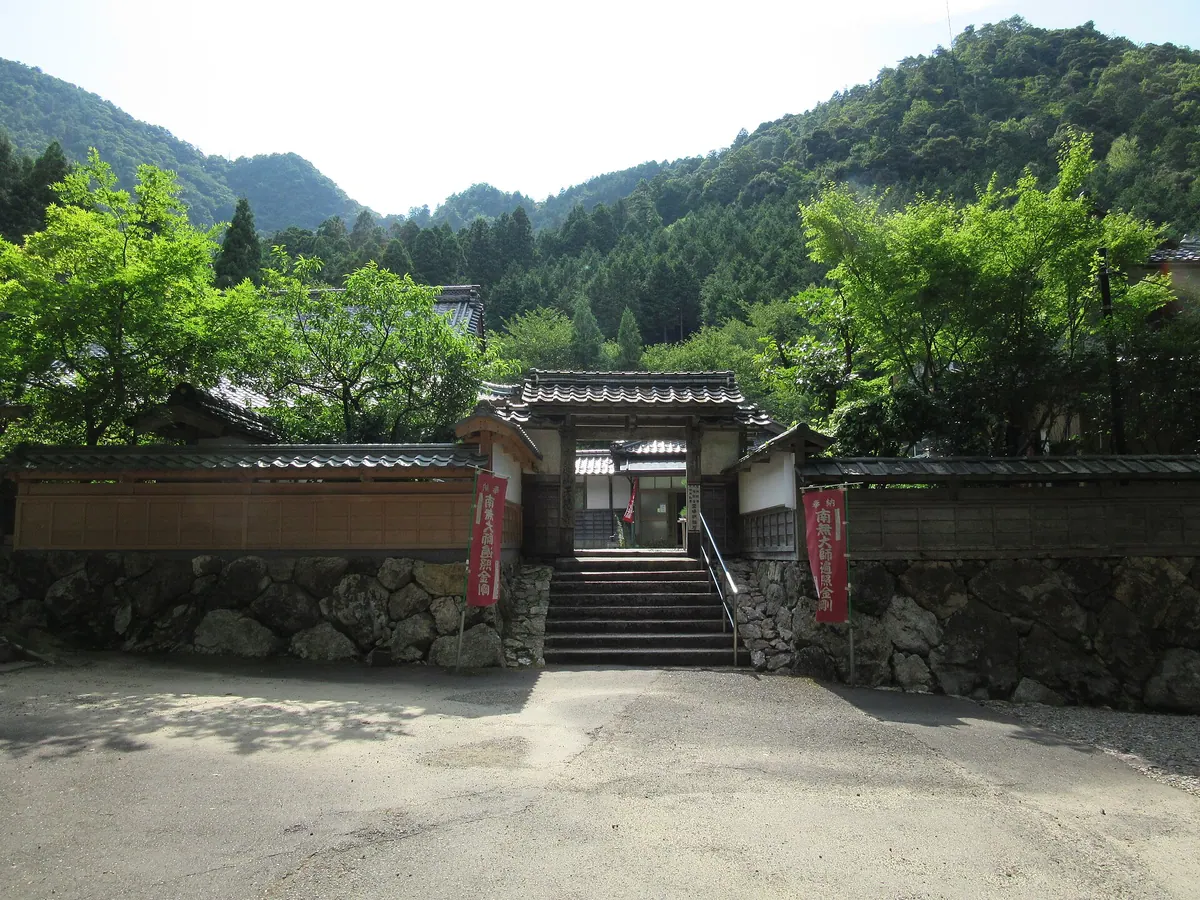
Ancient temple with a famous waterfall and 88 stone statues, offering a glimpse into Japan's spiritual history.
What it is
- A temple of the Koyasan Shingon sect.
- Its origin dates back approximately 1300 years.
- Named after the Tenchō era.
- Emperor Murakami ordered its construction.
What to see
- The famous Meisui Uwari-no-Taki waterfall.
- Uwari-no-Taki waterfall is one of Japan's 100 Famous Waters.
- A Kannon-dō hall completed in 686 AD.
- A Hokke-dō hall built by Hōjō Masako.
- A statue of Batō Kannon carved by Taichō Daishi.
- 88 stone statues of the Shikoku 88 Sacred Places.
- Address
- 福井県三方上中郡若狭町天徳寺38-3 Map
12
Kūin-ji Temple
FUKUI · TEMPLE 空印寺
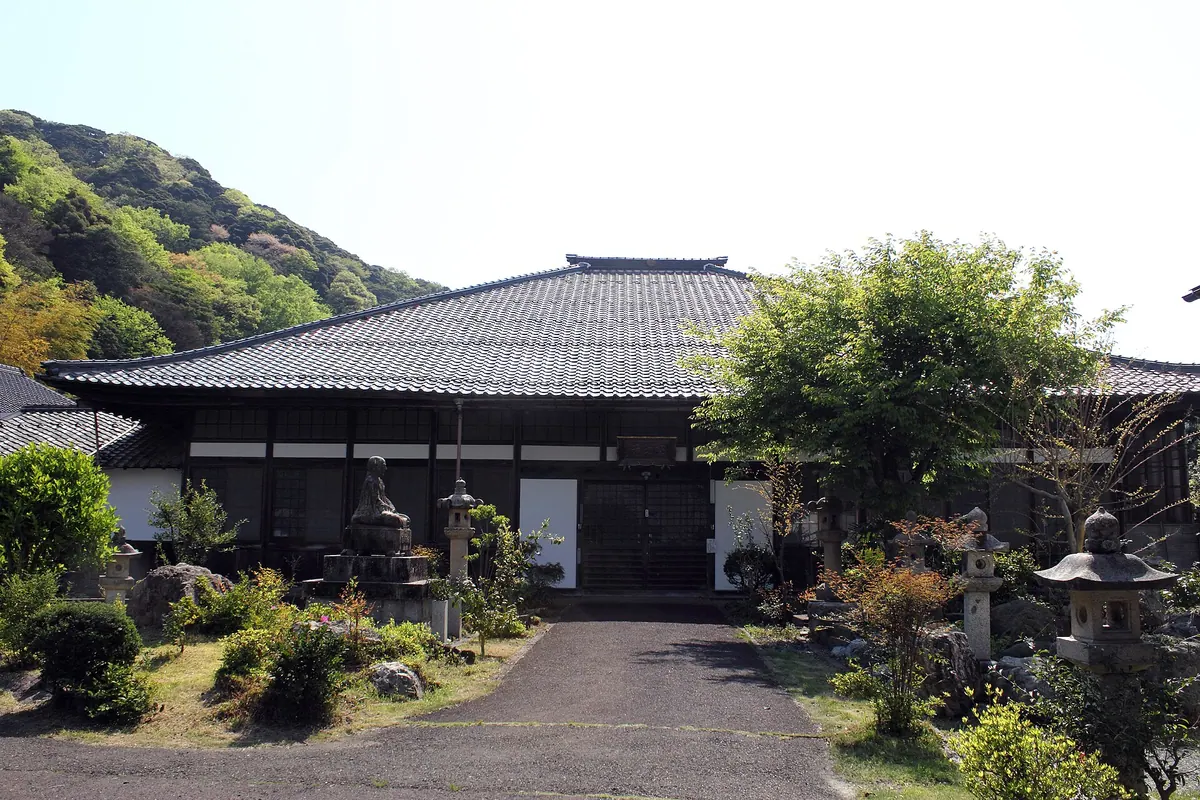
Kūin-ji Temple is a historic Sōtō Zen temple with unique art and a sacred cave.
What it is
- A Sōtō Zen Buddhist temple.
- Its mountain name is Kenkōzan.
- Dedicated to the main deity Batō Kannon.
- Family temple of the Sakai family of the Obama Domain.
What to see
- A cave where Yao Bikuni entered nirvana.
- The cave is a sea cave.
- A Yakui-mon gate.
- The 'Shimen Jinja Shatō Fūzoku-zu' painting.
- The Sakai family cemetery, a designated historic site.
Getting there
- 15-minute walk from JR West Obama Line's Obama Station.
- Address
- 福井県小浜市小浜男山2 Map
13
Isoku-ji Temple
FUKUI · TEMPLE 意足寺
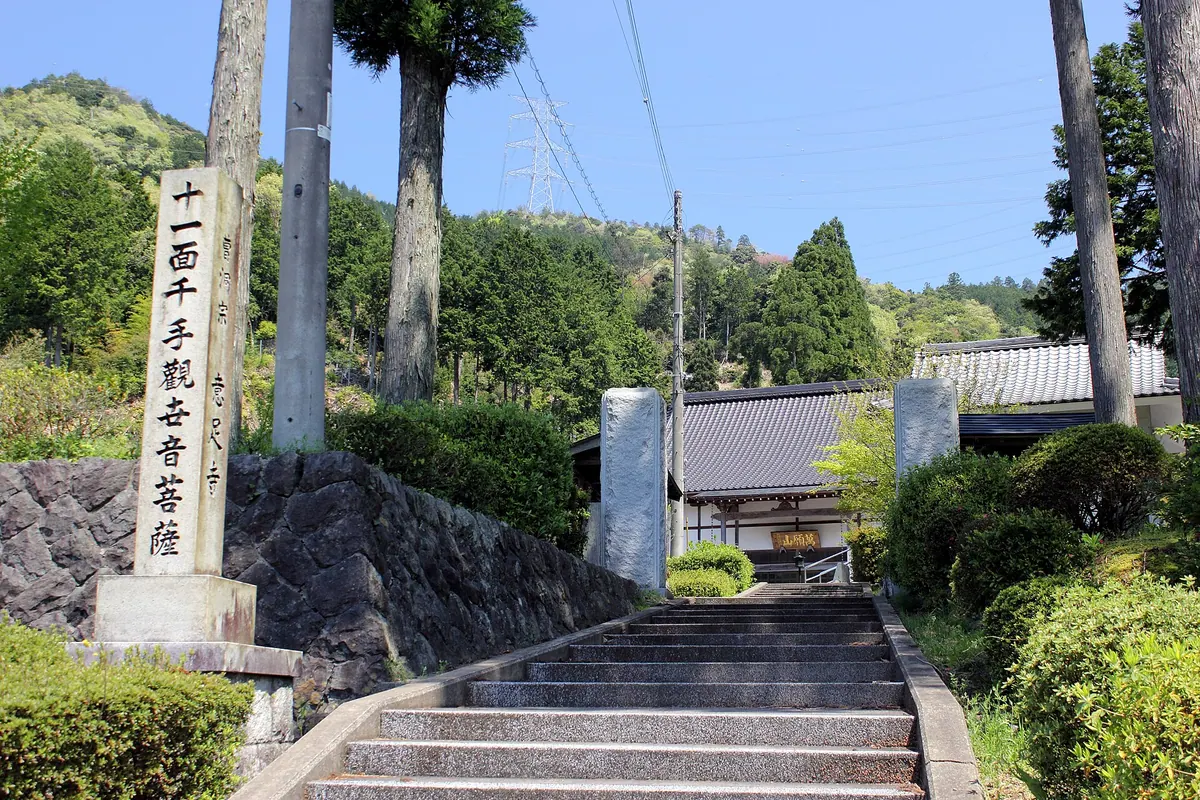
Isoku-ji Temple is a Soto Zen temple with an ancient Kannon statue, worth visiting for its history.
What it is
- A Soto Zen Buddhist temple.
- Founded in 805 by Shin'an Soron Daikoji.
- Its mountain name is Yutanisan.
- Principal image is the Eleven-faced Thousand-armed Kannon Bosatsu.
What to see
- A wooden standing statue of Senju Kannon.
- The statue is an Important Cultural Property.
- Statue is made of cypress wood from the Heian period.
- The statue is 109.0 cm tall.
Getting there
- 15-minute drive from JR Wakasa-Hongo Station.
- Address
- 福井県大飯郡おおい町万願寺7-5 Map
14
Hokke-ji Temple
FUKUI · TEMPLE 法華寺
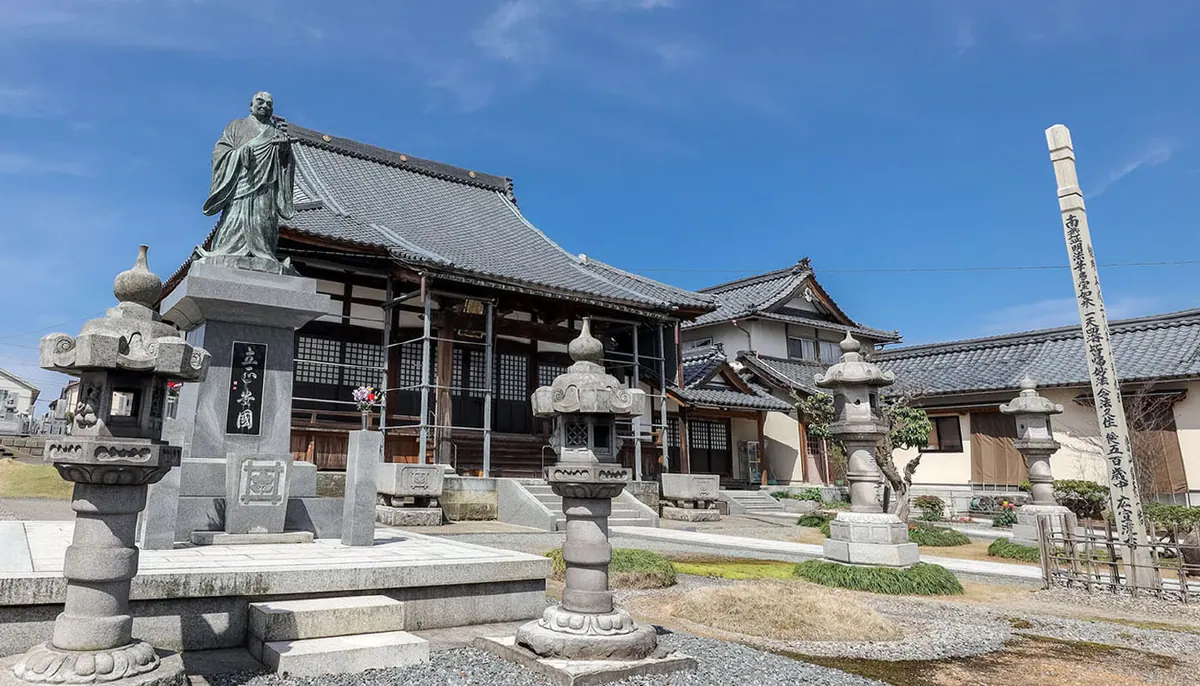
Hokke-ji is a historic temple in Sabae City, offering a glimpse into its resilient past.
What it is
- Hokke sect temple in Sabae City, Fukui Prefecture.
- Founded in 1449 by Jitsunen Hoin.
- Moved to current location during Kanei era (1624-1643).
- Rebuilt in 1881 after a fire.
What to see
- Daimoku monument at the gate, written by Nichishu Shonin.
- Gardening cemetery with perpetual memorial services.
Getting there
- 7-minute taxi ride from JR Sabae Station.
- 2-minute walk from Fukui Railway Fukubu Line Mizuochi Station.
15
Myōtsū-ji Temple
FUKUI · TEMPLE 明通寺
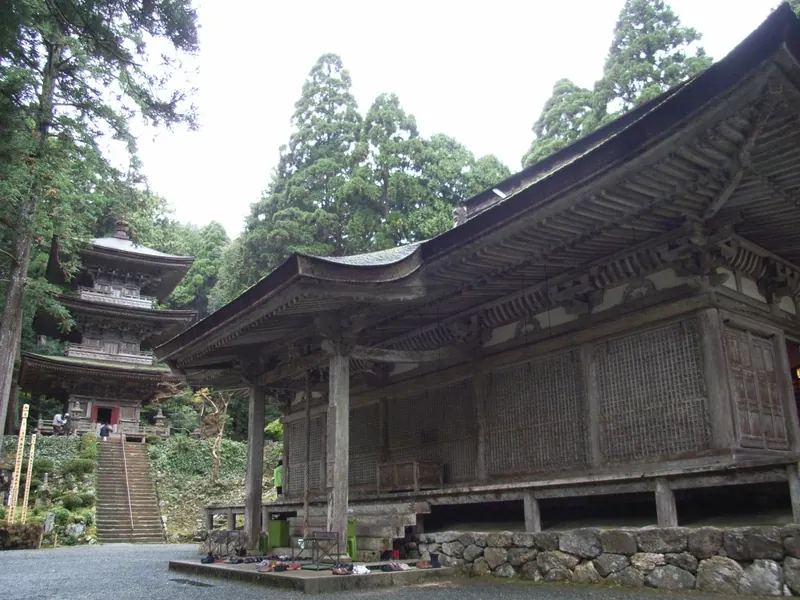
Myōtsū-ji Temple is a historic Buddhist temple with National Treasure architecture, founded in 806.
What it is
- Buddhist temple of the Omuro school of Shingon Buddhism.
- Founded in 806 by Sakanoue Tamuramaro.
- Main deity is Yakushi Nyorai.
- Certified as a Japan Heritage site in 2015.
What to see
- Main Hall, completed in 1265, is a National Treasure.
- Three-story Pagoda, completed in 1270, is a National Treasure.
- Several Important Cultural Properties are on site.
Getting there
- Accessible by bus from Higashi-Obama Station.
- Address
- 福井県小浜市門前5-22 Map
- Official site
- www.cho.ne.jp
16
Gotanjō-ji Temple
FUKUI · TEMPLE 御誕生寺
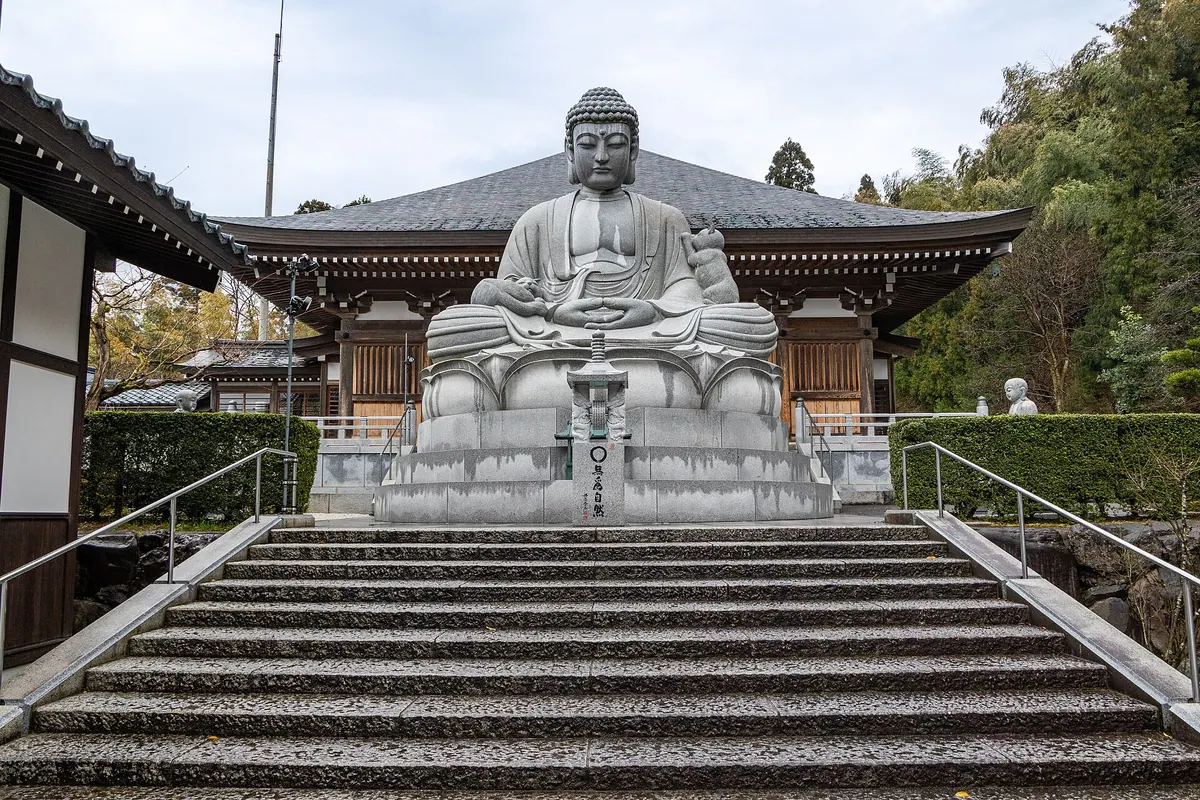
Gotanjō-ji Temple is a Sōtō Zen temple known for caring for many cats.
What it is
- A Sōtō Zen Buddhist temple.
- Known as a cat temple.
- Protects and cares for abandoned and sick cats.
- A designated training monastery.
What to see
- The principal image is Shaka Nyorai.
- A small hall built in 2002.
- The main hall and zazen hall completed in 2009.
- A large Buddha statue erected in 2019.
- Dozens of cats living on the grounds.
When to go
- Cat photography and viewing tours are accepted.
- Address
- 福井県越前市庄田町32 Map
17
Shōgon-ji Temple
FUKUI · TEMPLE 照厳寺
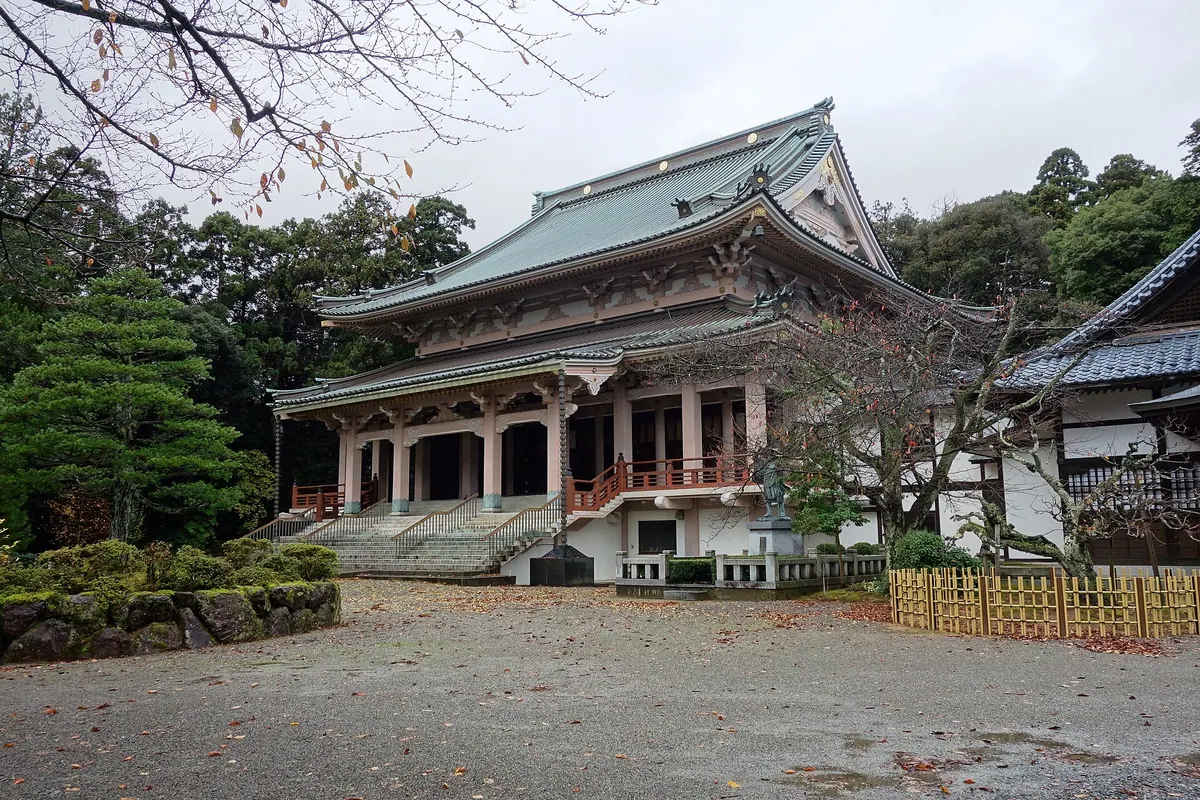
A Jodo Shinshu temple founded in 1326 that served as a historic base for the Ikko-ikki warrior monks.
What it is
- A temple of the Otani school of Buddhism located in Awara City
- Founded in 1326 by Gyokaku and dedicated to the deity Amida Nyorai
- Served as a strategic base for the Ikko-ikki during the sixteenth century
- Rebuilt in its current location in 1765 after several historical relocations
What to see
- The main hall housing the primary deity Amida Nyorai
- Historical grounds reflecting the temple's reconstruction from 1765
18
Myōryū-ji Temple
FUKUI · TEMPLE 妙隆寺
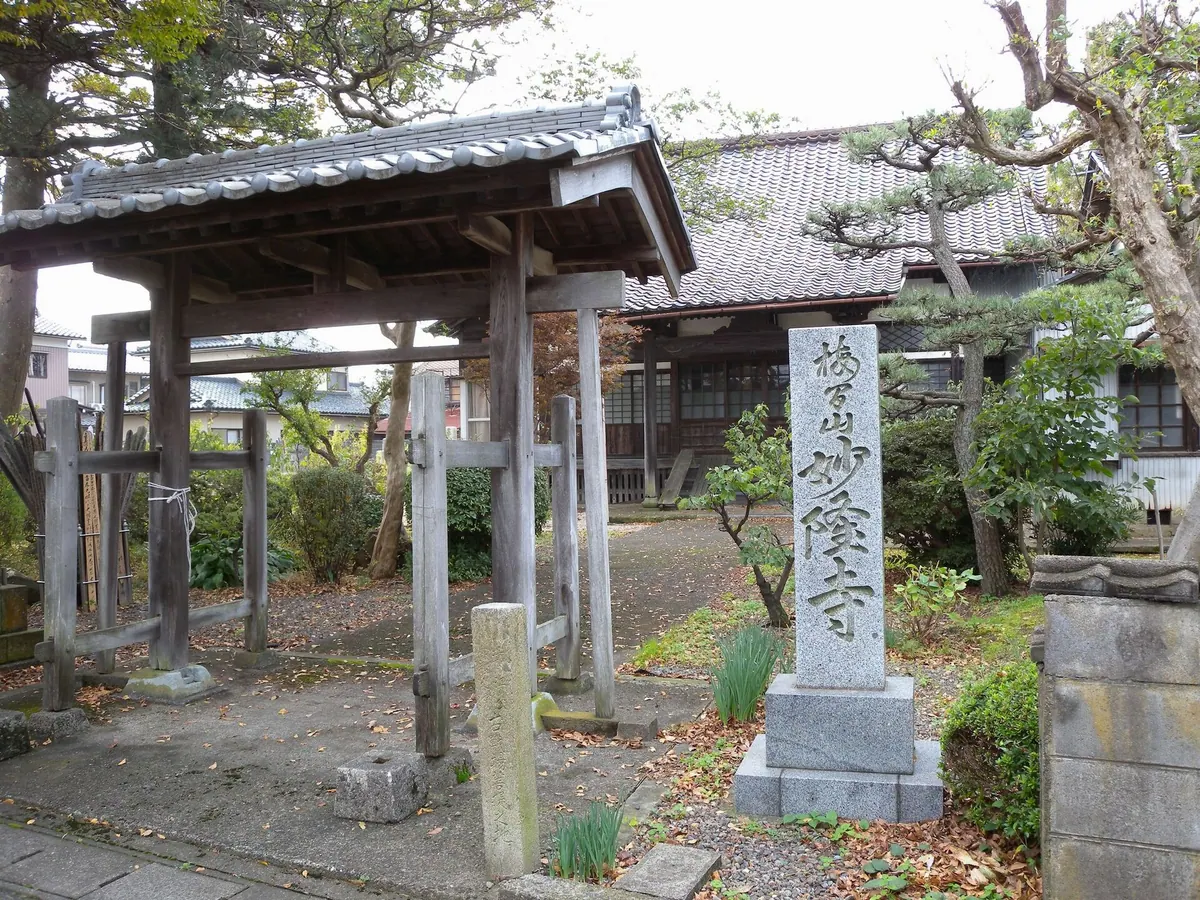
Myōryū-ji Temple is a historic Nichiren Buddhist temple with ties to local samurai clans.
What it is
- A Nichiren Buddhist temple.
- Founded by Ben'ein Nichisō Shōnin.
- A bodaijo for the Mizoe and Togashi families.
- Became part of the Nichiren sect in 1941.
What to see
- The principal image is Shaka Nyorai.
- Near the site of Mizoe-yakata (Kanazu Castle).
When to go
- Mizoe-kō and Togashi-kō family memorial services are monthly.
Getting there
- Near Ashiharaonsen Station.
- Address
- 福井県あわら市市姫2丁目7-25 Map
19
Chōgen-ji Temple
FUKUI · TEMPLE 長源寺
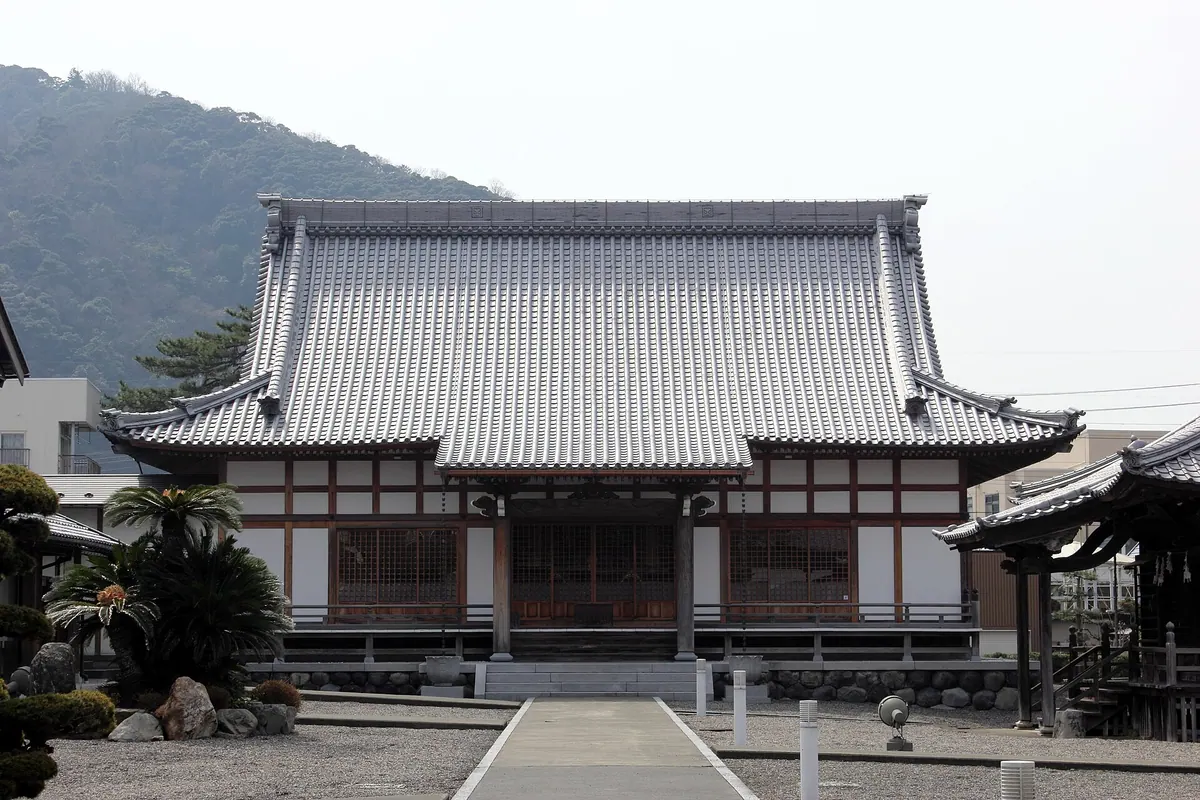
Chōgen-ji Temple, founded in 1380, offers a glimpse into Nichiren Buddhism and cultural heritage.
What it is
- A Nichiren sect temple, founded in 1380.
- Founded by Anjuin Nichigen.
- One of the "Rokujo Monryu Sancho" temples.
- Served as a prayer temple for Wakasa domain lords.
What to see
- A Midaikannon image, a national important cultural property.
- The temple gate, an Obama City designated cultural property.
- Two sub-temples: Kozen-ji and Jogyo-ji.
Getting there
- A 5-minute walk from Obama Station.
- Address
- 福井県小浜市小浜酒井8 Map
20
Haga-ji Temple
FUKUI · TEMPLE 羽賀寺
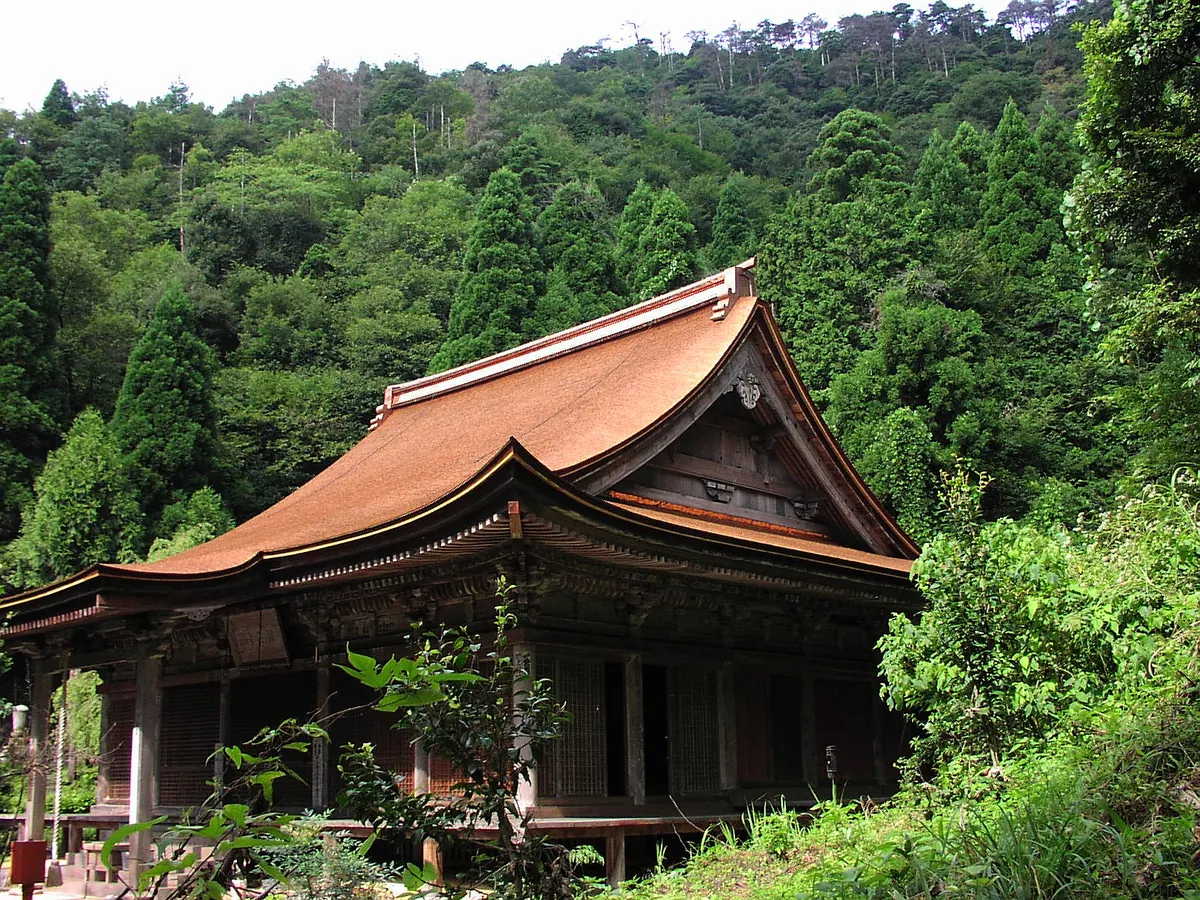
Hagaji Temple: a historic Shingon temple with important statues and a Japan Heritage site.
What it is
- A Shingon sect temple.
- Founded in 716 by Gyoki.
- Principal image is the Eleven-faced Kannon.
- Designated a Japan Heritage site in 2015.
What to see
- Main hall, built in 1447, is a National Important Cultural Property.
- Wooden Eleven-faced Kannon statue from the early 10th century.
- Wooden Senju Kannon statue made in 1165.
- Wooden Bishamonten statue made in 1178.
- Hagaji Engi scroll, written by Prince Sanehito.
- Address
- 〒917-0017 福井県小浜市 羽賀83−5 Map