

20 Shrines in Ibaraki worth your time
Japan Gems
Ibaraki Prefecture has 92 shrines, including Daihō-hachimangū and Hitachi-no-Kuni Izumo-taisha. Visitors can find a variety of spiritual sites across the prefecture.
Ibaraki has 97 shrines on Japan Gems. Below are the 20 we can tell you the most about — each one written up in English from Japanese sources, with what to see and how to get there. See all shrines in Ibaraki.
01
Suzume Shrine
IBARAKI · SHRINE 雀神社
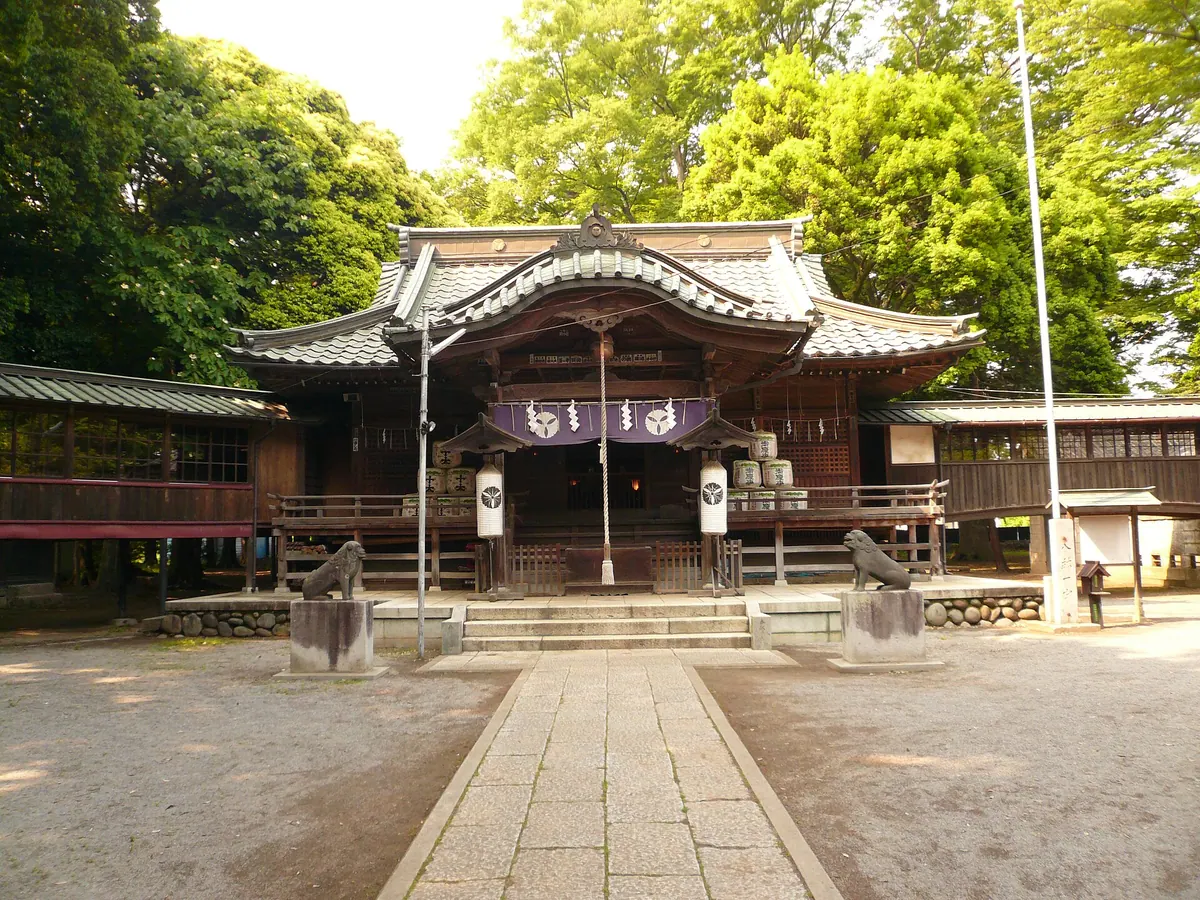
Suzume Shrine is a historic shrine with important cultural properties, worth visiting for its architecture and sacred tree.
What it is
- Founded during Emperor Sujin's reign or in 859-877.
- Enshrines Oonamuchi-no-mikoto, Sukunahikona-no-mikoto, and Kotoshironushi-no-mikoto.
- Received reverence from successive Koga Kubo families.
- Designated a local shrine in 1872.
What to see
- Current main hall built in 1605 by Matsudaira Yasunaga.
- Shrine buildings are designated cultural properties of Koga City.
- Sacred zelkova tree called Meoto Keyaki.
- Akado Shinden Lion Dance is a designated cultural property.
- Lion dance lion heads are designated tangible folk cultural properties.
When to go
- Annual festivals include New Year, Setsubun, Spring, Summer, and Autumn.
Getting there
- About a 19-minute walk from Koga Station.
- Address
- 茨城県古河市宮前町4番地52 Map
02
Mito Hachimangū
IBARAKI · SHRINE 水戸八幡宮
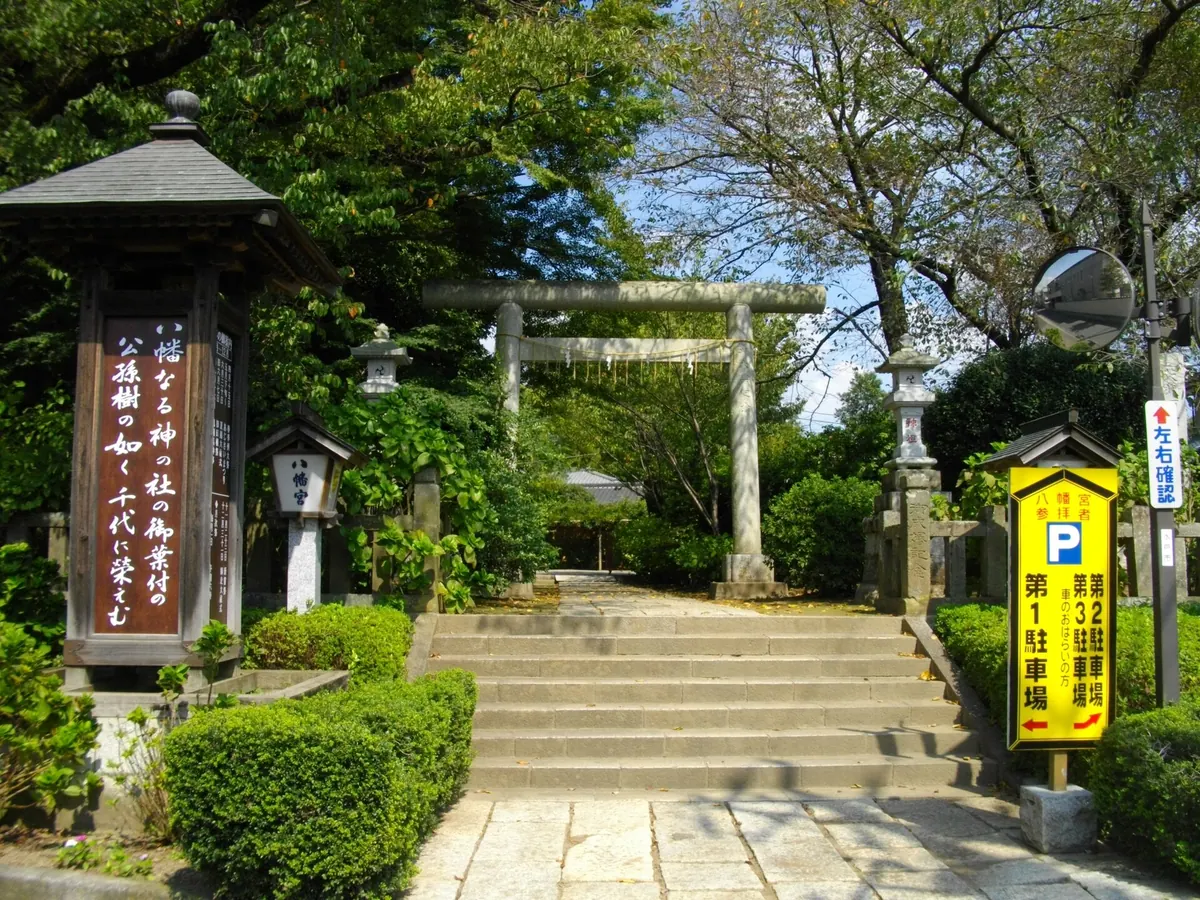
A historic Shinto shrine in Mito featuring a 16th-century main hall and a massive ancient ginkgo tree.
What it is
- Founded in 1592 by Satake Yoshinobu to enshrine the three Hachiman deities.
- Served as the general guardian shrine for the entire Mito region.
- Designated as one of the 100 Landscapes of Ibaraki.
- Known as a guardian site for people born in Dog and Boar zodiac years.
What to see
- The main hall built in 1598 is a National Important Cultural Property.
- A massive Ohatsuki Ginkgo tree designated as a National Natural Monument.
- Traditional architecture restored to its historical appearance in 1998.
When to go
- The annual grand festival is held every year on April 15th.
- Visit during the Mito Hydrangea Festival to see blooms on the grounds.
03
Izumi Shrine
IBARAKI · SHRINE 泉神社
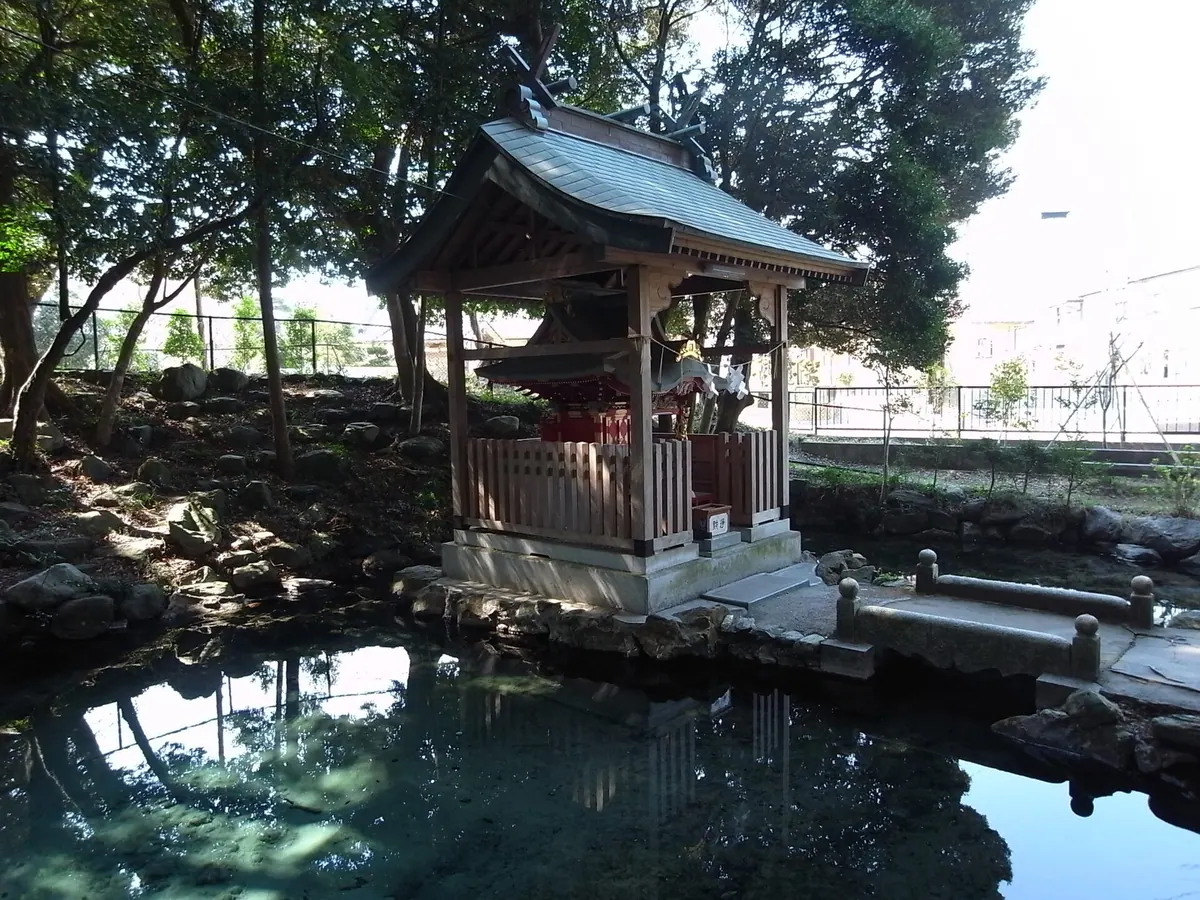
A historic shrine in Hitachi City featuring a clear natural spring designated as a prefectural historic site.
What it is
- A shrine dedicated to the deity Amanohayatama-hime-no-mikoto.
- Listed in the Engishiki Jinmyocho records of important shrines.
- Grounds cover approximately 3,917 square meters in Ibaraki Prefecture.
- The site contains the Izumigamori spring, identified in ancient village records.
What to see
- The Izumigamori spring with a circumference of about 40 meters.
- A main hall rebuilt in 1961 using reinforced concrete.
- Historic grounds designated as an Ibaraki Prefectural Historic Site.
When to go
- The annual festival is held on May 3rd.
Getting there
- Located one kilometer northeast of Omika Station.
04
Kumano Shrine
IBARAKI · SHRINE 熊野神社
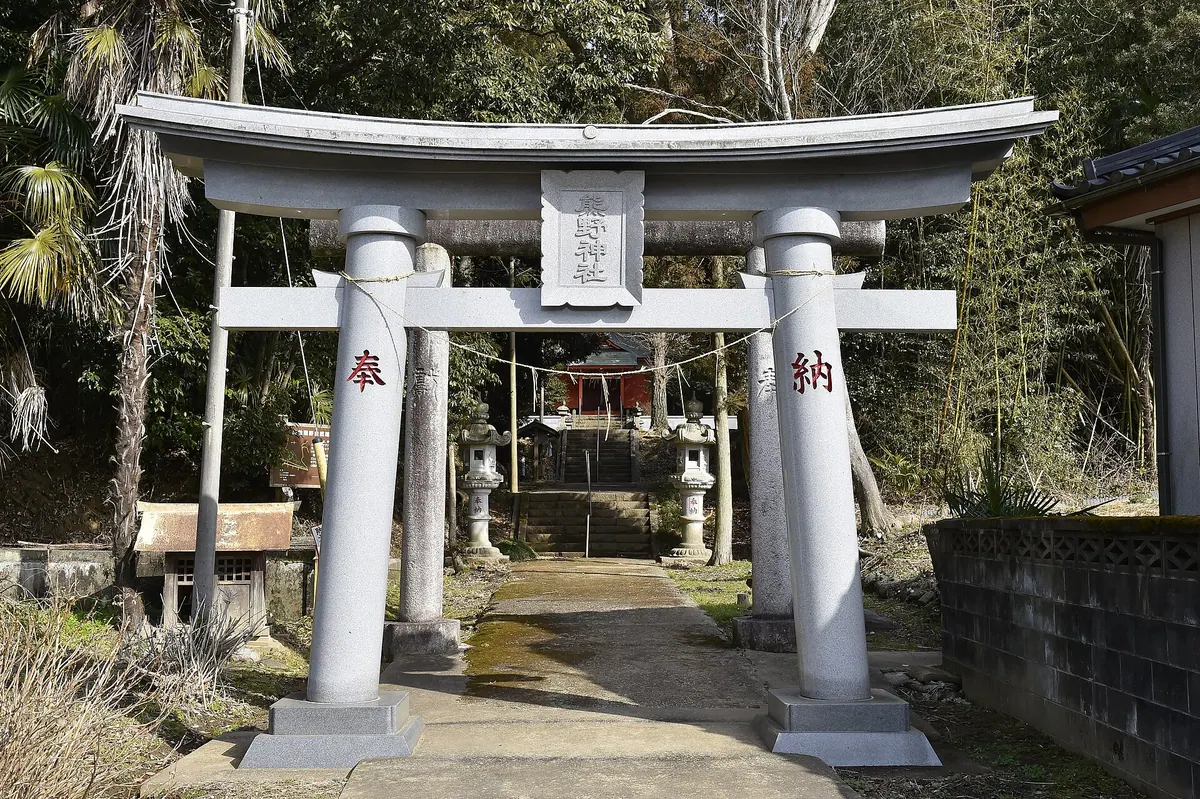
Ancient Kumano Shrine, founded in 1394, offers a glimpse into traditional architecture and sacred forests.
What it is
- Shrine founded in 1394 by the Shimanami clan.
- Dedicated to Izanagi-no-mikoto, Izanami-no-mikoto, and Susanoo-no-mikoto.
- Rebuilt in 1659 with support from Shinjo Naoyoshi.
- Renamed Kumano Shrine in 1870.
What to see
- Main hall is a designated cultural property.
- Main hall is of ikkensha nagare-zukuri style.
- Main hall has a copper plate roof.
- Surrounding evergreen broadleaf forest is a designated special area.
When to go
- Annual festival is on November 23rd.
- Omorikae Shinto rituals are on January 1st.
- Omorikae Shinto rituals are on June 23rd.
Getting there
- 17 minutes by car from Itako Station.
- Address
- 茨城県行方市島並1298 Map
05
Onogo Tenmangu
IBARAKI · SHRINE 大生郷天満宮
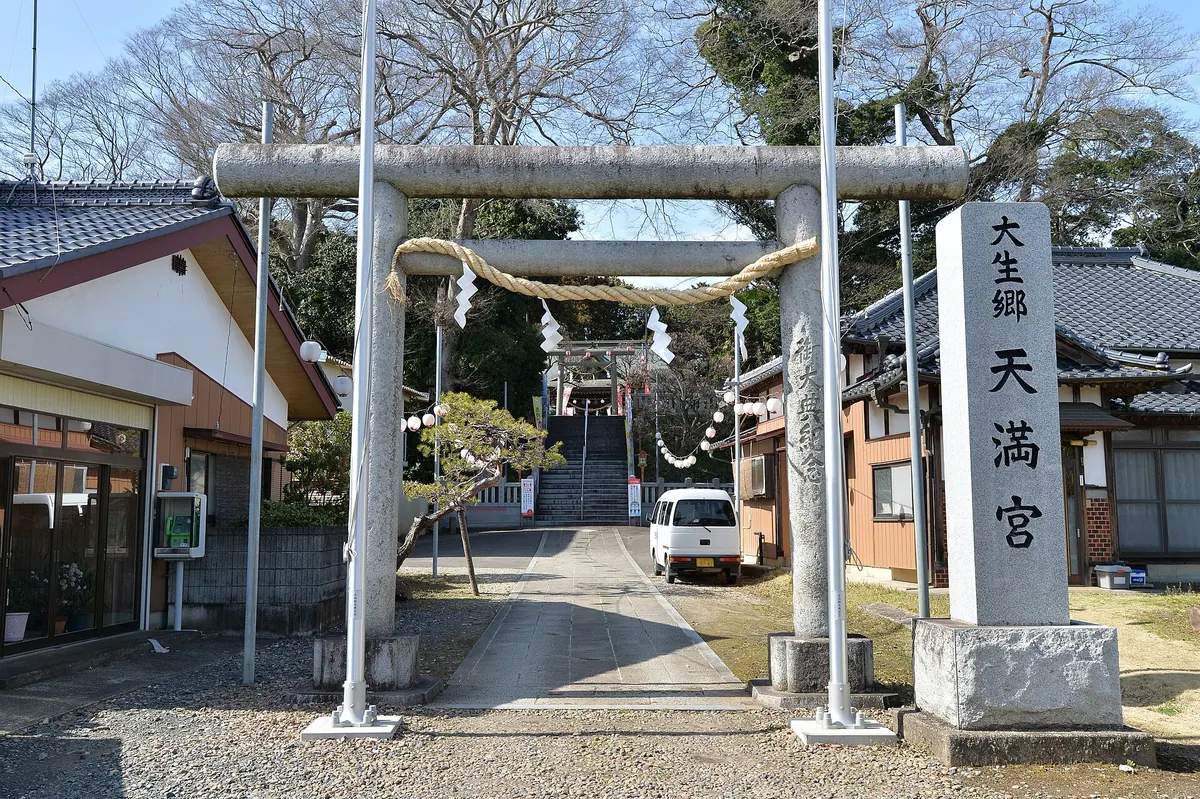
Visit this ancient shrine, one of Japan's three great Tenjin shrines, for its historical art.
What it is
- A shrine in Joso City, Ibaraki Prefecture.
- Founded in 929.
- Sugawara no Michizane's remains were interred here.
- One of the "Three Great Tenjin Shrines of Japan."
What to see
- Painting of Gobyotenjin, a prefectural cultural property.
- Painting of Mikitenjin, a prefectural cultural property.
- Picture scroll of Kitano Tenjin Engi, a prefectural cultural property.
- Painting of Thirty-Six Immortals of Poetry, a prefectural cultural property.
- Painting of Eleven-faced Kannon, a city cultural property.
Getting there
- 15-minute drive from Mitsukaido Station.
- Community bus stop located at the shrine.
- Address
- 茨城県常総市大生郷町1234 Map
06
Shizu Shrine
IBARAKI · SHRINE 静神社
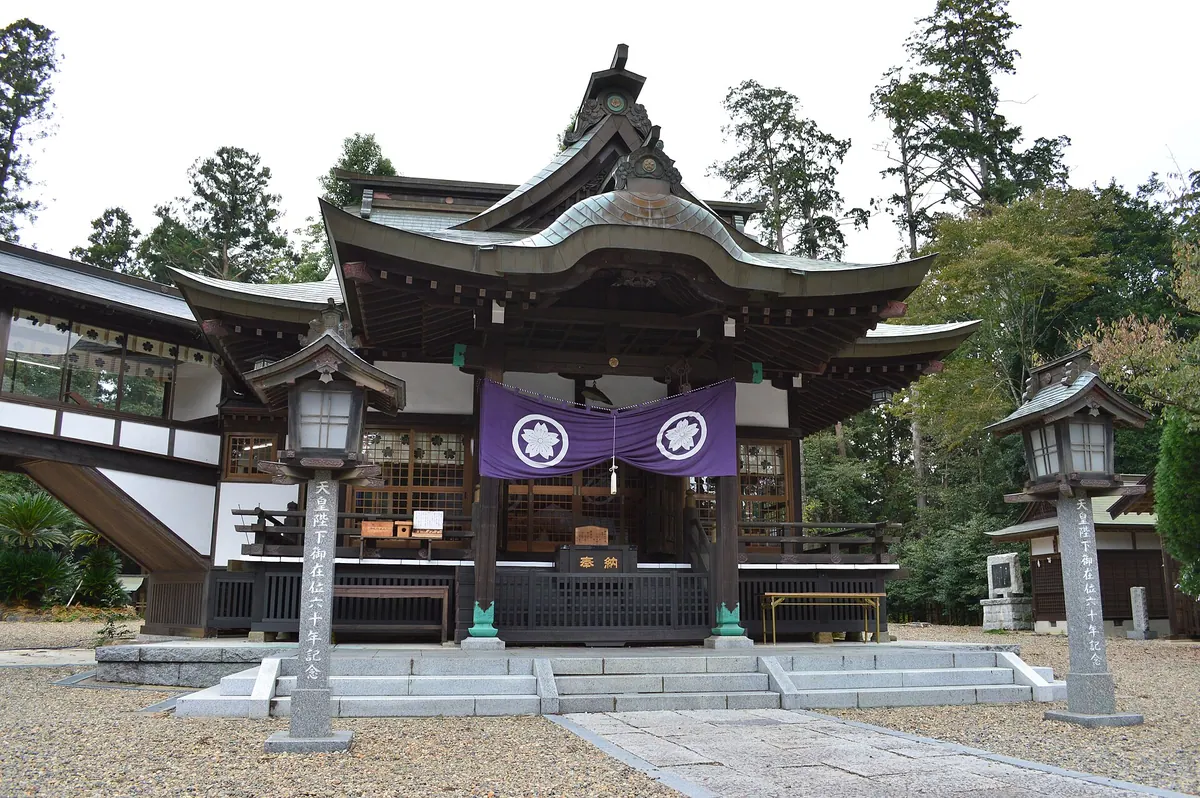
Shizu Shrine is a historic site in Ibaraki, housing important cultural properties and deities.
What it is
- A Shikinaisha and Hitachi Province Ninomiya shrine.
- Dedicated to Takehazuchi-no-mikoto and other deities.
- Its crest is 'Maru ni Sakura' (cherry blossom in a circle).
- Designated a prefectural shrine under the modern system.
What to see
- Main hall, worship hall, and tower gate, rebuilt in Tenpo era.
- A bronze seal, designated an Important Cultural Property.
- Thirty-five painted paper scrolls of the Thirty-Six Immortals of Poetry.
- A large drum, Jin-daiko, a Naka City cultural property.
Getting there
- 1.5km from Shizu Station on the JR Suigun Line.
- Address
- 茨城県那珂市静2 Map
07
Mito Tōshō-gū
IBARAKI · SHRINE 水戸東照宮
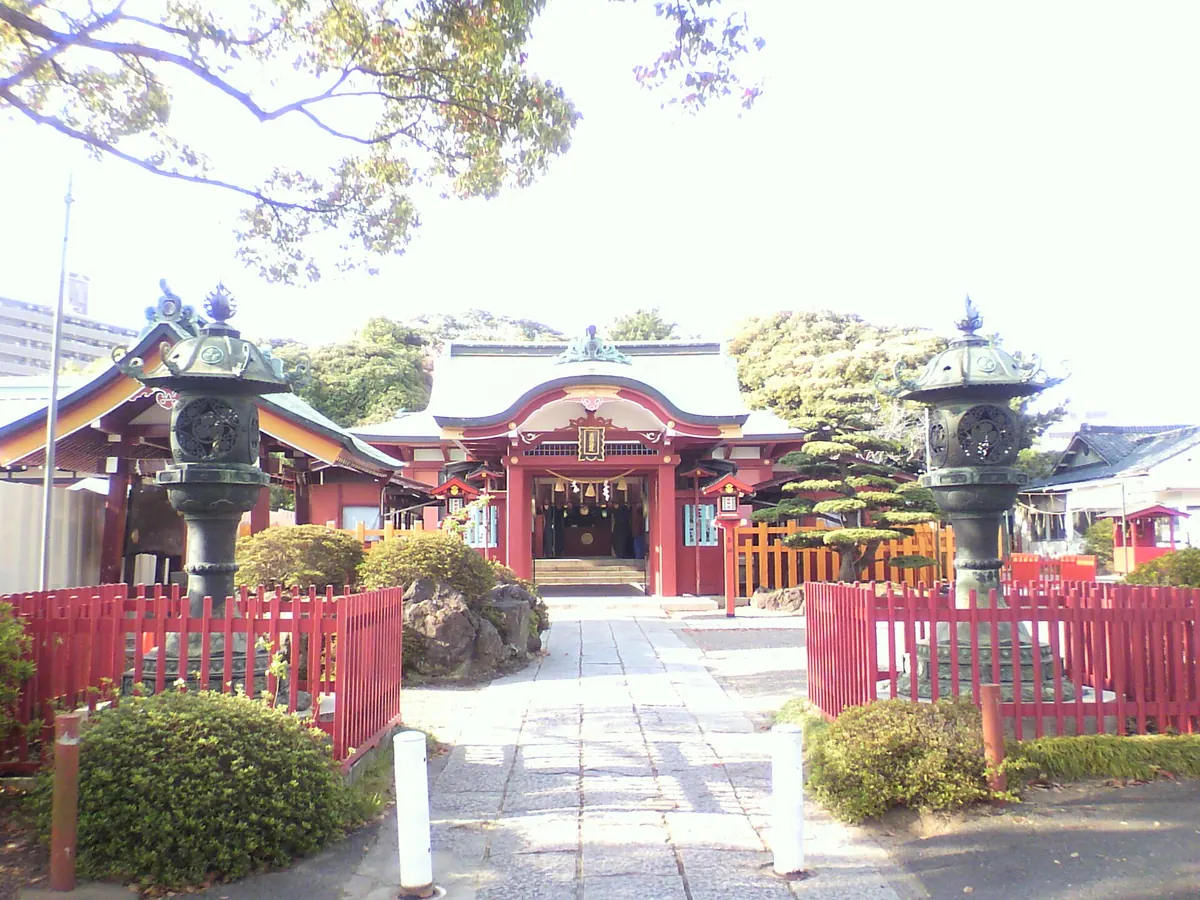
A historic shrine dedicated to Tokugawa Ieyasu featuring Japan's oldest armored oxcart and reconstructed mid-century architecture.
What it is
- A Shinto shrine founded in 1621 by Tokugawa Yorifusa.
- Dedicated to the primary deity Tokugawa Ieyasu and secondary deity Tokugawa Yorifusa.
- Commonly known by the local name Gongen-san.
- Reconstructed in 1962 after the original buildings were destroyed in World War II.
What to see
- The Anshinsha, which is the oldest armored oxcart in Japan.
- A sword signed by Norikane designated as a National Important Cultural Property.
- The main shrine buildings rebuilt in the mid-twentieth century.
- An office building containing a ceremony hall and conference rooms.
- Official site
- gongensan-mito-toshogu.jp
08
Yūkisuwa Shrine
IBARAKI · SHRINE 結城諏訪神社
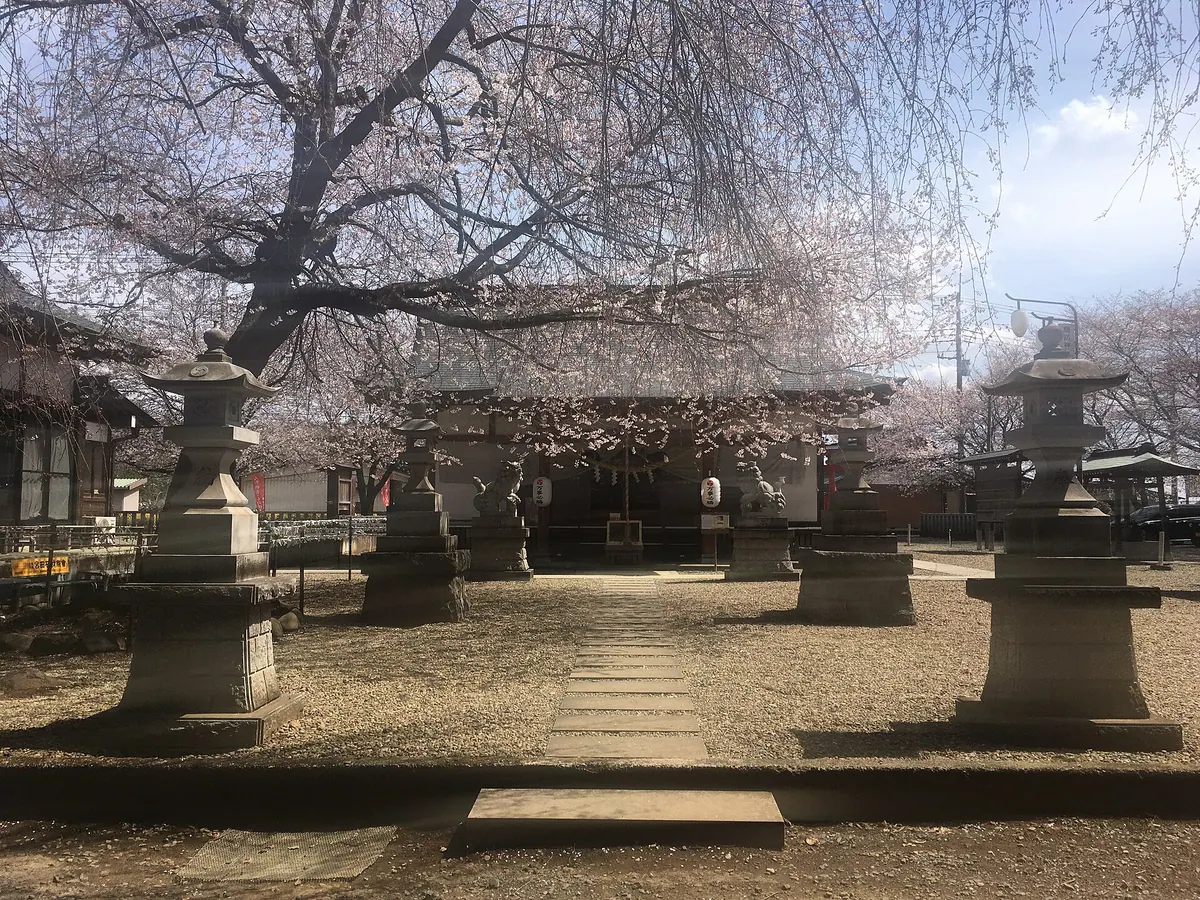
Yūkisuwa Shrine: ancient shrine with cultural properties, worth visiting for history and traditional dance.
What it is
- Also known as Kamiyamakawa Suwa Shrine.
- Founded by Fujiwara Hidesato in 940.
- Dedicated to Takeminakata no Mikoto and Kotoshironushi no Mikoto.
- Fujiwara Hidesato prayed for victory here.
What to see
- Main hall rebuilt in the Muromachi period.
- Main hall is a City Designated Cultural Property.
- Iron arrowheads are City Designated Cultural Properties.
- Six items used by Emperor Meiji are City Designated Cultural Properties.
- Daidai Kagura is a Prefectural Designated Cultural Property.
When to go
- Daidai Kagura consists of 12 dances.
- Address
- 茨城県結城市大字上山川161-1 Map
09
Kanamura Wake Ikazuchi Shrine
IBARAKI · SHRINE 金村別雷神社
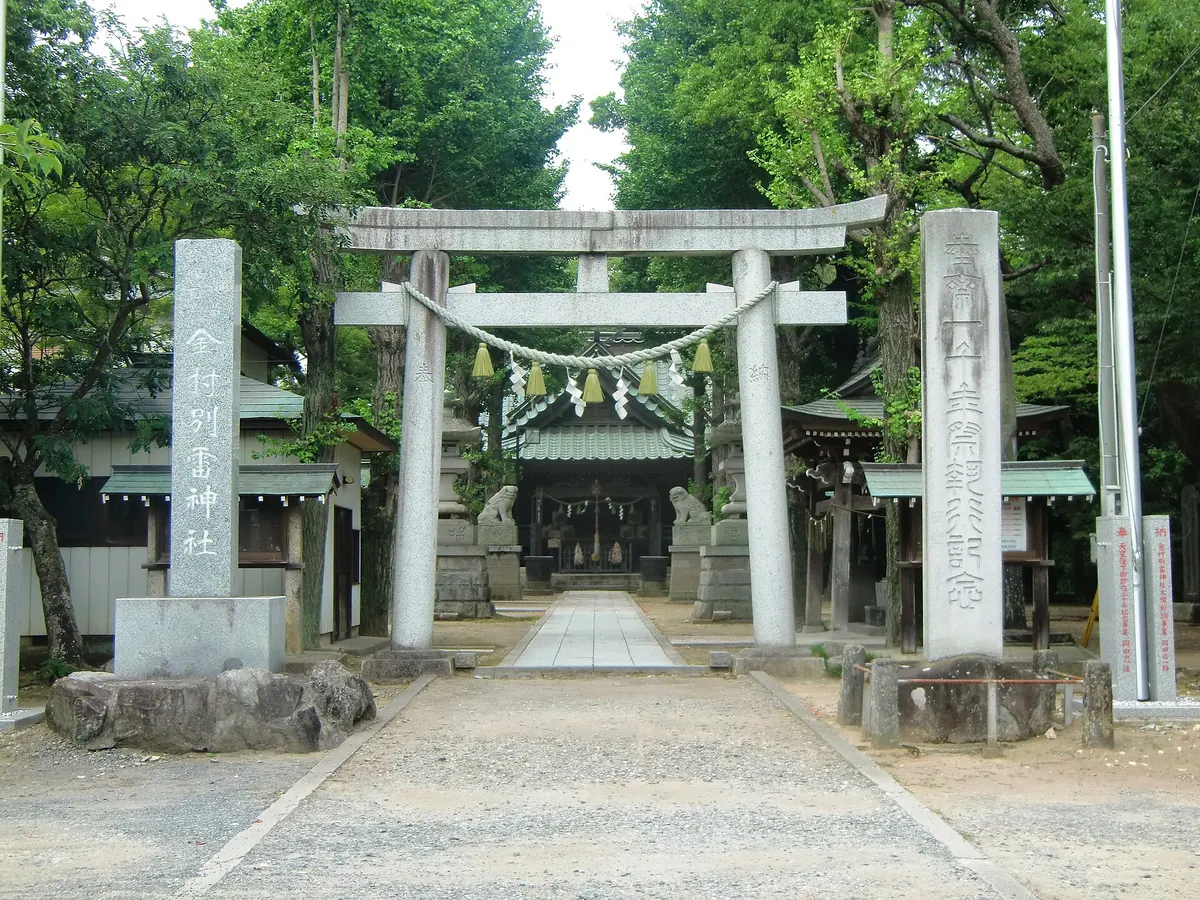
Ancient shrine dedicated to a thunder god, featuring historic buildings and a unique atmosphere.
What it is
- Founded in 931, dedicated to Wake Ikazuchi no Okami.
- One of the Kanto San Raijin (Three Thunder Gods of Kanto).
- Deity associated with rain and protection from lightning.
- Designated an Ibaraki Prefecture Tangible Cultural Property.
What to see
- Main hall built in 1714, covered by a copper-plated building.
- Worship hall, Kagura-den, and corridor rebuilt in 1879.
- Monument to Takegaki Naoharu on the grounds.
- Location for filming TV dramas and movies.
When to go
- Annual festival held on the third Saturday and Sunday of April.
- Address
- 茨城県つくば市上郷8320 Map
10
Kamo-Ōkami-miko-kami-nushi-tama Shrine
IBARAKI · SHRINE 鴨大神御子神主玉神社
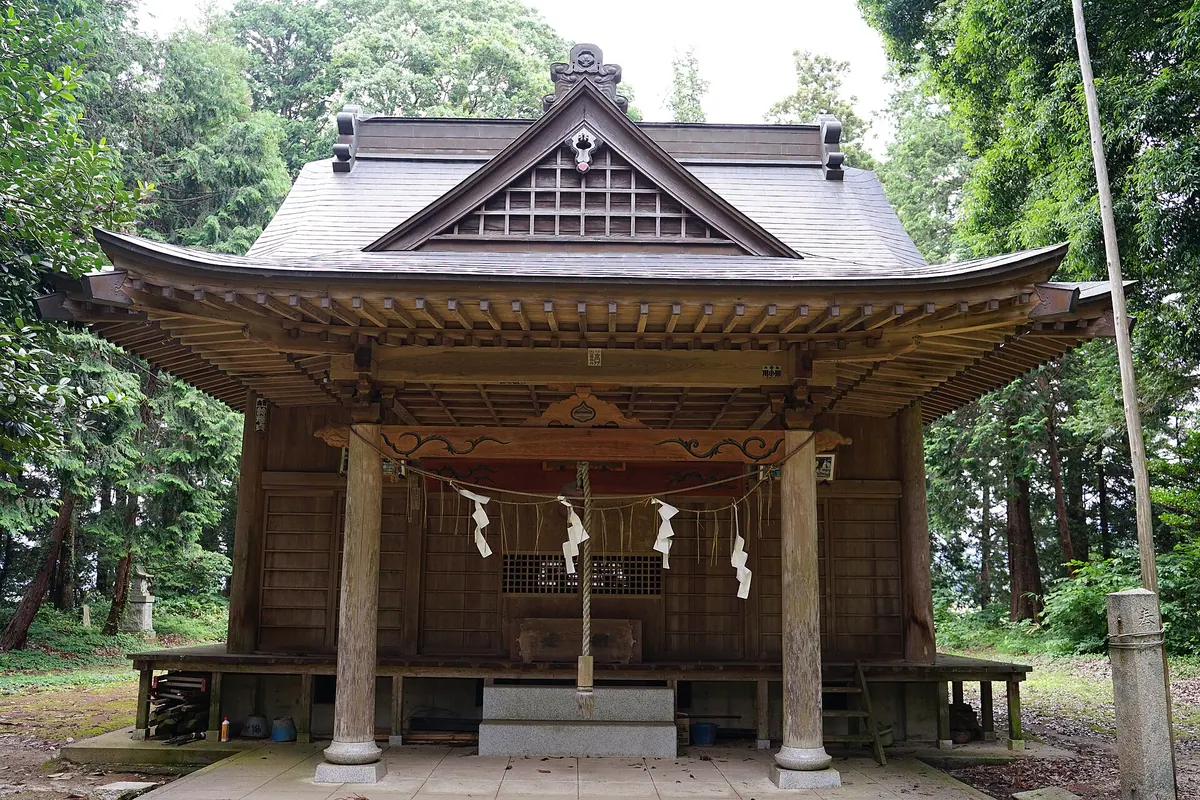
Ancient Kamo-Ōkami-miko-kami-nushi-tama Shrine: see historic buildings and scrolls, attend summer or autumn festivals.
What it is
- Ancient Shinto shrine, founded by 850 AD.
- Dedicated to Wakeikazuchi-no-kami and other deities.
- Identified with the Shikinaisha 'Kamo-Ōkami-miko-kami-nushi Shrine'.
What to see
- Main hall (Honden) is a city cultural property.
- 336 scrolls of Daibanya-haramita-kyō are a prefectural cultural property.
- Several auxiliary shrines are on the grounds.
When to go
- Gion Matsuri festival is held July 24-26.
- Reitaisai festival is held November 14-15.
Getting there
- 15-minute walk from Haguro Station.
- Address
- 茨城県桜川市加茂部694 Map
11
Yorimasa Shrine
IBARAKI · SHRINE 頼政神社
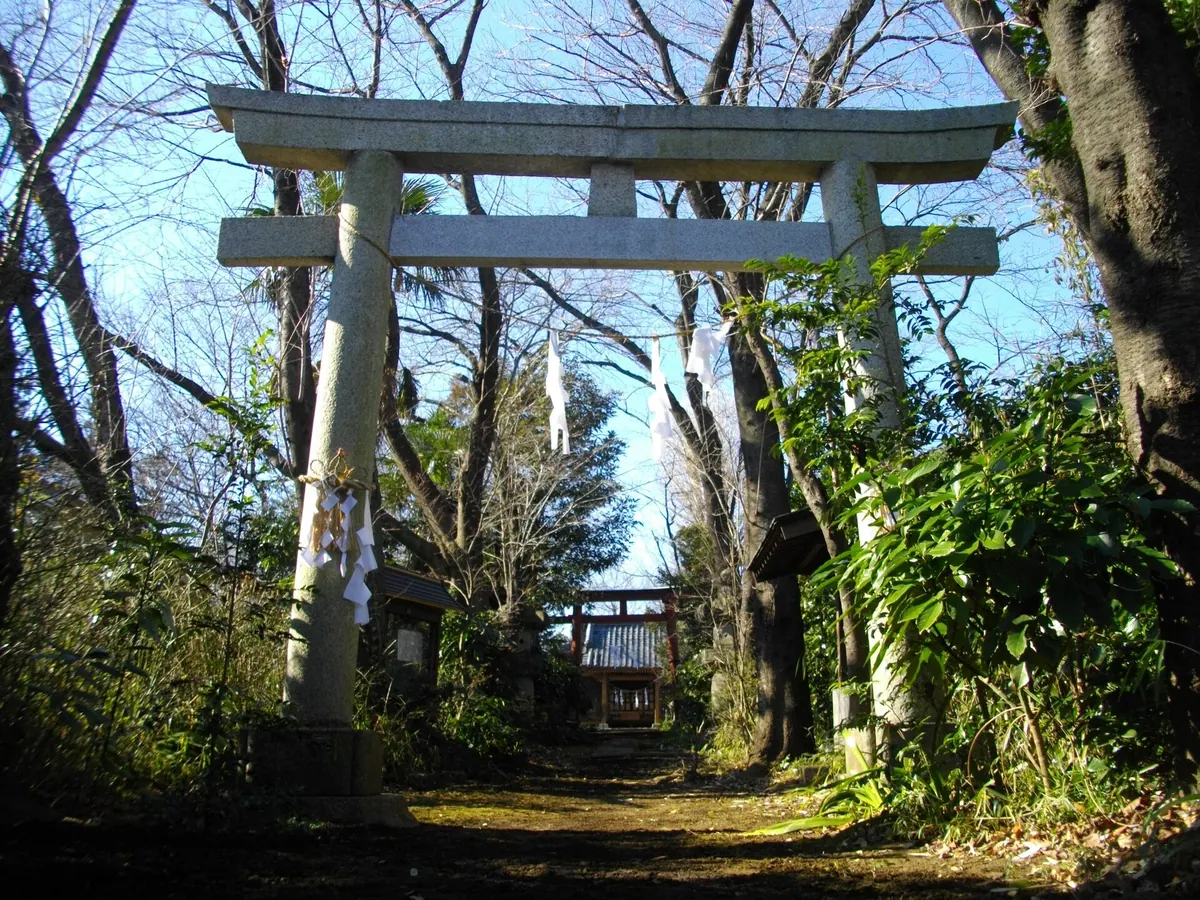
Yorimasa Shrine honors a samurai, offering a glimpse into local history and cultural artifacts.
What it is
- Dedicated to the samurai Minamoto no Yorimasa.
- One theory: founded in 1677 by Doi Toshimasa.
- Another theory: established in 1696 by Matsudaira Nobuteru.
- Relocated in 1912 due to river improvement work.
What to see
- Main hall stands on the Kannonji Kuruwa earthwork.
- Hachiman Shrine, Suijinsha, and Otori Shrine are auxiliary shrines.
- Excavated artifacts from Tatsuzaki Kofun are cultural properties.
- A chozubachi and two stone lanterns are cultural properties.
Getting there
- 15-minute walk from Koga Station.
- Address
- 茨城県古河市錦町9-5 Map
12
Chikatsu Shrine
IBARAKI · SHRINE 近津神社
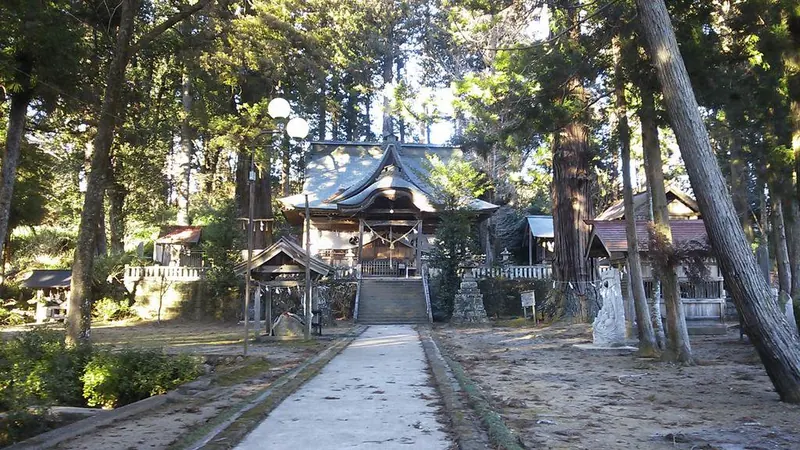
Ancient shrine founded by Yamato Takeru, home to a massive 1200-year-old cedar tree.
What it is
- Also called Shimonimiya Chikatsu Shrine.
- Founded by Yamato Takeru.
- Shrine building constructed in 707.
What to see
- Hoko Sugi tree is a designated natural monument.
- Tree is 43 meters tall, 9.6 meters trunk circumference.
- Hoko Sugi tree is over 1200 years old.
When to go
- Rice Planting Festival held annually on summer solstice.
- Festival practiced since the mid-Edo period.
Getting there
- 5-minute walk from Shimonomiya Station.
- Shimonomiya Station is on the JR Suigun Line.
- Address
- 茨城県久慈郡大子町下野宮1626 Map
13
Kasama Inari Shrine
IBARAKI · SHRINE 笠間稲荷神社
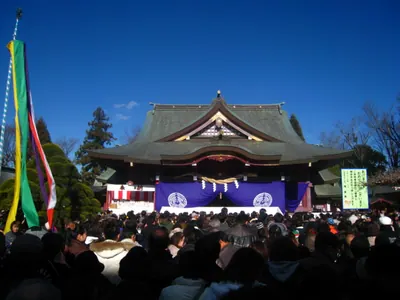
One of Japan's Great Inari Shrines, known for its history and autumn chrysanthemum festival.
What it is
- A Shinto shrine in Kasama City, Ibaraki Prefecture.
- Dedicated to the deity Ukanomitama-no-mikoto.
- One of Japan's Three Great Inari Shrines.
- Founded on April 9th.
What to see
- Main hall built in 1860.
- Main hall is a National Important Cultural Property.
- Large torii gate completed in 2016.
- Torii gate painted in Kasama Vermilion.
- Designated as one of the 100 Landscapes of Ibaraki.
When to go
- Annual festival on April 9th.
- Kasama Chrysanthemum Festival from mid-October to late November.
- Address
- 茨城県笠間市笠間39番地 Map
- Official site
- www.kasama.or.jp
14
Yasaka Shrine
IBARAKI · SHRINE 八坂神社 (土浦市)
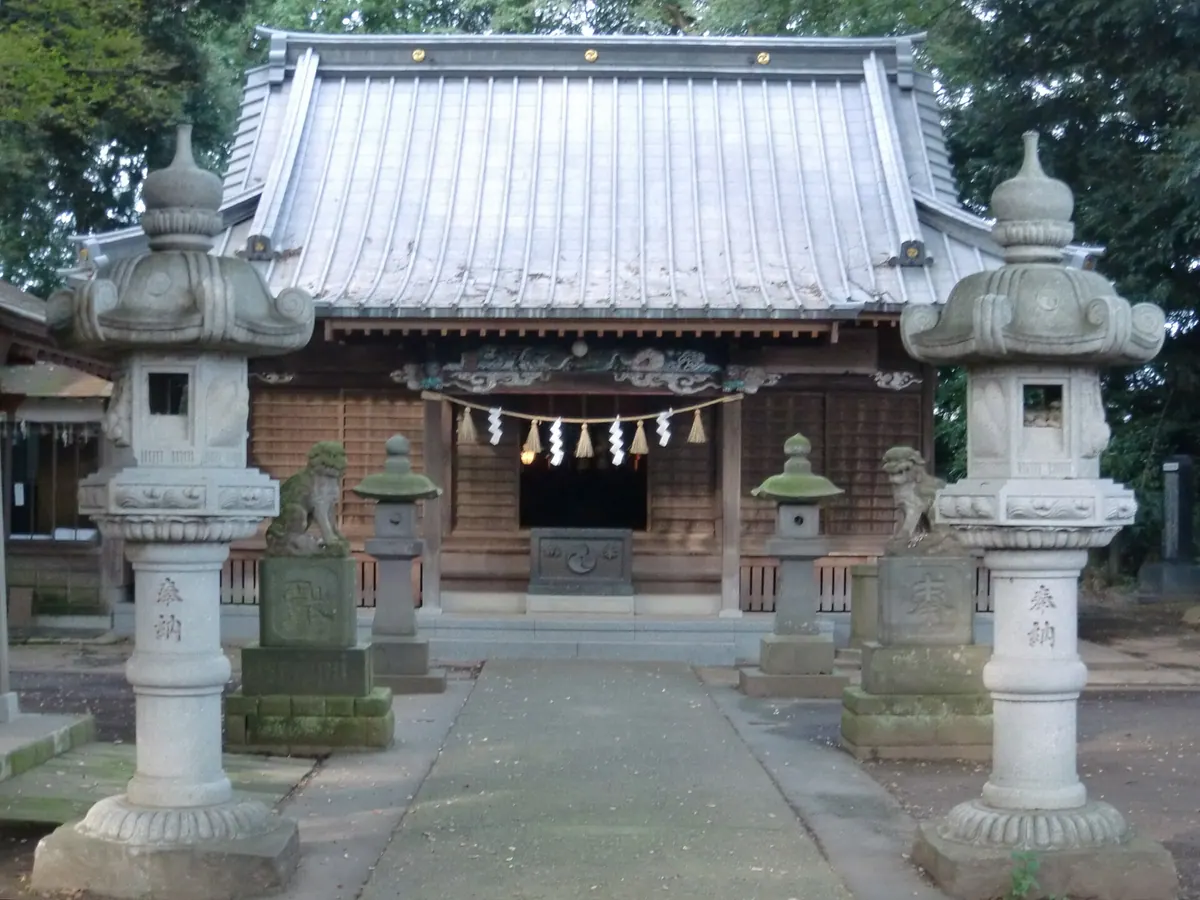
Yasaka Shrine is a historic site in Tsuchiura, revered by local lords, with cultural properties and a summer festival.
What it is
- A shrine dedicated to Susanoo-no-Mikoto and Ugami-no-Mitama-no-Mikoto.
- Known as Gozu Tenno-sha during the Edo period.
- Revered by the Tsuchiya clan, lords of Tsuchiura Domain.
- Merged with Haguro Shrine in 1913.
What to see
- Main hall, worship hall, and heiden are cultural properties.
- Main hall roof displays the 'Mitsuiwa' family crest.
- The sacred object is a statue of Gozu Tenno.
- Located on the edge of the Niihari plateau.
When to go
- Annual festival is held for four days in late July.
- Address
- 茨城県土浦市真鍋5丁目9番1号 Map
15
Hachiman Shrine
IBARAKI · SHRINE 八幡神社
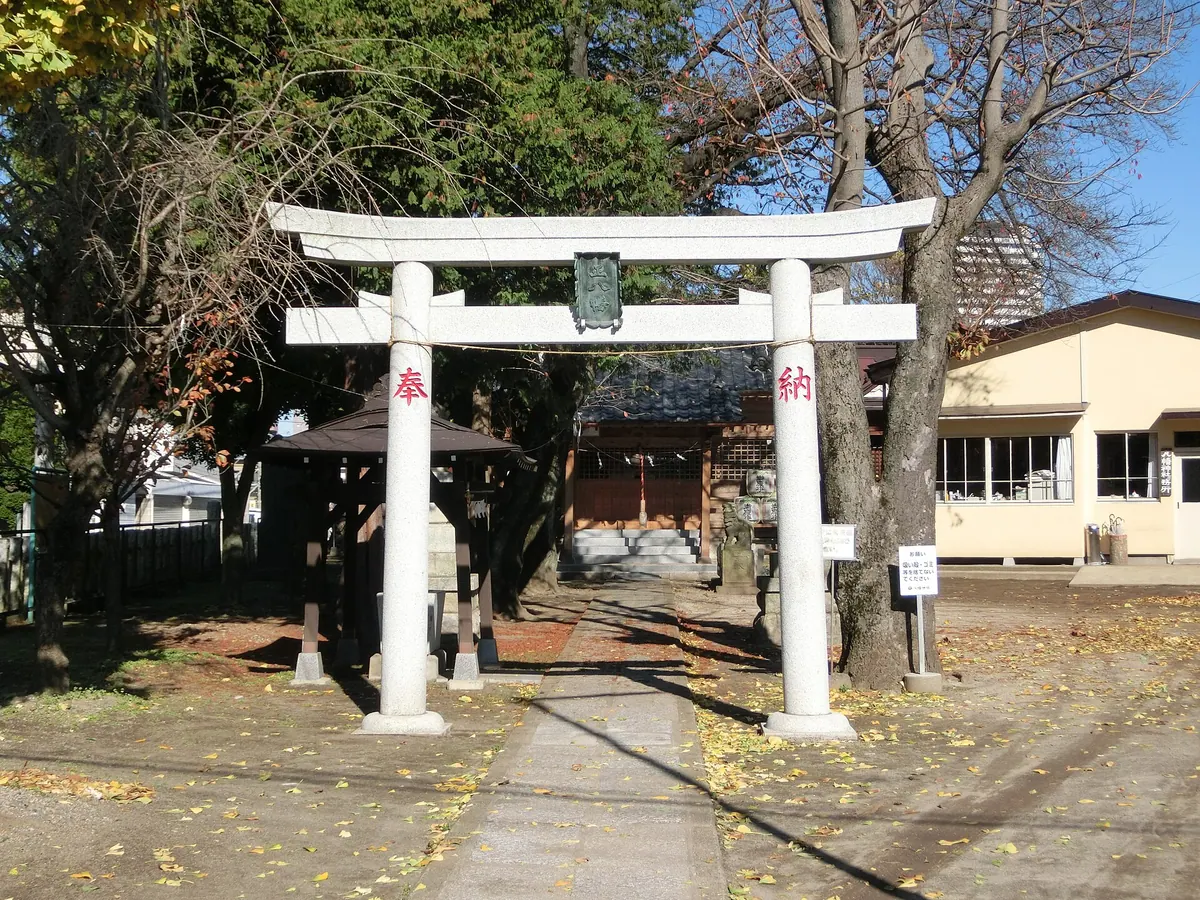
Visit this historic shrine founded in 1446, home to a great ginkgo and ancient documents.
What it is
- A shrine associated with the Koga Kubo.
- Dedicated to Hondawake no Mikoto, Izanami no Mikoto, and Homusubi no Mikoto.
- Founded in 1446 by Ashikaga Shigeuji.
- Moved to its current location in 1642 by Doi Toshikatsu.
What to see
- The main hall, repaired in 1914, with a copper plate roof.
- Hoshi no Miya Shrine, a subordinate shrine.
- The Great Ginkgo of Hachiman Shrine, a natural monument.
- Ashikaga Takamoto's letter, an ancient document.
Getting there
- 9-minute walk from Koga Station.
- Address
- 茨城県古河市本町2-15-15 Map
16
Kabasan Shrine
IBARAKI · SHRINE 加波山神社
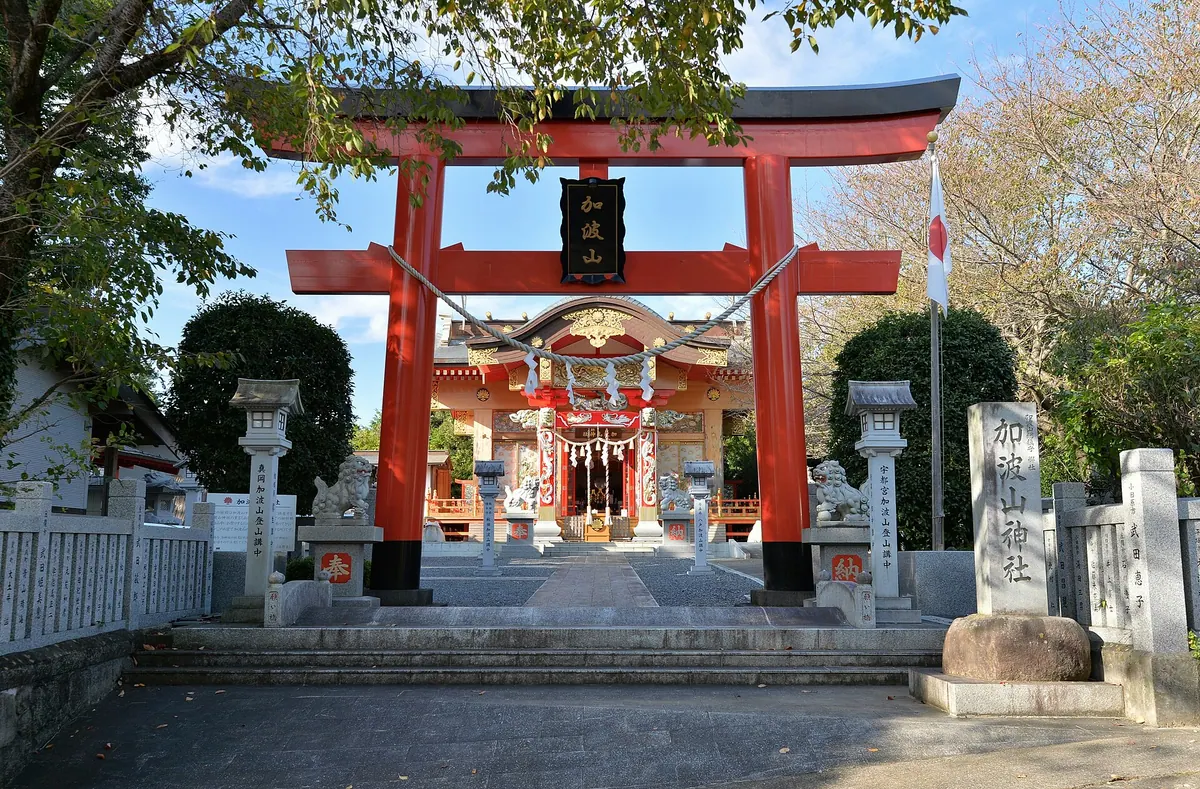
Ancient mountain shrine with unique history, dedicated to 737 deities.
What it is
- A Shinto shrine on Mount Kabasan, Ibaraki Prefecture.
- Founded on ancient mountain worship traditions.
- Dedicated to Kuninotokotachi-no-Mikoto and other deities.
- Was a Shingon Buddhist temple until the Meiji era.
What to see
- Main hall on a ridge north of the summit.
- Worship halls at the eastern and western foothills.
- Propeller from a 1962 plane crash near a worship hall.
When to go
- Kiseru Festival on the first Sunday of September.
- Festival celebrates the tobacco harvest.
- Address
- 中宮本殿・拝殿 - 茨城県石岡市大塚字加波山1 八郷拝殿 - 茨城県石岡市大塚字加波山2399 真壁拝殿 - 茨城県桜川市真壁町長岡891 Map
17
Ōu Shrine
IBARAKI · SHRINE 大生神社
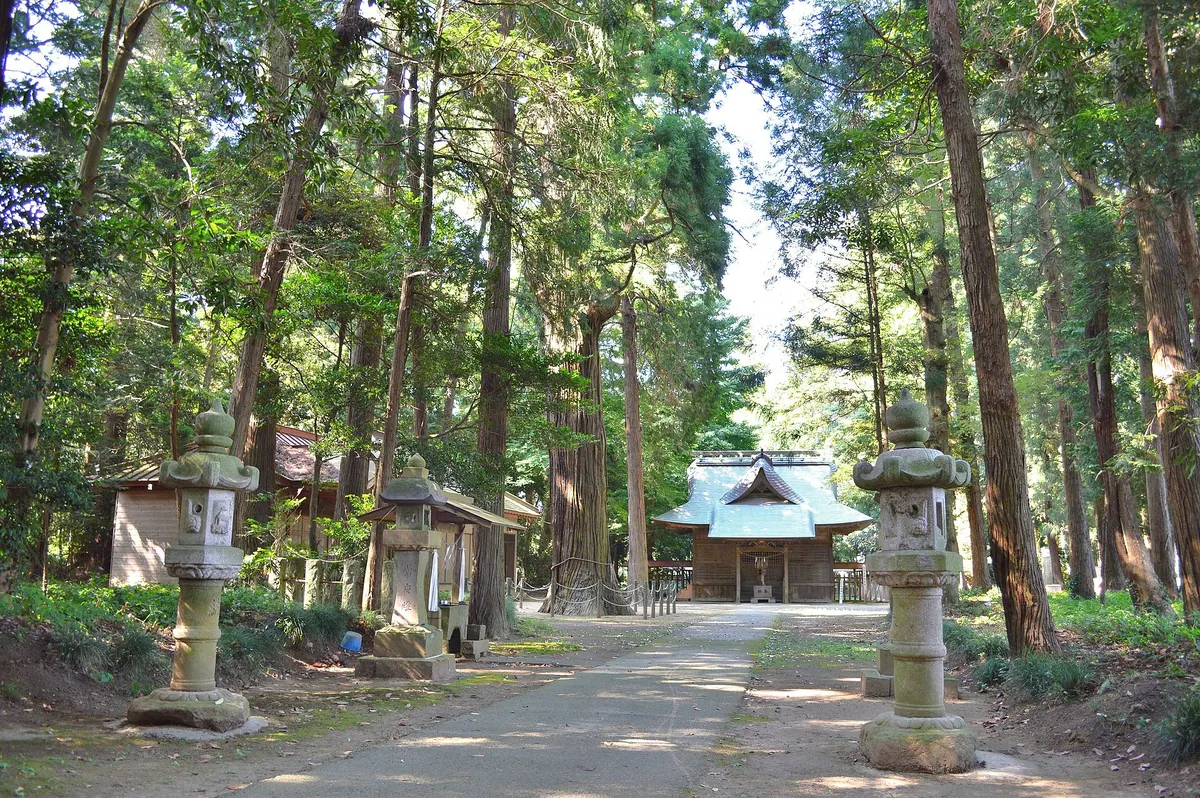
Ōu Shrine is a historic site in Ibaraki, with ancient structures and a significant tree grove.
What it is
- Dedicated to the deity Takemikazuchi-no-ogami.
- Formerly ranked as a Gōsha shrine.
- Main hall constructed in 1590.
What to see
- Main hall is a prefectural cultural property.
- Worship hall and saiden are city cultural properties.
- Tree grove is a prefectural natural monument.
- Ōu Kofun Group has over 110 burial mounds.
- Kofun Group dates to the 5th century.
When to go
- Annual festival is held on November 15th.
- Ōu Shrine Miko-mai ritual is an intangible cultural property.
- Address
- 茨城県潮来市大生814 Map
18
Atago Shrine
IBARAKI · SHRINE 愛宕神社
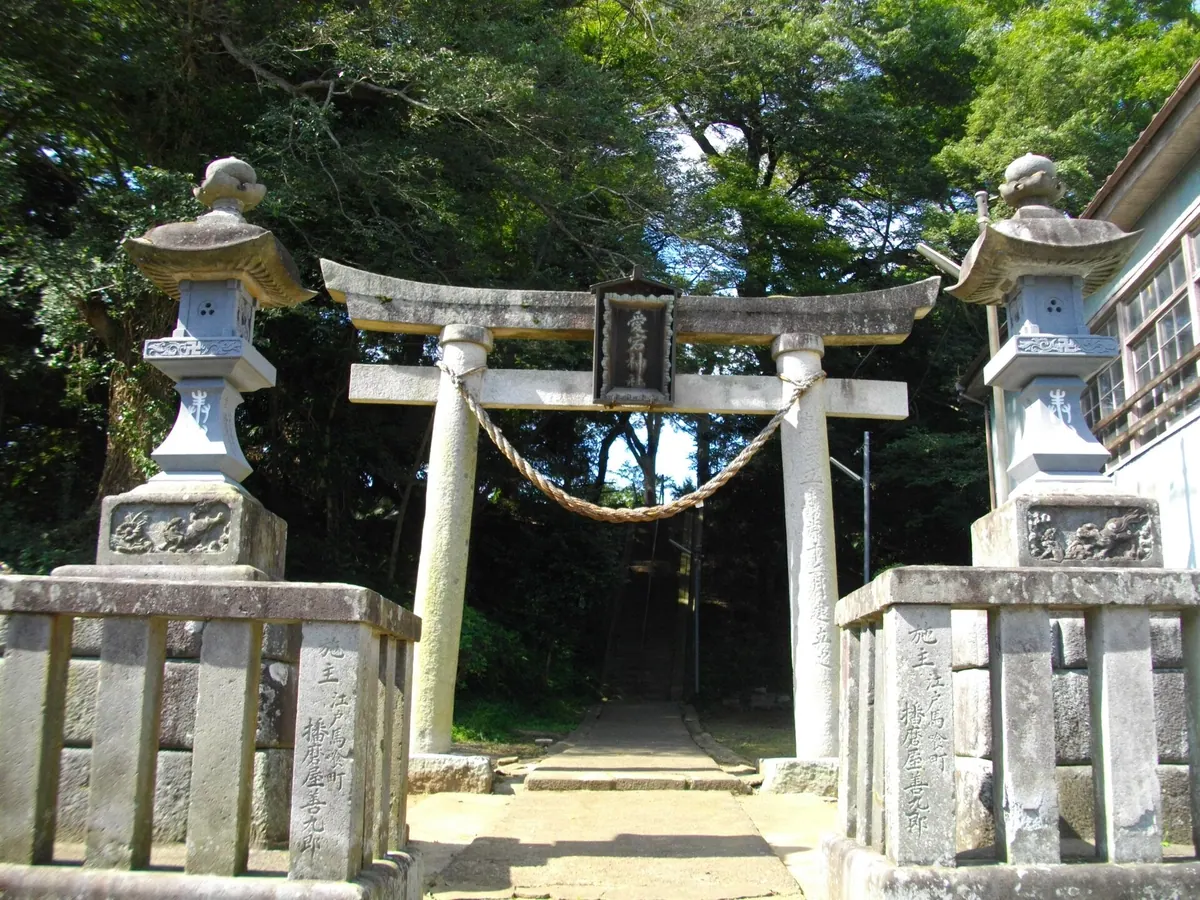
Atago Shrine is a historic fire prevention shrine, worth visiting for its unique architecture and summer festival.
What it is
- Dedicated to Kagutsuchinokami, a deity of fire.
- Known as a god of fire prevention.
- Founded during the Tenkei era (938-947).
- Called Atago Gongen during the Edo period.
What to see
- Main shrine building rebuilt in 1811.
- Main shrine is a designated cultural property.
- Thatched, hip-and-gable roof on the main shrine.
- Main shrine and worship hall are one integrated structure.
When to go
- Gion Festival held in the summer.
- Two to three floats participate in the festival.
- Address
- 茨城県土浦市下高津2丁目8番1号 Map
19
Kamine Shrine
IBARAKI · SHRINE 神峰神社
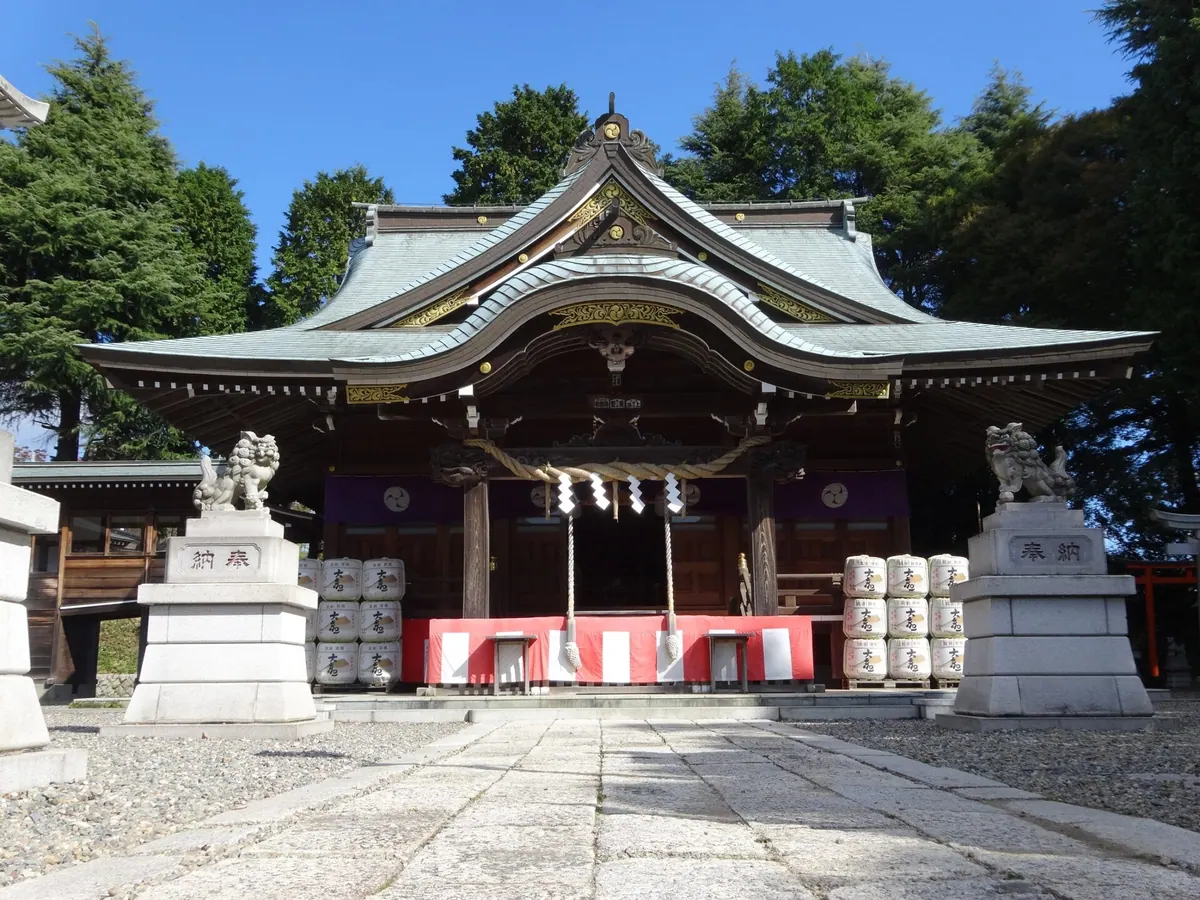
Kamine Shrine is a historic site with unique cultural heritage, offering insight into local traditions.
What it is
- Shrine dedicated to Izanagi-no-mikoto, Izanami-no-mikoto, and Kumanu-no-kusuhi-no-mikoto.
- Relocated to Mount Kamine's summit in 1688.
- Became general guardian of Miyata, Aise, and Sukegawa in 1695.
What to see
- Sato-miya's integrated main hall and worship hall.
- Oku-no-miya's shrine building, constructed in 1916.
- Large floats used in the grand festival.
When to go
- Grand festival features doll play using large floats.
- Festival is a UNESCO Intangible Cultural Heritage.
- Address
- 茨城県日立市宮田町5-1-1 Map
- Official site
- kaminezinzya.org
20
Daihō-hachimangū
IBARAKI · SHRINE 大宝八幡宮
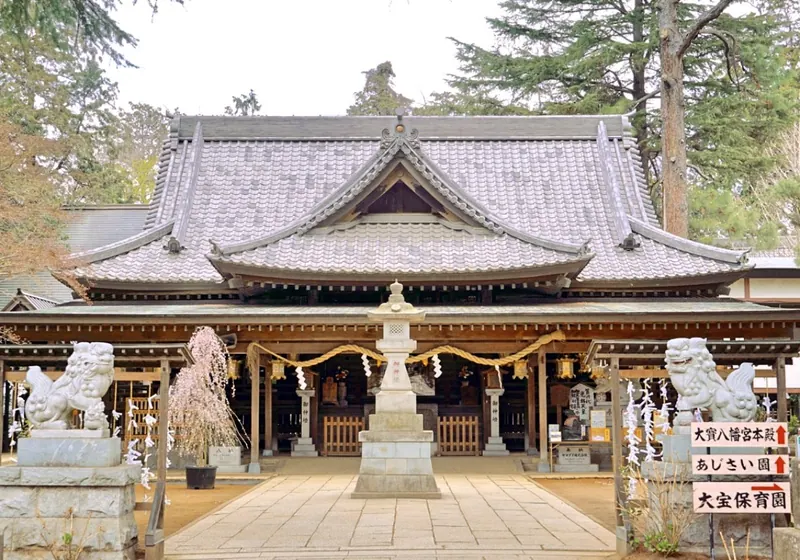
Oldest Hachimangū in Kanto, this shrine offers important cultural properties and a unique sumo ring.
What it is
- Oldest Hachimangū shrine in the Kanto region.
- Founded in 701 by Fujiwara no Tokitada.
- A prefectural shrine, also known as Shimotsuma-gu.
What to see
- Main hall is a National Important Cultural Property.
- Zuikasōchō Hachiryōkyō is a Prefectural Tangible Cultural Property.
- Bronze bell is a Prefectural Tangible Cultural Property.
- Dugout canoe is a Prefectural Tangible Cultural Property.
- Jūniza Kagura is a Municipal Intangible Folk Cultural Property.
- A sumo ring was built in 2001.
- Address
- 茨城県下妻市大宝667 Map