

20 Temples in Iwate worth your time
Japan Gems
Iwate Prefecture has 51 temples, including Shōbō-ji Temple and Chūson-ji Konjikidō. These temples offer a variety of experiences for visitors interested in Japanese religious sites.
Iwate has 52 temples on Japan Gems. Below are the 20 we can tell you the most about — each one written up in English from Japanese sources, with what to see and how to get there. See all temples in Iwate.
01
Hōon-ji Temple
IWATE · TEMPLE 報恩寺
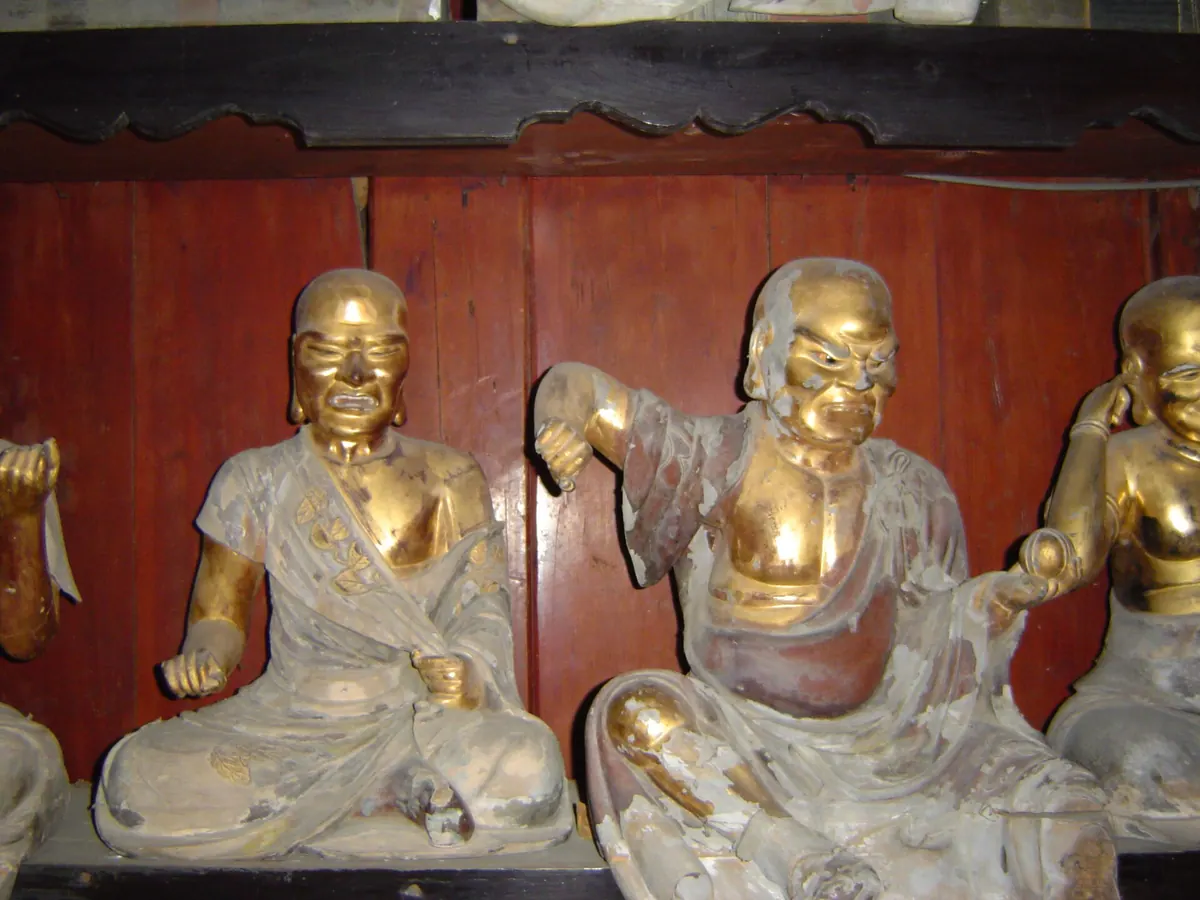
A historic Zen temple in Morioka featuring a renowned collection of five hundred unique Arhat statues and significant local history.
What it is
- A Sōtō Zen Buddhist temple founded in 1394 by Nanbu Moriyuki.
- One of the five major temples known as the Morioka Gozan.
- The primary deity enshrined at this location is Shaka Nyorai.
- The temple moved from Sannohe to its current site in 1601.
What to see
- The Rakan-do hall containing five hundred unique Arhat statues.
- A main hall where Narayama Sado committed ritual suicide in 1869.
- The traditional mountain gate marking the entrance to the grounds.
- City-designated cultural properties including the Rakan-do and its statues.
When to go
- Weekly Zen meditation sessions are held every Saturday.
Getting there
- The temple is a five-minute walk from the Kitayama bus stop.
02
Chūson-ji Konjikidō
IWATE · TEMPLE 中尊寺金色堂

Chūson-ji Konjikidō is a golden Buddhist hall housing mummified remains of the Fujiwara lords.
What it is
- A Buddhist hall in Hiraizumi, Iwate Prefecture.
- Built in 1124 by Fujiwara Kiyohira.
- Representative of Heian period Pure Land Buddhist architecture.
- Designated as a National Treasure.
What to see
- Small hall, 5.5 meters on each side.
- Entirely covered in gold leaf, inside and out.
- Four pillars decorated with maki-e and mother-of-pearl.
- Central altar with mummified remains of Fujiwara Kiyohira.
- Right altar with mummified remains of Fujiwara Motohira and Yasuhira's head.
- Left altar with mummified remains of Fujiwara Hidehira.
- Address
- 岩手県西磐井郡平泉町平泉 Map
- Official site
- www.chusonji.or.jp
03
Kōshō-ji Temple
IWATE · TEMPLE 光勝寺
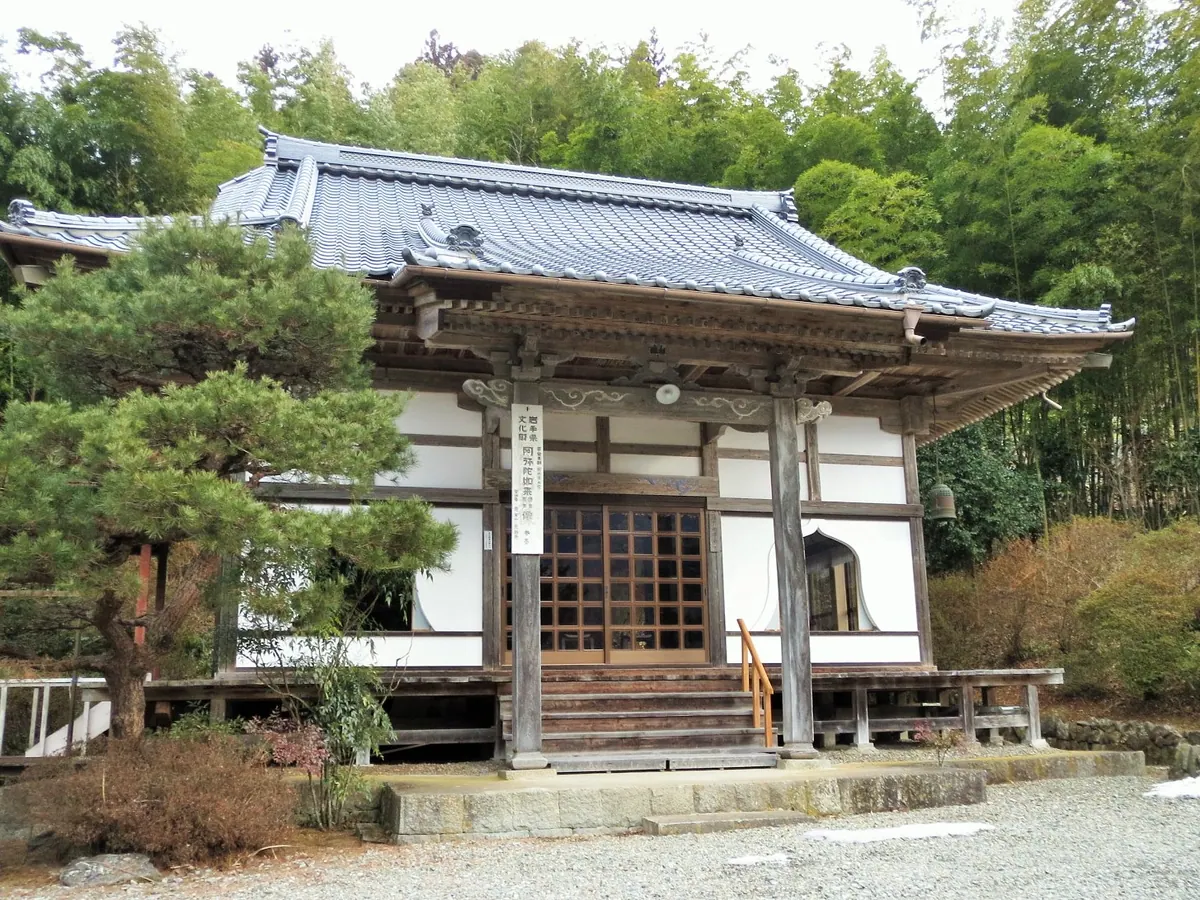
Kōshō-ji Temple is a historic Shingon temple with important wooden Buddhist statues.
What it is
- A Shingon-shu Chizan-ha Buddhist temple.
- Its mountain name is Kihōzan.
- Began as an Amidado built by the Fujiwara clan.
- The principal image is Amitābha Nyorai.
What to see
- A 52.0cm wooden Amitābha Nyorai seated statue.
- This statue is a designated cultural property.
- Wooden Kannon and Seishi Bosatsu seated statues.
- These statues are also designated cultural properties.
Getting there
- 2-minute walk from Setamai Bus Stop.
- 25-minute drive from Sanriku Expressway Ōfunato Interchange.
- Address
- 岩手県気仙郡住田町 鉢ケ森26 Map
04
Kokuseki-ji Temple
IWATE · TEMPLE 黒石寺

Kokuseki-ji Temple, founded in 729, houses important Buddhist statues and hosts a unique festival.
What it is
- A Tendai sect temple.
- Founded in 729 by Gyoki.
- Rebuilt in 807 by Sakanoue no Tamuramaro.
- Restored in 849 by Ennin (Jikaku Daishi).
What to see
- Wooden seated Yakushi Nyorai statue, a National Important Cultural Property.
- Wooden seated monk statue, a National Important Cultural Property.
- Wooden Four Heavenly Kings statues, National Important Cultural Properties.
- Wooden Nikko and Gakko Bosatsu statues, Iwate Prefecture Cultural Properties.
When to go
- Known for the Somin-sai festival.
- Address
- 岩手県奥州市水沢黒石町字山内17 Map
05
Chōkoku-ji
IWATE · TEMPLE 長谷寺

Chōkoku-ji is a historic temple housing important Kannon statues, easily accessible by train.
What it is
- A Shingon-shu Chizan-ha Buddhist temple.
- Founded in the early Heian period by Sakanoue Tamuramaro.
- Relocated to its current site in 1625.
- Main image is an Eleven-faced Kannon.
What to see
- Current main hall, built in 1705.
- Kannon-do, rebuilt in 1716.
- Three wooden Eleven-faced Kannon Bodhisattva statues.
- One wooden Nyorai seated statue.
- Statues are prefectural tangible cultural properties.
Getting there
- 20-minute walk from Sanriku Railway Sakari Station.
- Address
- 岩手県大船渡市猪川町字長谷堂127 Map
06
Fumon-ji Temple
IWATE · TEMPLE 普門寺
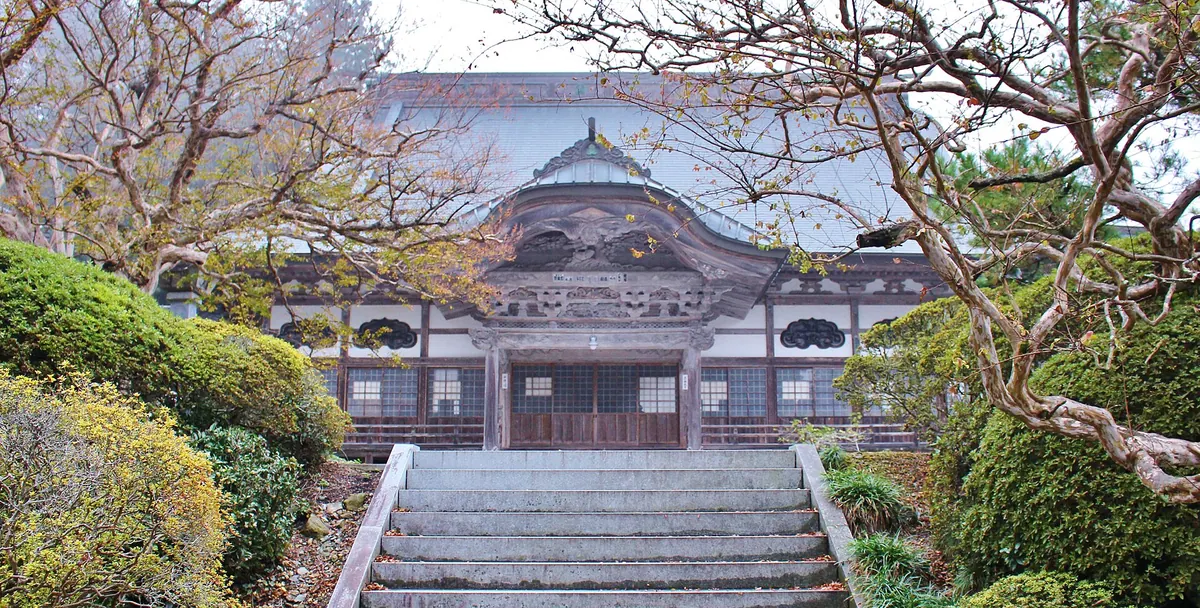
Fumon-ji Temple is a Soto Zen temple with a historic pagoda and unique cultural treasures.
What it is
- A Soto Zen Buddhist temple.
- Its mountain name is Kaiganzan.
- Dedicated to Shokannon Bosatsu.
- The 29th site of the Oshu Thirty-three Kannon Pilgrimage.
What to see
- The current main hall, built in 1877.
- A three-storied pagoda, 12.5m tall, built in 1809.
- A designated wooden seated statue of Shokannon.
- A silk painting of Aizen Myoo from the Muromachi period.
- A designated natural monument crape myrtle tree, over 300 years old.
- A Guinness World Record display of tsurushi kazari.
- Address
- 岩手県陸前高田市 米崎町字地竹沢181 Map
- Official site
- fumonji-iwate.jp
07
Jōken-ji Temple
IWATE · TEMPLE 常堅寺
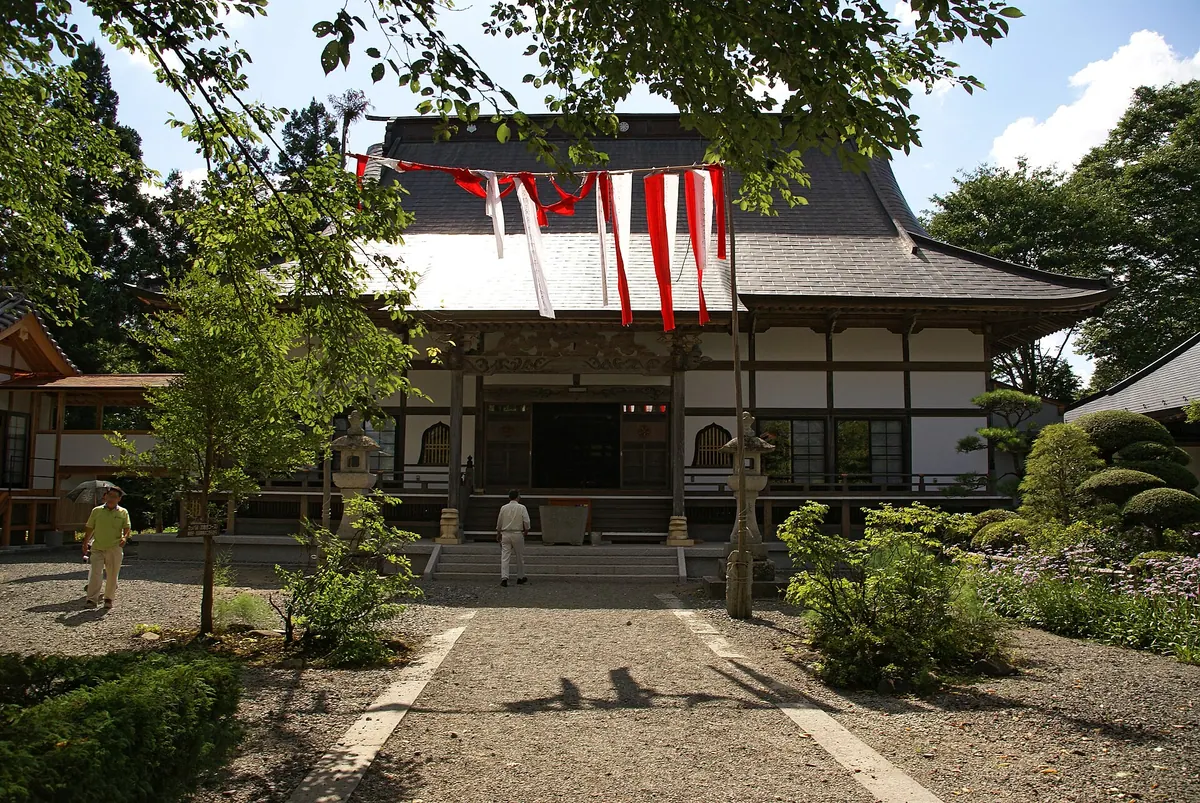
Jōken-ji Temple is a historic Zen temple known for its unique kappa statues and tranquil setting.
What it is
- A Sōtō Zen temple.
- Founded in 1490 by Tamon Shūshu.
- Known for its Kappa Komainu.
- Located in Tōno City, Iwate Prefecture.
What to see
- An eight-legged temple gate.
- Nio statues enshrined in the gate.
- Main hall with an Obinzuru-sama wooden statue.
- Jūōdō has a pair of Kappa Komainu.
- Adjacent to Kappa-buchi.
When to go
- Open daily from 8:30 AM to 4:30 PM.
Getting there
- 5-minute walk from Denshōen-mae bus stop.
- Address
- 岩手県遠野市土淵町土淵7-50 Map
08
Banzō-ji Temple
IWATE · TEMPLE 萬蔵寺
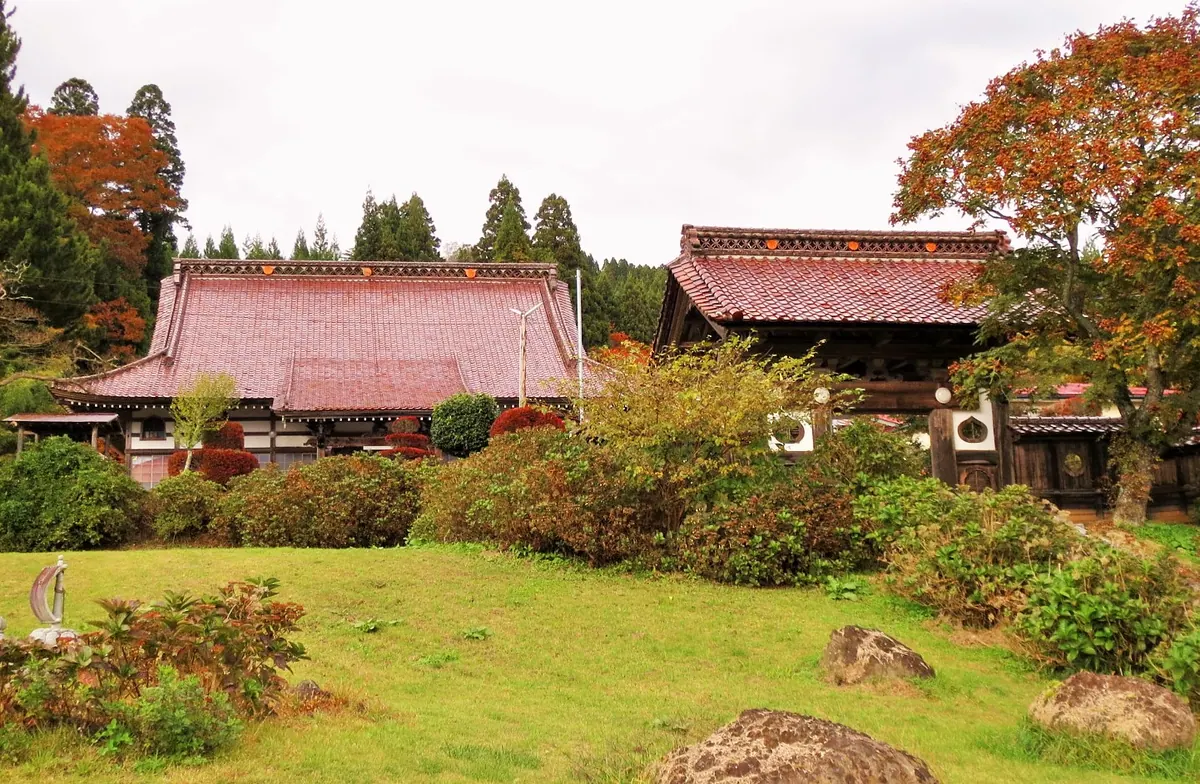
Manzo-ji is a Soto Zen temple known for its many historic statues and hydrangeas.
What it is
- A Soto Zen Buddhist temple.
- Its mountain name is Kinpozan.
- Known as Hydrangea Temple.
What to see
- Many statues are tangible cultural properties.
- Main image is a wooden seated Yakushi Nyorai statue.
- A wooden Shinto deity statue.
- Two wooden standing Eleven-faced Kannon statues.
- Two wooden standing male deity statues.
- A wooden standing female deity statue.
Getting there
- 10-minute drive from Esashi Tase IC on E46 Kamaishi Expressway.
- Address
- 岩手県北上市口内町金峯山44 Map
09
Chōjagahara temple ruins
IWATE · TEMPLE 長者ヶ原廃寺跡
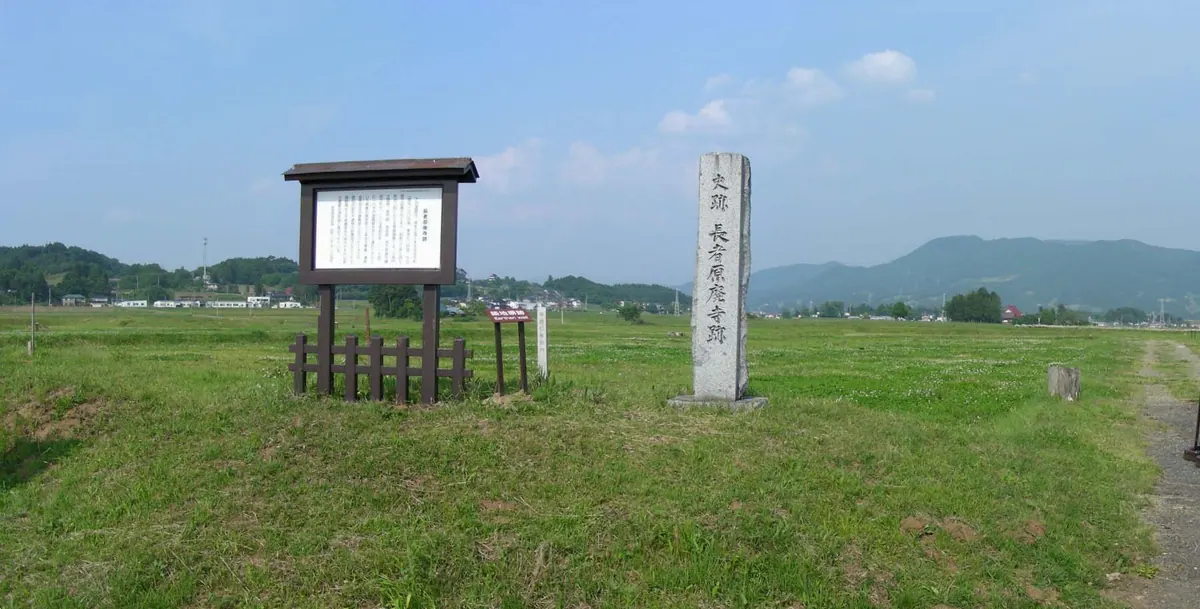
Explore Heian-period temple ruins built by the Abe clan, offering a glimpse into ancient Japanese Buddhist rituals.
What it is
- Heian-period temple ruins, founded by the Abe clan.
- Dedicated to Buddhist rituals, not for monk training.
- Presumed to have burned down during the Former Nine Years' War.
- Designated a National Historic Site in 2005.
What to see
- Excavated 100m earthen wall and main hall foundations.
- Remains of the west building and south gate.
- Foundation stones quarried from Mt. Tabashine.
Getting there
- Located 1 kilometer north of Chūson-ji Temple.
10
Sekiō-ji Temple
IWATE · TEMPLE 石応寺
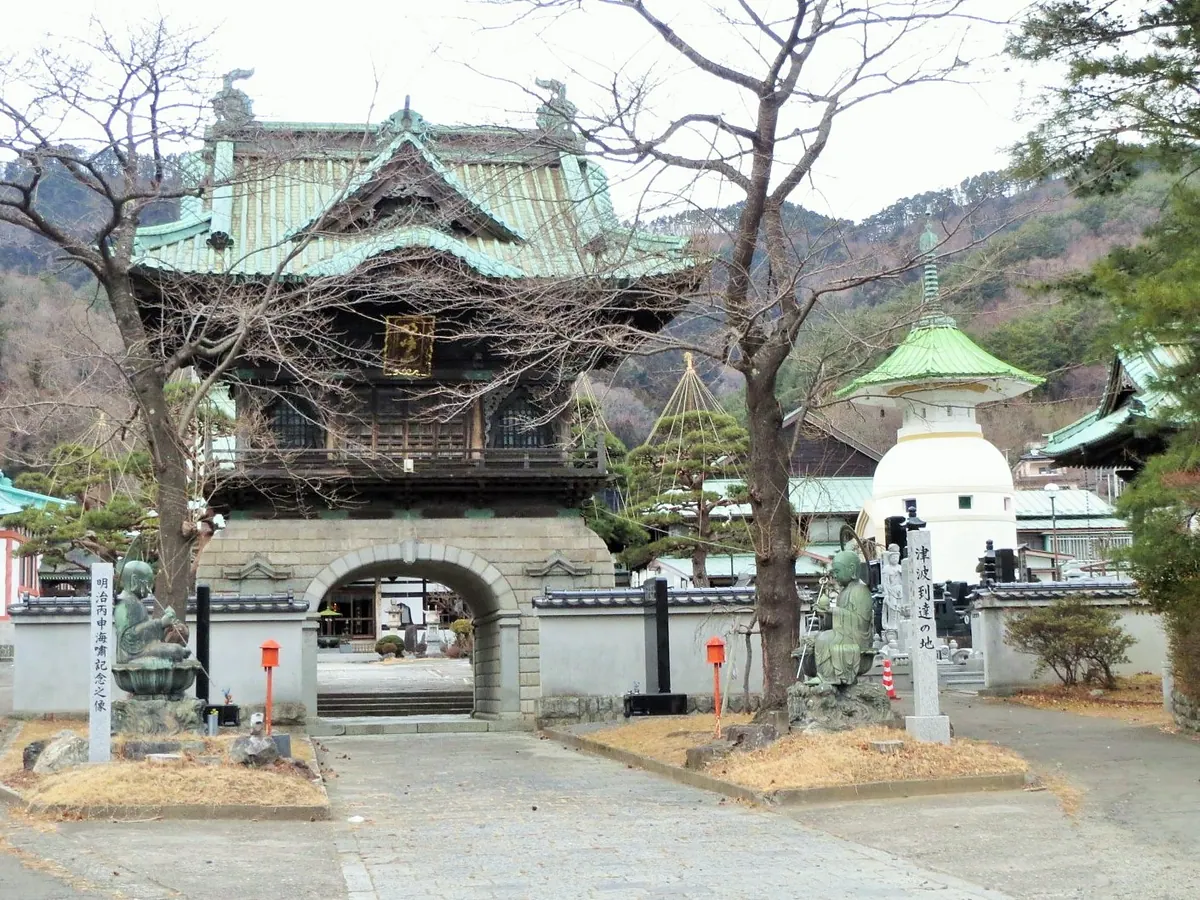
Sekiō-ji Temple is a historic Sōtō Zen temple known for its large Kannon statue.
What it is
- A Sōtō Zen temple.
- Founded in 1665 by Chōan Rinzon.
- Principal image is Shaka Nyorai.
- Known for building the Kamaishi Daikannon.
What to see
- The Kamaishi Daikannon.
- A stupa built in 1965.
- Shaka Nyorai, Monju Bosatsu, and Fugen Bosatsu statues.
- Two tangible cultural properties designated in 1970.
- The Tokuji Stele, created in 1308.
- A bronze statue of Shō Kannon from 1725.
Getting there
- 15-minute walk from Kamaishi Station.
- Address
- 岩手県釜石市大只越町1-1-1 Map
- Official site
- kamaishi-daikannon.com
11
Takadachi Gikeidō
IWATE · TEMPLE 高舘義経堂

Historic hill site where Minamoto no Yoshitsune died, offering scenic views and a statue.
What it is
- Known as the place of Minamoto no Yoshitsune's death.
- Originally the residence of Fujiwara no Motonari.
- Yoshitsune committed suicide here in 1189.
- Designated a National Place of Scenic Beauty in 2014.
What to see
- Yoshitsune-do, rebuilt in 1808.
- Wooden statue of Yoshitsune, built in 1683.
- Armored statue of Yoshitsune enshrined inside.
- Memorial tower for Yoshitsune and his retainers.
- Located on a hill on the left bank of the Kitakami River.
- Official site
- www.motsuji.or.jp
12
Gokuraku-ji Temple
IWATE · TEMPLE 極楽寺
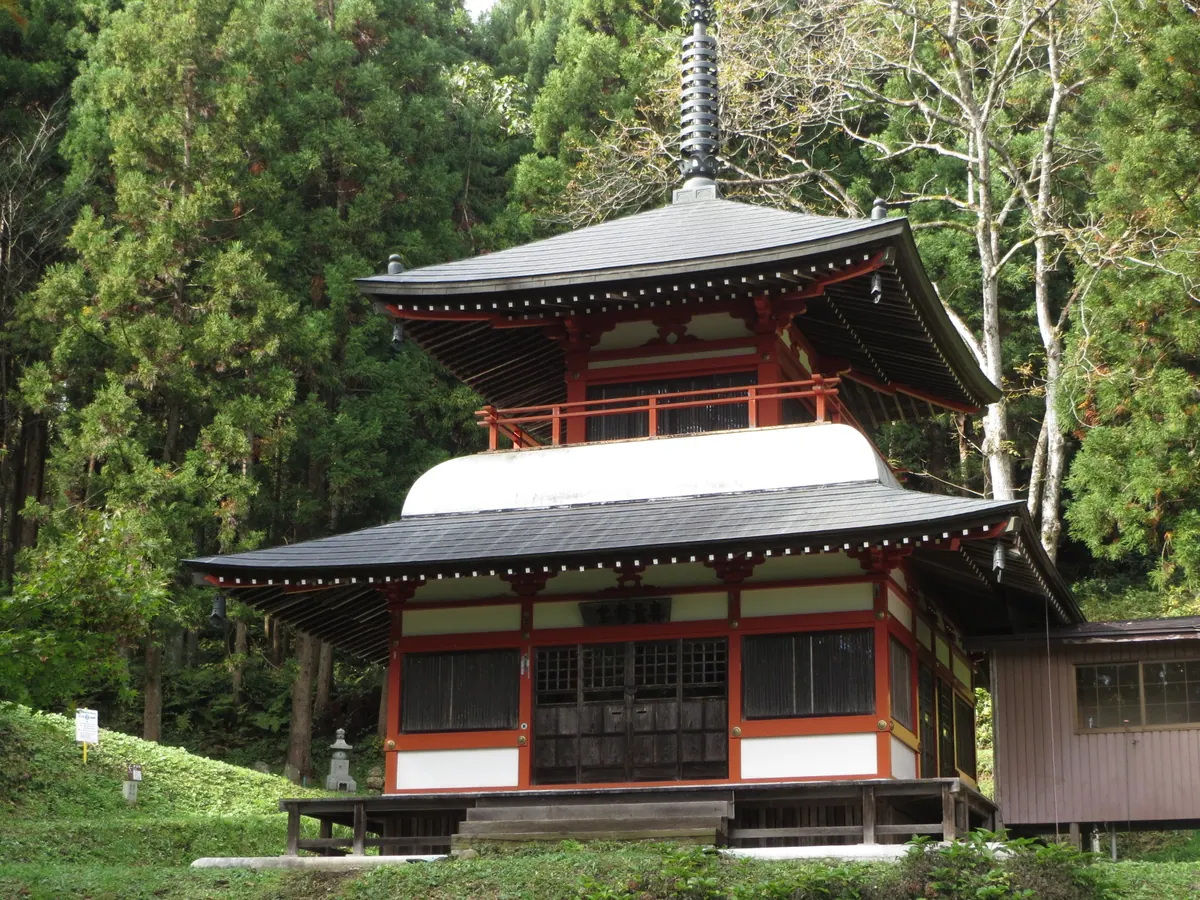
Gokuraku-ji Temple, a historic Shingon-shu temple, preserves ancient statues and artifacts.
What it is
- A Shingon-shu Chizan-ha temple.
- Founded in the 9th century.
- Flourished in the Heian period.
- Sakanoue Tamuramaro enshrined Bishamonten here.
What to see
- Temple ruins are a National Historic Site.
- Tachibana Bishamondo houses wooden Bishamonten statues.
- Wooden Niten statues are also in Tachibana Bishamondo.
- These statues are Important Cultural Properties.
- Four bronze dragon heads are preserved.
- One bronze shakujo head is preserved.
- Address
- 岩手県北上市稲瀬町内門岡30 Map
13
Mōtsū-ji Temple
IWATE · TEMPLE 毛越寺
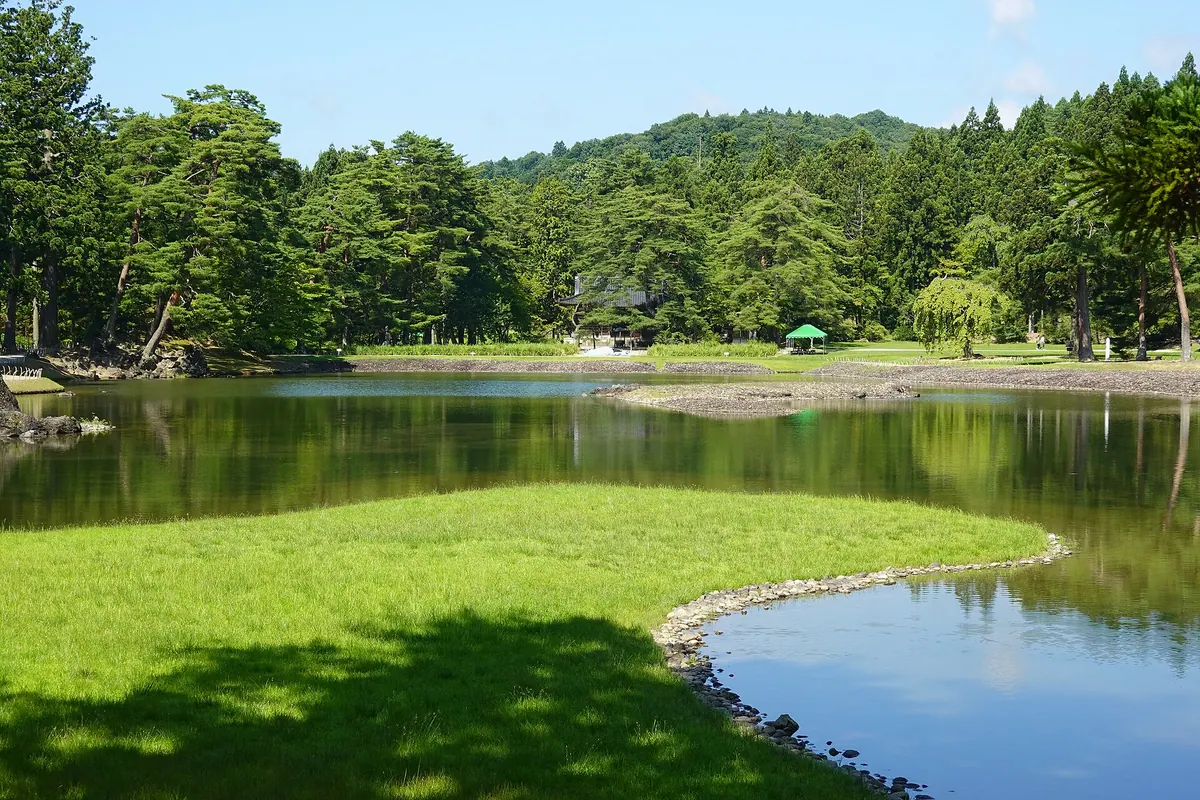
Mōtsū-ji Temple offers a rare look at Heian period culture through its intact foundation stones and original pond.
What it is
- Temple founded in 850 by Buddhist priest Ennin.
- Embodies Heian period culture (794-1185).
- Part of a UNESCO World Heritage site since 2011.
- Designated a Special Historic Site and Place of Scenic Beauty.
What to see
- Foundation stones of original temple buildings.
- Original pond, very rare for its age.
- Pure Land-style garden representing Buddhist paradise.
- Earthen mounds from past structures.
- New main hall (hondō) completed in 1989.
- Address
- 岩手県西磐井郡平泉町平泉字大沢58 Map
- Official site
- www.motsuji.or.jp
14
Kura hasama-kannon Temple
IWATE · TEMPLE 鞍迫観音
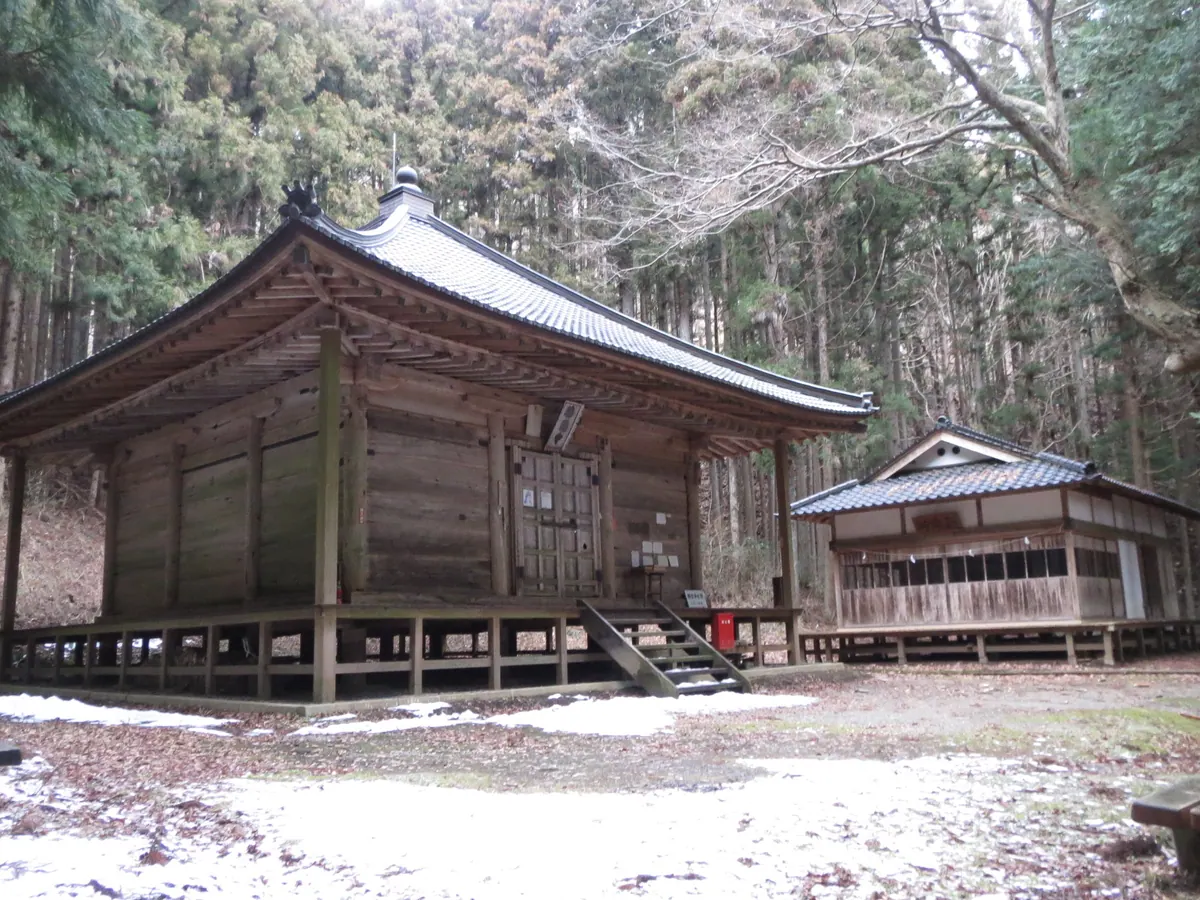
Visit this ancient temple to see a rare Kannon statue and one of Japan's oldest mathematical tablets.
What it is
- A temple in Tono City, formally named Fukutakiji.
- It is the 4th temple of Tono Shichikannon.
- Founded in 852, it is dedicated to Kannon.
What to see
- The main image is an Eleven-faced Kannon statue.
- The Kannon-do hall was rebuilt in 1670.
- The Kannon-do hall is a designated cultural property.
- A Sangaku (mathematical tablet) from 1743.
- The Sangaku is the second oldest in Iwate Prefecture.
- The Sangaku is the eighth oldest in Japan.
- Address
- 岩手県遠野市宮守町上鱒沢18地割 Map
15
Yamaya Kannon Temple
IWATE · TEMPLE 山谷観音
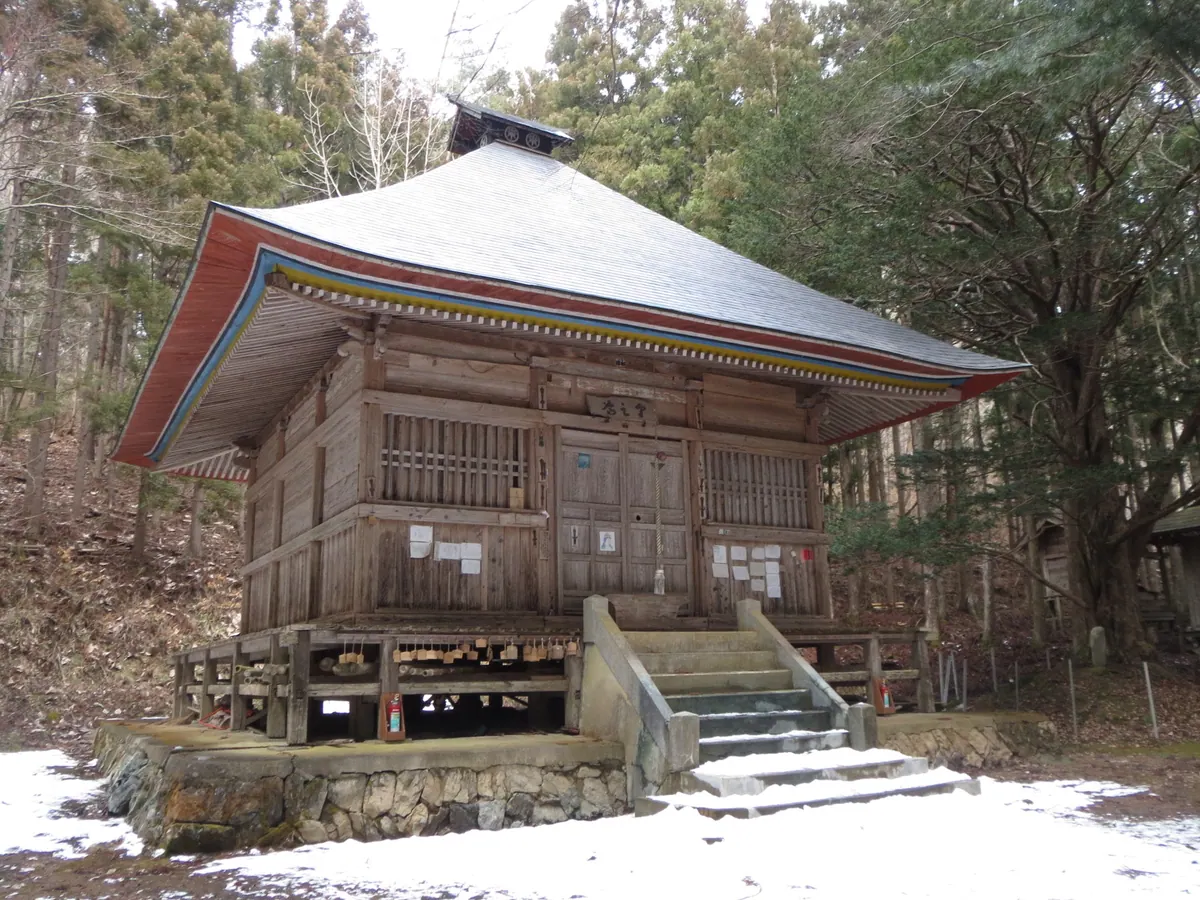
Yamaya Kannon is a historic temple, part of a pilgrimage, with a notable Kannon-do hall.
What it is
- A temple in Tono City, Iwate Prefecture.
- Founded in 854.
- First of the Tono Seven Kannon pilgrimage sites.
- Official name is Chofukuji.
What to see
- Kannon-do hall, rebuilt in 1699.
- Wooden Kannon-do hall measures 7.43 meters on each side.
- Eleven-faced Kannon statue enshrined in 1742.
- Kannon-do hall is a tangible cultural property.
Getting there
- 7 minutes by car from Miyamori IC.
- Parking is available.
- Address
- 岩手県遠野市小友町37地割1番地 Map
16
Tōsen-in Temple
IWATE · TEMPLE 東川院

Tōsen-in Temple is a historic Zen Buddhist temple with important Kannon statues.
What it is
- Sōtō Zen Buddhist temple.
- Founded in 1729.
- Relocated to current site in 1897.
- Its mountain name is Kin'ya Inariyama.
What to see
- Wooden seated Kannon Bosatsu statue, 114.3cm tall.
- This statue is a National Important Cultural Property.
- Iron Eleven-faced Kannon standing statue, 47cm tall.
- This statue was designated a cultural property in 1983.
Getting there
- 15 minutes by bus from Surisawa Station.
- Address
- 岩手県 一関市大東町渋民小林35 Map
17
Shōun-ji Temple
IWATE · TEMPLE 祥雲寺
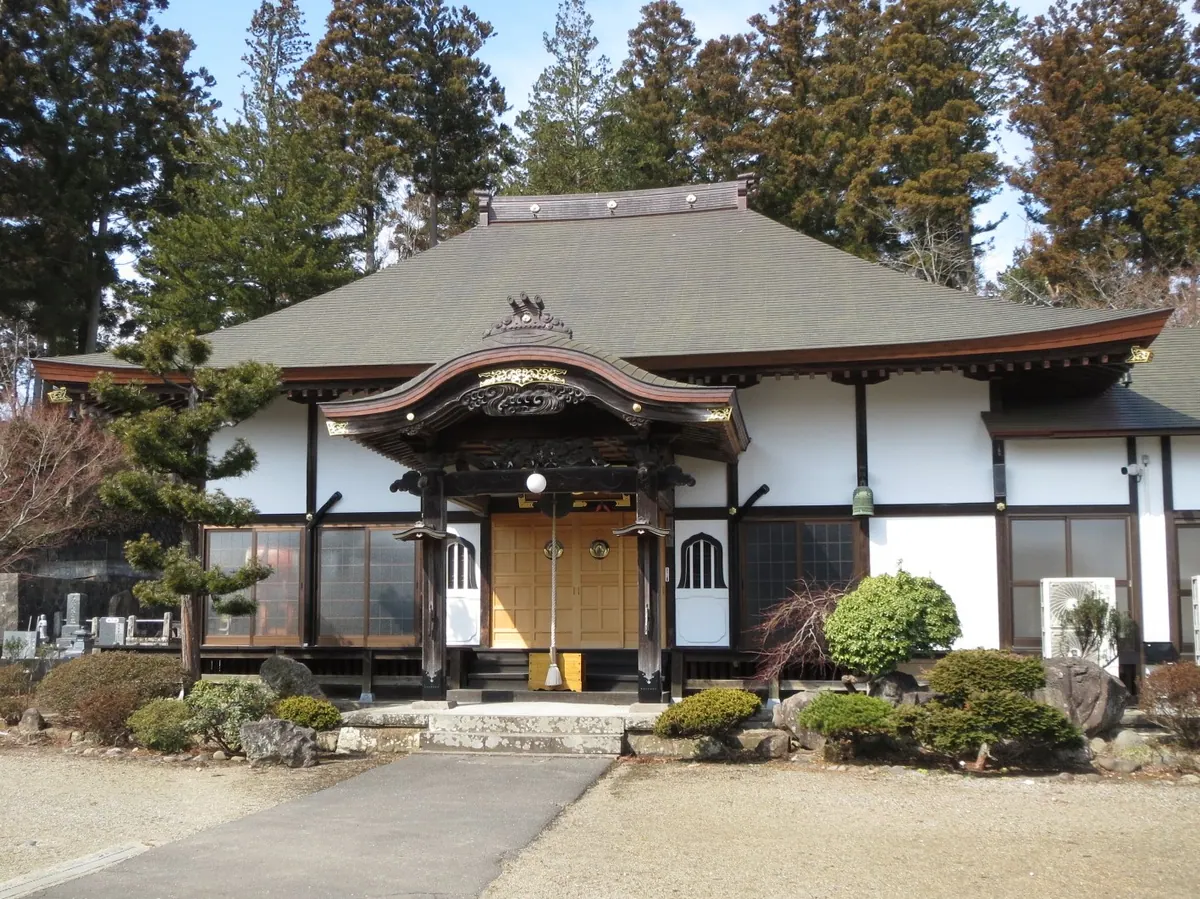
Shōun-ji Temple is a historic Rinzai Zen temple with unique cultural properties, worth visiting for its heritage.
What it is
- A Rinzai sect Myōshin-ji school temple.
- Founded by Tamura Muneyoshi.
- Moved to Ichinoseki in 1682 by Tamura Kenken.
- Mountain name is Daijisan.
What to see
- Tamura family graveyard.
- Hase Kannon-dō survived a fire.
- Tenrin Issaikyōzō is a city cultural property.
- Hoseiin Byōzushi is a prefectural cultural property.
- Main hall rebuilt in 1921.
Getting there
- 17-minute walk from Ichinoseki Station.
- Address
- 岩手県一関市台町48-2 Map
18
Kōmyō-ji Temple
IWATE · TEMPLE 光明寺
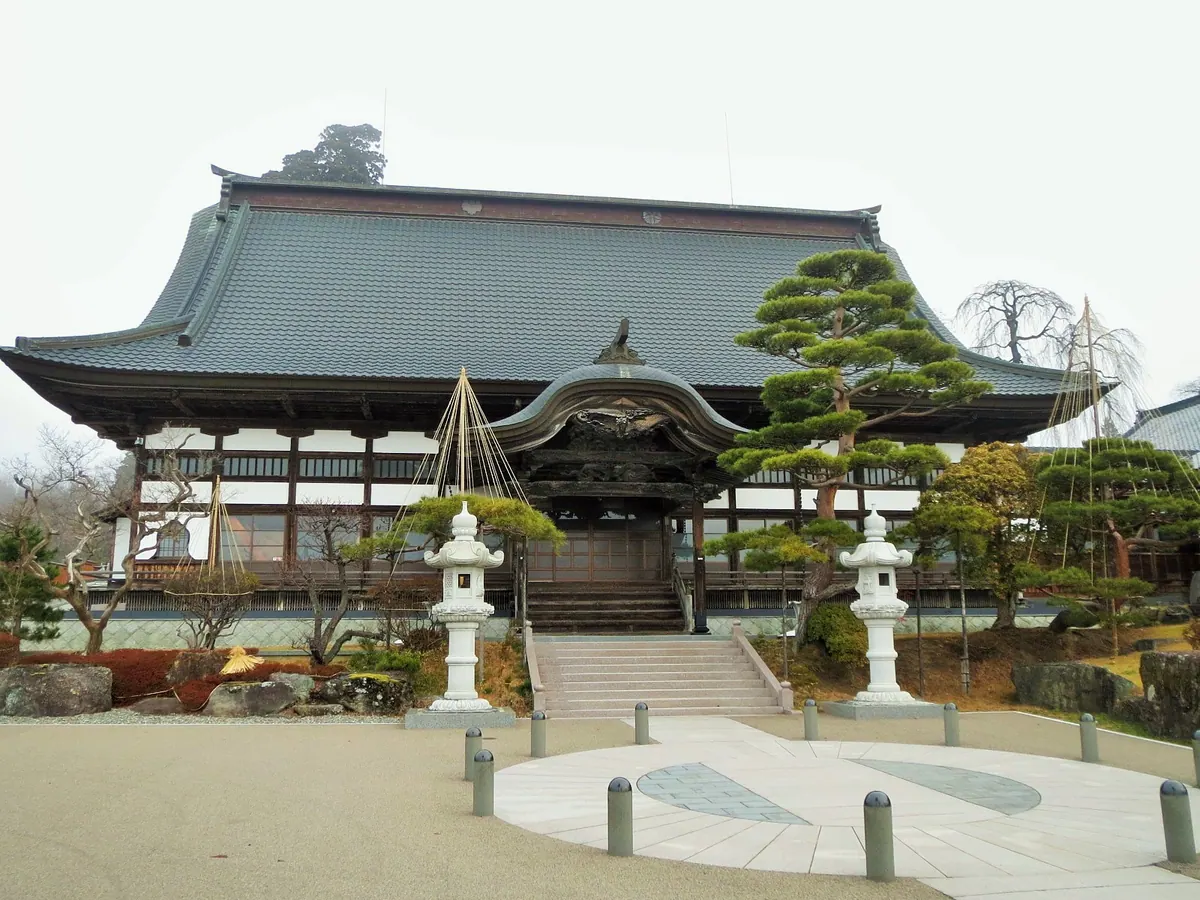
Komyoji Temple is a historic Soto Zen temple with important cultural properties.
What it is
- A Soto Zen temple, founded in 1396.
- Known as Daizosan Komyoji.
- Served as the family temple for the Esashi and Iwaki clans.
- Designated the leading temple of Esashi around 1800.
What to see
- A seated statue of Shakyamuni Buddha is the main image.
- Temple grounds include a main hall, bell tower, and pagoda.
- A wooden seated Jizo Bosatsu statue dates from 1402.
- The Jizo statue is a prefectural tangible cultural property.
- Address
- 岩手県奥州市江刺南町8-17 Map
19
Tokuraku-ji
IWATE · TEMPLE 徳楽寺
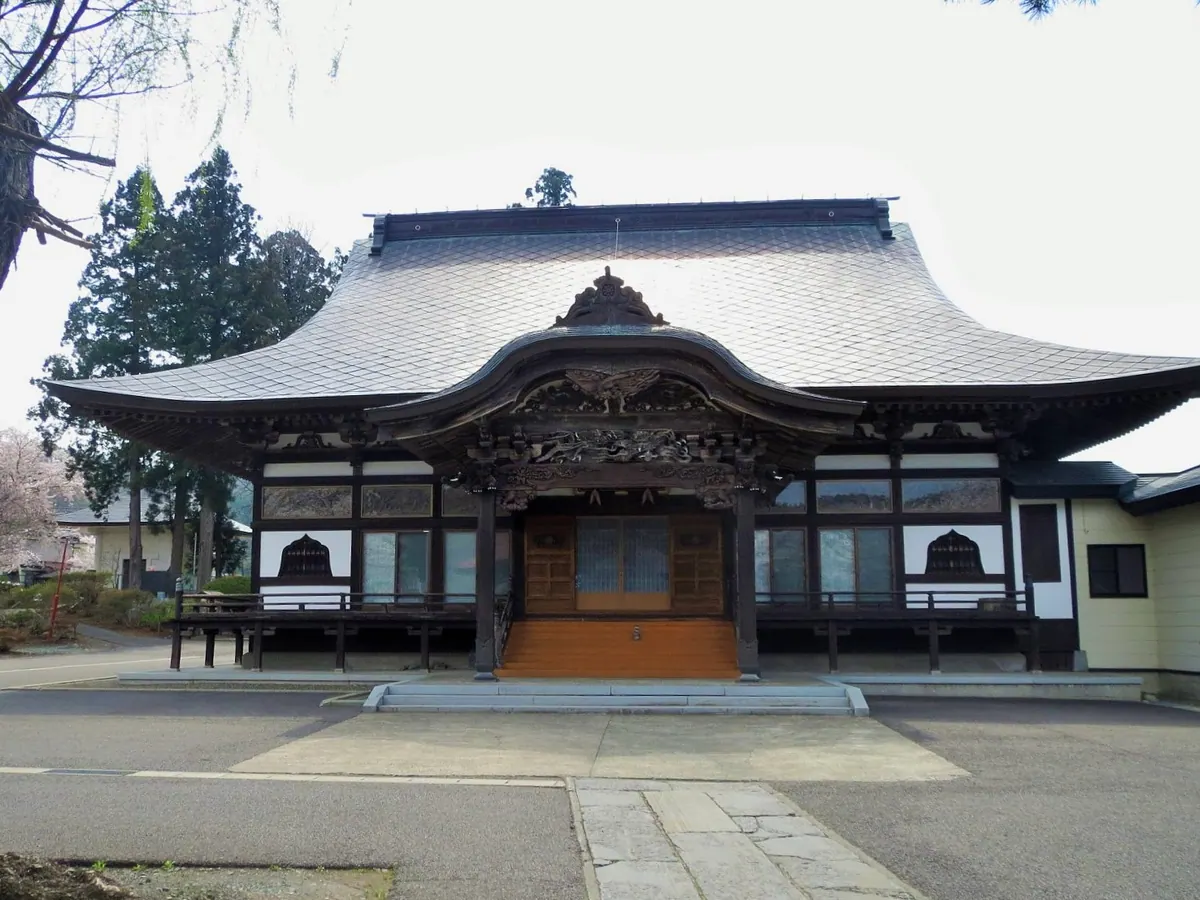
Tokuraku-ji is a Soto Zen temple founded in 1558, known for its historic sculptures and carvings.
What it is
- A Soto Zen temple.
- Founded in 1558.
- A branch temple of Hokoji Temple.
What to see
- Two wooden sculptures are cultural properties.
- Main hall has 370 carvings by a Tsugaru sculptor.
- Yakushido houses designated cultural property sculptures.
- Wooden seated Yakushi Nyorai statue is 124.8cm tall.
- Wooden standing Bodhisattva statue is 124.5cm tall.
When to go
- Sculptures are displayed on May 8th.
- Address
- 岩手県九戸郡軽米町軽米4-1 Map
20
Shōgan-ji Temple
IWATE · TEMPLE 松岩寺
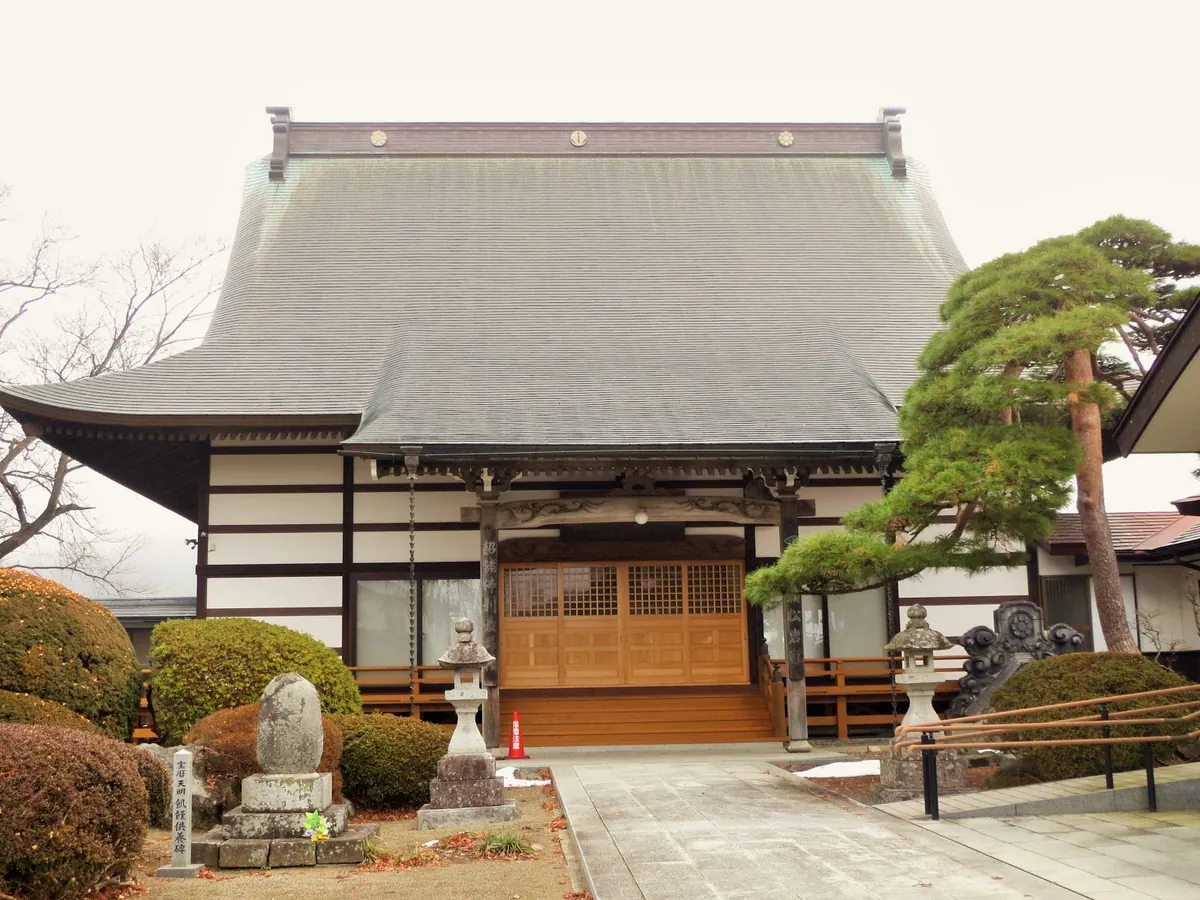
Shoganji is a historic Buddhist temple housing a significant 14th-century Amitabha Nyorai statue.
What it is
- A Jodo-shu Buddhist temple.
- Its sango is Rurisan.
- The 32nd Fudasho of Esashi Kannon Pilgrimage.
What to see
- A standing Amitabha Nyorai statue is the principal image.
- Bronze Amitabha Nyorai statue is 37.5cm tall.
- The statue was made in 1328.
- The statue was designated a tangible cultural property in 1958.
Getting there
- A 3-minute walk from Esashi Bus Center.
- Parking is available.
- Address
- 岩手県奥州市江刺区川原町8番6号 Map