

20 Temples in Mie worth your time
Japan Gems
Mie Prefecture offers 78 temples, including Jukyo-ji Temple (Matsusaka) and Kuwana Betsu-in Hontō-ji Temple, for visitors interested in spiritual sites. These temples provide a look into Japan's religious traditions.
Mie has 85 temples on Japan Gems. Below are the 20 we can tell you the most about — each one written up in English from Japanese sources, with what to see and how to get there. See all temples in Mie.
01
Matsuo Kannon-ji Temple
MIE · TEMPLE 松尾観音寺
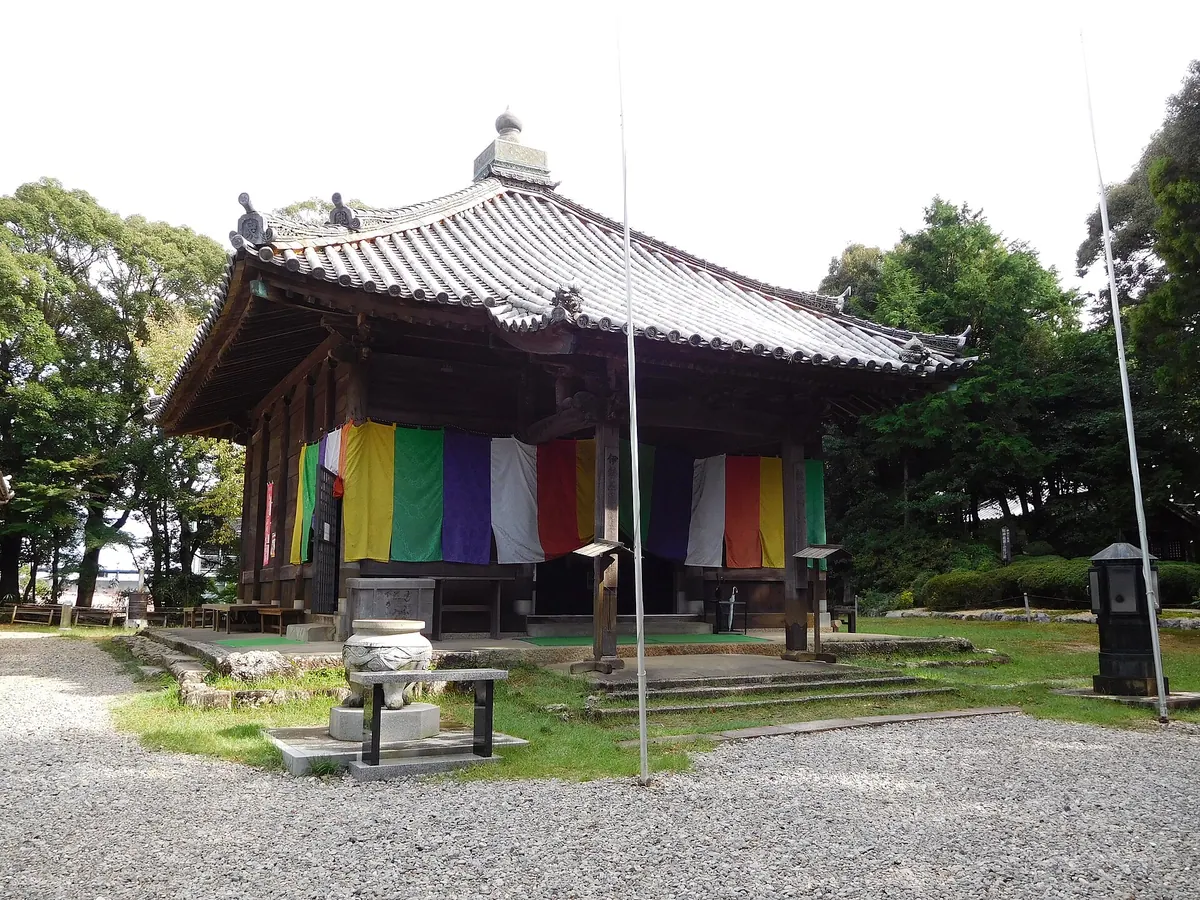
An independent eighth-century temple in Ise featuring a unique dragon floor pattern and an Eleven-faced Kannon statue.
What it is
- An independent temple founded in 712 by the priest Gyoki.
- The main deity is a statue of the Eleven-faced Kannon.
- The site does not belong to any specific Buddhist sect.
What to see
- A natural dragon-like pattern visible on the main hall floorboards.
- A bronze giboshi ornament located on the roof of the main hall.
- The central Eleven-faced Kannon statue housed within the temple.
When to go
- Daily visiting hours are held from 8:00 to 16:00.
- The Hatsuuma Festival takes place annually every March.
- A temple market is held on the 18th of every month.
- The Millionfold Prayer ceremony occurs every August 9th.
Getting there
- A five-minute walk from the Matsuo Kannon bus stop.
- Parking is available at the nearby Kuratayama Park.
- Official site
- matsuokannonji.com
02
Tokuraku-ji Temple
MIE · TEMPLE 徳楽寺 (伊賀市)
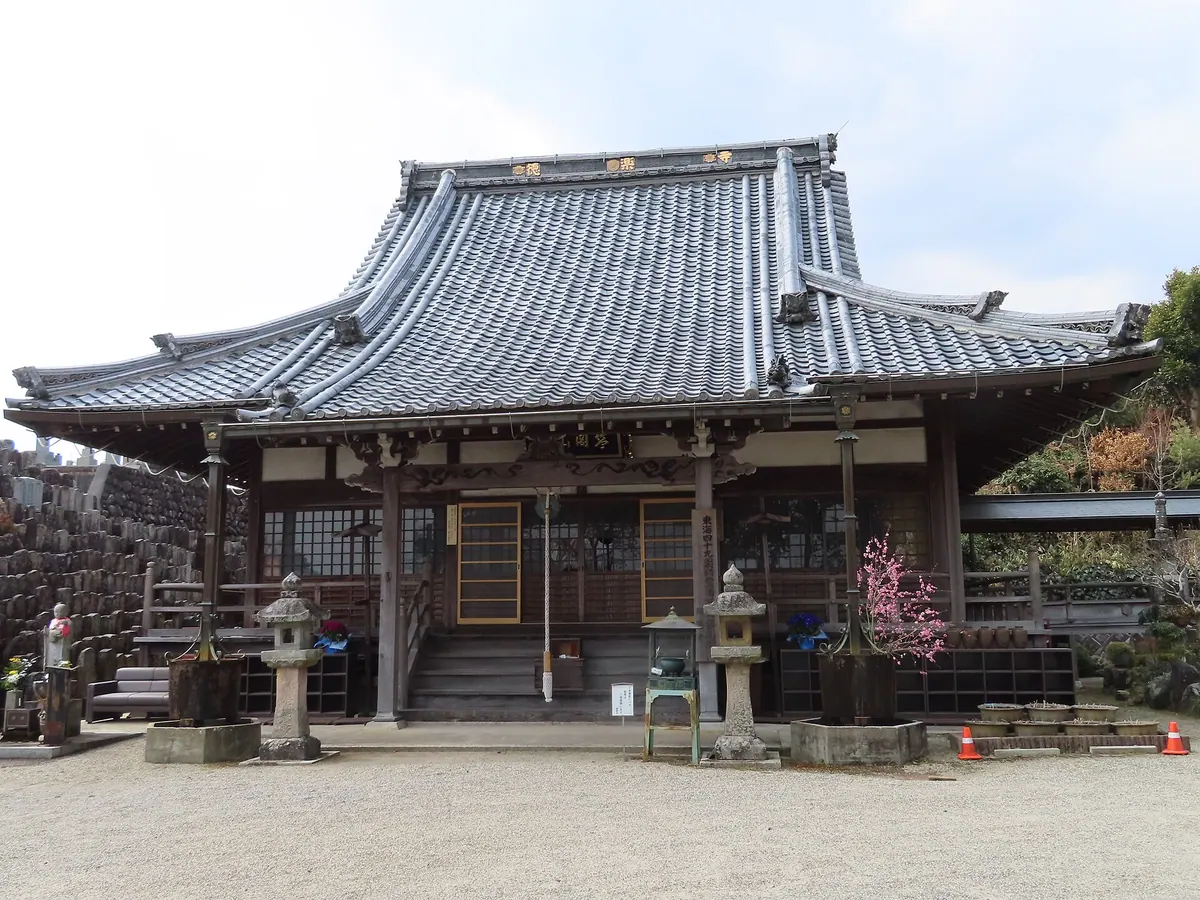
A historic Shingon sect temple in Iga City featuring rare cultural properties and a connection to the Tensho Iga War.
What it is
- A Shingon Omuro sect temple dedicated to the healing deity Yakushi Nyorai.
- Founded by Shun-ei Hoin during the Muromachi period.
- The thirty-sixth station on the Mie Shikoku 88 Pilgrimage route.
- The original buildings were destroyed by Oda Nobunaga's forces in 1581.
What to see
- A mandala painting from the Muromachi period designated as a prefectural cultural property.
- A black lacquered wooden shrine recognized as a city cultural property.
- The main deity statue which is unveiled to the public every thirty-three years.
When to go
- February 3rd for the annual Setsubun ceremony.
Getting there
- A twenty-minute walk from Iga-Ueno Station.
- Located within walking distance of Ueno Castle and Takakura Shrine.
03
Jion-ji Temple
MIE · TEMPLE 慈恩寺
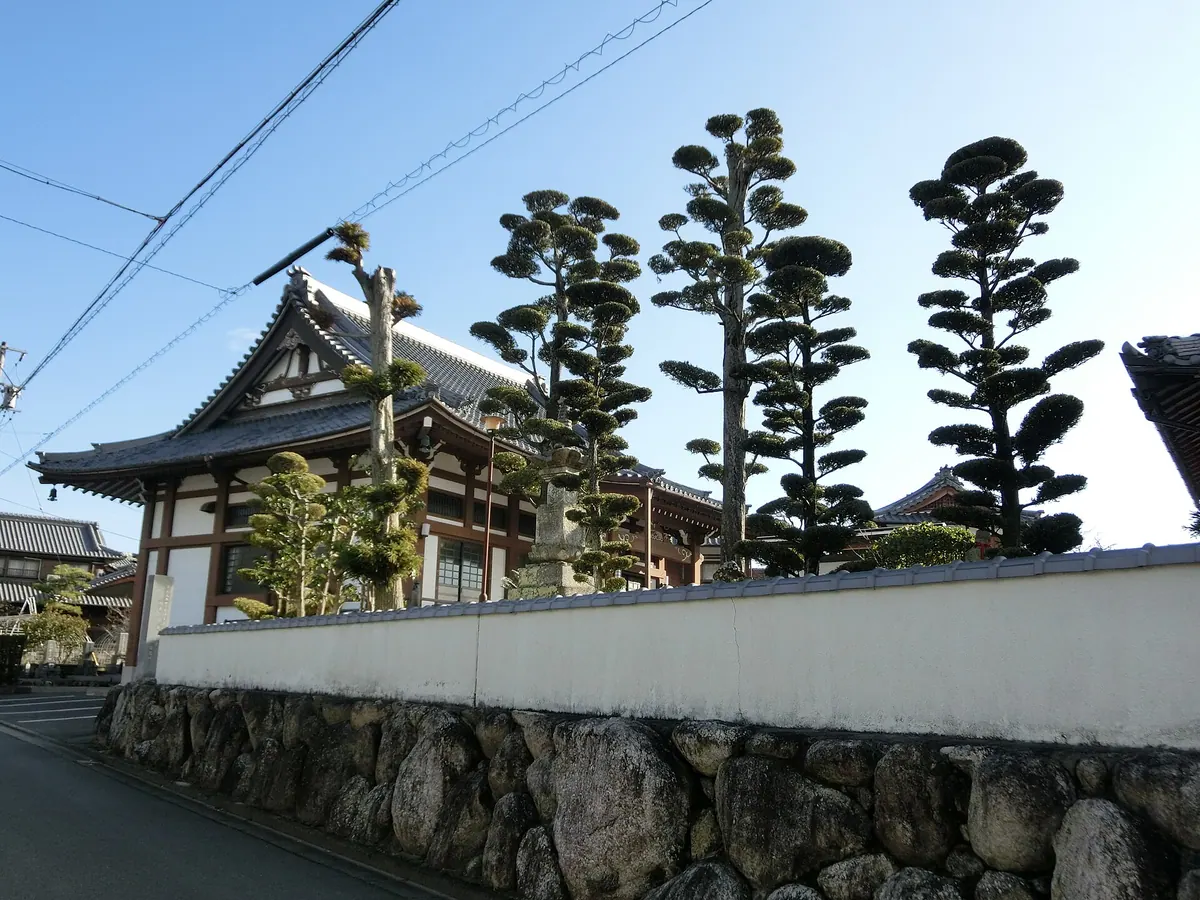
An ancient Buddhist temple in Suzuka dedicated to the Thousand-Armed Kannon and part of the Mie Shikoku 88 Pilgrimage.
What it is
- A Koyasan Shingon sect Buddhist temple founded between 729 and 749.
- The temple is dedicated to the Thousand-Armed Kannon Bodhisattva.
- It serves as the 19th stop on the Mie Shikoku 88 Pilgrimage.
- The institution is also known by the names Unrinzan and Fumonin.
What to see
- A Tenjin shrine built on the temple grounds in 1985.
- Historical structures restored in 1605 and again in the early 1800s.
- The site is located in Suzuka City near the Suzuka Circuit.
When to go
- The Tenjin Festival is held annually on July 25th.
- Goma fire rituals for academic success occur on the 25th of every month.
Getting there
- The temple is 3.6 kilometers west of Kintetsu Shiroko Station.
04
Shinpuku-ji Temple
MIE · TEMPLE 慎福寺 (鈴鹿市)
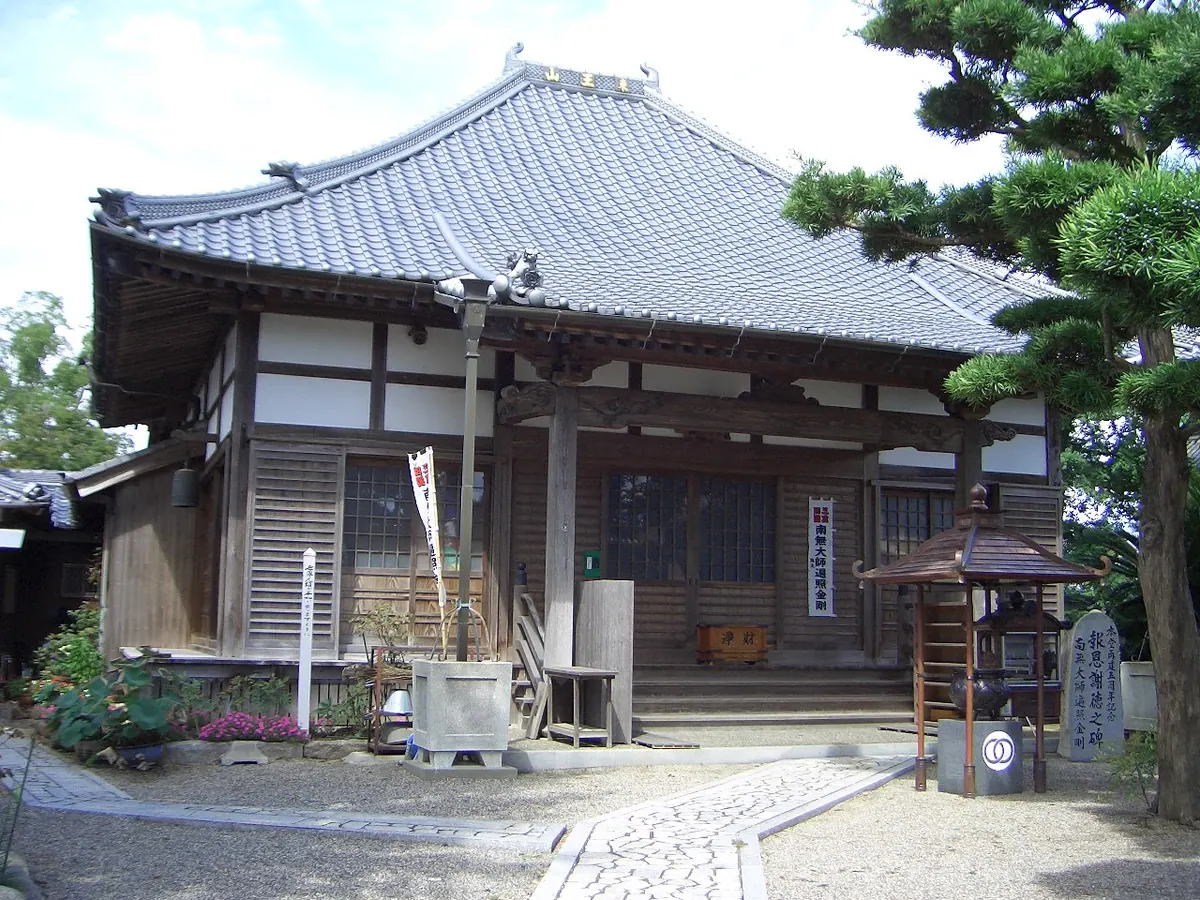
A 16th-century Shingon Buddhist temple in Suzuka featuring a historic weeping ginkgo tree and ties to the Oda clan.
What it is
- A Shingon Buzan Buddhist temple founded in 1559 by Hoin Shosei Shonin
- The main deity enshrined at this location is Yakushi Nyorai
- It served as a prayer temple for the historical figure Oda Nobutaka
- The site is a designated stop on the Mie Shikoku 88 Pilgrimage
What to see
- A weeping ginkgo tree estimated to be over 350 years old
- Reconstructed buildings that replaced original structures lost in an Edo period earthquake
When to go
- The temple holds a Hatsuuma ritual every March
- Visitors receive free sweet sake and food on April 21st
Getting there
- Located approximately 0.6 kilometers southwest of Suzuka City Station
05
Enman-ji Temple (Suzuka)
MIE · TEMPLE 円満寺 (鈴鹿市)
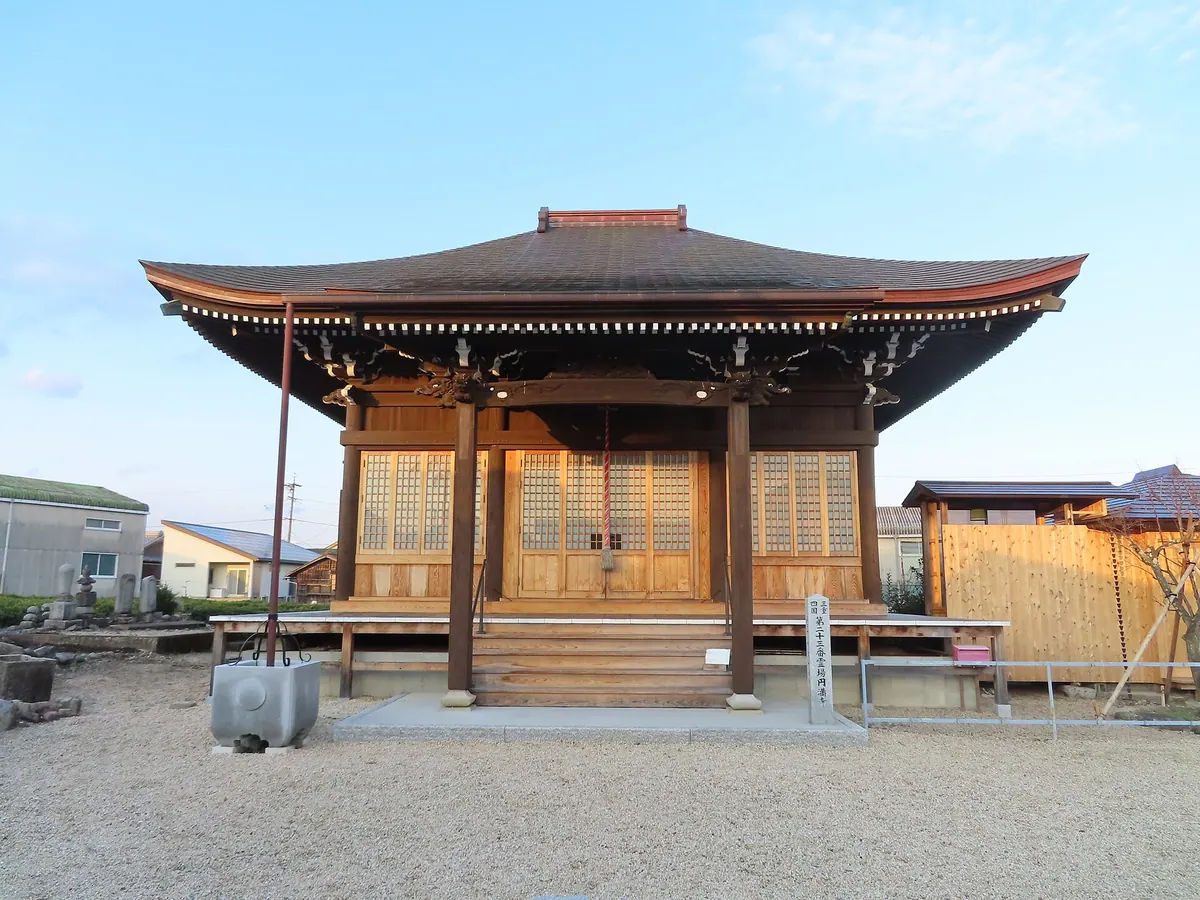
Enman-ji Temple offers historic Buddhist statues and a unique collection of Kannon figures.
What it is
- A Buddhist temple in Suzuka City, Mie Prefecture.
- Its mountain name is Nagasawa-zan.
- Dedicated to Dainichi Nyorai as its principal image.
- Temple buildings existed in the early Edo period.
What to see
- Principal image of Dainichi Nyorai from the early Edo period.
- Main hall houses Bato Kannon and Kobo Daishi statues.
- One thousand Buddha statues behind the main hall.
- Kannon-do hall with 33 Kannon stone statues.
When to go
- The temple holds the Otebiki Kannon event annually.
Getting there
- About 1.3 km northwest of Suzuka Interchange.
- Address
- 三重県鈴鹿市長沢町782 Map
06
Daifukuden-ji Temple
MIE · TEMPLE 大福田寺
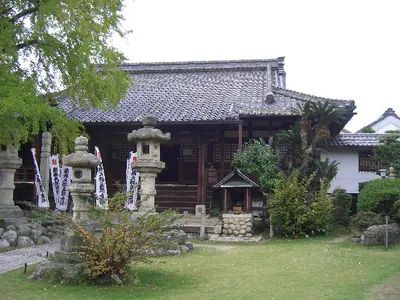
Visit this historic Buddhist temple to see important cultural properties and experience unique festivals.
What it is
- A Buddhist temple of the Koyasan Shingon sect.
- Dedicated to Amida Nyorai, its main deity.
- One of Japan's three great Kangiten temples.
- Rebuilt in 1662 with Matsudaira Sadashige's support.
What to see
- Enshrines Kangiten, a revered deity.
- Houses the Important Cultural Property "Shaka Hasso Jodo-zu."
- See the Mie Prefecture Tangible Cultural Property "Wooden Amida Nyorai Standing Statue."
When to go
- Setsubun festival is held annually on February 3rd.
- Kuwana Shoten Grand Festival is on April 1st and 2nd.
- Ise Dai Kagura is dedicated on April 2nd.
- Address
- 三重県桑名市東方1426 Map
07
Renkō-in Temple
MIE · TEMPLE 蓮光院初馬寺
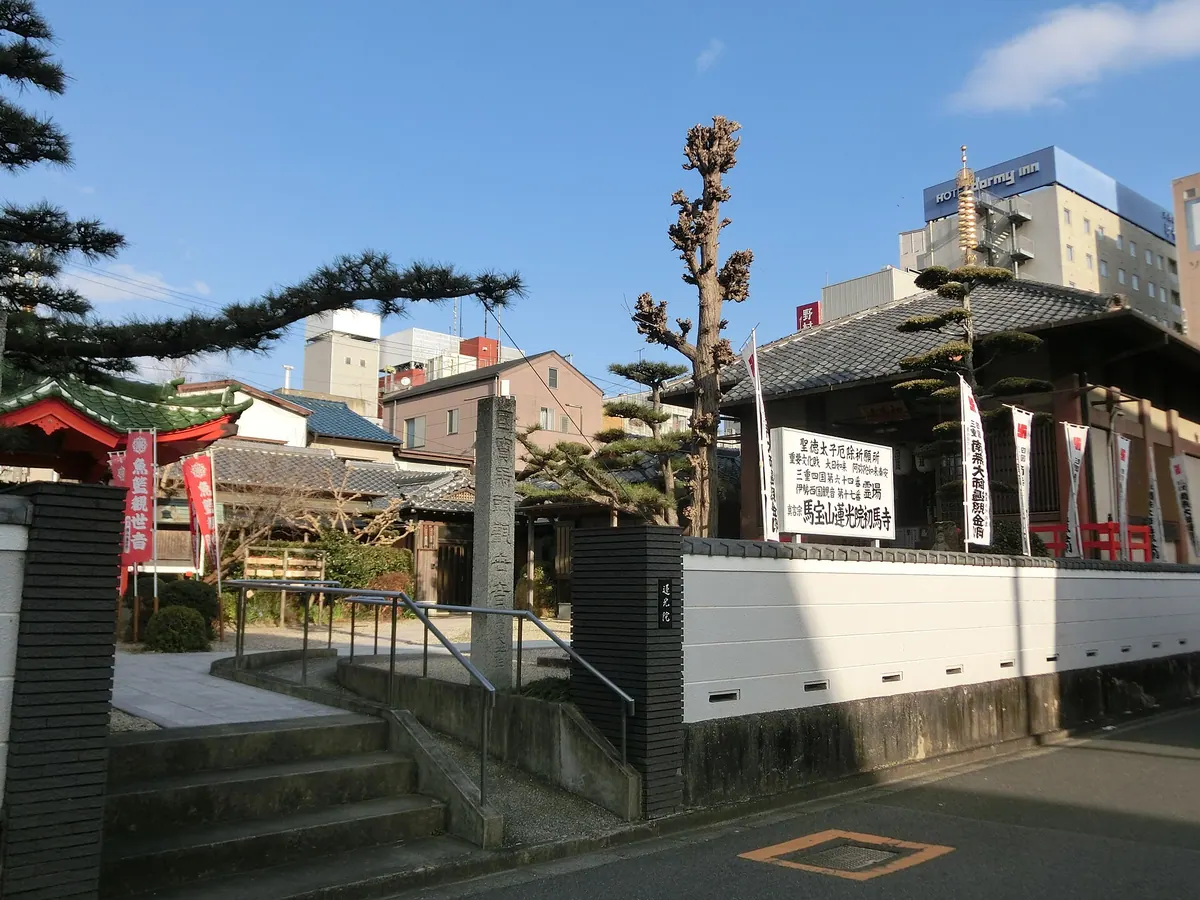
Renkō-in Temple: ancient Shingon temple founded by Prince Shotoku, home to significant Buddhist statues.
What it is
- A Shingon-shu Omuro-ha temple.
- Founded in 614 by Prince Shotoku.
- Became a prayer temple for the Todo family in the Edo period.
- The 64th Fudasho of the Mie Shikoku 88 Sacred Places.
What to see
- Principal image is Batō Kannon, for warding off evil.
- Wooden seated Dainichi Nyorai statue is a national cultural property.
- Wooden seated Amida Nyorai statue is a national cultural property.
- Gyōran Kannon for good fishing, business, and matchmaking.
When to go
- Hatsuuma-e-shiki is held on the first day of the horse in March.
- Address
- 三重県津市栄町3-210 Map
08
Raigō-ji Temple
MIE · TEMPLE 来迎寺
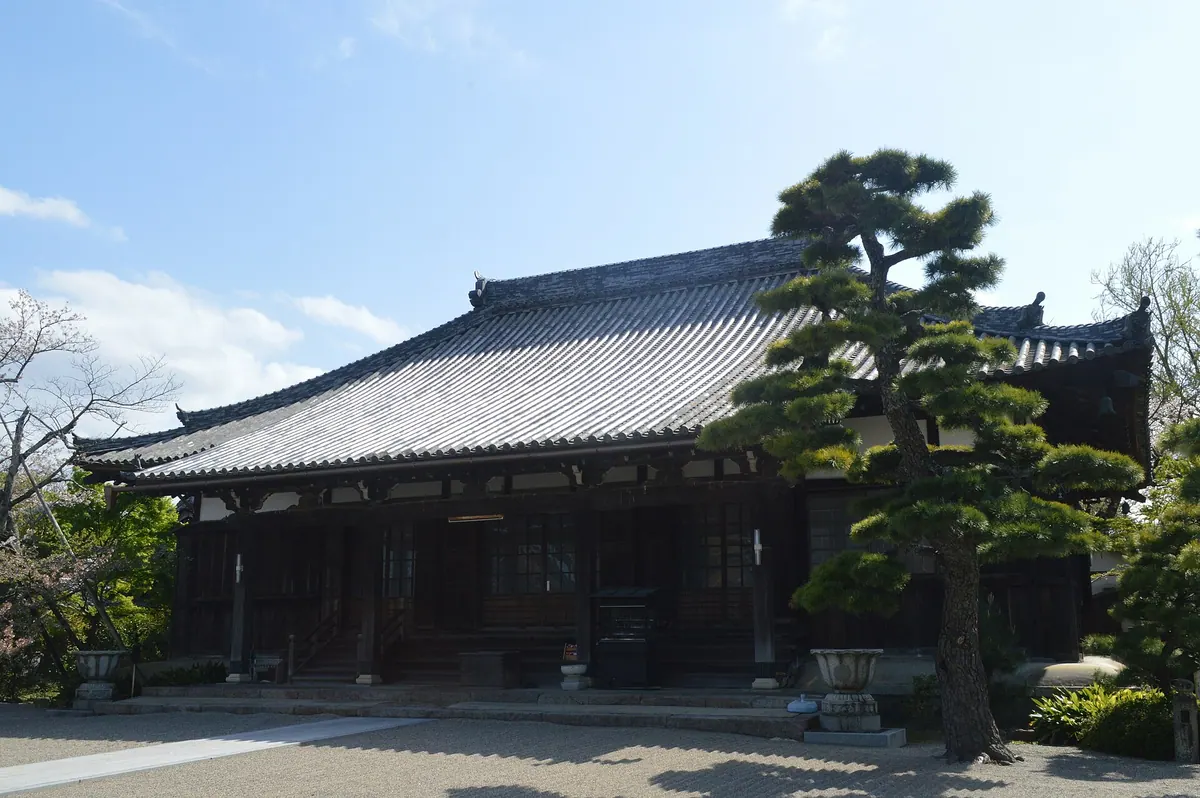
Raigō-ji Temple is a historic Buddhist site with important cultural properties, easily accessible from Matsusaka Station.
What it is
- A Tendai Shinsei sect Buddhist temple.
- Founded between 1504 and 1521 by Kitabatake Zaichika.
- Relocated in 1588 with Matsusaka Castle construction.
What to see
- The main image is Amida Nyorai.
- Main hall is a National Important Cultural Property.
- Back gate is a Municipal Cultural Property.
- Back gate may be from Matsusaka Castle.
- Memorial for Kadoya Shichirobei and family is a cultural property.
- The grave of Matsumoto Jado is a cultural property.
Getting there
- 10-minute walk from JR and Kintetsu Matsusaka Station.
- Address
- 三重県松阪市白粉町512 Map
09
Jion-ji Temple
MIE · TEMPLE 慈恩寺 (亀山市)
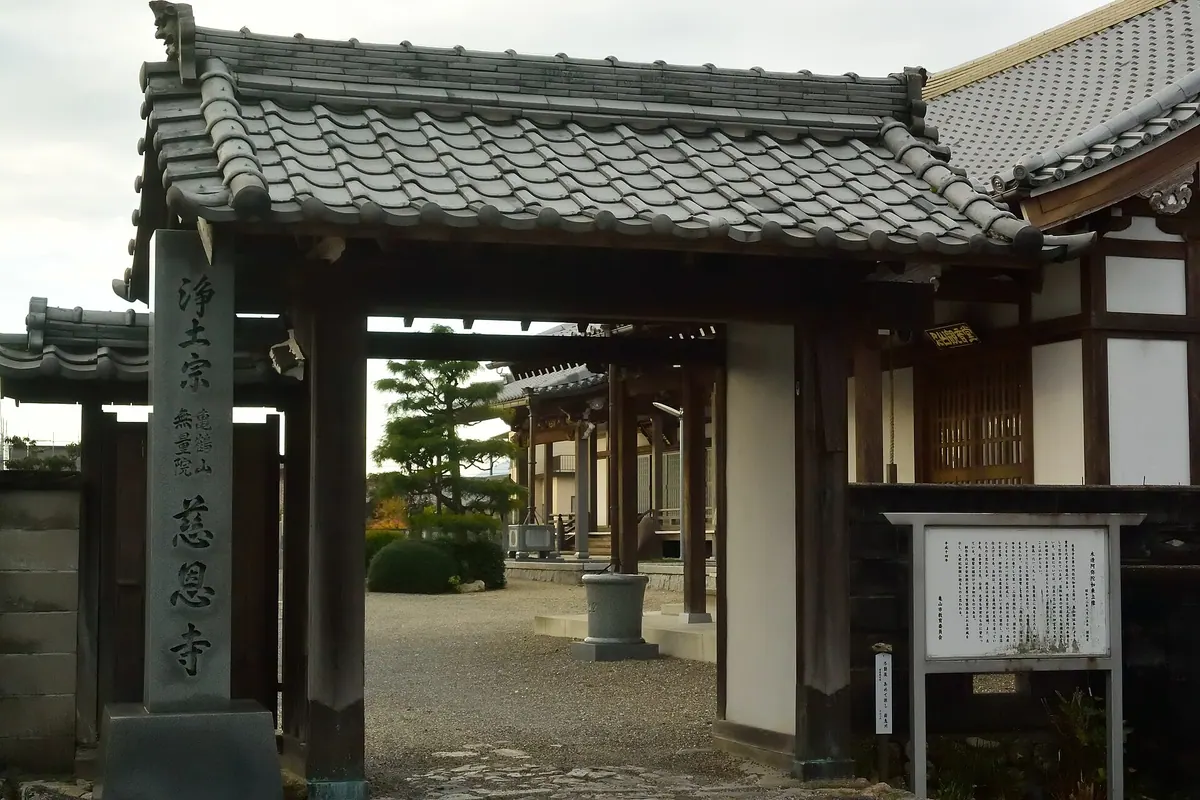
A Jodo sect temple in Mie Prefecture housing a nationally designated wooden Amida Nyorai statue from the Edo period.
What it is
- A Jodo sect temple originally founded by the monk Gyoki in 728
- The current structures were rebuilt during the Edo period after a fire in 1583
- The temple is dedicated to the main deity Amida Nyorai
- It is located in Kameyama and carries the mountain name Kikakusan
What to see
- A wooden standing statue of Amida Nyorai designated as an Important Cultural Property
- The nearby Nomura Ichirizuka which serves as a national historic milestone on the Tokaido road
- A preserved road marker that retains its original shape from the Edo period
10
Tamura-ji Temple
MIE · TEMPLE 田村寺
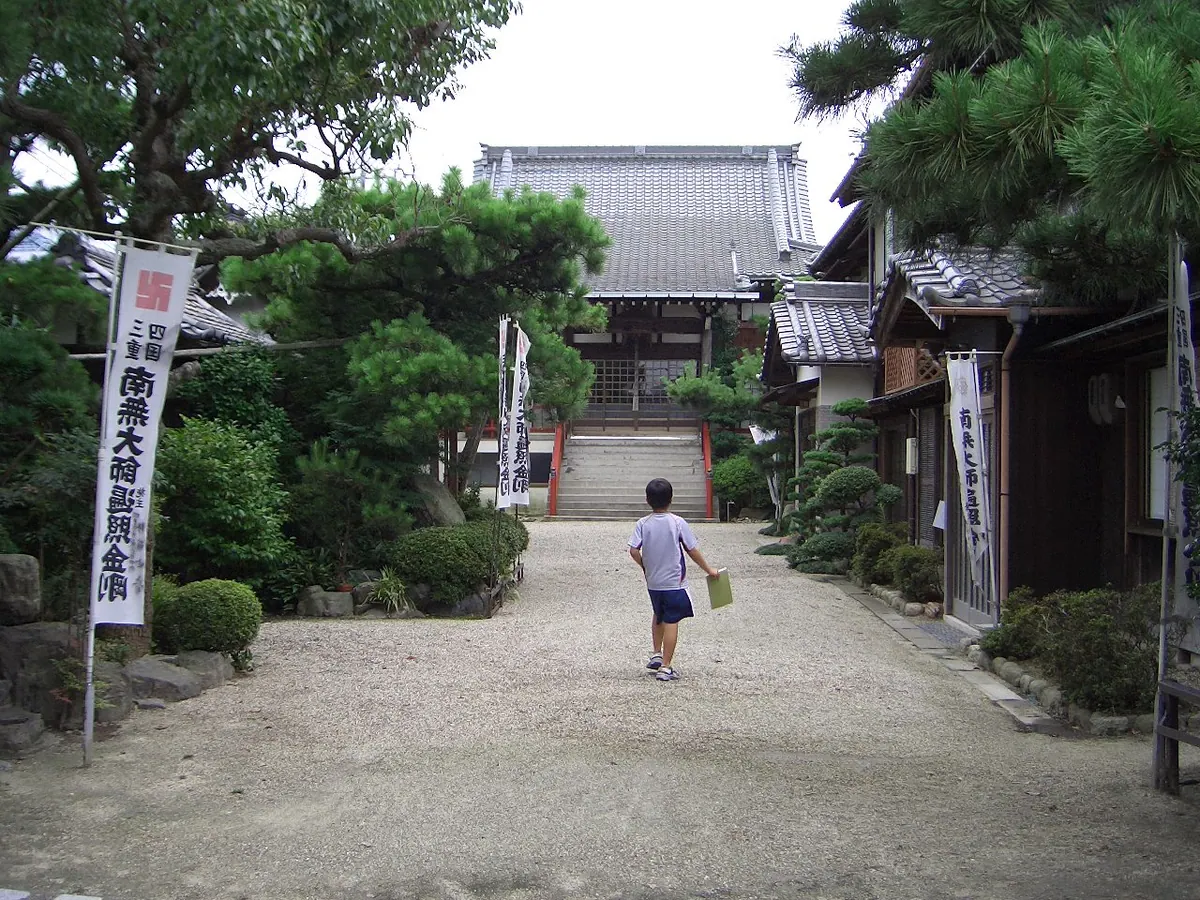
Modern Buddhist temple dedicated to Kobo Daishi, offering unique seasonal events and a historic shrine.
What it is
- A modern Buddhist temple.
- Its mountain name is Kobo-san.
- Dedicated to the main deity Kobo Daishi.
What to see
- Family crests dedicated on the main hall ceiling.
- An Inari Daimyojin shrine on the temple grounds.
- Namuho Jizo Bosatsu-do, existing since before the war.
When to go
- October 10 for a family crest prosperity prayer meeting.
- Winter solstice for a stroke prevention service.
- Winter solstice for pumpkin zenzai served to visitors.
Getting there
- About 1km from Kintetsu Tomida Station.
- Address
- 三重県四日市市西富田2丁目-5-6 Map
11
Segi-dera Temple
MIE · TEMPLE 世義寺
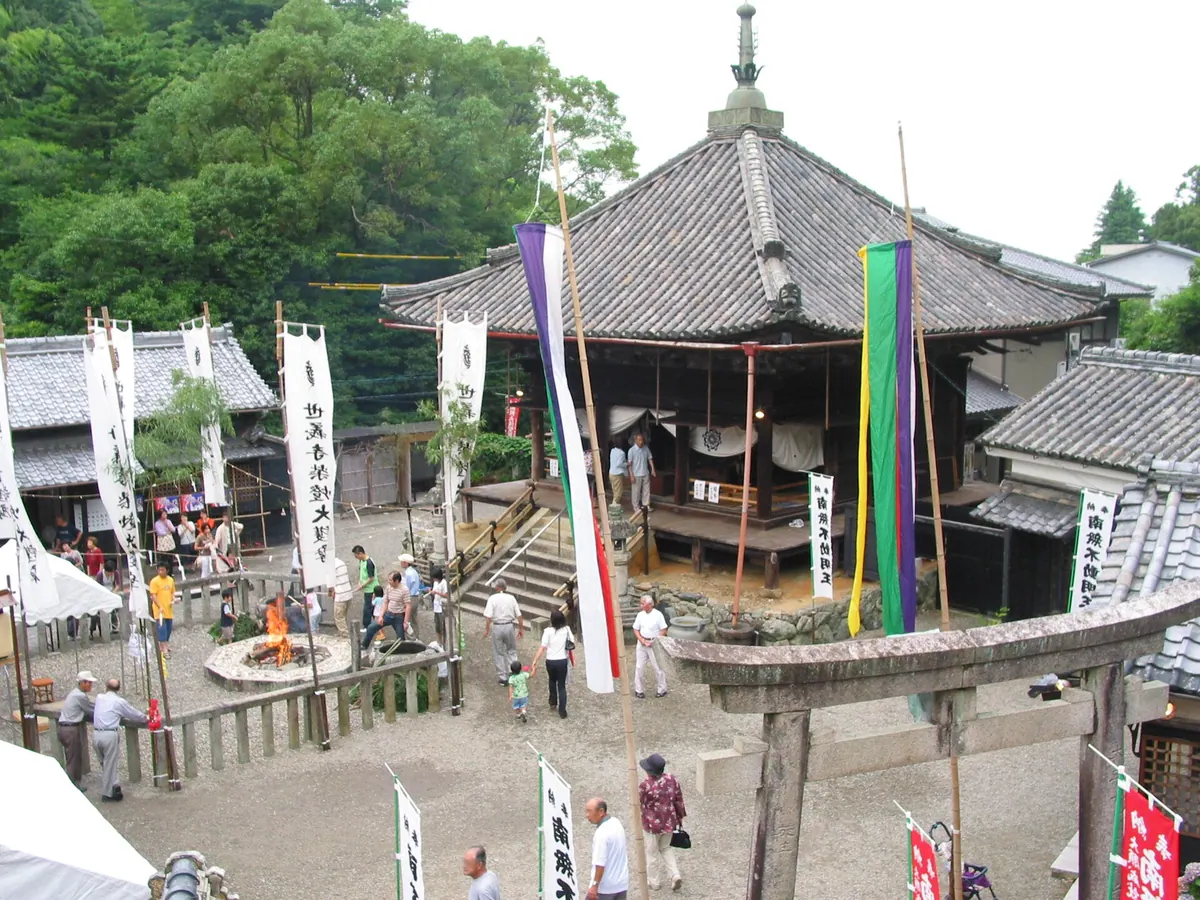
Segi-dera Temple is a historic Buddhist site known for its unique fire ritual and cultural properties.
What it is
- A Shingon-shu Daigo-ha Buddhist temple.
- Rebuilt during the Kenchō era (1249-1255).
- Moved to its current location in 1671.
- Known for prayers for naming children.
What to see
- A stone statue of Kōbō Daishi.
- A ceramic sutra container, an Important Cultural Property.
- A wooden Aizen Myōō seated statue, a tangible cultural property.
When to go
- July 7th for the Saitōōgoma fire ritual.
- The Saitōōgoma is one of Japan's three great goma.
Getting there
- About 800m from Ujiyamada Station.
- Address
- 三重県伊勢市岡本2丁目10-80 Map
12
Jinnō-ji Temple
MIE · TEMPLE 神王寺
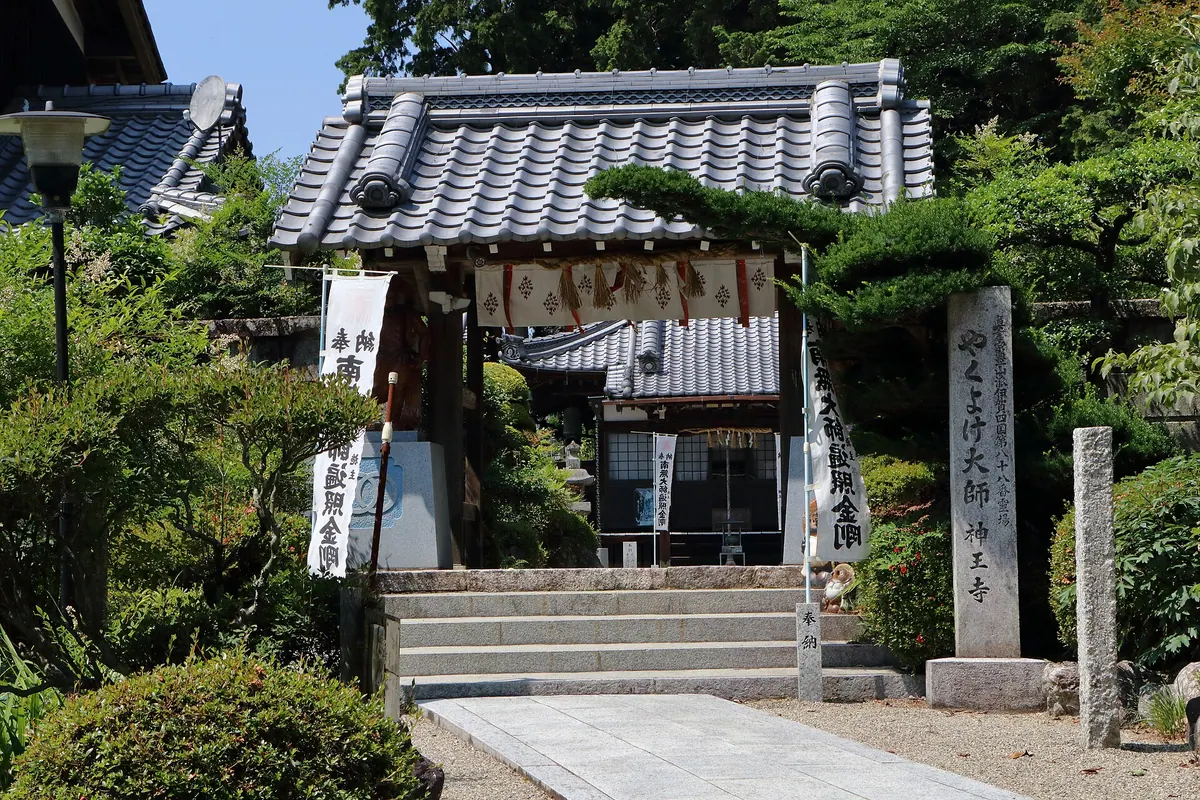
A historic Buddhist temple rebuilt after war, featuring unique cultural properties and a plum tree.
What it is
- A Shingon-shu Buzan-ha Buddhist temple.
- Its main deity is Yakushi Nyorai.
- Rebuilt by Jitsue after the Tensho Iga War.
- Rebuilt again by Shugaku during the Kanei era.
What to see
- Main hall enshrines Yakushi Sanzon and Juni Shinsho.
- Temple grounds have a Hokyointo.
- An old red plum tree is a city natural monument.
- Two Waniguchi are city tangible cultural properties.
When to go
- Daihannya event is held annually on January 21.
Getting there
- About 4km southwest from Tsuge Station.
- Address
- 三重県伊賀市下柘植2262 Map
13
Shin-daibutsu-ji Temple
MIE · TEMPLE 新大仏寺
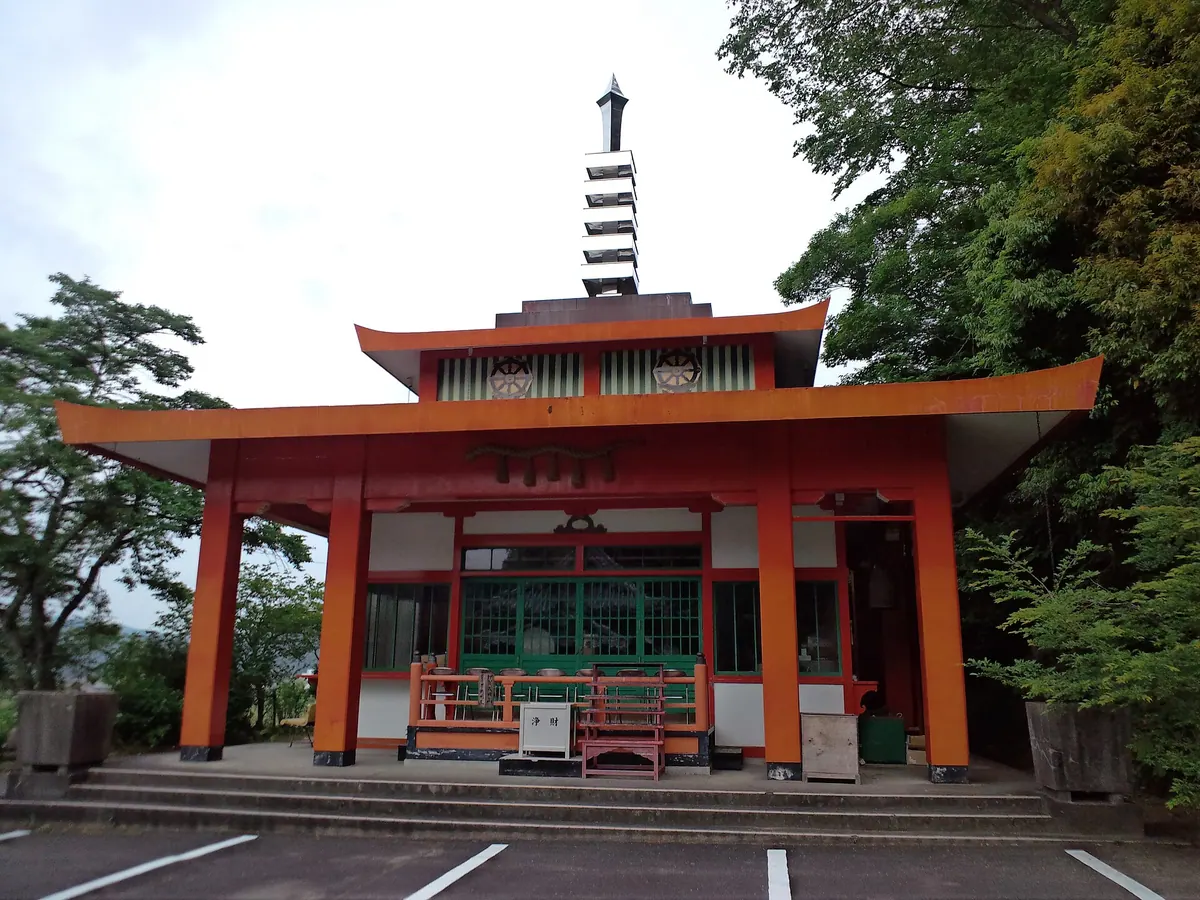
Shin-daibutsu-ji Temple, founded in 1202, houses important statues and a Basho monument.
What it is
- A Shingon-shu Chizan-ha temple.
- Founded in 1202 by Minamoto no Yoritomo.
- Chogen was the founding priest.
- An Iga branch temple of Todai-ji Temple.
What to see
- Principal image is Rushanabutsu, known as "Awa no Daibutsu-san."
- Principal image's head was made by sculptor Kaikei.
- Haiku monument by Matsuo Basho.
- Wooden seated Nyorai statue, a National Important Cultural Property.
- Wooden seated Shunjo Shonin statue, a National Important Cultural Property.
- Wooden seated monk statue, a National Important Cultural Property.
- Address
- 三重県伊賀市富永1238番地 Map
14
Kanbodai-ji Temple
MIE · TEMPLE 観菩提寺
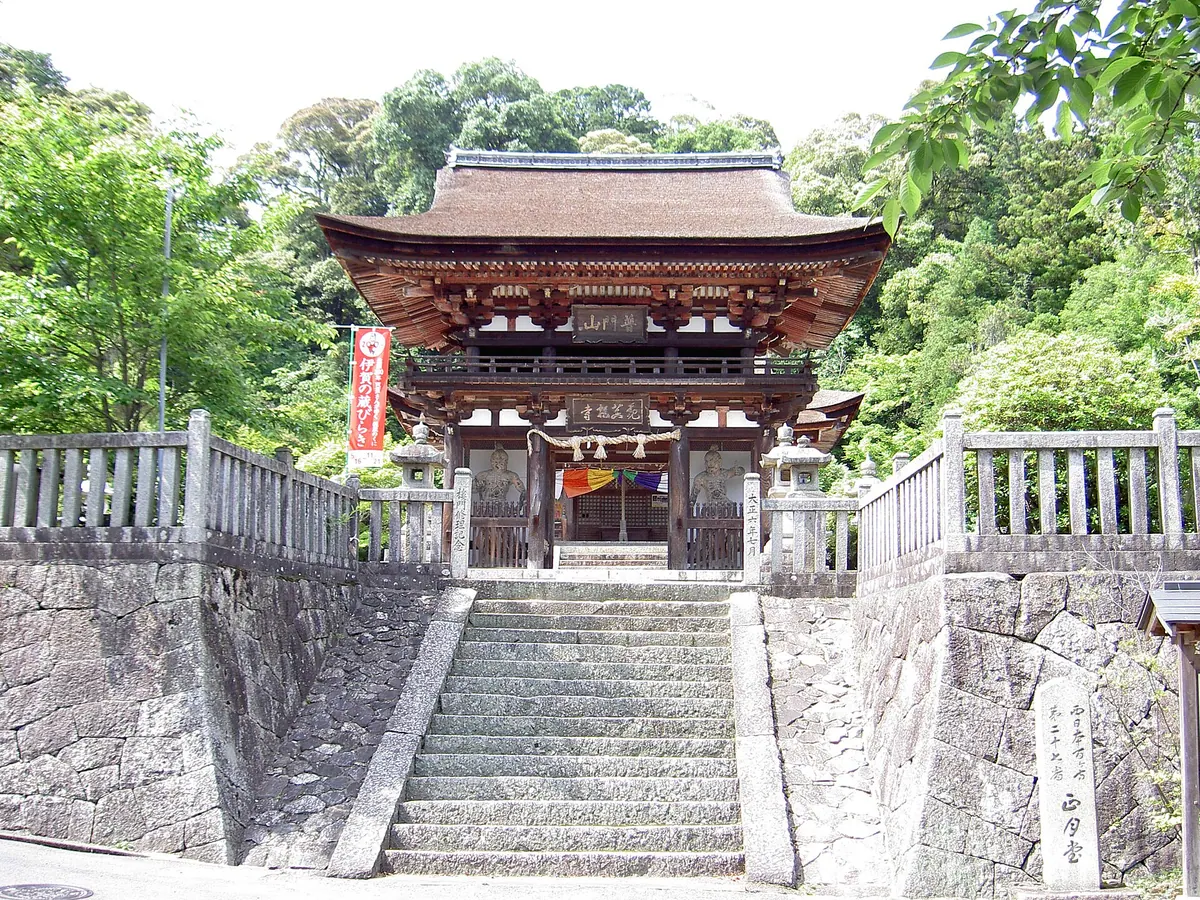
Kanbodaiji is a historic Shingon temple with important cultural properties and a rare hidden Buddha.
What it is
- A Shingon-shu Buzan-ha temple.
- Also known as Shogatsudo.
- Principal image is Eleven-faced Kannon Bodhisattva.
What to see
- Main hall is a National Important Cultural Property.
- Romon gate is a National Important Cultural Property.
- Wooden Eleven-faced Kannon standing statue is a hidden Buddha.
- Hidden Buddha shown once every 33 years.
When to go
- Shushoue festival held annually from February 11th to 12th.
- Shushoue is a Mie Prefecture Intangible Folk Cultural Property.
- Address
- 三重県伊賀市島ヶ原1349 Map
15
Sho'on-ji Temple
MIE · TEMPLE 照恩寺
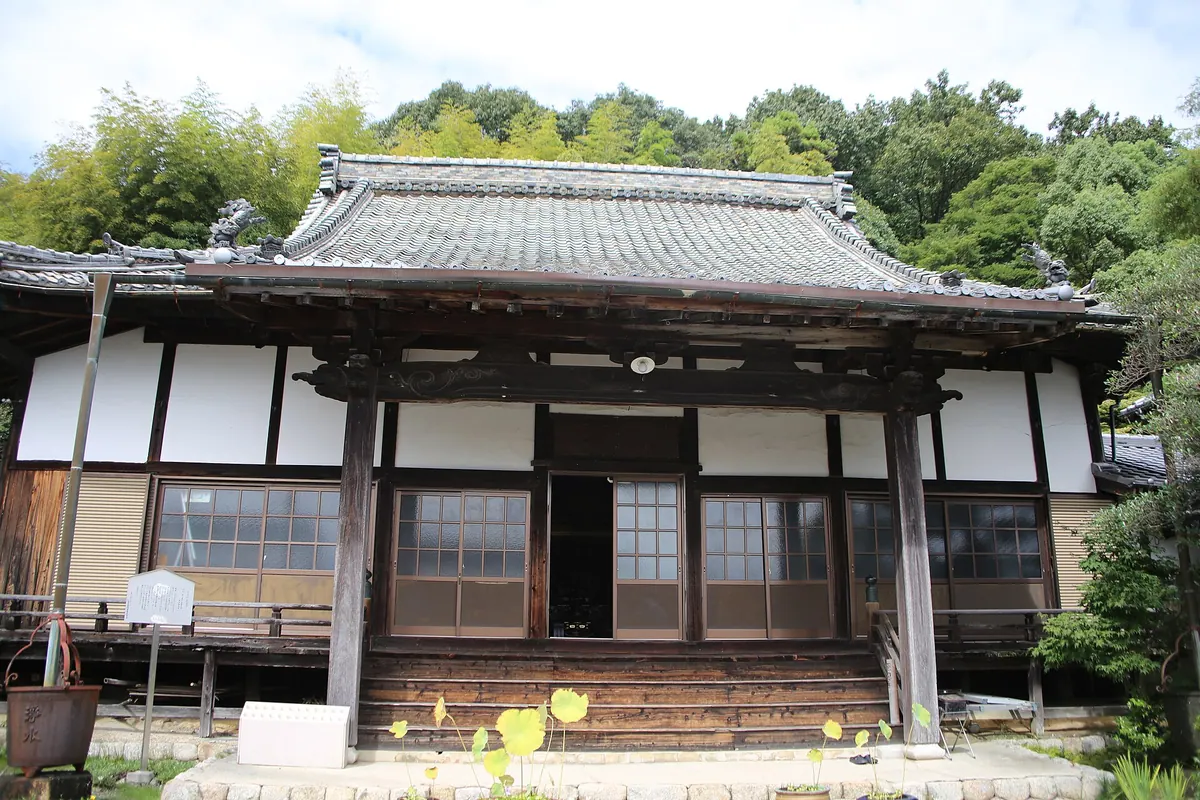
A Jodo Shinshu temple in Yokkaichi featuring a historic main hall and a gate relocated from the former Kuwana Castle.
What it is
- A Jodo Shinshu Hongwanji-ha temple also known by the mountain name Seikizan.
- Founded originally as a training hall by Sakuma Myoshin.
- The main hall was moved here from Gonjo-ji Temple in 1878.
- The current temple gate was originally part of Kuwana Castle.
What to see
- The main hall which was originally constructed during the Horeki era.
- A historic gate relocated to this site in March 1926.
- A specific roof tile on the gate inscribed with the year 1721.
16
Kōmyō-ji Temple
MIE · TEMPLE 光明寺
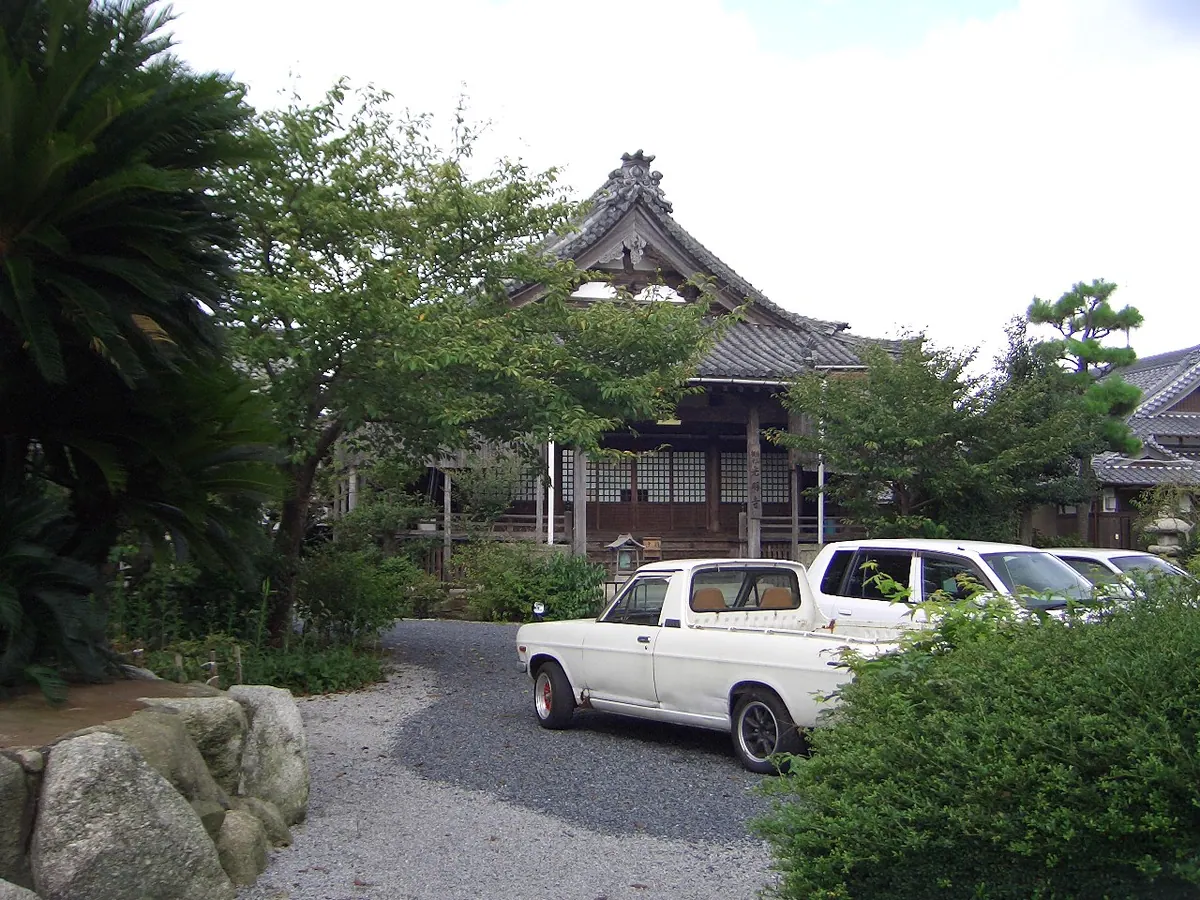
Komyoji Temple, founded by Gyoki Bosatsu, offers a glimpse into Buddhist history and art.
What it is
- Buddhist temple of the Shingon-shu Buzan-ha sect.
- Founded by Gyoki Bosatsu.
- Principal image is Kannon Bodhisattva.
- Named by Emperor Kazan.
What to see
- Principal image carved by Kobo Daishi (Kukai).
- Kannon-do hall contains Saigoku Sanjusan Kannon Pilgrimage statues.
When to go
- Annual events in February, March, and October.
Getting there
- 3-minute walk from Oiwake Station.
- 3-minute walk from Tomari Station.
- Address
- 三重県四日市市泊山崎町3-5 Map
17
Kongōshō-ji Temple
MIE · TEMPLE 金剛證寺
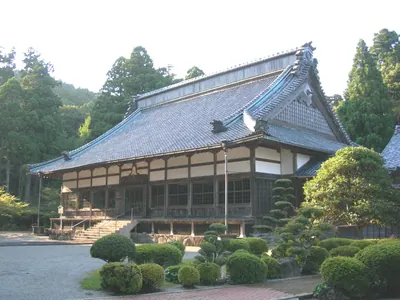
Ancient temple on Mt. Asama, rebuilt in 1609, protecting Ise Grand Shrine, with unique customs.
What it is
- Rinzai sect temple on Mt. Asama's southern peak.
- Reportedly restored by Kūkai in 825.
- Became a Zen temple in the late 14th century.
- Known as the 'demon gate protector' of Ise Grand Shrine.
What to see
- Main image is Kokūzō Bosatsu.
- Main hall, rebuilt in 1609, is Important Cultural Property.
- Items related to Kuki Yoshitaka are housed here.
- Gokuraku Bridge is an Ise City Tangible Cultural Property.
- Asamayama Kyozuka Group is a National Historic Site.
- Address
- 三重県伊勢市朝熊町岳548 Map
18
Matsumoto-in Temple
MIE · TEMPLE 松本院 (伊賀市)
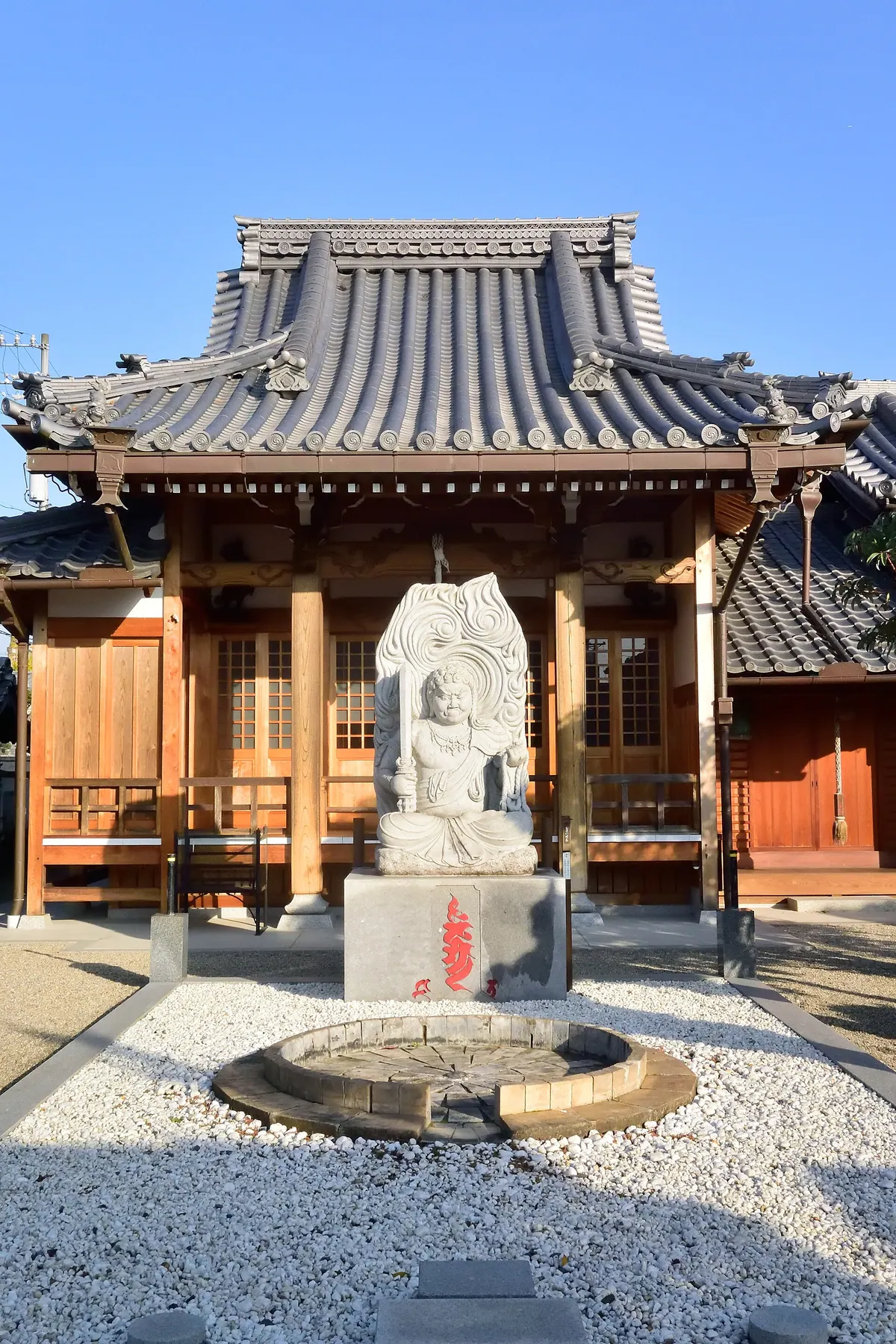
Matsumoto-in is a historic Buddhist temple with Noh masks, easily accessible from Iga Railway stations.
What it is
- A Buddhist temple of the Shingon-shu Daigo-ha sect.
- Its mountain name is Chorai-san.
- Founded in 1616.
- Principal image is Fudo Myoo.
What to see
- Noh masks donated by Todo Takahisa.
When to go
- Has a deep connection with Ueno Tenjin Festival.
Getting there
- 0.8km south of Iga Railway Uenoshi Station.
- 0.6km west of Iga Railway Kayacho Station.
- 1.2km north of Meihan National Highway Ueno-higashi Interchange.
- Address
- 三重県伊賀市西日南町1739 Map
19
Gyōjun-ji Temple
MIE · TEMPLE 行順寺
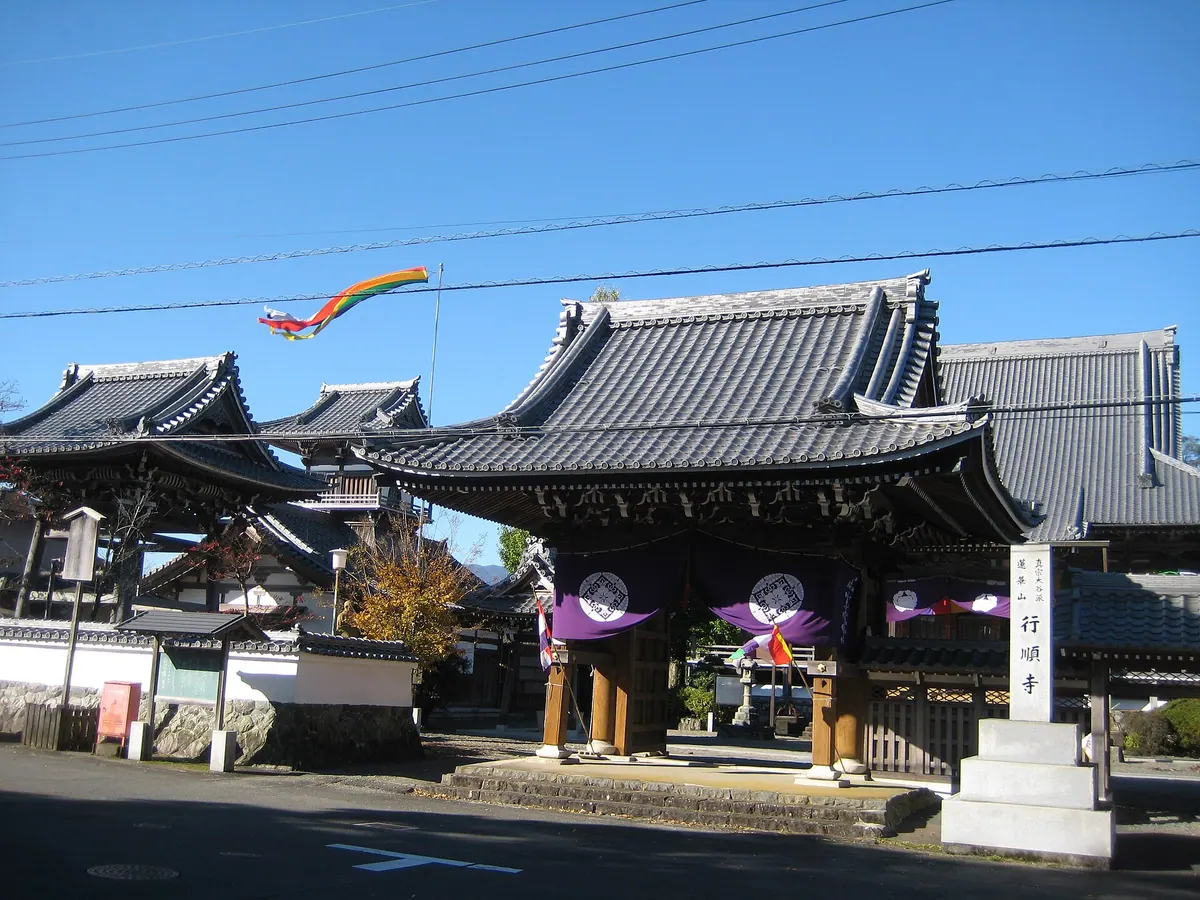
Gyōjun-ji Temple is a historic Jodo Shinshu temple with a connection to Rennyo.
What it is
- Founded in 827, originally a Shingon sect temple.
- Became Jodo Shinshu in 1448, belongs to Shinshu Otani sect.
- A central temple of Jodo Shinshu in Northern Ise.
- Former site of Rennyo.
What to see
- Principal image is Amitābha Tathāgata.
- Current main hall rebuilt in 1745.
- Possesses a wooden statue of Shinran.
- Stores old documents related to Hokusei Ikko Ikki.
When to go
- Rennyo-ki is held annually in late April.
- Address
- 三重県いなべ市北勢町南中津原754 Map
20
Kenshō-ji Temple
MIE · TEMPLE 見性寺
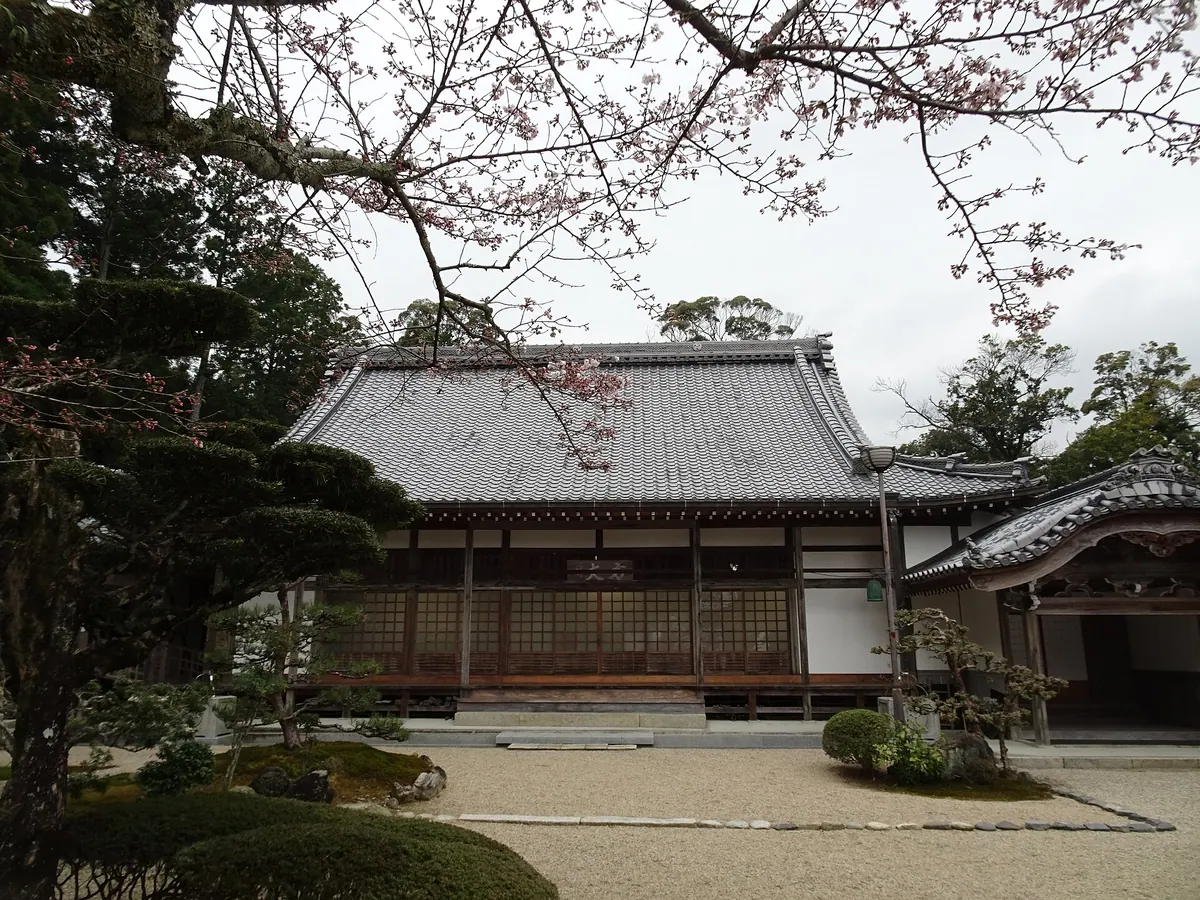
Kenshoji Temple is a historic Rinzai Zen temple with important statues and family graves.
What it is
- A Rinzai sect Myoshinji school temple.
- Founded in 1644 by Hijikata Okataka.
- Family temple of the Hijikata clan.
What to see
- Graves of successive Hijikata family lords.
- Main image: seated Shaka Nyorai statue.
- Seated Kobo Daishi statue.
- Amida Nyorai statue.
- Statue of high priest Mokuan.
- Benten Son-ten, one of the Suzuka Seven Lucky Gods.
Getting there
- 5-minute walk from Kintetsu Yunoyama Line Komono Station.
- Address
- 三重県三重郡菰野町大字菰野158 Map