

20 Shrines in Miyagi worth your time
Japan Gems
Miyagi Prefecture has 79 shrines, including Kesema Ōshima Shrine and Tsutsujigaoka Tenmangū. These shrines offer a glimpse into the region's spiritual heritage.
Miyagi has 81 shrines on Japan Gems. Below are the 20 we can tell you the most about — each one written up in English from Japanese sources, with what to see and how to get there. See all shrines in Miyagi.
01
Shiogama Shrine
MIYAGI · SHRINE 鹽竈神社
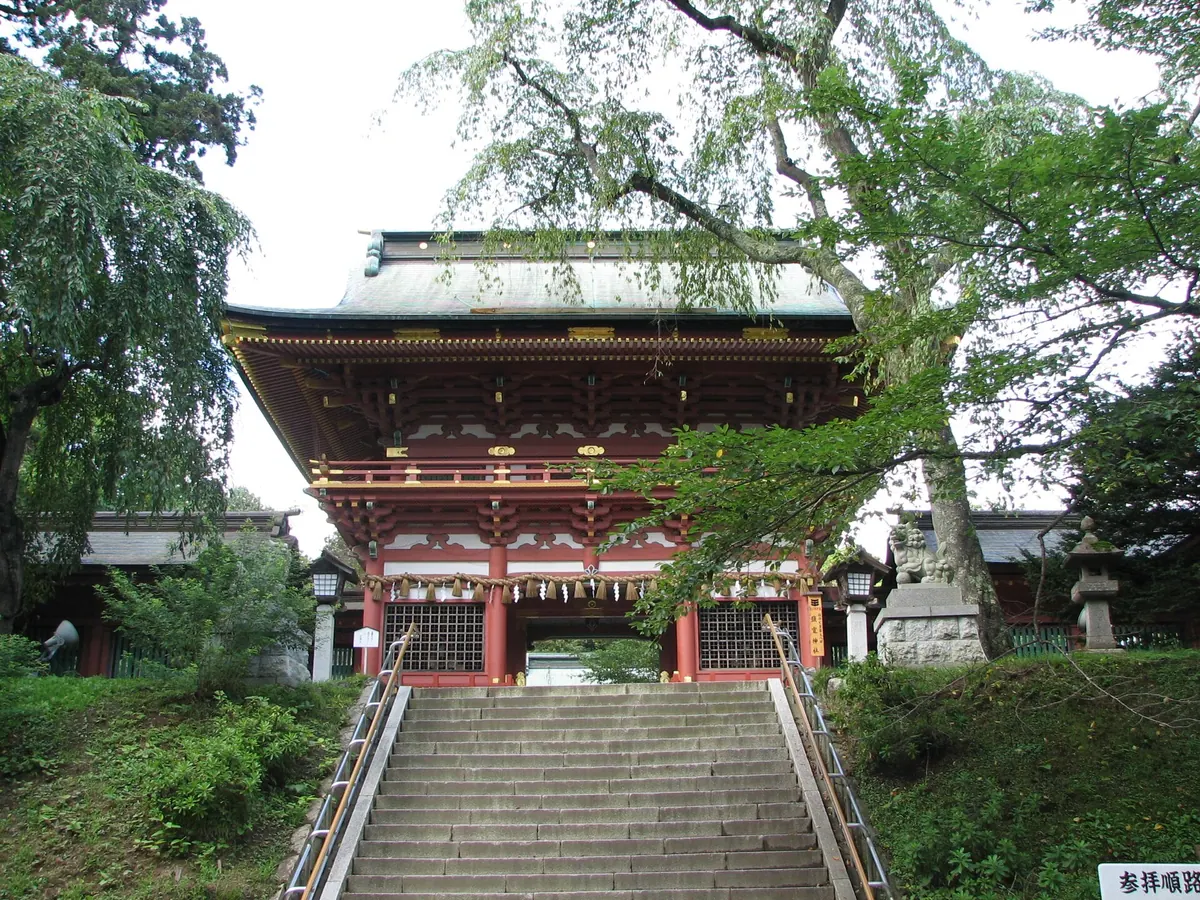
This ancient shrine complex offers historical buildings, gardens, and unique festivals overlooking Matsushima Bay.
What it is
- Two Shinto shrines, Shiogama Jinja and Shiwahiko Jinja, on shared grounds.
- Shiogama Jinja founded before the Nara period, exact year unknown.
- Shiogama Jinja venerates three deities, including a salt-making protector.
- Shiwahiko Jinja dedicated to the god of agriculture, guardian of Shiogama area.
What to see
- Main shrine buildings from 1704, nagare-zukuri style.
- Lavish black- and vermillion-lacquered Shiwahiko Jinja main building, rebuilt 1938.
- 202-step stone stairway lined with lanterns and cryptomeria trees.
- Stately Zuishinmon Gate from the 1700s.
- 14 shrine buildings designated Important Cultural Properties.
- Serene Japanese-style gardens and 300 cherry trees of 40 varieties.
When to go
- Late April to early May for fluffy double-flowered Shiogama zakura cherry blossoms.
- Spring for illuminated cherry blossoms after dark.
- Hote Matsuri festival for 1-ton mikoshi carried down steps.
- Summertime Minato Matsuri for mikoshi on boats in Matsushima Bay.
Getting there
- Located on a hill overlooking the city of Shiogama and Matsushima Bay.
- Address
- 宮城県塩竈市一森山1番1号 Map
- Official site
- www.shiogamajinja.jp
02
Ōsaki Hachimangū
MIYAGI · SHRINE 大崎八幡宮
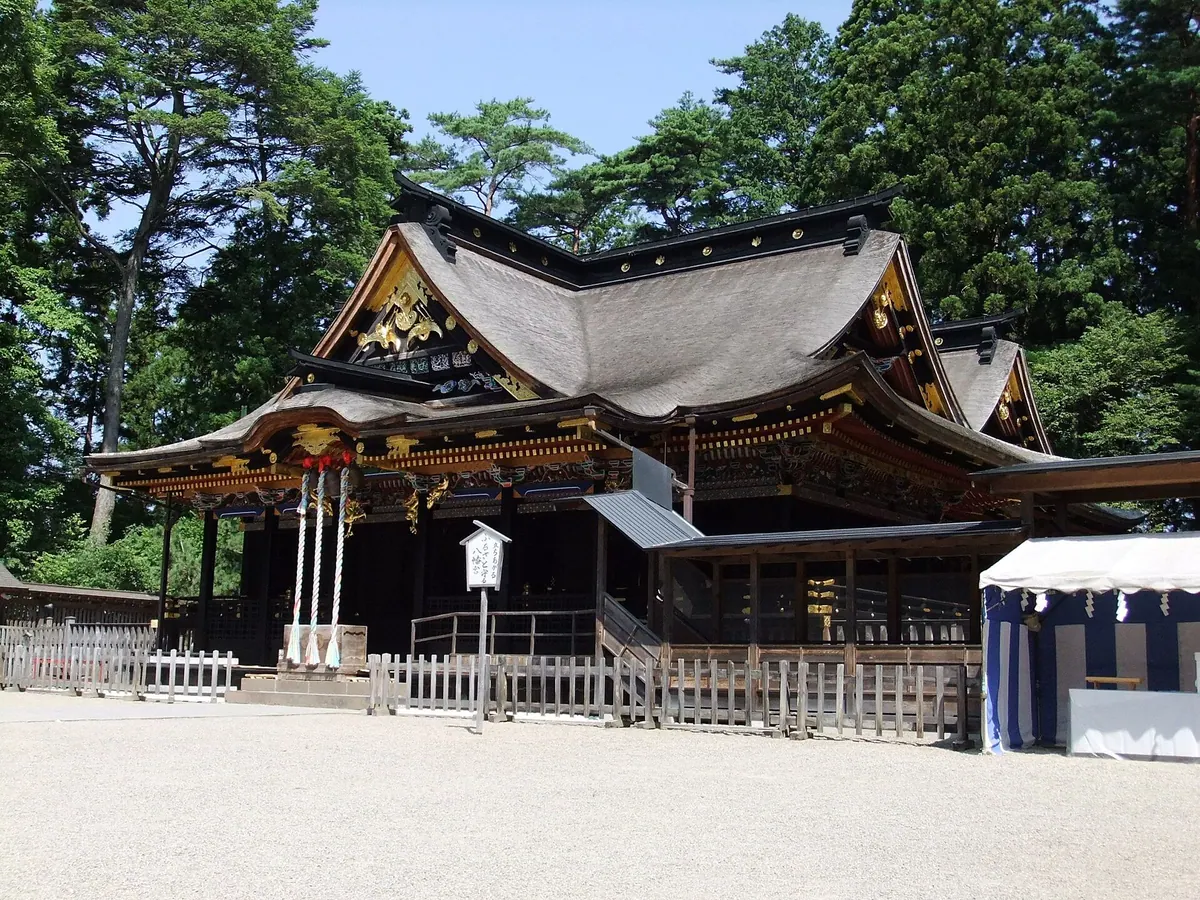
A 17th-century National Treasure shrine in Sendai featuring the oldest Gongen-zukuri architecture and vibrant traditional festivals.
What it is
- A Shinto shrine dedicated to Emperor Ojin, Emperor Chuai, and Empress Jingu.
- The current buildings were commissioned by Date Masamune in 1604 and completed in 1607.
- It is the oldest existing example of Gongen-zukuri style architecture in Japan.
What to see
- The main hall, stone room, and worship hall are designated National Treasures.
- The Nagatoko building is a national Important Cultural Property.
- A stone torii gate designated as a Miyagi Prefectural Tangible Cultural Property.
- Traditional Noh Kagura performances which are national intangible folk cultural properties.
When to go
- Visit during the annual Dontosai and Hadaka-mairi festivals.
Getting there
- Take a bus to the Osaki Hachimangu-mae bus stop.
- Walk twelve minutes from the north approach to Tohoku Fukushi-dai-mae Station.
- Official site
- www.oosaki-hachiman.or.jp
03
Shimomasuda Shrine
MIYAGI · SHRINE 下増田神社
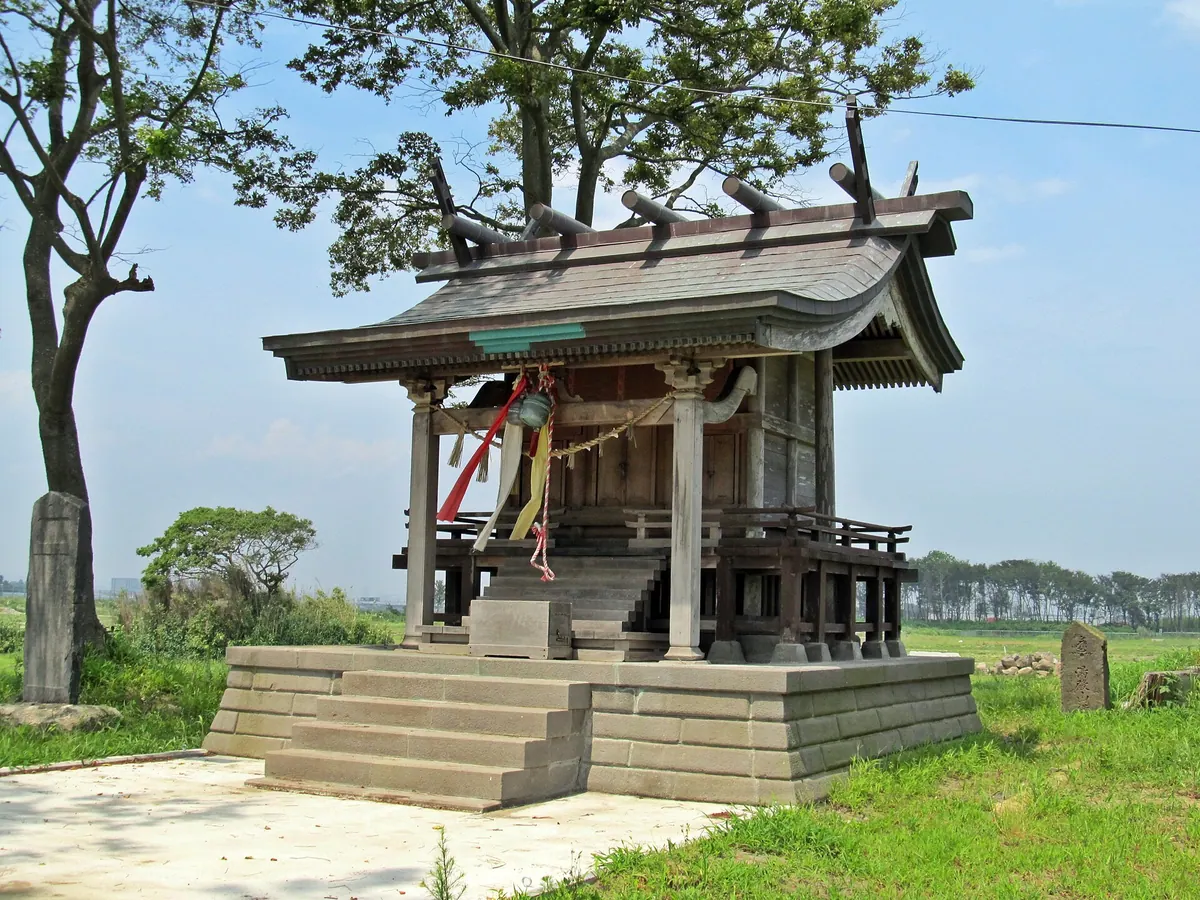
A historic village shrine founded in the ninth century featuring a main hall that survived the 2011 Great East Japan Tsunami.
What it is
- A village shrine founded between 806 and 810 originally known as Shinmeigu.
- The current main building was constructed on September 1, 1744.
- Multiple local shrines including Ikazuchi and Kumano were merged here in 1908.
- The site is dedicated to several deities including those from the Koku Shrine.
What to see
- The original main hall which survived the 2011 earthquake and tsunami.
- A worship hall that was damaged by the tsunami on March 11, 2011.
- The subordinate Ubusunayamatsumi Shrine located within the grounds.
Getting there
- The shrine is an eight-minute walk from Sendai Airport Station.
04
Okama Shrine
MIYAGI · SHRINE 御釜神社
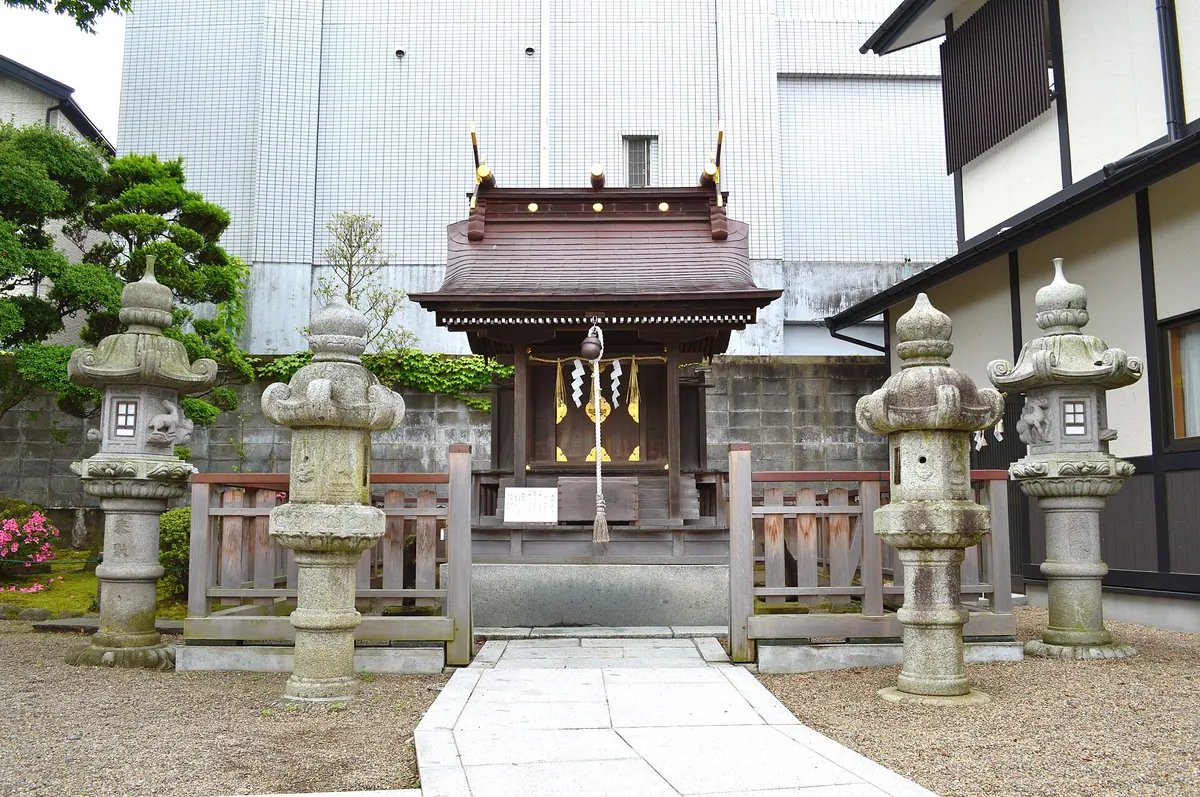
Okama Shrine, an auxiliary to Shiogama Shrine, features unique cauldrons central to local history and rituals.
What it is
- An auxiliary shrine of Shiogama Shrine.
- Dedicated to the deity Shiotsuchi-no-Oji-no-Kami.
- Its cauldrons are the origin of the name "Shiogama."
What to see
- Four cauldrons, called "Kamagama" or "Okama."
- The cauldrons are Shiogama City Tangible Folk Cultural Properties.
- Water in the cauldrons does not dry up during drought.
- Water color was historically used for divination.
When to go
- Annual Moshioyaki Shinji ritual is held in July.
- The ritual prepares offerings for the main Shiogama Shrine festival.
- Moshioyaki Shinji is an Intangible Folk Cultural Property.
- Address
- 宮城県塩竈市本町6-1 Map
- Official site
- www.shiogamajinja.jp
05
Atago Shrine
MIYAGI · SHRINE 愛宕神社
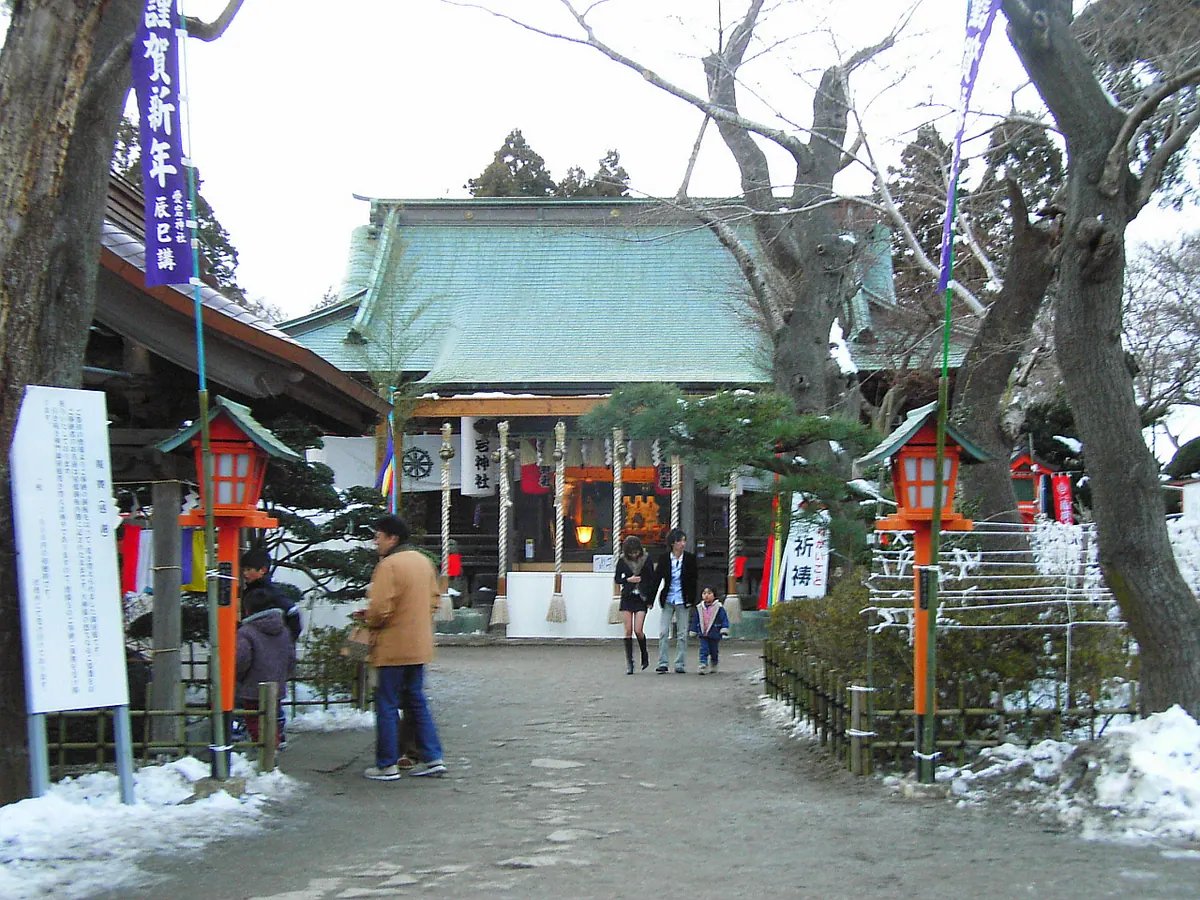
Atago Shrine, dedicated to the fire god, offers city views and historical artifacts.
What it is
- One of the Atago Shrines based on Atago worship.
- Part of the Sendai Goshaguri (Sendai Five Shrines Tour).
- Enshrines Kagutsuchi, the god of fire.
- Also enshrines Amaterasu Omikami and Toyouke Omikami.
What to see
- Main hall and worship hall are city cultural properties.
- Three munefuda (ridge tags) record constructions.
- Two large ema (votive tablets) from 1724.
- Views from Mount Atago, 75 meters high.
When to go
- Annual festival is held on July 23rd and 24th.
Getting there
- 10-minute walk from Atagobashi Station.
- Sendai Subway Namboku Line.
- Address
- 宮城県仙台市太白区向山四丁目17番1号 Map
06
Sendai Tōshō-gū
MIYAGI · SHRINE 仙台東照宮
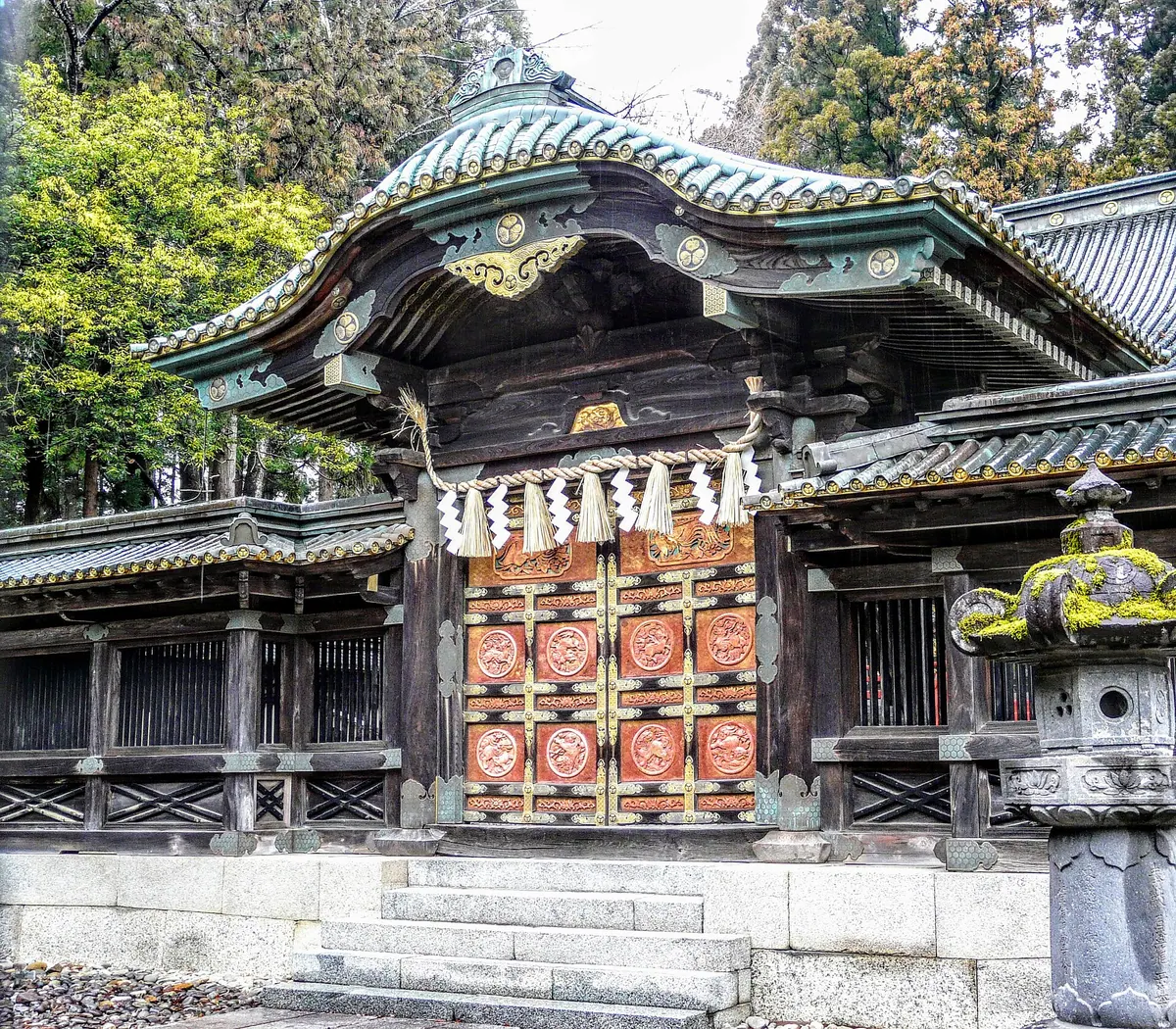
A 17th-century shrine dedicated to Tokugawa Ieyasu, featuring important cultural properties.
What it is
- A shrine dedicated to Tokugawa Ieyasu.
- Founded in 1654 by Date Tadamune.
- One of the Sendai Gosha Meguri shrines.
- Recognized as a Japan Heritage cultural property in 2016.
What to see
- Four buildings are national Important Cultural Properties.
- One torii is a national Important Cultural Property.
- The torii is the oldest in Miyagi Prefecture.
- The stone steps were built in 1654.
- 34 stone lanterns are Important Cultural Properties.
- A statue of Tokugawa Ieyasu is in the main hall.
Getting there
- 5-minute walk from Higashi-Shōgū Station.
- Address
- 宮城県仙台市青葉区東照宮一丁目6-1 Map
- Official site
- www.sendai-toshogu.or.jp
07
Kanahebisui Shrine
MIYAGI · SHRINE 金蛇水神社
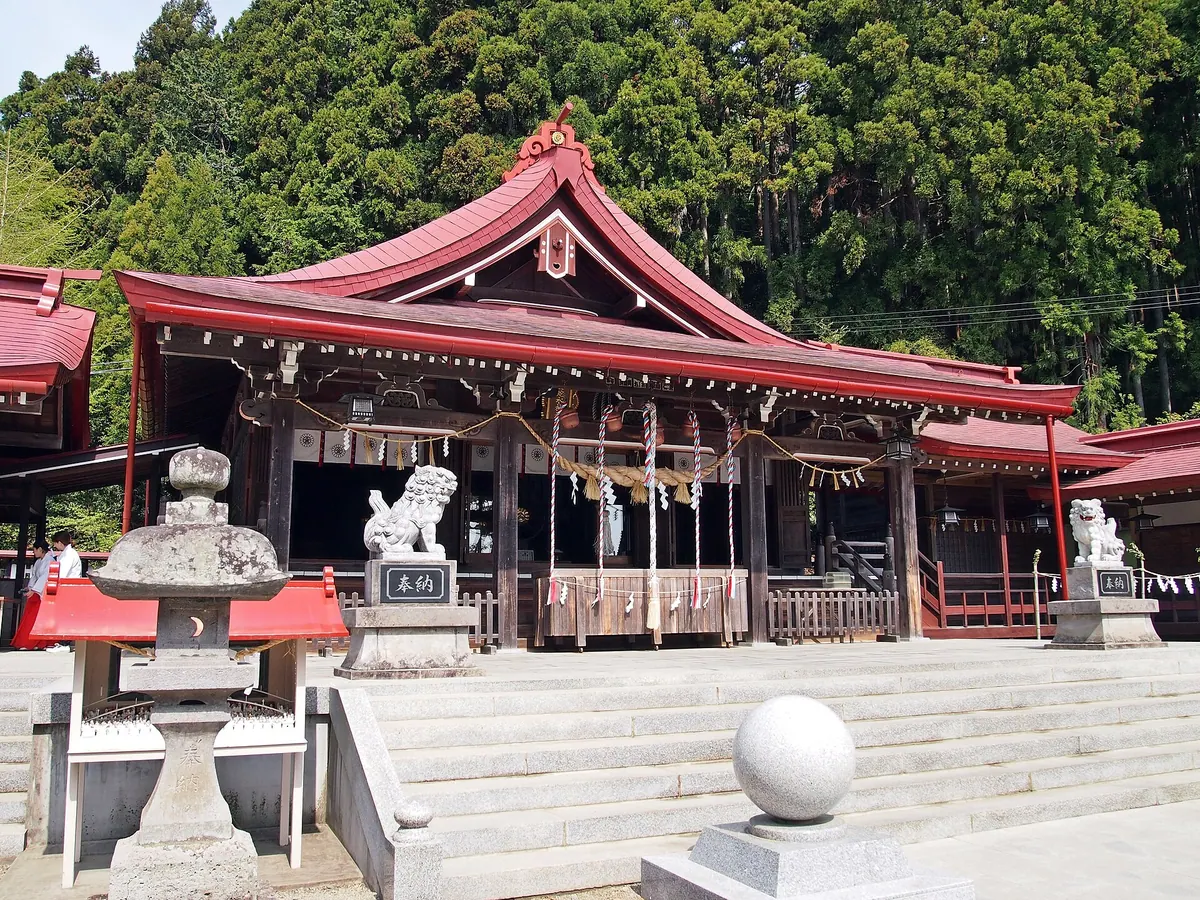
Kanahebisui Shrine: a unique shrine in Miyagi for business, fortune, and maritime safety.
What it is
- Dedicated to Kanahebi Okami (Mihayame no Mikoto).
- Secondary deities are Oanamuchi no Mikoto and Sukunahikona no Mikoto.
- Revered for business prosperity and financial fortune.
- Worshipped for maritime safety and good fishing catches.
What to see
- Kanahebi Benzaiten, a water deity, within the precincts.
- A 300-year-old wisteria tree called "Kuryu no Fuji."
- Snake-patterned stones called "Jammonseki" south of the main hall.
When to go
- Peony Festival from May 10th to May 25th.
- Grand Festival from May 15th to May 21st.
- Address
- 宮城県岩沼市三色吉字水神7 Map
08
Koganeyama Shrine (Ishinomaki)
MIYAGI · SHRINE 黄金山神社
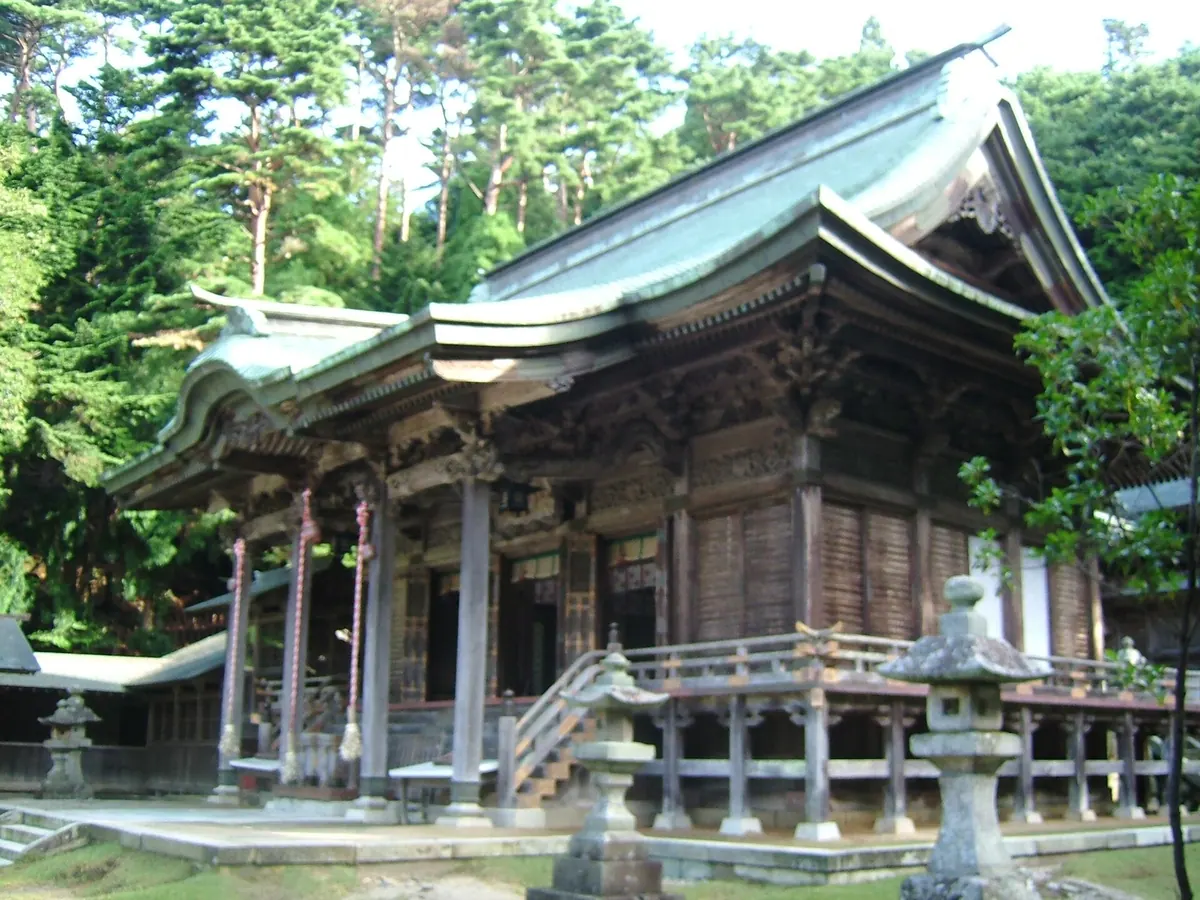
Ancient shrine on a sacred island, home to unique festivals and giant lanterns.
What it is
- Shrine on Kinkasan Island, founded in 750 AD.
- Dedicated to Kanayamabiko-no-kami, Kanayamahime-no-kami, and Yaoyorozu-no-kami.
- The entire island is considered a sacred area.
- Formerly a prefectural shrine, now a Beppyo Shrine.
What to see
- Current main hall, rebuilt after an 1897 fire.
- Permanent lanterns are 4.8 meters tall.
- These lanterns are among Japan's three largest.
When to go
- Hatsumi Taisai festival: seven days from first Day of Serpent in May.
- Deer Antler Cutting Festival: first and second Sundays of October.
- Address
- 宮城県石巻市鮎川浜金華山5番地 Map
- Official site
- kinkasan.jp
09
Kattamine Shrine
MIYAGI · SHRINE 刈田嶺神社
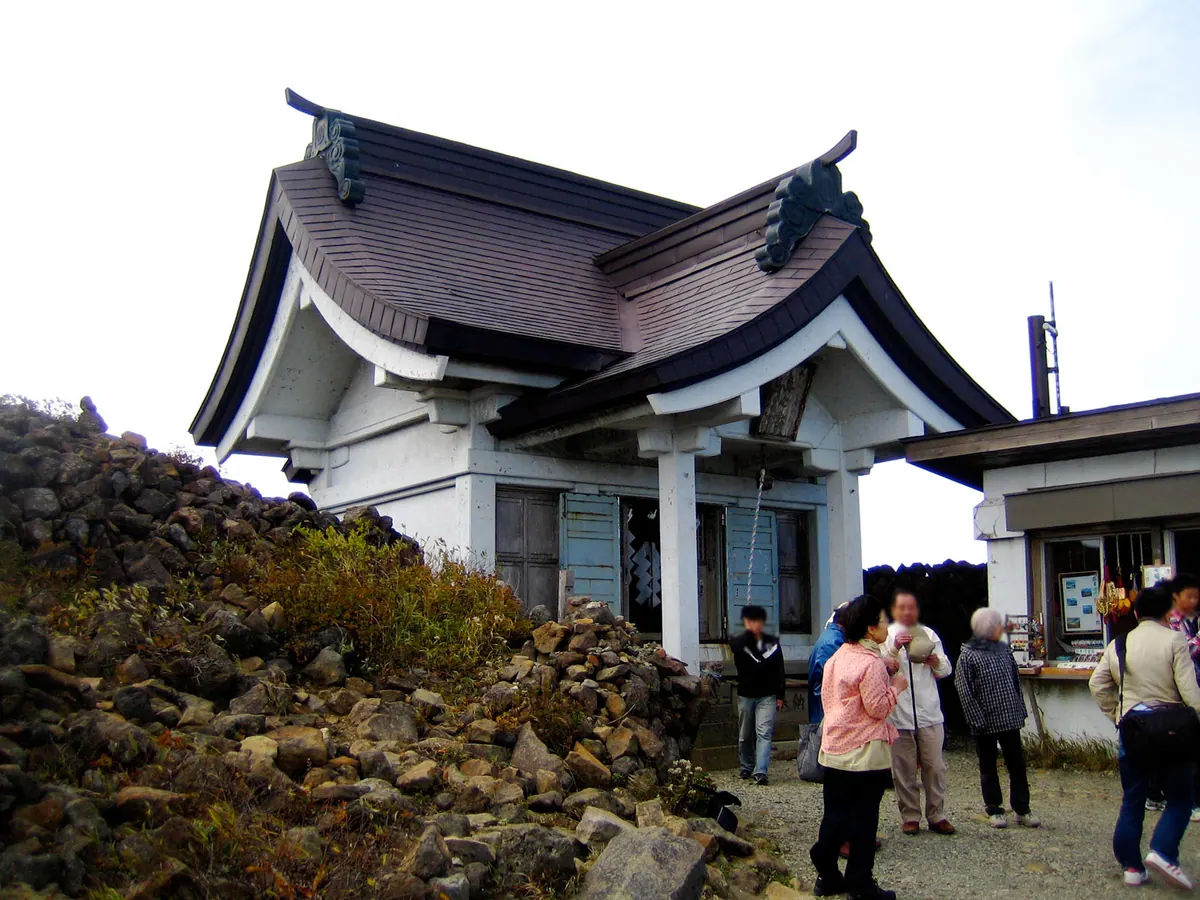
Kattamine Shrine, a historic mountain shrine, offers a unique glimpse into ancient Japanese religious practices.
What it is
- A shrine on Mount Kattadake in the Zao Mountain Range.
- Dedicated to Zao Gongen, opened in 679 by En no Ozunu.
- Relocated to Mount Kattadake around 1645-1648.
- Listed in the ancient Engishiki Jinmyocho records.
What to see
- An Okumiya (inner shrine) and a Satomiya (outer shrine).
- The Zao Mountain Range, named after Zao Gongen.
When to go
- Deity moves between inner and outer shrines seasonally.
Getting there
- Access via Zao Echo Line and Zao High Line.
- Then a 15-minute walk to the shrine.
- Address
- 宮城県刈田郡蔵王町倉石岳 Map
10
Aoba Shrine
MIYAGI · SHRINE 青葉神社
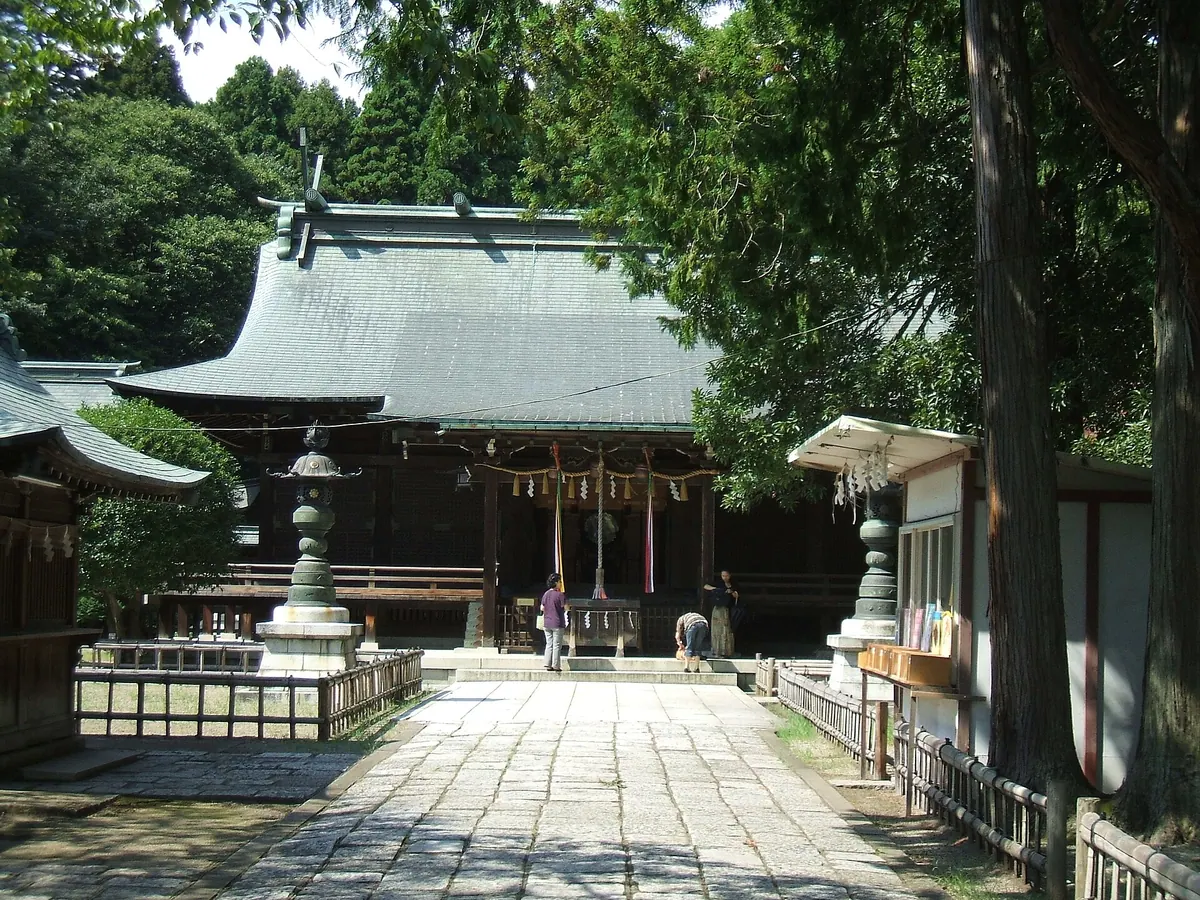
Aoba Shrine honors Date Masamune, offering a glimpse into Sendai's samurai past.
What it is
- Founded in 1874, a prefectural shrine.
- Dedicated to Date Masamune, a powerful samurai lord.
- Part of the Sendai Gosha Pilgrimage.
- Current chief priest is 17th head of Katakura family.
What to see
- Main shrine building completed in 1927.
- Auxiliary shrine for Date Masamune's retainers.
- Torii gate damaged in 2011 earthquake.
When to go
- Spring Grand Festival on May 24th and 25th.
Getting there
- 5-minute walk from Kita-Sendai Station on JR Senzan Line.
- Free parking is available.
- Address
- 宮城県仙台市青葉区青葉町7番1号 Map
- Official site
- www.aoba-jinja.com
11
Funagatayama Shrine
MIYAGI · SHRINE 船形山神社
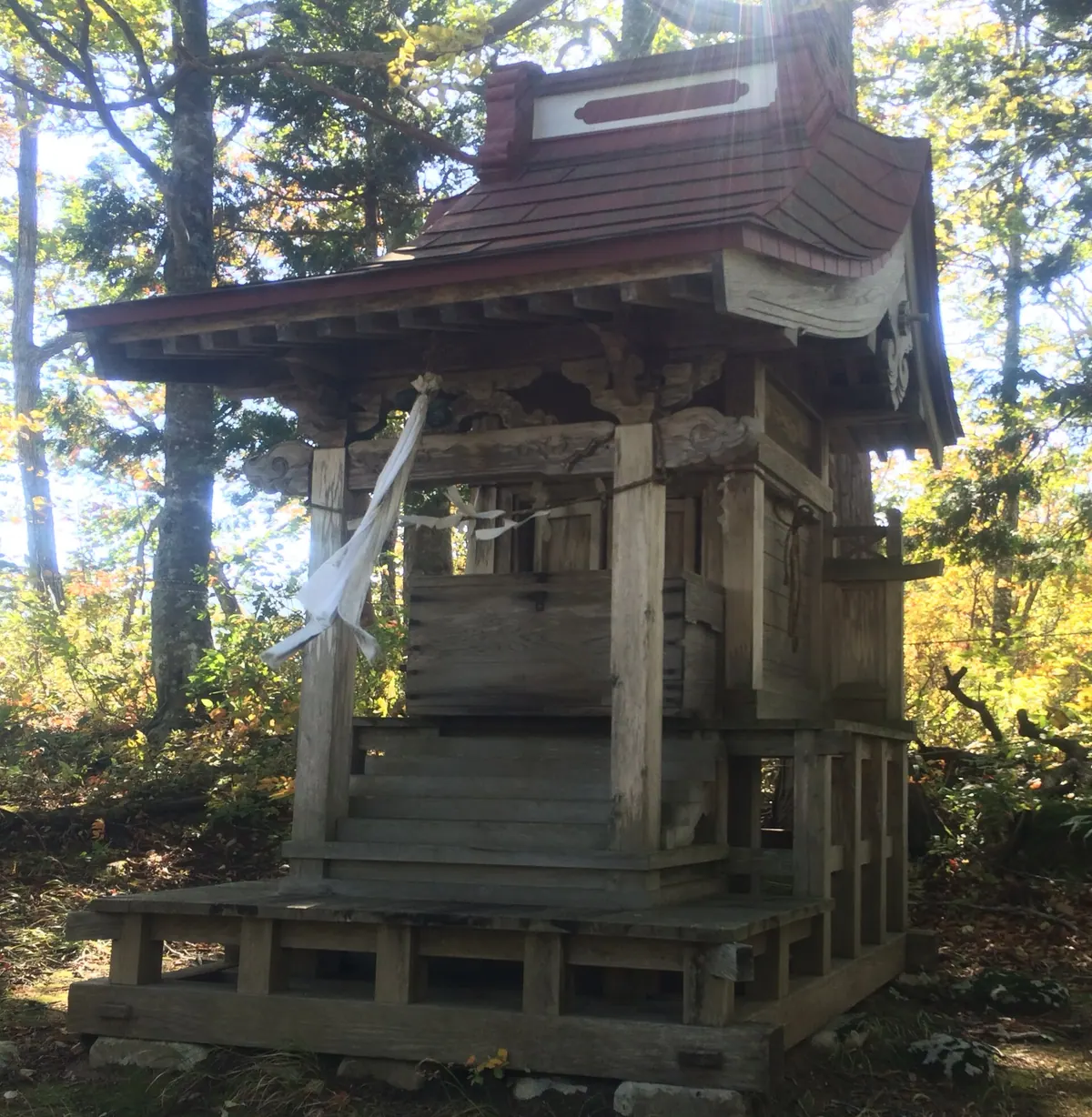
A historic shrine at Mount Funagata's base, known for its rare 6th-century statue and vibrant May 1st festival.
What it is
- A shrine in Taiwa-cho, Miyagi Prefecture.
- Also known as Funagatayama Gongen-sha and Masuzawa Gongen.
- Dedicated to Uke Mochi no Kami, twelve divine generals, and Daikokuten.
- Formerly a village shrine, received donations from the Sendai Domain.
What to see
- A 15cm gilt bronze bodhisattva statue, the sacred object.
- The statue is estimated to be from the 6th century.
When to go
- May 1st: The sacred statue is unearthed and displayed.
- May 1st: The Great Bonten Festival, a cultural property.
- Address
- 宮城県黒川郡大和町吉田字升沢108、109 Map
12
Kumano Shrine
MIYAGI · SHRINE 熊野神社
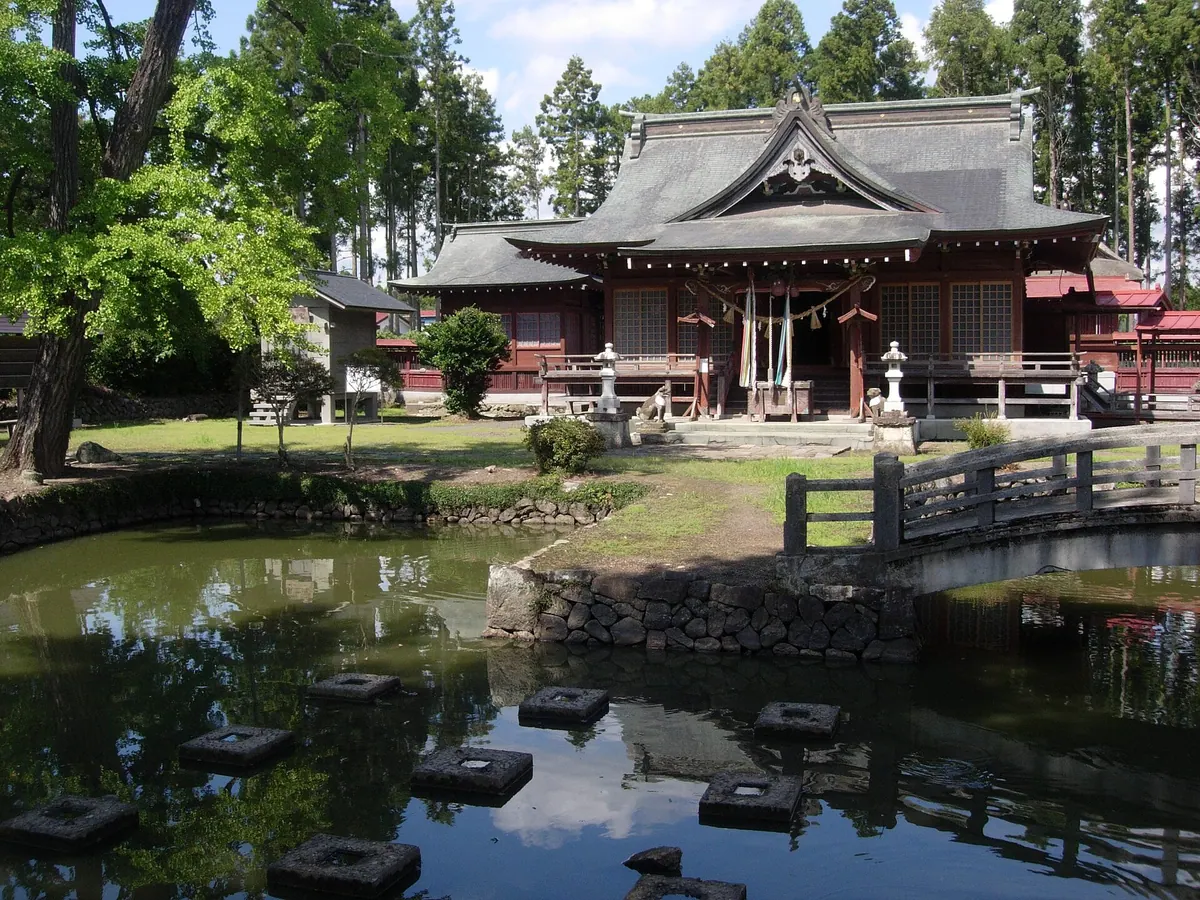
Kumano Shrine: an ancient shrine in Miyagi, important for its history and traditional performances.
What it is
- One of the Natori Kumano Sansha.
- Founded in 1123 as Kumano Shingu-sha.
- A center of Kumano worship in the Tohoku region.
- Has a deep connection with the Date clan.
What to see
- The main hall is a tangible cultural property.
- Kumano-do Kagura is an intangible folk cultural property.
- Kumano-do Bugaku is an intangible folk cultural property.
When to go
- Kumano-do Kagura is performed during spring and autumn festivals.
- Kumano-do Bugaku is performed only at the spring festival.
- Address
- 宮城県名取市高舘熊野堂字岩口上51 Map
13
Kamo Shrine (Sendai)
MIYAGI · SHRINE 賀茂神社 (仙台市)
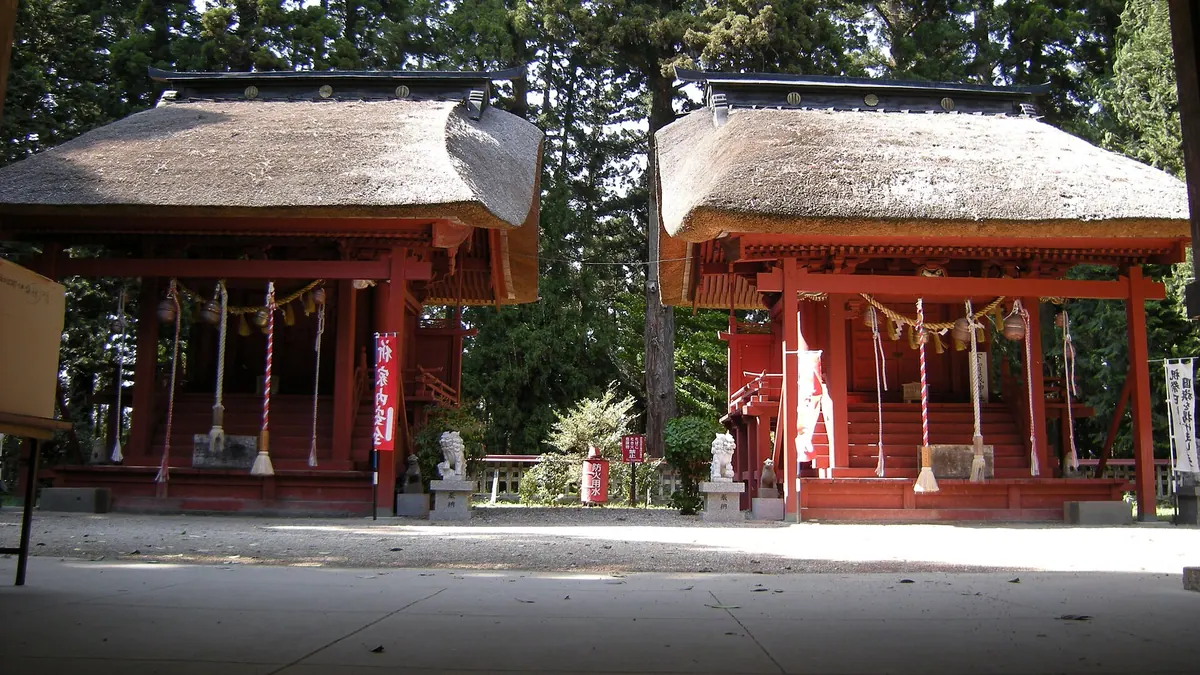
Kamo Shrine is a historic complex with two main shrines, recognized for its cultural properties.
What it is
- A shrine complex in Izumi Ward, Sendai City.
- Comprises two main shrines: Shimogamo and Kamigamo.
- Built on the former site of the Furuchi clan's residence.
- Also known as 'Tadasu-sama' and 'Akagami-sama'.
What to see
- Shimogamo (Kamo Mioya Jinja) and Kamigamo (Kamo Wakeikazuchi Jinja).
- Shrine buildings in Kayabuki Hakomune-zukuri style.
- Yatagarasu Shrine within the grounds.
- Designated a 'Green Scenic Spot 100' by Sendai City.
- Main halls are Miyagi Prefectural Tangible Cultural Properties.
- Address
- 宮城県仙台市泉区古内字糺1 Map
14
Hie Shrine
MIYAGI · SHRINE 日枝神社
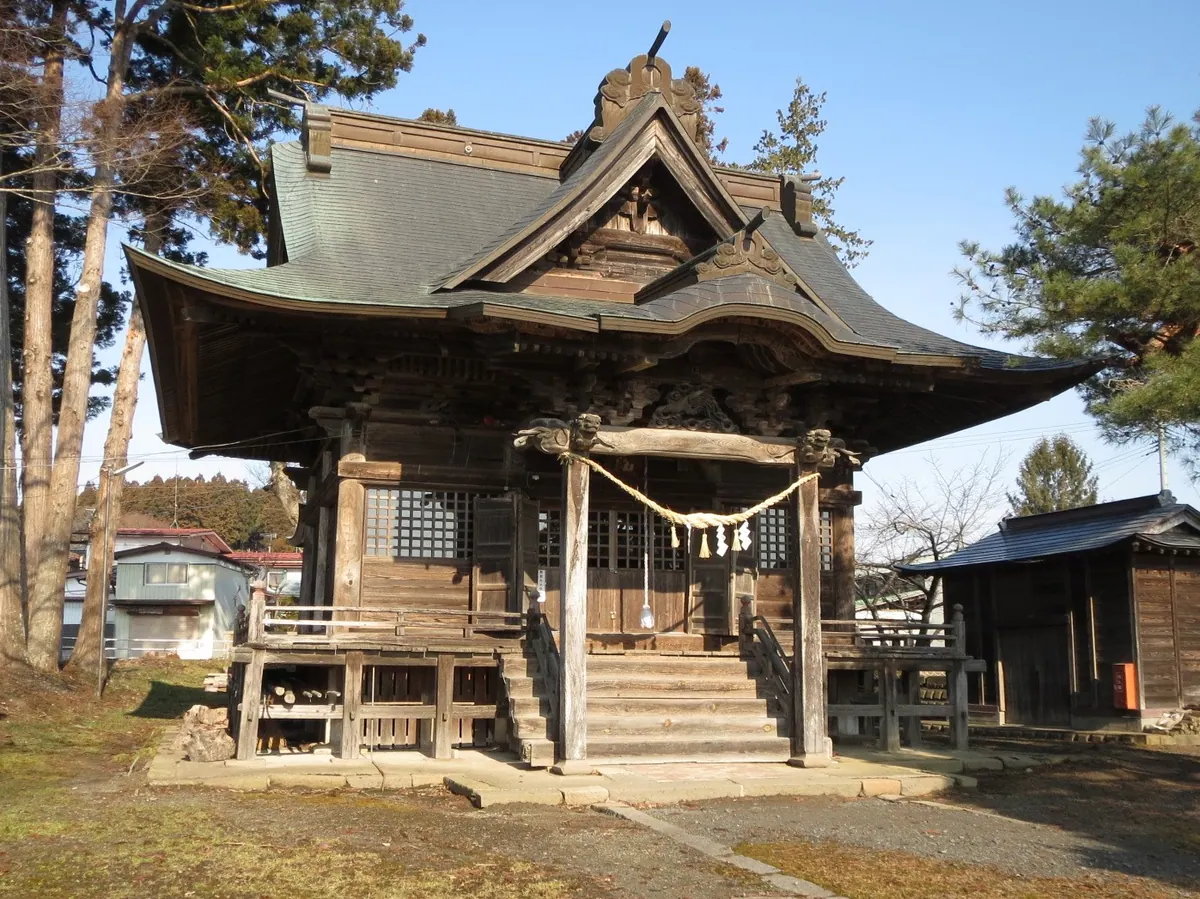
Hie Shrine, founded in 746, offers a glimpse into Japan's rich architectural and spiritual heritage.
What it is
- A shrine dedicated to Oyamakui-no-mikoto.
- First established in the year 746.
- Originally known as Sanno Shrine.
- Relocated by Kiyohara Nariyoshi.
What to see
- Main hall is a designated cultural property.
- Worship hall is a designated cultural property.
- Main hall has a hip-and-gable roof.
- Main hall shows Azuchi-Momoyama period characteristics.
- Worship hall has a hip-and-gable roof.
Getting there
- 5-minute drive from Wakayanagi-Kannari Interchange.
- Address
- 宮城県栗原市 金成中町27 Map
15
Miyagi Gokoku Shrine
MIYAGI · SHRINE 宮城縣護國神社
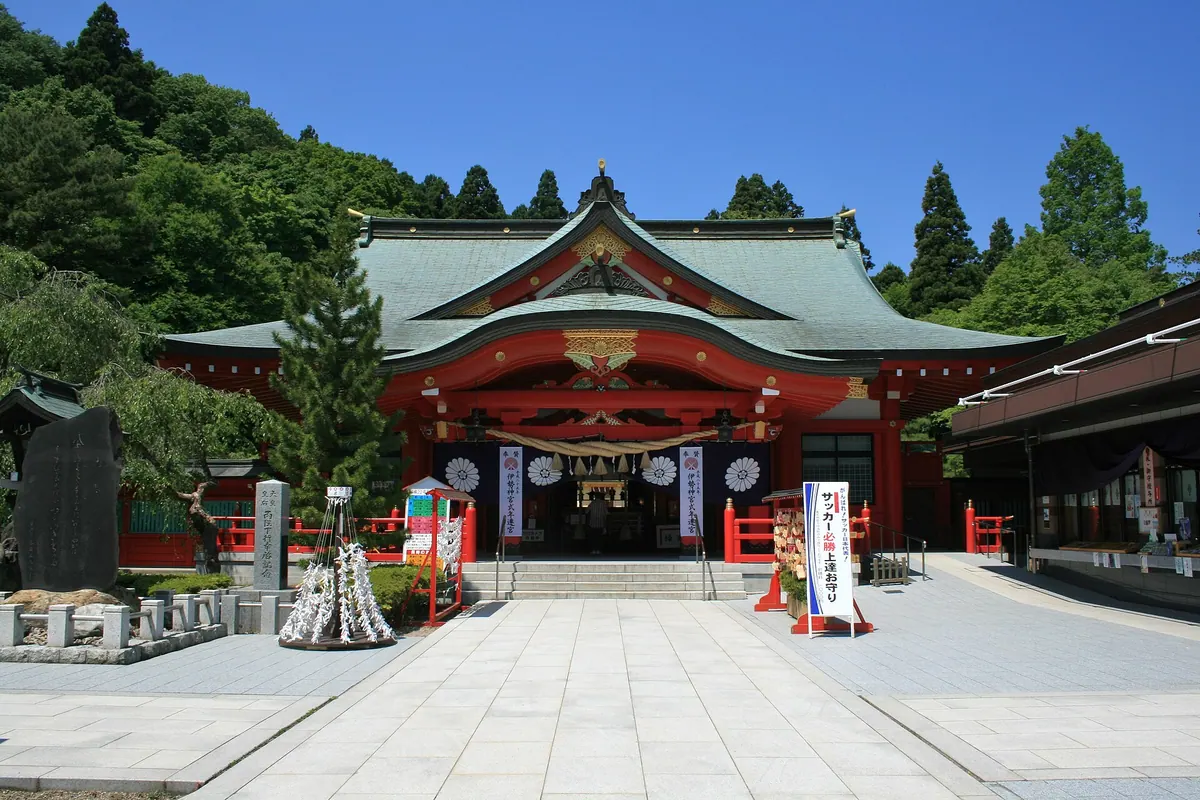
This shrine honors Miyagi's war dead and offers a glimpse into local history.
What it is
- One of the Sendai Gosha Meguri shrines.
- Founded in 1904 as a 'Shokonsha'.
- Enshrines over 56,000 war dead from Miyagi Prefecture.
- Located on the site of Sendai Castle's main keep.
What to see
- Shrine crest: fifteen-petal chrysanthemum and cherry blossom.
- Current shrine building relocated from Ise Jingu's Kazamiya.
- Statue of special attack forces heroes, erected in 2007.
- Urayasu-gu shrine enshrines Amaterasu Sumera Okami.
- Urayasu-gu shrine also enshrines Date Masamune.
- Official site
- gokokujinja.org
16
Isora Shrine
MIYAGI · SHRINE 磯良神社
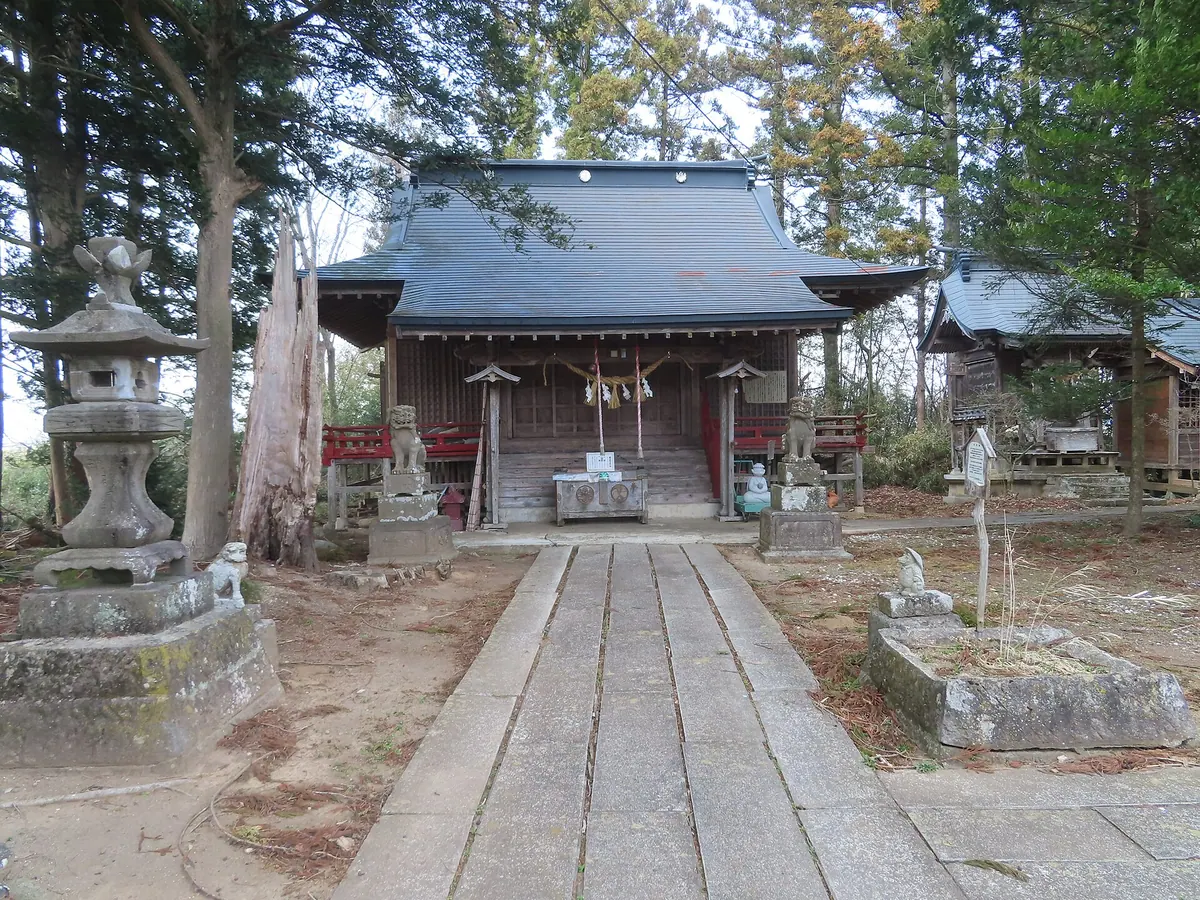
Isora Shrine, founded in the 9th century, offers unique blessings and a rare kappa statue.
What it is
- Shrine dedicated to Isora-no-kami.
- Also known as Okappa-sama.
- Founded in 802 or 804.
- Offers blessings for water disaster protection, matchmaking, safe childbirth.
What to see
- Main deities are Empress Jingu and Sumiyoshi Sanjin.
- Sacred wooden kappa statue is enshrined.
- Kappa statue displayed every 60 years.
When to go
- Okappa-sama Festival held annually in July.
Getting there
- 40-minute drive from Furukawa Station.
- Address
- 宮城県加美郡色麻町大字一ノ関字東苗代28 Map
17
Kumano Shrine
MIYAGI · SHRINE 熊野神社
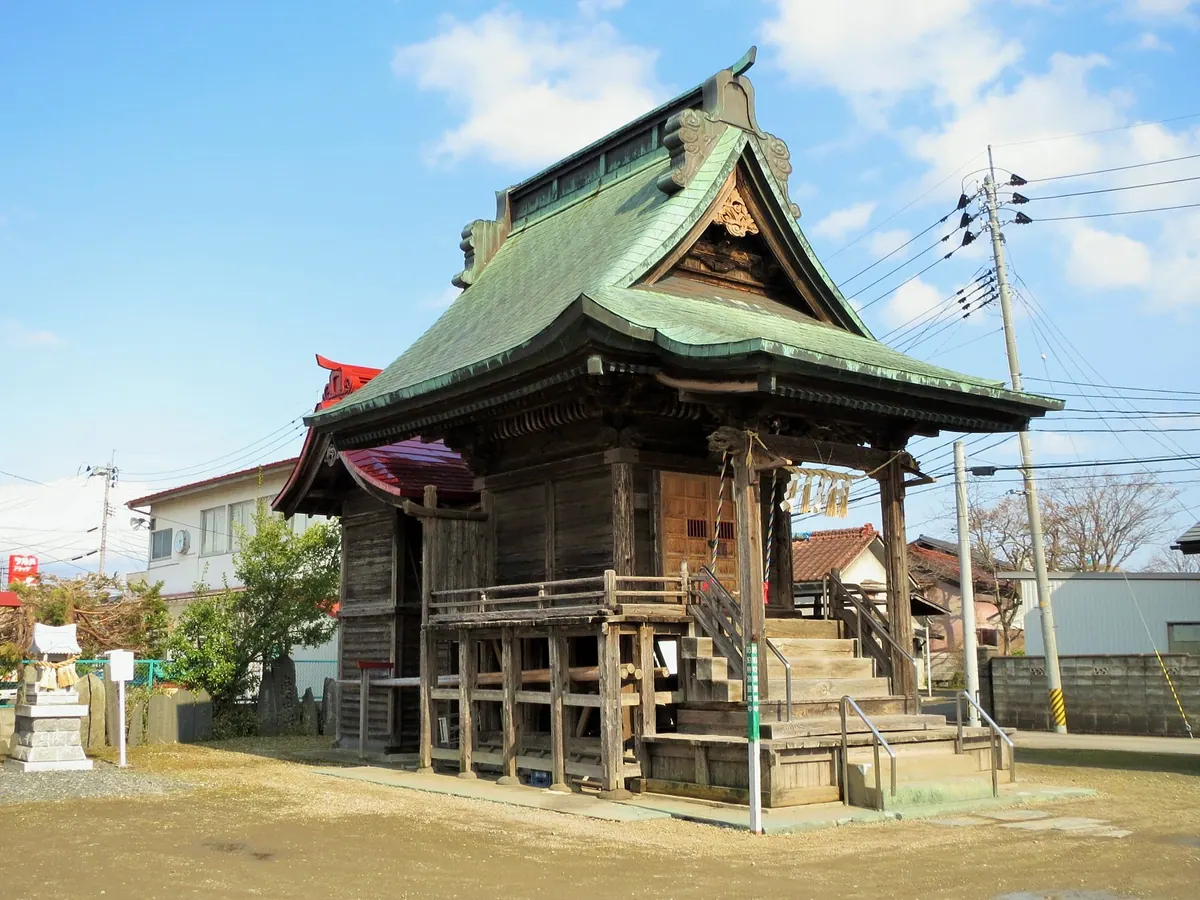
Historic shrine founded by Date Masamune, offering a glimpse into local life with its morning market.
What it is
- Shrine founded by Date Masamune after returning from war.
- Originally named Torigura.
- Enshrines Ketsumiko-no-kami, Izanagi-no-mikoto, Izanami-no-mikoto.
- Ranked as a village shrine in November 1872.
When to go
- Morning market held on 3rd and 7th of each month.
- Market runs from April to June.
- Yaoya-machi market sells local produce and seafood.
Getting there
- 13-minute walk from Furukawa Station.
- 10-minute drive from Furukawa Interchange.
- Address
- 宮城県大崎市古川前田町3-25 Map
18
Kumano-Nachi Shrine
MIYAGI · SHRINE 熊野那智神社
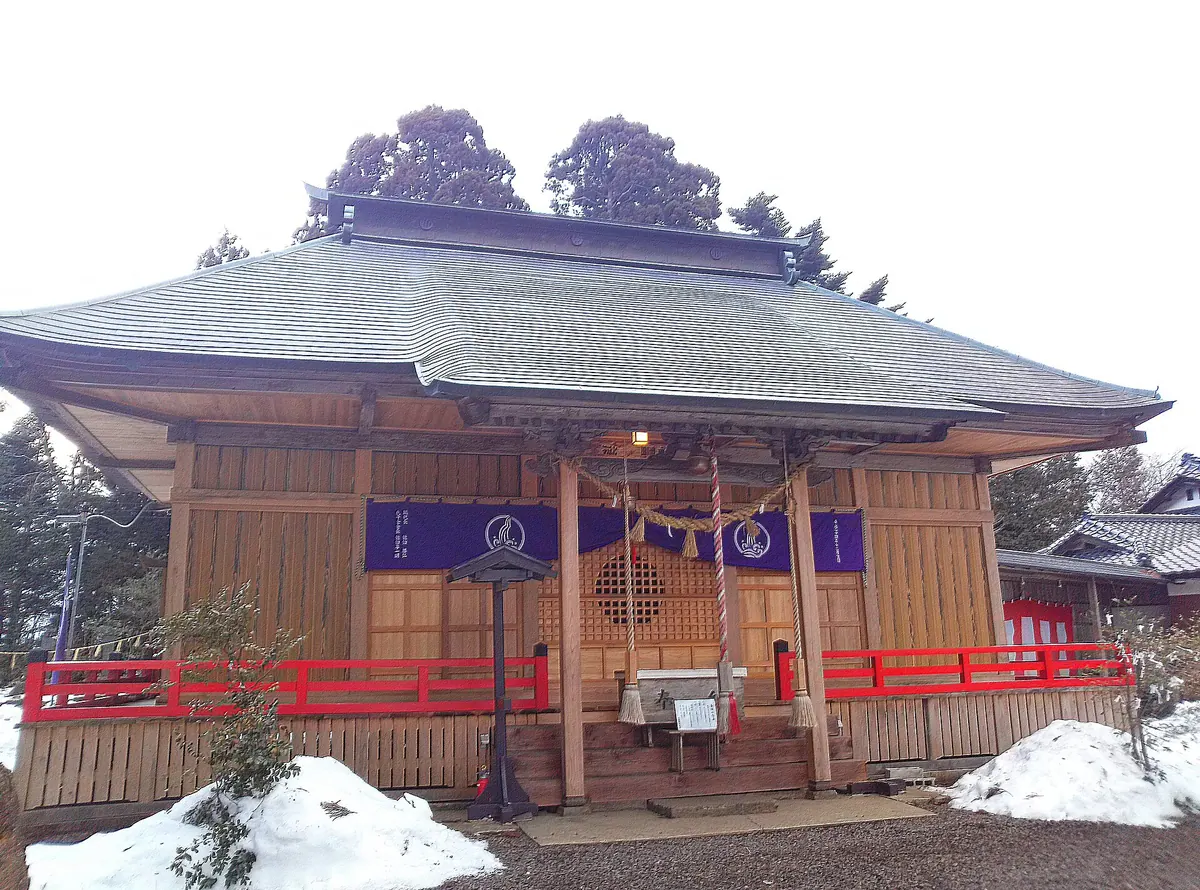
Ancient shrine with unique cultural properties and a sacred cedar, worth visiting for history and art.
What it is
- One of the Natori Kumano Sanja shrines.
- Founded in 719 AD.
- Dedicated to Haguro Hiryu-shin and Izanami-no-Mikoto.
- Received patronage from the Date family.
What to see
- 41 hanging Buddhas and bronze mirrors are National Cultural Properties.
- 114 hanging Buddhas and bronze mirrors are Prefectural Cultural Properties.
- An 800-year-old, 32m tall cedar tree.
- A gate at the top of the main approach's stone steps.
- A bell tower.
- Over 10 cats on the grounds.
- Address
- 〒981-1242 宮城県名取市高舘吉田舘山8 Map
19
Isuzu Shrine
MIYAGI · SHRINE 五十鈴神社
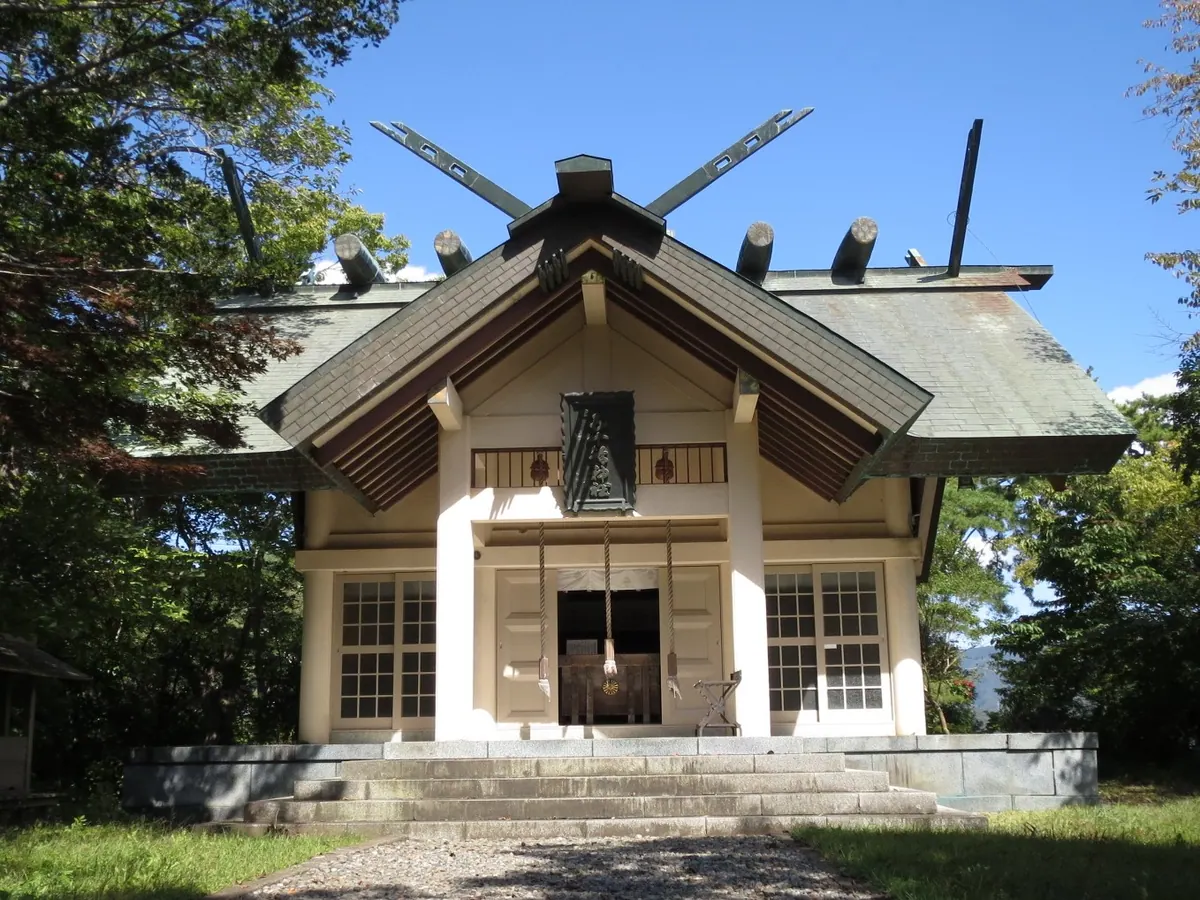
Isuzu Shrine, a historic site in Kesennuma, offers a glimpse into ancient Japanese deities and nature.
What it is
- Dedicated to Amaterasu Omikami, Owatatsumi-no-kami, and Susanoo-no-mikoto.
- Founded in the early Muromachi period.
- Relocated to its current site in the early Edo period.
- Designated a village shrine in the early Meiji period.
What to see
- Golden rain tree community, a natural monument.
- Inokari Shrine, a subsidiary shrine.
- Ryujin Shrine, a subsidiary shrine.
Getting there
- 13-minute walk from Shishiori-Karakuwa Station.
- Address
- 宮城県気仙沼市魚町2-6-7 Map
20
Tsuriishi Shrine
MIYAGI · SHRINE 釣石神社
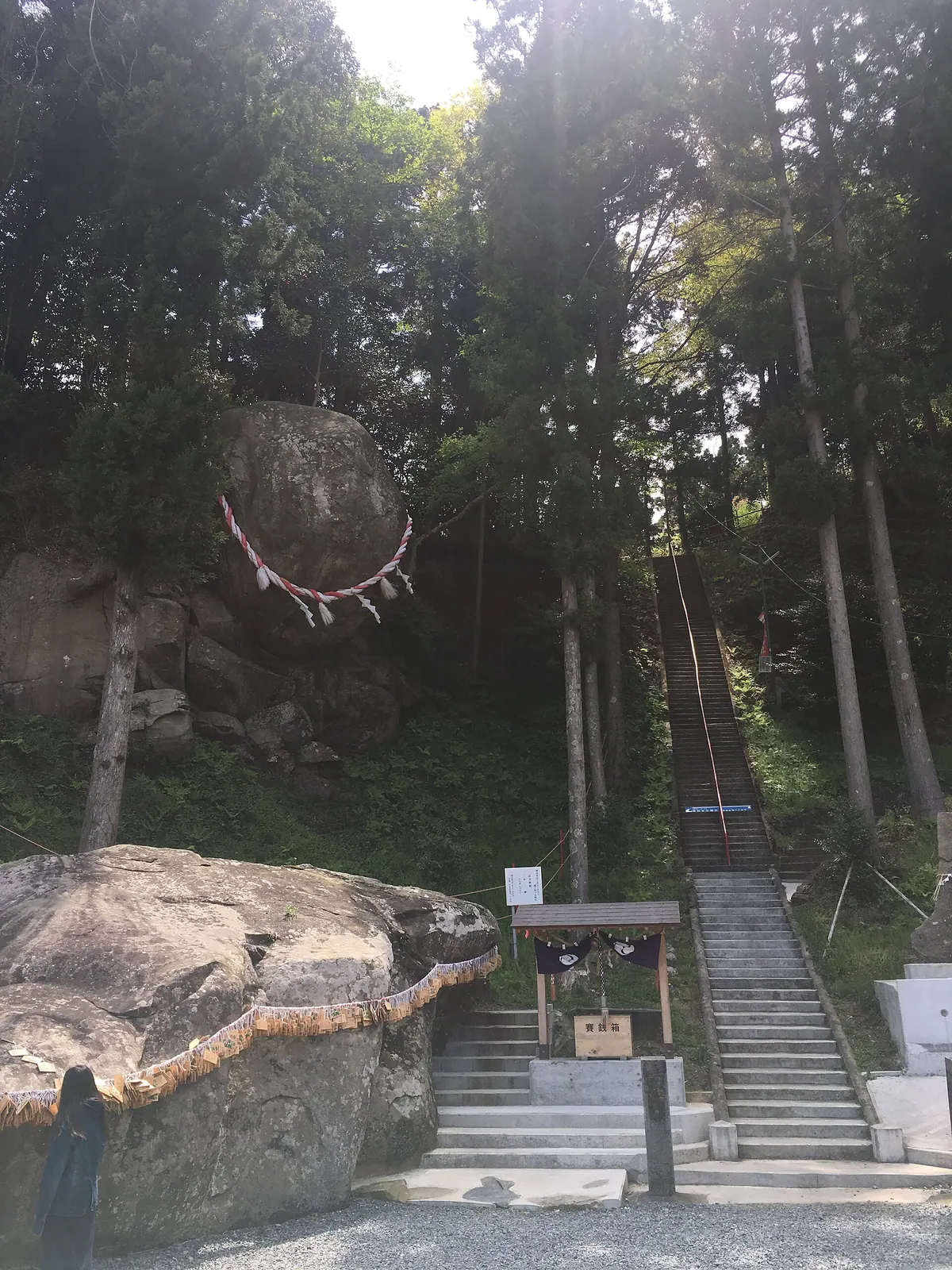
This shrine features a 14-meter-long stone balanced on a hill, visited by students for good exam results.
What it is
- Shrine dedicated to a deity of knowledge.
- Object of worship is a 14-meter-long balanced stone.
- Founded around a gravity-defying megalith.
What to see
- The 14-meter-long balanced stone on a cedar-covered hill.
- Reeds harvested from the Kitakami River decorate the shrine.
- School-related charms (omamori) are available.
- Votive pictures (ema) for writing wishes.
When to go
- Throughout the year to see reed decorations.
- Address
- 宮城県石巻市北上町十三浜字追波305 Map