

20 Shrines in Miyazaki worth your time
Japan Gems
Miyazaki Prefecture is home to 26 unique shrines, including Kuroo Shrine and Kirishima Higashi Shrine. These sacred sites offer a glimpse into local spiritual traditions.
Miyazaki has 27 shrines on Japan Gems. Below are the 20 we can tell you the most about — each one written up in English from Japanese sources, with what to see and how to get there. See all shrines in Miyazaki.
01
Shiiba Itsukushima Shrine
MIYAZAKI · SHRINE 椎葉厳島神社
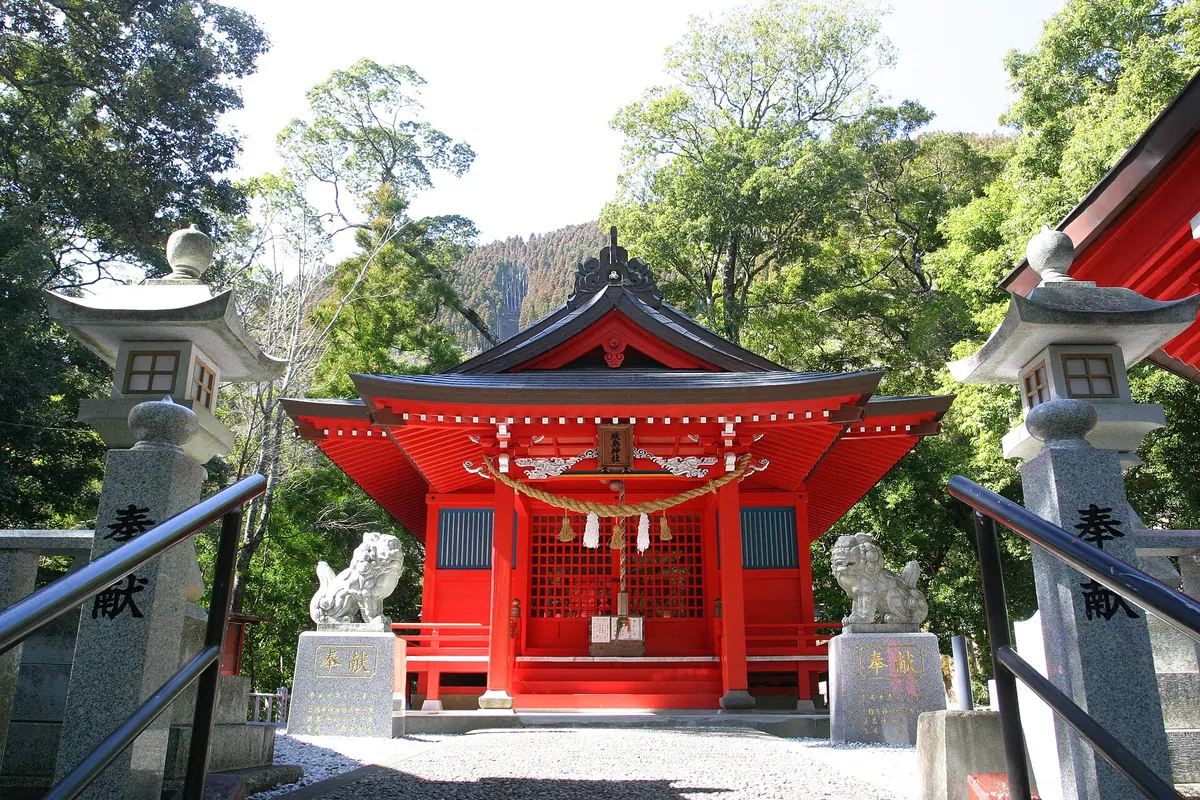
A historic shrine founded in 1204 by a samurai, hosting a major festival that commemorates the Heike clan's history.
What it is
- A historic shrine founded in 1204 by the samurai Nasu Daihachiro Munehisa.
- Dedicated to the deities Ichikishimahime-no-mikoto and Susanoo-no-mikoto.
- Located on a hill in the Shimofukura settlement of Shiiba Village.
- Renamed in 1871 after previously being known as Itsukushima Daimyojin.
What to see
- The main shrine buildings situated near the historic Tsurutomi Yashima residence.
- A hillside setting overlooking the local settlement and surrounding landscape.
When to go
- Visit in November for the annual Shiiba Heike Festival.
- The festival commemorates the 1185 Battle of Dan-no-ura.
02
Aoshima Shrine
MIYAZAKI · SHRINE 青島神社
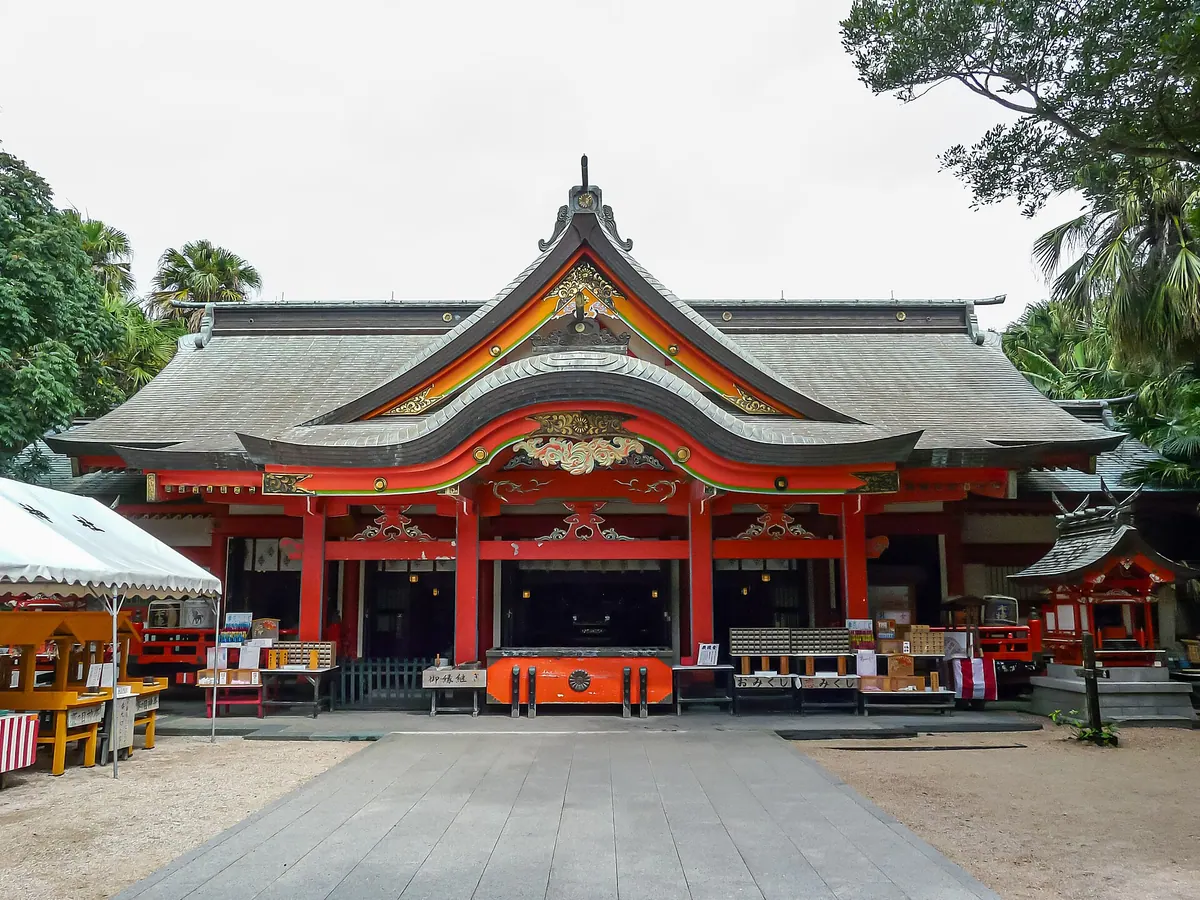
Aoshima Shrine, on a sacred island, is worth visiting for its unique rock formations and historical festivals.
What it is
- Sacred island, worshiped since ancient times.
- Religious structures first built during the Heian period.
- Dedicated to three deities: Yamasachi-hiko, Toyotama, and Shiotsuchi.
- Grandparents of Jimmu, the legendary first emperor.
What to see
- Jungle-like forest covering the island.
- 27 tropical or subtropical plant species.
- Biro or fountain palm trees.
- Unusually shaped rock formations known as “ogre’s washboard.”
When to go
- Summer festival: mid-July to early August, boat parade.
- Winter festival: second Monday of January, purification ritual in waves.
- Address
- 宮崎県宮崎市青島2丁目13−1 Map
- Official site
- aoshima-jinja.jp
03
Takachiho Shrine
MIYAZAKI · SHRINE 高千穂神社
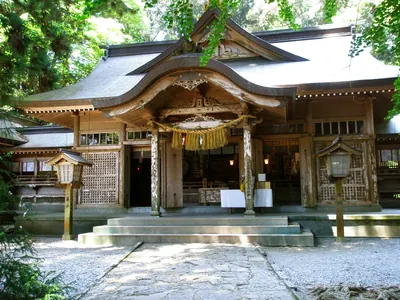
Takachiho Shrine is an ancient, high-ranked Shinto shrine with cultural properties and ties to Japan's creation myth.
What it is
- Shinto shrine, highest-ranked in ancient Hyuga Province.
- Parent shrine for 88 other shrines in 18 villages.
- Dedicated to 23 deities, guardians of agriculture and harvests.
- Protector of the yokagura dance tradition for over 800 years.
What to see
- Main sanctuary and komainu guardian figures are Important Cultural Properties.
- Sites related to Japan’s creation myth and gods.
- Kagura Hall, venue for regular dance performances.
- Simple architecture in harmony with towering trees.
- 800-year-old Chichibu Cedar.
- Meoto Sugi (Husband and Wife Cedars) pair.
- Address
- 宮崎県西臼杵郡高千穂町大字三田井字神殿1037番地 Map
04
Mikado Shrine
MIYAZAKI · SHRINE 神門神社
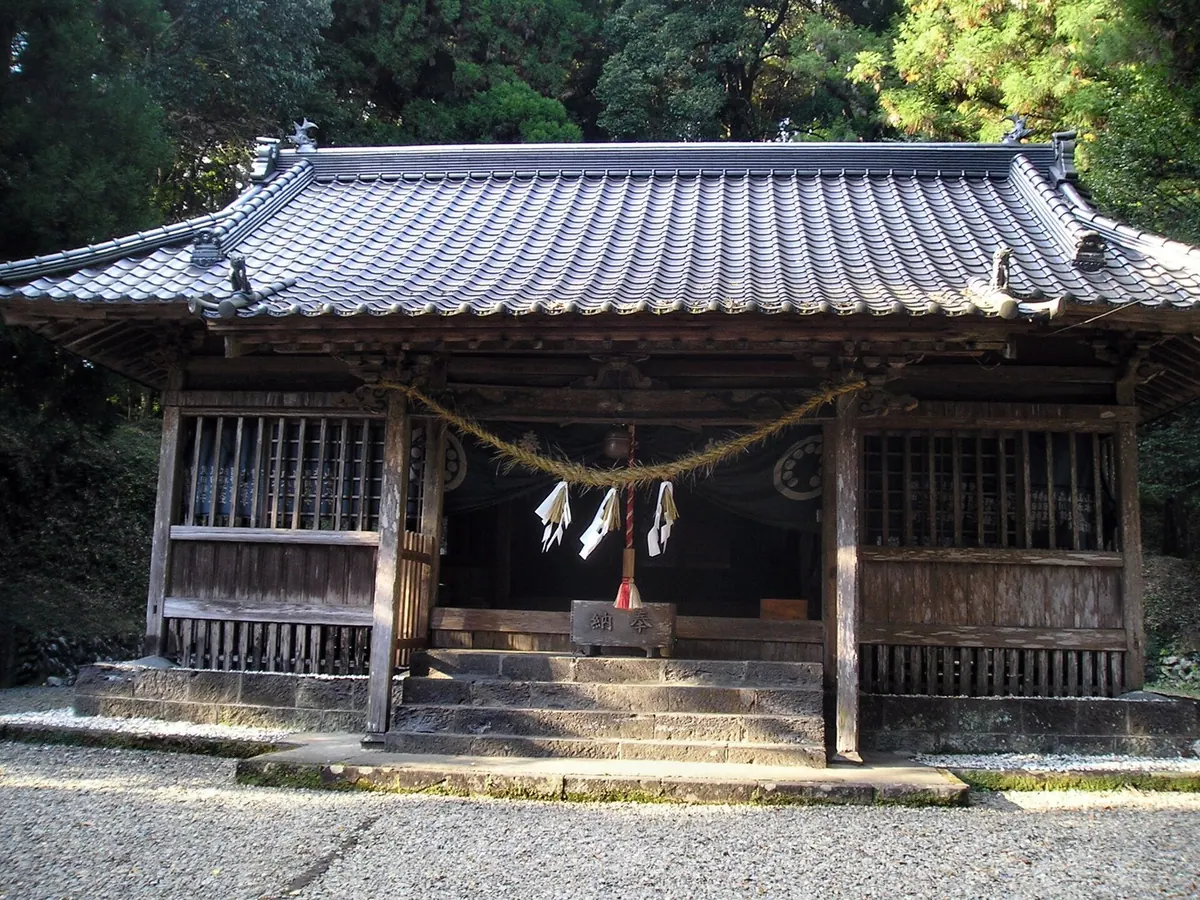
Mikado Shrine: ancient site in Miyazaki with important cultural properties and a historic festival.
What it is
- Shrine founded in 718 AD.
- Four traditions explain its history.
- Main hall built in 1661.
What to see
- Main hall is a National Important Cultural Property.
- Twenty-four mirrors are royal relics.
- Monument marks the tomb of Baekje King Teika.
- Thirty-three bronze mirrors are Prefectural Cultural Properties.
- Image of Kannon Bodhisattva is a Prefectural Cultural Property.
When to go
- Shiwasu Festival has a 1,000-year tradition.
- Shiwasu Festival is an Intangible Folk Cultural Property.
- Address
- 宮崎県東臼杵郡美郷町南郷神門69-2 Map
05
Miyazaki Gokoku Shrine
MIYAZAKI · SHRINE 宮崎縣護國神社
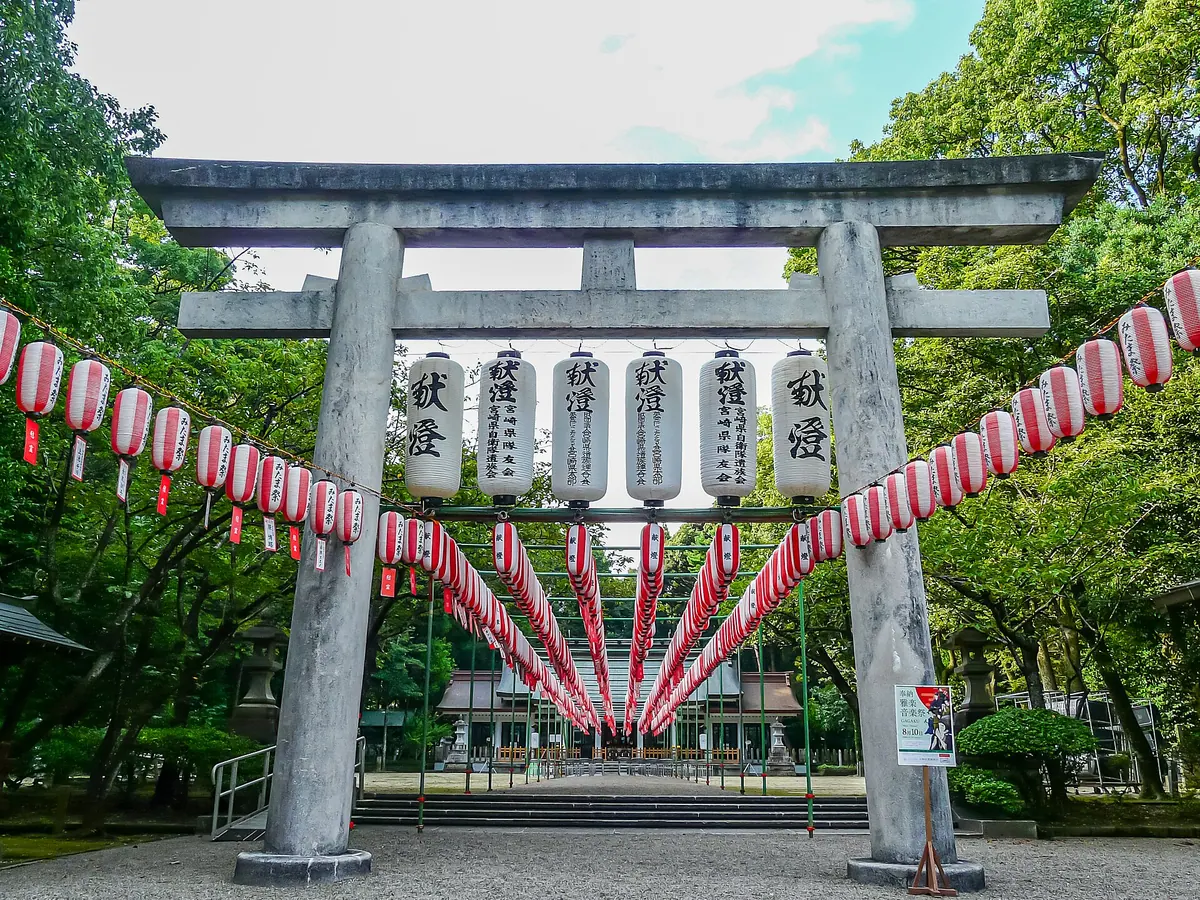
Miyazaki Gokoku Shrine honors those who served Japan, a peaceful stop near Miyazaki Jingu.
What it is
- Shinto shrine in Miyazaki City, Miyazaki Prefecture.
- Enshrines 41,820 spirits of people who served the nation.
- Also enshrines 54 spirits of public servants.
- Approved for establishment on April 23, 1943.
What to see
- The Eirei Kenshokan (memorial hall) was renovated in 2025.
When to go
- Annual festival is held on April 10.
- Mitama Festival is held on August 14 and 15.
Getting there
- 10-minute walk from JR Nippo Main Line Miyazaki Jingu Station.
- Address
- 宮崎県宮崎市神宮二丁目4−3 Map
06
Sumiyoshi Shrine
MIYAZAKI · SHRINE 住吉神社
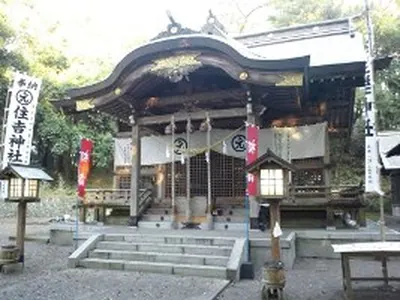
Ancient Sumiyoshi Shrine, original of all Sumiyoshi, offers a glimpse into Japan's maritime and spiritual heritage.
What it is
- Claims to be the original Sumiyoshi Shrine.
- Dedicated to three gods of the sea and safe voyages.
- Also revered for protection against smallpox and good health.
- Founded during the reign of Emperor Koan.
What to see
- Vast site, including Awagihara.
- The 'Moto' crest, passed down through generations.
When to go
- Attend the Sumiyoshi Kagura performance.
Getting there
- Accessible by Miyazaki Kotsu bus.
- Walk from Hyuga-Sumiyoshi Station.
- Address
- 宮崎県宮崎市塩路3082 Map
07
Tsuma Shrine
MIYAZAKI · SHRINE 都萬神社
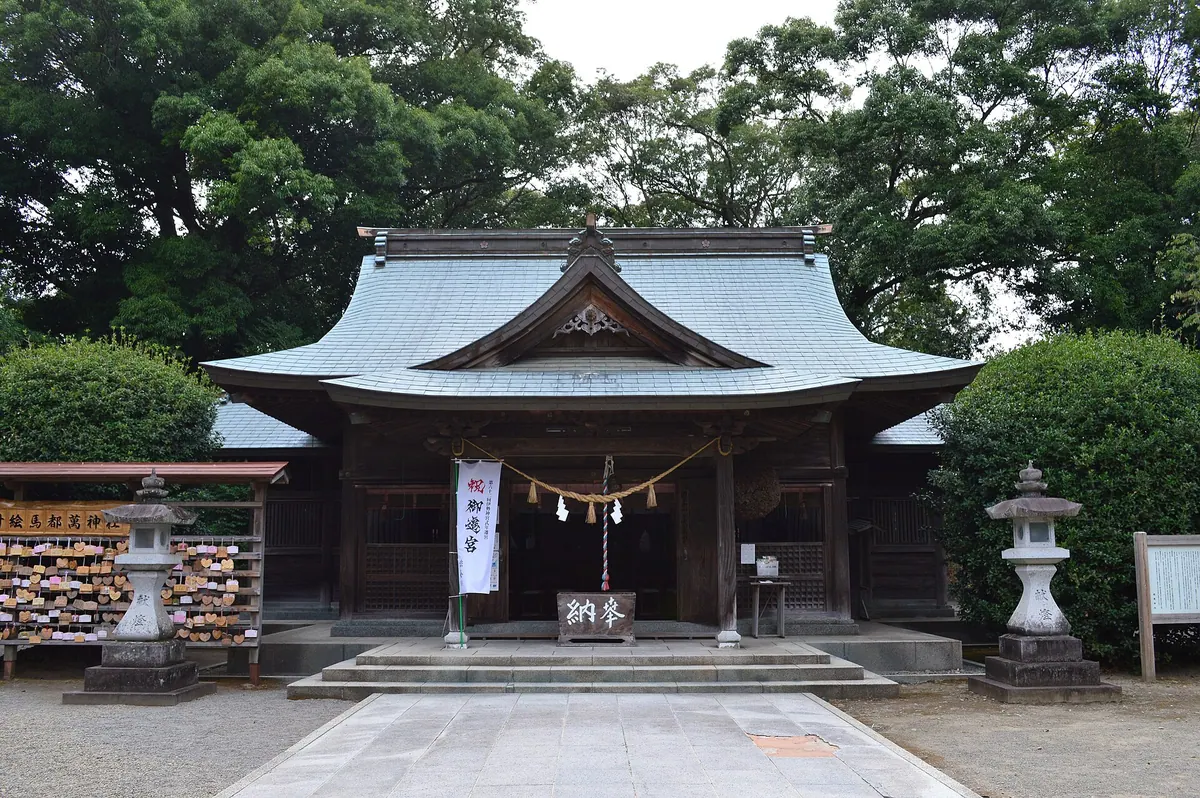
Tsuma Shrine is an ancient shrine dedicated to Konohanasakuyahime, known as the birthplace of sake.
What it is
- An ancient Shikinaisha shrine.
- Dedicated to the deity Konohanasakuyahime no Mikoto.
- Known as the birthplace of Japanese sake.
- Appears in national history records in 837.
What to see
- Several subsidiary shrines.
- Tsuma no Kusu, a 1,200-year-old camphor tree.
- The camphor tree is a national natural monument.
When to go
- Attend a ritual recreating Konohanasakuyahime's marriage.
Getting there
- Accessible by Miyazaki Kotsu bus.
- Address
- 宮崎県西都市大字妻1 Map
08
Kota Shrine
MIYAZAKI · SHRINE 巨田神社
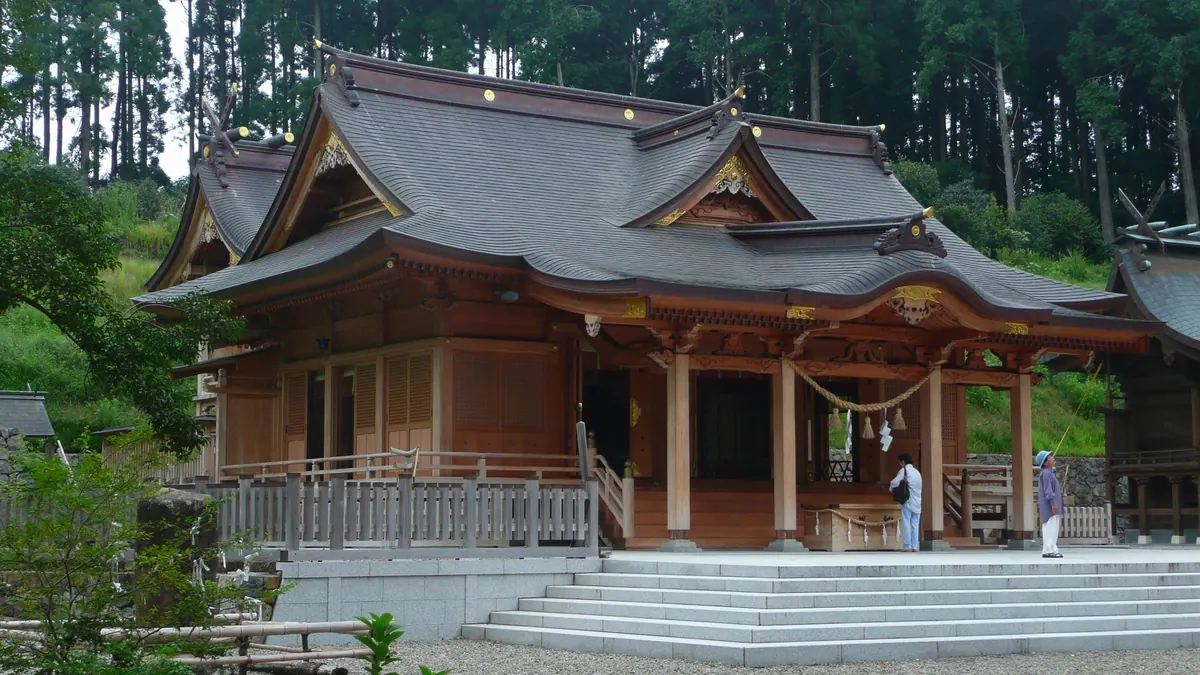
Kota Shrine is a historic shrine in Miyazaki City, known for its rare mid-Muromachi period architecture.
What it is
- Old name was Kota Hachiman-gu.
- Enshrines Hachiman Okami and Sumiyoshi Sanjin.
- Main hall built in 1448, current one in 1547.
What to see
- Main hall is a National Important Cultural Property.
- Rare example of mid-Muromachi period architecture.
- Subsidiary shrines Wakamiya-sha and Imamiya-sha.
- Wakamiya-sha and Imamiya-sha are Miyazaki Prefecture Cultural Properties.
- Kota Pond is in front of the shrine.
When to go
- Known for the Kota Kagura dance.
- Address
- 〒880-0301 宮崎県宮崎市佐土原町上田島10732−1 Map
- Official site
- www.miyazaki-archive.jp
09
Aratate Shrine
MIYAZAKI · SHRINE 荒立神社
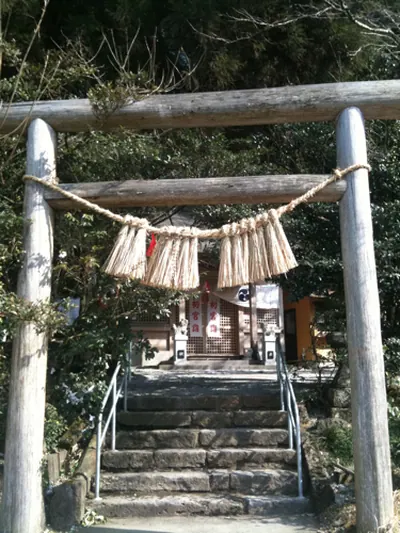
Aratate Shrine venerates deities of matrimonial bliss and guidance, drawing visitors seeking good fortune and fulfillment.
What it is
- Shrine venerates Ame no Uzume and Sarutahiko no Mikoto.
- Deities represent matrimonial bliss and fulfillment.
- Name comes from using rough wood to hastily construct shrine.
What to see
- Two paintings in the Prayer Hall.
- One painting shows Ame no Uzume's legendary dance.
- Second painting portrays Ame no Uzume and Sarutahiko's first meeting.
- Wooden boards (shichifuku tokuju bangi) throughout shrine grounds.
- Strike boards seven times with mallets for good fortune.
- Address
- 宮崎県西臼杵郡高千穂町大字三田井宮尾野 Map
10
Kirishima Higashi Shrine
MIYAZAKI · SHRINE 霧島東神社
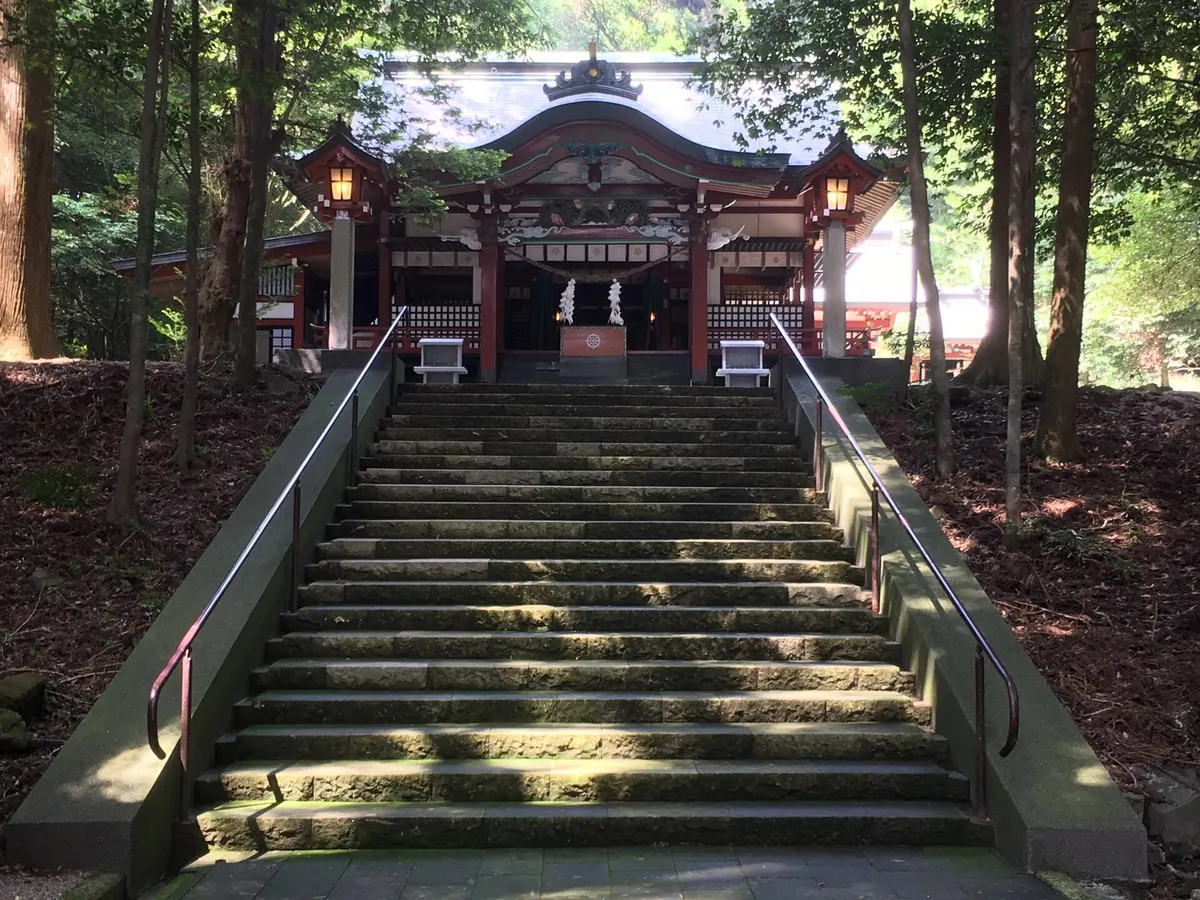
This shrine, rebuilt in 1722, is in an ancient forest and has a legendary spear.
What it is
- Shrine established during the reign of Emperor Sujin.
- Rebuilt in 1722, with repairs in 1997.
- Located halfway up the eastern side of Mt. Takachihonomine.
- Associated with Shugendo mountain asceticism.
What to see
- Mt. Takachihonomine’s summit is part of the shrine grounds.
- Statue of Buddhist priest Shoku, unveiled in 2006.
- Large bronze hokoyari-style spear, Amanosakahoko, on mountaintop.
- Shrine crest features a Buddhist dharma wheel.
11
Kushifuru Shrine
MIYAZAKI · SHRINE 槵觸神社
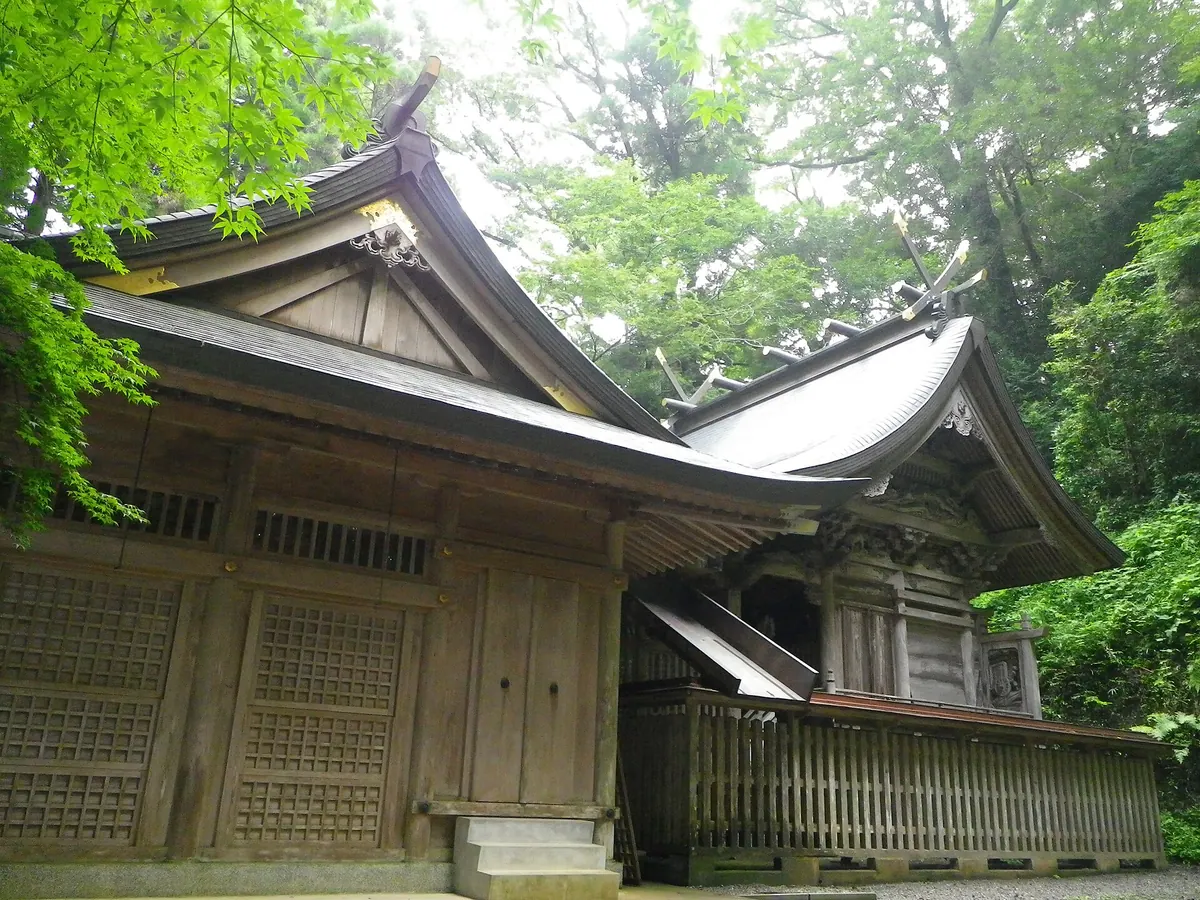
Kushifuru Shrine honors Ninigi, a deity believed to have descended here to rule Japan, making it a sacred site.
What it is
- Shrine dedicated to kami deity Ninigi no Mikoto.
- Built in 1694 on the mountain.
- Mountain was venerated as sacred before the shrine.
What to see
- Nature trails around the shrine.
- “The Peak of the Four Imperial Sons (Shiojigamine).”
- “The Far Precinct of the Heavenly Realm (Takamagahara).”
- “The Takachiho Monument (Takachiho-hi).”
- “The Fudoki-Man’yo Hill.”
- Kushifuru Peak, where Ninigi is believed to have arrived.
- Address
- 宮崎県西臼杵郡高千穂町大字三田井713 Map
12
Kanbashira-gū
MIYAZAKI · SHRINE 神柱宮
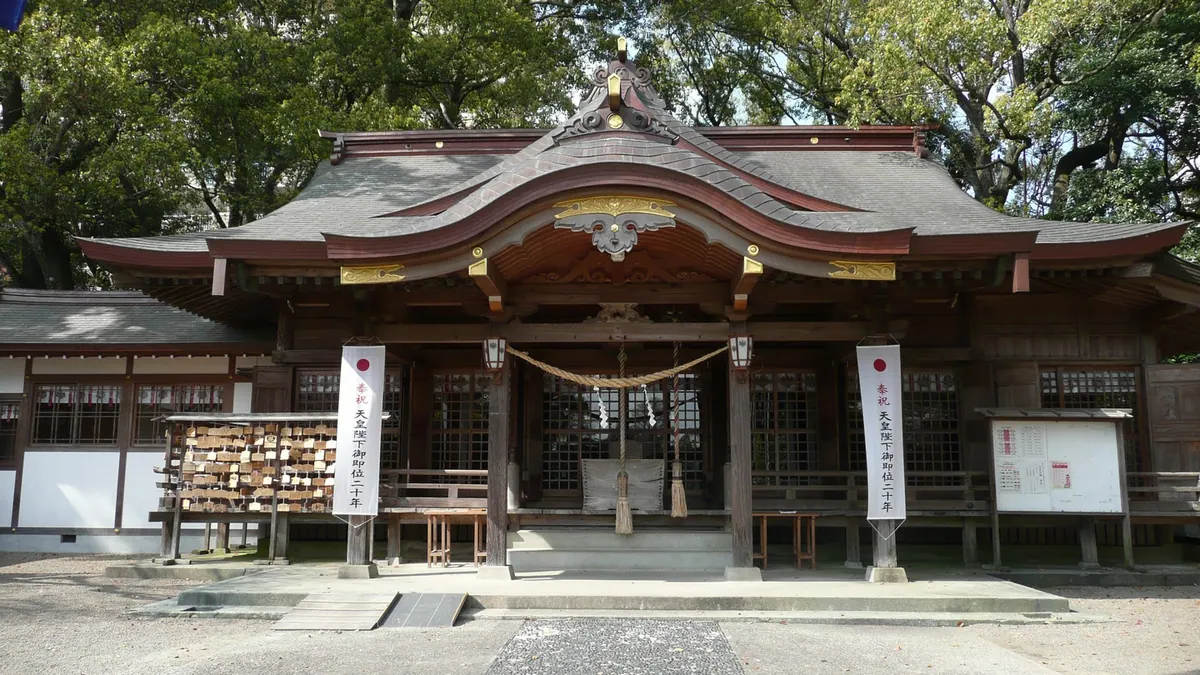
Kanbashira-gū is a historic Shinto shrine founded in 1026, dedicated to important deities.
What it is
- A Shinto shrine in Miyakonojo, Miyazaki Prefecture.
- Also known as Kanbashira Jinja or Okamibashira.
- Founded in 1026 by Taira no Suemoto.
- Dedicated to Amaterasu Sumera Okami and Toyoukehime Okami.
What to see
- Two subsidiary shrines: Mikado Jinja and Motobashira Jinja.
- Mikado Jinja enshrines Kushiiwamado no Kami and Toyoiwamado no Kami.
- Motobashira Jinja enshrines Sugawara no Michizane and Taira no Suemoto.
- Address
- 宮崎県都城市前田町1417-1 Map
13
Amanoiwato Shrine
MIYAZAKI · SHRINE 天岩戸神社
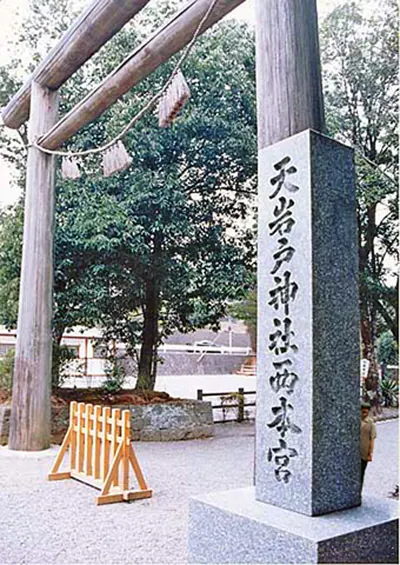
This shrine is dedicated to Amaterasu Omikami, Japan's primary divinity, and offers a view of her mythical cave.
What it is
- Shrine dedicated to Amaterasu Omikami, the Sun Goddess.
- Primary female deity and progenitor of Japan's emperors.
- Located in a secluded natural setting by a gorge.
What to see
- Secluded natural setting on the edge of a gorge.
- Ancient trees and a fast-flowing river.
- Ama no Iwato cave (hidden from sight).
- Observation deck across the gorge for the sacred cave.
- Site of Ama no Yasukawara, where gods met.
- Address
- 宮崎県西臼杵郡高千穂町大字岩戸1073-1 Map
14
Kushima Shrine
MIYAZAKI · SHRINE 串間神社
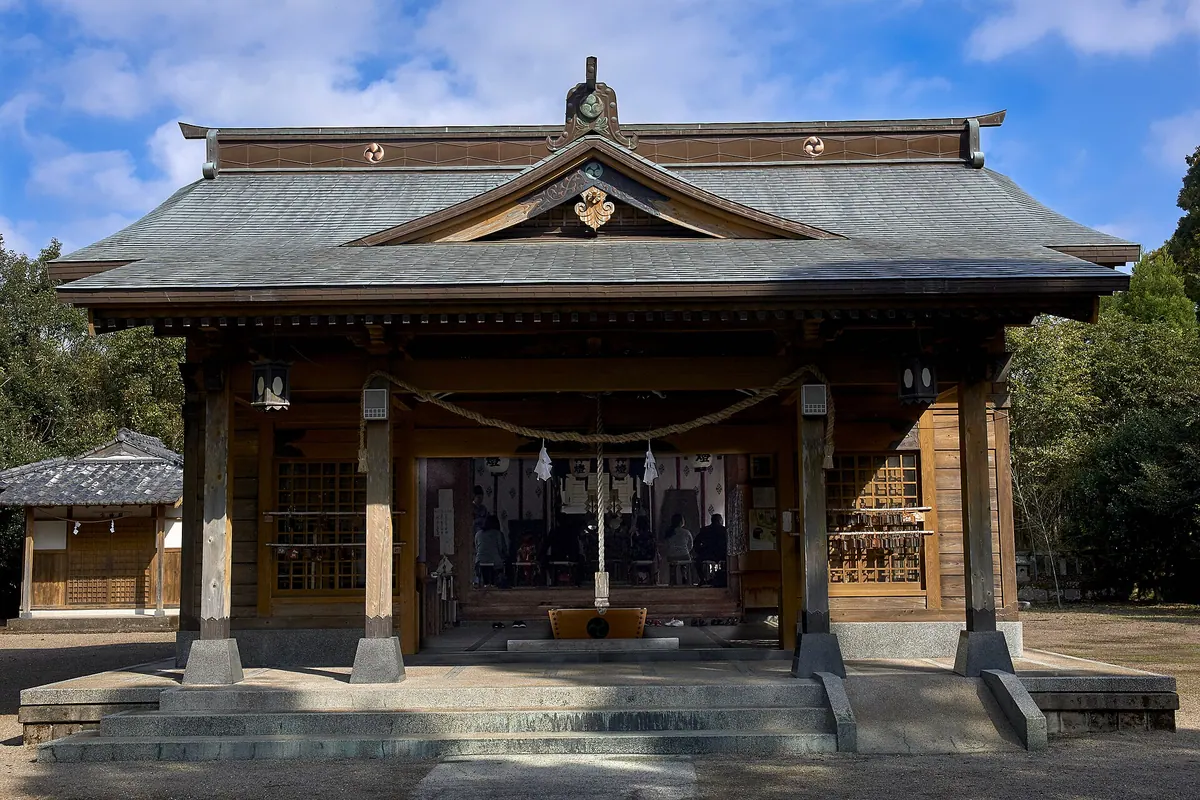
Kushima Shrine offers ancient artifacts and sacred trees, dedicated to a key deity.
What it is
- Dedicated to Hikohodeumi no Mikoto and twelve other deities.
- Re-established by the Shimazu clan from 1467.
- Renamed Kushima Shrine in 1872.
What to see
- Old votive tablet, a designated cultural property.
- Ten Kagura masks, some dating to 1479.
- Designated natural monument cedar trees.
- Designated natural monument camphor trees.
When to go
- Seed-sowing ritual for good harvests.
- Address
- 宮崎県串間市大字串間1410番地 Map
15
Miyazaki Jingū
MIYAZAKI · SHRINE 宮﨑神宮
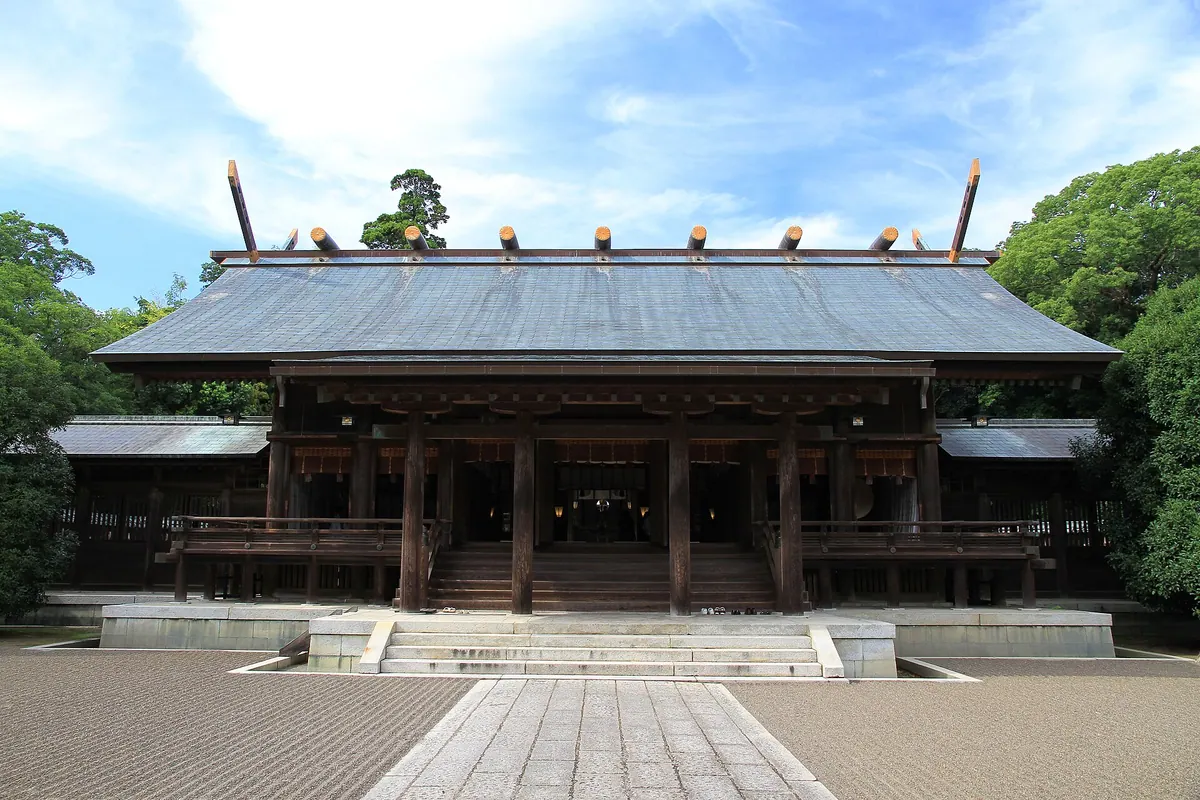
Miyazaki Jingū is a historic Shinto shrine dedicated to Japan's first emperor, featuring unique architecture and a national monument wisteria.
What it is
- A Shinto shrine in Miyazaki, Miyazaki Prefecture.
- Dedicated to Emperor Jimmu, Japan's mythical first emperor.
- Also enshrines Ugayafukiaezu no Mikoto and Tamayori-hime no Mikoto.
- Adopted its current name in 1913.
What to see
- Main hall, rebuilt in 1907, designed by Ito Chuta.
- Ten other buildings are registered tangible cultural properties.
- Large white wisteria is a national natural monument.
- Official site
- miyazakijingu.or.jp
16
Kawaminami Gokoku Shrine
MIYAZAKI · SHRINE 川南護国神社
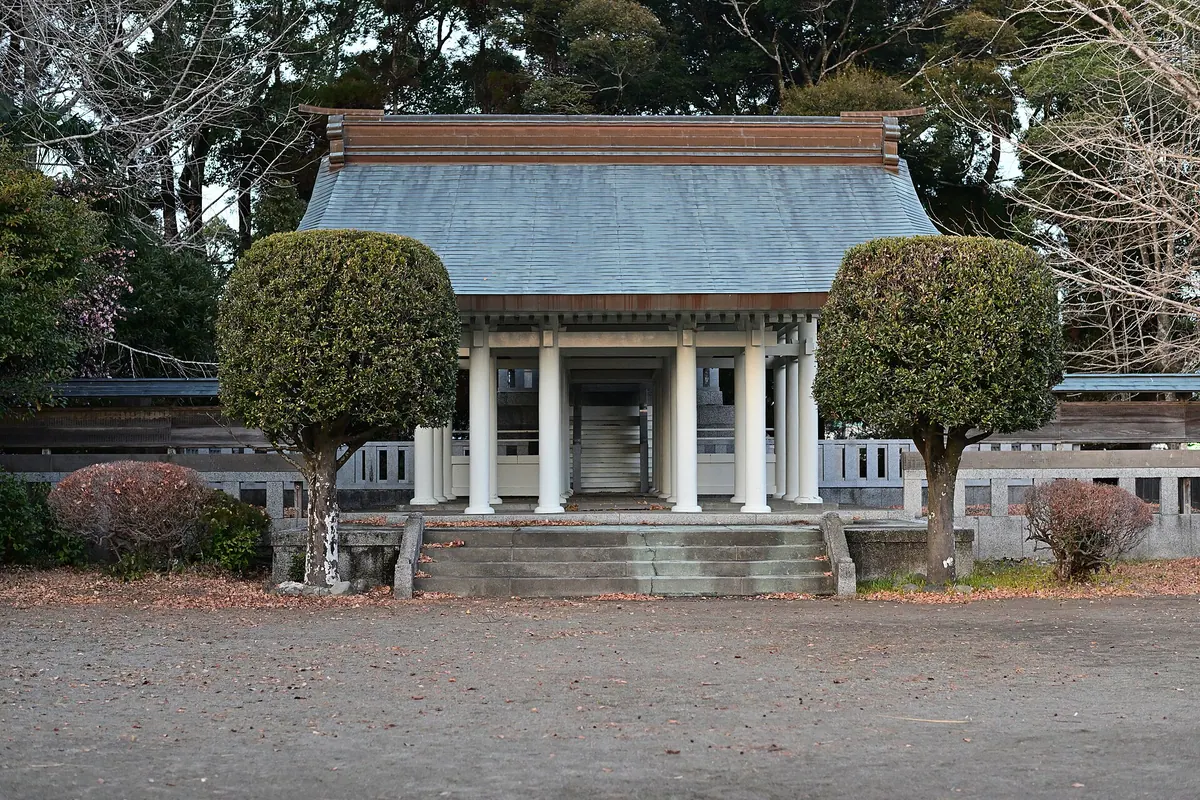
A shrine dedicated to war dead, marking the birthplace of Japan's Army Airborne Paratrooper Unit.
What it is
- Established in 1949, replacing the original Teishin Shrine.
- Enshrines 634 war dead from former Kawaminami Village.
- Also enshrines 12,000 war dead of the Army Airborne Troops.
- Grounds are the birthplace of the Army Airborne Paratrooper Unit.
What to see
- Monument for the birthplace of the airborne paratrooper unit.
- Monument erected in 1963.
- Monument from 1991 records the unit's history.
- Address
- 宮崎県児湯郡川南町大字川南 Map
17
Tsuno Shrine
MIYAZAKI · SHRINE 都農神社
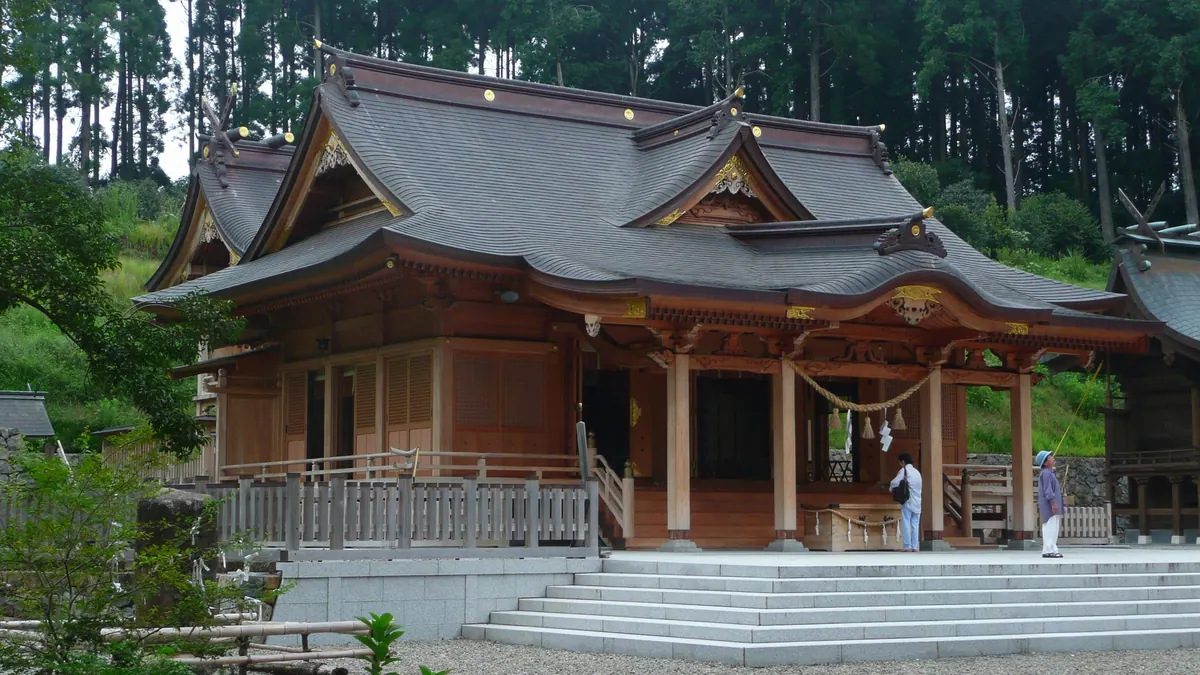
Tsuno Shrine is an ancient Shinto shrine with a revered camphor tree, easily accessible by train.
What it is
- An ancient Shinto shrine, founded before 837.
- Dedicated to the deity Ōnamuchi-no-mikoto.
- Historically the Ichi-no-miya of Hyuga Province.
- Formerly known as Miyazaki-sha or Miyazaki-gu.
What to see
- The main shrine building, rebuilt in 2007.
- A large camphor tree, a designated natural monument.
Getting there
- About a 20-minute walk from Tsuno Station.
- Address
- 宮崎県児湯郡都農町大字川北13294番地 Map
- Official site
- tunojinjya6.webnode.jp
18
Ōmi-jinjya
MIYAZAKI · SHRINE 大御神社
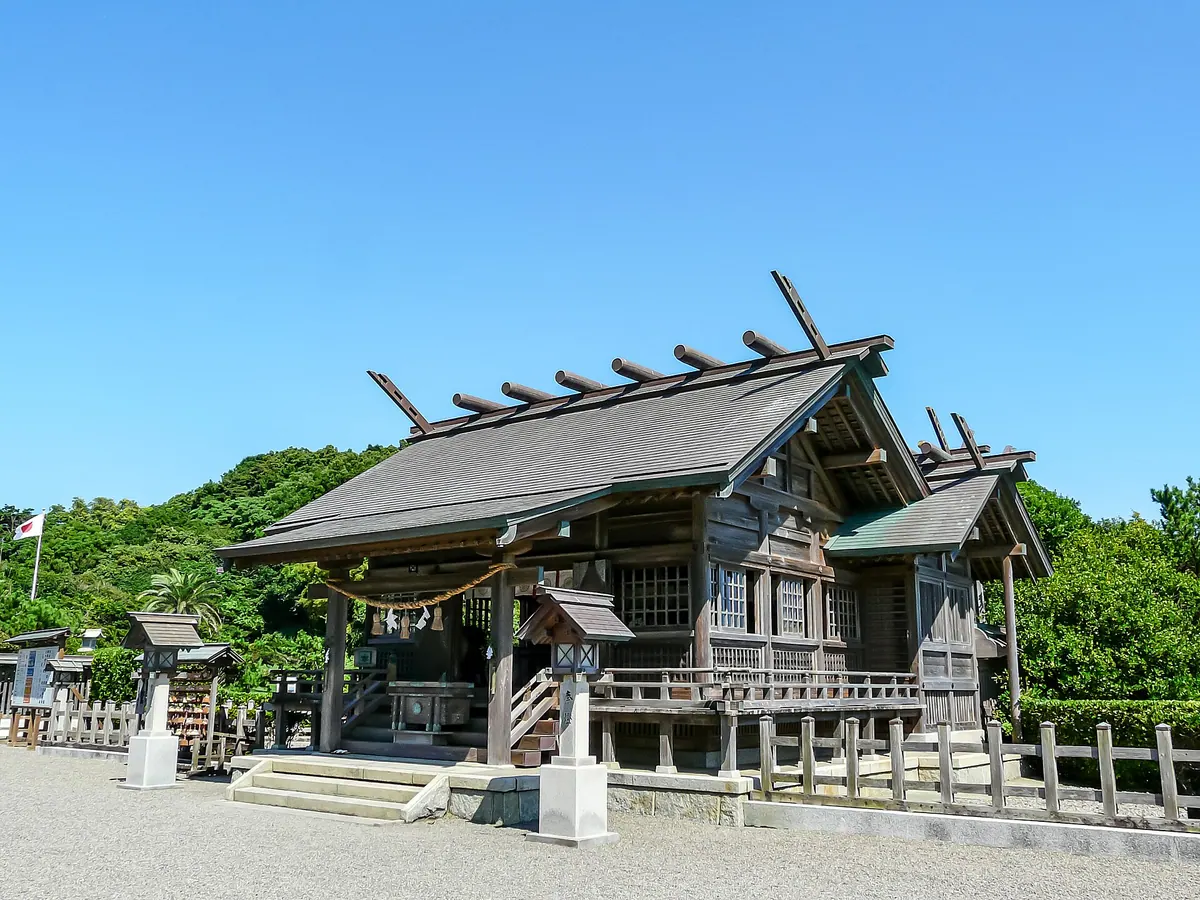
Ōmi-jinjya is a shrine with Japan's largest sanzareishi group and unique geology.
What it is
- A shrine known as "Hyūga no Oise-sama."
- Main hall, Heiden, and Haiden built in 1936.
- Shrine buildings are registered cultural properties.
What to see
- Main hall is a wooden Shinmei-zukuri style building.
- Japan's largest group of sanzareishi.
- The Shinsui is a sanzareishi 30m around, 4m high.
- Columnar joints are found near the coast behind the main hall.
- Address
- 〒883-0062 宮崎県日向市日知屋1番地 Map
- Official site
- oomijinja.com
19
Ōtsuka Hachiman-jinja Shrine
MIYAZAKI · SHRINE 大塚八幡神社
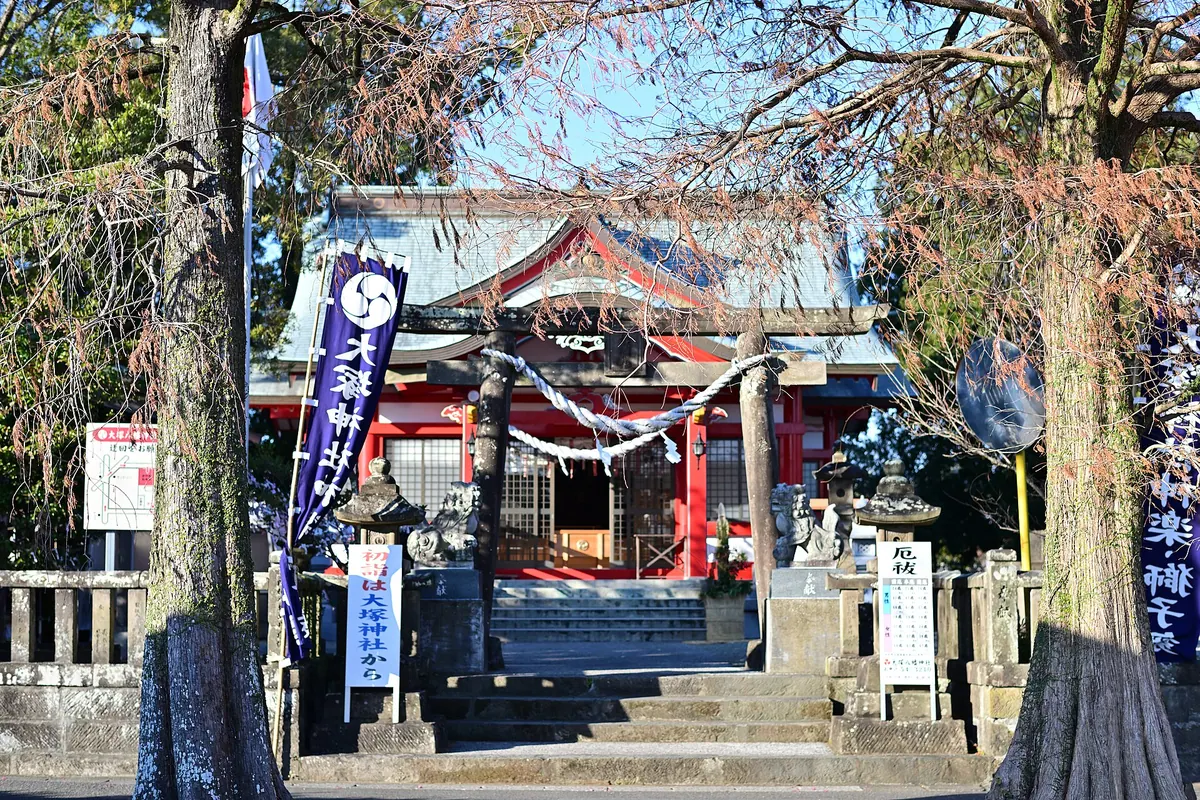
Otsuka Hachiman Shrine, founded in the 9th century, offers a glimpse into ancient Japanese history and deities.
What it is
- A Shinto shrine, also known as Otsuka Shrine.
- Founded between 854 and 857.
- Dedicated to Emperor Ojin, Tamayorihime no Mikoto, and Empress Jingu.
What to see
- The current shrine building, renovated in 1984.
Getting there
- Miyazaki Kotsu bus to Otsuka Jinja-mae stop.
- Higashi Kyushu Expressway Miyazaki Nishi IC.
- Address
- 宮崎県宮崎市大塚町原ノ前1598 Map
20
Miyamizu Shrine
MIYAZAKI · SHRINE 宮水神社
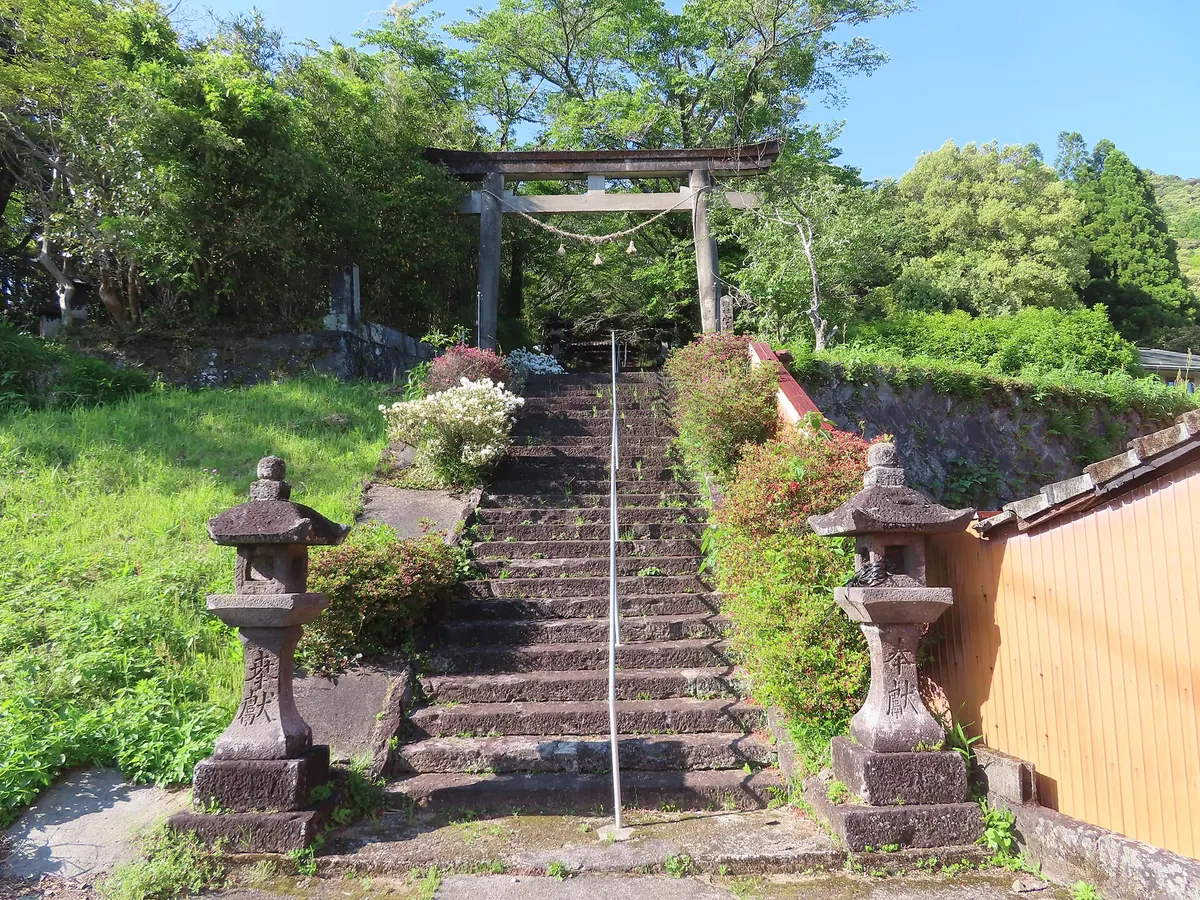
Miyamizu Shrine is a village shrine with a history tied to local legends and mergers.
What it is
- A Go-sha (village shrine) in Miyazaki Prefecture.
- Created by merging several small shrines in 1872.
- Connected to the legend of Chintake Mitai.
- Its location is the burial mound of Chintake Mitai.
What to see
- A shrine building erected in 1856.
- The original small shrine, Amasha Suijin.
- Hokuzan Daimyojin, enshrined since 1587.
- Address
- 宮崎県西臼杵郡日之影町大字七折9246 Map