

20 Shrines in Nagasaki worth your time
Japan Gems
Nagasaki Prefecture has many shrines, including Maruo Shrine and Kameyama-hachimangū. Visitors can find a wide variety of spiritual sites across the prefecture.
Nagasaki has 71 shrines on Japan Gems. Below are the 20 we can tell you the most about — each one written up in English from Japanese sources, with what to see and how to get there. See all shrines in Nagasaki.
01
Kaido Shrine (Shinkamigoto)
NAGASAKI · SHRINE 海童神社 (新上五島町)
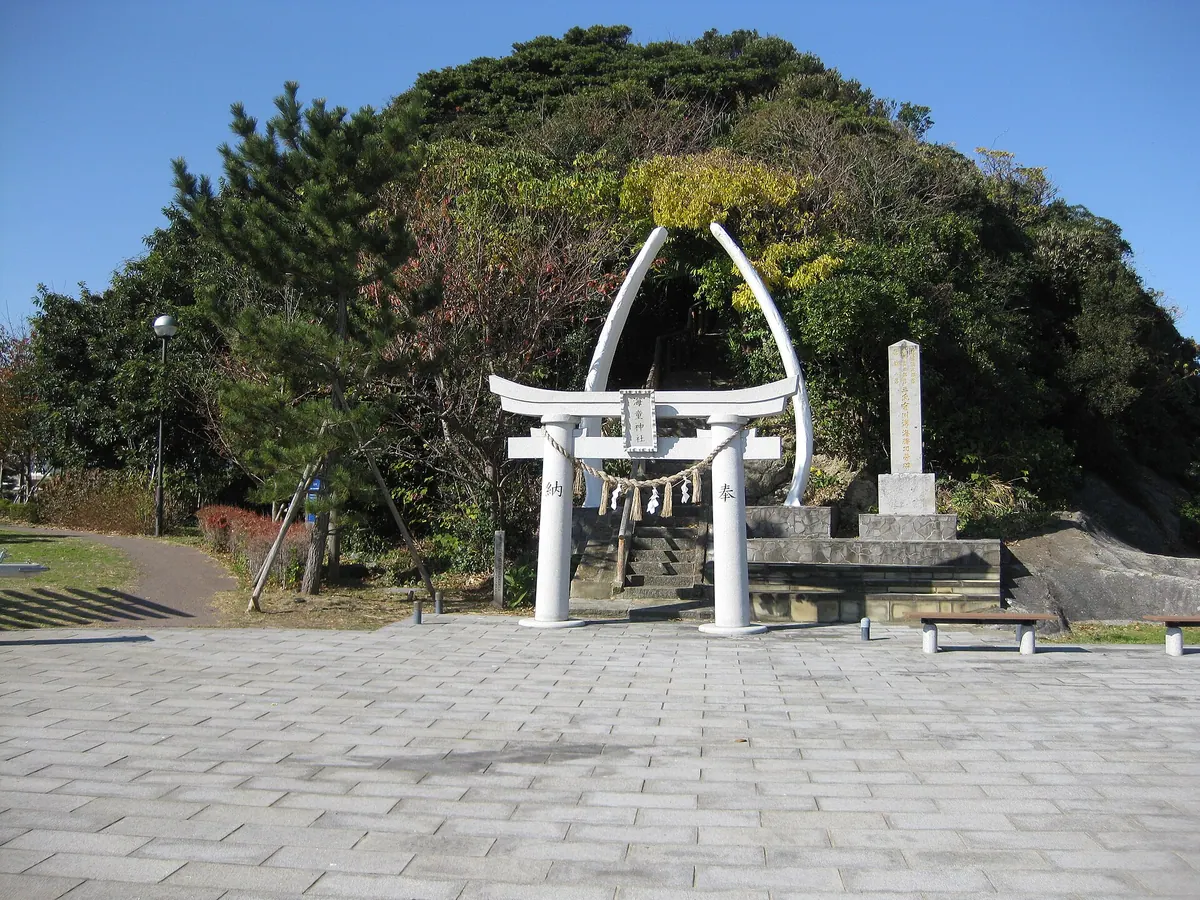
A coastal shrine on a reclaimed island featuring a unique torii gate constructed from massive whale jawbones.
What it is
- A shrine dedicated to the primary deity Kaidonokami and the secondary deity Ebisu.
- Located on Ogojima in the Funatsu district of Arikawa.
- Connected to the mainland by land reclamation projects completed in 2004.
- Merged with Ebisu Shrine in the Meiji period and later into Sobokimi Shrine.
What to see
- A rare torii gate made from whale jawbones donated in 1973.
- Traditional improvisational theater called Niwaka performed during local festivals.
When to go
- The Jushichinichi Festival is held annually during the month of July.
- A memorial service for fish takes place every August.
02
Izuhara Hachimangū Shrine
NAGASAKI · SHRINE 厳原八幡宮神社
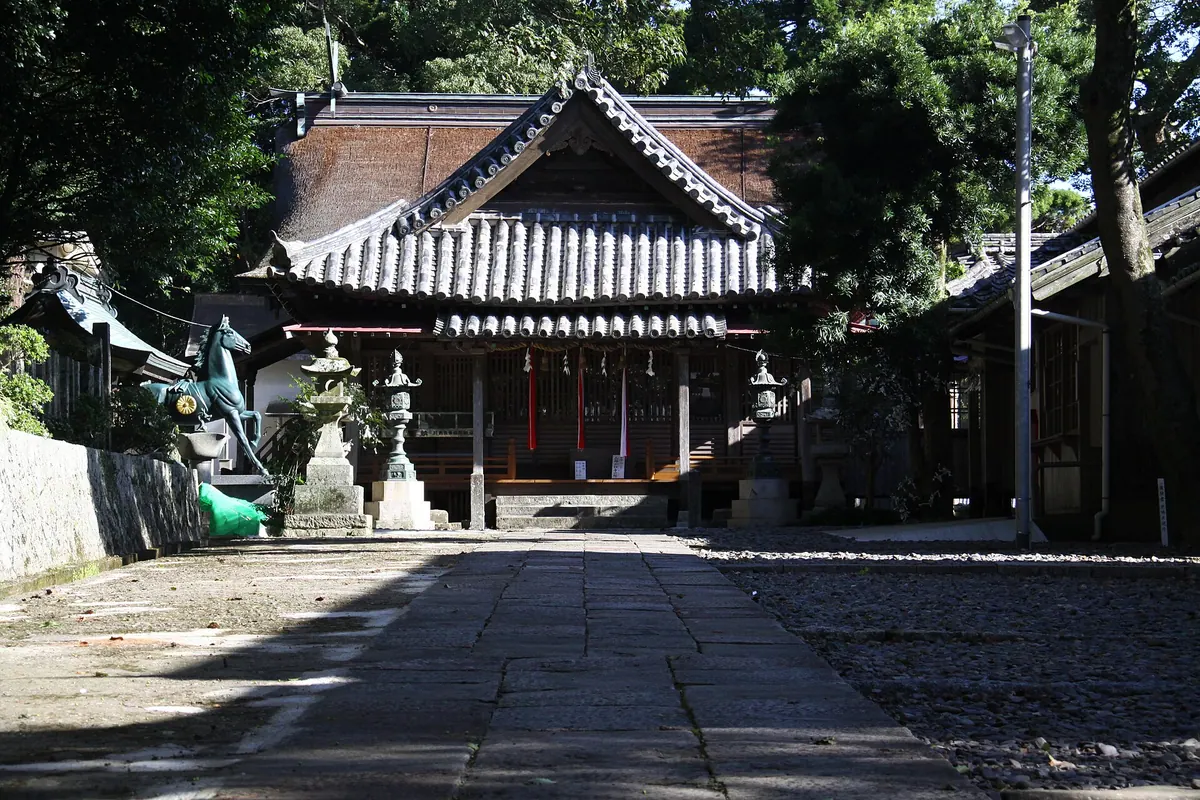
A historic shrine in Tsushima dedicated to Emperor Ojin, offering a glimpse into the island's ancient spiritual heritage.
What it is
- A candidate for the Ichinomiya or highest-ranking shrine of Tsushima Province.
- Reportedly established in 677 by Emperor Tenmu to honor Emperor Ojin and Empress Jingu.
- Formerly known as Fuchu Hachimangu and Shimotsu Hachimangu during different historical periods.
- Designated as a prefectural shrine in 1916 after reverting to its current name.
What to see
- A traditional two-story gate marking the entrance to the sacred grounds.
- The main worship hall where visitors pay their respects to the enshrined deities.
- Statues or markers dedicated to Emperor Chuai and Takeuchi no Sukune.
03
Sannō Shrine
NAGASAKI · SHRINE 山王神社
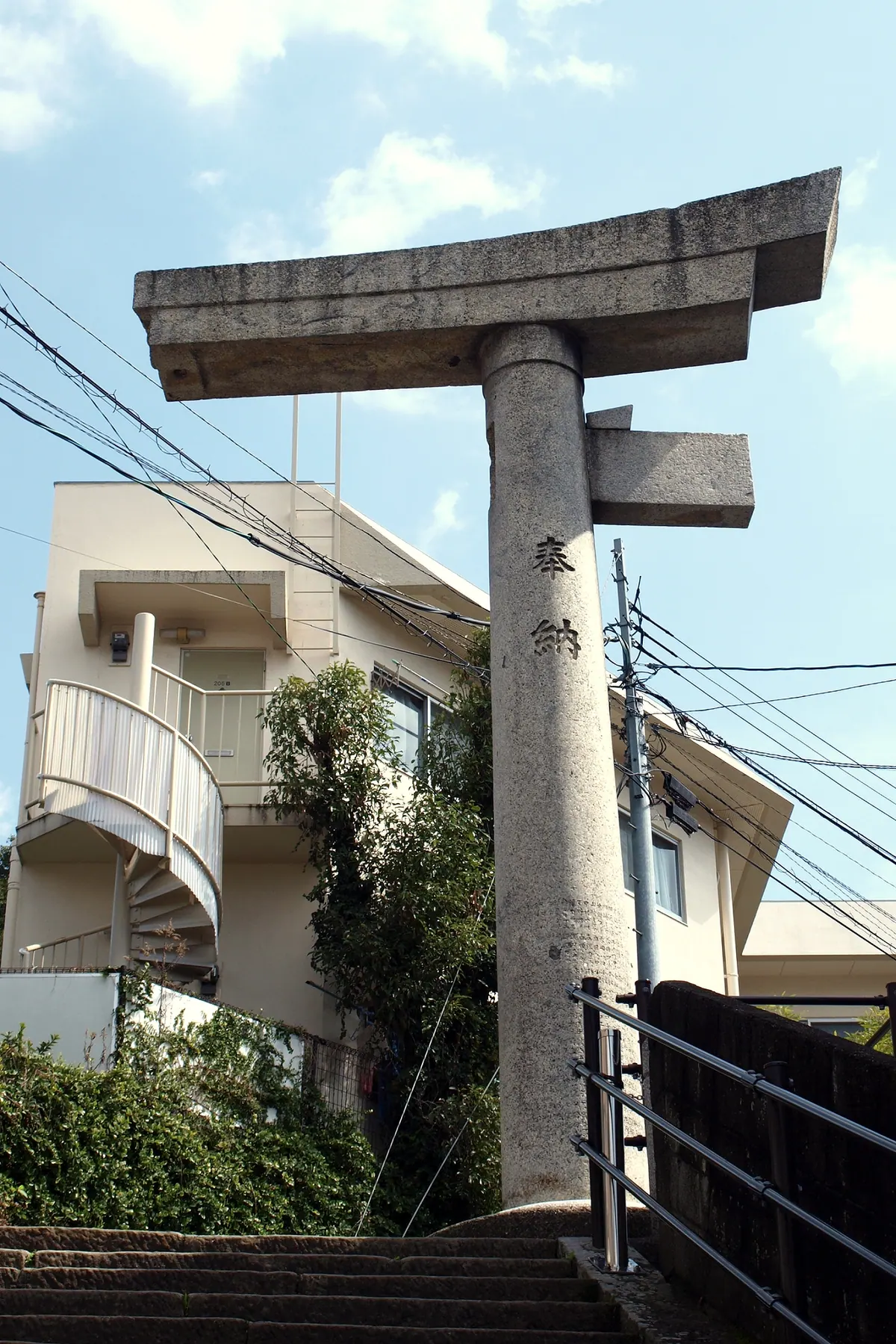
Sannō Shrine: a historic site with unique atomic bomb relics and ancient trees.
What it is
- Also called Urakami Kōtaijingū and Sannō Hiyoshi Shrine.
- Founded in 1638; Kōtaijingū was founded in 1869.
- Enshrines Amaterasu Ōmikami and other deities.
- Bombed 800 meters from the atomic bomb hypocenter.
What to see
- Torii gate is a designated atomic bomb relic.
- Two camphor trees stand at the entrance.
- Camphor trees are a Nagasaki City Natural Monument.
- Sound of camphor tree leaves is one of Japan's 100 Soundscapes.
When to go
- Annual festival is on October 17th.
Getting there
- 5-minute walk from Daigaku Byōin tram stop.
- Address
- 長崎県長崎市坂本2丁目5-6 Map
- Official site
- sannou-jinjya.jp
04
Tachibana Shrine (Unzen)
NAGASAKI · SHRINE 橘神社 (雲仙市)
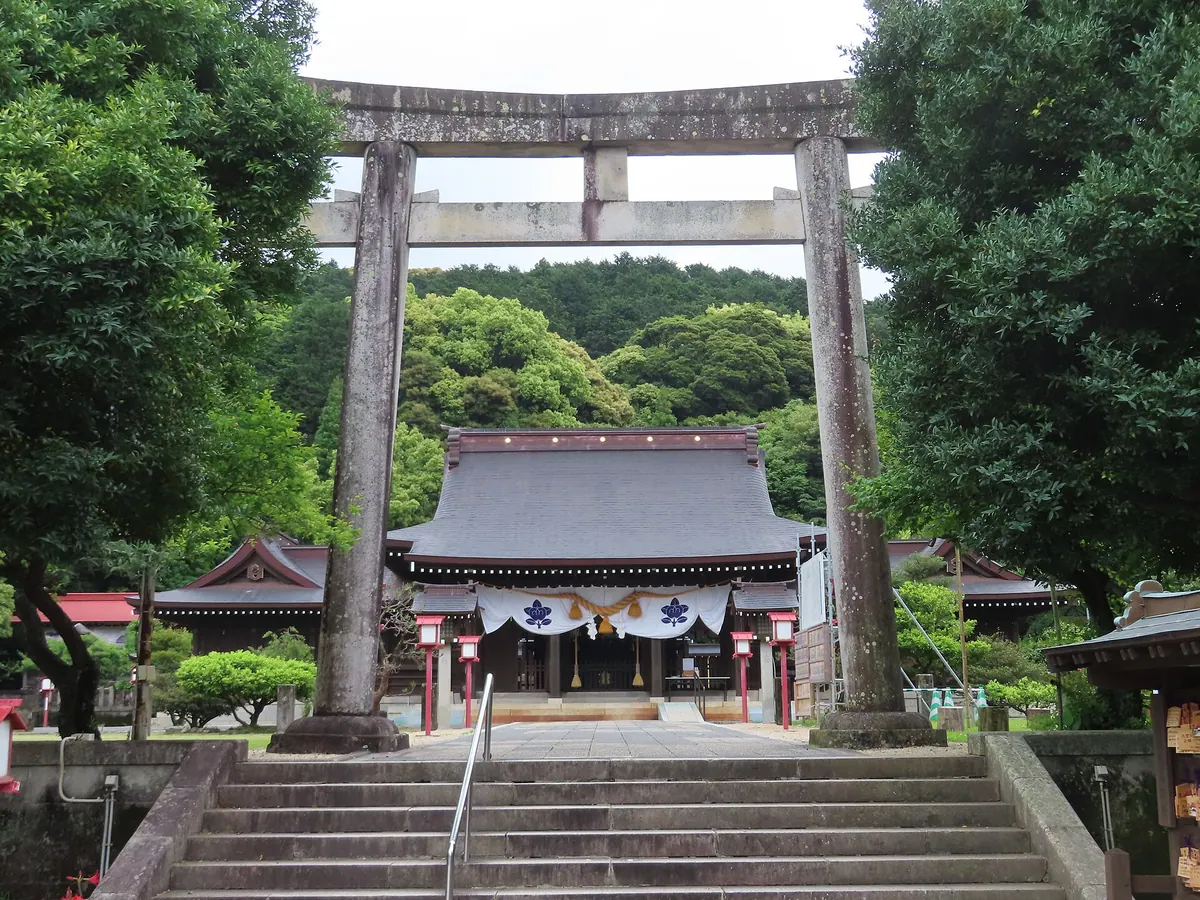
Tachibana Shrine honors a war hero and offers cherry blossoms and statues.
What it is
- Founded in 1940.
- Dedicated to Lieutenant Colonel Tachibana Chuta.
- He died in the Battle of Liaoyang.
What to see
- Large torii gate faces National Route 57.
- Bronze statue of Tachibana by Kitamura Seibo.
- Monuments to Chijiwa Miguel and Kushunsen.
- Shrine park is known for cherry blossoms.
- Tenman Shrine is located behind it.
When to go
- Kanchu Misogi is held annually in January.
- Popular for New Year visitors.
- Cherry blossom season.
Getting there
- 3-minute walk from Tachibana Jinja-mae bus stop.
- Address
- 長崎県雲仙市千々石町己 Map
05
Kumano Shrine
NAGASAKI · SHRINE 熊野神社 (新上五島町)
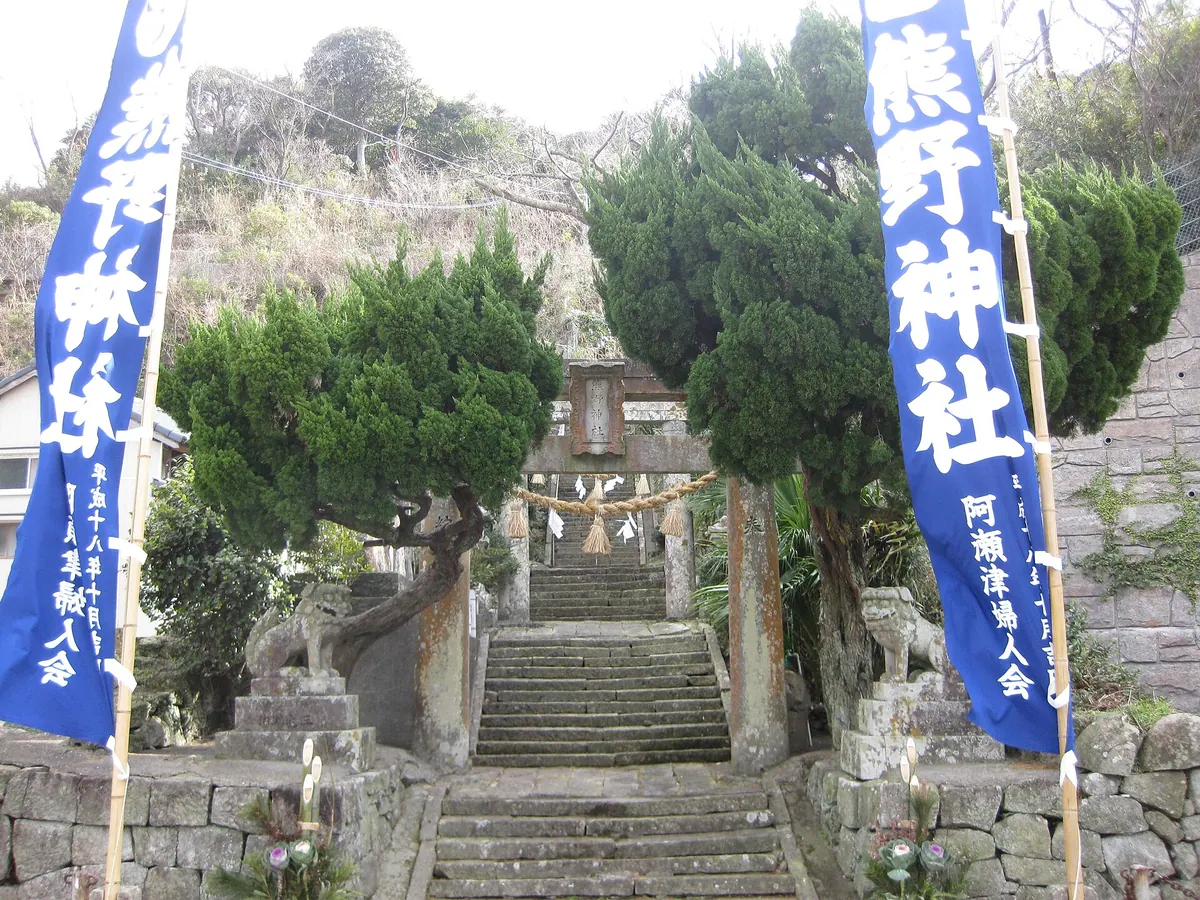
Kumano Shrine is a sacred mountain shrine with unique Kagura dance, worth visiting for cultural insight.
What it is
- A shrine in Nagasaki Prefecture.
- Dedicated to Hayatamao-no-mikoto, Izanagi-no-mikoto, and Kotoshikao-no-mikoto.
- Founding date and origin are unknown.
- Ranked as a mukakusha on May 5, 1874.
What to see
- The entire mountain is a sacred area.
- Shrine grounds include En-no-gyoja, Ebisu, and Kotohira Shrines.
- Auxiliary shrines: Suijin, Oyama, and Shiogama Shrines.
When to go
- Hatsukito festival is on January 10.
- Reitaisai festival is on old calendar September 9 and 10.
- Kamigoto Kagura is performed at the annual festival.
- Address
- 長崎県南松浦郡新上五島町阿瀬津郷792 Map
06
Norito Shrine
NAGASAKI · SHRINE 祝詞神社
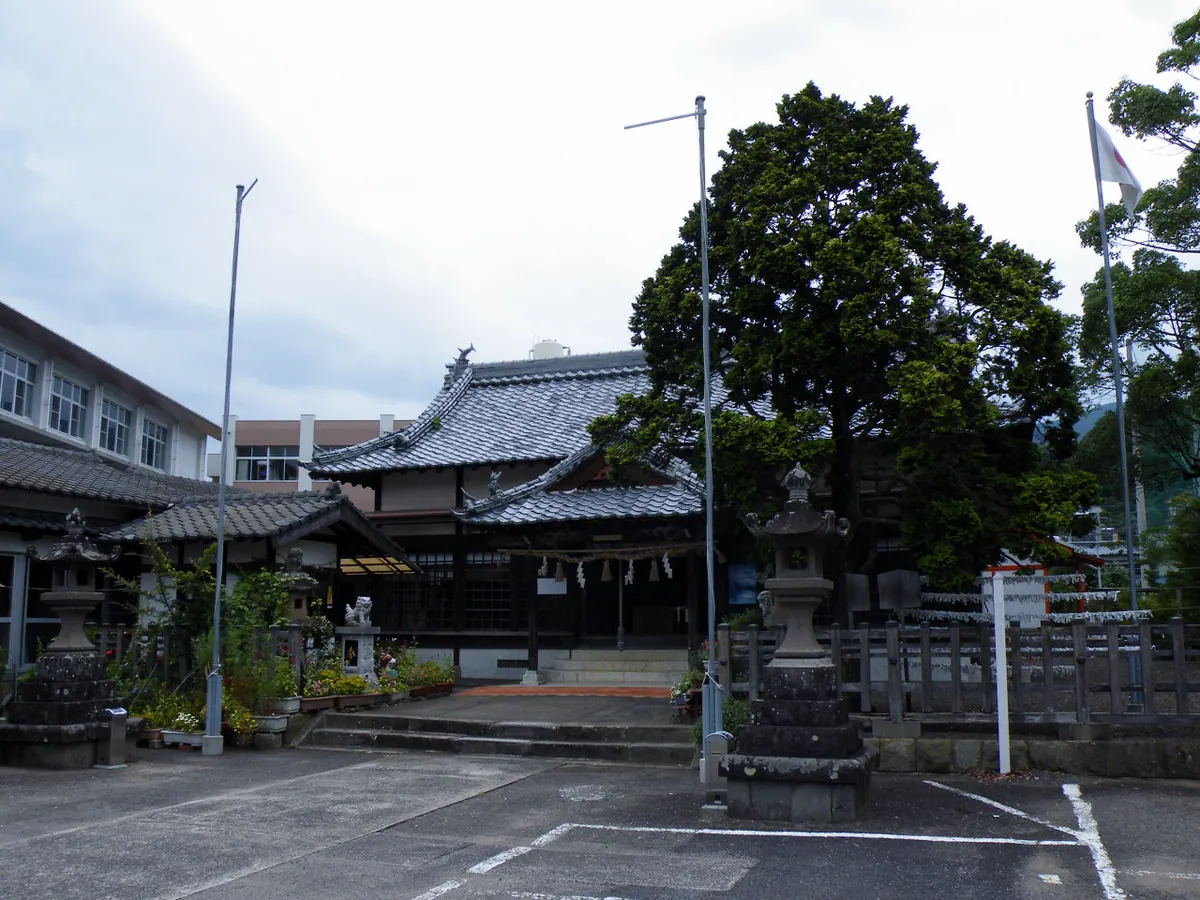
Norito Shrine, founded in the 10th century, offers a glimpse into local history and tradition.
What it is
- A shrine in Sasebo City, Nagasaki Prefecture.
- Its origin is linked to Takebe Tanemasa in the late 10th century.
- Originally called Iwaihara Daimyojin.
- The enshrined deity is Iwainushi no Mikoto.
What to see
- Matsuura Inari Shrine is within its precincts.
- A monument for the Oono area's millennium of development.
When to go
- The Oono Matsuri autumn festival is on October 11th.
Getting there
- One-minute walk from Saishi Station on the Matsuura Railway.
- Accessible by Sasebo City Bus or Sehi Bus.
- Address
- 長崎県佐世保市田原町126 Map
07
Kameoka Shrine
NAGASAKI · SHRINE 亀岡神社
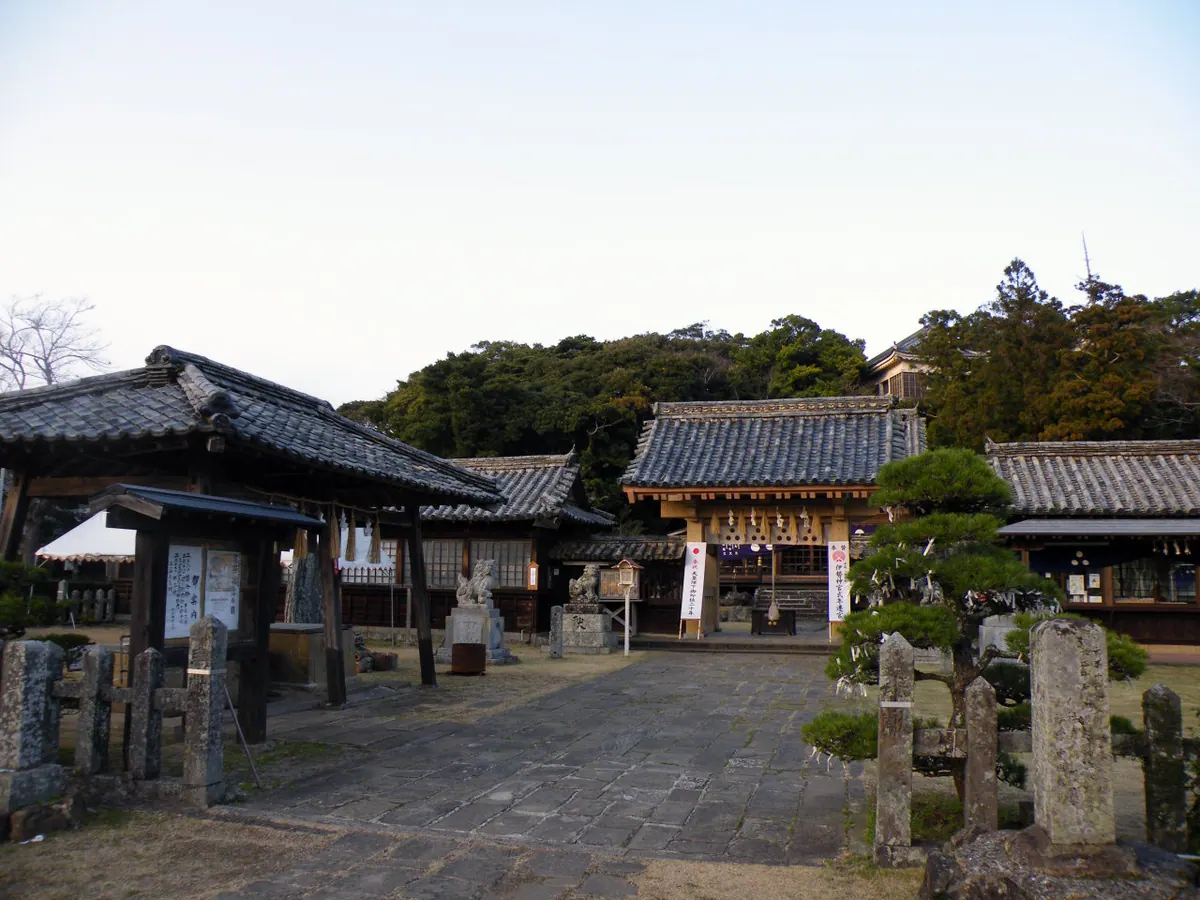
Kameoka Shrine, founded in 1631, offers historical buildings and a significant cultural sword.
What it is
- Founded in 1631 by Matsuura Mori.
- Stands on the former site of Hirado Castle's main keep.
- Four shrines were merged into this one.
- Renamed and ranked as a prefectural shrine in 1880.
What to see
- Main hall is a registered tangible cultural property.
- Kaguraden is a registered tangible cultural property.
- A Tachi sword is an important cultural property.
- Statue of Nakayama Aiko, erected in 1966.
- Maki tree-lined avenue is a natural monument.
When to go
- Autumn festival is called Hirado Kunchi.
- Address
- 〒859-5121 長崎県平戸市岩の上町1517 Map
- Official site
- kameoka-j.jp
08
Arikawa Shrine
NAGASAKI · SHRINE 有川神社
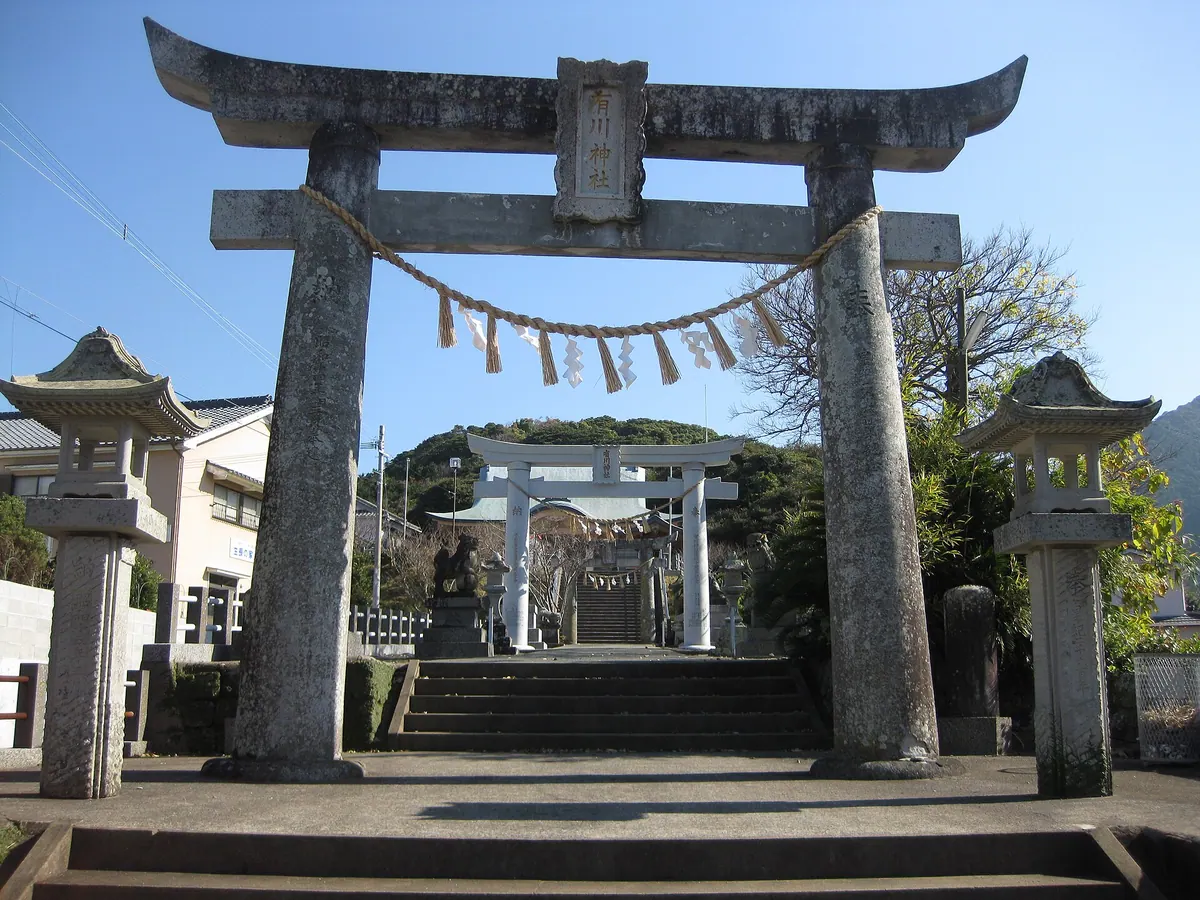
Arikawa Shrine, established in 1987, offers a glimpse into local deities and traditional Kagura performances.
What it is
- Arikawa Shrine was founded by merging three shrines.
- Established on April 24, 1987.
- Enshrines Izanami-no-Okami, Sugawara no Michizane, Hachiman-no-Okami.
- Nine other deities are also enshrined.
What to see
- The new shrine building stands on the former Tenman Shrine site.
When to go
- Annual festival is on October 1st and 2nd.
- Gion Festival is on the third Friday and Saturday of July.
- Arikawa Kagura is performed at both festivals.
- Goto Kagura is a national intangible folk cultural property.
- Address
- 長崎県南松浦郡新上五島町有川郷1073-1 Map
09
Fuchi Shrine
NAGASAKI · SHRINE 淵神社
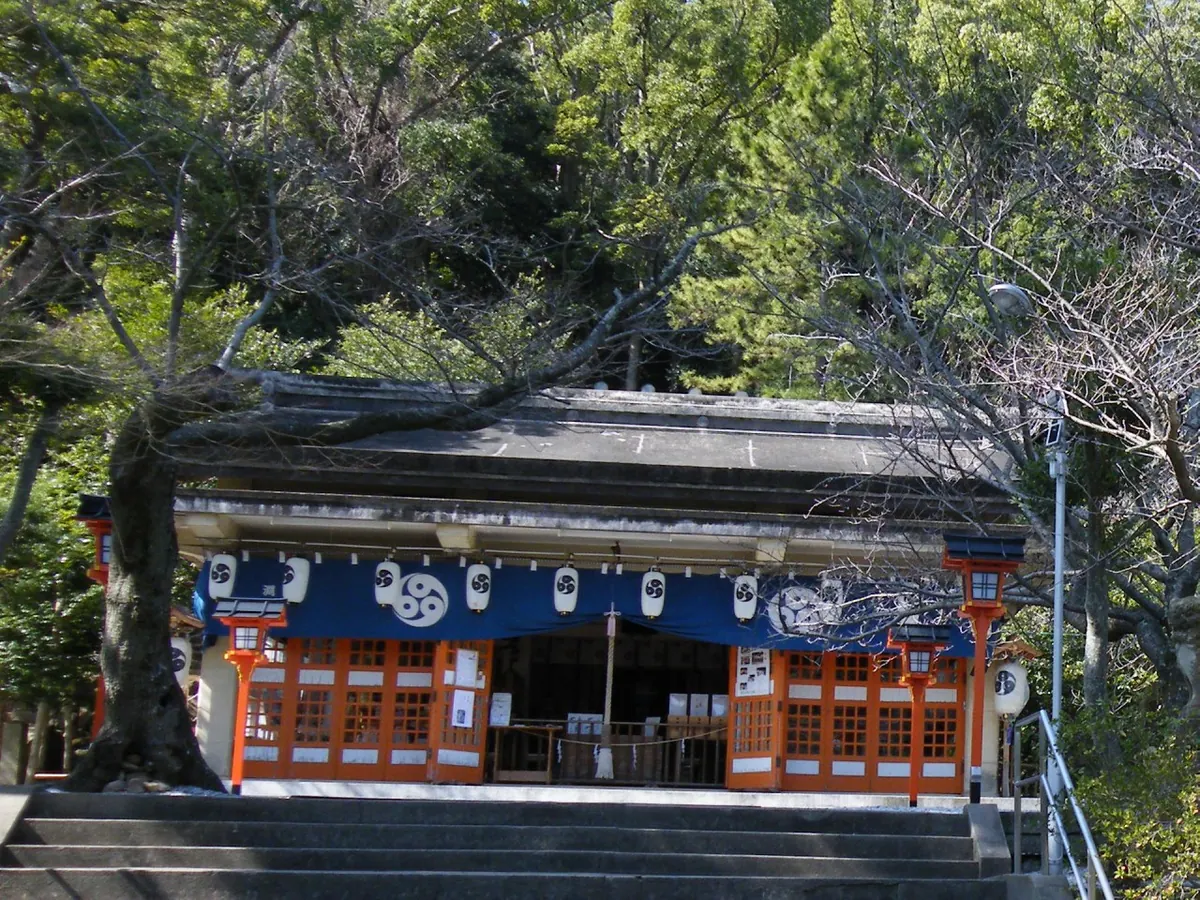
Fuchi Shrine is a historic site at Mt. Inasa's base, rebuilt after destruction, offering a ropeway to views.
What it is
- Dedicated to the Munakata Sanjojin deities.
- Founded by Ryusen of Enmei-ji temple.
- Rebuilt in 1634 after being burned down.
- Became Fuchi Shrine in 1868.
What to see
- The main hall, rebuilt in 1960.
- Hoju Inari Shrine is on the grounds.
- Ropeway to Mount Inasa operates from here.
When to go
- Autumn Grand Festival is held in October.
Getting there
- Located at the foot of Mount Inasa.
- Ropeway operates from Fuchi Shrine Station.
- Address
- 長崎県長崎市渕町8番1号 Map
10
Komodahama Shrine
NAGASAKI · SHRINE 小茂田浜神社
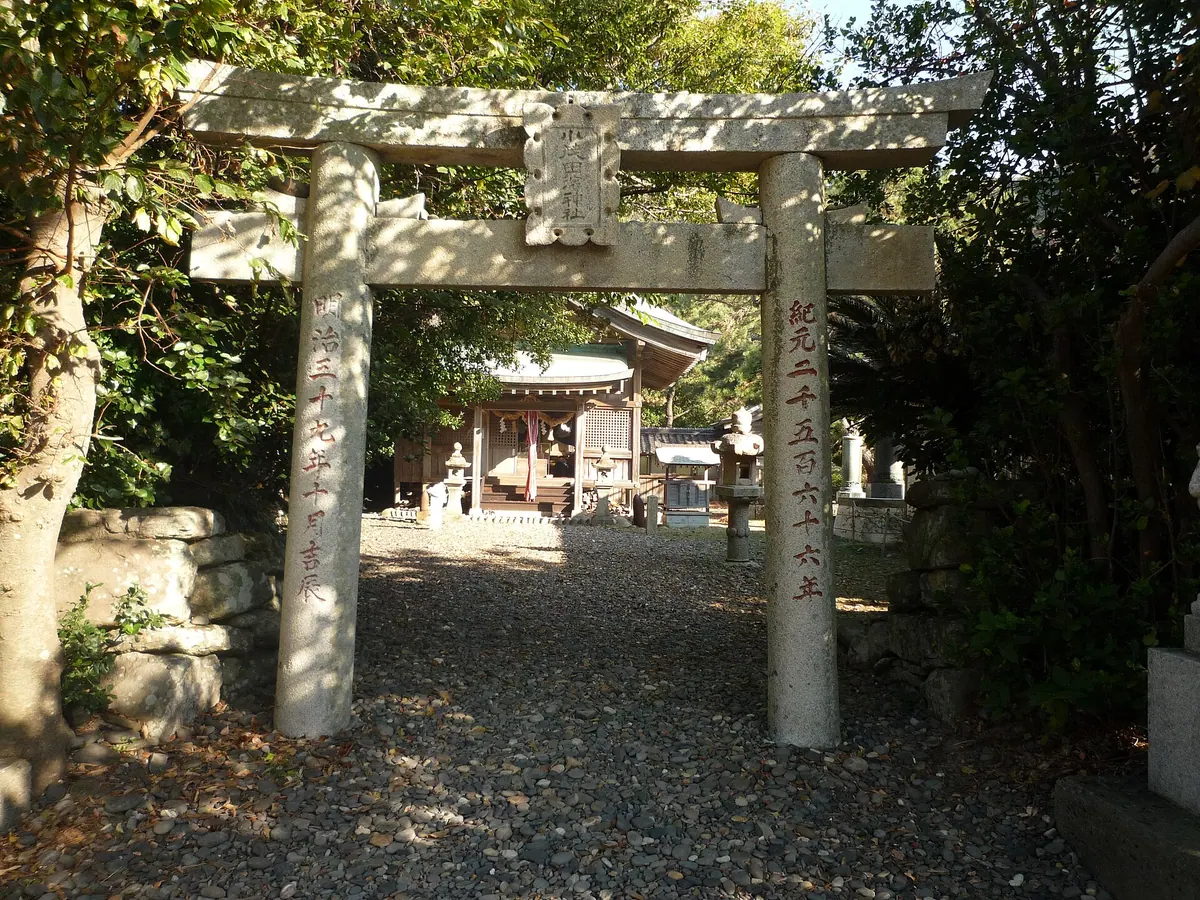
Komodahama Shrine commemorates a historic battle and honors the defenders of Tsushima.
What it is
- Shrine dedicated to Sō Sukekuni.
- Honors warriors who died in the 1274 Mongol invasion.
- Marks the landing site of Mongol-Goryeo forces.
- Moved to its current location in 1347.
What to see
- Torii gate built in 1924.
- 650th anniversary monument from 1924.
- 700th anniversary monument from 1974.
- Statue of Sō Sukekuni erected in 2020.
- Statue of Sō Sukekuni on horseback.
When to go
- Annual festival on the second Sunday of November.
- Address
- 対馬市厳原町小茂田742番地 Map
11
Okinokojima Shrine
NAGASAKI · SHRINE 沖ノ神島神社
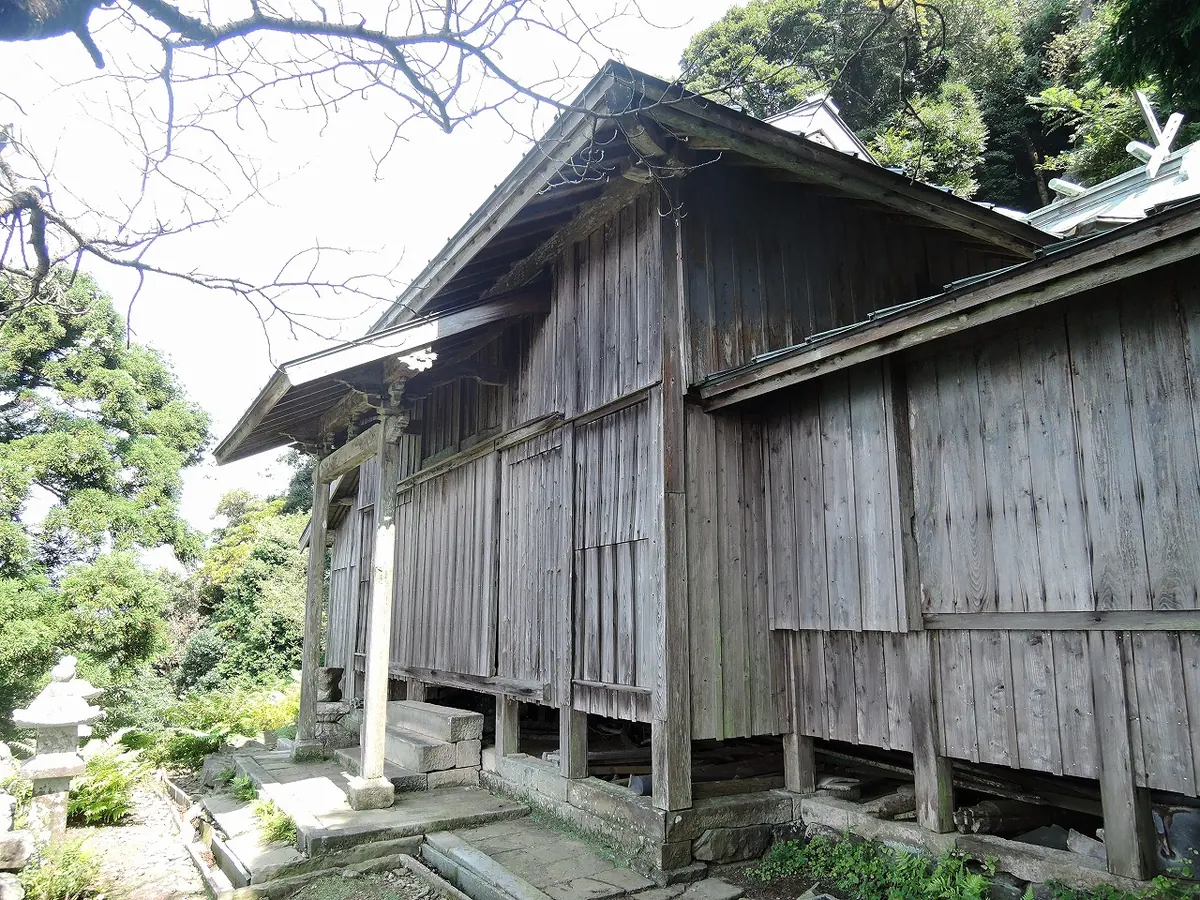
Ancient shrine on a remote island, known for its unique rock formation and historical significance.
What it is
- One of the oldest shrines in the Goto Islands.
- Founded in 704, branched from Jinokojima Shrine.
- Dedicated to Kamishima Daimyojin, Shijiki, and Shichiro Daimyojin.
- Designated an Important Cultural Landscape in 2011.
What to see
- Oiiwa, a strange rock formation behind the main hall.
- Oiiwa is 24m high and 12m wide.
- Hizen-style torii gate, built in 1680.
- Shrine built on a slope over 200m high.
- Yamagoe Sando, a mountain path to Nozaki village.
- Address
- 長崎県北松浦郡小値賀町野崎郷 Map
12
Takuzudama Shrine
NAGASAKI · SHRINE 多久頭魂神社
Takuzudama Shrine is an ancient site on Tsushima with unique deities and important cultural properties.
What it is
- Dedicated to Amaterasu Omikami and Hikohohodemi no Mikoto.
- Original deity is Takuzu-no-kami, unique to Tsushima.
- Identified with Takuzu Shrine in the Engishiki Jinmyocho.
- Formerly a site of Tenpo faith, Shinto and Buddhist syncretism.
What to see
- Bronze gong, an Important Cultural Property from Goryeo period.
- Bronze bell, an Important Cultural Property made in 1344.
- Three volumes of Goryeo edition Issaikyo, Important Cultural Properties.
- Address
- 長崎県対馬市厳原町豆酘 Map
13
Konpira Shrine (Shinkamigoto)
NAGASAKI · SHRINE 金比羅神社 (新上五島町有川郷)
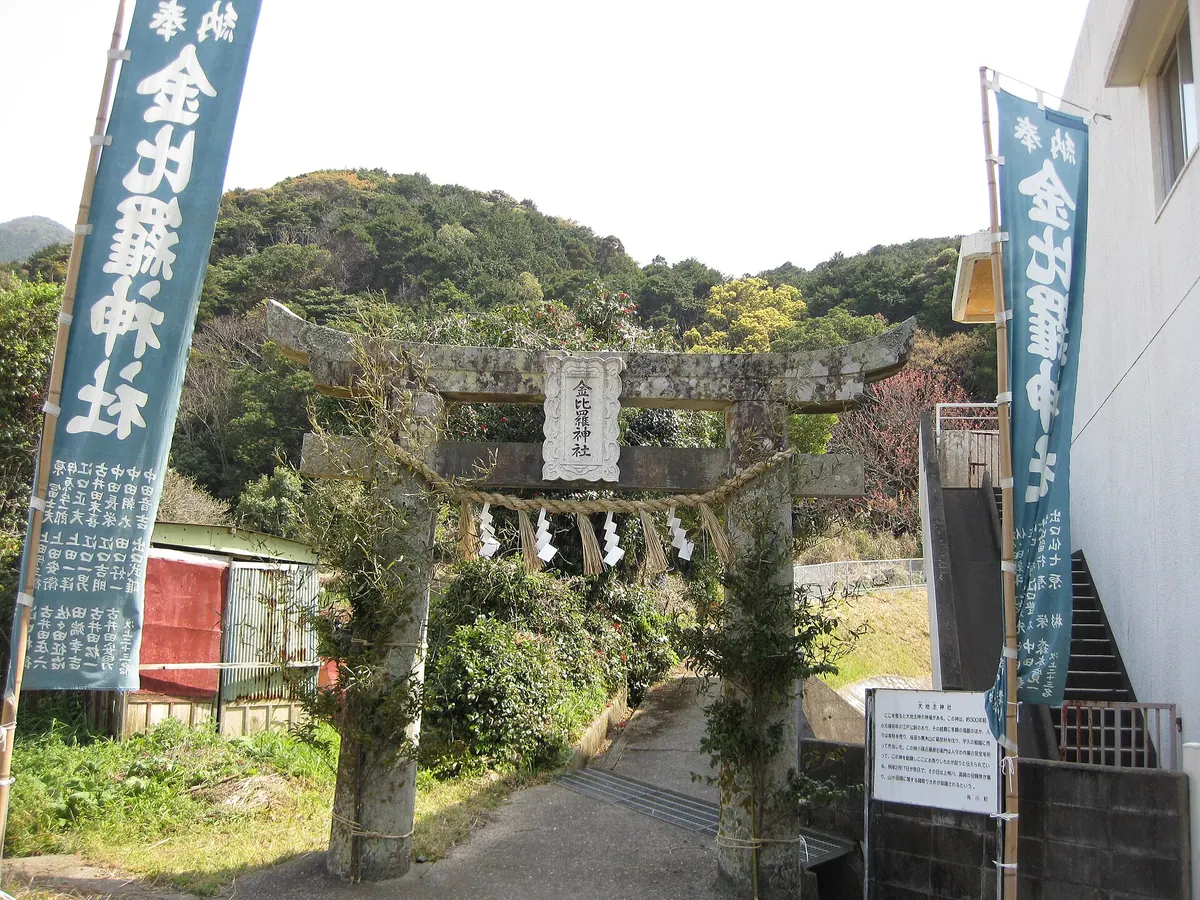
Historic mountaintop shrine in Nagasaki, offering unique cultural performances and scenic views.
What it is
- Shrine founded in November 1754.
- Enshrines Oanamuchi-no-mikoto and Kanayamahiko-no-mikoto.
- Located in Shinkamigoto, Nagasaki Prefecture.
What to see
- Shrine grounds on a western peak of Mt. Sakuraga.
- Worship hall near the 8th station.
- Main hall near the summit.
- Sarutahiko Shrine is a subsidiary shrine.
- Otokonushi Shrine is also within the grounds.
When to go
- Annual festival on April 17 features Arikawa Kagura.
- Address
- 長崎県南松浦郡新上五島町有川郷字竹道1714 Map
14
Sumiyoshi Shrine
NAGASAKI · SHRINE 住吉神社
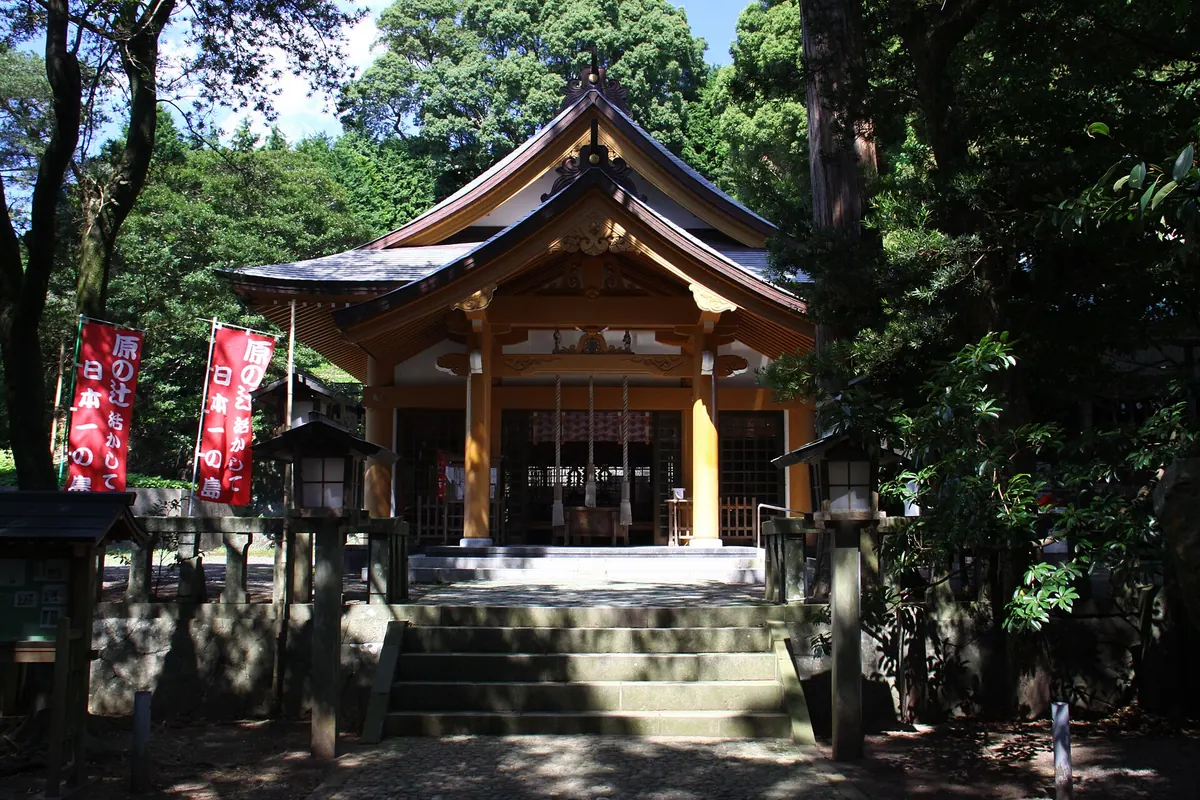
Ancient shrine in Iki City, dedicated to sea deities, with cultural properties and a unique festival.
What it is
- Ancient shrine in Iki City, Nagasaki Prefecture.
- Dedicated to the Sumiyoshi Okami sea deities.
- Hachiyachihoko-no-kami enshrined in an auxiliary shrine.
- Designated a Kokuhei Chusha in May 1871.
What to see
- Seventeen divine mirrors, found in 1871.
- Painting of Koya Yonsha Myojin.
- Two ancient camphor trees.
When to go
- Annual festival is held on November 9.
- See the ceremonial boat used in the festival.
- Address
- 長崎県壱岐市芦辺町住吉東触470 Map
15
Wakamiya Inari Shrine
NAGASAKI · SHRINE 若宮稲荷神社
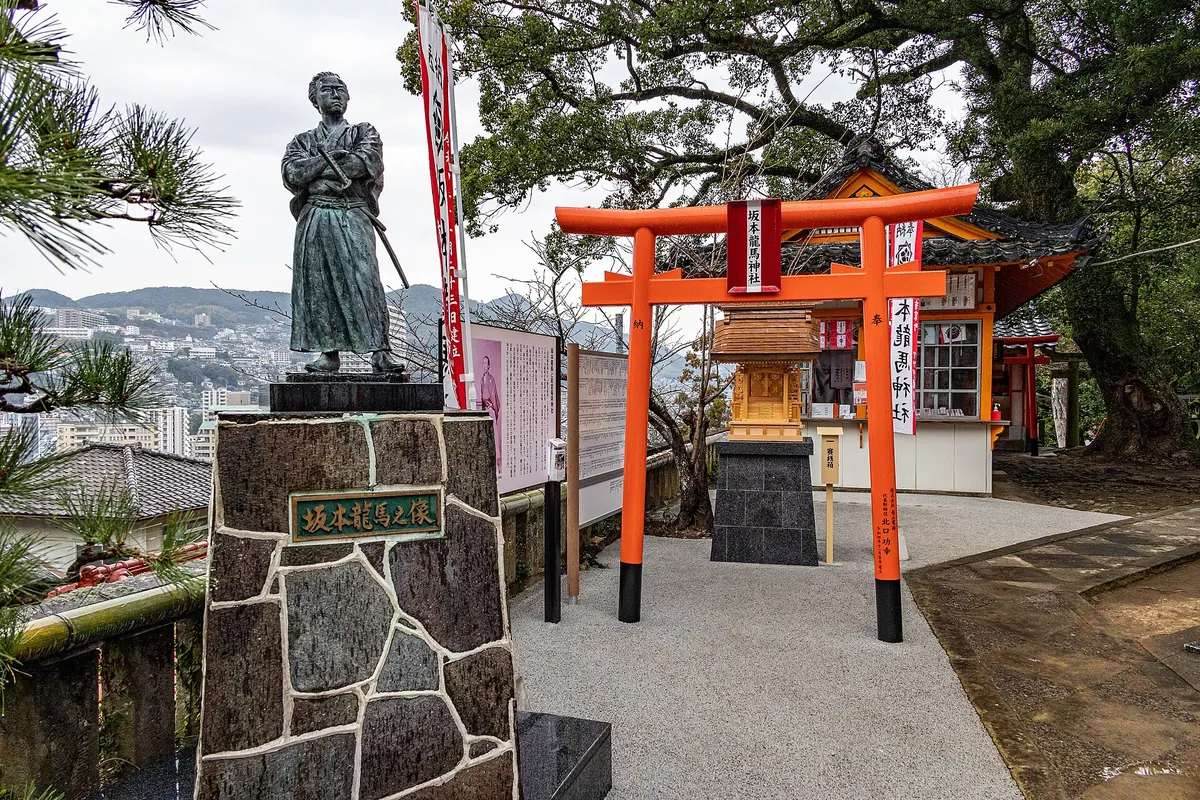
Historic Inari shrine in Nagasaki, founded in 1673, with many torii gates and ties to Sakamoto Ryoma.
What it is
- An Inari shrine in Nagasaki City.
- Founded in 1673 by Wakisugi Kisaburo.
- Also known as "Wakamiya-sama" or "Kinno Inari."
- Visited by Sakamoto Ryoma and other patriots.
What to see
- About 70 torii gates on the approach.
- A square torii gate, moved here in 1899.
- Ryoma Bridge.
- A statue of Sakamoto Ryoma next to the main hall.
When to go
- See the Taken-gei traditional art performance.
16
Wakamatsu Shrine
NAGASAKI · SHRINE 若松神社 (新上五島町)
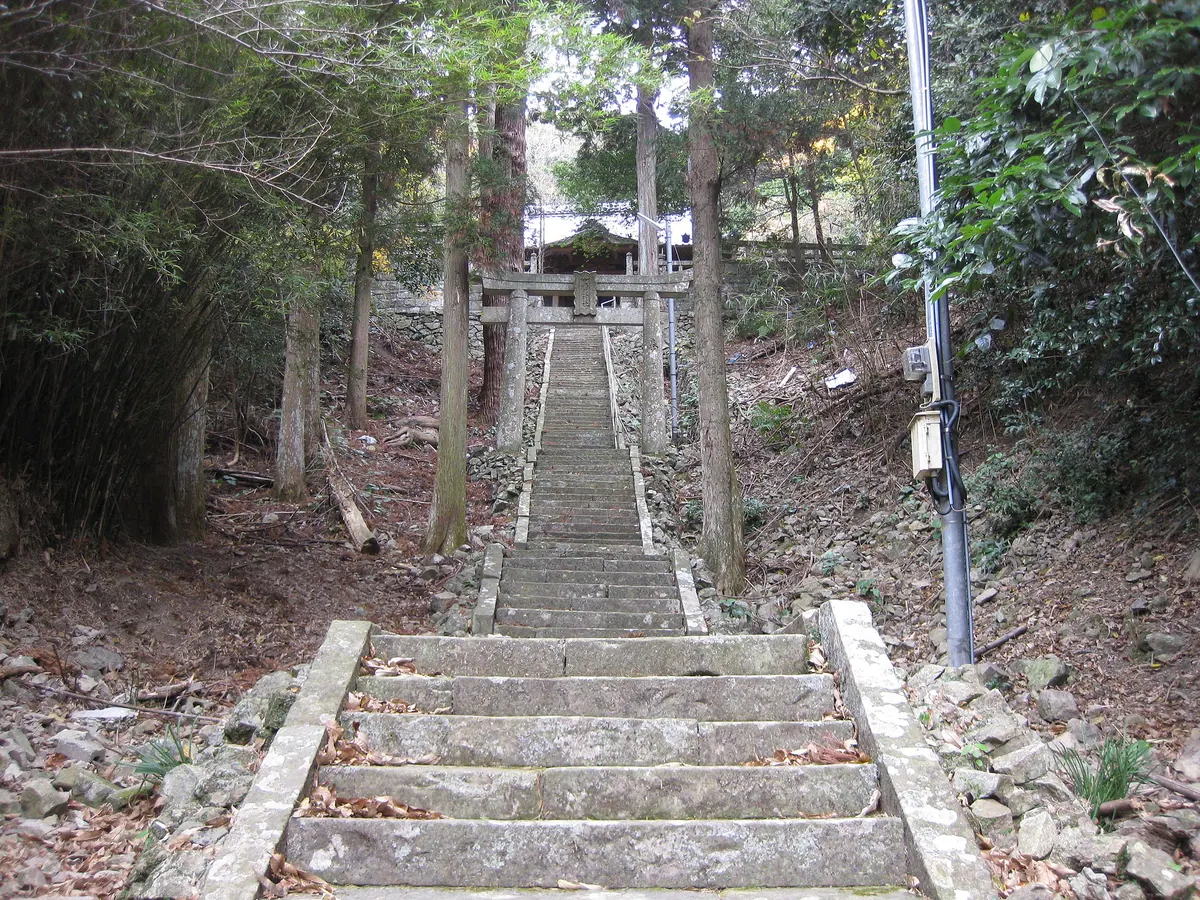
Wakamatsu Shrine: a historic site in Nagasaki dedicated to three deities, with a unique origin story.
What it is
- Dedicated to Amenominakanushi-no-Mikoto, Takamimusubi-no-Kami, and Kamimusubi-no-Kami.
- Relocated to its current site in 1688.
- Named Wakamatsu Shrine in 1870.
- Designated a village shrine in 1877.
What to see
- Several subsidiary shrines are on the grounds.
- Tenman Shrine is a subsidiary shrine.
- Konpira Shrine is a subsidiary shrine.
When to go
- Annual festival is held on November 1st.
- Address
- 長崎県南松浦郡新上五島町若松郷字築出山296 Map
17
Mōkyō Shrine
NAGASAKI · SHRINE 蒙疆神社
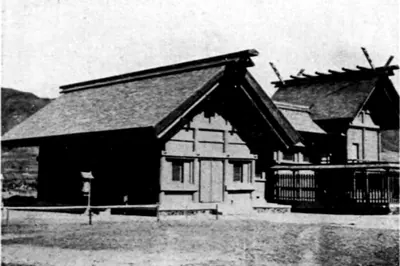
Mōkyō Shrine was a Shinto shrine in Zhangjiakou, notable for its unique history and enshrined deities.
What it is
- A Shinto shrine in Zhangjiakou, capital of Mengjiang.
- Enshrined four deities, including Prince Kitashirakawa Nagahisa.
- Attendance was mandatory for Japanese organizations.
- Abolished after the war.
What to see
- Mōkyō Chūreitō, a cenotaph, was adjacent to the shrine.
- The worship hall's gabled roof was removed.
- The building is still in use as of 2023.
- The land is now Victory Park and Martyrs' Cemetery.
- Address
- 蒙古聯合自治政府張家口市林園北街 Map
18
Ebisu Shrine (Shinkamigoto)
NAGASAKI · SHRINE 蛭子神社
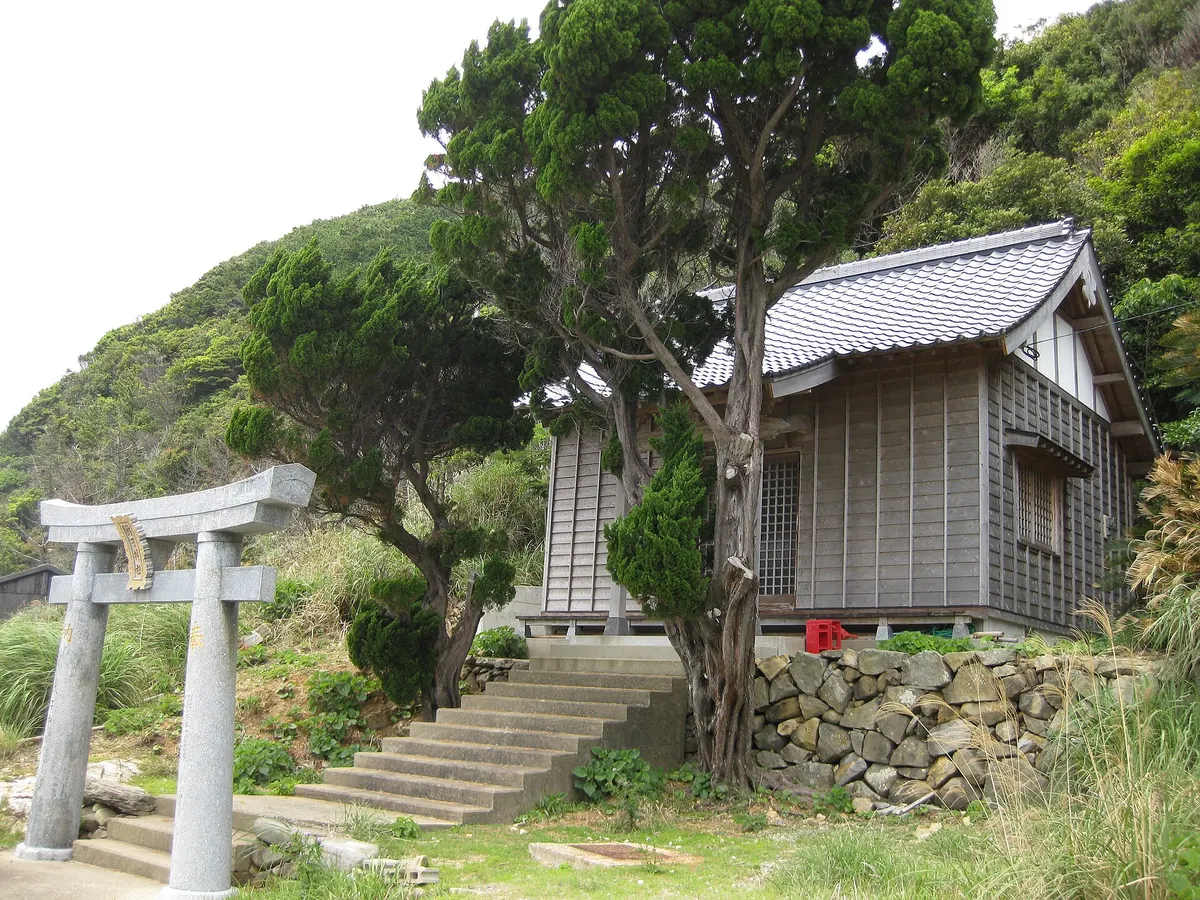
Ebisu Shrine honors the god of fishing and commerce, offering a glimpse into local spiritual traditions.
What it is
- A Shinto shrine in Shinkamigoto, Nagasaki Prefecture.
- Dedicated to Kotoshironushi-no-mikoto, god of fishing and commerce.
- Oyamatsumi-no-mikoto is also an enshrined deity.
- Kotoshironushi-no-mikoto was moved here in 1672.
What to see
- Yamagami Shrine, a subsidiary shrine.
- Konpira Shrine, located in the same area.
When to go
- Annual festival on September 15th of the lunar calendar.
- Address
- 長崎県南松浦郡新上五島町飯ノ瀬戸郷538 Map
19
Otakehie Shrine (Shinkamigoto)
NAGASAKI · SHRINE 雄嶽日枝神社
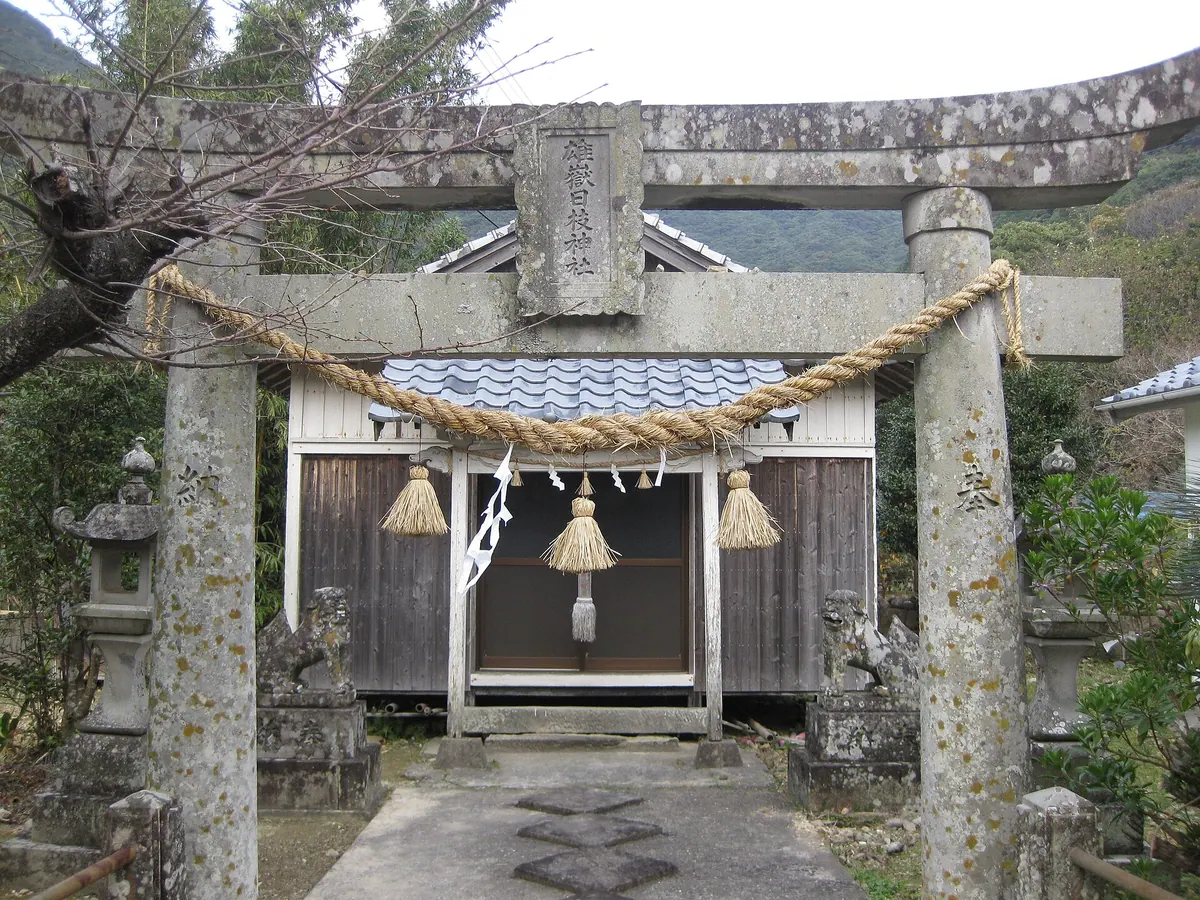
Ancient mountain shrine founded by Saicho, dedicated to Okuninushi-no-kami, offering a glimpse into Japan's spiritual past.
What it is
- Ancient shrine founded in 814 by Saicho.
- Dedicated to the deity Okuninushi-no-kami.
- Formerly known as Sanno Gongen.
- Designated a Shinsen Heihakuryo Kyoshin Jinja in 1927.
What to see
- Upper shrine on the peak of Sannoyama mountain.
- Lower shrine at the southern foot of Sannoyama.
- Sannoyama mountain, 439.2 meters high.
- Ichinomiya Shrine, built in 1708.
- Ninomiya Shrine, enshrining Amaterasu Omikami.
- Address
- 長崎県南松浦郡新上五島町荒川郷三王山133(下社) Map
20
Oimatsu Shrine
NAGASAKI · SHRINE 老松神社
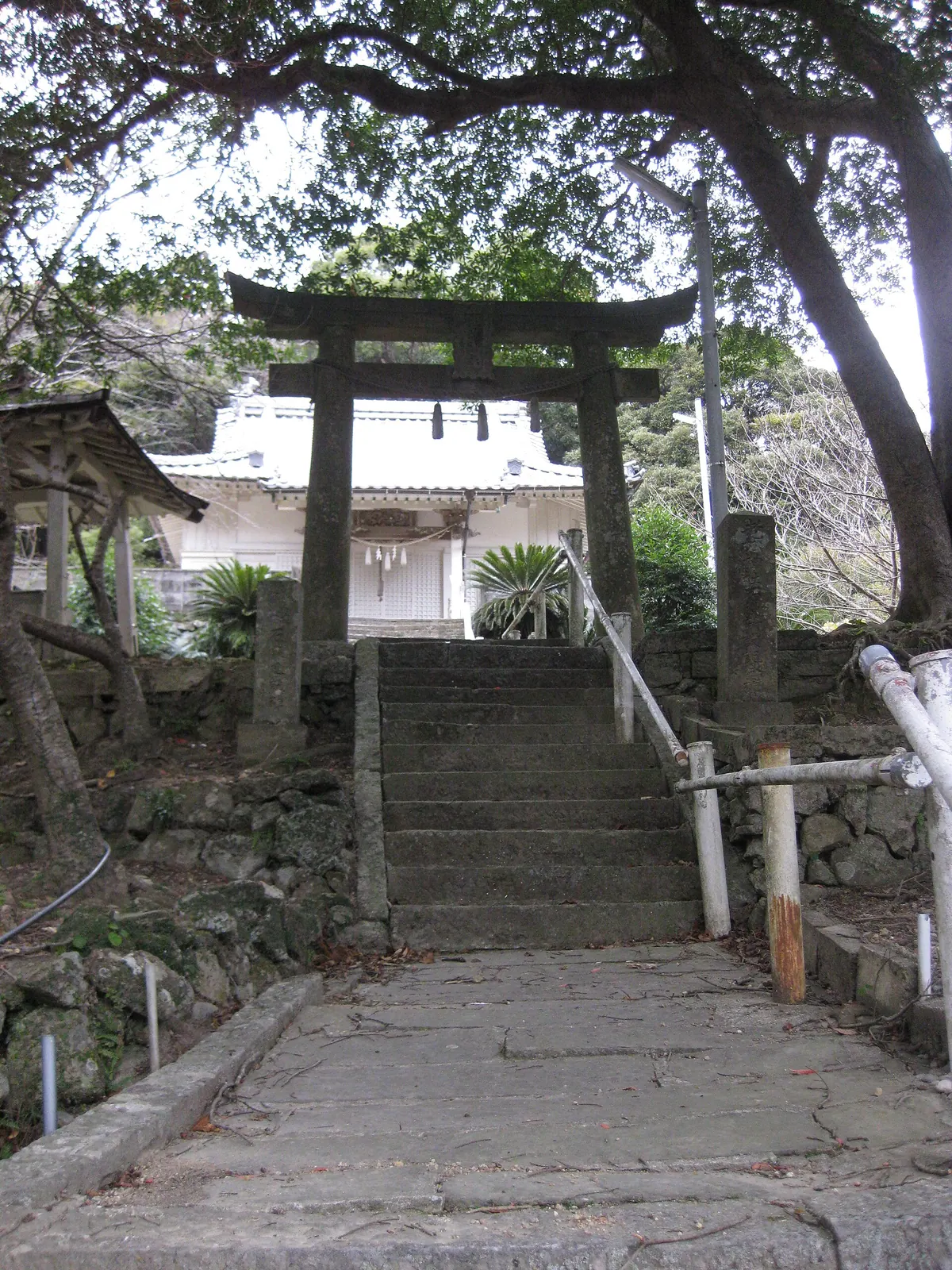
Oimatsu Shrine: ancient deities, a 1510 prayer, and unique natural features.
What it is
- Dedicated to Susanoo-no-Mikoto, Izanagi-no-Mikoto, and Izanami-no-Mikoto.
- Existed in 1510, founding date is unknown.
- Relocated to its current site in 1966.
What to see
- A large rock called Iwaya Kannon is behind the shrine.
- A crocodile mouth found during ground expansion.
- The crocodile mouth has a 1510 prayer inscription.
When to go
- Annual festival is held on September 17th.
- Address
- 長崎県南松浦郡新上五島町若松郷537-1 Map