

20 Temples in Niigata worth your time
Japan Gems
Niigata Prefecture has 72 temples, including Honganji Niigata Betsuin and Shōgen-ji Temple. Visitors can find a mix of historical and serene religious sites.
Niigata has 78 temples on Japan Gems. Below are the 20 we can tell you the most about — each one written up in English from Japanese sources, with what to see and how to get there. See all temples in Niigata.
01
Senshō-ji Temple
NIIGATA · TEMPLE 専称寺
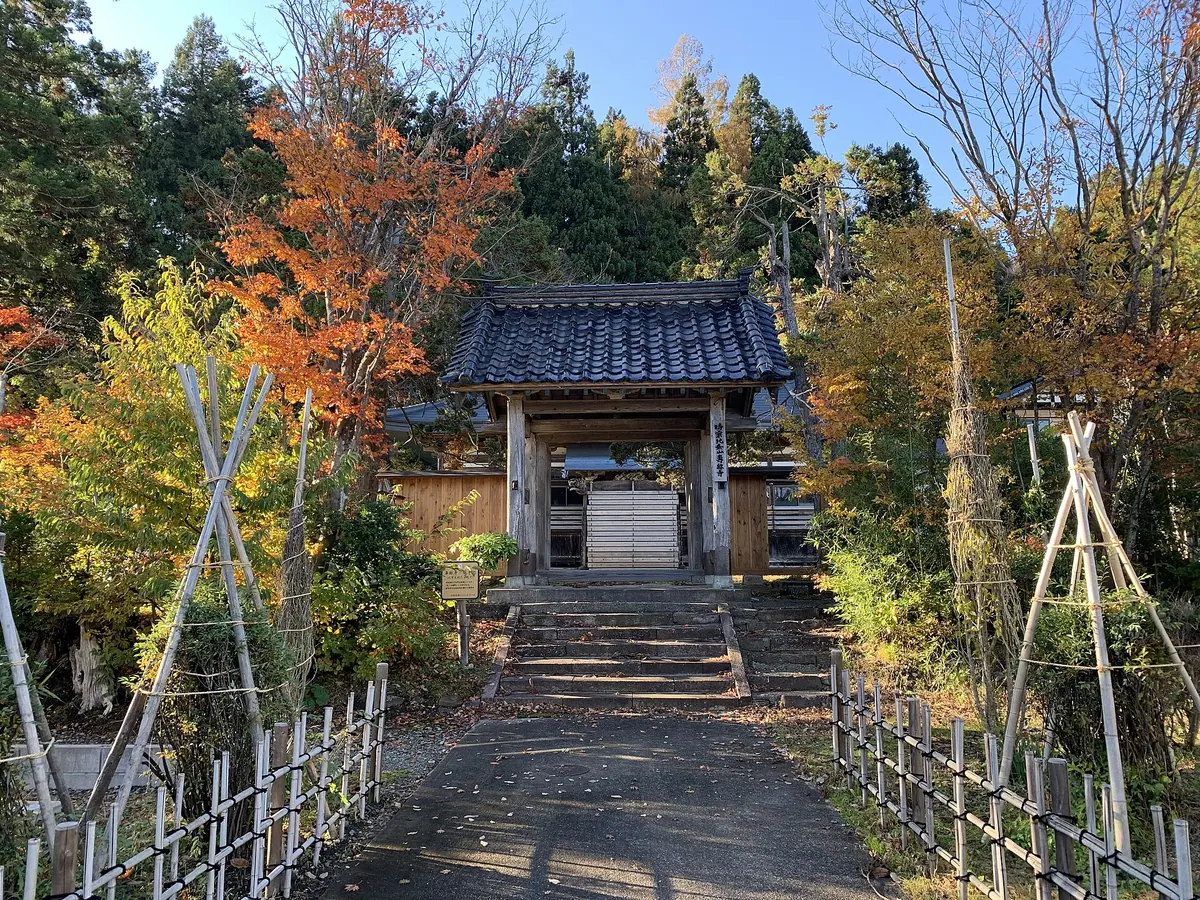
A 13th-century Jishu sect Buddhist temple in Kashiwazaki housing significant city-designated cultural artifacts and feudal clan history.
What it is
- A Jishu sect Buddhist temple founded by Taa Shinkyo in 1293.
- The former family temple for the Echigo-Kitajo clan.
- Established during the founder's travels through the Echigo Province.
- The abbot famously mediated the surrender of the nearby Kitajo Castle.
What to see
- A city-designated peony-patterned lacquered desk.
- A writing set featuring bamboo and sparrow maki-e designs.
- An illustrated biography of the holy man Ippen Shonin.
- Historical artifacts preserved from the era of the Echigo-Kitajo clan.
Getting there
- The temple site is a thirty-minute walk from Yasuda Station.
02
Hōfuku-ji Temple (Nagaoka)
NIIGATA · TEMPLE 法福寺 (長岡市)
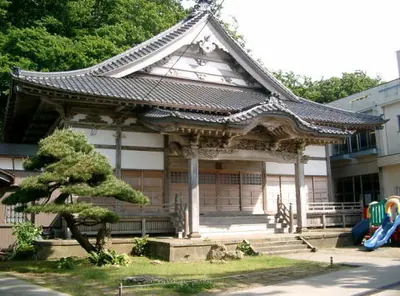
This temple honors Nichiren, who stayed here before exile, offering insight into his teachings and journey.
What it is
- Hofukuji belongs to the Nichiren school of Buddhism.
- Founded by Nichiren (1222–1282), a Buddhist priest.
- Land donated by the Ishikawa family in 1706.
What to see
- Soshido (Founder’s Hall) on the property.
- Inside the hall: scroll painting of Nichiren’s sea crossing.
- Inside the hall: copy of the Letter from Teradomari.
- Inside the hall: golden altar with a statue of Nichiren.
- Ground well used by Nichiren to wet his inkstone.
- Large statue of Nichiren erected beside the well in 1964.
When to go
- Doors of the small wooden hall are usually closed, but visitors may enter freely.
- Address
- 新潟県長岡市寺泊二ノ関2720 Map
03
Honjō-ji Temple
NIIGATA · TEMPLE 本成寺
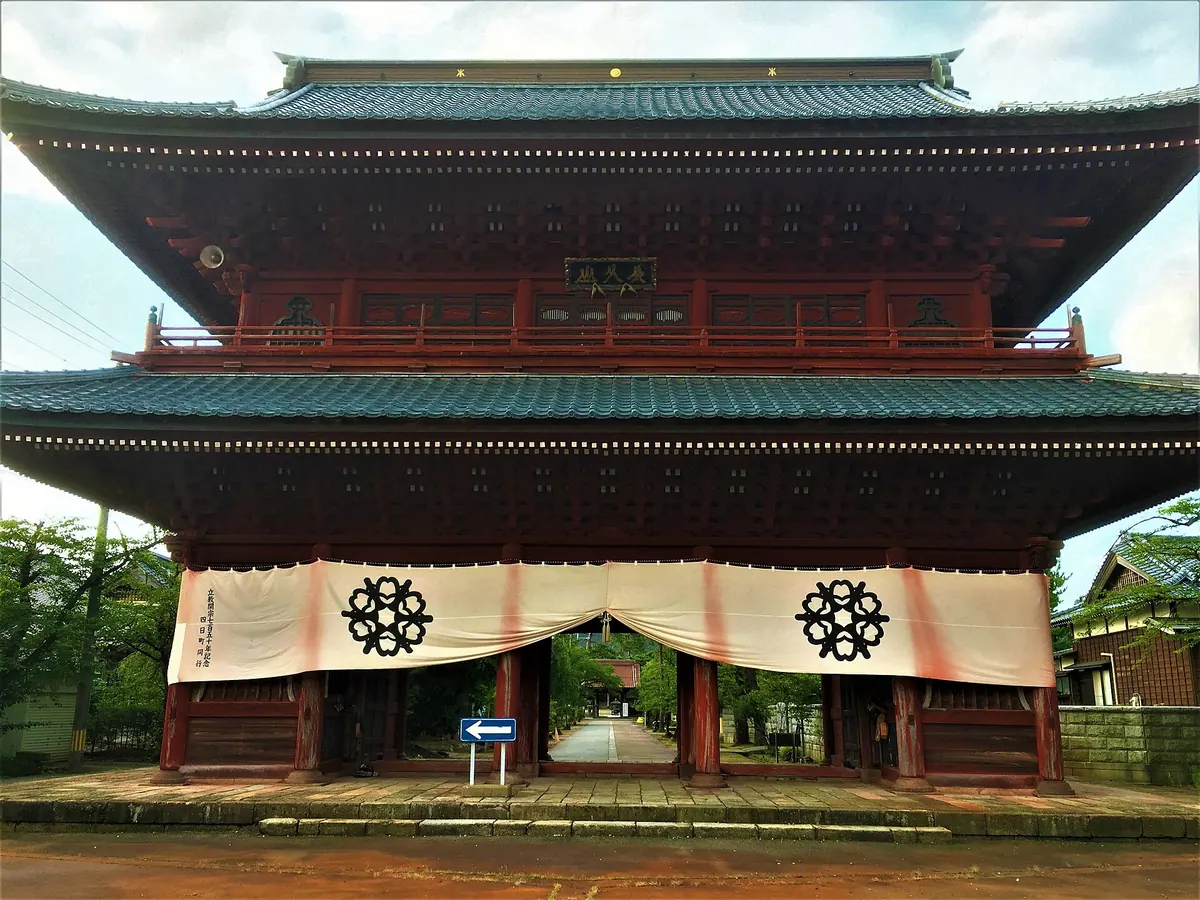
Honjo-ji Temple is a historic Buddhist temple, founded in 1297, known for its demon dance.
What it is
- Head temple of the Hokke-shu Jinmon-ryu sect.
- Founded in 1297 by Saint Nichiin.
- Renamed Chokyu-zan Honjo-ji in 1314.
- Oversees temples and followers in Eastern Japan.
What to see
- Ten sub-temples are on the grounds.
- Main hall, guest hall, and other buildings.
- Mandala painting is a cultural property.
When to go
- Oni Odori (demon dance) is held annually on February 3rd.
- The Oni Odori is a great demon dance.
Getting there
- 20-minute walk from Sanjo Station.
- Address
- 新潟県三条市西本成寺1-1-20 Map
04
Chōtoku-ji Temple
NIIGATA · TEMPLE 長徳寺 (新発田市)
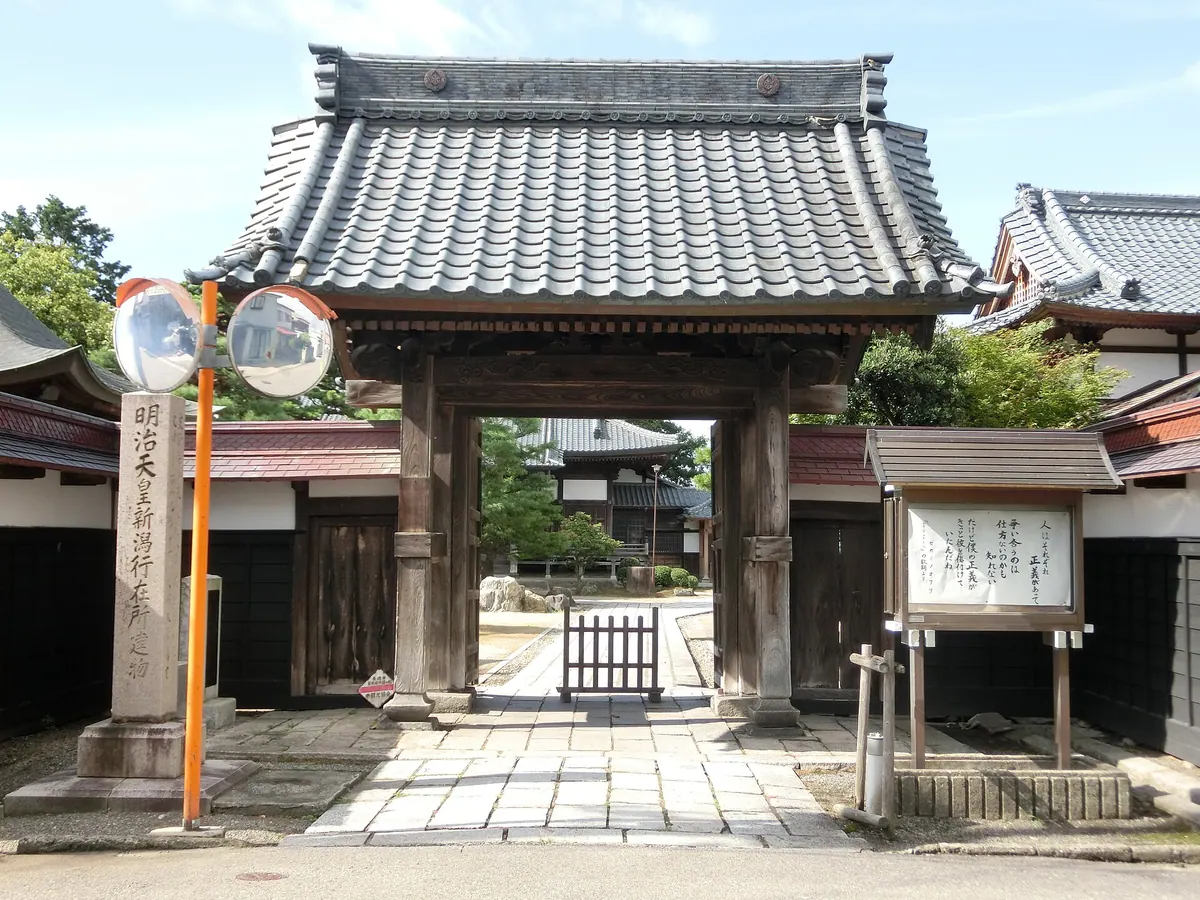
Chotokuji Temple honors the 47 Ronin and offers unique historical artifacts.
What it is
- Buddhist temple in Shibata City, Niigata Prefecture.
- Family temple of Horibe Taketsune's birth family.
- Dedicated to the Ako Roshi (47 Ronin).
What to see
- Ishidai Pine, planted by Horibe Taketsune.
- Gishido hall, completed in 1929.
- Wooden statues of the Ako Roshi inside Gishido.
- Main hall and kuri are registered cultural properties.
When to go
- Gishisai festival is held annually on December 14th.
Getting there
- 20-minute walk west from JR Shibata Station.
- Address
- 新潟県新発田市大栄町2-7-22 Map
- Official site
- www.choutokuji.jp
05
Shōfuku-ji Temple
NIIGATA · TEMPLE 昌福寺
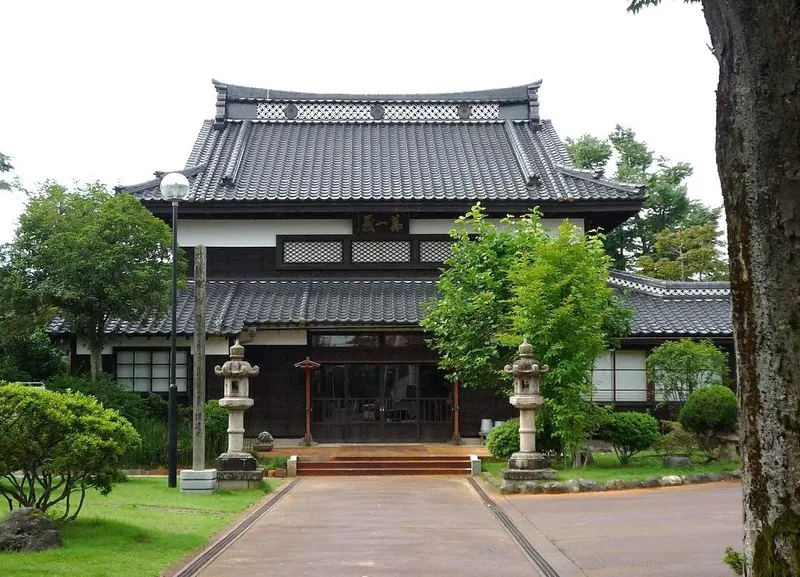
Shōfuku-ji Temple is a historic Sōtō Zen temple with unique graves and war memorials.
What it is
- A Sōtō Zen temple.
- Founded in Nagaoka City, Niigata Prefecture.
- Served as a domain hospital during the Boshin War.
- Site of Kokkan School, opened in 1869.
What to see
- Grave of Udon Danjiro.
- Grave of Myotoku-in, daughter of Honjo Seishichiro.
- Suwa Shrine on the temple grounds.
- Grave for victims of the 1945 Nagaoka air raid.
When to go
- Memorial service for war victims held annually on August 1.
Getting there
- 5-minute walk from JR Nagaoka Station.
- Address
- 新潟県長岡市四郎丸4-6-21 Map
06
Seisui-ji Temple
NIIGATA · TEMPLE 清水寺
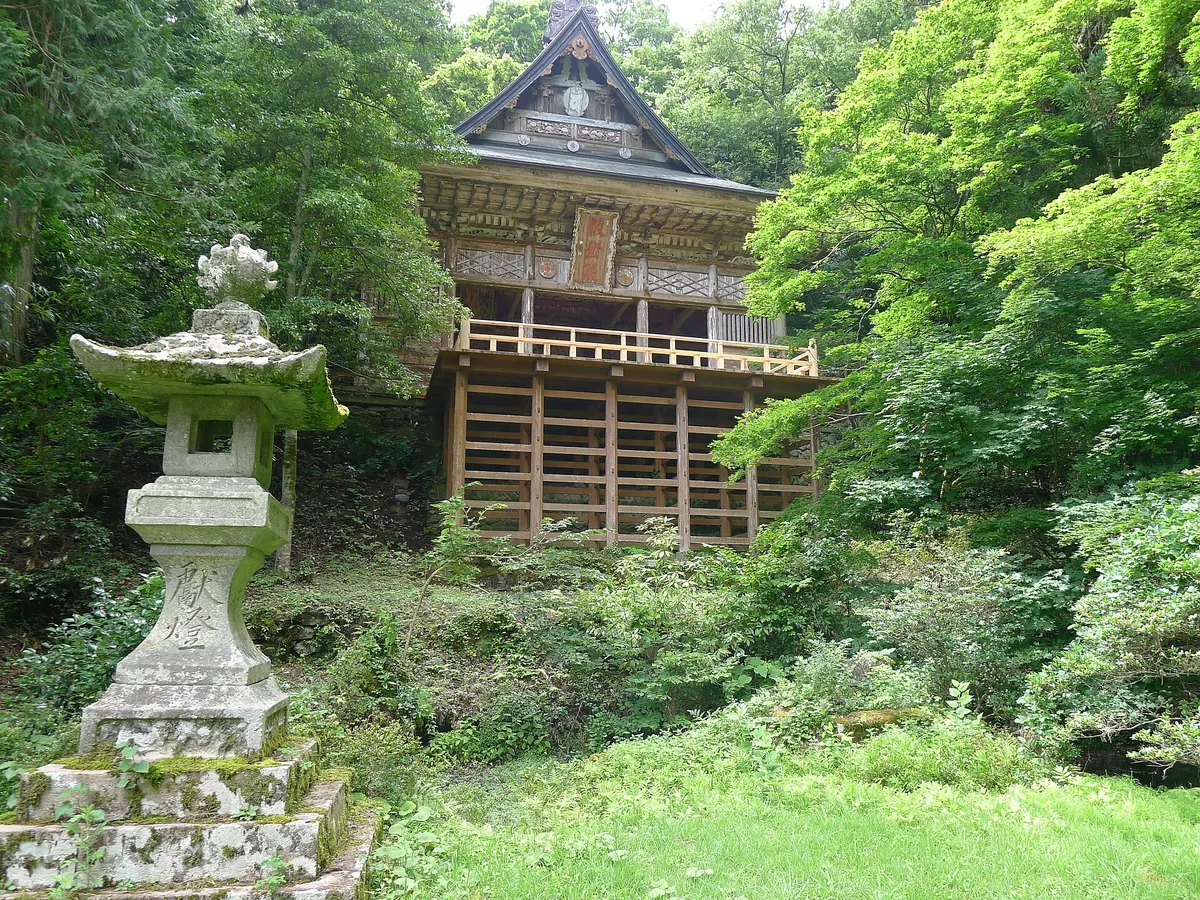
Ancient temple with unique Heian-period statues and a Kiyomizu-style stage.
What it is
- Temple founded in 808.
- Belongs to the Shingon-shu Buzan-ha sect.
- Dedicated to Senju Kannon.
What to see
- Kiyomizu-no-Butai (Kyuseiden) stage.
- Only collection of Heian period 28 attendant statues.
- Main hall is a city-designated cultural property.
- Nio-mon gate is a city-designated cultural property.
- Chu-mon gate is a city-designated cultural property.
- Bell tower is a city-designated cultural property.
Getting there
- About 3 km southeast from Hiyoshi Jinja-mae intersection.
- Address
- 新潟県佐渡市新穂大野124-1 Map
- Official site
- www.sado-seisuiji.jp
07
Shugetsu-ji Temple
NIIGATA · TEMPLE 種月寺
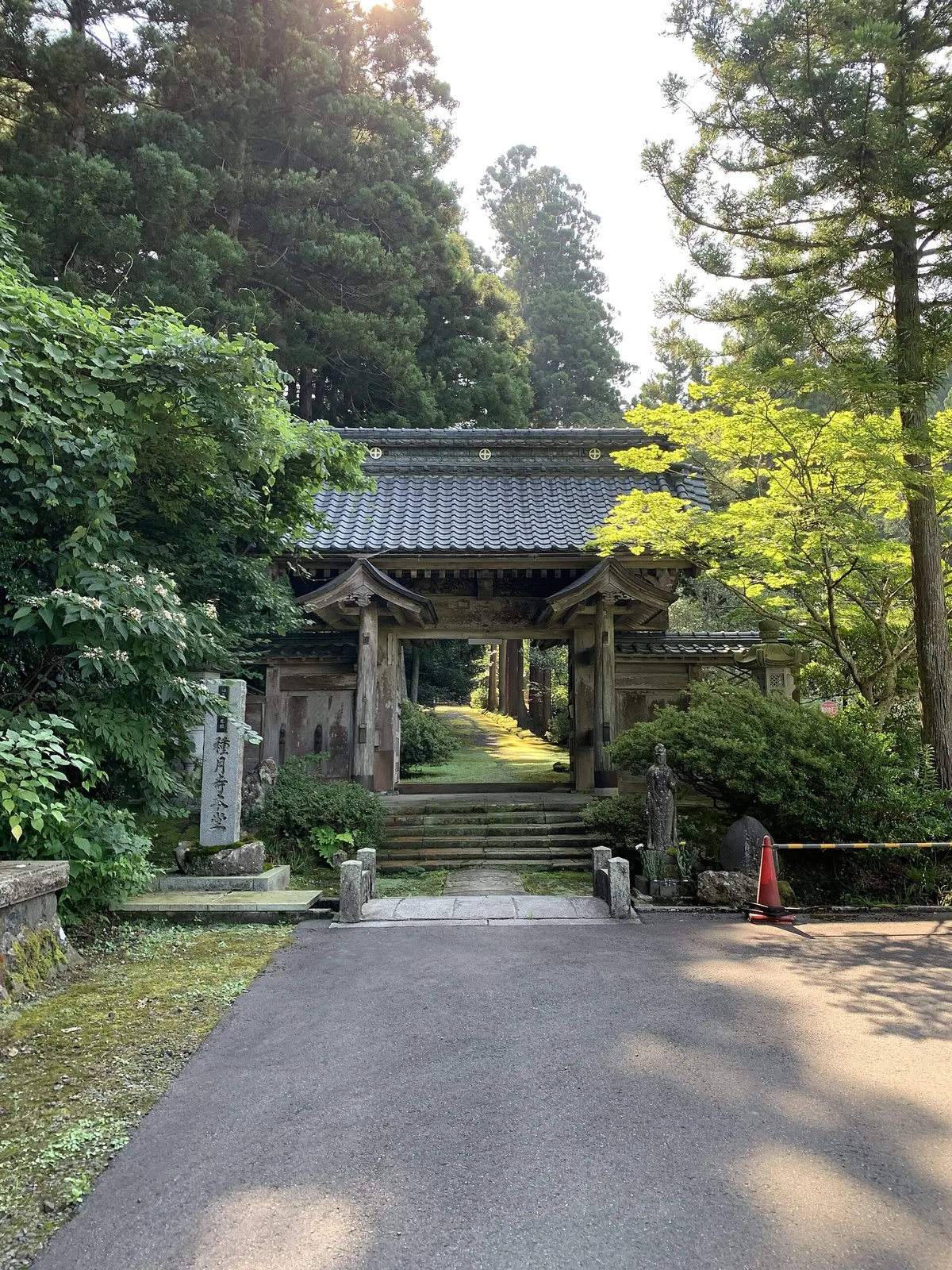
A historic Soto Zen training center in Niigata featuring a 17th-century main hall and ancient botanical monuments.
What it is
- A Soto Zen temple founded in 1446 by Uesugi Fusatomo.
- One of the four major Soto training centers in the Echigo region.
- The founding priest was Nanei Kenshu.
What to see
- The main hall built in 1699 is a National Important Cultural Property.
- Calligraphy and books designated as prefectural cultural assets are kept here.
- A silver osmanthus tree serves as a city-designated natural monument.
Getting there
- The temple is an eleven-minute drive from Iwamuro Station.
08
Gochi Kokubun-ji Temple
NIIGATA · TEMPLE 五智国分寺
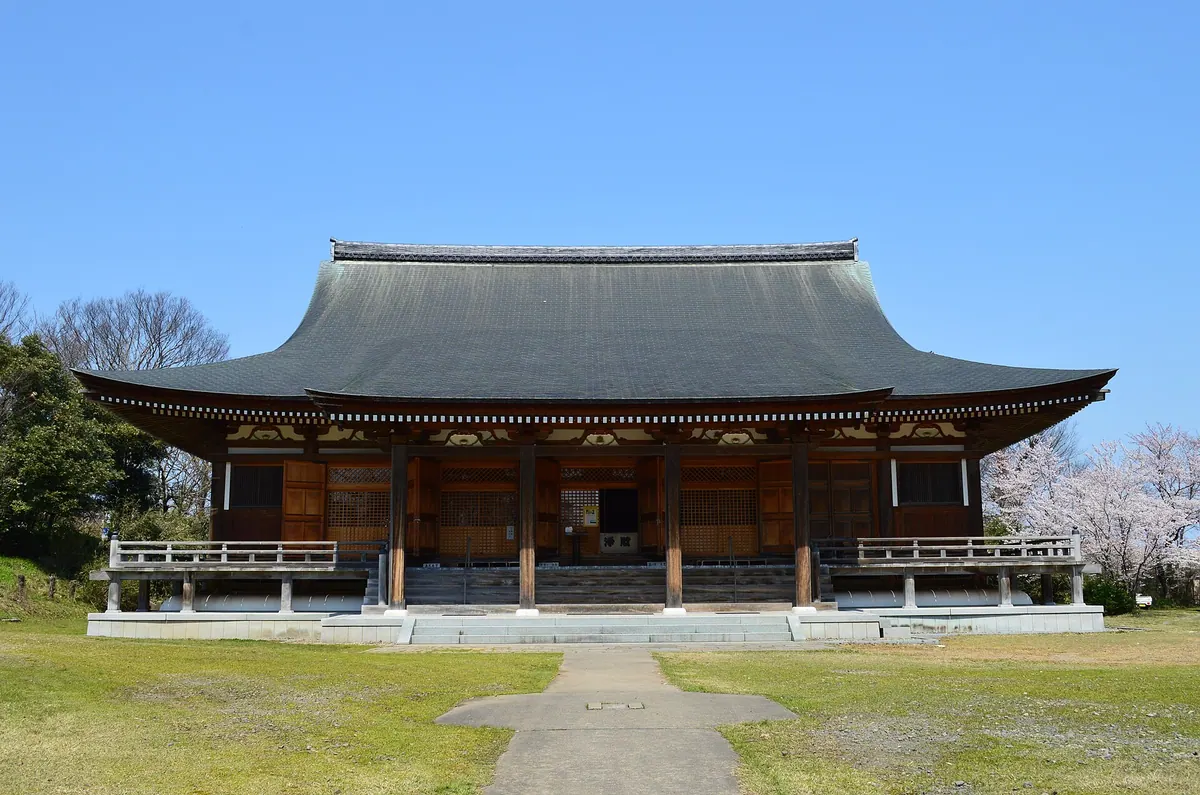
Historic Tendai temple with a unique pagoda, rebuilt by Uesugi Kenshin, offering cultural insights.
What it is
- Tendai sect temple, successor to Echigo Kokubun-ji Temple.
- Main deity is the Gochi Nyorai.
- Relocated and rebuilt in 1562 by Uesugi Kenshin.
- Temple grounds are a Joetsu City Historic Site.
What to see
- Main hall, rebuilt in 1997, enshrines five Gochi Nyorai statues.
- Three-storied pagoda, only one in the Joetsu region.
- Pagoda is a Niigata Prefecture Designated Cultural Property.
- Kyozo (sutra repository) was built in 1693.
- Kyozo and Sanmon (temple gate) are City Designated Cultural Properties.
- Address
- 新潟県上越市五智3-20-21 Map
- Official site
- www5c.biglobe.ne.jp
09
Tokushō-ji Temple
NIIGATA · TEMPLE 徳昌寺
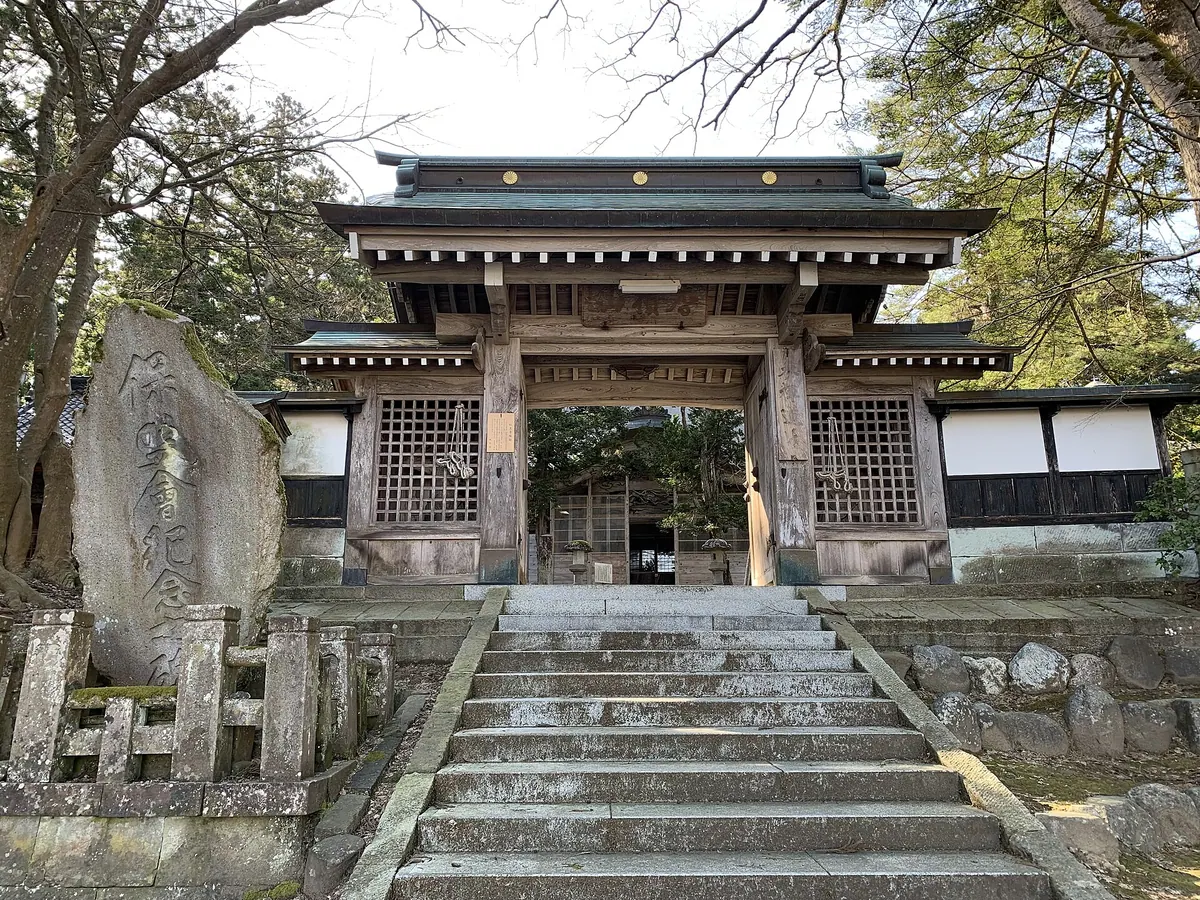
Tokushō-ji Temple is a historic Zen temple with ancient artifacts and clan connections.
What it is
- Sōtō Zen Buddhist temple.
- Founded in 1479 by Naoe Hidetsuna.
- Family temple of the Naoe clan.
- Became a prayer temple for the Arisugawa-no-miya family in 1828.
What to see
- Principal image is the Eleven-faced Kannon.
- Jomon period pottery and stone tools excavated from grounds.
- Site is a city-designated historic site as Tokushō-ji Ruins.
- Flame-type pottery is a city-designated cultural property.
Getting there
- 20-minute drive from JR Echigo Line Kojimaya Station.
- Address
- 新潟県長岡市与板町与板乙6025 Map
10
Jōzen-ji Temple
NIIGATA · TEMPLE 浄善寺
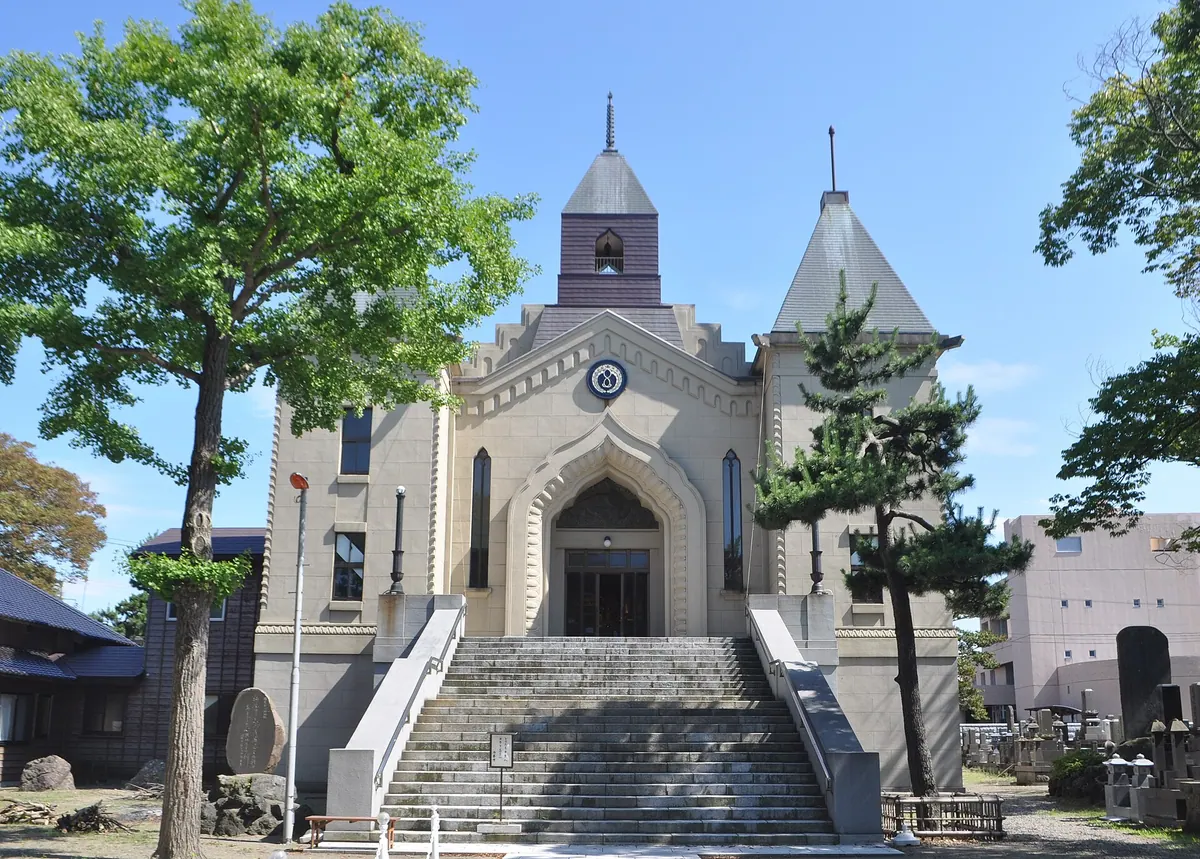
Jōzen-ji is a unique concrete temple, founded by Shinran's followers, worth visiting for its Indian pagoda style.
What it is
- Jōdo Shinshū Honganji-ha Buddhist temple.
- Founded by a couple who met Shinran Shōnin.
- Existed as a branch of Hongan-ji during the Edo period.
What to see
- Main hall in Indian pagoda style.
- Main hall designed in the Taishō era.
- Main hall built in 1928.
- Main hall is reinforced concrete.
- Main hall is a registered tangible cultural property.
Getting there
- 8-minute walk from Kakizaki Station.
- Kakizaki Station is on the JR Shin'etsu Main Line.
- Address
- 新潟県上越市柿崎区柿崎6389 Map
- Official site
- kakizaki-jyouzenji.jp
11
Dairin-ji Temple
NIIGATA · TEMPLE 大輪寺
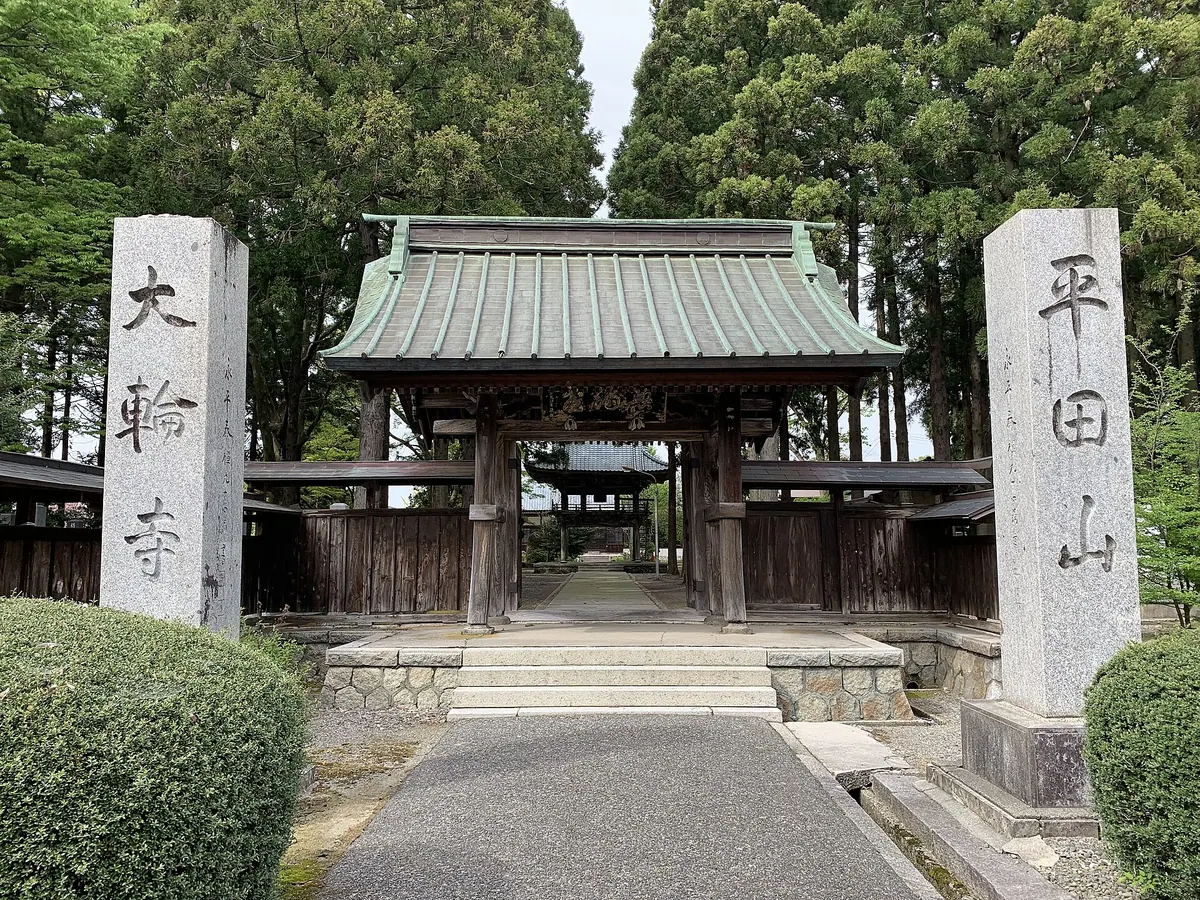
Dairin-ji is a historic Zen temple with registered cultural properties, easily accessible from Nakajō Station.
What it is
- A Sōtō Zen temple.
- Founded in the early Muromachi period.
- Had a deep relationship with the Lord Chūjō clan.
- Returned to its current location in the early Edo period.
What to see
- Main Hall is a Registered Tangible Cultural Property.
- Kuri is a Registered Tangible Cultural Property.
- Kyōzō is a Registered Tangible Cultural Property.
- Itabi Group is a Tainai City Designated Cultural Property.
Getting there
- 18-minute walk from Nakajō Station.
- Address
- 新潟県胎内市東本町14-56 Map
12
Tōkō-ji Temple
NIIGATA · TEMPLE 東光寺
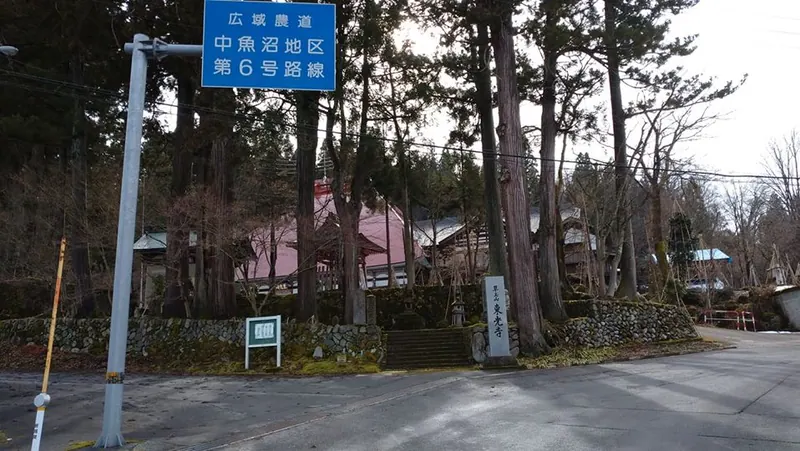
Toko-ji is a Soto Zen temple from the Muromachi period, home to a unique Kannon statue.
What it is
- A Soto Zen temple.
- Its Sango is Sogukusan.
- Built during the Muromachi period.
What to see
- A monument from 1780 stands in front of the gate.
- Statue of Tachiki Kannon, carved into a living tree.
- Kannon-do hall houses the Buddha statue.
- Toko-ji Unban is a city-designated cultural property.
Getting there
- Accessible by bus from Echigo-Yuzawa Station.
- Accessible by bus from Tokamachi Station.
- Accessible by car from Shiozawa-Ishiuchi Interchange.
- Address
- 新潟県十日町市倉俣甲1451 Map
13
Fukushō-ji Temple
NIIGATA · TEMPLE 福勝寺
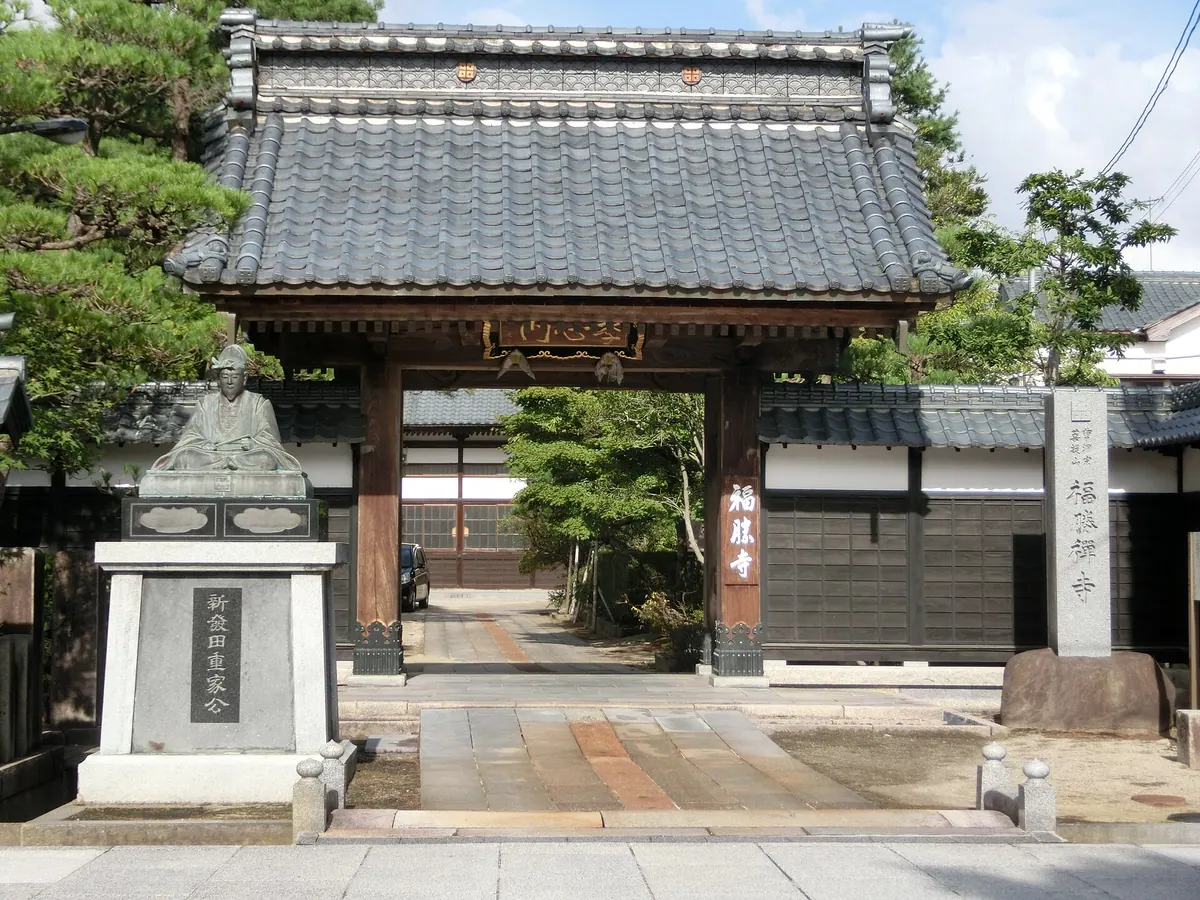
Fukushōji is a historic Sōtō Zen temple with important samurai connections and unique statues.
What it is
- A Sōtō Zen temple founded in 1394.
- A branch temple of Untō-an.
- Family temple of samurai Shibata Shigeie.
- Rebuilt in 1857 after a fire.
What to see
- Wooden statue of Shaka Nyorai is the principal image.
- Statues of Monju Bosatsu and Fugen Bosatsu as attendants.
- Bronze statue in front of the main gate.
- Rakan-dō and Sasaki-dō are on the temple grounds.
- Sasaki-dō is the mausoleum of Shibata Shigeie.
- Shibata Shigeie's grave is next to the main hall.
- Address
- 新潟県新発田市中央町2丁目2−7 Map
14
Shōbō-ji Temple
NIIGATA · TEMPLE 正法寺
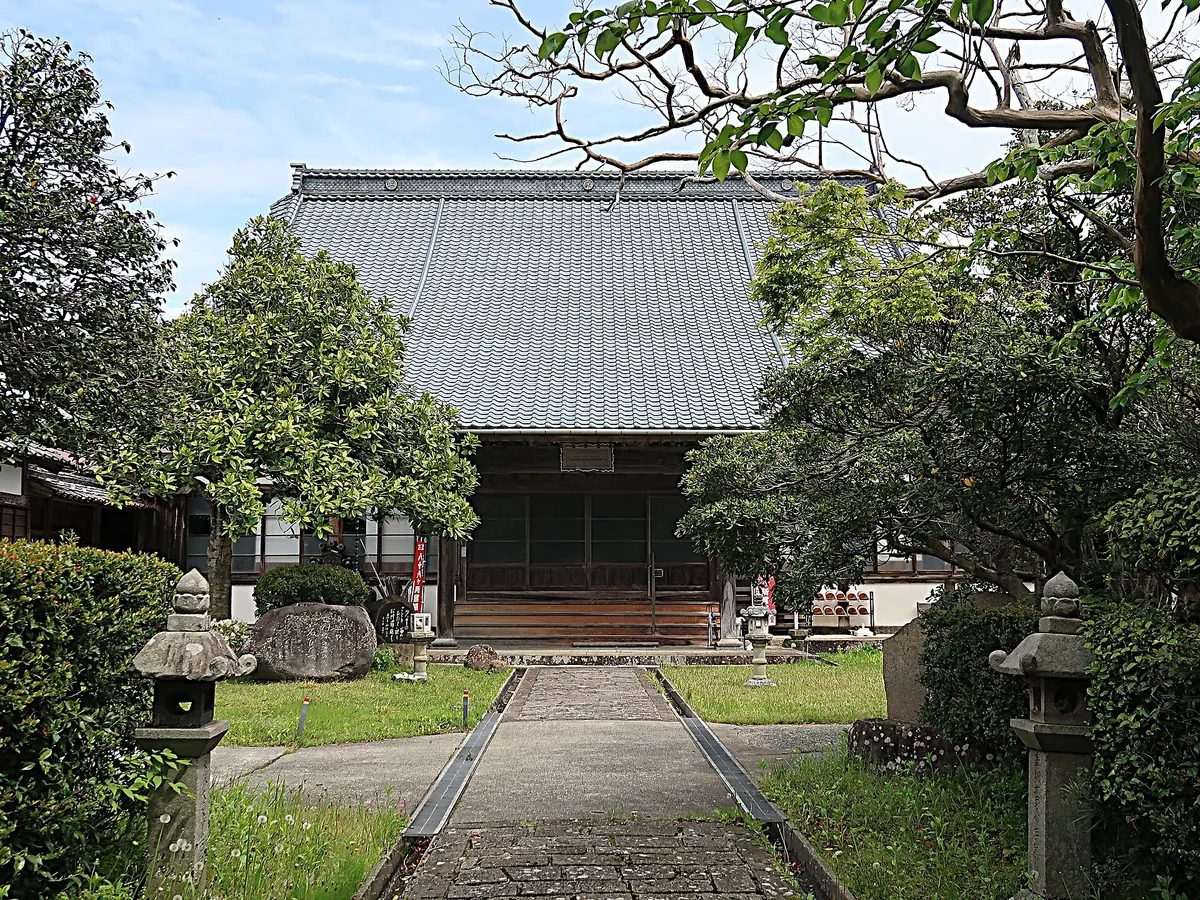
Historic Sōtō Zen temple, founded in 1324, known for its architecture and connection to Zeami.
What it is
- A Sōtō Zen Buddhist temple.
- Founded in 1324 as the Honma clan's family temple.
- Known as a place of exile for Zeami.
- Principal image is Shaka Nyorai.
What to see
- Main hall built in 1721, renovated in 1897.
- Kannon-dō built in the early 1700s.
- Gokoku-zō built in 1704.
- Six buildings are registered cultural properties.
- Oldest Shinjimen Beshimi mask in Niigata Prefecture.
When to go
- Shōbō-ji Candle Noh event is held in June.
- Address
- 新潟県佐渡市泉甲504番地 Map
15
Fukō-ji Temple
NIIGATA · TEMPLE 普光寺 (南魚沼市)
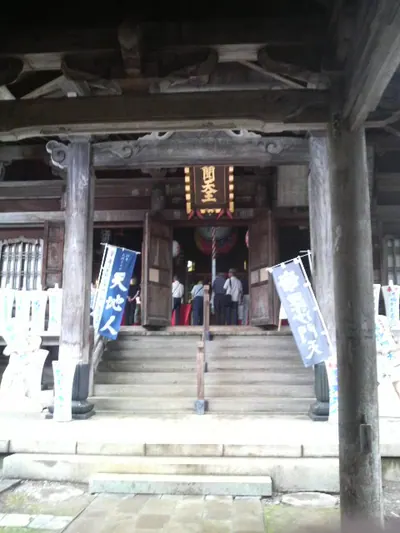
Fukoji Temple, founded in 807, offers a historic gate and a rebuilt main hall.
What it is
- Fukoji is a Shingon-shu Buzan-ha temple.
- Bishamondo was founded in 807 by Sakanoue Tamuramaro.
- The principal image is Dainichi Nyorai.
What to see
- The temple gate was built from 1820 to 1831.
- The temple gate is made entirely of zelkova wood.
- The temple gate has a painting by Tani Buncho.
- Bishamondo was rebuilt in 1937 by Ito Chuta.
When to go
- Urasa Bishamondo Hada Osai Festival is a national intangible folk cultural property.
- Address
- 新潟県南魚沼市 浦佐2495番地 Map
16
Senzō-in Temple
NIIGATA · TEMPLE 千蔵院
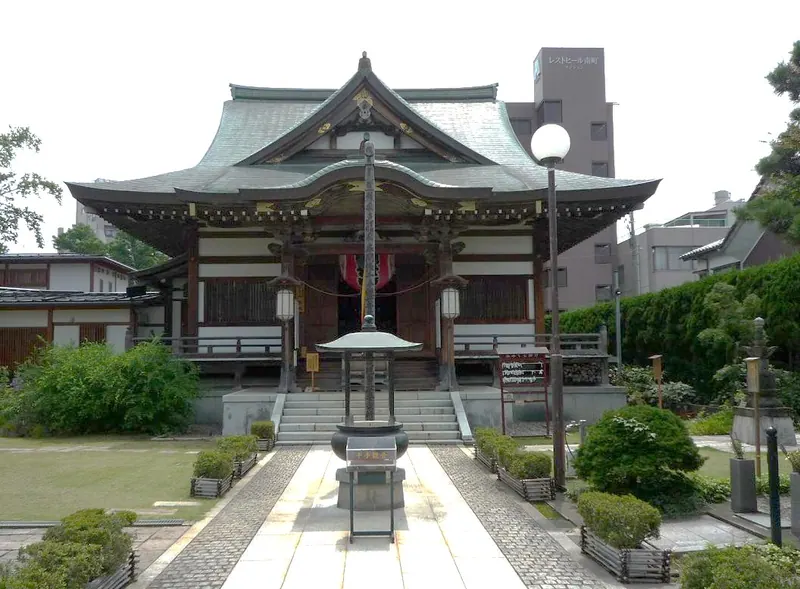
Senzō-in Temple is a historic Shingon temple, part of a pilgrimage, with notable Buddhist statues.
What it is
- It is a Shingon-shu Buzan-ha temple.
- Founded in 1618 by Keizen.
- Main image is Senju Kannon, attributed to Gyōki.
- It is the 15th site of the Echigo Sanjūsan Kannon Pilgrimage.
What to see
- Main image of Senju Kannon.
- Attendant deities Fudō Myōō and Bishamonten.
When to go
- Kannon market was held annually from July 7th to 13th.
Getting there
- 12-minute walk southwest from JR Nagaoka Station.
- Address
- 新潟県長岡市柏町1丁目 Map
- Official site
- senzouin.jp
17
Oppo-ji Temple
NIIGATA · TEMPLE 乙寶寺
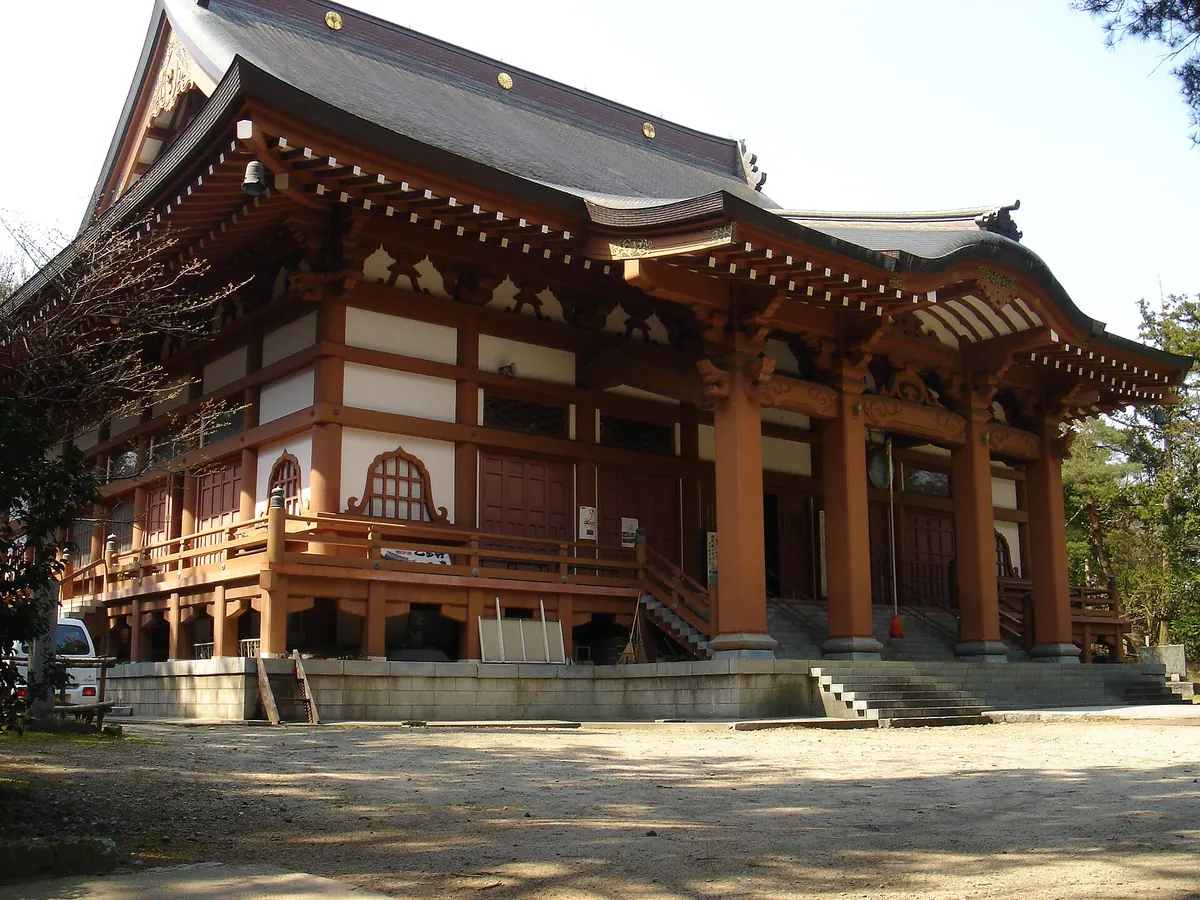
Oppo-ji Temple is a historic Shingon Buddhist temple with important cultural properties and a unique legend.
What it is
- A Shingon-shu Chisan-ha Buddhist temple.
- Also known as Saru Kuyo-ji and Kinoto-dera.
- Founded in 736 by order of Emperor Shomu.
- Associated with the legend of the 'Sutra-copying Monkey'.
What to see
- A three-story pagoda, a National Important Cultural Property.
- The main hall, rebuilt in 1983.
- The Niomon gate, built in 1745.
- The Benten-do hall, a Prefectural Tangible Cultural Property.
- A stone monument with a haiku by Matsuo Basho.
- Address
- 新潟県胎内市乙1112 Map
- Official site
- oppouji.info
18
Myōkō-ji Temple
NIIGATA · TEMPLE 角田山妙光寺
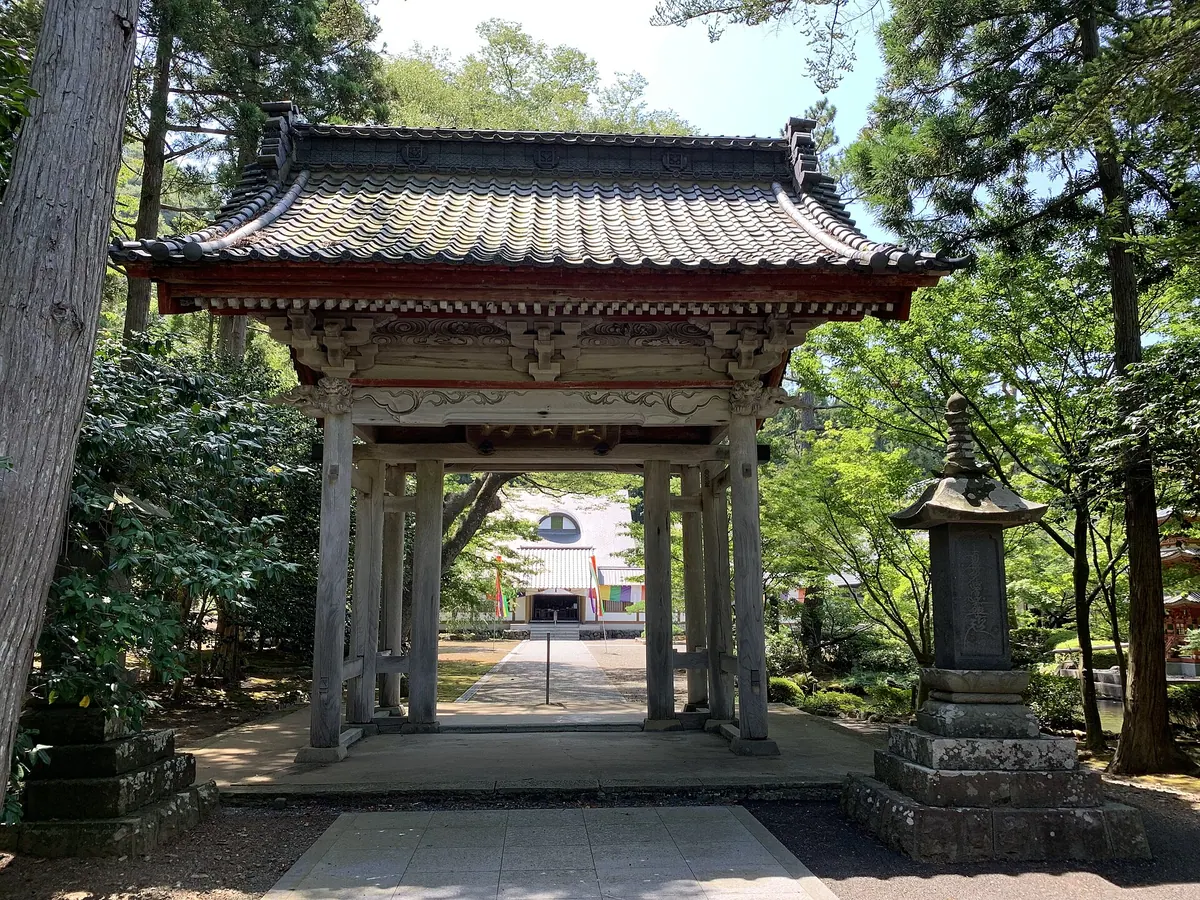
Myōkō-ji Temple is a historic Nichiren Buddhist temple, founded in 1271, with several cultural properties.
What it is
- A Nichiren Buddhist temple.
- Founded by Nichiren in 1271.
- Its sangō is Kakudasan.
- Known as Kakudahama no Santaimoku.
What to see
- The main hall, rebuilt in 2001.
- The preserved guest hall.
- The Sanmon gate, built during the Bunka era.
- The Sanmon gate is a Registered Tangible Cultural Property.
- The triple miniature pagoda is a Registered Tangible Cultural Property.
- The bell tower is a Registered Tangible Cultural Property.
- Address
- 新潟県新潟市西蒲区角田浜1056 Map
19
Ryūgen-ji Temple
NIIGATA · TEMPLE 龍源寺
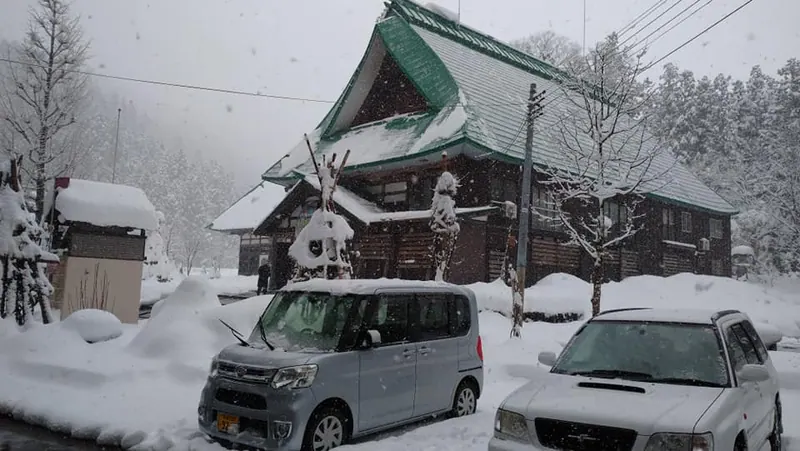
Ryugenji is a Soto Zen temple founded in 1582, offering a glimpse into local history and Buddhist architecture.
What it is
- A Soto Zen Buddhist temple.
- Its mountain name is Shinkensan.
- Founded in 1582 by Hiyama Kenkei.
- An educational terakoya was established here in 1856.
What to see
- Temple buildings established by the third abbot.
- Yakushido built in Warino village.
- Seikanzeon Bosatsu built in 1977 for war spirits.
Getting there
- Accessible by Hokuhoku Line and Iiyama Line.
- Accessible by bus from Echigo-Yuzawa Station.
- Address
- 新潟県中魚沼郡津南町 中深見1118 Map
- Official site
- shinkenzan.com
20
Jigen-ji Temple
NIIGATA · TEMPLE 慈眼寺
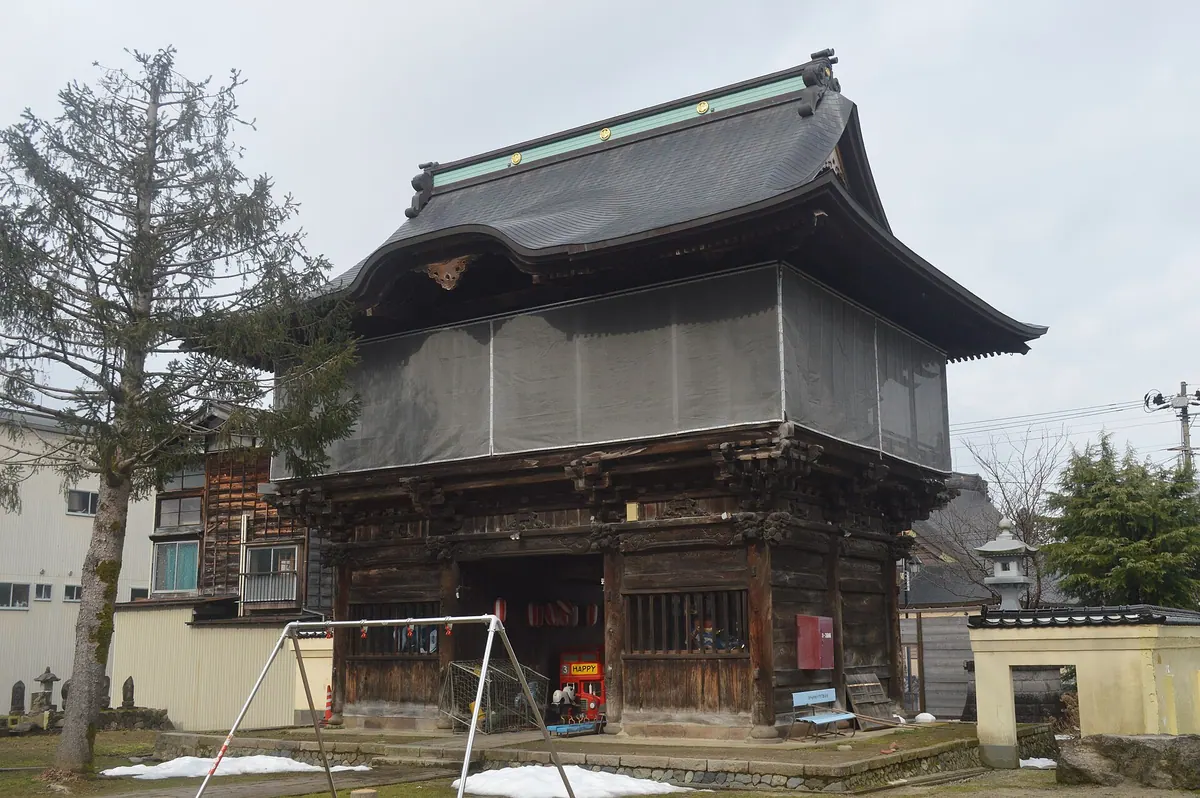
Jigen-ji Temple, founded in the 7th or 9th century, offers historical buildings and cultural properties.
What it is
- A Shingon Buddhist temple, mountain name Funaoka-san.
- Dedicated to the main deity Shō Kannon Bosatsu.
- Founded in the late 7th century by Satmyo Daidoku.
- Alternatively, founded in 860 by Shinga.
What to see
- The main gate, a registered tangible cultural property.
- Funaoka Kannon-do and the main hall.
- Site of the 1868 Iwamura-Kawai meeting, a cultural property.
- Iwamura Takatoshi's autobiography draft, a cultural property.
- Address
- 新潟県小千谷市平成2丁目3-35 Map
- Official site
- ojiya-jigenji.net