

20 Temples in Ōita worth your time
Japan Gems
Ōita prefecture has 27 temples, including Fuki-ji Temple and Manju-ji Temple. Many of them are in the mountains and are good for a quiet visit.
Ōita has 28 temples on Japan Gems. Below are the 20 we can tell you the most about — each one written up in English from Japanese sources, with what to see and how to get there. See all temples in Ōita.
01
Ō-dō, Fuki-ji Temple
ŌITA · TEMPLE 富貴寺大堂
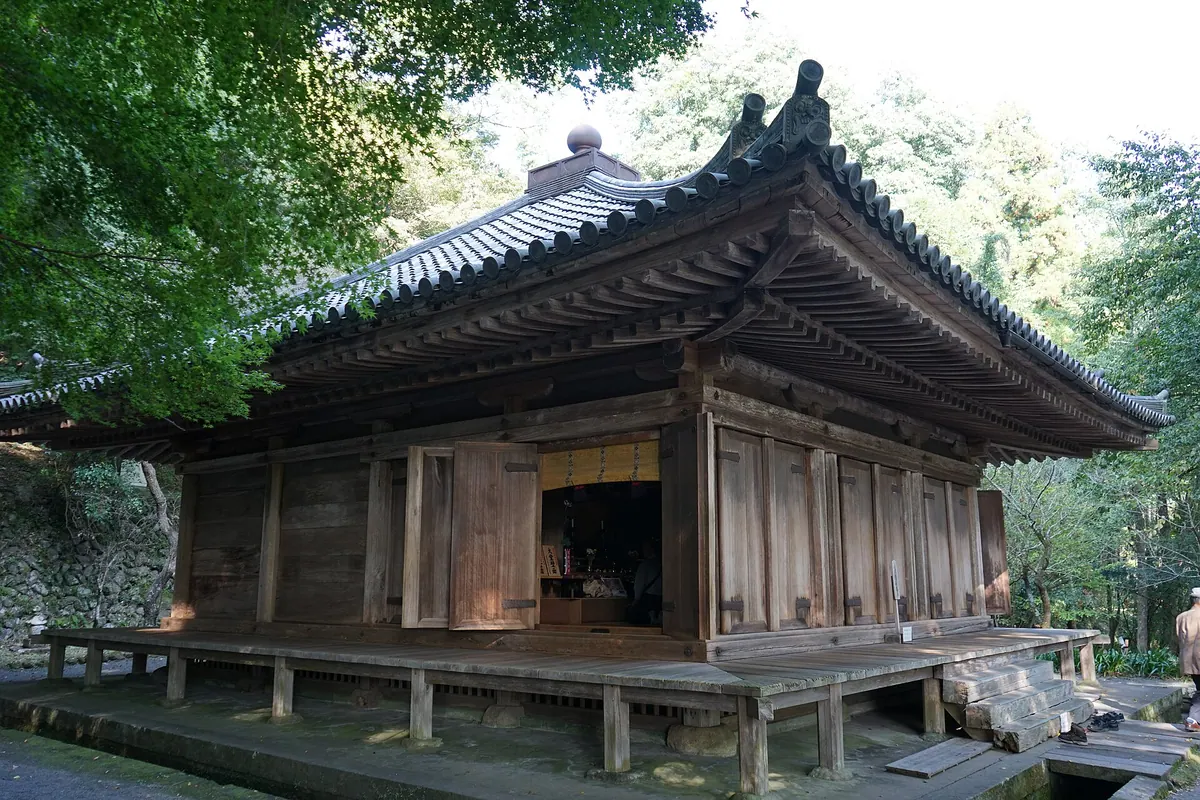
Fuki-ji Temple's Ō-dō is Kyushu's oldest wooden structure, important for its Buddhist heritage.
What it is
- Fuki-ji Temple's Ō-dō main hall is a building of subdued beauty.
- Built in the late Heian period (794–1185).
- Dedicated to the Buddhist deity Amida.
- Oldest wooden structure still standing in Kyushu.
What to see
- Indentations in approach steps once held oil for illumination.
- Fearsome stone nio deities guard the main gate.
- Two large trees at the top of the steps: nutmeg and gingko.
- Graceful curves of the roof resemble a phoenix.
- 86-centimeter tall Amida statue made of nutmeg wood.
- Faded heavenly figures painted where walls meet the ceiling.
When to go
- Variety of trees surrounds the temple in beauty year-round.
- Address
- 大分県豊後高田市大字蕗 Map
02
Rakan-ji Temple
ŌITA · TEMPLE 羅漢寺
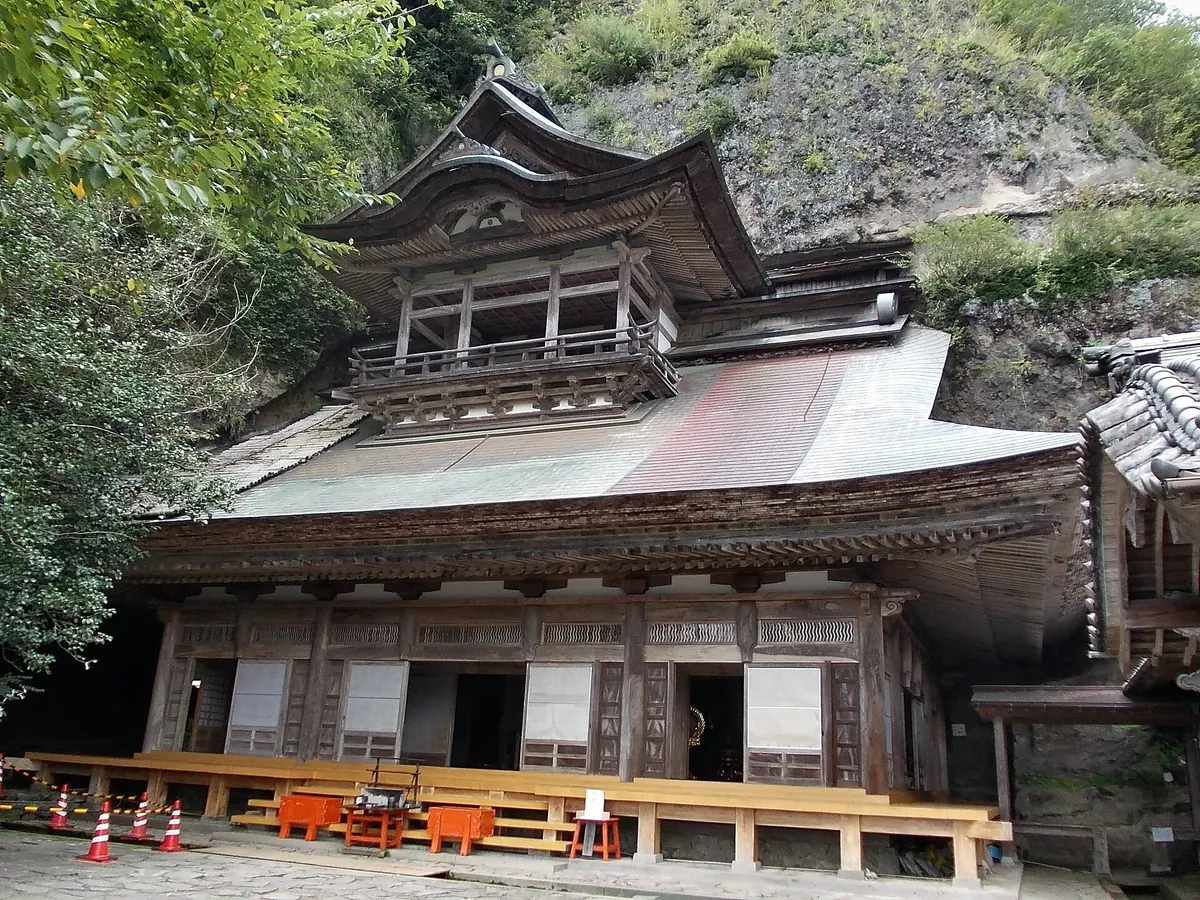
Rakan-ji Temple is a Soto Zen temple built into caves, housing thousands of ancient stone Buddhas.
What it is
- A Soto Zen temple.
- Head temple of Rakan-ji temples in Japan.
- Became Soto Zen in 1600.
- Dedicated to Zenkai, who excavated Ao-no-domon.
What to see
- Countless caves in the rock face.
- Main hall built into the caves.
- Over 3,700 stone Buddhas enshrined in caves.
- Oldest 500 Rakan in Japan are in Murokutsu.
- Stone Buddhas in Murokutsu are important cultural properties.
- Zenkai-do enshrines Zenkai.
Getting there
- Located on the middle of Mt. Rakan.
- Approach is part of the Kyushu Nature Trail.
- Address
- 大分県中津市本耶馬渓町 Map
03
Bussan-ji Temple
ŌITA · TEMPLE 佛山寺
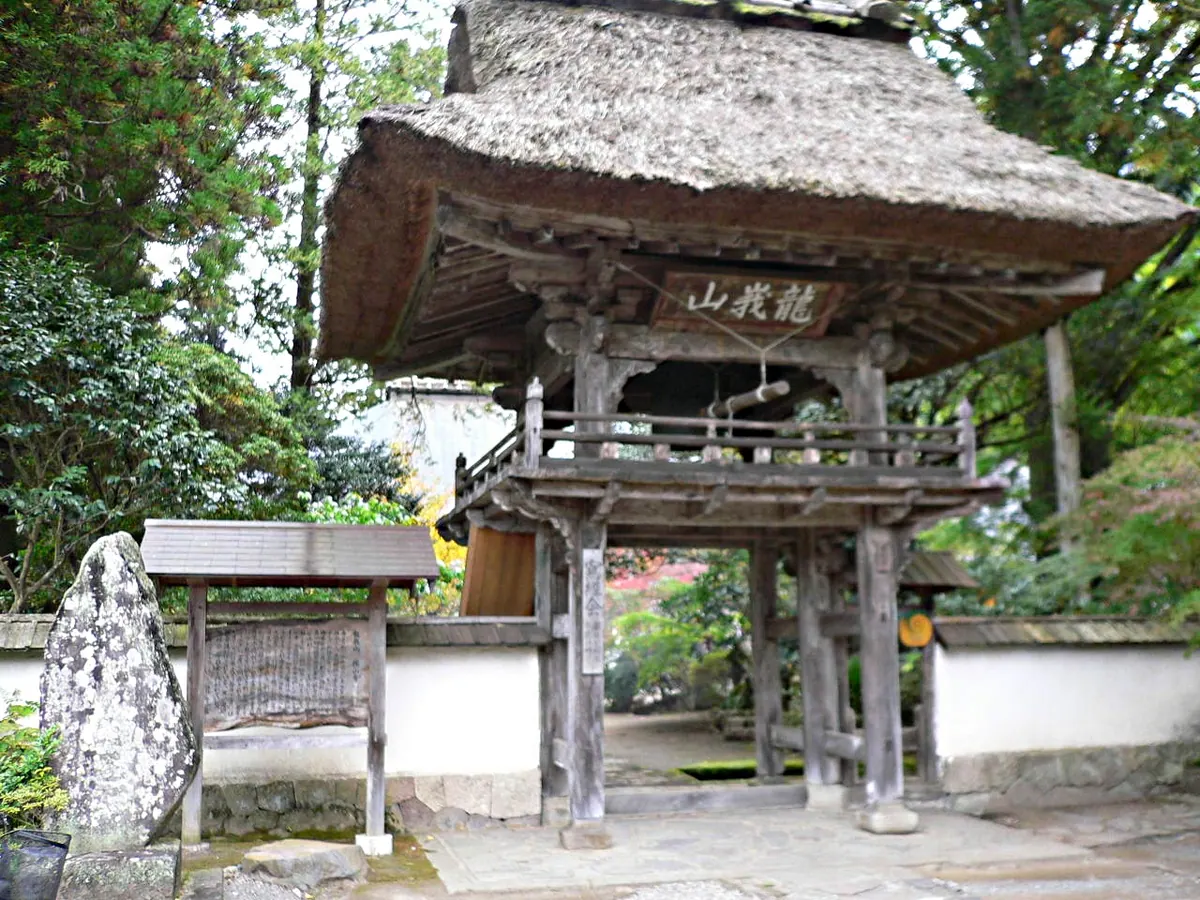
Bussan-ji Temple is a historic Zen temple with a unique hidden Buddha, easily accessible from Yufuin Station.
What it is
- A Rinzai Zen temple, Myoshin-ji school.
- Founded between 964 and 968 by Shoku.
- Originally a base for Yufu-dake mountain worship.
- The mountain name is Ryugasan.
What to see
- The main image is a stone Yufu Reizan Kannon Bosatsu.
- The main image is a hidden Buddha, opened every 33 years.
- The Kannon-do enshrines the Yufu Reizan Kannon Bosatsu.
- The temple gate has a bell tower on its upper floor.
- The main hall was rebuilt after a 1994 fire.
Getting there
- 15-minute walk from Yufuin Station.
- Address
- 大分県由布市湯布院町川上1879 Map
04
Bungo Kokubun-ji Temple
ŌITA · TEMPLE 豊後国分寺
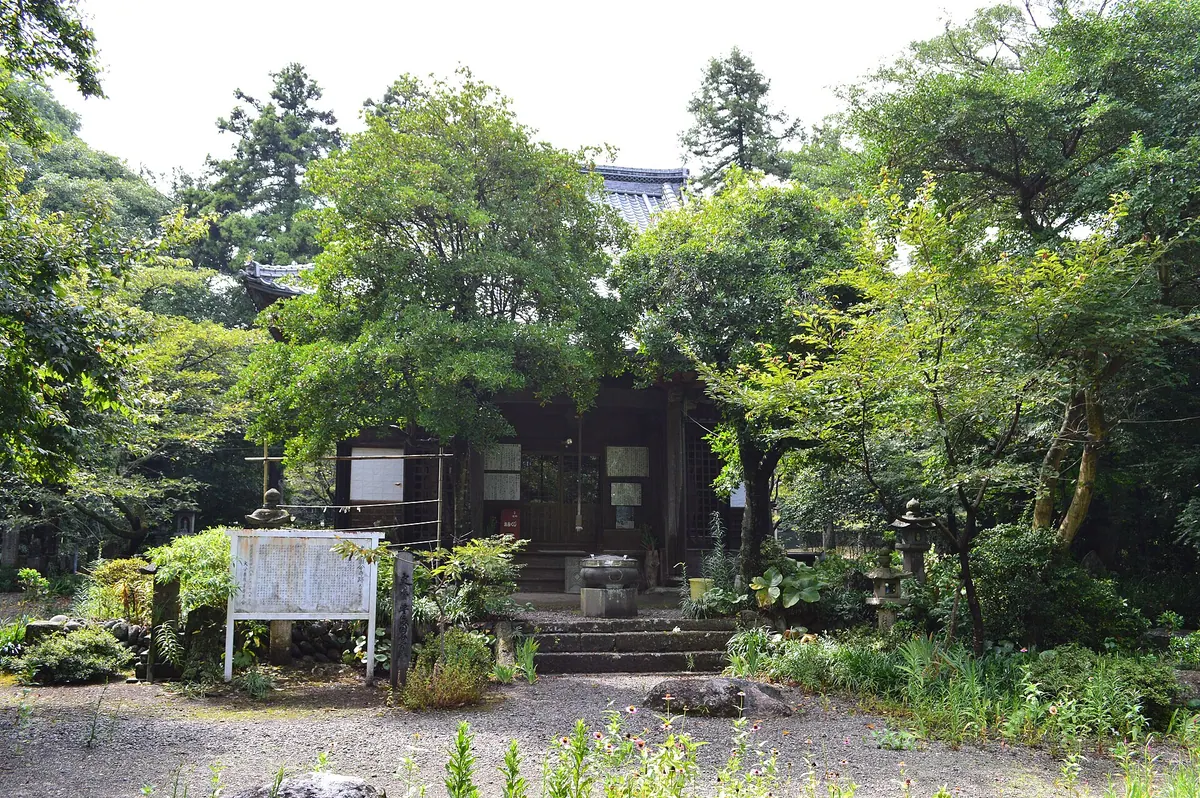
Explore Bungo Kokubun-ji Temple, a historic Tendai temple with significant ruins and a rich past.
What it is
- A Tendai sect temple, re-established in 1675.
- Successor to the Bungo Province Kokubun-ji Temple.
- Dedicated to the main deity Yakushi Nyorai.
- Its mountain name is Iōzan.
What to see
- The main hall, completed in 1694.
- Yakushidō stands on the original Kondō site.
- Kannondō stands on the original pagoda site.
- Bungo Kokubun-ji Temple ruins are a National Historic Site.
- Excavations show the temple area was 183 by 300 meters.
- Original pagoda was a seven-story structure, 60 meters tall.
- Address
- 大分県大分市国分972 Map
05
Maki Ō-dō Temple
ŌITA · TEMPLE 真木大堂
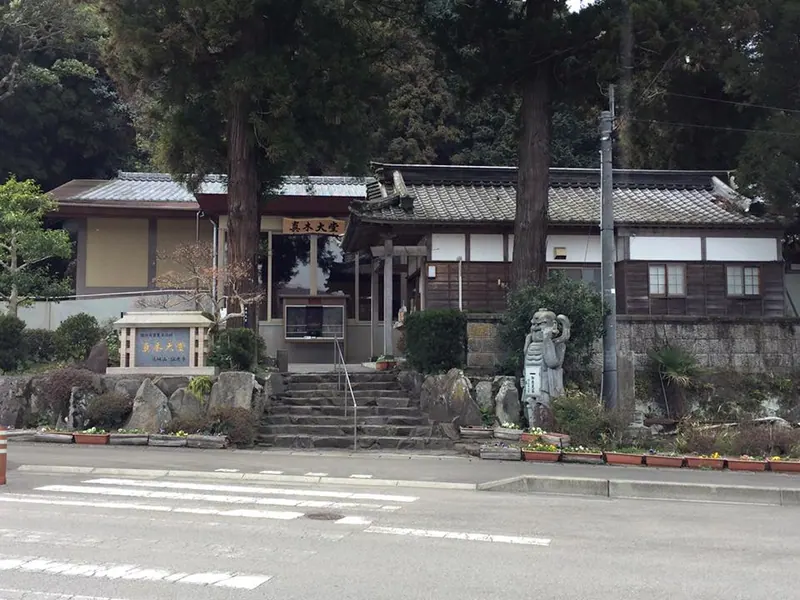
This temple displays some of Japan's finest wooden Buddhist statues, including rare and large deities.
What it is
- Temple now called Maki Odo, built during the Edo period.
- Houses some of Japan's finest wooden Buddhist statues.
- Statues are Important Cultural Properties from 11th or 12th century.
What to see
- Treasure Hall with ancient wooden Buddhist statues.
- Seated Amida Nyorai guarded by four devas.
- Large standing Fudo Myo-o, one of Japan's largest.
- Daiitoku Myo-o riding a water buffalo.
- Walking garden with ancient stone monuments and statues.
- Stone stupas: kasa toba, gorinto, and Kunisaki-to.
- Address
- 大分県豊後高田市田染真木1796 Map
06
Tennei-ji Temple
ŌITA · TEMPLE 天念寺
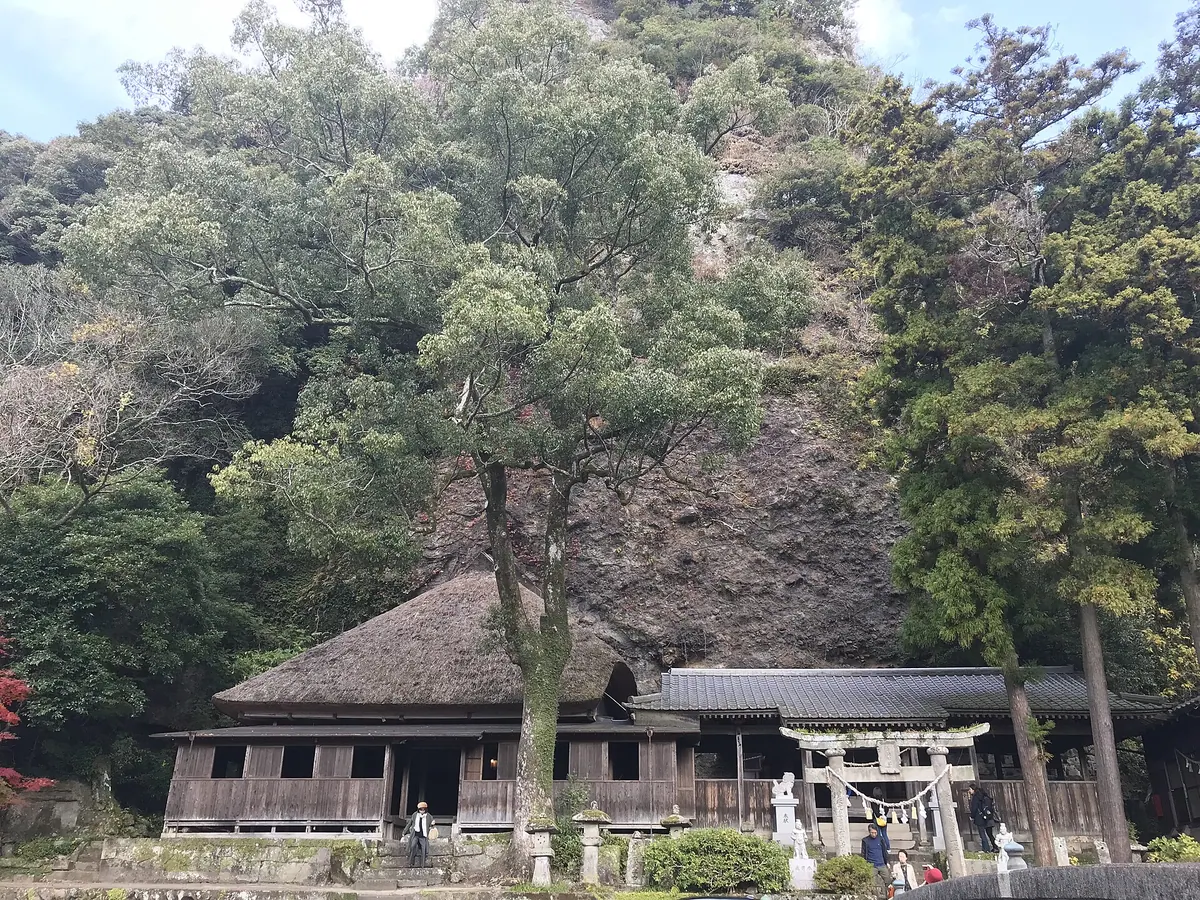
Ancient temple built into a cliff, offering hiking trails and a unique festival.
What it is
- Ancient wooden temple built into a cliff face.
- Founded in the Heian period (794–1185).
- Was a center for shugendo, ascetic Buddhist monk training.
- Shares space with a Shinto shrine.
What to see
- Temple built into a cliff wall.
- Buddhist Temple Lecture Hall.
- Shinto shrine behind a torii gate.
- Trails used by monks, now for hikers and pilgrims.
When to go
- Shujo Oni-e festival on the seventh day of the old calendar.
- Festival usually takes place in February.
- Address
- 大分県豊後高田市長岩屋1152 Map
07
Fuki-ji Temple
ŌITA · TEMPLE 富貴寺
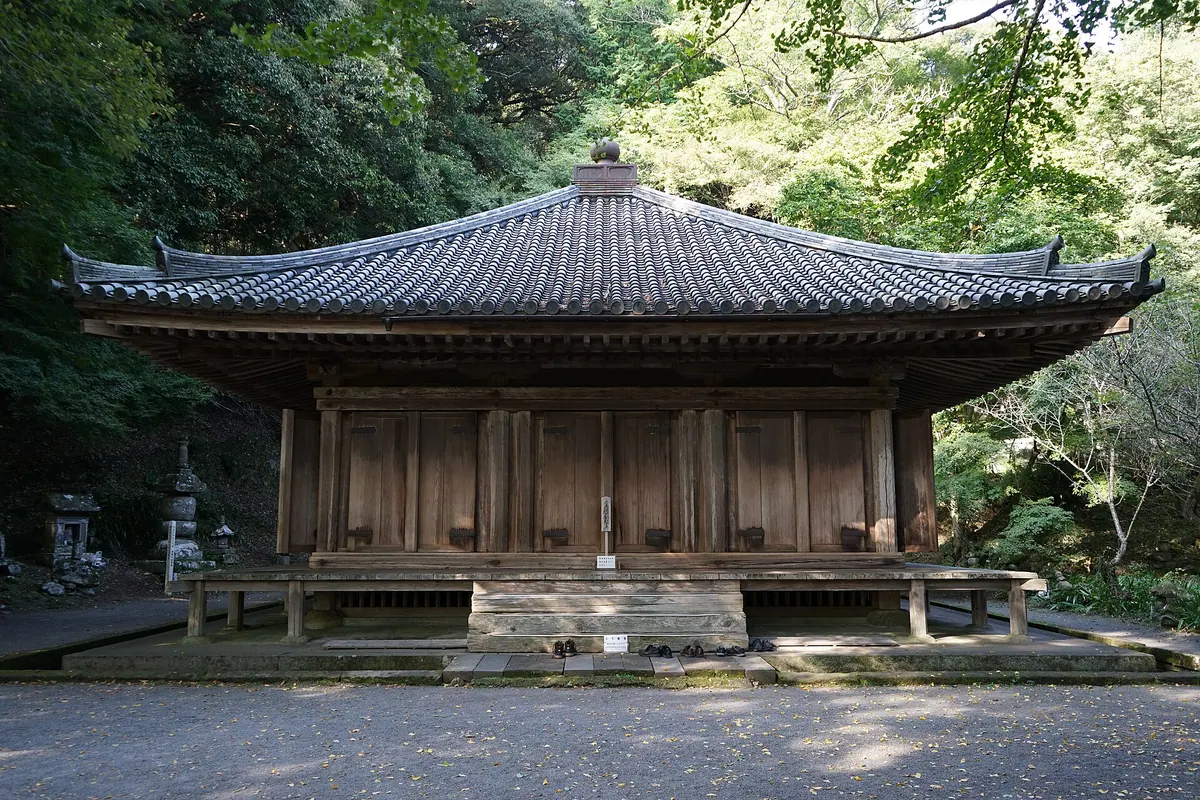
Fuki-ji Temple is Kyushu's oldest wooden structure, built from a single nutmeg tree, housing an Amida Nyorai statue.
What it is
- Fuki-ji Temple's main hall was built in the late Heian period.
- It houses a statue of Amida Nyorai, a Buddhist deity.
- It is a National Treasure and Kyushu's oldest wooden structure.
What to see
- Main hall, built from nutmeg tree wood.
- Statue of Amida Nyorai inside the main hall.
- Sweeping roof designed to represent a phoenix.
- Fearsome nio guardians at the gate.
- Massive nutmeg and ginkgo trees at the steps.
- Faintly visible paintings of heavenly figures on interior walls.
- Address
- 大分県豊後高田市田染字蕗2395 Map
08
Mudō-ji Temple
ŌITA · TEMPLE 無動寺
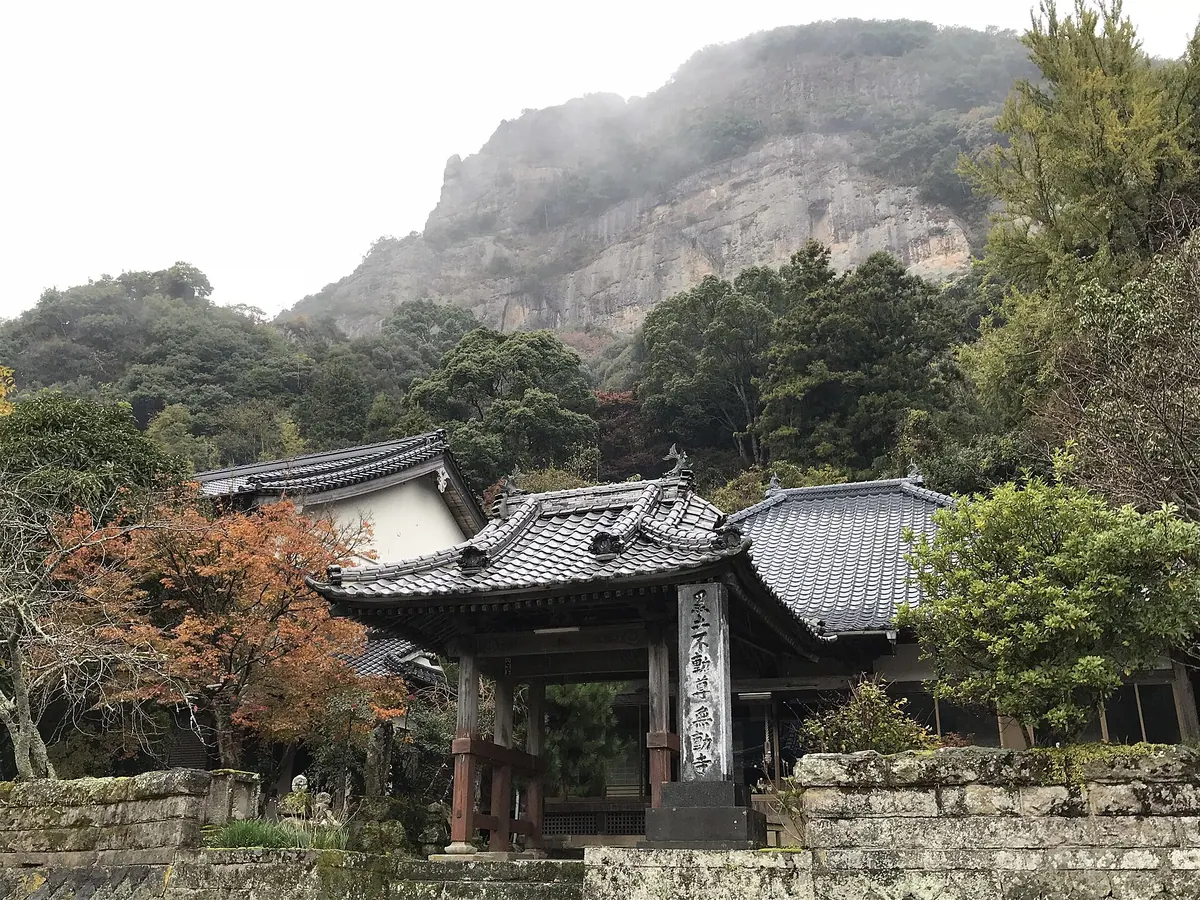
Mudoji Temple is a historic Tendai temple with 16 ancient Buddhist statues.
What it is
- A Tendai sect temple, founded by Takasu Horen Daikasho.
- One of the Rokugo Manzan temples, mountain name Iozan.
- Tenth temple of the Kunisaki Rokugo Manzan Pilgrimage.
What to see
- Main hall enshrines 16 wooden Buddhist statues.
- All statues are Oita Prefectural Tangible Cultural Properties.
- Current principal image is a seated Fudo Myoo statue.
- Temple is behind Mudoji Yaba, a National Scenic Beauty.
- Mumyo-bashi bridge is built on Mudoji Yaba.
- Address
- 大分県豊後高田市黒土1475番地 Map
09
Jōdo-ji Temple
ŌITA · TEMPLE 浄土寺
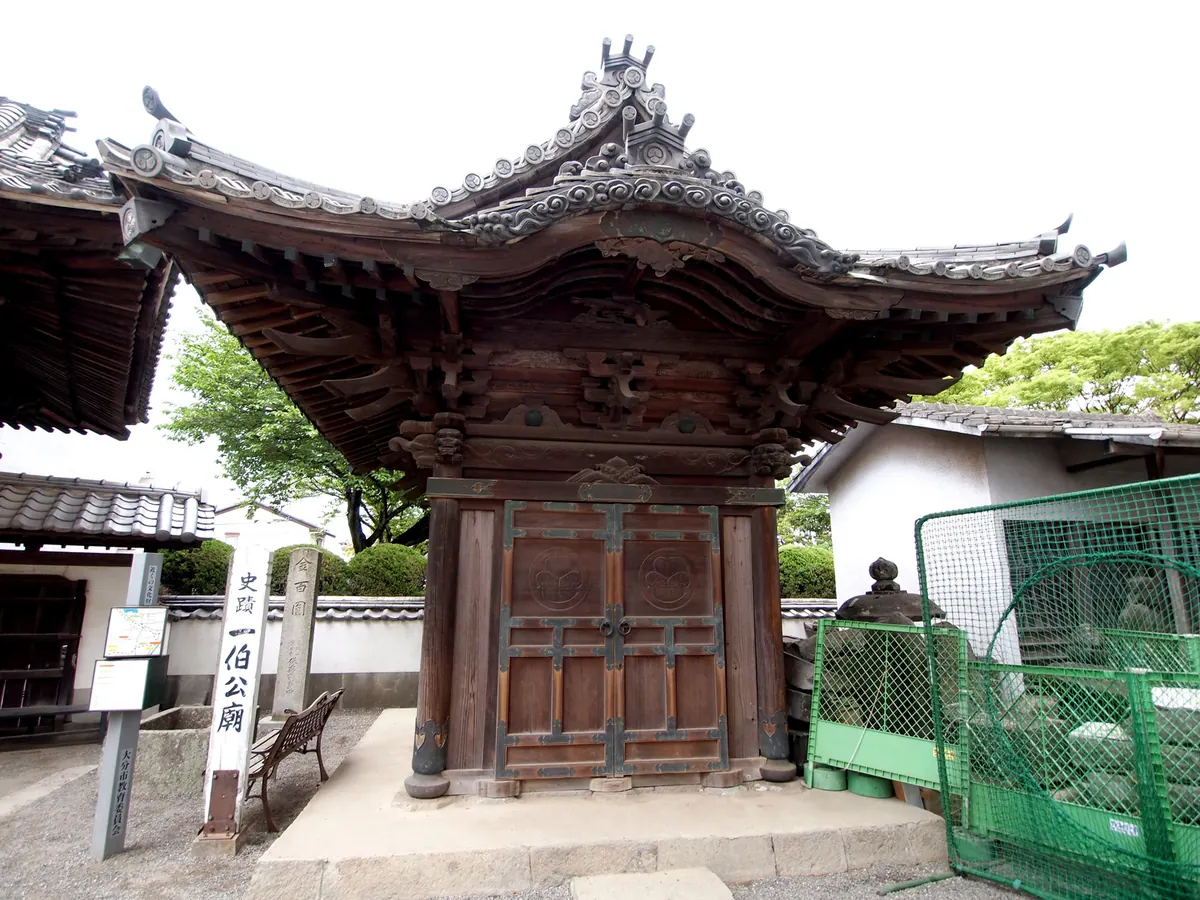
Jōdo-ji Temple: a historic Jōdo-shū temple with cultural properties and a samurai grave.
What it is
- A temple of the Jōdo-shū Chinzei sect.
- Its main deity is Amida Nyorai.
- Known for the grave of Matsudaira Tadanao.
What to see
- The main hall, rebuilt in 1849.
- A large seven-bay main hall.
- The Kuri, a relocated shoin from Usuki Castle.
- Ippaku Kōbyō enshrines gravestones of Tadanao and Oran.
- Seven registered tangible cultural properties.
Getting there
- About a 10-minute walk from Nishi-Ōita Station.
10
Kyōson-ji Temple
ŌITA · TEMPLE 教尊寺
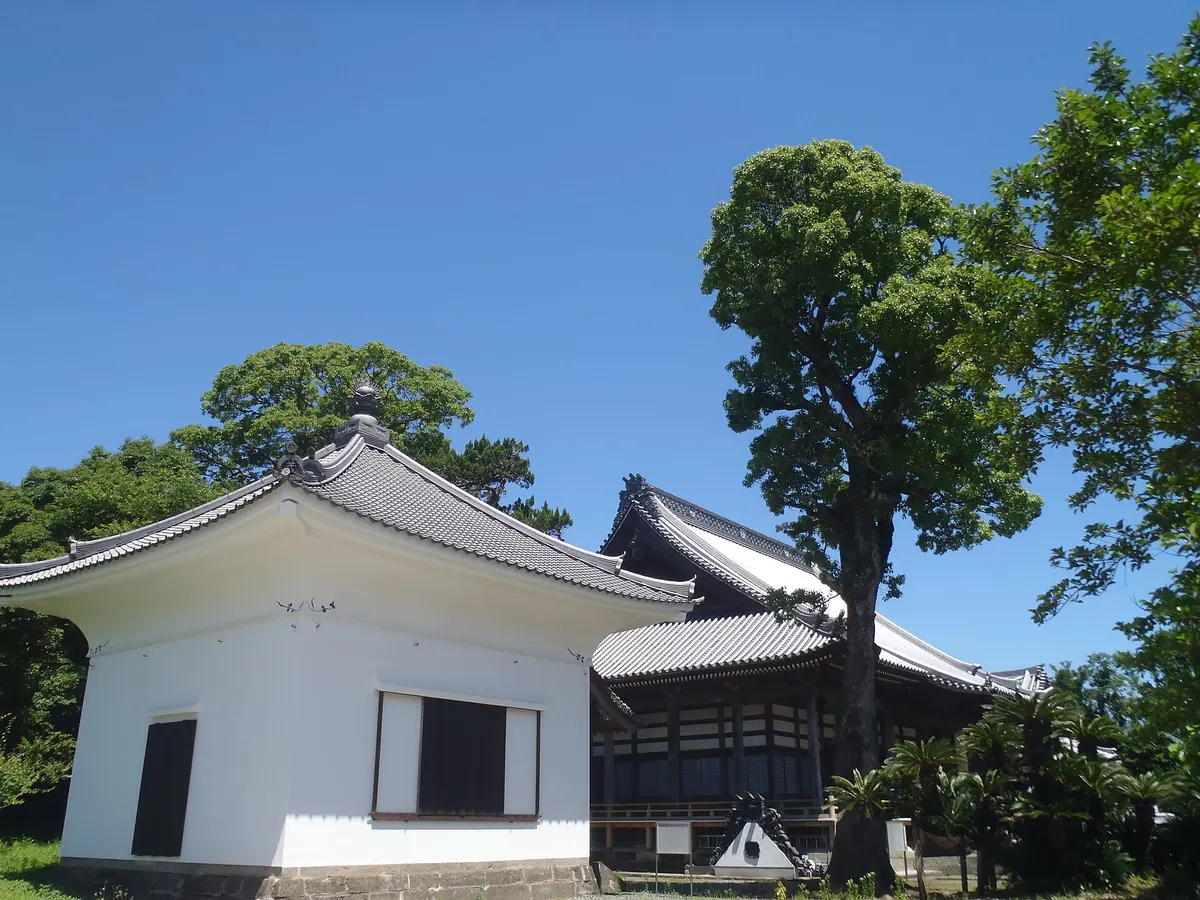
Kyosonji is a historic temple with seven buildings designated as cultural properties, worth visiting for its architecture.
What it is
- A Jodo Shinshu Honganji-ha temple.
- Established in 1641.
- Assisted by Hosokawa Mitsunao, lord of Kumamoto Domain.
- Served as a resting place for domain lords.
What to see
- Seven buildings are Oita Prefectural Tangible Cultural Properties.
- The main hall is a cultural property.
- The kuri with entrance is a cultural property.
- The shoin is a cultural property.
- The goten is a cultural property.
- The kyozō is a cultural property.
- Address
- 大分県大分市大字本神崎864 Map
11
Eifuku-ji Temple
ŌITA · TEMPLE 永福寺
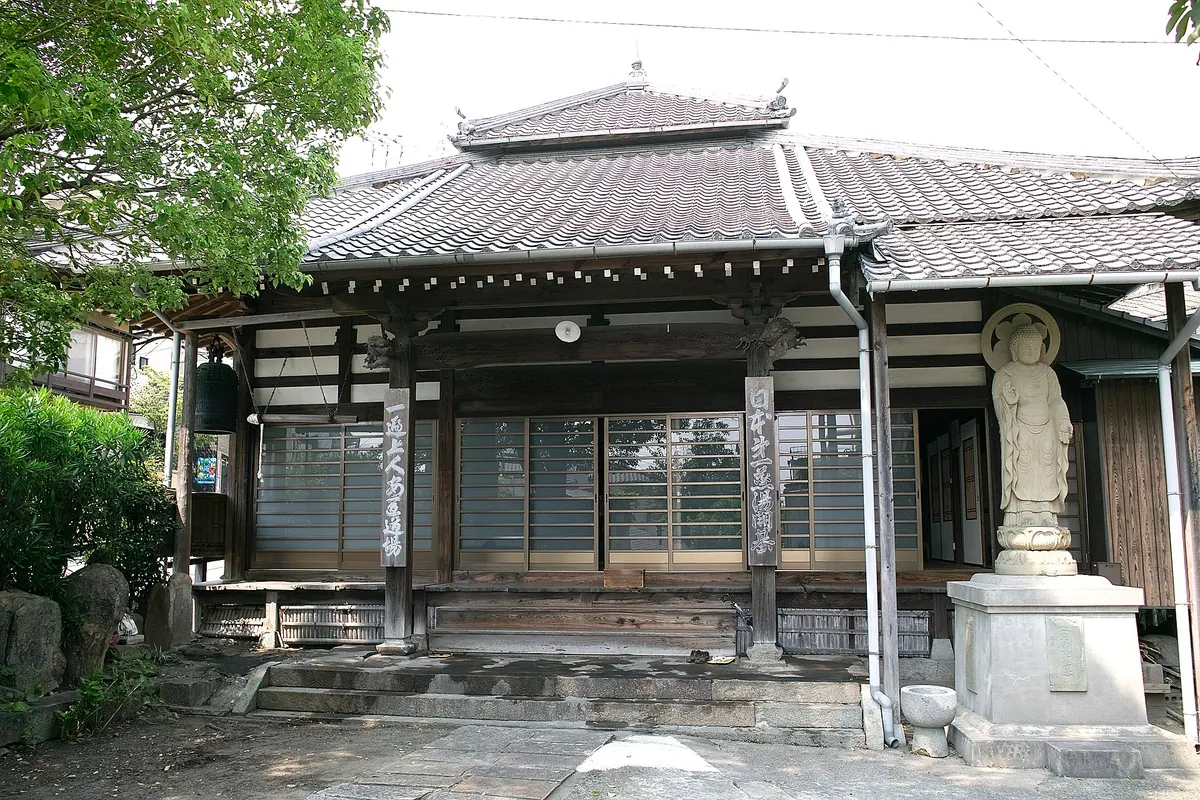
Eifuku-ji Temple is a Jishu Buddhist temple linked to Kannawa Onsen's origin.
What it is
- A Jishu Buddhist temple.
- Associated with Kannawa Onsen's founding legend.
- Rebuilt in 1891.
- Only Jishu temple in Oita Prefecture.
What to see
- Plaque: 'Japan's First Steamed Bath Founder'.
- Scroll of 'Yugyo Shonin-e' (Volume 7).
- Scroll is an Important Cultural Property.
- Enshrined Amida Nyorai standing statue.
- Seated statue of Ippen Shonin.
When to go
- Venue for the Kannawa Yuami Festival.
- Address
- 大分県別府市風呂本1番地 Map
12
Ankoku-ji Temple
ŌITA · TEMPLE 安国寺
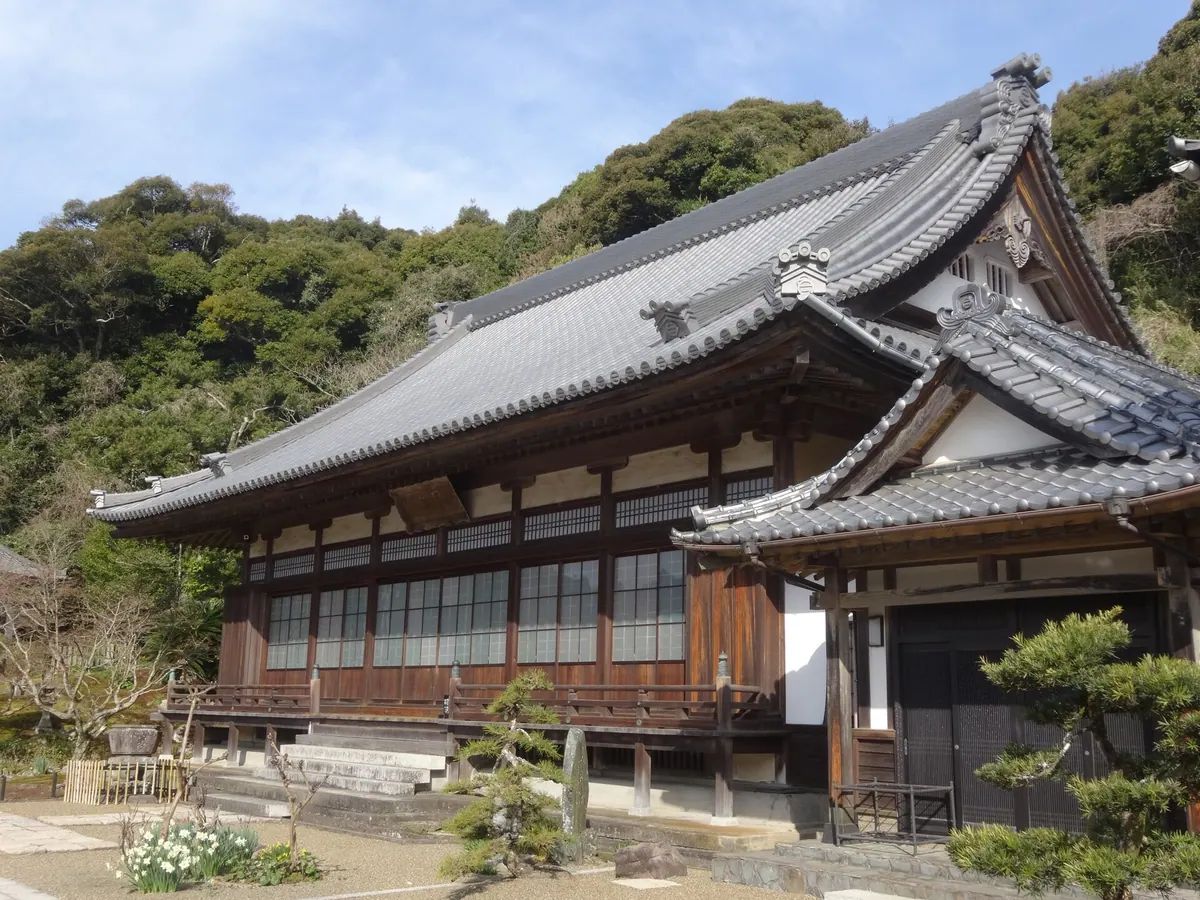
Ankoku-ji Temple is a historic Rinzai Zen temple with important statues, rebuilt after a fire.
What it is
- One of 68 Ankoku-ji temples built by Ashikaga Takauji.
- Established in 1394 as the 68th temple.
- Belongs to the Rinzai sect Myoshin-ji school.
- Rebuilt during the Meiji period after a fire.
What to see
- Seated statue of Ashikaga Takauji.
- This statue is a National Important Cultural Property.
- Standing statue of Jizo Bosatsu, also called Enmei Jizo.
- This Jizo statue is a Prefectural Tangible Cultural Property.
- Address
- 大分県国東市国東町安国寺2245 Map
13
Jinkaku-ji Temple
ŌITA · TEMPLE 神角寺
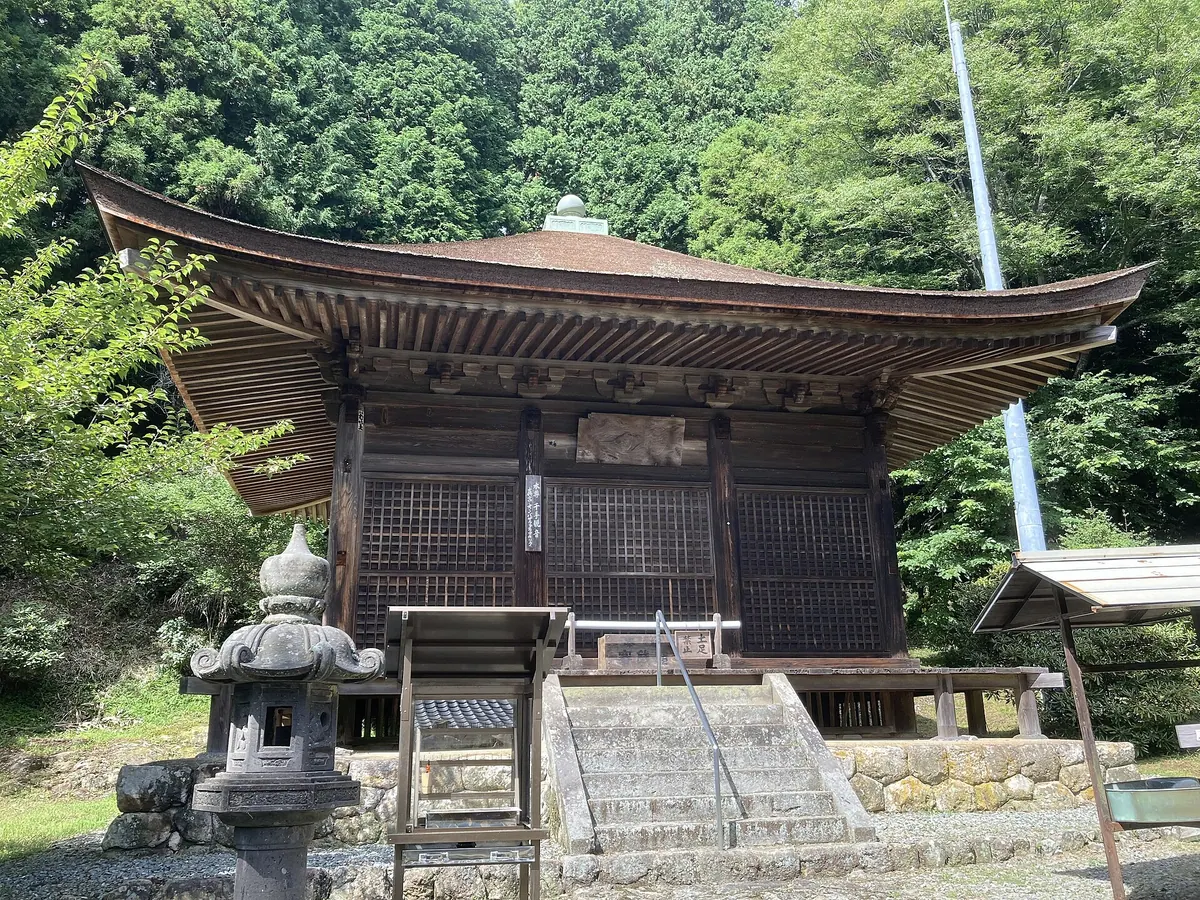
Jinkaku-ji Temple, a historic mountain temple, offers important cultural properties and rhododendron gardens.
What it is
- A temple of the Koyasan Shingon sect.
- Main deity is the Eleven-faced, Thousand-armed Kannon.
- Also known as Rhododendron Temple.
- One of Bungo's three great temples.
What to see
- Main hall, built in 1369, is a National Important Cultural Property.
- Wooden Kongo Rikishi statues from early Kamakura period.
- About 500 rhododendron trees on the grounds.
- Located within a Prefectural Natural Park.
- Address
- 大分県豊後大野市朝地町鳥田1354 Map
14
Ganjōju-ji Temple
ŌITA · TEMPLE 願成就寺
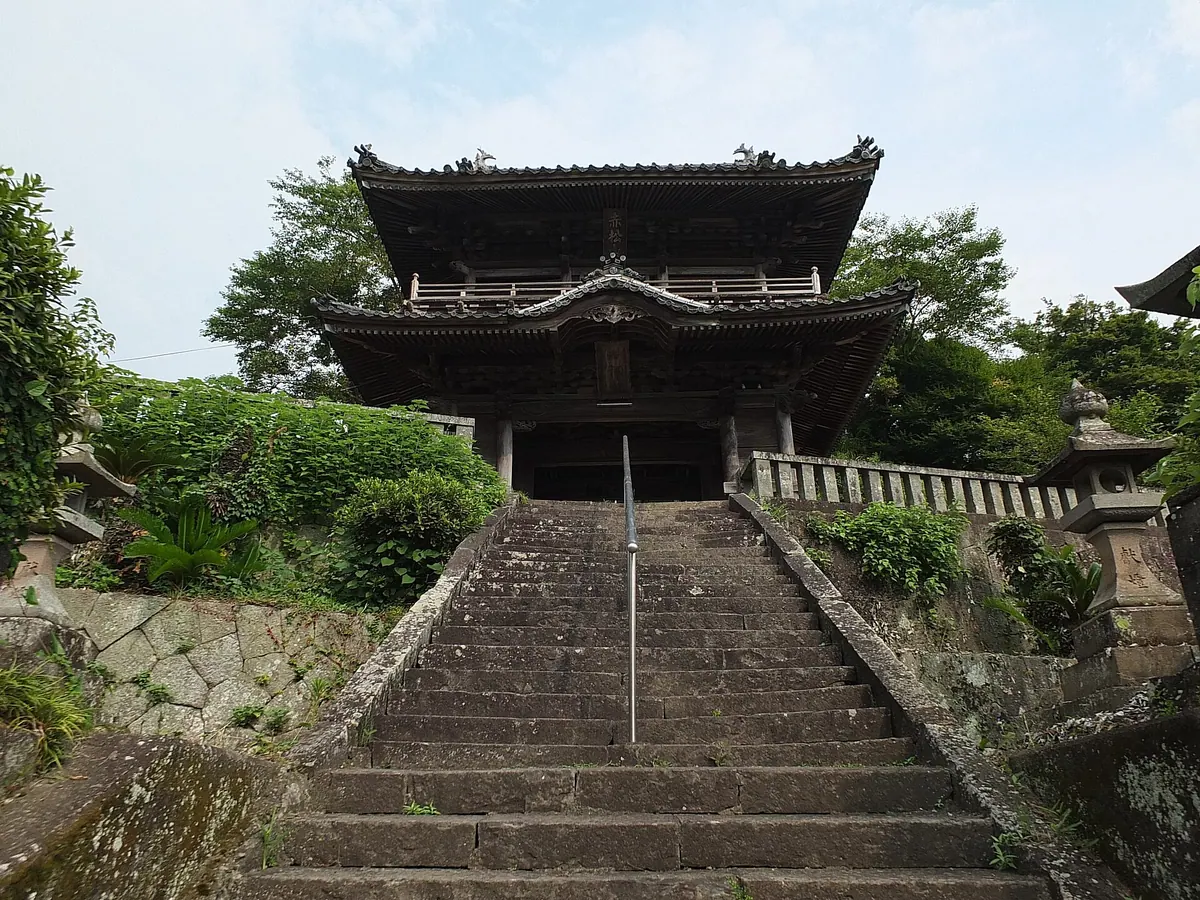
An ancient Tendai Buddhist temple in Oita featuring a historic Kunisaki pagoda and ties to the Rokugo Manzan religious complex.
What it is
- A Tendai Buddhist temple located in Hiji, Oita Prefecture.
- Established between 717 and 724 by the monk Ninmon.
- Dedicated to the main deity Myoken Bosatsu.
- Historically part of the influential Rokugo Manzan temple complex.
What to see
- A traditional Kunisaki pagoda designated as an Oita Prefectural Cultural Property.
- The temple grounds situated on the mountain known as Sekishozan.
15
Fukō-ji Temple
ŌITA · TEMPLE 普光寺
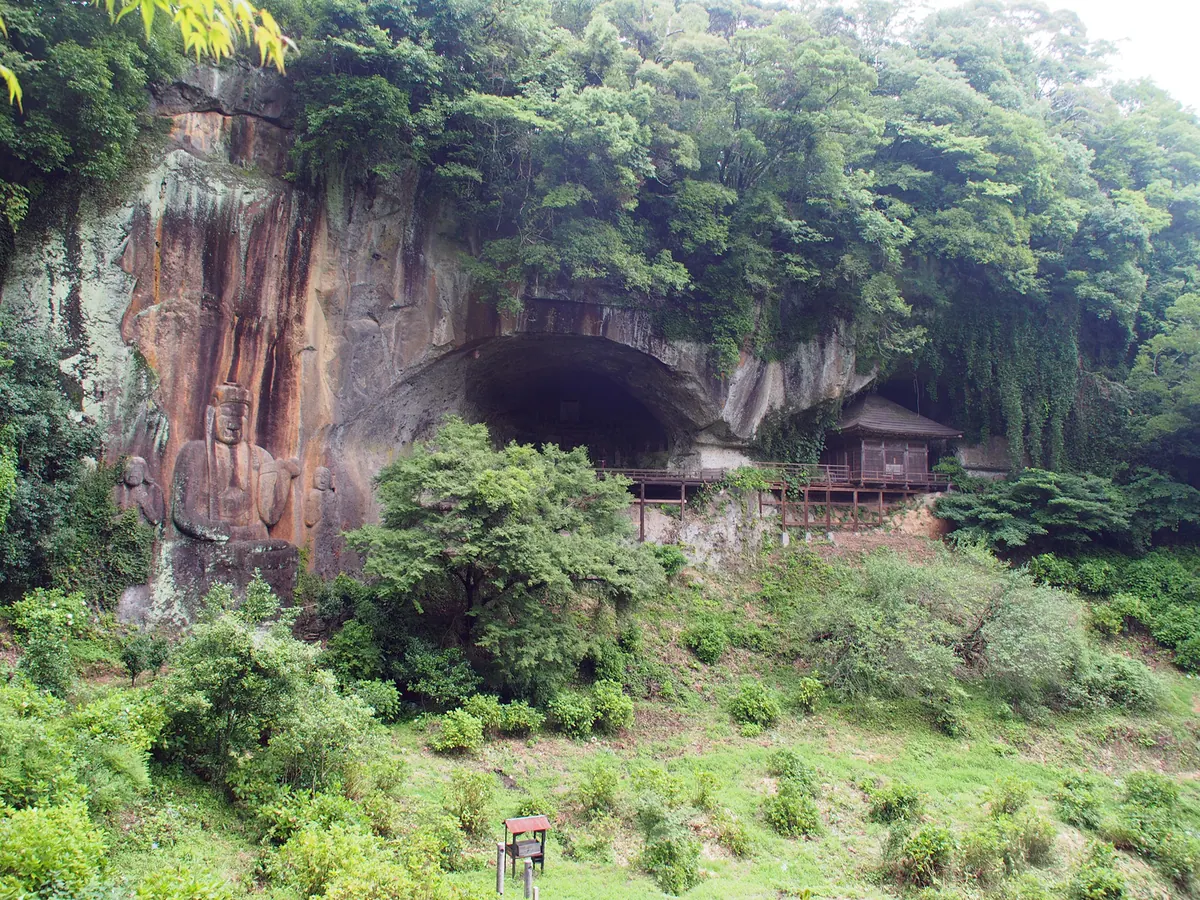
Fukō-ji Temple, or Hydrangea Temple, is a historic site with unique rock-carved Buddhas.
What it is
- A temple of the Kōyasan Shingon sect.
- Founded by Nichira, who served the king of Baekje.
- One of seven temples Nichira founded in Bungo Province.
- Known as Hydrangea Temple.
What to see
- The principal image is Dainichi Nyorai.
- Fukō-ji Magaibutsu are rock-carved Buddhas.
- Hydrangeas are a prominent feature.
When to go
- Visit when hydrangeas are in bloom.
- Address
- 大分県豊後大野市朝地町上尾塚1225 Map
16
Futago-ji Temple
ŌITA · TEMPLE 両子寺
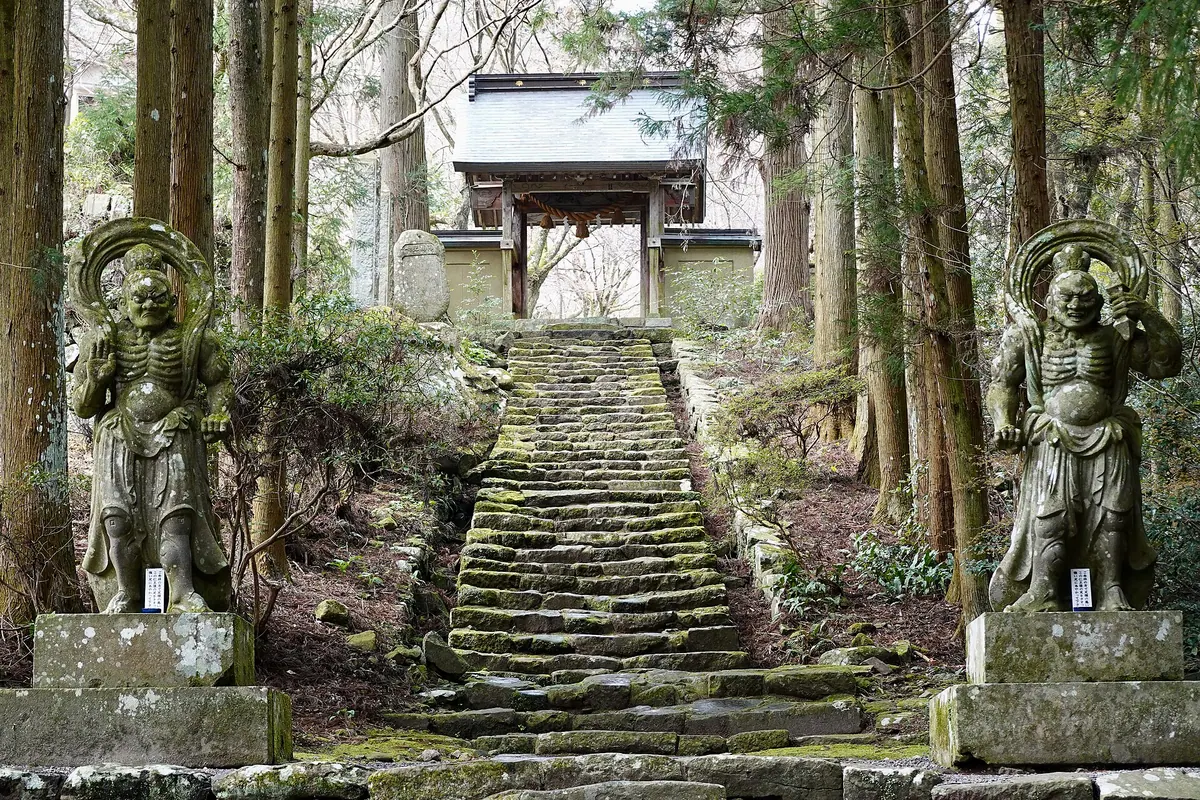
Ancient Tendai temple on a mountainside, part of two pilgrimages, with unique stone statues.
What it is
- Tendai sect temple, founded in 718 by Ninmon Bosatsu.
- Main deity is Amida Nyorai.
- Central temple of Rokugo Manzan, highest prayer place for Kitsuki Domain.
- Part of Kyushu Saigoku 33 Kannon and Kunisaki Rokugo Manzan pilgrimages.
What to see
- Stone Kongo Rikishi statues guard the gate.
- Temple grounds within Setonaikai National Park.
- Located on the hillside of Mount Futago.
- Address
- 大分県国東市安岐町両子1548 Map
- Official site
- www.futagoji.jp
17
Monjusen-ji Temple
ŌITA · TEMPLE 文殊仙寺
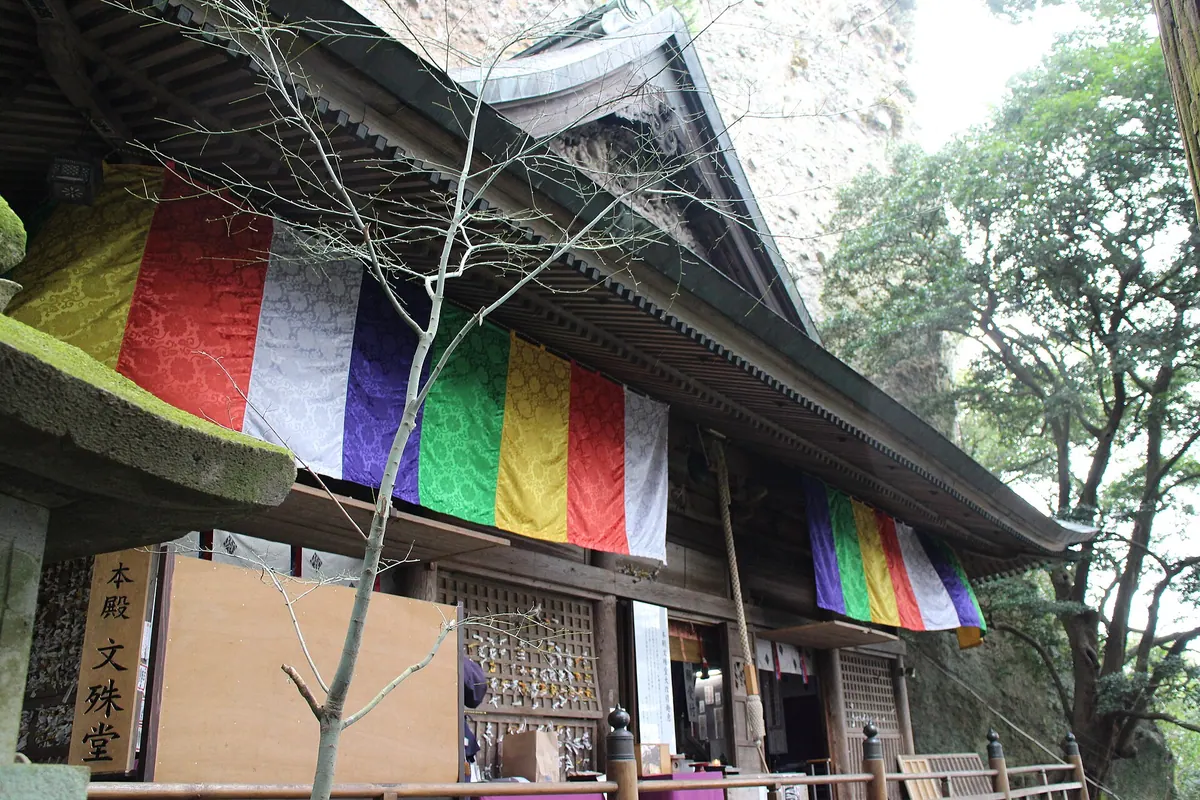
Monjusen-ji Temple is an ancient Tendai temple, home to a rare Buddha statue and scenic natural beauty.
What it is
- A Tendai sect temple.
- Founded in 648 by En no Gyōja.
- One of Japan's Three Monju temples.
- Claims to be the origin of "Monju's wisdom."
What to see
- A 30cm gilt bronze Monju Bosatsu statue.
- The natural forest, a designated natural monument.
- Monju Yaba, a designated national scenic spot.
When to go
- Main deity opened to the public every 12 years.
- Address
- 大分県国東市国東町大恩寺2432 Map
18
Ryūgen-ji Temple
ŌITA · TEMPLE 龍原寺
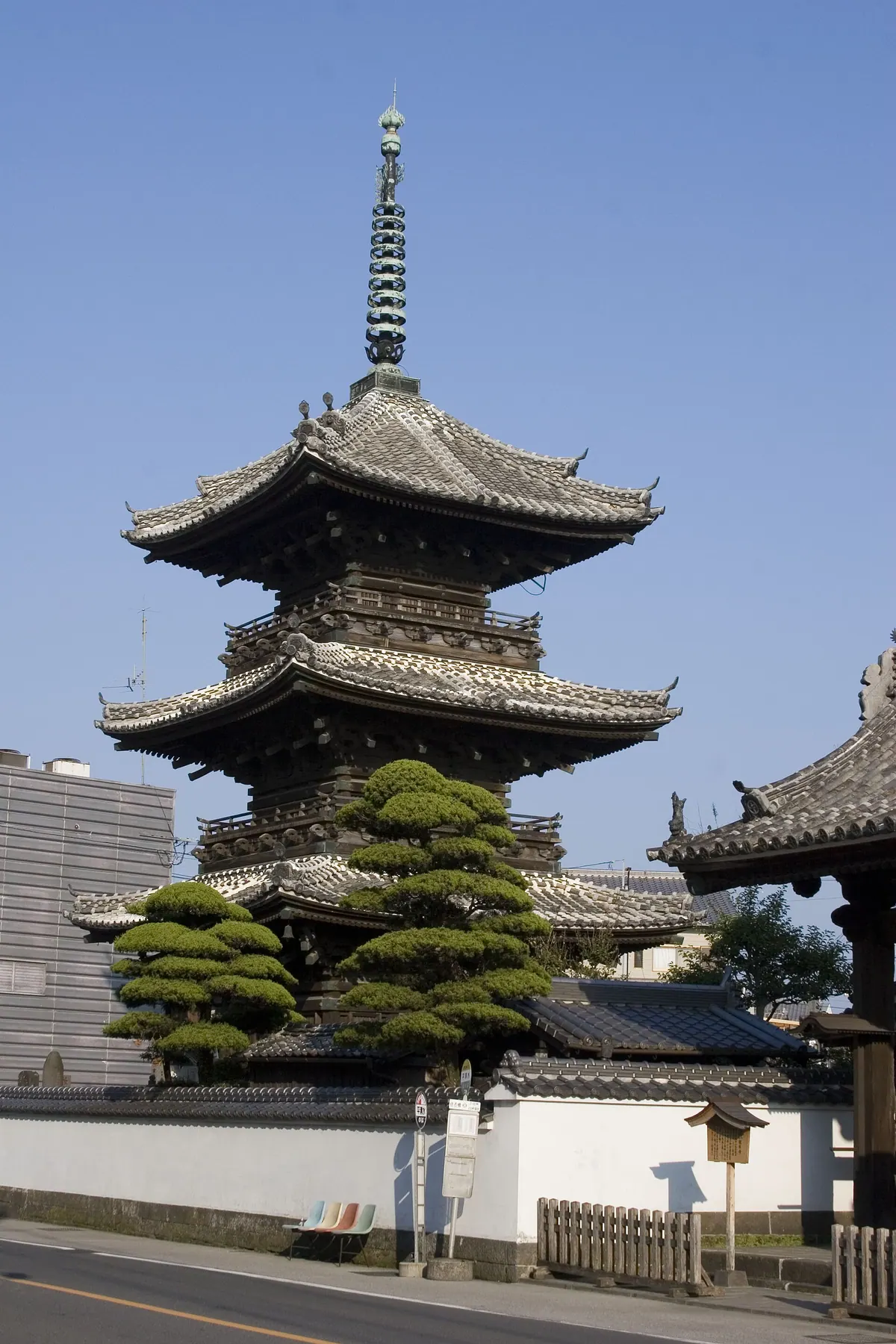
Ryugenji is a historic Buddhist temple with a unique dragon legend and an impressive Edo-period pagoda.
What it is
- A Jodo-shu Buddhist temple.
- Founded in 1600 by Inaba Sadamichi.
- A branch temple of Chion-in.
- Known for a legend about a dragon.
What to see
- Temple treasures: a dragon's orb, scales, and claws.
- Three-story wooden pagoda, completed in 1858.
- Pagoda also called Taishi-to.
- Statue of Prince Shotoku housed in the pagoda.
- Edo-period pagoda is a tangible cultural property.
- Address
- 大分県臼杵市平清水134番地の1 Map
19
Deusu-dō
ŌITA · TEMPLE デウス堂
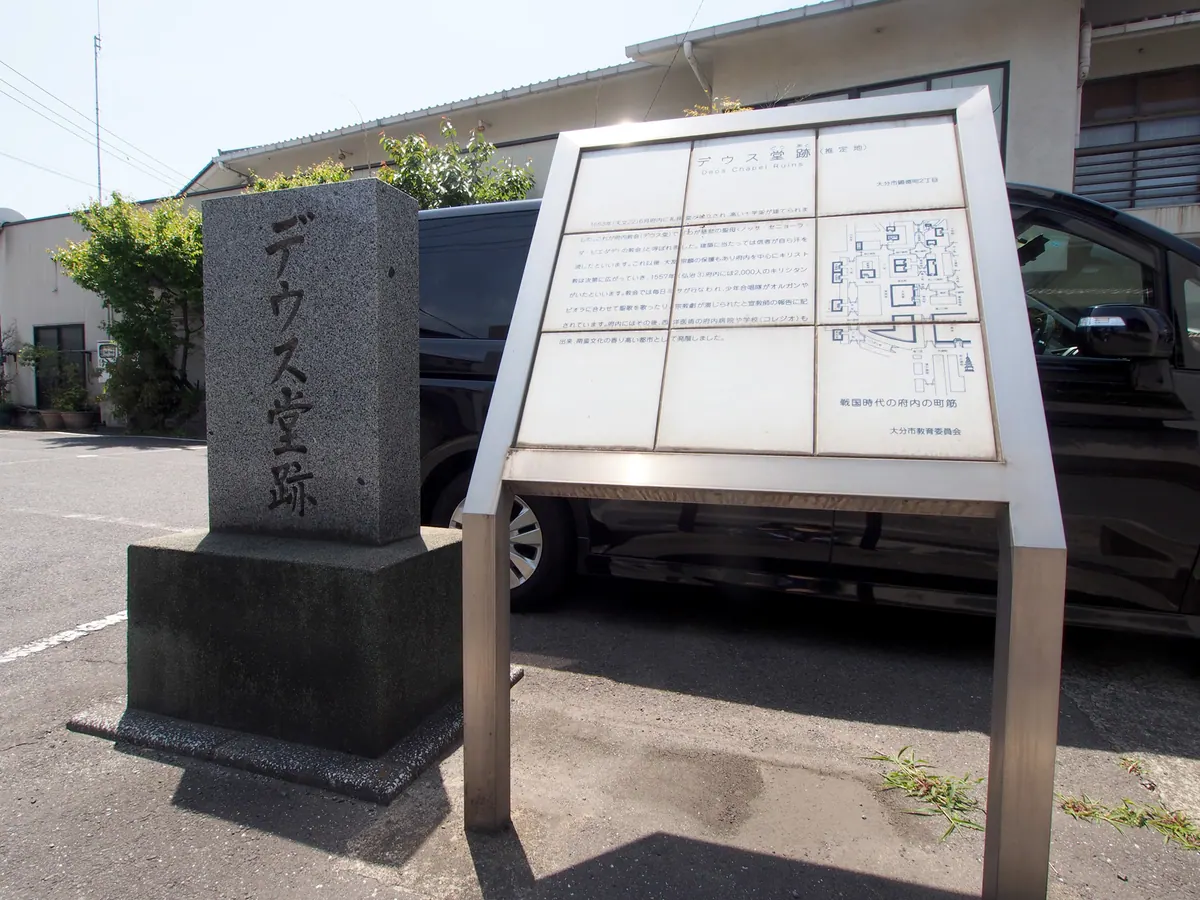
Deusu-dō was Japan's first Christian church, a historic site marking early Western influence.
What it is
- Japan's first Christian church, built in June 1553.
- Also known as Daiusu-dō, Kentoku-ji, or Funai Church.
- Portuguese name was Nossa Senhora da Piedade.
- Founded after Francis Xavier allowed missionary work in Funai.
What to see
- A monument marks the estimated site of the church.
Getting there
- 20-minute walk from JR Kyushu Oita Station.
20
Iwatō-ji Temple
ŌITA · TEMPLE 岩戸寺 (国東市)
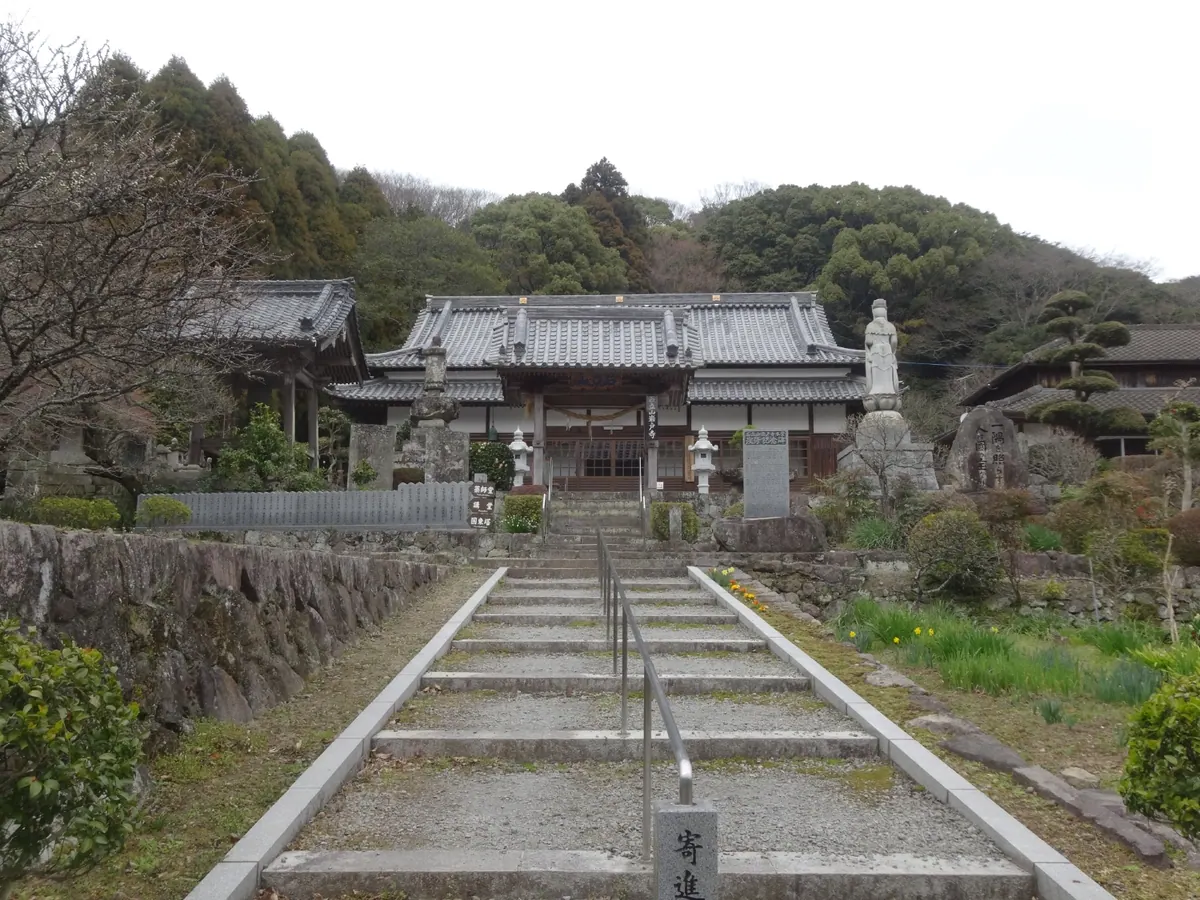
Iwatō-ji is a historic Tendai temple, home to Japan's oldest round-carved Nio statue.
What it is
- A Tendai sect temple.
- Founded in 718 by Nimon Bosatsu.
- Designated an Ōita Prefecture historic site in 1979.
- A former head temple of Rokugō Manzan.
What to see
- Japan's oldest round-carved Nio statue, from 1478.
- A 3.3-meter Kunisaki Pagoda, inscribed in 1283.
- The pagoda is a National Important Cultural Property.
- The main image is a Yakushi Nyorai statue.
- Address
- 大分県国東市国東町岩戸寺1232番地 Map