

20 Shrines in Tokushima worth your time
Japan Gems
Tokushima Prefecture has 74 shrines, including Higashiōji Shrine and Sakamoto Hachiman Shrine. Visitors can find a variety of spiritual sites across the region.
Tokushima has 81 shrines on Japan Gems. Below are the 20 we can tell you the most about — each one written up in English from Japanese sources, with what to see and how to get there. See all shrines in Tokushima.
01
Shiinomiya Hachiman Shrine
TOKUSHIMA · SHRINE 椎宮八幡神社
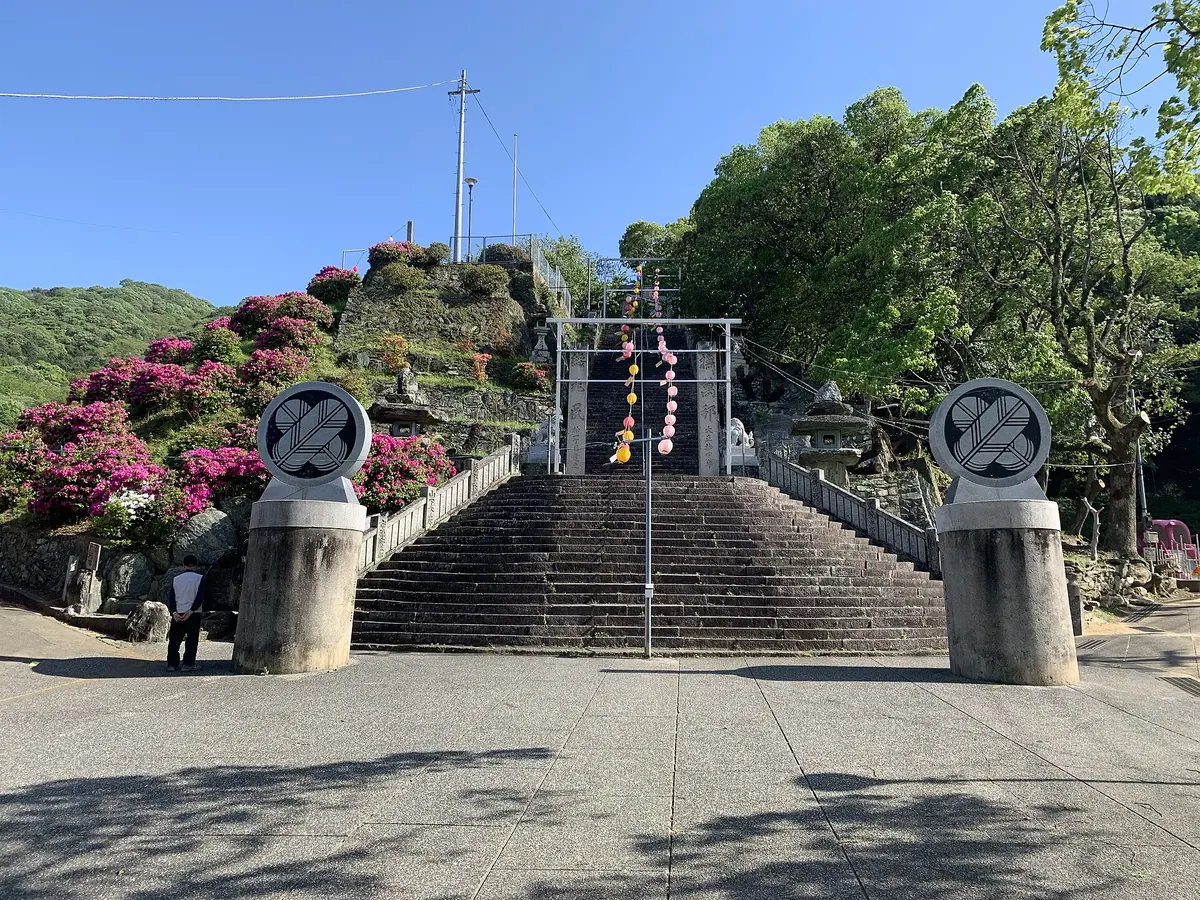
A historic shrine at Mount Bizan famous for three thousand azaleas and a dedicated folklore tanuki site.
What it is
- A Shinto shrine located at the foot of Mount Bizan in Tokushima City
- Dedicated to the deities Homudawake no Mikoto and Konohanasakuya-hime no Mikoto
- Moved from Yaso Village to its current location between 1661 and 1673
- The surrounding grounds are officially designated as Shiinomiya Park
What to see
- Approximately 3,000 azalea bushes planted across the shrine grounds
- A smaller shrine dedicated to a tanuki from local folklore
- Two natural springs known as Unryusui and Seiryusui
- Views of the forested slopes of Mount Bizan
When to go
- Visit in May to see the azaleas in full bloom
- The annual grand festival takes place on October 16th
Getting there
- Seven-minute walk from the Sako Nanabancho bus stop
02
Okanoue Shrine
TOKUSHIMA · SHRINE 岡上神社
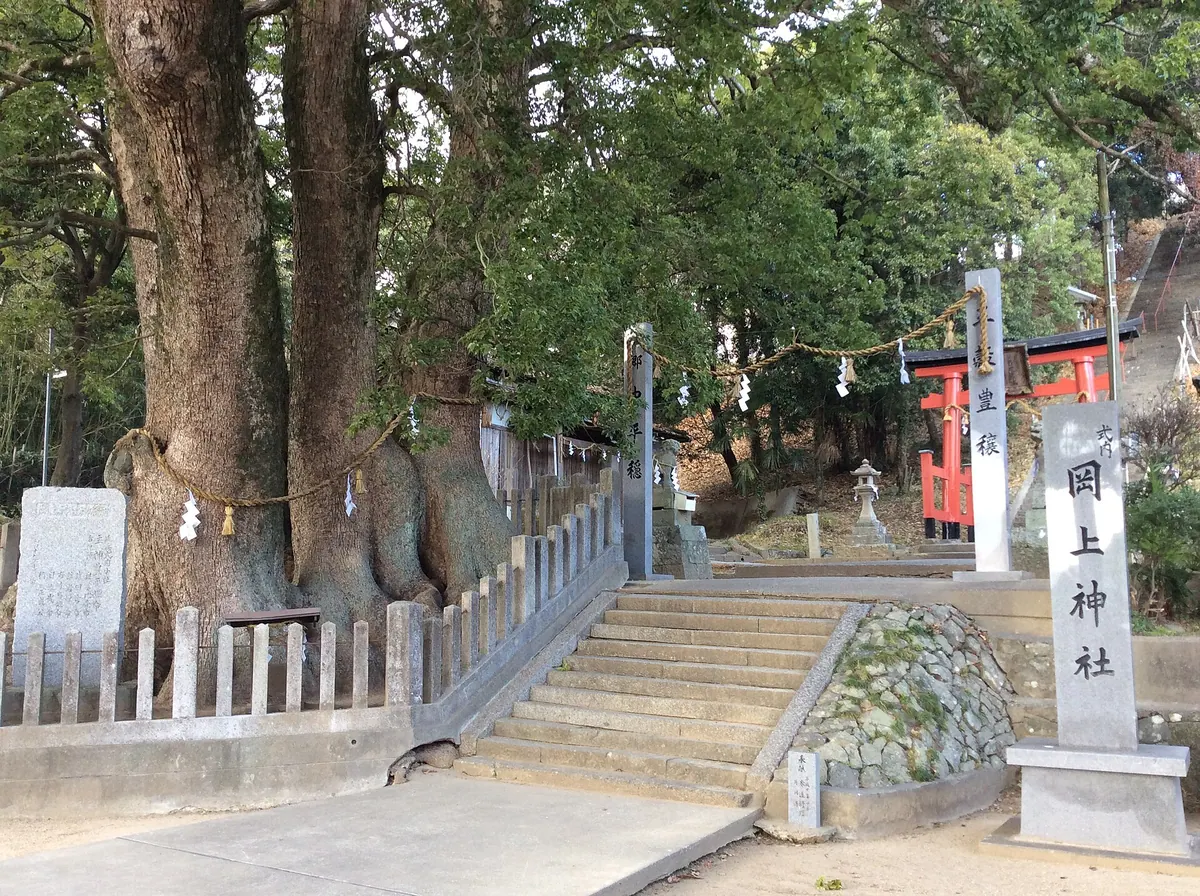
An ancient shrine in Tokushima featuring a massive, split-trunk camphor tree and historical ties to the warrior Minamoto no Yoshitsune.
What it is
- An ancient shrine dedicated to the deity Toyouke-hime no Mikoto.
- The site is officially listed in the historical Engishiki Jinmeicho records.
- The shrine moved to its current location in 1789.
- Minamoto no Yoshitsune reportedly prayed here for success in battle.
What to see
- A massive camphor tree designated as a Tokushima Prefecture natural monument.
- The tree features a root circumference of approximately 25 meters.
- A unique main trunk that splits into four separate sections.
- The Jijinja secondary shrine located within the main grounds.
Getting there
- A ten-minute walk from JR Itano Station.
- A five-minute drive from the Itano Interchange.
03
Akanta Shrine
TOKUSHIMA · SHRINE 赤田神社
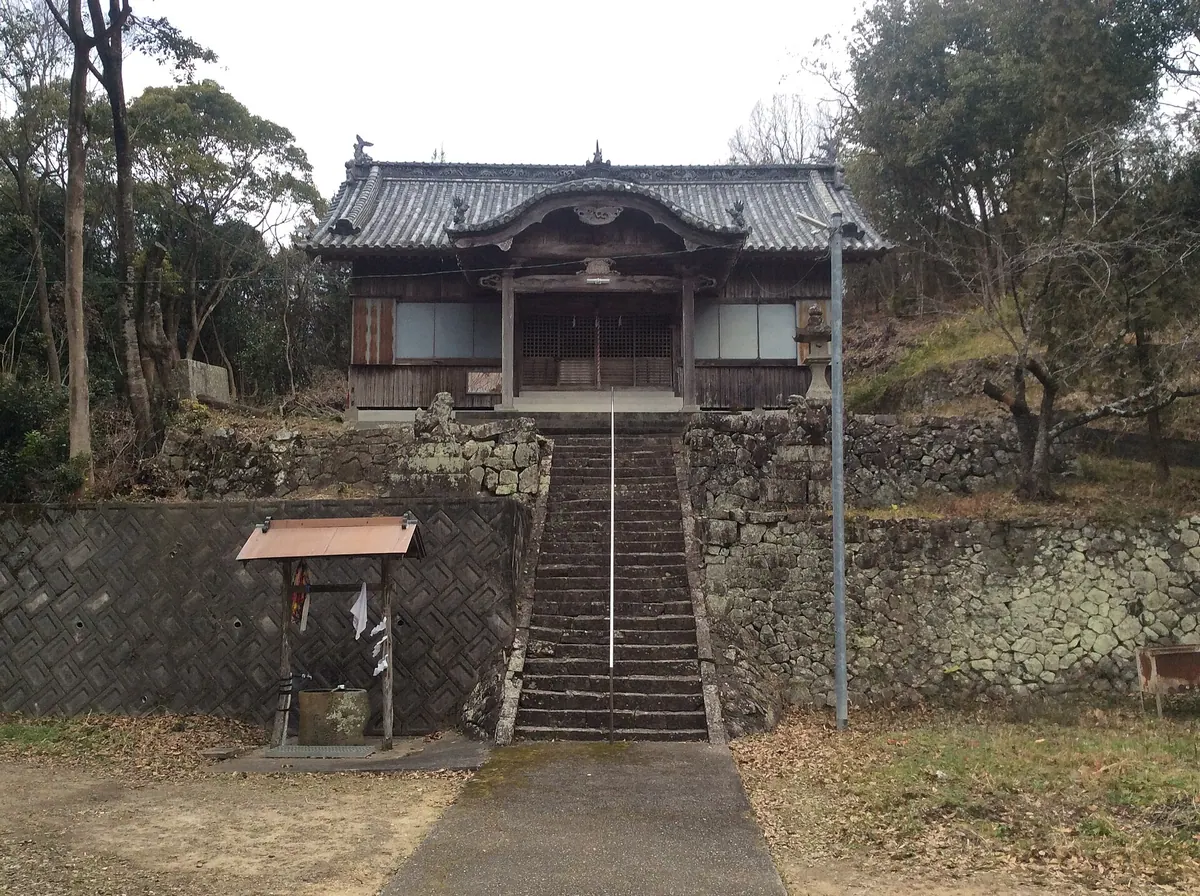
A historic shrine in Tokushima mentioned in ancient chronicles, dedicated to martial deities and linked to Empress Jingu's legends.
What it is
- A candidate for the ancient Shikinaisha Takefutsu Shrine mentioned in historical records.
- Dedicated to the martial deities Takemikazuchi no Mikoto and Futsunushi no Mikoto.
- The site where the Nihon Shoki records Empress Jingu performing a divination ritual.
- Located in an area formerly known as the village of Akanoda.
What to see
- The main shrine grounds situated in Donari Town within Awa City.
- The Tenmangu sub-shrine located within the sacred precinct.
- The Yamagamingu sub-shrine which stands on the shrine grounds.
Getting there
- The shrine is a ten minute drive from the Donari Interchange.
04
Ushihiko Shrine
TOKUSHIMA · SHRINE 宇志比古神社
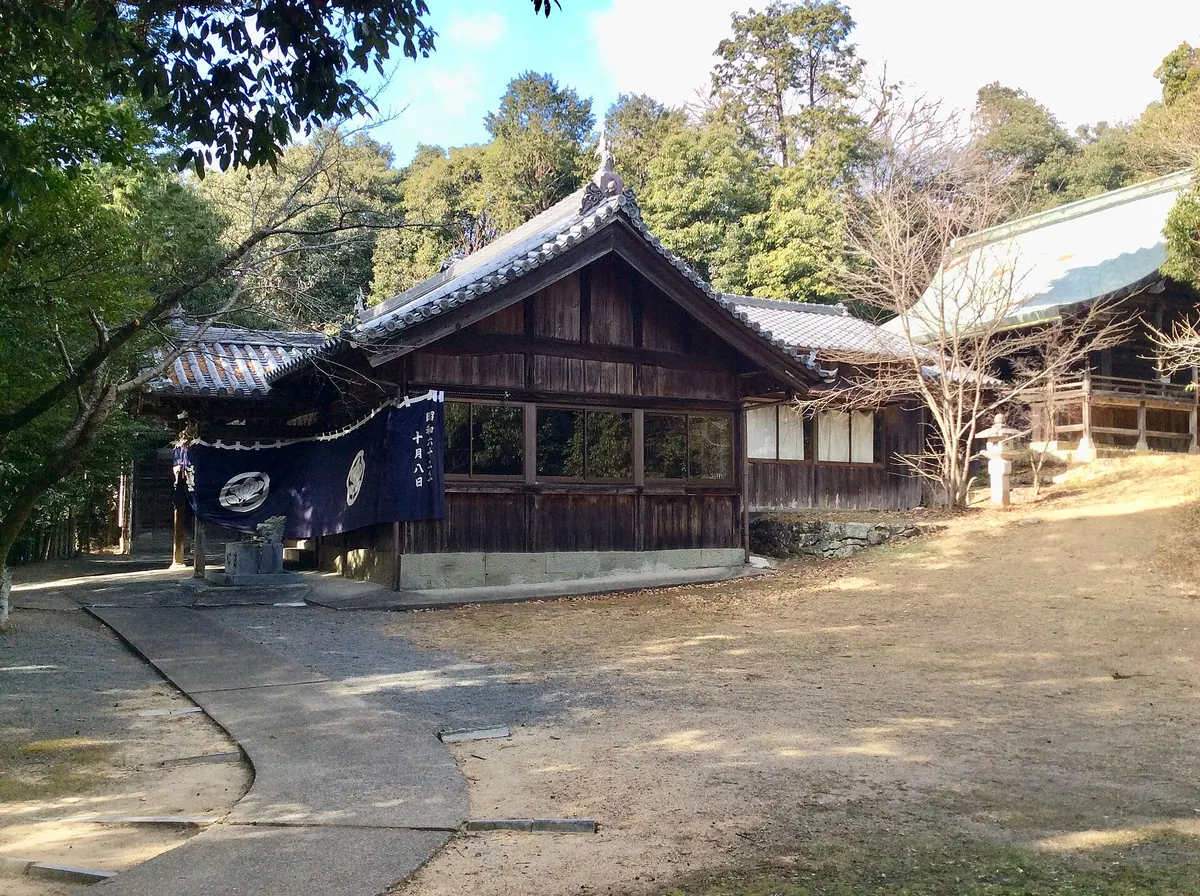
A historic shrine in Naruto featuring the oldest main hall in Tokushima Prefecture, designated as a National Important Cultural Property.
What it is
- A Shinto shrine dedicated to Ushihiko-no-mikoto, Emperor Ojin, Emperor Nintoku, and Empress Jingu.
- The original founding date of this historic site is unknown.
- Formerly known as Hachimangu during the Edo period before adopting its current name.
- The original buildings were burned by Chosokabe Motochika during the Tensho era.
What to see
- The main hall is the oldest existing shrine building in Tokushima Prefecture.
- A designated National Important Cultural Property representing regional architectural history.
Getting there
- The shrine is a ten minute walk from Awa-Otani Station.
05
Takefutsu Nishinomiya Shrine
TOKUSHIMA · SHRINE 建布都西宮神社
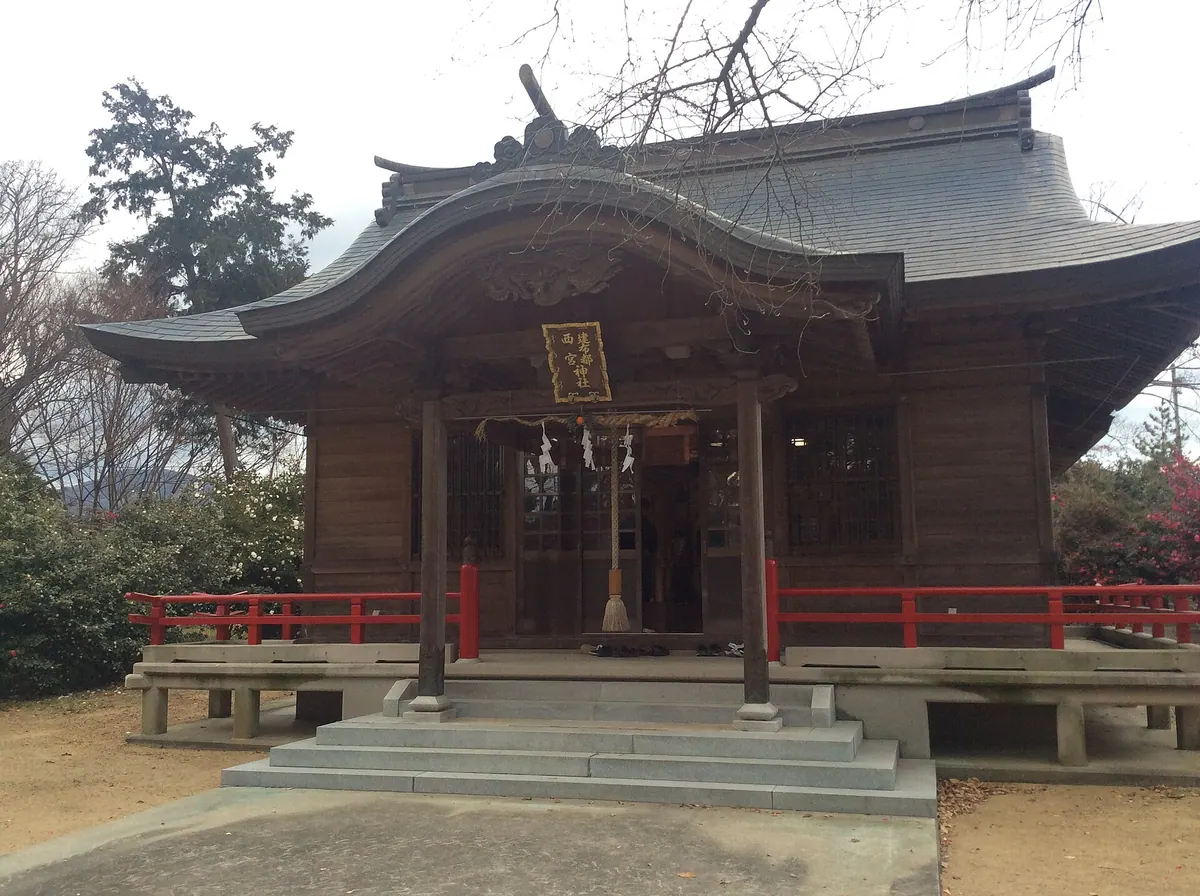
A historic shrine in Tokushima restored during the Muromachi period, enshrining spirits originally invited from the famous Izumo Taisha.
What it is
- A candidate for the ancient shrine mentioned in the historical Engishiki Jinmeicho records.
- Lord Harada Yamato-no-kami restored the site during the Muromachi period.
- Enshrines the deities Kotoshironushi-no-mikoto, Takemikazuchi-no-kami, and Futsunushi-no-kami.
- The current site was formed when Nishinomiya Shrine was merged here in 2000.
What to see
- The Takefutsu shrine crest featuring a circle with crossed swords.
- The Nishinomiya shrine crest depicting a circle with creeping oak leaves.
Getting there
- The site is a ten-minute drive from the Donari Interchange.
06
Tsunomine Shrine
TOKUSHIMA · SHRINE 津峯神社
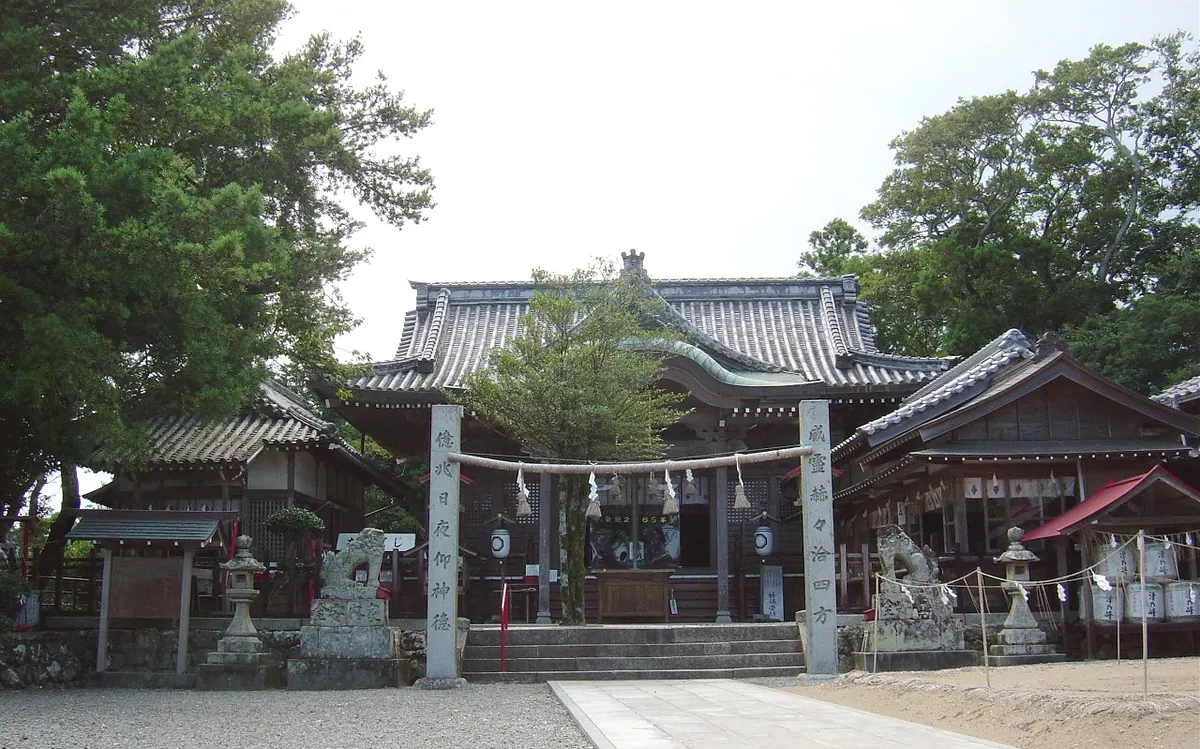
Mountain-top shrine for fishermen and travelers, rebuilt after earthquake, with scenic views.
What it is
- Shinto shrine founded in 724 on Mt. Tsunomine summit.
- Dedicated to Kashihahime-no-Okami, revered by fishermen.
- Rebuilt after the 1946 Nankai earthquake.
- A Beppyo Jinja of the Association of Shinto Shrines.
What to see
- Main hall, offering hall, and worship hall.
- Auxiliary shrine for Oyama-tsumi-no-Okami.
- Sub-shrine Ebisu-Okami, one of the Awa Seven Lucky Gods.
When to go
- Cherry Blossom Festival in spring.
- Autumn Grand Festival in fall.
Getting there
- Drive to the 8th station of Mt. Tsunomine.
- From there, take stairs or a lift to the shrine.
- Address
- 徳島県阿南市津乃峰町東分343 Map
07
Takefutsu Shrine
TOKUSHIMA · SHRINE 建布都神社
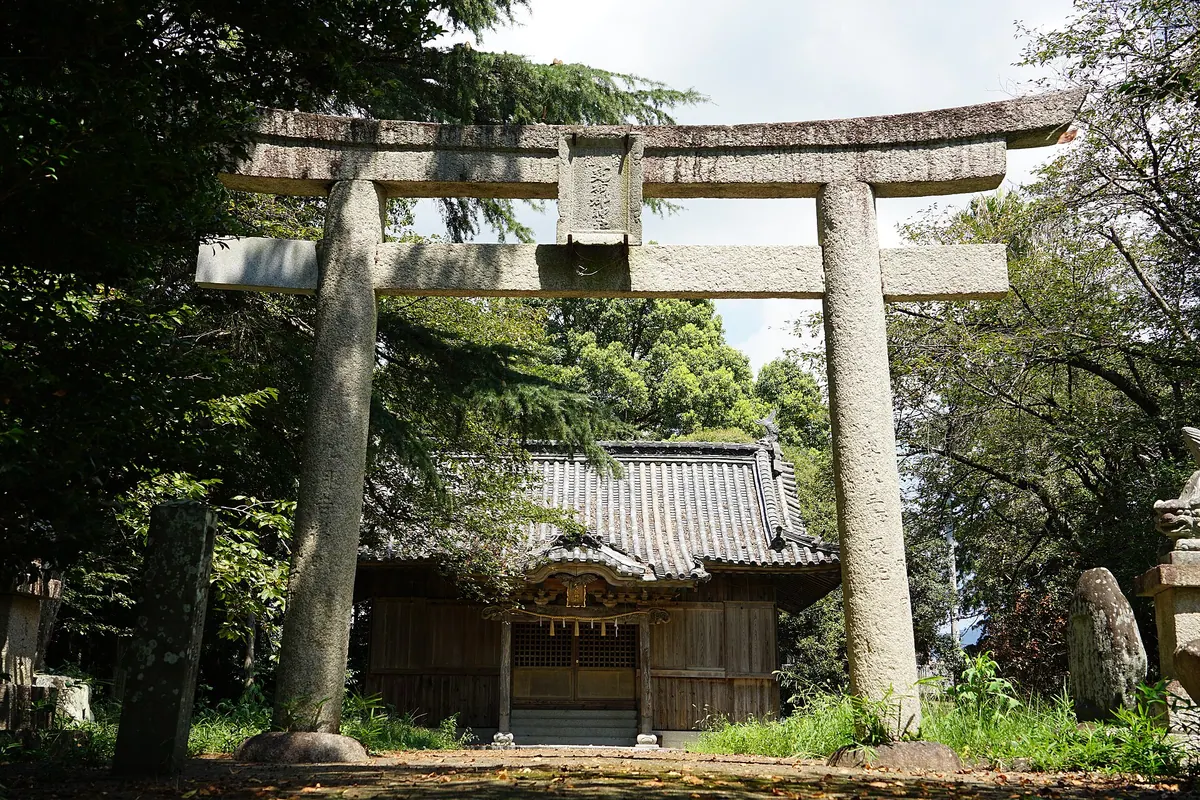
A historic shrine in Tokushima featuring ancient deities and a seventeen-meter wide circular burial mound on its grounds.
What it is
- A candidate for the Engishiki Jinmeicho list formerly known as Heiji Gongen.
- Dedicated to the deities Takefutsu-no-kami, Futsunushi-no-kami, Oyamatsumi-no-kami, and Kotoshironushi-no-kami.
- A religious site located in Awa City, Tokushima Prefecture.
What to see
- A circular burial mound called Takefutsu Kofun with a seventeen-meter diameter.
- The Tenmangu and Yamagamigu sub-shrines located within the precinct.
- The main grounds of the shrine and its historical structures.
Getting there
- The shrine is a fifteen-minute drive from the Donari Interchange.
08
Enomiya Shrine
TOKUSHIMA · SHRINE 宅宮神社
Enomiya Shrine is a historic site dedicated to the goddess of houses and construction.
What it is
- Identified as Ootomahime Shrine in ancient records.
- Only shrine enshrining Ootomabe no Mikoto.
- Main deity is the god of houses and construction.
- Received the rank of Jugoige in 874.
What to see
- Shrine crest is a paulownia with five and seven leaves.
- Ootomabe no Mikoto is a goddess from the Age of Gods.
- Ootoshigami is the god of grain and agriculture.
- Wakatakehiko no Mikoto is a prince of Emperor Korei.
When to go
- Annual festival is held on November 3rd.
Getting there
- Take Tokushima City Bus from JR Tokushima Station.
- Address
- 徳島県徳島市上八万町上中筋558 Map
09
Igasa Shrine
TOKUSHIMA · SHRINE 伊笠神社

A historic mountain-top shrine founded in 1655, offering deep connections to ancient deities and the legendary Nitta clan.
What it is
- A Shinto shrine founded in 1655 at the summit of Mount Igasa
- Dedicated to the primary deity Ame-no-futagami-no-mikoto
- Rebuilt in 1729 and considered a candidate for the ancient Takefutsu Shrine
- Believed by some to enshrine members of the historic Nitta clan
What to see
- The main shrine structure dating back to the 1729 reconstruction
- Views from the summit of Mount Igasa where the shrine stands
Getting there
- Accessible by car via the Donari Interchange
- Located along National Route 318 and Prefectural Road 139
10
Katsuragi Shrine
TOKUSHIMA · SHRINE 葛城神社
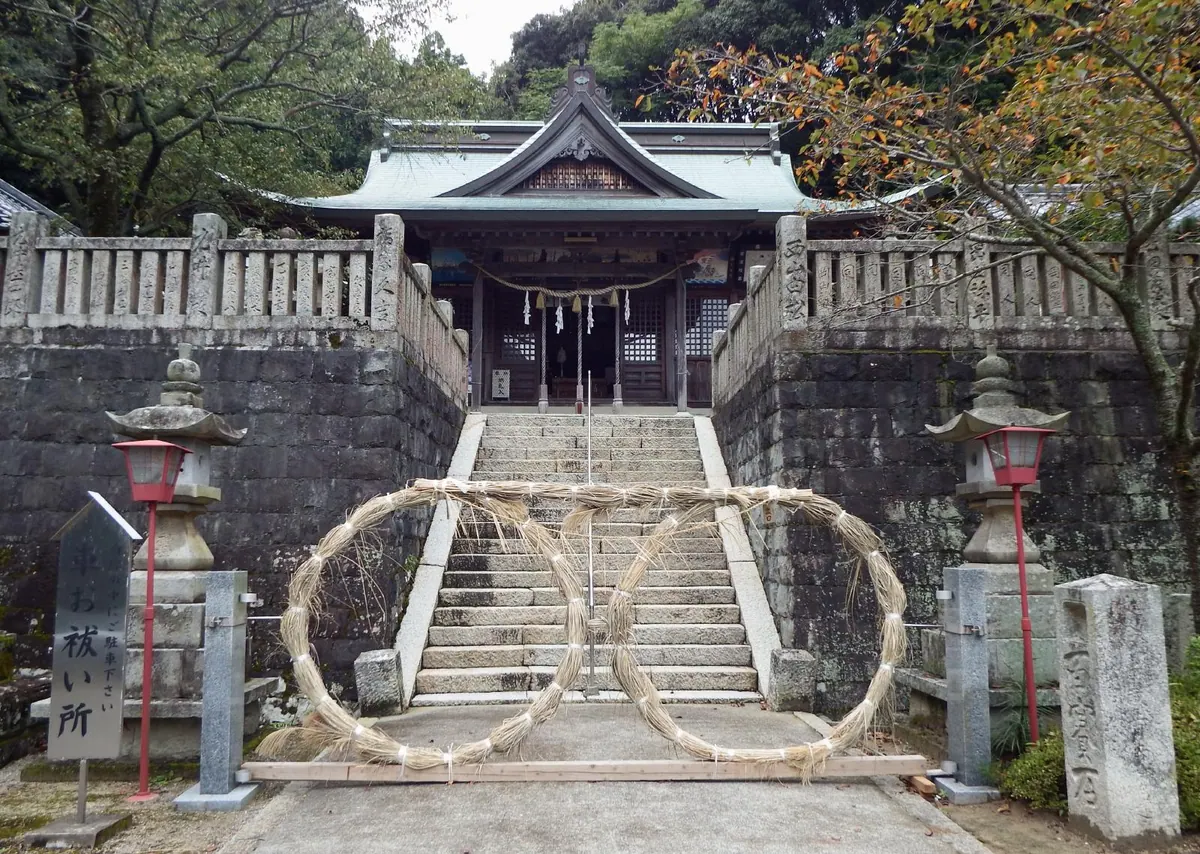
Katsuragi Shrine, founded in 1053, is a pilgrimage site with unique cultural properties and a healing well.
What it is
- The 6th sacred site of the New Shikoku Mandala Pilgrimage.
- Founded during the Tenki era (1053-1058).
- Dedicated to the deity Hitokotonushi-no-kami.
What to see
- Shrine grounds include Okuni-sha and Kai-jinja.
- The 'Goshinsui' well is known for eye treatment.
- Memorial mounds for knives and glasses.
When to go
- Autumn festival is held on November 5th.
- See the 'Neri' of the Yakko procession, a cultural property.
Getting there
- Take a bus from JR Naruto Station.
- Then, a 15-minute walk to the shrine.
- Address
- 徳島県鳴門市北灘町粟田字池谷2 Map
11
Tsurugi Shrine
TOKUSHIMA · SHRINE 劔神社
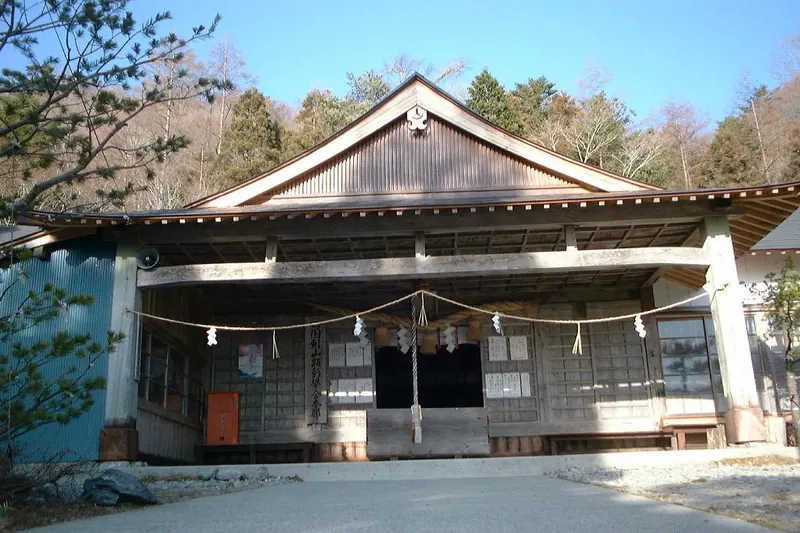
A mountain shrine dedicated to ancient deities, offering unique natural and historical sights.
What it is
- A shrine on Mt. Tsurugi, at 1420m altitude.
- Dedicated to Oyamatsumi-no-mikoto, Emperor Antoku, Susanoo-no-mikoto.
- Renamed Tsurugi Shrine in the early Meiji era.
- Became a prefectural shrine in 1873.
What to see
- The main shrine, Okutsurugi Shrine, at 1810m.
- Otoseki, a large sacred rock at Okutsurugi Shrine.
- Tsurugisan Oshikimizu, a source of the Iya River.
When to go
- Annual mountain opening ceremony on April 29th.
Getting there
- Minokoshi is a 90-minute drive from Mima Interchange.
- Address
- 徳島県三好市東祖谷菅生201 Map
- Official site
- www.ctm.ne.jp
12
Sata Shrine
TOKUSHIMA · SHRINE 佐田神社
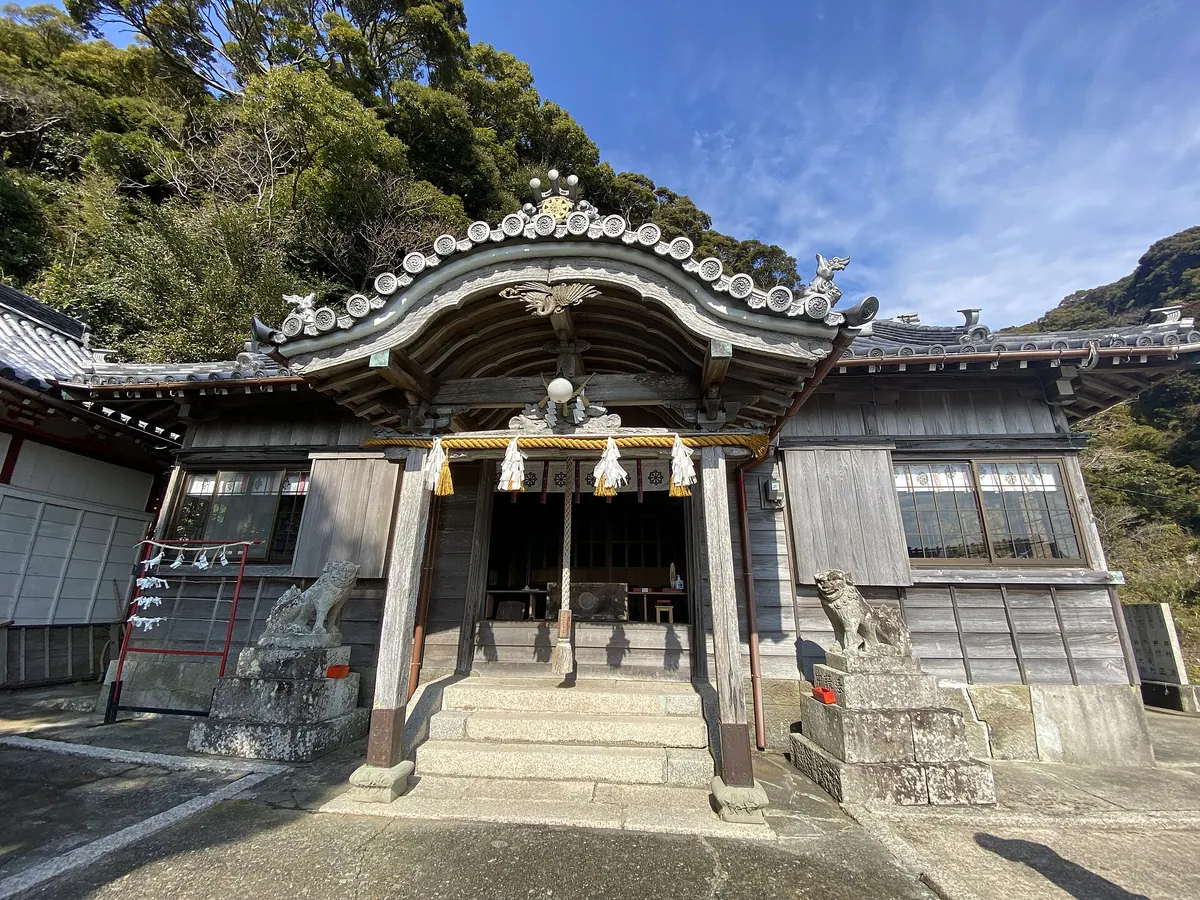
Sata Shrine honors local deities and the Mori family, featuring unique architecture and a vibrant autumn festival.
What it is
- Shrine dedicated to Sarutahiko-no-mikoto and Kaizumi-no-mikoto.
- Also enshrines Sata Kurobe-no-mikoto, ancestor of the Mori family.
- Relocated from Tosadomari in Naruto City.
What to see
- Main shrine building constructed during the Kansei era.
- Honden, Heiden, and Haiden are major buildings.
- Emaden, Mikoshigura, and Shinmeisha are also on grounds.
- Grave of Mori Tadamura is enshrined here.
When to go
- Autumn Grand Festival features a marine procession.
- Autumn Grand Festival is also called Daradara Matsuri.
- Address
- 徳島県阿南市椿泊町東85 Map
13
Higashiōji Shrine
TOKUSHIMA · SHRINE 東王子神社
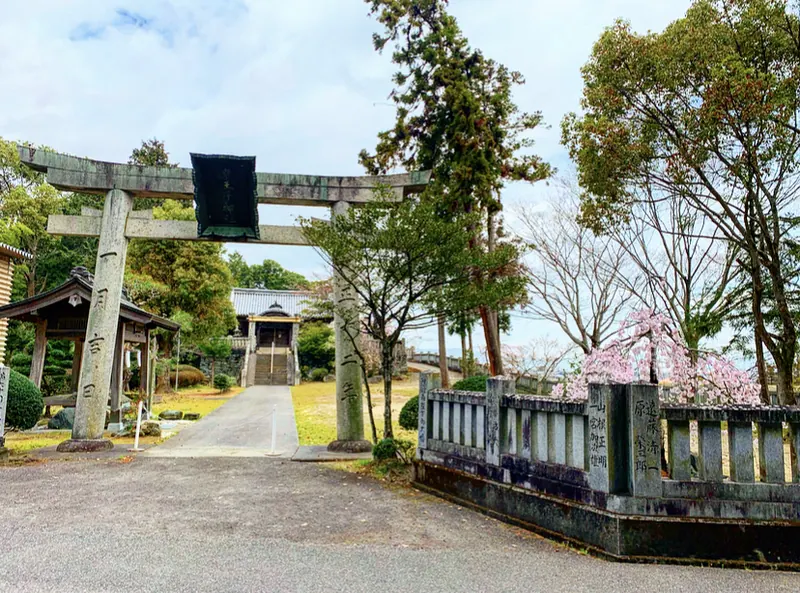
Higashiōji Shrine is an ancient shrine dedicated to Izanami-no-Mikoto, worth visiting for its historical significance.
What it is
- Shrine established on March 11, 783.
- Dedicated to the deity Izanami-no-Mikoto.
- Three shrines merged here on November 16, 1912.
What to see
- Wakamiya-sha enshrines Emperor Nintoku.
- Located at the foot of Mount Kien.
- Morimoto-in Temple is south of the shrine.
When to go
- Kayuura-sai festival is on the 14th night of the old New Year.
Getting there
- 15-minute walk from JR Tokushima Line Ishii Station.
- 35-minute drive from Aizumi Interchange on Tokushima Expressway.
- Address
- 徳島県名西郡石井町石井蟹谷2034 Map
14
Hachiman Shrine (Tokushima City)
TOKUSHIMA · SHRINE 八幡神社 (徳島市)
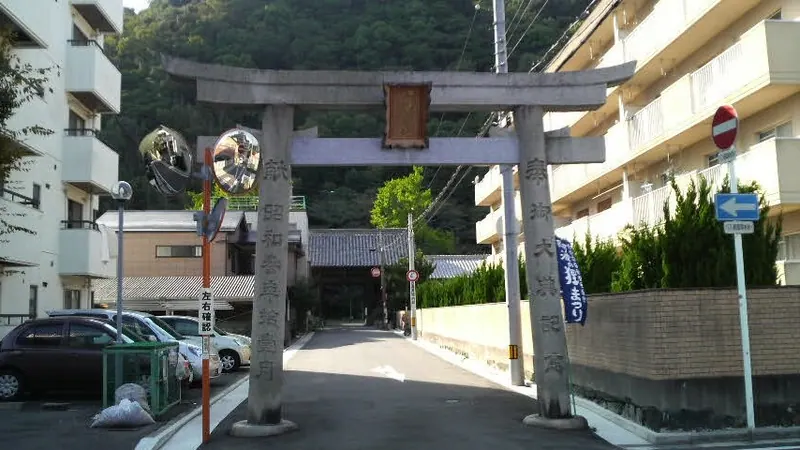
Historic Hachiman Shrine offers cultural heritage and seasonal festivals near Mount Bizan.
What it is
- A Hachiman shrine, originally from Iyo Province.
- Moved to current site on June 15, 1697.
- Designated a village shrine in 1873.
What to see
- Zuishinmon gate, built in the mid-Edo period.
- Zuishinmon gate is a city cultural property.
- Main shrine building, rebuilt in April 1987.
When to go
- New Year Kagura Festival on January 15.
- Summer festival is held on July 3.
Getting there
- 15-minute walk from Awa-Tomida Station.
- Awa-Tomida Station is on the JR Mugi Line.
- Address
- 徳島県徳島市伊賀町1丁目7番地 Map
15
Kasuga Shrine
TOKUSHIMA · SHRINE 春日神社
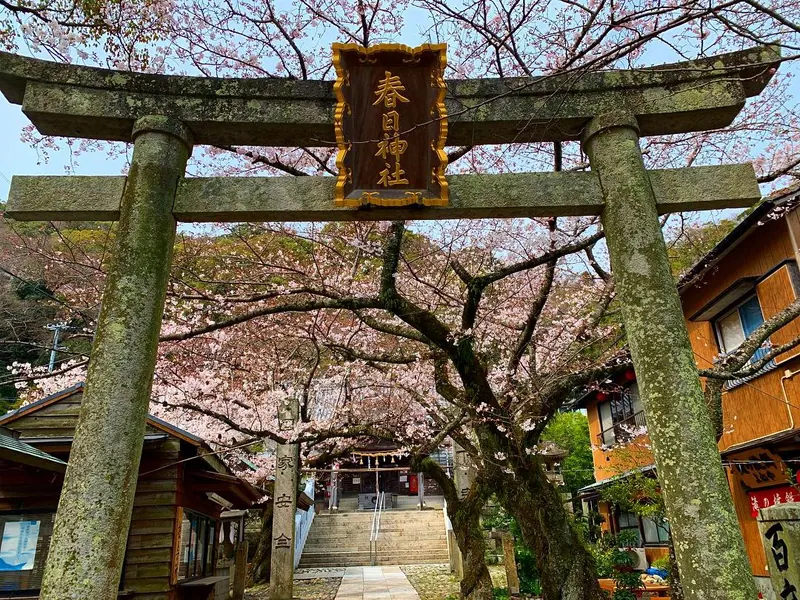
Kasuga Shrine in Tokushima City is a historic site with unique springs and subordinate shrines.
What it is
- Shrine dedicated to four deities, including Takemikazuchi-no-mikoto.
- Enshrines same deities as Kasuga Taisha in Nara Prefecture.
- Originated from a Kasuga shrine in Yamato Province.
- Designated a prefectural shrine in 1873.
What to see
- Kasuga-sui, a spring from the Bizan spring group.
- Toyotamahime Shrine, a subordinate shrine.
- Wakamiya Shrine, a subordinate shrine.
- Akiba Shrine, a subordinate shrine.
Getting there
- About 5 minutes by car from JR Tokushima Station.
- Address
- 徳島県徳島市眉山町大滝山1 Map
16
Ōji Shrine
TOKUSHIMA · SHRINE 王子神社
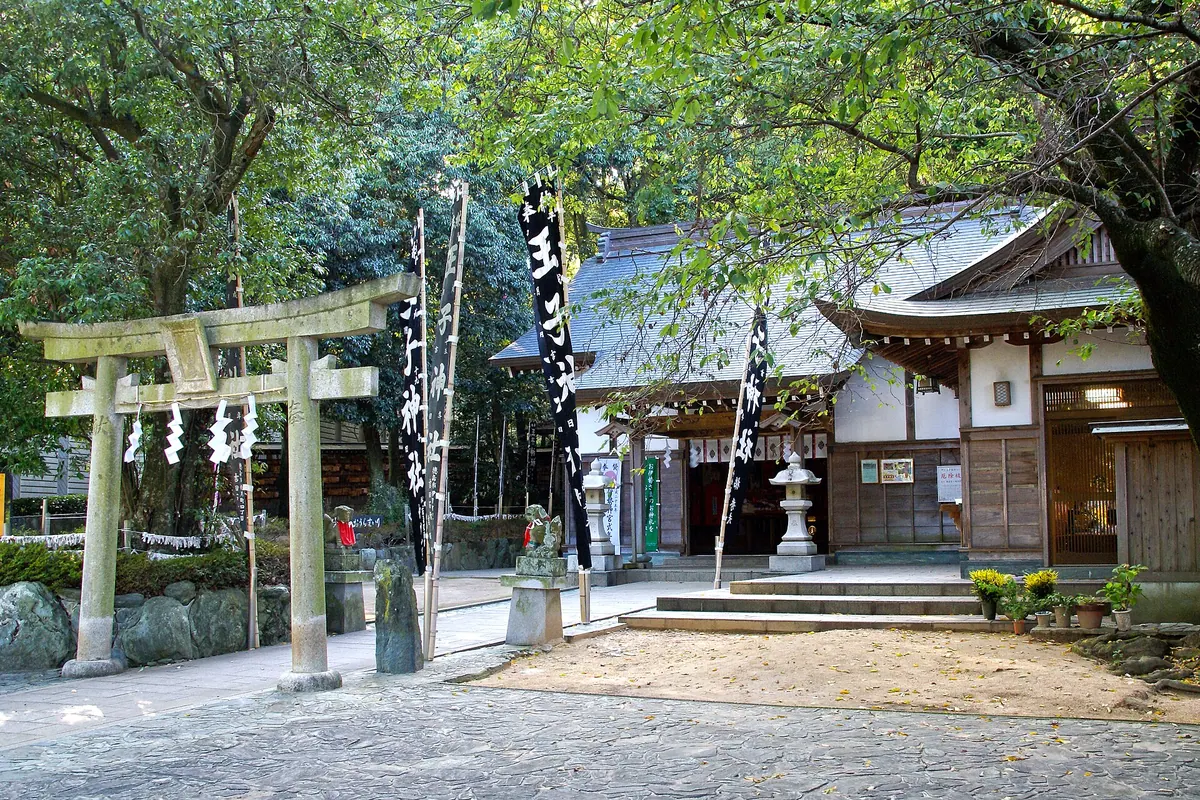
Ōji Shrine, or "Cat God," offers unique cultural insights and blessings for academic and business success.
What it is
- A shrine affectionately known as "Nekogami-san" (Cat God).
- Also called "Ōjin-san."
- Dedicated to a prince of Amaterasu Ōmikami.
- Enshrines Omatsu Daimyōjin and Otama Daimyōjin.
What to see
- The enshrined deity Amatsuhikone-no-mikoto.
- Shrine known for academic achievement and business prosperity.
Getting there
- Tokushima City Bus to "Bunka no Mori" stop.
- Bus to "Sonosebashi" stop, then walk 10 minutes.
- Bus to "Ichihara" stop, then walk 20 minutes.
- Address
- 徳島県徳島市八万町向寺山55 Map
- Official site
- oujijinja.com
17
Kenmi Shrine
TOKUSHIMA · SHRINE 賢見神社
Kenmi Shrine, founded in the 5th century, offers mountain views and ancient festivals.
What it is
- Ancient shrine in Miyoshi City, Tokushima Prefecture.
- Founded in the late 5th century.
- Dedicated to Susanoo-no-Mikoto and Emperor Ojin.
- Affectionately known as "Kenmi-san."
What to see
- Main hall, renovated in 1888 and 1975.
- Worship hall, renovated in 1975.
- Views from an altitude of 400m.
When to go
- New Year's Day festival on January 1.
- Spring Festival on April 15 and 16.
- Summer Festival on July 15 and 16.
- Autumn Grand Festival on October 15 and 16.
- Address
- 徳島県三好市山城町寺野112 Map
18
Hanoura Shrine
TOKUSHIMA · SHRINE 羽浦神社
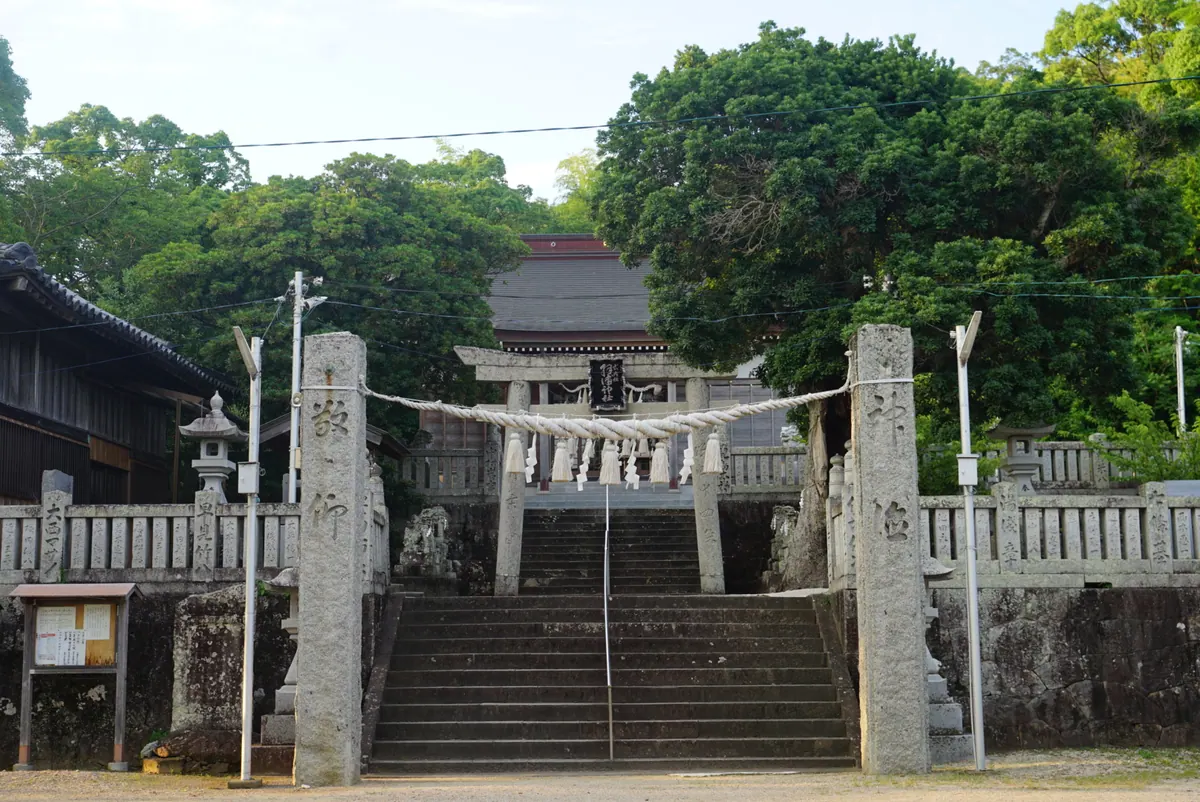
Hanoura Shrine is a historic Shinto shrine with multiple enshrined deities, easily accessible by train.
What it is
- A Shinto shrine in Anan City, Tokushima Prefecture.
- Renamed Hanoura Shrine in 1890.
- Twenty-three shrines merged into this one in 1890.
- Designated a prayer place by Hachisuka Yoshishige in 1603.
What to see
- Enshrines Hōda wake no mikoto.
- Enshrines Awa ya wake no mikoto.
- Enshrines Ame no miya ne no mikoto.
- Enshrines Kotoshiro nushi no mikoto.
- Enshrines Sugawara no Michizane no mikoto.
Getting there
- 5-minute walk from JR Mugi Line Hanoura Station.
- Address
- 徳島県阿南市羽ノ浦町中庄千田池32 Map
19
Katsura Shrine
TOKUSHIMA · SHRINE 勝占神社
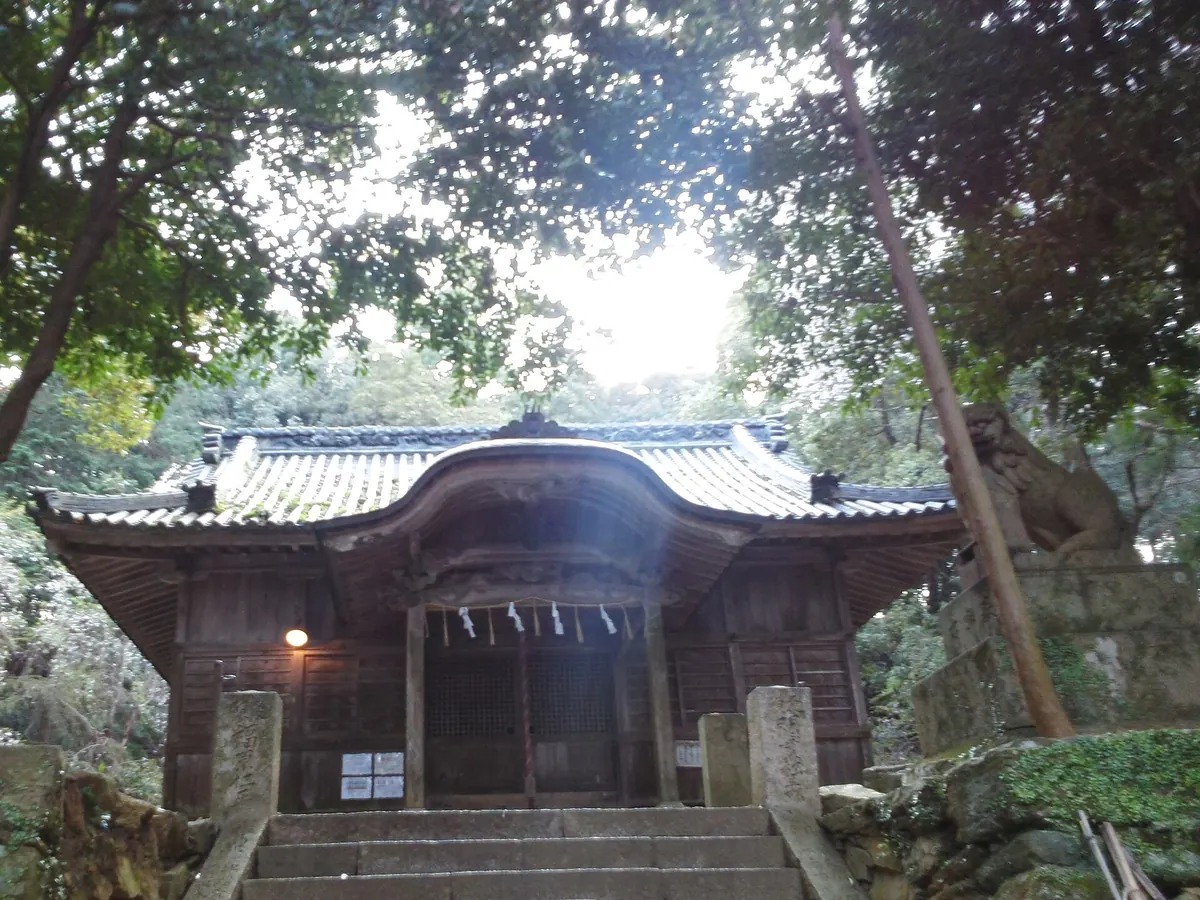
Katsura Shrine, a historic site with multiple enshrined deities, is a short walk from Jizobashi Station.
What it is
- A shrine in Tokushima City, Tokushima Prefecture.
- Called Sugio Daimyojin until 1875.
- Mainly enshrines Okuninushi-no-Mikoto.
- Susanoo-no-Mikoto was enshrined here.
What to see
- Shrine dedicated to Kotoshironushi-no-Mikoto.
- Shrine dedicated to Suseri-hime-no-Mikoto.
- Shrine dedicated to Sukuna-bikona-no-Mikoto.
- Shrine dedicated to Tamagushi-hime-no-Mikoto.
- Shrine dedicated to Oyamatsumi-no-Mikoto.
Getting there
- 15-minute walk from Jizobashi Station.
- Address
- 徳島県徳島市勝占町中山26 Map
20
Tokushima Bizan Tenjinsha
TOKUSHIMA · SHRINE 徳島眉山天神社
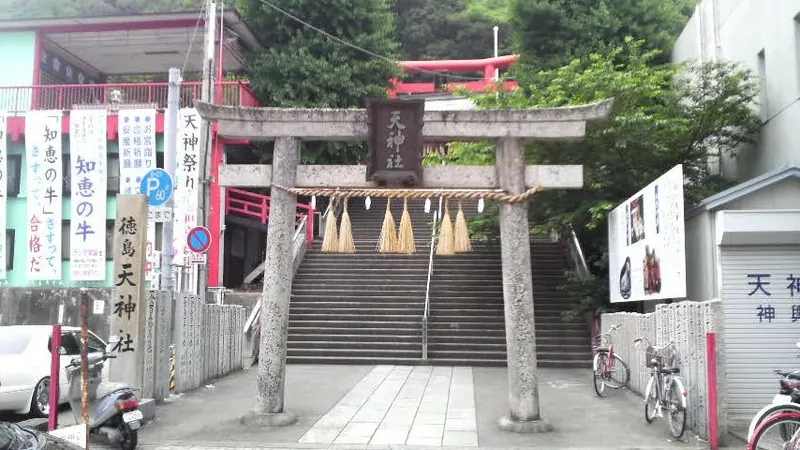
Tokushima Bizan Tenjinsha is a historic shrine dedicated to learning, easily accessible from Tokushima Station.
What it is
- A shrine in Tokushima, Japan.
- Dedicated to the deity Sugawara no Michizane.
- Originated from a wooden statue of Tenjin.
- Built at the current site in 1809.
What to see
- Sub-shrines Kujin Daimyojin and Inari Daimyojin.
- Located at the foot of Mount Bizan.
When to go
- New Year's Festival on January 1st.
- Coming of Age Ceremony on January 15th.
- Annual Festival on July 24th.
Getting there
- 11-minute walk from JR Tokushima Station.
- Address
- 徳島県徳島市眉山町天神山1 Map
- Official site
- www.bizan-tenjinsha.org