

20 Temples in Yamanashi worth your time
Japan Gems
Ichiren-ji Temple and Denshi-in Temple are among the 86 temples in Yamanashi Prefecture. These temples offer a look into Japan's spiritual landscape.
Yamanashi has 96 temples on Japan Gems. Below are the 20 we can tell you the most about — each one written up in English from Japanese sources, with what to see and how to get there. See all temples in Yamanashi.
01
Eun-in Temple (Kofu)
YAMANASHI · TEMPLE 恵運院
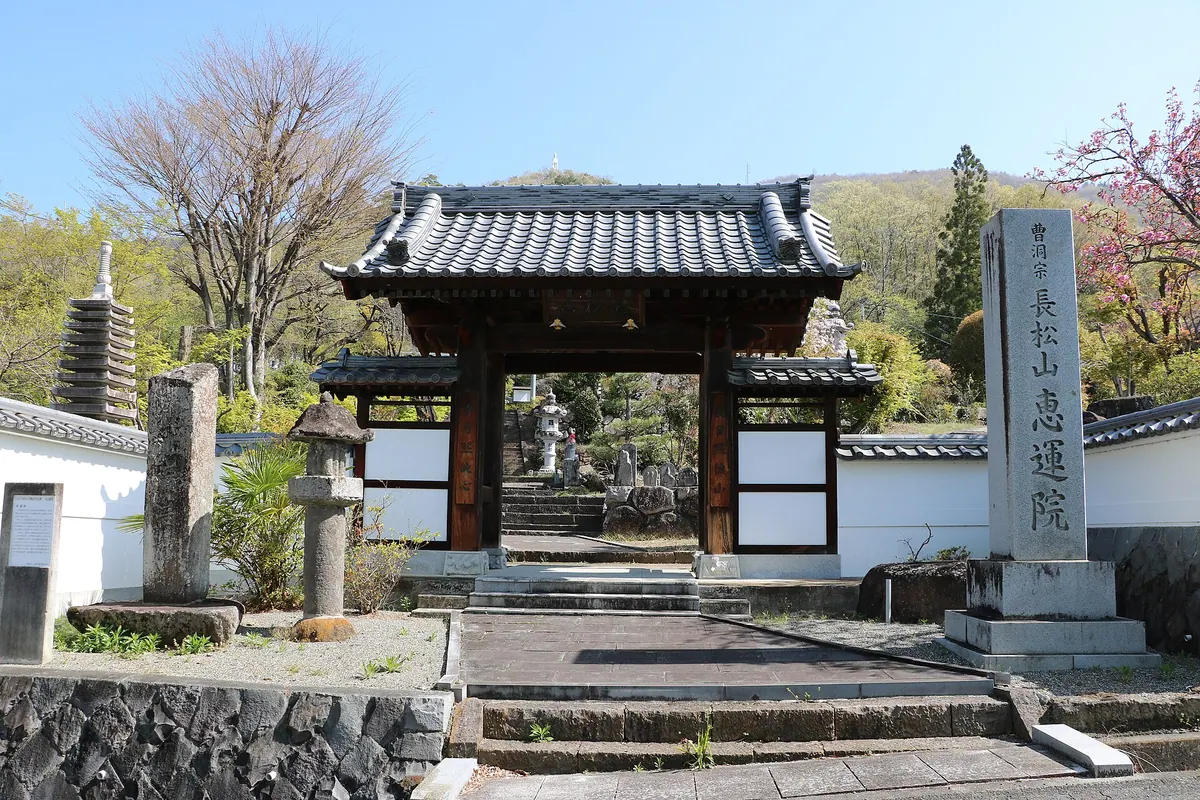
A historic Soto Zen temple in Kofu housing Takeda family graves and a legendary plum tree planted by Shingen.
What it is
- A Soto Zen temple restored by Takeda Nobunawa during the Sengoku period
- The official family temple dedicated to the memory of Takeda Nobunawa
- A religious site once led by the head priest Setsuden Sogaku
What to see
- The grave of Takeda Nobunawa located within the temple precincts
- A historic plum tree said to be planted by Takeda Shingen
- A portrait of Setsuden Sogaku designated as a prefectural cultural property
- Ancient temple documents preserved as city cultural properties
When to go
- The plum blossom season to see the historic flowering trees
Getting there
- A twenty minute drive from the Kofu Showa Interchange
02
Tentaku-ji Temple
YAMANASHI · TEMPLE 天沢寺
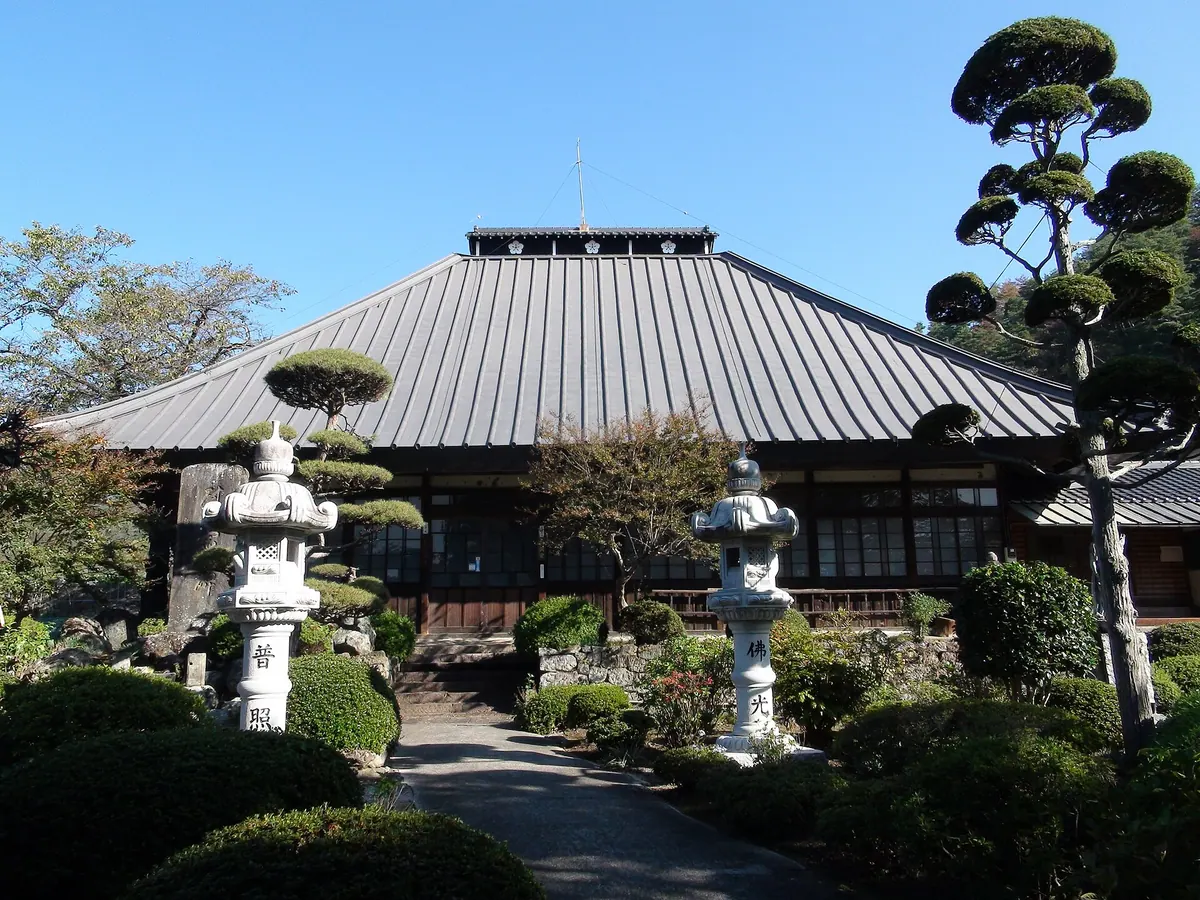
A historic Sōtō Zen temple in Kai City featuring a rare 15th-century stone pillar designated as a cultural property.
What it is
- A Sōtō Zen temple dedicated to Shakyamuni Buddha located in Kai City.
- Founded in 1475 by Obu Toramasa on the site of an earlier hermitage.
- The temple grounds were officially protected by the Tokugawa clan starting in 1583.
- Restored during the Takeda Katsuyori era by Yamagata Masamitsu.
What to see
- A 234-centimeter stone pillar designated as a Yamanashi Prefecture cultural property.
- The historic stone pillar features an inscription dating back to April 12, 1426.
- A prohibition document issued by Hiraiwa Chikayoshi in 1603 is held here.
- The temple grounds are situated on the left bank of the Kamezawa River.
03
Shokaku-ji Temple (Sutama-cho, Hokuto)
YAMANASHI · TEMPLE 正覚寺 (北杜市須玉町若神子)
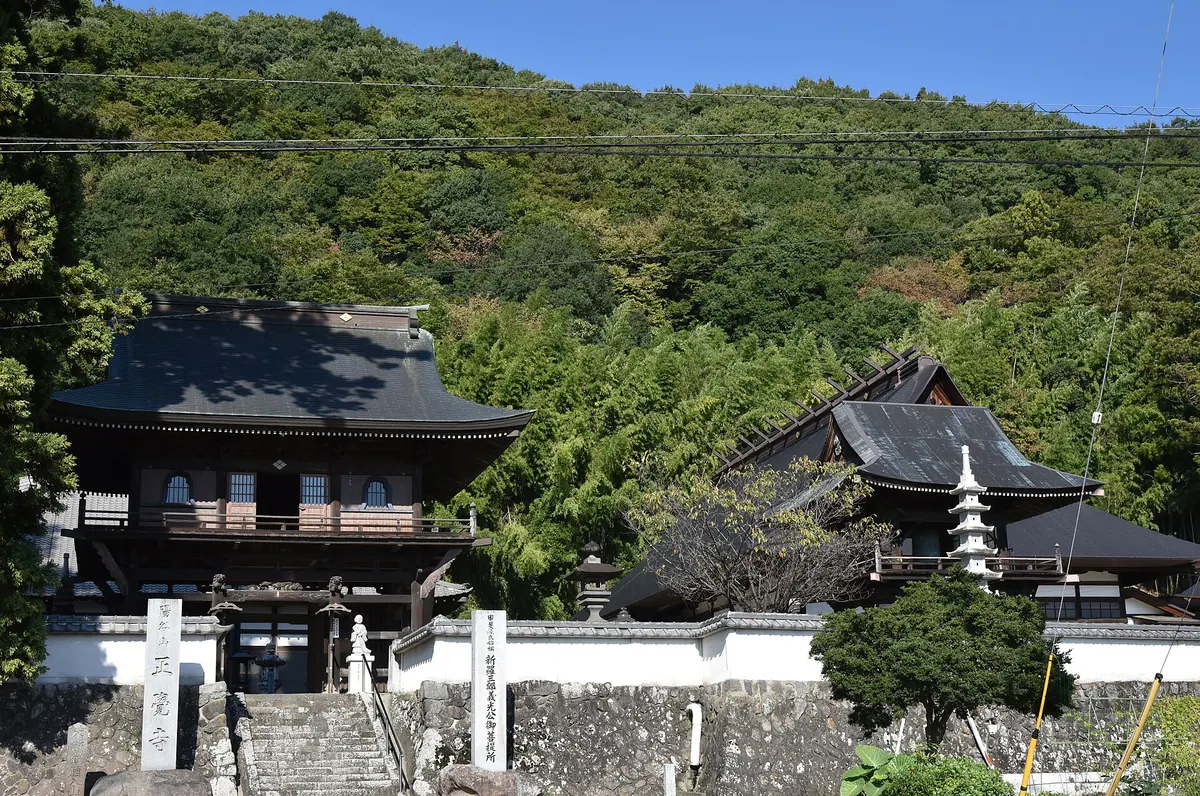
A historic Soto Zen temple founded in 1127, featuring unique miso-covered statues and artifacts from the Takeda and Tokugawa clans.
What it is
- A Soto Zen temple founded in 1127 by Minamoto no Yoshikiyo.
- The 70th site of the Kai 108 Sacred Places pilgrimage.
- A former prayer hall for the Tayasu family that moved here in 1430.
What to see
- A mountain gate housing statues of the Sixteen Arhats.
- Main hall enshrining memorial tablets of Yoshimitsu and Yoshikiyo.
- A stone Jizo statue covered in miso by local worshippers.
- Cedar doors featuring paintings by the artist Saigusa Untai.
- Palanquins decorated with the official Tokugawa family crest.
Getting there
- Located a four-minute drive from the Sutama Interchange.
04
Entaku-ji Temple
YAMANASHI · TEMPLE 塩澤寺
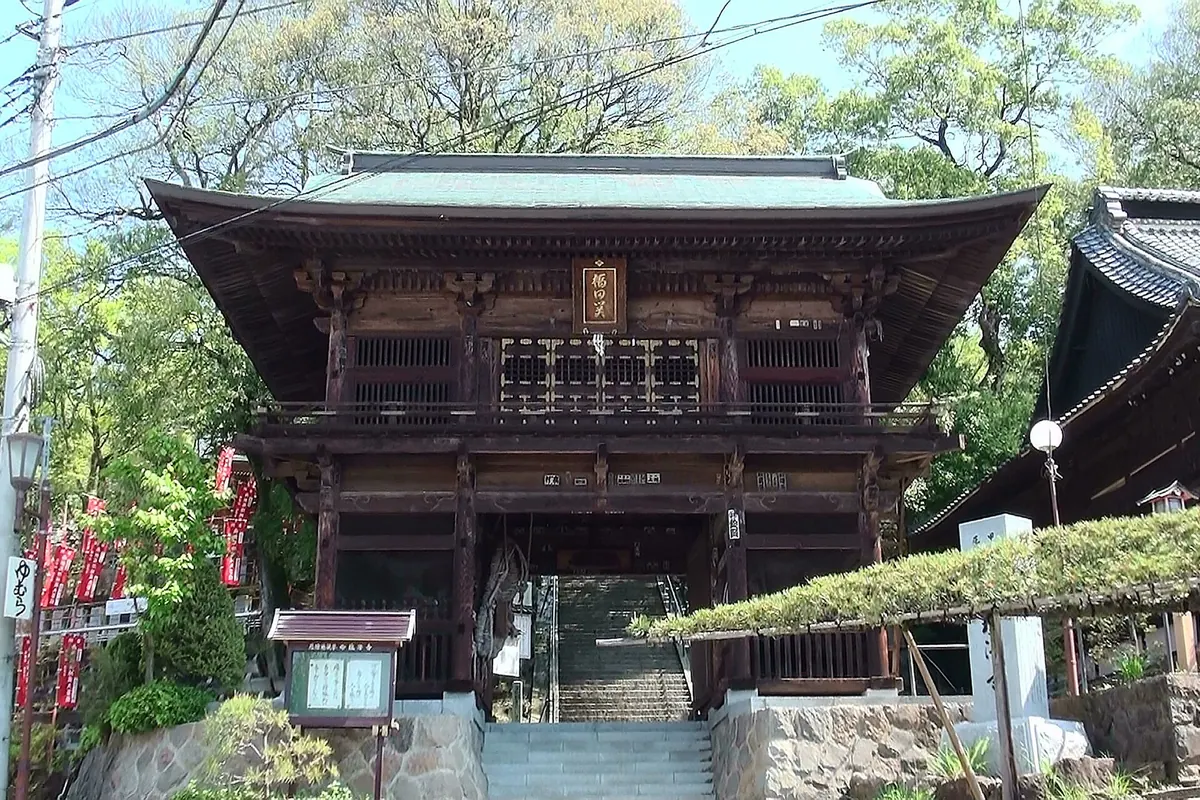
Entaku-ji Temple is an ancient temple with important cultural properties and a unique festival.
What it is
- A Shingon-shu Chizan-ha Buddhist temple.
- Founded by Kukai in 808.
- Also founded by Kuya in 955.
- Rebuilt during the Kamakura period by Rankei Doryu.
What to see
- Jizo-do Hall is a National Important Cultural Property.
- Jizo-do Hall was built in the late Muromachi period.
- Shiozawa-ji Muhoto is a Prefectural Tangible Cultural Property.
- Muhoto has an inscription from 1374.
- Shiozawa-ji no Maizuru no Matsu is a Prefectural Natural Monument.
When to go
- Yakuyoke Jizo-son Taisai festival from Feb 13 noon to Feb 14 noon.
- Address
- 山梨県甲府市湯村3-17-2 Map
05
Daizen-ji Temple
YAMANASHI · TEMPLE 大善寺
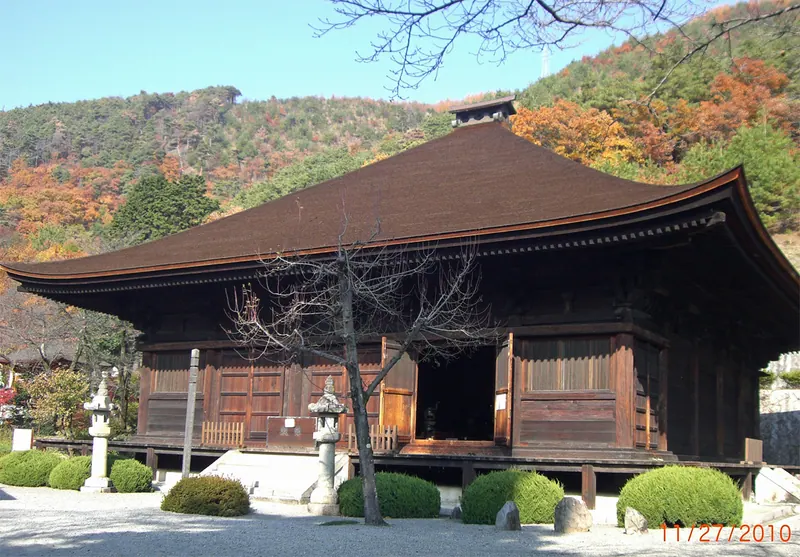
Daizen-ji Temple: a historic Buddhist temple with a National Treasure main hall and ancient statues.
What it is
- A Buddhist temple in Koshu City, Yamanashi Prefecture.
- Dedicated to the main deity Yakushi Nyorai.
- Main hall completed around 1306.
- Oldest existing building in Yamanashi Prefecture.
What to see
- Main hall, designated a National Treasure.
- Wooden statue of Yakushi Nyorai and two attendants.
- Wooden statue of the Twelve Heavenly Generals from 1227.
- Wooden statues of Nikko and Gakko Bosatsu.
- Mountain gate built in 1704.
- Japanese garden designated as a scenic spot.
When to go
- Fujikiri Festival in early May.
- Address
- 山梨県甲州市勝沼町勝沼3559 Map
- Official site
- daizenji.org
06
Saion-ji Temple
YAMANASHI · TEMPLE 最恩寺
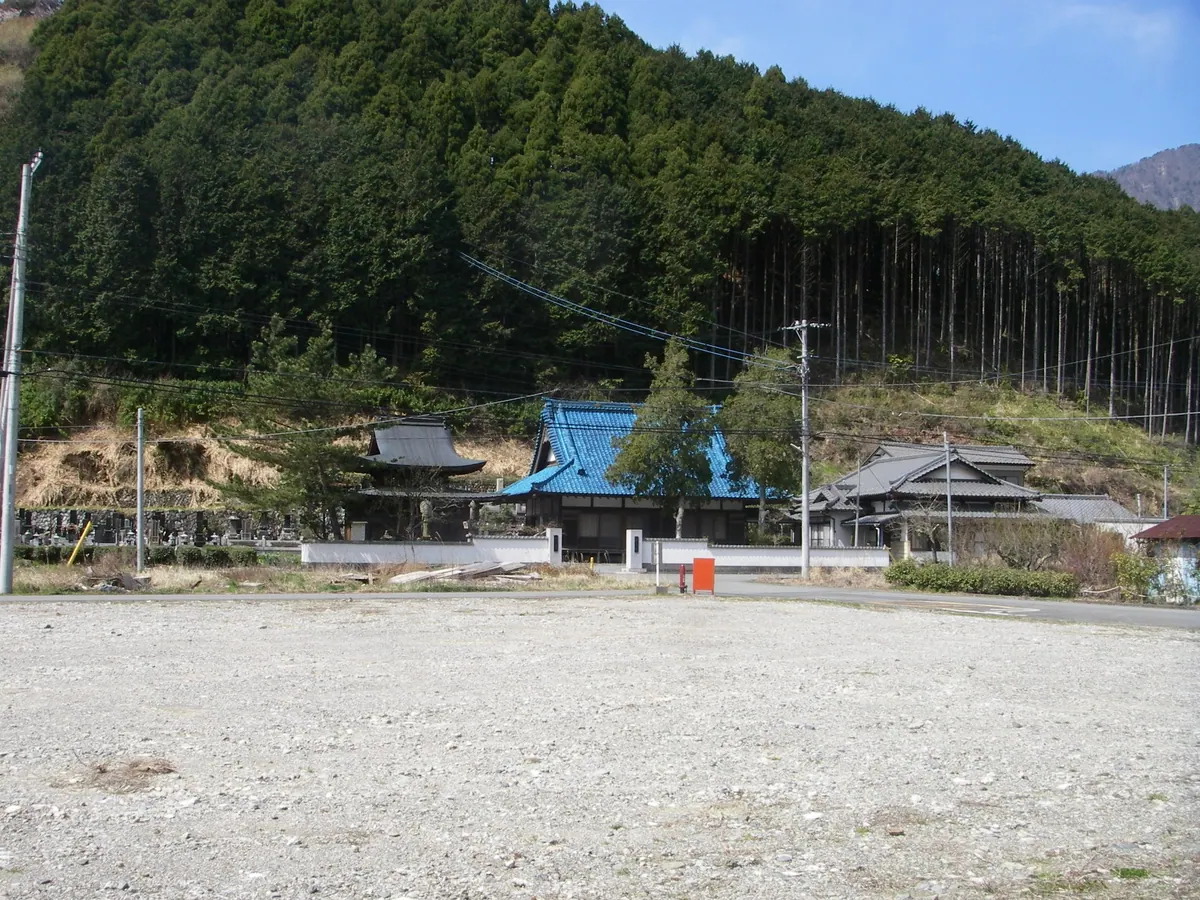
Saion-ji Temple is a historic Rinzai Zen temple with an ancient Buddha Hall.
What it is
- A Rinzai sect temple, mountain name Fukushisan.
- Main deity is Shaka Nyorai.
- Founded in the mid-Heian period as a Tendai temple.
- Re-established as a Rinzai temple in the Muromachi period.
What to see
- The Buddha Hall is an Important Cultural Property.
- It is one of the oldest Zen style structures in eastern Japan.
- The Buddha Hall dates to the early Muromachi period.
- A portrait of Anayama Katsuchiyo is a Prefectural Cultural Property.
Getting there
- 10-minute taxi ride from Ide Station.
- Address
- 山梨県南部町福士23502 Map
07
Renjō-bō Temple
YAMANASHI · TEMPLE 蓮盛坊
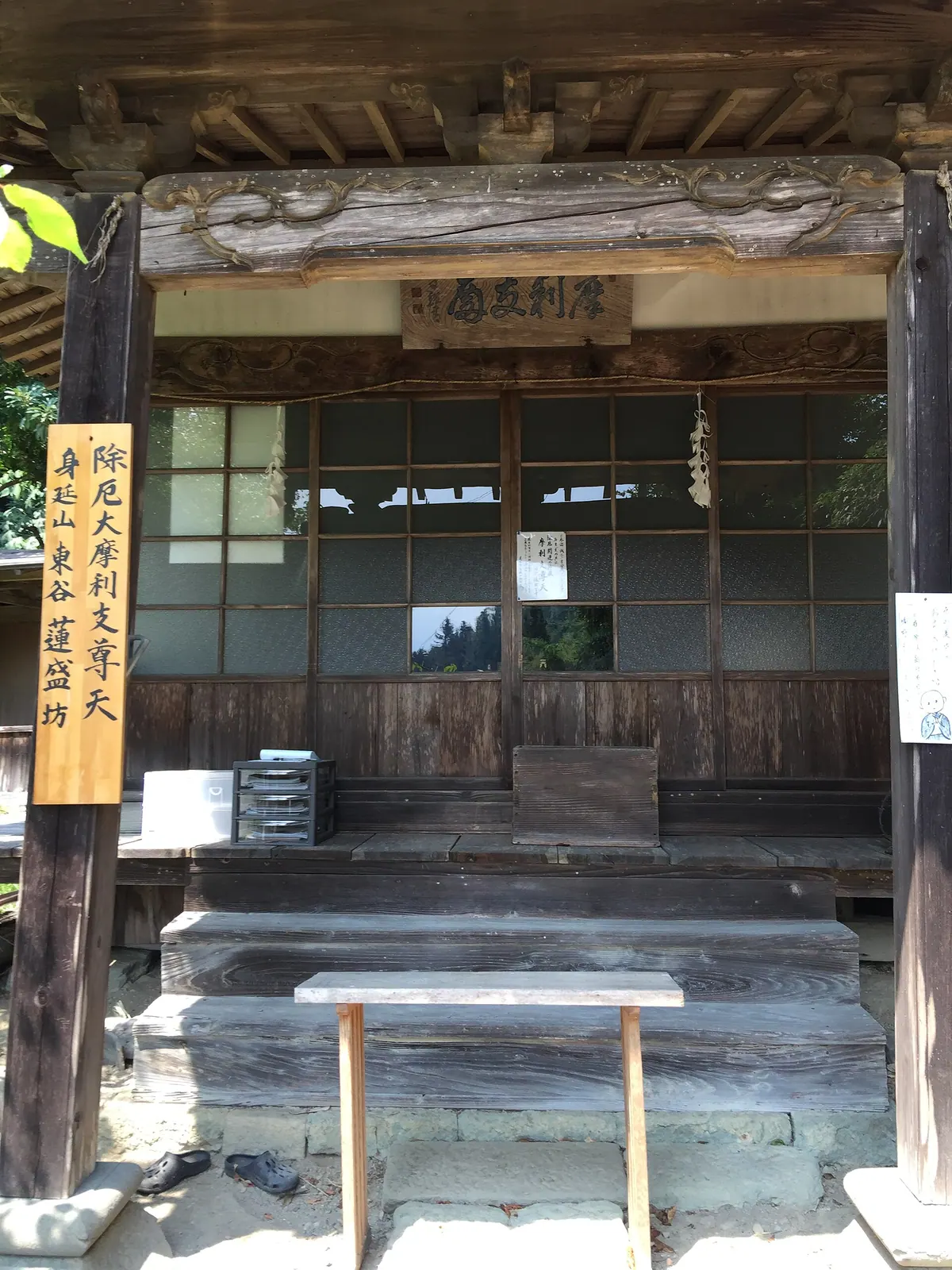
A historic Nichiren Shu sub-temple in Minobu featuring a Marishiten statue and a sacred well on former lodging grounds.
What it is
- A Nichiren Shu temple founded by the priest Nichizai in 1616.
- One of the thirty-two sub-temples belonging to the Kuon-ji temple complex.
- A site that formerly served as shukubo lodging for visiting pilgrims.
- A merged temple incorporating the former Kansho-bo and Nanen-bo sites.
What to see
- A dedicated hall housing a statue of the deity Marishiten.
- The Well of Mangyo-in located within the temple premises.
- Historical grounds currently undergoing restoration by the priest of Shimizu-bo.
08
Myōō-ji Temple
YAMANASHI · TEMPLE 明王寺
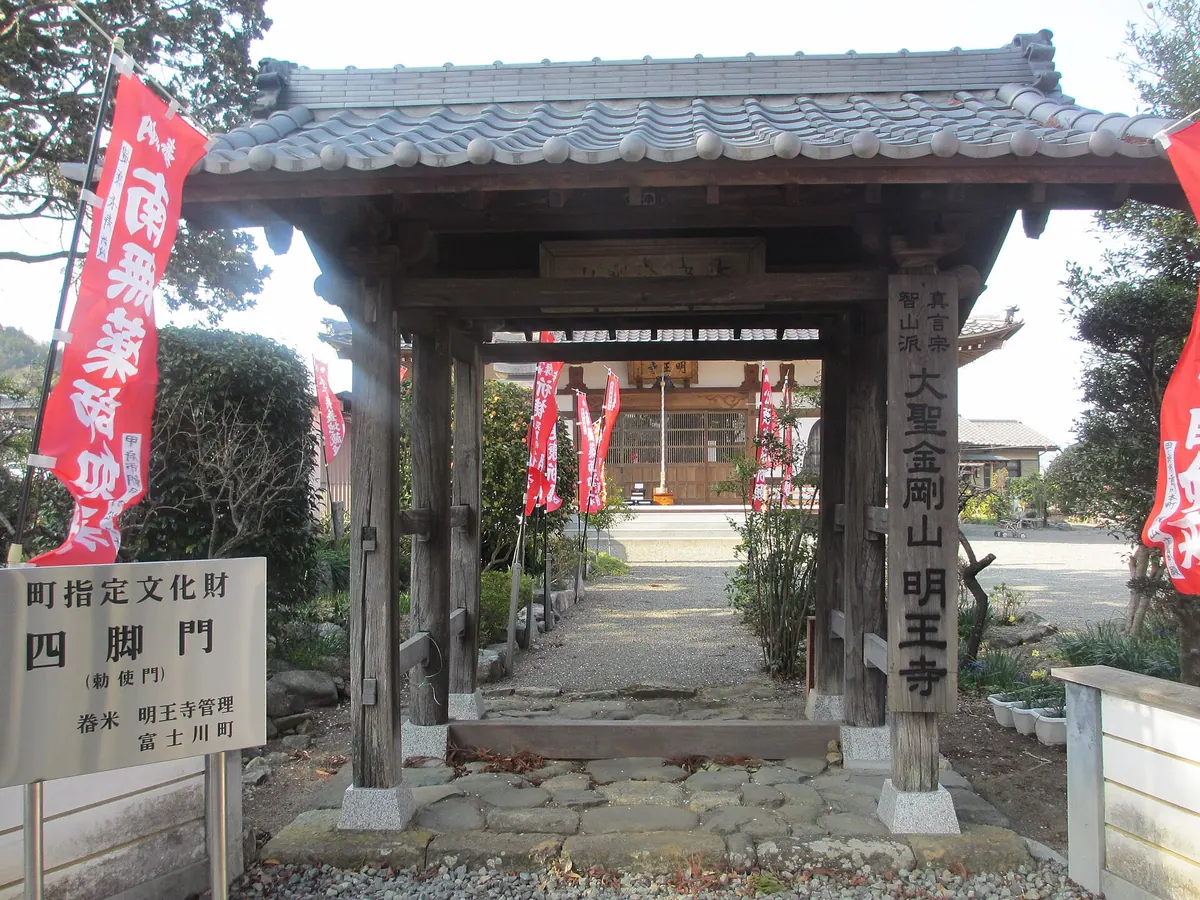
Myōō-ji Temple is a historic Buddhist temple with important cultural properties.
What it is
- A temple of the Chisan sect of Shingon Buddhism.
- Founded by Gitan Gyōen.
- Originally a Sanron sect temple, later Kegon, then Shingon.
What to see
- Wooden standing statue of Yakushi Nyorai, a National Important Cultural Property.
- A Waniguchi, a National Important Cultural Property.
- Fudō Myōō woodblock, a Prefectural Tangible Cultural Property.
- Shikyaku-mon gate, a Fujikawa Town Cultural Property.
- Many temple treasures.
Getting there
- 7-minute drive from Masuho IC.
- Address
- 山梨県南巨摩郡富士川町舂米2 Map
09
Umpō-ji Temple
YAMANASHI · TEMPLE 雲峰寺
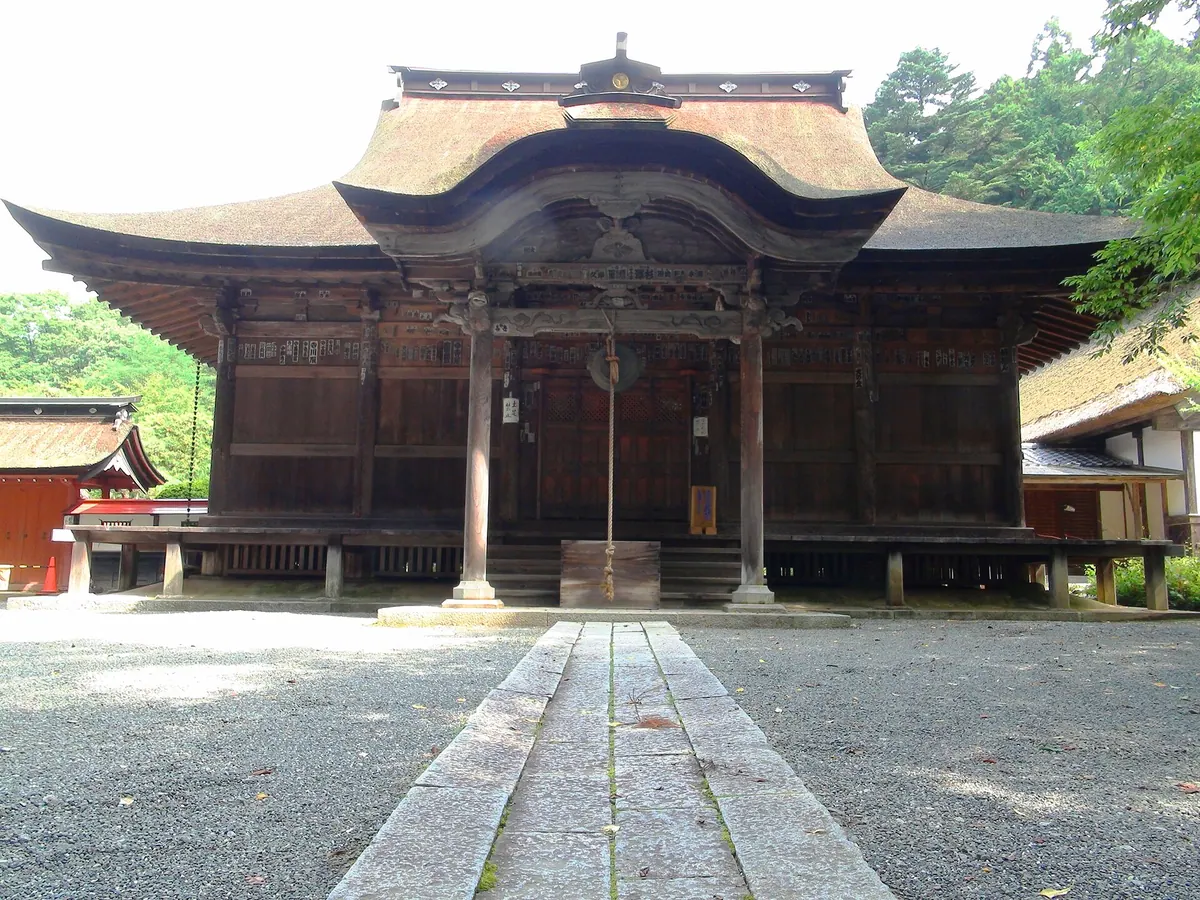
Ancient Zen temple with Takeda clan ties, preserving important cultural properties.
What it is
- Zen Buddhist temple of the Myoshin-ji branch.
- Founded in 745 by Gyoki.
- Main deity is an Eleven-faced Kannon statue.
- Served as a prayer temple for the Takeda clan.
What to see
- Main hall built in the late Muromachi period.
- Main hall is a national Important Cultural Property.
- Kuri, Shoin, and Nio-mon are national Important Cultural Properties.
- Six preserved war banners of the Takeda clan.
Getting there
- 5-minute walk from Daibosatsu Tozanguchi bus stop.
- Address
- 山梨県甲州市塩山上萩原2678 Map
10
Kōgaku-ji Temple
YAMANASHI · TEMPLE 向嶽寺
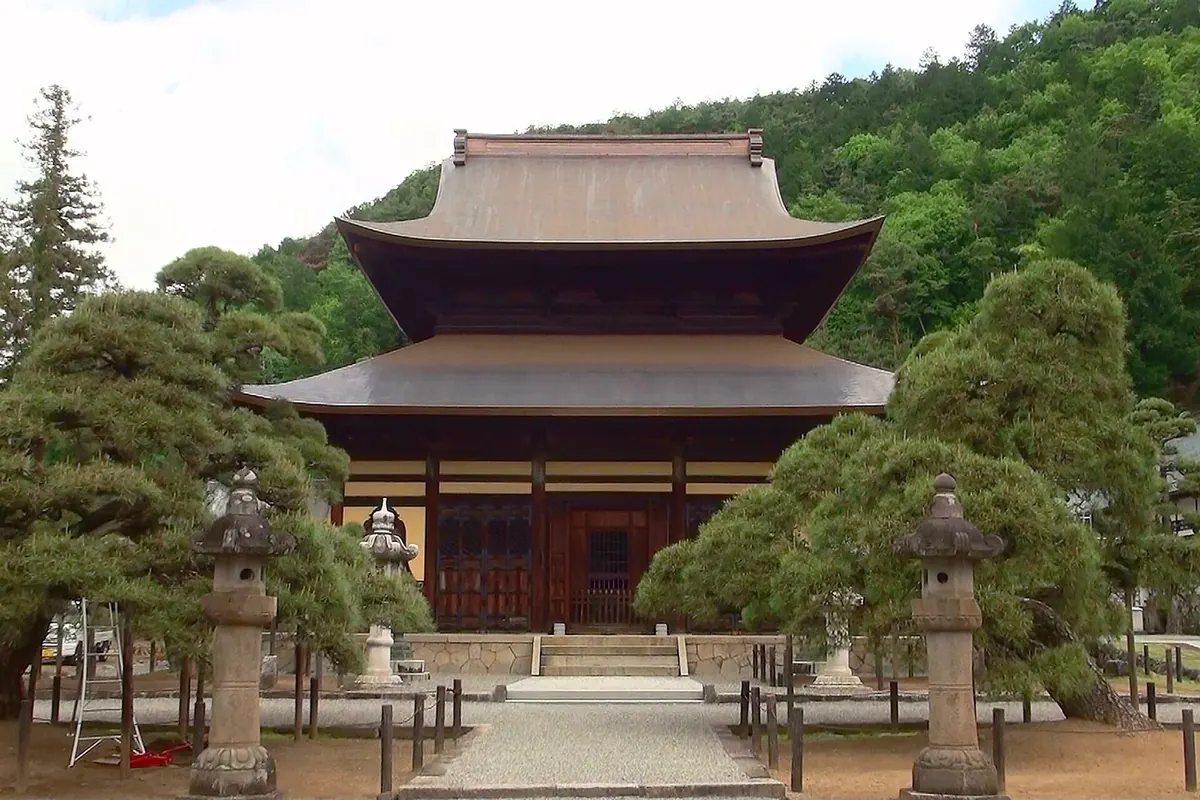
Zen temple founded in 1378, home to national treasures and a scenic garden.
What it is
- Zen temple in Koshu City, Yamanashi Prefecture.
- Head temple of the Rinzai sect Kōgaku-ji school.
- Founded in 1378 by Bassui Tokushō.
- Became an imperial temple for Emperor Go-Kameyama.
What to see
- Hanging Scroll of Daruma, a National Treasure.
- Chumon (middle gate), an Important Cultural Property.
- Nationally designated scenic garden.
- Garden restored based on excavation findings.
- Principal image is Shaka Nyorai.
- Many printing blocks, including Bassui's teachings.
- Address
- 山梨県甲州市塩山上於曽2026 Map
11
Fukkōon-ji Temple
YAMANASHI · TEMPLE 福光園寺
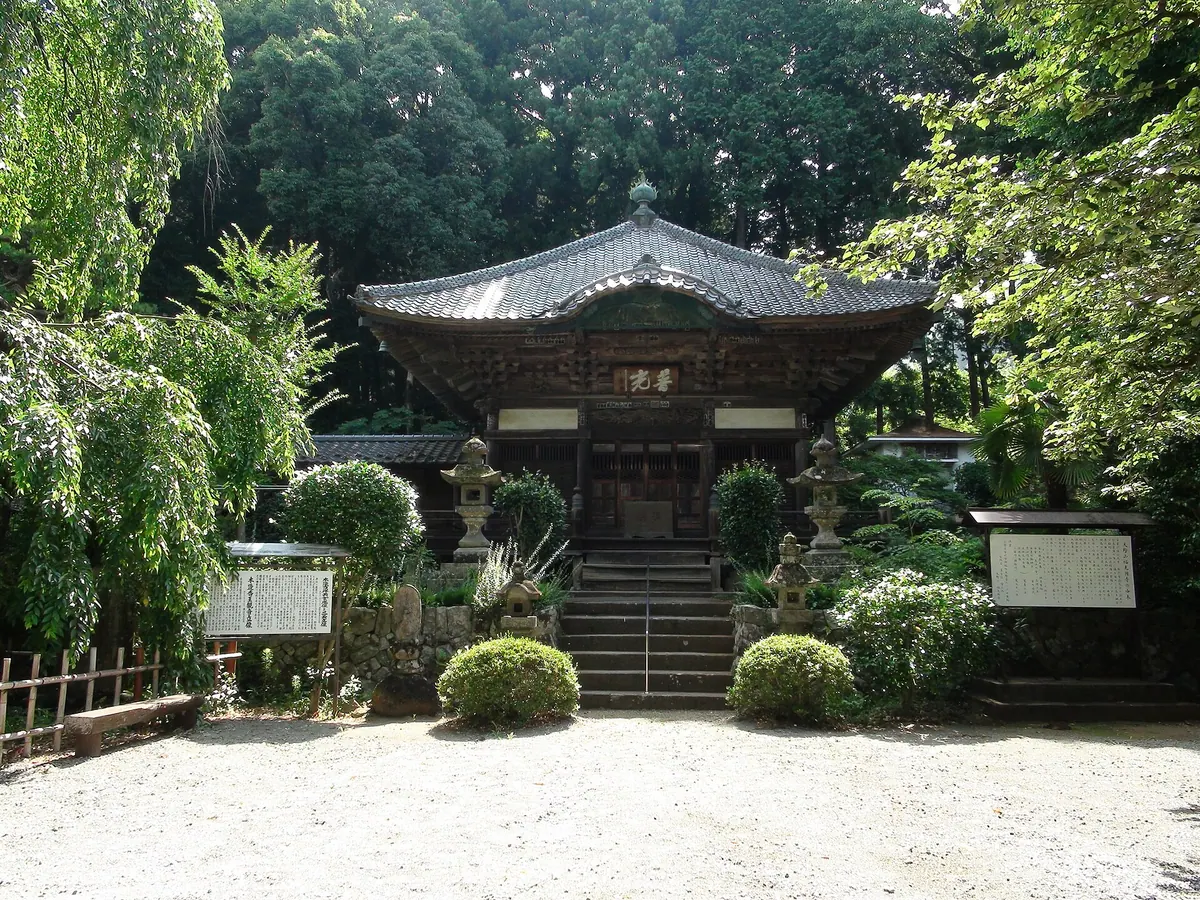
This historic temple, re-established in 1157, houses important wooden statues and offers orchard views.
What it is
- A temple of the Chisan sect of Shingon Buddhism.
- Re-established in 1157 by Ōno Shigekane.
- Dedicated to the main deity Fudō Myōō.
- Associated with the legend of Kai no Kurokoma.
What to see
- Wooden statue of Kisshōten and Two Devas.
- Statue created in 1231 by sculptor Renkei.
- Statues made of cypress wood, yosegi-zukuri technique.
- Temple situated on a slope surrounded by fruit orchards.
When to go
- Open daily from 9 AM to 5 PM.
- Address
- 山梨県笛吹市御坂町大野寺2027 Map
12
Ryūun-ji Temple
YAMANASHI · TEMPLE 龍雲寺
Ryūun-ji is a historic Sōtō Zen temple with imperial and samurai family treasures.
What it is
- It is a Sōtō Zen temple.
- Founded in 1111 at its present location.
- Converted to Sōtō Zen in 1506 by Anayama Nobutsuna.
- It is a branch temple of Daizen-ji in Kofu City.
What to see
- An Eleven-faced Kannon Bosatsu statue is the main image.
- The statue contains relics of Empress Kōmyō.
- Current temple buildings were rebuilt in 1781.
- Treasures from the Imperial family are held here.
- Treasures from the Takeda and Tokugawa families are also held here.
- Address
- 山梨県南巨摩郡身延町 Map
13
Naisen-ji Temple
YAMANASHI · TEMPLE 内船寺
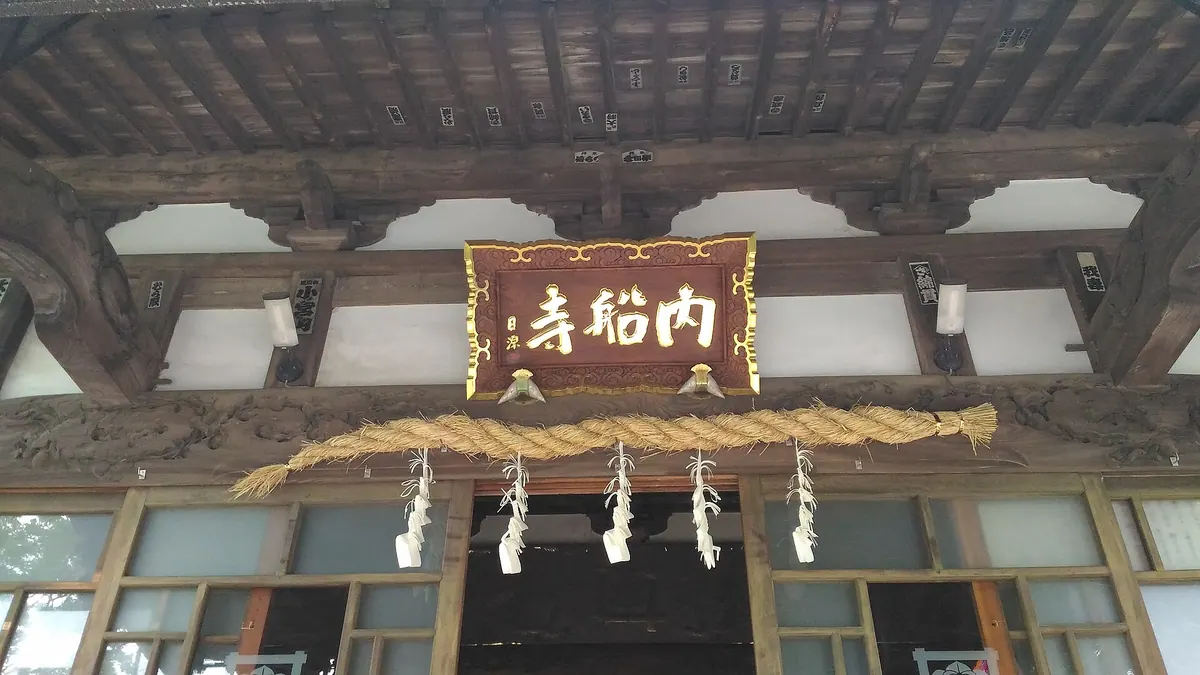
Naisen-ji Temple is a historic Nichiren-shu Buddhist temple with unique treasures and graves.
What it is
- A Nichiren-shu Buddhist temple.
- Founded in 1277 as a private Buddhist chapel.
- Shijo Kingo Yorimoto founded the temple.
What to see
- Graves of the founding couple behind the main hall.
- Main hall and priest's living quarters, rebuilt in 1855.
- Small bronze bell with traditional Chinese medicine recipes.
Getting there
- 15-minute walk from Uchibuna Station on the Minobu Line.
- 5-minute drive from Uchibuna Station on the Minobu Line.
- Address
- 山梨県南巨摩郡南部町内船3599 Map
14
Chōkoku-ji Temple
YAMANASHI · TEMPLE 長谷寺
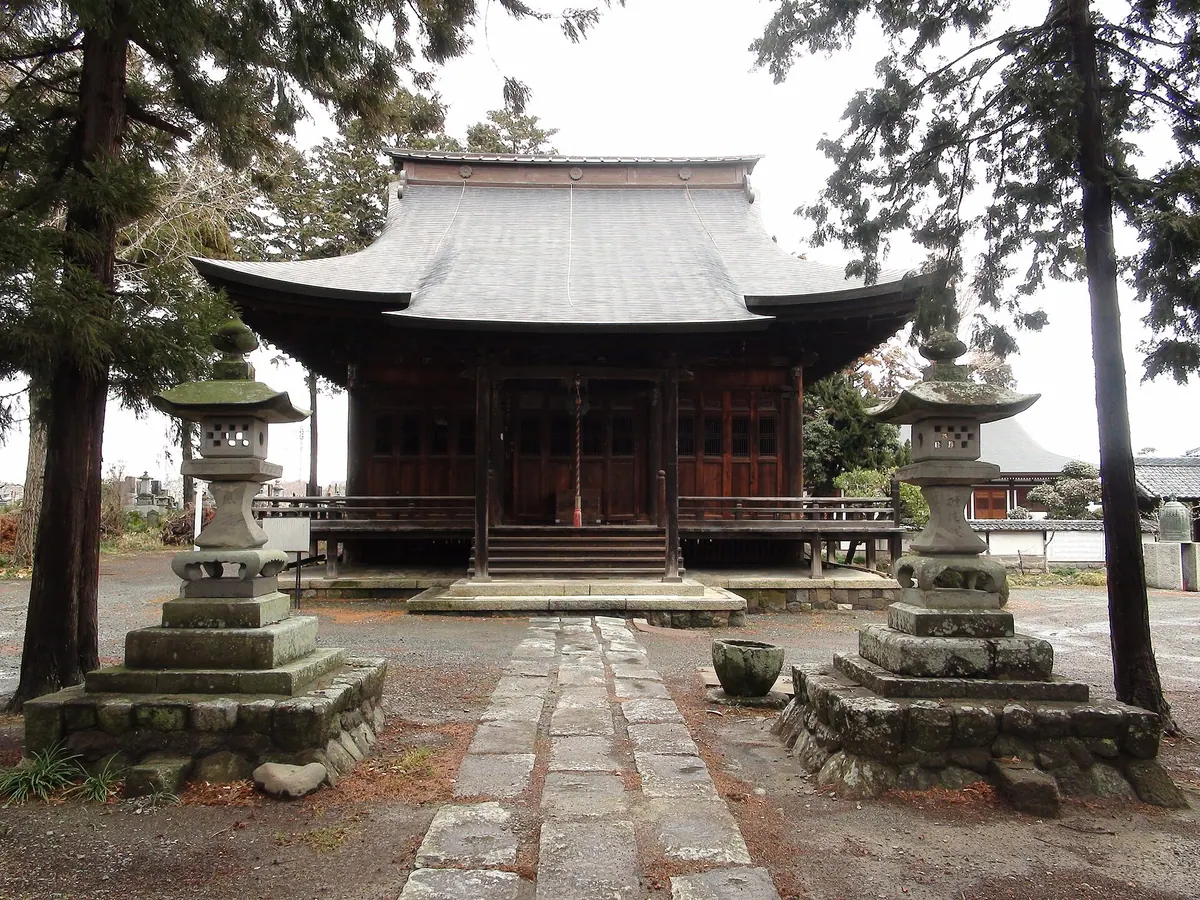
Ancient temple with a hidden Kannon statue, a significant cultural property.
What it is
- A Shingon-shu Chizan-ha temple.
- Founded in the Tenpyo era (729-749) by Gyoki.
- Dedicated to the Eleven-faced Kannon.
- The 80th sacred site of Kai Hyakuhachi Reijo.
What to see
- The main hall, a nationally Important Cultural Property.
- A wooden Eleven-faced Kannon statue, a hidden Buddha.
- The Kannon statue is a Prefectural Tangible Cultural Property.
When to go
- The Kannon statue is shown to the public every 33 years.
- Address
- 山梨県南アルプス市榎原442 Map
15
Shōgan-ji Temple
YAMANASHI · TEMPLE 称願寺
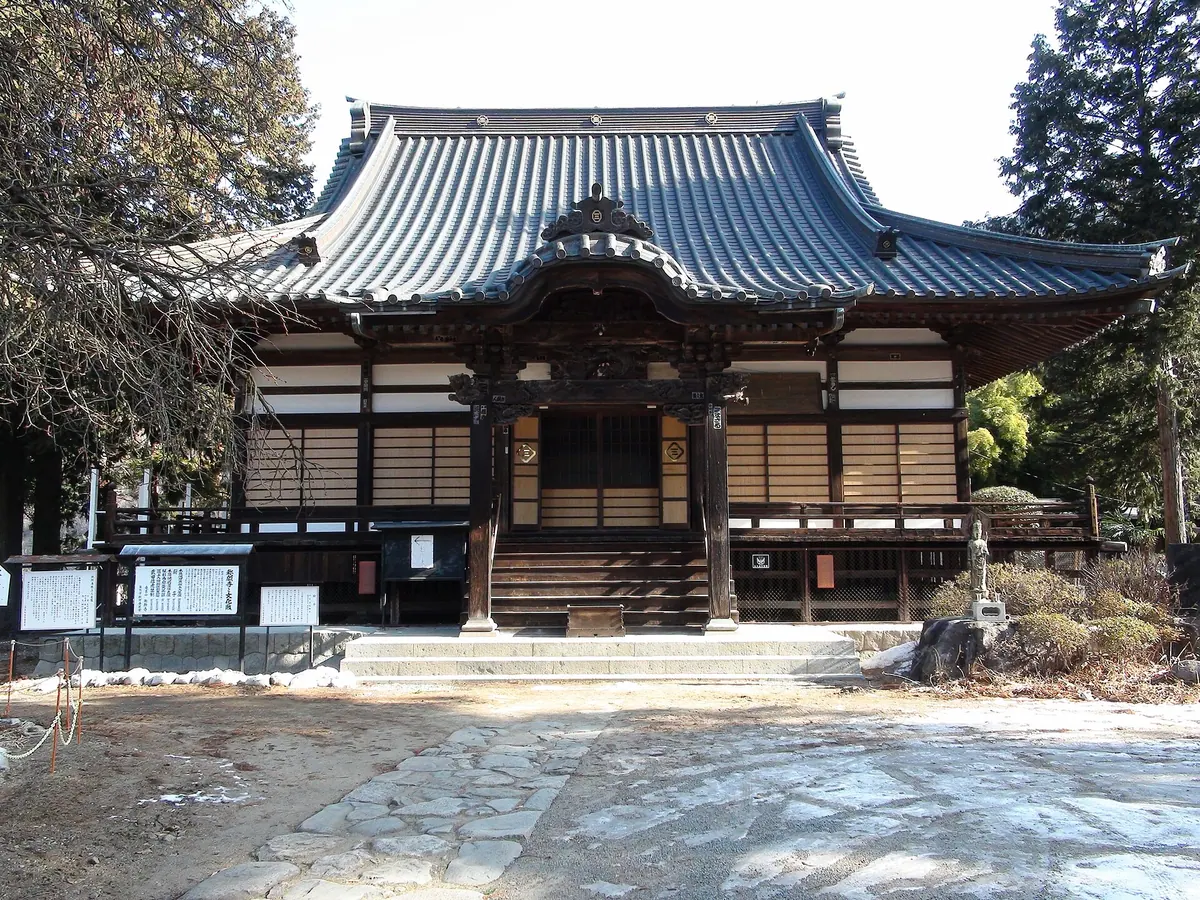
Shōgan-ji Temple is a historic Buddhist temple with important cultural properties.
What it is
- Buddhist temple of the Jishu sect.
- Founded in 1292 by Ta-A Shinkyo.
- 34th temple of the Kai Hyakuhachi Reijo.
- Located in Fuefuki City, Yamanashi Prefecture.
What to see
- Wooden seated statue of Ta-A Shinkyo, 14th century.
- Statue is a nationally designated Important Cultural Property.
- Cherry tree is a Yamanashi Prefectural Natural Monument.
- Grave of Kuromasa Katsuzo is on the grounds.
- Document from Takeda Nobutora dated 1529 remains.
- Address
- 山梨県笛吹市御坂町上黒駒2964番地 Map
16
Myōrakuji-temple
YAMANASHI · TEMPLE 妙楽寺
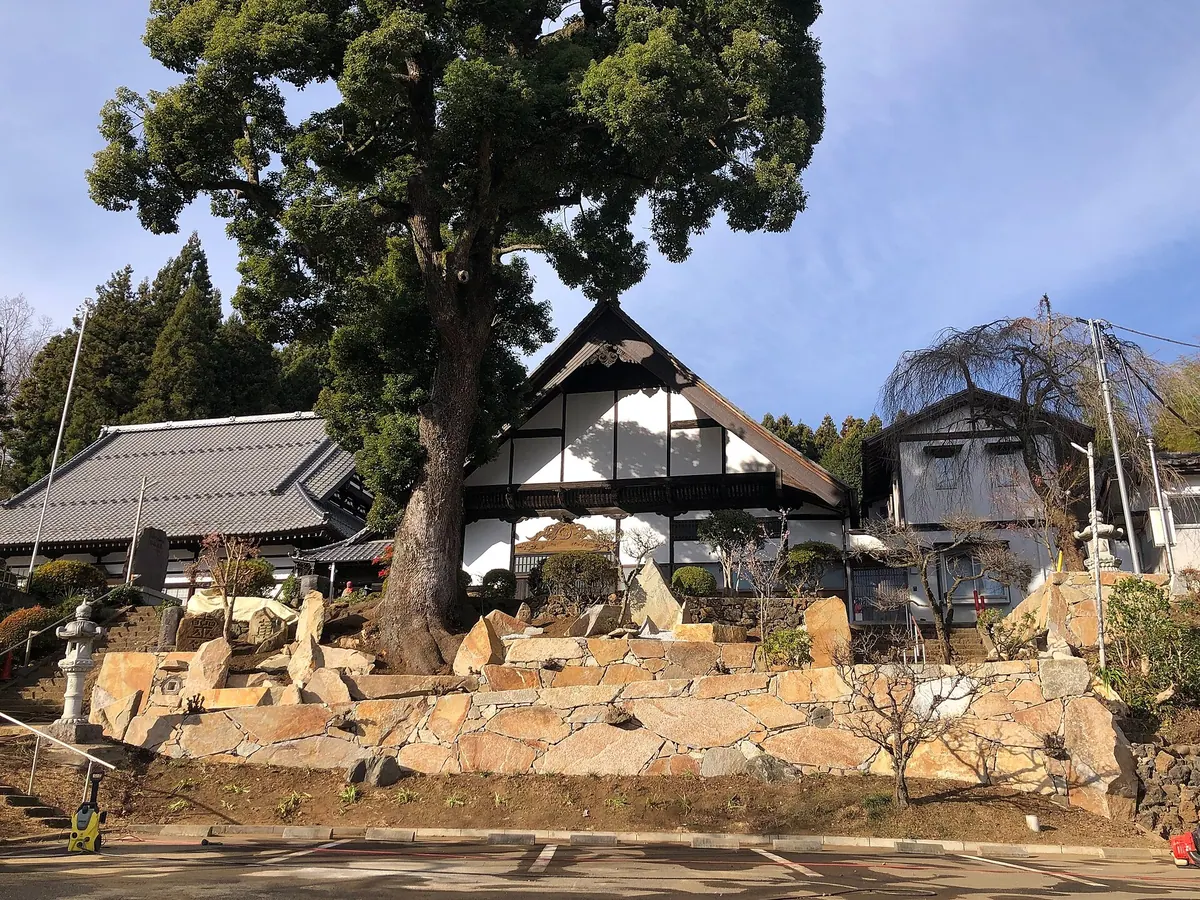
A 14th-century Rinzai Zen temple in Otsuki City dedicated to Shaka Nyorai with historic 18th and 19th-century architecture.
What it is
- A Rinzai Zen temple belonging to the Kenchoji branch established in 1346
- The main deity enshrined here is Shaka Nyorai
- Founded by Jikusen Bonsen and originally built on Mount Tokuzou
- The name originates from a traditional Buddhist incense prayer
What to see
- The main hall which was constructed around 1813
- Historic priest quarters built in 1799
- Architecture that survived after the site was destroyed by fire three times
- Official site
- sites.google.com
17
Sontai-ji Temple
YAMANASHI · TEMPLE 尊躰寺
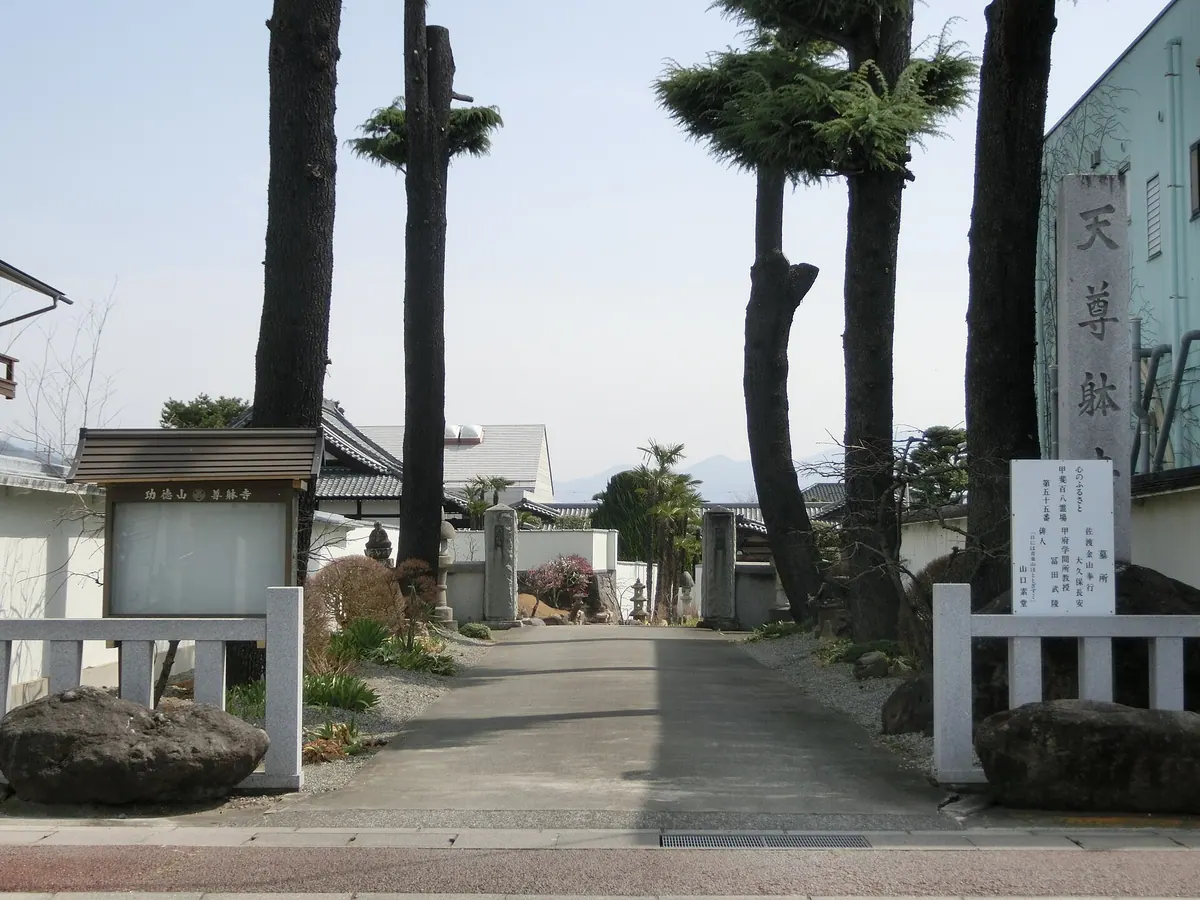
Sontai-ji is a historic Jodo-shu temple with imperial connections and notable graves.
What it is
- A Jodo-shu Buddhist temple.
- Founded by Takeda Nobutora.
- Received an imperial plaque in 1533.
- Tokugawa Ieyasu used it as lodging.
What to see
- Main image originally from the imperial court.
- Grave of Okubo Nagayasu in the cemetery.
- Grave of Tomita Buryo in the cemetery.
- Grave of Yamaguchi Sodo in the cemetery.
- A silk scroll is a city cultural property.
Getting there
- 6-minute walk from Kanete Station.
- Address
- 山梨県甲府市城東1-13-17 Map
18
Shinzō-in Temple
YAMANASHI · TEMPLE 真蔵院
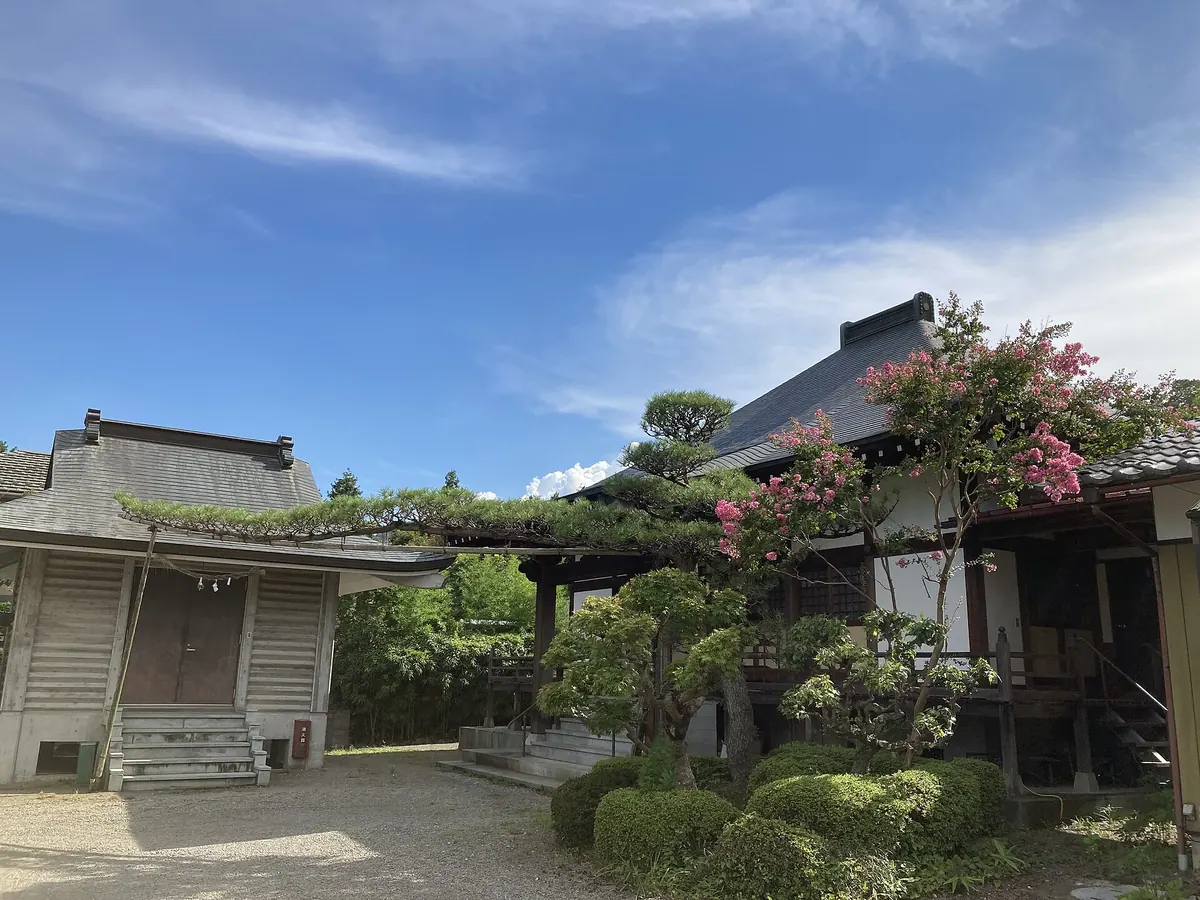
Shinzoin is a historic Buddhist temple housing significant 16th-century wooden statues, easily accessible from Otsuki Station.
What it is
- A temple of the Chisan sect of Shingon Buddhism.
- Its mountain name is Iwadono-san.
- Revived in 1645 by Kenko Hoin.
- Principal image is Senju Kannon Bosatsu.
What to see
- Nanasha Gongen standing statues.
- Statues made in the 16th century.
- Carved from a single cypress tree.
- Statues average 2 meters in height.
- Statues are a Prefectural Cultural Property.
Getting there
- 26-minute walk from Otsuki Station.
- Address
- 山梨県大月市賑岡町岩殿160 Map
19
Hōkō-ji Temple
YAMANASHI · TEMPLE 放光寺
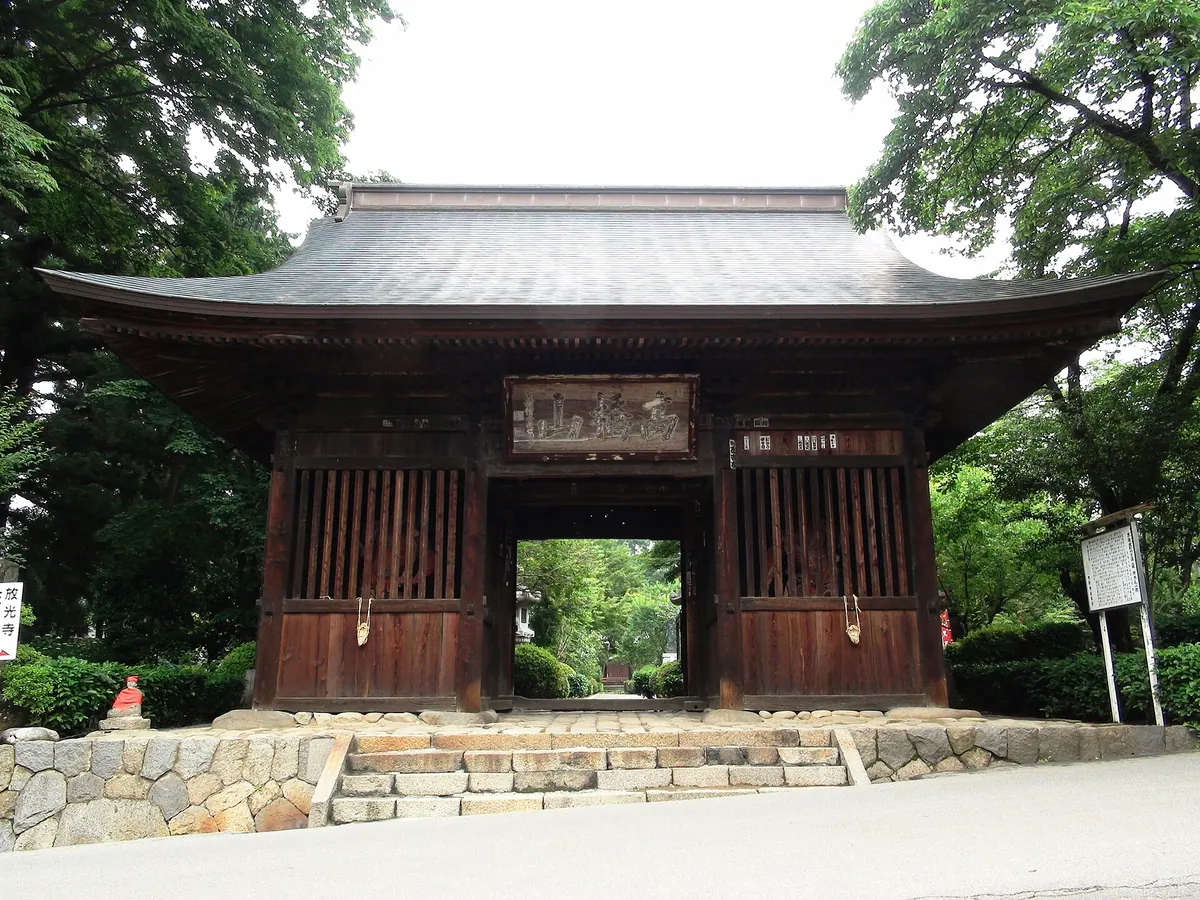
Hōkō-ji Temple is a historic Buddhist temple with important statues, worth visiting for its cultural heritage.
What it is
- A temple of the Chisan sect of Shingon Buddhism.
- Dedicated to the Dainichi Nyorai of the Vajradhatu.
- Became the family temple of Yasuda Yoshisada.
- Predecessor was a Tendai sect temple, moved in 1184.
What to see
- A wooden seated statue of Dainichi Nyorai.
- A wooden standing statue of Fudo Myoo from the Heian period.
- A wooden seated statue of Aizen Myoo from the Heian period.
- The main hall, rebuilt during the Kanbun era.
- Address
- 山梨県甲州市塩山藤木2438 Map
20
Kochōzen-ji Temple
YAMANASHI · TEMPLE 古長禅寺
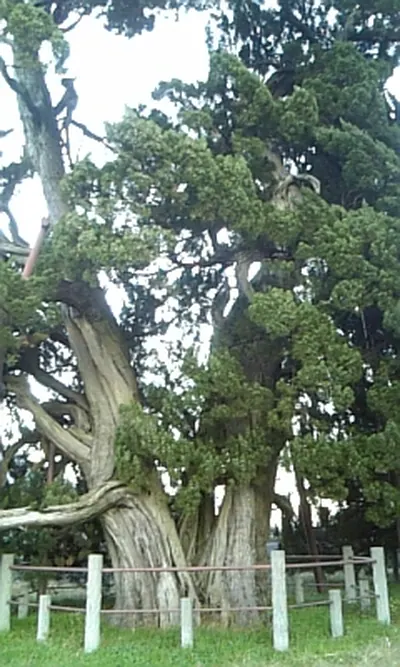
A historic Rinzai temple with ancient roots, a unique juniper, and important cultural properties.
What it is
- A Rinzai sect Myōshin-ji school temple.
- Predecessor of Chōzen-ji Temple in Kofu City.
- Renamed Kochōzen-ji after a split in 1552.
- Principal image is Shaka Nyorai.
What to see
- Wooden seated statue of Musō Soseki, an Important Cultural Property.
- Nationally designated natural monument: a juniper tree.
- Temple grounds are on the former site of Saikō-ji Temple.
- Artifacts from the Kofun period found during excavations.
- Address
- 山梨県南アルプス市鮎沢505 Map