

20 Temples in Hiroshima worth your time
Japan Gems
Hiroshima Prefecture has 65 temples, including Bingo Kokubun-ji Temple and Enryū-ji Temple. Visitors can find a mix of historic and active temples across the prefecture.
Hiroshima has 68 temples on Japan Gems. Below are the 20 we can tell you the most about — each one written up in English from Japanese sources, with what to see and how to get there. See all temples in Hiroshima.
01
Saigō-ji Temple
HIROSHIMA · TEMPLE 西郷寺
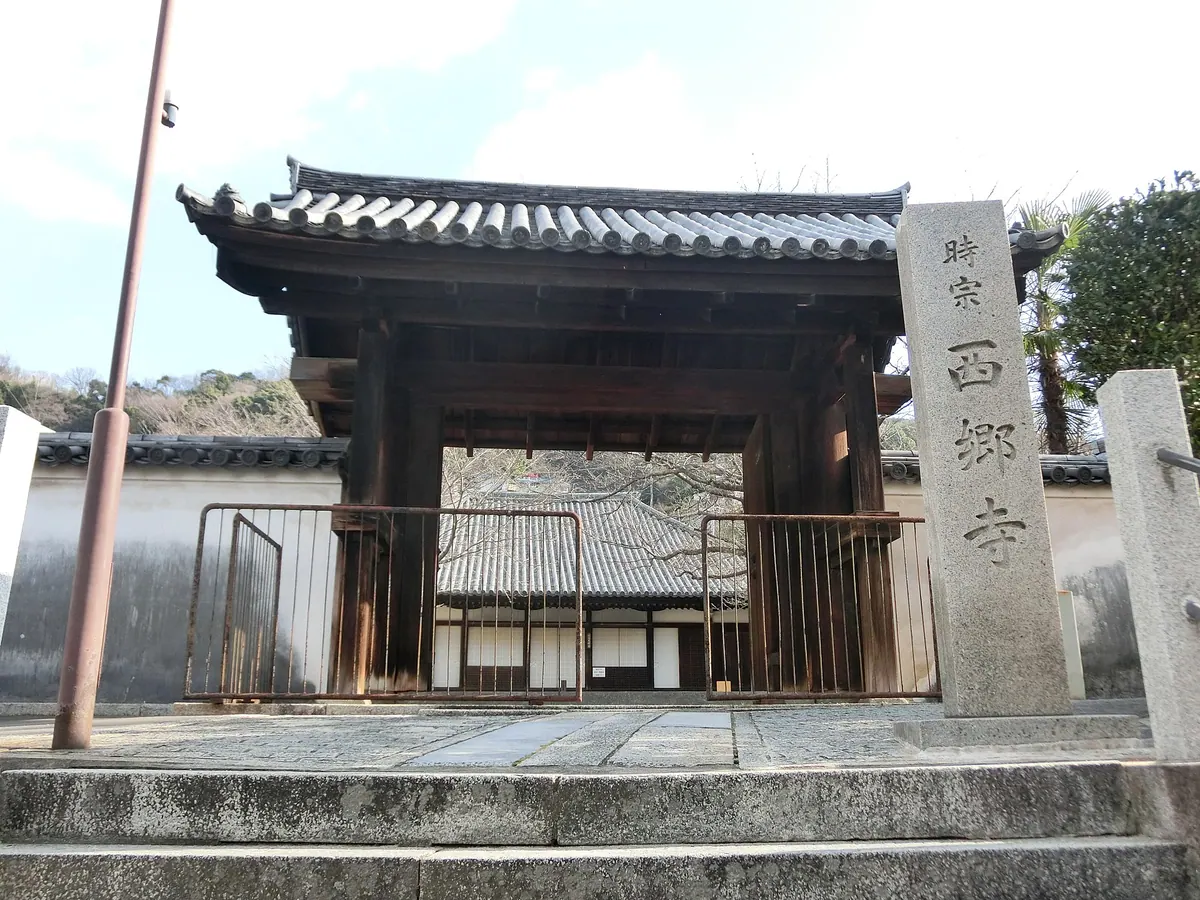
A historic Ji sect Buddhist temple in Onomichi featuring the oldest existing structures of its kind and a crying dragon ceiling.
What it is
- A Buddhist temple belonging to the Ji sect located in Onomichi.
- Founded between 1332 and 1333 by the monk Taa Icchin.
- The main hall and gate are designated as National Important Cultural Properties.
- The structures are recognized as the oldest existing buildings of the Ji sect.
What to see
- The main hall which was originally constructed in 1353.
- A mountain gate dating back to the Joji era.
- A crying dragon painting located on the ceiling of the main hall.
- Historic architecture that is part of the Japan Heritage designation.
Getting there
- Take a bus from Onomichi Station to the Bojiguchi bus stop.
- The temple is a five minute walk from the Bojiguchi bus stop.
02
Mitaki-dera Temple
HIROSHIMA · TEMPLE 三瀧寺
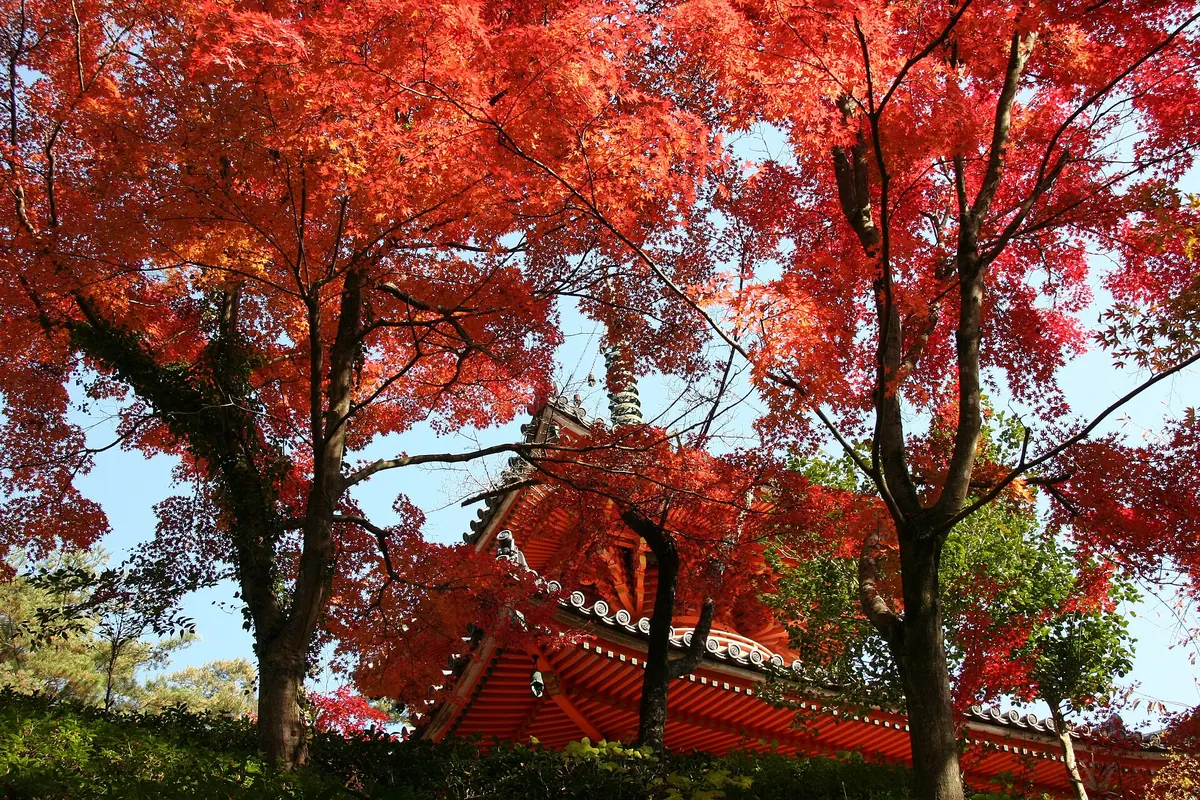
This mountain temple offers ancient statues and beautiful autumn leaves or spring cherry blossoms.
What it is
- Temple in the mountains overlooking Hiroshima.
- Officially founded in the ninth century.
- Traces its history back to the Nara period (710–794).
- Dedicated to Kannon, bodhisattva of compassion.
What to see
- Hundreds of stone Buddha statues, some from Kamakura period.
- Many boat-shaped Buddha statues, 88 dedicated to Shikoku temples.
- Eclectic array of 10 wooden buildings.
- Main hall dedicated to Kannon, rebuilt in 1968.
- Ancient stone altar carved into the rock face.
When to go
- Popular in autumn for red leaves.
- Popular in spring during cherry blossom season.
- Open 8 a.m. to 5:30 p.m. daily.
- Closes at 5 p.m. in winter.
- Address
- 広島市西区三滝山411 Map
03
Ryuge-ji Temple
HIROSHIMA · TEMPLE 龍華寺 (世羅町)
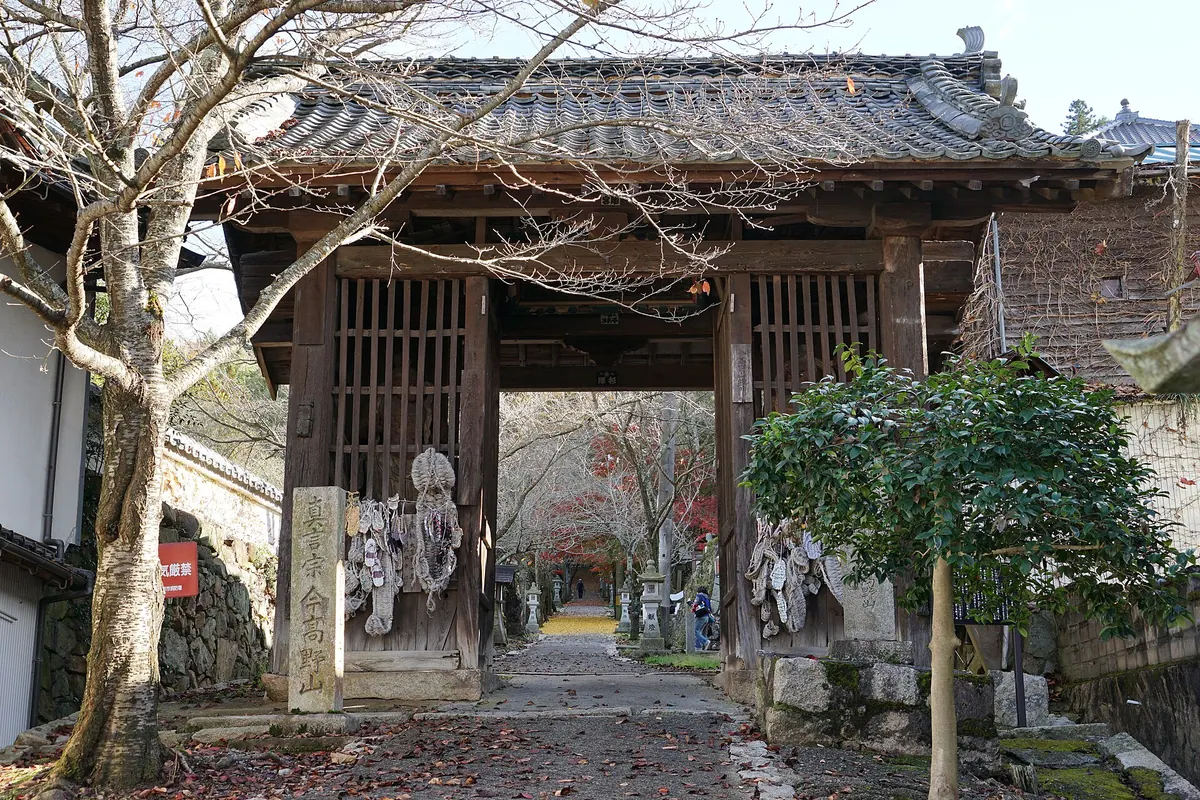
Ryuge-ji Temple is a historic Shingon Buddhist temple founded by Kukai, offering important cultural properties.
What it is
- Special head temple of the Shingon-shu Daigo-ha sect.
- Founded by Kukai, a prominent Buddhist monk.
- Flourished as a mandokoro temple in the Kamakura period.
- 29th fudasho of the Setouchi 33 Kannon Pilgrimage.
What to see
- Wooden Eleven-faced Kannon statue, a National Important Cultural Property.
- Ima Koya-san Somon, a Prefectural Designated Cultural Property.
- Awashima Shrine Torii, a Prefectural Designated Cultural Property.
- Kekkai-seki, a Prefectural Designated Cultural Property.
- Two remaining sub-temples: Anraku-in and Fukuchi-in.
04
Assumption of Mary Cathedral, Hiroshima
HIROSHIMA · TEMPLE 世界平和記念聖堂
This modern cathedral commemorates war victims and promotes peace, featuring a unique blend of Japanese and Western design.
What it is
- Memorial Cathedral for World Peace, completed 1954.
- Designated Important Cultural Property.
- Venue for people of all beliefs to pray for world peace.
- Place of worship for Catholics.
What to see
- Modern architecture with Japanese symbolism and Western elements.
- Japanese-inspired bridge outside.
- Tall wooden gate, inspired by Shinto torii gates.
- Phoenix on the roof instead of a cross.
- Lamps shaped like lotus flowers inside.
- Windows with bamboo, pine, and ume plum motifs.
When to go
- Completed on August 6.
05
Sanshō-ji Temple
HIROSHIMA · TEMPLE 三勝寺
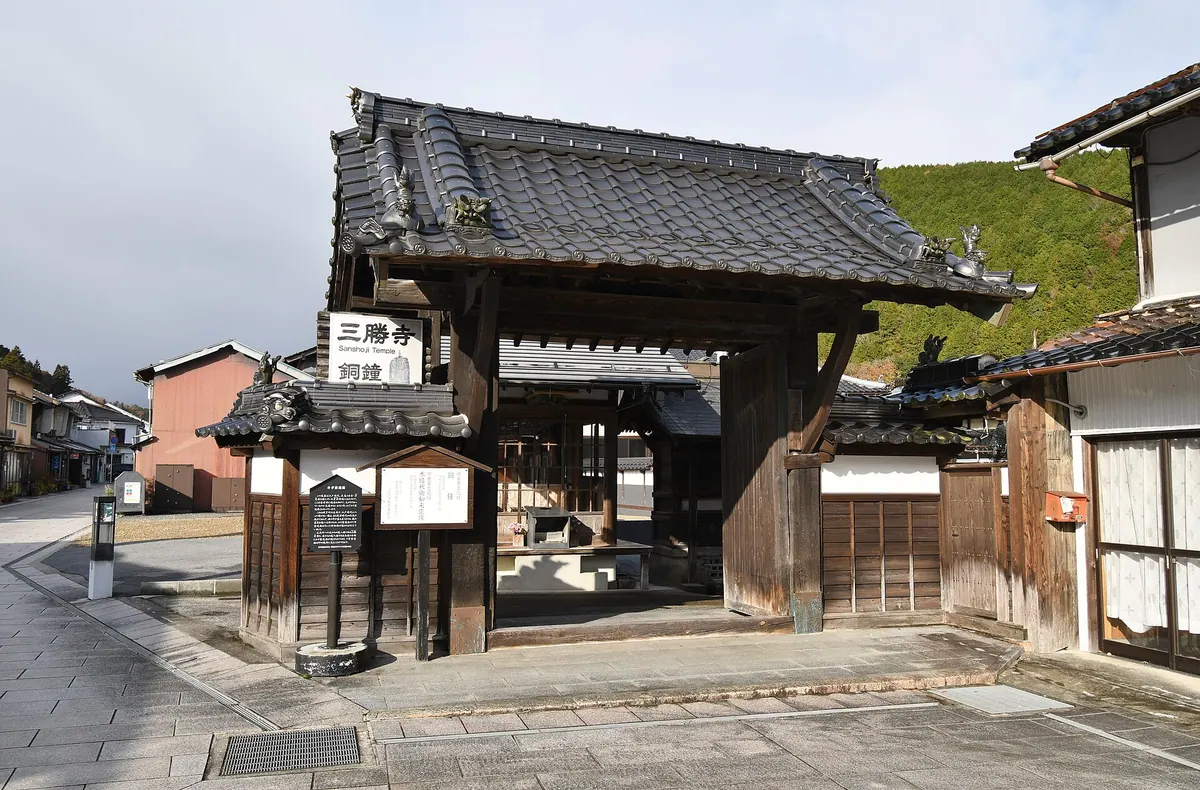
Sanshoji Temple is a historic Jodo sect temple with important cultural properties.
What it is
- A Jodo sect Buddhist temple.
- Founded between 1532 and 1555.
- Matsuo Nagato-no-kami Sansho founded it.
- Moved to its current site between 1596 and 1615.
What to see
- Main image is Amida Nyorai.
- Bronze bell is a prefectural cultural property.
- Bell is 87.5 cm tall, 49.5 cm in diameter.
- Bell has inscriptions from 1376 and 1487.
- Shaka Nyorai seated statue is a temple treasure.
- Statue dates from late Kamakura to early Muromachi period.
Getting there
- 10 minutes by bus from Miyoshi Station.
- Address
- 広島県三次市三次町1157 Map
06
Daigan-ji Temple
HIROSHIMA · TEMPLE 大願寺
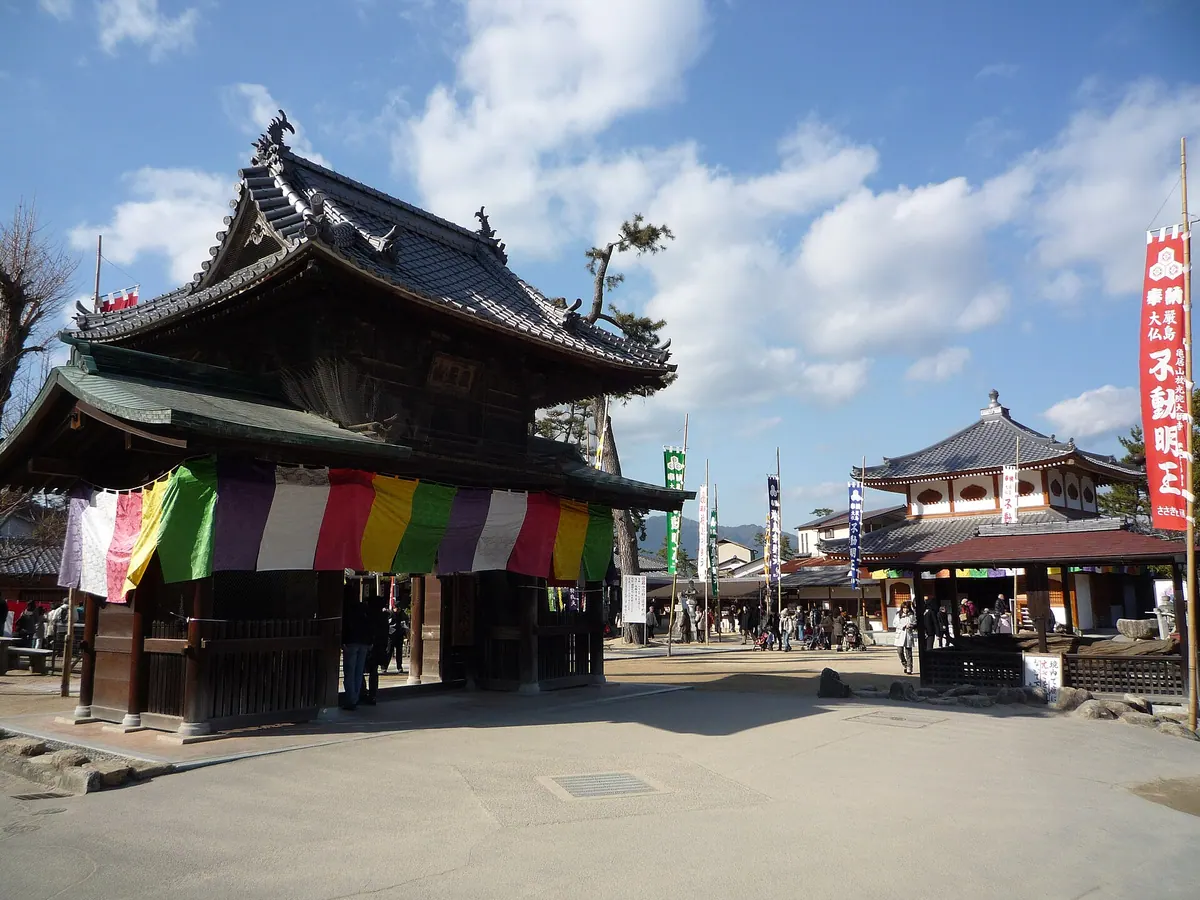
This Buddhist temple, dedicated to Benzaiten, is worth visiting for its historical connection to Itsukushima Shrine.
What it is
- Shingon Buddhist temple dedicated to Benzaiten.
- Goddess of music, wisdom, and wealth.
- Has a shared history with Itsukushima Shrine.
- Founded at least 800 years ago.
What to see
- Main Gate (sanmon).
- Main Hall (hondo).
- Recently rebuilt Gomado Hall.
- Large pine tree with nine branching trunks.
- Pine tree planted by Japan's first prime minister.
When to go
- Annual festival is held on June 17.
Getting there
- Located right beside the exit of Itsukushima Shrine.
- Address
- 広島県廿日市市宮島町3 Map
07
Konren-ji Temple
HIROSHIMA · TEMPLE 金蓮寺
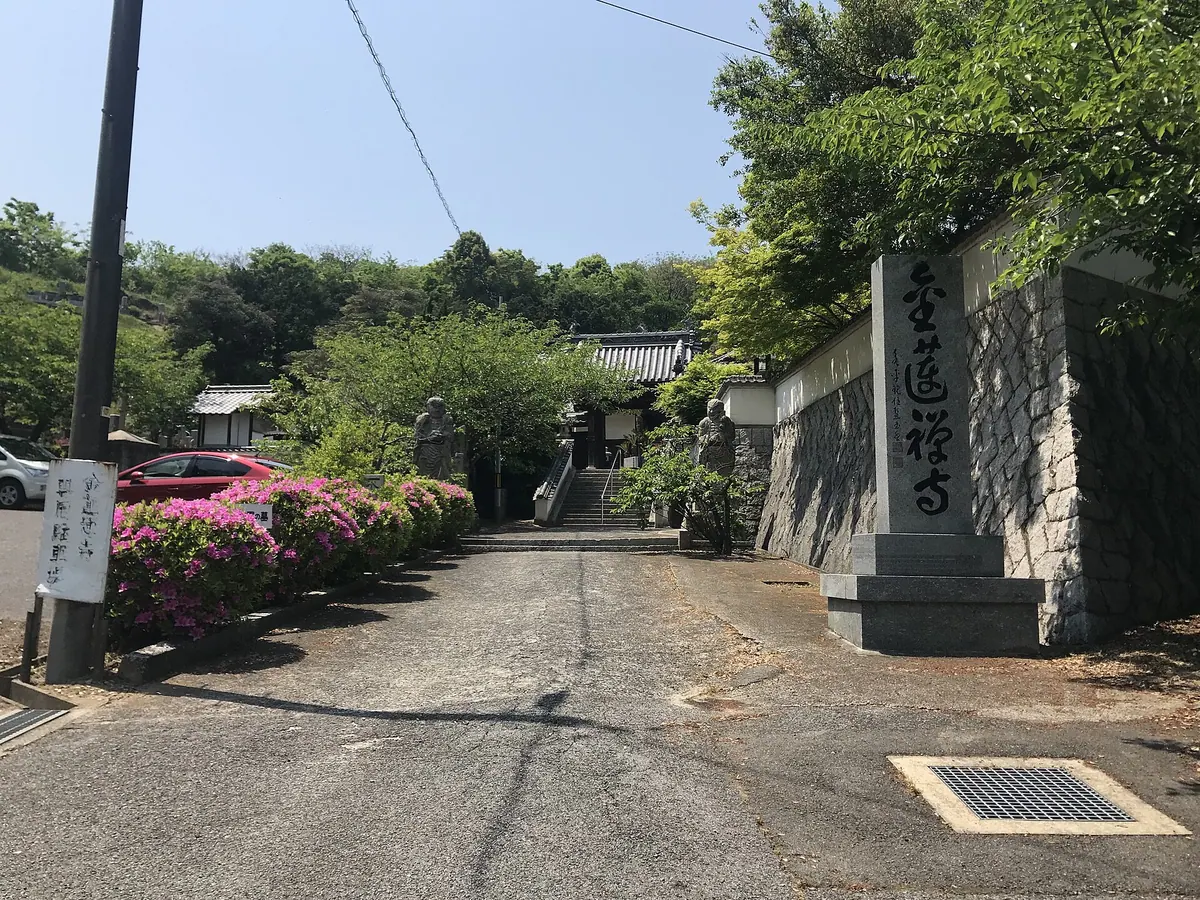
Innoshima's oldest temple, Konren-ji offers Murakami clan history and unique pagodas.
What it is
- A Soto Zen temple, mountain name Saikyozan.
- Innoshima island's oldest temple.
- Rebuilt in 1449 as a Rinzai Zen temple.
- Became the Murakami Suigun family temple in 1577.
What to see
- The main image is Yakushi Nyorai.
- Innoshima Suigun Castle is on the temple grounds.
- Murakami clan historical materials are owned by the temple.
- Innoshima Murakami Family Graves are a city historic site.
- Graves include 18 Hōkyōintō and many Gorintō pagodas.
- A city-designated natural monument Mokkoku tree.
- Address
- 広島県尾道市因島中庄町3225 Map
08
Hōgen-ji Temple
HIROSHIMA · TEMPLE 鳳源寺
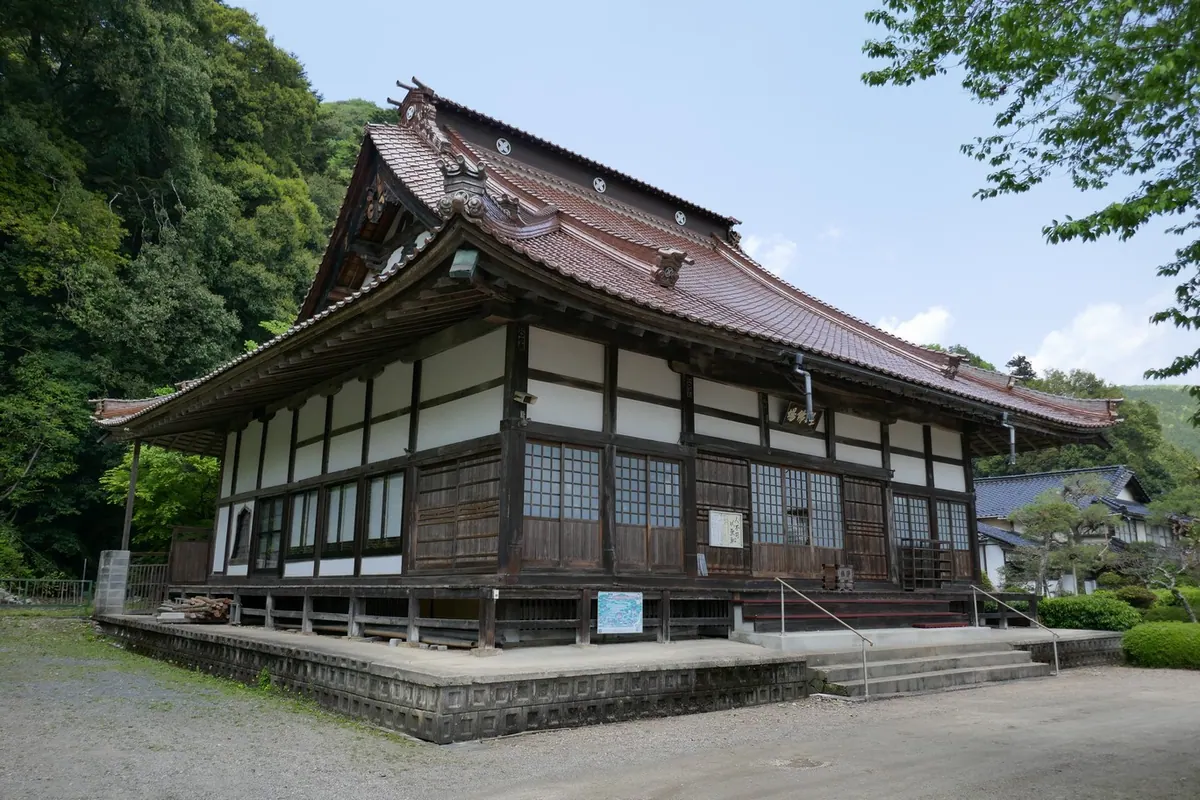
Hōgen-ji Temple is a 17th-century family temple with samurai connections and a unique garden.
What it is
- Founded in 1633 by Asano Nagaharu, first lord of Miyoshi Domain.
- It is the Asano family's family temple.
- Belongs to the Rinzai sect Myoshin-ji school.
- The principal image is Yakushi Nyorai.
What to see
- Main hall plaque is Asano Nagaharu's autograph.
- Weeping cherry tree planted by Oishi Yoshio.
- Gishido hall enshrines wooden statues of Akō rōnin.
- Yōzen-in's hair is enshrined in a tower.
- Statue of Asano Nagaharu erected in 1999.
- Gukyokusen is a garden behind the main hall.
- Address
- 広島県三次市三次町1057 Map
09
Hōsen-ji Temple
HIROSHIMA · TEMPLE 法宣寺
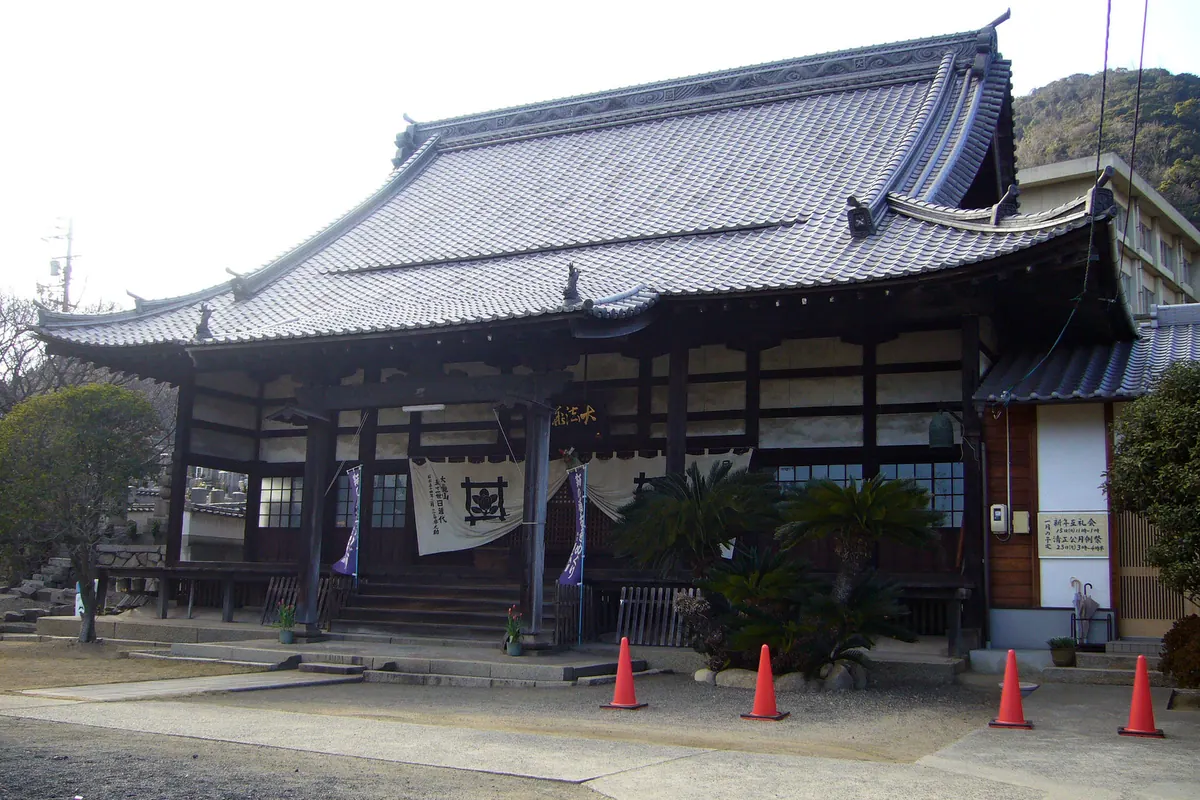
Hōsen-ji Temple is a historic Nichiren Buddhist temple founded in 1358, known for its cultural artifacts.
What it is
- A Nichiren Buddhist temple.
- Founded in 1358 during the Nanboku-chō period.
- Daikaku Sōjō is considered the founder.
- Its sango is Daikakuzan.
What to see
- The Kiyomasa Kōdō, built in the late Edo period.
- A Seven-faced Great Deity statue.
- A Kiyomasa Kō Daishin seated statue.
- The Tengai-matsu, a national natural monument.
When to go
- Open from 8 AM to 4 PM.
Getting there
- Take a Tomotetsu bus from Fukuyama Station.
- Address
- 広島県福山市鞆町後地1194-3 Map
10
Kōsan-ji Temple
HIROSHIMA · TEMPLE 耕三寺
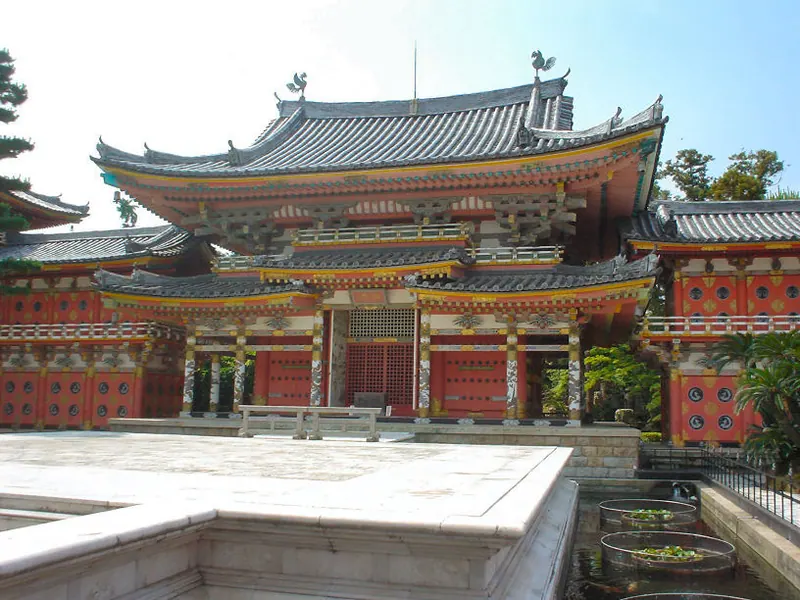
Kōsan-ji Temple is a unique modern temple built to honor a mother, with impressive architecture and art.
What it is
- Jōdo Shinshū Honganji-ha Buddhist temple.
- Founded by Kinemoto Kozo, construction began in 1936.
- Built to mourn his mother.
- Also known as 'Nishi no Nikkō' and 'Haha no Tera'.
What to see
- Temple buildings imitate ancient Japanese architecture.
- Fifteen structures are National Tangible Cultural Properties.
- Main hall imitates the Byōdō-in Hōōdō.
- Many artworks and cultural properties.
- Kōsan-ji Museum opened in 1953.
- 350-meter underground spiritual site.
- Address
- 〒722-2411 広島県尾道市瀬戸田町瀬戸田553-2 Map
- Official site
- www.kousanji.or.jp
11
Jōdo-ji Temple
HIROSHIMA · TEMPLE 浄土寺
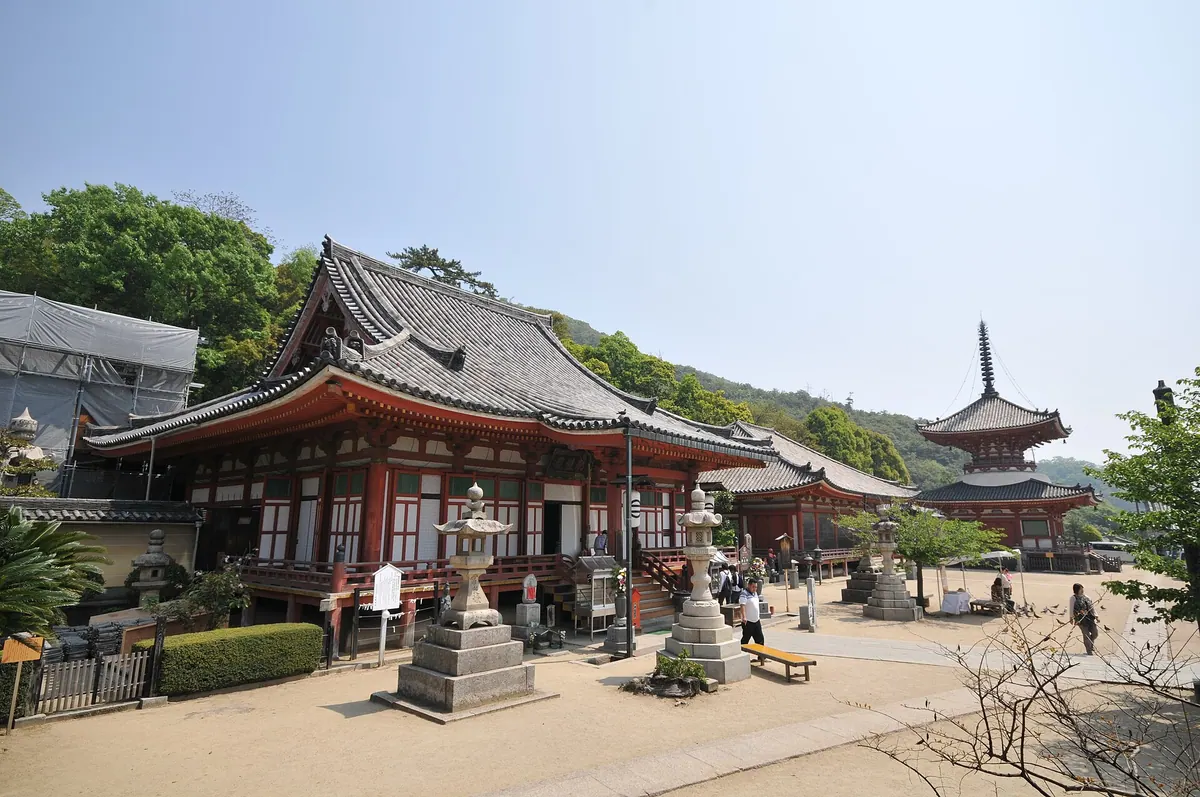
Jodoji Temple offers valuable historical buildings, including two National Treasures, with views over Onomichi.
What it is
- Jodoji Temple, founded in 616 by Prince Shotoku.
- A collection of valuable historical buildings.
What to see
- Hondo (main hall), rebuilt in 1327, a National Treasure.
- Hondo shows Heian period and Chinese architectural styles.
- Tahoto (many-jeweled pagoda), built in 1329, a National Treasure.
- Sanmon (front gate), an Important Cultural Property.
- Rotekian (tea house), an Important Cultural Property.
- Amidado (Amida Buddha hall), an Important Cultural Property.
12
Tamon-in Temple
HIROSHIMA · TEMPLE 多聞院
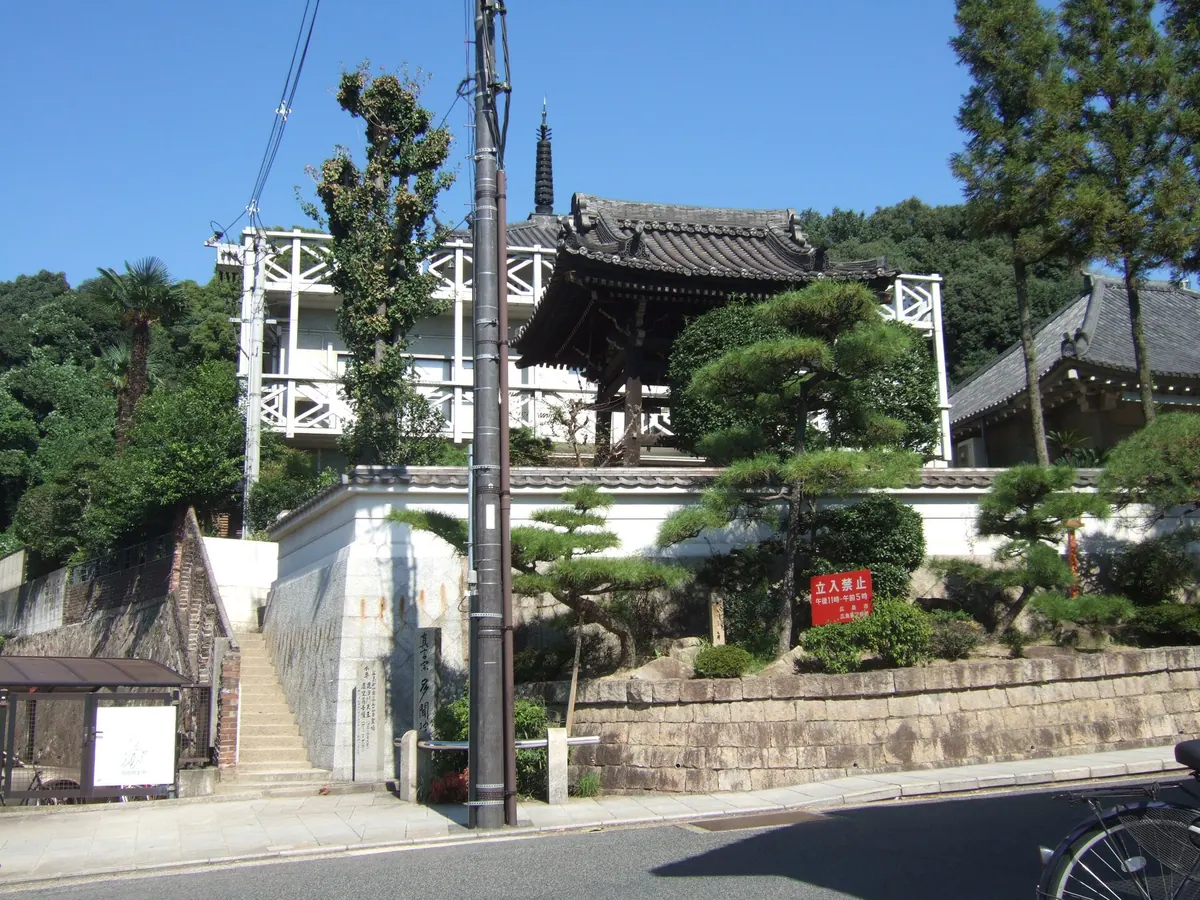
This temple's bell tower, closest wooden structure to ground zero, survived the A-bomb blast.
What it is
- Buddhist temple near the A-bomb hypocenter.
- Bell tower is the closest wooden structure to survive the blast.
- New bell unveiled in 1949, known as the Peace Bell.
What to see
- Bell tower, rebuilt after severe damage.
- Peace Bell, cast with sand from near the hypocenter.
- Inscription "No More Hiroshimas" on the Peace Bell.
- Relief of Buddhist deity Kannon on the Peace Bell.
When to go
- Daily at 8:15 a.m. to hear the Peace Bell struck.
- Address
- 広島市南区比治山町7-10 Map
13
Bandai-ji Temple
HIROSHIMA · TEMPLE 磐台寺
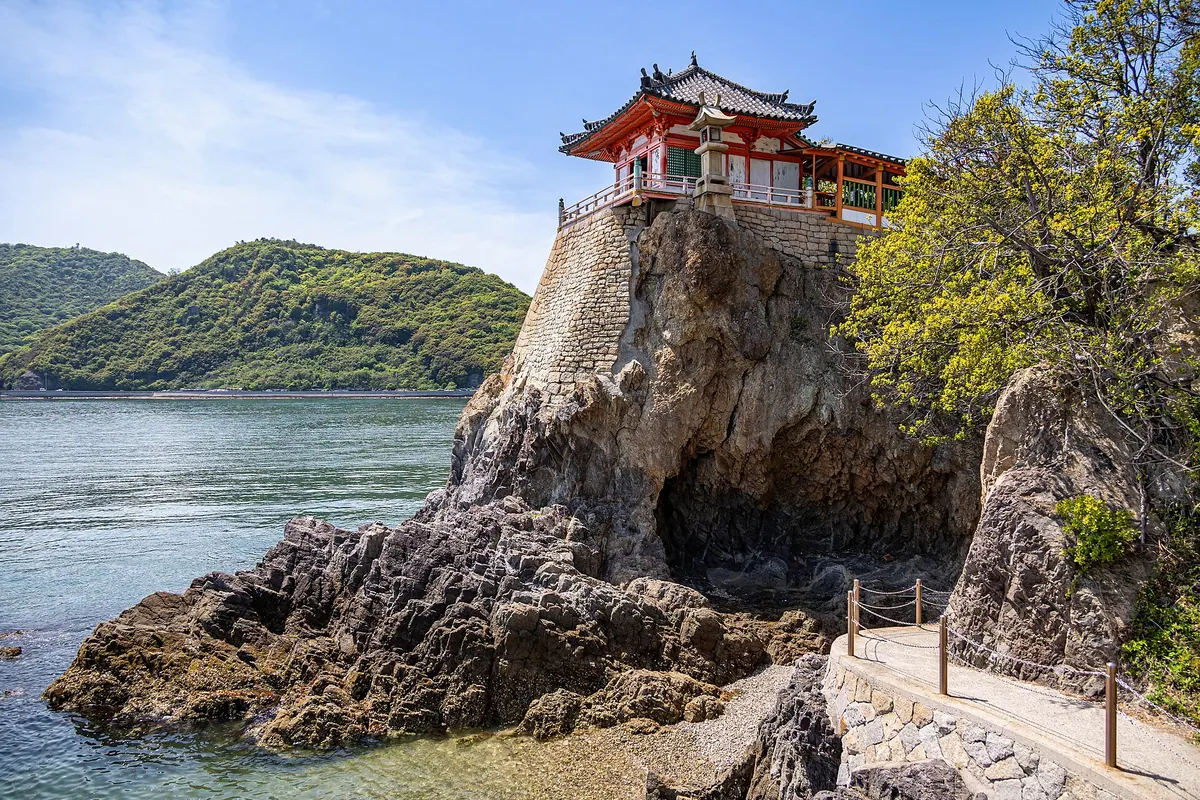
Bandai-ji Temple, or Abuto Kannon, offers historic halls and cliffside views of the Seto Inland Sea.
What it is
- Rinzai sect Myoshin-ji school temple.
- Also known as Abuto Kannon.
- 24th temple of the Setouchi 33 Kannon Pilgrimage.
- 4th temple of the Bingo Saigoku 33 Kannon Pilgrimage.
What to see
- Kannon-do hall on a cliff at Abuto Cape.
- Kannon-do hall built by Mori Terumoto in 1570.
- Kannon-do hall is a National Important Cultural Property.
- Main deity is an Eleven-faced Kannon.
- Guest hall built in 1738.
- Guest hall is a Prefectural Important Cultural Property.
- Address
- 広島県福山市沼隈町能登原阿伏兎1427-1 Map
14
Aki Kokubun-ji Temple
HIROSHIMA · TEMPLE 安芸国分寺
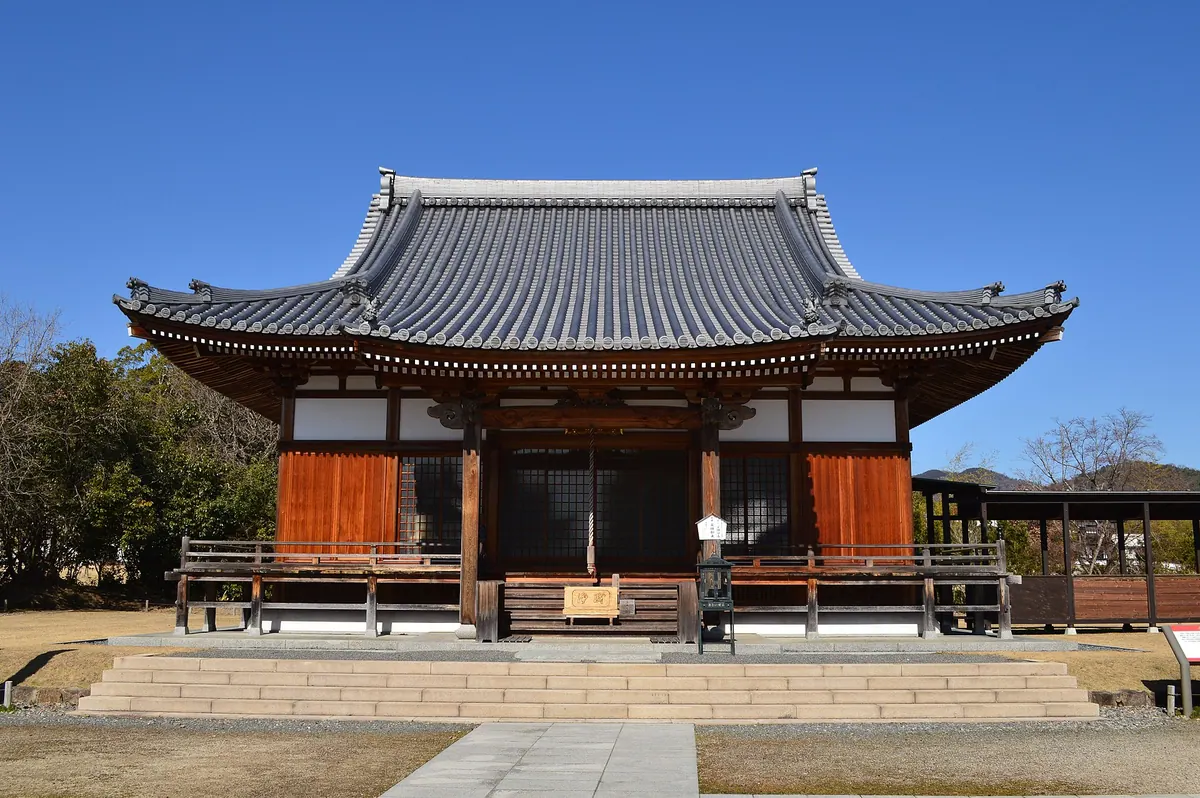
Aki Kokubun-ji Temple is a historic Shingon temple with significant ancient ruins.
What it is
- A Shingon Omuro school temple.
- Its principal image is Yakushi Nyorai.
- Successor to the Aki Province Kokubun-soji.
- Ancient Kokubun-ji temple ruins overlap the grounds.
What to see
- The 16th-century Nio-mon gate.
- Goma-do hall from the late Edo period.
- Two Yakushi Nyorai statues are cultural properties.
- Aki Kokubun-ji ruins are a National Historic Site.
- Excavated artifacts are Important Cultural Properties.
- Japan's first confirmed Kokushi-in site.
15
Taisan-ji Temple
HIROSHIMA · TEMPLE 大山寺
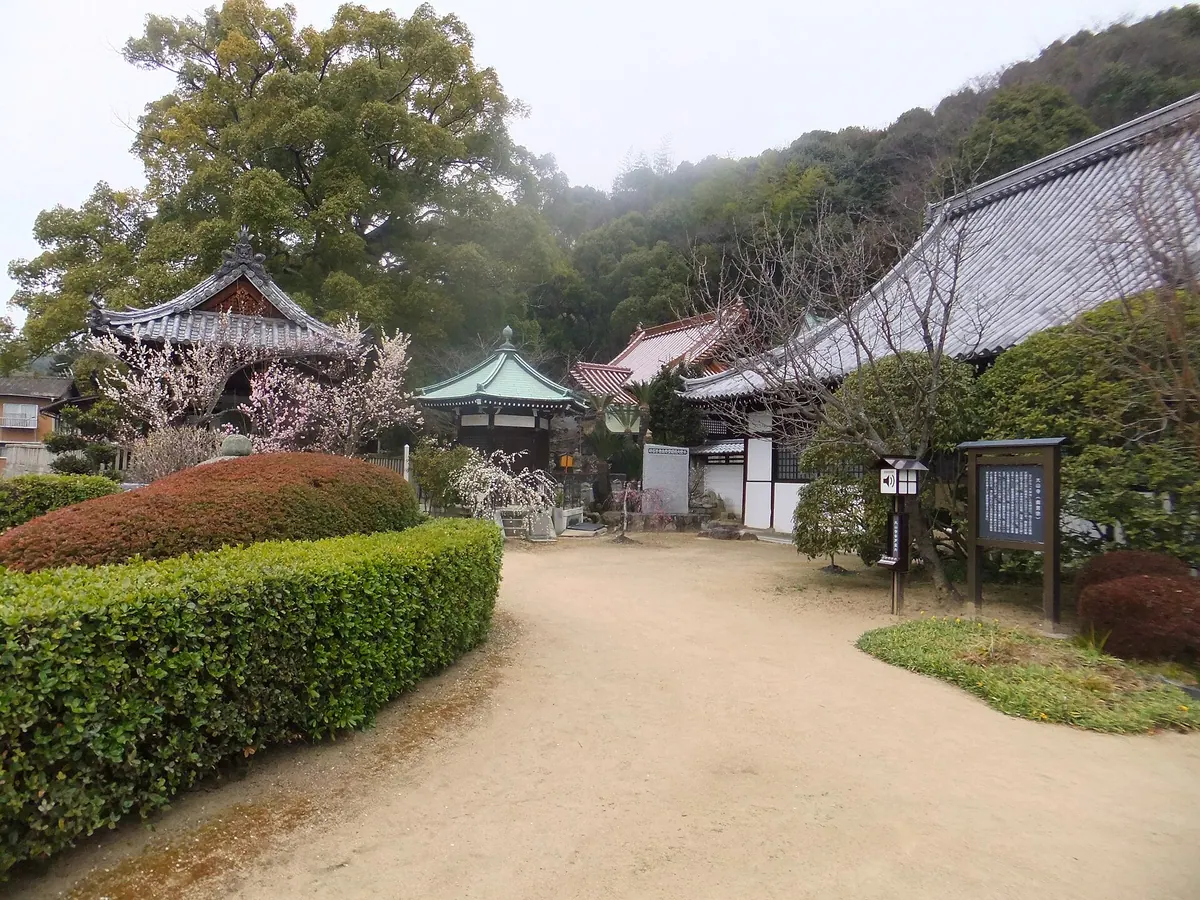
Ancient temple with unique stone statues, easily accessible for a quick, enriching visit.
What it is
- Shingon-shu Daigo-ha temple, founded in the early Heian period.
- Also known as Beiruzan Tenjinbo Taisan-ji.
- Connected to historical figure Sugawara no Michizane.
- Renovated in the year 1606.
What to see
- Misode Tenmangu shrine stands on its grounds.
- Three monkey stone statues are on the temple grounds.
Getting there
- 5-minute walk from Nagae-guchi bus stop.
- 5-minute walk from Senkoji-yama Ropeway Sanroku Station.
- Address
- 尾道市長江1-11-11 Map
16
Daishō-in Temple
HIROSHIMA · TEMPLE 大聖院
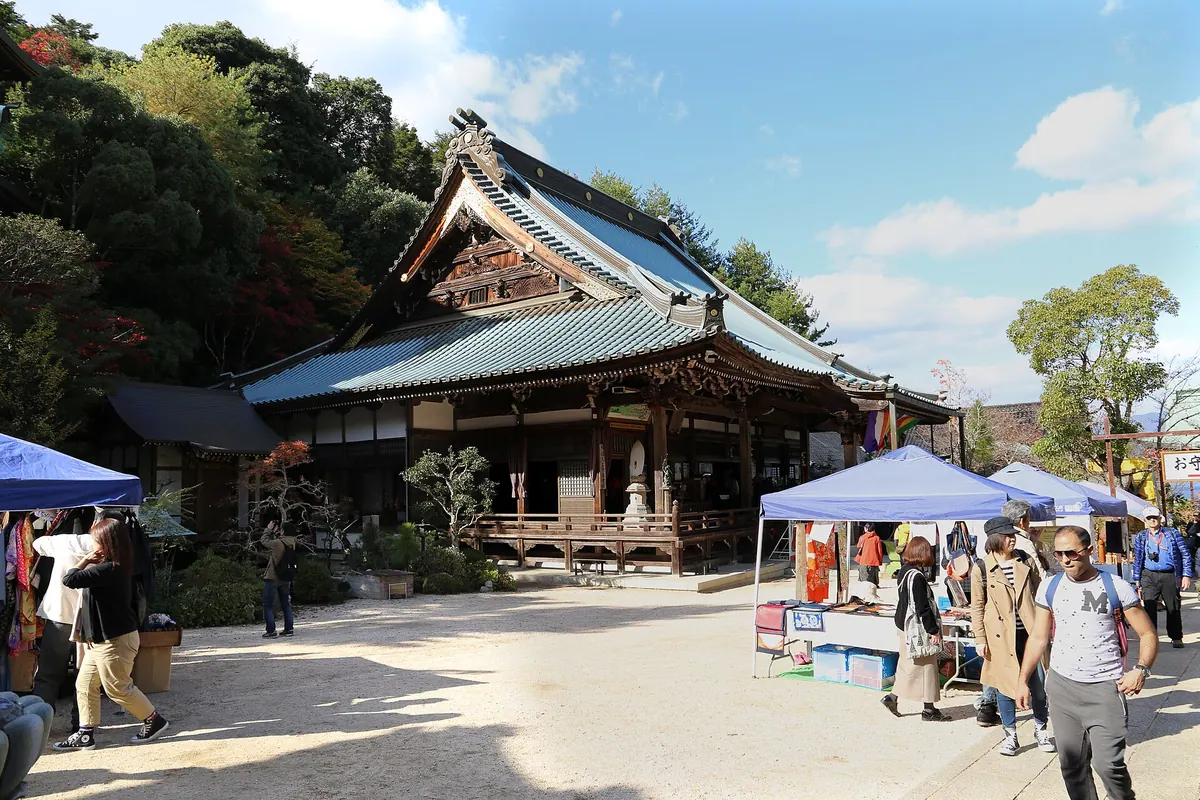
Daishoin Temple features prayer wheels, offering blessings to those who spin them.
What it is
- Temple belonging to the Shingon school of Buddhism.
- Features prayer wheels, also called maniguruma.
What to see
- Dozens of cylindrical metal prayer wheels.
- Prayer wheels inscribed with characters from the Heart Sutra.
- Prayer wheels on staircases, including in front of Maniden Hall.
- Kannondo Hall for more on connection to Tibetan Buddhism.
When to go
- Spinning prayer wheel gives same blessings as reciting sutra.
- Address
- 広島県廿日市市宮島町210 Map
- Official site
- daisho-in.com
17
Senkyō-ji Temple
HIROSHIMA · TEMPLE 専教寺
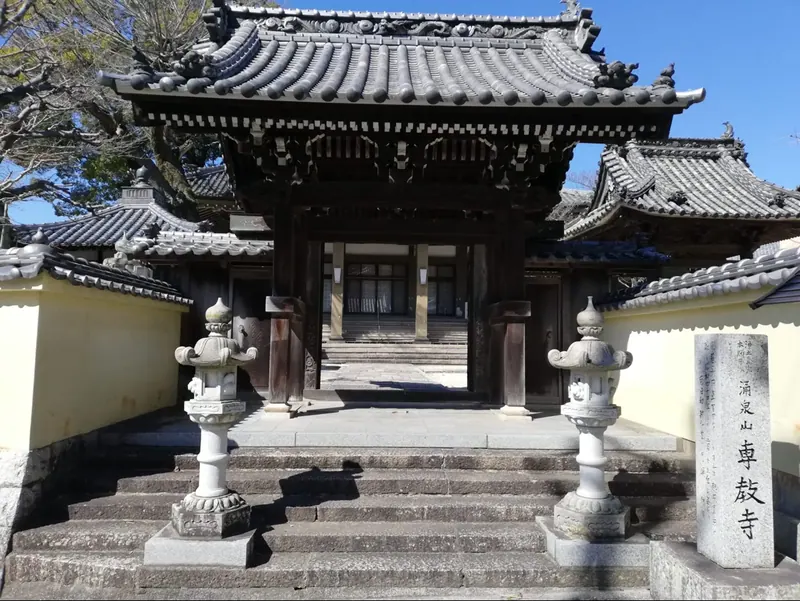
Senkyō-ji Temple is a historic Jōdo Shinshū temple, rebuilt across generations, offering a glimpse into its enduring legacy.
What it is
- A temple of the Jōdo Shinshū Honganji-ha sect.
- Founded in Tenbun 2 by Senjumaru, son of Kōkyō Yoshikawa.
- The current chief priest is the 17th generation, Shōjun Yoshikawa.
What to see
- The main hall, rebuilt in Genbun 5 by the 7th chief priest.
- The main hall, rebuilt again by the 16th chief priest.
- The main hall's outer chamber, repaired by the 17th chief priest.
- The guest hall, built by the 17th chief priest.
- Address
- 広島県呉市音戸町田原2丁目60-3 Map
18
Kōmyō-ji Temple
HIROSHIMA · TEMPLE 光明寺
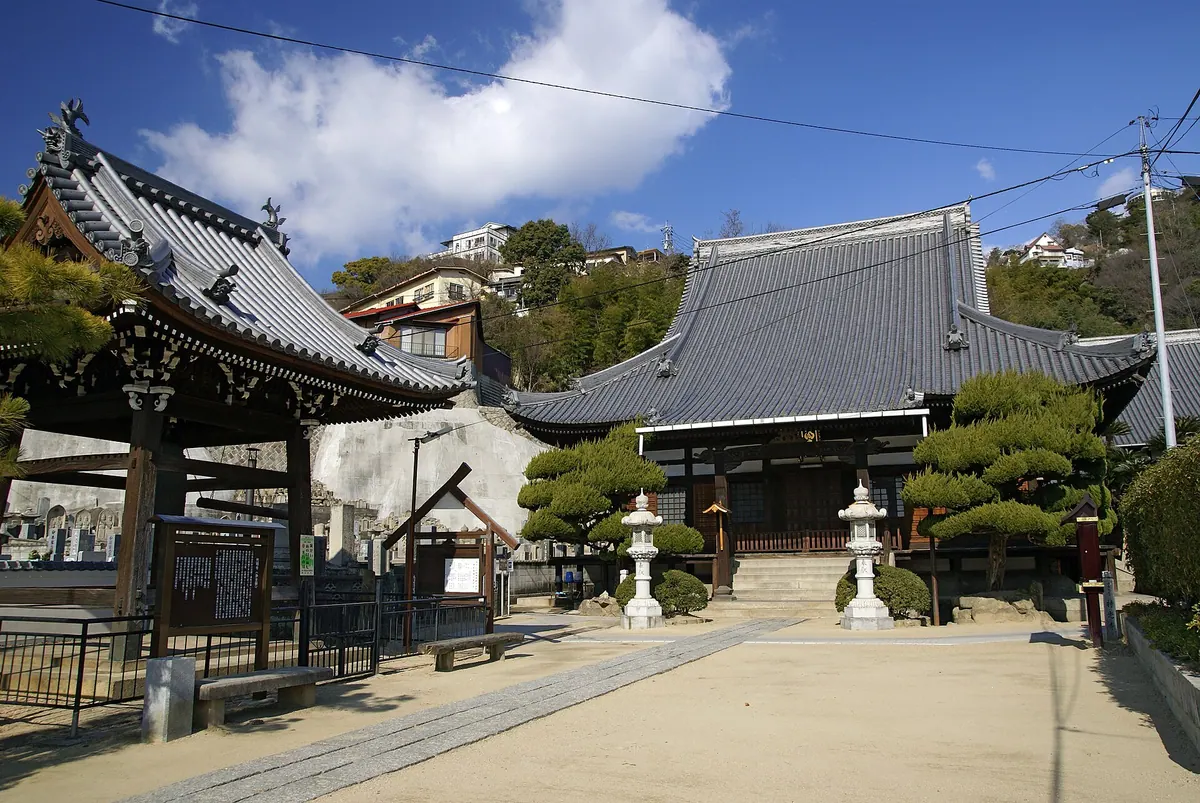
Kōmyō-ji Temple: a historic Jōdo-shū temple with important statues and a sumo legend's grave.
What it is
- Jōdo-shū Seizan Zenrin-ji temple.
- Founded by Ennin during the Jōwa era.
- Converted from Tendai-shū to Jōdo-shū.
- Its sangō is Shōjōzan.
What to see
- Late Heian period wooden standing statue of Senju Kannon.
- Statue is a National Important Cultural Property.
- Grave of sumo wrestler Jinmaku Kyūgorō.
- Stone monument of Jinmaku Kyūgorō's handprint.
- Several Hiroshima Prefecture Important Cultural Properties.
- Address
- 広島県尾道市東土堂町2-8 Map
- Official site
- www.onomichi-komyoji.com
19
Seishin-ji Temple
HIROSHIMA · TEMPLE 棲真寺
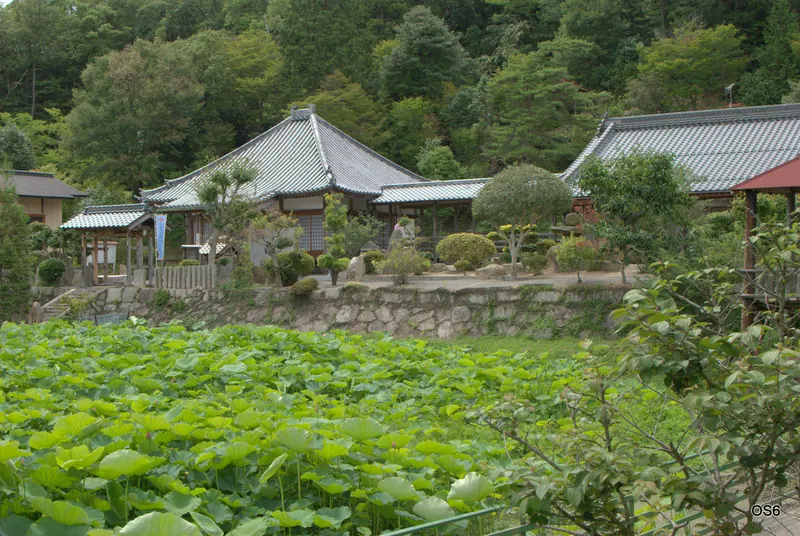
Seishin-ji Temple, founded in 1219, offers important cultural statues and a glimpse into history.
What it is
- A temple of the Rinzai sect Myoshin-ji school.
- Founded in 1219 for Tenso Myobutsu's repose.
- Suffered a fire during the Edo period.
- Temporarily abolished during Haibutsu Kishaku.
What to see
- Thirteen wooden statues of the Twenty-Eight Bushu.
- These statues are Hiroshima Prefecture Important Cultural Properties.
- A wooden statue of Senju Daihi Kannon Bosatsu.
- This statue is a Mihara City Important Cultural Property.
- Address
- 広島県三原市大和町平板2033番地 Map
20
Fukuzen-ji Temple
HIROSHIMA · TEMPLE 福善寺
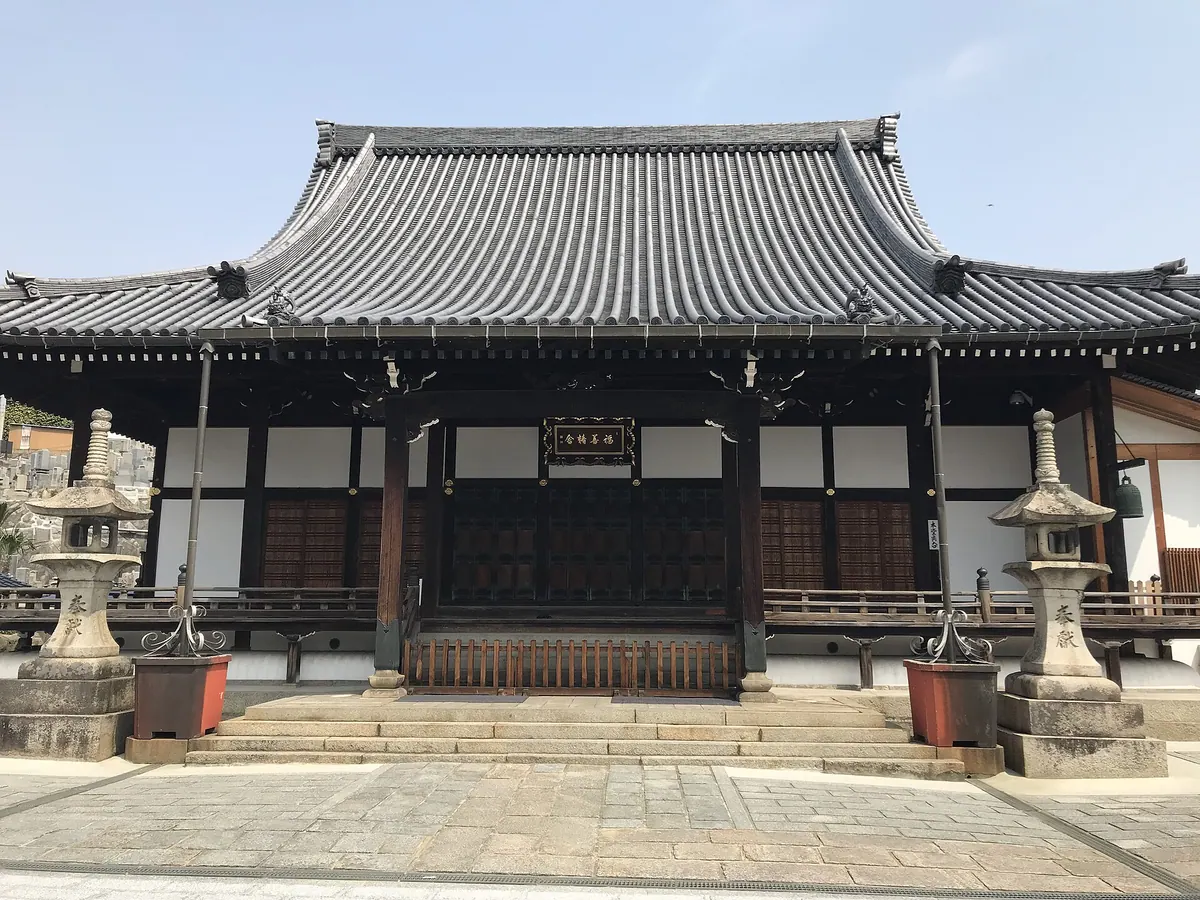
Fukuzen-ji Temple is a historic Jodo Shinshu temple with unique art and a famous pine tree.
What it is
- A Jodo Shinshu Honganji-ha Buddhist temple.
- Founded in July 1573 by Gyoei Hoin.
- Shinran Shonin gave it the name Fukuzen-ji.
- Moved to its current site in 1630.
What to see
- Main gate with a crane crest and dragon carvings.
- The 'Washi no Matsu' pine tree, a city natural monument.
- Bijinga paintings by Hirata Gyokuon.
- Fusuma-e 'Sesshu Shochikubai' inside the main hall.
- A stone gorinto, a city cultural property.
- Address
- 広島県尾道市長江1丁目9-1 Map