

20 Temples in Nagano worth your time
Japan Gems
Nagano Prefecture offers a variety of temples, from Raigaku-ji Temple to Komyo-ji Temple. These locations provide opportunities for visitors interested in religious sites and traditional architecture.
Nagano has 138 temples on Japan Gems. Below are the 20 we can tell you the most about — each one written up in English from Japanese sources, with what to see and how to get there. See all temples in Nagano.
01
Shinano Kokubun-niji
NAGANO · TEMPLE 信濃国分尼寺
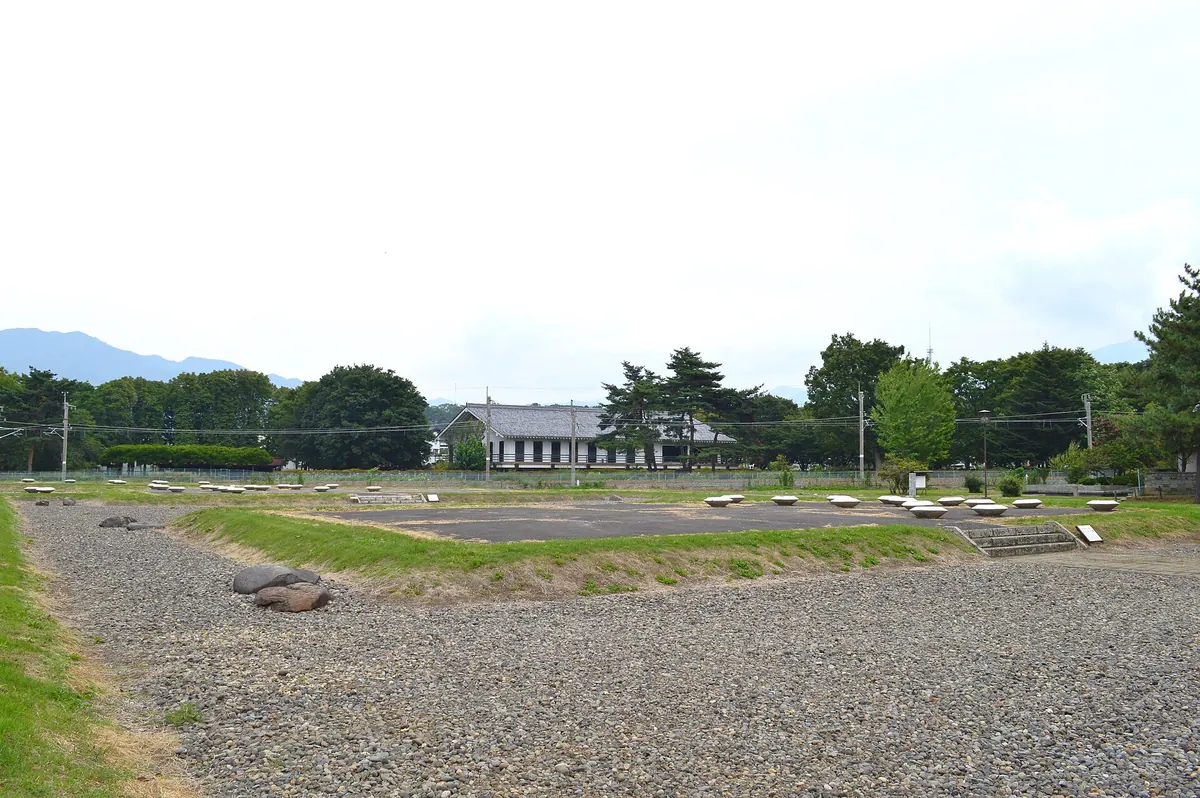
A historic Tendai Buddhist temple in Ueda featuring a National Important Cultural Property pagoda and a museum of local history.
What it is
- A Tendai sect Buddhist temple that succeeded the ancient provincial temple of Shinano.
- The main hall enshrines Yakushi Nyorai and is designated as a Nagano Prefectural Treasure.
- The original temple grounds are preserved as a National Historic Site.
- A stone monument marks the meeting place of Sanada Masayuki and Tokugawa forces.
What to see
- A three-story pagoda designated as a National Important Cultural Property.
- The Shinano Kokubunji Museum which displays artifacts from the site.
- Traditional Somin Shorai amulets distributed during the annual festival.
When to go
- The Yokado Ennichi festival takes place on January 7th and 8th.
Getting there
- The temple is a five-minute walk from Shinano-Kokubunji Station.
02
Chōsen-ji
NAGANO · TEMPLE 長泉寺
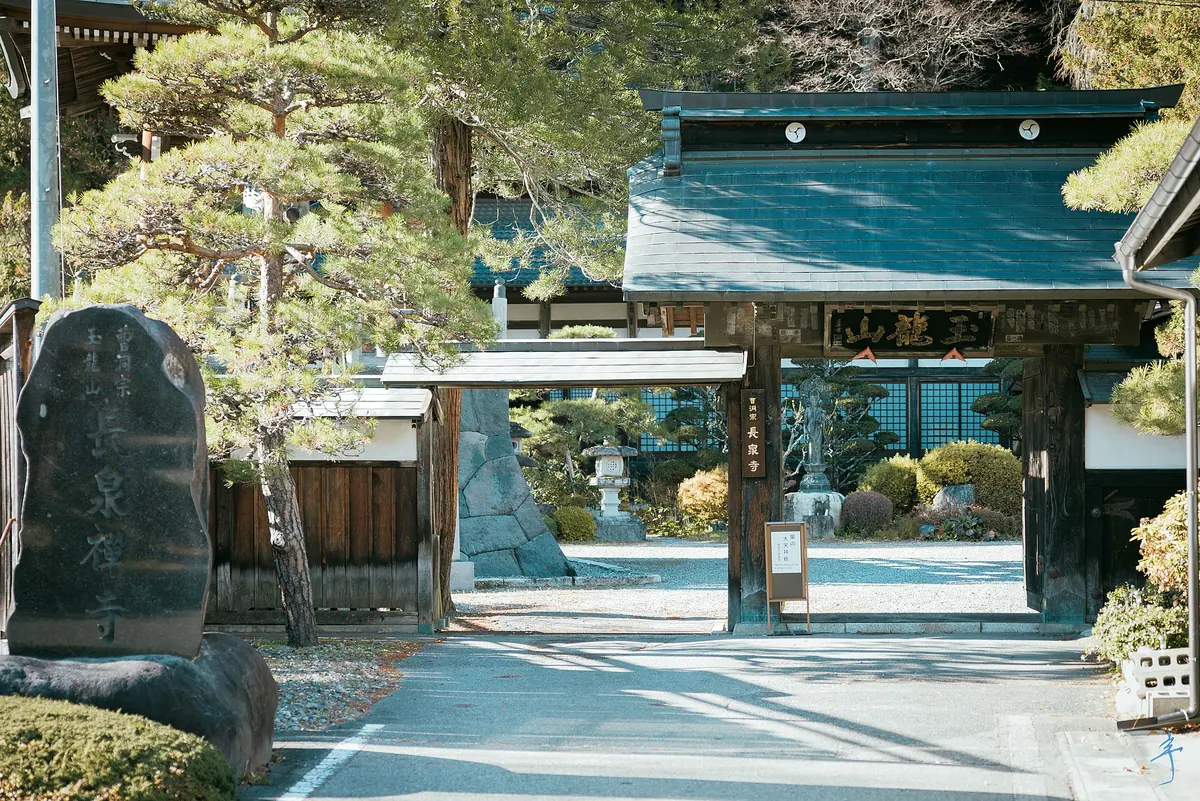
A historic Sōtō Zen temple in Narai-juku featuring a dragon ceiling painting and artifacts from the Shogun's tea jar procession.
What it is
- A Sōtō Zen temple originally founded in 1366 as Seigō-ji.
- Served as a lodging for the Shogun's official tea jar procession.
- The current main hall dates back to a reconstruction in 1866.
- Final resting place of the Satsuma samurai Fukuzaki Shichinojo.
What to see
- A large dragon painting by Yamaguchi Gonnoshō on the main hall ceiling.
- The mountain gate which was relocated from the Narai-juku Honjin.
- An Enmei Jizo statue carved by the craftsman Moriya Teiji.
- A historical sedan chair used by the samurai Fukuzaki Shichinojo.
- Artifacts related to the historic tea jar processions.
When to go
- Visit in June to see the tea jar procession reenactment start here.
03
Joko-ji Temple
NAGANO · TEMPLE 常光寺

A Koyasan Shingon sect temple in Nagano known for its historic halls and vibrant seasonal rhododendron displays.
What it is
- A temple of the Koyasan Shingon sect dedicated to the deity Dainichi Nyorai.
- Restored by Ekaku Hoin in 1383 with a mountain name of Iizunasan.
- The current main hall dates back to a reconstruction in 1832.
What to see
- The main hall rebuilt in the nineteenth century after a fire.
- A collection of religious buildings including a Goma hall and a Yakushi hall.
- Traditional architectural features such as a bell tower and a mountain gate.
- Extensive grounds famous for the blooming rhododendron flowers.
Getting there
- A fifteen minute walk from Midoriko Station.
- A ten minute drive from the Shiojiri Interchange.
- Official site
- jokoji.holy.jp
04
Kitamuki-kan'non
NAGANO · TEMPLE 北向観音
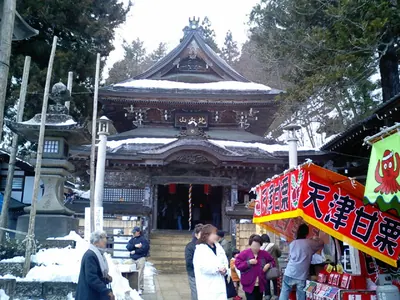
A historic Tendai temple facing north, traditionally visited alongside Zenko-ji to complete a spiritual pilgrimage in Nagano.
What it is
- A Tendai sect temple founded by Ennin in the year 825
- Managed by Joraku-ji and restored by Minamoto no Yoritomo after a fire
- The main hall faces north and was rebuilt in 1721
- Visiting this site alongside Zenko-ji avoids the bad luck of one-sided worship
What to see
- The main hall featuring a unique Shumoku-zukuri architectural style
- A twenty-two meter tall Katsura tree designated as a natural monument
- The Onsen Yakushi Ruri-den which was rebuilt in 1809
- The Aizen-do hall located near the ancient Katsura tree
Getting there
- The nearest station is Bessho-Onsen Station on the Ueda Railway
05
Shakuson-ji Temple
NAGANO · TEMPLE 釈尊寺

Shakuson-ji Temple, also known as Nunobiki Kannon, is a historic Tendai temple with important cultural properties.
What it is
- A Tendai sect temple in Komoro City, Nagano Prefecture.
- Also known as Nunobiki Kannon.
- The 29th temple of the Shinano 33 Kannon Pilgrimage.
- Birthplace of the 'Ushi ni Hikarete Zenkoji Mairi' legend.
What to see
- Principal image is Sho Kannon Bosatsu.
- The Kannon-do Kugaden, built in 1258, is a National Important Cultural Property.
- The Hakusan-sha Shrine is a Nagano Prefectural Treasure.
- Approach along the Nunobiki Gorge offers scenic views.
When to go
- Temple's縁日 (Ennichi) is on May 8th.
Getting there
- Approach takes about 20 minutes from the parking lot.
- Address
- 長野県小諸市大久保2250 Map
06
Saihō-ji Temple
NAGANO · TEMPLE 西方寺

A 17th-century Jodo Shu temple in Saku hosting a nationally recognized ritual dance inside its historic main hall.
What it is
- A Jodo Shu Buddhist temple founded in 1617 by Hoyo Eitein Shonin.
- The temple is dedicated to the principal image of Amida Nyorai.
- It features the Sengoku clan crest with Paulownia and Eiraku-sen symbols.
- The site is known for preserving the Atobe no Odori Nenbutsu ritual.
What to see
- The main hall where traditional ceremonies are currently performed.
- A specialized ritual stage called a dojo built for the annual dance.
- The Kannon-do hall which previously served as the outdoor ritual site.
When to go
- Visit on the first Sunday of April for the Atobe no Odori Nenbutsu.
07
Myōgyō-ji Temple
NAGANO · TEMPLE 明行寺
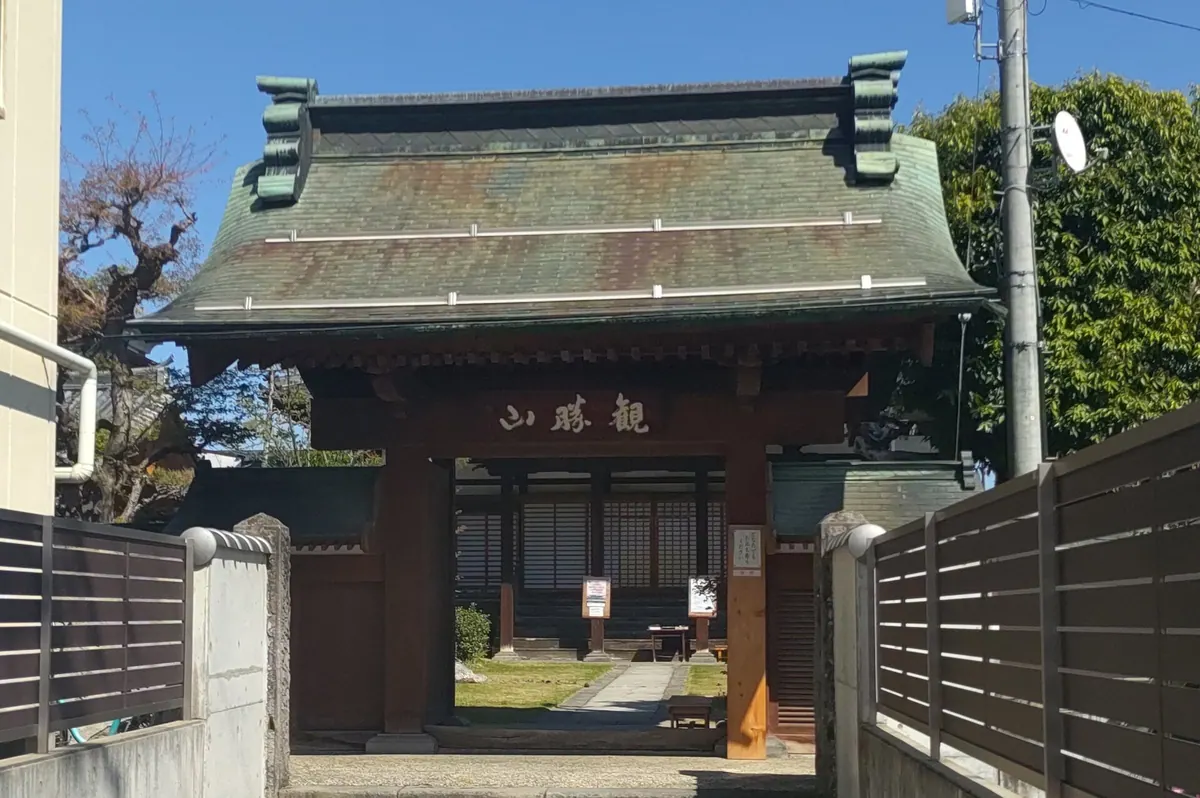
A historic Shinshu Otani-ha temple in Nagano featuring intricate wood carvings and a unique five-story stone pagoda.
What it is
- A Shinshu Otani-ha Buddhist temple founded by Shaku Shudo in June 1573
- The temple carries the mountain name Kanshozan and moved to its current site in the early 1800s
- The current main hall dates to 1889 after several fires destroyed previous structures
- This site served as a free shelter for victims of the Great Kanto Earthquake
What to see
- The main hall featuring detailed wood carvings attributed to the carpenter Yamasaki Gisaku
- A mountain gate that was rebuilt in 1926
- A five-story stone pagoda erected on the temple grounds in 1924
- The grave of the notable Noh singer Usui Yoshisada
- Official site
- myogyoji-nagano.org
08
Sainen-ji Temple
NAGANO · TEMPLE 西念寺
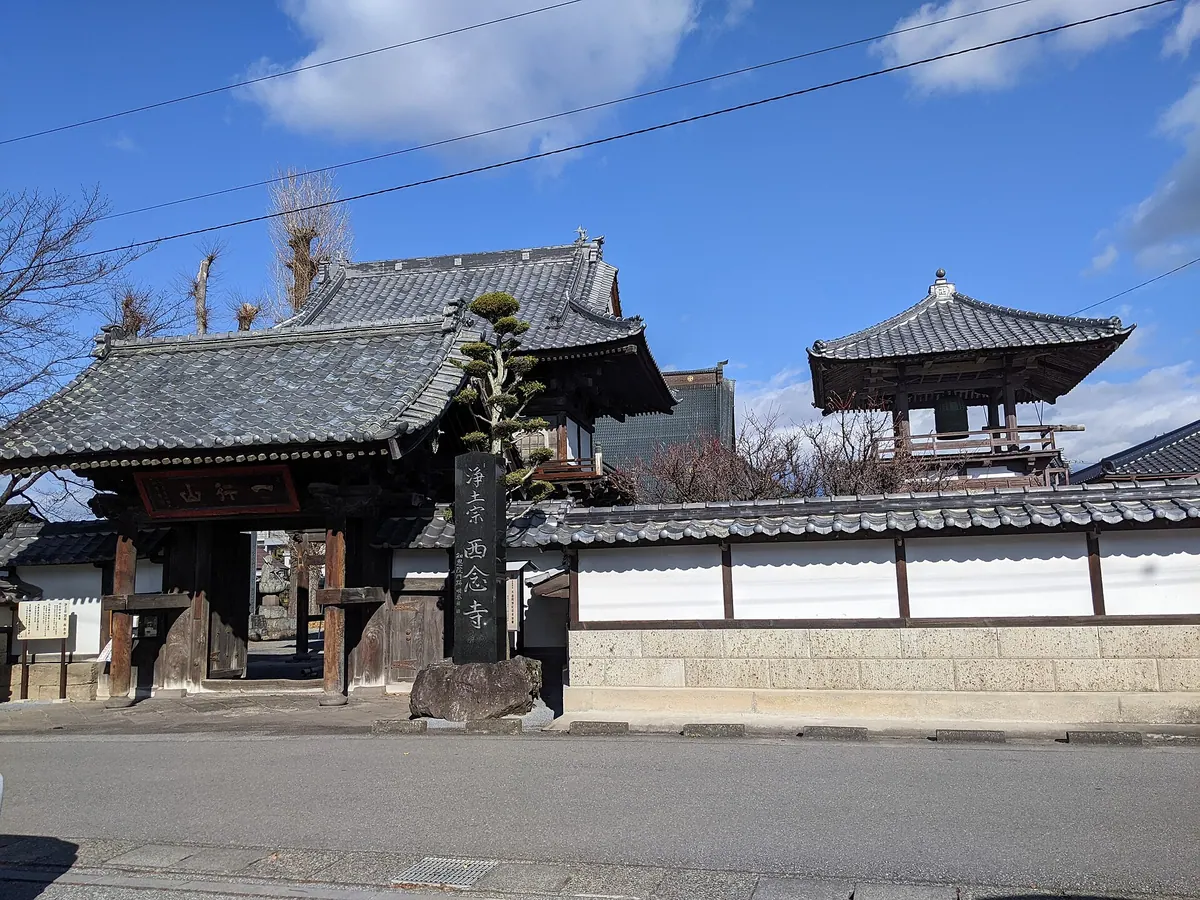
Sainen-ji Temple is a historic Jodo-shu temple with important statues and graves.
What it is
- It is a Jodo-shu temple.
- Founded in 1560 by Gyo-o.
- It is the family temple of the Makino clan.
- Became head temple for five temples in Shinano Province.
What to see
- Seated statue of Amitabha Tathagata is the principal image.
- Statue designated a Nagano Prefectural Treasure in 1959.
- Statue has a repair inscription on the back of its knee.
- Graves of the Sengoku clan are on the grounds.
- Grave of Yoshizawa Koken is here.
- Grave of Naito Minokami Masaoki is here.
Getting there
- 5-minute walk from JR Koumi Line Iwamurada Station.
- Address
- 長野県佐久市岩村田1188 Map
09
Chūzen-ji Temple
NAGANO · TEMPLE 中禅寺
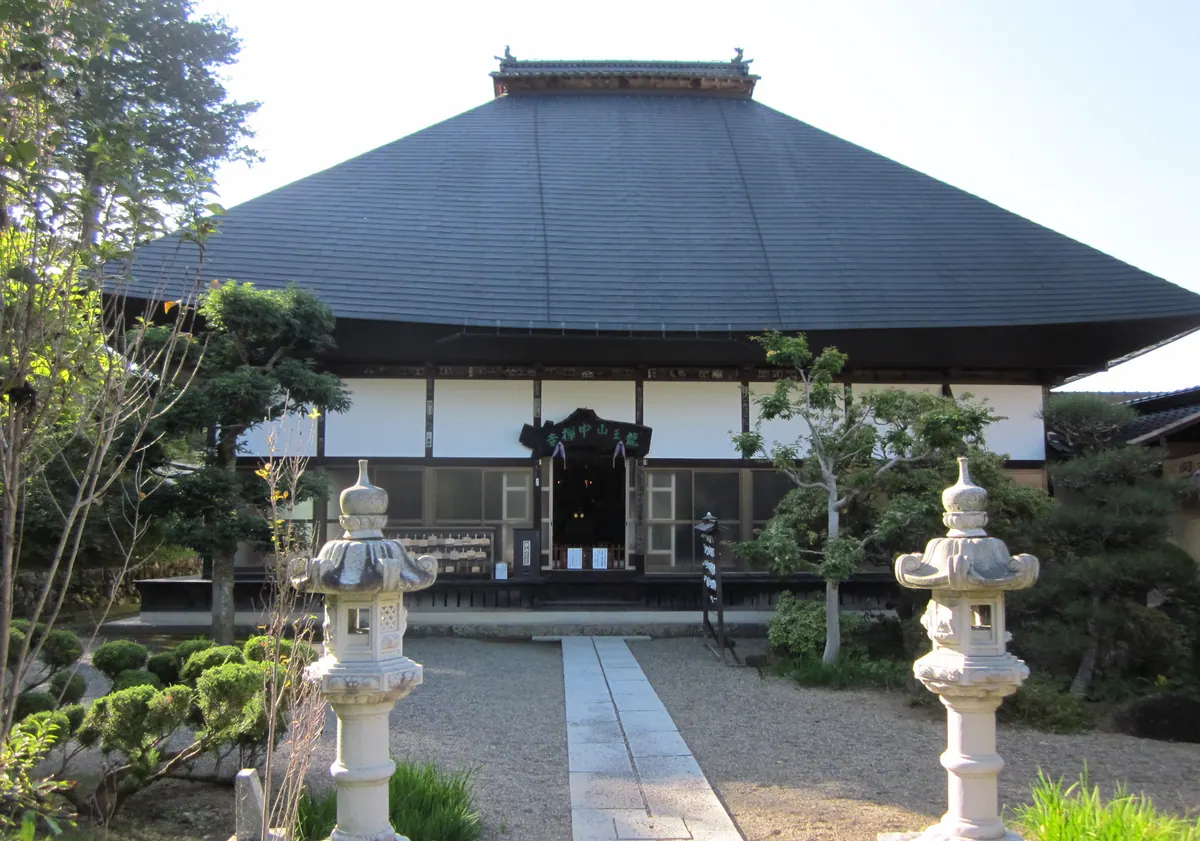
Chuzenji Temple is a historic Shingon Buddhist temple with important cultural properties.
What it is
- A Shingon-shu Chizan-ha temple.
- Founded by Kukai for rain prayers.
- Its mountain name is Ryuo-zan.
- Its in-go is Enmei-in.
What to see
- The Yakushido is an Important Cultural Property.
- The current main hall was built in 1734.
- Nagano Prefecture's oldest wooden building is here.
- A wooden seated Yakushi Nyorai statue is an Important Cultural Property.
- A Kongo Rikishi standing statue is a Prefectural Treasure.
- A Chuzenji stone Gorinto is an Ueda City cultural property.
Getting there
- 30-minute taxi ride from JR Ueda Station.
- Address
- 長野県上田市前山1721 Map
10
Onsen-ji Temple
NAGANO · TEMPLE 温泉寺
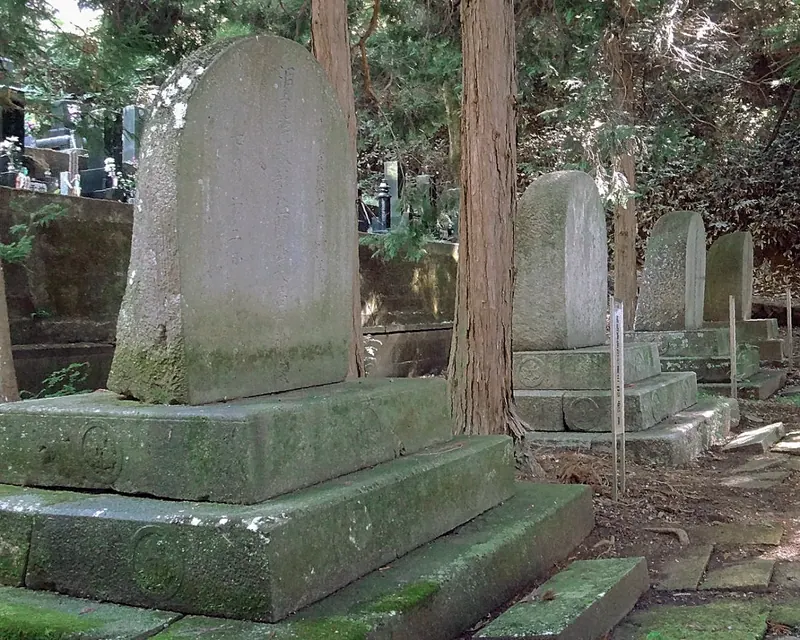
Visit this historic temple to see samurai mausoleums and a unique pagoda.
What it is
- Rinzai sect Myoshin-ji school temple.
- Founded in 1640 by Suwa Tadatsune.
- Principal image is Yakushi Nyorai.
- Family temple of the Suwa clan of Takashima Domain.
What to see
- Mausoleums of successive Suwa lords.
- Yakui-mon gate relocated from Takashima Castle.
- Sanmon gate relocated from Takashima Castle.
- Noh stage relocated from Takashima Castle.
- Multi-storied pagoda rebuilt in 1767.
- Suwa family graveyard, a national historic site.
Getting there
- 15-minute walk from JR Chuo Main Line Kami-Suwa Station.
- Address
- 長野県諏訪市湯の脇1-21-1 Map
11
Chōraku-ji Temple
NAGANO · TEMPLE 長楽寺 (千曲市)
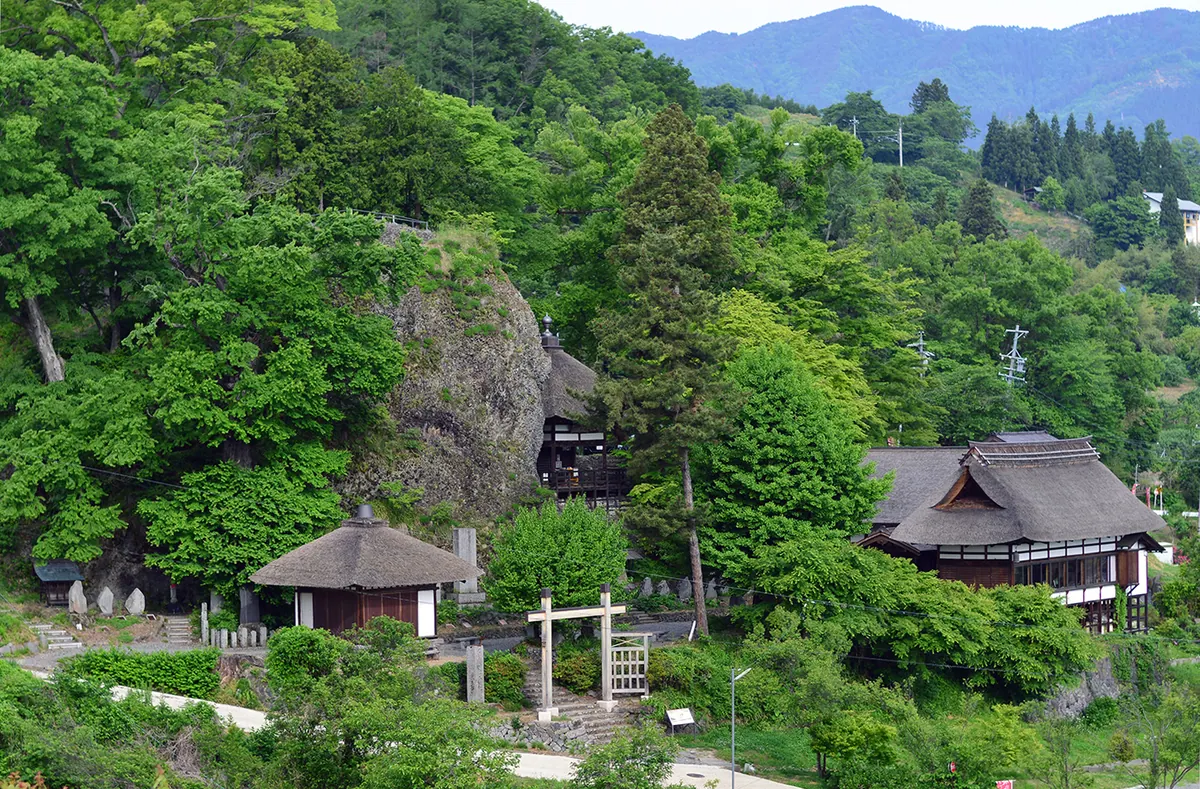
Chōraku-ji Temple is a historic Tendai temple known for its scenic beauty and ancient tree.
What it is
- A Tendai sect Buddhist temple.
- Its mountain name is Obasuteyama.
- Main image is Shō Kannon Bosatsu.
- 14th temple of the Shinano 33 Kannon Pilgrimage.
What to see
- Main hall and priest's living quarters, rebuilt 1834.
- Kannon-do hall, rebuilt 1691.
- Omoiwa rock: 15m high, 25m wide, 25m deep.
- National scenic spot Obasute (Tagoto no Tsuki).
- Ancient Katsura tree, 500 to 1000 years old.
- Monument with a haiku by Matsuo Bashō.
Getting there
- Nearest station is Obasute on the JR Shinonoi Line.
- Address
- 大字八幡姨捨4983番地 Map
12
An'yo-ji Temple
NAGANO · TEMPLE 安養寺

An'yo-ji Temple: a historic Jodo Shinshu temple with ancient trees, easily accessible from Matsumoto.
What it is
- A Jodo Shinshu Honganji-ha sect temple.
- Formerly known as Azusa-dera Temple.
- Shinran, the founder of Jodo Shinshu, stayed here.
- Moved to its current site between 1753 and 1761.
What to see
- The main hall, rebuilt after a 1969 fire.
- Two weeping cherry trees, 500 and 350 years old.
- One cedar tree and one Koyamaki tree.
- Three trees designated special natural monuments in 2011.
Getting there
- 4-minute walk from Samizo Station.
- Parking lot accessible from National Route 158.
- Address
- 長野県松本市波田三溝1660 Map
13
Saihō-ji Temple
NAGANO · TEMPLE 西方寺
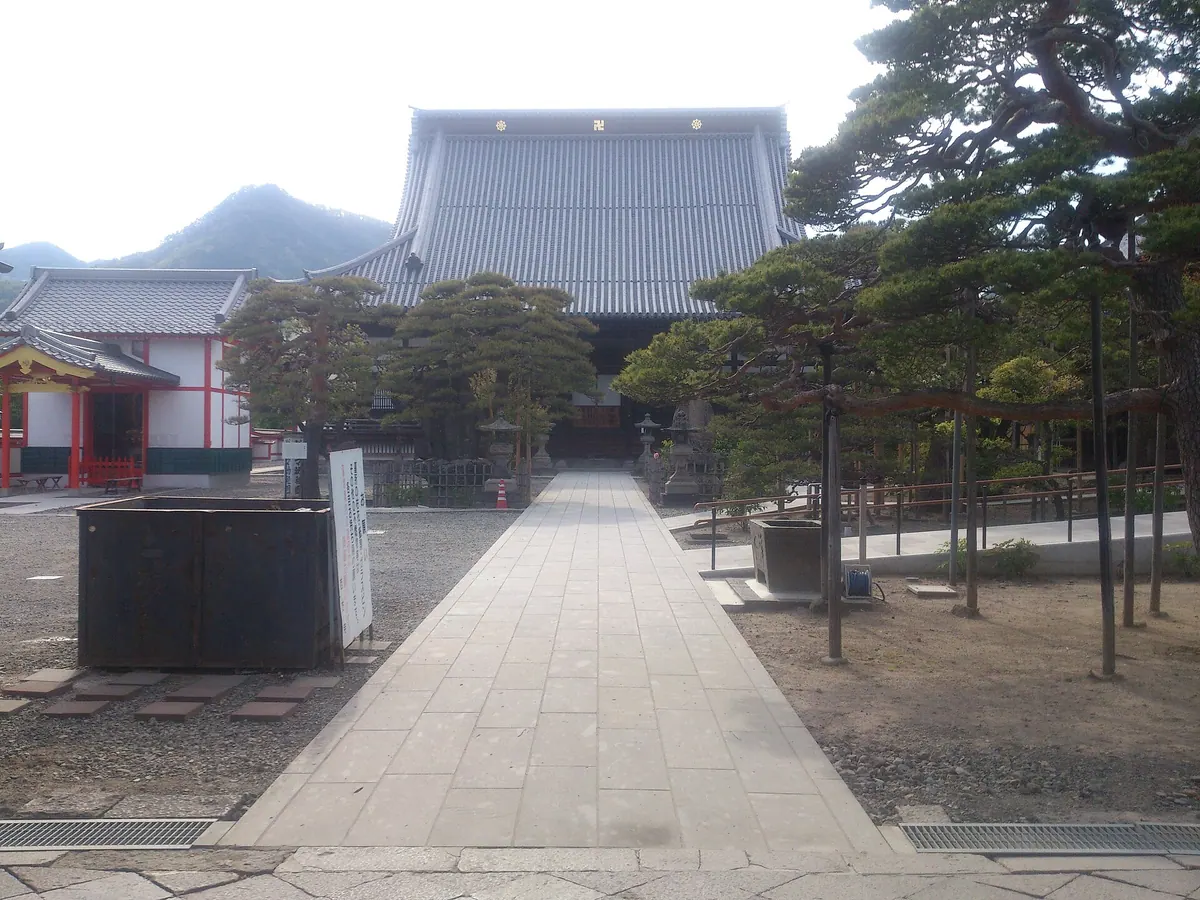
Saihoji is an ancient Jodo-shu temple in Nagano with a historic main hall and tranquil pond.
What it is
- A Jodo-shu temple in Nagano City, founded in 1199.
- Its sangō is Anyōzan and ingō is Gokurakuin.
- Moved to its current location in 1504.
What to see
- The main hall, built in 1787, is Nagano Town's oldest large building.
- Inside the main hall, see the four-shaku Amitabha Nyorai and other statues.
- Mūhō Pond, one of the Zenkōji Seven Ponds, is on the grounds.
- Graves of Tsukada Kyokurei are located within the temple grounds.
- Nenbutsu monuments of Yuten and Tokuhon line the approach.
- Address
- 長野県長野市西町1019 Map
14
Teishō-ji Temple
NAGANO · TEMPLE 貞祥寺

Teishoji is a historic Soto Zen temple with cultural treasures and a famous former residence.
What it is
- Soto Zen temple in Saku City, Nagano Prefecture.
- Established in 1521 by Tomono Teisho.
- Built for memorial services for his father and grandfather.
- One of the "Shinshu Hyakuji" (One Hundred Temples of Shinshu).
What to see
- Three-storied pagoda.
- Former residence of Shimazaki Toson.
- Pagoda and gates are Nagano Prefectural Treasures.
- War memorial for Nozawa Kita High School alumni.
Getting there
- Nakamagome Station on the JR Koumi Line.
- Address
- 長野県佐久市前山1380-1 Map
15
Jōraku-ji Temple
NAGANO · TEMPLE 常楽寺
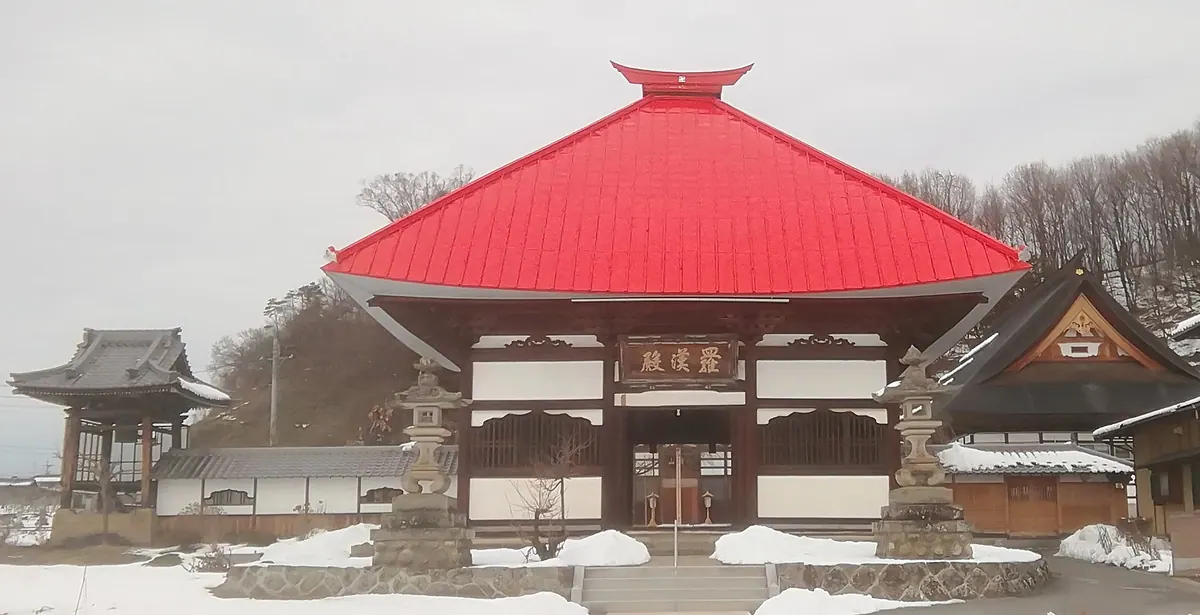
A historic Soto Zen temple in Nagano with unique statues and cultural properties.
What it is
- A Soto Zen temple in Nakano City, Nagano Prefecture.
- Its mountain name is Sendo-zan.
- Uesugi Kagekatsu contributed to the temple in 1583.
What to see
- The Rakan-den houses 500 Rakan statues.
- The Kannon-do's main image is a Holy Kannon Bodhisattva statue.
- The current main hall was rebuilt in 1819.
- Main hall transoms are designated cultural properties.
- The main hall's main image is Shaka Nyorai.
- Temple grounds include a main hall, Nio-mon, and Kannon-do.
- Address
- 長野県中野市中野栗和田2132 Map
16
Tenkyū-ji Temple
NAGANO · TEMPLE 典厩寺
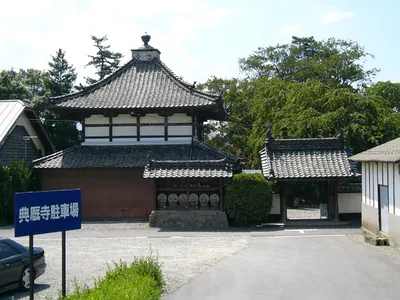
Sōtō Zen temple in Nagano with a large Enma statue and a memorial museum.
What it is
- A Sōtō Zen temple.
- Renamed Tenkyū-ji by Sanada Nobuyuki.
- Houses the grave of Takeda Nobushige.
What to see
- Main hall with a natural stone grave.
- Memorial for fallen soldiers from the battle.
- Enma-dō hall in front of the main hall.
- Enma statue, said to be the largest in Japan.
- Kawanakajima Battle Memorial Museum on the grounds.
- Museum displays over 60 temple treasures.
Getting there
- Accessible by bus from Nagano Station.
- Address
- 長野県長野市篠ノ井杵淵1000番地 Map
17
Tōkō-ji Temple
NAGANO · TEMPLE 東光寺
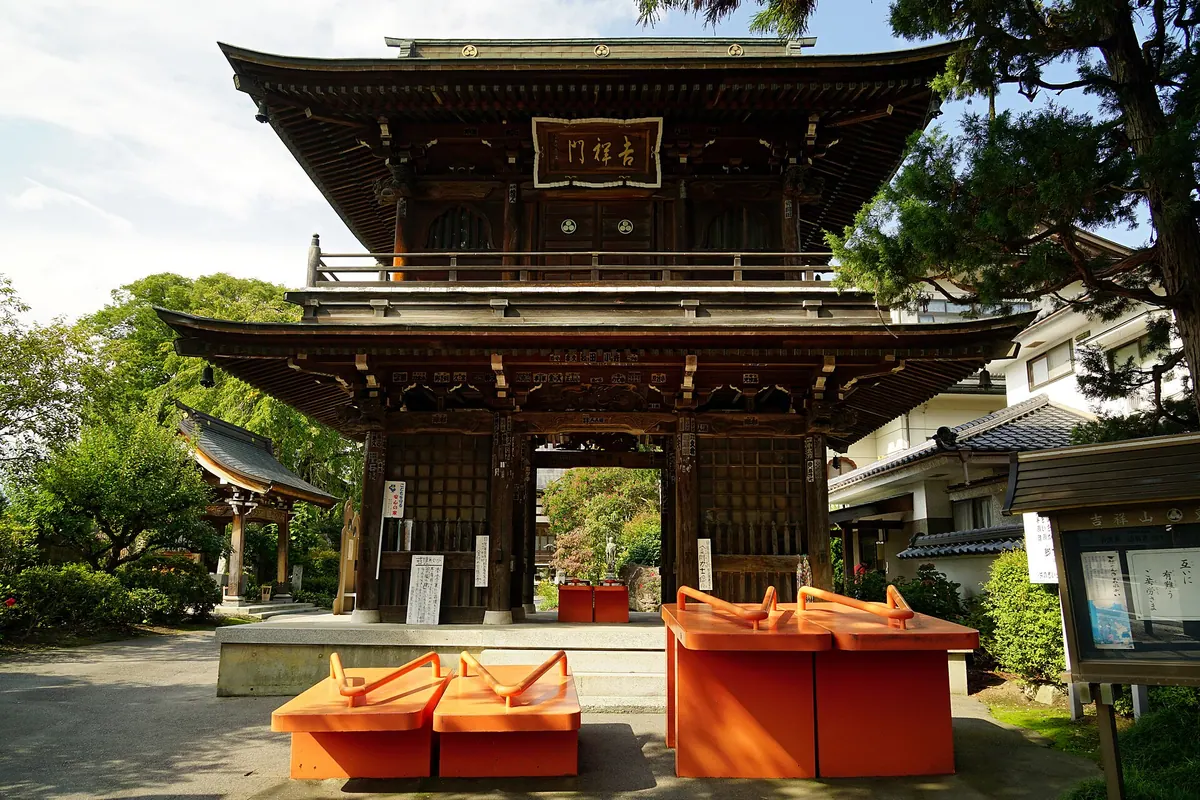
Tōkō-ji Temple is a Sōtō Zen Buddhist temple with important statues, worth visiting for its cultural heritage.
What it is
- A Sōtō Zen Buddhist temple.
- Principal image is Batō Kannon Bosatsu.
- Pilgrimage site for Daikokuten of Shinshu Shichifukujin.
- Eighth pilgrimage site of Shinshu Kawanishi Kannon.
What to see
- Wooden standing statue of Amitābha Tathāgata.
- Statue is a city-designated tangible cultural property.
Getting there
- 15-minute walk from Hotaka Station on the Ōito Line.
- Azumino sightseeing bus runs to Todoroki-ya during tourist season.
- Address
- 長野県安曇野市穂高2721 Map
18
Motozenkō-ji Temple
NAGANO · TEMPLE 元善光寺
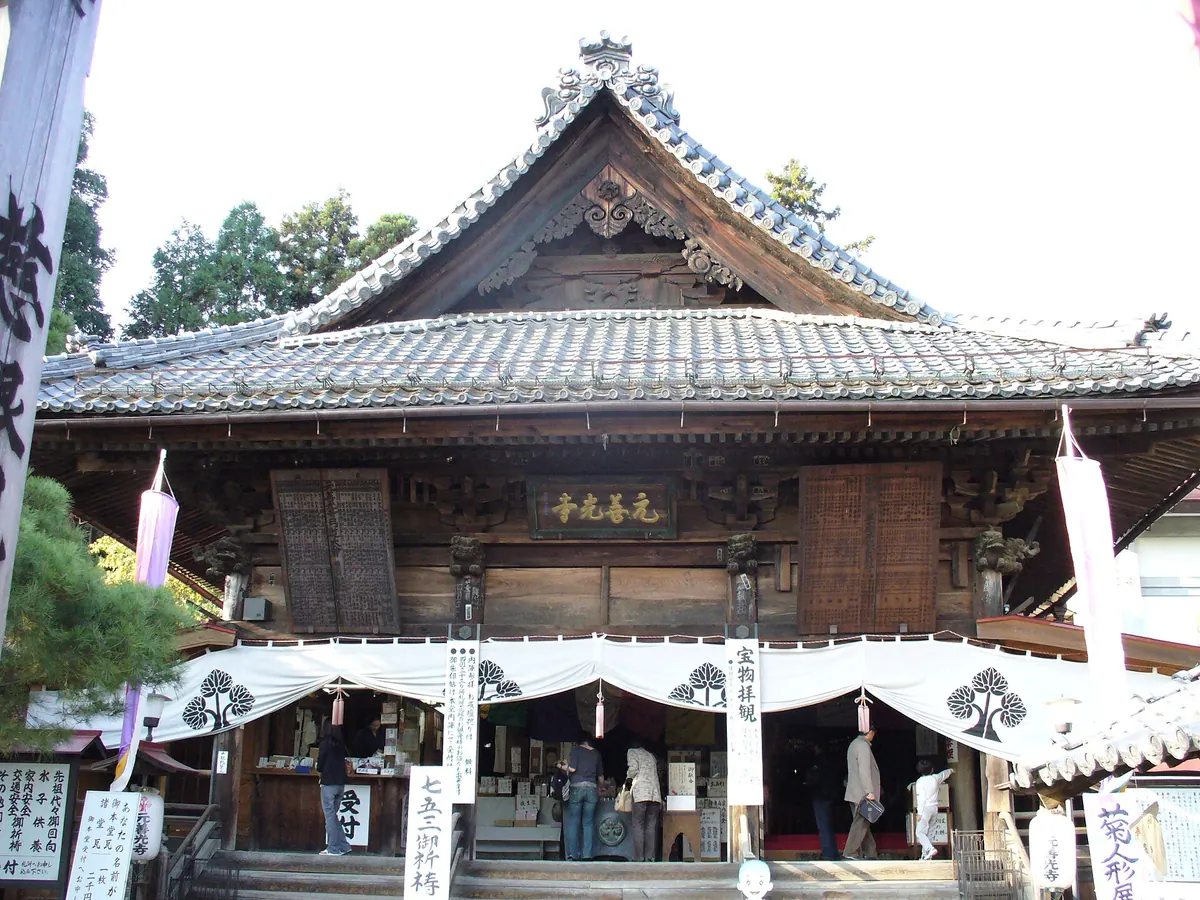
Visit this Tendai Buddhist temple to see its unique underground passage and historic treasures.
What it is
- A Tendai Buddhist temple in Iida City, Nagano Prefecture.
- Formerly known as Nyorai-ji Temple.
- Dedicated to the main deity Zenkō-ji Nyorai.
What to see
- Experience the Okaidan-meguri, a dark underground passage.
- Explore the treasure hall with its sacred臼 and Aizen Myōō statue.
- See the Bell of Peace.
- Visit the Heiwaden, enshrining Kannon from the Saigoku pilgrimage.
Getting there
- A 5-minute walk from Motozenkō-ji Station.
- Address
- 長野県飯田市座光寺2638 Map
19
Jurin-ji Temple
NAGANO · TEMPLE 樹林寺
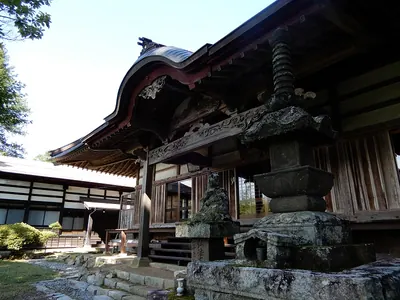
Jurin-ji Temple is a historic site with unique monuments, founded in 1601 as a prayer temple.
What it is
- Founded in 1601 by Hoshina Masamitsu.
- Built at the demon gate of Takato Castle.
- Served as a prayer temple for the Takato Domain.
- Became a branch temple of Chishaku-in Temple.
What to see
- Original main image was a copy of Yugao Kannon.
- Current main image is Dainichi Nyorai.
- Monument to Hoshina Masayuki on the grounds.
- Memorial tower for O-Shizu on the grounds.
Getting there
- 30 minutes walk from JR Bus Kanto Takato Station.
- Address
- 長野県伊那市高遠町東高遠2330 Map
20
Sōen-ji Temple
NAGANO · TEMPLE 宗円寺
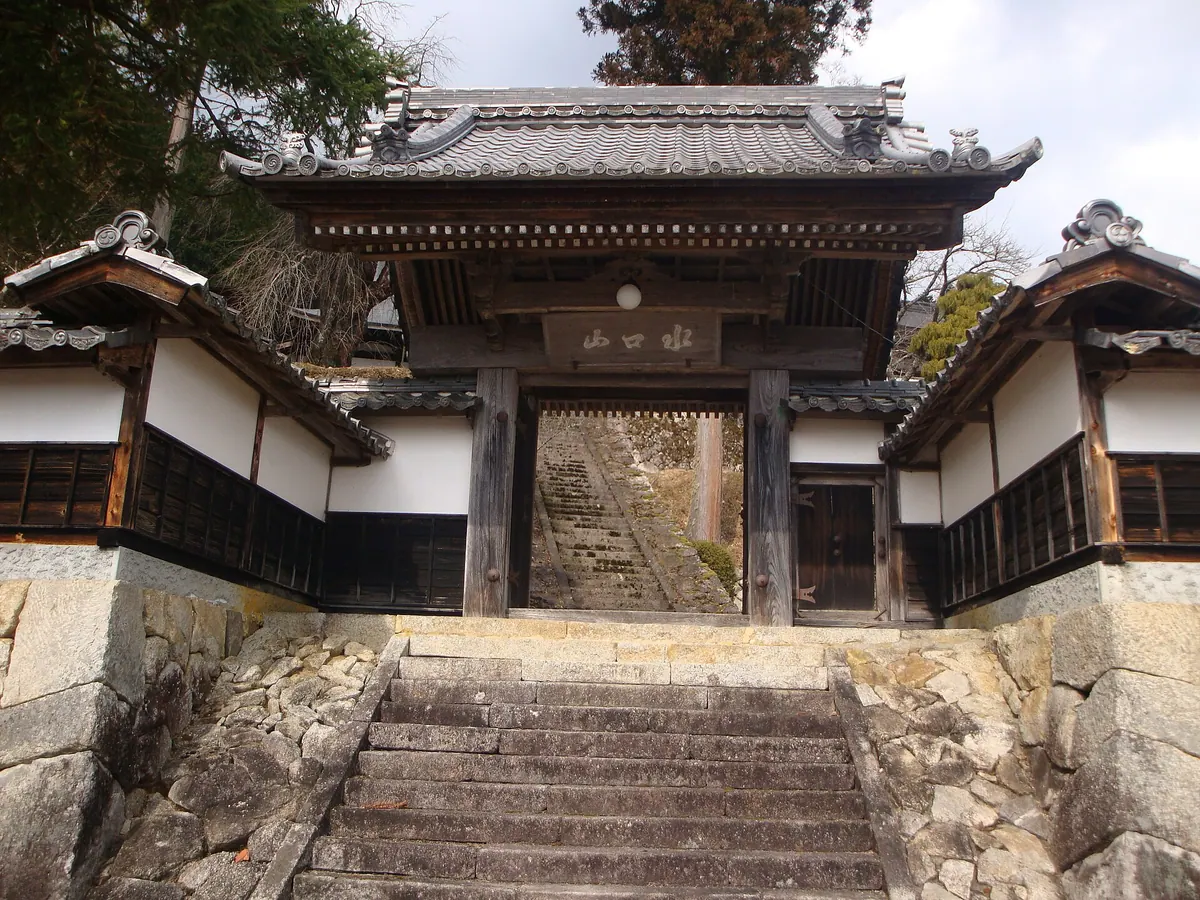
Sōen-ji Temple is a historic Jōdo-shū Buddhist temple with notable architecture and clan graves.
What it is
- Jōdo-shū Buddhist temple, mountain name Mizukuchiyama.
- Principal image is Amida Nyorai.
- Established as family temple for the Miyazaki clan.
- Renamed Sōen-ji in 1686 by Miyazaki Shigetsugu.
What to see
- Main hall built in 1833.
- Main hall has gabled entrance with dragon carving.
- Temple gate built around the same time as main hall.
- Bell tower built in 1752.
- Current temple bell cast in 1949.
- Miyazaki clan's successive graves are a historic site.
- Address
- 長野県下伊那郡阿智村伍和1532 Map