

20 Temples in Nagasaki worth your time
Japan Gems
Nagasaki Prefecture is home to 53 temples and churches, including Ichijō-in Temple and Santo Domigo Church. These sites offer a look into the region's rich religious heritage.
Nagasaki has 61 temples on Japan Gems. Below are the 20 we can tell you the most about — each one written up in English from Japanese sources, with what to see and how to get there. See all temples in Nagasaki.
01
Honko-ji Temple (Shimabara)
NAGASAKI · TEMPLE 本光寺 (島原市)
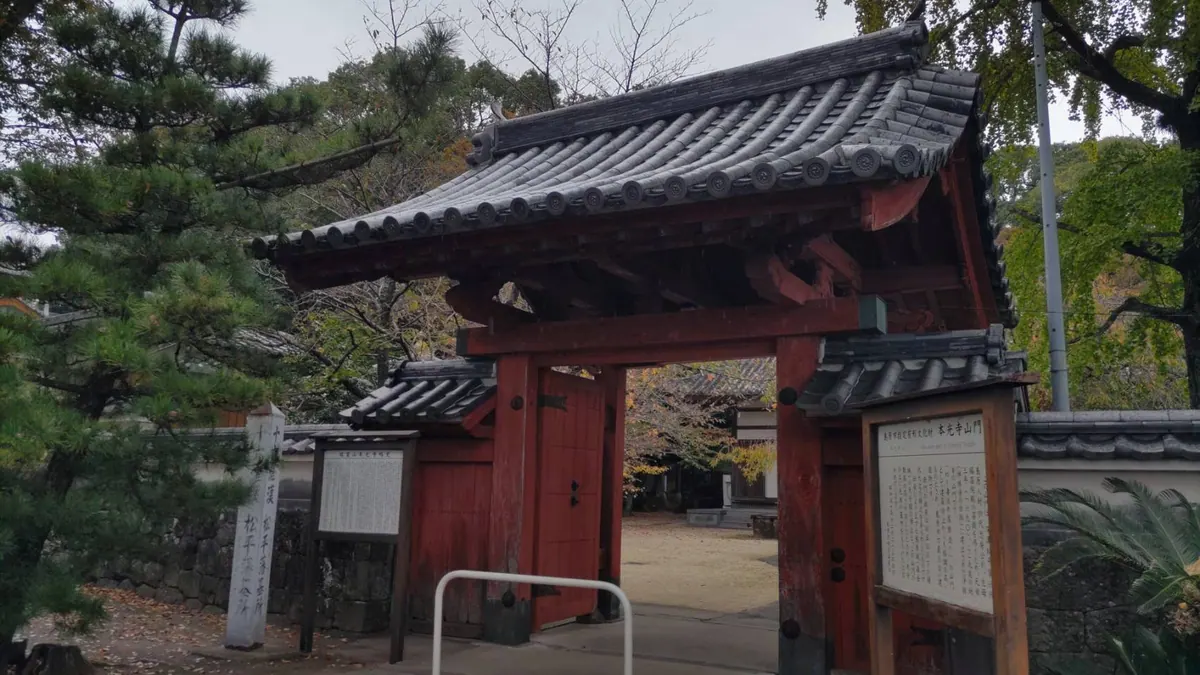
A 16th-century Soto Zen temple housing feudal lord graves, historic stone statues, and a museum of clan artifacts.
What it is
- A Soto Zen temple serving as the family burial site for the Fukumizu Matsudaira clan
- Founded in 1523 in Mikawa Province and moved to its current location in 1669
- The site preserves the history of the successive feudal lords of the Shimabara domain
What to see
- A city-designated temple gate that was completed in 1690
- Sixteen stone Arhat statues located on the grounds dating back to 1739
- The Tokiwa History Museum displaying clan artifacts and a 15th-century world map
- The graves of the feudal lords who ruled the Shimabara region
When to go
- The history museum is open for visitors daily from 9:00 to 17:00
Getting there
- The temple is a five-minute drive from Shimabara Station
02
Sōfuku-ji Temple
NAGASAKI · TEMPLE 崇福寺
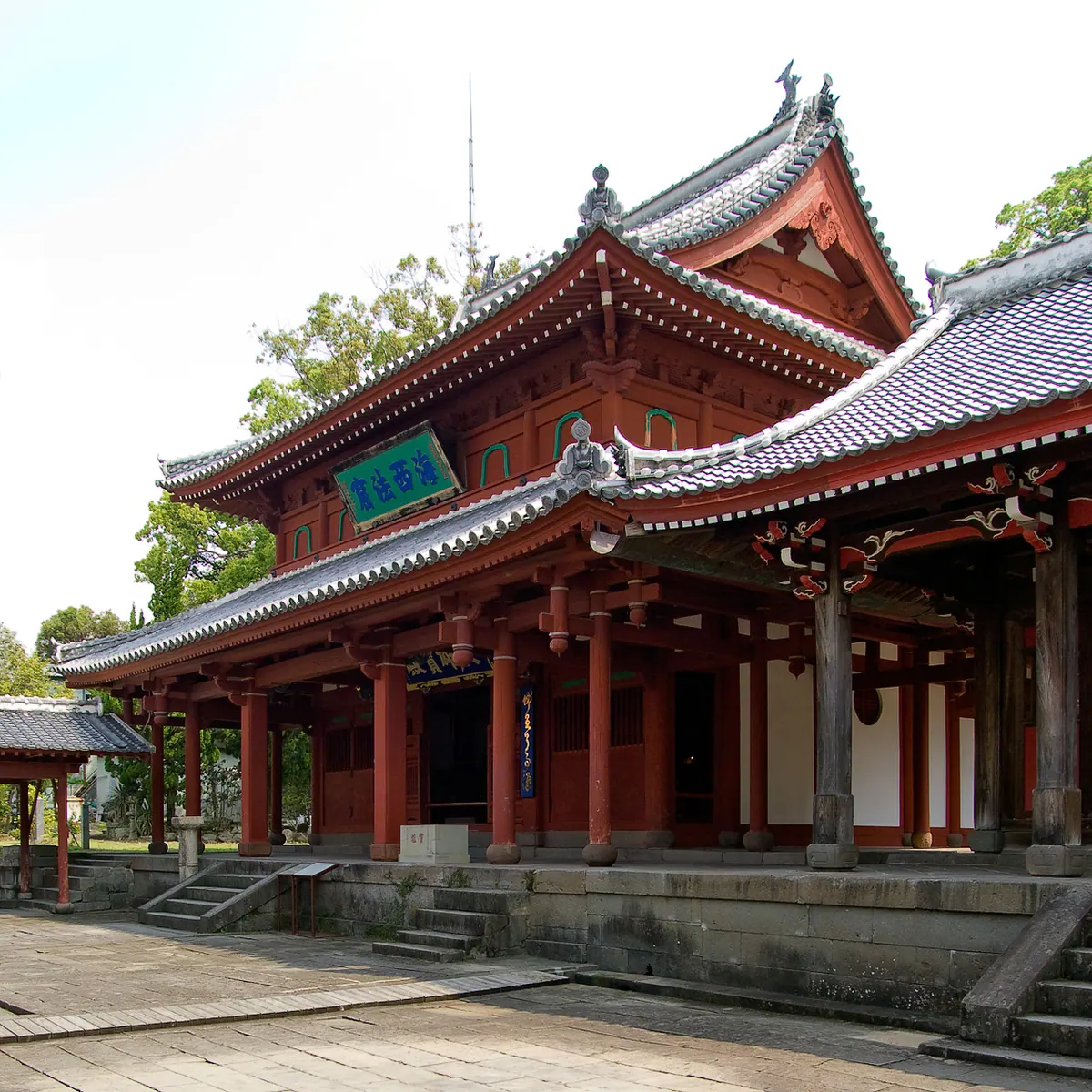
Japan's oldest Chinese-style Zen temple, founded in 1629, featuring rare National Treasures and a unique Fujian architectural style.
What it is
- An Obaku Zen temple founded in 1629 by Chinese residents from Fujian.
- One of the four historic Chinese temples located in Nagasaki City.
- The oldest example of a Chinese-style temple currently standing in Japan.
- A former site for language studies and private schools for early missionaries.
What to see
- The Daiyuhoden and Daiipponmon structures which are designated as National Treasures.
- The red Sanmon gate built in 1849, an Important Cultural Property.
- A historic bell and drum tower established on the grounds in 1728.
- Architectural details from the Fujian province style not common in Japanese temples.
Getting there
- The temple is a three-minute walk from Sofukuji Station.
03
Daiko-ji Temple
NAGASAKI · TEMPLE 大光寺
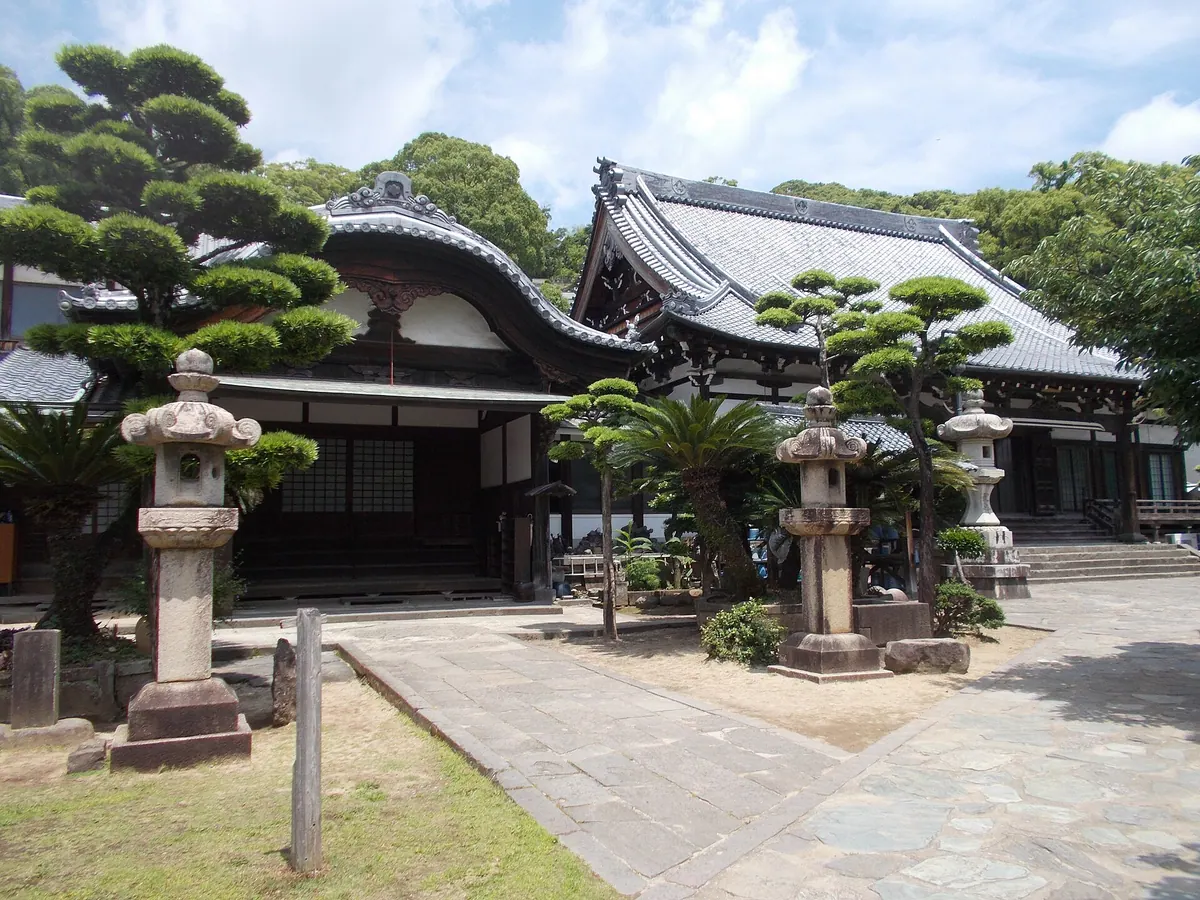
A historic Jodo Shinshu temple in Nagasaki featuring graves of famous pioneers and a hall donated by a Chinese translator.
What it is
- A Jodo Shinshu Hongwanji-ha temple founded in the early 17th century by Keiryo.
- The main object of worship is a statue of Amida Nyorai.
- The temple served as government army headquarters during the 1877 Satsuma Rebellion.
- It has occupied its current location in Kajiya-machi since 1660.
What to see
- The main hall which was originally donated by a Chinese translator named Yoso.
- A historic temple bell cast in 1672.
- The grave of printer Motoki Shozo, a designated Nagasaki City historic site.
- The burial site of martial artist Saigo Shiro.
- The grave of early Japanese photographer Uchida Kuichi.
04
Santo Domigo Church
NAGASAKI · TEMPLE サント・ドミンゴ教会
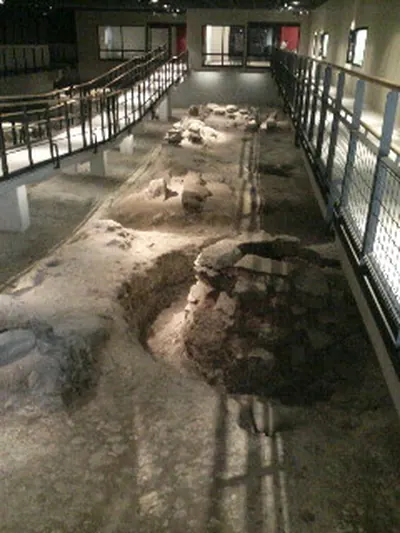
This museum, hidden beneath a school, displays rare remains of a 17th-century church and artifacts.
What it is
- Museum underneath a primary school.
- Dedicated to Santo Domingo Church, founded 1602.
- Church was rebuilt in Nagasaki in 1609.
- Destroyed in 1614 after Christianity banned.
What to see
- Remains of the church’s basement.
- Iberian-style stone pavement with drainage ditches.
- Well from the Takagi family mansion.
- Excavated church roof tiles with floral crosses.
- Christian medals, crosses, rings, and rosary beads.
- Scorched plates and terracotta-colored tiles from 1663 fire.
Getting there
- Discreet doorway on side road to Nagasaki Museum of History and Culture.
05
Mizunoura Church
NAGASAKI · TEMPLE 水ノ浦教会
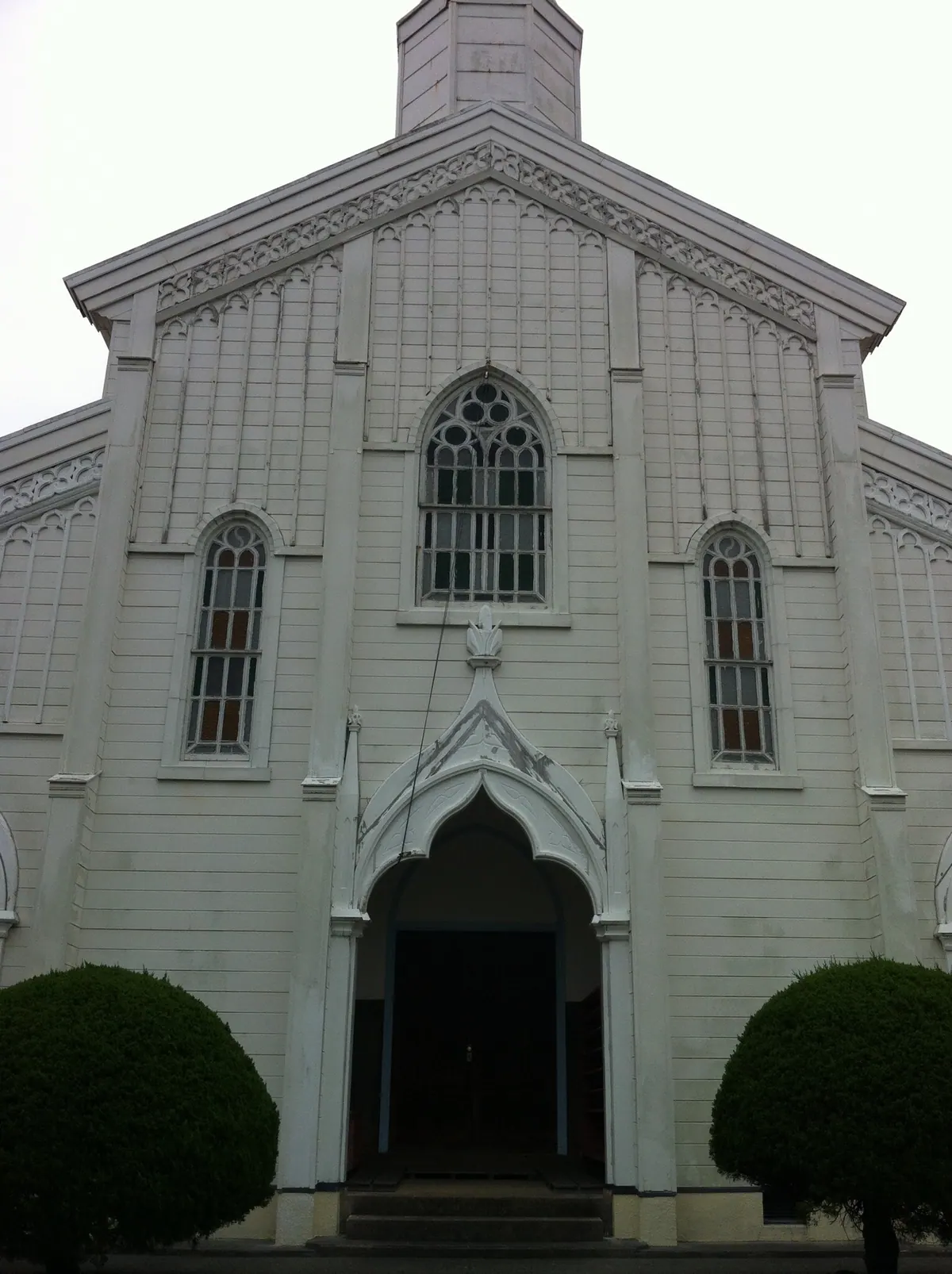
Japan's largest wooden church, blending Romanesque and Gothic styles with a history of religious resilience in the Goto Islands.
What it is
- A Catholic cathedral located in Goto City, Nagasaki Prefecture.
- The current wooden structure was rebuilt in 1938 by architect Yosuke Tetsukawa.
- The site originally established its first church building in 1880.
- It stands as the largest wooden church building in Japan.
What to see
- Architecture combining Romanesque, Gothic, and traditional Japanese design elements.
- A statue of Saint John of Goto positioned on the hill.
- Ruins of a prison dating back to the era of religious persecution.
- The white wooden exterior and vaulted ceiling of the main hall.
06
Hiradoguchi Church
NAGASAKI · TEMPLE 平戸口教会
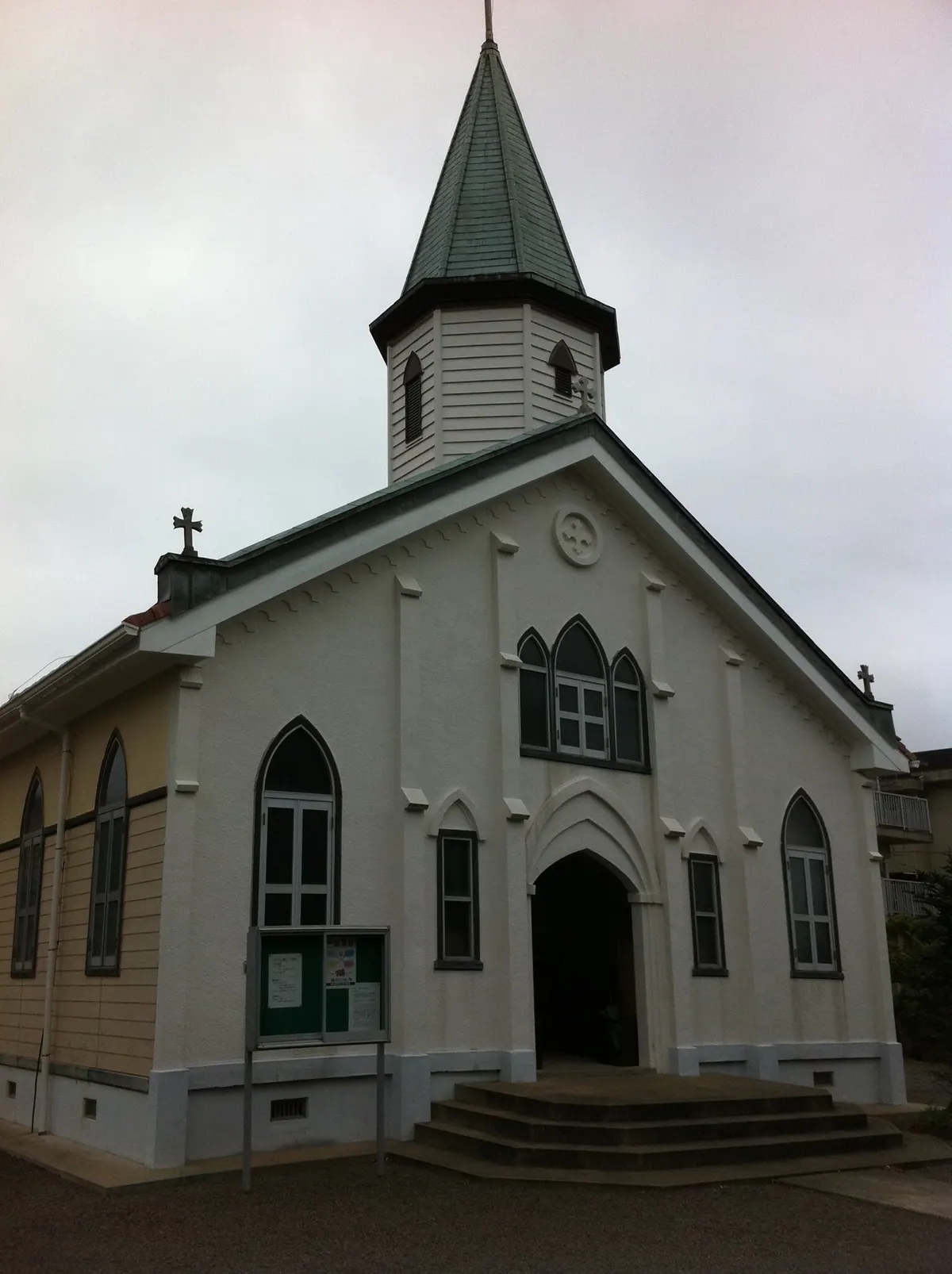
A Catholic cathedral in Nagasaki Prefecture built in 1952, originally founded as a nursery school and sanctuary.
What it is
- A Catholic cathedral located in Tabira Town within Hirado City.
- Founded originally as a nursery school that served as a temporary sanctuary.
- The current church building was constructed in 1952.
- Established as an independent parish in 1960 after separating from Tabira Church.
What to see
- The cathedral building which was blessed by Bishop Yamaguchi in 1952.
- A site where Father Greeney of the Columban Fathers resided during construction.
Getting there
- The site is located near Tabira-Hiradoguchi Station.
07
Banshō-in Temple
NAGASAKI · TEMPLE 万松院
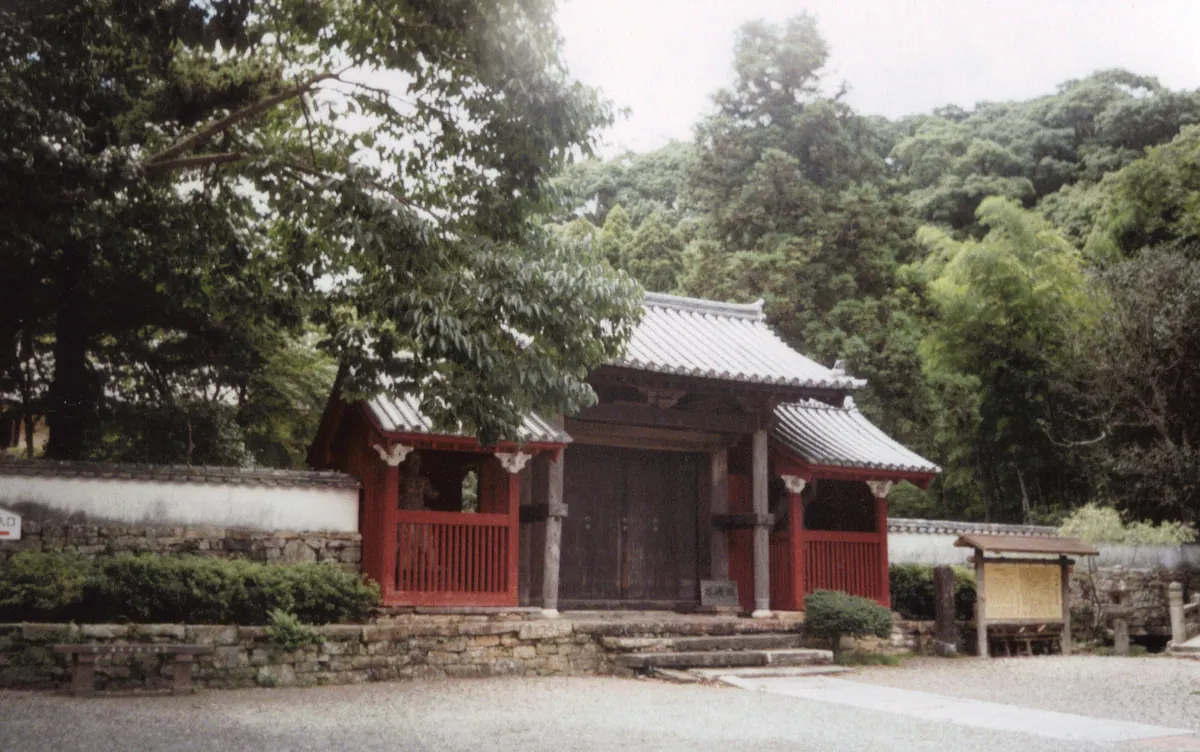
Banshō-in Temple is the ancestral temple of the So family, worth visiting for its historical mausoleum.
What it is
- Ancestral temple of the So family, lords of Tsushima.
- Founded in 1615 by So Yoshinari.
- Named after his father Yoshitoshi's posthumous name.
What to see
- Red main gate with Nio guardian king statues.
- Main hall with three bronze altar decorations.
- Crane-and-turtle candlestick, lion censer, flower vase.
- 132-step stone staircase to the mausoleum.
- So family mausoleum with tombs of lords and family.
- Three giant cedar trees overshadowing the Kami-Otamaya.
Getting there
- Located on the western edge of Izuhara town.
- Address
- 長崎県対馬市厳原町西里192 Map
08
Fukuishi Kannon Temple
NAGASAKI · TEMPLE 福石観音
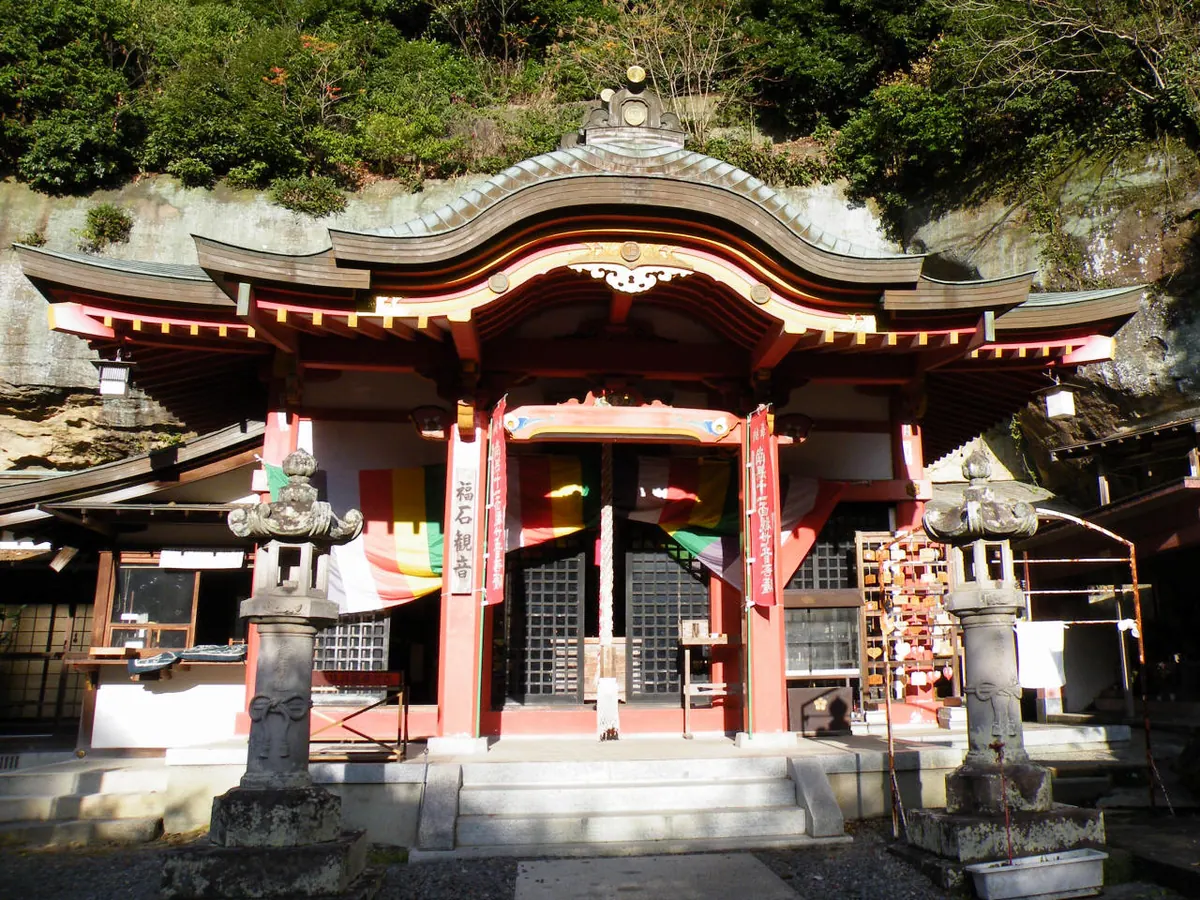
Fukuishi Kannon Temple is a historic Buddhist site housing a significant Kannon statue.
What it is
- A Buddhist temple, formally named Seiganji.
- Dedicated to an Eleven-faced Kannon.
- Founded as the 27th temple of the Kyushu Saigoku 33 Kannon Pilgrimage.
- Its mountain name is Fukuishisan.
What to see
- The main hall, built in 1785.
- A 2-meter wooden statue of the Eleven-faced Kannon.
- The Eleven-faced Kannon is one of the Kyushu Seven Kannon.
- A rock cave called Ryujin Doketsu is behind the main hall.
When to go
- Fukuishi Kannon Sennichi Festival is held from August 8 to 11.
- Address
- 長崎県佐世保市福石町24-5 Map
09
Dōzaki Church
NAGASAKI · TEMPLE 堂崎天主堂
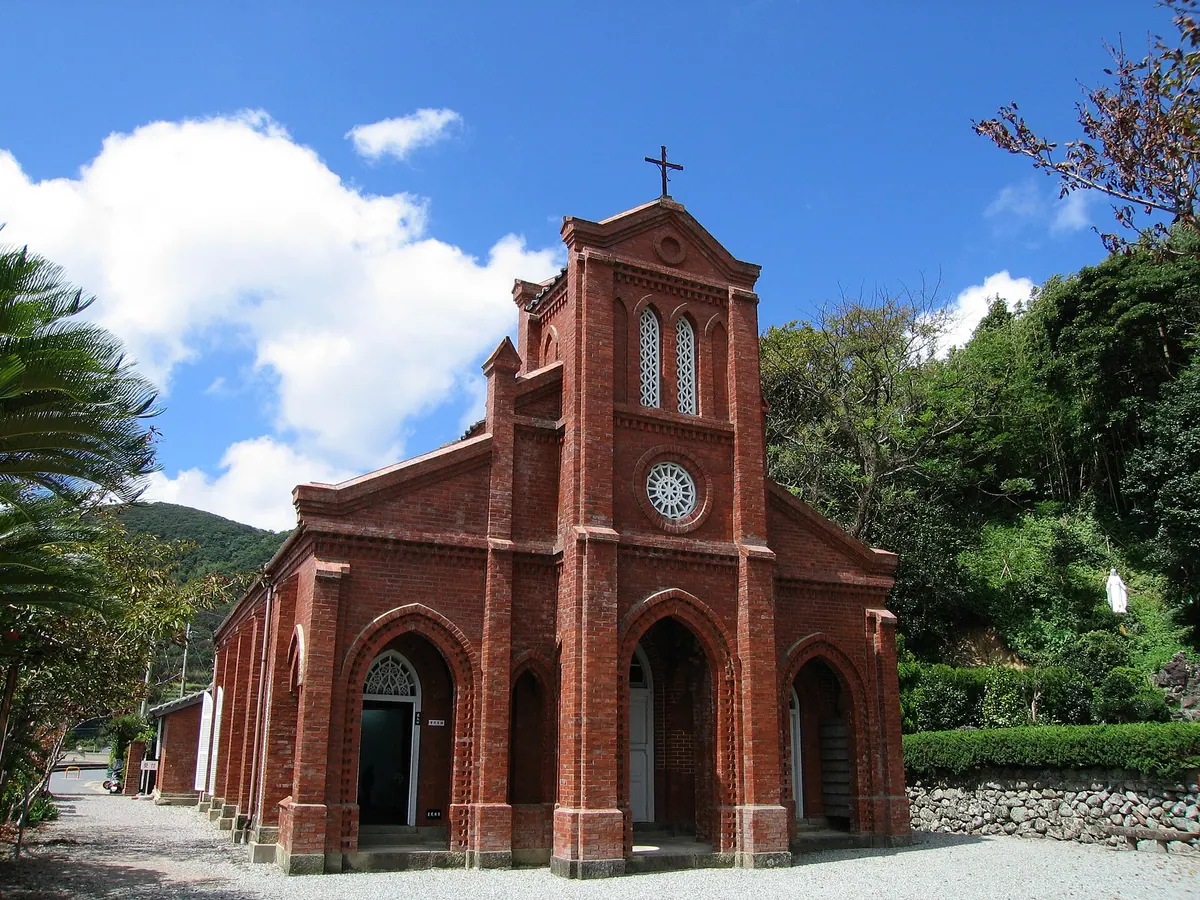
Dozaki Church is a historic Catholic church and museum, significant for its post-ban construction and architecture.
What it is
- A Catholic church in Fukue Island, Goto City.
- First church in Goto Islands after Christianity ban.
- Dedicated to the Twenty-Six Holy Martyrs of Japan.
- Completed on May 10, 1908.
What to see
- Brick-built, Gothic-style, single-story building.
- First Western-style building in Goto.
- Interior made of wood.
- Stained glass patterns feature camellias.
- Dozaki Church Christian Museum opened in 1977.
When to go
- Designated a Prefectural Tangible Cultural Property in 1974.
10
Kuroshima Church
NAGASAKI · TEMPLE 黒島天主堂
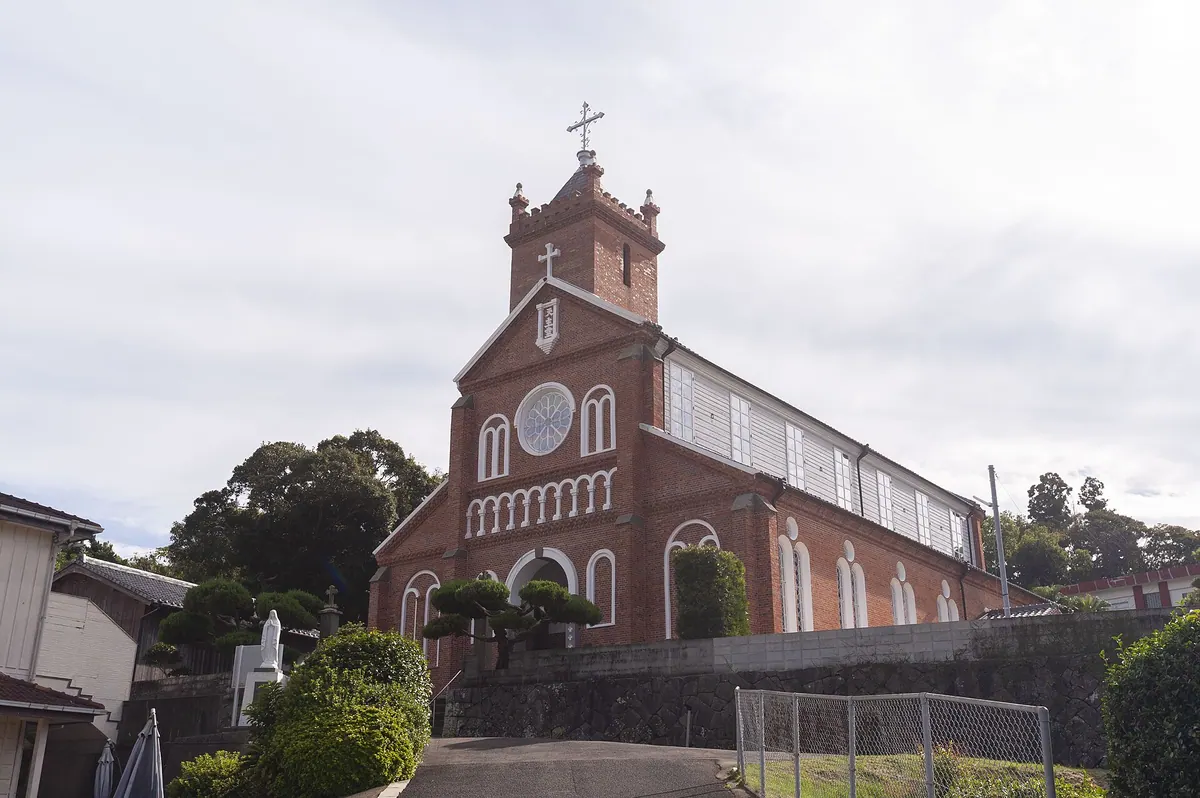
Kuroshima Church is a historic Catholic church, a World Heritage site with unique architecture.
What it is
- Catholic church in Sasebo City, Nagasaki Prefecture.
- Also known as the Sacred Heart of Jesus Church.
- Current building constructed in 1902.
- Designated a National Important Cultural Property.
What to see
- Three-aisle basilica type church building.
- Exterior based on Romanesque style.
- Three-layer structure.
- Local granite and Arita ware tiles.
- Bell tower with a pyramidal roof.
When to go
- Registered as a World Heritage site on June 30, 2018.
11
Ohashi Kannon-ji Temple
NAGASAKI · TEMPLE 御橋観音寺
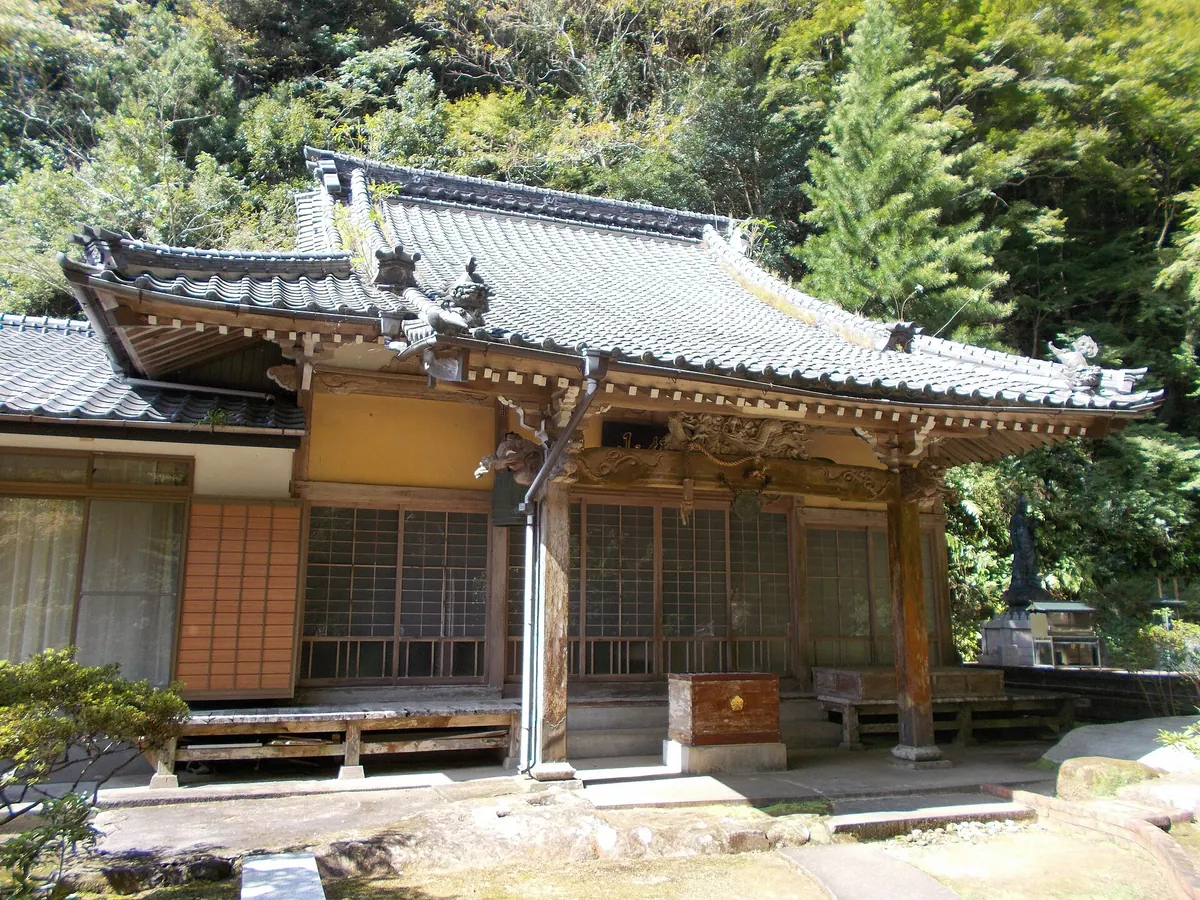
Ancient Buddhist temple with unique natural stone bridges and a Kannon statue.
What it is
- Buddhist temple of the Shingon-shu Chizan-ha sect.
- Founded by Gyoki during the Yoro era.
- 75th Fudasho of the Kyushu 88 Sacred Places.
- 29th Fudasho of the Kyushu 33 Kannon.
What to see
- Seated Eleven-faced Kannon statue is the principal image.
- Two natural stone bridges are within the temple grounds.
- Stone bridges are 27 meters long and 4 meters wide.
- One natural stone bridge is a Hirado Eight View.
- Ohashi Kannon Fern Community is a national natural monument.
- Address
- 長崎県佐世保市吉井町直谷94番地 Map
12
Ankoku-ji Temple
NAGASAKI · TEMPLE 安国寺
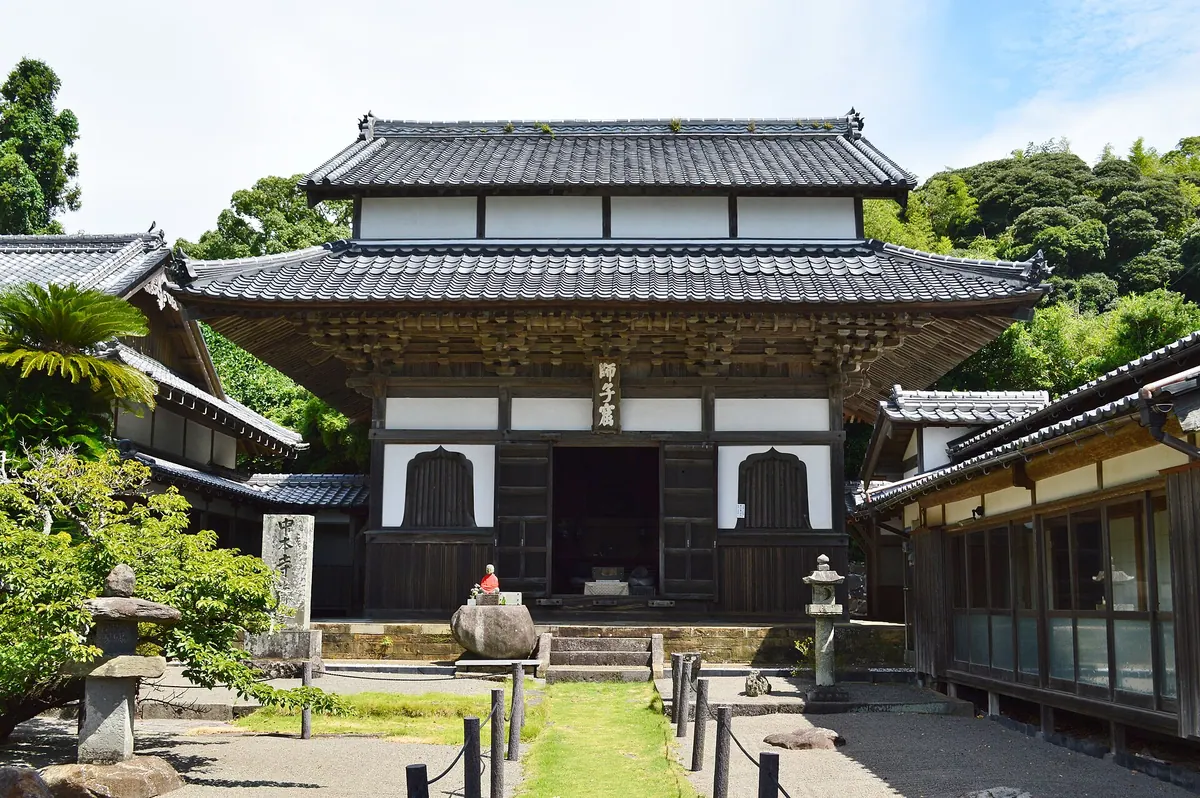
Ankoku-ji Temple is a historic Rinzai temple founded for peace, with important cultural properties.
What it is
- Rinzai sect Daitoku-ji school temple.
- Founded in 1338 by Ashikaga Takauji and Tadayoshi.
- Established for peace and to mourn war dead.
What to see
- Buddha hall, rebuilt in 1779.
- Large cedar tree, a Prefectural Natural Monument.
- Koryo edition of the Great Prajnaparamita Sutra.
- Sutra consists of 219 volumes, a National Important Cultural Property.
- Ten temple artifacts are Prefectural Tangible Cultural Properties.
- Temple ruins are a Prefectural Historic Site.
- Address
- 長崎県壱岐市芦辺町深江栄触546 Map
13
Myōjō-in Temple
NAGASAKI · TEMPLE 明星院 (五島市)
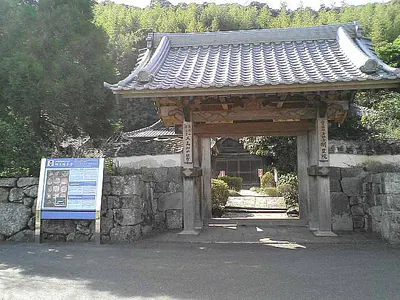
This temple on Fukue Island has a copper Buddha statue and a main hall with 121 ceiling paintings.
What it is
- Temple of Myojoin, on Fukue Island.
- Originally a guest house for envoys to Tang China.
- Named by Buddhist priest Kukai in 806.
- Supported by the Goto family from the 14th century.
What to see
- Copper statue of Yakushi, Buddha of medicine.
- Main hall interiors repainted in the 17th century.
- Ceiling with 121 paintings of plants and birds.
- Four corners with images of tennyo, celestial beings.
- Ho-o, a mythical bird, near the center of the outer section.
- Address
- 五島市吉田町1905番地 Map
14
Kōfuku-ji Temple
NAGASAKI · TEMPLE 興福寺
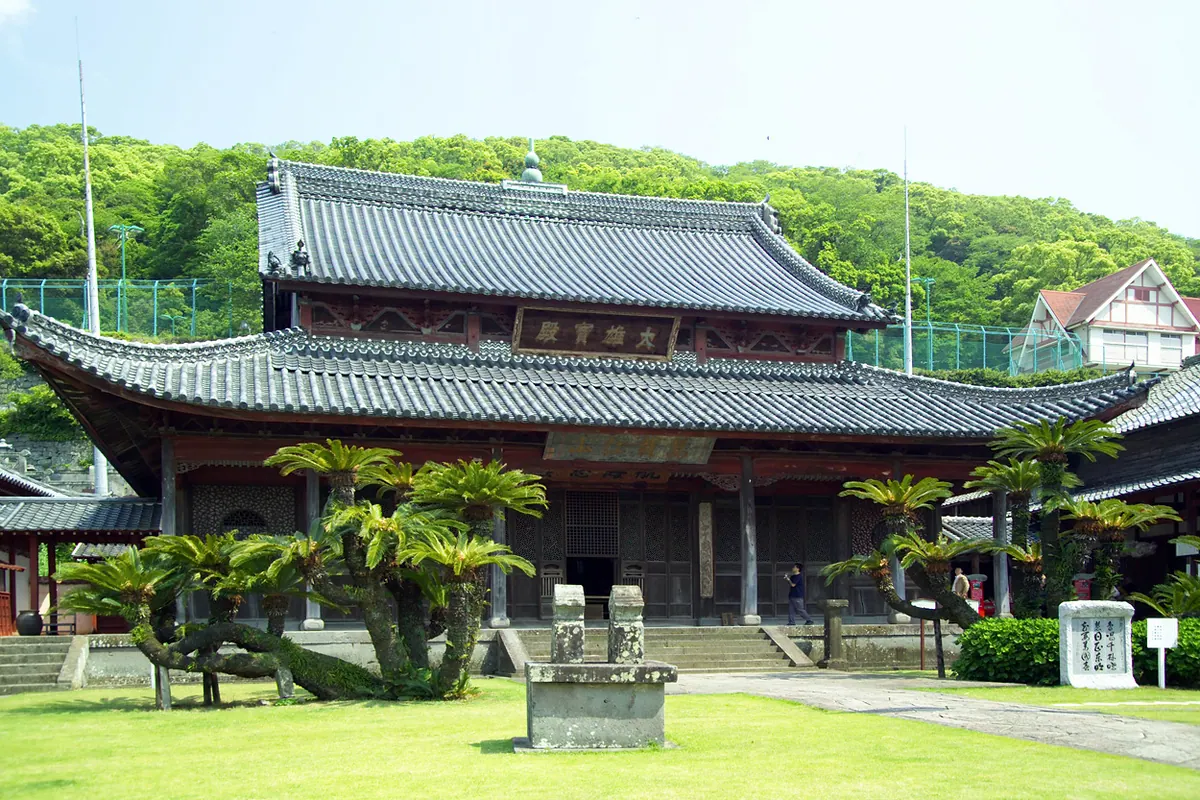
Japan's oldest Ōbaku Zen temple, Kōfuku-ji offers a glimpse into Nagasaki's Chinese heritage.
What it is
- Japan's oldest Ōbaku Zen temple.
- Founded in 1624 by Chinese monk Shinyen.
- Also known as Akadera, meaning 'red temple'.
- One of the Nagasaki Sanfukuji temples.
What to see
- The red temple gate, giving it the name Akadera.
- Mazu Hall, dedicated to the Chinese sea goddess.
- Main hall, Daiohōden, a National Important Cultural Property.
- Chime-Drum Tower, a Prefectural Tangible Cultural Property.
- Temple grounds, designated a Prefectural Historic Site.
- Address
- 長崎県長崎市寺町4-32 Map
- Official site
- kofukuji.com
15
Tabira Catholic Church
NAGASAKI · TEMPLE 田平天主堂
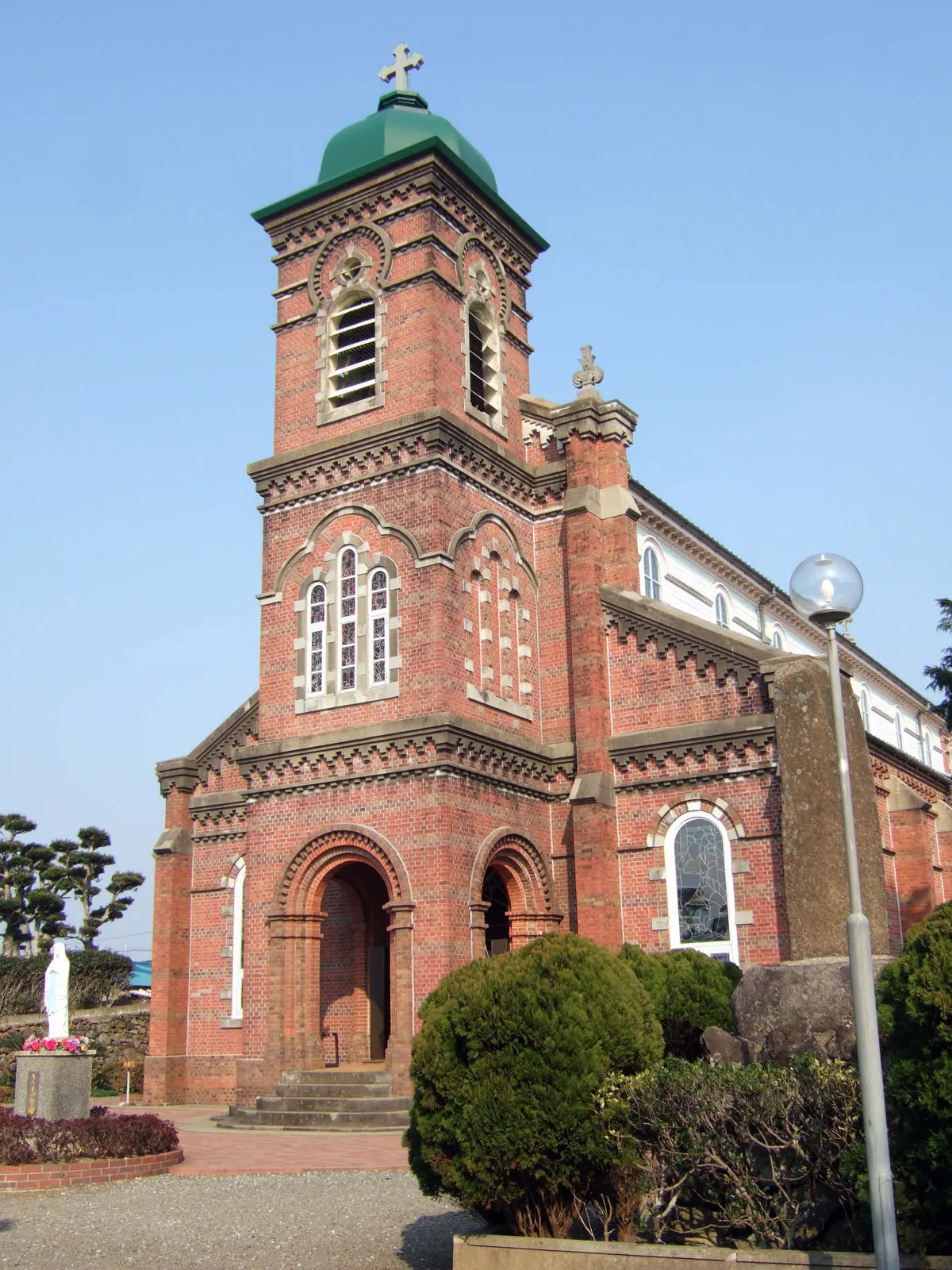
A historic brick church dedicated to martyrs, known for its architecture and stained glass.
What it is
- A Catholic church in Hirado City, Nagasaki Prefecture.
- Built in 1918, designed by Yoshisuke Tetsukawa.
- Dedicated to the Twenty-Six Holy Martyrs of Japan.
- Designated as a National Important Cultural Property.
What to see
- Exterior made of brick and wood with a tiled roof.
- Stained glass created by Maximiliano Bartoz.
Getting there
- 5-minute drive from Nishi-Tabira Station.
- 10-minute drive from Tabira-Hiradoguchi Station.
16
Kōtai-ji Temple
NAGASAKI · TEMPLE 晧台寺
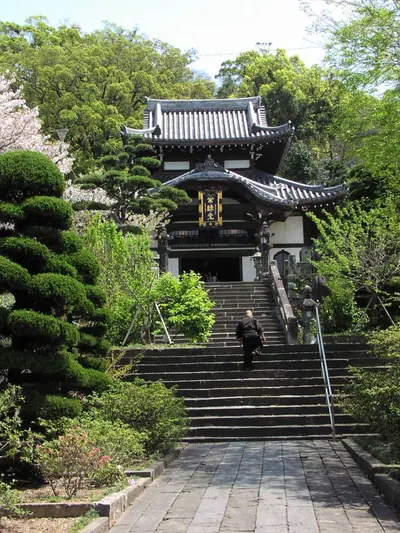
Kōtai-ji is a historic Zen Buddhist temple in Nagasaki, notable for its ancient gate and important graves.
What it is
- A Buddhist temple of the Sōtō Zen sect.
- One of Nagasaki's three major temples.
- Founded in 1608 as Kasatōzan Kōtai-ji.
- Emperor Meishō bestowed the current temple name.
What to see
- Graves of four Nagasaki magistrates.
- Graves of the Hayashi and Miyaba families.
- Grave of Kusumoto Ine, Siebold's daughter.
- The rebuilt main hall and other buildings.
- The temple gate, a cultural property.
- The Niōmon gate, Nagasaki's oldest temple gate.
- Address
- 長崎県長崎市寺町1-1 Map
- Official site
- kotaiji.net
17
Yamada Catholic Church
NAGASAKI · TEMPLE カトリック山田教会
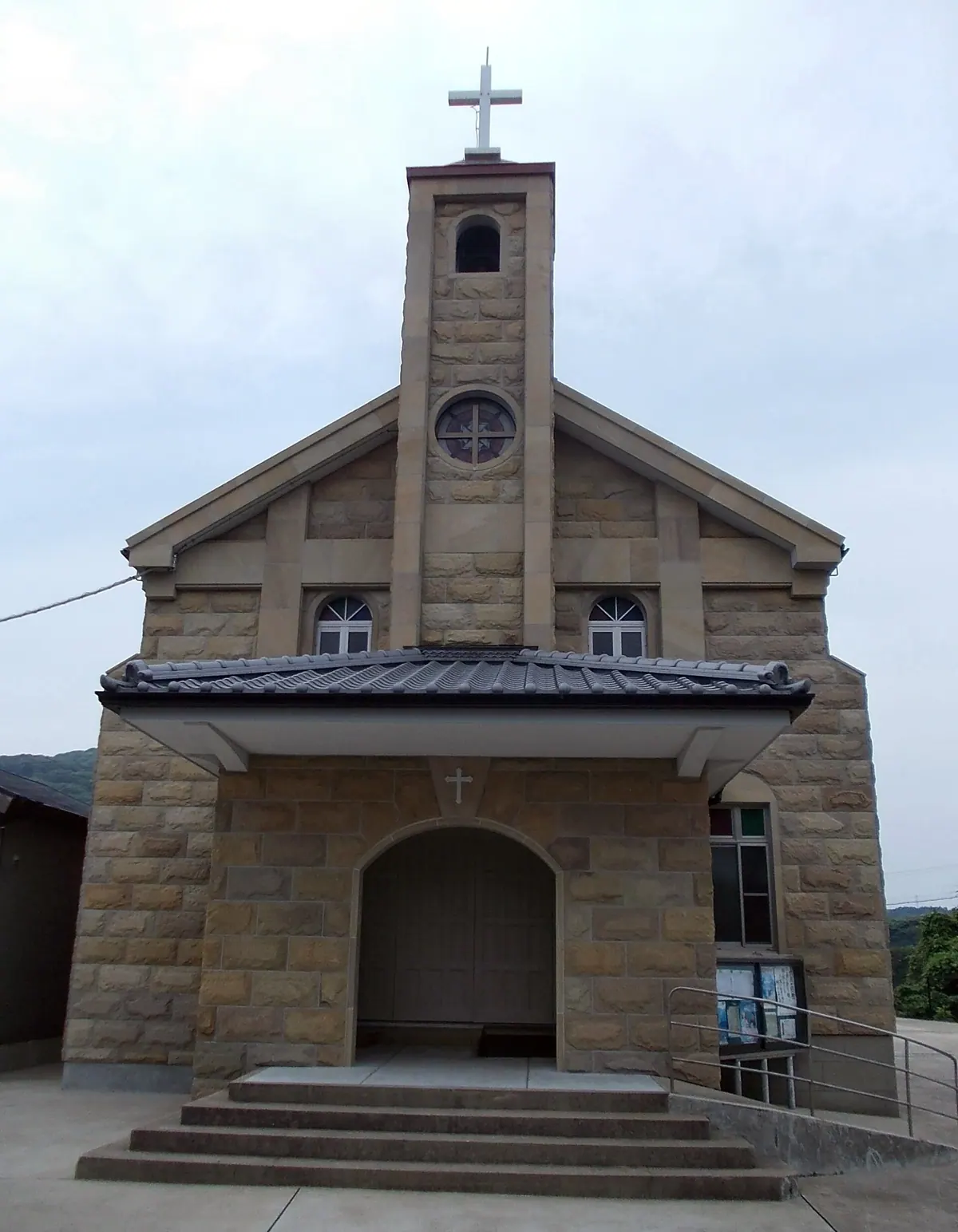
A historic Romanesque church on Ikitsuki Island, known for its unique interior decorations.
What it is
- A Catholic church dedicated to Our Lady of Sorrows.
- Construction began in 1909, completed in 1912.
- Designed and built by Yosuke Tetsukawa.
- Renovated and expanded in 1970.
What to see
- Romanesque style architecture.
- Interior walls with butterfly wing decorations.
- Decorations depict the Seven Sacraments.
- Monument for Saint Thomas Nishi in the front garden.
Getting there
- A 5-minute drive from Ikitsuki Bridge.
18
Shitsu Church
NAGASAKI · TEMPLE 出津教会堂
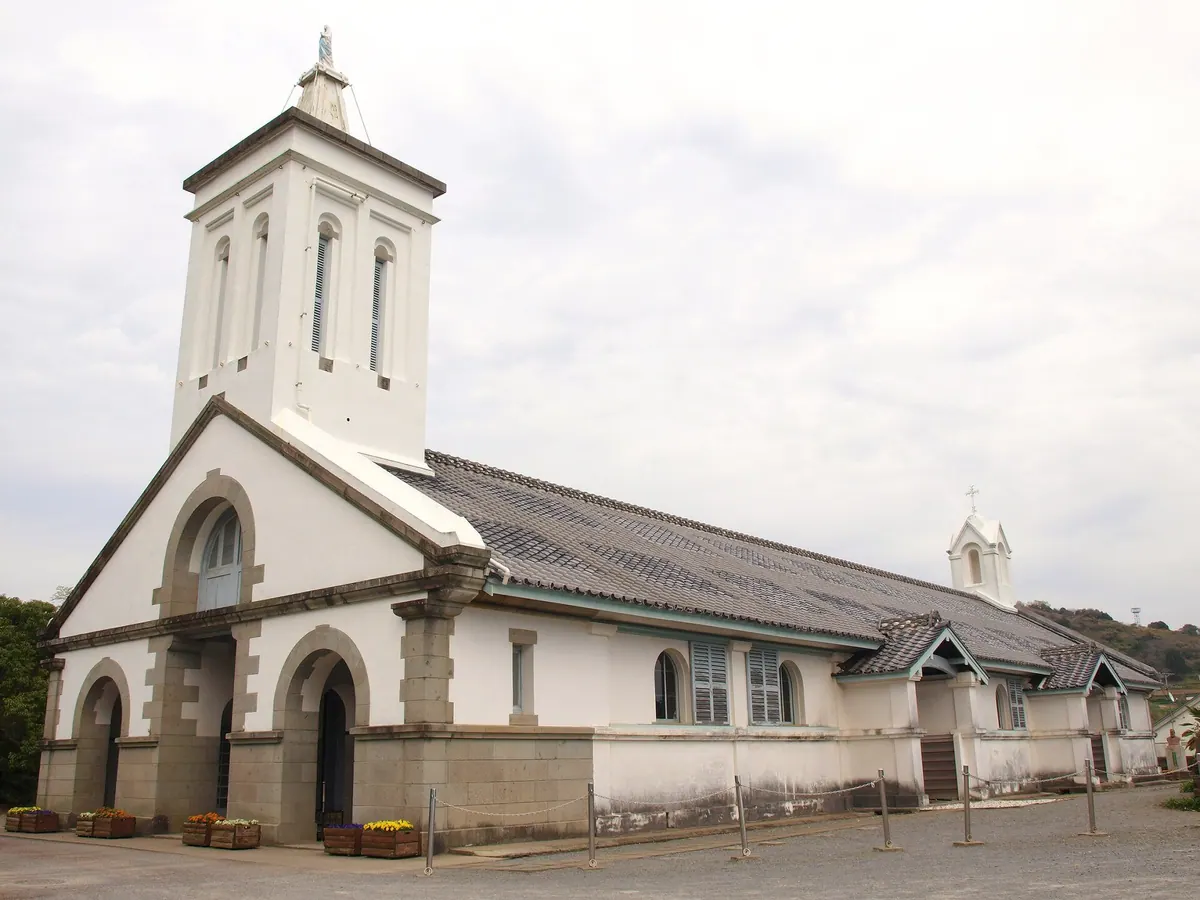
A historic Catholic church in Nagasaki, part of a World Heritage site, showcasing Japan's Hidden Christian past.
What it is
- A Catholic church in Nagasaki, Japan.
- Designed by Father Marc Marie de Rotz, construction began in 1882.
- Part of the Hidden Christian Sites in the Nagasaki Region.
- Designated a National Important Cultural Property.
What to see
- A brick building with a low roof.
- Rectangular plan with three naves.
- The current form completed in 1909 after two expansions.
Getting there
- 7-minute walk from the Shitsu bus stop.
19
Kiyomizu-dera Temple
NAGASAKI · TEMPLE 清水寺
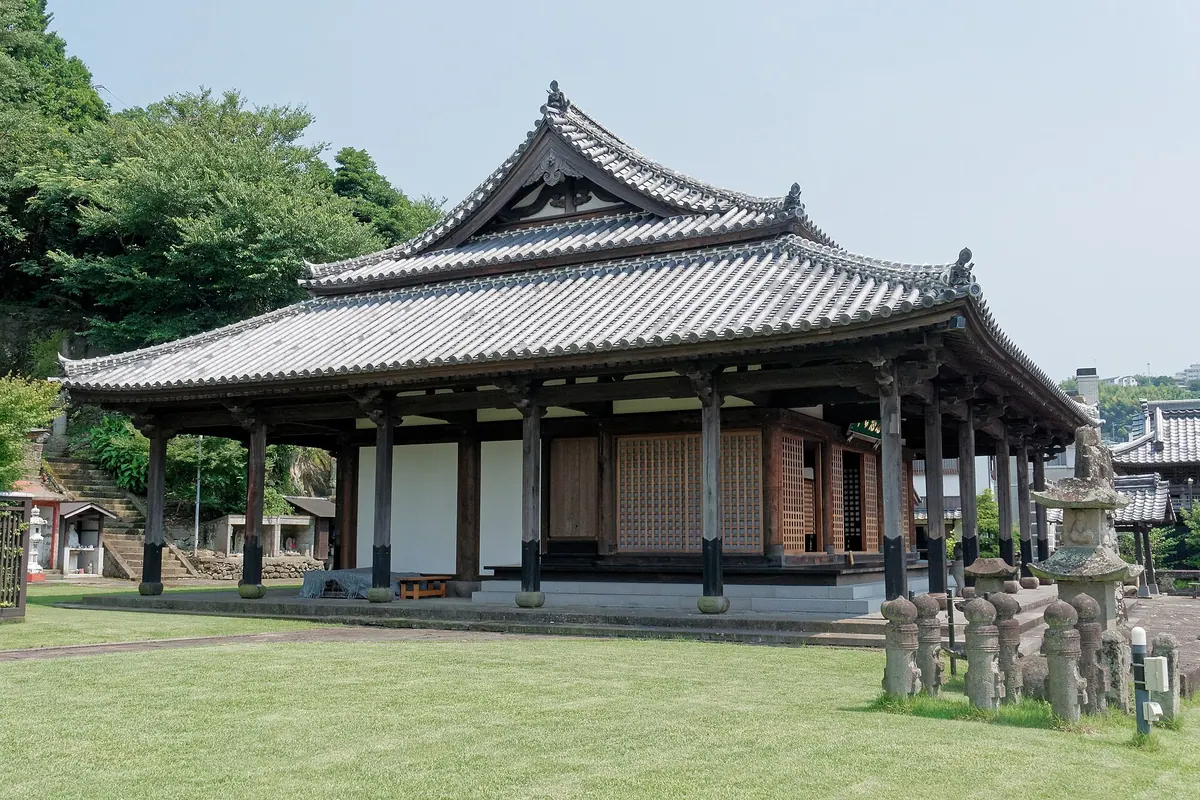
Kiyomizu-dera Temple: a historic temple with Nagasaki's oldest main hall and important cultural properties.
What it is
- Shingon sect Reiyunji school temple.
- Founded in 1623 by Keijun.
- Main deity is Senju Kannon.
What to see
- Main hall, built in 1668, is a National Important Cultural Property.
- Main hall is the oldest in Nagasaki Prefecture.
- Main hall enshrines Senju Kannon and Twenty-Eight Legions statues.
- Stele commemorating main hall reconstruction is an Important Cultural Property.
- Painting of Fudo Myoo is an Important Cultural Property.
- Address
- 長崎県長崎市鍛冶屋町8-43 Map
20
Ōno Church
NAGASAKI · TEMPLE 大野教会堂
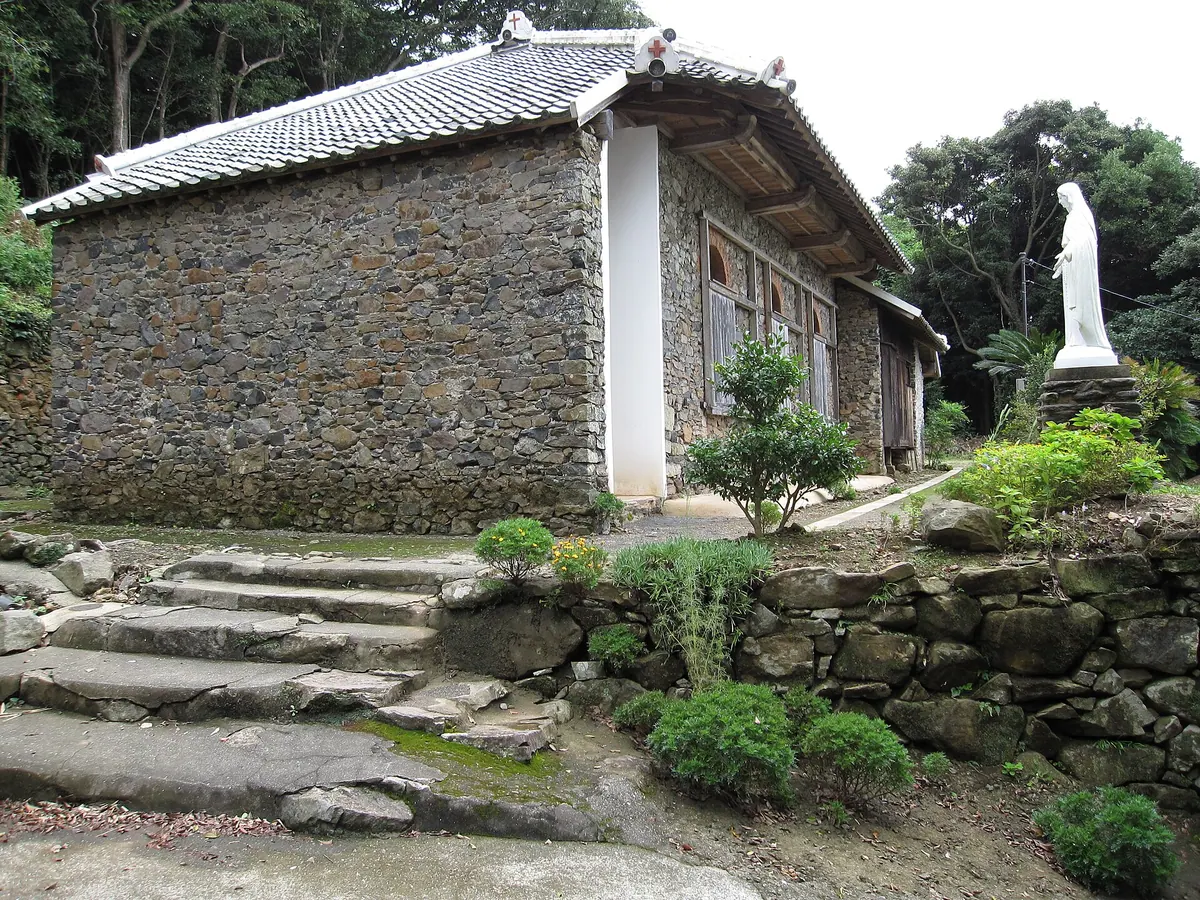
Ōno Church is a historic Catholic church, part of Hidden Christian Sites, with unique architecture.
What it is
- A Catholic church completed in 1893.
- Designed by Father Marc Marie de Rotz.
- Designated a National Important Cultural Property in 2008.
- Part of the Hidden Christian Sites in Nagasaki and Amakusa Region.
What to see
- Single-story structure with a tiled roof.
- Hall section is made of stone.
- Priest's room section is made of wood.
- Unique entrance through a side windbreak room.
- Statue of the Virgin Mary in the church garden.