

20 Shrines in Tochigi worth your time
Japan Gems
Tochigi Prefecture offers over 60 shrines, from the serene Furumine Shrine to the historic Utsunomiya Futarayama Shrine. Visitors can find a diverse range of spiritual sites suitable for various interests.
Tochigi has 60 shrines on Japan Gems. Below are the 20 we can tell you the most about — each one written up in English from Japanese sources, with what to see and how to get there. See all shrines in Tochigi.
01
Nakamura-hachimangū
TOCHIGI · SHRINE 中村八幡宮
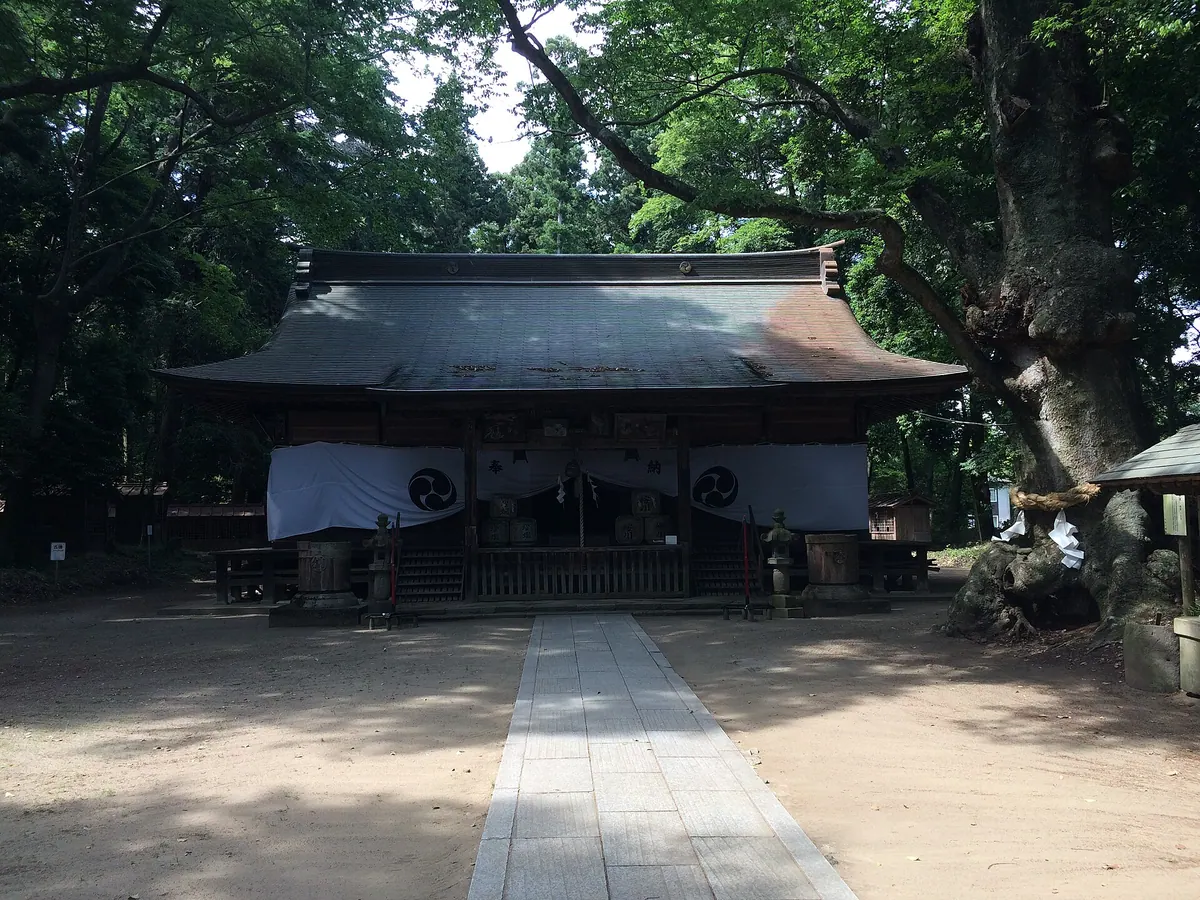
Ancient Shinto shrine with a rich history, significant architecture, and a vibrant annual festival.
What it is
- Shinto shrine in Mooka City, Tochigi Prefecture.
- Dedicated to Homutawake no Mikoto (Emperor Ōjin).
- Established in 676 by Emperor Tenmu's imperial order.
- Minamoto no Yoriyoshi and Yoshiie rebuilt it in the Eishō era.
What to see
- Main hall dates to around 1461.
- Main hall is a wooden structure with a copper plate roof.
- Main hall is a Mooka City designated cultural property.
- Kagura-den is a Mooka City registered cultural property.
- Several items are Tochigi Prefecture cultural properties.
When to go
- Annual grand festival is held on September 15.
- Yabusame (horseback archery) is performed at the grand festival.
- Address
- 栃木県真岡市中556 Map
02
Mamada Hachimangu
TOCHIGI · SHRINE 間々田八幡宮
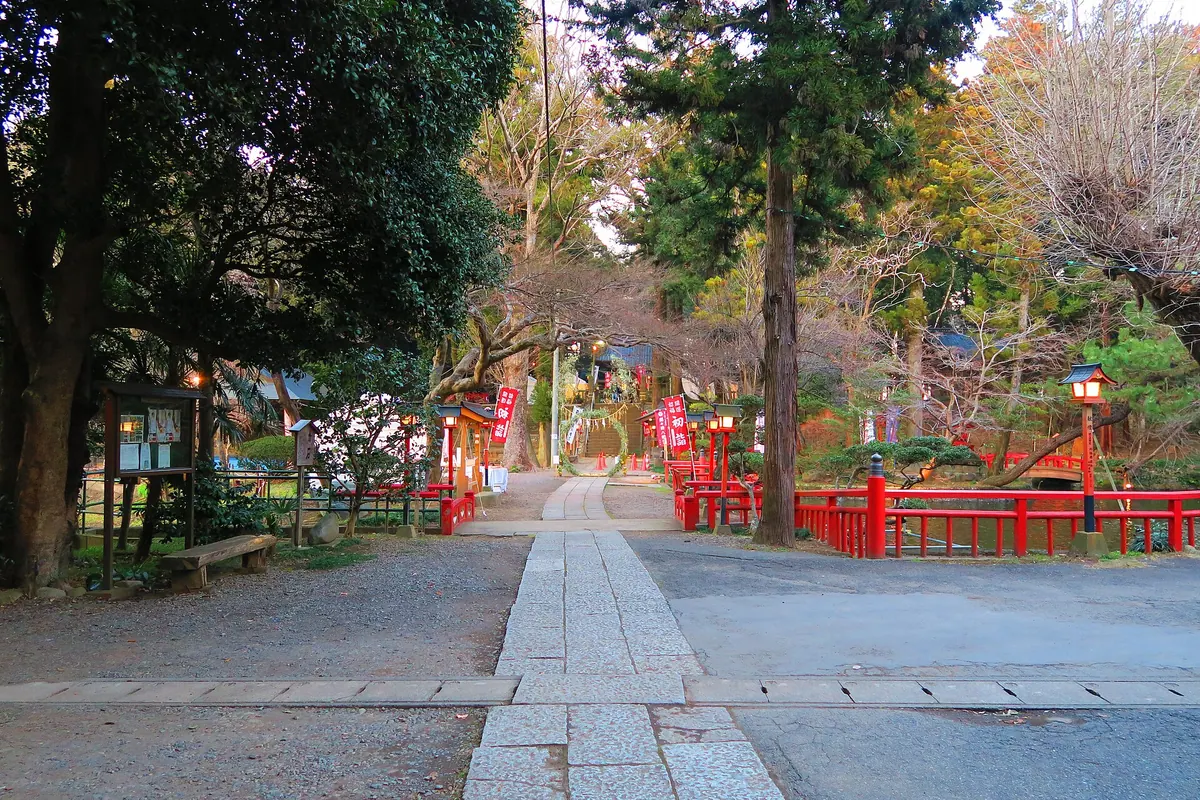
Ancient Shinto shrine with a unique sumo ring and a famous festival.
What it is
- Shinto shrine in Oyama City, Tochigi Prefecture.
- Founded between 729 and 749 AD.
- Dedicated to Hachiman-jin and Okinagatarashihime-no-mikoto.
- Fujiwara Hidesato prayed for victory here in 939 AD.
What to see
- Main hall and worship hall rebuilt in 1851 AD.
- Artisans from Nikko Toshogu Shrine rebuilt the main hall.
- Pine tree planted by Minamoto Yoritomo in 1189 AD.
- Basho haiku monument dedicated in 1853 AD.
- Shrine grounds include a sumo ring.
- Sumo ring is a filming location for movies.
When to go
- Jagawaita festival held annually on May 5th.
- Jagawaita is a National Important Intangible Folk Cultural Property.
- Address
- 栃木県小山市間々田2330-1 Map
03
Yakushiji Hachimangū
TOCHIGI · SHRINE 薬師寺八幡宮
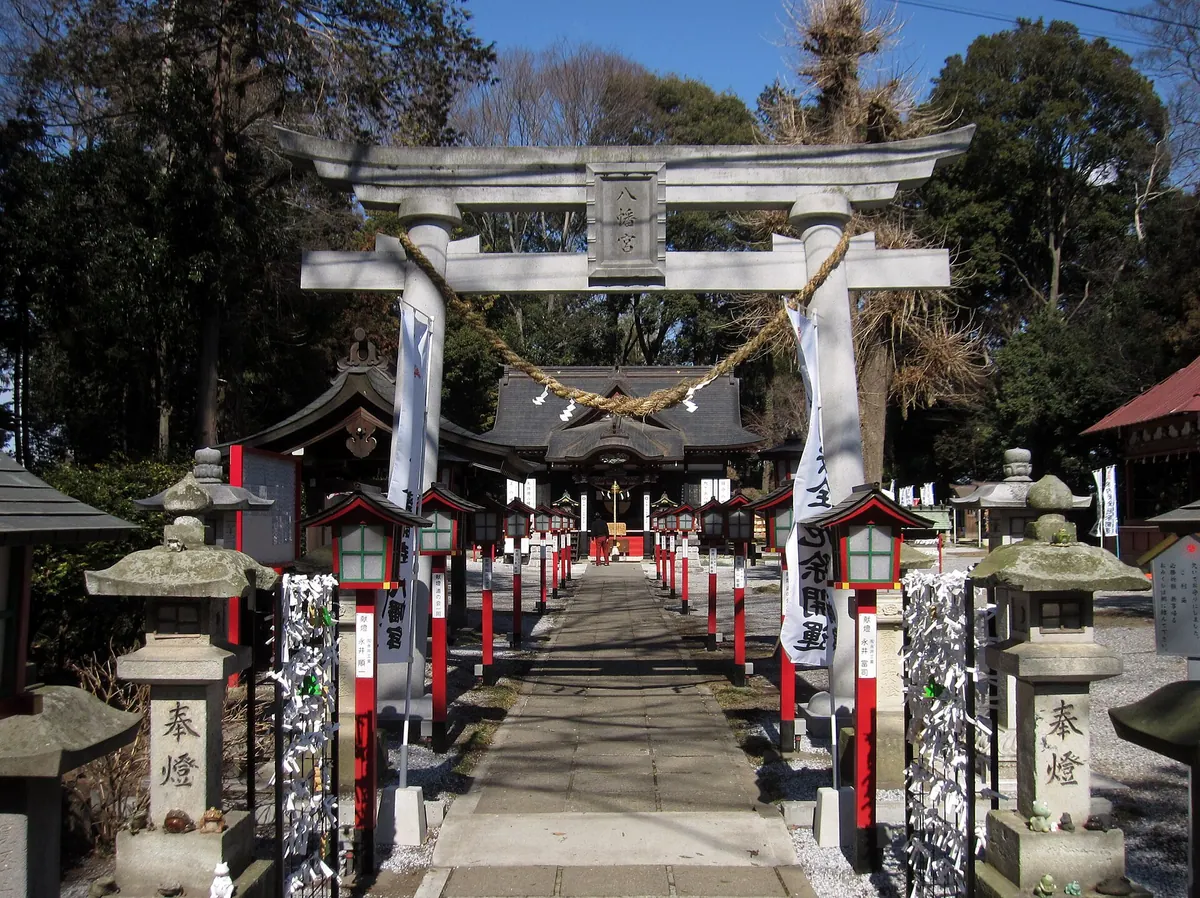
Ancient Hachimangu shrine with historical ties, notable for its zelkova tree and cultural properties.
What it is
- Shrine founded in 875 by imperial order from Iwashimizu Hachimangu.
- Another theory states it was founded in 749 from Usa Jingu.
- Dedicated to Hōda wake no Mikoto, Tamayori Hime, Okinagatarashi Hime no Mikoto.
- Adjacent to the ruins of Shimotsuke Yakushiji Temple.
What to see
- Main hall and worship hall rebuilt in 1662.
- These buildings are Tochigi Prefecture cultural properties.
- Zelkova tree planted by Minamoto no Yoriyoshi and Yoshiie.
- This zelkova tree is a city natural monument.
- Sub-shrines: Tenguyama Raiden Jinja and Yasaka Jinja.
When to go
- Various festivals are held throughout the year.
- Address
- 栃木県下野市薬師寺1509 Map
- Official site
- www2.odn.ne.jp
04
Imamiya Shrine
TOCHIGI · SHRINE 今宮神社
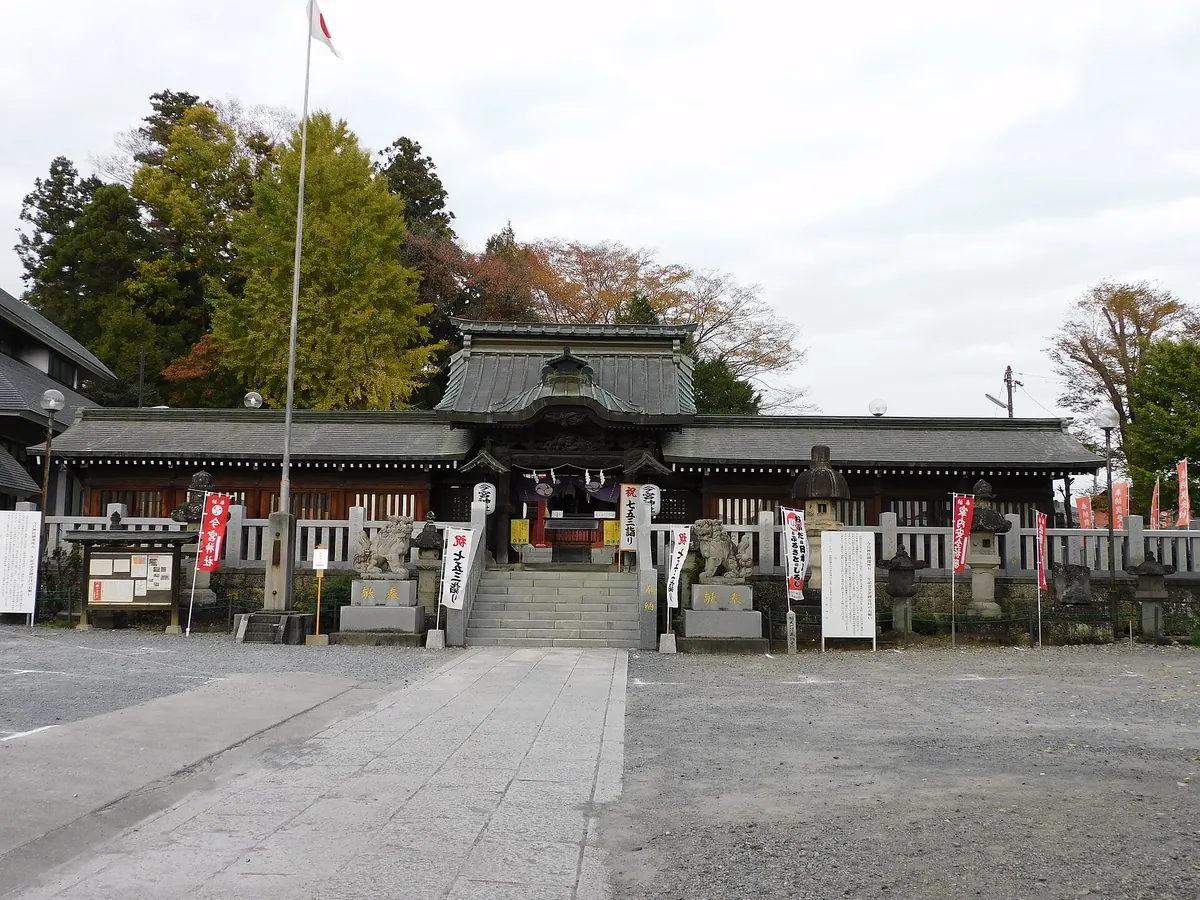
Imamiya Shrine, founded in 782, offers a glimpse into ancient Japanese religious architecture and cultural heritage.
What it is
- Ancient shrine founded in 782.
- Relocated to its current site in 1535.
- Branch shrine of Nikko Futarasan Shrine.
What to see
- Main hall, worship hall, and heiden are cultural properties.
- Imamiya Shrine Karamon is a cultural property.
- Bronze crotal is a cultural property.
- Great drum is a city cultural property.
- Sword by Arakawa Sadagoro Naoyuki is a city cultural property.
- Tachi sword by Toshiyuki is a city cultural property.
When to go
- Festival float event is a National Important Folk Cultural Property.
Getting there
- 15-minute walk from Shin-Kanuma Station.
- Address
- 栃木県鹿沼市今宮町1692 Map
05
Kibata Shrine
TOCHIGI · SHRINE 木幡神社
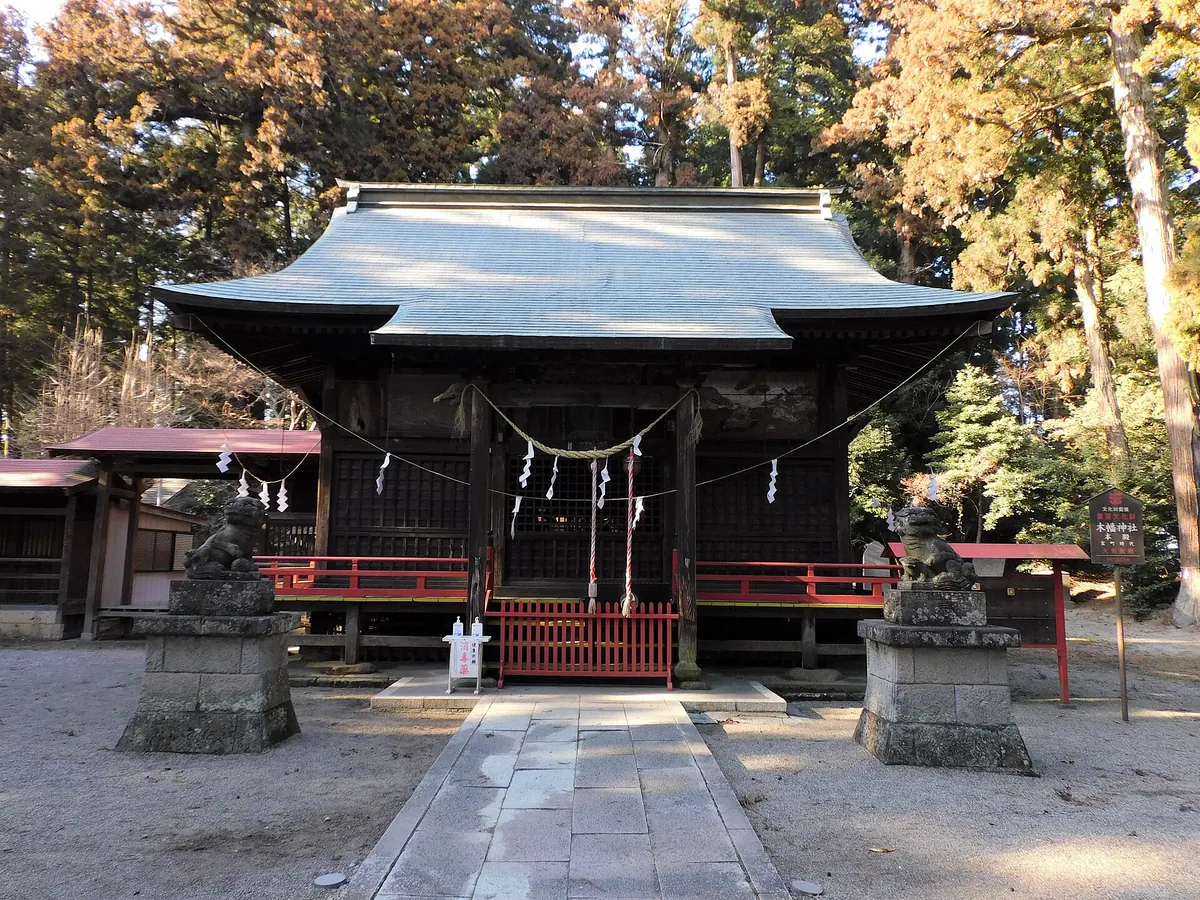
Kibata Shrine is an ancient shrine with important architecture, worth visiting for its history and festivals.
What it is
- Shrine dedicated to Masakatsu Agatsukachihayahi Ama no Oshihomimi no Mikoto.
- Established in 795 by Sakanoue Tamuramaro.
- Alternatively, founded by Shioya Korehiro.
What to see
- Main hall built in the mid-Muromachi period.
- Main hall is an Important Cultural Property.
- Tower gate built in the mid-Muromachi period.
- Tower gate is an Important Cultural Property.
- Surrounding cedar forests are over 200 years old.
When to go
- Festival on January 14th.
- Spring Grand Festival on the second Sunday of April.
- Autumn Grand Festival on the second Sunday of October.
- Address
- 栃木県矢板市木幡1194 Map
06
Nasu Yuzen Shrine
TOCHIGI · SHRINE 那須温泉神社
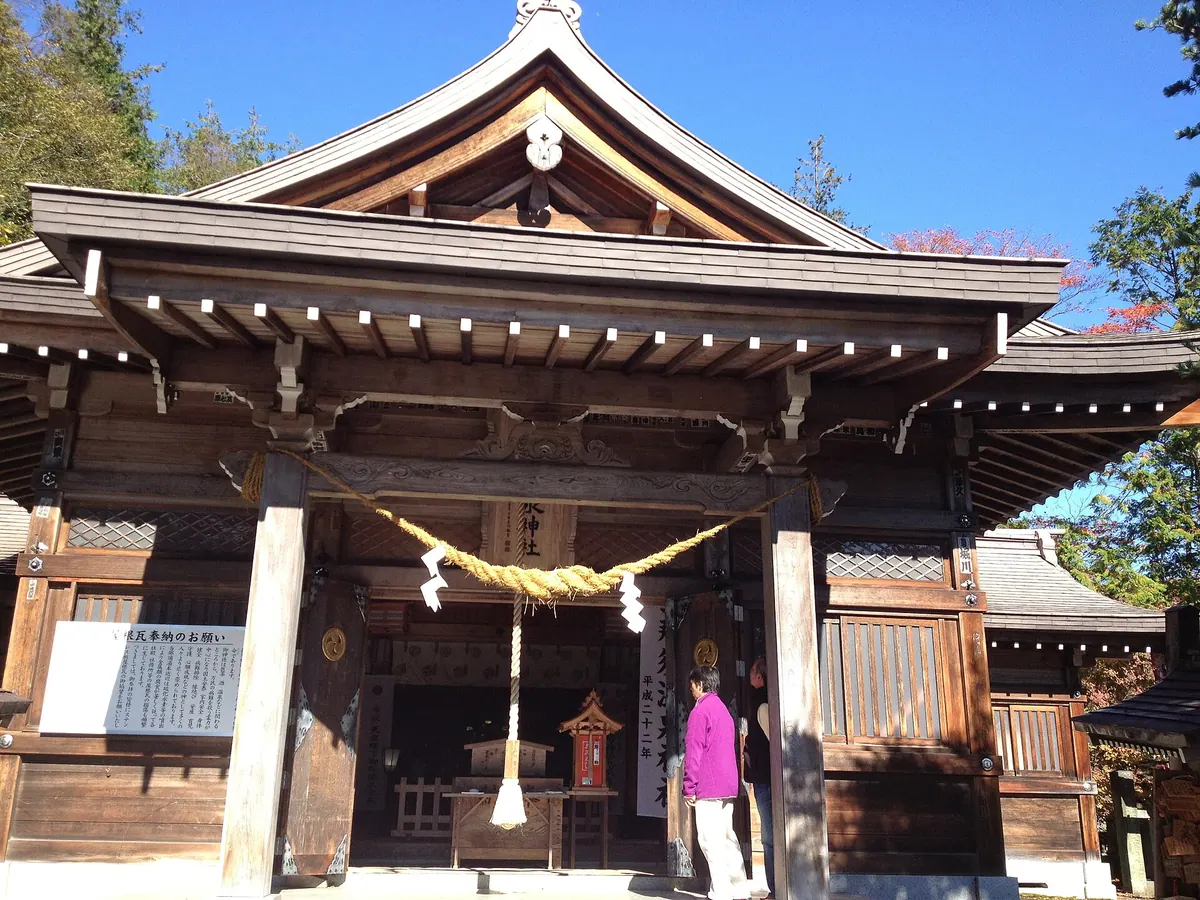
Nasu Yuzen Shrine is an ancient shrine with historical ties and unique natural features.
What it is
- Founded between 629 and 641 AD.
- Enshrines Onamuchi-no-mikoto and two other deities.
- Mentioned in the ancient Engishiki Jinmyocho record.
- Nasu Yoichi prayed here before the Battle of Yashima.
What to see
- A third torii gate marks the entrance.
- Listen to the sounds of a suikinkutsu.
- View the sazareishi, a large rock formation.
- Sessho-seki, a stone linked to Tamamo-no-Mae, is behind it.
- Nasu-dake Shrine, an okumiya, is on Mt. Chausu peak.
Getting there
- One-minute walk from Kanto Bus Nasu Yumoto bus stop.
- Address
- 182 Yumoto, Nasu, Nasu District, Tochigi 325-0301, Japan Map
- Official site
- nasu-yuzen.jp
07
Shirahige Shrine (Tochigi Prefecture)
TOCHIGI · SHRINE 白髭神社
Shirahige Shrine enshrines Sarutahiko-no-mikoto and features impressive carved festival floats.
What it is
- A shrine in Utsunomiya City, Tochigi Prefecture.
- It enshrines the deity Sarutahiko-no-mikoto.
What to see
- Shirasawa South Carved Float, made 1816-1820.
- South Float features lions on the onigawara.
- South Float has large peonies on the gegyo.
- Shirasawa Ko-bu Carved Float, made around 1833.
- Ko-bu Float has lions on the onigawara and gegyo.
- Ko-bu Float has dragon carvings on front pillars.
When to go
- Shirasawa Bonten Festival is held on November 23rd.
- Festival involves dedicating 'Bonten' to the shrine.
- Address
- 栃木県宇都宮市白沢町1868-2 Map
08
Suga Shrine
TOCHIGI · SHRINE 須賀神社
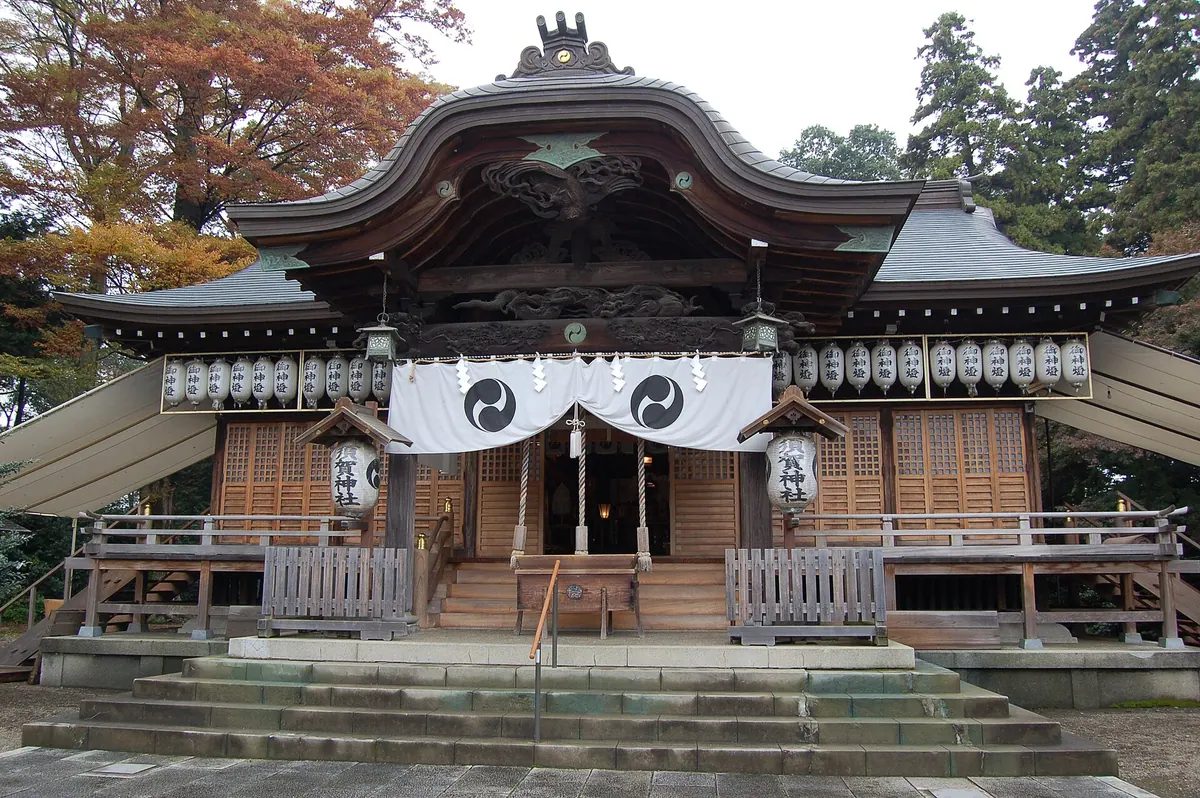
Suga Shrine is a historic site in Oyama City, home to ancient artifacts and a lively festival.
What it is
- Founded in 940 by Fujiwara Hidesato.
- Dedicated to Susanoo-no-Mikoto, Onamuchi-no-Mikoto, and Hachiman-shin.
- Served as the guardian deity of Oyama Castle.
- Relocated to its current site in the Heiji era.
What to see
- Oldest stone torii in Oyama City, built in 1653.
- Horai Mirror, a nationally important art object.
- Vermilion palanquin, a prefectural cultural property.
When to go
- During the large-scale Gion Festival.
Getting there
- 8-minute walk from Oyama Station.
- Address
- 栃木県小山市宮本町1-2-4 Map
09
Omiwa Shrine
TOCHIGI · SHRINE 大神神社 (栃木市)
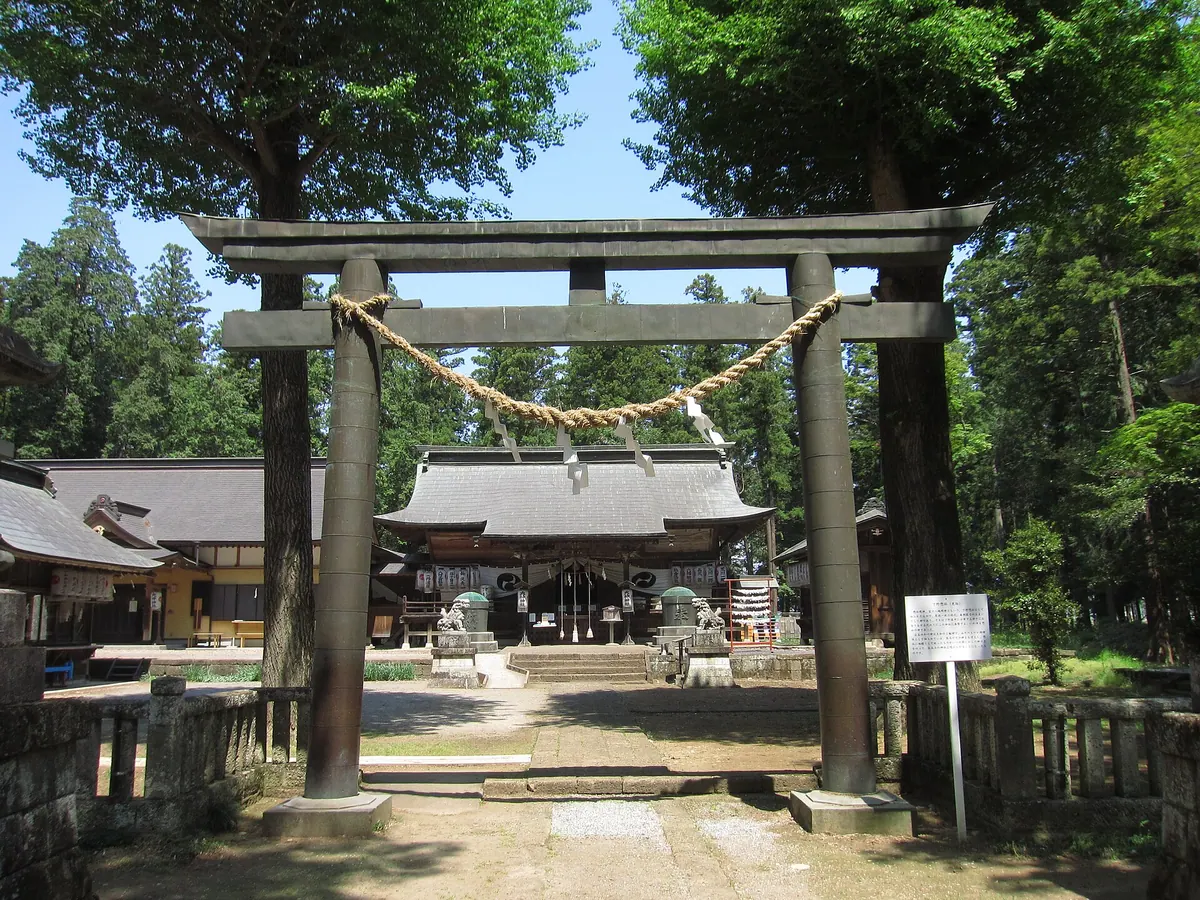
Omiwa Shrine is Tochigi's oldest shrine, known for its unique garden and cultural properties.
What it is
- Oldest shrine in Tochigi Prefecture.
- Was the general shrine of Shimotsuke Province.
- Enshrines Yamato Omononushi Kushimikatama no Mikoto.
- Also enshrines Kono-hana-sakuya-hime no Mikoto.
What to see
- Muro no Yashima, a garden with eight small islands.
- Eight deities enshrined in Muro no Yashima's islands.
- Designated historic site 'Shimotsuke Soja (Muro no Yashima)'.
When to go
- Spring Grand Festival features a Yabusame event.
- Kagura and Hokosai are intangible folk cultural properties.
- Address
- 栃木県栃木市惣社町477 Map
10
Shimotsuke-no-kuni Issha Hachimangū
TOCHIGI · SHRINE 下野國一社八幡宮
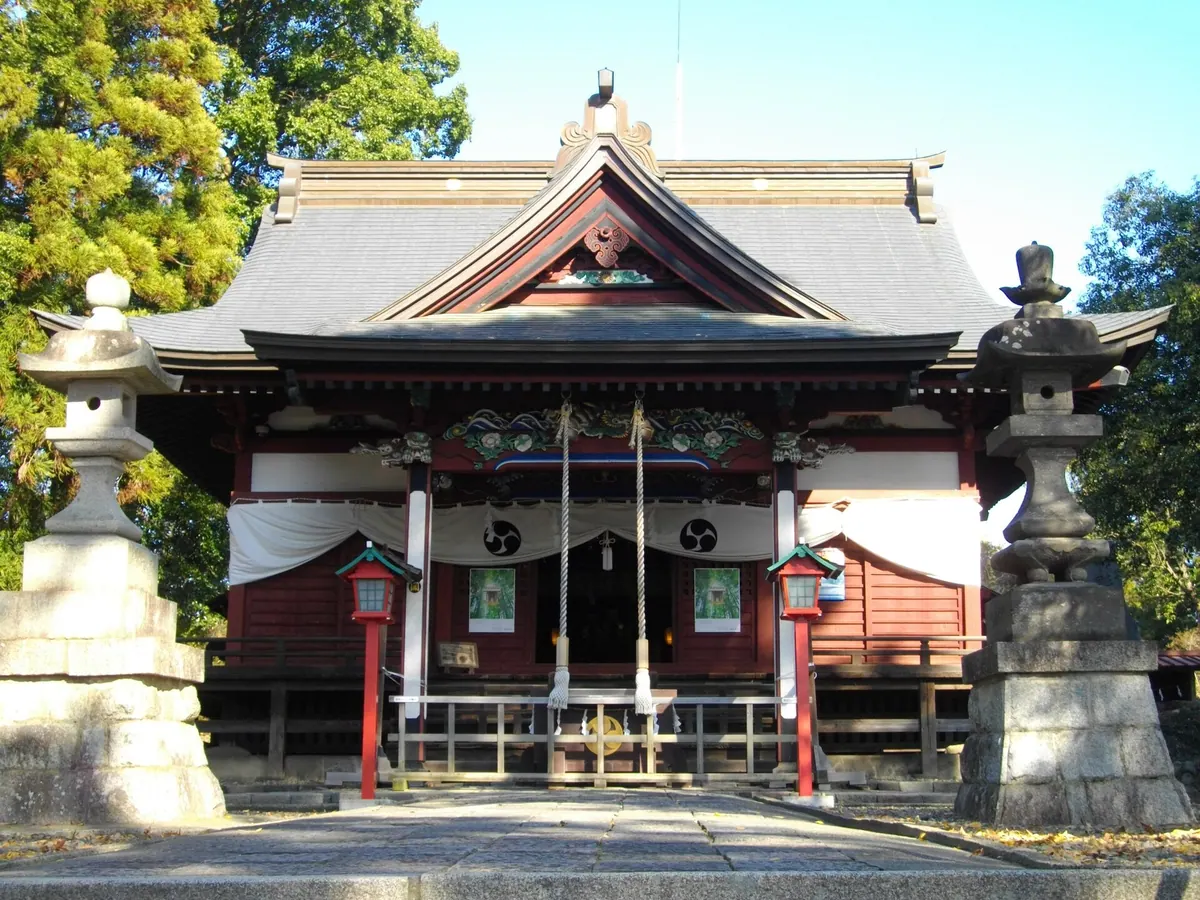
Ancient shrine in Ashikaga City, founded in 1056, with unique Inari shrine.
What it is
- A shrine in Ashikaga City, Tochigi Prefecture.
- Founded in 1056 by Minamoto no Yoriyoshi and Yoshiie.
- Dedicated to Homenwake no Mikoto, Okinagatarashihime no Mikoto, and Hime Okami.
- Formerly known as Ashikaga-sho Hachimangu.
What to see
- The current main hall, rebuilt in 1814.
- A bronze torii, donated in 1793.
- The Hachimangu Kuromatsu, an estimated 600-year-old pine.
- Kadota Inari Shrine, one of Japan's Three Great Enkiri Inari.
When to go
- The annual festival is held on April 10th.
- Address
- 栃木県足利市八幡町387-4 Map
11
Ōsaki Shrine
TOCHIGI · SHRINE 大前神社
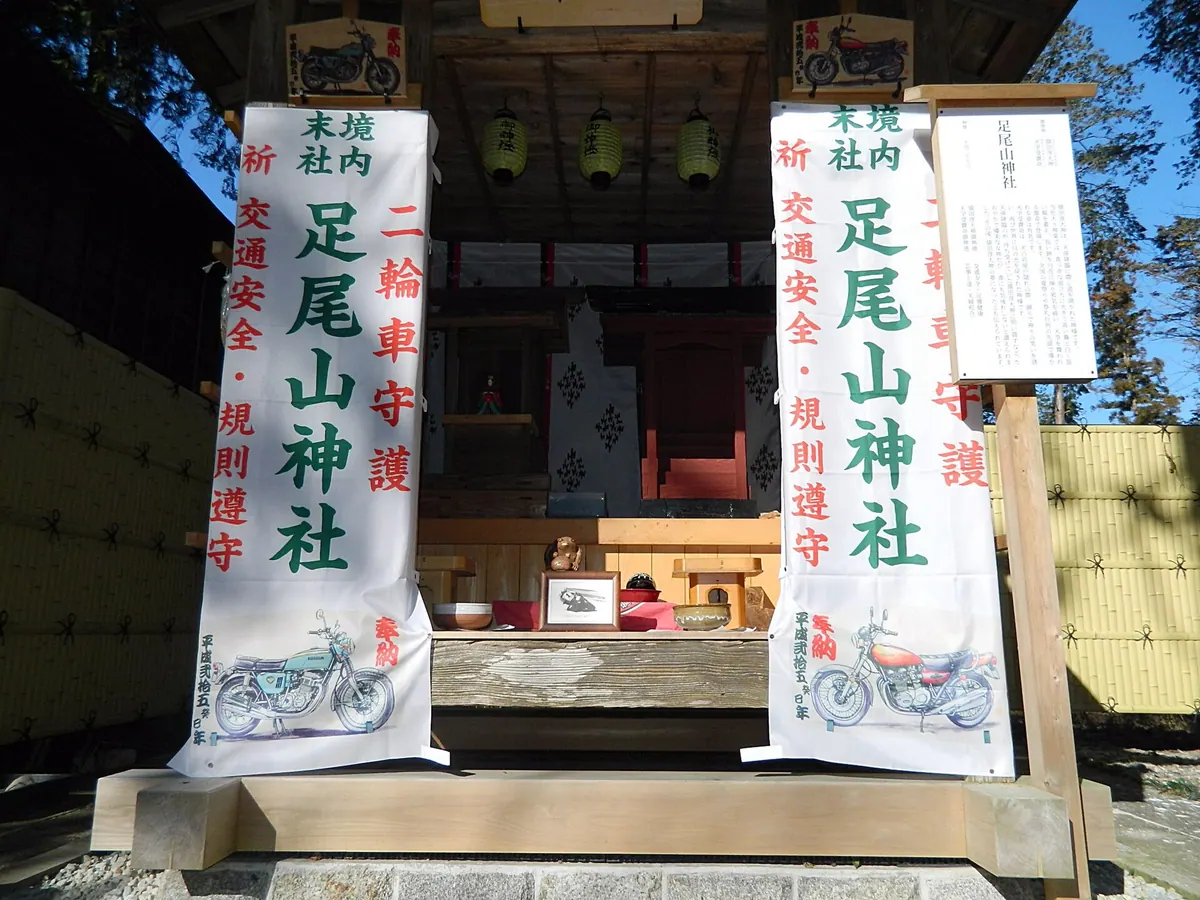
Ōsaki Shrine is a historic Shikinai-sha shrine with unique carp imagery and important cultural properties.
What it is
- A Shikinai-sha shrine with over 1,500 years of history.
- Dedicated to Ōkuninushi Ōkami and Kotoshironushi Ōkami.
- Also enshrines Amaterasu Ōmikami and Yaoyorozu no Kami.
What to see
- Main hall, offering hall, and worship hall are important cultural properties.
- Carp imagery in the main and worship halls.
- Ashioyama Shrine, a sub-shrine for motorcycle safety.
- The second torii gate, rebuilt in 2013.
When to go
- Annual festival includes a tradition of offering deer meat.
- Address
- 栃木県真岡市東郷937 Map
12
Futarasan Shrine
TOCHIGI · SHRINE 日光二荒山神社
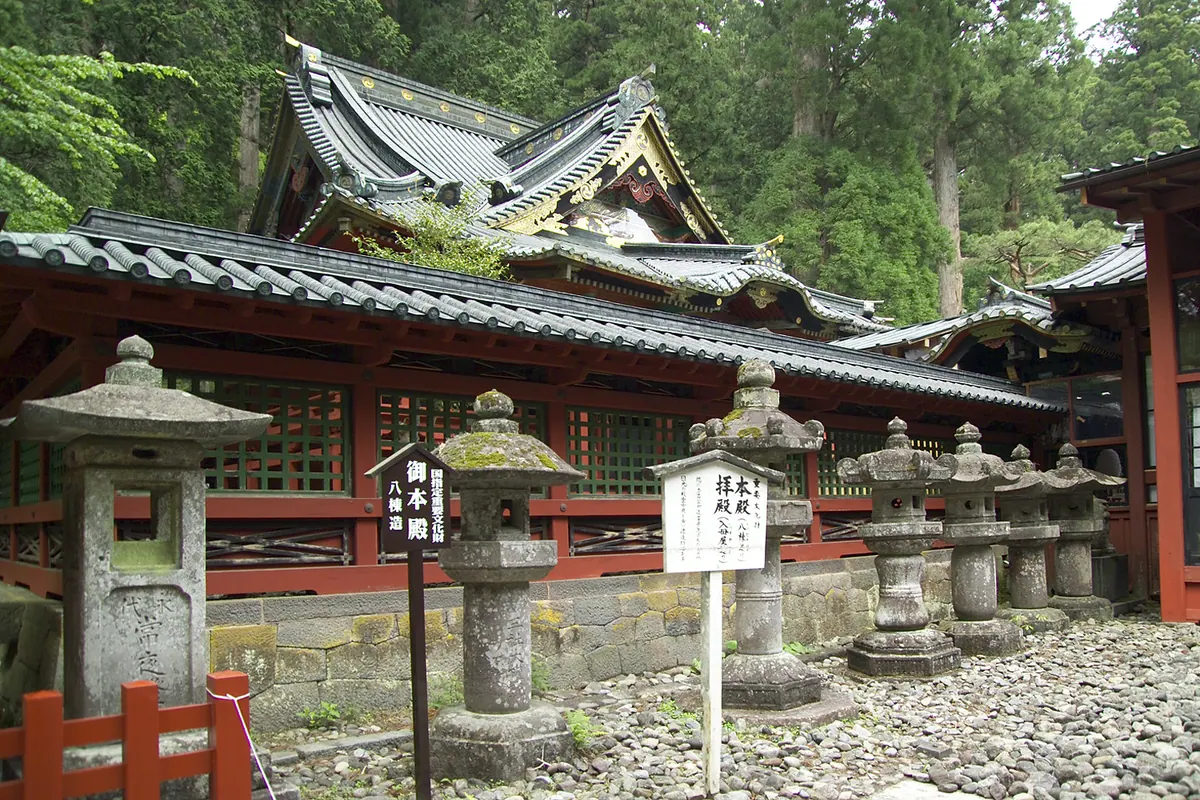
This eighth-century shrine, one of Japan's oldest, honors Nikko's sacred mountains and deities.
What it is
- One of the oldest shrines in Japan, dating to the eighth century.
- Consists of three sites: Honsha, Chugushi, and Okunomiya.
- Highest-ranking shrine in Tochigi Prefecture.
- Enshrines three Shinto kami deities.
What to see
- Haiden worship hall, donated in 1619.
- Haiden architecture is simple but powerful.
- Haiden decoration in red and black is understated.
- Samurai statue protects enshrined deities.
- Painting of a sacred deer in the Haiden.
- Honden main shrine building, connected by a corridor.
- Address
- 栃木県宇都宮市馬場通り Map
- Official site
- www.futarasan.jp
13
Ōhirasan Shrine
TOCHIGI · SHRINE 太平山神社
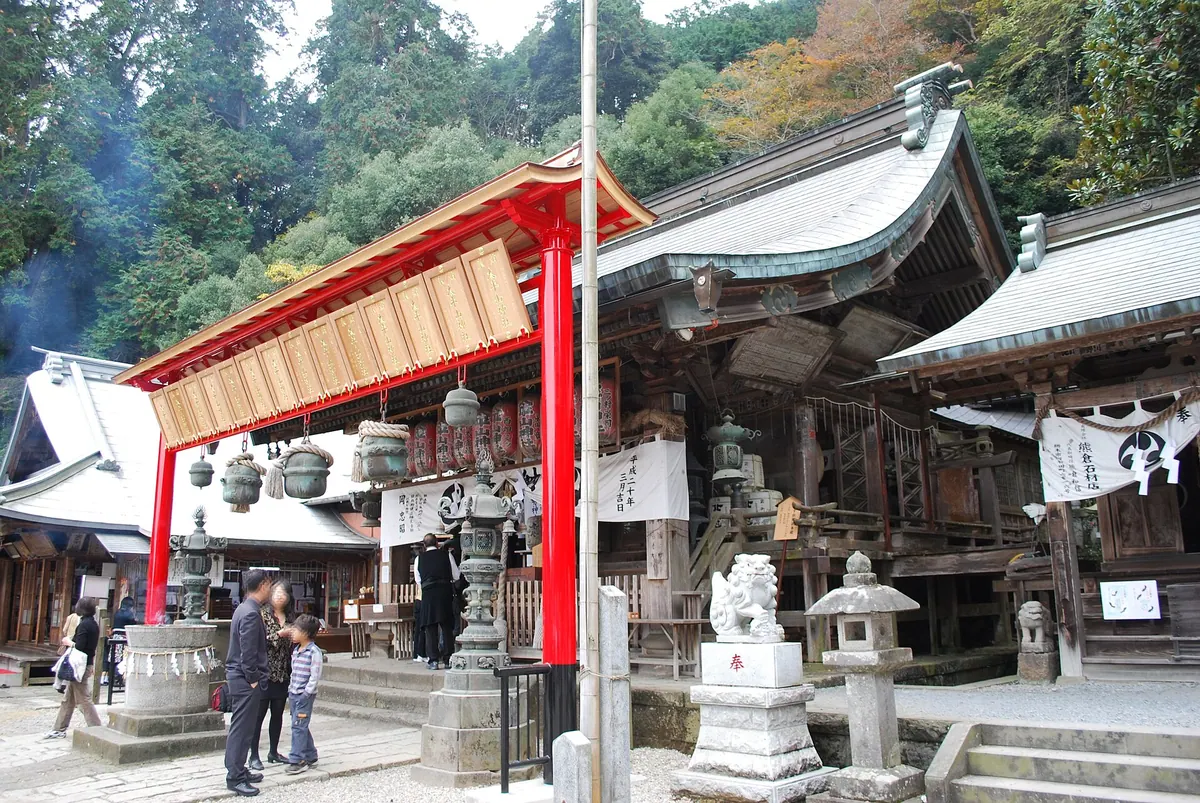
Ancient mountaintop shrine with 1,000 stone steps, cultural properties, and hydrangea.
What it is
- Shrine founded in 827 by Jikaku Daishi (Ennin).
- Dedicated to Ninigi-no-Mikoto, Amaterasu-Ōmikami, and Toyouke-hime-Ōkami.
- Located at the summit of Mount Ōhira.
What to see
- Approximately 1,000 stone steps on the front approach.
- Zuishinmon Gate is a city-designated cultural property.
- Main hall and worship hall are cultural properties.
- Hoshimiya Shrine building is a cultural property.
- Ceiling painting 'Dragon' is a cultural property.
- Hydrangea Slope has about 2,500 hydrangea plants.
- Address
- 栃木県栃木市平井町659 Map
- Official site
- www.ohirasanjinja.rpr.jp
14
Hanawada Hachimangū
TOCHIGI · SHRINE 塙田八幡宮
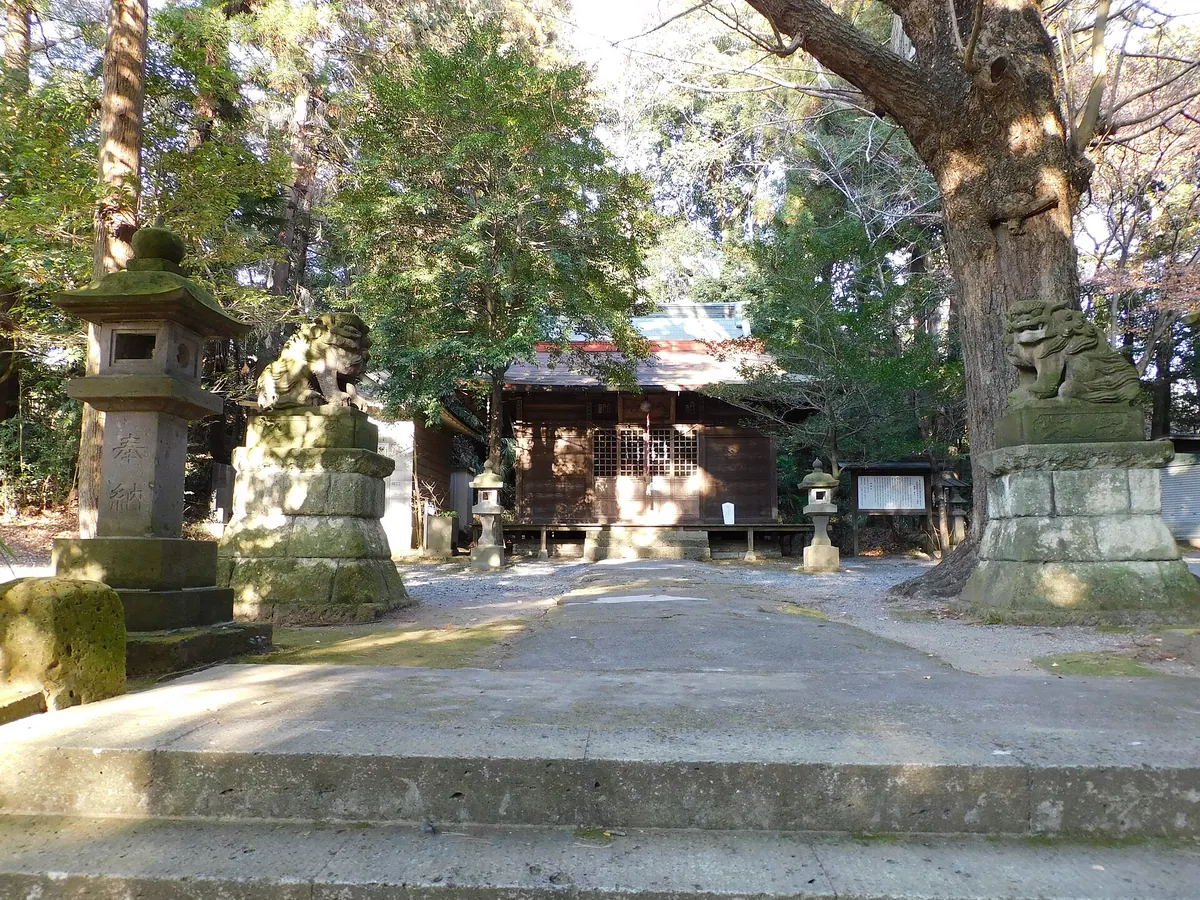
Historic shrine at Mt. Hachiman's base, founded in 1641, offering a glimpse into local traditions.
What it is
- A shrine in Utsunomiya City, Tochigi Prefecture.
- Established in 1641 by Okudaira Tadamasa.
- Enshrines Hachiman Okami and other deities.
What to see
- Shrine grounds contain Kotohira Shrine and Suga Shrine.
- The current torii gate was built in July 1977.
- Suga Shrine's portable shrine, made in 1935, weighs over 1 ton.
When to go
- Hanawada Tenno Matsuri is a July tradition.
Getting there
- 15-minute walk from the Kencho-mae bus stop.
- Address
- 栃木県宇都宮市塙田5-2-61 Map
15
Orihime Shrine
TOCHIGI · SHRINE 織姫神社
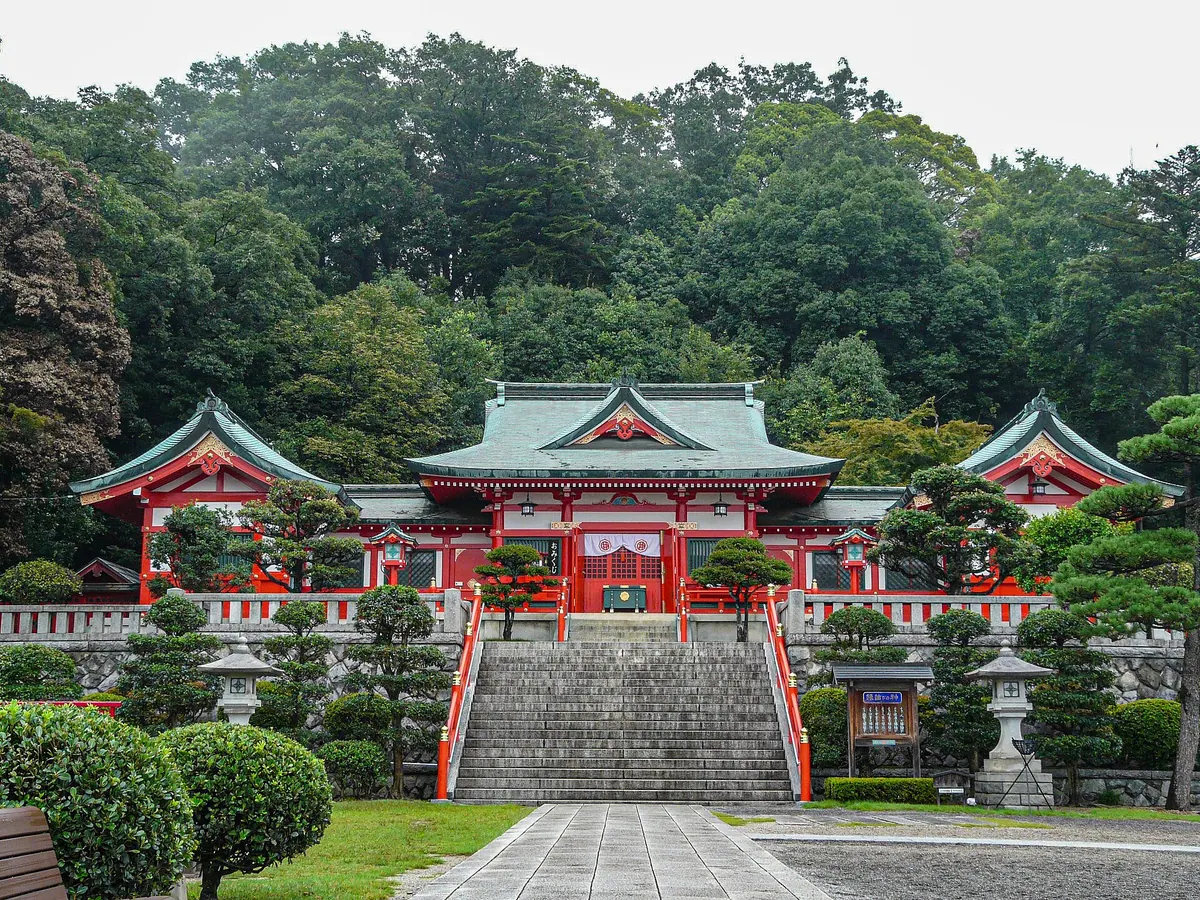
Orihime Shrine, a beautiful mountaintop shrine, offers stunning night views and a romantic atmosphere.
What it is
- A shrine in Ashikaga City, also called Ashikaga Orihime Shrine.
- Founded in 1705 by local residents.
- Dedicated to Amenomihoko-no-mikoto and Yachijihime-no-mikoto.
- Relocated to Orihimeyama in 1879, current building from 1937.
What to see
- Shrine buildings registered as tangible cultural properties.
- Selected as a Lover's Sanctuary.
- Certified as a Japan Night View Heritage site.
- One of Japan's 100 Best Night Views.
- Moon scenery certified as one of Japan's 100 Famous Moons.
- Address
- 栃木県足利市西宮町3889番地 Map
16
Ogoto Shrine (Mibu)
TOCHIGI · SHRINE 雄琴神社
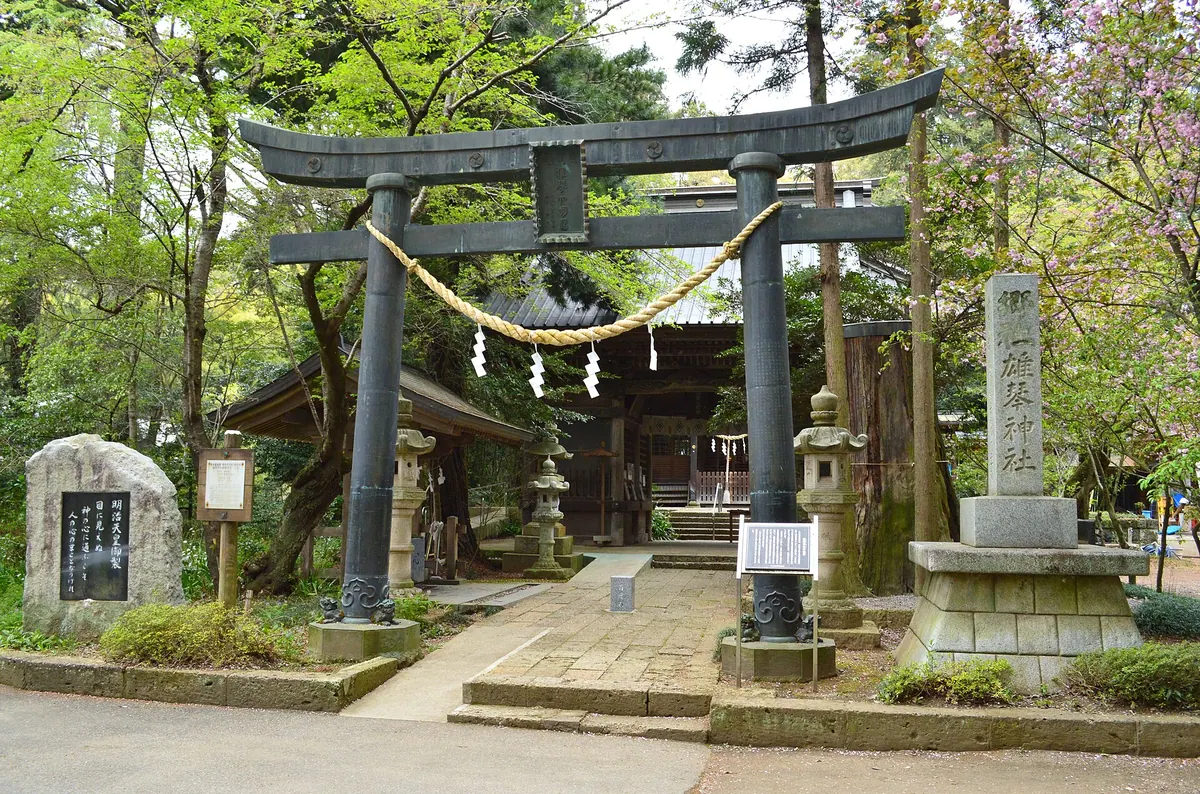
Ogoto Shrine is a historic site with important cultural properties, easily accessible by train.
What it is
- Founded in 1091, originally Fujimori Shrine.
- Enshrines four main deities.
- Mibu clan's ancestor enshrined in 1464.
- Formerly held the rank of Gosha.
What to see
- Main hall built in 1686.
- Main hall, worship hall, and gate are Mibu Town cultural properties.
- Bronze torii gate donated in 1778.
- Bronze torii gate is a Tochigi Prefecture cultural property.
Getting there
- Tobu Utsunomiya Line Mibu Station.
- About a 7-minute walk from Mibu Station.
- Address
- 栃木県下都賀郡壬生町通町18-58 Map
17
Gamō Shrine
TOCHIGI · SHRINE 蒲生神社
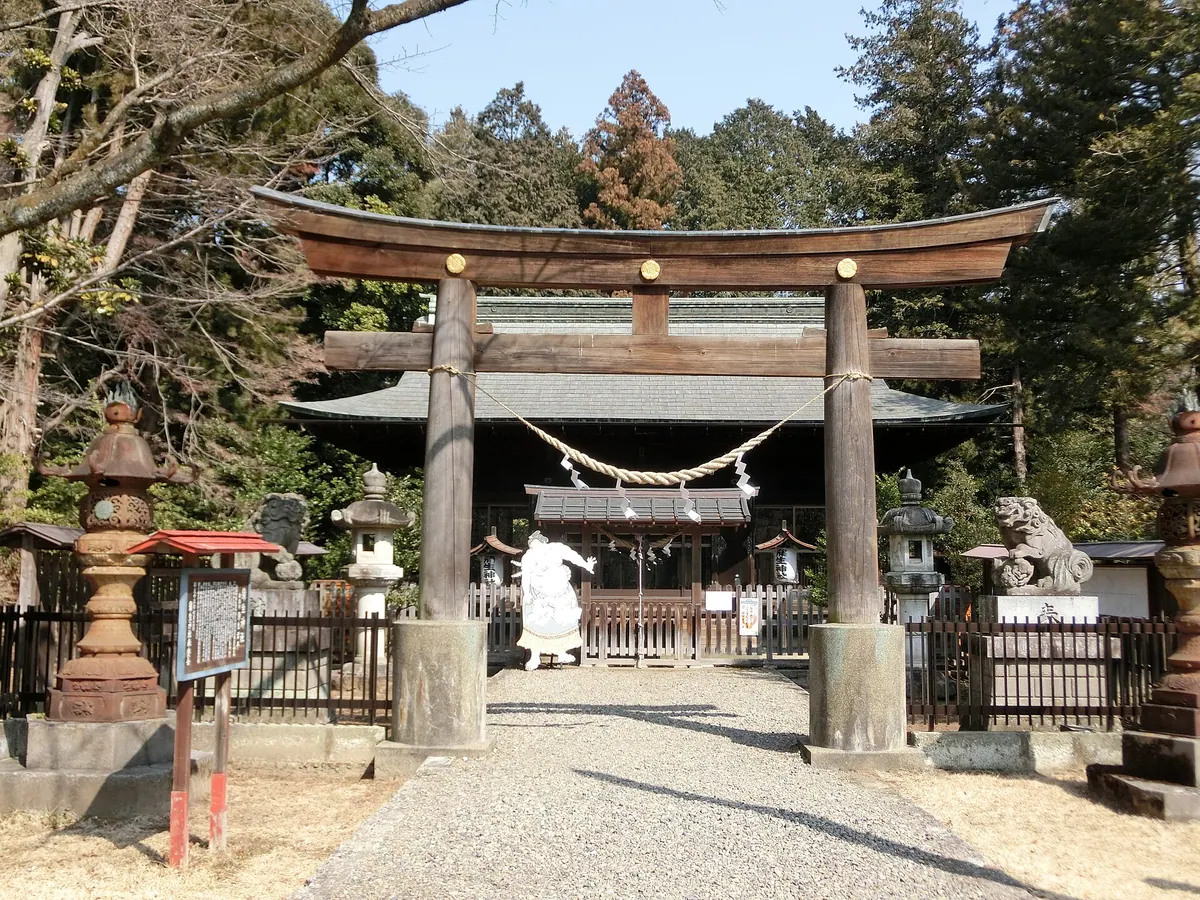
Gamō Shrine honors a local hero, offering unique cultural events and historical monuments.
What it is
- Shrine dedicated to Gamō Kunpei no Mikoto.
- Preparatory organization formed in 1912.
- Shrine building completed in 1916.
- Promoted to a prefectural shrine in 1940.
What to see
- Torii gate donated by Yokozuna Tochigiyama Moriya.
- Monument to Akashi Shiganosuke.
- Stone statue of Akashi Shiganosuke.
- Selected as one of the 100 Views of Utsunomiya.
When to go
- Junior sumo tournament is held here.
- Moon-viewing event takes place in September.
- Address
- 栃木県宇都宮市塙田五丁目1-19 Map
- Official site
- www.gamoujinja.com
18
Ōsaki Ebisu Shrine
TOCHIGI · SHRINE 大前恵比寿神社
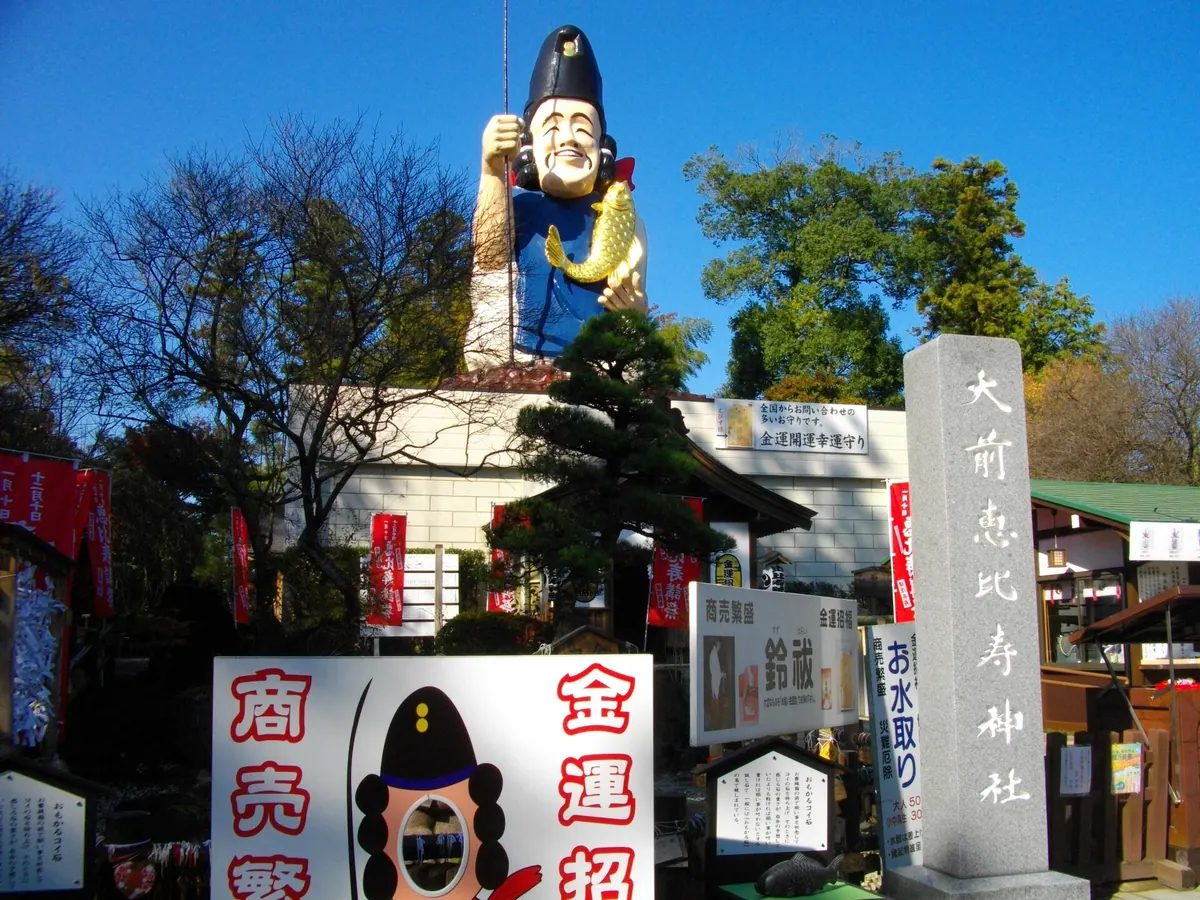
Visit Ōsaki Ebisu Shrine to see Japan's largest Ebisu statue and pray for prosperity.
What it is
- Shrine dedicated to Ebisu-sama, deity of good fortune.
- Ebisu-sama is the child deity of Ōkuni-sama.
- Known for money, business, health, longevity, and warding off disasters.
What to see
- 20-meter tall Ebisu statue, Japan's largest.
- Statue holds a 5-meter long golden carp.
- Circulating Japanese garden, Gogyo Shinsui-en.
- Gogyo Fukusensui, Lucky Coin Water, within the garden.
When to go
- May 5th for the carp release into the Gogyo River.
- Address
- 栃木県真岡市東郷943 Map
19
Nasu Shrine
TOCHIGI · SHRINE 那須神社
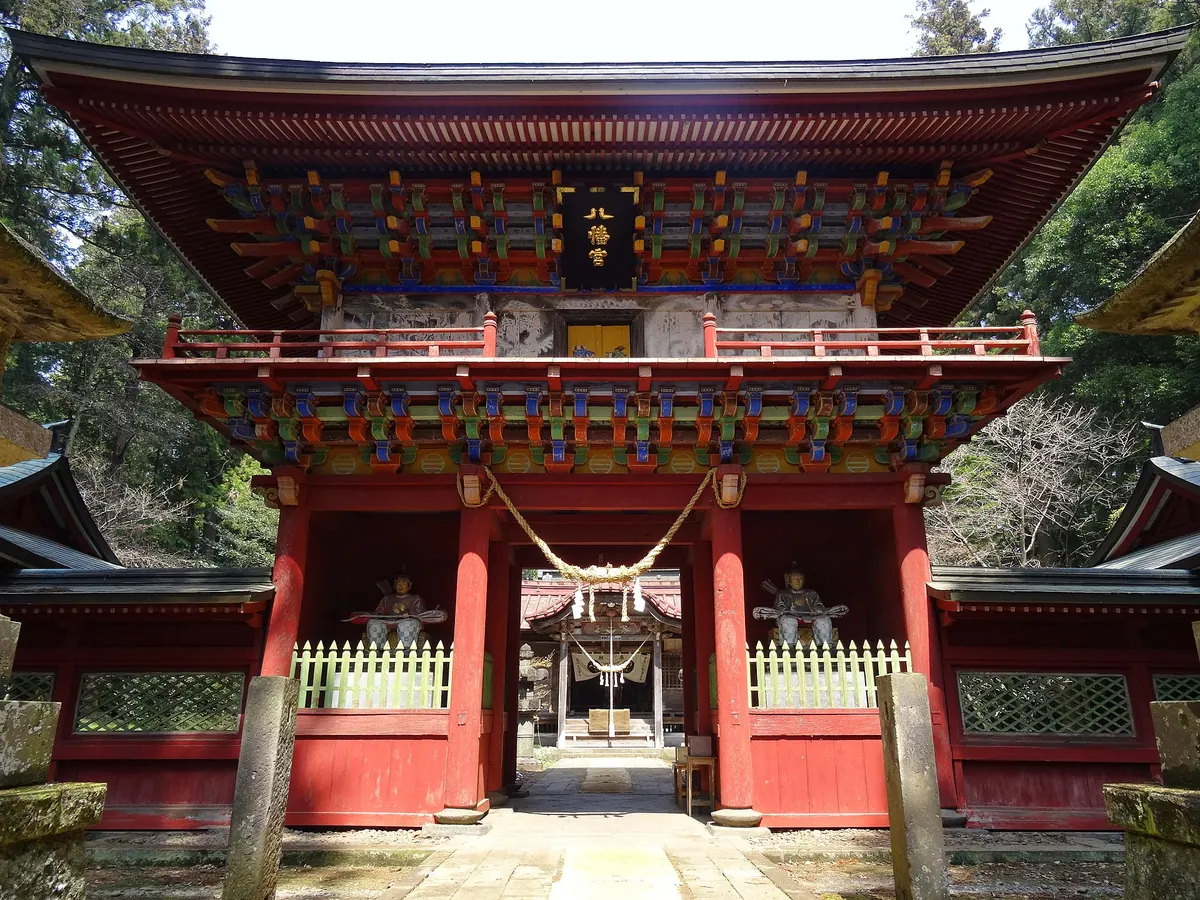
Nasu Shrine is a historic site with important cultural properties and a beautiful cedar-lined approach.
What it is
- Shrine dedicated to Emperor Ojin.
- Also known as Kanamaru Hachimangu and Yose Hachimangu.
- One of the "Soja San Hachiman" of Nasu-gun.
What to see
- Main hall built in 1641 is an Important Cultural Property.
- Romon gate built in 1642 is an Important Cultural Property.
- Shrine grounds are a designated Place of Scenic Beauty.
- Approximately 260 cedar trees line the approach.
When to go
- Annual Yabusame event is held here.
- Address
- 栃木県大田原市南金丸1628 Map
- Official site
- nasujinja.jp
20
Shiogama Shrine (Yaita)
TOCHIGI · SHRINE 塩竃神社
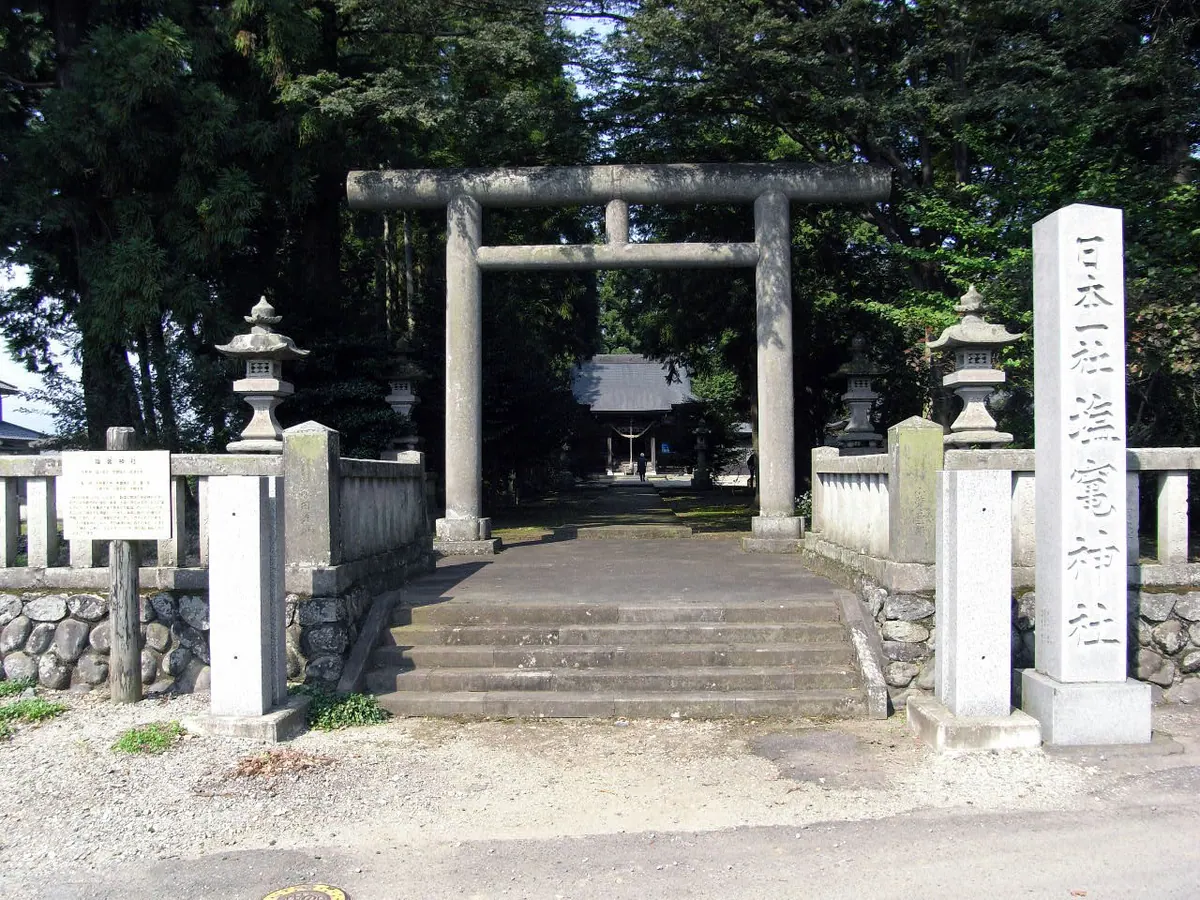
Shiogama Shrine is a historic Shinto shrine in Yaita, dedicated to several deities.
What it is
- A Shinto shrine in Yaita City, Tochigi Prefecture.
- Main deities are Shiotsuchi-no-oji-no-mikoto, Takemikazuchi-no-mikoto, Futsunushi-no-mikoto.
- Relocated to its current site in September 1580.
- Became one of Yaita's representative shrines.
What to see
- Seven other deities are enshrined here.
- Izumo Shrine is an auxiliary shrine on the grounds.
When to go
- Origin festival held annually on July 10th of the old calendar.
- Address
- 栃木県矢板市上町6-11 Map