

20 Temples in Tochigi worth your time
Japan Gems
Tochigi Prefecture is home to 59 temples, including Joraku-ji Temple and Kongōjō-ji Temple. Visitors can find a variety of spiritual sites across the prefecture.
Tochigi has 76 temples on Japan Gems. Below are the 20 we can tell you the most about — each one written up in English from Japanese sources, with what to see and how to get there. See all temples in Tochigi.
01
Iwamoto Kannon
TOCHIGI · TEMPLE 岩本観音
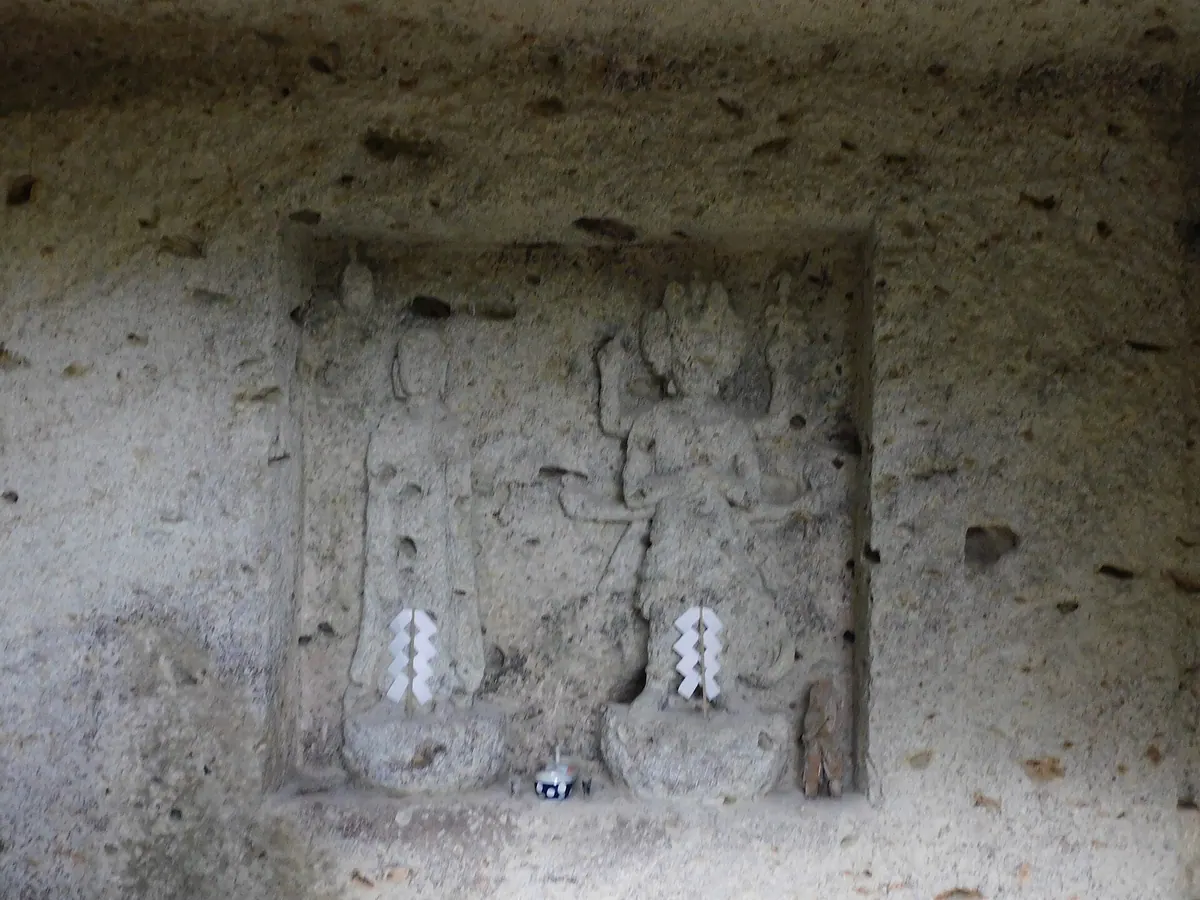
A historic cliffside Buddhist carving and pilgrimage site featuring Edo-period stonework and a scenic mountain staircase in Utsunomiya.
What it is
- A Buddhist cliff carving located on the former grounds of Fumon-san Renge-ji Temple.
- The final 33rd site of the Shimotsuke 33 Kannon Pilgrimage.
- A designated Japan Heritage cultural property and Utsunomiya Citizen's Heritage.
- The original temple was abolished during the early Meiji period.
What to see
- Statues of Bato Kannon and Jizo Bosatsu carved into a cliff cave.
- A stone staircase made of local Oya stone leading up the mountain.
- Figures carved by local stonemasons during the late Edo period.
- A community center standing where the temple main hall once was.
Getting there
- A 15-minute walk from the Nirazuka bus stop.
- A small parking lot for approximately five cars is available on-site.
02
Ryūzō-ji Temple
TOCHIGI · TEMPLE 龍蔵寺
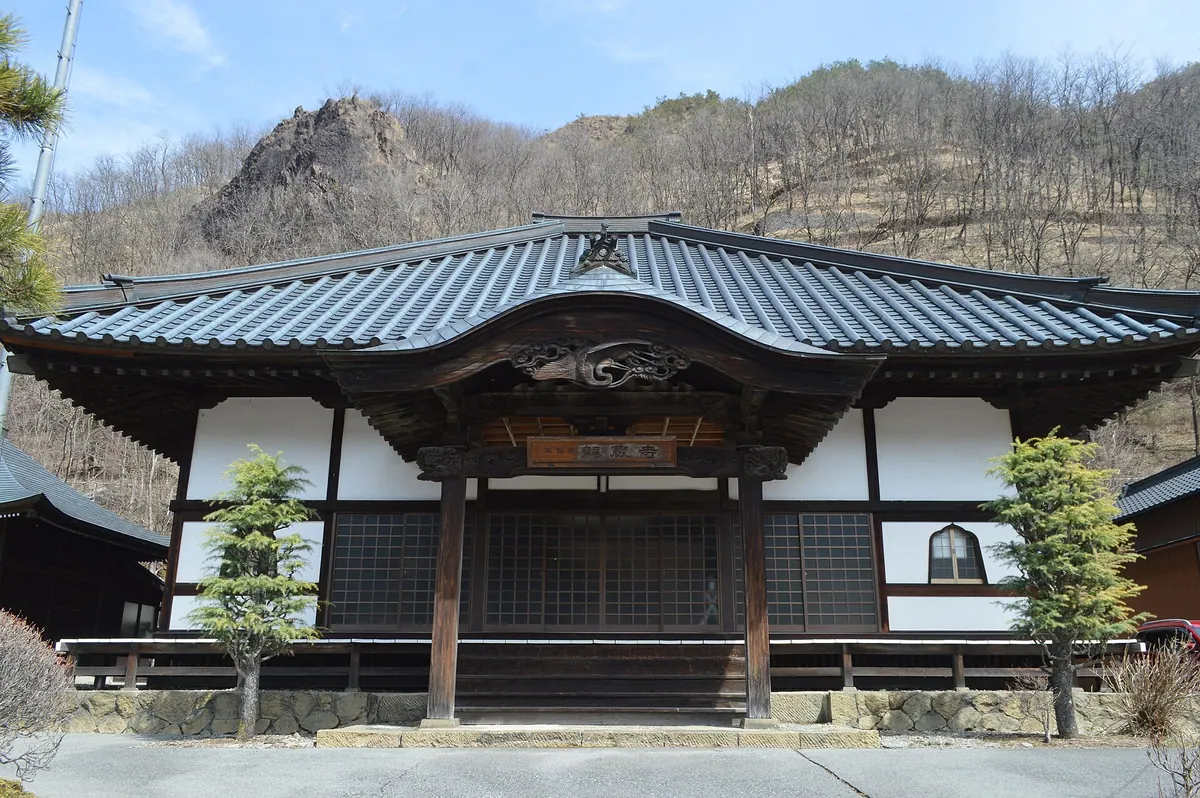
A Tendai Buddhist temple in Nikko featuring a unique pyramid monument dedicated to miners and a former abandoned village.
What it is
- A branch temple of Rinno-ji dedicated to the Amida Nyorai Buddha.
- Founded on the mountain Akakurayama and reportedly restored by Jikaku Daishi in 838.
- The current main hall dates to 1895 after a fire destroyed the original structures.
- The grounds serve as a memorial site for migrant miners and the abandoned Matsuki Village.
What to see
- The main hall rebuilt in 1895 and a bell tower established in 1915.
- A pyramid-shaped monument containing gravestones from the former Matsuki Village.
- The Miner's Grave which is a city-designated cultural property.
- A memorial tower dedicated to the memory of migrant miners.
Getting there
- The temple is accessible on foot from Mato Station.
03
Iō-ji Temple
TOCHIGI · TEMPLE 医王寺
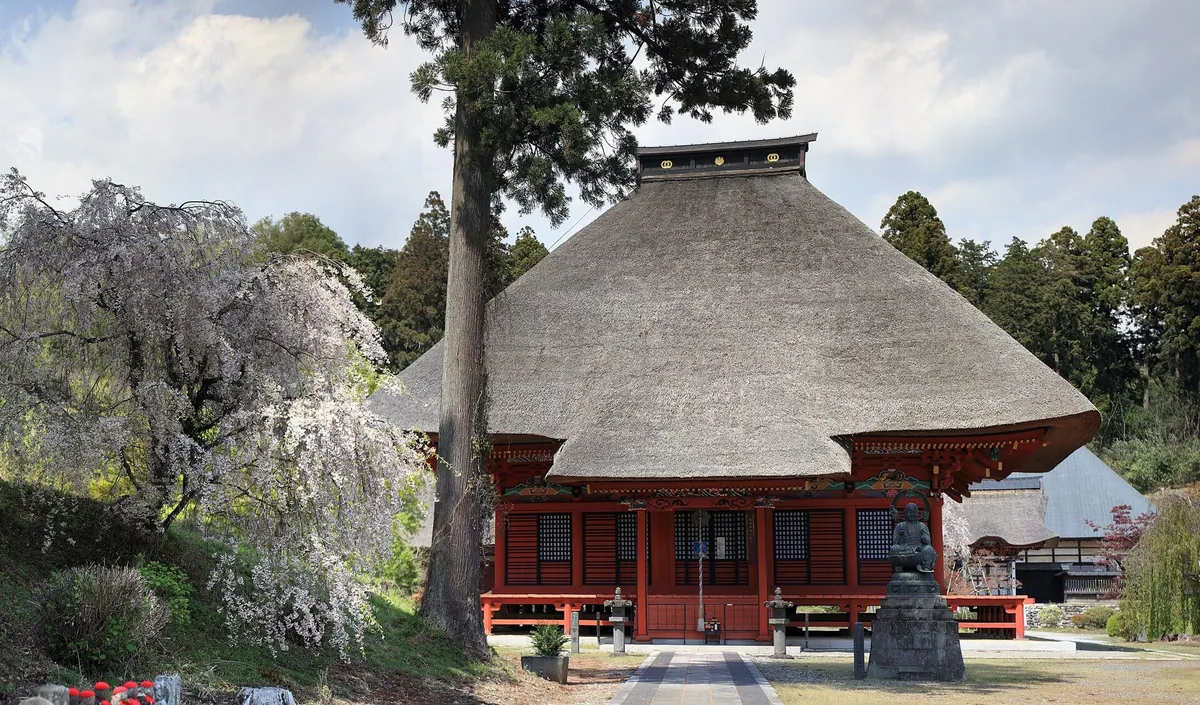
A historic Shingon Buddhist temple in Kanuma City featuring ancient architecture and a massive 800-year-old tree.
What it is
- A temple of the Buzan school of Shingon Buddhism known as Higashi-Koyasan.
- Founded in 765 by Shodo Shonin or in 809 by Kukai.
- The main deity is a statue of Yakshi Nyorai.
- The surrounding area is a designated Green Environment Conservation Area.
What to see
- The Golden Hall, which is a Tochigi Prefecture Tangible Cultural Property.
- A Karamon gate designated as a prefectural cultural property.
- An ancient kaya tree estimated to be approximately 800 years old.
- Historical structures rebuilt after a fire in the mid-17th century.
Getting there
- The temple is a 15-minute drive from the Tsuga Interchange.
- Official site
- iou-ji.jp
04
Kaiun-ji Temple
TOCHIGI · TEMPLE 開雲寺
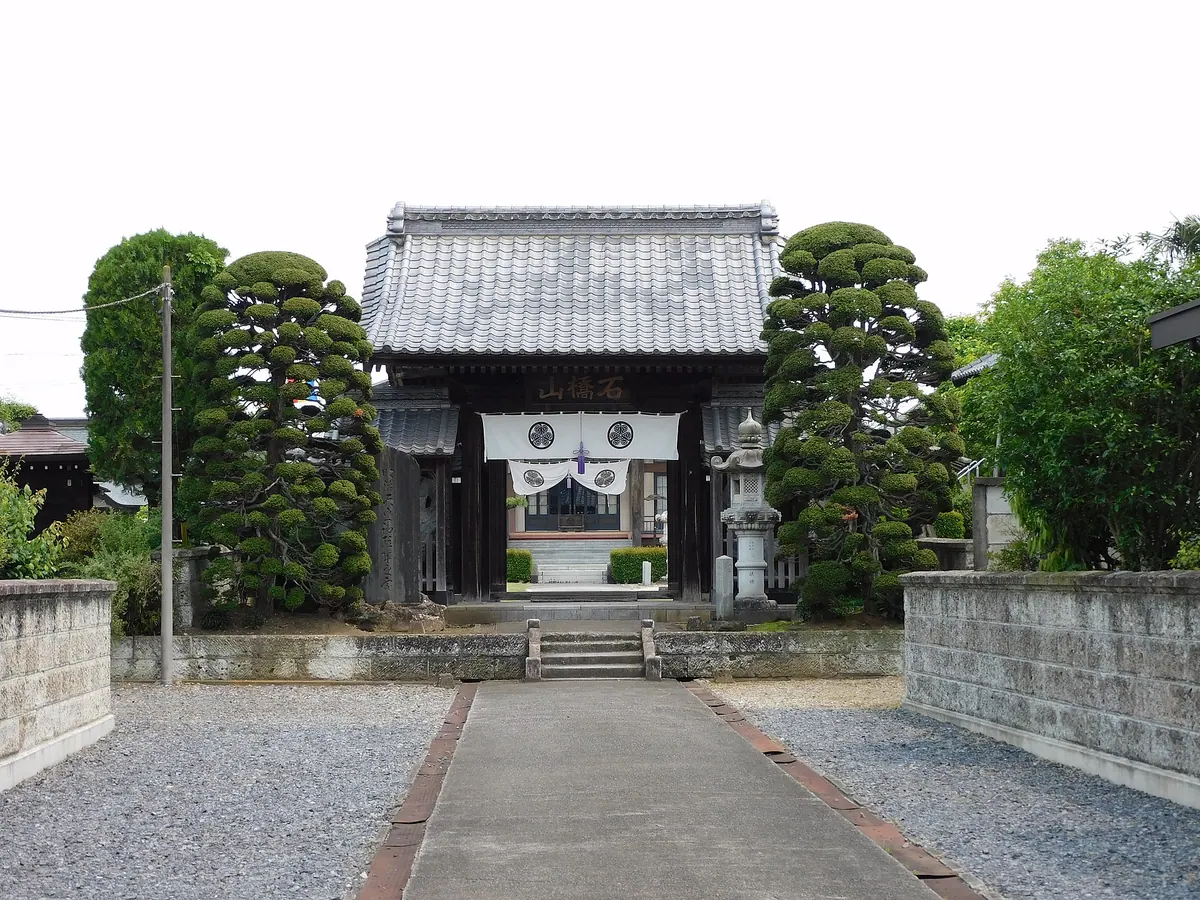
A historic Shingon temple in Tochigi that served as a prestigious rest stop for Tokugawa Shoguns and Emperor Meiji.
What it is
- A Shingon Chisan sect temple founded by the monk Eun in 781
- The temple was moved to its current site by Tako Mitsutomo in 1502
- It served as a rest stop for Tokugawa Shoguns and Emperor Meiji
- The temple is dedicated to a wooden seated statue of Amida Nyorai
What to see
- A wooden seated statue of Amida Nyorai designated as a prefectural cultural property
- A historic tea kettle featuring the Tokugawa family crest
- The temple bell which dates back to 1758
- A palace built in 1649 specifically for the Shogun to use
Getting there
- The temple is a five minute walk from Ishibashi Station
- Official site
- www.kaiunji.jp
05
Tennō-in Temple
TOCHIGI · TEMPLE 天翁院
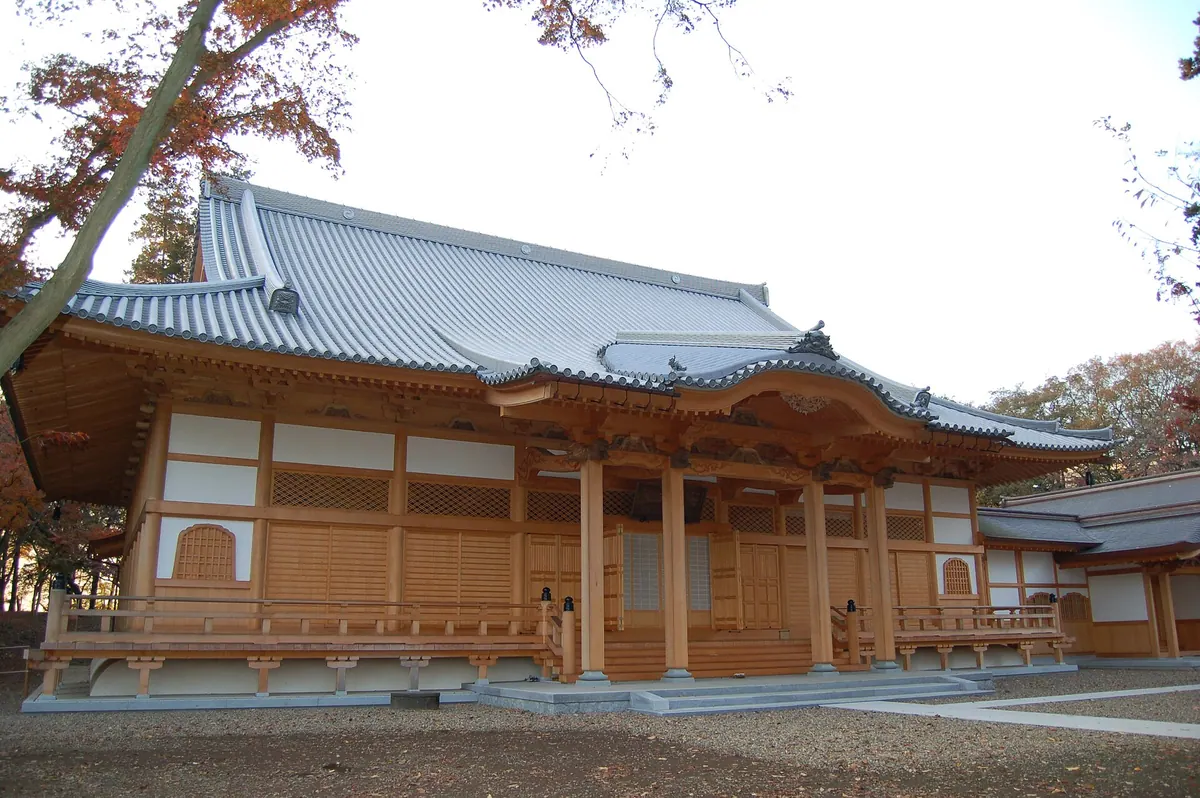
A historic Zen temple built on former castle grounds featuring ancient pine trees and the Oyama clan's ancestral tombs.
What it is
- A Sōtō Zen temple founded in 1155 by Oyama Masamitsu.
- The family mortuary temple for the Oyama clan located in Oyama City.
- The temple occupies the former site of Gion Castle.
- The grounds cover a vast area of approximately fifteen thousand tsubo.
What to see
- Remnants of the original castle earthworks and dry moats.
- A four-hundred-year-old Japanese umbrella pine designated as a natural monument.
- Seven stone stupas belonging to the Oyama clan in the cemetery.
- Sixty-nine stone tablets designated as city cultural properties.
- A portrait of Baishi Shoetsu held within the temple collection.
06
Hōrin-ji Temple
TOCHIGI · TEMPLE 法輪寺
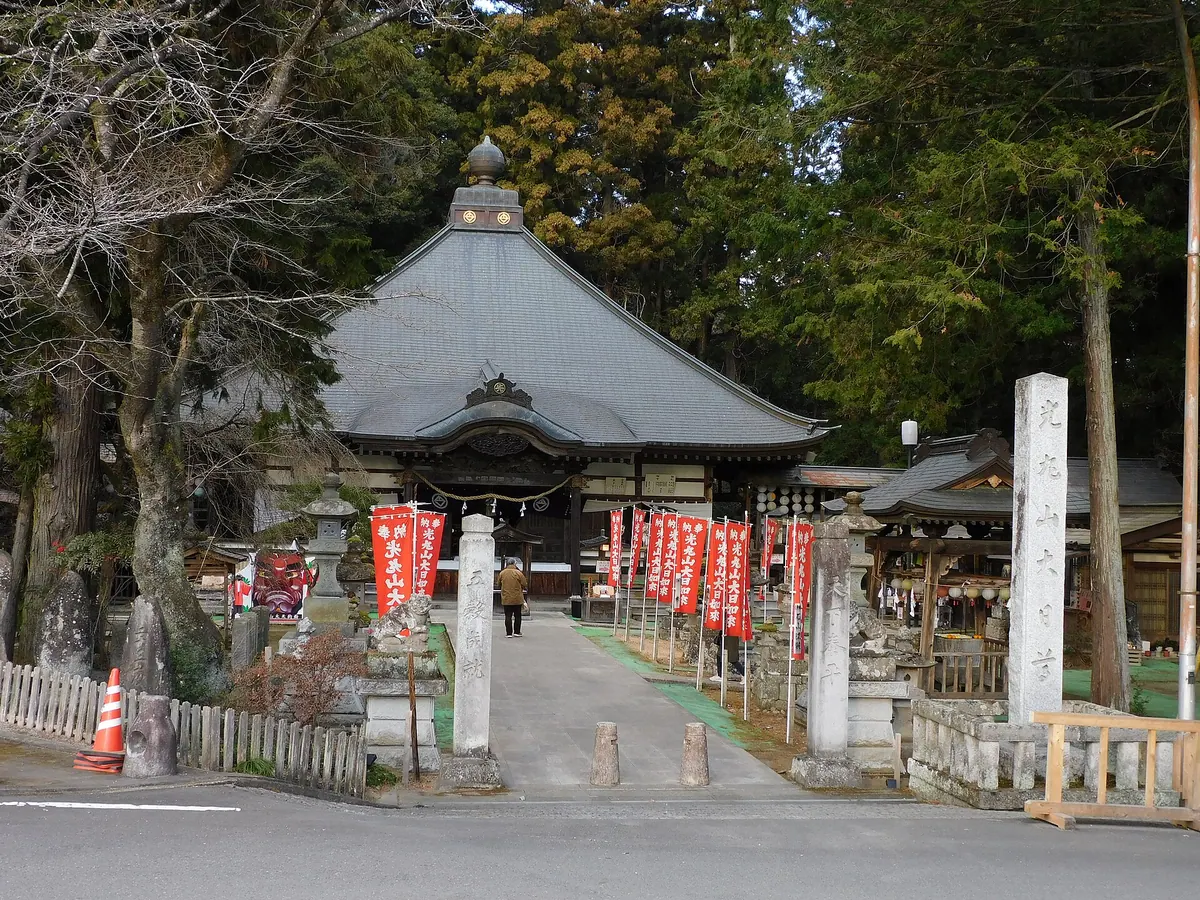
Hōrin-ji Temple, founded in 860, offers historical artifacts and a scenic walk.
What it is
- Tendai sect temple, founded in 860.
- Established by Jikaku Daishi Ennin.
- Restored in 1636 by Benkai.
- Divided into Kōmaruyama and Shōgakuzan sections.
What to see
- Shaka Sanzon is the main deity of Shōgakuzan.
- Dainichi Nyorai is the main deity of Kōmaruyama.
- Several Tochigi Prefecture Tangible Cultural Properties.
- Several Ōtawara City Tangible Cultural Properties.
- Saigyōzakura is an Ōtawara City Natural Monument.
When to go
- Portable shrine procession on November 3.
Getting there
- 4-minute walk from the Sarado bus stop.
- Address
- 栃木県大田原市佐良土1401 Map
- Official site
- www.koumarusan-hourinji.com
07
Daiyou-ji Temple
TOCHIGI · TEMPLE 台陽寺
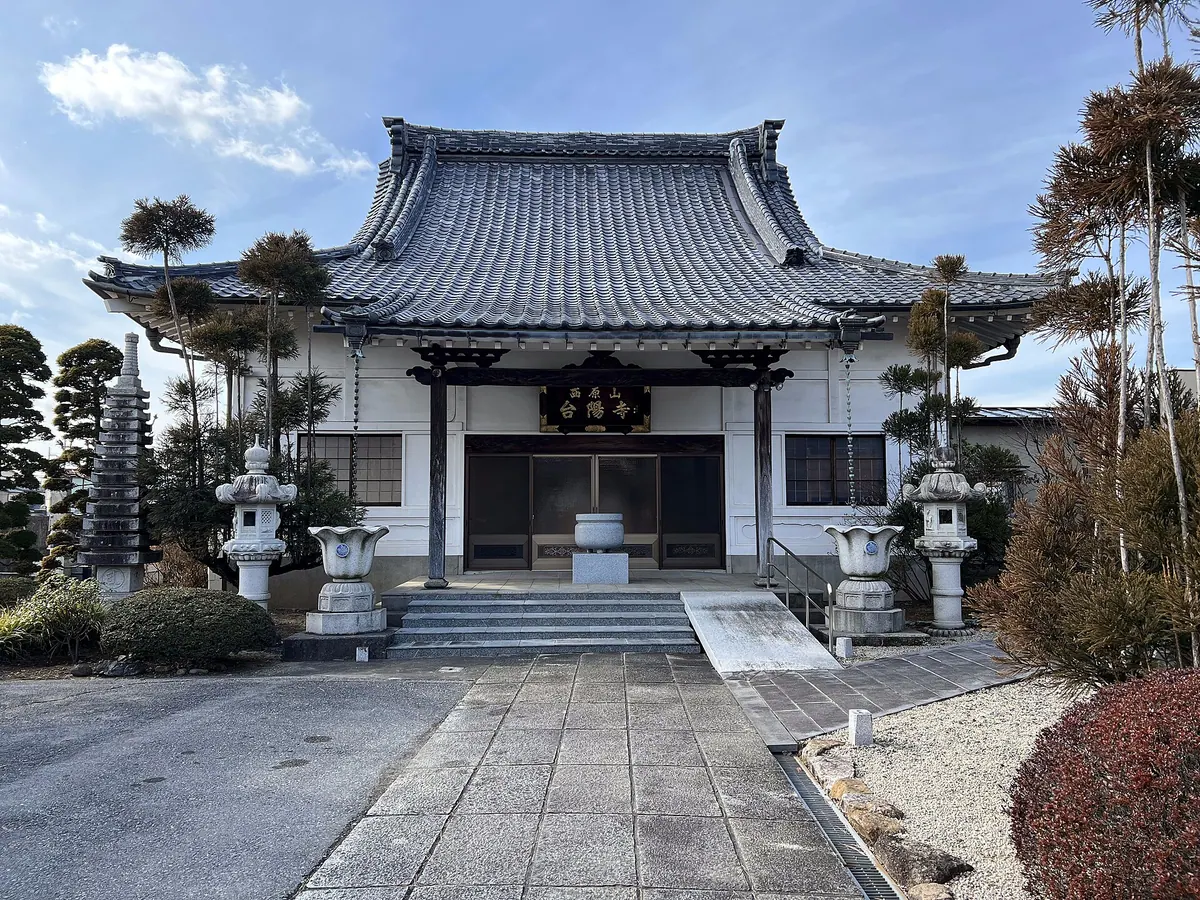
A historic Soto Zen temple in Utsunomiya featuring an 18th-century main hall and graves of notable Confucian scholars.
What it is
- A Soto Zen temple founded in 1608 by Okudaira Iemasa.
- The temple is dedicated to the main deity Shakyamuni Nyorai.
- The first head priest was the youngest son of Imagawa Yoshimoto.
- The temple moved to its current location in 1619.
What to see
- The main hall which was rebuilt in 1721.
- A Koyasu Jizo statue located on the temple grounds.
- Graves of the Okudaira family vassals and Confucian scholars.
- The burial site of scholars Nagasawa Suian and Nagasawa Rakuro.
Getting there
- A ten minute walk from Minami-Utsunomiya Station.
08
Chūzen-ji Temple
TOCHIGI · TEMPLE 中禅寺
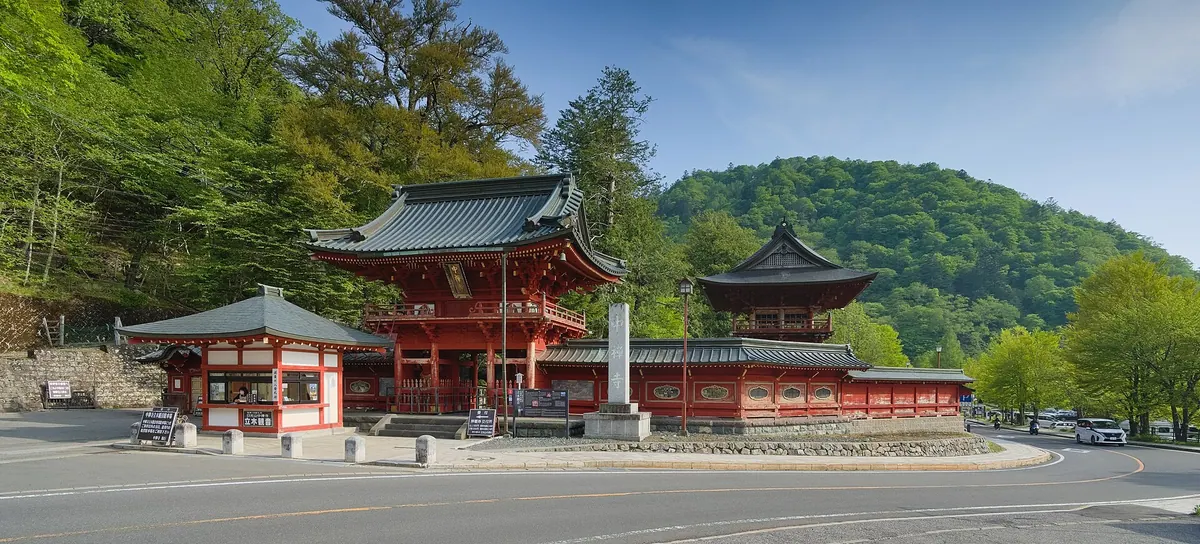
This temple, built by Shodo, houses the oldest surviving statue in Nikko, a six-meter Kannon.
What it is
- One of the oldest temples in Nikko, founded in 784 CE.
- An affiliate temple of Rinnoji Temple.
- Dedicated to the Tachiki Kannon, a six-meter wooden statue.
- Originally a place for ascetic practice.
What to see
- Tachiki Kannon: six-meter wooden statue of Senju Kannon.
- Niomon Gate: large red gate with Nio guardian deities.
- Hashiri Daikokutendo Hall: enshrines the Running Daikokuten.
- Hondo Main Hall: enshrines the Tachiki Kannon statue.
- Godaido Hall: enshrines statues of the five wisdom kings.
- Godaido Hall: ceiling decorated with a magnificent dragon painting.
- Address
- 栃木県日光市中宮祠2482 Map
- Official site
- www.rinnoji.or.jp
09
Jigen-ji Temple
TOCHIGI · TEMPLE 慈眼寺
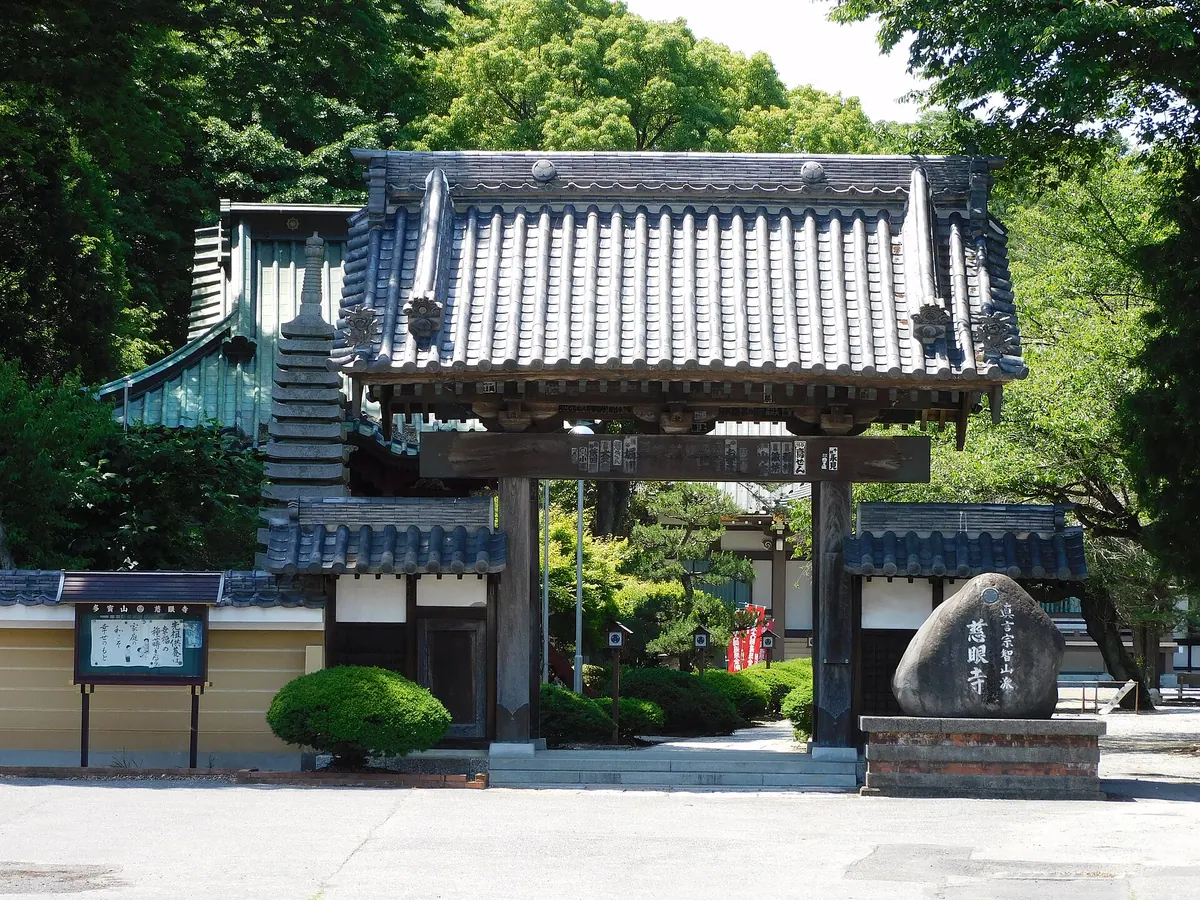
A historic Shingon sect temple founded in 1196 that served as a resting place for shoguns traveling to Nikko.
What it is
- A Shingon Chisan sect temple located in Shimotsuke City.
- Founded in 1196 by Nitta Yoshikane and later restored in 1401.
- Served as a resting place for shoguns during their pilgrimages to Nikko.
- Maintained a close official relationship with the Tokugawa Shogunate throughout its history.
What to see
- The site where a dedicated shogun palace and gate once stood.
- Historical grounds of a temple rebuilt after Shogunate structures were destroyed by fire.
Getting there
- The temple is a sixteen minute walk from Koganei Station.
10
Ganjō-ji Temple
TOCHIGI · TEMPLE 願成寺
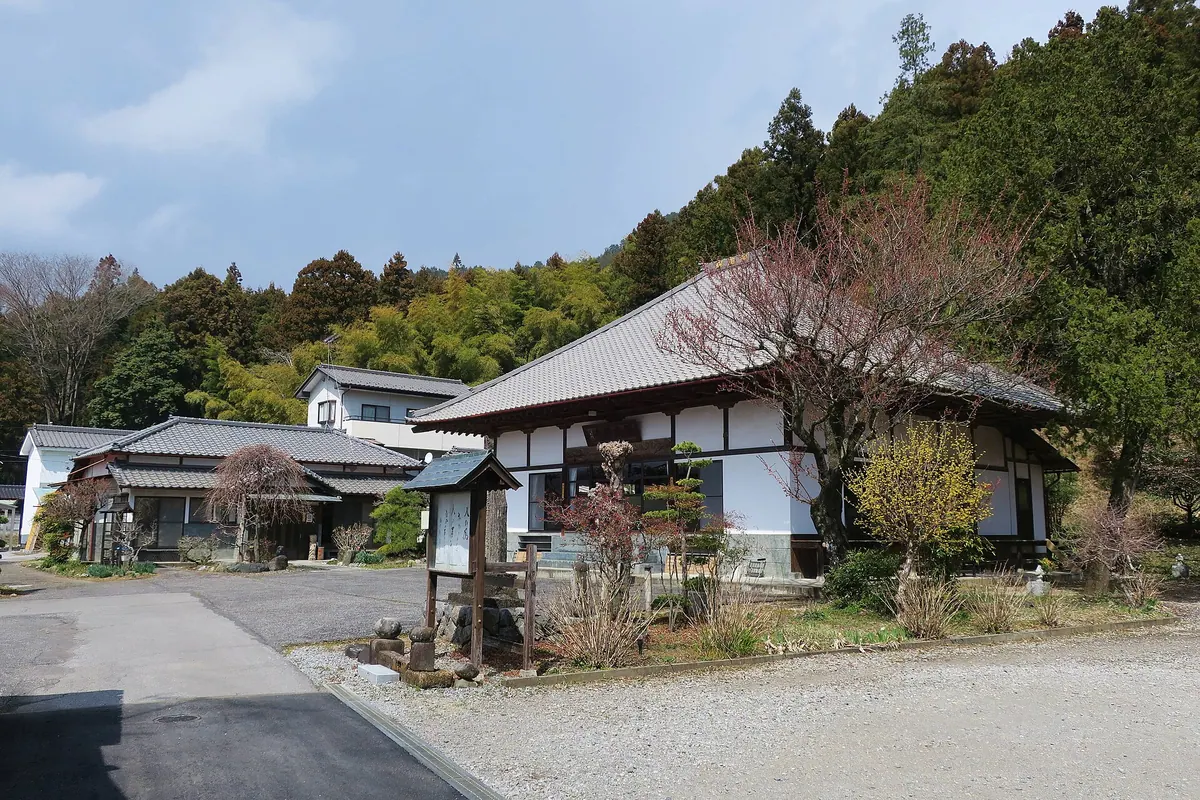
A historic Rinzai sect temple in Sano City featuring the grave of a famous samurai from the Hachinoki legend.
What it is
- A Rinzai Kencho-ji sect temple founded by Chikai Hoin between 770 and 781.
- The site was officially established as a temple from 806 to 810.
- Fujiwara no Hidesato restored the temple during the Tenkyo era.
- Converted from the Tendai sect to Rinzai during the 1380s under Koten Zenji.
What to see
- The grave of Sano Genzaemon Tsuneyo is located on the temple grounds.
- Historical markers related to Tsuneyo and the famous Hachinoki bonsai story.
Getting there
- The temple is a twenty-eight minute walk from Kuzu Station.
11
Kaichō-ji Temple
TOCHIGI · TEMPLE 海潮寺
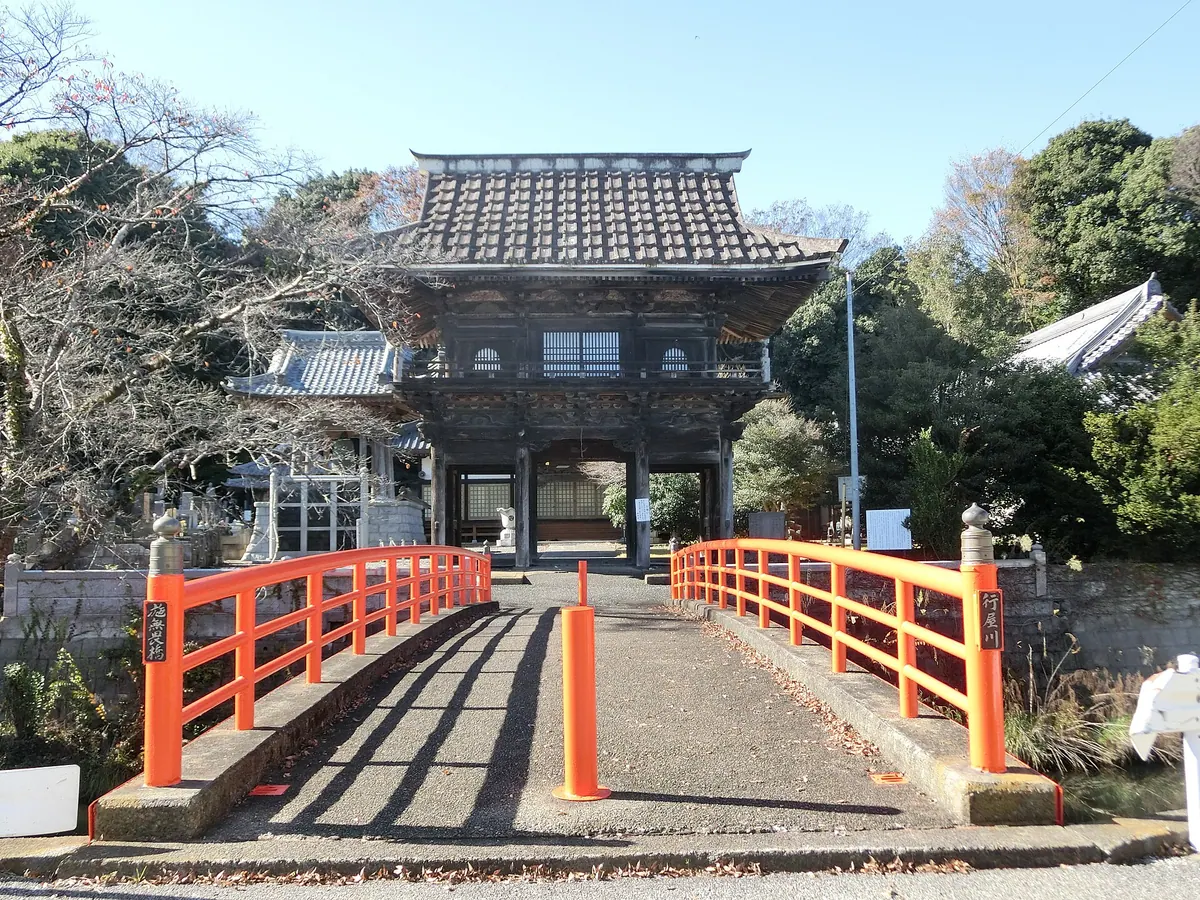
A 16th-century Soto Zen temple in Moka featuring a historic gate and monuments dedicated to local historical figures.
What it is
- A Soto Zen temple founded in 1510 in Moka, Tochigi Prefecture.
- The former family temple for the prominent Haga clan.
- A site housing historical documents designated as prefectural cultural properties.
What to see
- The mountain gate built in 1806 featuring unique Oya stone roof tiles.
- A monument erected by eighteen local villages to honor magistrate Takegaki Naonobu.
- A designated portrait of Haga Zenka kept within the temple grounds.
Getting there
- The temple is an eight-minute walk from Moka Station.
12
Shimotsuke Kokubun-ji Temple
TOCHIGI · TEMPLE 下野国分寺
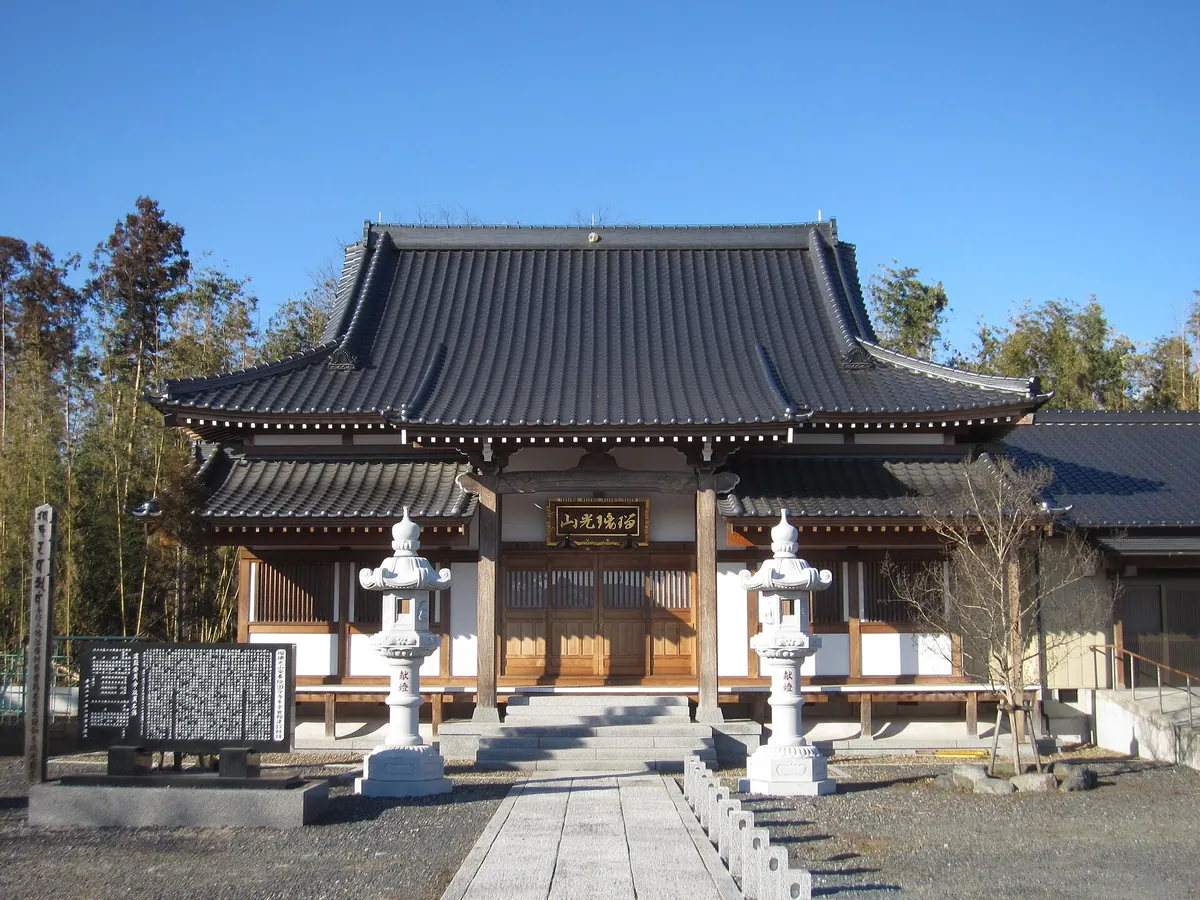
Explore a historic temple with unique statues and pagodas, a successor to an ancient provincial temple.
What it is
- A Shingon-shu Buzan-ha temple.
- Its mountain name is Rurikozan, temple name Anyoin.
- The principal image is Dainichi Nyorai.
- Successor temple to the original Shimotsuke Kokubun-ji.
What to see
- Seated Shaka Nyorai statue in Shakado Hall.
- Shaka Nyorai statue is a city-designated cultural property.
- Three Gorinto (five-ring pagodas) on the grounds.
- Gorinto are city-designated cultural properties.
Getting there
- About 3.5 kilometers from Koganei Station.
- Rent-a-cycles are available at Koganei Station.
- Address
- 栃木県下野市国分寺1541 Map
13
Kinryūji Temple
TOCHIGI · TEMPLE 近龍寺
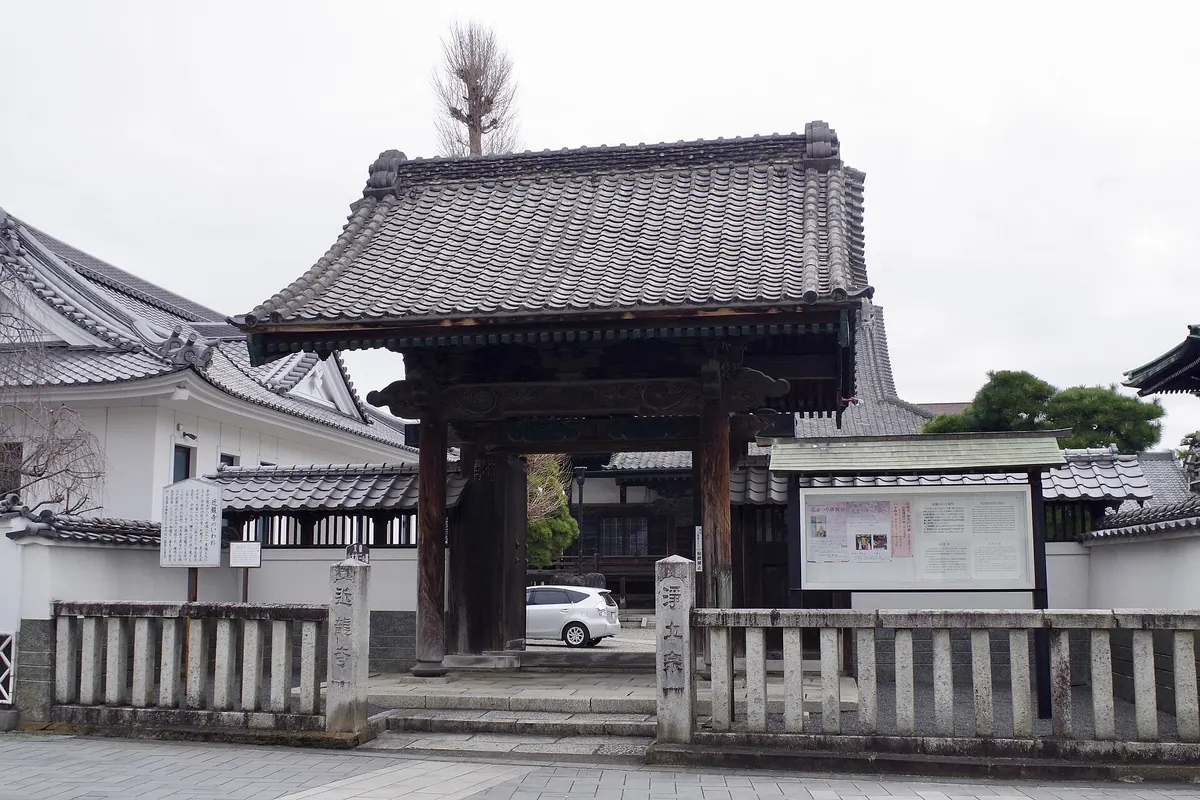
A 15th-century Jodo sect temple in Tochigi featuring historic guardian statues and the grave of author Yuzo Yamamoto.
What it is
- A Jodo sect Buddhist temple founded by Priest Ryokai in 1421
- The site served as the official time bell station for Tochigi-shuku
- Lodging facilities here once functioned as a substitute for a sub-honjin
- The temple moved to its current location in 1588
What to see
- Wooden standing statues of Nio guardians designated as municipal cultural property
- The grave of famous Japanese author Yuzo Yamamoto located on the grounds
Getting there
- The site is a fifteen minute walk from Tochigi Station
14
Sennen-ji
TOCHIGI · TEMPLE 専念寺
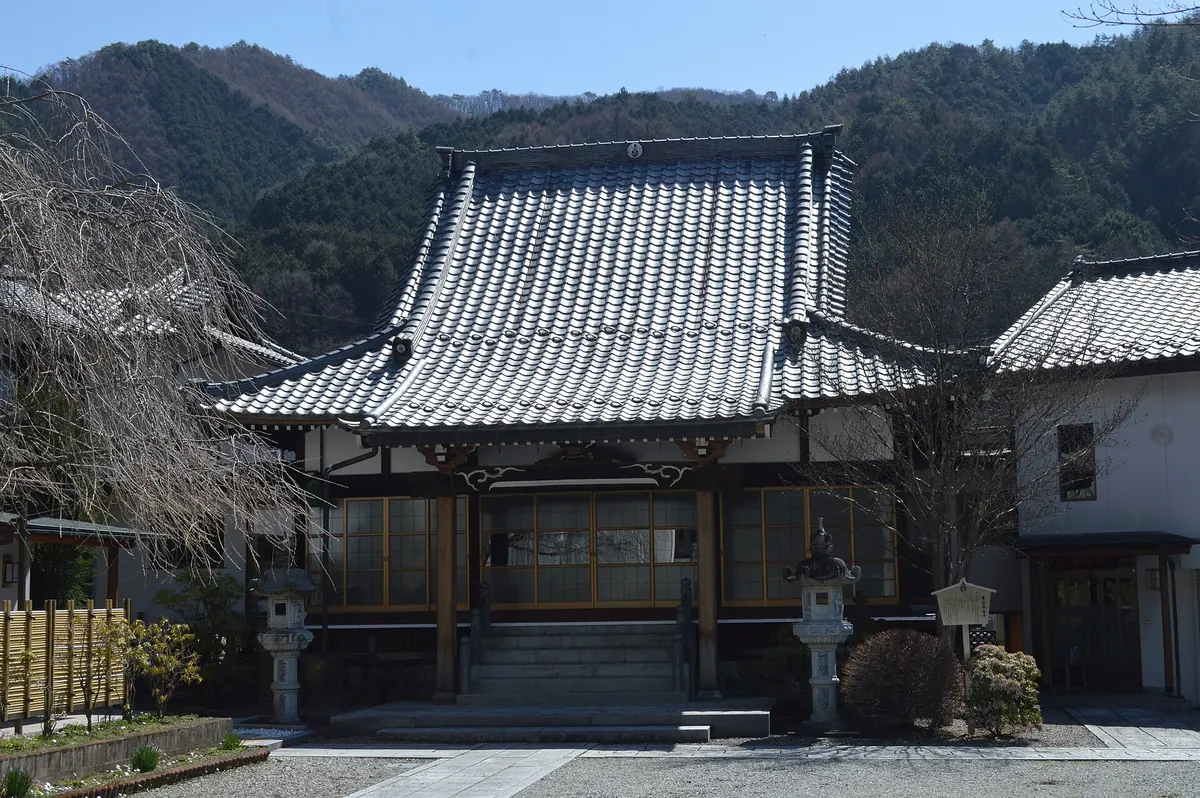
A historic Jodo Shinshu temple in Ashio founded in 1889, dedicated to Amida Nyorai and moved to its current site.
What it is
- A temple of the Jodo Shinshu Hongwanji-ha sect founded in 1889.
- The main deity enshrined at this location is Amida Nyorai.
- Established by Fujimoto Yukyo following a request from Furukawa Ichibei.
- The temple moved to its current site, a former preaching hall, in 1980.
When to go
- The annual Hoonko ceremony takes place every November.
Getting there
- The site is accessible on foot from Tsudo Station.
- Tsudo Station is located on the Watarase Keikoku Railway line.
15
Hōzen-ji Temple
TOCHIGI · TEMPLE 芳全寺
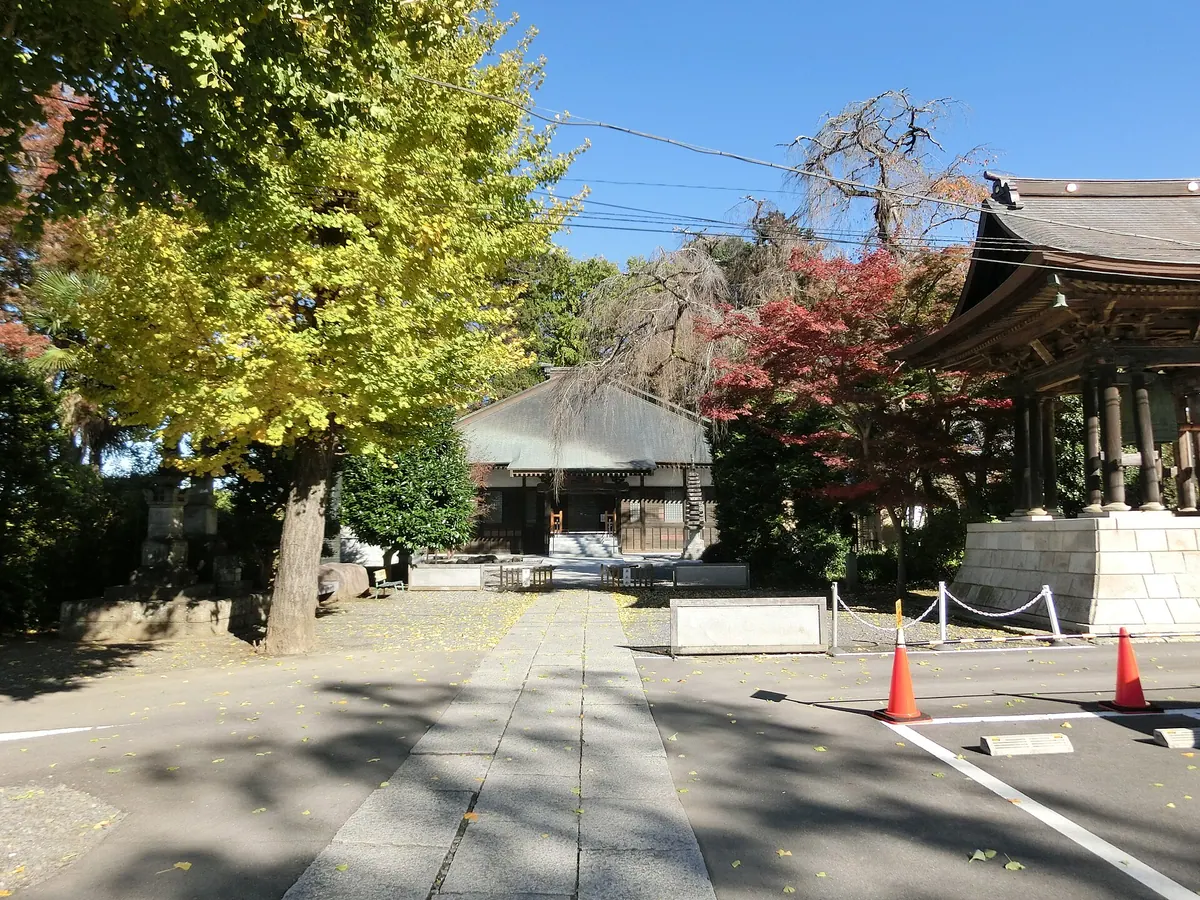
A historic Soto Zen seminary in Moka City featuring a designated cultural property bronze statue of Amida Nyorai.
What it is
- A Soto Zen temple founded in 1545 by Mizutani Masamura.
- The site served as one of eighty Danrin seminaries for training Buddhist monks.
- Its mountain name Banryusan and temple name Hozen-ji derive from the founders' religious names.
What to see
- A bronze seated statue of Amida Nyorai located on the temple grounds.
- The statue is a designated Tochigi Prefectural Tangible Cultural Property.
Getting there
- The temple is a three-minute walk from Kugeta Station.
16
Kabasaki-ji
TOCHIGI · TEMPLE 樺崎寺
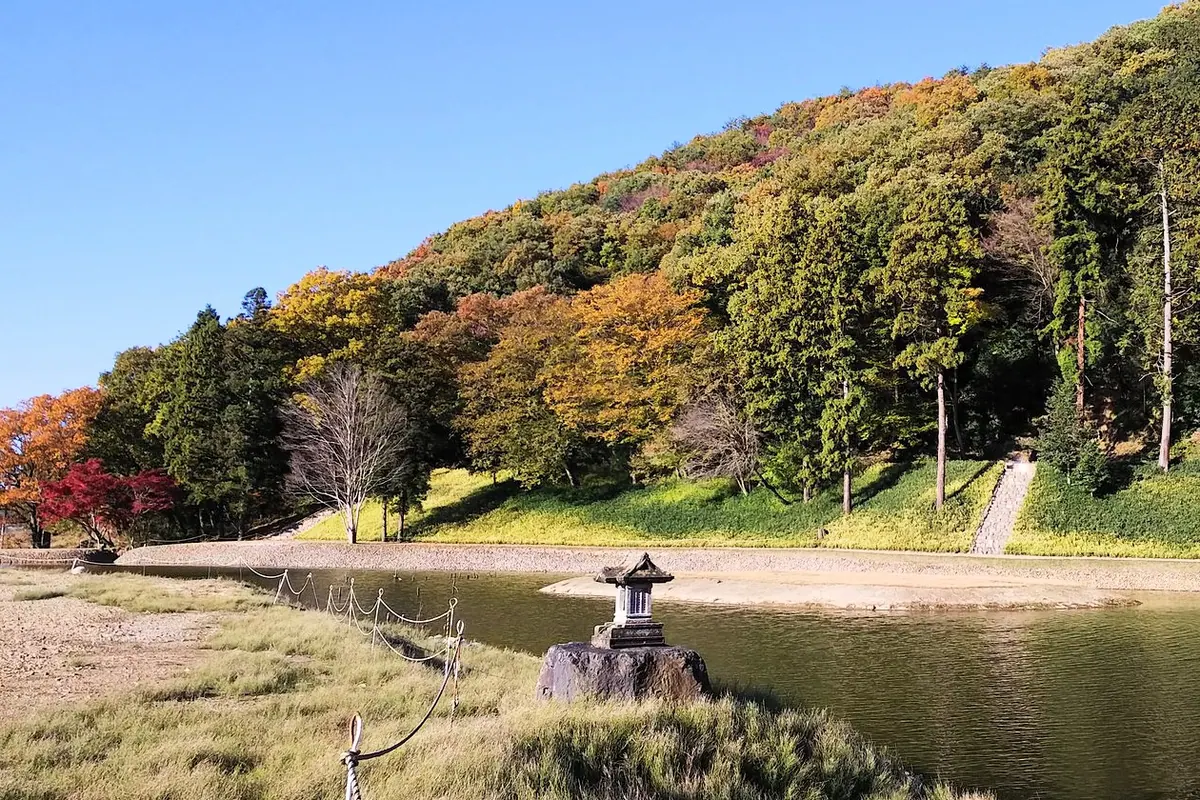
Kabasaki-ji is an ancient temple site with Ashikaga clan ties and important cultural properties.
What it is
- Temple founded in 1189 by Ashikaga Yoshikane.
- Served as ancestral temple for the Ashikaga clan.
- Temple ruins designated a national historic site in 2001.
What to see
- Yoshikane's mausoleum, called Akamido, is on site.
- Kabasaki Hachimangu Shrine remains on grounds.
- A Jodo-style garden was built here.
- Two statues are presumed works by Unkei.
- Wooden seated Dainichi Nyorai statue is Important Cultural Property.
- Another wooden seated Dainichi Nyorai statue is Important Cultural Property.
17
Ungan-ji Temple
TOCHIGI · TEMPLE 雲巌寺
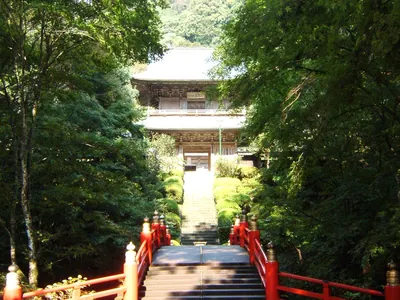
Ungan-ji Temple is a historic Zen training center with cultural properties, worth visiting for its serene atmosphere.
What it is
- A temple founded between 1126 and 1131 as Old Buddhism.
- Re-established as a Rinzai Zen temple in 1283.
- Once one of Japan's four great Zen training centers.
- Founded by Kōhō Kennichi (Butsukoku Kokushi).
What to see
- Bronze seated statue of Shakamuni Buddha is the main image.
- Butsuden, the main hall, rebuilt in 1922.
- Monument with haiku poet Matsuo Bashō's poems.
- Several Important Cultural Properties designated by Japan.
- Tangible and natural cultural properties of Otawara City.
- Address
- 栃木県大田原市雲岩寺27 Map
18
Daiō-ji Temple
TOCHIGI · TEMPLE 大雄寺
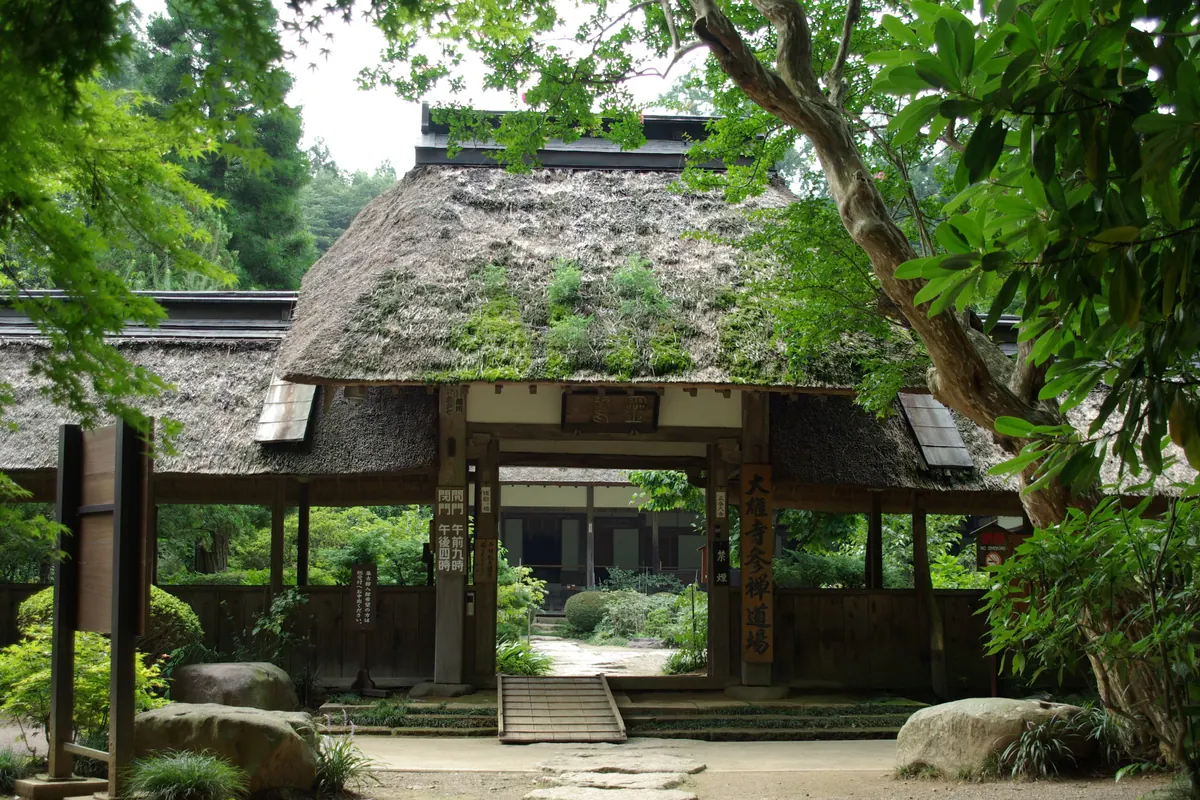
A historic Soto Zen temple in Otawara featuring nine National Important Cultural Properties and the Ozeki clan family tombs.
What it is
- A Soto Zen temple in Otawara originally founded in 1404
- The family temple for the Ozeki clan since the Muromachi period
- A filming location for the movie Zen and the drama Ikkyu-san
- The site moved to its current location in 1576
What to see
- Nine buildings designated as National Important Cultural Properties
- The main hall and Zen hall dating back centuries
- A seated Shaka Nyorai statue from the Muromachi period
- The historic tombs of the Ozeki family members
- Official site
- www.daiouji.or.jp
19
Nōji-in Temple
TOCHIGI · TEMPLE 能持院
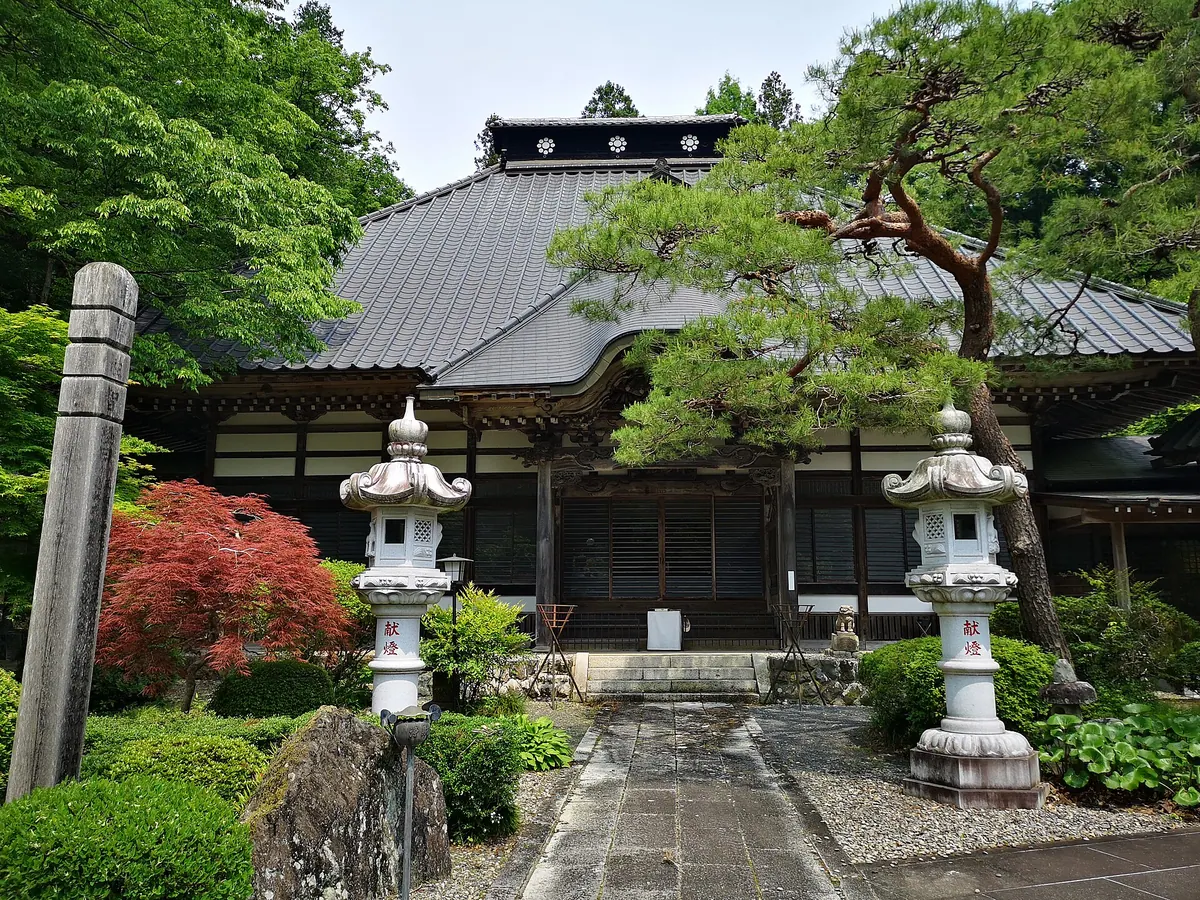
Nouji-in is a Soto Zen temple with unique cedar grave markers of the Hosokawa clan.
What it is
- A Soto Zen temple.
- Founded in 1222 by Motegi Tomomoto.
- Family temple of the Motegi clan.
- Later became the family temple of the Hosokawa clan.
What to see
- Cemetery with graves of Hosokawa clan lords.
- Cedar trees used as grave markers.
- Stone lanterns marking death dates at graves.
- Nouji-in Somon is a Tangible Cultural Property.
- Hosokawa family graveyard is a Tochigi Prefecture Historic Site.
Getting there
- 7-minute drive from Motegi Station.
- Address
- 栃木県芳賀郡茂木町塩田227 Map
- Official site
- www.noujiin.com
20
Ankoku-ji Temple
TOCHIGI · TEMPLE 安国寺
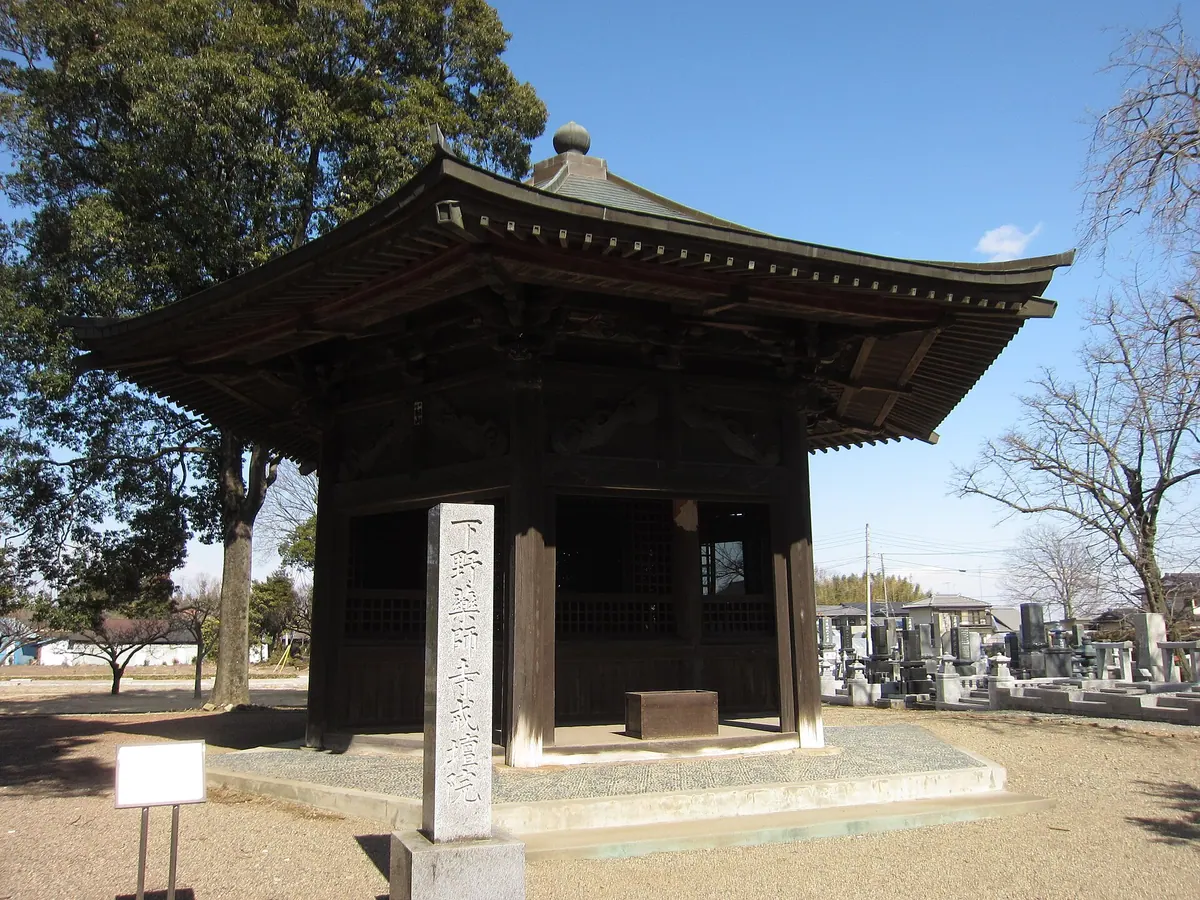
Ankoku-ji Temple: a historic Shingon temple with a unique hexagonal hall and Ganjin portrait.
What it is
- A Shingon-shu Chizan-ha sect temple.
- Its mountain name is Iousan.
- Founded on the site of ancient Shimotsuke Yakushi-ji Temple.
- Renamed Ankoku-ji in 1339.
What to see
- The principal image is Yakushi Nyorai.
- The Rokkakudo building dates from the late Edo period.
- The Rokkakudo is a designated cultural property.
- Inside the Rokkakudo is a zushi with a portrait of Ganjin.
Getting there
- 30-minute walk from Jichi Medical University Station.
- Address
- 栃木県下野市薬師寺1737 Map