

20 Temples in Toyama worth your time
Japan Gems
Toyama Prefecture has 33 temples, including Shōkō-ji Temple and Daibutsu-ji Temple. Visitors can find a mix of historical and serene religious sites.
Toyama has 39 temples on Japan Gems. Below are the 20 we can tell you the most about — each one written up in English from Japanese sources, with what to see and how to get there. See all temples in Toyama.
01
Zentoku-ji Temple
TOYAMA · TEMPLE 真宗大谷派城端別院善徳寺
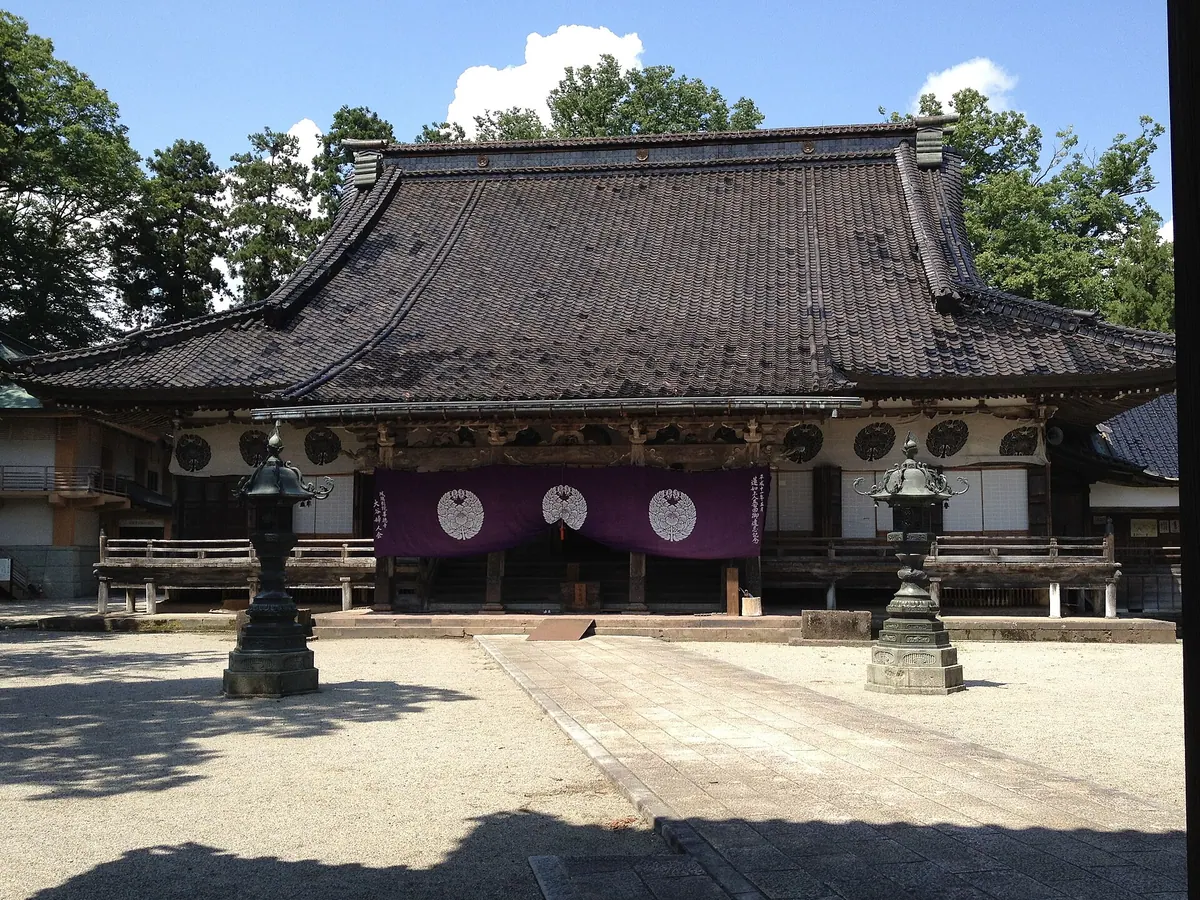
A historic Shinshu Otani-ha temple in Nanto featuring 18th-century architecture and hosting a major local festival every May.
What it is
- A Shinshu Otani-ha temple founded by Rennyo, the eighth head of Hongan-ji.
- The temple moved to its current location in Johana in 1559.
- It became a representative temple for Higashi Hongan-ji in 1602.
- The current chief priest is the head of the Shinshu Otani-ha sect.
What to see
- The main hall was rebuilt in the mid-18th century and is a cultural property.
- The temple gate and bell tower are designated as prefectural cultural properties.
- Interior viewing of the temple buildings is available for a 500 yen fee.
- The grounds serve as a central site for the Johana Hikiyama Festival.
When to go
- The temple is open to visitors every day of the week.
- Visit in May to experience the Johana Hikiyama Festival on the grounds.
Getting there
- The temple is a 10-minute walk from JR Johana Station.
02
Kōzen-ji Temple
TOYAMA · TEMPLE 光禅寺
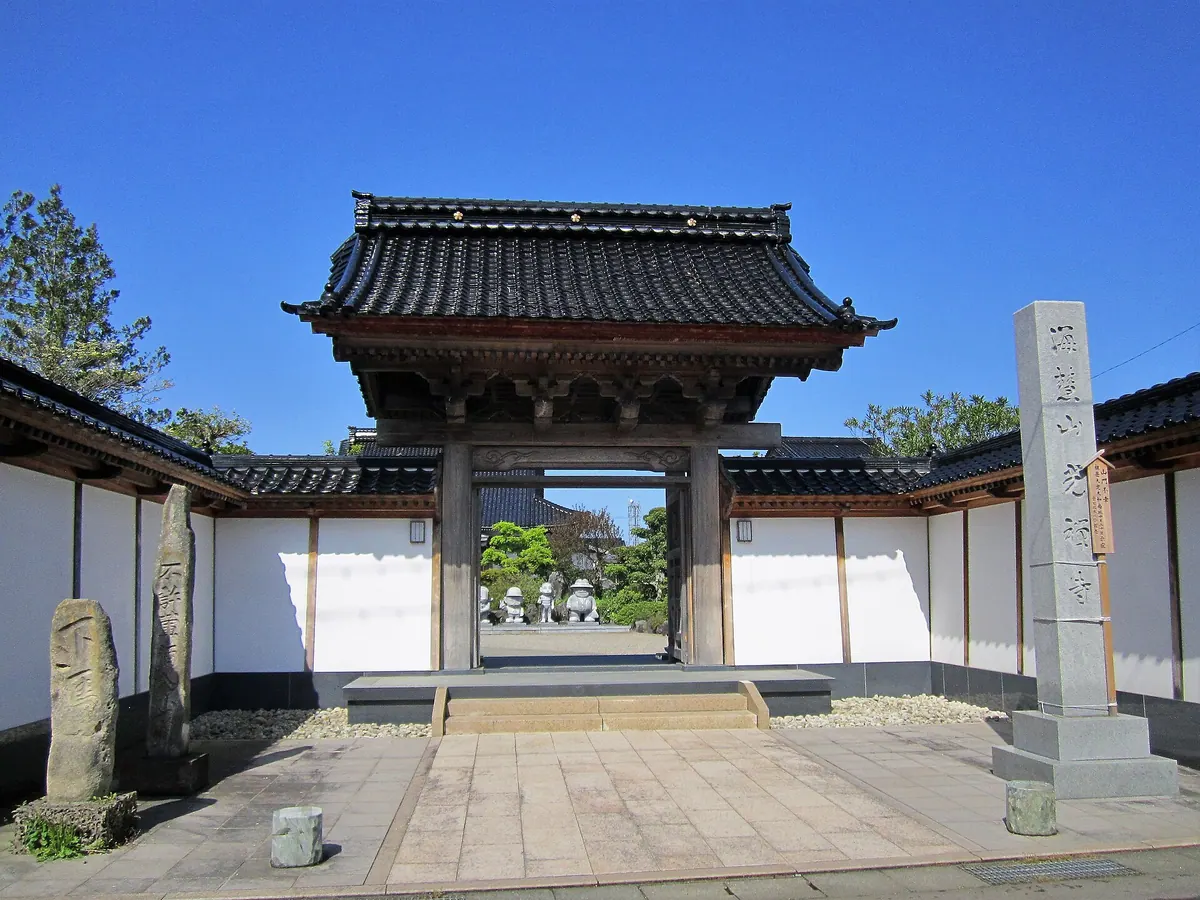
A 14th-century Zen temple and birthplace of a famous manga artist, featuring character statues and a protected island precinct.
What it is
- A Soto Zen temple founded by Meiho Sotetsu in 1327.
- The birthplace of the famous manga artist Fujiko Fujio A.
- A designated prayer hall for the Maeda clan since 1632.
- A spiritual site that includes the nearby Karashima Island as a detached precinct.
What to see
- Four stone statues of popular manga characters located on the temple grounds.
- A reconstructed temple gate completed in 2008 following a historical fire.
- A portrait of the feudal lord Maeda Toshiie held within the temple.
- Karashima Island, which is a designated natural monument of Toyama Prefecture.
Getting there
- The temple is a 15-minute walk from JR Himi Station.
03
Gyotoku-ji Temple
TOYAMA · TEMPLE 行徳寺
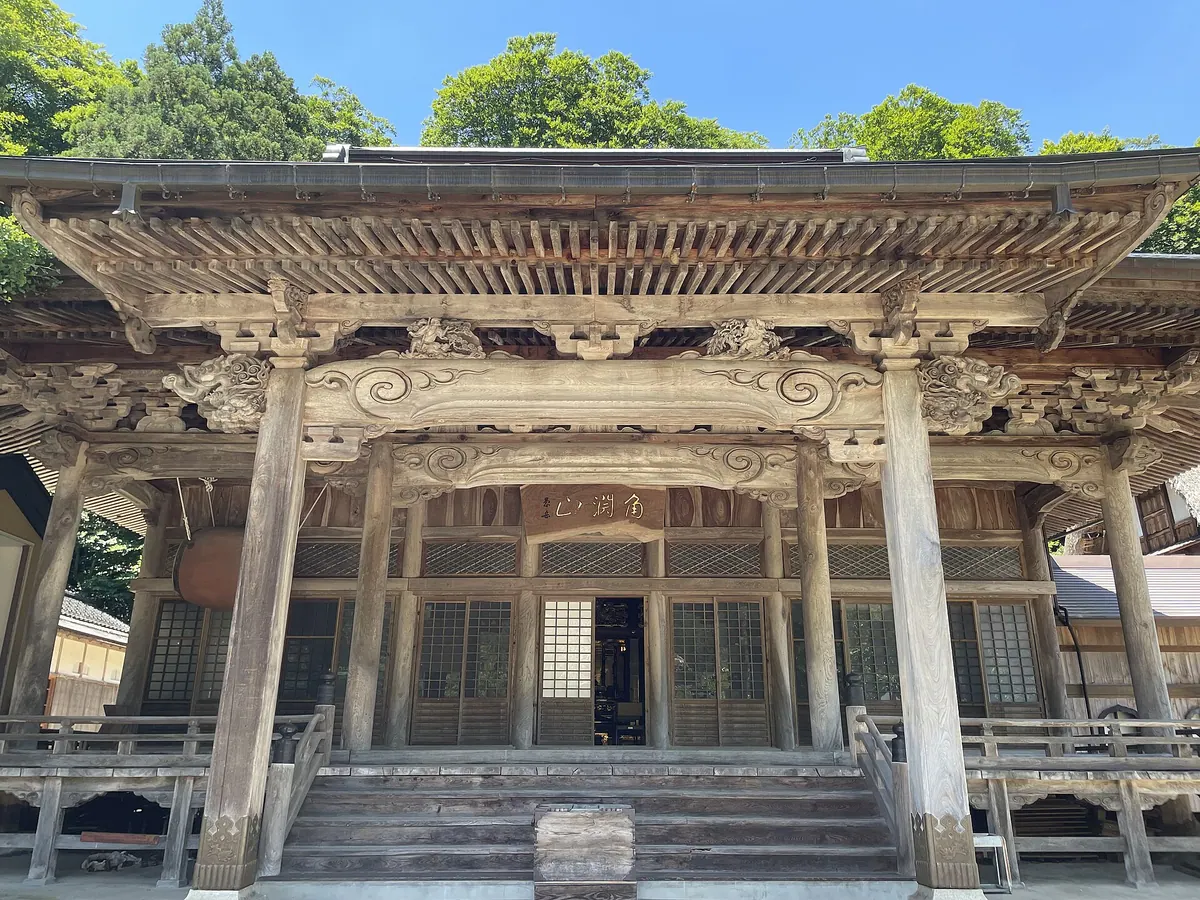
A historic Shinshu Otani-ha temple in Gokayama founded by a disciple of Rennyo, housing rare 16th-century religious artifacts.
What it is
- A Shinshu Otani-ha temple located in the Nishi-Akao district of Gokayama.
- Founded by Doshu, a disciple of the influential priest Rennyo.
- One of only two sites with official temple status in the Gokayama area.
- A training hall existed at this location prior to the year 1501.
What to see
- Five six-character name scrolls written by Rennyo are held in the collection.
- An Amida Nyorai image granted to the temple in 1513.
- The temple kitchen which was rebuilt in 1864.
- A bronze statue of the seventeenth head priest standing on the grounds.
- Handwritten copies of letters sent by Rennyo.
- The Akao Sanson Rules document dating back to 1525.
04
Daibutsu-ji Temple
TOYAMA · TEMPLE 大佛寺
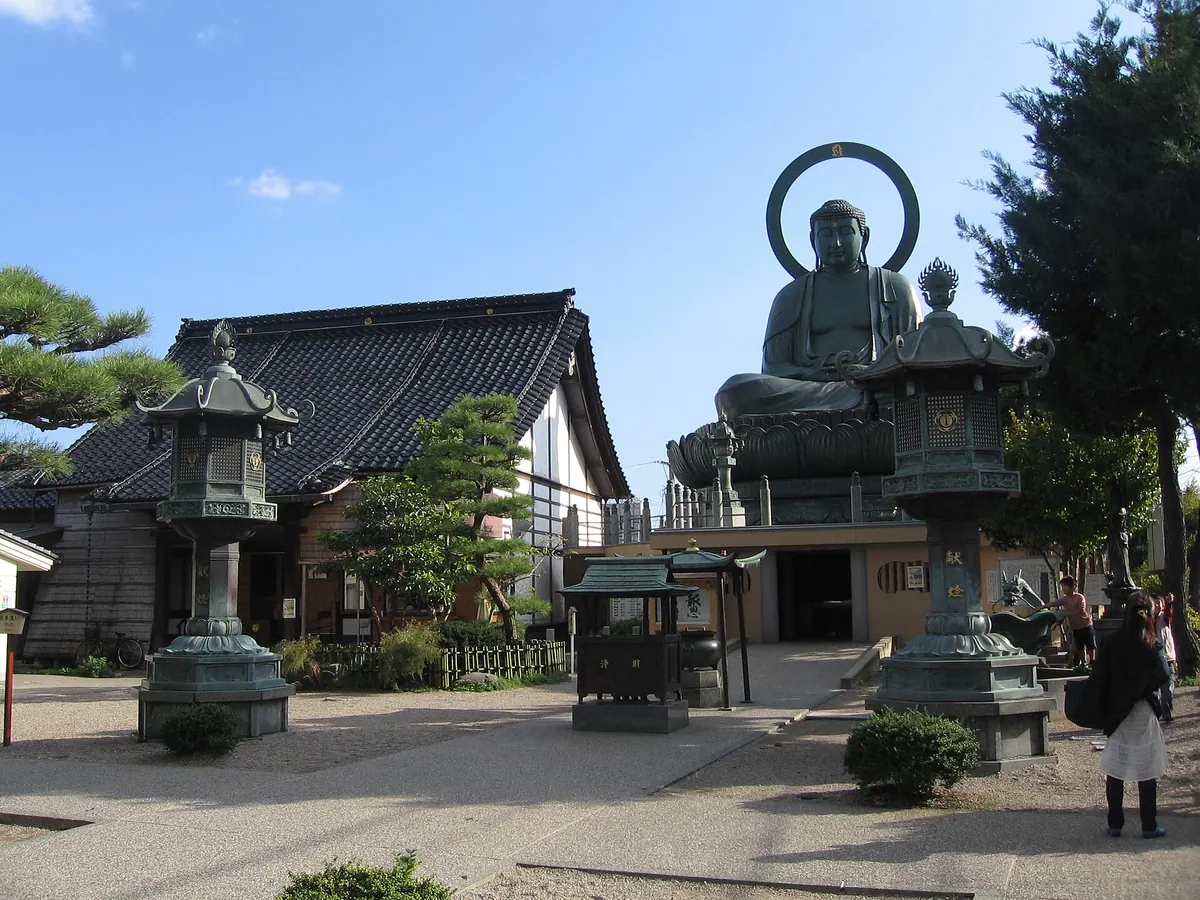
See the impressive Takaoka Daibutsu, a large bronze Buddha statue, at this historic temple.
What it is
- A Jodo-shu Buddhist temple.
- Its mountain name is Hotokusan.
- Enshrines a bronze seated Amitabha Nyorai statue.
- The 29th site of the Takaoka City Shin Saigoku 33 Kannon Pilgrimage.
What to see
- The Takaoka Daibutsu, a 15.85m tall bronze Buddha statue.
- The Takaoka Daibutsu was designated a tangible cultural property in 1981.
- The Jisho bell, designated a tangible cultural property in 1962.
- A stone statue of Bato Kannon Bosatsu.
Getting there
- A 10-minute walk from Takaoka Station.
- Address
- 富山県高岡市大手町11番29号 Map
- Official site
- www.takaokadaibutsu.xyz
05
Honpō-ji Temple
TOYAMA · TEMPLE 本法寺 (富山市)
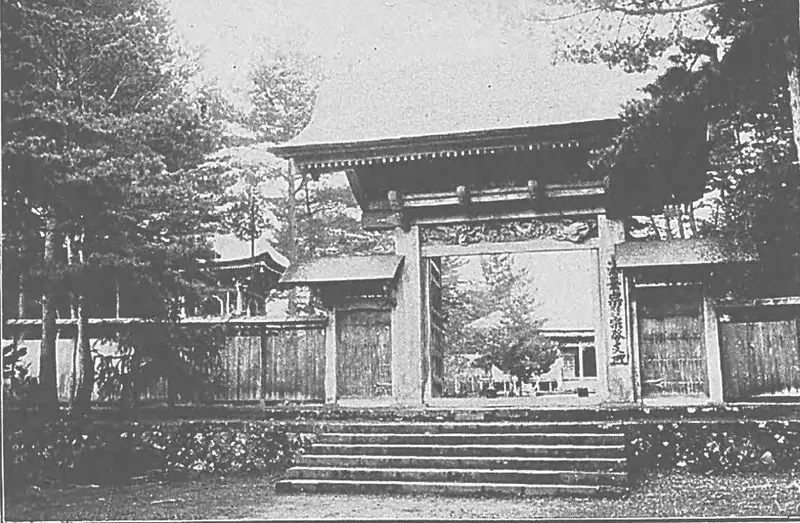
Honpo-ji Temple, founded in 1316, is worth visiting for its historic mandala scrolls.
What it is
- A branch temple of the Hokke sect Jinmon-ryu.
- Founded in 1316 by Nichijun.
- Main deity is Shakyamuni Buddha and Four Bodhisattvas.
- Moved to its current location during the Meiwa era (1764-1771).
What to see
- 21 scrolls of 'Color on Silk Hokke-kyo Mandala'.
- Mandala is an Important Cultural Property.
- One scroll is a Prefectural Tangible Cultural Property.
- Old mountings are a City Tangible Cultural Property.
When to go
- Annual airing ceremony and e-toki on August 6.
- Address
- 富山県富山市八尾町宮腰1580番地 Map
06
Etchū Kokubun-ji Temple
TOYAMA · TEMPLE 越中国分寺
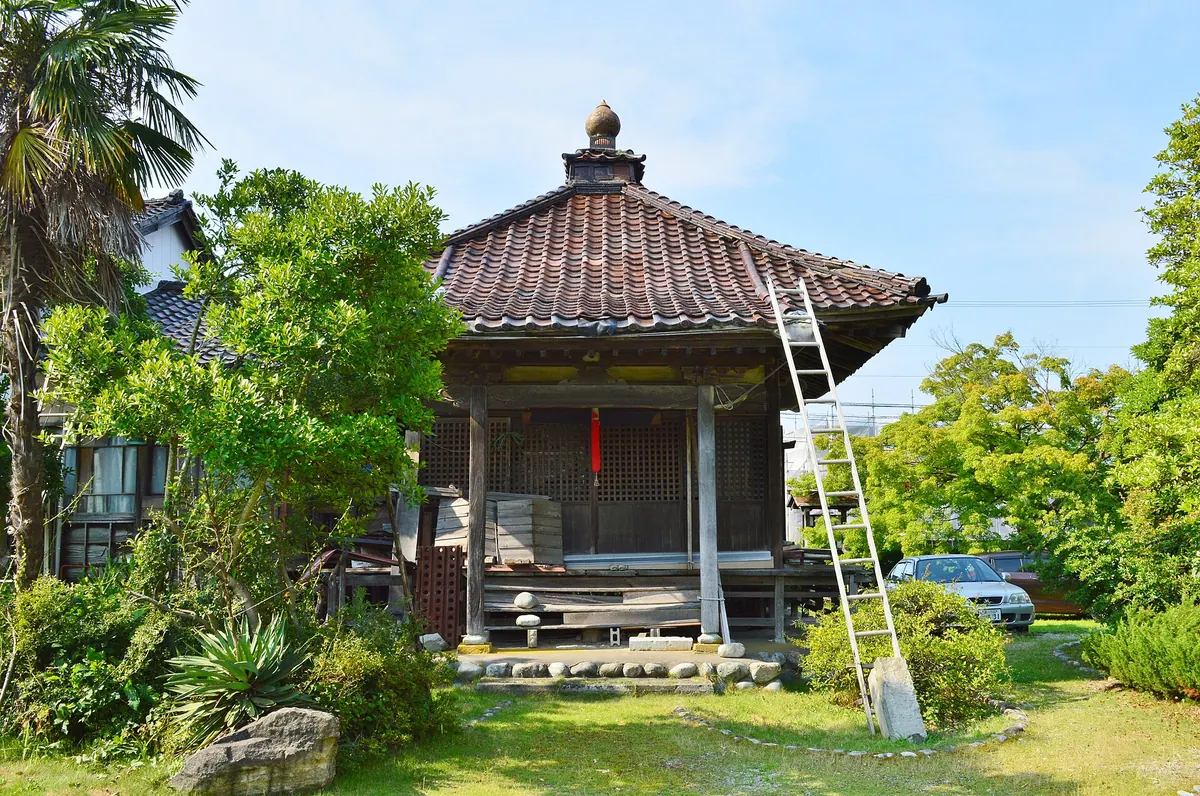
This historic temple, known as Yakushido, houses ancient Buddhist statues and offers a glimpse into Japan's past.
What it is
- A Shingon sect temple.
- Commonly known as Yakushido.
- Successor to the Etchū Kokubun-soji temple.
- Temple grounds designated a historic site in 1965.
What to see
- Wooden Manjushri Bodhisattva statue from Northern and Southern Dynasties.
- Wooden Bishamonten standing statue from Kamakura period.
- Wooden Dainichi Nyorai seated statue from Edo period.
- Wooden Jizo Bodhisattva standing statue from Kamakura period.
- Indra statue from Heian period.
- Temple grounds on a terrace at Futagami Hills.
- Address
- 富山県高岡市伏木一宮1丁目(字国分堂 Map
07
Sōzen-ji Temple
TOYAMA · TEMPLE 宗善寺
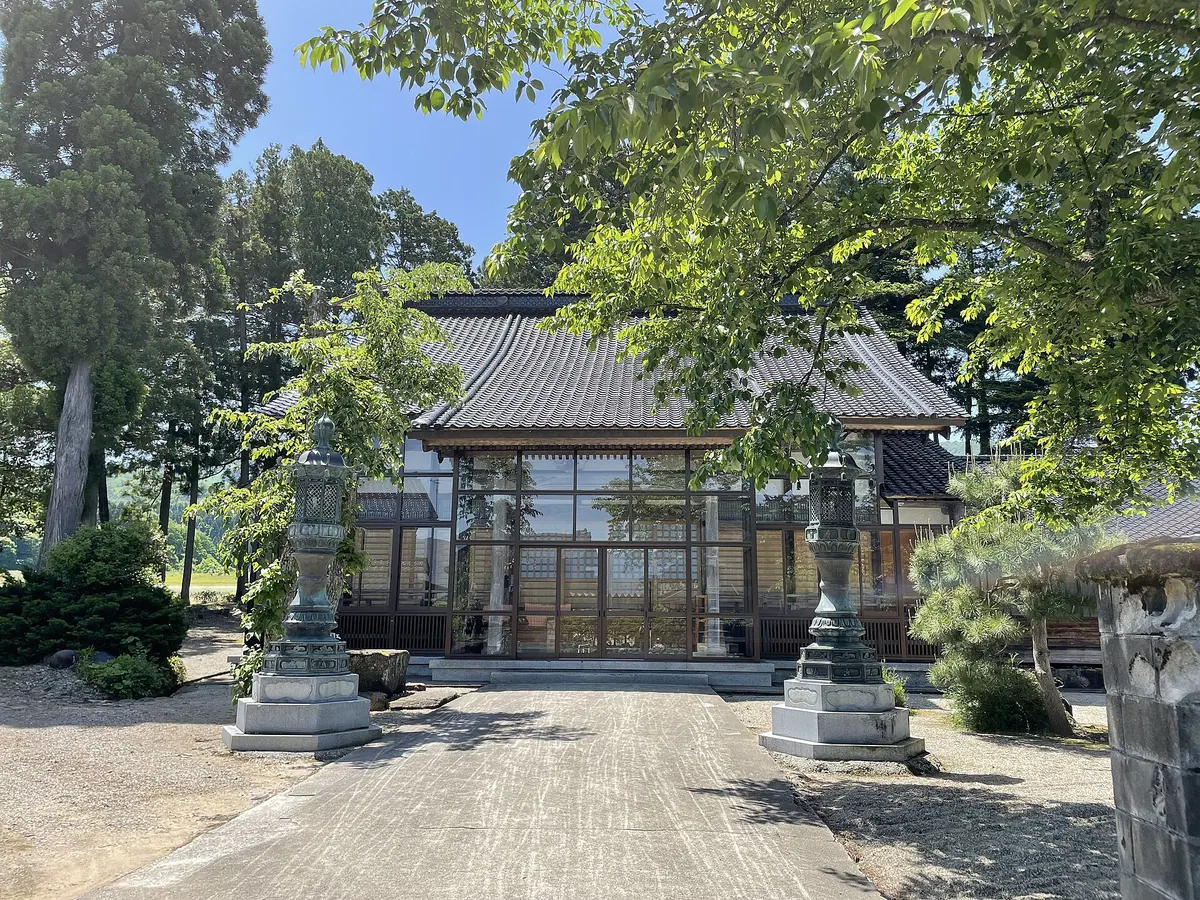
Sozenji Temple is a historic Jodo Shinshu temple with a notable kaya tree.
What it is
- A Jodo Shinshu temple in Nanto City, Toyama Prefecture.
- Originally a Shugendo temple of Mt. Io.
- Converted to Jodo Shinshu during the Sengoku period.
- Predecessor of Matsudera Eifukuji.
What to see
- Main hall completed on July 24, 1977.
- Bronze bell cast on March 20, 1952.
- Bell tower built in June 1986.
- Temple's interior room built in 1912.
- Octagonal outdoor lantern donated in November 1979.
- Kaya tree in the cemetery is a designated cultural property.
- Address
- 富山県南砺市才川七1257 Map
08
Rennō-ji Temple
TOYAMA · TEMPLE 蓮王寺
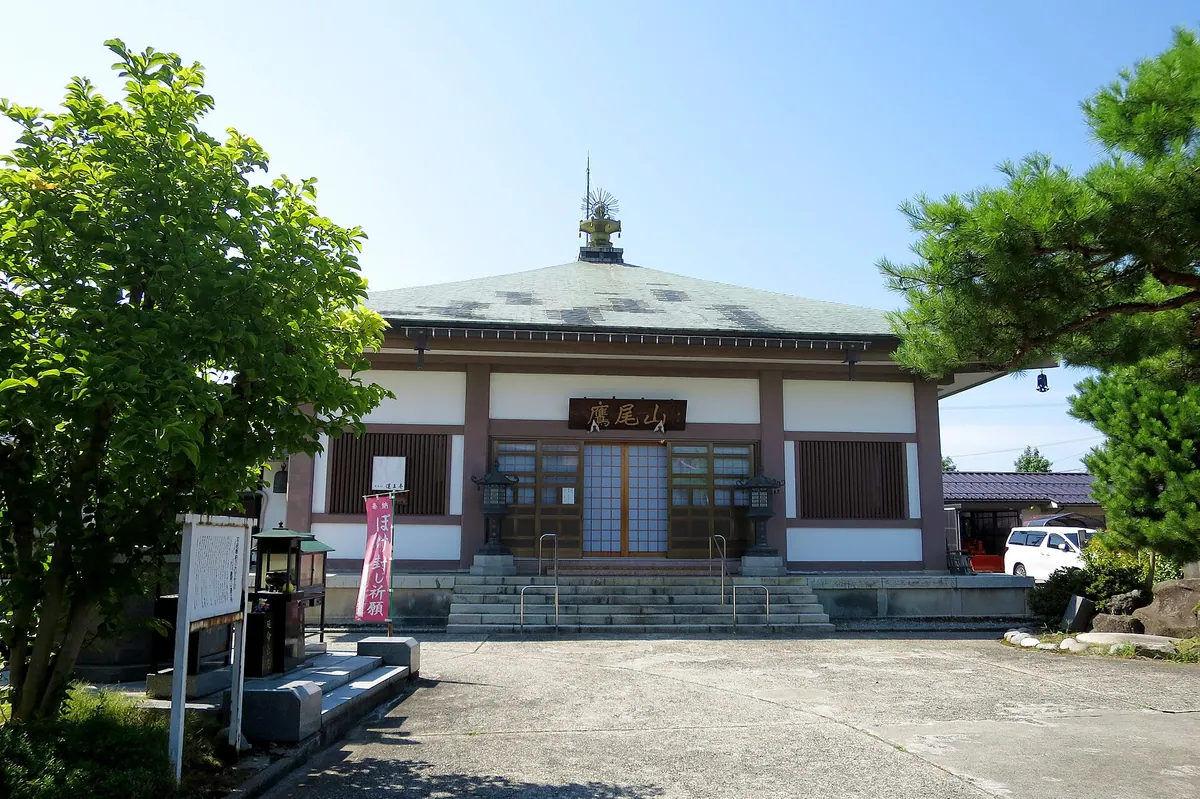
Rennoji Temple, founded in 701, offers a glimpse into ancient Japanese Buddhist art and history.
What it is
- Shingon sect temple in Imizu City, Toyama Prefecture.
- Also known as Takadera and Odera.
- Founded in 701 by Saeki Ariwaka.
What to see
- Main hall completed in May 1966.
- Wooden Juroku Amida Nyorai statue in the main hall.
- Kannon-do hall rebuilt in 2006.
- White-robed Kannon, Amida Nyorai, and Konpira Daigongen in Kannon-do.
- Grave of Fujiwara Hidesato on the grounds.
- Bronze Jizo Bosatsu standing statue, a prefectural cultural property.
- Address
- 富山県射水市三ケ1597 Map
09
Senkō-ji Temple
TOYAMA · TEMPLE 千光寺
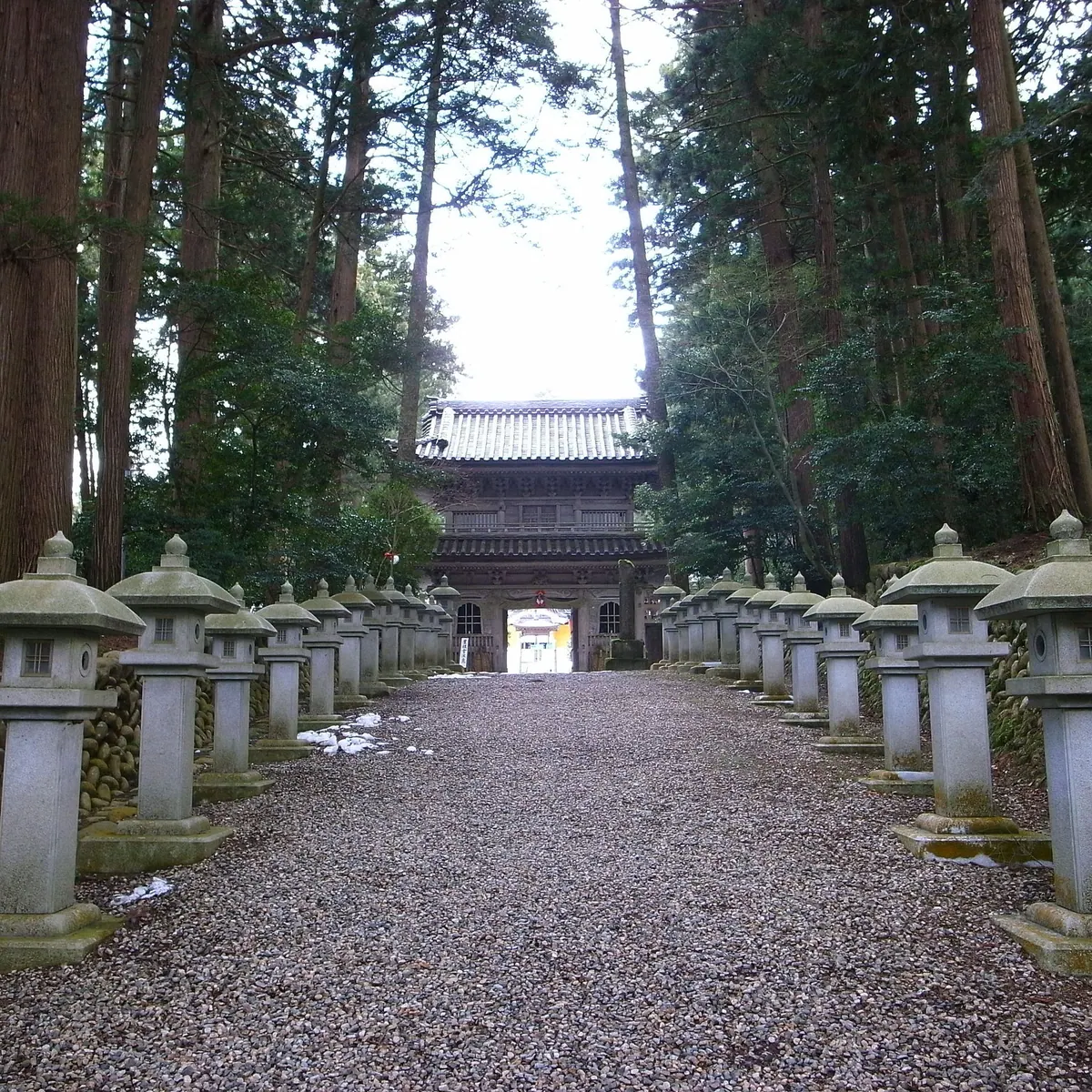
Senkoji Temple is a historic Shingon Buddhist temple with ancient statues and architecture.
What it is
- A Shingon Buddhist temple in Toyama Prefecture.
- Founded in 703 AD, one of the oldest in the Tonami region.
- Served as a royal prayer temple for seven generations.
- Reconstructed by order of Toyotomi Hideyoshi.
What to see
- An enshrined Enma statue.
- A mountain gate built in 1797.
- Two Nio statues housed in the mountain gate.
- The Kannon-do hall, constructed in 1760.
- A guest hall and a study.
- Two storehouses, one built in 1760.
- Address
- 富山県砺波市芹谷1111 Map
10
Zuiryū-ji Temple
TOYAMA · TEMPLE 瑞龍寺
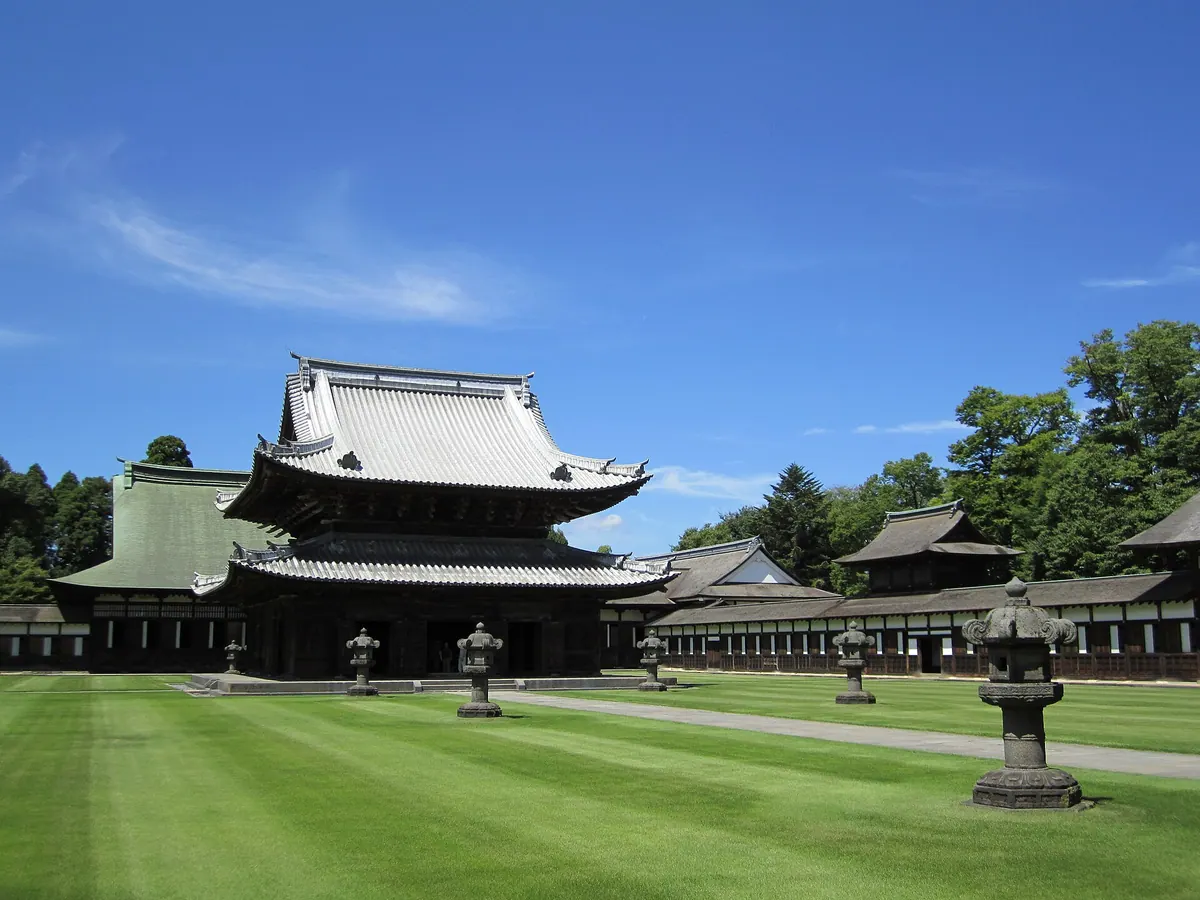
Zuiryū-ji Temple is a Sōtō Zen temple with National Treasure buildings, founded to mourn Maeda Toshinaga.
What it is
- A Sōtō Zen Buddhist temple.
- Dedicated to Shaka Nyorai.
- Founded by Maeda Toshitsune.
- Built to mourn Maeda Toshinaga.
What to see
- Butsuden, Hattō, and Sanmon are National Treasures.
- Sanmon was rebuilt in 1820.
- Butsuden was completed in 1659.
- Hattō was established in 1655.
- Seven Important Cultural Properties.
Getting there
- Accessible from Shin-Takaoka Station.
- Accessible from Takaoka Station.
- Address
- 富山県高岡市関本町35 Map
- Official site
- www.zuiryuji.jp
11
Zuisen-ji Temple
TOYAMA · TEMPLE 真宗大谷派井波別院瑞泉寺
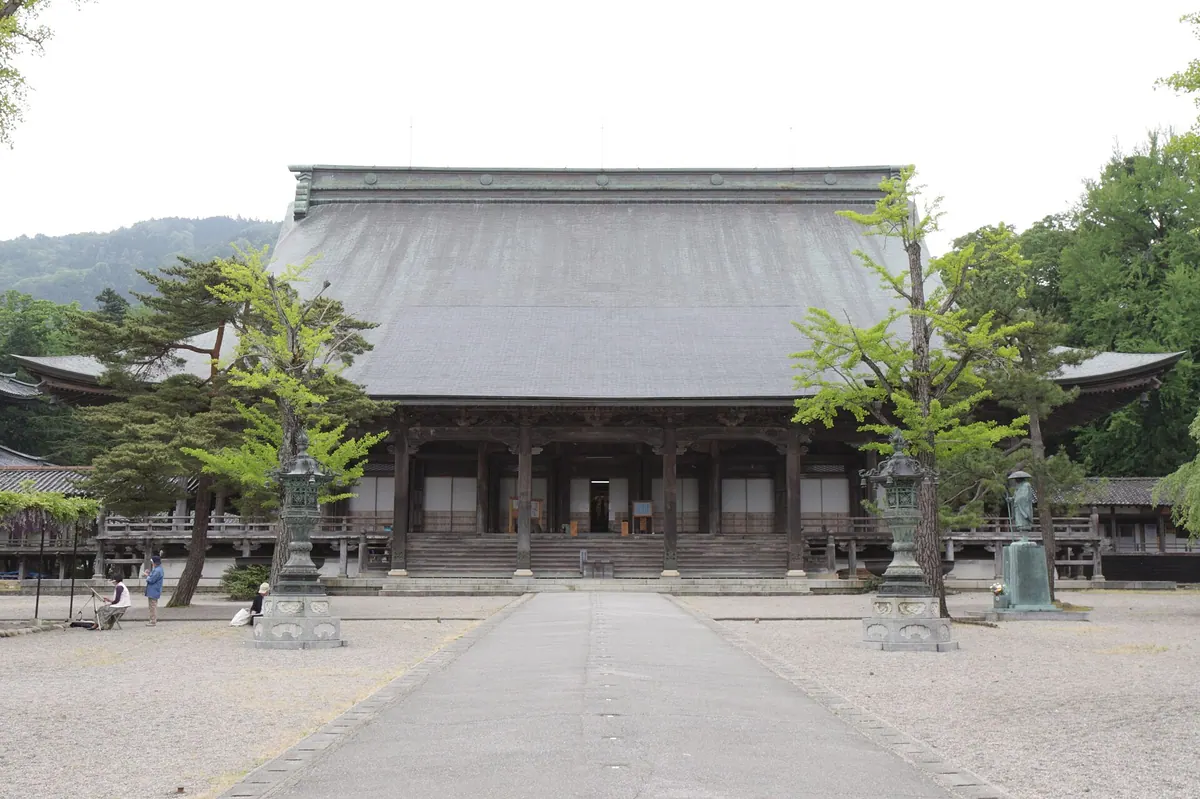
Zuisen-ji Temple is a historic Shinshu Otani-ha temple with significant cultural properties.
What it is
- A Shinshu Otani-ha temple in Nanto City.
- Also known as Inami Betsuin.
- Founded in 1390 by Kakunyo, 5th head of Hongan-ji.
- Destroyed in 1581, rebuilt over centuries.
What to see
- The main hall, rebuilt in 1885.
- The Taishido hall, rebuilt in 1918.
- A wisteria tree with light purple flowers.
- A wisteria tree with white flowers.
- One National Important Cultural Property.
- One Nationally Certified Important Art Object.
- Address
- 富山県南砺市井波3050 Map
12
Kōmyō-ji Temple
TOYAMA · TEMPLE 光明寺
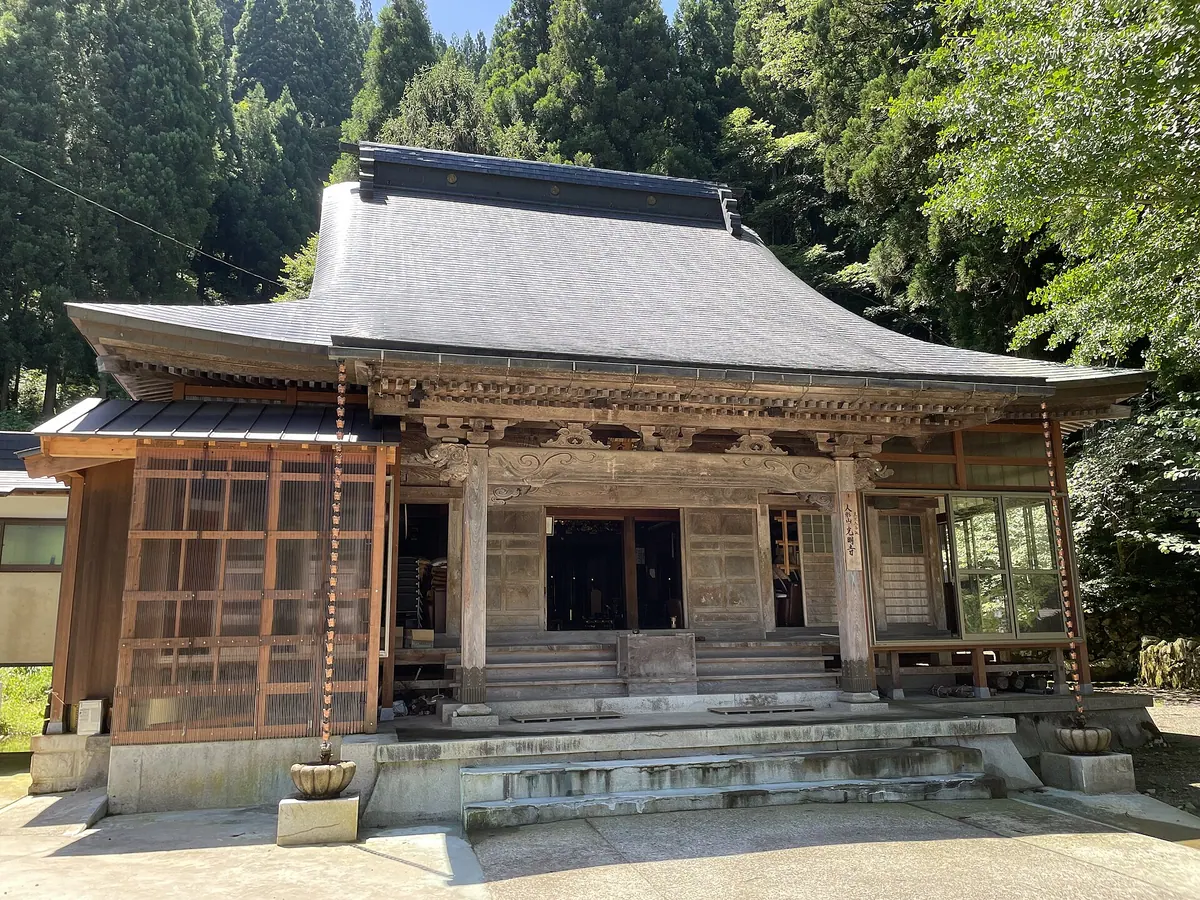
A historic Buddhist temple in Gokayama featuring a main hall rebuilt in 1792 and a rare 17th-century portrait of Shinran.
What it is
- A Shinshu Otani-ha temple located in the Tamukai district of Gokayama.
- Founded as a training hall under Yoshifuji Senko-ji Temple.
- Officially received the temple name Komyoji in 1880.
- The current main hall was rebuilt in 1792 following a major village fire.
What to see
- The main hall which underwent significant renovations in 1973.
- A portrait of Shinran featuring an inscription dating back to 1606.
13
Nisseki-ji Temple
TOYAMA · TEMPLE 日石寺
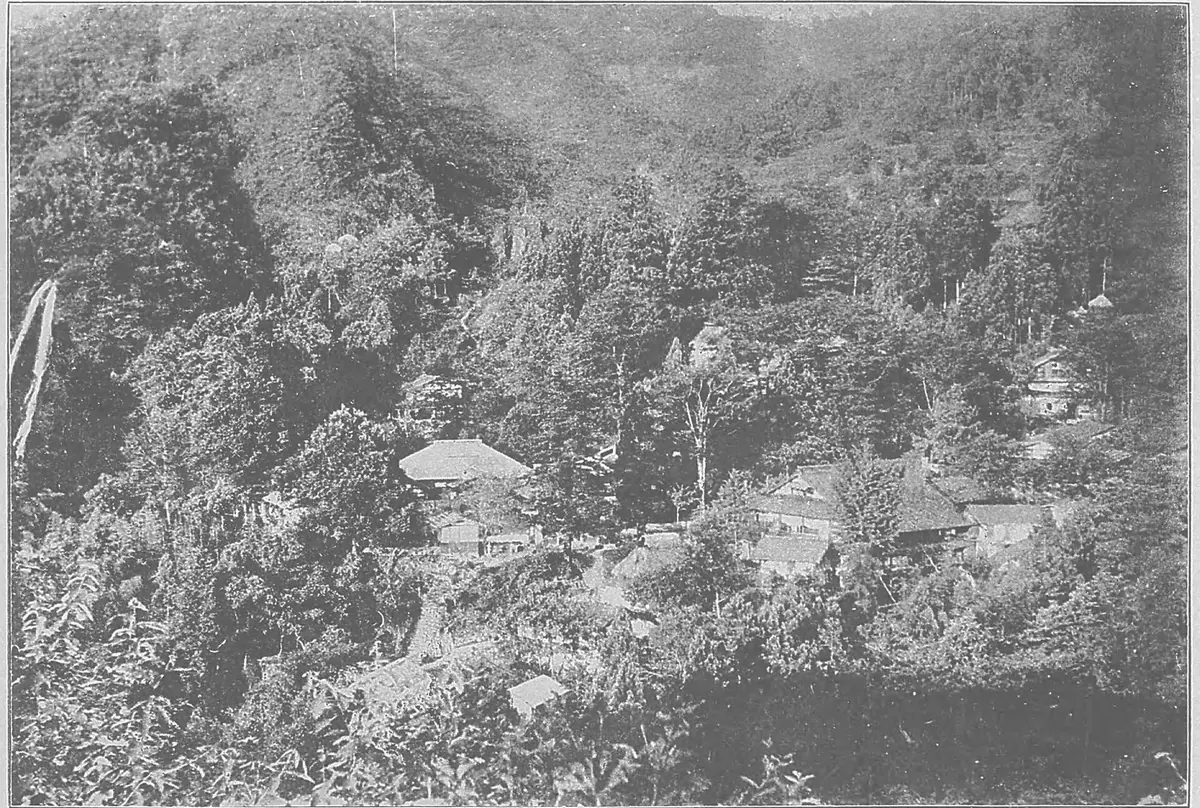
Nisseki-ji Temple is an ancient temple with a unique cliff-carved Buddha, offering a glimpse into Japan's spiritual heritage.
What it is
- A Shingon Mitsumune Daihonzan temple.
- Founded by Gyoki in 725.
- Also known as Oiwa Fudo.
- Its mountain name is Oiwa-san.
What to see
- Cliff-carved Fudo Myoo statue, a National Important Cultural Property.
- Main hall covering the cliff-carved Buddha.
- Triple pagoda, a town-designated cultural property.
- Main gate, a town-designated cultural property.
- Rokuhon-daki waterfall with six dragon heads.
- Address
- 富山県中新川郡上市町大岩163 Map
- Official site
- ooiwasan.com
14
Io-in Temple
TOYAMA · TEMPLE 医王院
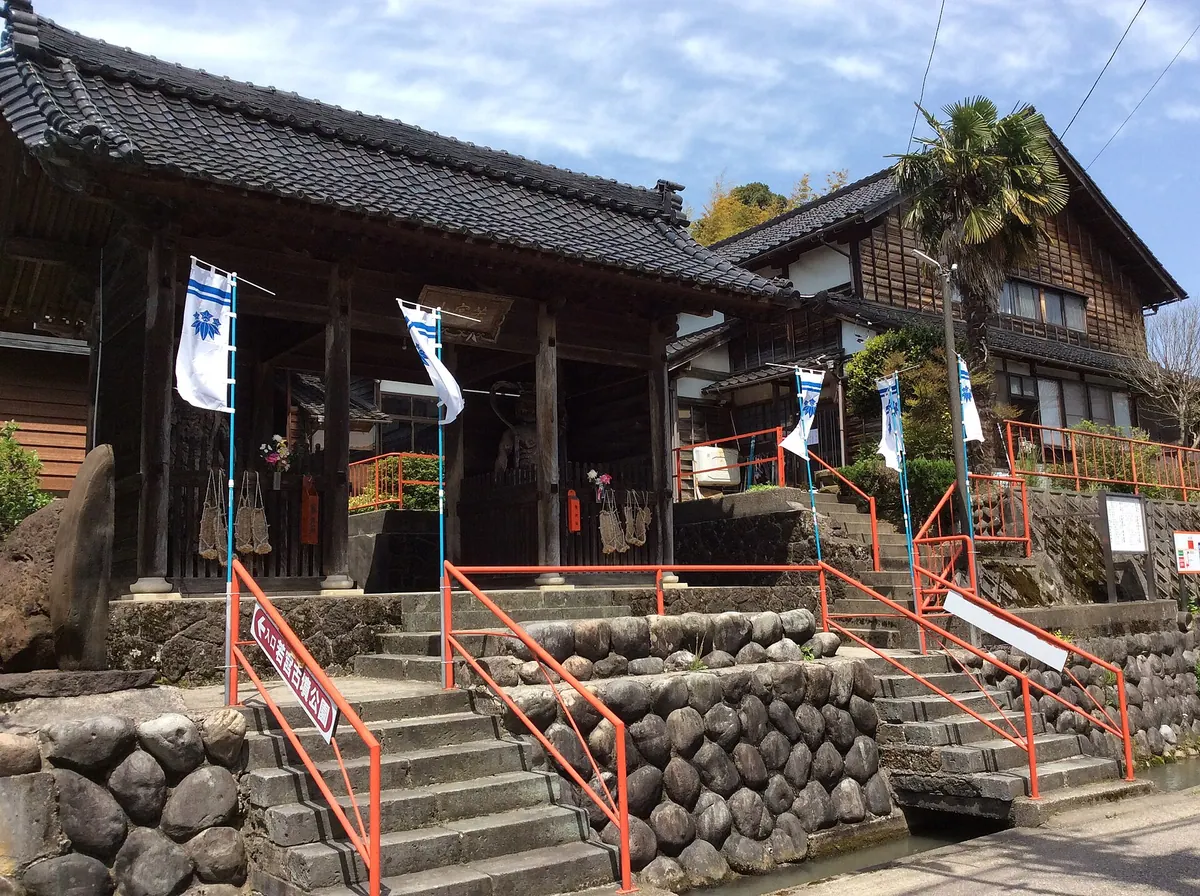
Ancient Jodo-shu temple with important statues and a burial mound, worth visiting for history and art.
What it is
- A Jodo-shu Buddhist temple.
- Founded in the year 706.
- Main deities are Yakushi Nyorai and Amida Nyorai.
- Enma Daio is enshrined in the Enma-do hall.
What to see
- Bronze Amida Nyorai statue, a prefectural cultural property.
- Wooden Monk Hachiman statue, a prefectural cultural property.
- Nio statues, city-designated cultural properties.
- Wakamiya Kofun, an early 6th-century burial mound.
- Address
- 富山県小矢部市埴生4476 Map
15
Gokoku-ji Temple
TOYAMA · TEMPLE 護国寺
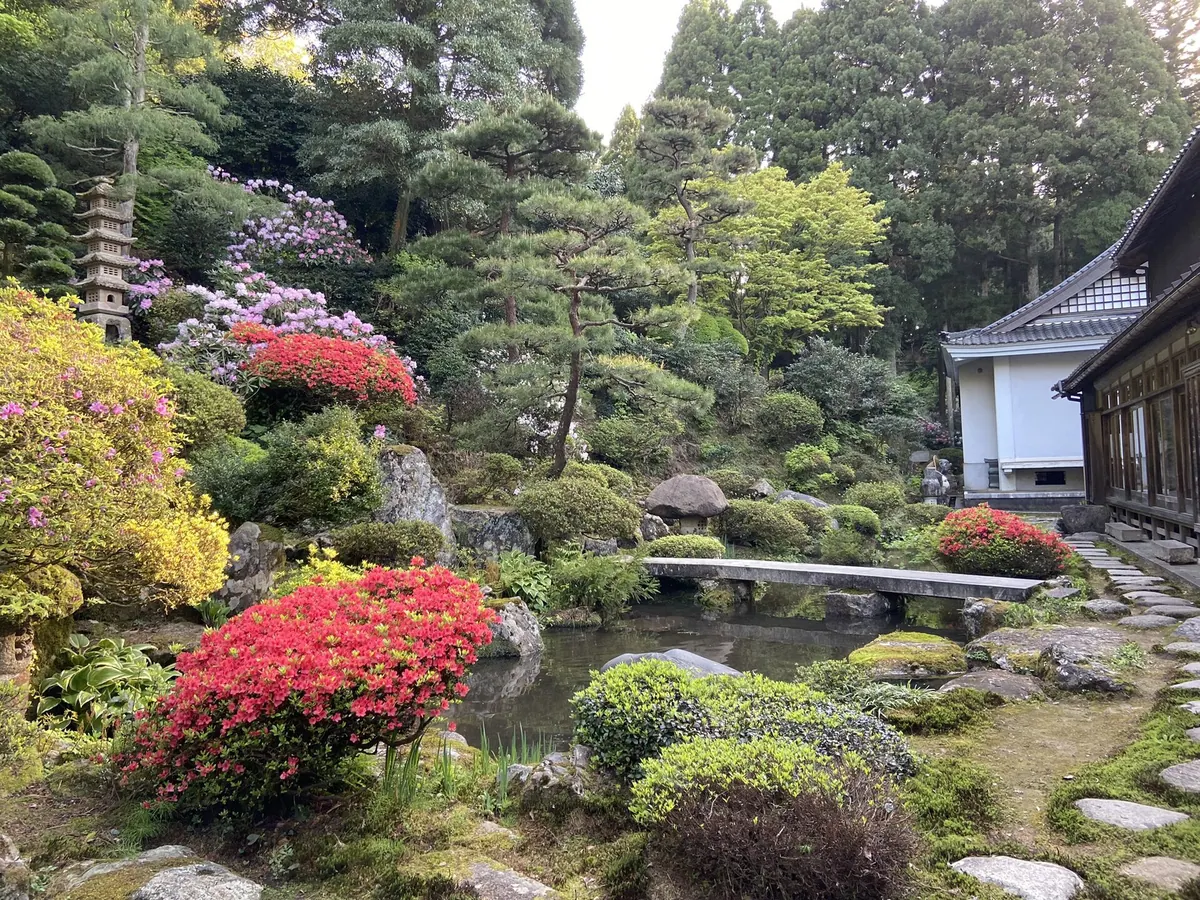
Gokokuji Temple is a historic Shingon temple known for its pilgrimage routes and rhododendron garden.
What it is
- A Shingon sect temple.
- Rebuilt in 1382 by Monk Kankan.
- 33rd temple of the Hokuriku Sanjusan Kannon Pilgrimage.
- 23rd temple of the Hokuriku Sanjuro Fudo Pilgrimage.
What to see
- Main hall, rebuilt in 1951.
- Godairikido, rebuilt in November 1966.
- Garden with an O-sunafumi pilgrimage.
- Rhododendrons.
Getting there
- Accessible by car from Asahi Interchange.
- Address
- 富山県下新川郡朝日町境1558 Map
16
Zenshō-ji Temple
TOYAMA · TEMPLE 善性寺
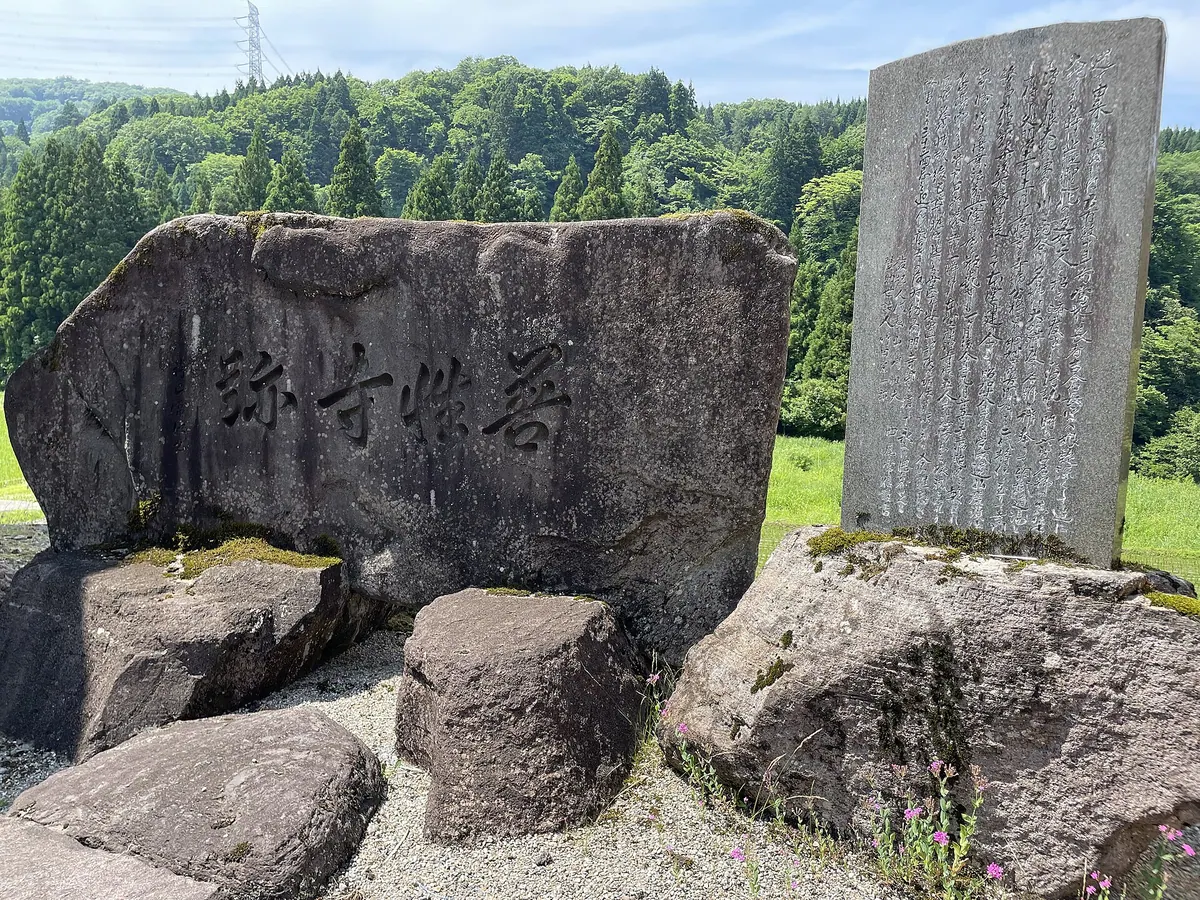
Zenshoji is a historic temple with important Buddhist scrolls and treasures, rebuilt after a typhoon.
What it is
- A Jodo Shinshu Otani-ha temple.
- Its origin dates back to 1475.
- Rennyo visited during the Bunmei era.
- Designated a direct branch temple of Honganji.
What to see
- Four scrolls of Rokujimyoho are preserved.
- A small shrine houses excavated treasures.
- A monument commemorates 1953 typhoon damage.
Getting there
- Located in the Tsunakake district of Nanto City.
- Address
- 富山県南砺市綱掛11 Map
17
Chōkei-ji Temple
TOYAMA · TEMPLE 長慶寺
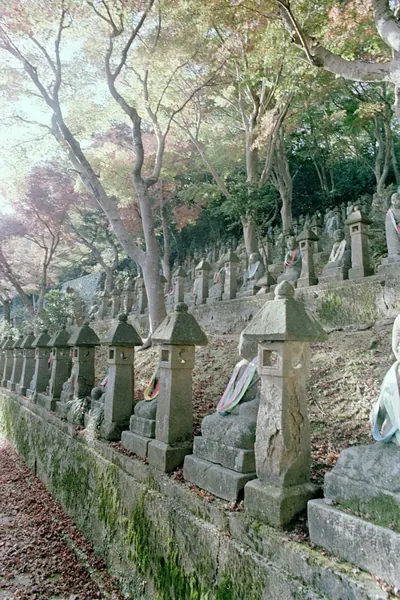
Chōkei-ji Temple is a historic Zen temple with unique Rakan statues and scenic views.
What it is
- A Sōtō Zen temple.
- Founded in 1786 by Zen Master Nichirin.
- Principal image is Shaka Nyorai.
- Original principal image was the Sakuradani Daibutsu.
What to see
- The Buddha's head, all that remains of the original image.
- 535 Rakan statues carved by a stonemason.
- Main hall overlooks the Toyama Plain.
- Main hall overlooks the Tateyama Mountain Range.
- Address
- 富山県富山市五艘1882 Map
18
Shōman-ji Temple
TOYAMA · TEMPLE 勝満寺
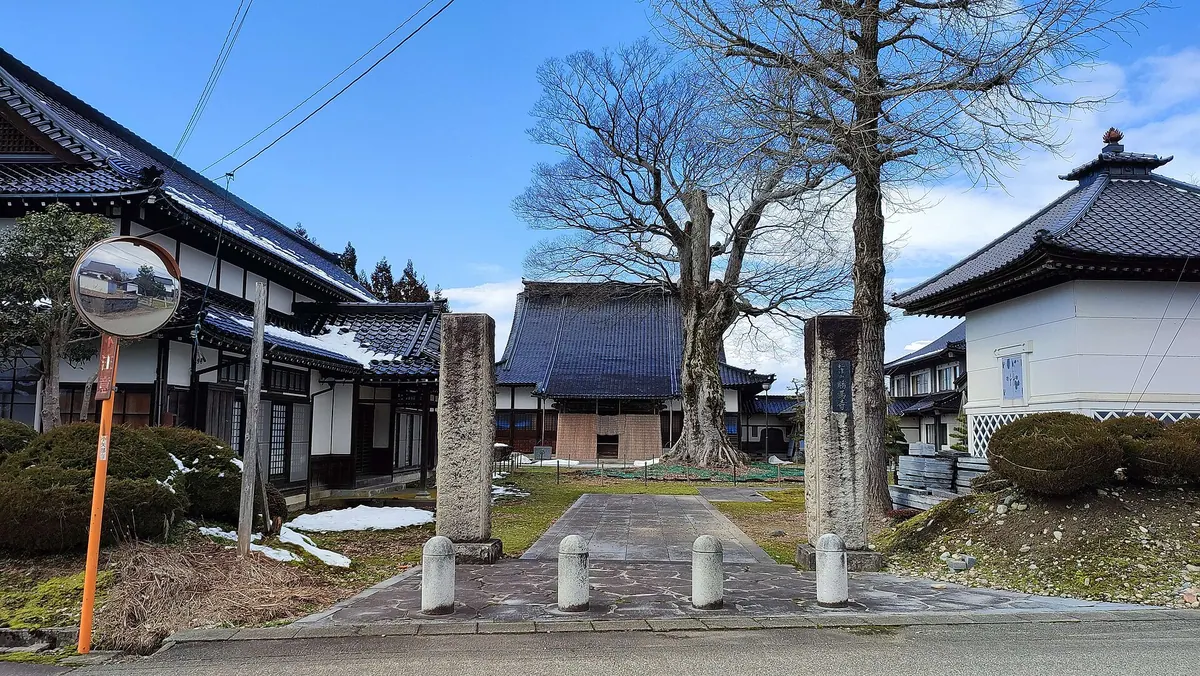
Shomanji is an ancient Jodo Shinshu temple with a rich history and significant cultural properties.
What it is
- Jodo Shinshu temple in Oyabe City, Toyama Prefecture.
- Founded in 808 by Shingon monk Kaiman.
- Converted to Jodo Shinshu in 1207 by Tariki-bo Seiyu.
- Rebuilt in 1577 after being burned down.
What to see
- Temple grounds contain Kyonenji and Myorakuji temples.
- Bell tower rebuilt in 1995.
- Wooden Amitabha Nyorai statue is a designated cultural property.
- Address
- 富山県小矢部市水島671 Map
19
Shōkō-ji Temple
TOYAMA · TEMPLE 勝興寺
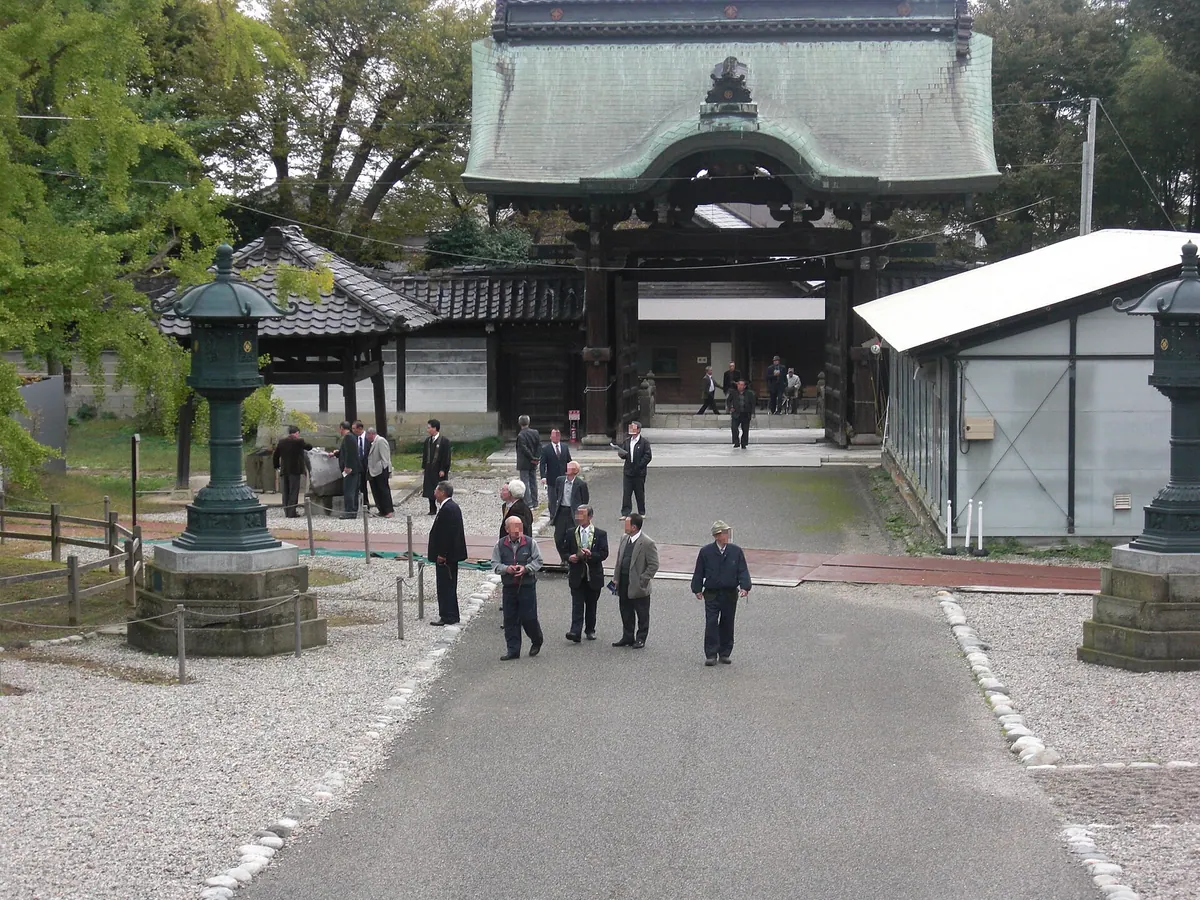
Shokoji Temple, rebuilt in 1584, is worth visiting for its 12 Edo period buildings, including National Treasures.
What it is
- Established in 1471 as a Jodo Shinshu Buddhist temple.
- Teaches all people are equal before the Buddha.
What to see
- Twelve buildings, all designated Important Cultural Properties.
- Main Hall, Reception Hall, Entrance Hall are National Treasures.
- Temple complex looks much as it did in 1803.
- Most structures date from the Edo period (1603–1867).
- Address
- 〒933-0112 富山県高岡市伏木古国府17番1号 Map
- Official site
- www.shoukouji.jp
20
Kokutai-ji Temple
TOYAMA · TEMPLE 国泰寺
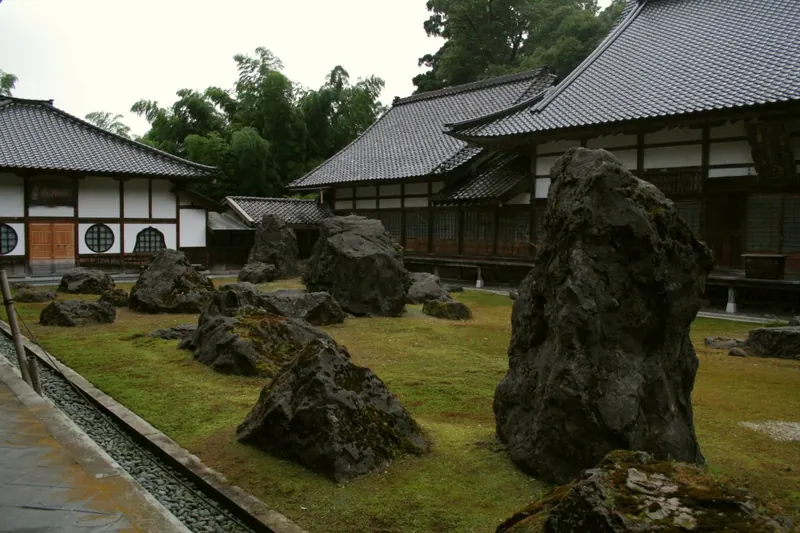
Kokutai-ji is a historic Zen temple, significant for its Rinzai school heritage and ancient origins.
What it is
- A Zen temple in Takaoka City, Toyama Prefecture.
- Head temple of the Rinzai sect Kokutai-ji school.
- Founded in 1296 as a hermitage by Jiun Myōi.
- Named Kokutai Jinō Manzenji by Emperor Go-Daigo in 1328.
What to see
- The principal image is Shaka Nyorai.
- The Kaisandō is a three-storied pagoda.
- A suit of armor donated by Yamaoka Tesshū.
- Address
- 富山県高岡市太田184 Map
- Official site
- www.kokutaiji.jp