

20 Shrines in Fukuoka worth your time
Japan Gems
Fukuoka Prefecture has 91 shrines, including Itōzuhachiman Shrine and Chikugo-no-kuni Aso Shrine. Visitors can find a mix of spiritual sites across the prefecture.
Fukuoka has 95 shrines on Japan Gems. Below are the 20 we can tell you the most about — each one written up in English from Japanese sources, with what to see and how to get there. See all shrines in Fukuoka.
01
Orihata Shrine
FUKUOKA · SHRINE 織幡神社
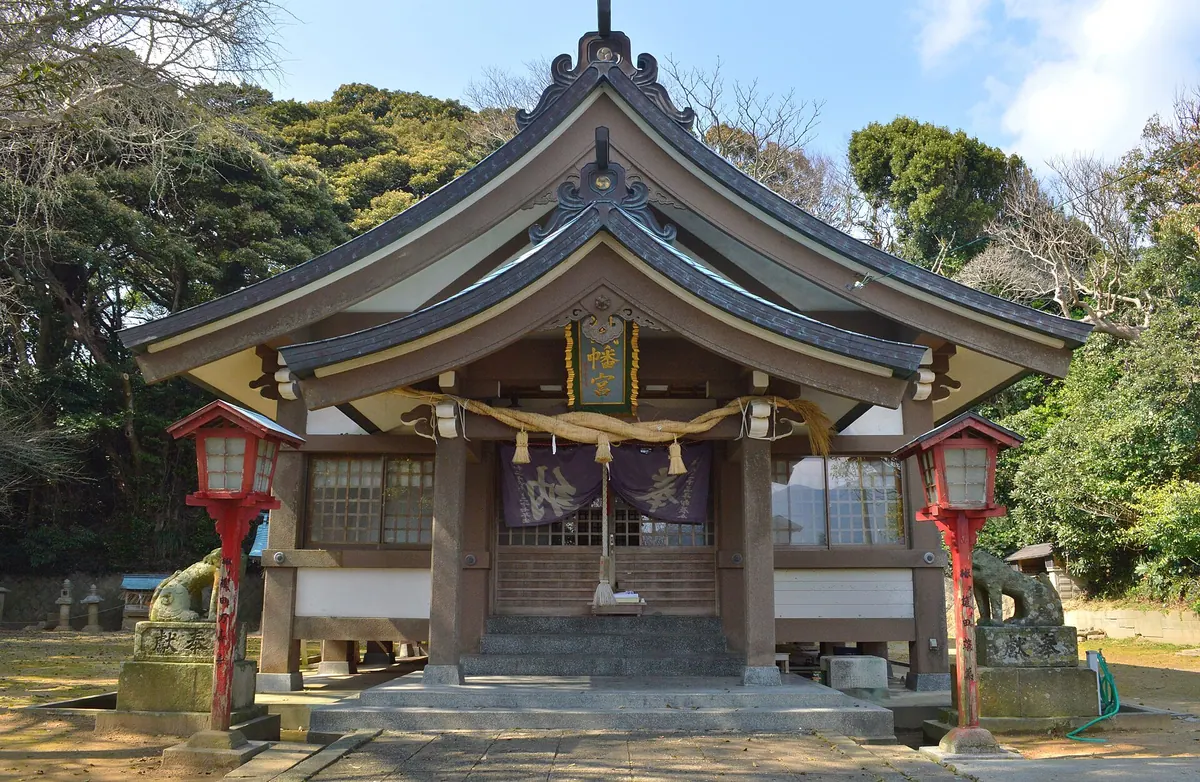
A historic coastal shrine in Fukuoka featuring 17th-century architecture and a protected forest of ancient trees on Cape Kane.
What it is
- A high-ranking Myojin Taisha shrine dedicated to Takeuchi no Sukune and sea deities.
- Historically recognized as one of the five significant shrines of the Munakata region.
- The hereditary priesthood was traditionally maintained by members of the Iki clan.
- The site is positioned on Cape Kane at the tip of Sayagatayama.
What to see
- The main hall which dates back to its construction in 1695.
- A worship hall built in 1703 located within the shrine grounds.
- A natural forest of Podocarpus macrophyllus trees designated as a prefectural monument.
- A large stone associated with the local legend of a sunken bell.
- Coastal views from the shrine's location on the edge of the cape.
Getting there
- The nearest access point is the Kyodomari bus stop on the Nishitetsu Bus line.
02
Kintomi Shrine
FUKUOKA · SHRINE 金富神社
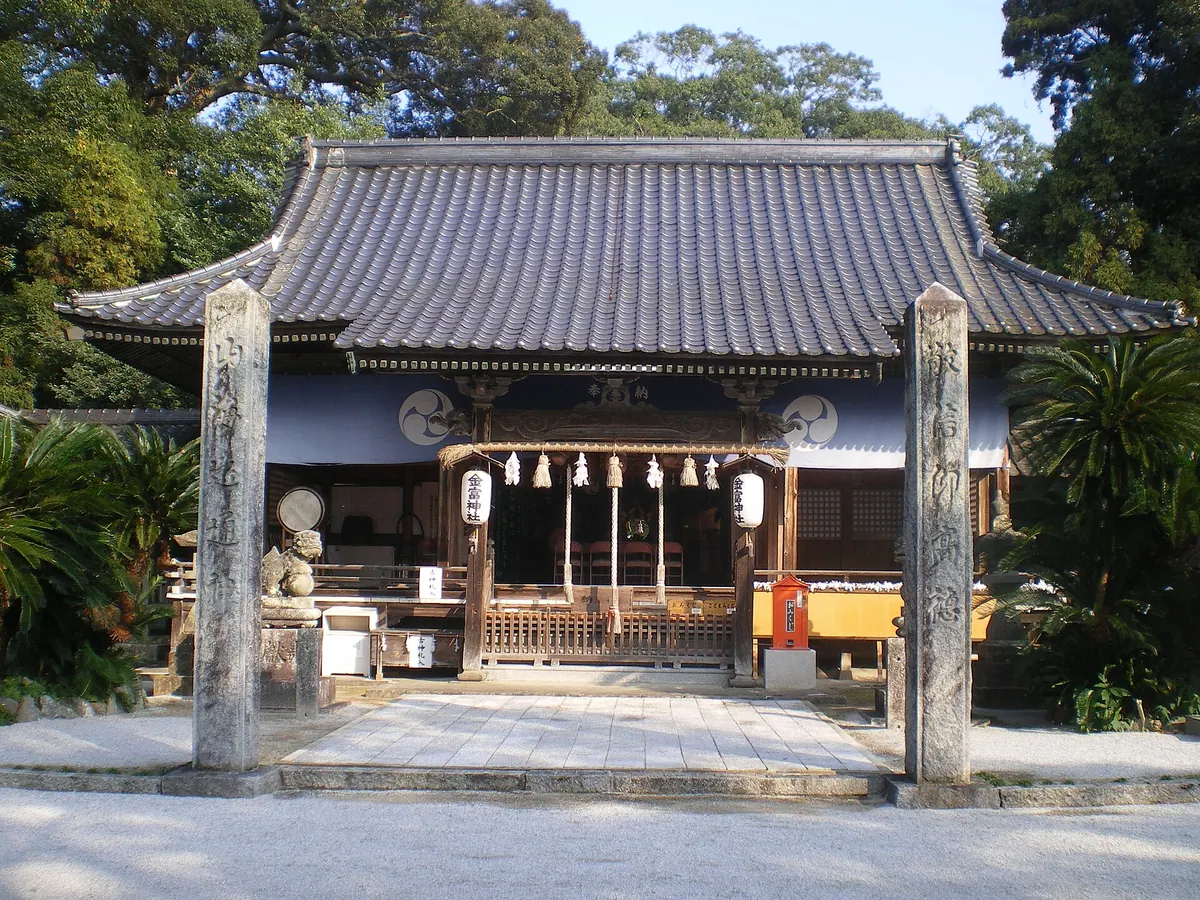
A historic shrine founded in 724, featuring unique Hachiman-zukuri architecture and potential ties to the origins of Usa Hachiman.
What it is
- Established in 724 as the village shrine of Buzen Ayahata-go.
- Enshrines Emperor Chuai, Emperor Ojin, Empress Jingu, and other Shinto deities.
- The Yahata family serves as the hereditary lineage for this site.
- Some historical theories identify this location as the original site of Usa Hachiman.
What to see
- The main hall is constructed in the traditional Hachiman-zukuri architectural style.
When to go
- The annual festival takes place every year on May 17 and 18.
- The Hatsu-u Festival is held on the first Rabbit Day of February.
Getting there
- The shrine is a fifteen-minute walk from JR Shiida Station.
03
Dazaifu Tenmangū
FUKUOKA · SHRINE 太宰府天満宮
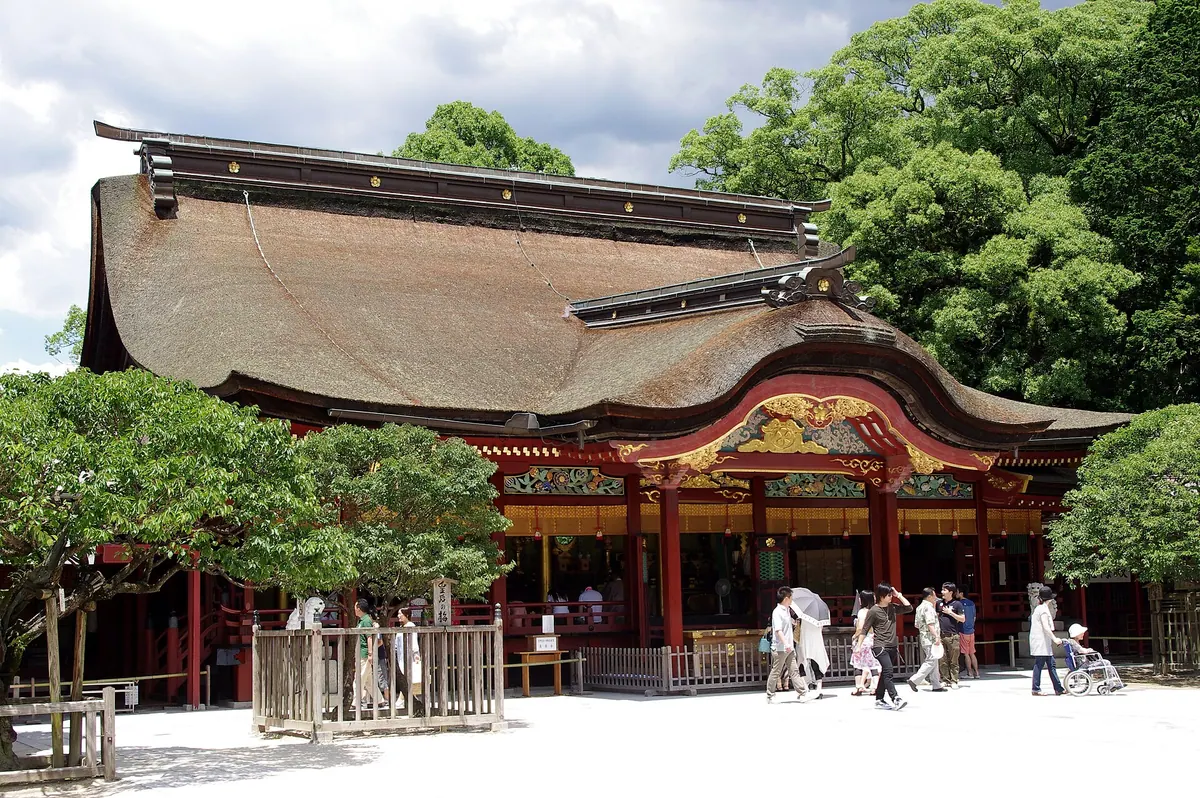
This important Shinto shrine, dedicated to Tenjin, deity of learning, is worth visiting for its cultural treasures.
What it is
- One of Japan’s most important Shinto shrines.
- Head shrine of over 10,000 dedicated to Tenjin.
- Dedicated to Tenjin, deity of learning, culture, and arts.
- Founded in 919 at the grave of Sugawara Michizane.
What to see
- Michizane’s calligraphy and other artifacts.
- Main sanctuary (honden) with rich colors and carvings.
- Eleven sacred ox statues around the precincts.
- Shinji-ike Pond, shaped like the character for “heart.”
- Six thousand plum trees of over 200 species.
- The "flying plum tree" next to the main sanctuary.
When to go
- Plum blossoms late January to early March.
- Jinkо̄ Event, a large annual ritual.
- Address
- 〒818-0117 福岡県太宰府市宰府4丁目7番1号 Map
- Official site
- www.dazaifutenmangu.or.jp
04
Munakata Taisha
FUKUOKA · SHRINE 宗像大社
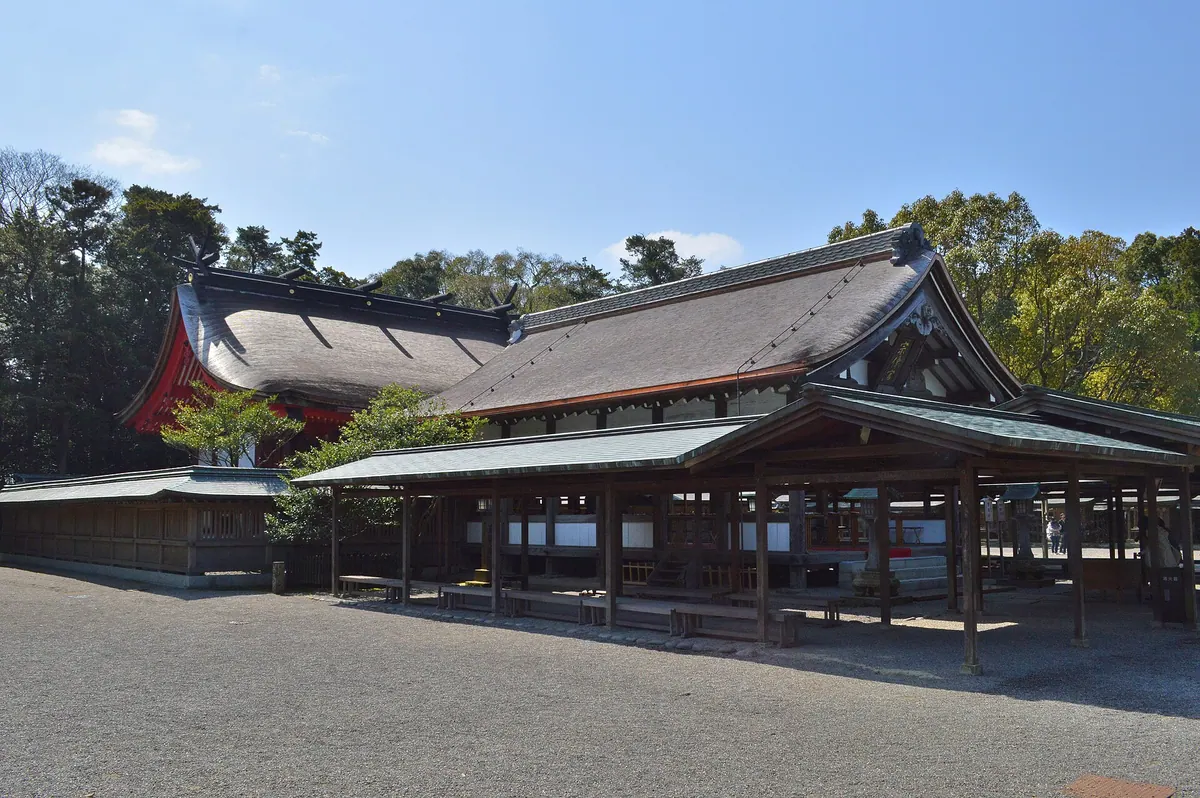
Nakatsu-miya, a Munakata Taisha shrine on Oshima Island, offers views and a sacred spring.
What it is
- One of three main Munakata Taisha shrines.
- Dedicated to Tagitsuhime no Kami, a Female Deity of Munakata.
- Located on Oshima island, off Kyushu's west coast.
What to see
- Commanding view over the fishing port and harbor.
- Path behind the shrine leads to Mitake Shrine.
- Small spring, Amanomanai, within the grounds.
- Amulets with water from Okinoshima and Nakatsu-miya spring.
- Shrine stamps (goshuin) from Okitsu-miya.
When to go
- Drinking spring water is said to grant long life and improve calligraphy.
Getting there
- Short ferry ride to Oshima island.
- About 20 minutes walk to the top of Mt. Mitake.
- Official site
- www.munakata-taisha.or.jp
05
Momiji Hachimangū
FUKUOKA · SHRINE 紅葉八幡宮
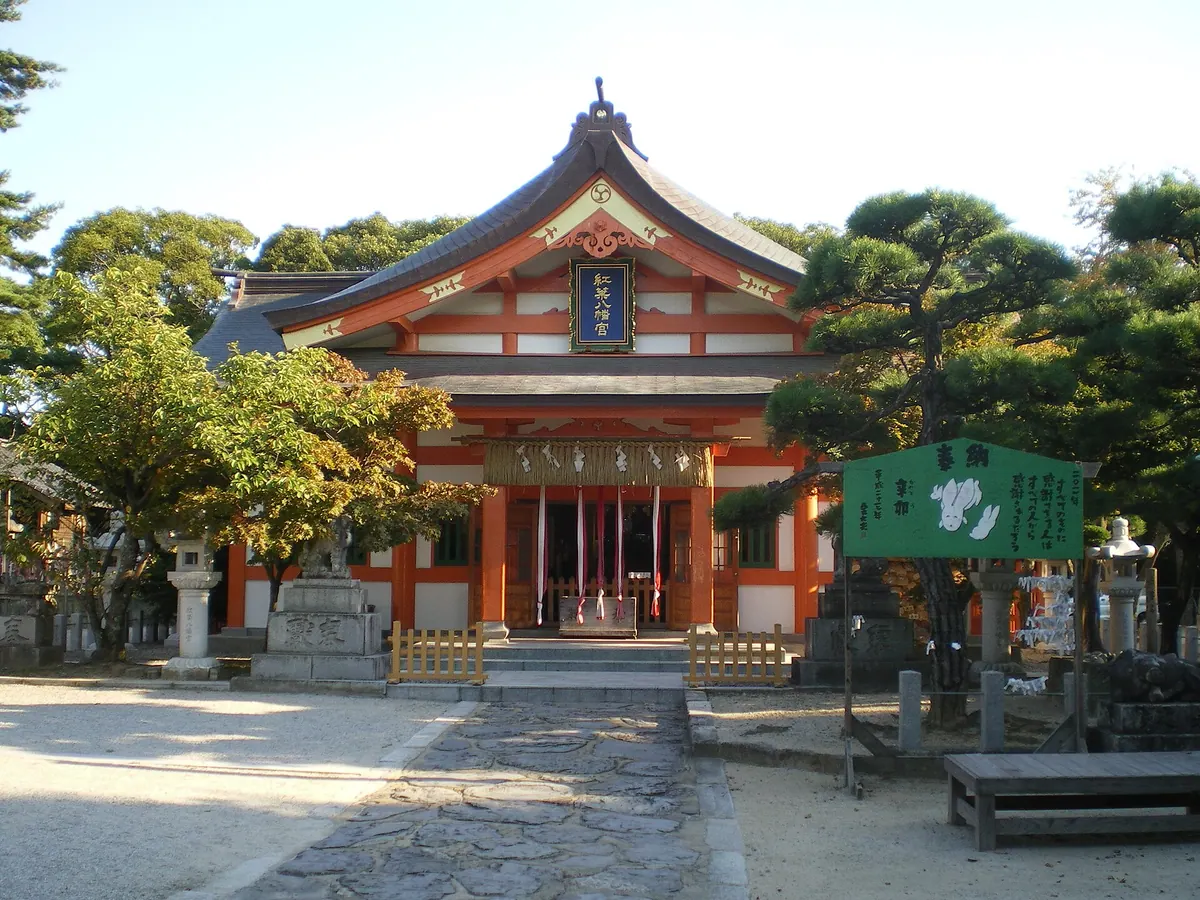
A historic Fukuoka shrine dedicated to twelve deities, serving as the former guardian site for the local Kuroda lords.
What it is
- Established in 1482 by Shibata Shigenobu as the general guardian of the Sawara area.
- Enshrines twelve deities including Empress Jingu and Emperor Ojin.
- Served as the guardian shrine for Fukuoka Lord Kuroda Mitsuyuki.
- Relocated to its current site in 1913 and designated a prefectural shrine in 1922.
What to see
- The main hall located on the shrine grounds in Takatori.
- The Uga Inari Shrine situated within the complex.
- A separate torii gate standing 380 meters north of the main hall.
Getting there
- An 11-minute walk from Fujisaki Subway Station.
- Located 2.5 kilometers from the Momochi Expressway exit.
06
Kikuchi Shrine
FUKUOKA · SHRINE 菊池神社
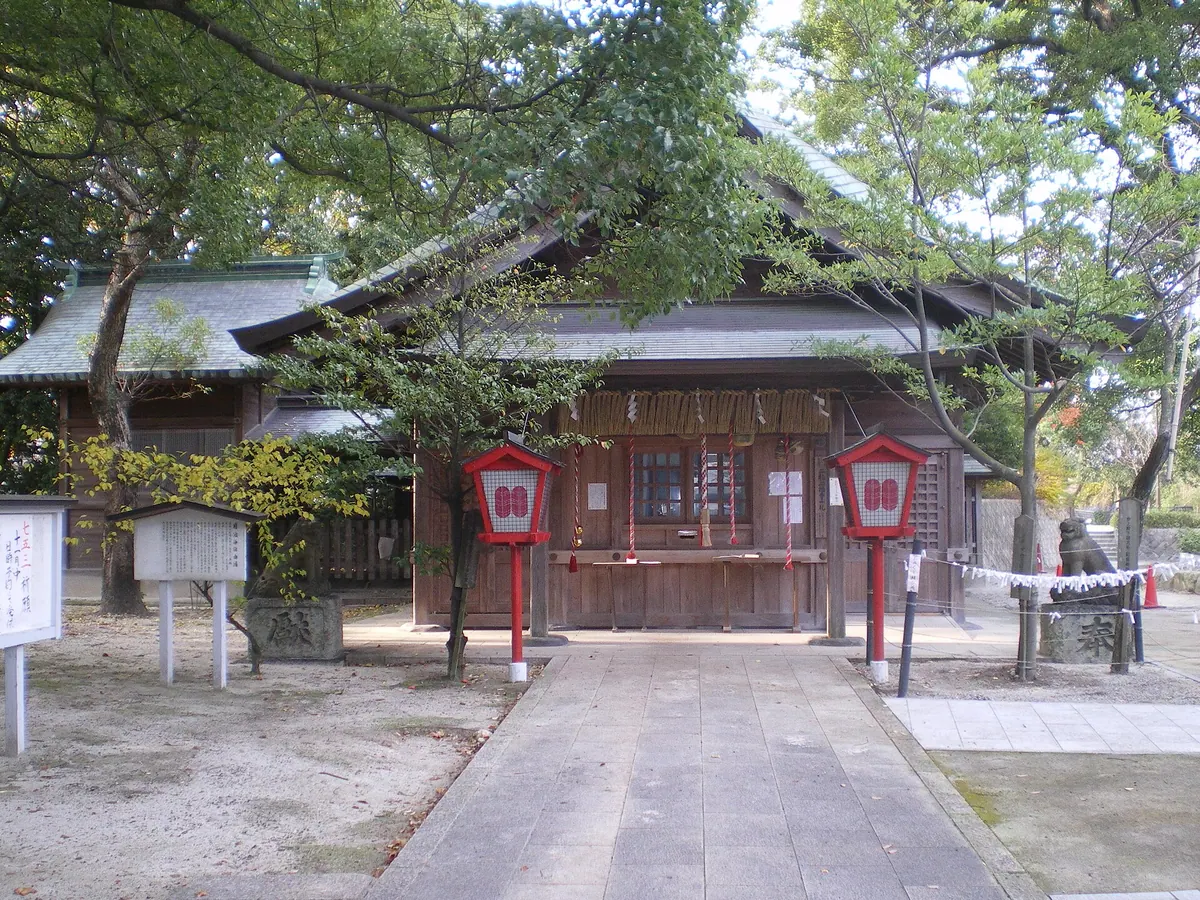
A historic samurai shrine in Fukuoka dedicated to Kikuchi Taketoki, built upon a fourteenth-century burial mound.
What it is
- A shrine dedicated to the samurai Kikuchi Taketoki who died in battle in 1333.
- The site originated from a burial mound containing the torso of the fallen warrior.
- The current shrine buildings were constructed by Lord Kuroda Nagatomo in 1869.
- It was designated as a prefectural shrine in 1933 during the Kenmu Restoration period.
What to see
- The original burial mound where the torso of the samurai was interred.
- A stone monument authorized by Fukuoka domain lord Kuroda Narikiyo in 1831.
- Shrine buildings dating back to the early Meiji era construction.
- The merged Haniyasu Shrine which was moved to this location in 1919.
07
Torikai Hachimangū
FUKUOKA · SHRINE 鳥飼八幡宮
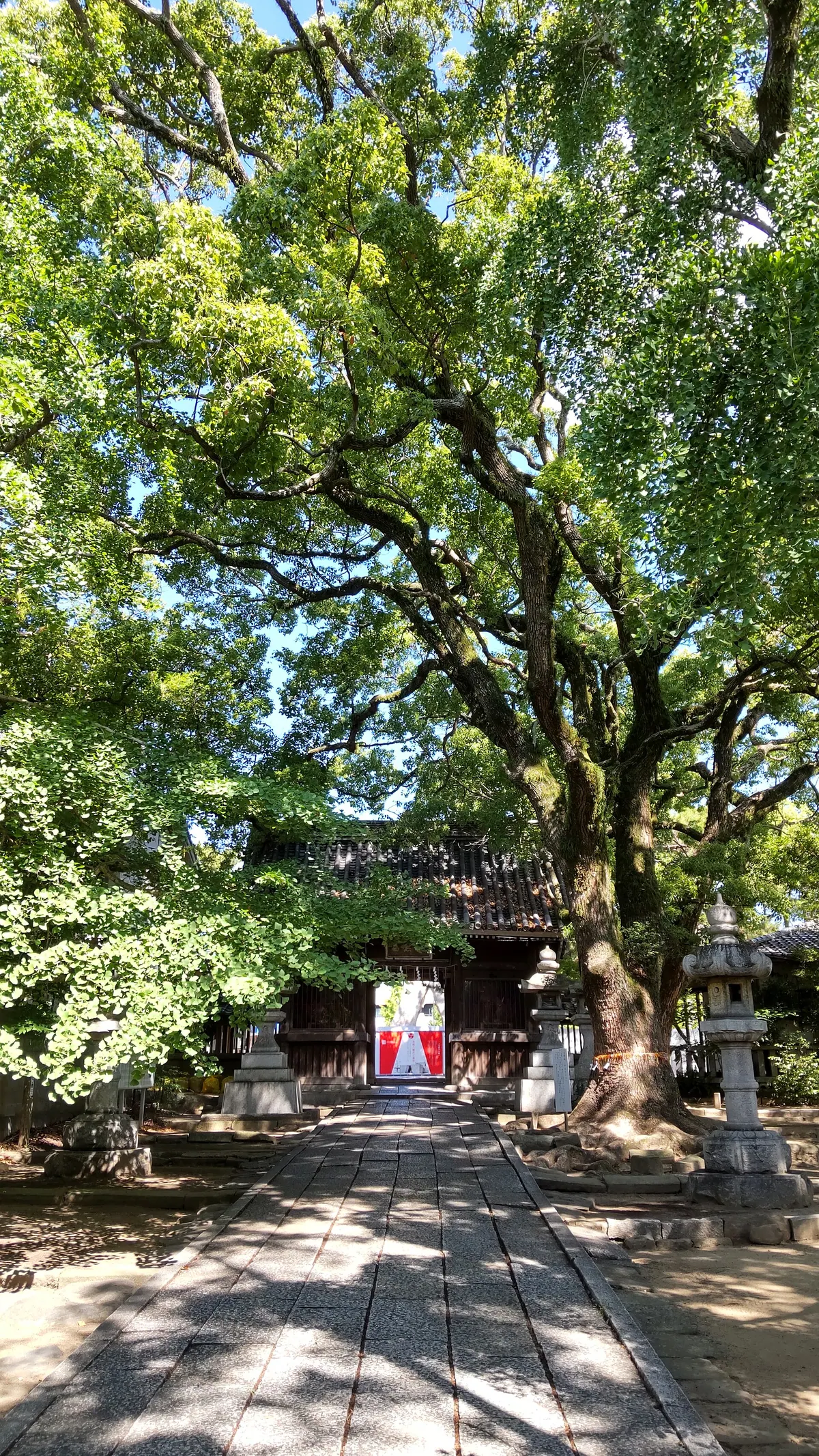
This historic Fukuoka shrine, moved in 1608, is the guardian deity of the city.
What it is
- A shrine in Fukuoka, Japan.
- Revered as the guardian deity of Fukuoka City.
- Formerly a prefectural shrine.
- Moved in 1608 by Kuroda Nagamasa.
What to see
- Main hall enshrines Emperor Ōjin, Empress Jingū, and Tamayori-hime no Mikoto.
- Also enshrines Ōmononushi no Ōkami and Emperor Sutoku.
- Kurodono Shrine enshrines Takeuchi no Ōomi and Torikai Kuronushi.
- Tenman Shrine enshrines Sugawara no Michizane and Ukanomitama no Mikoto.
- Ebisu Shrine enshrines Yaekotoshiro-nushi no Kami and Sayori-hime no Kami.
- Shrine's ossuary received a Good Design Award in 2021.
- Address
- 福岡県福岡市中央区今川2丁目1-17 Map
08
Hetsu-gū
FUKUOKA · SHRINE 辺津宮
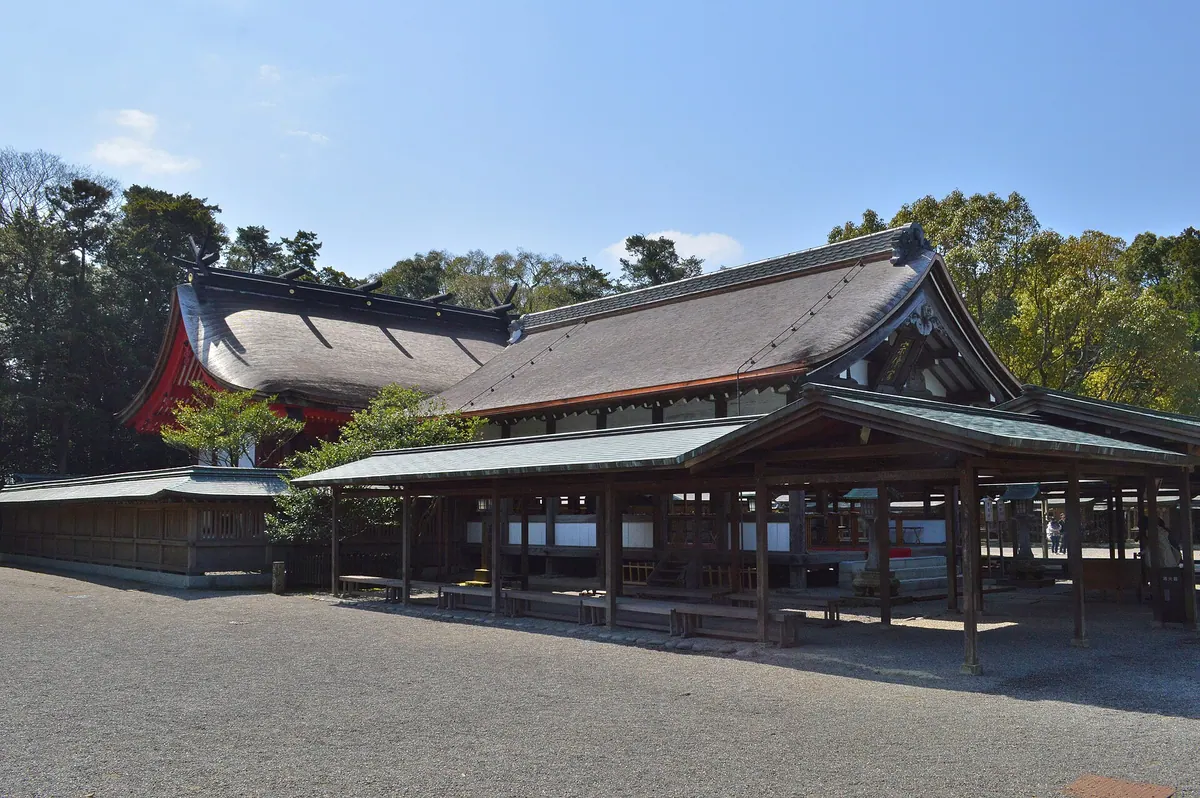
Hetsu-gū is the most accessible of Munakata's three shrines, with important cultural properties and an ancient ritual site.
What it is
- One of Munakata's three shrines, also called Munakata Taisha.
- Dedicated to Ichikishimahime no Kami, a female deity.
- Main sanctuary and worship hall are Important Cultural Properties.
What to see
- Torii gate and main gate with imperial chrysanthemum seal.
- Worship hall built in 1590.
- Main sanctuary rebuilt in 1578, similar to Itsukushima Shrine.
- Takamiya Saijo, an ancient ritual site.
- View of the sea route to Okinoshima.
- Shimpokan Museum with 80,000 artifacts from Okinoshima.
Getting there
- Located near the Tsurikawa River.
- Official site
- www.munakata-taisha.or.jp
09
Hanyū Shrine
FUKUOKA · SHRINE 埴生神社 (中間市)
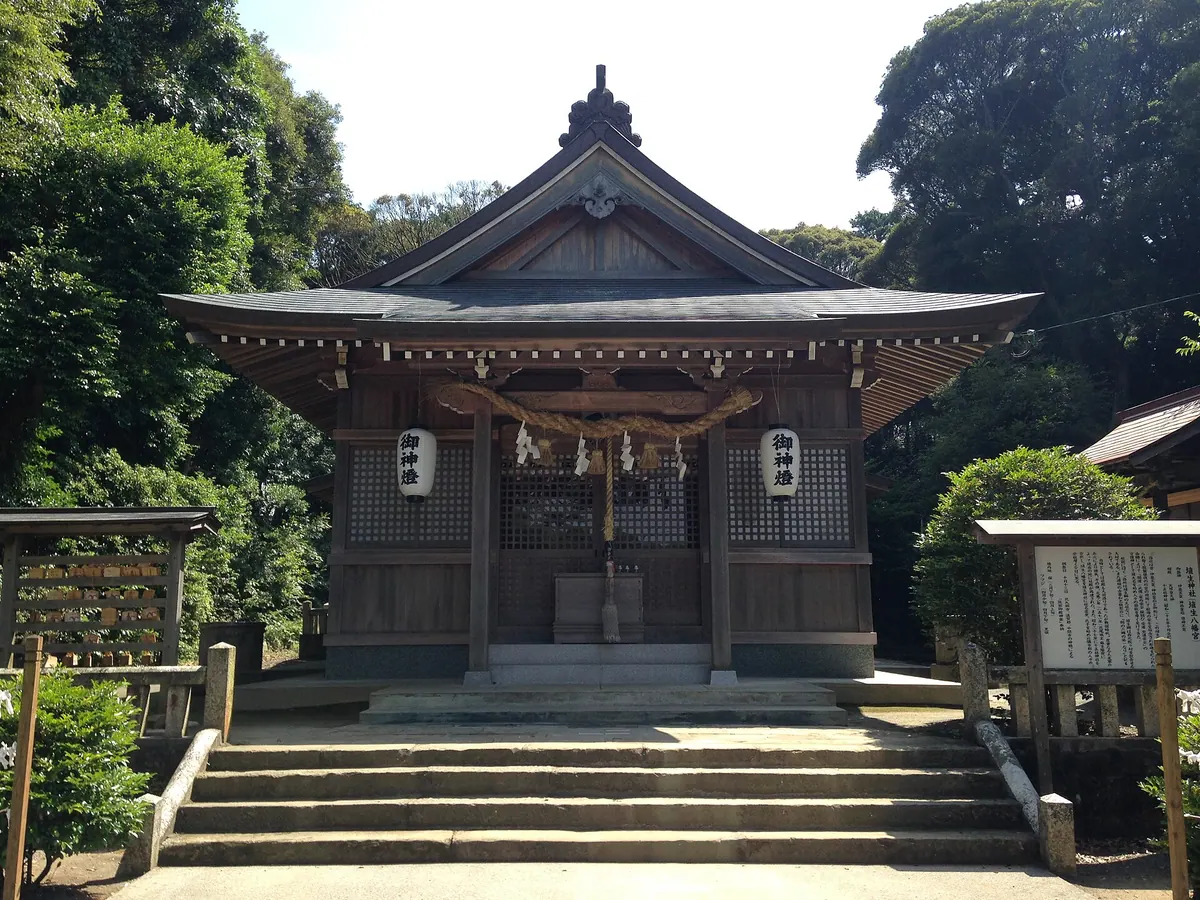
Hanyu Shrine: an ancient shrine in a park, rebuilt after wars, with a unique autumn festival.
What it is
- Ancient shrine dedicated to a ship deity.
- Founded after Emperor Chuai and Empress Jingu prayed for safe voyage.
- Once a grand shrine of the large village of Hanyu-go.
- Rebuilt in 1571 by Aso Takazane after being burned down.
What to see
- Shrine within Habu Park, Nakama City's largest urban park.
- Late Kofun period horizontal cave tombs in Habu Park.
When to go
- October 13 for the annual festival.
- See Chikuzen Goten Kagura dedicated at the festival.
Getting there
- 3-minute walk from Chikuzen Habu Station.
- Address
- 福岡県中間市大字垣生424 Map
10
Ōtomi Shrine
FUKUOKA · SHRINE 大富神社
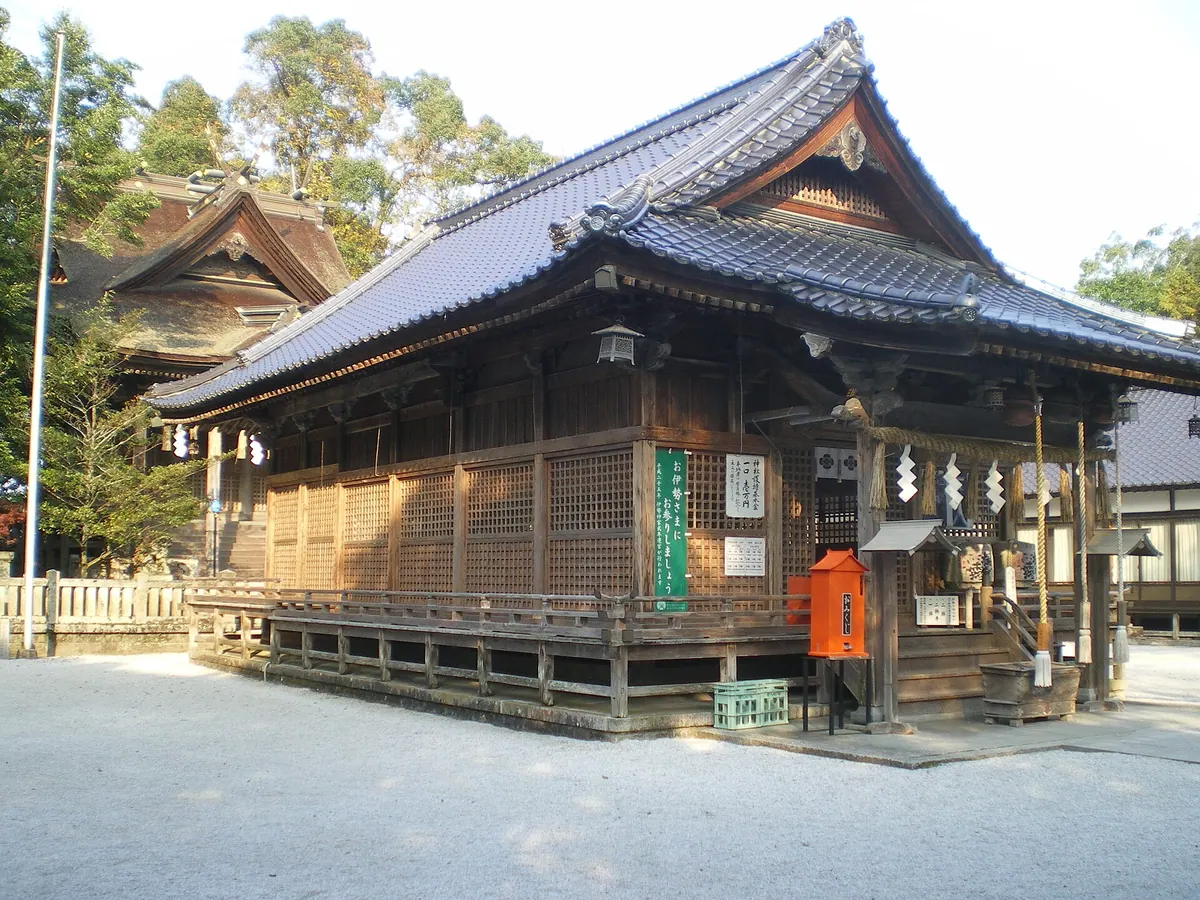
Ōtomi Shrine: an ancient shrine with unique architecture and important cultural festivals.
What it is
- Shrine enshrines 10 deities, including Sumiyoshi Okami.
- Formerly known as Munakata Hachiman-sha.
- Has a deep connection with Usa Jingu.
What to see
- Main hall constructed in 1852.
- Main hall has a unique double-eave structure.
- Shrine grounds contain a well called 'Chokushii'.
When to go
- Ancient Spring Festival (Hachiya Gion) is held here.
- Hachiya Gion is a Prefecturally Designated Cultural Property.
- Kanno-raku is a Nationally Designated Cultural Property.
- Kanno-raku is a UNESCO Intangible Cultural Heritage.
- Address
- 福岡県豊前市大字四郎丸山田256番 Map
11
Kushida Shrine
FUKUOKA · SHRINE 櫛田神社
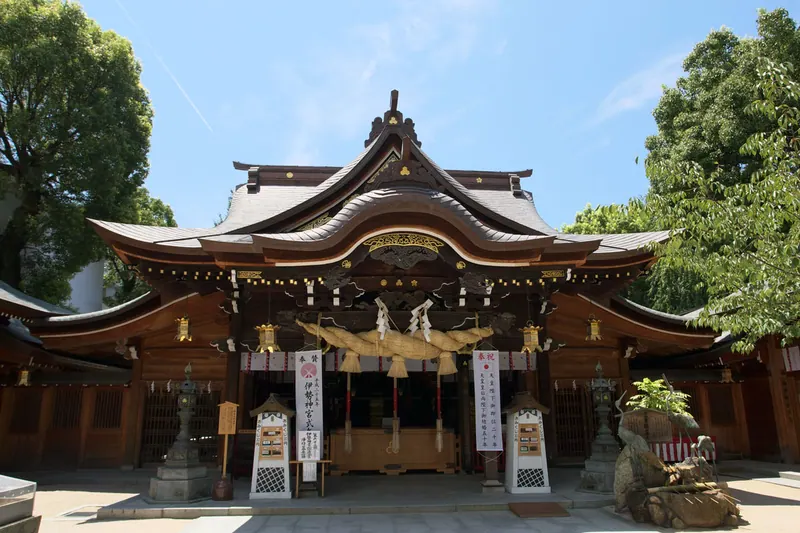
Kushida Shrine is a historic Fukuoka shrine, home to ancient trees and vibrant festivals.
What it is
- Guardian shrine of Hakata, founded in 757 CE.
- Dedicated to Ohatanushi-no-Okami, Amaterasu-Sumi-Okami, and Susanoo-no-Okami.
What to see
- Current shrine building, constructed in 1587.
- Ginkgo tree, approximately 1000 years old.
- Ancient ginkgo tree is a designated natural monument.
When to go
- Hakata Gion Yamakasa festival in July.
- Hakata Gion Yamakasa is a UNESCO Intangible Cultural Heritage.
- Hakata Okunchi festival in October.
Getting there
- One-minute walk from Kushida Shrine Station.
- Address
- 812-0026福岡市博多区上川端町1番41号 Map
12
Tōgō Shrine
FUKUOKA · SHRINE 東郷神社
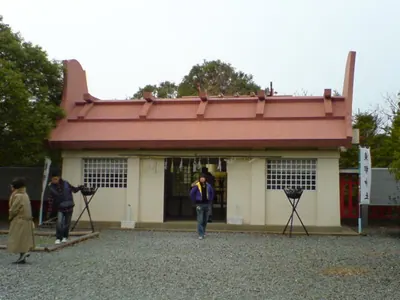
Tōgō Shrine honors a naval hero, offering historical artifacts and a monument with scenic views.
What it is
- Shrine dedicated to Admiral of the Fleet Tōgō Heihachirō.
- Planned in 1922, completed in its current form in 1971.
- Located on a hillside in Genkai Quasi-National Park.
What to see
- Treasure hall displays a battleship Mikasa main gun tip.
- Treasure hall has a model of the battleship Mikasa.
- See Tōgō's letters and medals in the treasure hall.
- A monument on Ōmineyama resembles the Mikasa's bridge.
When to go
- Spring Grand Festival is held on May 27th.
- Admiral's Birthday Festival is held on December 22nd.
- Address
- 福岡県福津市渡1815番地1 Map
13
Umi Hachimangū
FUKUOKA · SHRINE 宇美八幡宮
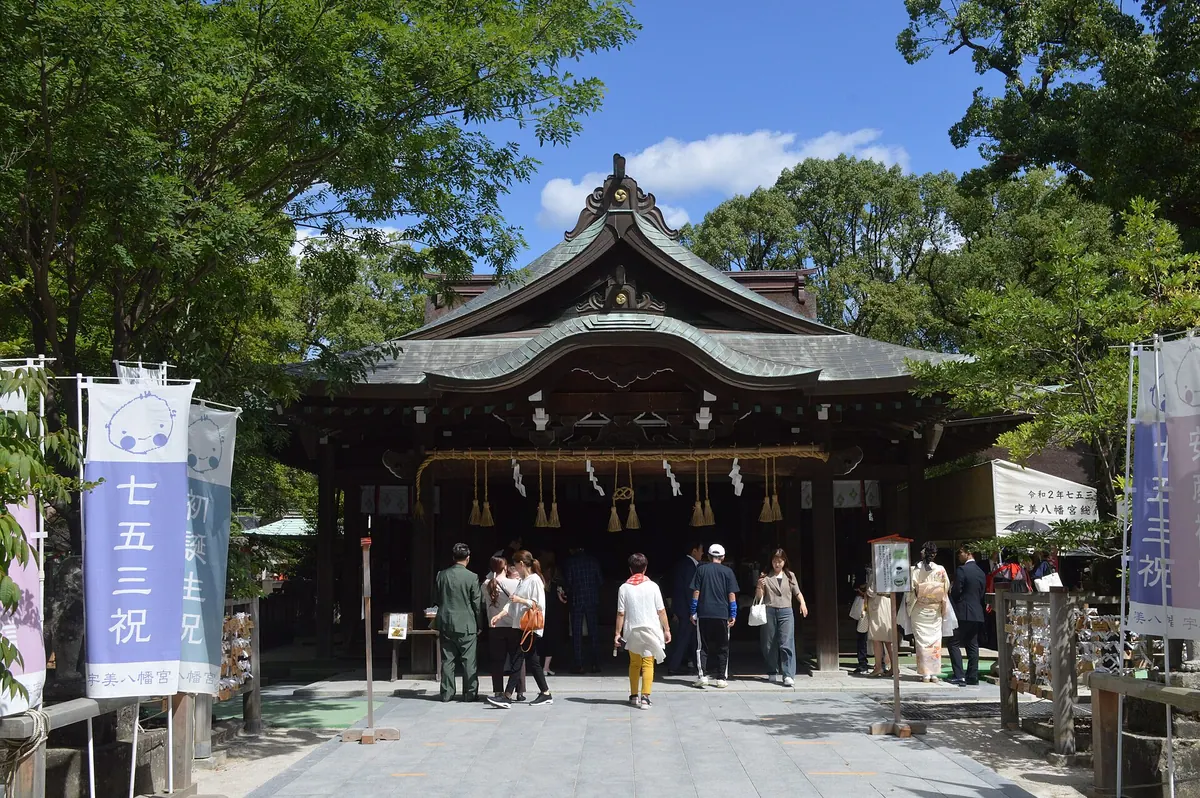
Ancient shrine in Fukuoka, dedicated to safe childbirth and imperial deities.
What it is
- Shrine in Fukuoka Prefecture, founded in 574 AD.
- Dedicated to Emperor Ōjin and Empress Jingū.
- Known for prayers for safe childbirth.
- Became a prefectural shrine in 1891.
What to see
- Main hall and worship hall are registered cultural properties.
- Koyasu no Ki tree on the grounds.
- Ubuyu no Mizu, believed to be Emperor Ōjin's first bath water.
- Koyasu no Ishi are small stones for childbirth prayers.
- Yugake no Mori, a designated natural monument camphor tree.
- Koromogake no Mori, a designated natural monument camphor tree.
- Official site
- www.umi-hachimangu.or.jp
14
Enoki-sha
FUKUOKA · SHRINE 榎社
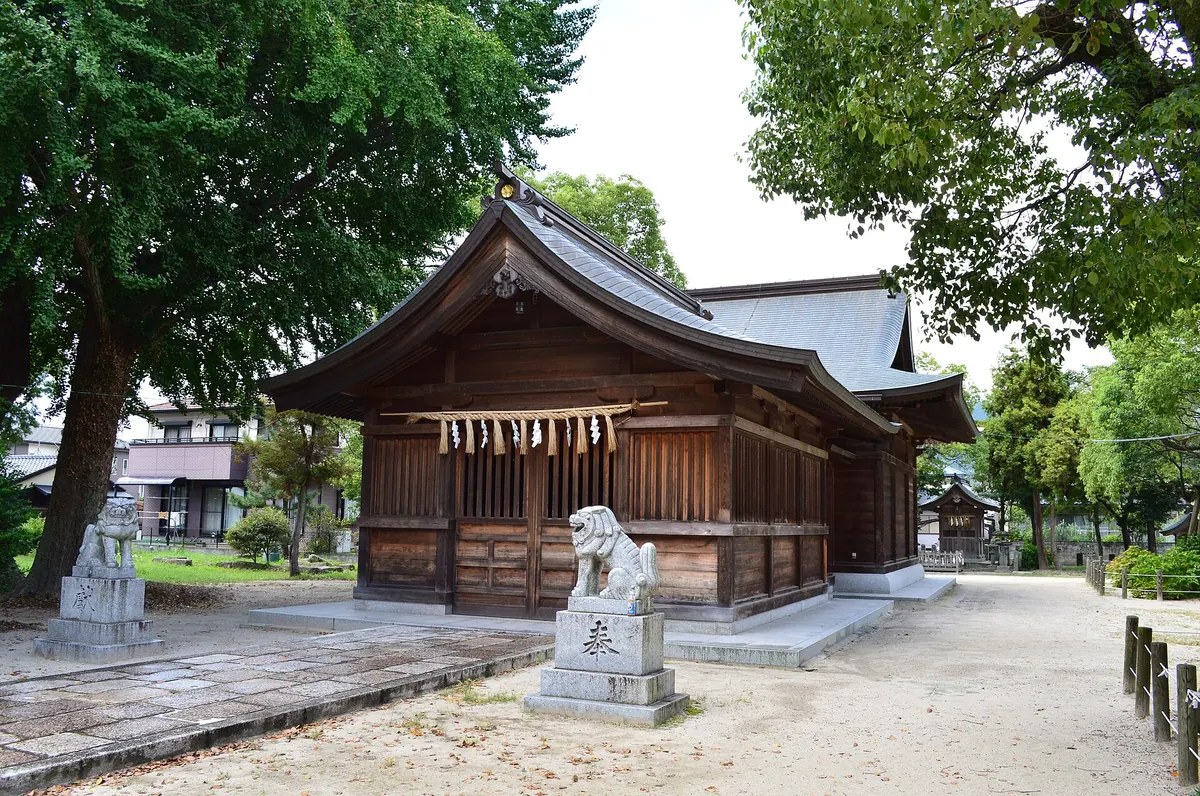
Enoki-sha is a historic shrine within Dazaifu Tenmangu, marking the final residence of Sugawara no Michizane.
What it is
- A shrine within Dazaifu Tenmangu Shrine grounds.
- Also known as Enoki-dera.
- Sugawara no Michizane lived here from 901 until 903.
- Jomyoin was established in 1023 to mourn Michizane's spirit.
What to see
- Building remains from the late 9th to early 10th century.
- A small shrine dedicated to Jomyo-ni, Michizane's caregiver.
- A shrine believed to be the grave of Michizane's son, Kumamaro.
- A well opened by the legendary Abe no Seimei.
When to go
- Hosts the Shinko-sai festival, also called Donkan Matsuri.
- Address
- 福岡県太宰府市朱雀六丁目 Map
15
Kashii-gū
FUKUOKA · SHRINE 香椎宮
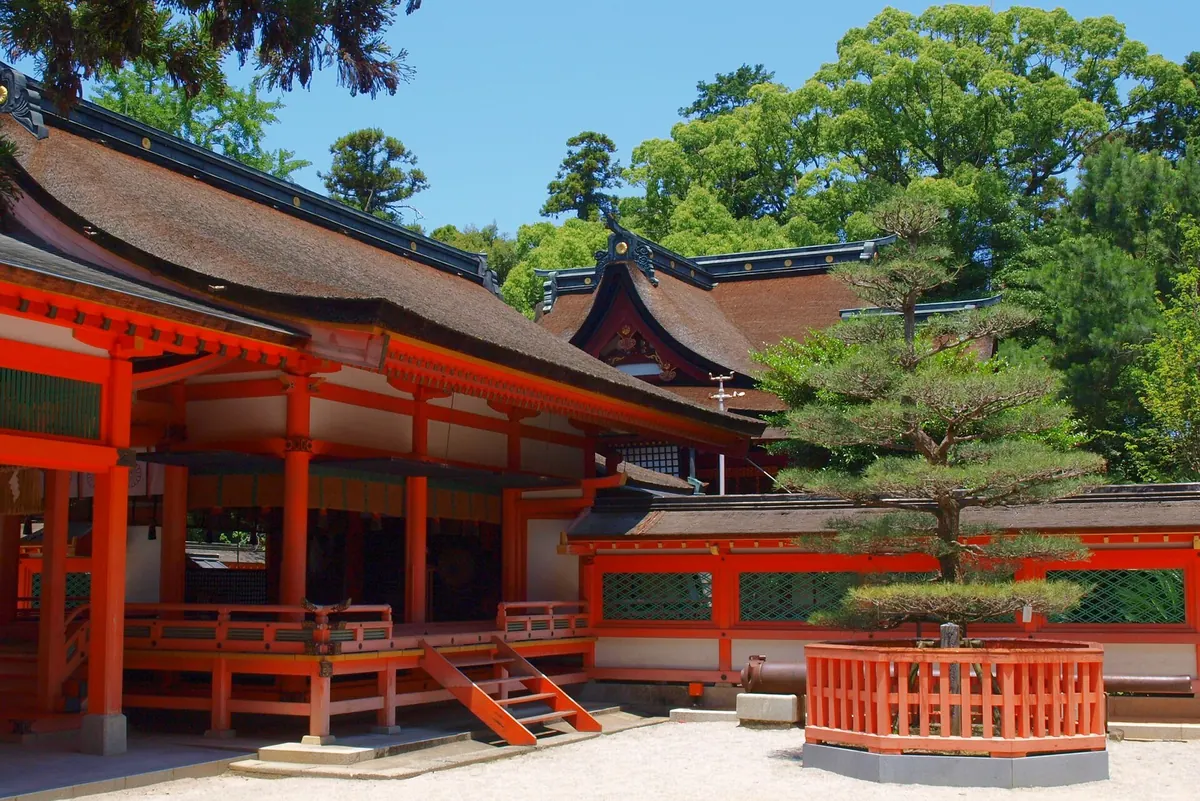
Kashii-gū is an ancient Imperial Shinto shrine with unique architecture and sacred natural features.
What it is
- Shinto shrine in Fukuoka Prefecture.
- Imperial-dedicated shrine.
- Originally a mausoleum.
- Enshrines Emperor Chūai, Empress Jingū, Emperor Ōjin, and Sumiyoshi Okami.
What to see
- Main hall is a National Important Cultural Property.
- Main hall features unique Kashiizukuri architectural style.
- Sacred Ayasugi tree.
- Furō-sui spring, one of Japan's 100 best waters.
- Chokushidō approach road.
- Two auxiliary shrines and ten subordinate shrines.
When to go
- Imperial envoy visits every 10 years.
- Address
- 福岡県福岡市東区香椎4-16-1 Map
- Official site
- kashiigu.com
16
Tsunashiki Tenmangū
FUKUOKA · SHRINE 綱敷天満宮
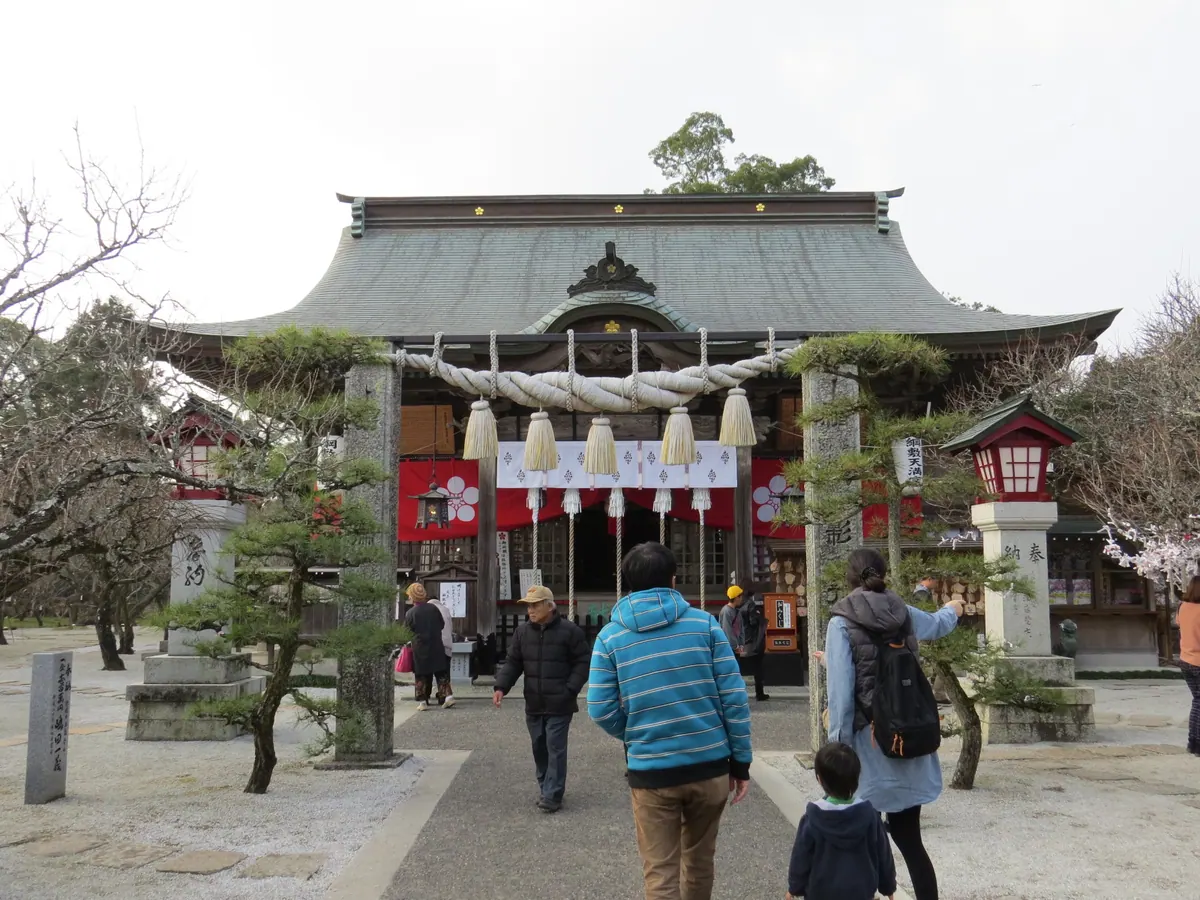
Tsunashiki Tenmangū is a scenic plum blossom shrine dedicated to Sugawara no Michizane, worth visiting for its natural beauty.
What it is
- A shrine in Chikujo, Fukuoka Prefecture.
- Dedicated to the deity Sugawara no Michizane.
- Locals call it Hamanomiya.
- Known as the Dazaifu of the East.
What to see
- About 1,000 plum trees on the grounds.
- Views of the Suo-nada Sea.
- Hamanomiya Beach is next to the shrine.
- The surrounding Chikuhō Prefectural Natural Park.
When to go
- Visit during plum blossom season.
- Shiida Plum Festival is held during peak bloom.
Getting there
- 15 minutes walk from JR Shiida Station.
- Address
- 福岡県築上郡築上町大字高塚794-2 Map
17
Inadome Shrine
FUKUOKA · SHRINE 稲留神社
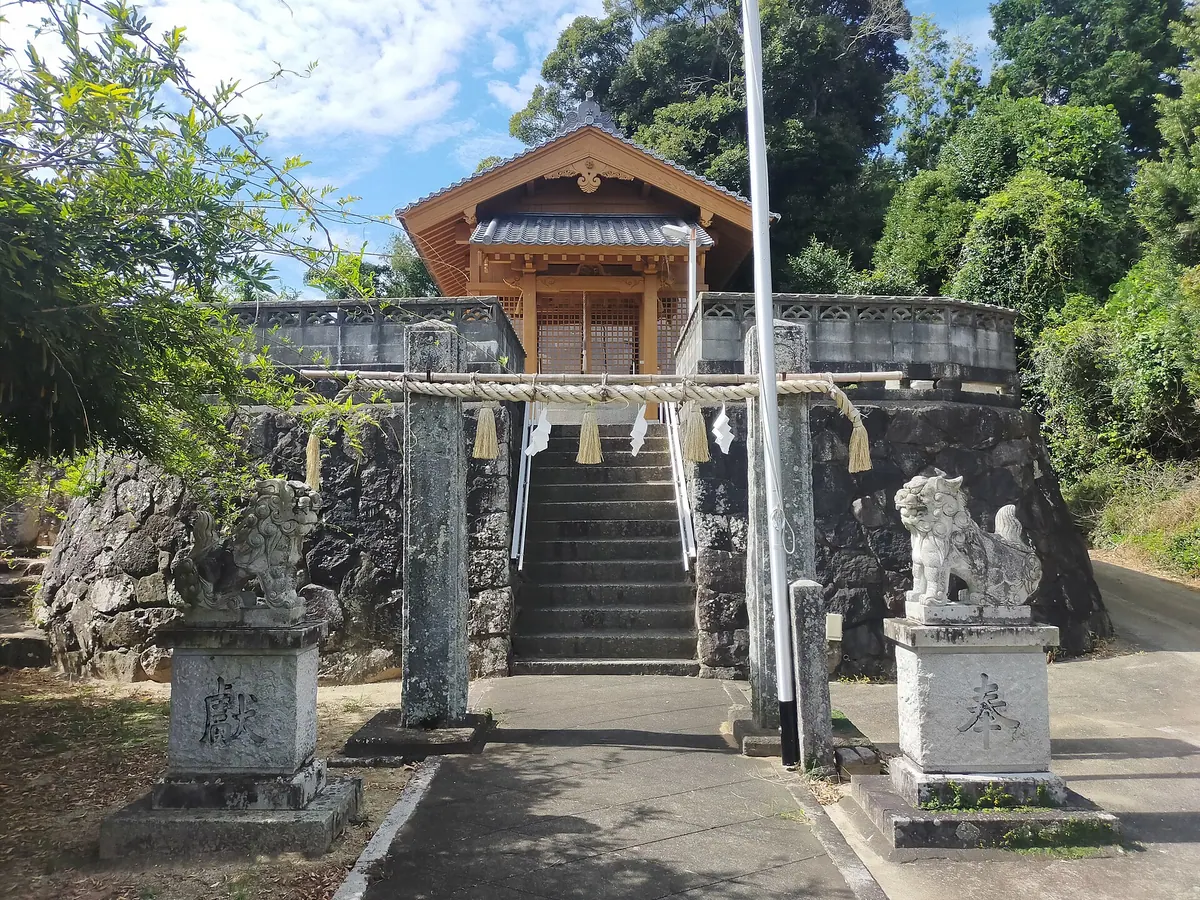
Inadome Shrine is an ancient shrine in Itoshima, dedicated to several deities, with unique Koshin stones.
What it is
- Shrine established during the Kenkyu era of the Kamakura period.
- Dedicated to Ninigi-no-Mikoto, Izanagi-no-Mikoto, and Izanami-no-Mikoto.
- Also enshrines Sarutahiko-no-Mikoto.
- Designated a village shrine in November 1869.
What to see
- Two Koshin-seki (Koshin stones) are enshrined.
- Shrine building has a main hall and a Tenmangu sub-shrine.
- Possesses an autograph of Sugawara no Michizane.
Getting there
- 52-minute walk from Chikuzen-Maebaru Station.
- 3-minute walk from the Inadome bus stop.
- Address
- 福岡県糸島市志摩稲留441番地1 Map
18
Kōshin-sha (Nōgata, Fukuoka)
FUKUOKA · SHRINE 庚申社 (福岡県直方市)
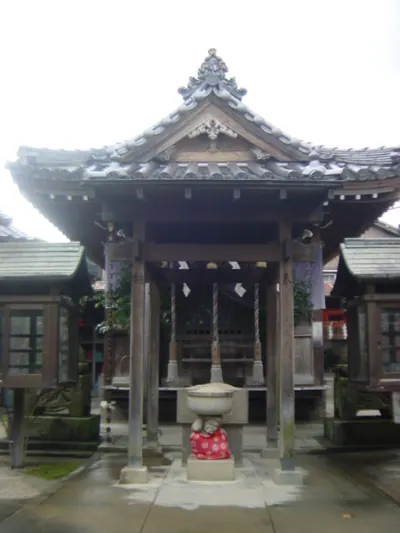
Kōshin-sha is a unique syncretic shrine in Nogata, famous for its monkey statues and monthly festivals.
What it is
- A syncretic shrine in Nogata, Fukuoka Prefecture.
- Dedicated to Shinto deity Sarutahiko Okami.
- Also enshrines Buddhist deity Shomen Kongo.
- Originated from Karatsu Kōshin Shrine.
What to see
- Hundreds of monkey statues on the grounds.
- Statues linked to Kōshin belief and Sarutahiko Okami.
When to go
- Monthly festivals are held on the 5th.
- Annual festival is on December 5th.
- Summer festival is on August 5th.
Getting there
- 10-minute walk from JR Nogata Station.
- Address
- 福岡県直方市山部601 Map
19
Fūji Hachimangū
FUKUOKA · SHRINE 風治八幡宮
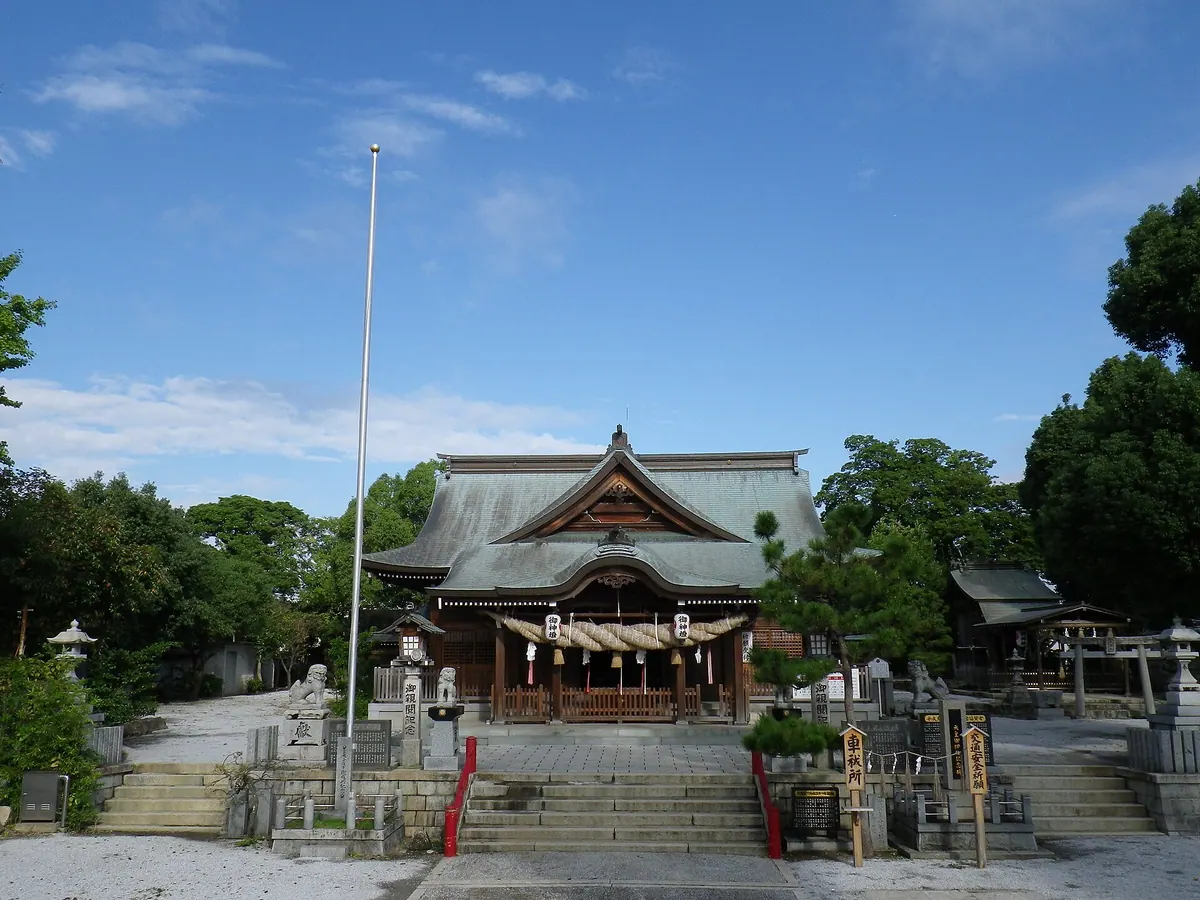
Fūji Hachimangū is a historic shrine in Tagawa City, easily accessible, known for its grand festival.
What it is
- A shrine in Tagawa City, Fukuoka Prefecture.
- Dedicated to six deities including Emperor Ōjin and Empress Jingū.
- Hachiman-kami was invited from Usa in 861.
- Renamed Fūji Hachimangū in 1688.
What to see
- The crest is a left tomoe.
- Enshrined on Miyama (Takaba-yama).
When to go
- Annual grand festival is the third Saturday and Sunday of May.
- Kawawatari Shinkōsai is a Fukuoka Intangible Folk Cultural Property.
Getting there
- 2-minute walk from Tagawa-Ita Station.
- Address
- 福岡県田川市魚町2-30 Map
20
Sakurai Shrine
FUKUOKA · SHRINE 桜井神社
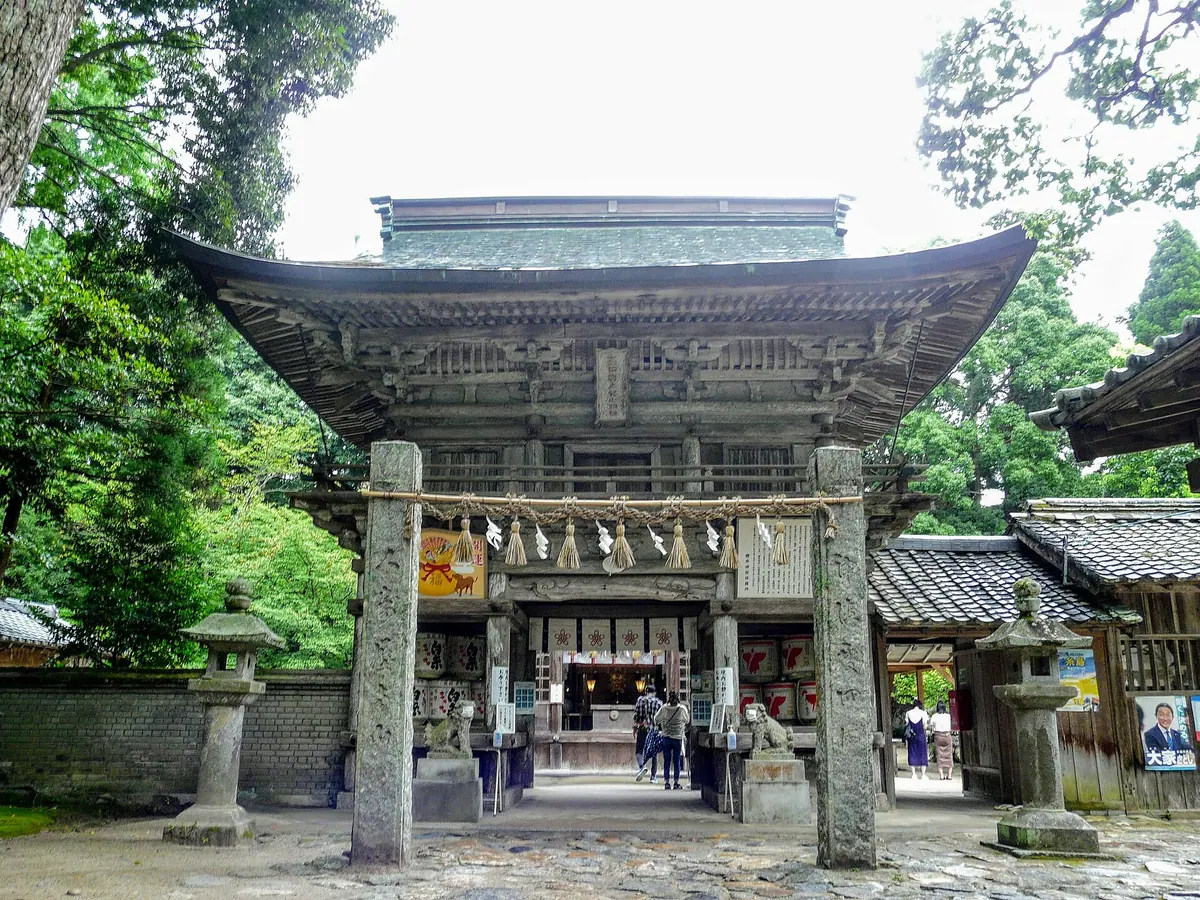
Sakurai Shrine, founded in 1632, offers historical architecture and scenic coastal views.
What it is
- Founded in 1632 by Kuroda Tadayuki.
- Enshrines Kaminaohi, Oonaohi, and Yasomagatsuhi no kami.
- Also enshrines the spirit of Kuroda Tadayuki.
What to see
- Main hall, worship hall, and tower gate are National Important Cultural Properties.
- Stone bridge is a Fukuoka Prefecture Tangible Cultural Property.
- Sakurai Daijingu's torii gates from Ise Grand Shrine.
- Sakurai Futamigaura is a Designated Place of Scenic Beauty.
When to go
- O-shimenawa hanging festival from late April to early May.
- Address
- 福岡県糸島市志摩桜井4227 Map
- Official site
- sakuraijinja.com