

20 Temples in Wakayama worth your time
Japan Gems
Wakayama Prefecture is home to 72 temples, including Kōno Amida-dō and Kimii-dera Temple. Visitors can find a wide variety of temple experiences here.
Wakayama has 74 temples on Japan Gems. Below are the 20 we can tell you the most about — each one written up in English from Japanese sources, with what to see and how to get there. See all temples in Wakayama.
01
Fudarakusan-ji Temple
WAKAYAMA · TEMPLE 補陀洛山寺
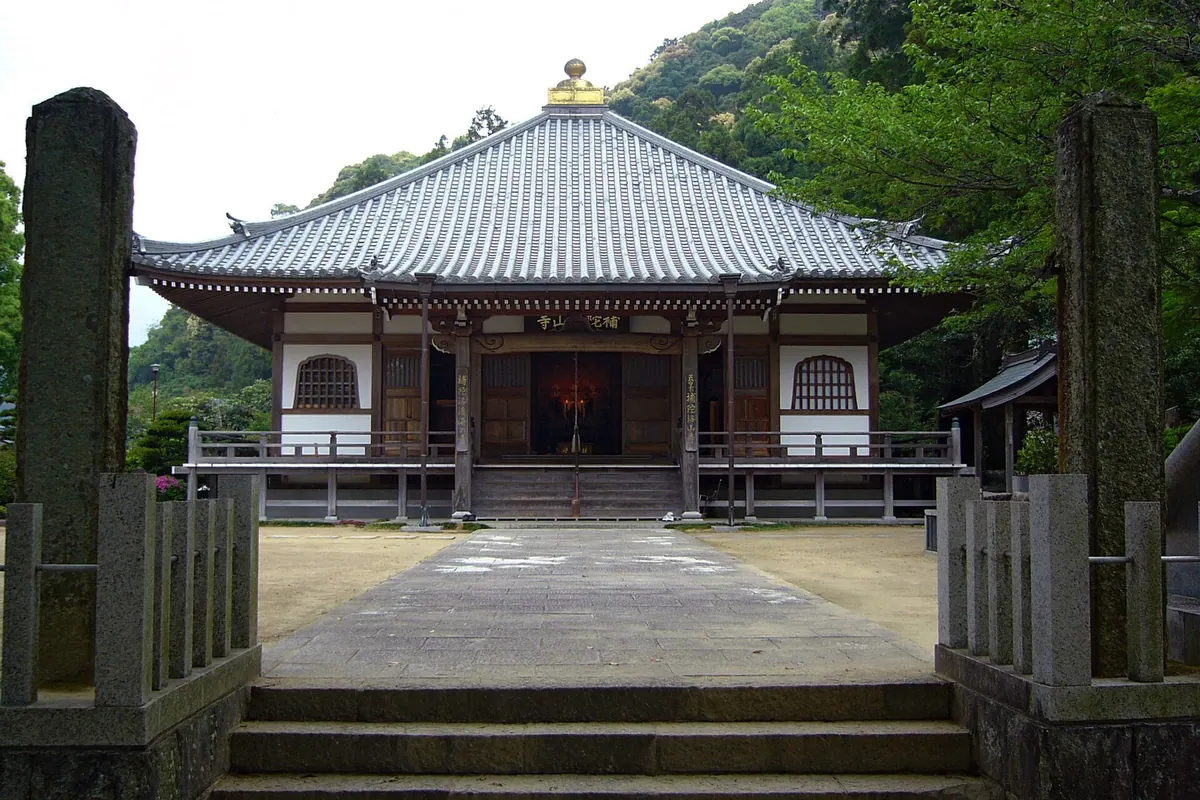
This Tendai Buddhist temple, known for a unique Kannon statue and historical self-martyrdom ritual, links mountains and sea.
What it is
- Tendai Buddhist temple.
- Founded by ascetic Ragyo from India in the fourth century.
- Known for Fudaraku-tokai ritual of self-martyrdom.
- Part of Kumano's spiritual landscape, linking mountains and sea.
What to see
- Wooden statue of Thousand-Armed Kannon, 170 cm tall.
- Heian period Kannon statue is an Important Cultural Property.
- Kannon statue has three faces and 44 arms, a rarity.
- Kumano Sansho Omiwa-yashiro, a Shinto shrine next to the temple.
- Furiwake-ishi (Parting Stone) marking Kumano Kodo pilgrimage routes.
When to go
- Kannon statue displayed publicly on January 27.
- Kannon statue displayed publicly on May 17.
- Kannon statue displayed publicly on July 10.
- Address
- 和歌山県東牟婁郡 那智勝浦町大字浜の宮348 Map
02
Gobōjakujō-ji Temple
WAKAYAMA · TEMPLE 五坊寂静院
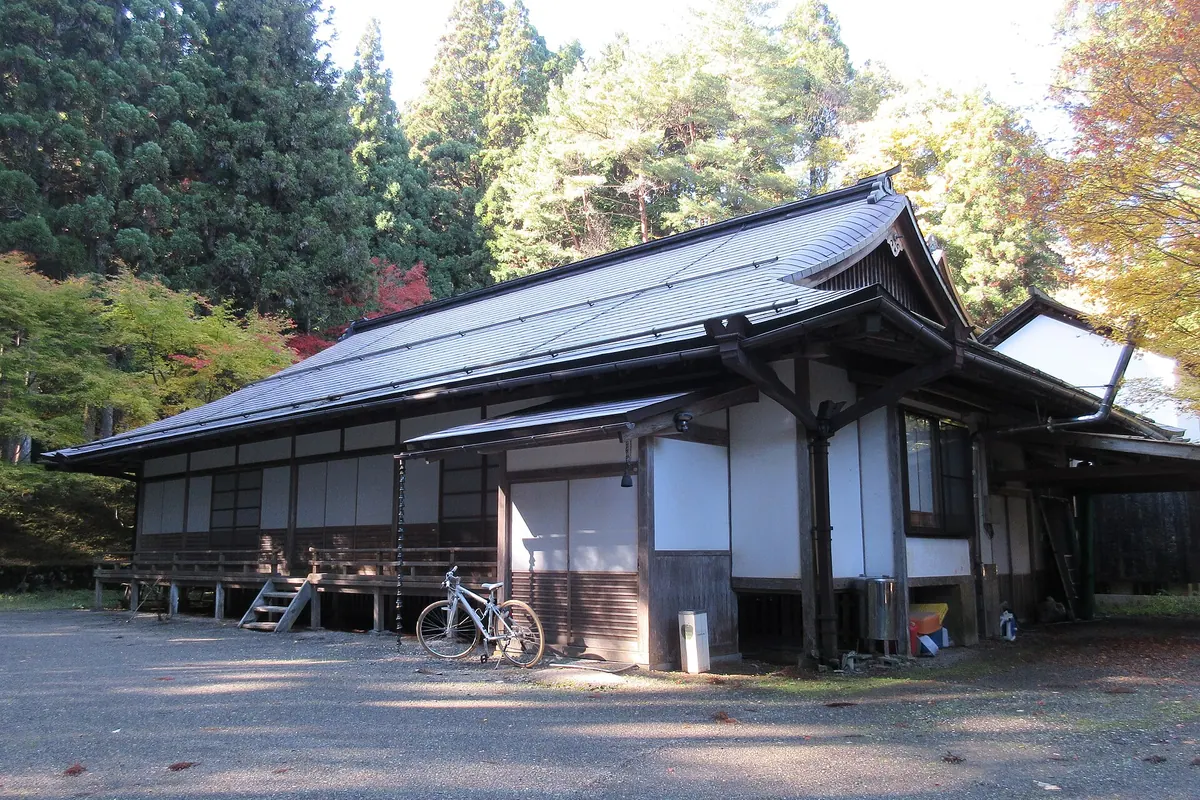
A historic Koyasan Shingon temple featuring a relocated main hall and nationally designated Buddhist statues and paintings.
What it is
- A Koyasan Shingon sect temple located in the Isshinin-dani valley of Mount Koya.
- Renamed in 1223 by the monk Jogyo after its original founding as Isshinin.
- Served as a prayer temple for several Japanese emperors throughout its history.
- A place of study for the famous Buddhist monk Nichiren in 1248.
What to see
- The current main hall which was relocated from Chuguji in 1967.
- A wooden Amida Nyorai statue designated as a national cultural property.
- A nationally designated silk painting depicting the deity Fudo Myoo.
- The site where the Fudo-do hall stood before its 1908 move to Kongobu-ji.
03
Koyasu jizō-ji Temple
WAKAYAMA · TEMPLE 子安地蔵寺
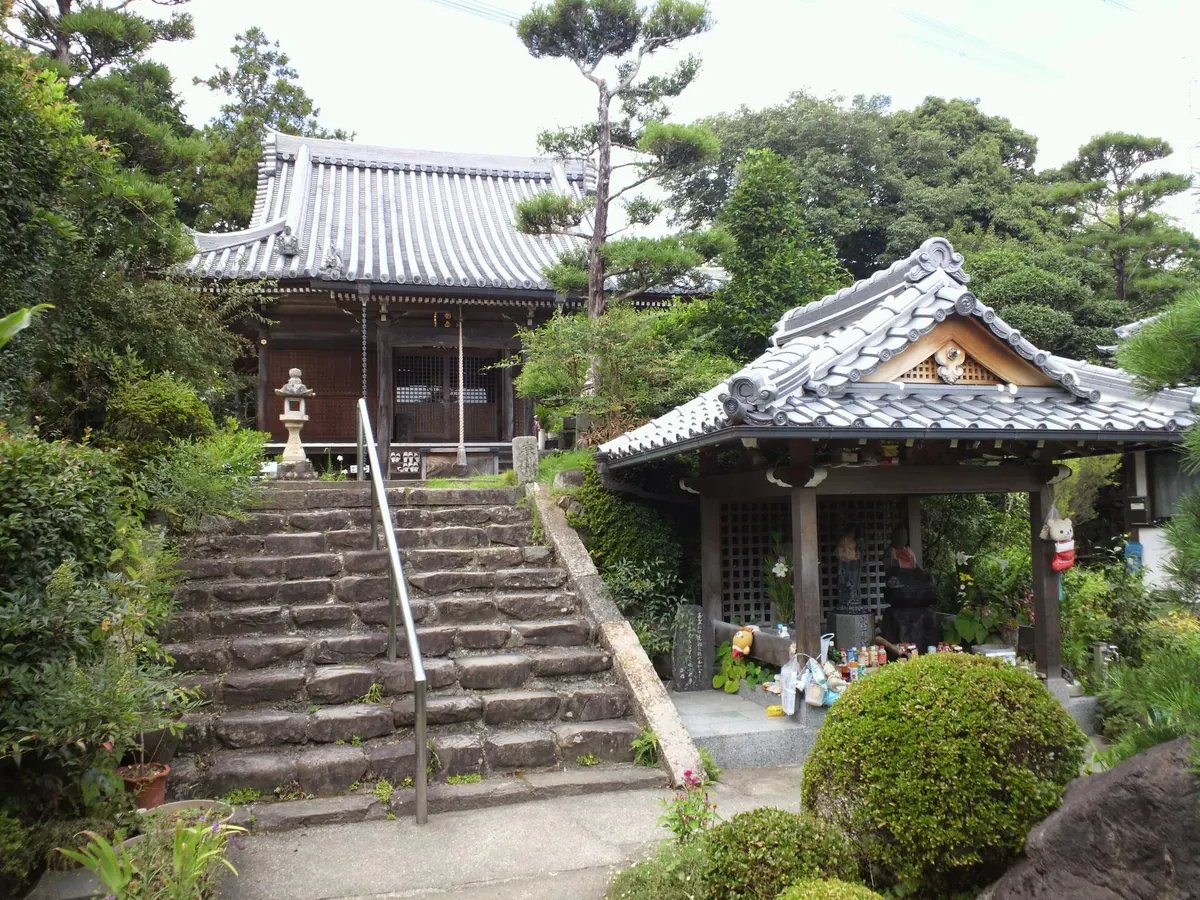
This flower temple, known for its wisteria, is where people pray for safe childbirth and children.
What it is
- Small temple on a hill.
- Known as the “flower temple.”
- Dedicated to Jizo, protector of children.
- Restored in the Edo period by a local lord.
What to see
- Long trellises of 100-year-old wisteria trees.
- Variety of other cultivated flowers.
- Statue of Jizo in the main hall.
- Many Jizo statues dressed in red hats and aprons.
- Offerings of soft drinks, toys, candy, and origami cranes.
When to go
- Early May for wisteria blooms.
- Blooms can be enjoyed 11 months of the year.
Getting there
- 30-minute walk from Miyukitsuji Station.
- Address
- 和歌山県橋本市菖蒲谷94 Map
04
Tokushō-ji Temple
WAKAYAMA · TEMPLE 得生寺
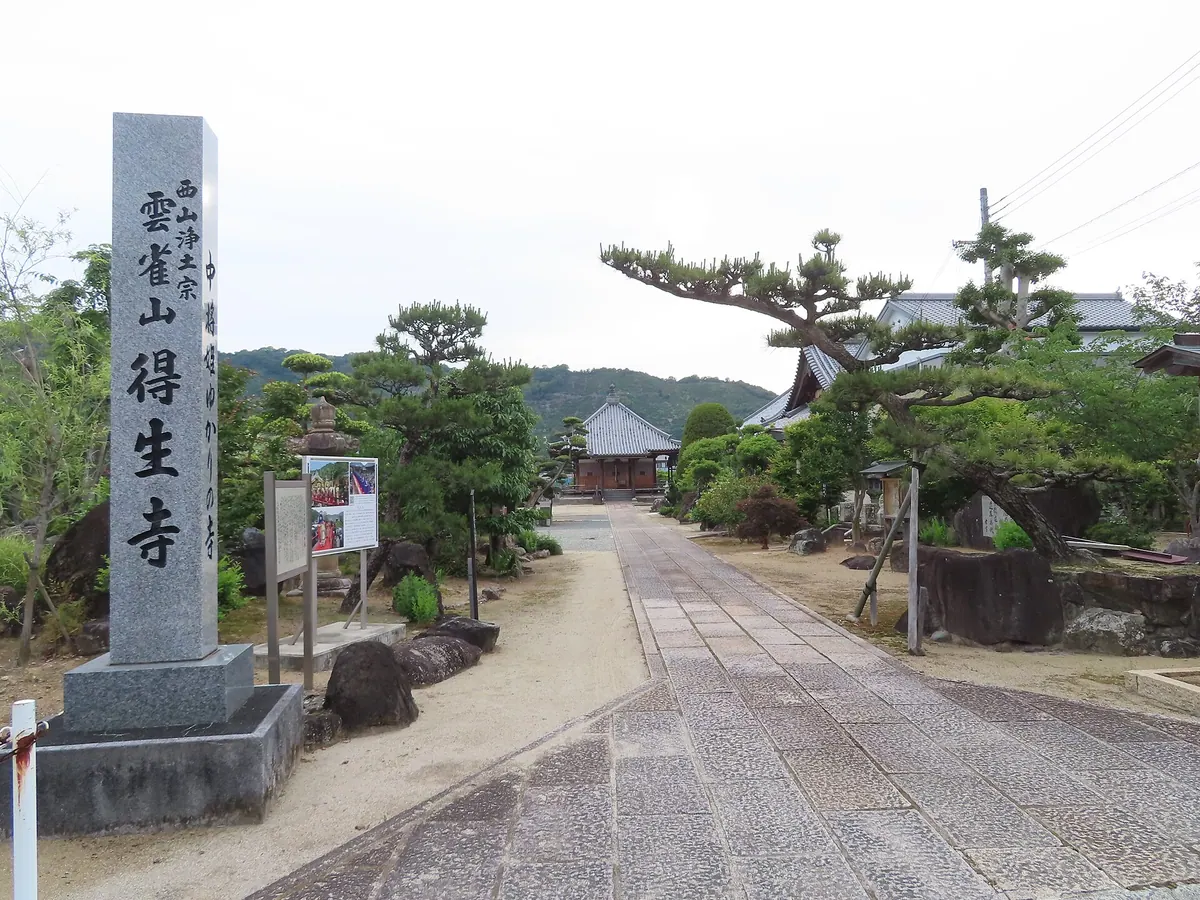
Tokushō-ji is an ancient temple known for its historical artifacts and annual Chūjō-hime festival.
What it is
- A Seizan Jōdo-shū temple in Arida City, Wakayama Prefecture.
- Founded in 759, with the mountain name Hibarisan.
- Also known as Chūjō-hime-dera.
- Principal image is Amitābha Tathāgata.
What to see
- The main hall, rebuilt in April 1752.
- Kaisan-dō enshrines Chūjō-hime and the Itō Harutoki couple.
- A Jōdo Mandala, a nationally important art object.
- A Hōkyōintō, an Arida City Tangible Cultural Property.
When to go
- May 14 for the Chūjō-hime Eshiki festival.
- The Raigō Eshiki is an Intangible Cultural Property event.
- Address
- 和歌山県有田市糸我町中番229 Map
05
Kokawa-dera Temple
WAKAYAMA · TEMPLE 粉河寺
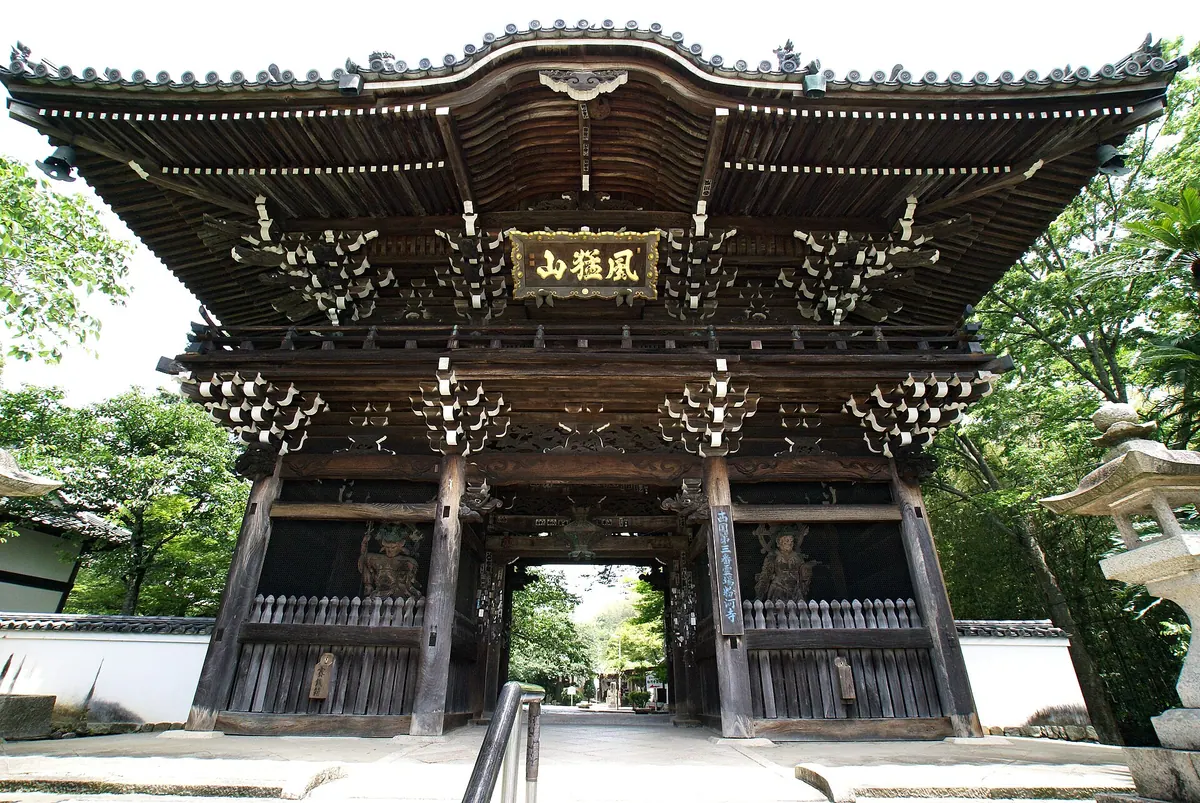
Ancient temple, pilgrimage site, and home to national treasures, worth visiting for history and gardens.
What it is
- Head temple of the Kokawa Kannon sect.
- Founded in 770 by Otomo no Kujiko.
- Main deity is Senju Sen-gan Kannon Bosatsu.
- Third temple of the Saigoku Kannon Pilgrimage.
What to see
- The Kokawa-dera Engi Emaki, a national treasure.
- Main hall, an Important Cultural Property.
- Kokawa-dera Garden, a National Place of Scenic Beauty.
- Senju-do Hall, an Important Cultural Property.
- Chumon gate, an Important Cultural Property.
- Daimon gate, an Important Cultural Property.
Getting there
- 10-minute walk from JR Kokawa Station.
- Address
- 和歌山県紀の川市粉河2787 Map
- Official site
- www.kokawadera.org
06
Kaizen-in Temple
WAKAYAMA · TEMPLE 海禅院
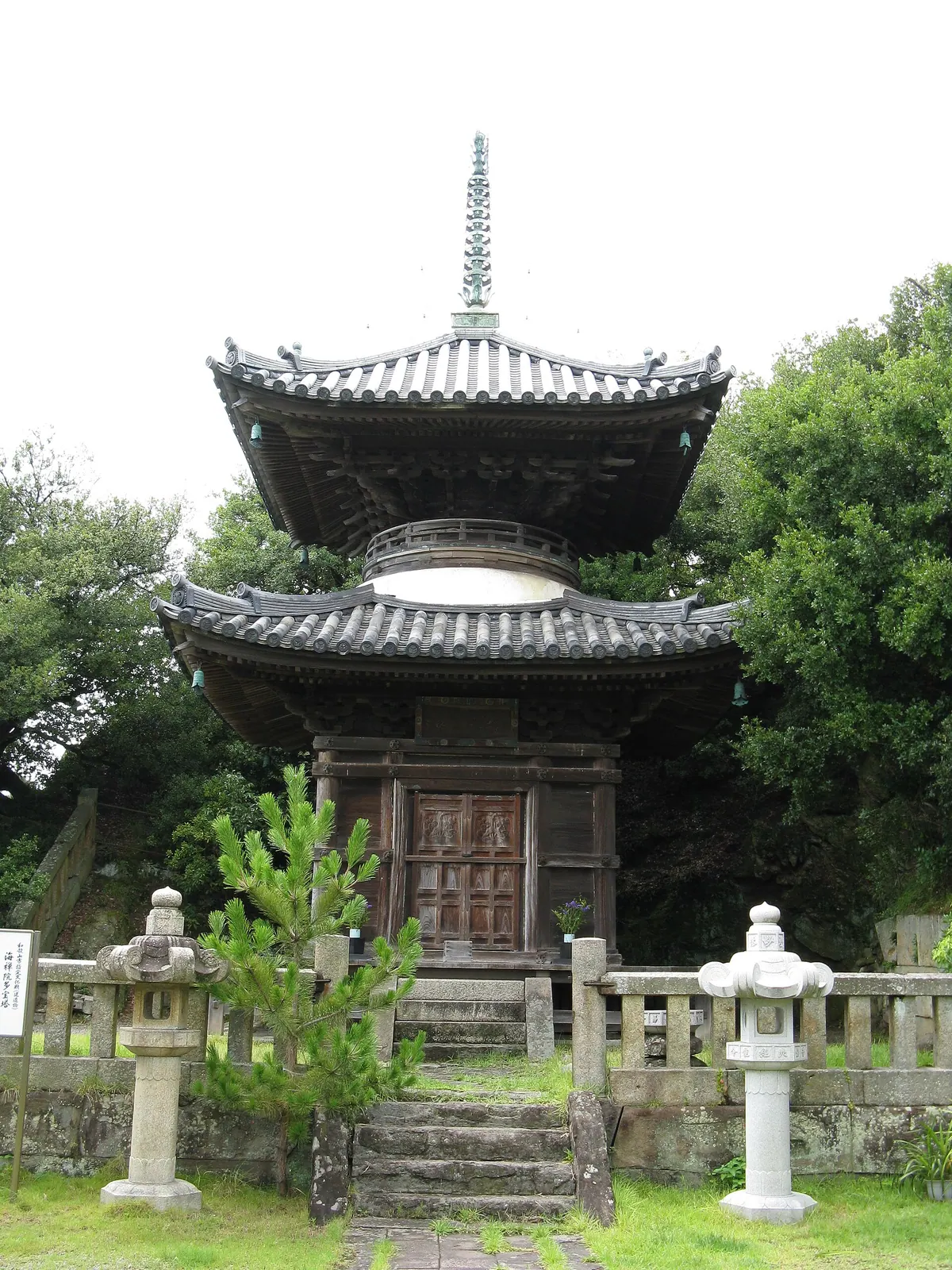
Kaizen-in Temple: a historic Nichiren temple with a unique pagoda built over 150,000 sutra stones.
What it is
- Nichiren Buddhist temple in Wakayama, Japan.
- Founded in 1649 by Yoshuin.
- Became a branch temple of Hon-onji Temple in the Meiji era.
- Designated a Wakayama City cultural property in 1967.
What to see
- Two-story pagoda rebuilt in 1653 by Tokugawa Yorinobu.
- Pagoda built over a stone chamber.
- Stone chamber contains sutra stones with Hokke-kyo written on them.
- More than 150,000 sutra stones buried under the pagoda.
- Sutra stones commemorate Tokugawa Ieyasu's 33rd memorial.
- Temple grounds were once the entire Imoseyama island.
- Address
- 和歌山県和歌山市和歌浦中3-4-28 Map
07
Jison-in Temple
WAKAYAMA · TEMPLE 慈尊院
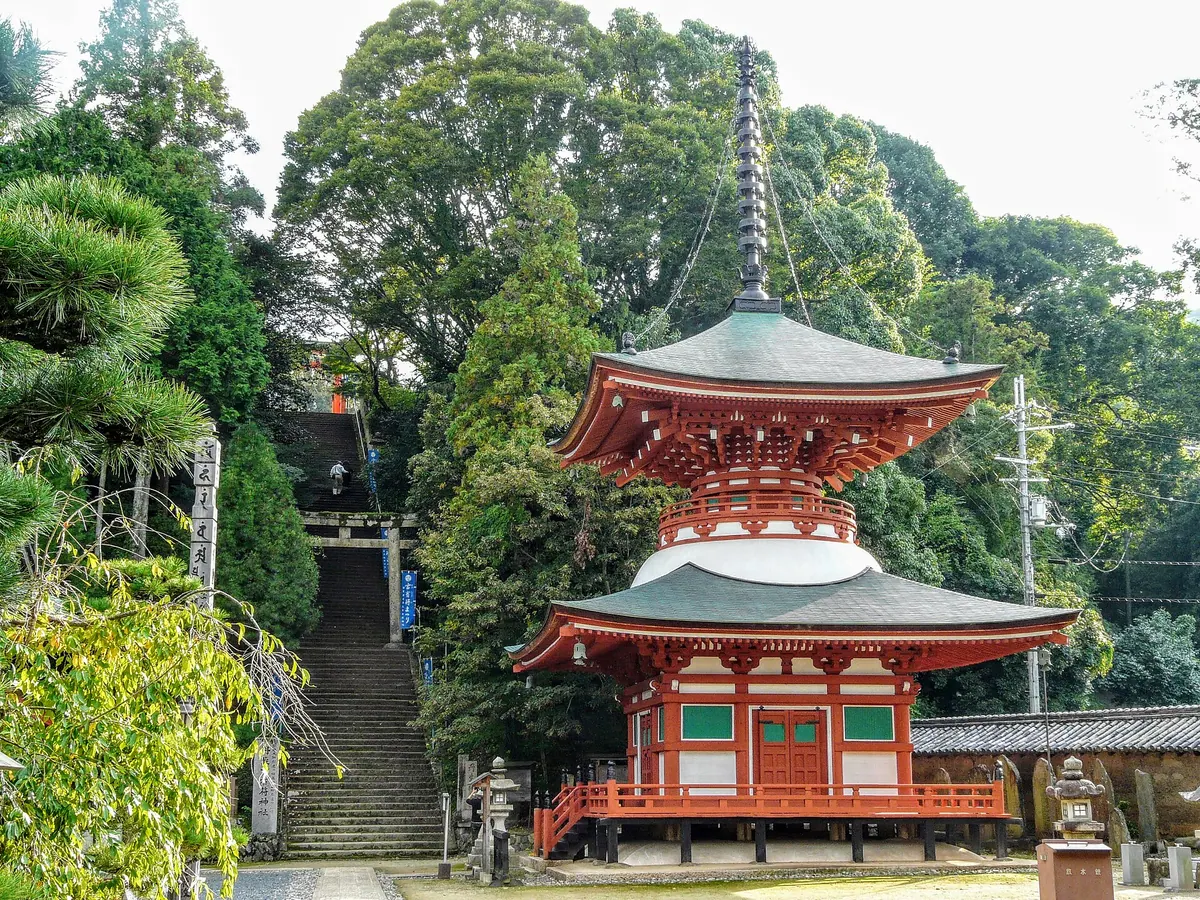
Jison-in Temple, founded by Kukai, is a starting point for Koyasan and specializes in female-specific prayers.
What it is
- Temple established in 816 by priest Kukai.
- Originally the entrance to the Koyasan temple complex.
- Dedicated to Kukai's mother, Tamayori Gozen.
- Specializes in female-specific issues.
What to see
- Statues of Miroku Bosatsu and Kukai's mother in Byodo Hall.
- Breast-shaped offerings and prayer plaques near Byodo Hall.
When to go
- Any time of year for female worshippers.
Getting there
- Starting point of the 24-kilometer Choishi Michi trail to Koyasan.
- Address
- 和歌山県伊都郡九度山町慈尊院832 Map
- Official site
- jison-in.org
08
Ryūkō-in Temple
WAKAYAMA · TEMPLE 龍光院
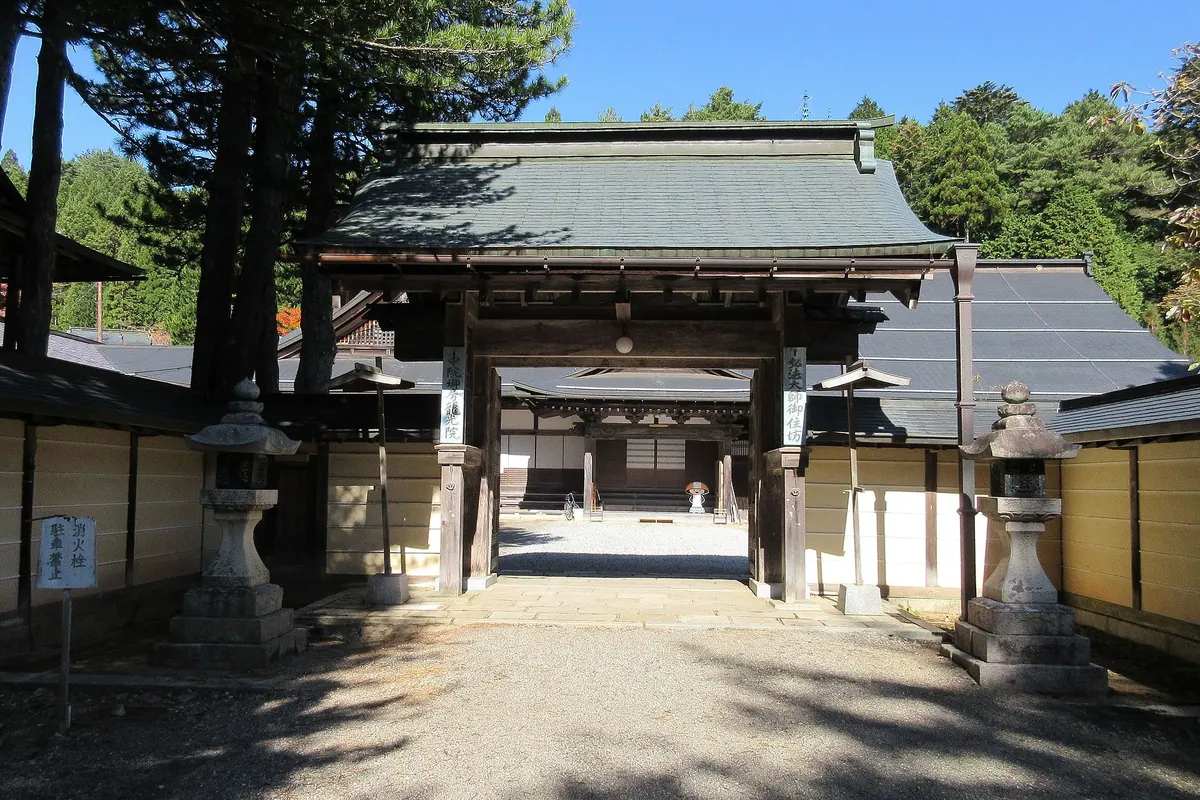
Ryūkō-in is a historic Shingon Buddhist temple housing multiple National Treasures and Important Cultural Properties.
What it is
- A Shingon Buddhist temple.
- A head temple of Koyasan Shingon Buddhism.
- Dedicated to the main deity Dainichi Nyorai.
- Monk Kūkai resided at this temple.
What to see
- National Treasure painting of Kannon.
- National Treasure sutra, Shishikinjikōmyōsaishōōkyō.
- National Treasure sutra, Daiji Hokekyō.
- National Treasure sutra, Saijikinjikōmyōsaishōōkyō.
- Important Cultural Property painting of Kariba Myōjin.
- Important Cultural Property wooden statue of Tobatsu Bishamonten.
09
Kōon-ji Temple
WAKAYAMA · TEMPLE 光恩寺
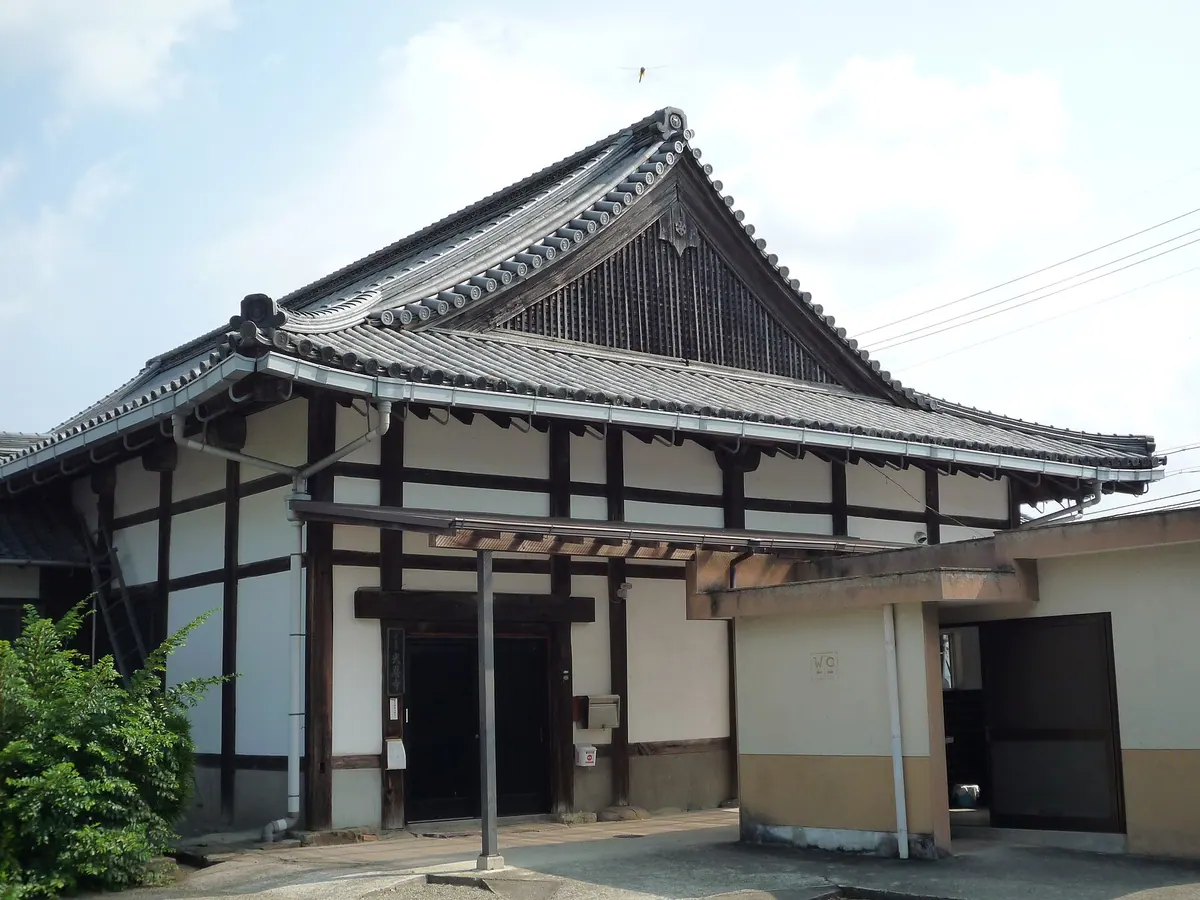
Koon-ji is a historic Jodo-shu temple with a rare surviving building from Wakayama Castle.
What it is
- A Jodo-shu Buddhist temple.
- Founded in 1591 by Shinyo Shonin.
- Named after Tsuda Kenmotsu Sansei's Buddhist name.
- Received patronage from the Kishu Tokugawa family.
What to see
- The kuri, a surviving structure of Wakayama Castle.
- The kuri was relocated from Wakayama Castle's Honmaru Goten O-daidokoro.
- The kuri has a tiled, hip-and-gable roof.
- The kuri is a Wakayama City cultural property.
Getting there
- 20-minute walk from JR Wakayama Line Fuseya Station.
- Address
- 和歌山県和歌山市大垣内663 Map
10
Jūzenritsu-in Temple
WAKAYAMA · TEMPLE 十禅律院
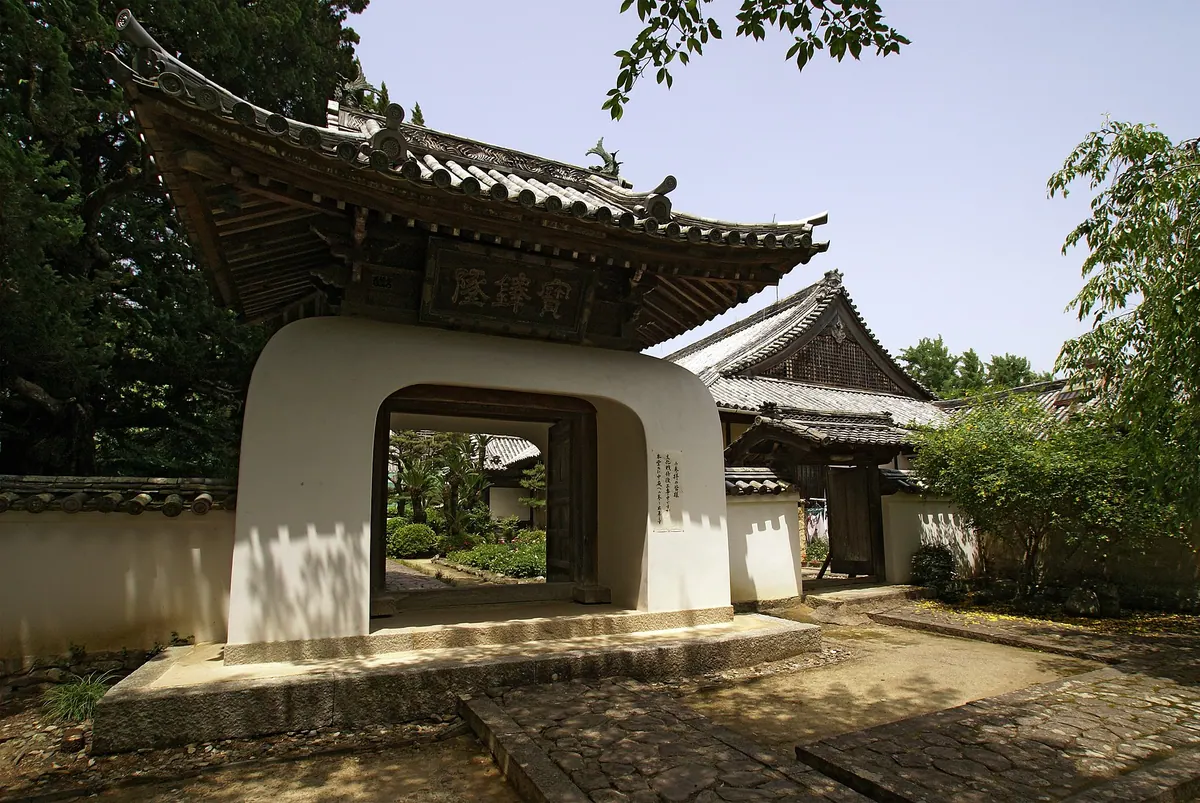
Ancient sub-temple with a scenic garden, rebuilt structures, and a peaceful atmosphere.
What it is
- A sub-temple of Kokawa-dera Temple.
- Founded in 990 as Jūzen-in.
- Revived in 1800 as Jūzenritsu-in Temple.
- Dedicated to Amitābha Tathāgata.
What to see
- The main hall, rebuilt in 1829.
- The goma hall, built in 1818.
- The kuri, rebuilt mid-19th century.
- The nurikami-mon gate, rebuilt in 1825.
- The 'Senshin-tei' garden, a scenic spot.
When to go
- Open daily from 8 AM to 5 PM.
Getting there
- 20-minute walk from JR Kokawa Station.
- Address
- 和歌山県紀の川市粉河2849 Map
11
Enmei-ji Temple
WAKAYAMA · TEMPLE 延命寺
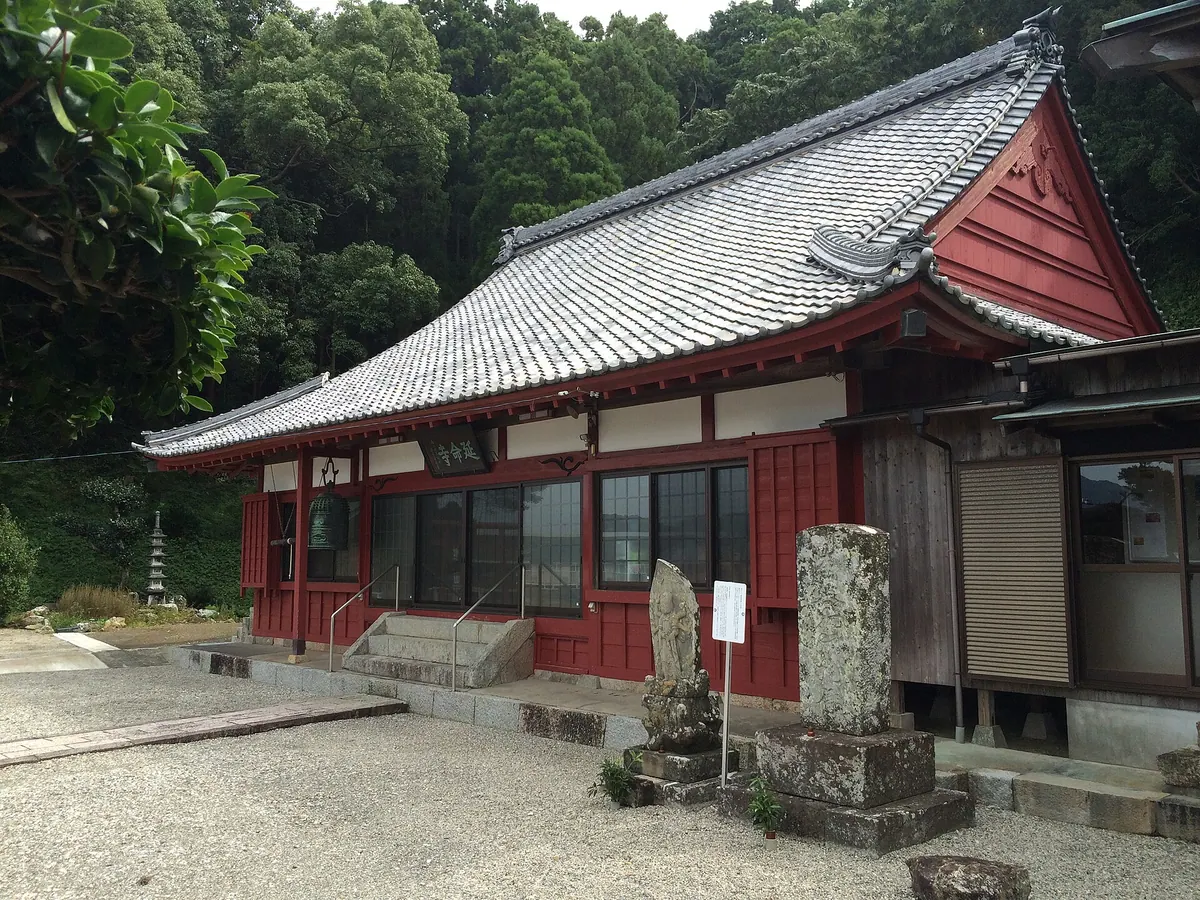
Enmeiji is a Soto Zen temple with a unique north-facing Jizo, worth visiting for its historical artifacts.
What it is
- A Soto Zen temple, branch of Izu Saishoin.
- Its mountain name is Hoozan.
- Founded to enshrine a Jizo that appeared from the sea in 1024.
- Rebuilt by Kakuten Zenrin Daiohsho.
What to see
- The main deity, a north-facing Enmei Jizo Bosatsu.
- A main hall and a red gate.
- Toyokawa Inari-do on the grounds.
- A temple crest of a sixteen-petal chrysanthemum.
- Yakushi Ruriko Nyorai is also enshrined.
Getting there
- 20-minute walk from JR Ukui Station.
12
Misuji temple ruins
WAKAYAMA · TEMPLE 三栖廃寺跡
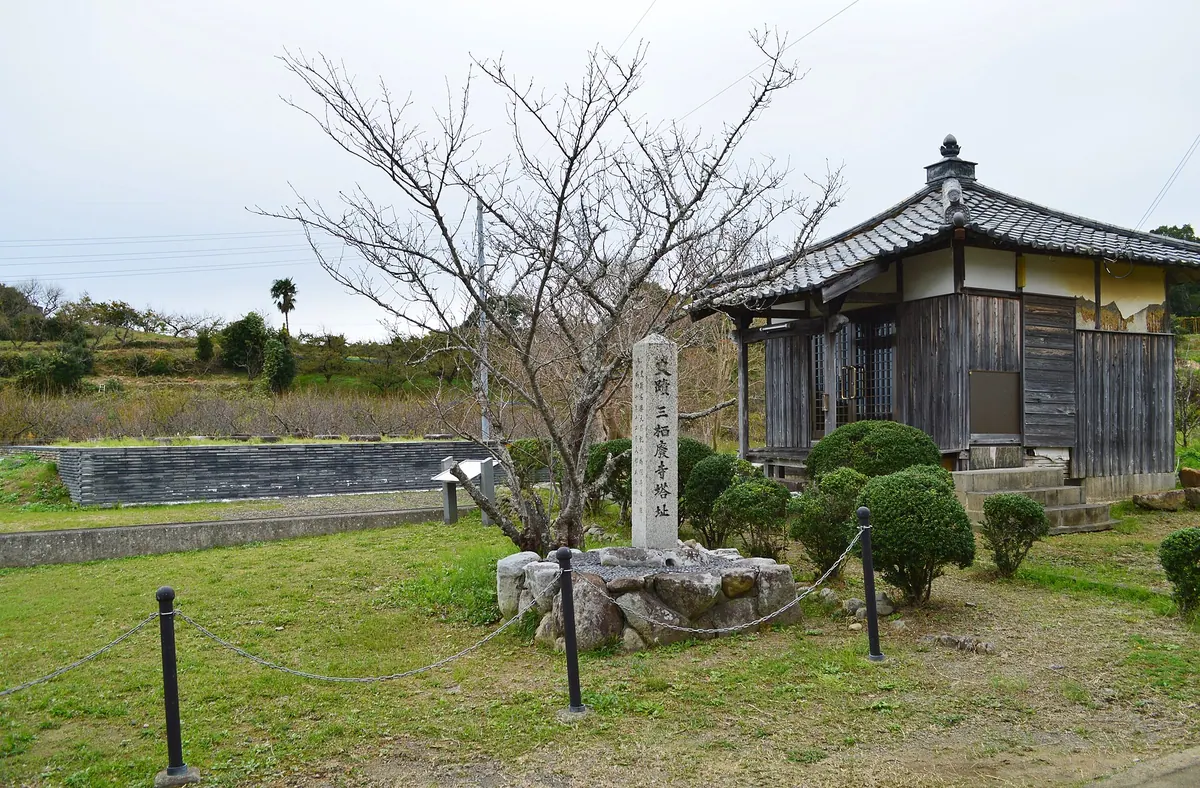
Explore ancient temple ruins, a national historic site with a unique Horyuji-style layout.
What it is
- Ancient temple ruins, excavated since 1930.
- Southernmost Hakuho temple ruin in Kinki.
- Built around the late 7th century.
- Tower site designated a national historic site in 1935.
What to see
- Temple layout is Horyuji style.
- Temple area is 100 meters square.
- Main hall to the east, pagoda to the west.
- Tower base measures approximately 9 meters on each side.
- Central foundation stone is natural sandstone.
- Estimated monks' quarters north of the main complex.
13
Jizō-in Temple
WAKAYAMA · TEMPLE 地蔵院
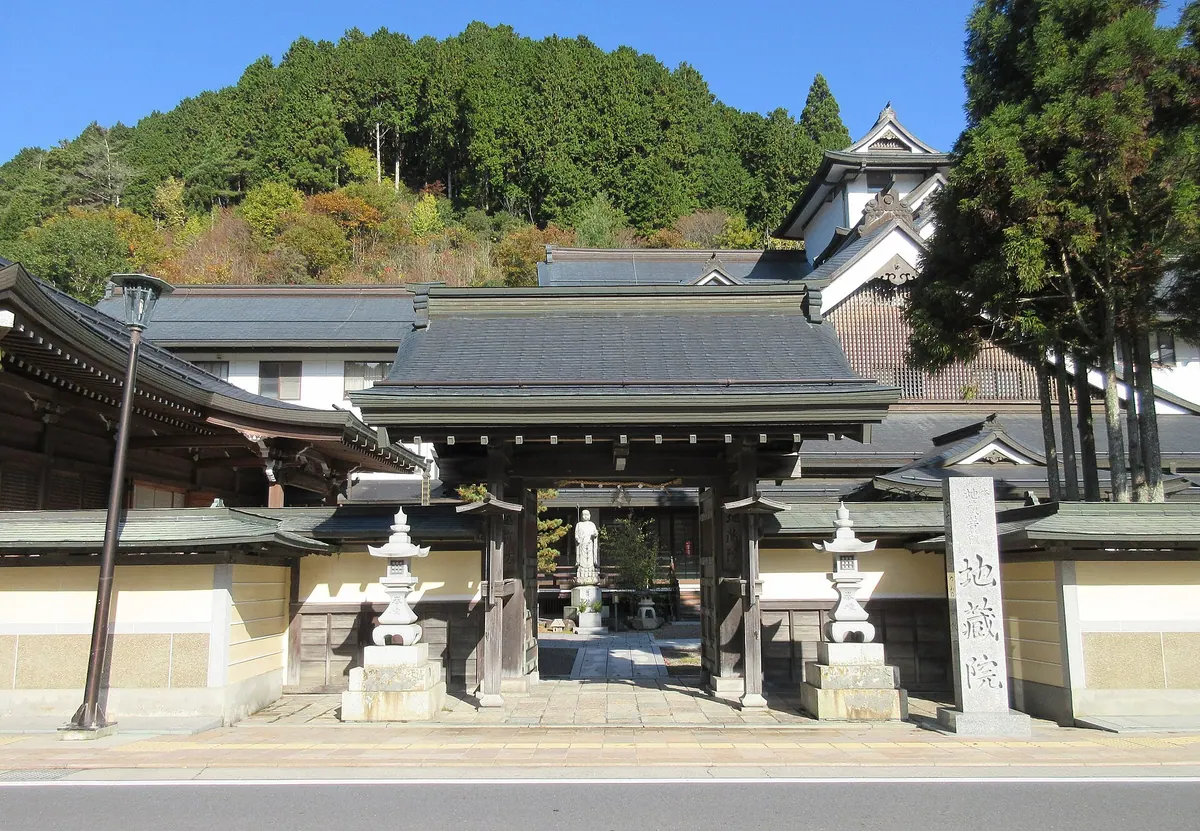
Jizō-in Temple: a historic Koyasan Shingon temple, home to important Buddhist art.
What it is
- A temple of the Koyasan Shingon sect.
- Founded by Sonkai during the Kenkyu era (1190-1198).
- Dedicated to Jizo Bodhisattva as its principal image.
- Family temple for several daimyo clans.
What to see
- A wooden seated Amida Nyorai statue.
- Six scrolls depicting Kobo Daishi's life.
- Cultural properties are stored at Koyasan Reihokan.
Getting there
- 15-minute drive from Gokurakubashi Station.
- 40-minute drive from Kōyaguchi Interchange.
- Address
- 和歌山県伊都郡高野町高野山573 Map
- Official site
- koyasanjizoin.jp
14
Nichirin-ji Temple
WAKAYAMA · TEMPLE 日輪寺
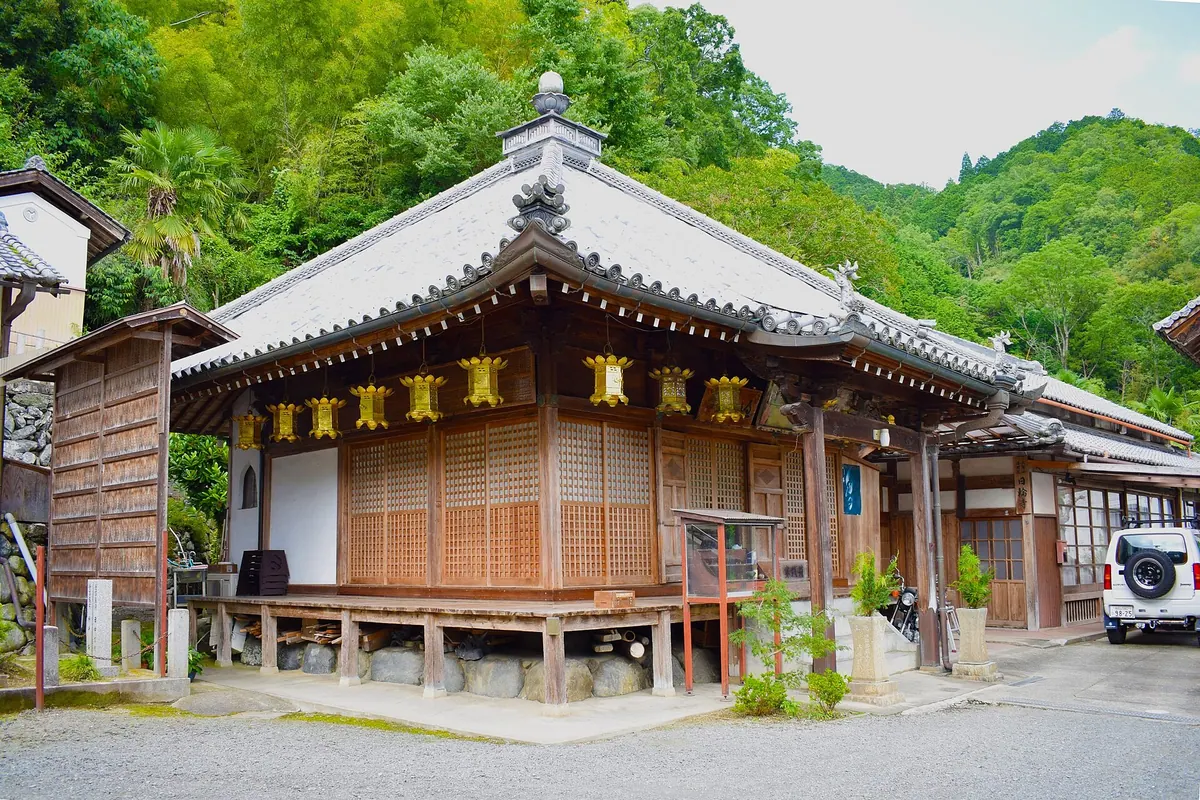
Nichirin-ji Temple is a historic Shingon Buddhist temple with a main hall and bell tower.
What it is
- Belongs to the Koyasan Shingon sect.
- Principal image is Dainichi Nyorai.
- Was the betto-ji of Kawane Niu Shrine.
- A stamp location for the Koyasan Nanaguchi Oshiincho.
What to see
- The main hall is on the temple grounds.
- A bell tower is on the temple grounds.
- The 4th Jizo of the Kyoto-Osaka Road is 130m away.
Getting there
- The Kyoto-Osaka Road passes in front of the gate.
- Kuroko-michi road is a 1-hour walk along the Niu River.
- Address
- 和歌山県伊都郡九度山町河根2 Map
15
Yōgen-ji Temple
WAKAYAMA · TEMPLE 養源寺
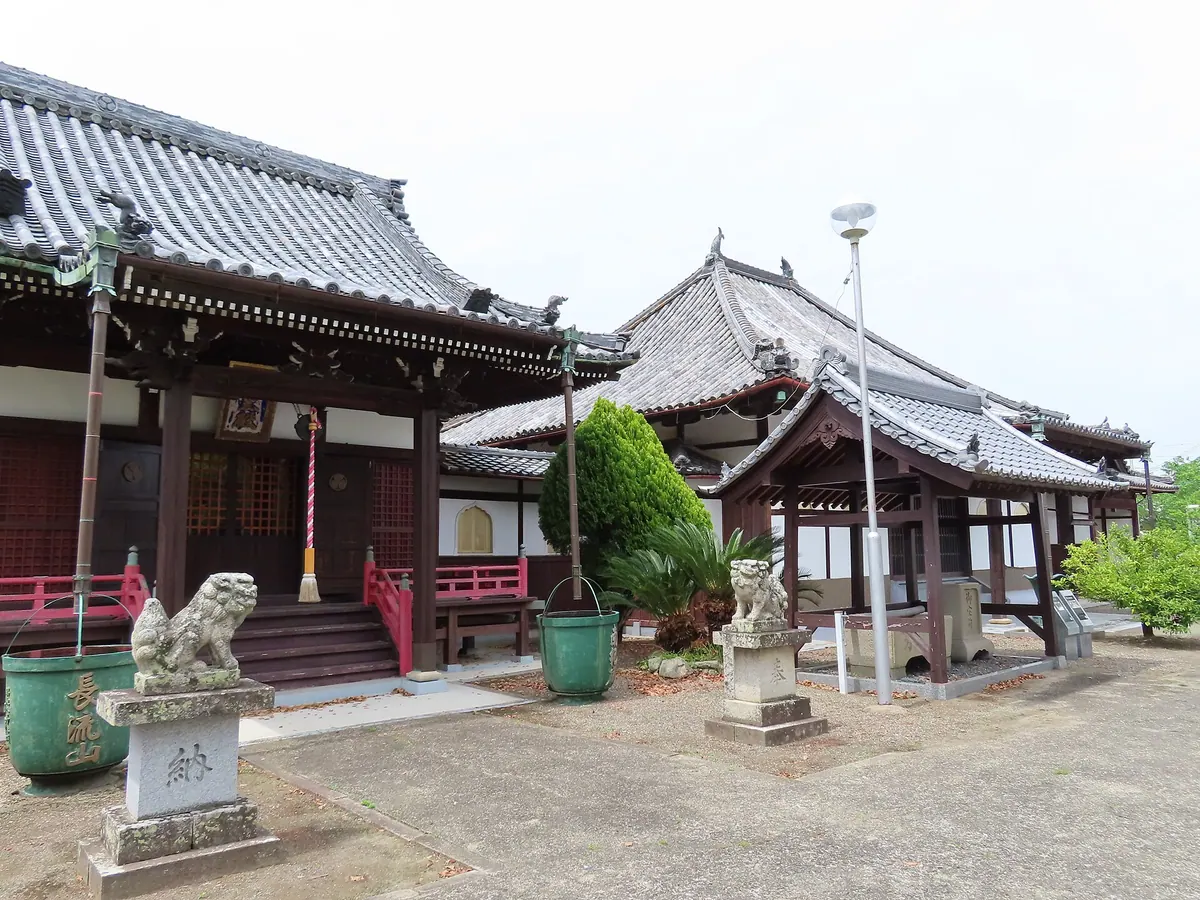
Yogen-ji is a historic Nichiren-shu temple with connections to the Tokugawa family.
What it is
- A Nichiren-shu temple in Hirogawa Town, Wakayama Prefecture.
- Its mountain name is Choryu-zan.
- Founded as Hokke-ji, it moved and changed its name to Yogen-ji.
- Relocated to Nakamachi in Hiromura.
What to see
- Image of Daikokuten with Nichiren's inscription.
- Temple buildings use timber from Yoshimune's wife's Edo mansion.
- Ansei Bunroku is a prefecturally designated cultural property.
- Shoin and Kuge Fuzoku Byobu are town-designated cultural properties.
- Address
- 和歌山県有田郡広川町大字広1465-1[1] Map
16
Seiganto-ji Temple
WAKAYAMA · TEMPLE 青岸渡寺
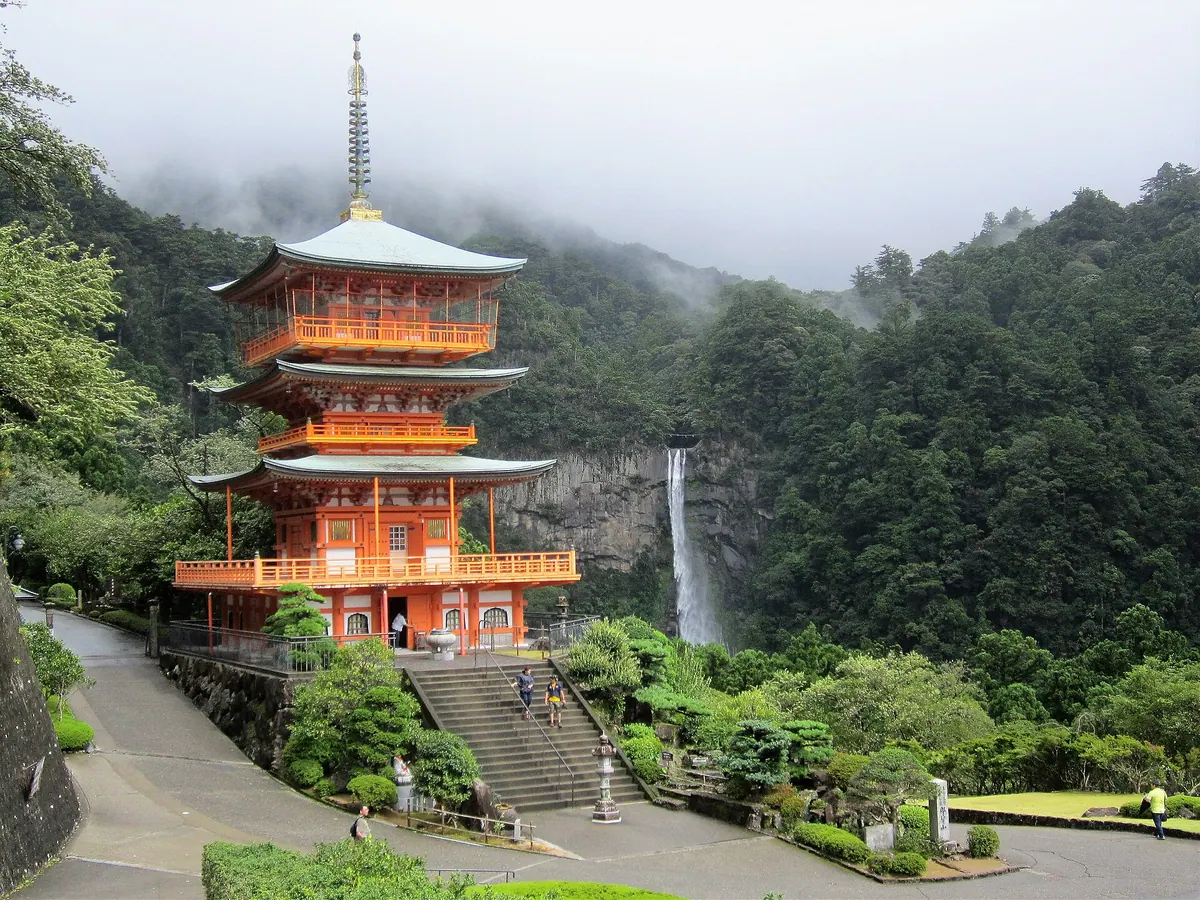
This temple, the first stop on a pilgrimage, houses the world's largest waniguchi slit gong.
What it is
- Tendai school Buddhist temple.
- Part of the Nachisan complex.
- First stop on the Saigoku Kannon Pilgrimage.
- Founded late sixth or early seventh century.
What to see
- Current hondo (main hall) dates from 1590.
- Sanmon (Mountain Gate) built in 1933.
- Sanmon has Nio guardian deities and komainu guardians.
- Three-storied pagoda rebuilt in 1972.
- World's largest waniguchi (slit gong) inside main hall.
- Gong is 1.4 meters across and weighs 450 kilograms.
- Address
- 和歌山県東牟婁郡那智勝浦町那智山8 Map
- Official site
- www.saikoku33.gr.jp
17
Nan-in Temple
WAKAYAMA · TEMPLE 南院
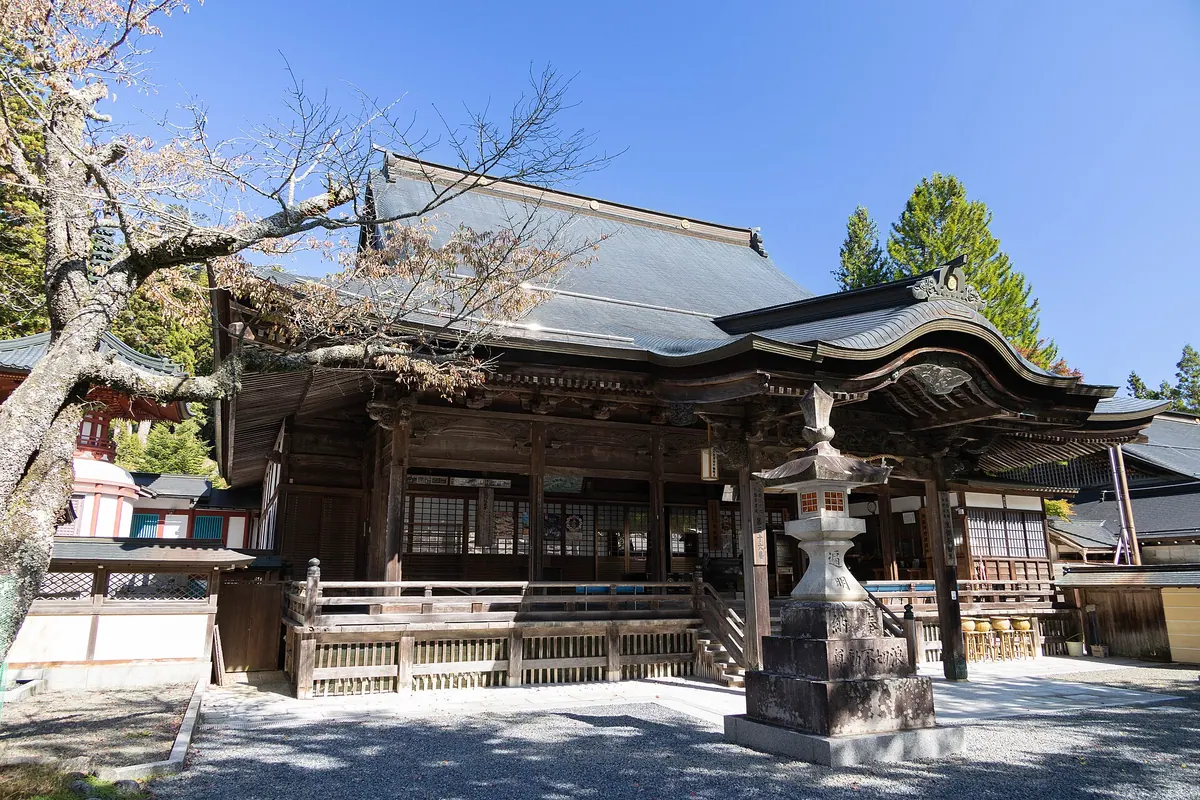
Nan-in Temple in Koyasan offers a glimpse into Buddhist art and history.
What it is
- A sub-temple and shukubo of Kongobuji Temple.
- Founded by Kojima Shinko Sozu.
- Principal image is Namikiri Fudo Myoo.
- Namikiri Fudo Myoo was carved by Kukai.
What to see
- Wooden standing statue of Fudo Myoo.
- Main hall ceiling painting by Takamine Yoshida.
- Stupa built in 1988.
- Buddha's relics from Sri Lanka.
- Tokugawa family mausoleum adjacent to grounds.
When to go
- Namikiri Fudo Myoo displayed annually on June 28.
- Address
- 和歌山県伊都郡高野町大字高野山680 Map
- Official site
- www.sea.sannet.ne.jp
18
Jōfuku-ji Temple
WAKAYAMA · TEMPLE 定福寺
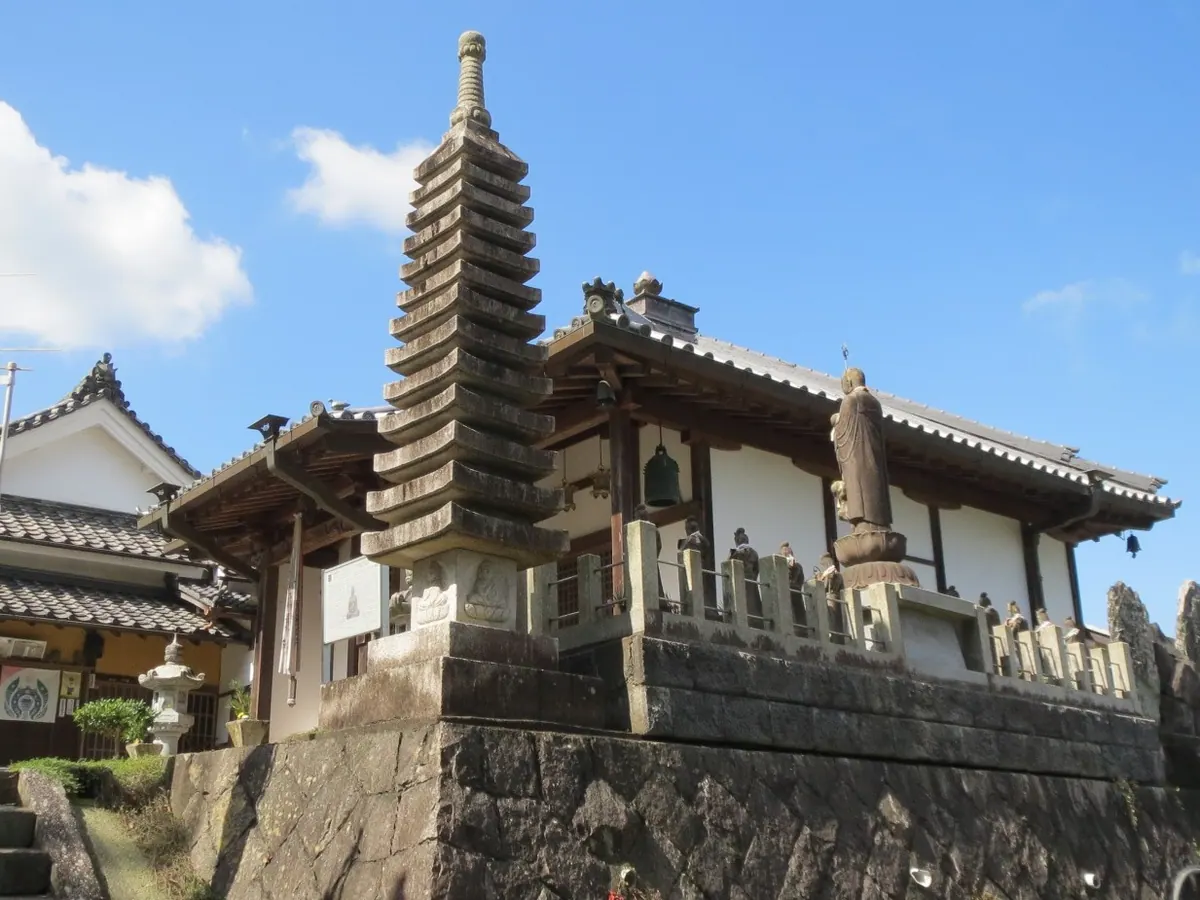
Jōfuku-ji Temple is a historic Kōyasan Shingon temple with important cultural properties.
What it is
- A Kōyasan Shingon sect temple.
- Founded in the Eiroku era.
- Main image is Amida Nyorai.
- A stamp location for the Kōya Nanaguchi Stamp Book.
What to see
- Wooden seated Amida Nyorai statue from mid-Heian period.
- Kuri is a Registered Tangible Cultural Property.
- Stone nine-story pagoda built in 1285.
- Hachiman Shrine is adjacent to the temple.
Getting there
- Kurokawa-michi pilgrimage route passes in front of the gate.
- Address
- 和歌山県橋本市賢堂285 Map
19
Rishōgokoku-ji Temple
WAKAYAMA · TEMPLE 利生護国寺
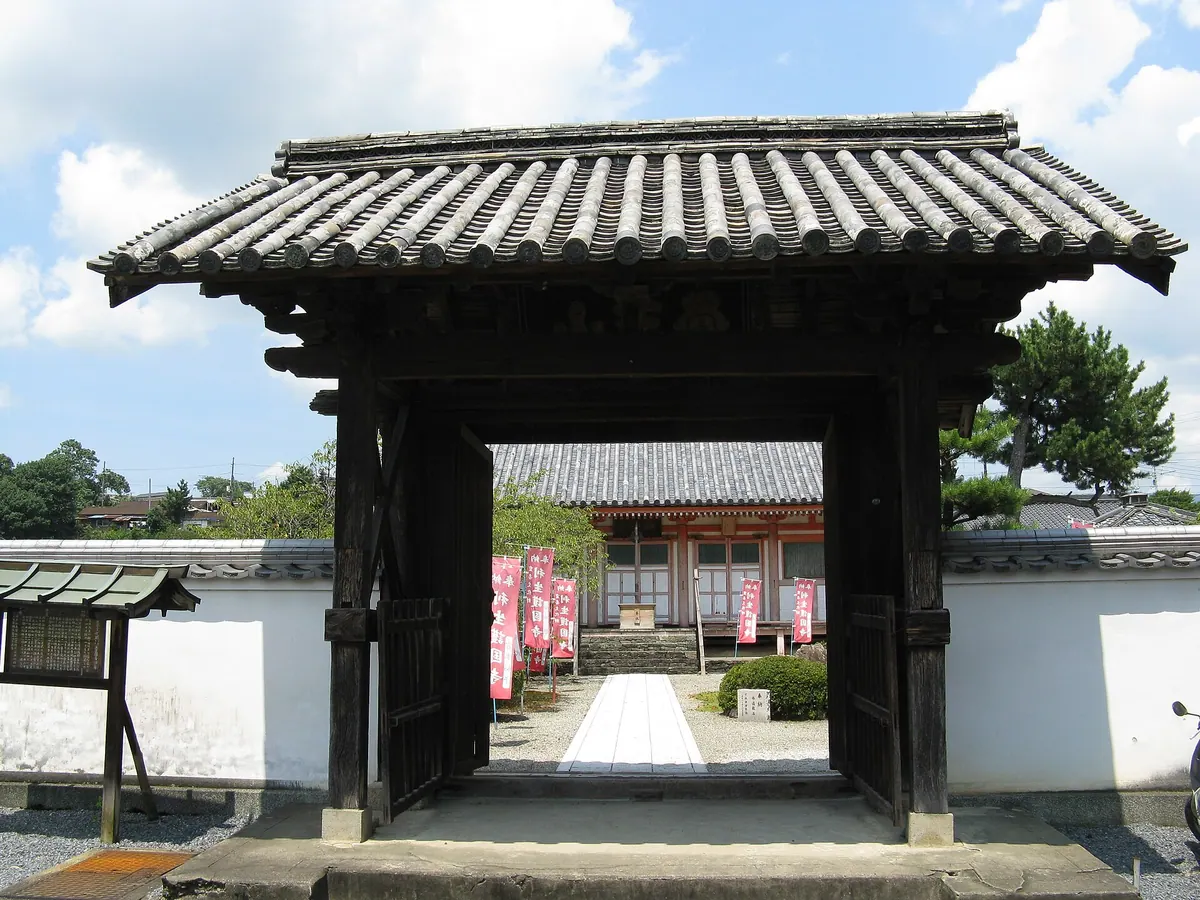
Rishōgokoku-ji is a historic Shingon Ritsu temple with important cultural properties.
What it is
- A Shingon Ritsu sect temple.
- Founded by Gyōki.
- Restored by Hōjō Tokiyori during the Kōan era.
What to see
- Main hall is a National Important Cultural Property.
- Temple gate is a Registered Tangible Cultural Property.
- Wooden seated statue of Dainichi Nyorai is enshrined.
- Statue is a Prefectural Cultural Property.
Getting there
- 5-minute walk from Shimo-Hyōgo Station.
- 5-minute drive from Hashimoto-higashi IC.
- Address
- 和歌山県橋本市隅田町下兵庫732 Map
20
Horikoshishakukannon Temple
WAKAYAMA · TEMPLE 堀越癪観音
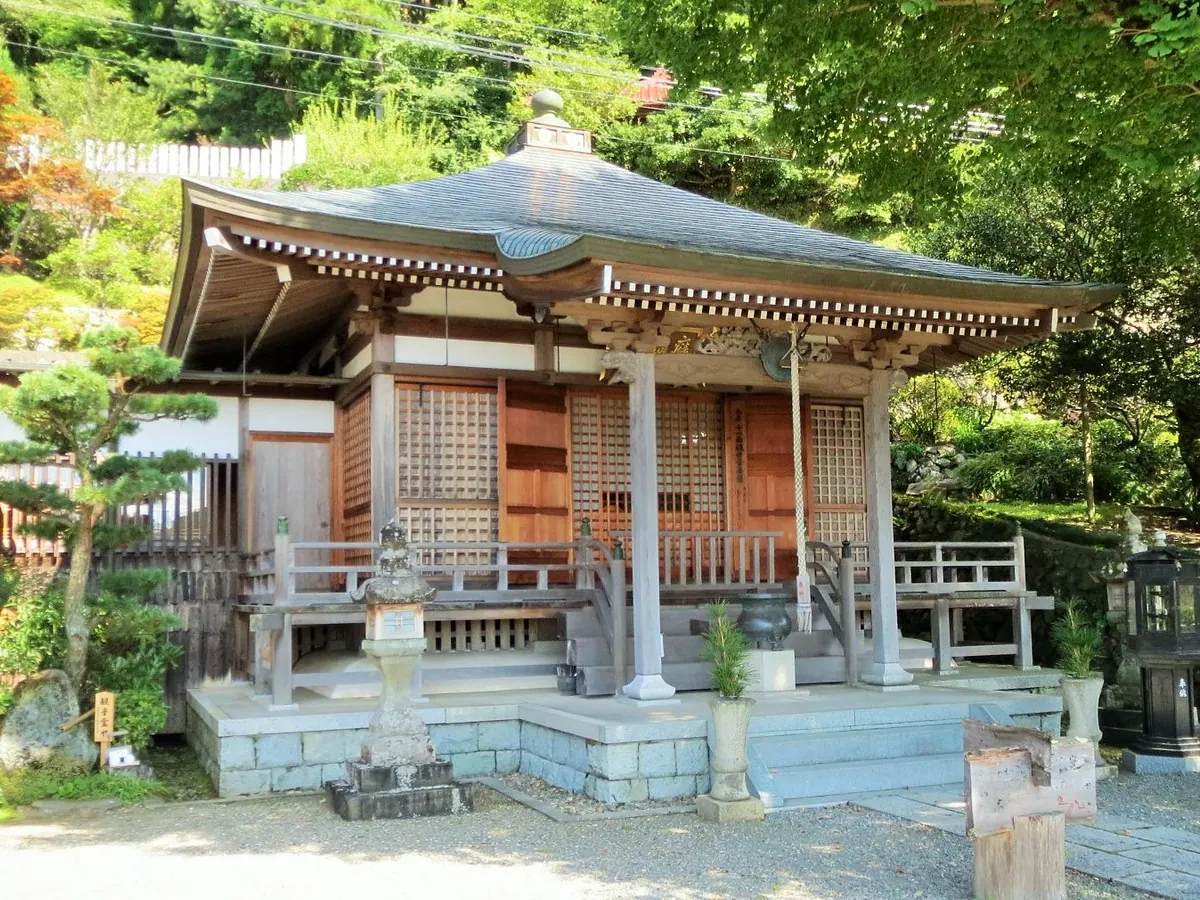
A mountain temple with a historic Kannon statue and a protected sago palm.
What it is
- A temple dedicated to an Eleven-faced Kannon.
- Founded in 671 by En no Gyōja.
- Rebuilt during the Keichō era (1595-1615).
- A hereditary temple of the Mukai family.
What to see
- Main hall at 605 meters altitude.
- Eleven-faced Kannon statue carved in 671.
- Kannon-do hall enshrines a statue of En no Ozunu.
- A Dainei-kyō box from 1701.
- A natural monument sago palm, over 200 years old.
- Sago palm has a trunk circumference of 1.45 meters.
- Address
- 和歌山県伊都郡かつらぎ町東谷1360 Map