

20 Shrines in Ehime worth your time
Japan Gems
Ehime Prefecture has 53 shrines, including Ikku Shrine and Mishima Shrine. These shrines offer a look into local spiritual traditions.
Ehime has 54 shrines on Japan Gems. Below are the 20 we can tell you the most about — each one written up in English from Japanese sources, with what to see and how to get there. See all shrines in Ehime.
01
Oyamazumi Shrine
EHIME · SHRINE 大山祇神社
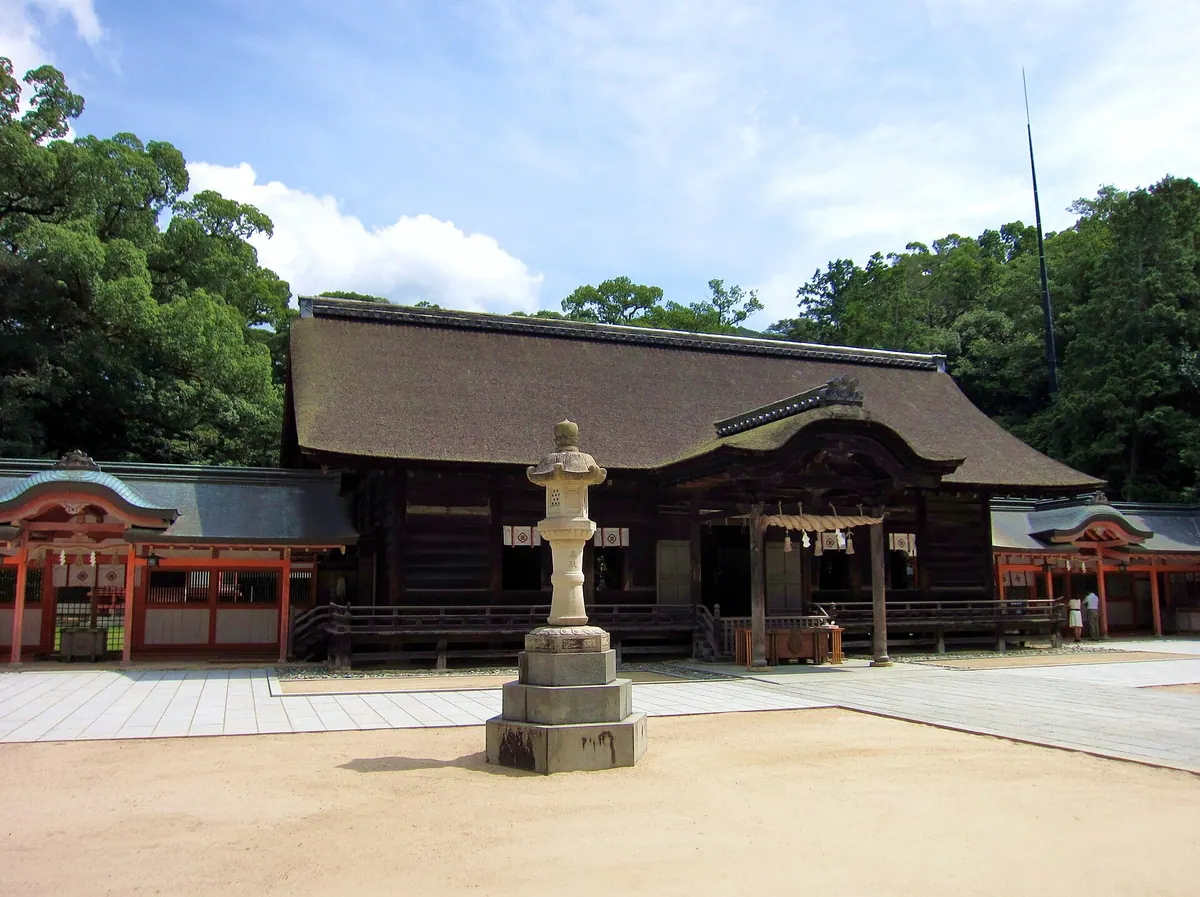
A historic island shrine housing forty percent of Japan's national treasure armor and ancient camphor trees on the Shimanami Kaido.
What it is
- The head shrine for all Oyamazumi shrines throughout Japan.
- Dedicated to the god of mountains and seas at the foot of Mount Washigato.
- Historically known as the Ichinomiya or first shrine of Iyo Province.
- Located on Omishima Island within the scenic Shimanami Kaido route.
What to see
- A massive collection of samurai armor including forty percent of Japan's national treasures.
- The main hall and worship hall designated as National Important Cultural Properties.
- Thirty-eight camphor trees on the grounds designated as national natural monuments.
- An ancient camphor tree traditionally said to be two thousand six hundred years old.
- The Omishima Maritime Museum located directly on the shrine premises.
- The current main hall which was rebuilt in the year fourteen twenty-seven.
- Official site
- oomishimagu.jp
02
Kashima Shrine
EHIME · SHRINE 鹿島神社
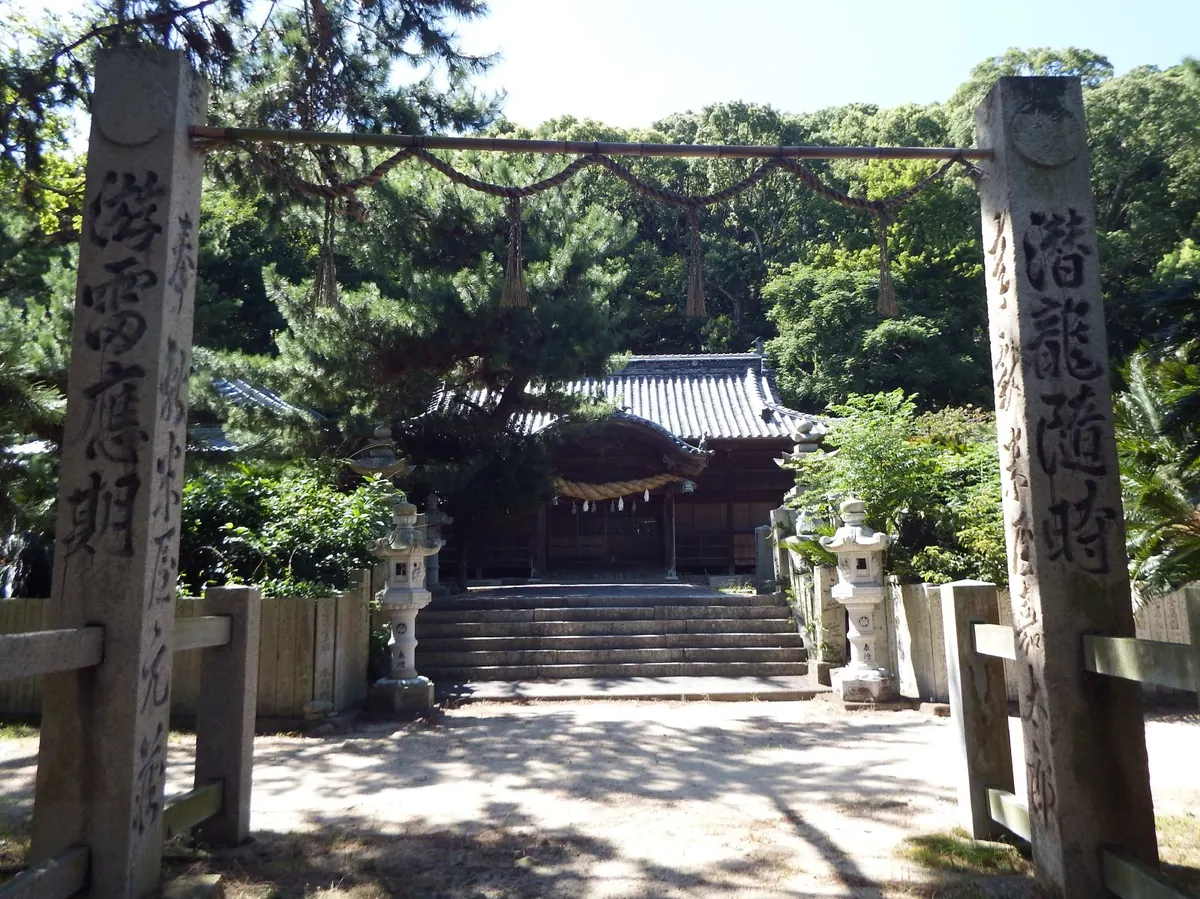
Kashima Shrine is a historic site dedicated to powerful deities, offering unique cultural insights.
What it is
- Empress Jingu enshrined Take Mikazuchi no Kami and Futsunushi no Kami.
- It prayed for victory and safety during military campaigns.
- Matsudaira Okimasa offered first fruits annually since 1858.
- Kotoshironushi no Kami was enshrined together in 1911.
What to see
- The main deities are Takemikazuchi no Mikoto, Futsunushi no Kami, and Kotoshironushi no Kami.
- It has a large white stone torii gate.
- The grounds include a worship hall, offering hall, and main sanctuary.
- Ryujin Shrine was moved to the main shrine in 1955.
- Kanameishi stone protects the area from earthquakes.
When to go
- Kashima no Kaineri is an Ehime Prefecture Intangible Folk Cultural Property.
- Address
- 愛媛県松山市北条辻1595 Map
03
Kamo Shrine
EHIME · SHRINE 嘉母神社
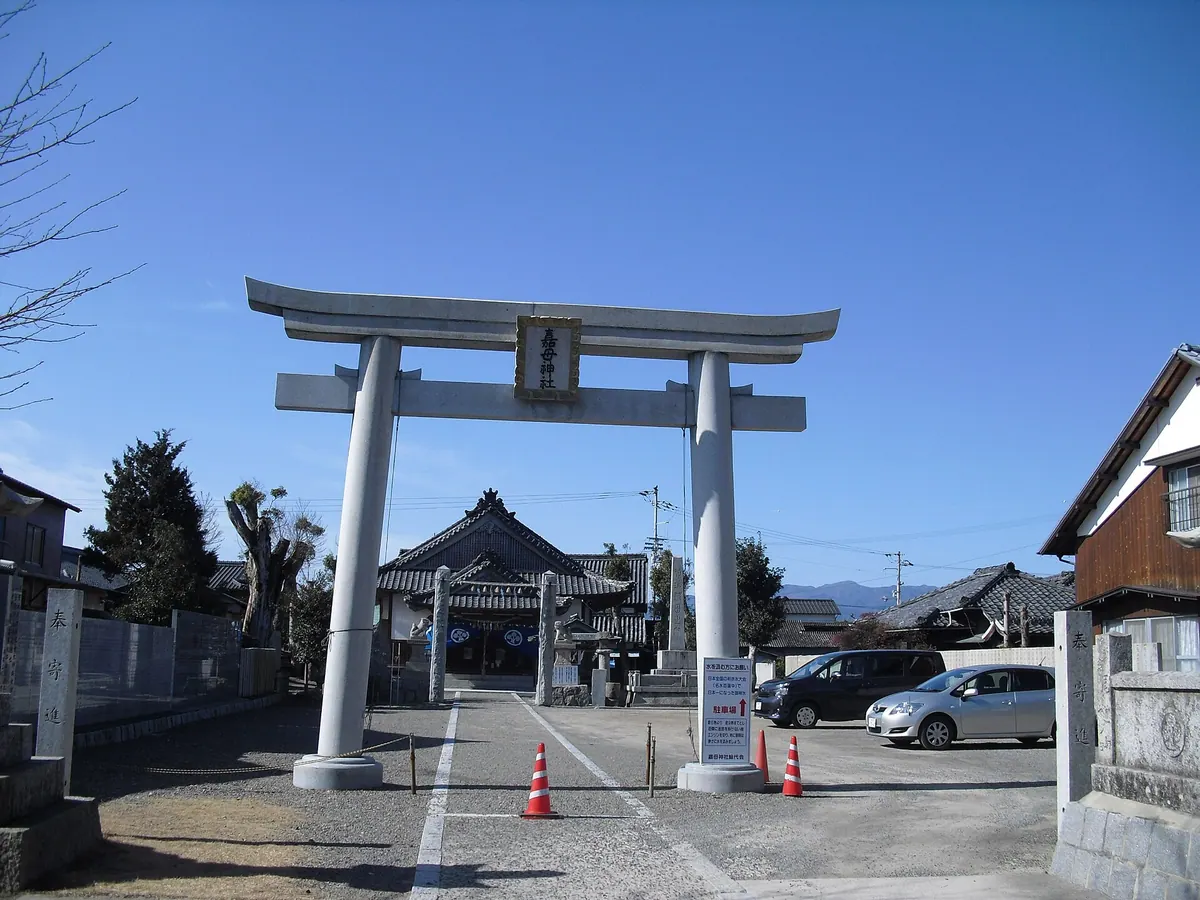
Kamo Shrine, founded in 1782, offers unique hand-washing water and historical artifacts.
What it is
- Founded in 1782.
- Established as the tutelary deity of the Zuizu area.
- Enshrines Ukanomitama-no-mikoto and Uke-mochi-no-kami.
- Also enshrines Takeuchi Ryūzaemon, founder of Zuizu Shinden.
What to see
- Hand-washing water from Kamo River's spring water.
- Water designated as one of Japan's 100 best waters in 1996.
- Stone steps with handrails from Mt. Ishizuchi's old third chain.
- Subsidiary Hakone Shrine enshrines Ninigi-no-mikoto and Konohanasakuya-hime-no-mikoto.
When to go
- Annual festival held on the day before and two days before Health and Sports Day.
- Six children's taikodai are dedicated by parishioners during the festival.
- Address
- 愛媛県西条市禎瑞645 Map
04
Ide Shrine
EHIME · SHRINE 井手神社
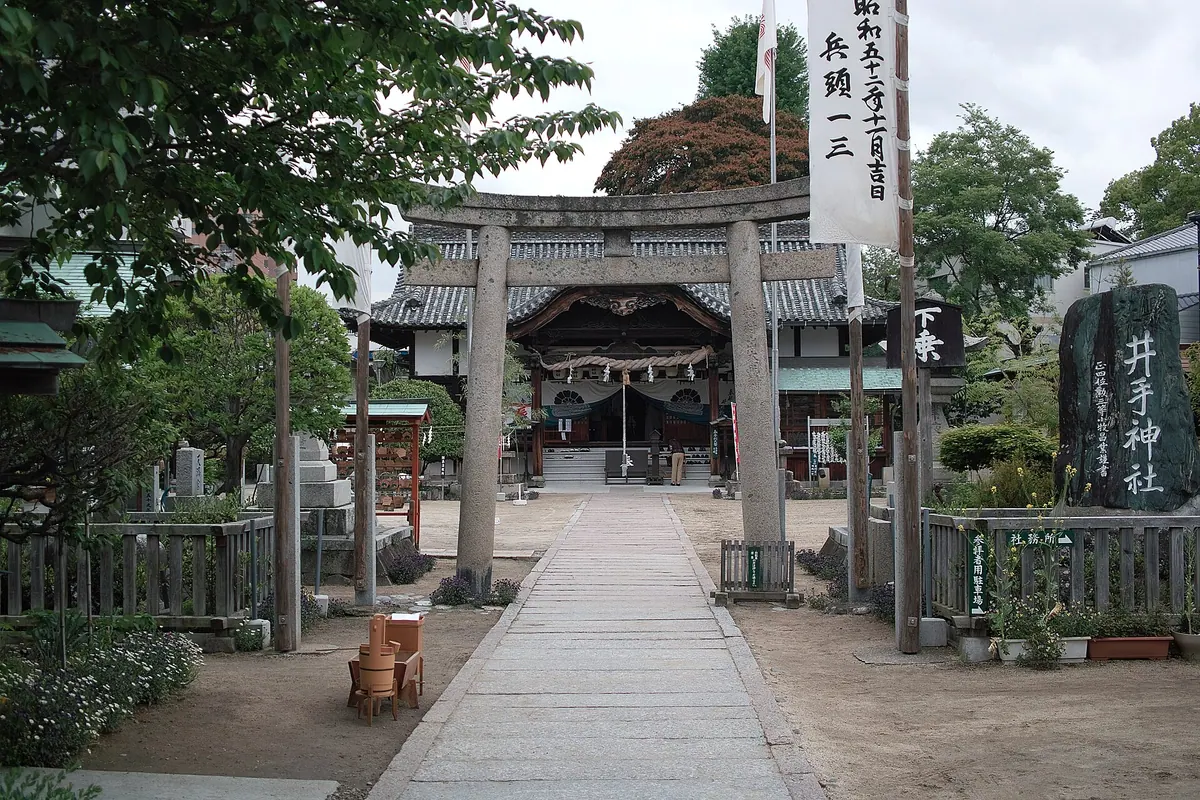
Ide Shrine is a historic Matsuyama shrine with unique deities and a summer festival.
What it is
- A Shinto shrine in Matsuyama City, Ehime Prefecture.
- Enshrines Oyamatsumi-no-kami and Konohanasakuya-hime-no-kami.
- Also enshrines Tachibana no Moroe, Kiyotomo, and Kachiko.
- Relocated to its current site during the Keicho era.
What to see
- Shrine crest is Yamabuki-mizu.
- Several auxiliary shrines are on the grounds.
- Statues and memorial mounds are present.
- A Nippon Tachibana tree is a city natural monument.
When to go
- Tenjin Festival is held on July 24th and 25th.
- Tenjin Festival is a major Matsuyama summer event.
Getting there
- 3-minute walk from Iyotetsu Bus Kawaramachi stop.
- Address
- 愛媛県松山市北立花町2-4 Map
05
Tsunashiki Tenman Shrine
EHIME · SHRINE 綱敷天満神社
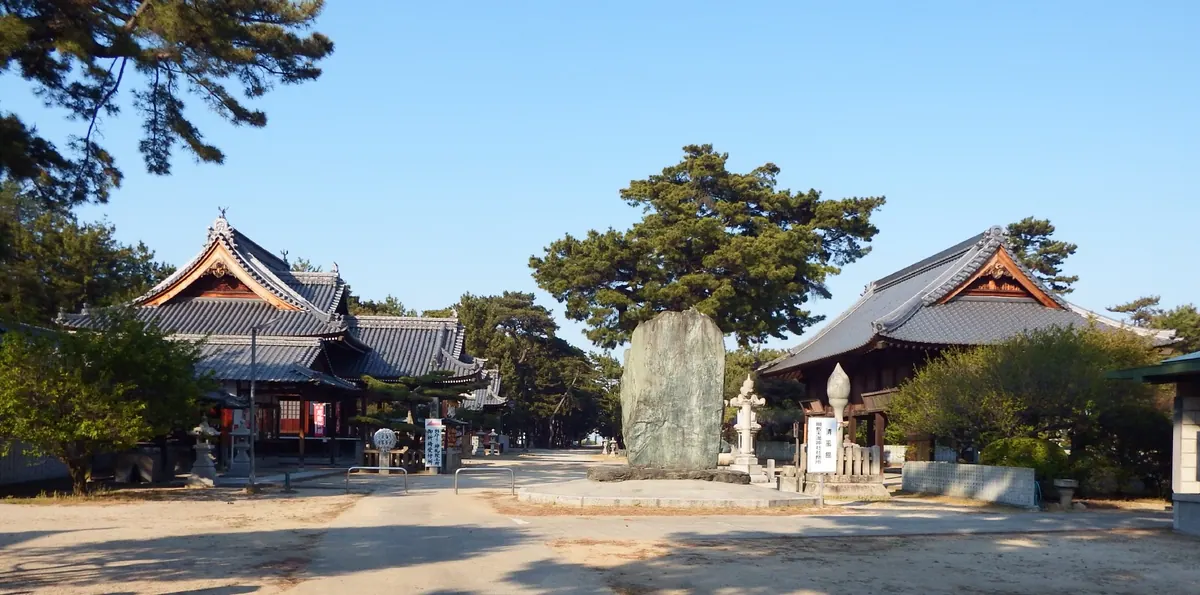
Historic shrine dedicated to Sugawara no Michizane, offering scenic views and unique architecture.
What it is
- Shrine founded in 1720 by Matsudaira Sadafusa.
- Dedicated to the scholar Sugawara no Michizane.
- Name comes from using a fishing net as a mat.
- Michizane carved his image on a rudder handle here.
What to see
- Four stone torii gates mark the entrance.
- Main hall and a worship hall are central.
- Ema hall and a brush mound are on the grounds.
- Plum grove offers seasonal beauty.
- Shijima-ga-hara is a national scenic spot.
- View Hiuchi-nada from Shijima-ga-hara.
Getting there
- 1.1km northeast of Iyo-Sakurai Station.
- Accessible from the JR Yosan Line.
- Address
- 愛媛県今治市桜井6丁目2-1 Map
06
Isaniwa Shrine
EHIME · SHRINE 伊佐爾波神社
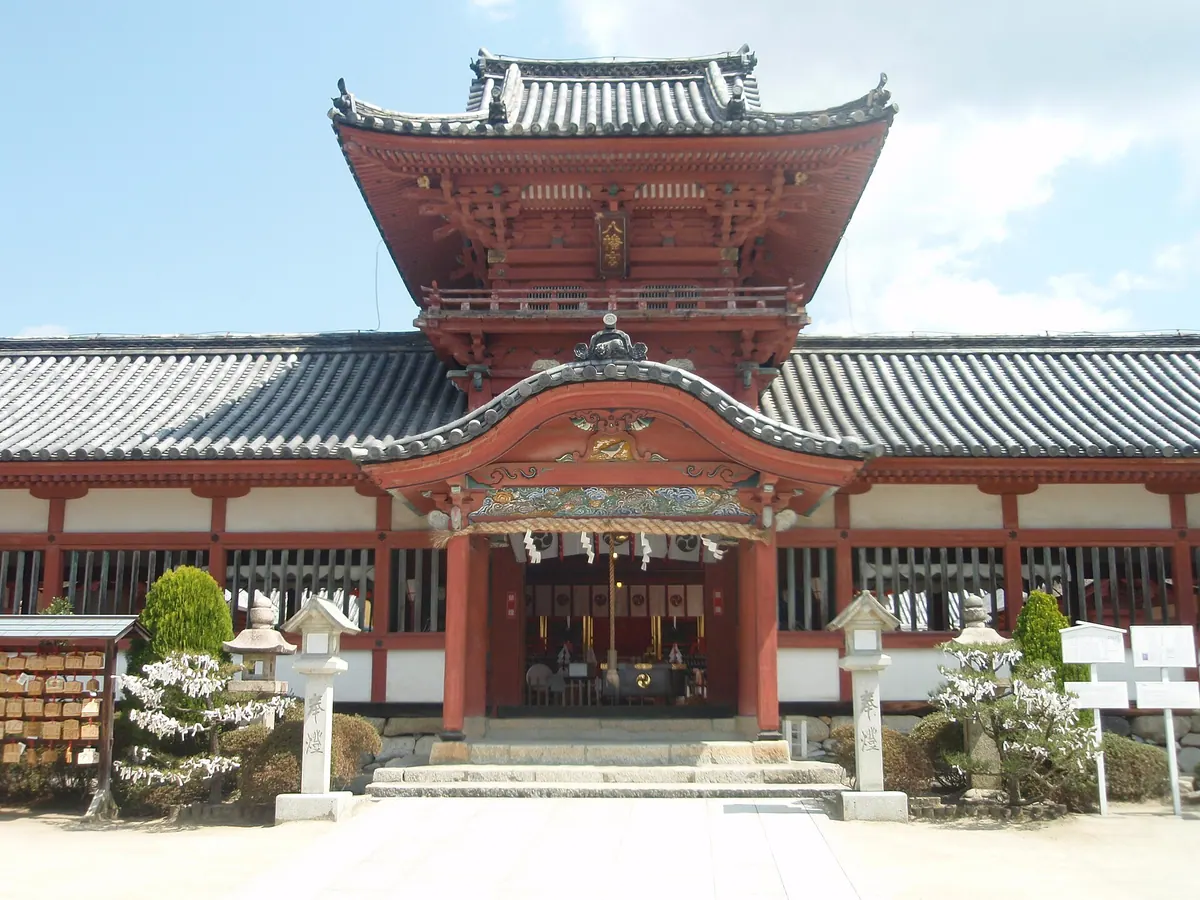
Isaniwa Shrine is a rare Hachiman-zukuri style shrine near Dogo Onsen, worth visiting for its architecture.
What it is
- A Shinto shrine dedicated to Hachiman Okami and Munakata Sanjoshin.
- Also known as Yuzuki Hachiman and Dogo Hachiman.
- Current building constructed in 1667 by Matsudaira Sadanao.
- Listed in the ancient Engishiki Jinmyocho records.
What to see
- The Hachiman-zukuri style building, one of three in Japan.
- Main hall, gate, and corridors are Important Cultural Properties.
- The entire shrine building is a National Important Cultural Property.
- A tachi sword, inscribed Kuniyuki, is an Important Cultural Property.
Getting there
- Located near Dogo Onsen.
- Address
- 愛媛県松山市桜谷町173番地 Map
- Official site
- isaniwa.official.jp
07
Iyo Inari Shrine
EHIME · SHRINE 伊豫稲荷神社
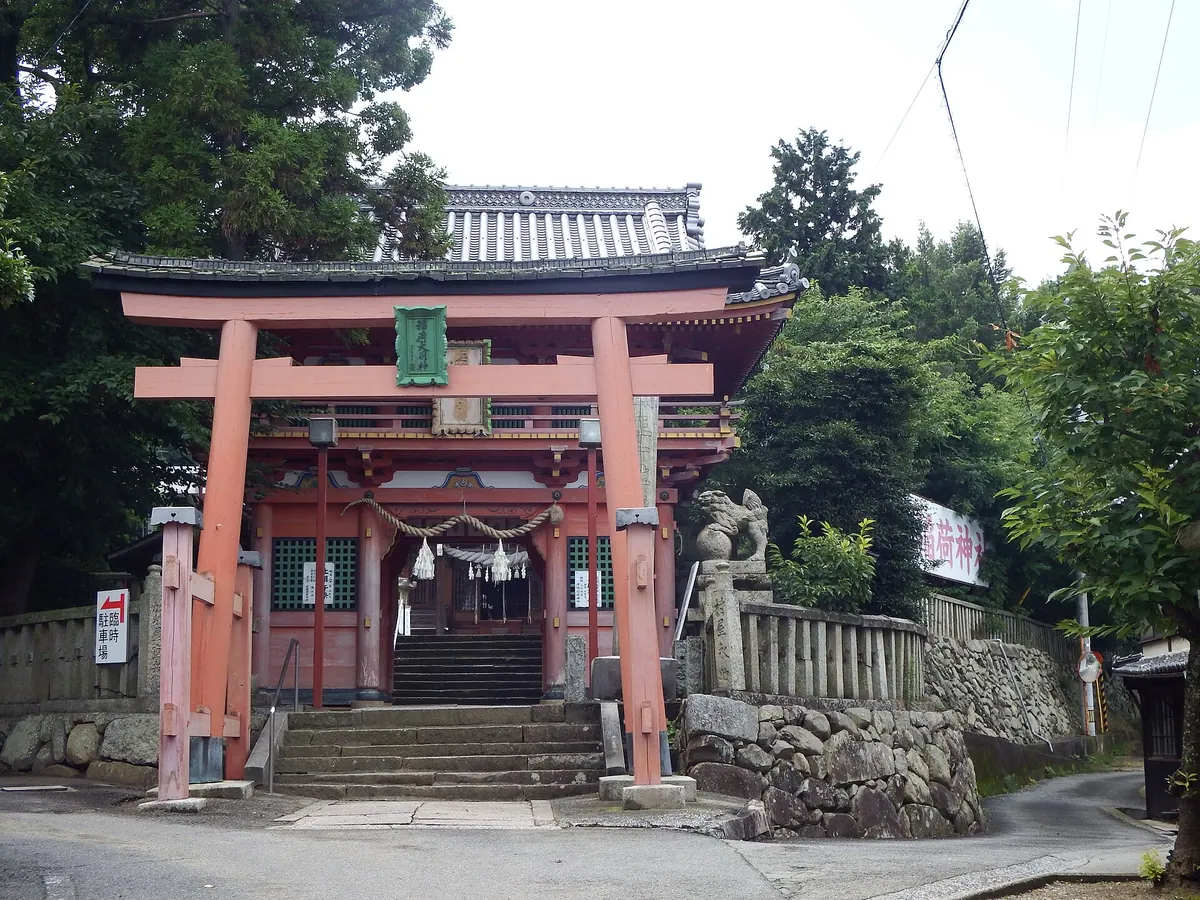
Visit Iyo Inari Shrine for its historical significance and beautiful gate.
What it is
- Shrine dedicated to Ukanomitama-no-Okami.
- Also enshrines Ebisu-shin, a God of Fortune.
- Received a分霊 from Fushimi Inari Taisha in early 9th century.
- Became a prayer place for local domains in 17th century.
What to see
- The Romon gate, built in 1662, is a cultural property.
- The current main shrine building was rebuilt in 1989.
When to go
- Temporary buses operate for New Year's visits.
Getting there
- About 2 kilometers from Iyo-shi Station.
- Temporary buses from Matsuyama-shi Station for New Year's.
- Address
- 愛媛県伊予市稲荷1230 Map
08
Takaoshihime Shrine
EHIME · SHRINE 高忍日賣神社
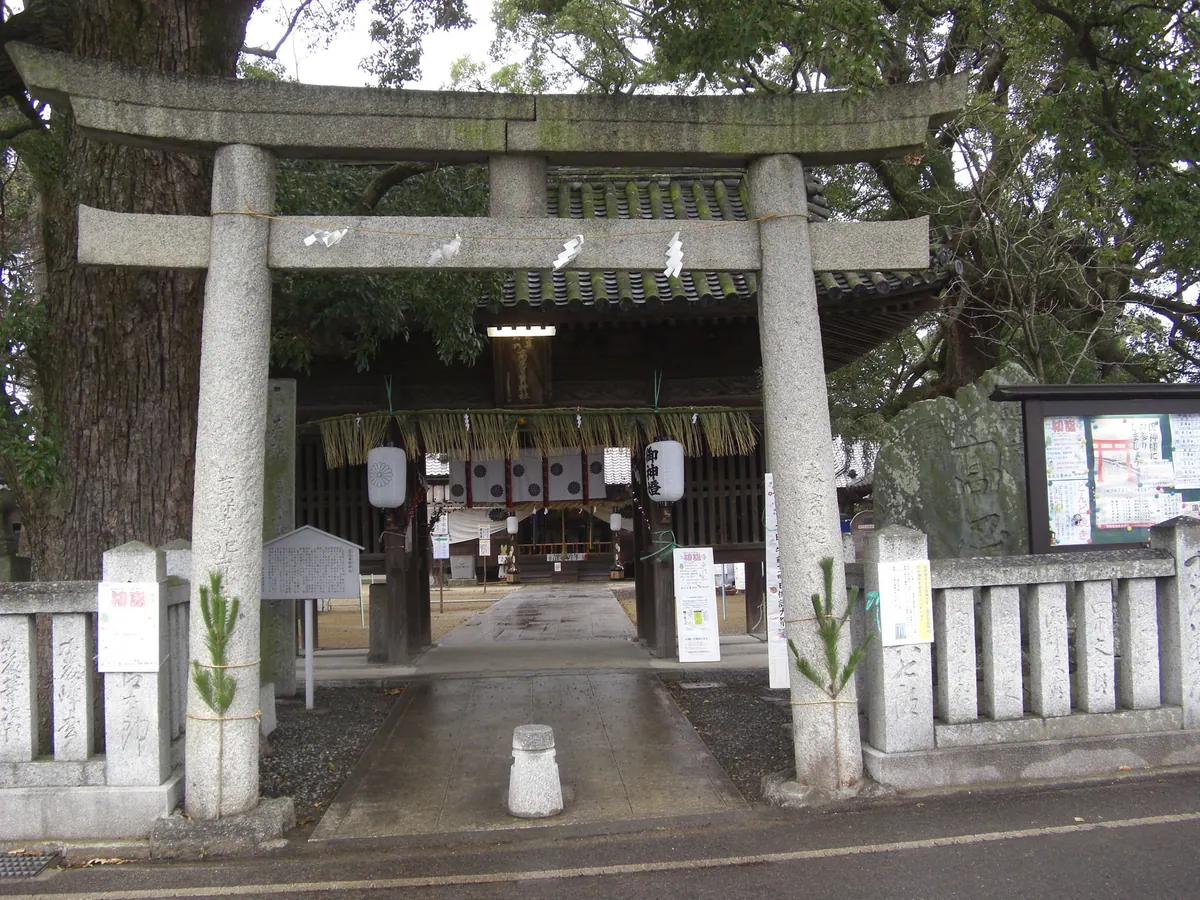
Visit this unique shrine dedicated to midwives and mothers, revered for its ancient imperial connections.
What it is
- Only shrine in Japan dedicated to Takaoshihime Okami.
- Takaoshihime Okami is ancestral deity of midwives and wet nurses.
- Revered by the Imperial Family in ancient times.
- Listed in the Engishiki Jinmyocho.
What to see
- Monument to mothers, children, and midwives.
- Shrine uses 'sixteen-petal chrysanthemum' and 'five-seven paulownia' crests.
- Unique myths about the birth of Emperor Jimmu's father.
When to go
- Annual event held on March 8th.
- Annual festival held on October 13th, 14th, and 15th.
- Address
- 愛媛県伊予郡松前町大字徳丸387番地 Map
09
Tōdai Shrine
EHIME · SHRINE 東臺神社
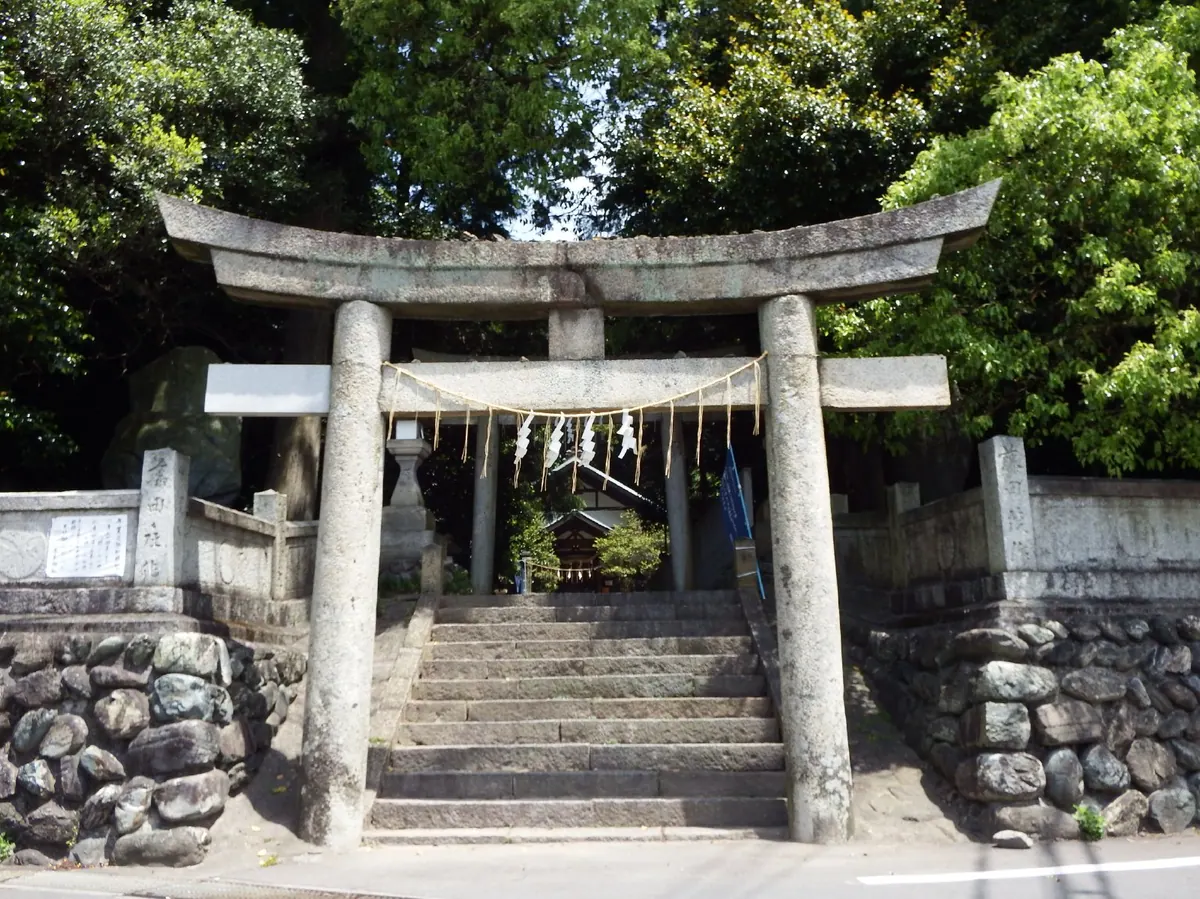
Tōdai Shrine: ancient camphor tree, unique stone komainu, and local festivals.
What it is
- Dedicated to Kukuri-hime-no-mikoto, Hayatama-no-mikoto, and Kotosaka-no-mikoto.
- Former shrine rank was village shrine.
- Shrine crest is the sixteen-petal chrysanthemum.
What to see
- Komainu are Niihama City designated stone art.
- Camphor tree is over 1,000 years old.
- Cypress and oak trees are over 300 years old.
When to go
- Summer festival includes a children's sumo tournament.
- Participates in the Niihama Taiko Festival.
Getting there
- Near the Niihama Interchange.
- Address
- 愛媛県新居浜市東田3丁目甲1229番地 Map
10
Isono Shrine
EHIME · SHRINE 伊曽乃神社
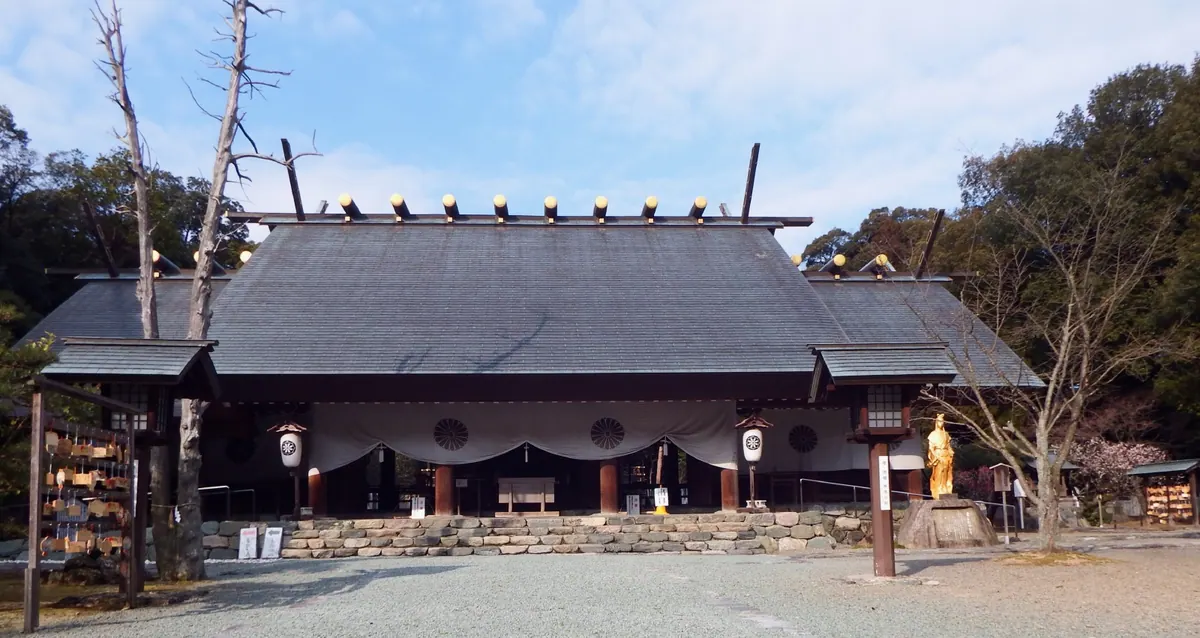
Isono Shrine is a historic Shikinaisha shrine, rebuilt in 1606, known for its autumn festival.
What it is
- A Shikinaisha shrine in Saijo City, Ehime Prefecture.
- Dedicated to Amaterasu Omikami's Aramitama and Takekunikoribetsunomikoto.
- Formerly called Isonomiya, rebuilt in 1606 after being burned.
- The shrine's crest is a 'Goshoguruma' (imperial carriage).
What to see
- The main hall, built in 1940.
- A 700-year-old camphor tree.
- The 'Yoshu Nii Keizu', an Important Cultural Property.
When to go
- The Isono Shrine Grand Festival is on October 15th and 16th.
- Known for the Saijo Festival.
- Address
- 愛媛県西条市中野甲1649 Map
11
Anumi Shrine
EHIME · SHRINE 阿沼美神社
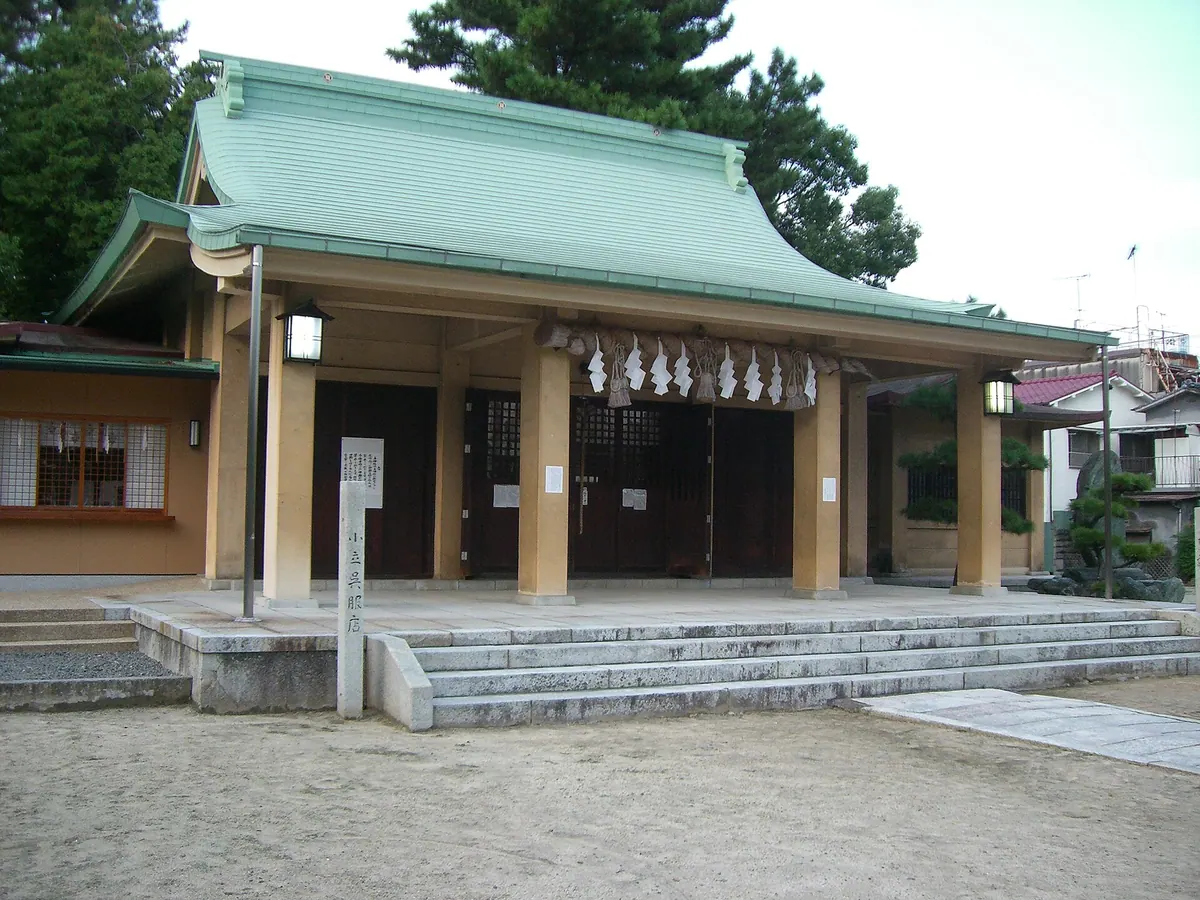
Visit Anumi Shrine, an ancient site with two candidate locations, to experience local history.
What it is
- Ancient shrine listed in the Engishiki Jinmyocho.
- Two candidate shrines exist in Misakemachi and Hiratamachi.
- Misakemachi shrine founded in 664 by Ochi Morioki.
What to see
- Misakemachi shrine's main hall rebuilt in 1957.
- Misakemachi enshrines Oyamatsumi-no-mikoto and other kami.
- Hiratamachi enshrines Oyamatsumi-no-mikoto and other kami.
Getting there
- Misakemachi shrine: 5-minute walk from Furumachi Station.
- Hiratamachi shrine: 20-minute walk from Iyowake Station.
- Address
- 愛媛県松山市味酒町3-1-1 Map
12
Asahi Hachiman Shrine
EHIME · SHRINE 朝日八幡神社
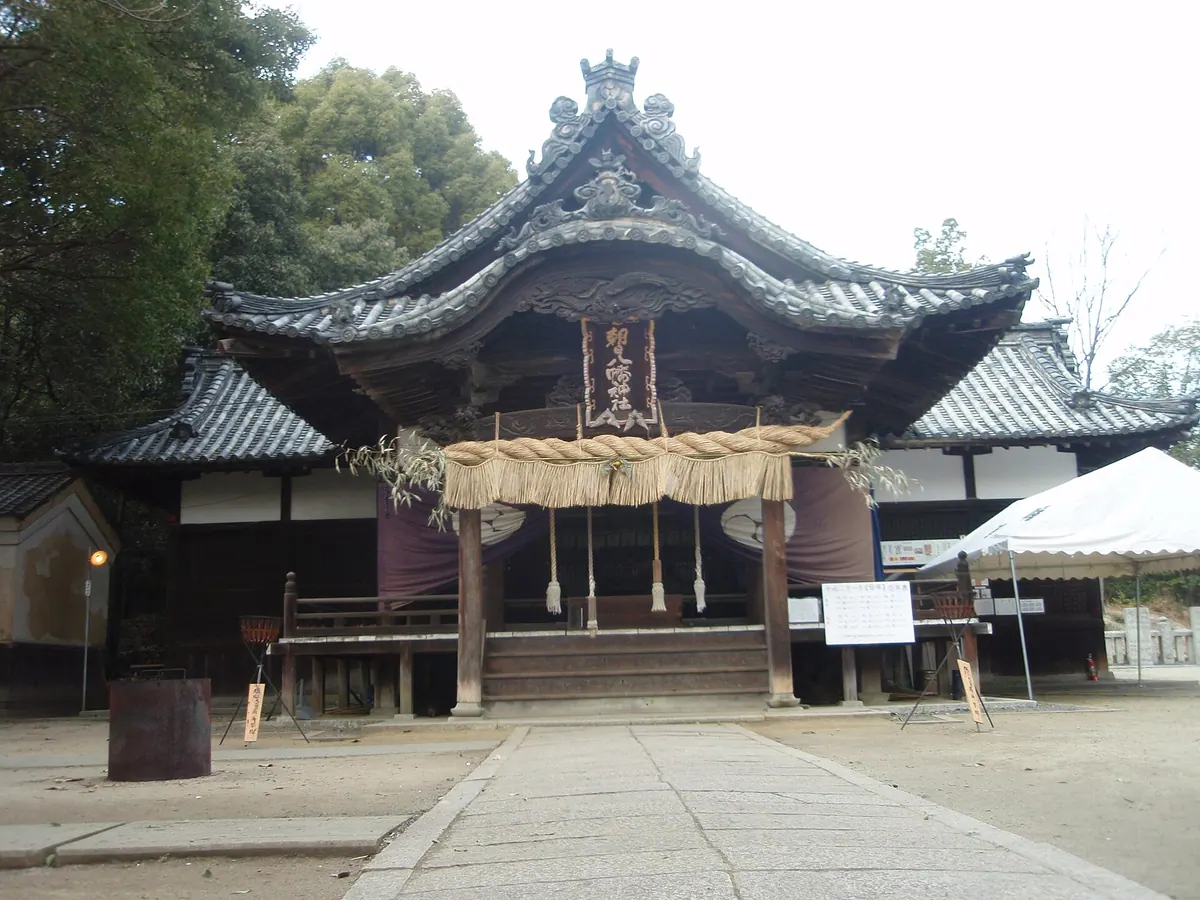
Ancient shrine in Matsuyama City, rebuilt multiple times, with a main festival on October 6th.
What it is
- Founded during Empress Jito's reign (686-697).
- Originally called Numito Myojin.
- Enshrines Hondawake-no-mikoto and Okinagatarashihime-no-mikoto.
- Renamed Asahi Hachiman Shrine in 1870.
What to see
- Shrine crest is Hidari Mitsudomoe.
- Current shrine building constructed in 1889.
- Ancient tumulus located behind the main hall.
When to go
- Main festival is held on October 6th.
Getting there
- 20-minute walk from Matsuyama Station.
- Address
- 愛媛県松山市南江戸5-12-1 Map
13
Uchinomiya Shrine
EHIME · SHRINE 内宮神社
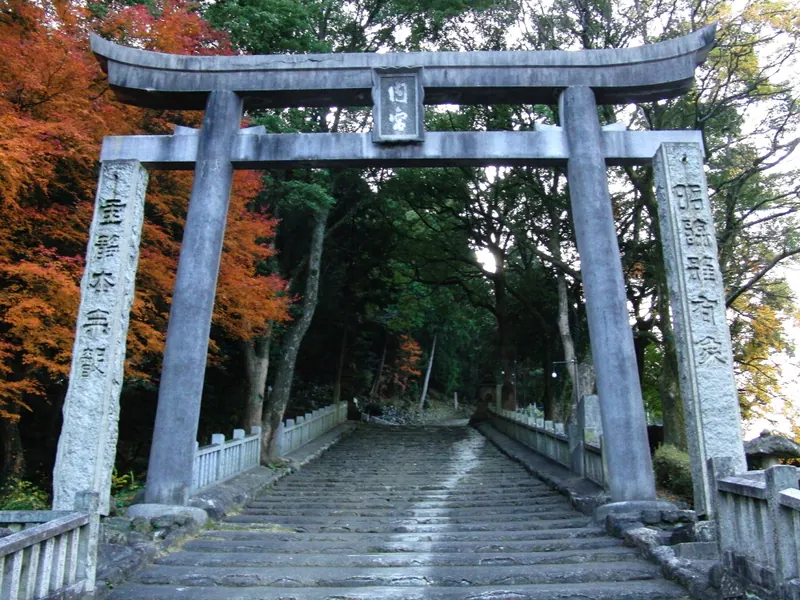
Uchinomiya Shrine, founded in 706, offers a glimpse into ancient Japanese worship and vibrant autumn festivals.
What it is
- A Shinto shrine in Niihama City, Ehime Prefecture.
- Formal name is Uchinomiya Teisho Kōtaijingu.
- Dedicated to the deity Amaterasu Ōmikami.
- Founded in the year 706.
What to see
- The main hall and the worship hall.
- The shrine's crest is a Goshoguruma.
When to go
- Annual festival on October 16th, 17th, and 18th.
- Festival features a taikodai stone staircase ascent ritual.
- Festival concludes with a mikoshi procession and taikodai send-off.
- Address
- 愛媛県新居浜市山根町 Map
14
Iyooka Hachiman Shrine
EHIME · SHRINE 伊豫岡八幡神社
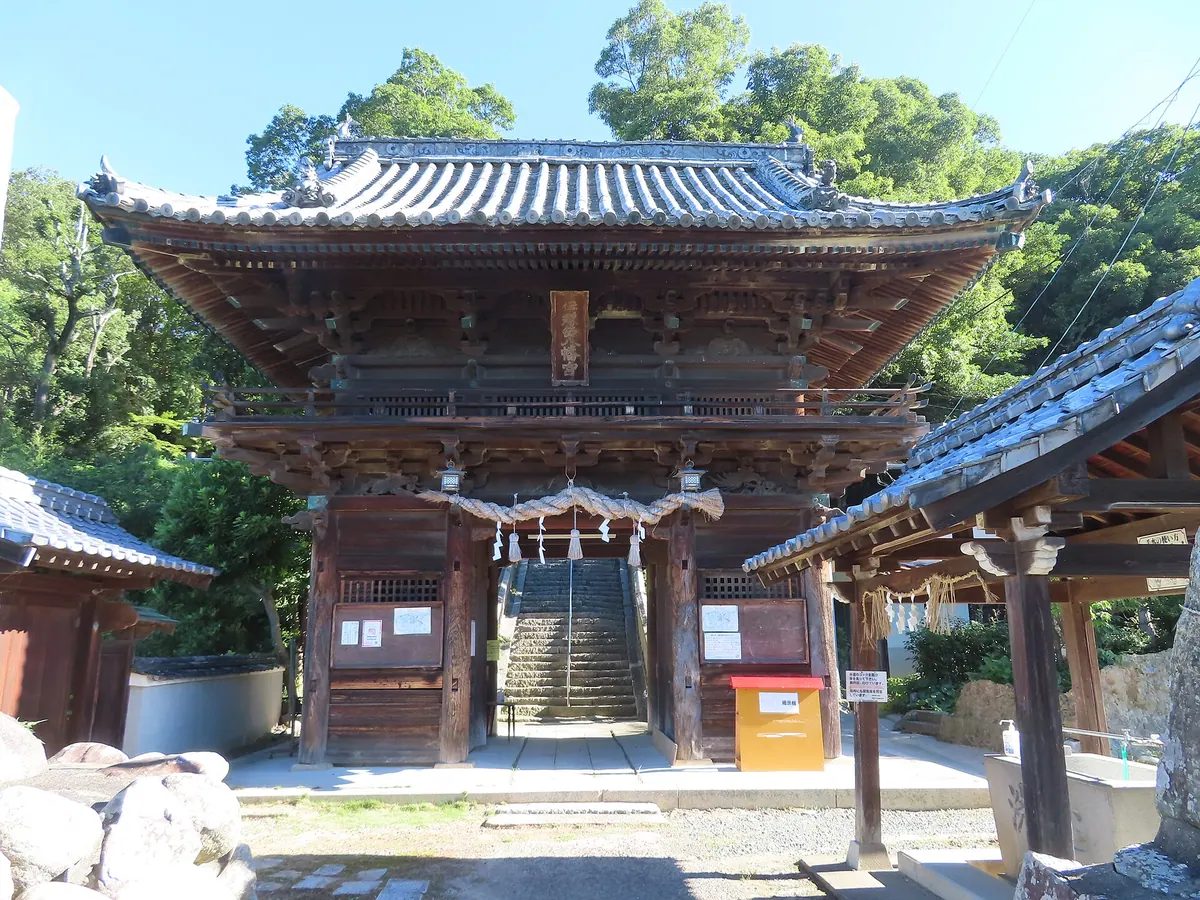
Ancient Hachiman shrine with historic buildings, once a domain lord's prayer place.
What it is
- Enshrines Hachiman deities.
- Founded in the year 859.
- Was a prayer place for the Ozu domain lord.
- A branch shrine of Iwashimizu Hachimangu.
What to see
- Main hall in an old architectural style.
- Worship hall built in 1694.
- Two-storied gate built in 1849.
- Votive picture horse, a cultural property.
When to go
- Annual festival on October 14th and 15th.
Getting there
- 17-minute walk from Iyo City Station.
- Address
- 愛媛県伊予市上吾川508番地 Map
15
Hakusan Shrine
EHIME · SHRINE 白山神社
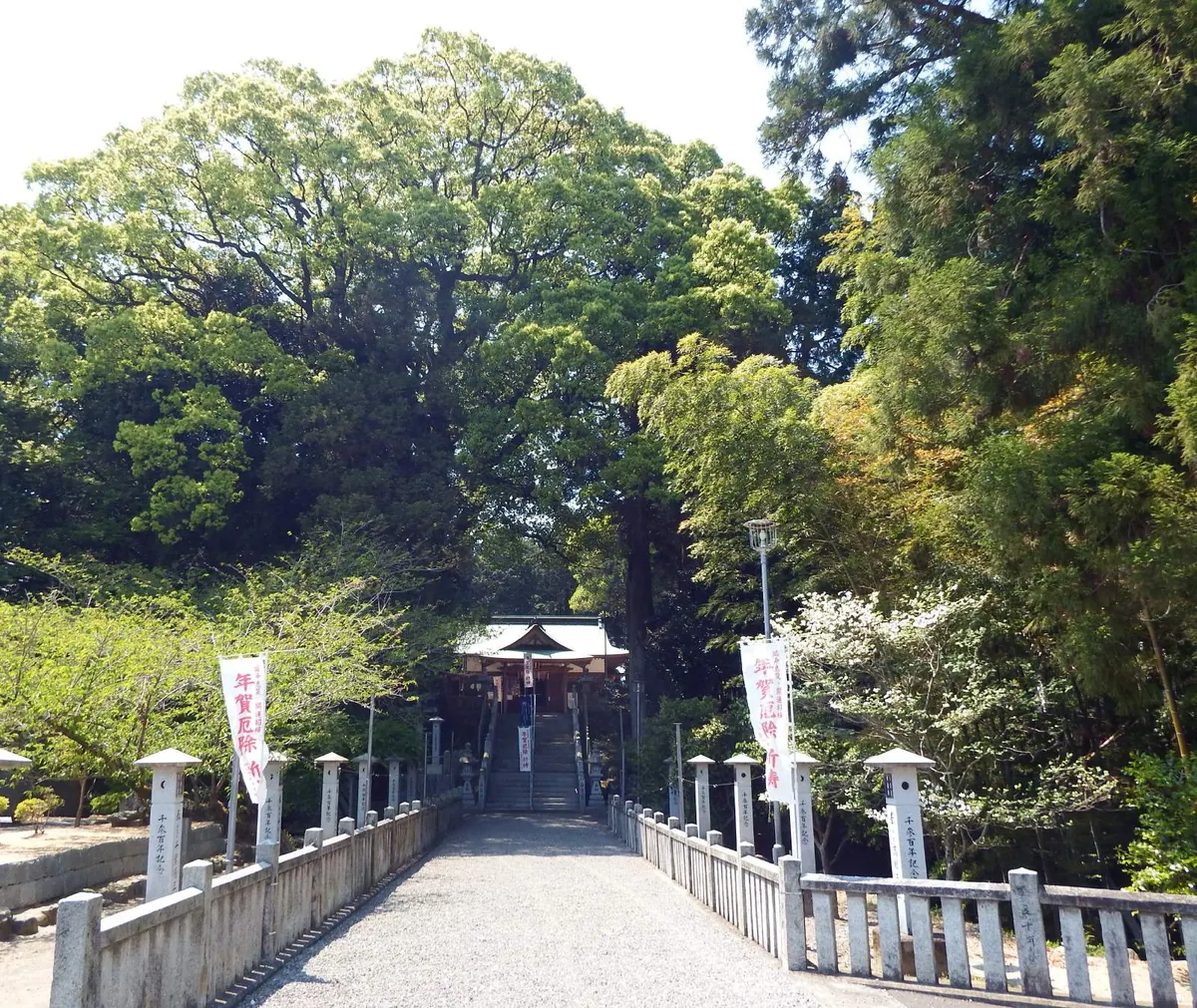
Hakusan Shrine is a historic site in Niihama with a sacred tree and unique festival floats.
What it is
- A shrine in Niihama City, Ehime Prefecture.
- Enshrines Izanagi-no-Mikoto, Izanami-no-Mikoto, and Kikuri-hime-no-Mikoto.
- Founded in 697 by En-no-Ozunu.
- Known as Hakusan Daigongen before the Meiji Restoration.
What to see
- The main hall, renovated in 1997.
- A sacred camphor tree, 30 meters tall.
- The camphor tree has a trunk circumference of 6 meters.
When to go
- See three Taikodai floats carried up to the main hall.
- Address
- 愛媛県新居浜市中村2丁目10−10 Map
16
Yu Shrine
EHIME · SHRINE 湯神社
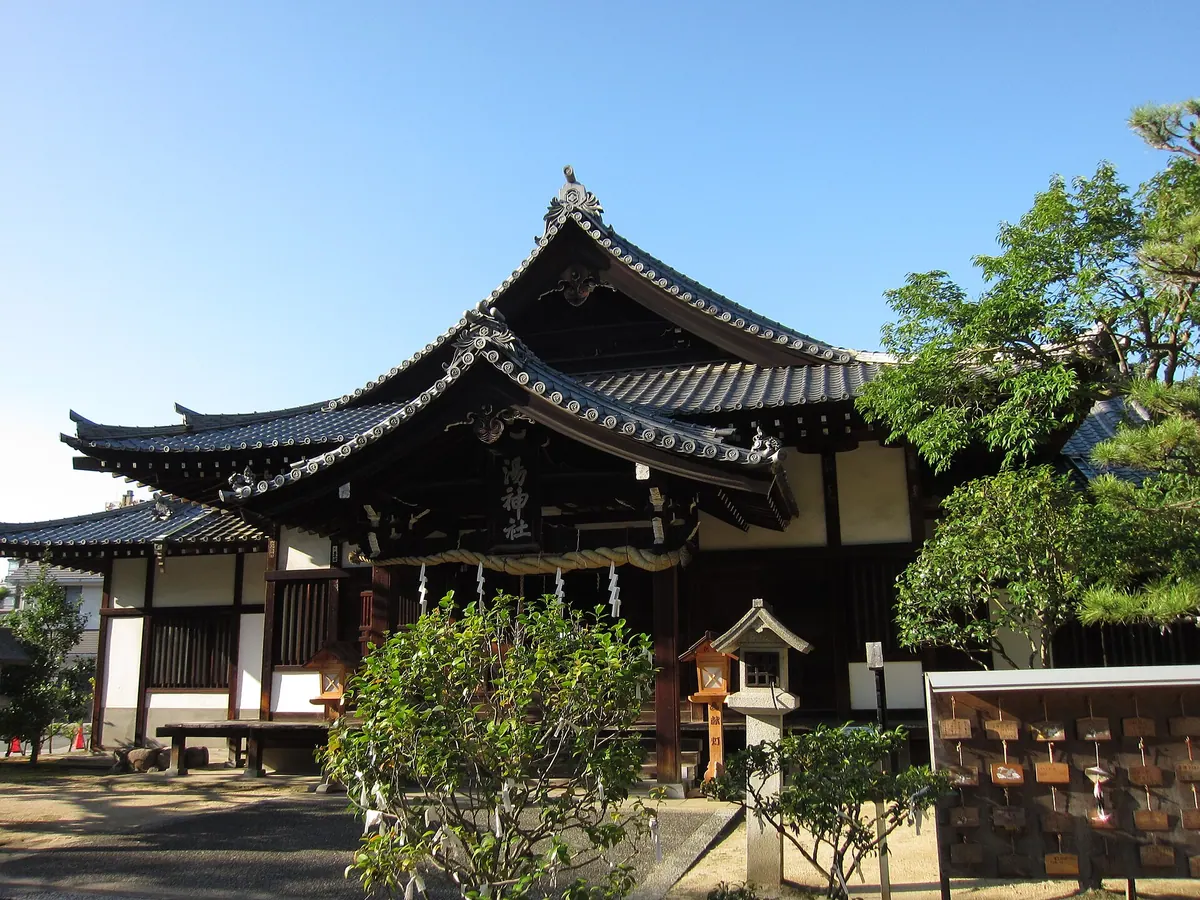
Yu Shrine, a historic Shikinaisha shrine near Dogo Onsen, enshrines four deities and offers a cultural visit.
What it is
- A Shikinaisha shrine on Mt. Kanmuri in Matsuyama City.
- Also called Yuzuki Daimyojin and Shisha Daimyojin.
- Named after Dogo Onsen, located nearby.
- Enshrines Onamuchi-no-mikoto and Sukunabikona-no-mikoto.
What to see
- The shrine's crest: a tortoise shell with a floral hishi pattern.
- Izumunooka Shrine enshrined in its ai-dono (sub-shrine).
Getting there
- Located on the summit of Mt. Kanmuri.
- Near Dogo Onsen.
- Address
- 愛媛県松山市道後湯之町4-10 Map
- Official site
- yu-jinja.official.jp
17
Ikku Shrine
EHIME · SHRINE 一宮神社
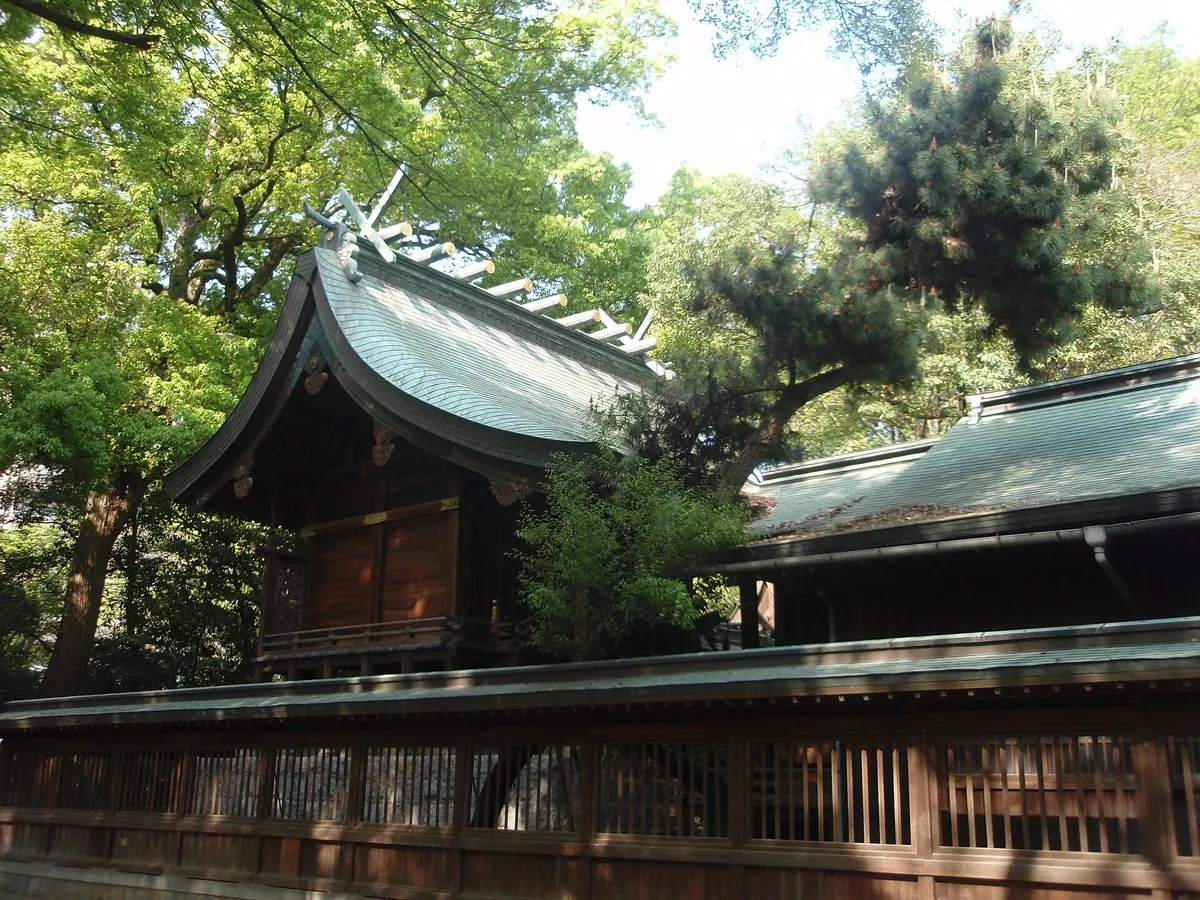
Ikku Shrine, an ancient shrine in Niihama, offers a glimpse into history and nature.
What it is
- Ancient shrine, revered as the Ichinomiya of Niigun.
- Main deities: Oyamatsumi, Oikazuchi, and Takaokami.
- Oikazuchi and Takaokami invited from Omishima in 709.
- Destroyed in 1585, rebuilt in 1620 by the Mori clan.
What to see
- Camphor tree grove, a national natural monument.
- Current main hall, built in 1705.
- Newly built worship hall, completed in 2017.
When to go
- Niihama Taiko Festival held every autumn.
- Address
- 愛媛県新居浜市一宮町1丁目3-1 Map
18
Kakuma Shrine
EHIME · SHRINE 還熊八幡神社
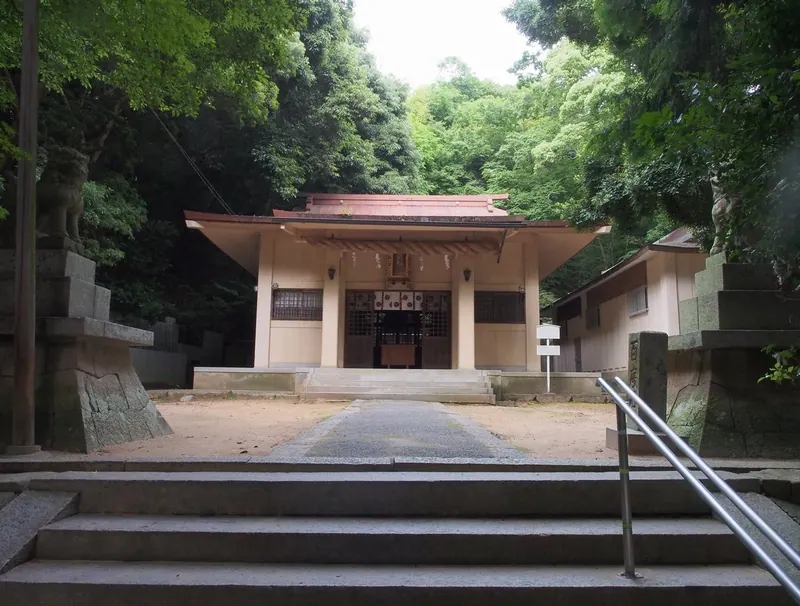
Ancient shrine with a unique festival, rebuilt after a fire, and easily accessible by tram.
What it is
- Established between 859 and 877.
- Dedicated to Homudawake-no-mikoto and Okinagatarashihime-no-mikoto.
- Also enshrines Kanayamahiko-no-mikoto.
- Rebuilt and moved to current location in 1601.
What to see
- The shrine's crest is a left-facing triple tomoe.
When to go
- October 7th for a festival with clashing portable shrines.
Getting there
- 15-minute walk from Kiyamachi tram stop.
- Address
- 愛媛県松山市山越3-3-2 Map
19
Izumo-Taisha-Matsuyama-bunshi
EHIME · SHRINE 出雲大社松山分祠
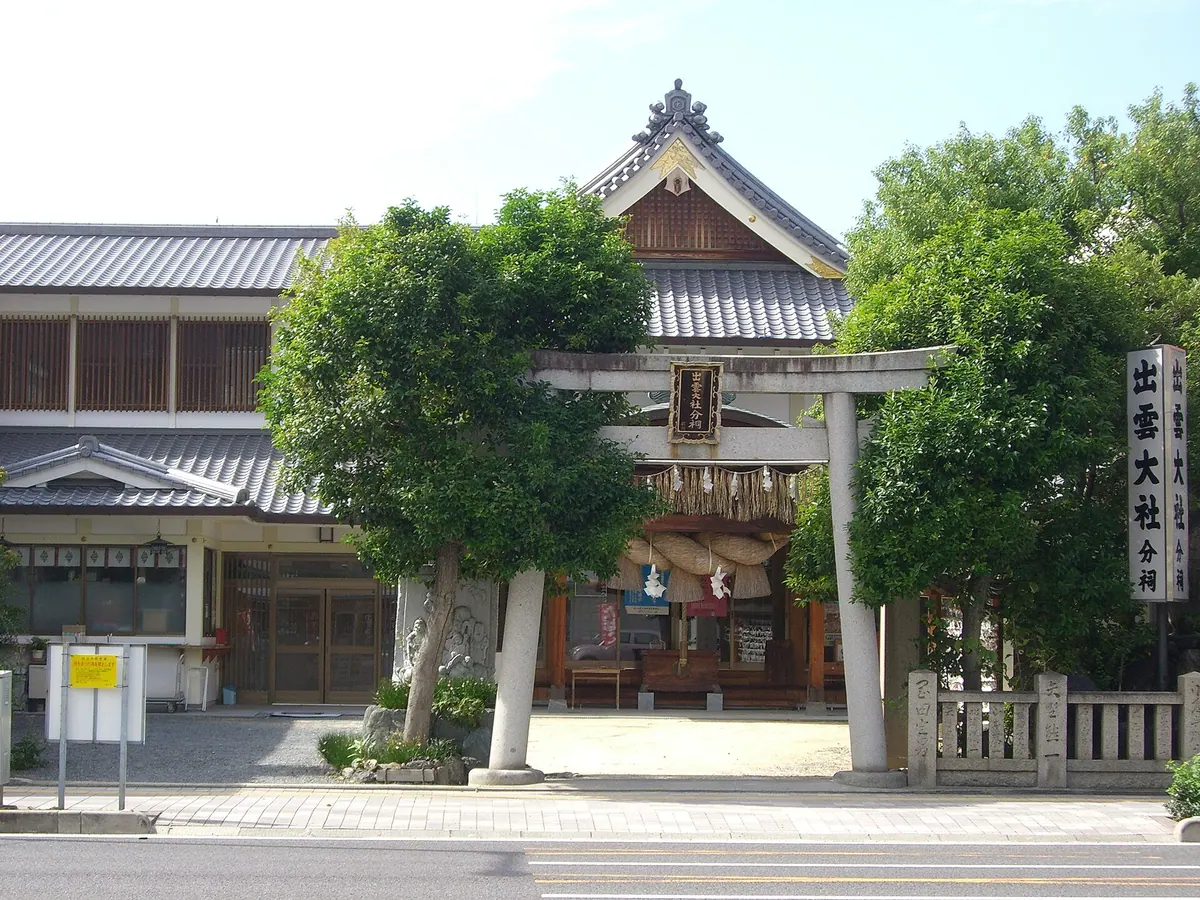
A branch of Izumo Taisha, this shrine offers a spiritual connection and unique pilgrimage stop.
What it is
- A Shinto shrine in Matsuyama City, Ehime Prefecture.
- A branch of Izumo Taisha in Shimane Prefecture.
- Dedicated to the deity Okuninushi-no-Okami.
- Founded in 1876 with a spirit from Izumo Taisha.
What to see
- The worship hall, rebuilt in 1963.
- The shrine building, completed in 2001.
- It is the Daikokuten of the Iyo Shichifukujin pilgrimage.
Getting there
- Accessible from Honmachi 4-chome Station.
- Address
- 愛媛県松山市本町三丁目5-5 Map
20
Ōhama Hachiman Daijinja
EHIME · SHRINE 大浜八幡大神社
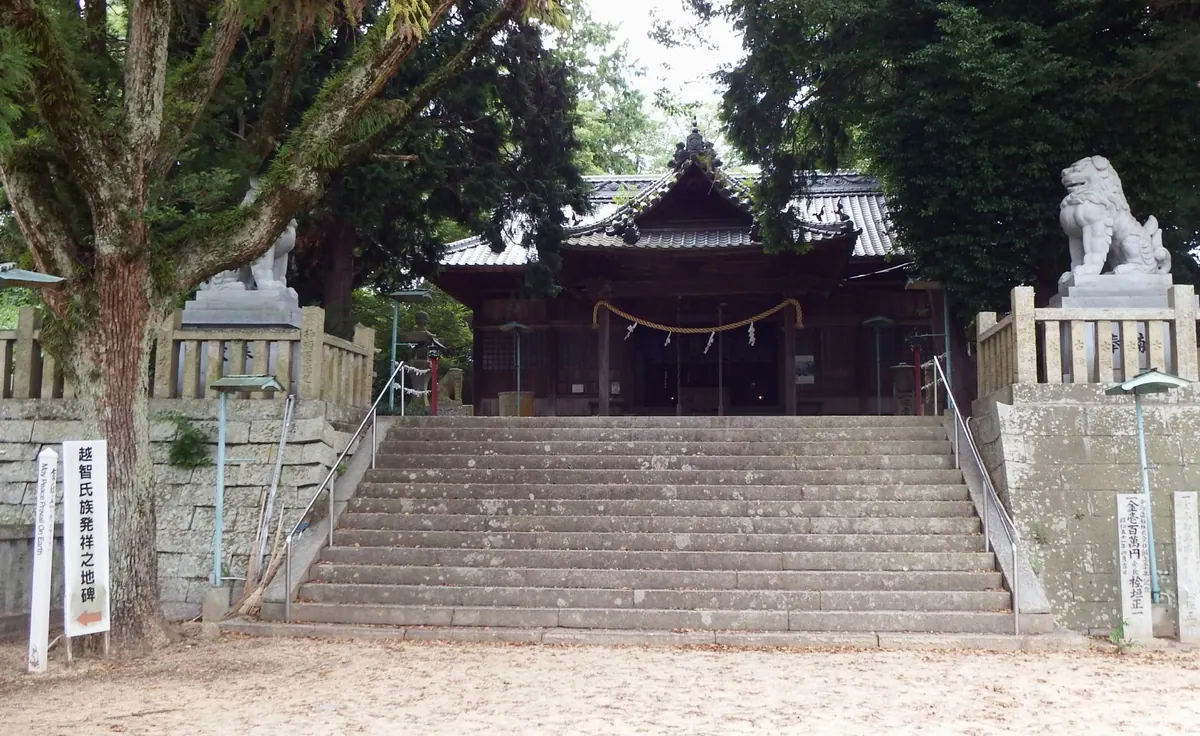
This historic shrine in Imabari City honors the Ochi clan and is part of a Japan Heritage site.
What it is
- A shrine in Imabari City, Ehime Prefecture.
- Founded by Ochi no Sukune Takanawa.
- Hachiman-shin invited from Usa Hachimangu in 859.
- Revered as the chief shrine of the Imabari domain.
What to see
- A 1524 building tag mentions the Murakami pirate clan.
- Statue of Ochi no Mikoto on the grounds.
- Monument to the origin of the Ochi clan.
When to go
- Annual festival held on the second Sunday of October.
- Address
- 愛媛県今治市大浜町3-1-9 Map